Part of the line Bubbleback, where it is set beside the others of its kind.
Oyster Perpetual Datejust (first Datejust)
The 4467 is the first Datejust, introduced in 1945 for Rolex's fortieth anniversary. It is a 36 mm 18 ct gold Oyster with a fluted bezel, a date window at 3 o'clock without a cyclops, and the five-piece Jubilee bracelet. Its large domed caseback gave it the nickname Ovettone. The word Datejust is not on the dial. It was planned as a numbered edition of 100, but standard production followed and about a thousand were made, to about 1949. It was replaced by the transitional 5030 and 5031. Collectors look first at the dial print, date wheel, hands and bracelet.
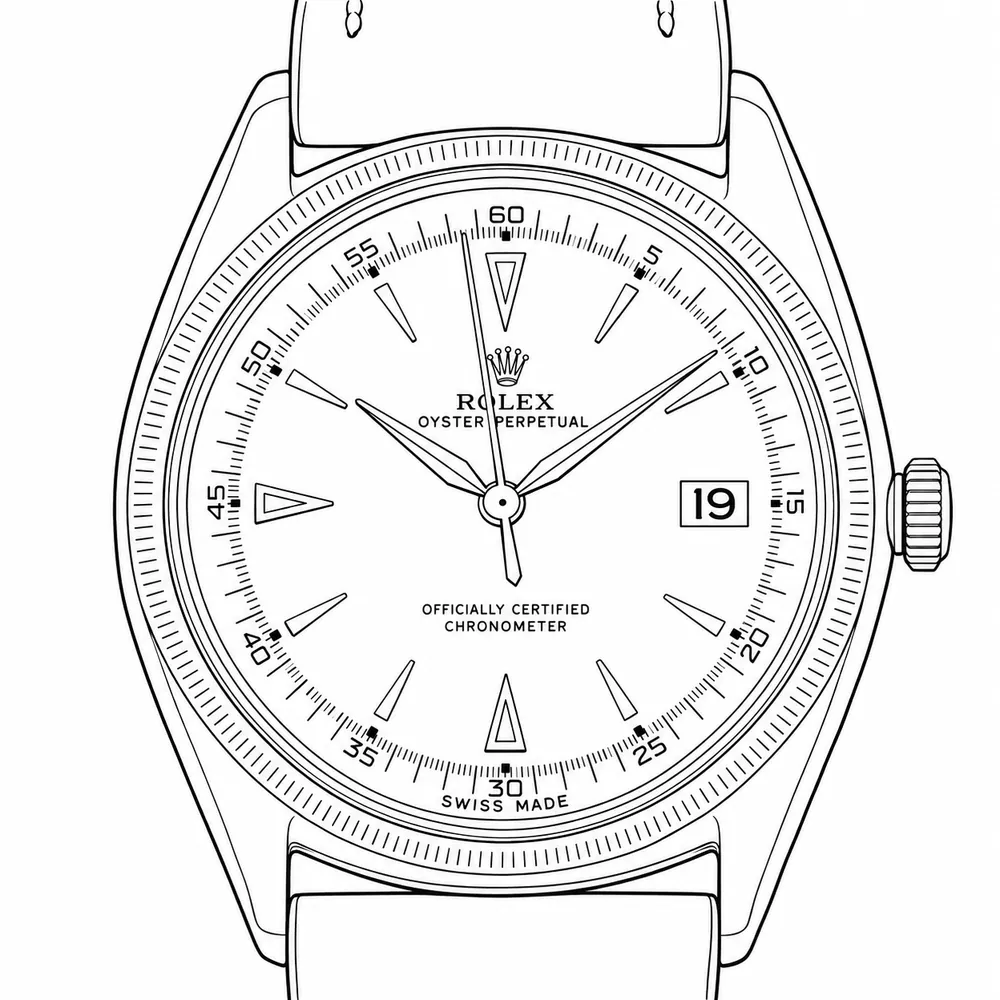
- Made
- 1945–1949dates approximate
- Seen in the library
- 1946–1947by case numbers
- Case
- 36 mm · goldas sellers state
- Movement
- Calibre 710, A295automatic
- On record
- 38 listings112 photographs · 15 holders
Components
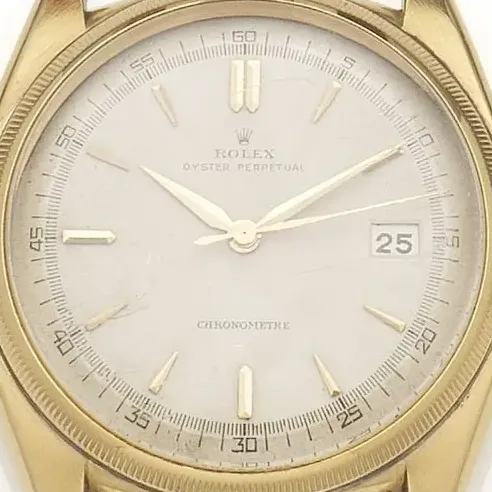
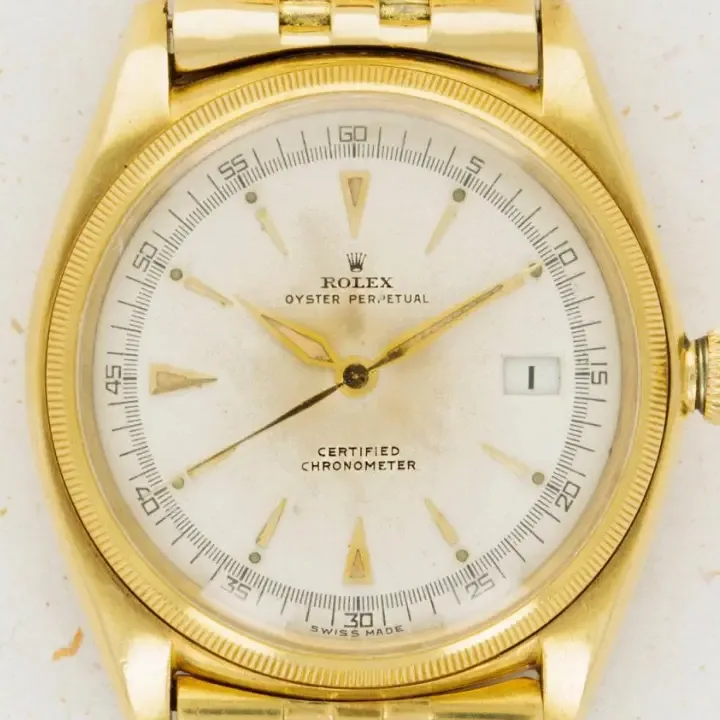
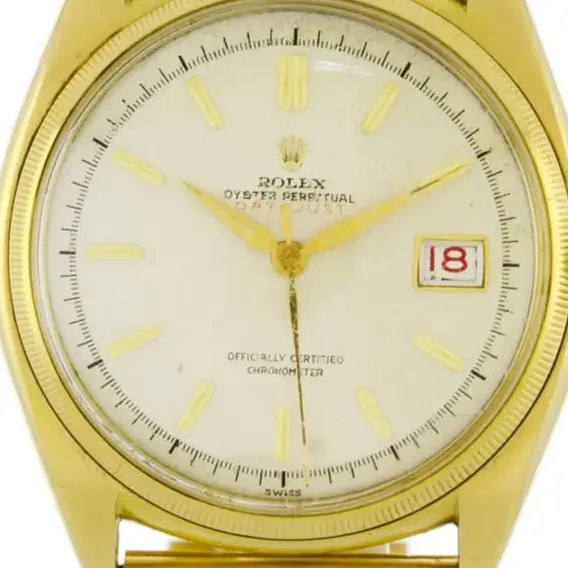
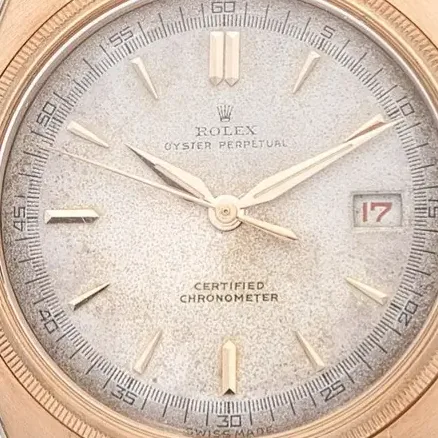
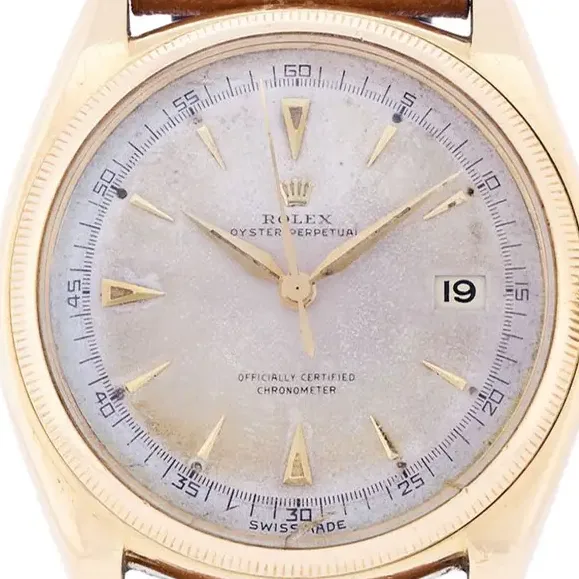
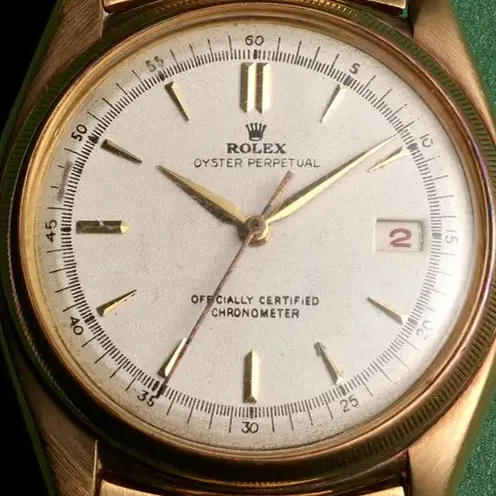
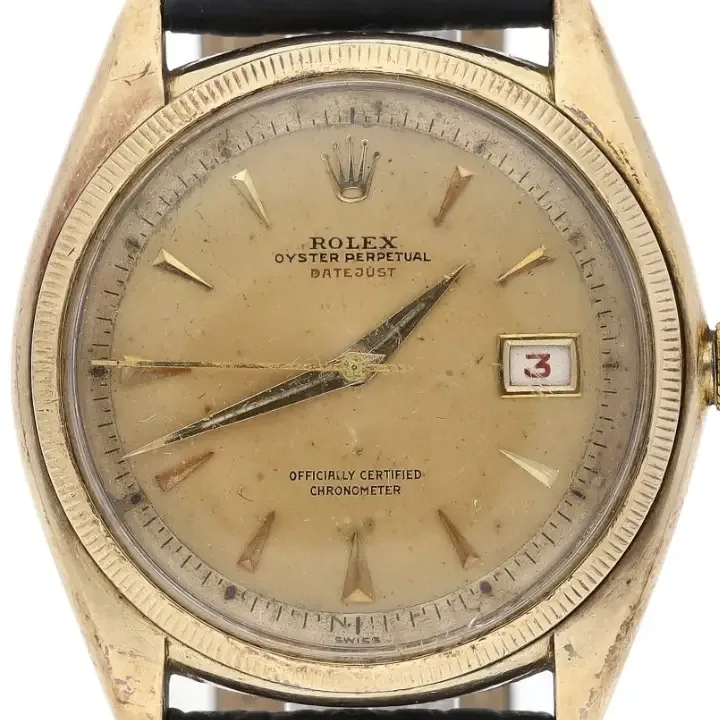
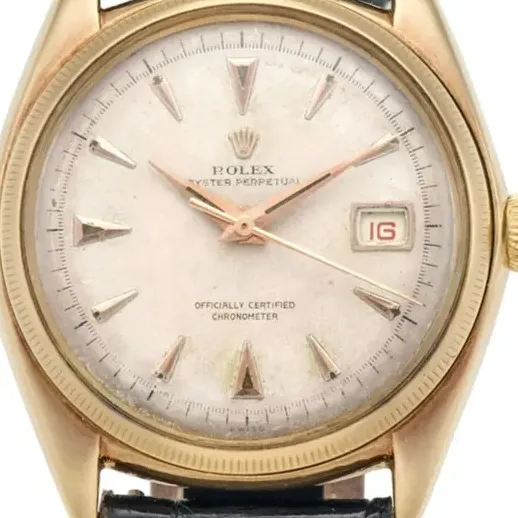
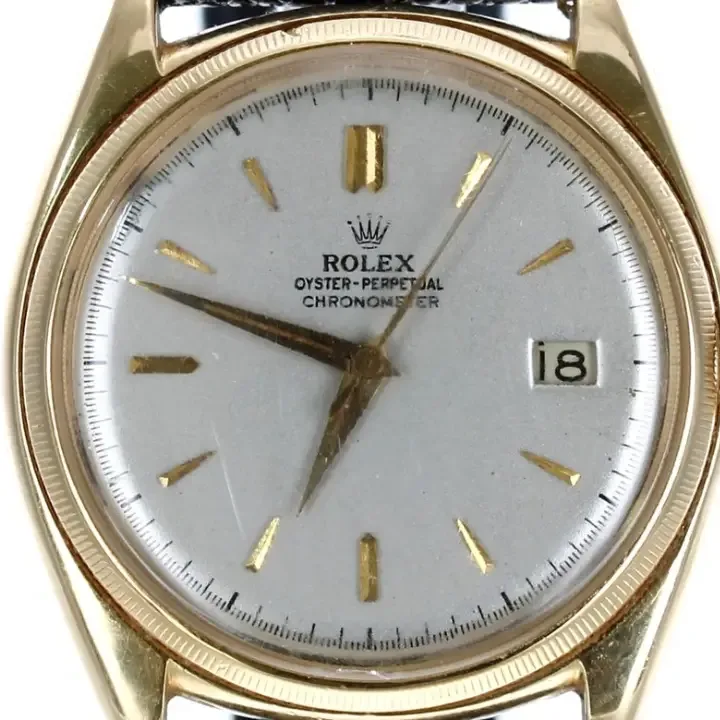
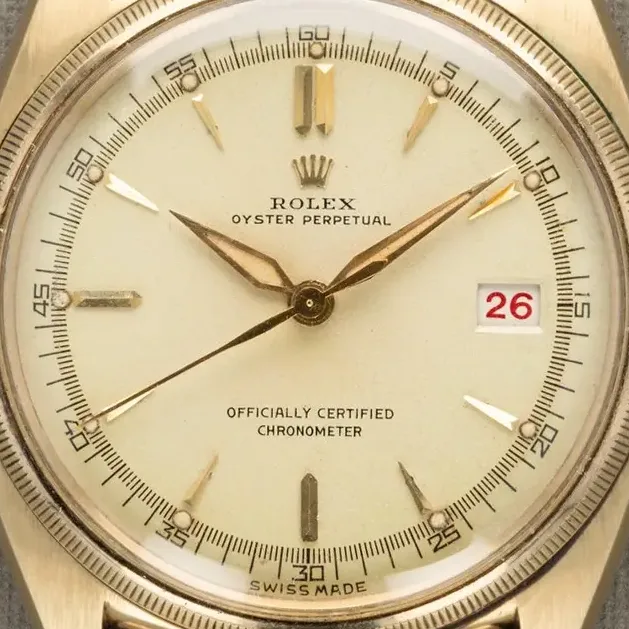
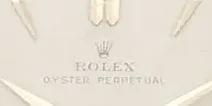
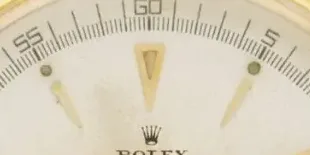
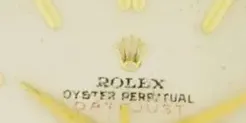
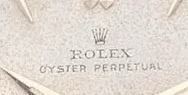
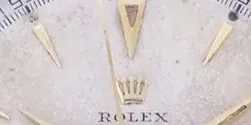
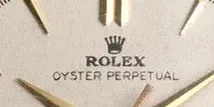
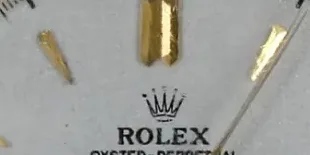
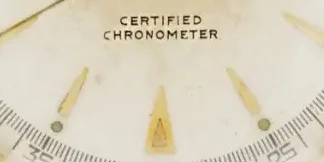
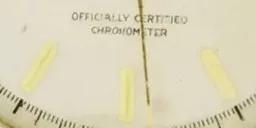
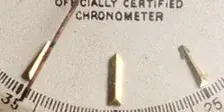
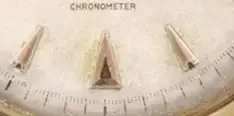
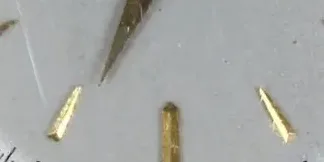
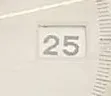
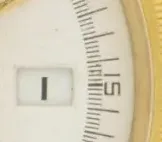
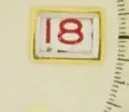
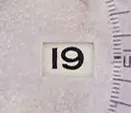
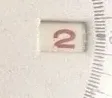
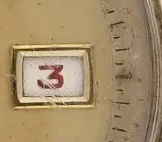
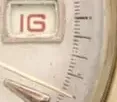
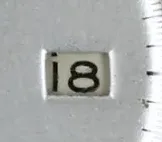
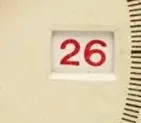
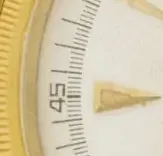
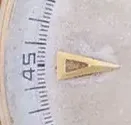
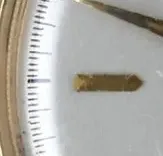
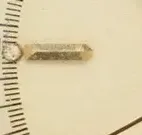
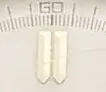
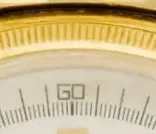
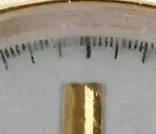
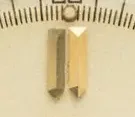
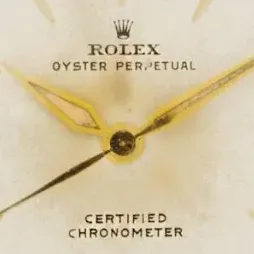
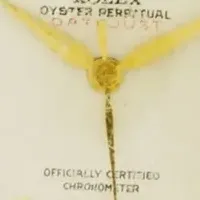
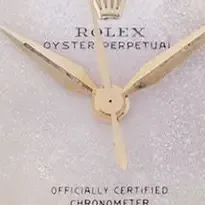
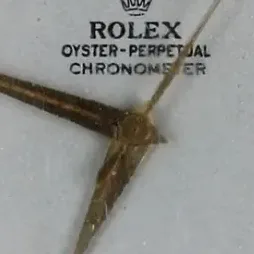
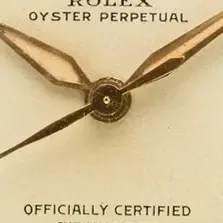
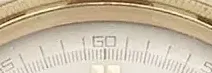
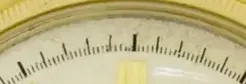
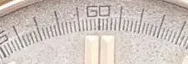
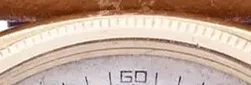
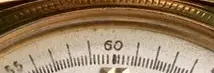
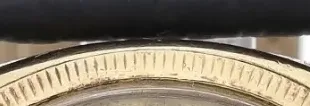
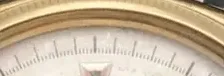
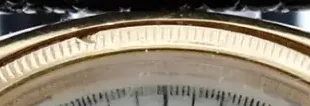
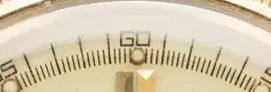
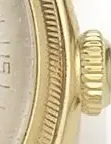
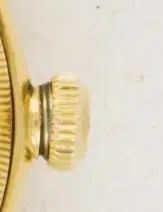
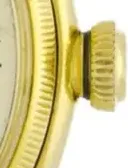
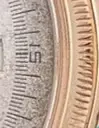
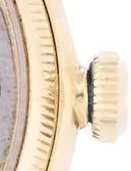
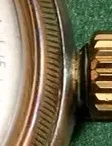
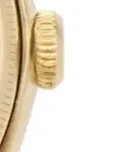
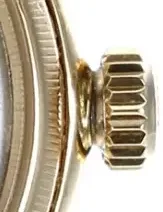
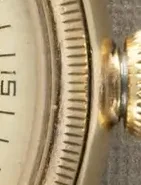
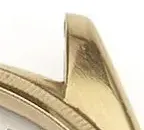
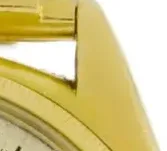
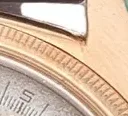
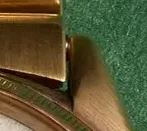
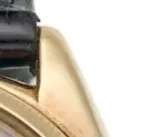
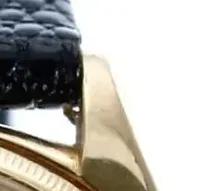
10 watches, oldest first, each straightened and cut the same way so that one row shows one component across them all. Chosen from 112 photographs on file for sharpness and for a face typical of the reference. A year marked c. is one its holder gives only roughly. Each picture is a detail cut from a listing photograph. Select the small mark in its corner for its year, its holder, a link to the listing it came from, and a way to report it.













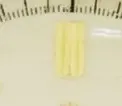

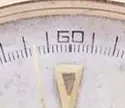
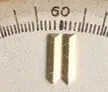

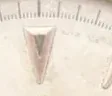











Chronology
Published accounts give 1945 to 1949; the earliest case numbers would normally point to 1946, though the first batch was meant for delivery in December 1945.
Every dated variant: what is written, and what the records show
For the reference the marks are every dated watch; for a variant, the watches a seller names as that variant, so a variant sellers do not name has none.
The reference's own marks are dated by case number. A variant's marks use the year each seller states, so a variant can show watches in a year where the row for the reference shows fewer, or none.
Specification
| Case | 36 mm 18 ct yellow gold Oyster case, rose gold also recorded; domed Big Bubbleback caseback |
| Bezel | Fluted, coin-edge |
| Dial | Off-white or black; gold dagger markers; minute track with Arabic numerals; Chronometre above 6 o'clock |
| Hands | Gold alpha hands with radium |
| Date | Window at 3 o'clock without cyclops |
| Movement | Self-winding chronometer, calibre given variously as 710, A295 and 740 |
| Bracelet | Five-piece Jubilee bracelet in 18 ct gold with straight end links |
| Water resistance | 100 metres |
Dial 4 described
The dial is off-white or black, with applied gold dagger markers, a minute and seconds track with Arabic numerals at the edge, and Chronometre above 6 o'clock. Rolex and Oyster Perpetual are printed below 12 with a coronet. Datejust is not on the dial; it first appears on a few dials from about 1950 and generally from about 1954, on the 6105.
Chronometre dial
Chronometre is printed above 6 o'clock. Later dials of this reference read Certified Chronometer in that place.
- Chronometre above six
Off-white or silver dial
The usual dial colour, ageing to a cream patina. Sellers say white or silver about equally.
- cream patina
- dagger markers
Black dial
A black dial is recorded, rare, in rose gold with a white date window and red print.
Dial without lume
Dials without luminous material were also an option.
Hands 1 described
The hands are gold alpha hands with radium inserts, described by other accounts as leaf-shaped.
Alpha hands
Gold alpha hands with radium inserts, with a gold dagger-marker dial. Safer tritium lume was not yet in use.
- leaf-shaped gold hands with lume
Bezel 1 described
The bezel is fluted, with a coin-edge look.
Fluted coin-edge bezel
A fluted gold bezel is described. The 5030 that follows has a smooth bezel and the 5031 an engine-turned one.
- fine fluting
Case 5 described
The case is 36 mm in 18 ct gold with a domed caseback. The batches can be separated by case number, and the reference and case number were still stamped inside the caseback.
Big Bubbleback caseback
The calibre needed a deeper, domed caseback than the common Bubbleback Rolex of the time, which gave the nickname Ovettone, big egg. The 5030 and 5031 keep it.
- large domed caseback
Numbered Tribune de Genève edition
case numbers 387.6XX
The first batch carries an edition number from 1 to 100 stamped between the lugs. It is said to have been sold through a promotion with a Swiss newspaper, though the claim lacks firm proof for every watch. Only a few are known on the market.
- edition number between the lugs
Standard production batches
case numbers 460.43X to 651.6XX
Case numbers of about 460.43X to 460.60X and 518.32X to 518.87X in 1946, 598.13X to 598.19X (apparently rose gold only) and 602.72X to 603.42X in 1947, then about 646.0XX and 651.6XX in 1948.
Left-hand version
A version with the crown at 9 o'clock was made.
- crown on the left
Rose gold
Rose gold cases are recorded alongside yellow gold, one with a black dial.
Date 3 described
The date window is at 3 o'clock without a cyclops. The date changes slowly towards midnight rather than instantly, which was improved later. Date wheels differ by batch.
Black-print date wheel
The first batches have black print on the date wheel.
- black numerals in a white window
White window with red print
Virtually all dials from 1945 to 1947, after the first batches, had a white date window with red print.
- red numerals
Roulette date wheel
Even days in red and odd days in black, common soon after. Many sellers describe a roulette wheel.
- red and black numerals
Movement 1 described
The movement is a self-winding chronometer, a large calibre needing the domed caseback. Accounts name it differently.
Early self-winding calibre
Named in published accounts as 710, A295 or 740, and by sellers as 710 or A295. The accounts do not agree.
Bracelet 1 described
The five-piece Jubilee bracelet was new with this watch and was made for it.
Jubilee bracelet
A five-link bracelet in 18 ct gold with straight end links, in the original layout. It was offered as an alternative to two straps with gold buckles. Several of the library's watches are on a Jubilee.
- five-piece links
- straight end links
Originality
- The watch was first offered either with two straps and gold buckles or with the gold Jubilee bracelet with straight end links, so a watch on a strap has not necessarily lost its bracelet.
- Alpha hands, dagger markers and the outer minute track are the combination described for this reference.
- The date wheel varies by batch, so a roulette or red wheel is not itself a replacement.
Names
- Ovettone. Italian for big egg, from the large domed caseback.
- Big Bubbleback. The caseback is larger than the ordinary Bubbleback of the 1940s.
- Pre-Datejust. The model name was not printed on the dial.
- Tribune de Genève. The numbered first batch is said to have been sold through a newspaper promotion.
Where accounts differ
Points on which the published literature and the library's own records do not agree, or on which the literature contradicts itself.
- Calibre. One account names the movement as 710, another as A295 and a third as 740 (and a picture caption there as 3730). Sellers in the library's records give 710 or A295.
In the records
Counted from 38 listings at 15 holders between 24 April 2008 and 14 November 2026. These are what sellers and auction houses state, not measurements.
Case metal
| Gold, any colour | 29 | |
| Yellow | 9 | |
| Pink | 3 | |
| Colour not stated | 17 |
A listing that says "gold" or "18K gold" names no colour: it is counted under "colour not stated", not as yellow gold.
Dial colour
| Silver | 5 | |
| White | 5 | |
| Black | 1 |
Case size
| 36 mm | 24 | |
| 35 mm | 5 | |
| 28 mm | 1 |
Calibre named
| A295 | 4 | |
| 710 | 3 |
Bracelet or strap
| Leather strap | 9 | |
| Jubilee bracelet | 5 | |
| Metal bracelet, kind not stated | 4 |
Each table counts the listings that state the thing, in the seller's own terms. A size, metal, colour or calibre that cannot belong to this reference is a seller's slip or a listing filed under the wrong number.