Datejust (Ovettone, Big Bubbleback)
The 6305 is an early automatic Datejust in a 36 mm Oyster case, made from 1953 to about 1956. It is called the Ovettone or Big Bubbleback because the rounded caseback makes room for the tall rotor of the A296 movement. It has a roulette date wheel with red and black numerals and, on most examples, a Cyclops lens over the date, a feature that arrived while the reference was in production. It came in steel, two-tone and solid gold. The 6605 replaced it. Collectors look first at the dial, which ranges from plain silver to textured honeycomb, and at the bezel, the date wheel and the movement.
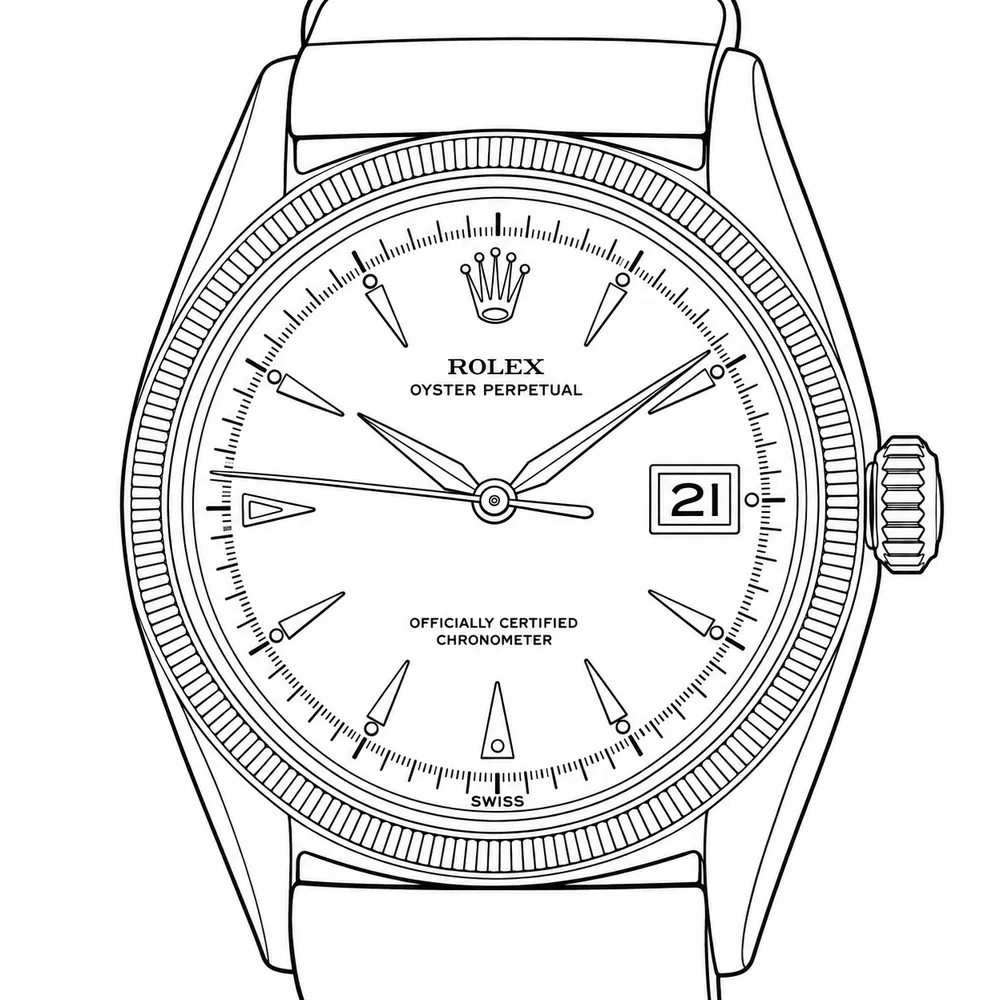
- Made
- 1953–1956dates approximate
- Seen in the library
- 1952–1956nine in ten in 1952–1955 · by case numbers
- Case
- 36 mm · gold (59%), steel (40%)as sellers state
- Movement
- Calibre A296, 775automatic
- On record
- 121 listings457 photographs · 34 holders
Components
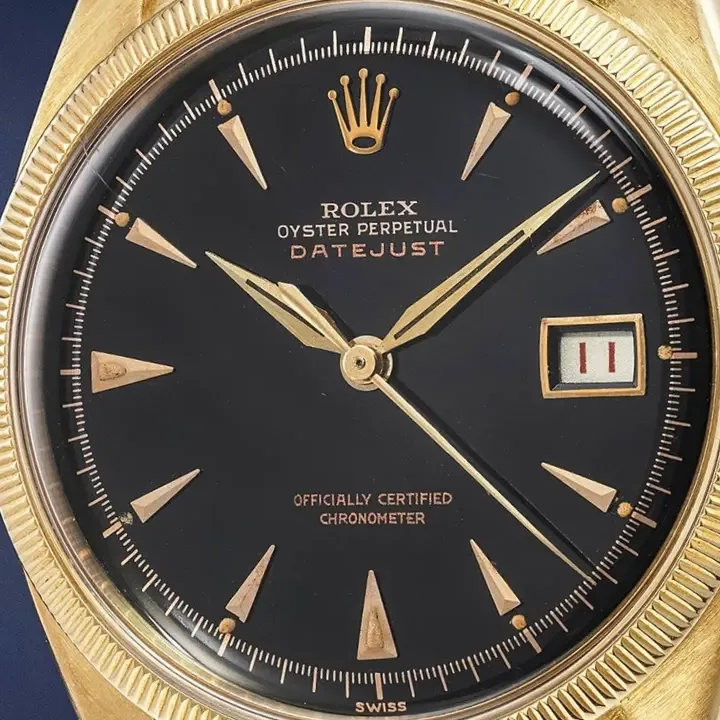
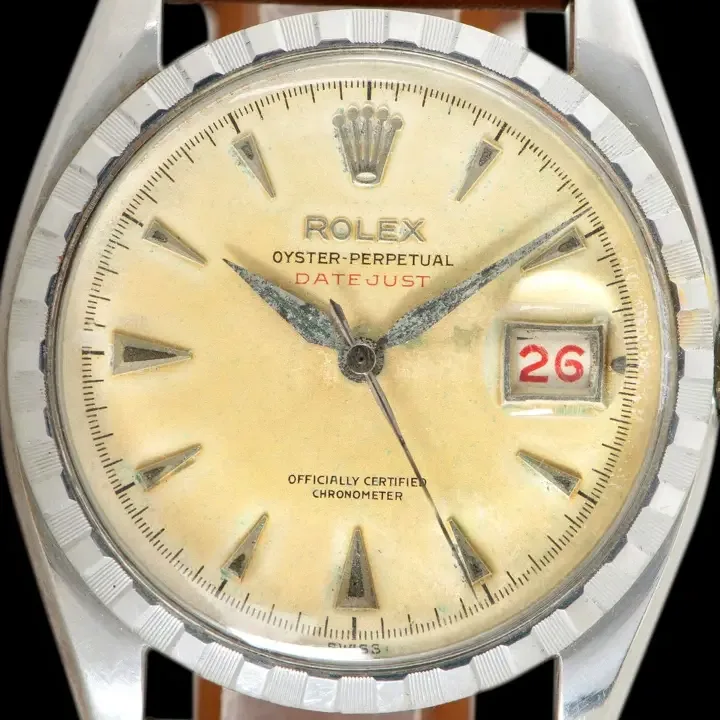
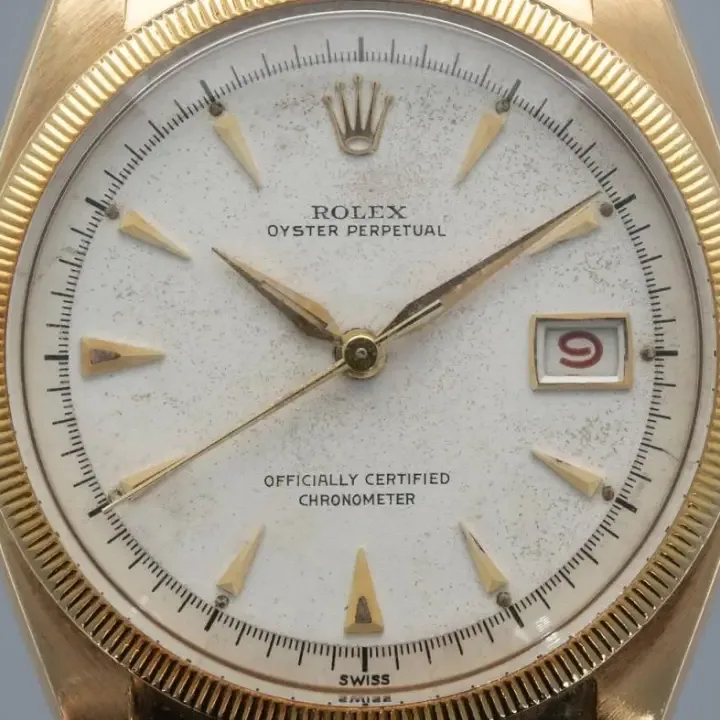
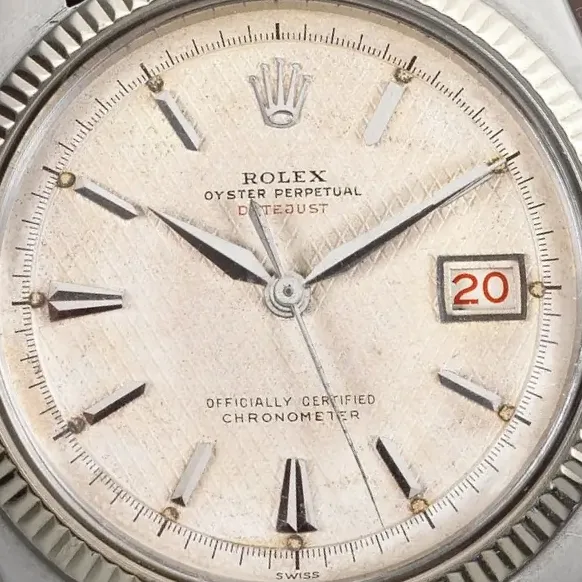
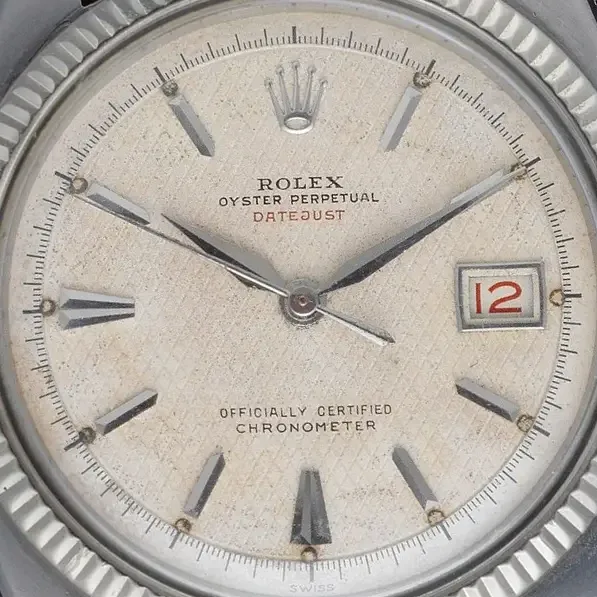
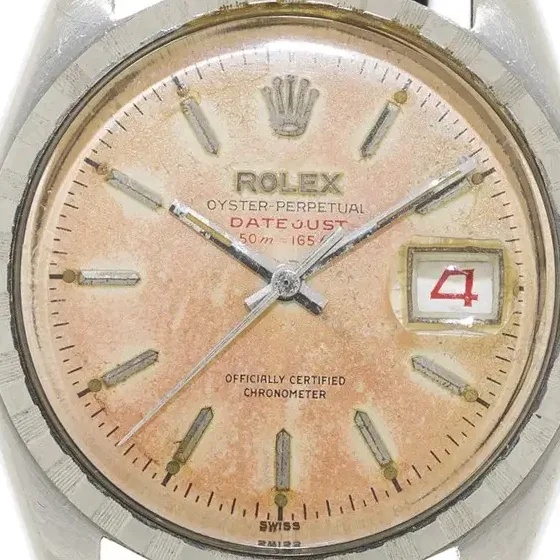
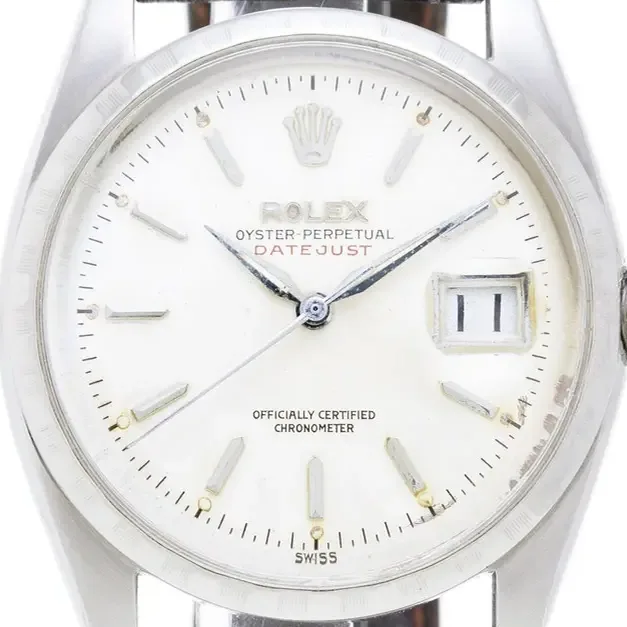
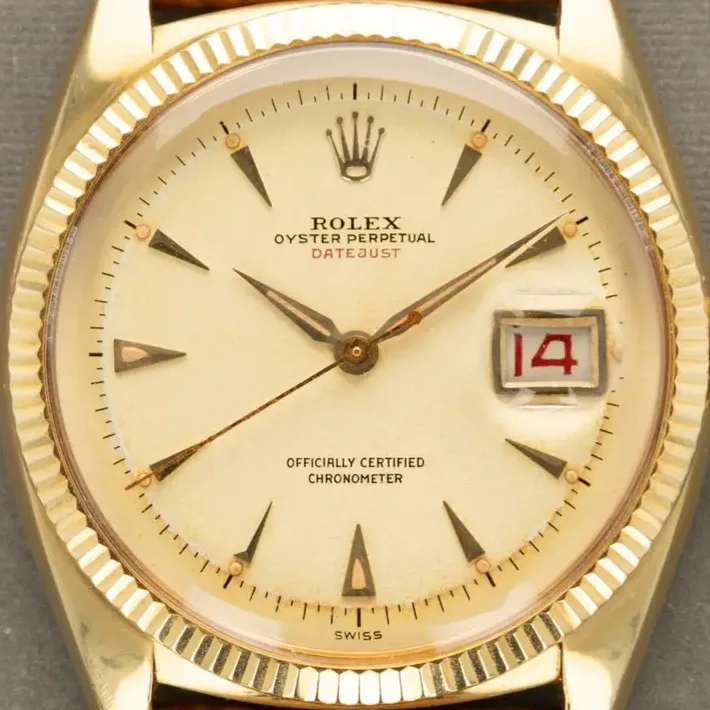
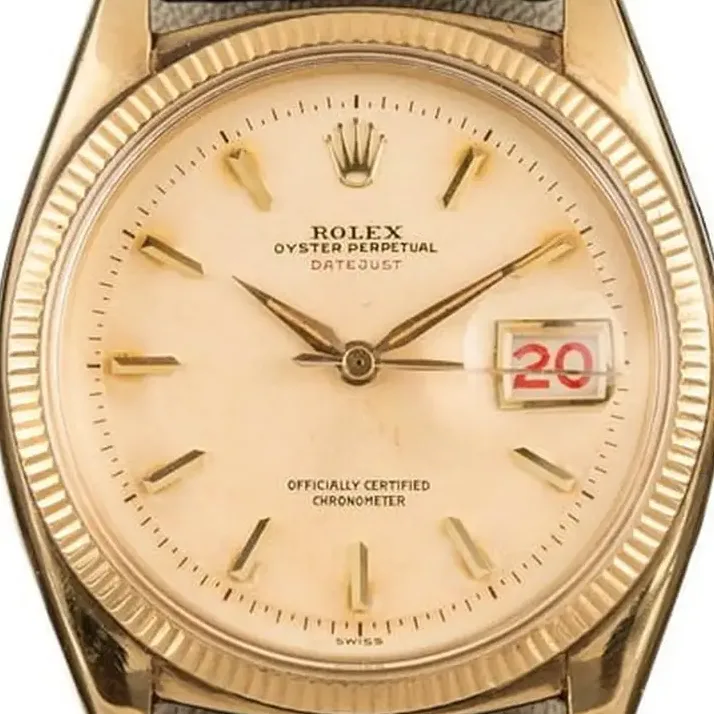
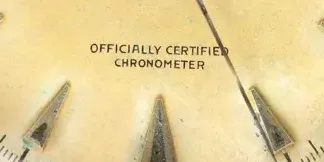
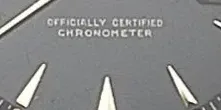
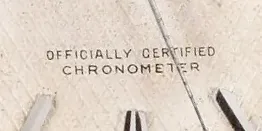
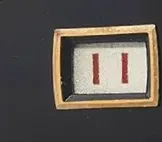
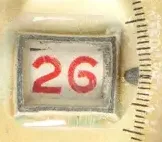
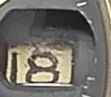
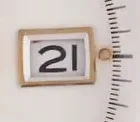
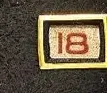
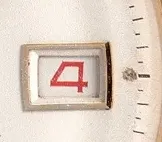
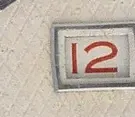
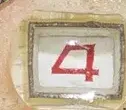
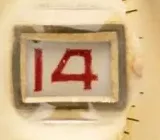
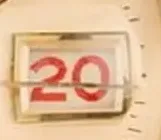
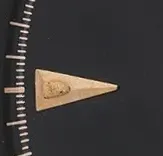
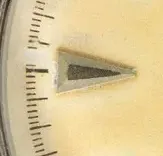
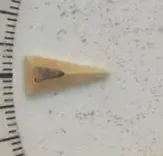
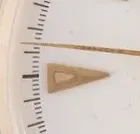
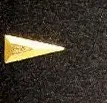
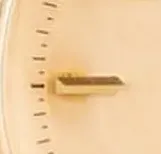
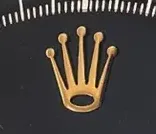
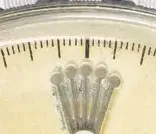
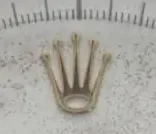
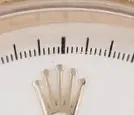
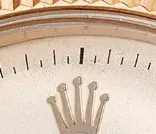
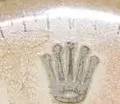
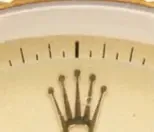
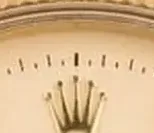
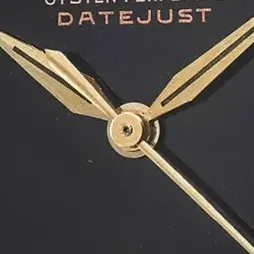
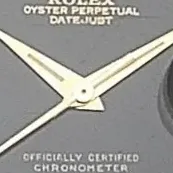
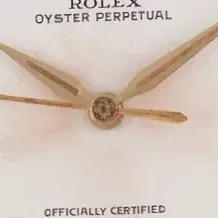
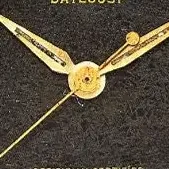
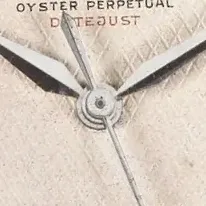
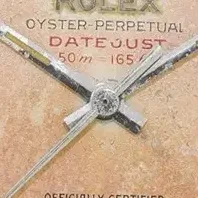
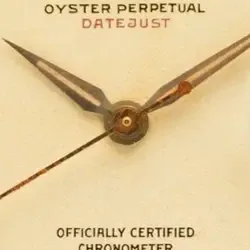
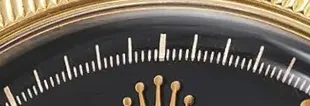
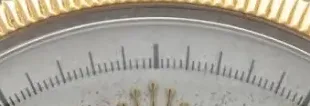
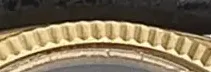
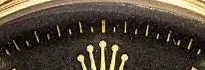
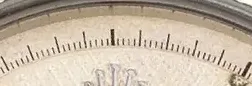
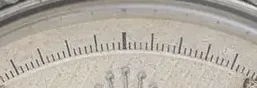
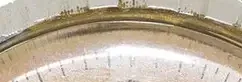
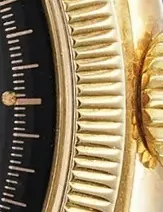
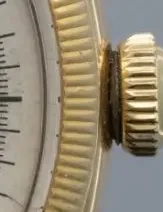
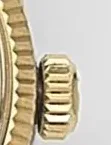
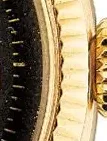
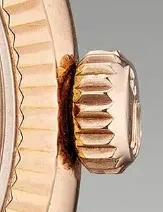
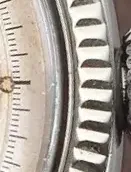
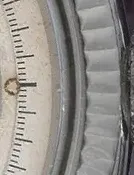
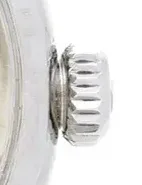
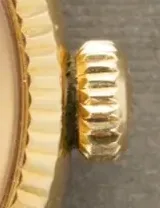
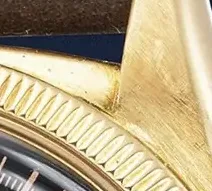
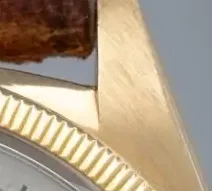
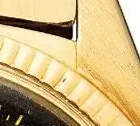
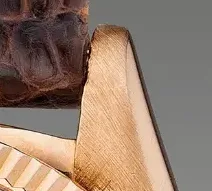
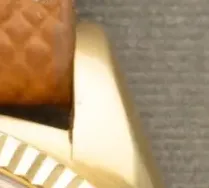
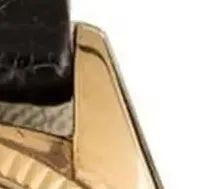
13 watches, oldest first, each straightened and cut the same way so that one row shows one component across them all. Chosen from 457 photographs on file for sharpness and for a face typical of the reference. A year marked c. is one its holder gives only roughly. Each picture is a detail cut from a listing photograph. Select the small mark in its corner for its year, its holder, a link to the listing it came from, and a way to report it.
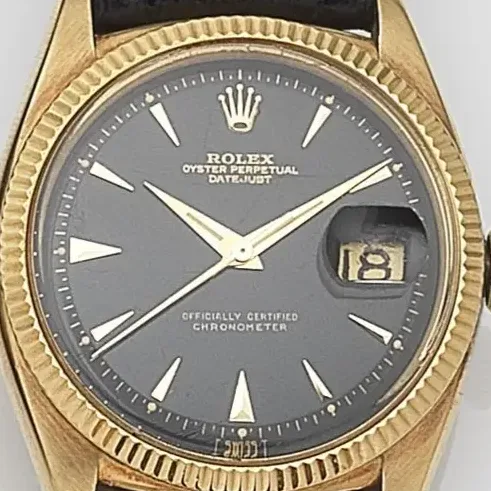
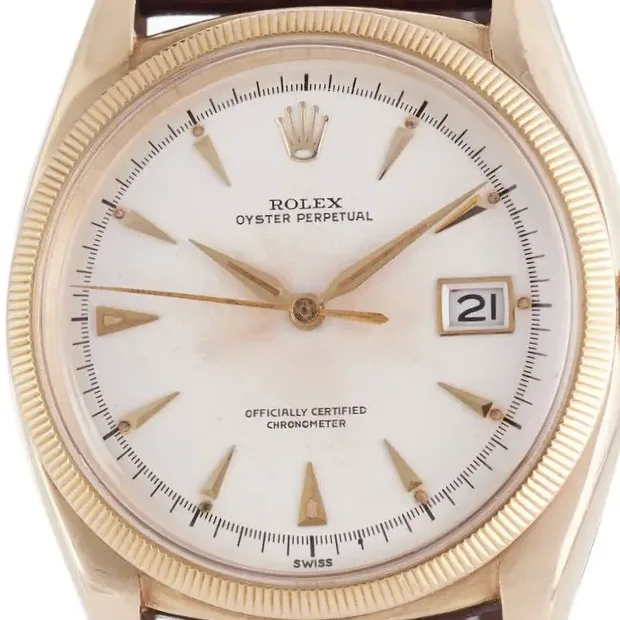
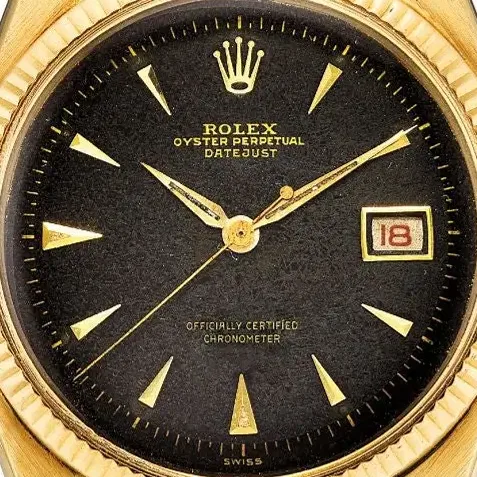
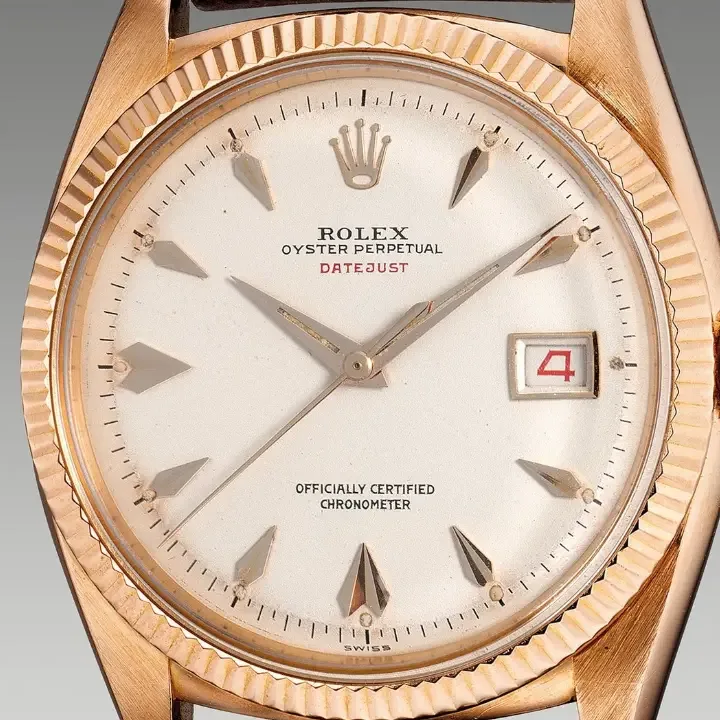























































Chronology
Published accounts give 1953 to 1956; the library's case numbers run from 1952 to 1956.
Specification
| Case | 36 mm Oyster case in steel, two-tone steel and gold, or solid 18k yellow, pink or white gold; rounded bubble caseback, deeper than later Datejusts |
| Crystal | Acrylic, with a Cyclops lens on most examples |
| Bezel | Fine coin-edge fluted, later wider fluted; engine-turned and smooth domed bezels are also recorded |
| Dial | Date at three o'clock; roulette date wheel; arrow or dagger hour markers; many finishes |
| Movement | Rolex automatic bubble-back calibre A296; 775 and 745 also recorded |
| Bracelet | Jubilee is usual; riveted Oyster and leather strap also recorded |
| Water resistance | Oyster case with screw-down crown |
Reference 3 described
The Datejust itself dates from 1945, when it was the first automatic wristwatch to show the date in a window. The 6305 is one of the early references of the line with the rounded caseback, and is sold with suffix numbers such as 6305-1 and 6305-2 whose meaning the literature does not explain.
6305
The plain reference number, found on most examples.
- 6305 on the case
6305-1
A suffixed number found on gold and steel watches in sellers' descriptions. Dated watches so described fall mostly between 1953 and 1955.
- 6305/1 or 6305-1 in the caseback
6305-2
A suffixed number found on watches in sellers' descriptions, with the red Datejust text. Dated watches so described fall mostly between 1954 and 1956.
- 6305/2 or 6305-2
Dial 8 described
The dials are the main interest. Silver is the commonest colour in the library's records, but black, cream, white, brown and others occur, and textured dials are much sought. No published account dates the individual styles, so a dial is judged for its overall originality.
Honeycomb or waffle dial
A textured dial whose surface is stamped in a honeycomb pattern, found in black and in white. The printing on such dials is noted for being crisp despite the uneven surface. Sellers also write hobnail and honeycomb.
- stamped honeycomb texture
- sharp printing
Black lacquer or galvanic dial
A black glossy dial, often with gilt print or diamond-set markers.
- glossy black surface
- gilt lettering
Diamond-set markers
Some dials in gold cases carry diamond hour markers. Sellers record them from watches in white, yellow and pink gold.
- diamond-set indices
Arrow and prism markers
The hour markers are arrow-shaped, and the quarter markers at six and nine are double triangular prisms. A raised outer minute track and an applied Rolex coronet at twelve complete the design.
- arrow-shaped markers
- double prisms at six and nine
- applied coronet
Pie-pan finish
A finish whose outer part slopes towards the edge, recorded by sellers. Dated watches so described fall mostly between 1954 and 1955.
- sloping edge to the dial
OCC chronometer text
A dial inscription of Officially Certified Chronometer, said to be found only on early Rolex examples.
- OFFICIALLY CERTIFIED CHRONOMETER text
Red Datejust text
The word Datejust is printed in red on some dials, a feature said to set them apart from standard production. Dated watches so described fall mostly between 1953 and 1956.
- Datejust in red
Retailer signature
Dials signed by a retailer in Venezuela, Serpico y Laino, are recorded, as are other retailer names. One dial is double-signed.
- retailer name on the dial
Luminous material 1 described
Luminous dots on the dials are radium; only a few watches in the records state it.
Radium
Dated watches so described fall mostly between 1953 and 1954.
- small lume dots at the edge of the dial
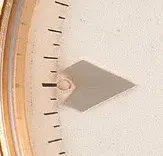
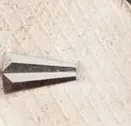
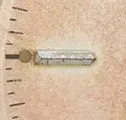
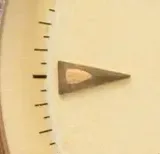
Hands 2 described
The records name two styles of hand.
Alpha hands
Dated watches so described fall mostly between 1953 and 1955.
- Alpha-shaped hands
Dauphine hands
Sellers describe some watches with dauphine hands.
- dauphine-shaped hands
Bezel 5 described
The bezel changed in the middle of the 1950s from a fine coin-edge fluting to a wide fluting. The records show fluted bezels in the majority, with engine-turned and smooth domed bezels in smaller numbers.
Fine coin-edge fluted bezel
A finely fluted bezel with a coin-edge look, less showy than the later fluting. A watch of 1955 is cited as one of the last to have it. The change to the wide fluting is put in the mid-1950s.
- fine regular serrations
Wide fluted bezel
The later fluting, which became standard in the mid-1950s.
- broader grooves
Engine-turned bezel
Recorded in sellers' descriptions and for the 6305 and 6605 as a checkerboard pattern from about 1953 to 1959.
- checkerboard pattern
Smooth domed bezel
A few sellers' descriptions record a smooth domed bezel. Dated watches so described fall mostly between 1954 and 1955.
- smooth domed bezel
White gold bezel
A white gold bezel is recorded on steel watches in sellers' descriptions.
- white metal fluted bezel
Case 3 described
The case is a 36 mm Oyster, deeper than later Datejust cases because of the bubble caseback, which gives a high seat on the wrist. Steel, two-tone and gold are all recorded.
Bubble caseback
The back is domed, to hold a tall rotor, and the shape gave the nickname Ovettone, Italian for big egg, and Big Bubbleback.
- domed caseback
Three-piece Oyster case
The Cyclops crystal is linked to a new three-piece Oyster case, 36 mm across.
- 36 mm case
Left-hand crown
A rare special-order version with the crown at nine o'clock, called Destro, is recorded around 1953 in steel, two-tone and gold. Very few were delivered.
- crown on the left side
Crown 2 described
The crown is screw-down. Sellers record two crown types.
Brevet crown
Dated watches so described fall mostly between 1954 and 1955.
- Brevet inscription
Twinlock crown
Recorded in a few descriptions. Dated watches so described fall in 1954.
- Twinlock marking
Crystal
The crystal is acrylic.
Date 3 described
The date is at three o'clock in a window framed in metal. The Cyclops magnifier was added during the run, so early 6305s lack it. The date wheel is the roulette type.
No Cyclops
The earliest watches were made without the lens, which came a little after the launch.
- flat crystal over the date
Cyclops lens
A lens on the crystal, magnifying by two and a half. It is put at about 1954, with the patent in early 1953; the Rolex press notice protecting it came in 1955.
- lens over the date
Roulette date wheel
Even dates in red and odd in black. Most watches in the records have it, and it was an early feature of the Datejust.
- red and black numerals
Movement 3 described
The movement is the bubble-back calibre A296. The records also name 775 and 745.
A296
The movement of the reference; it is a bubble-back automatic.
- rotor visible through the domed back
775
Named in some listings. Published accounts also use the number 775 for the A296 itself.
745
Named in a few records, and given in one account of the 6605 as the calibre of the 6305 it replaced; the accounts of the 6305 itself give A296.
Bracelet 2 described
A Jubilee bracelet is the usual one. A riveted Oyster is also recorded.
Jubilee bracelet
Dated watches so described fall mostly between 1953 and 1955. One watch carries a bracelet marked as made in the USA.
- five-piece links
Riveted Oyster bracelet
Dated watches so described fall in 1954.
- riveted links
Originality
- The dial is checked for later restoration, and the records include examples sold as restored.
- Mid-1950s examples have no modern slipping clutch in the winding, so they should be wound gently by hand and stopped at any resistance.
Names
- Ovettone. The rounded caseback gives the watch the look of a big egg in Italian.
- Big Bubbleback. The domed back holds the tall automatic rotor.
- Red Datejust. The word Datejust is printed in red on some dials.
Where accounts differ
Points on which the published literature and the library's own records do not agree, or on which the literature contradicts itself.
- Years of production. One account gives 1953 to 1956; another writes of 6305 models emerging during the 1960s. The library's case numbers run from 1952 to 1956, and some sellers date watches as late as 1960 to 1965.
- Date of the Cyclops lens. One account patents the lens in early 1953, another says it was added around 1954, and a third says it came after nearly a decade of Datejust production. Two accounts and another account put the first Datejust with the lens in 1953, the first of them with a patent filed in 1952.
- Calibre. Two accounts give calibre A296 for the 6305; another, writing on the 6605, calls the movement it replaced calibre 745.
Catalogue versions 2 listed
The full numbers under which holders list this reference, with what their listings say of each. Each has a page of its own.
| Version | Metal | Dial | Years seen | Records |
|---|---|---|---|---|
| 6305/2 | Steel | Silver | 1954–1956 | 6 |
| 6305/1 | Yellow gold or steel | Black or grey | 1954–1955 | 5 |
In the records
Counted from 121 listings at 34 holders between 26 June 1997 and 14 November 2026. These are what sellers and auction houses state, not measurements.
Fainter bars are the 2 outside the main run of 1952–1955 (the middle nine-tenths): the latest is 1956. They are early and late examples, and now and then a number misread.
Case metal
| Gold, any colour | 47 | |
| Yellow | 17 | |
| Pink | 16 | |
| White | 3 | |
| Colour not stated | 11 | |
| Steel | 32 | |
| Steel and gold | 1 |
A listing that says "gold" or "18K gold" names no colour: it is counted under "colour not stated", not as yellow gold.
Dial colour
| Silver | 14 | |
| Black | 6 | |
| Cream | 5 | |
| White | 5 | |
| Brown | 3 | |
| Red | 2 | |
| Orange | 1 | |
| Grey | 1 |
Case size
| 36 mm | 53 | |
| 35 mm | 5 | |
| 37 mm | 1 |
Calibre named
| A296 | 19 | |
| 745 | 7 | |
| 775 | 5 |
Bracelet or strap
| Jubilee bracelet | 18 | |
| Leather strap | 18 | |
| Oyster bracelet | 7 | |
| Metal bracelet, kind not stated | 6 | |
| Strap, kind not stated | 1 |
Each table counts the listings that state the thing, in the seller's own terms. A size, metal, colour or calibre that cannot belong to this reference is a seller's slip or a listing filed under the wrong number.