Autavia (screw-back case)
The 2446 is the first Heuer chronograph sold under a model name, the Autavia, introduced in 1962 in a 38 to 39 mm polished steel screw-back case with a rotating bezel and a Valjoux 72 hand-wound movement. It ran through six recognised executions, from the all-lume first execution to the thin-bezel fourth, and was followed from 1968 by the snap-back compressor case, listed separately as the 2446C. A two-register sister, the 3646, used the Valjoux 92. Collectors look first at the hands, the bezel width, the case-number batch and the dial print, because many later parts were fitted to earlier watches.
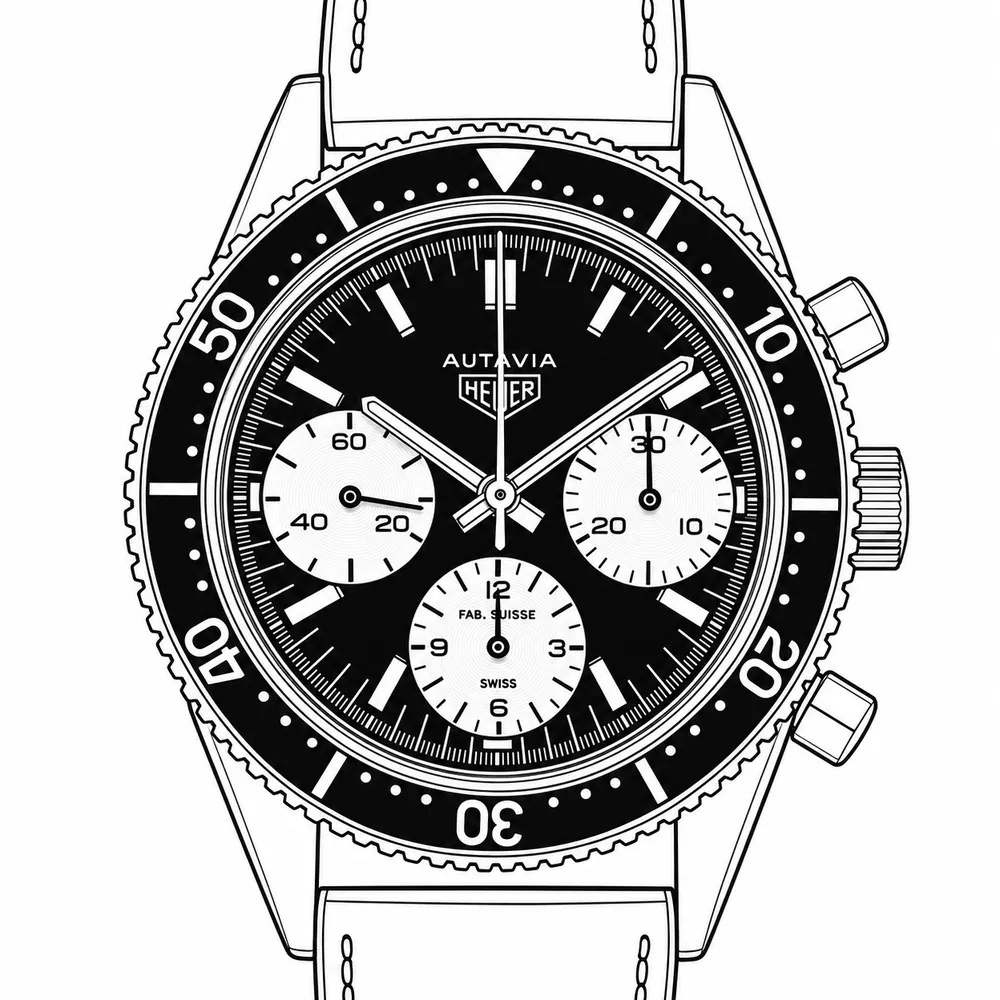
- Made
- 1962–1968dates approximate
- Seen in the library
- 1962–1971by years sellers state
- Case
- 39 mm · steelas sellers state
- Movement
- Calibre 72, 724hand-wound
- On record
- 79 listings163 photographs · 17 holders
Components
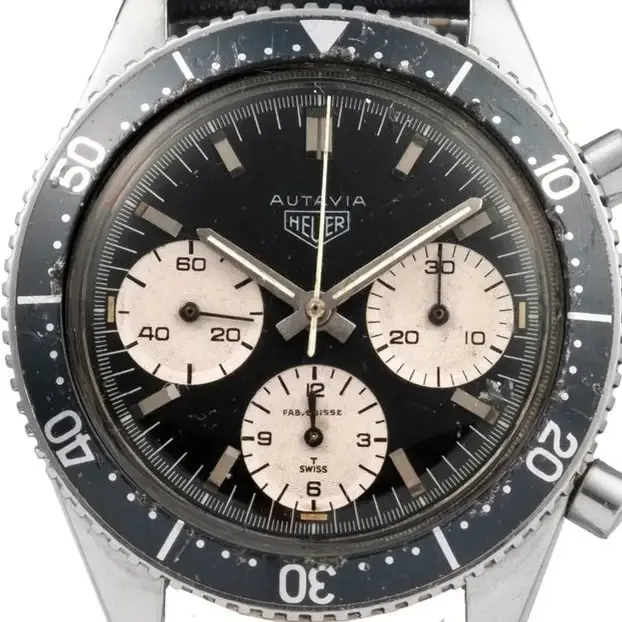
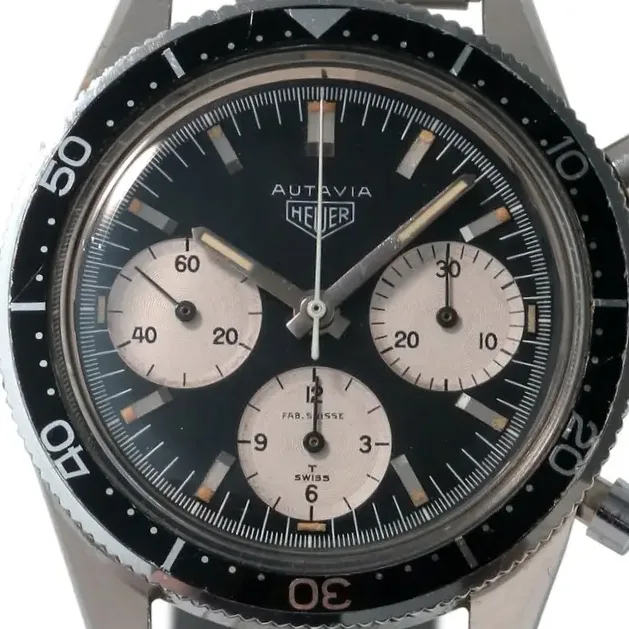
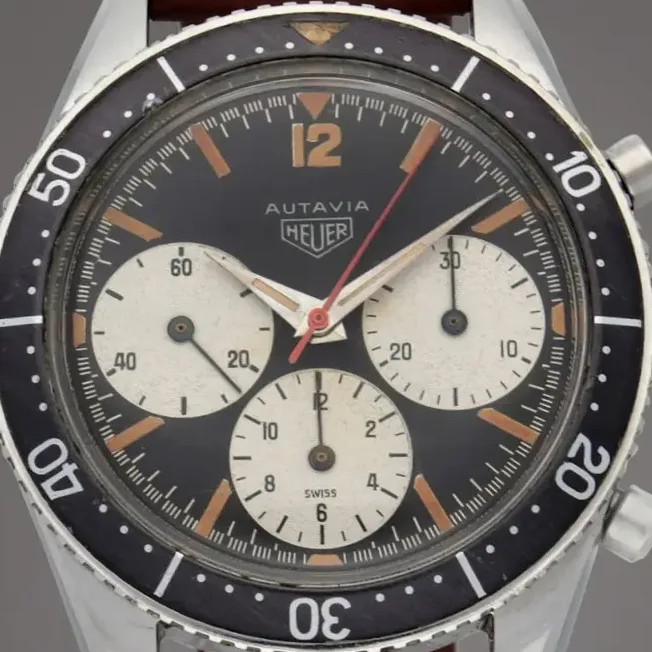
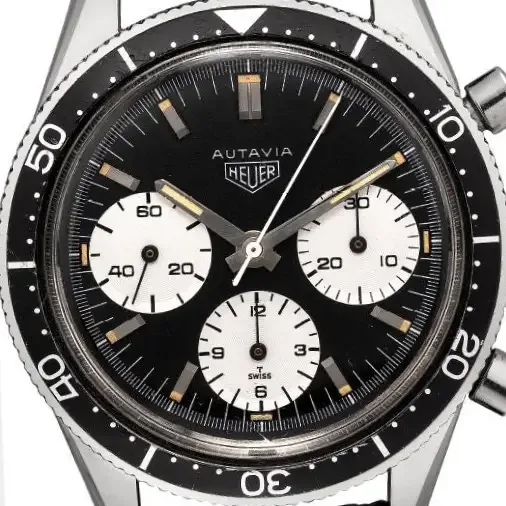
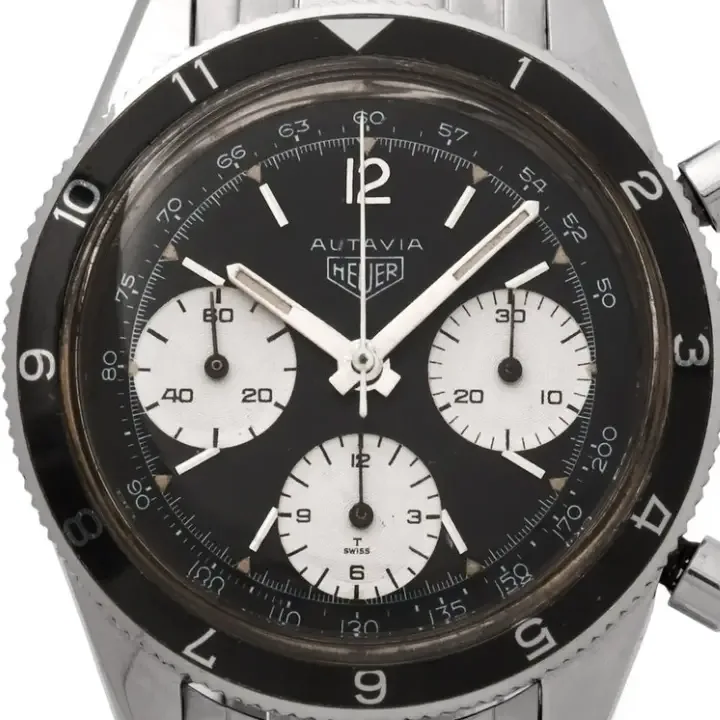
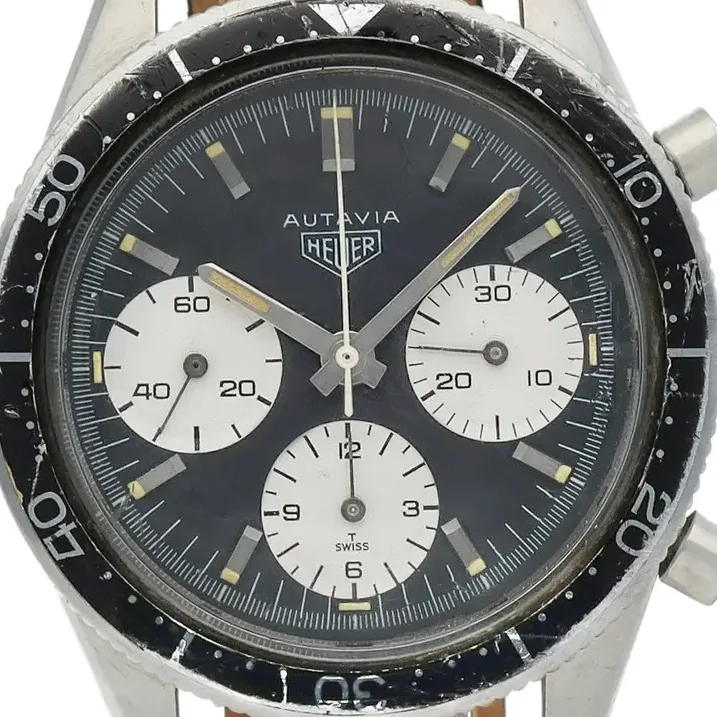
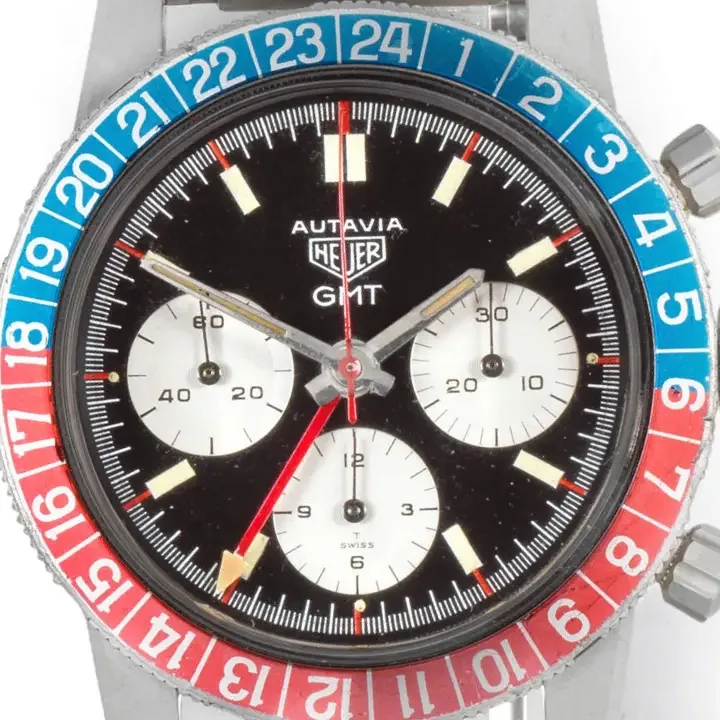
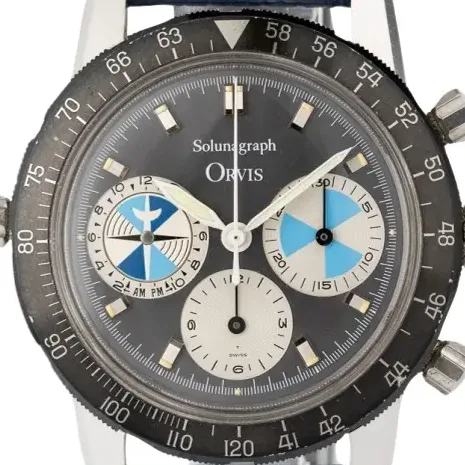
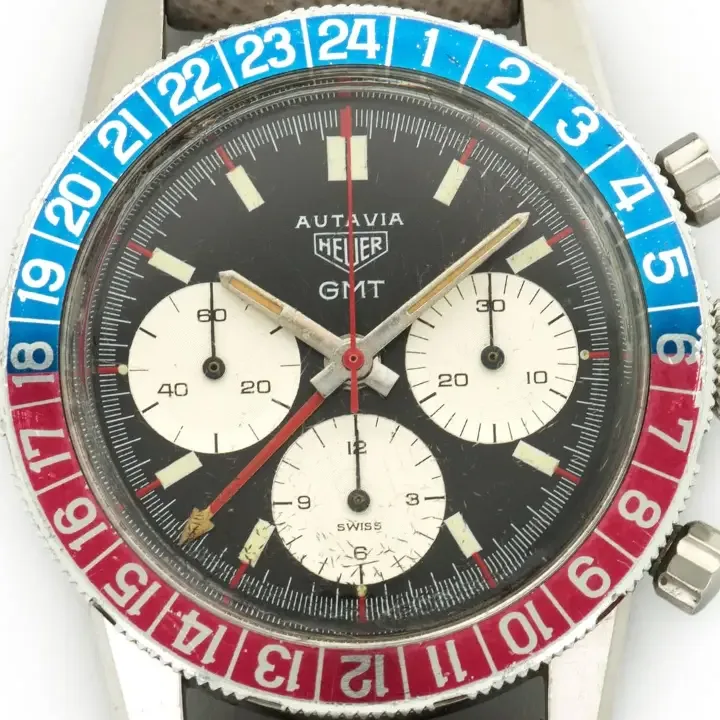
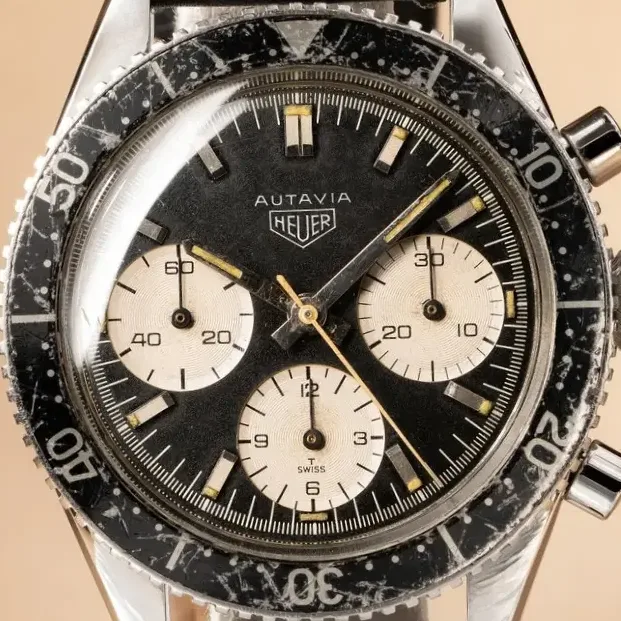
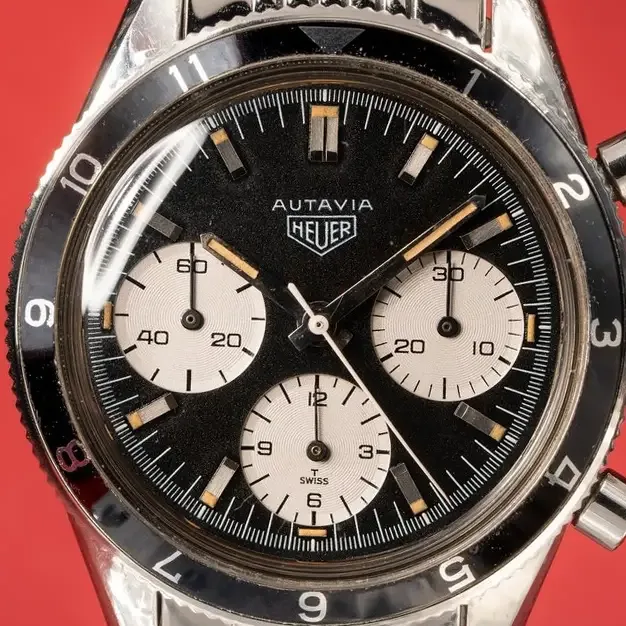
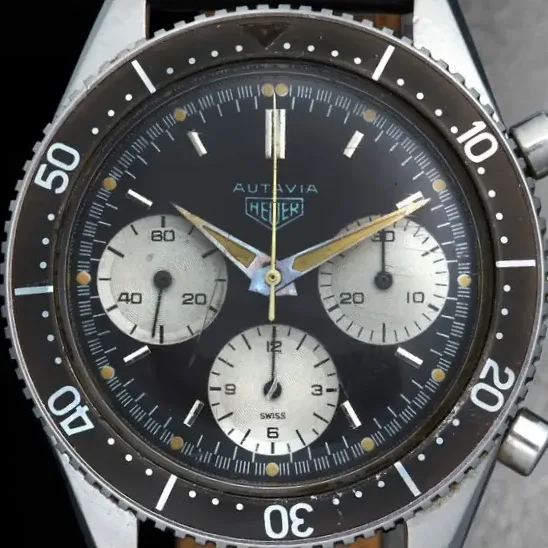
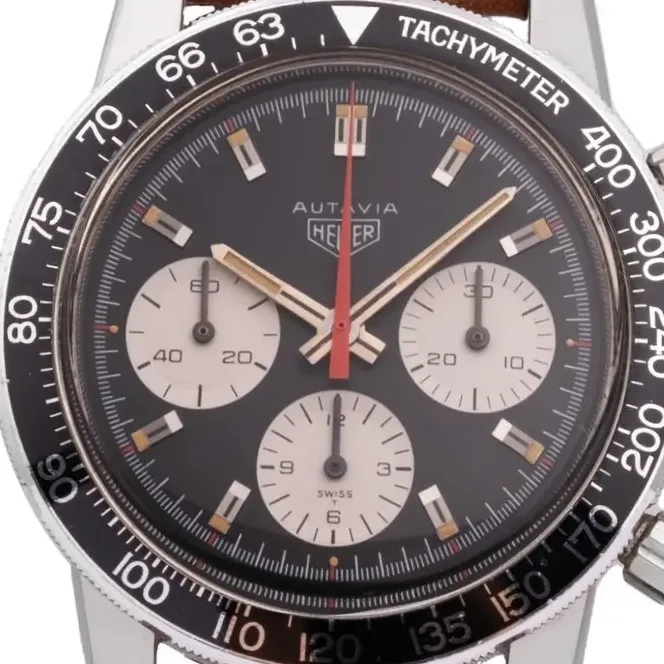
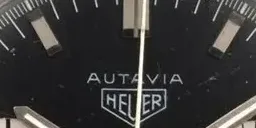
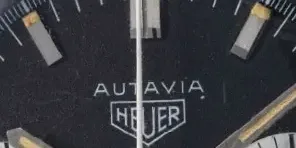
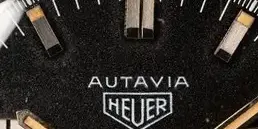
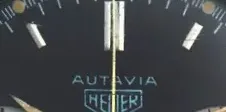
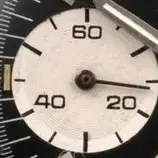
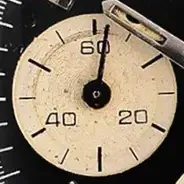
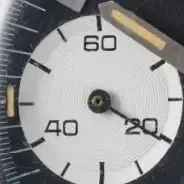
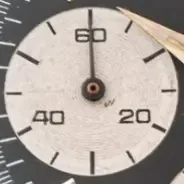
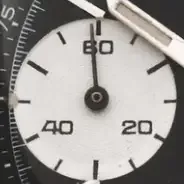
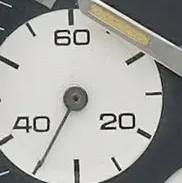
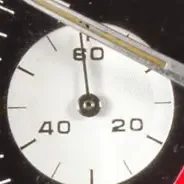
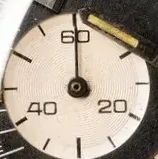
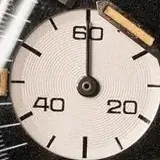
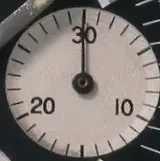
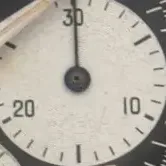
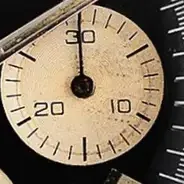
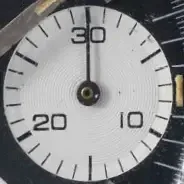
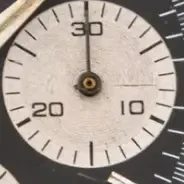
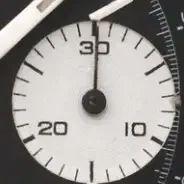
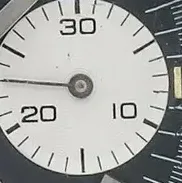
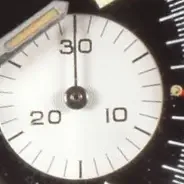
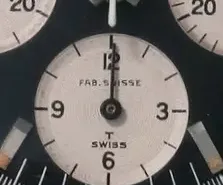
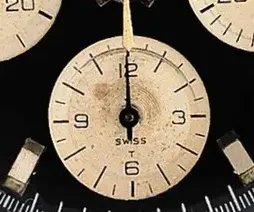
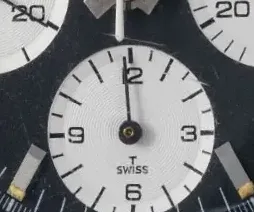
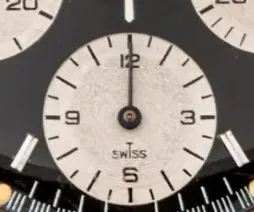
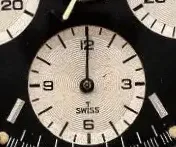
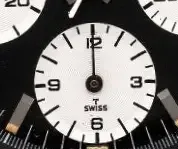
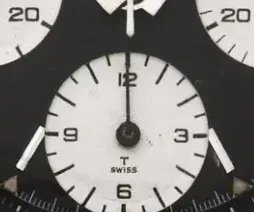
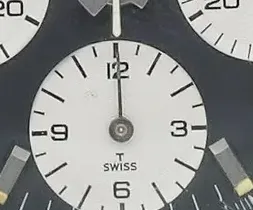
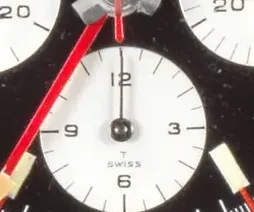
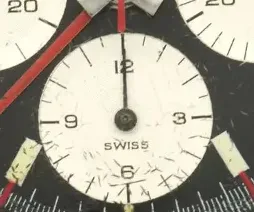
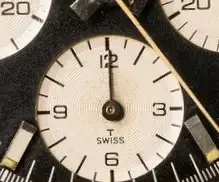
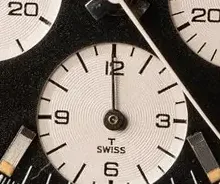
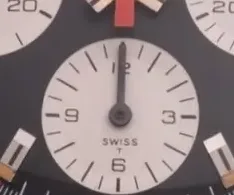
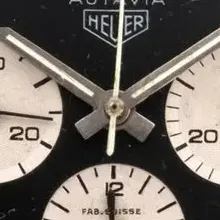
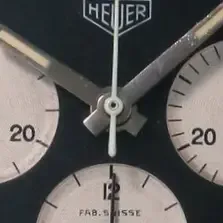
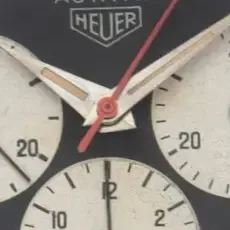
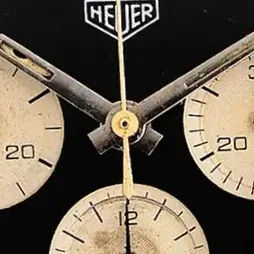
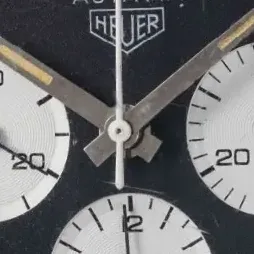
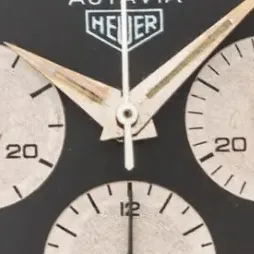
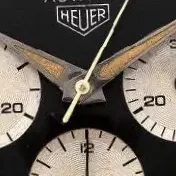
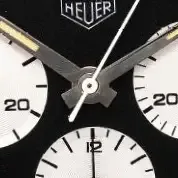
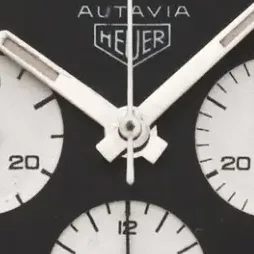
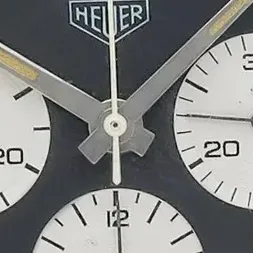
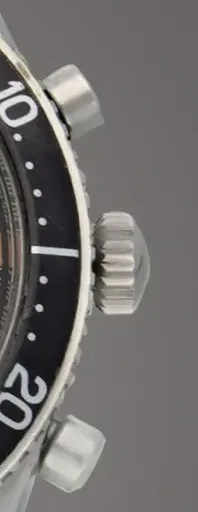
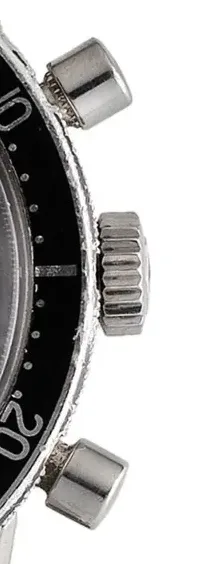
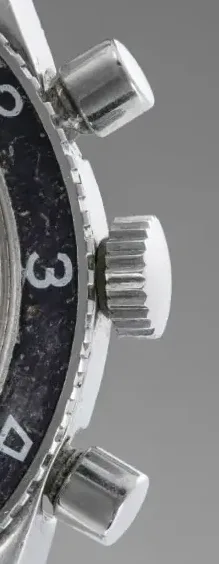
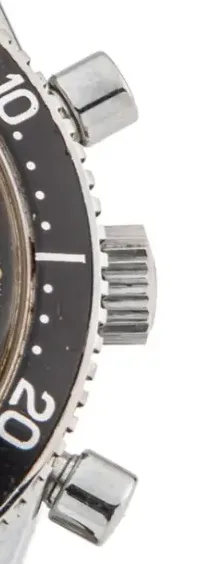
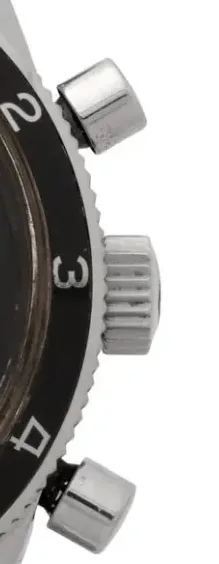
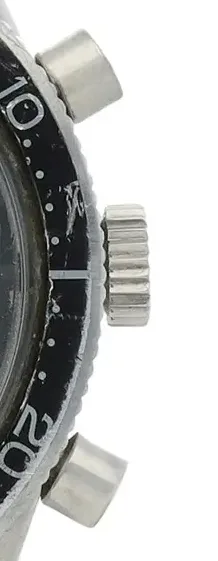
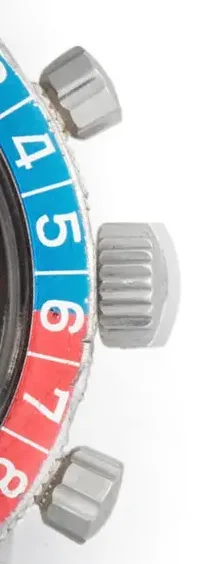
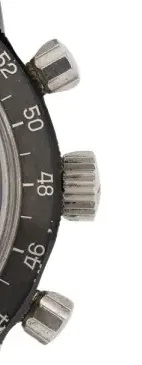
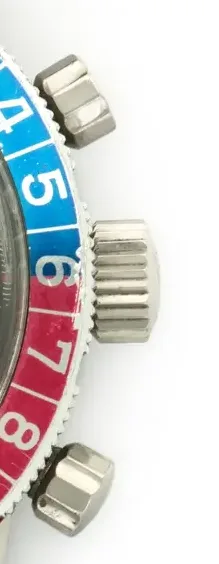
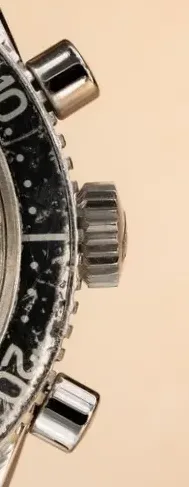
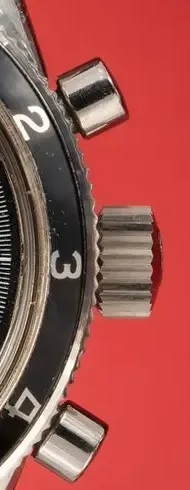
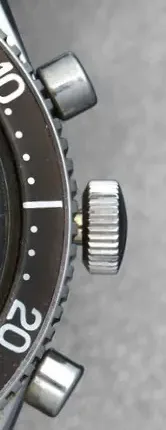
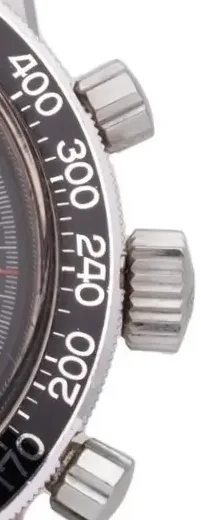
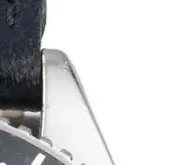
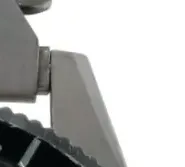
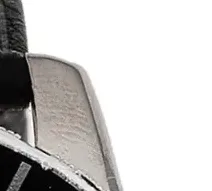
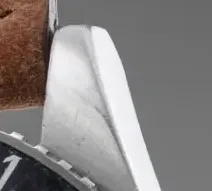
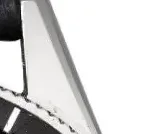
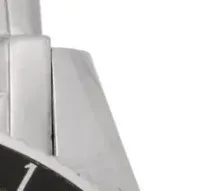
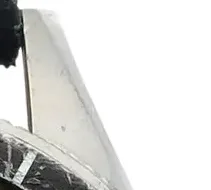
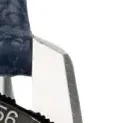
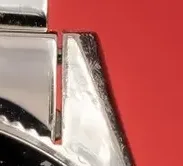
17 watches, oldest first, each straightened and cut the same way so that one row shows one component across them all. Chosen from 163 photographs on file for sharpness and for a face typical of the reference. A year marked c. is one its holder gives only roughly. Each picture is a detail cut from a listing photograph. Select the small mark in its corner for its year, its holder, a link to the listing it came from, and a way to report it.
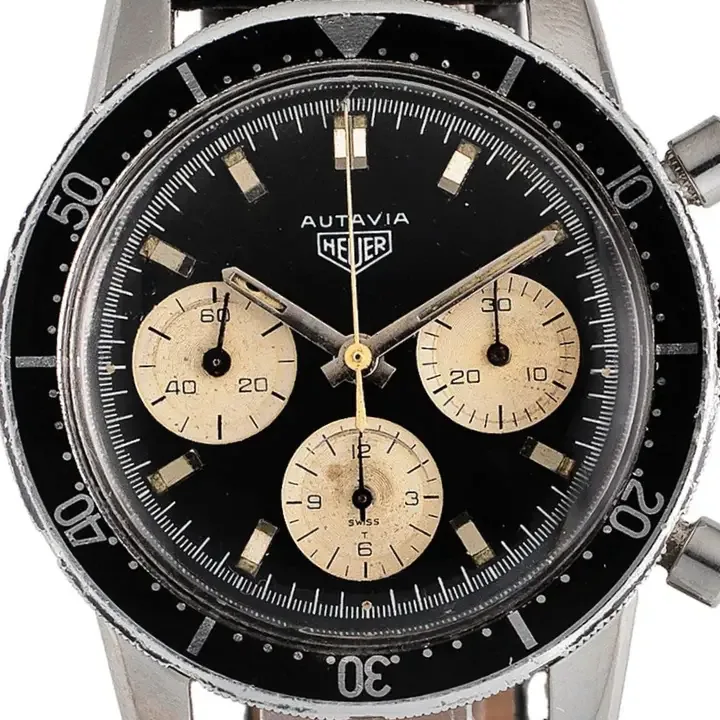
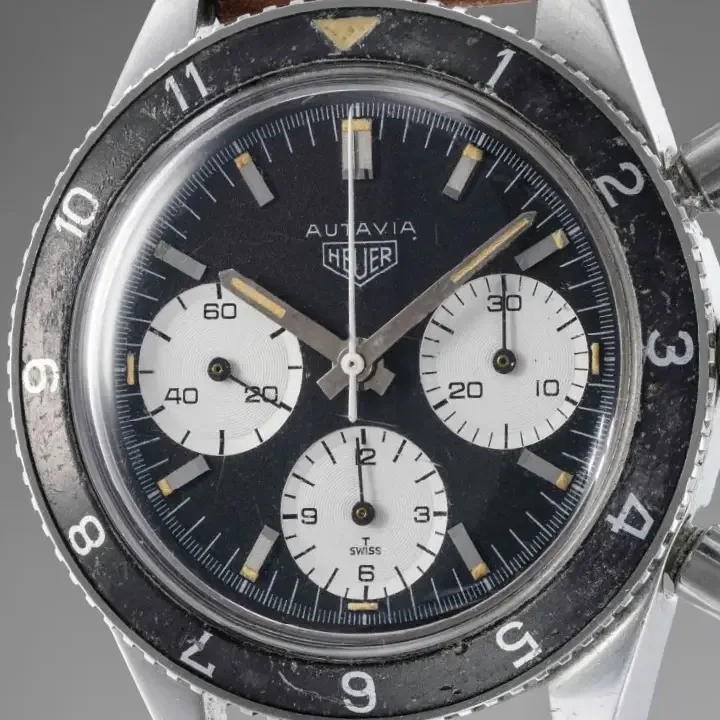
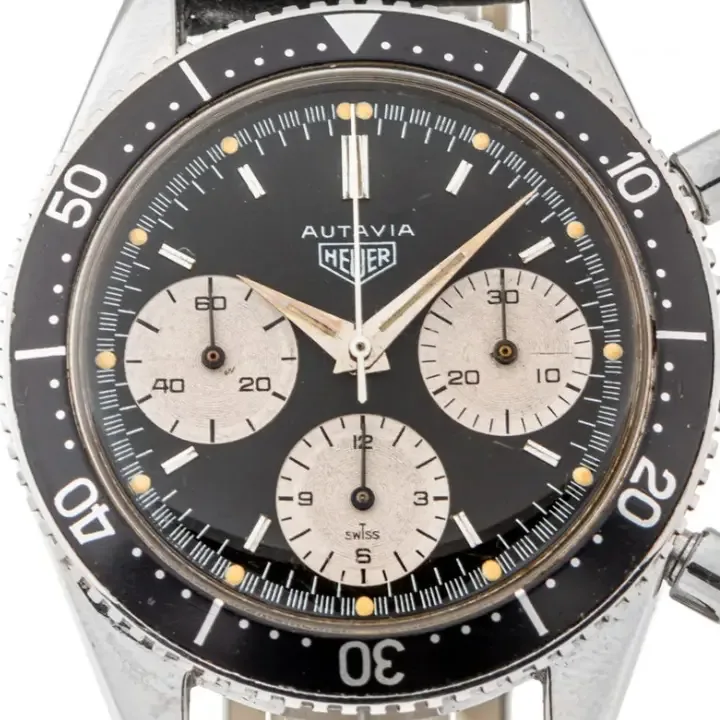
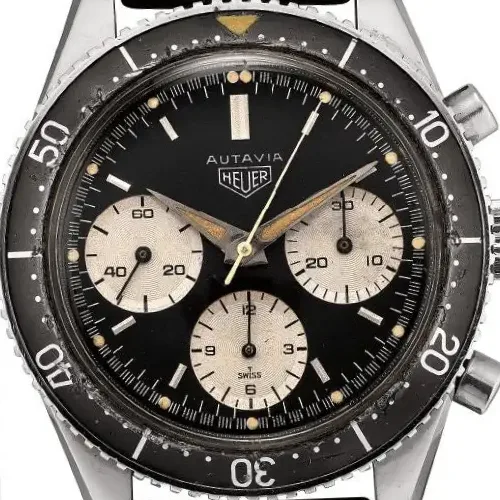



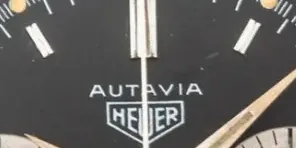


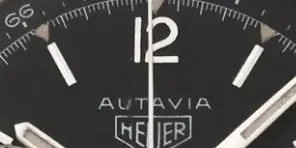

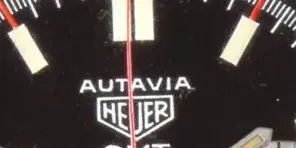


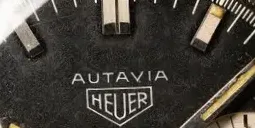












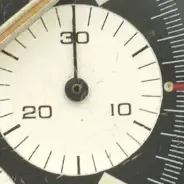
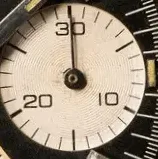
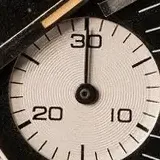


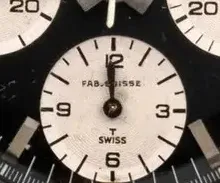




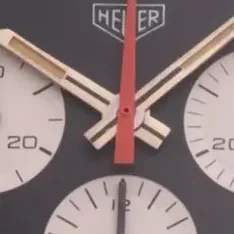


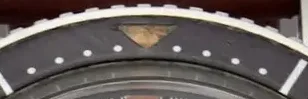


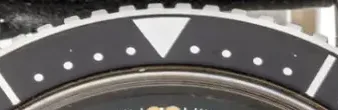
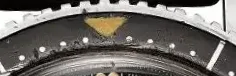













Chronology
The screw-back case is dated 1962 to 1968; another account runs the manual-wind Autavias to 1969, when the automatics took over. The 2446 GMT is put at around 1968, or 1969 in an account of the later compressor GMT. Records under this number run to 1974, because compressor-case and retailer watches carry the same number.
Every dated variant: what is written, and what the records show
For the reference the marks are every dated watch; for a variant, the watches a seller names as that variant, so a variant sellers do not name has none.
Specification
| Case | Polished steel screw-back case with bevelled lugs, about 38 to 39 mm across (38.7 to 38.8 mm measured on examples), 13.5 mm thick, 48 mm lug to lug, 19 mm between the lugs |
| Bezel | Bi-directional rotating bezel; wide with a luminous triangle at first, later thin; marked for minutes, twelve hours or tachymeter (decimal on special order, 24 hours on the GMT) |
| Crystal | Thick domed acrylic |
| Dial | Black with white registers on most executions; silver with blue registers on the Abercrombie & Fitch Seafarer; hour markers change by execution (luminous plots, luminous dots with applied metal markers, steel markers with lume at the ends, or lume applied straight to the dial); three registers, with the tide disc at 9, minutes at 3 and hours at 6 on the Seafarer |
| Movement | Valjoux 72, hand-wound, 13 ligne, 17 jewels, unadjusted, signed on the bridge; Valjoux 721 in the Seafarer; Valjoux 724 for dual-time |
| Crown and pushers | Round pump pushers; large unsigned crown on the early executions |
| Strap and bracelet | Leather strap or the Gay Freres rice-bead bracelet; 19 mm lug width |
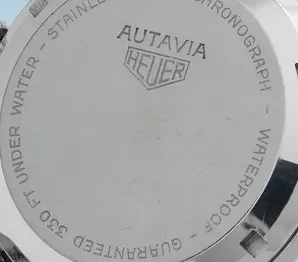
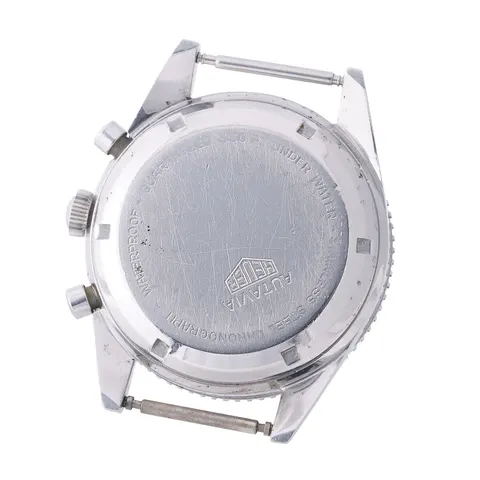
| Water resistance | Caseback marked as guaranteed waterproof to 330 feet (300 feet in one account); a figure of 100 m is also quoted |
Dial 8 described
Dials are grouped into executions, and the first three differ mainly in the print and the registers. The black dial with white registers is the usual form; the Seafarer is silver with light blue. The Transitional and the third execution share the same dial, and early dials turn up in later cases, which is a point to check.
First execution
The earliest dial has oversized registers, the so-called big subs, and is paired with all-lume hands and a radium-filled wide bezel. It is the form most often given the first-execution label.
- very large registers
Second execution
Black dial with white registers, now of standard size in place of the big subs, with the hours marked by luminous dots and applied metal markers; still with the wide lume bezel. Early dials of this type, and of the first execution, are found fitted in later thin-bezel cases from the 85xxx case-number batch, which is why a case-number check matters.
- standard-size registers
- luminous dots beside applied metal markers
Transitional dial
Uses exactly the dial of the later third execution. It is put on a case with a wide bezel that lacks the lume triangle.
- third-execution dial on a wide, plain bezel
Third execution Rindt
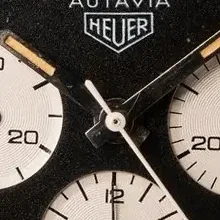
Black dial with white registers, ridged register surfaces, applied markers with squared-off lume at the outer edge and a white printed minutes ring with four fine lines to each second for fifths of a second. This is the form associated with Jochen Rindt, who is recorded wearing the minutes-bezel version; the name is also loosely used for any screw-back watch, which is technically incorrect.
- ridged registers
- white minutes ring with fifth-second lines
Tachy dial
A version of the third-execution dial carrying a tachymeter scale. The hands should stop short of the tachy scale.
- tachymeter scale on the dial
Fourth execution
numbers given as 89xxx to 96xxx, or about mid-9xxxx to 100xxx
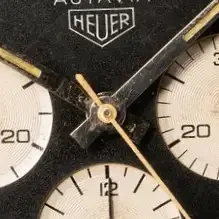
The last standard screw-back dial, on a thin bezel, made for a short run around 1968 before the compressor case. Its luminous hour markers sit straight on the dial, with no numerals, and the crown is signed Heuer. Case numbers are given as 89xxx to 96xxx, the last batch of the reference, or more broadly as from the middle nineties thousands to about 100xxx.
- luminous hour markers applied directly to the dial
- Heuer-signed crown
Abercrombie & Fitch Seafarer dial
numbers 52898 on the example described in the literature
Silver dial marked Abercrombie & Fitch Co. Seafarer, with applied metal markers, light blue registers and a rotating tide disc at 9, a minute counter at 3 and an hour counter at 6. The dial may age to a creamy sand colour. Heuer sold its own tide chronographs as the Mareographe, but the screw-back version is said to have come from the one retailer only.
- Abercrombie & Fitch Seafarer on the dial
- tide disc at 9
GMT dial
numbers 99900 to 100150
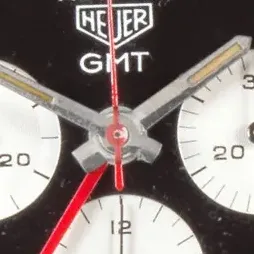
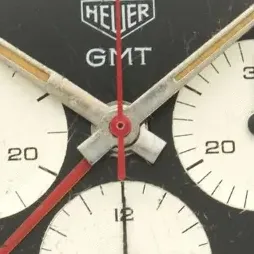
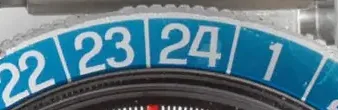
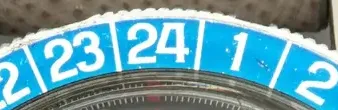
Dual-time dial of the first 2446 GMT, a version of the fourth execution dial with GMT lettering below the Heuer shield, worn with a red GMT hand with an arrow head and a red and blue 24-hour bezel. It had a short run in a narrow case-number batch.
- GMT below the Heuer shield
- red GMT hand with arrow head
- red and blue 24-hour bezel
Hands 3 described
The hands are the quickest separator of the earliest watches. The first execution has two kinds, and later hands moved from steel dauphine to thin plain steel.
All-lume hands
numbers 4915 to 4930x
Fully luminous hands used on the first, big-subs execution only. They are original only on watches from a narrow batch of case numbers, around 4915 to 4930x; a later case number suggests steel dauphine hands were original and the lume hands added afterwards. Relumed sets are a point to check.
- fully luminous hour and minute hands
Steel dauphine hands
Dauphine hands in steel, used on the first execution steel-hand model, which ran to about 800 watches, and on the second execution. The Seafarer carries dauphine hands with thin luminous inserts.
- dauphine shape
Thin plain steel hands
Introduced on the Transitional and kept for the rest of the screw-back series. The register hands are black against a white central chronograph hand.
- thin, plain steel
Subregisters 2 described
Register size and finish changed from the first execution onward.
Oversized registers
The first execution has large, clear registers known as big subs, with luminous plots.
- oversized registers
Ridged registers
Registers on the third execution have a ridged finish and white print, in the manner found on a contemporary Rolex chronograph dial.
- concentric ridges
Bezel 3 described
Bezels are bi-directional, set with an aluminium insert, and change from wide to thin at the Transitional and third execution.
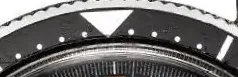
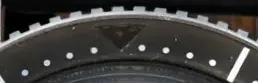
Wide bezel with lume triangle
Radium-filled on the earliest watches, with a luminous triangle at twelve. Used on the first and second executions.
- luminous triangle at 12
Wide bezel, no triangle
Fitted as made to the Transitional: wide as before, but without the lume triangle. Wide bezels of this kind were also sometimes put on earlier watches at service.
- wide bezel, no triangle
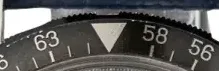
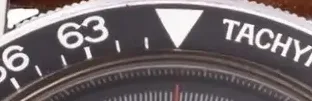
Thin bezel
Fitted to the third and fourth executions. Offered with sixty-minute, twelve-hour or tachymeter markings, and a 24-hour version for the GMT.
- narrower bezel
Case 5 described
The screw-back case is 38 to 39 mm with a slightly larger bezel, with bevelled lugs and a 19 mm lug width. The case number is stamped between the lower lugs and is often polished away. Case-number batches differ by execution.
Early case with smaller pushers
under 150 numbers
The first-execution case uses smaller pushers than later cases and is found only in a small batch, under 150 case numbers for the all-lume watches.
- smaller pump pushers
Bevelled-lug case
The standard case, with finely chamfered, thin lugs that are easily damaged or reshaped by polishing. Allocations are given as under 800 for the steel-hand first execution, under 1000 for the second, under 3000 for the third and under 200 for the fourth.
- sharp bevel to the lugs
Straight-lug Transitional case
numbers about 828xx to 834xx
The only screw-back Autavia case with non-bevelled lugs. Case numbers are given as 8299x to 834xx, under 500 numbers, or more broadly as about 828xx to 83xxx, and fewer than 40 watches have been noted. Polishing a bevel into this case is a known fault.
- flat, fat lugs
Seafarer case
Has a further button on the left to set the tide disc and a blank caseback with no engraving on the outside; the inside has an engraving style not seen on other early Autavias.
- extra button on the left side
- blank back
Caseback
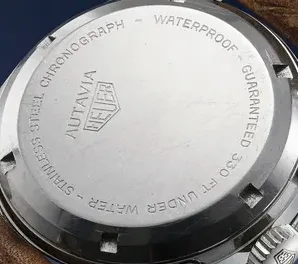
Marked as guaranteed waterproof to 330 feet, a wording kept on all the 1960s Autavias (300 feet in one account). The Transitional has its own inside finish and a Heuer Leonidas engraving style not on the later third execution.
- engraved back
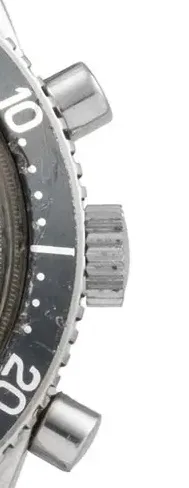
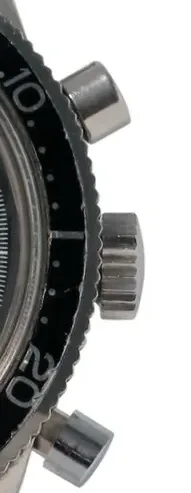
Crown and pushers 1 described
Crowns on the screw-back watches are large and mostly unsigned.
Unsigned domed crown
The first execution has an unsigned domed crown. The second execution, the Transitional and the first third-execution watches are also unsigned. Both signed and unsigned crowns were fitted to the later watches, and small signed replacements are wrong.
- large unsigned crown
Crystal 1 described
A single type is described.
Domed acrylic
A thick, high acrylic crystal, described as a superdome and which adds to the case height.
- high dome
Movement 4 described
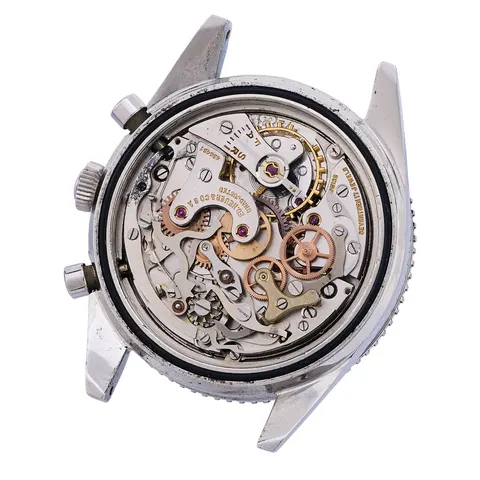
The movement is the Valjoux 72, with variants for the Seafarer and the GMT.
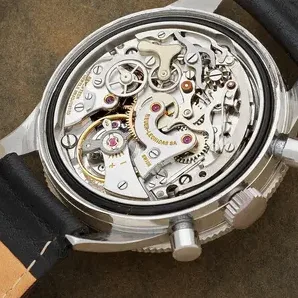
Valjoux 72, Ed. Heuer bridge
numbers 456xxx
On the all-lume first execution the bridge is signed Ed Heuer and carries an individual movement number in the 456xxx range within about 150 of each other. Lower numbers belong to pre-Autavia movements and 457xxx to steel-hand watches. Transplanted bridges are known.
- Ed. Heuer signed bridge
- movement number
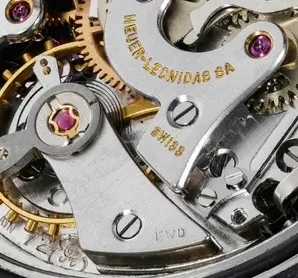
Valjoux 72, Heuer Leonidas
Signed Heuer Leonidas on the bridge after the merger of 1964, in place of the earlier Ed. Heuer signature, so the change falls within the second execution; it then stays the standard movement for the rest of the series, unadjusted.
- Heuer Leonidas bridge
Valjoux 721, A&F bridge
A modified Valjoux 72 with 17 jewels in the Seafarer. The bridge is signed Abercrombie & Fitch Co. and the balance carries an AXF stamp. The 2444 used a similar bridge with movement numbers; later 2446C and 2447 Seafarers return to a Heuer Leonidas bridge.
- Abercrombie & Fitch bridge
- AXF on balance
Valjoux 724
A modified Valjoux 72 that adds a hand turning once in 24 hours, used in the 2446 GMT.
Bracelet 1 described
Strap or bracelet.
Gay Freres rice-bead bracelet
An optional bracelet, worn by Jochen Rindt on his own watch; fitting one needs the correct end pieces. The watch is also shown on tan, brown or black leather racing straps.
- beads-of-rice links
Originality
- All-lume hands and early dials are the most often relumed or swapped; relumed hands or dials lower the standing of a watch, and a case number outside the early batch means the hands were probably changed.
- Bevelled lugs are commonly polished down, and the case number between the lugs may be polished away; a Transitional with a bevel cut into it has been reworked.
- Early first and second execution dials sometimes sit in later thin-bezel cases from the 85xxx batch.
- Crowns are often replaced; a small signed crown on an early watch is wrong.
- Movement bridges with early individual numbers have been moved between watches.
- Bezel inserts are often found worn, and Seafarer details such as the caseback and bridge are hard to reproduce from spare parts.
Names
- Rindt. The third execution with a minutes bezel, associated with the racing driver Jochen Rindt; also used loosely for any screw-back model.
- Reverse Panda. Sellers' term for the black dial with white registers.
- Big Subs / Big Eyes. The oversized registers of the first execution.
- Seafarer. The Abercrombie & Fitch tide-dial version; Heuer's own tide chronographs were sold as the Mareographe.
- Tachy. The tachymeter-dial variant.
Where accounts differ
Points on which the published literature and the library's own records do not agree, or on which the literature contradicts itself.
- Date of the Rindt (third execution). One account's tables put the third execution at 1966; a blog and a magazine-style review put the Rindt watch at about 1968 to 1969. Seller listings include watches stated as 1965, 1966 and 1968.
- Start of production. One price guide dates the reference from 1962, but some sellers state years from 1960, which cannot be right if it began in 1962.
- Which execution is the Rindt. One guide treats the Rindt as the third execution; a review calls the same watch the second-execution case 2446M, and another source calls it the third version of the dial with the second version of the case.
- End of the screw-back series. The timeline and the case page end the screw-back case in 1968, when the compressor case begins; a review runs the manual-wind Autavias until 1969 when automatic movements took over.
- Fourth execution case numbers. The same price guide gives the fourth execution as 89xxx to 96xxx, the last 2446 batch; the detailed account of the early Autavias puts it at about the mid-9xxxx to 100xxx.
- Transitional case numbers. One article on the transitional watches puts every case between 8299x and 834xx; the detailed account of the early Autavias gives approximately 828xx to 83xxx.
- Caseback marking. The Seafarer article gives the caseback as guaranteed waterproof to 300 feet; the detailed account of the early Autavias, and the Seafarer history, give 330 feet.
- A Mareographe in the screw-back case. One account says Heuer made most Seafarer models for sale under its own Mareographe name; one price guide says the screw-back Seafarer came from one retailer and Heuer did not retail it, and the Seafarer history lists Mareographes in other cases but not this one.
- Date of the first GMT. The detailed account of the early Autavias puts the first 2446 GMT at around 1968; the review of the compressor GMT puts it at around 1969.
Back and movement
From listings of this reference, each confirmed by eye to show what it is filed under. A picture on which a person's name or a personal engraving can be read is not shown. From most holders a detail from the middle of the photograph is shown; the mark in its corner gives its holder and a link to the listing.
Caseback



Movement



In the records
Counted from 79 listings at 17 holders between 1 March 2011 and 14 November 2026. These are what sellers and auction houses state, not measurements.
Fainter bars are the 3 outside the main run of 1960–1971 (the middle nine-tenths): the latest is 1974. They are early and late examples, and now and then a seller's slip. The head of the page gives 1962–1971: the years that listings from two holders bear out.
Case metal
| Steel | 64 |
Dial colour
| Black | 33 | |
| Grey | 4 | |
| Silver | 1 |
Case size
| 39 mm | 27 | |
| 38 mm | 10 | |
| 40 mm | 5 |
Calibre named
| 72 | 30 | |
| 724 | 5 | |
| 721 | 3 |
Bracelet or strap
| Leather strap | 19 | |
| Metal bracelet, kind not stated | 17 | |
| Strap, kind not stated | 2 | |
| Rubber strap | 1 |
Each table counts the listings that state the thing, in the seller's own terms. A size, metal, colour or calibre that cannot belong to this reference is a seller's slip or a listing filed under the wrong number.