Autavia (cushion case, manual-wind three-register)
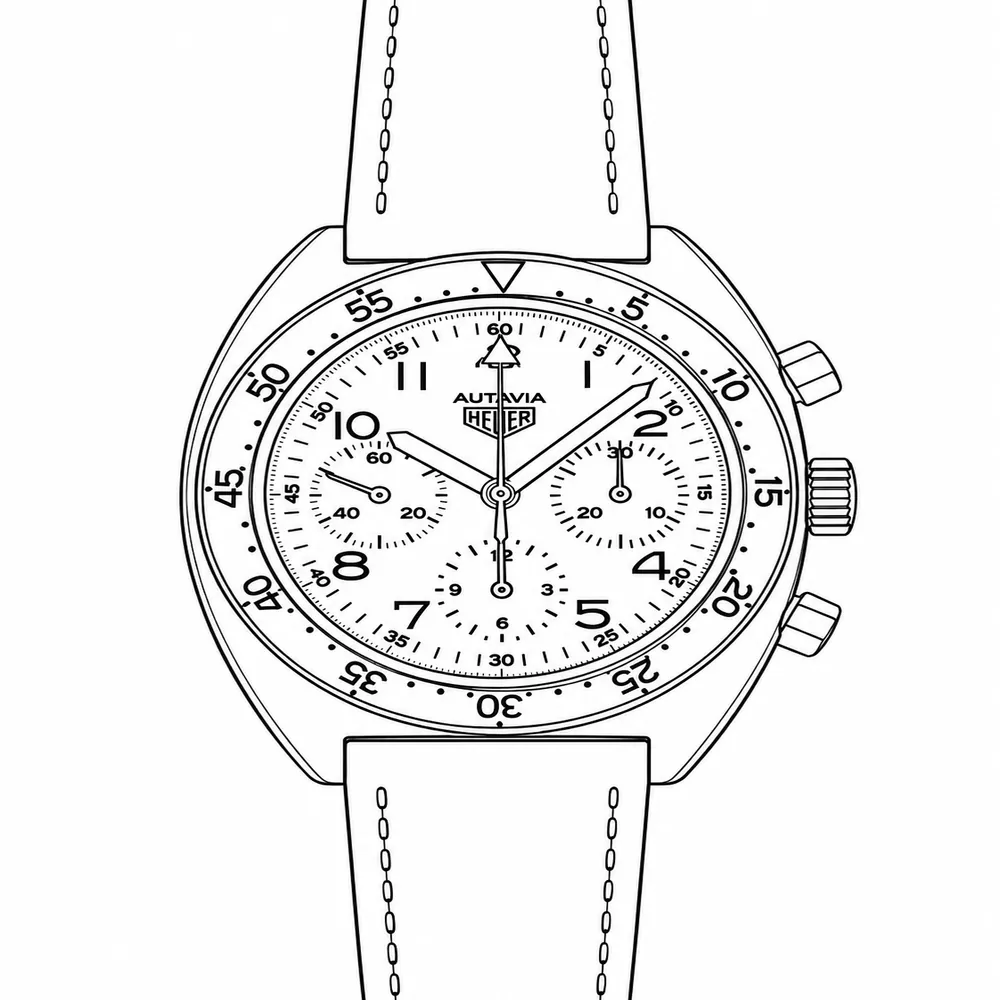
The 73663 is a hand-wound three-register Autavia in the cushion case that Heuer introduced for the Autavia in 1969. It was introduced in 1972 with the Valjoux 7736 and has a crown on the right, a shallower case than the automatics and a width of about 42 mm. Its dials include the most common type, called Siffert colours, and rarer ones: black, Arabic, Bund, Villeneuve and the Kenyan Air Force issue. Serial numbers were allotted for about 3,000 watches, and the dials other than Siffert colours are estimated at fewer than 300 made.
- Made
- from 1972dates approximate
- Seen in the library
- 1971–1974by years sellers state
- Case
- 42 mm · steelas sellers state
- Movement
- Calibre 7736hand-wound
- On record
- 30 listings68 photographs · 15 holders
Components
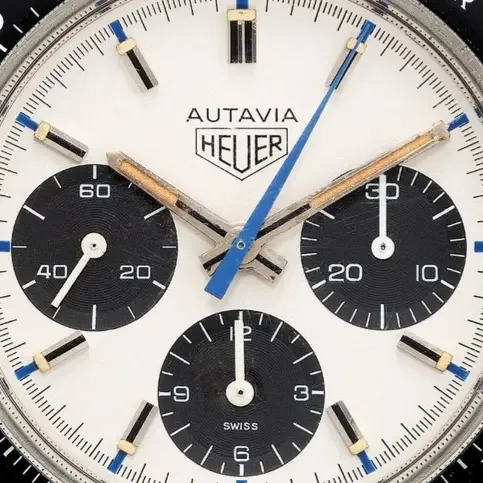
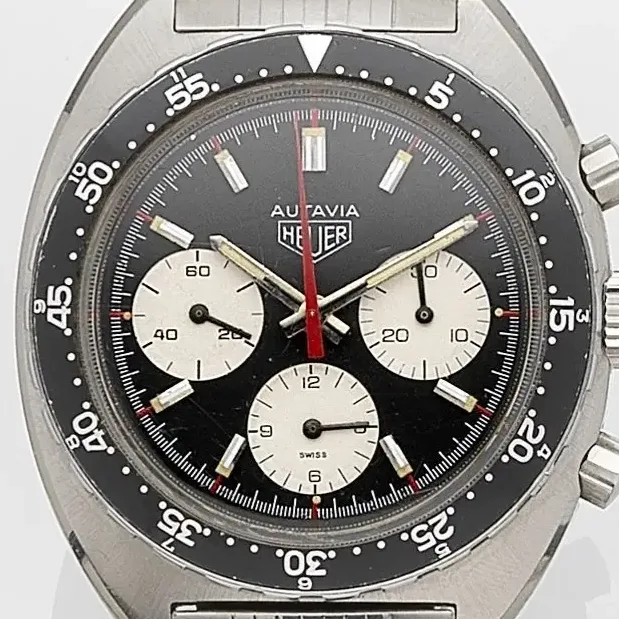
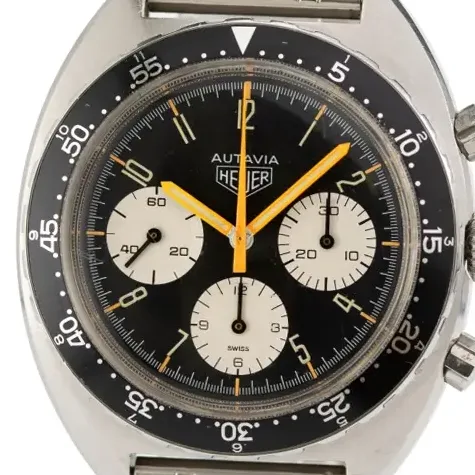
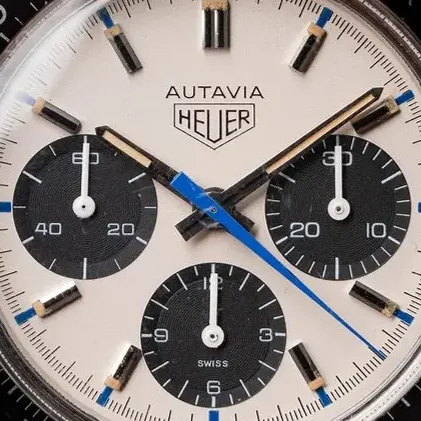
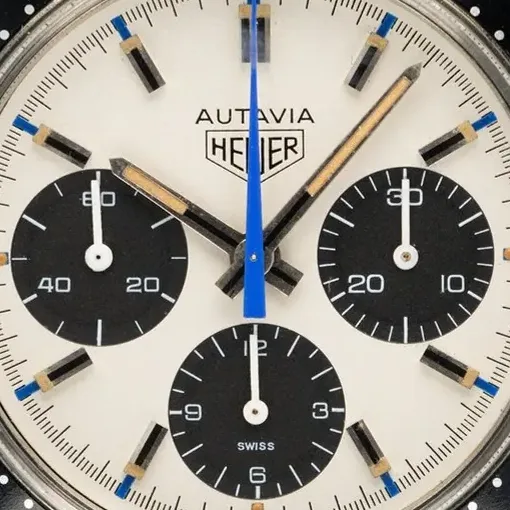
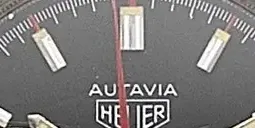
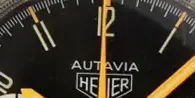
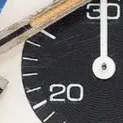
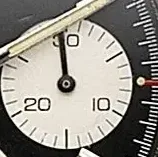
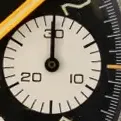
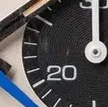
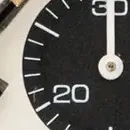
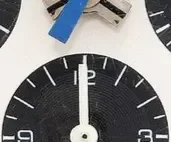
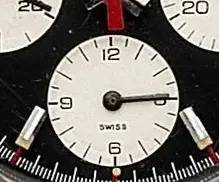
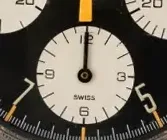
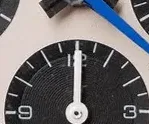
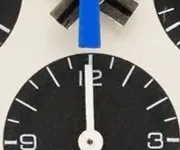
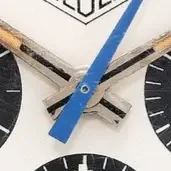
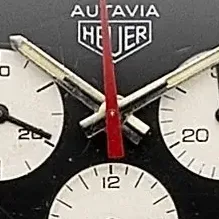
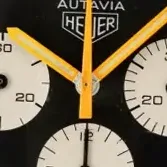
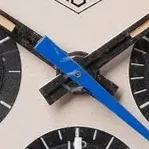
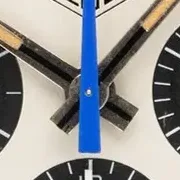
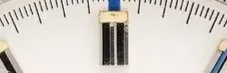
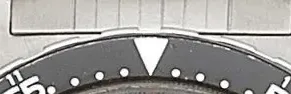
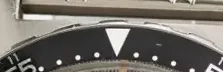
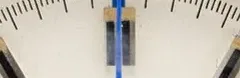
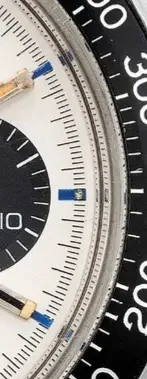
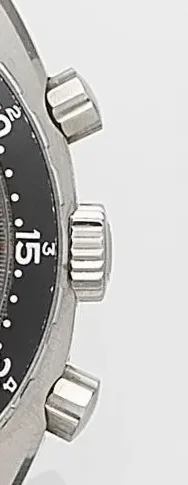
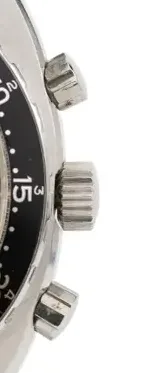
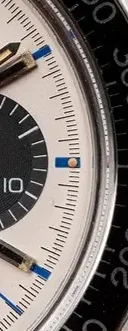
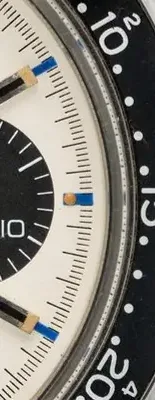
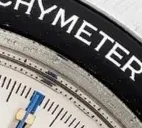
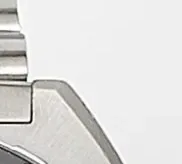
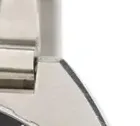
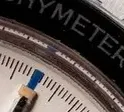
5 watches, oldest first, each straightened and cut the same way so that one row shows one component across them all. Chosen from 68 photographs on file for sharpness and for a face typical of the reference. A year marked c. is one its holder gives only roughly. Each picture is a detail cut from a listing photograph. Select the small mark in its corner for its year, its holder, a link to the listing it came from, and a way to report it.



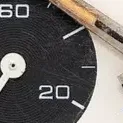
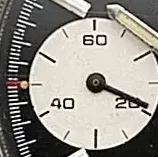
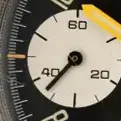


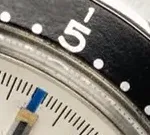


Chronology
Case numbers for the reference form one block, 1996xx to 2025xx, so about 3,000 were allotted. Introduction in 1972 is stated; no end date is given, and the records show watches dated 1970 to 1974.
Every dated variant: what is written, and what the records show
For the reference the marks are every dated watch; for a variant, the watches a seller names as that variant, so a variant sellers do not name has none.
Specification
| Case | Steel cushion case, about 42 to 42.5 mm, crown on the right between the pushers, shallower than the automatic Autavias |
| Movement | Valjoux 7736, hand-wound, giving the three-register layout |
| Dial | Three registers; several dial types from Siffert colours to all-black with green numerals |
| Bracelet | Steel bracelet or leather strap |
Dial 7 described
The 73663 came with a number of dial types. The most common is Siffert colours, about half of those that have been documented, so the others are much scarcer. The Bund and Kenyan Air Force dials, both with numerals, were designed with military use in mind, but most Bund watches were sold to civilians and some numeral dials of the Kenyan type were never issued.
Siffert colours
The commonest dial, about half of all those documented. Sellers describe it as a silver dial with black registers and blue accents, and also call it Siffert colors or Jo Siffert colors. Dated watches so described fall mostly between 1970 and 1975.
- silver dial with black registers
- blue accents
Black
A black-dialled version, valued separately from the others in published price lists. The literature gives no more detail.
Bund
An all-black dial with contrasting green numerals, cream lume in the hands and applied lume dots at 3, 6 and 9. It was designed with military use in mind and was advertised in a German catalogue as a Military Look at 395 DM. It is thought to have come to market in 1974, a little after the 1972 introduction. A few are seen with military markings, though most were sold as civilian watches. It has the Bund-style chronograph sweep hand.
- black dial
- green numerals
- cream lume hands
- lume dots at 3, 6 and 9
Arabic
A dial with Arabic numerals. A seller's example has orange hour markers and a minute and hour bezel.
- Arabic numerals
- orange hour markers
Villeneuve
A dial named in published price lists, with no description in the literature.
Viceroy design
Sellers describe a black dial in the style of the Viceroy Autavia. The literature gives no further detail.
- black dial
Kenyan Air Force (KAF)
A luminous dial with elongated Arabic numerals in place of applied markers, made for a run of an estimated 250 watches over two years. The case is the standard 42 mm steel case with the Valjoux 7736, and the caseback is engraved KAF with an ID number. Many survive in varied condition, often relumed or polished. Collectors know it as the Shauntavia, a name that comes from a collector who first judged the lumed numerals to be correct. Dated watches so described are mostly put in the early to mid 1970s.
- elongated Arabic numerals in lume
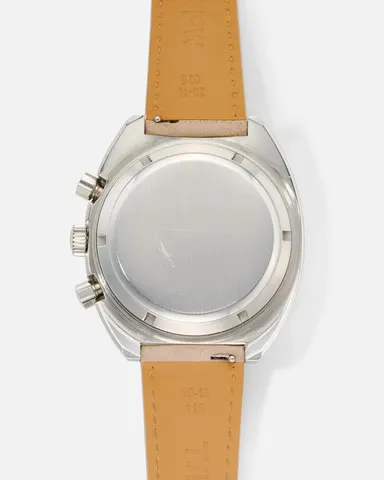
- KAF and ID number engraved on the caseback
Hands 1 described
The hands are lumed, and the sweep hand differs on one dial.
Bund sweep hand
The Bund dial has a chronograph sweep hand of the Bund type; only one other Autavia, the Diver 100, has it. Green lume on its hour and minute hands is aftermarket work, to match the numerals.
- Bund-style sweep hand
- cream lume on the hour and minute hands
Case 1 described
The 73663 is in the cushion case introduced for the Autavia in 1969.
Cushion case
The last Autavia case of the Heuer years, introduced in 1969 and adapted for different movements and greater water resistance, with the same design carried through to 1985. On the 73663 it measures about 42 to 42.5 mm, much larger than the 1960s Autavias, and sits lower on the wrist than the automatic versions.
- cushion-shaped steel case
- crown on the right
Crown and pushers 1 described
The crown is on the right.
Crown on the right
Unlike the automatic Calibre-11 family, the 73663 has a right-hand crown, between the pushers.
- crown on the right
Movement 1 described
The movement is the Valjoux 7736.
Valjoux 7736
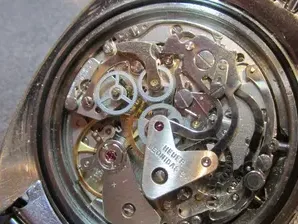
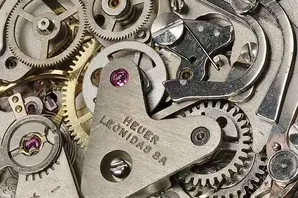
A hand-wound movement used by Heuer in the mid-1970s. It allows the three-register layout and a shallower case than the Cal. 11, 12, 14 and 15 automatics. Most sellers who name a calibre give it.
- hand-wound
- three registers
Originality
- Green lume on the hour and minute hands of a Bund is aftermarket work; the originals are cream.
- Military-issue watches are often found relumed or polished; the engraved caseback is the part to check.
Names
- Siffert colours. The silver, black and blue dial associated with the racing driver Jo Siffert.
- Bund. The all-black dial and sweep hand made with military use in mind, named for the German military look.
- Shauntavia. The Kenyan Air Force version with luminous Arabic numerals.
Where accounts differ
Points on which the published literature and the library's own records do not agree, or on which the literature contradicts itself.
- Introduction year. The literature puts the introduction of the 73663 in 1972 and its movement in the mid-1970s; some sellers in the library's records date watches to 1970 and 1971.
Back and movement
From listings of this reference, each confirmed by eye to show what it is filed under. A picture on which a person's name or a personal engraving can be read is not shown. From most holders a detail from the middle of the photograph is shown; the mark in its corner gives its holder and a link to the listing.
Caseback

Movement


In the records
Counted from 30 listings at 15 holders between 11 May 2012 and 14 November 2026. These are what sellers and auction houses state, not measurements.
The head of the page gives 1971–1974: the years that listings from two holders bear out.
Case metal
| Steel | 22 |
Dial colour
| Silver | 4 | |
| Black | 4 | |
| White | 3 |
Case size
| 42 mm | 7 | |
| 41 mm | 2 | |
| 43 mm | 2 |
Calibre named
| 7736 | 13 |
Bracelet or strap
| Metal bracelet, kind not stated | 6 | |
| Leather strap | 5 |
Each table counts the listings that state the thing, in the seller's own terms. A size, metal, colour or calibre that cannot belong to this reference is a seller's slip or a listing filed under the wrong number.