Autavia
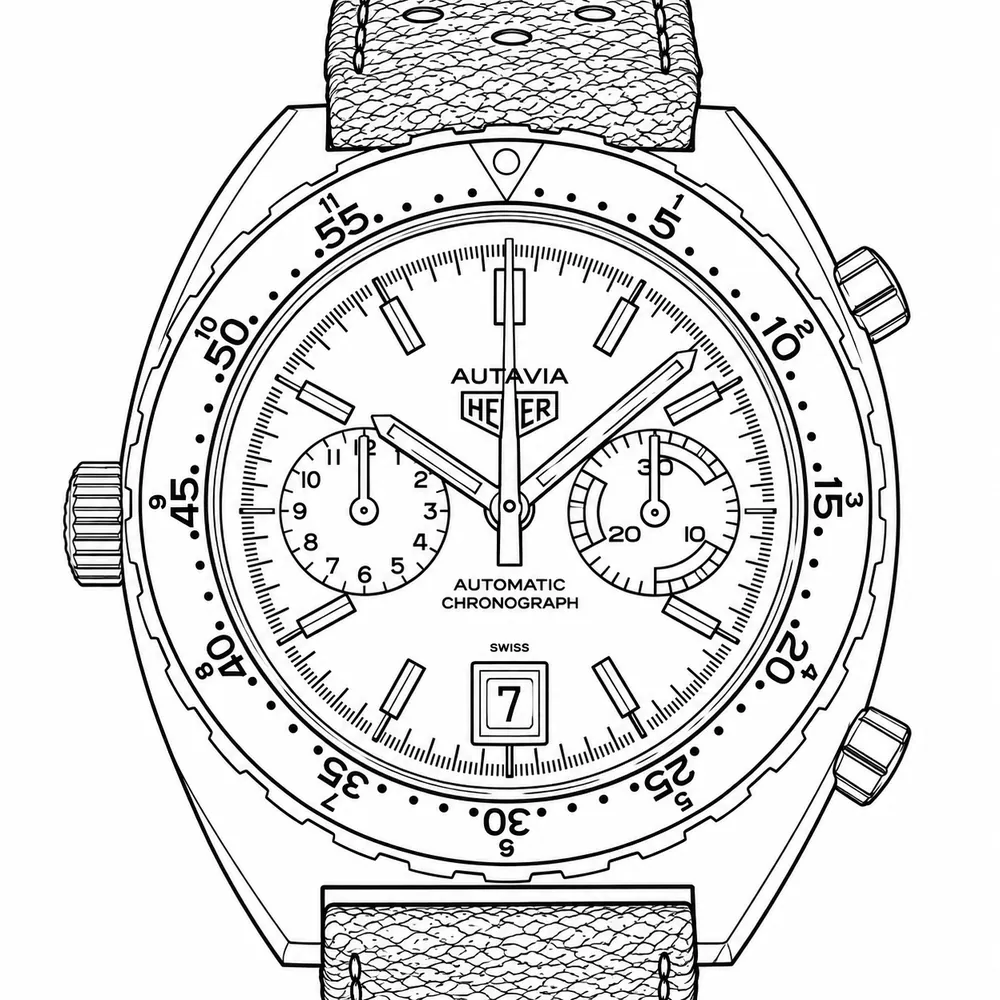
The Reference 11630 is the second case of the automatic Autavias of the 1970s, following the 1163 and preceding the 11063. It is a stainless steel cushion-style chronograph of about 42.5 mm with a flat mineral crystal, a left-hand crown and a Chronomatic-derived automatic movement, usually Calibre 12, or Calibre 14 in the GMT version. It was introduced around 1972 and carried the black and white 'Viceroy' colours, orange-accented 'MH' dials, a brushed silver dial, a tachymeter bezel and a GMT bezel. A small group of numeral-dial watches was supplied to the Kenyan Air Force. Collectors check the dial finish, hands, crystal, pushers and case back first.
- Made
- from 1972dates approximate
- Seen in the library
- 1971–1981by years sellers state
- Case
- 42 mm · steel (97%)as sellers state
- Movement
- Automatic
- On record
- 63 listings111 photographs · 23 holders
Components
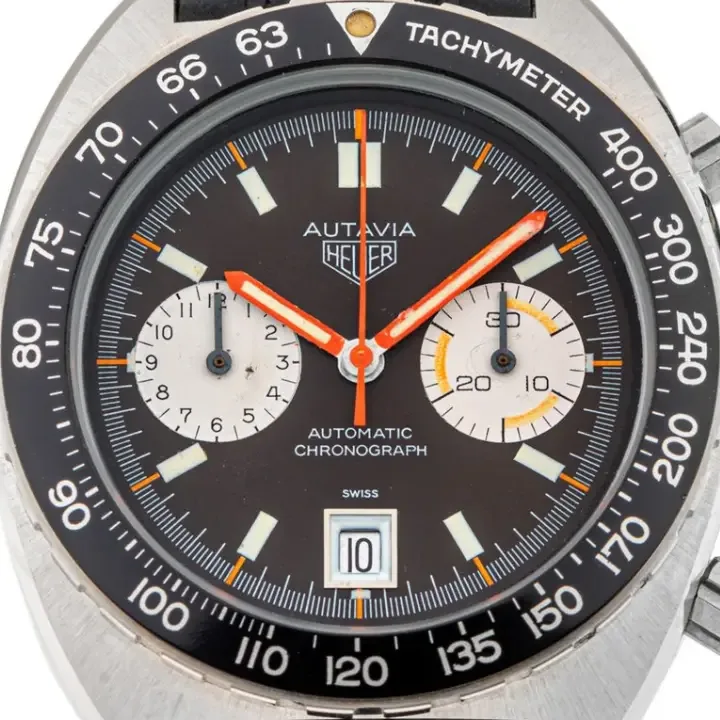
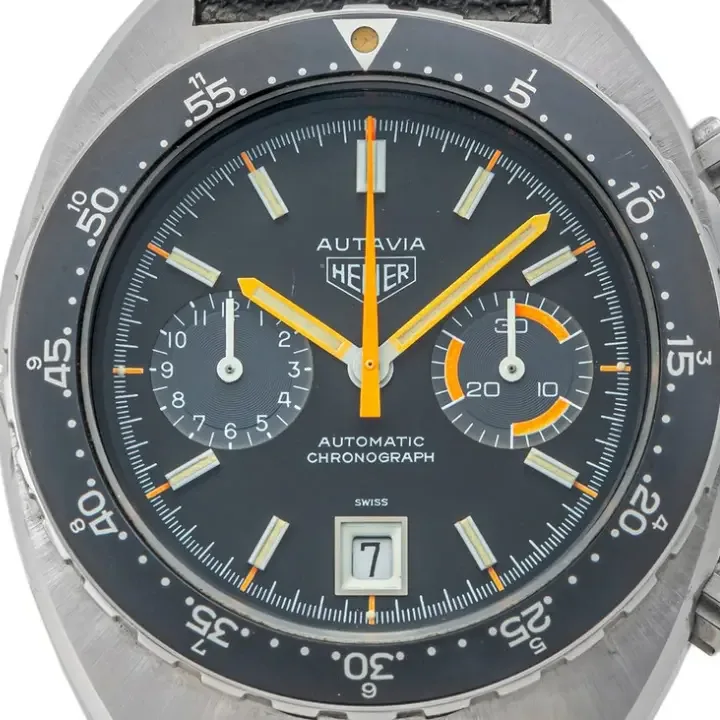
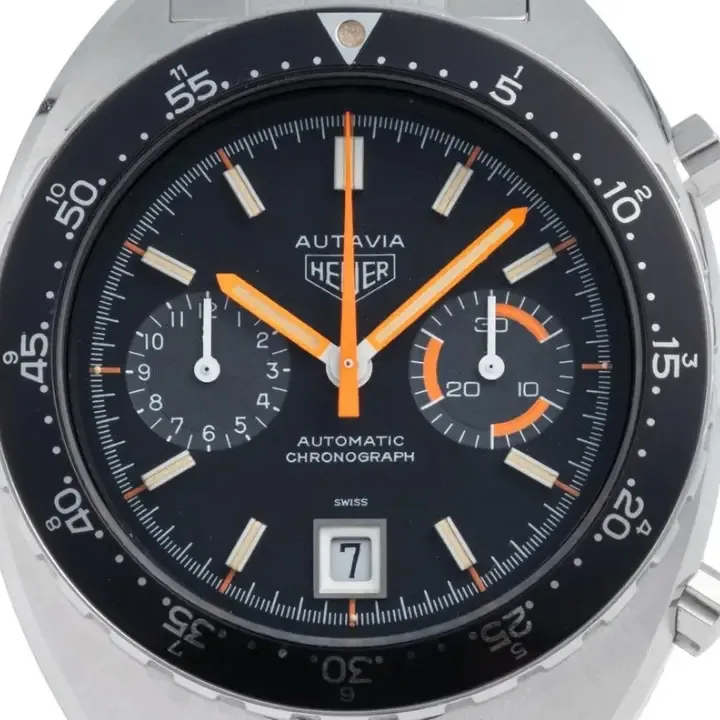
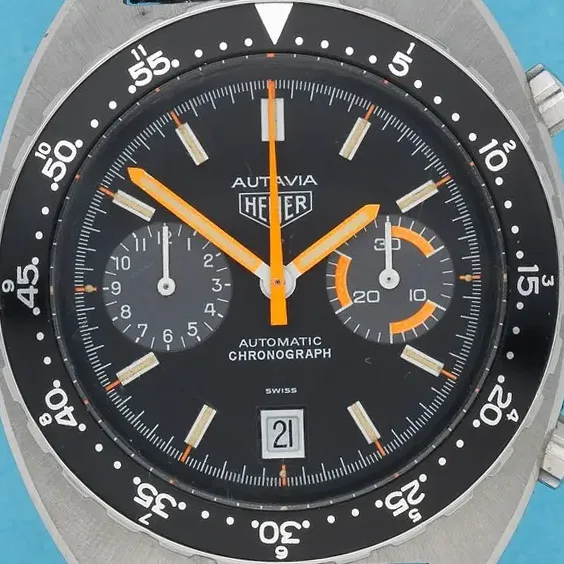
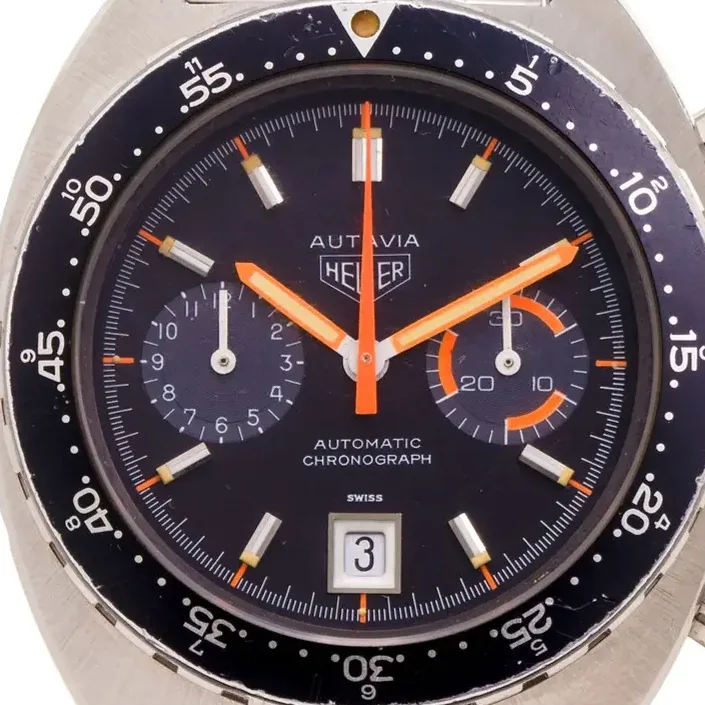
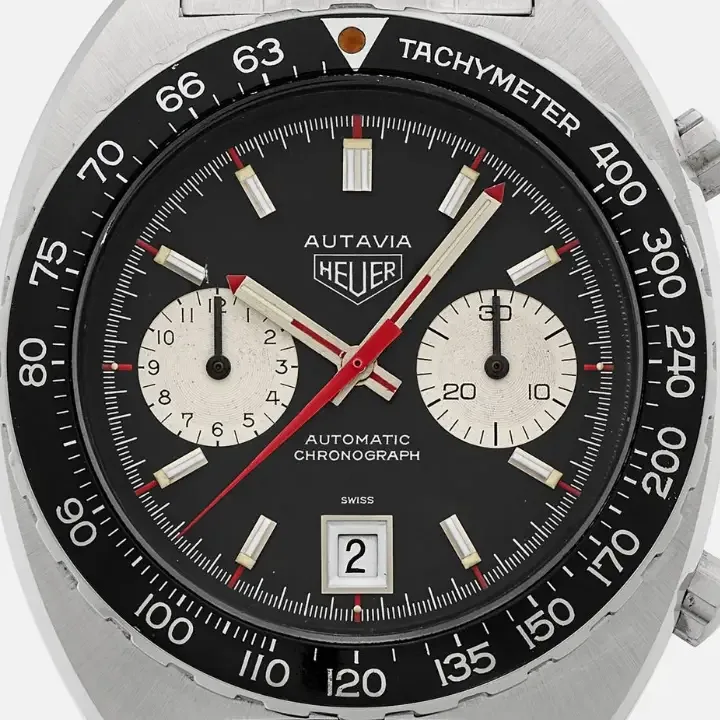
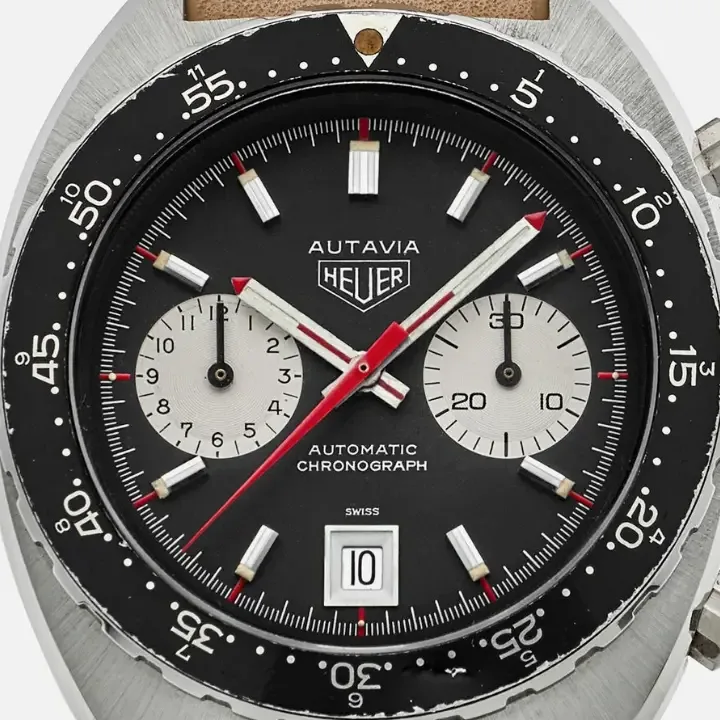
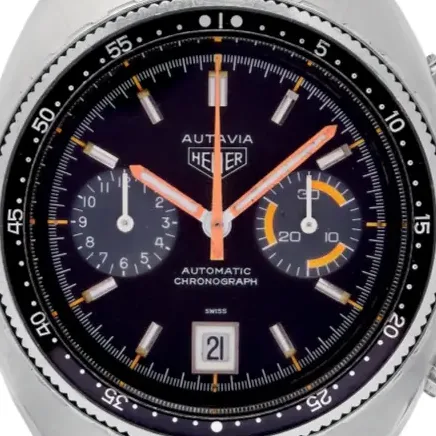
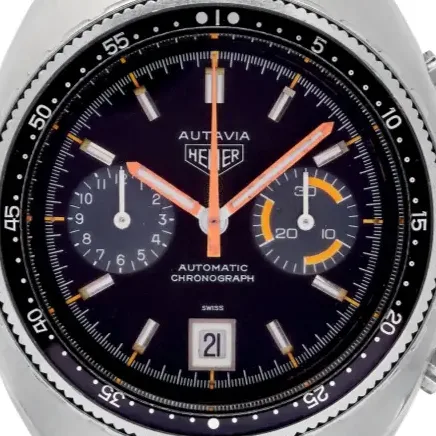
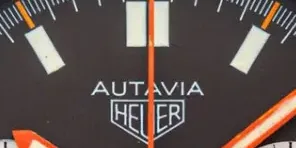
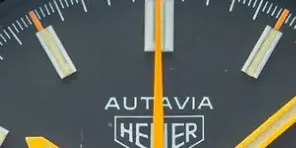
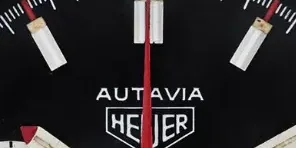
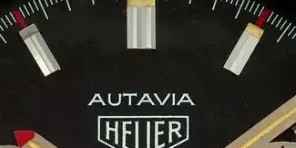
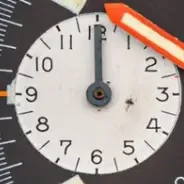
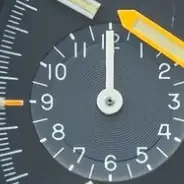
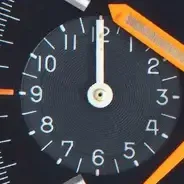
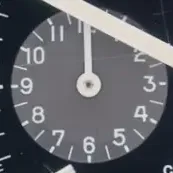
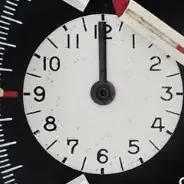
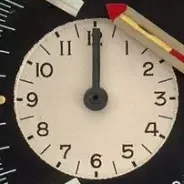
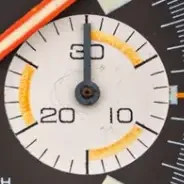
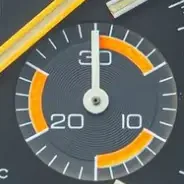
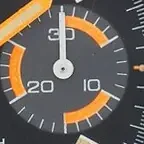
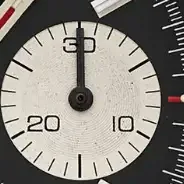
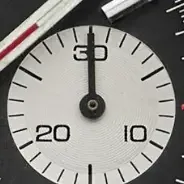
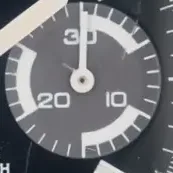
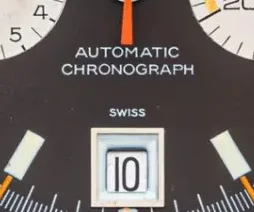
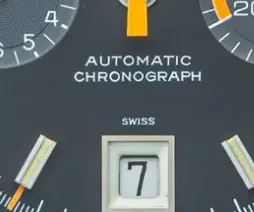
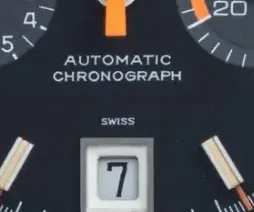
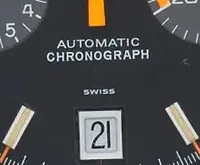
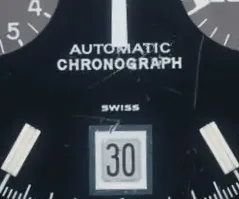
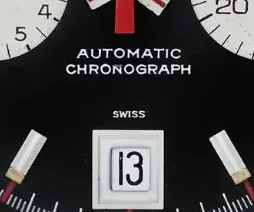
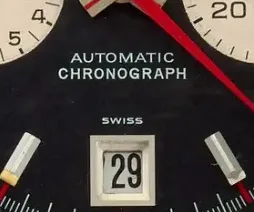
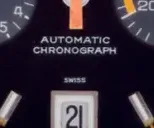
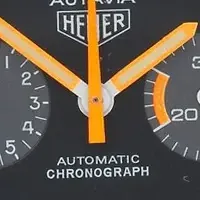
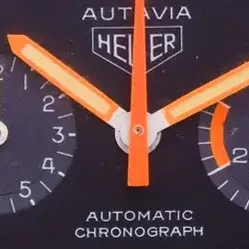
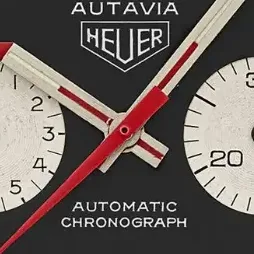
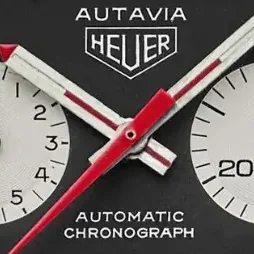
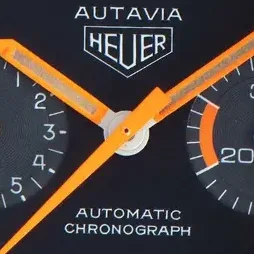
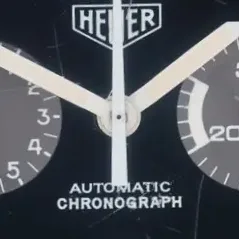
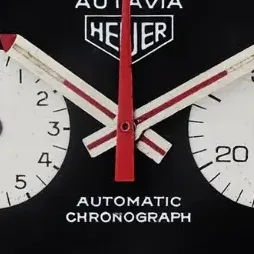
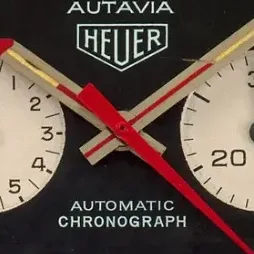
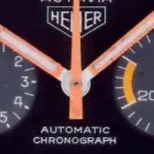
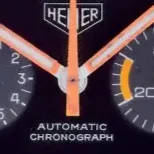
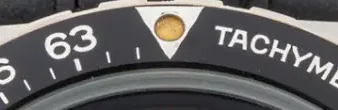
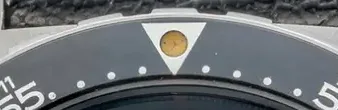
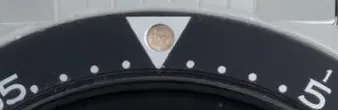
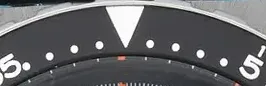
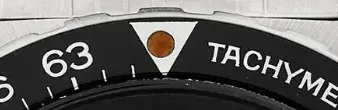
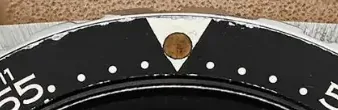
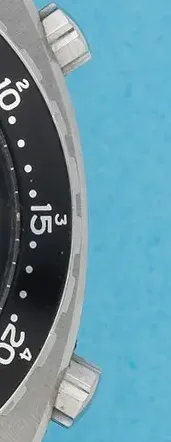
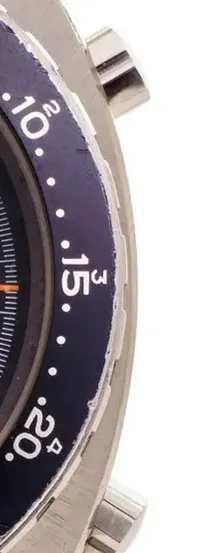
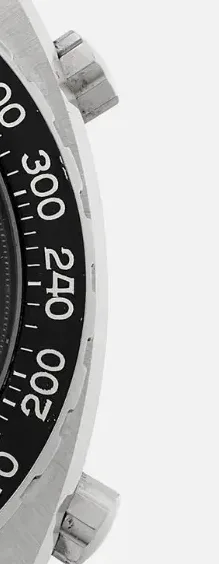
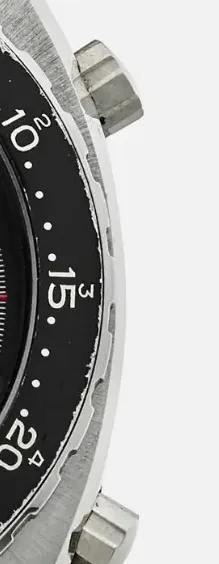
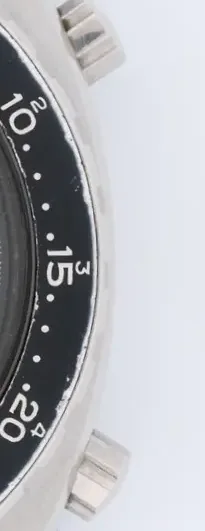
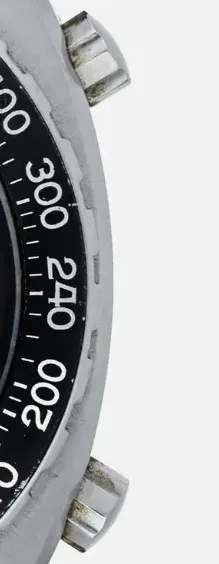
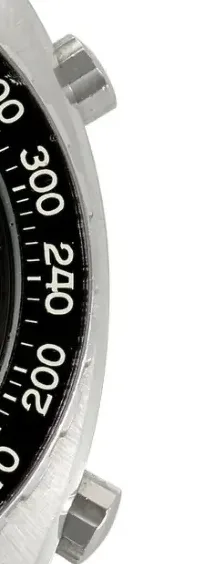
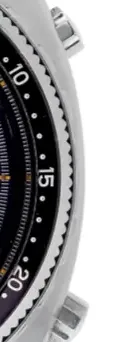
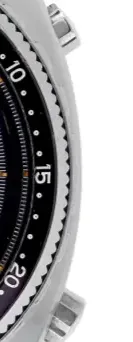
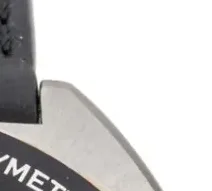
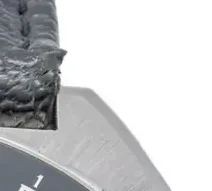
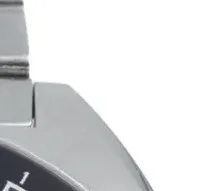
13 watches, oldest first, each straightened and cut the same way so that one row shows one component across them all. Chosen from 111 photographs on file for sharpness and for a face typical of the reference. A year marked c. is one its holder gives only roughly. Each picture is a detail cut from a listing photograph. Select the small mark in its corner for its year, its holder, a link to the listing it came from, and a way to report it.
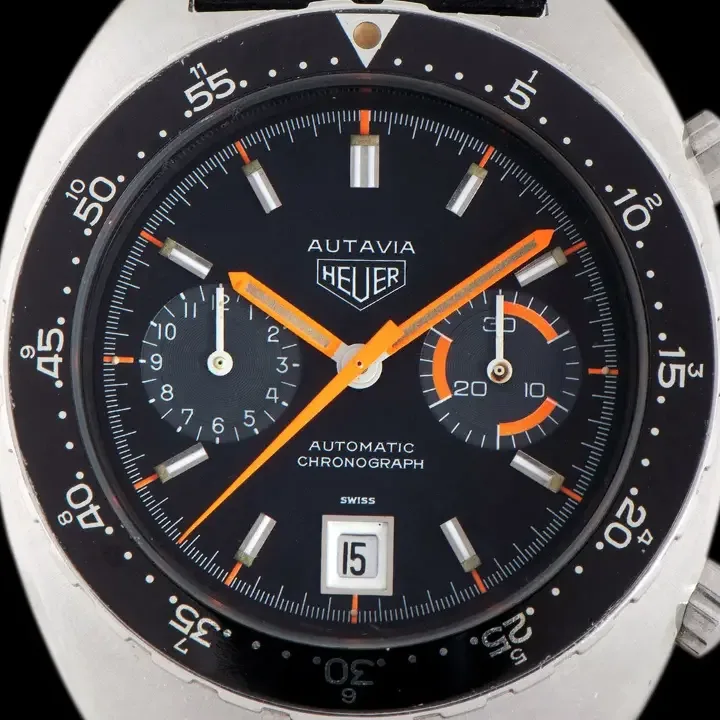
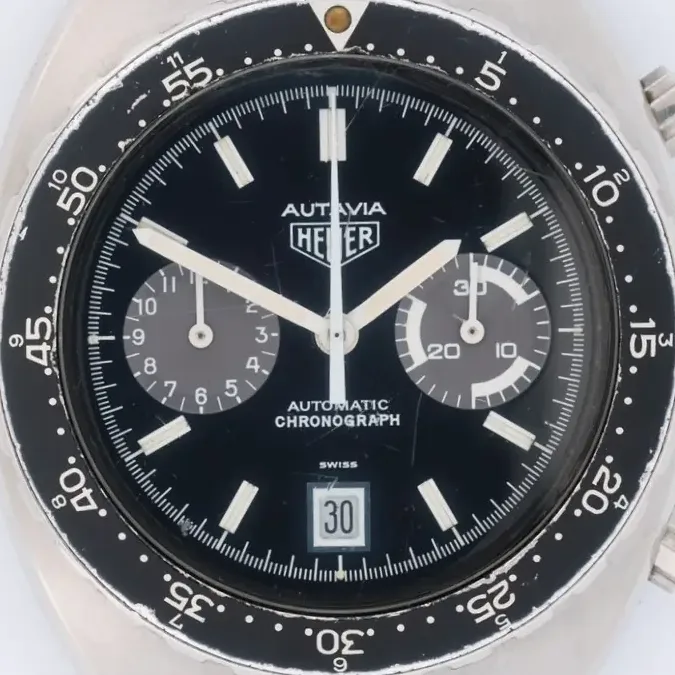
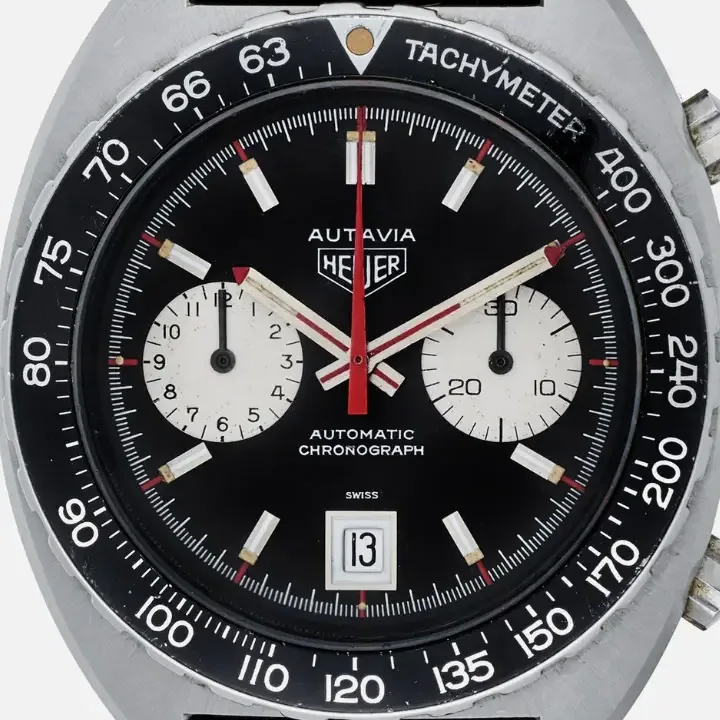
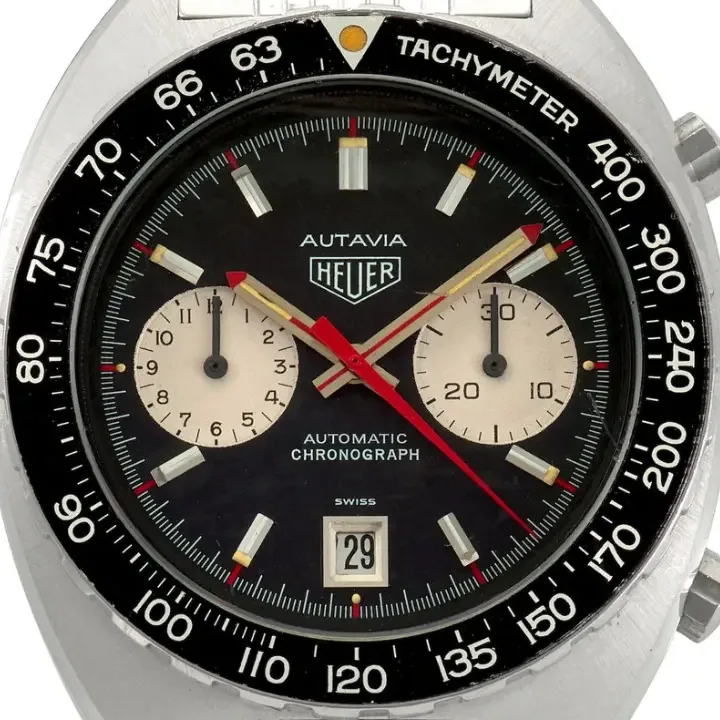
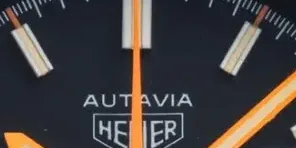

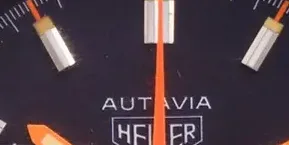

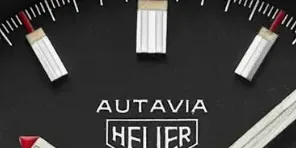
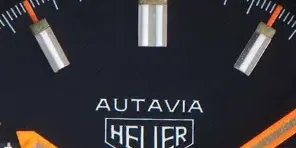




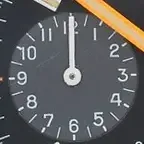
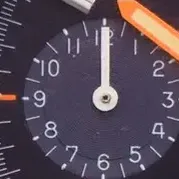
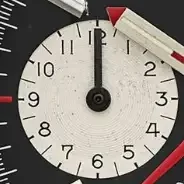
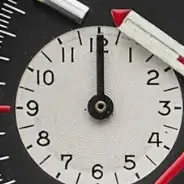



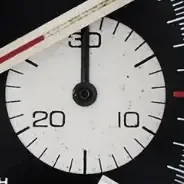
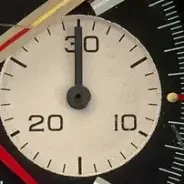
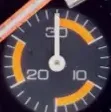
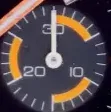
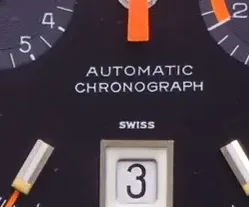
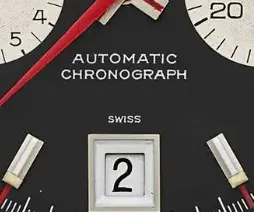
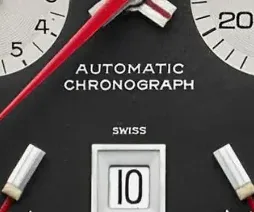
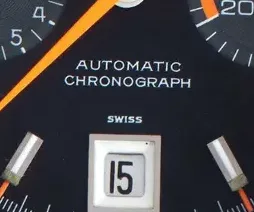
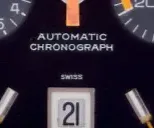
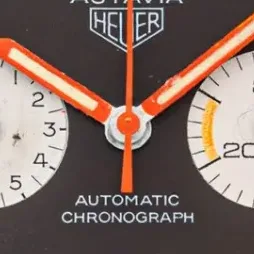
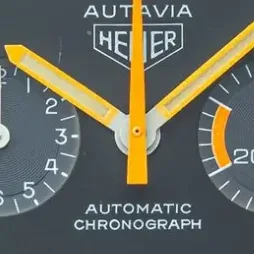
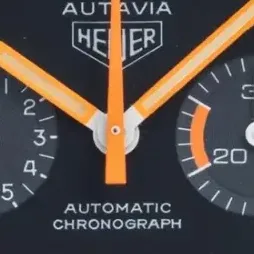

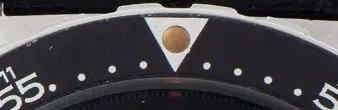

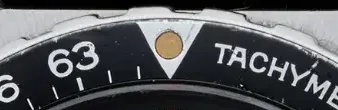
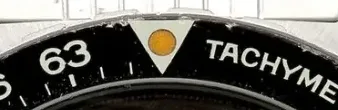
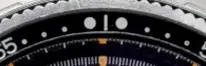
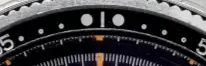
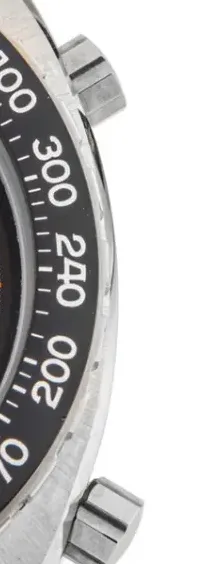
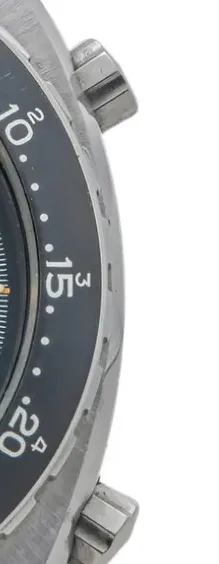
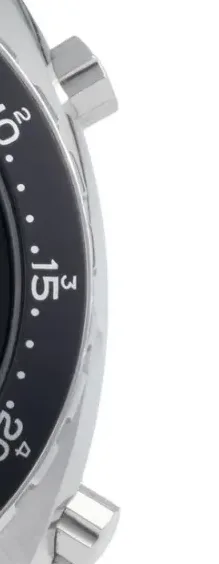

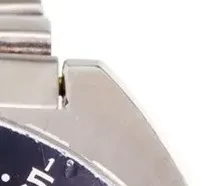
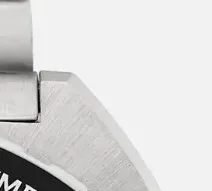
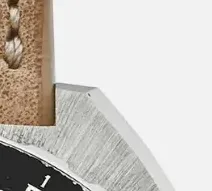
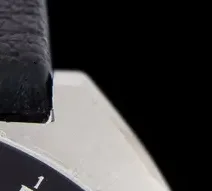



Chronology
The reference is usually placed from about 1972 or 1973. The literature gives no end date for the reference: the black and orange model is placed in catalogues up to 1985, but the design carried on in the 11063 case, which some catalogues print as 11630. Dating rests on serial numbers whose study is unpublished, and sellers' stated years are loose.
Every dated variant: what is written, and what the records show
For the reference the marks are every dated watch; for a variant, the watches a seller names as that variant, so a variant sellers do not name has none.
Specification
| Case | Stainless steel, about 42.5 mm across and 15 mm thick, with chunky integrated lugs; 20 mm between the lugs |
| Crystal | Flat mineral crystal (the earlier 1163 has a plastic crystal) |
| Bezel | Rotating bi-directional bezel: tachymeter, or red and blue GMT 24-hour, depending on version; a diver's version is listed as the 11630 P |
| Movement | Automatic Chronomatic family: Calibre 12 (21,600 beats per hour); Calibre 14 in the GMT version |
| Layout | Two registers, 12-hour recorder at 9 o'clock and 30-minute recorder at 3 o'clock, date window above 6 o'clock |
| Crown and pushers | Crown on the left, chronograph pushers on the right; the pushers are recessed and lack the notches of the 1163 |
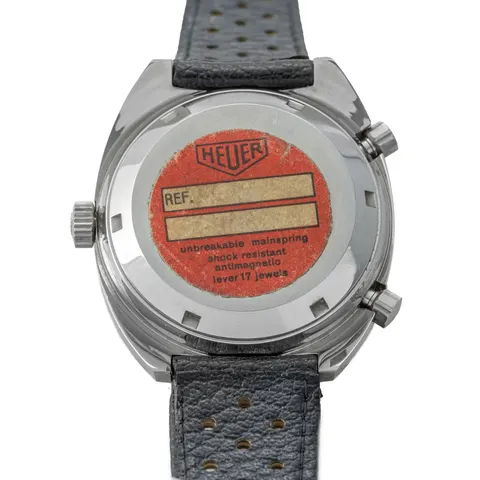
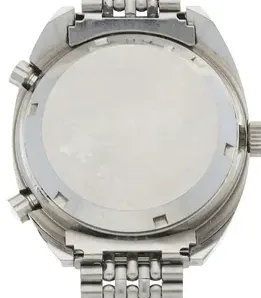
| Case back | Snap-back; the more common Schmitz case has a deep-dish back and the Piquerez case a shallower stepped back |
Dial 5 described
The 11630 carries the Viceroy-style black and white dial, orange-accented dials, a brushed silver dial and a numeral dial. The standard dials are glossy by the later years, with slightly silvered subdials. The automatic dials print the word Automatic in the usual place.
Black and white, Viceroy colours (11630 T)
Black dial with white registers and red accents, matching the colours of the earlier 1163 Viceroy, with a tachymeter bezel. Its steel main hands set it apart from the painted hands of most other 11630s. One watch, numbered 300950, is placed after the Viceroy promotion of 1972, at about 1973 or 1974; the colourway is still called a Viceroy because the name identifies it. That watch has 11630 stamped on the lug end with no 'V'.
- black dial with white registers
- red accents
- steel hands
- black tachymeter bezel
- 11630 stamped without V
Black and orange MH, first type
Black dial with orange hands, orange racing stripes on the minute register and orange accents on the outer track. The hour batons are polished metal, filled with white and tipped with a small lume dot. This first type is the one shown in the 1972 and 1974 catalogues, and the black and orange model stayed in the range for a long time. The name Orange Boy belongs properly to the 1163, so using it here is a common slip.
- polished hour batons with white insert
- small lume dot at the baton ends
- orange hands
- orange stripes on the 30-minute register
Black and orange MH, second type
The later dial shown in the 1977 catalogue has white painted hour batons with a lume strip between the lines. The change fell between 1974 and 1977, and the silver dial changed in the same way.
- white painted batons with a lume strip
Brushed silver dial
numbers 260217 (c. 1976 example)
A brushed silver dial with orange hands, orange accents on the outer track and orange on the 30-minute register, first used on the 11630 and later on other models. The finish changes with the light, and sellers also describe silver dials with 'tropical' subdials.
- brushed silver finish
- orange hands and accents
Numeral dial, Calibre 12
numbers mainly 376xxx or later
A dial with Arabic numerals set radially for the hour markers, made specifically for the automatic Calibre 12 with the word Automatic in the usual place. It has a glossy later-style finish and slightly silvered subdials, matching late 11630 and 11063 standard dials. It has been seen only in the 11630 and not in a 1163 case, and is rarer than the manual-wind numeral versions. The Reference 11063 case with a numeral dial and a small-font Kenyan Air Force mark, serial 395xxx, is also known.
- radial Arabic numerals
- Automatic printed on the dial
- glossy finish
Hands 2 described
Hands vary with the dial and period; mixed or replaced hands are common.
Painted hands
Painted hands appear on the mid to late 11630, including the orange MH, the numeral dial and the silver dial. The black and white tachymeter version has steel main hands instead.
- painted orange hands
- steel hands on the Viceroy colourway
Brushed metal hands with red strip
Brushed metal hands with a red strip, as used on the 1163 and some 11630 Autavias, are also seen on numeral dial 11630s.
- brushed metal hands
- red strip
Bezel 2 described
The rotating bezel is the Autavia's defining feature; the 11630 uses a tachymeter bezel or the red and blue GMT bezel, and a diver's version is listed as the 11630 P.
Tachymeter bezel
A black bi-directional bezel with a silver tachymeter scale, giving the T suffix. On a well-worn watch the gloss of the insert can wear away to a deep matt grey-black.
- black insert
- silver tachymeter scale
GMT bezel
A red and blue 24-hour bezel is used with the fourth GMT hand on the centre pinion. The GMT hand follows the main hour hand on a 24-hour basis and is not set independently; the user turns the bezel to show a second time zone. The GMT version carries Calibre 14.
- red and blue bezel
- fourth centre hand
Case 3 described
The 11630 sits in the 1970s style case that began with the 1163 and ended with the 11063.
Schmitz case
The more common case maker, with a deep-dish case back.
- deep-dish case back
Piquerez case
A less common case with a shallower stepped case back.
- shallow stepped case back
Kenyan Air Force case back
Military watches carry either a large KAF with a two or three digit number, usually under 200, or a small KAF with a three digit number, usually over 200. The later 11630 inscriptions are patchier, and some watches have none. The 11630 style trapezoid-section case back is also found on manual-wind numeral watches.
- KAF engraved on the back
- number following KAF
Crystal 1 described
The 11630 has a flat mineral crystal, a difference from the 1163.
Flat mineral crystal
A flat mineral crystal replaces the plastic crystal of the 1163. One watch is recorded with an incorrect domed plastic crystal and a silver rehaut added over the original.
- flat crystal
Movement 2 described
The 11630 uses the Chronomatic family: Calibre 12 for the standard watches and Calibre 14 for the GMT.
Calibre 12
An improved version of the first Chronomatic calibre, an automatic chronograph running at 21,600 beats per hour, with the crown on the left. It powers the standard 11630.
- crown on the left
Calibre 14 GMT
The GMT version of the Calibre 12, used in the 11630 GMT.
- GMT hand
Originality
- Pushers and crowns are often replaced; the 11630 has recessed pushers without the notches of the earlier 1163.
- Crystals are often replaced, and a plastic domed crystal is wrong for this reference.
- Hands are often mixed or replaced, and surviving numeral-dial watches show wrong or changed hands.
- Dials and cases from other Autavias are sometimes combined into watches with incorrect parts; fake dials of the 2000 to 2005 period show the Heuer shield above the word Autavia.
Names
- Viceroy. The black and white dial with red accents follows the colours of the cigarette-brand promotion of 1972.
- Orange Boy. The name belongs to the 1163 with orange accents, and is applied loosely to the orange 11630.
- MH. Letters used in the reference name for the black and orange dial.
- Shauntavia. A name for numeral-dial Autavias, taken from a collector who popularised them.
Where accounts differ
Points on which the published literature and the library's own records do not agree, or on which the literature contradicts itself.
- Start of production. Published accounts put the 11630 at 1972, or 1972/73. Sellers date several watches to about 1970, but their dating rests on loose wording rather than case numbers.
- Catalogue references. One account says the 11630 cannot be found in the catalogues available online, and that some catalogues misprint the 11063 as 11630, an art department slip known to collectors. An account by the same writer places the black and orange 11630 MH in the 1972, 1974 and 1977 catalogues, and in the range until 1985.
Back and movement
From listings of this reference, each confirmed by eye to show what it is filed under. A picture on which a person's name or a personal engraving can be read is not shown. From most holders a detail from the middle of the photograph is shown; the mark in its corner gives its holder and a link to the listing.
Caseback


In the records
Counted from 63 listings at 23 holders between 11 May 2012 and 14 November 2026. These are what sellers and auction houses state, not measurements.
The fainter bar is the one listing outside the main run of 1970–1981 (the middle nine-tenths): the latest is 1984. It is an early or late example, or a seller's slip. The head of the page gives 1971–1981: the years that listings from two holders bear out.
Case metal
| Steel | 35 | |
| Silver | 1 |
Dial colour
| Black | 18 | |
| Silver | 3 | |
| Brown | 3 |
Case size
| 42 mm | 22 | |
| 43 mm | 3 | |
| 39 mm | 1 |
Bracelet or strap
| Metal bracelet, kind not stated | 13 | |
| Leather strap | 6 | |
| Rubber strap | 1 |
Each table counts the listings that state the thing, in the seller's own terms. A size, metal, colour or calibre that cannot belong to this reference is a seller's slip or a listing filed under the wrong number.