Autavia (automatic)
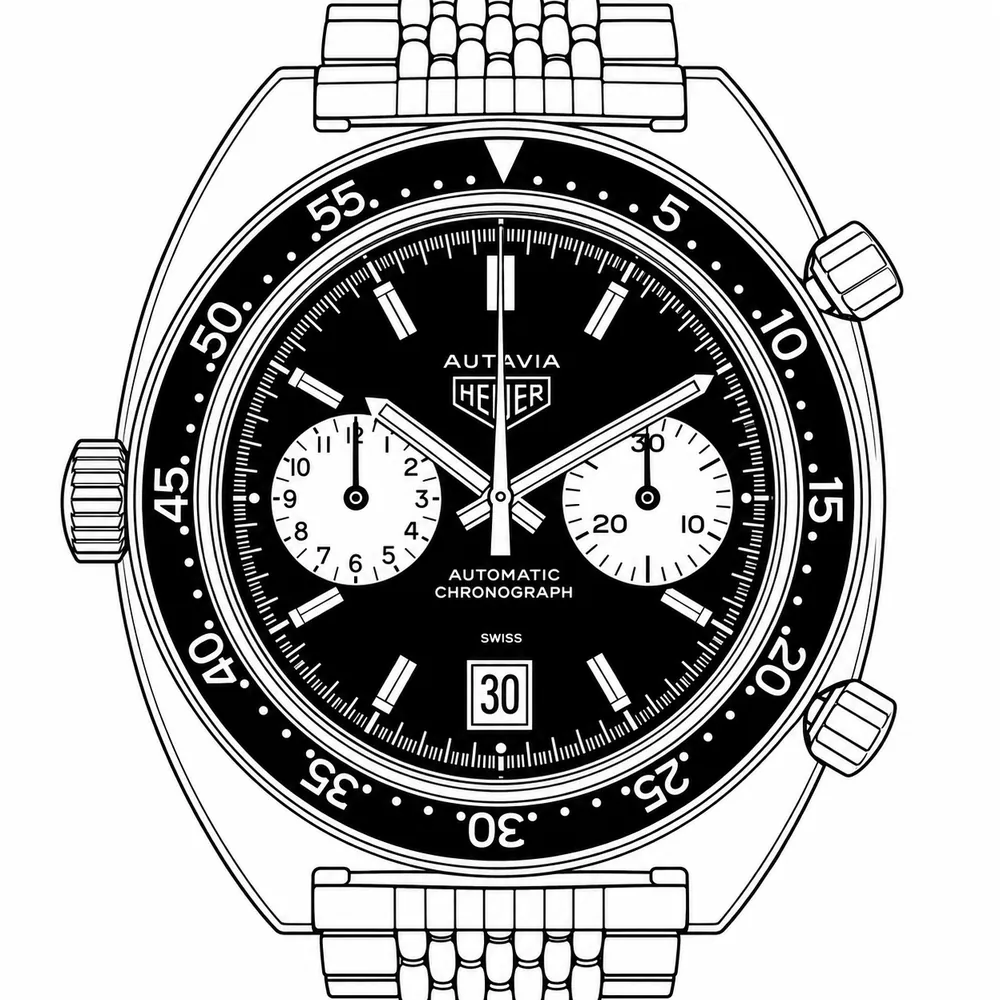
Reference 1163 is the first automatic Heuer Autavia, introduced in 1969 with the Cal. 11 micro-rotor movement in a cushion-shaped case with a left-hand crown. It has two registers, a date at six and a rotating bezel. The range runs through the Chronomatic dials of 1969, the white-dial Siffert (T) and black-dial MH versions, the Orange Boy, the GMT and the Viceroy, which brought a tachymeter bezel, red-tipped hands and a fully numbered hour recorder to the black dial. The case is 42.3 mm across. The 11630 follows it in the same family from 1972.
- Made
- from 1969dates approximate
- Seen in the library
- 1969–1975by years sellers state
- Case
- 42 mm · steelas sellers state
- Movement
- Automatic
- On record
- 131 listings256 photographs · 29 holders
Components
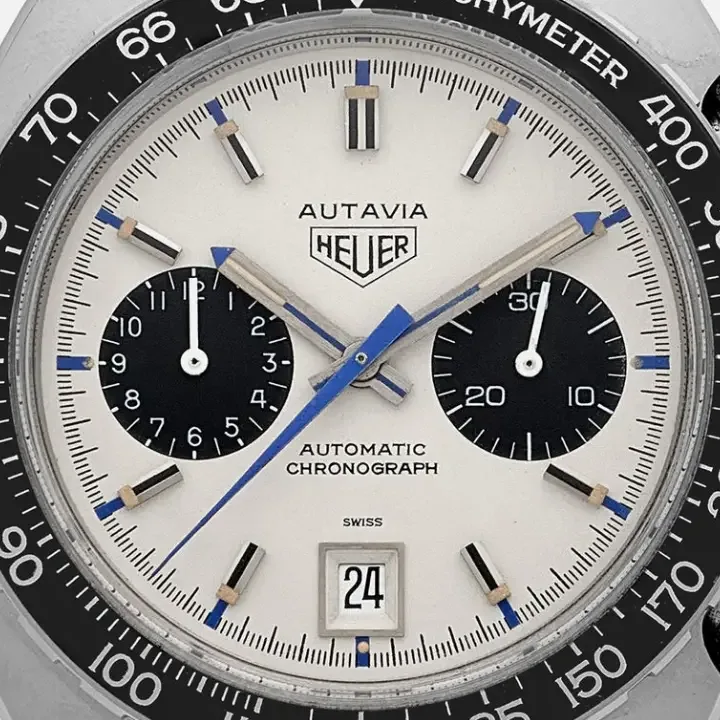
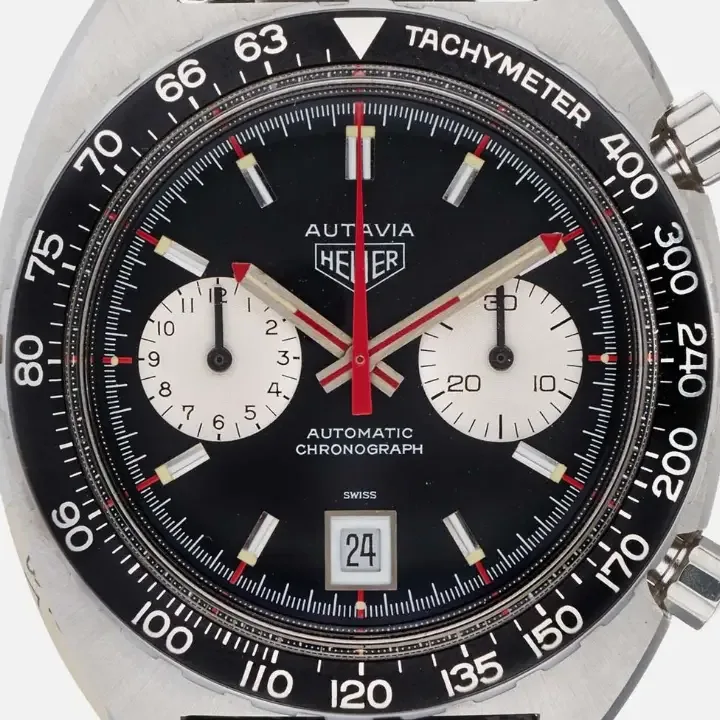
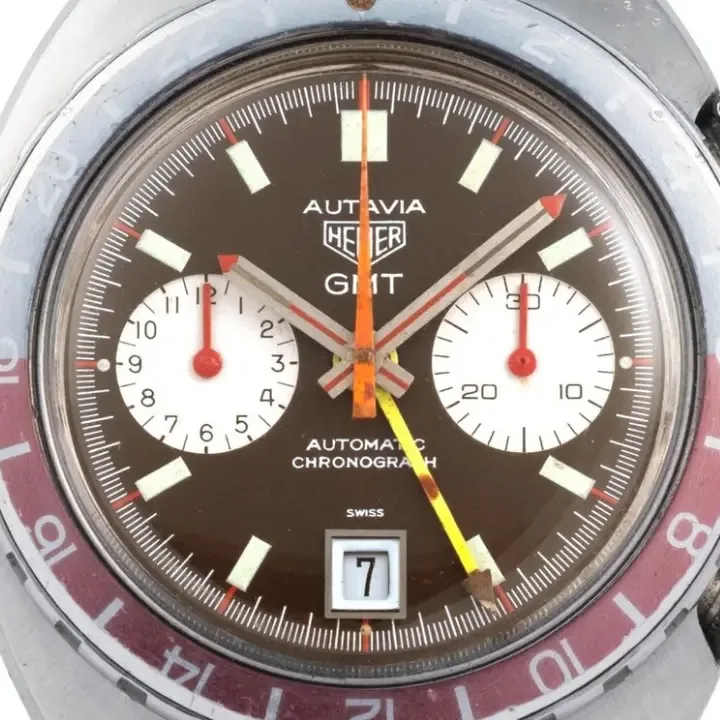
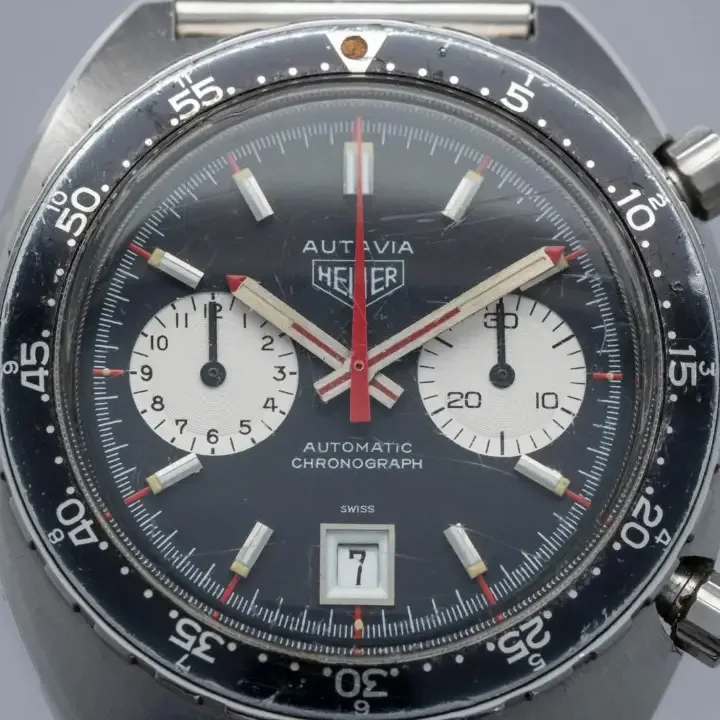
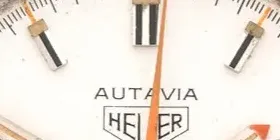
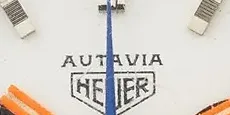
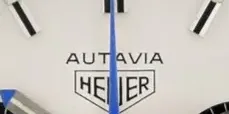
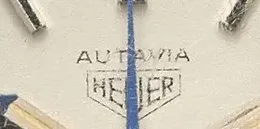
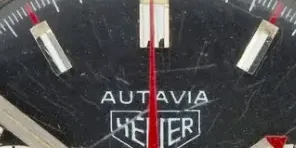
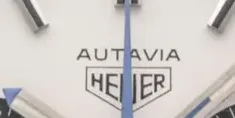
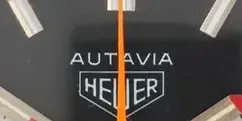
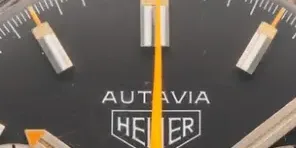
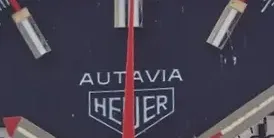
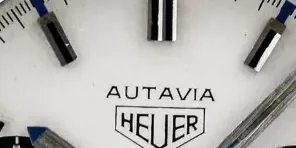
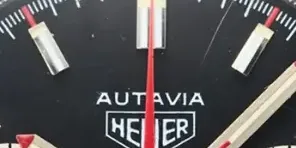
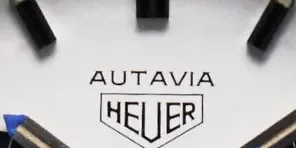
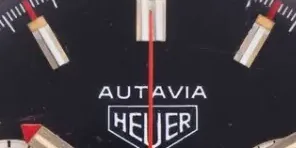
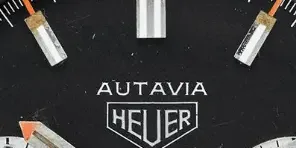
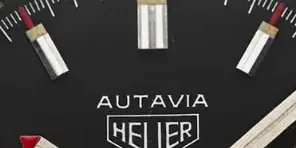
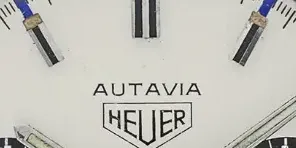
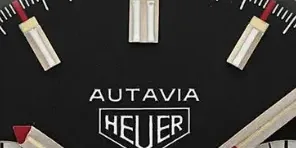
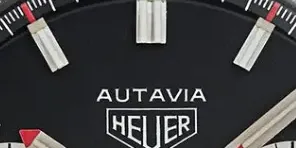
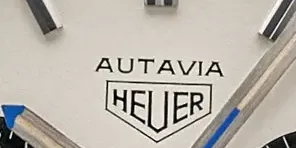
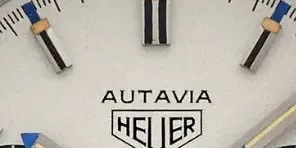
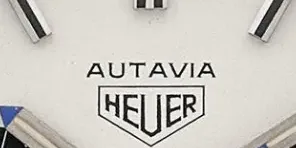
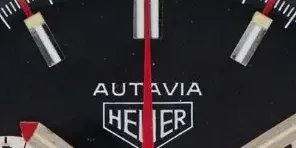
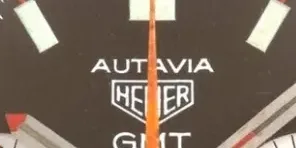
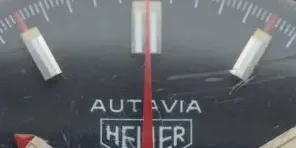
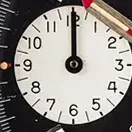
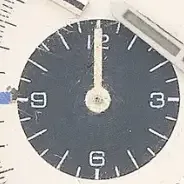
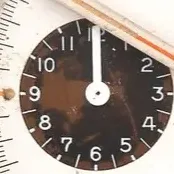
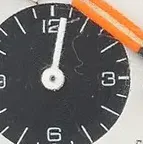
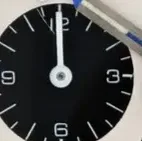
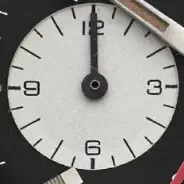
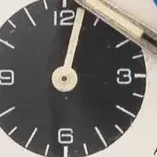
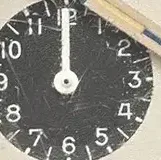
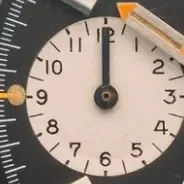
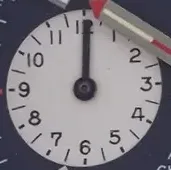
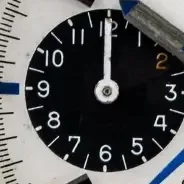
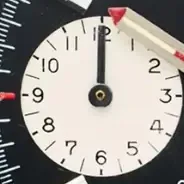
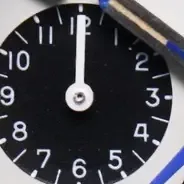
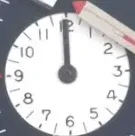
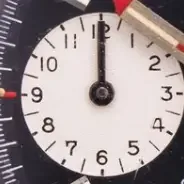
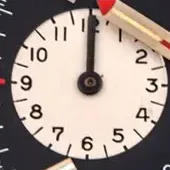
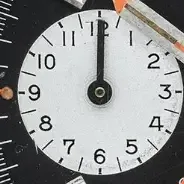
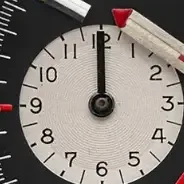
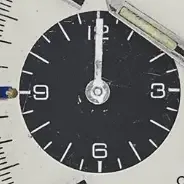
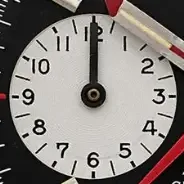
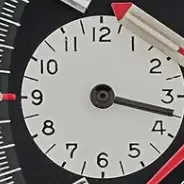
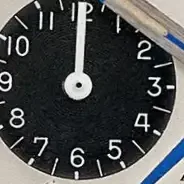
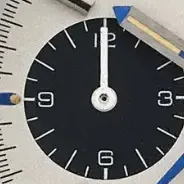
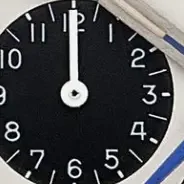
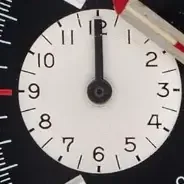
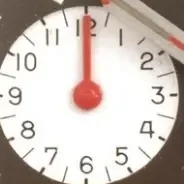
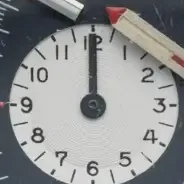
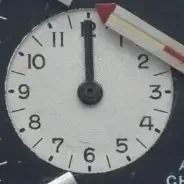
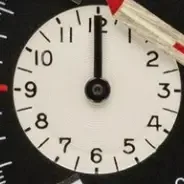
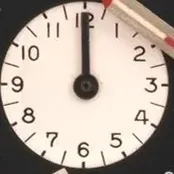
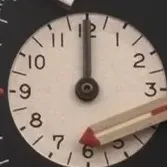
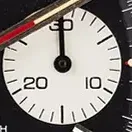
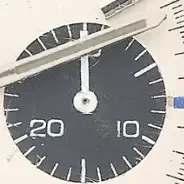
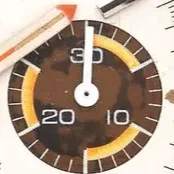
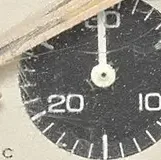
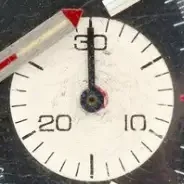
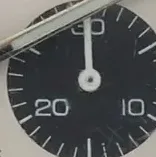
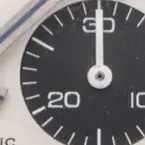
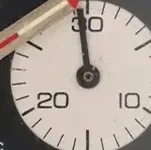
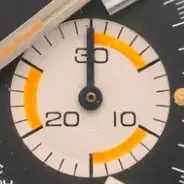
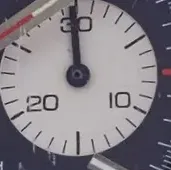
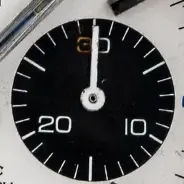
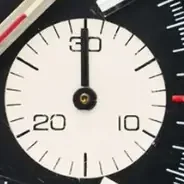
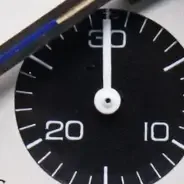
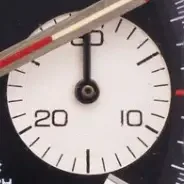
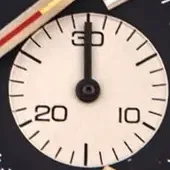
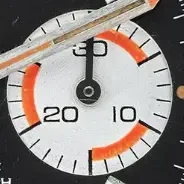
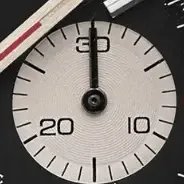
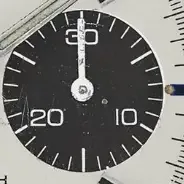
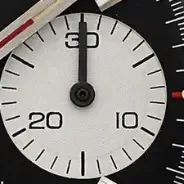
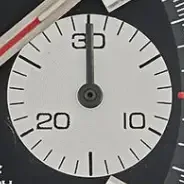
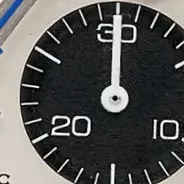
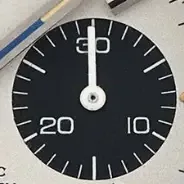
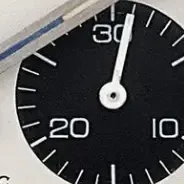
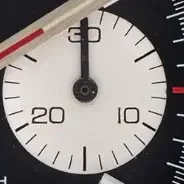
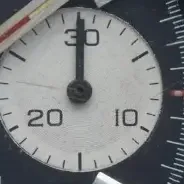
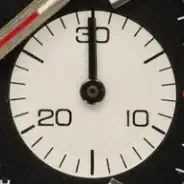
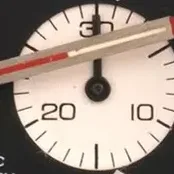
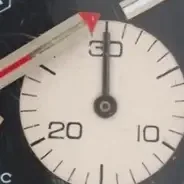
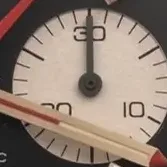
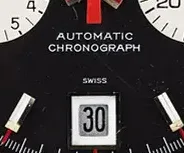
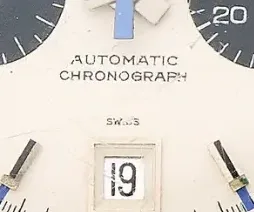
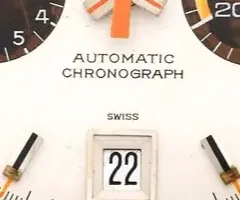
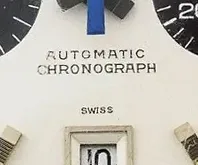
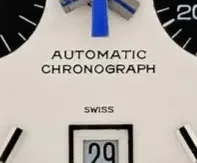
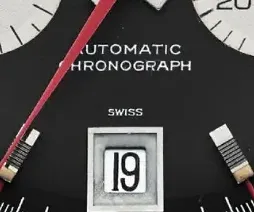
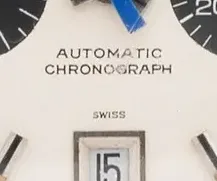
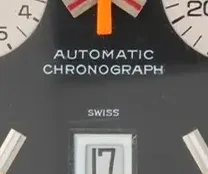
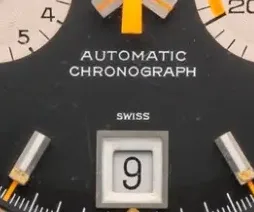
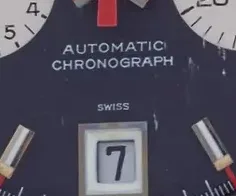
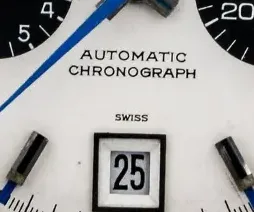
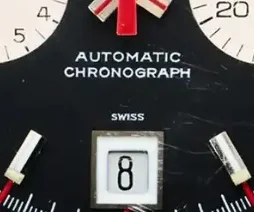
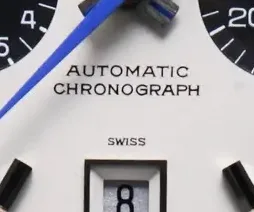
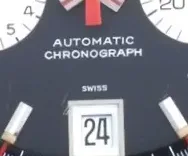
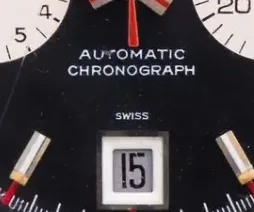
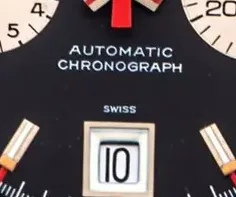
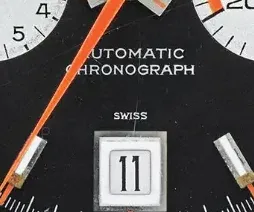
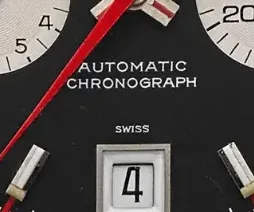
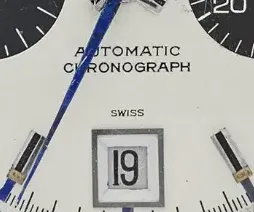
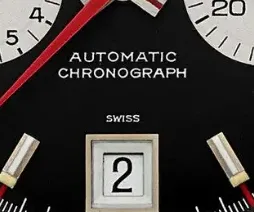
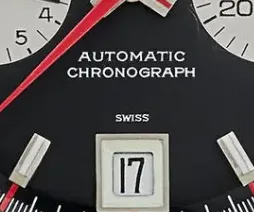
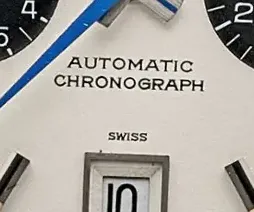
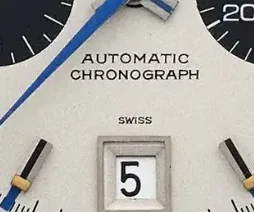
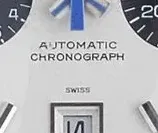
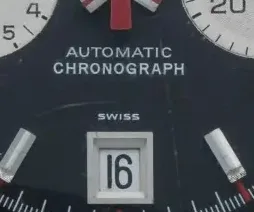
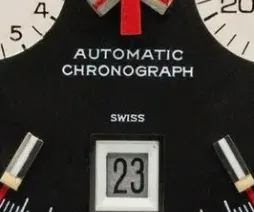
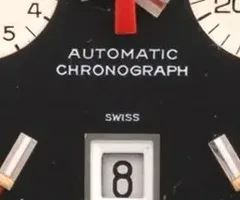
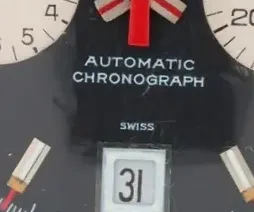
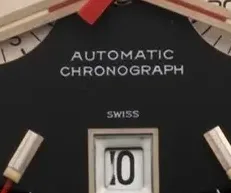
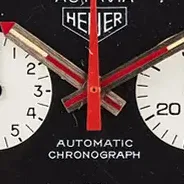
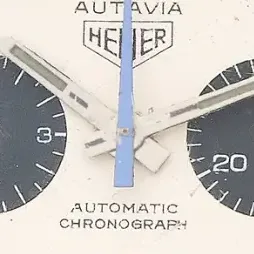
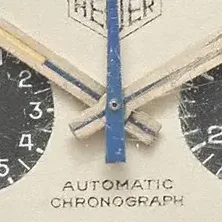
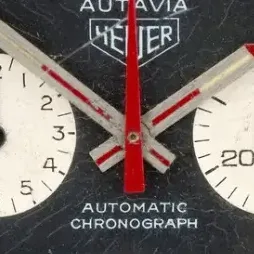
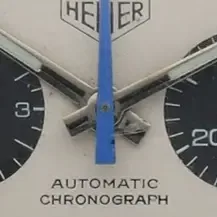
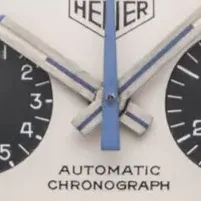
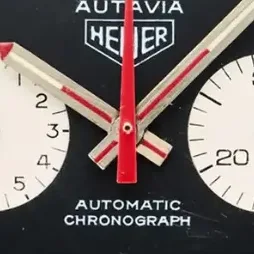
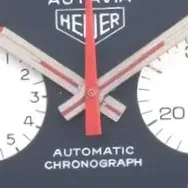
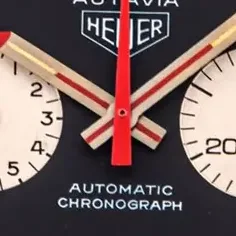
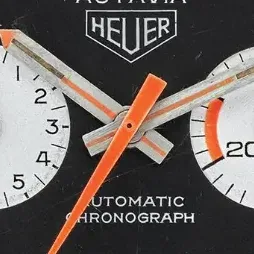
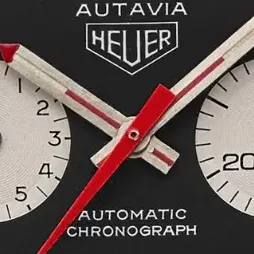
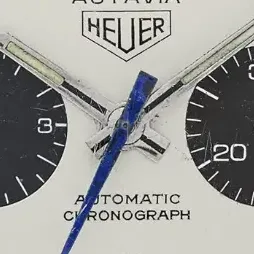
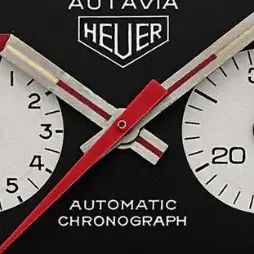
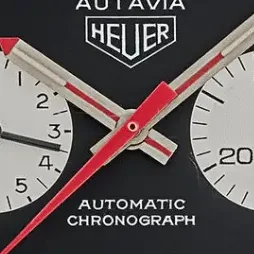
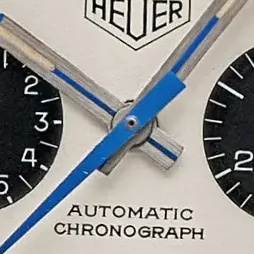
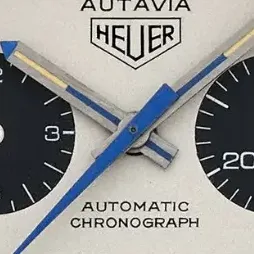
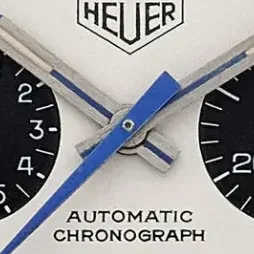
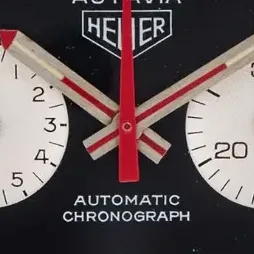
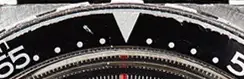
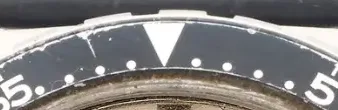
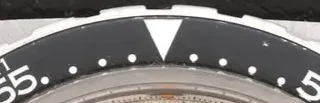
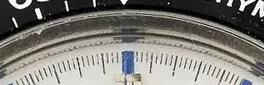
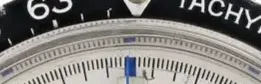
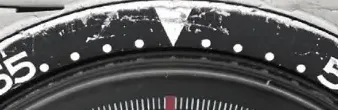
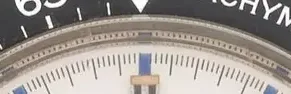
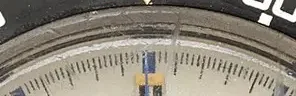
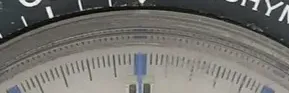
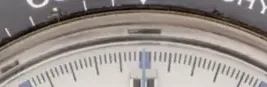
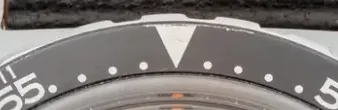
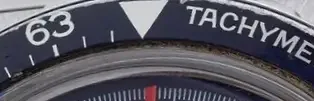
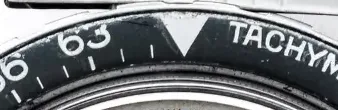
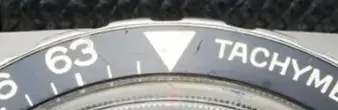
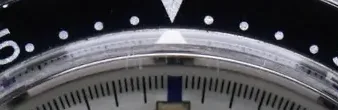
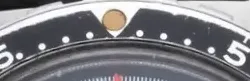
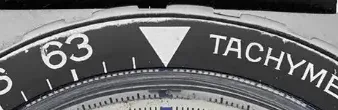
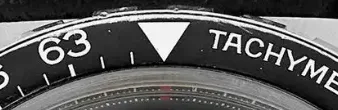
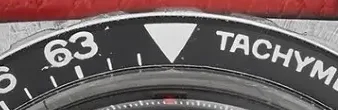
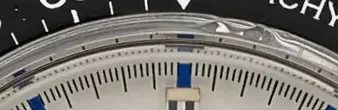
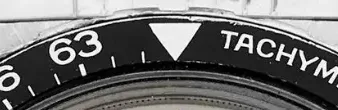
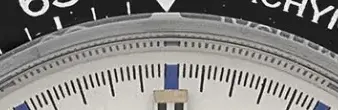
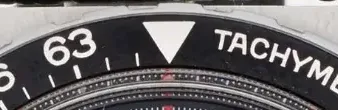
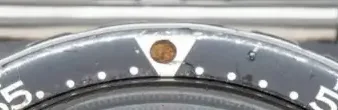
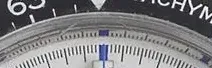
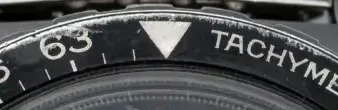
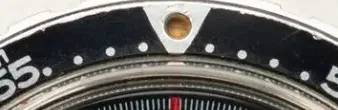
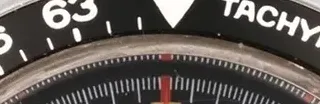
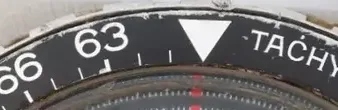
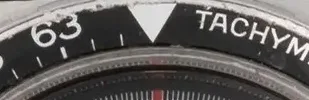
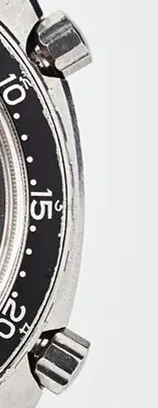
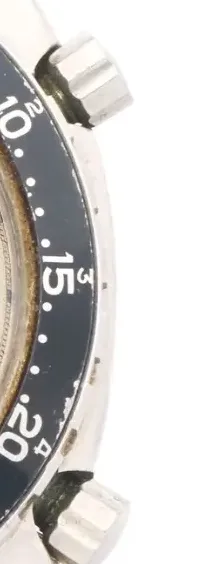
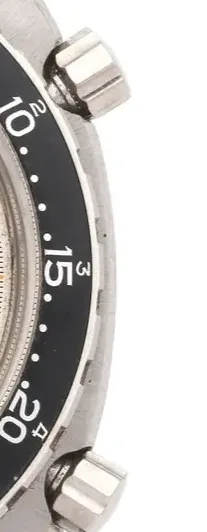
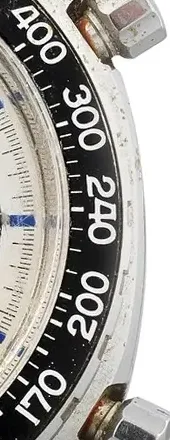
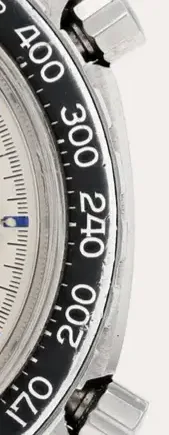
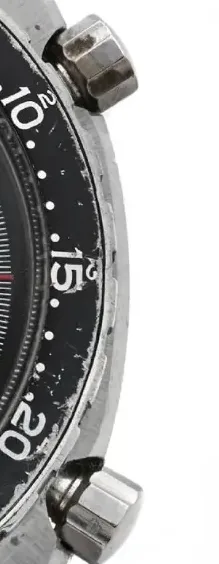
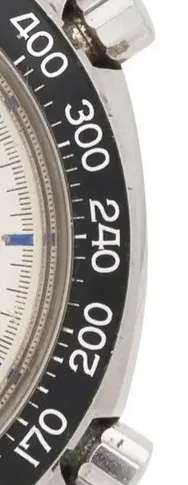
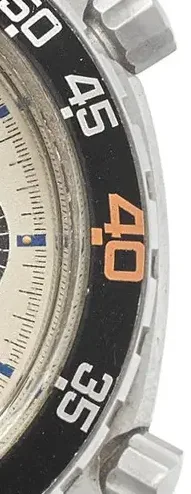
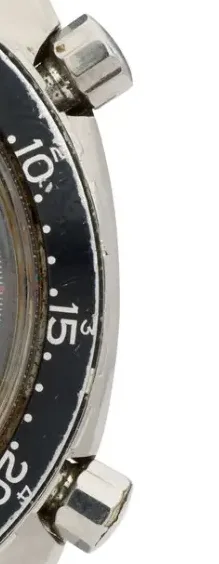
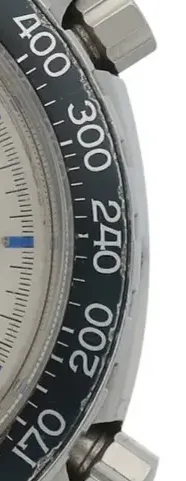
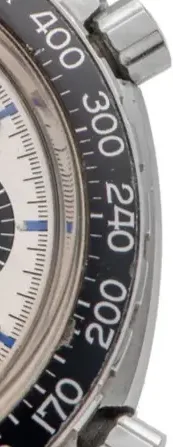
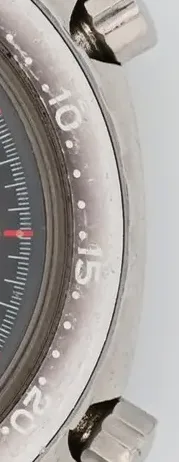
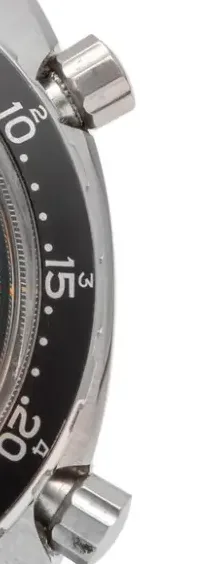
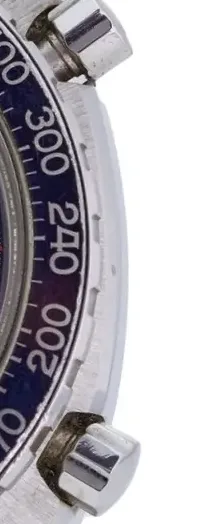
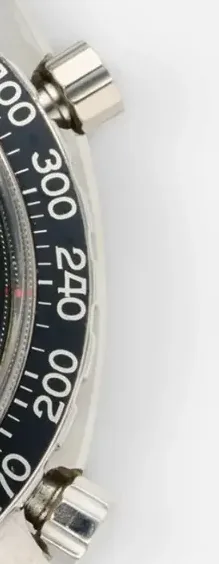
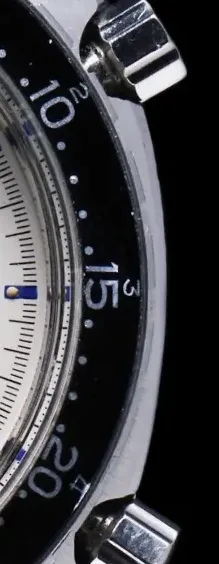
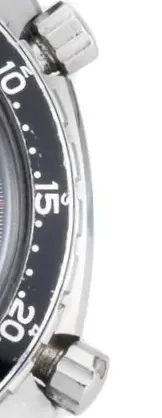
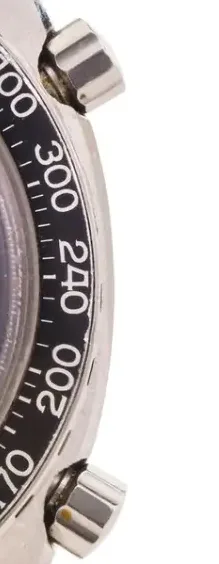
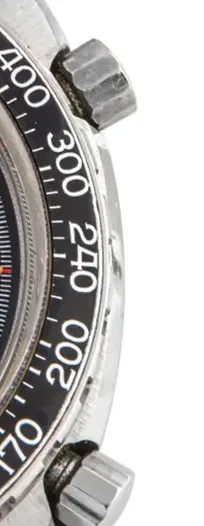
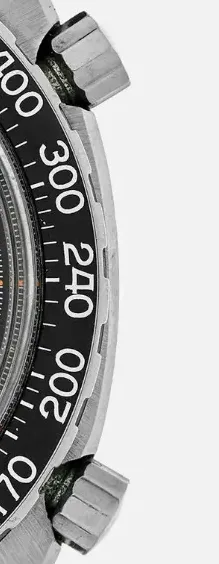
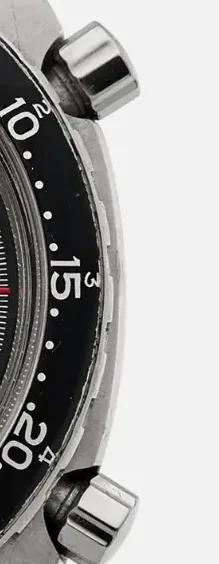
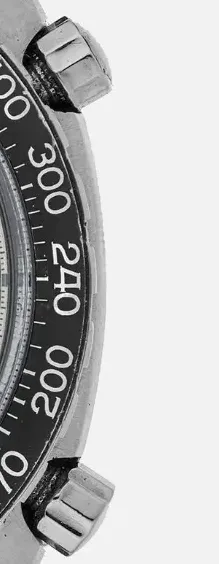
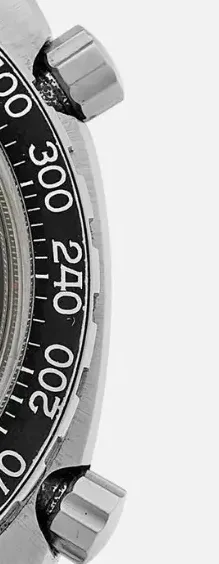
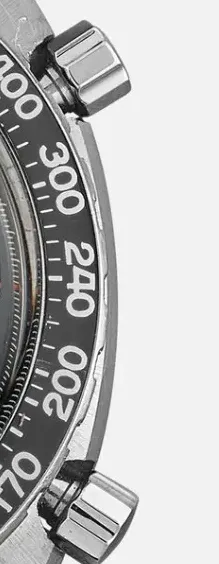
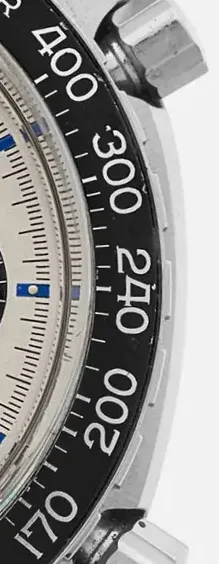
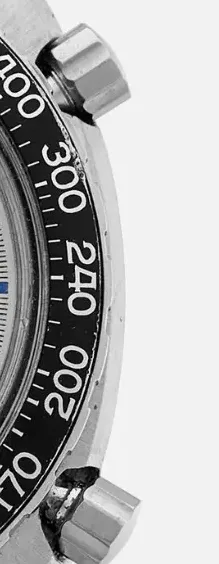
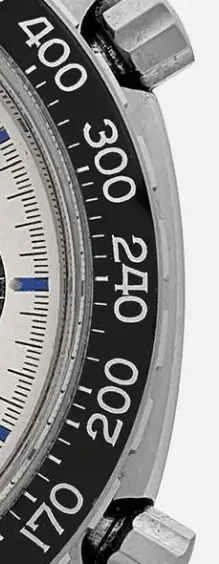
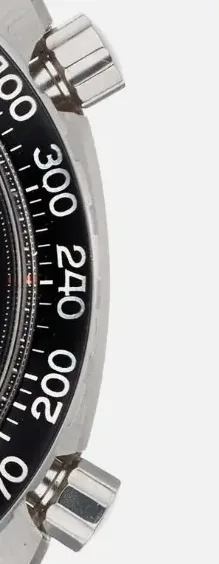
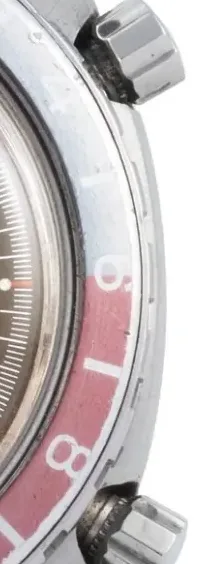
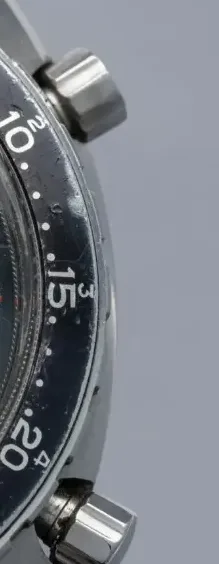
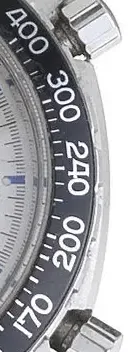
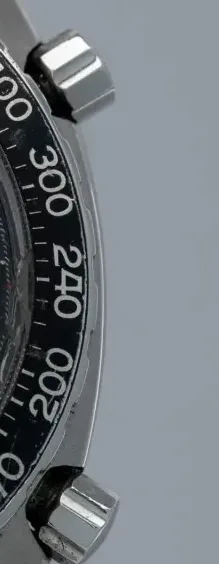
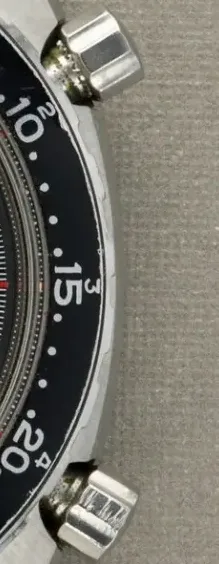
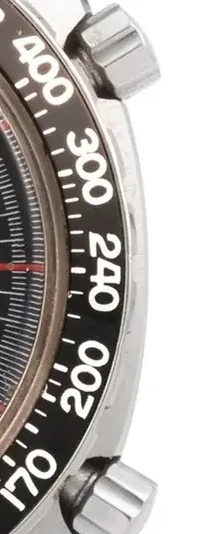
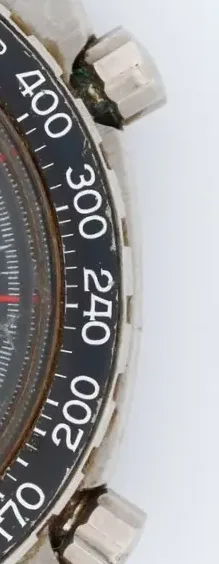
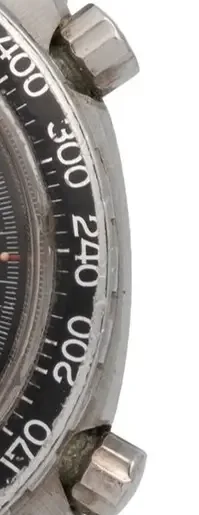
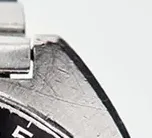
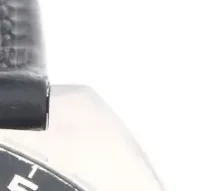
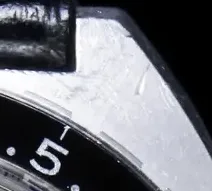
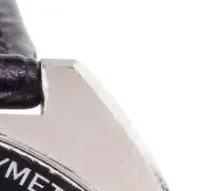
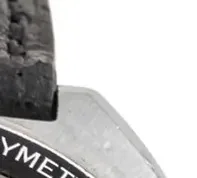
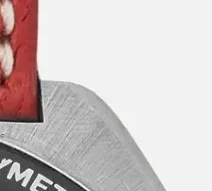
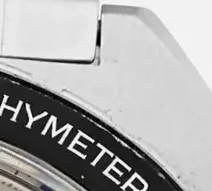
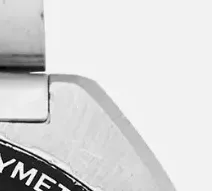
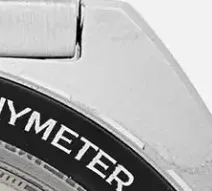
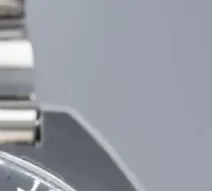
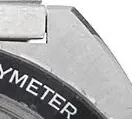
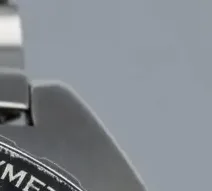
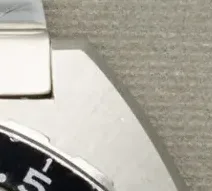
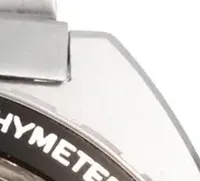
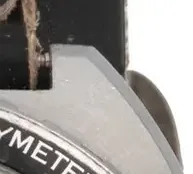
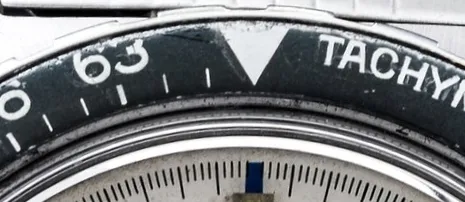
37 watches, oldest first, each straightened and cut the same way so that one row shows one component across them all. Chosen from 256 photographs on file for sharpness and for a face typical of the reference. A year marked c. is one its holder gives only roughly. Each picture is a detail cut from a listing photograph. Select the small mark in its corner for its year, its holder, a link to the listing it came from, and a way to report it.
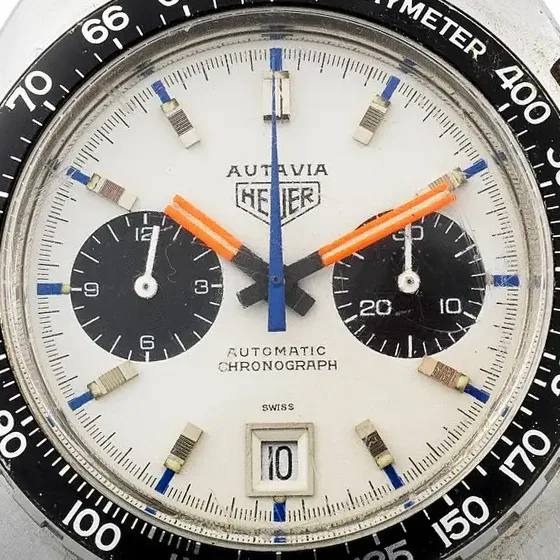
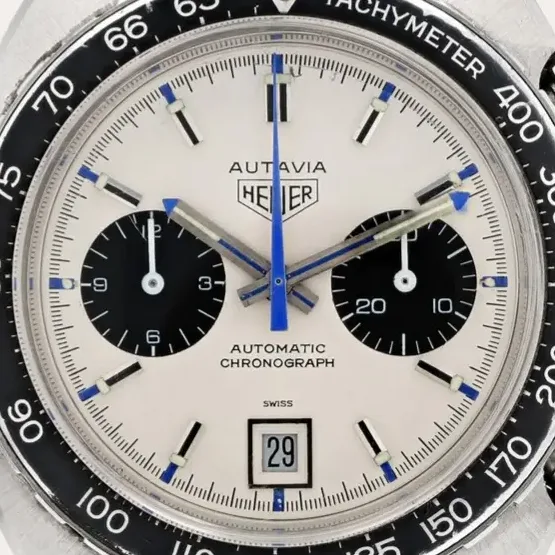
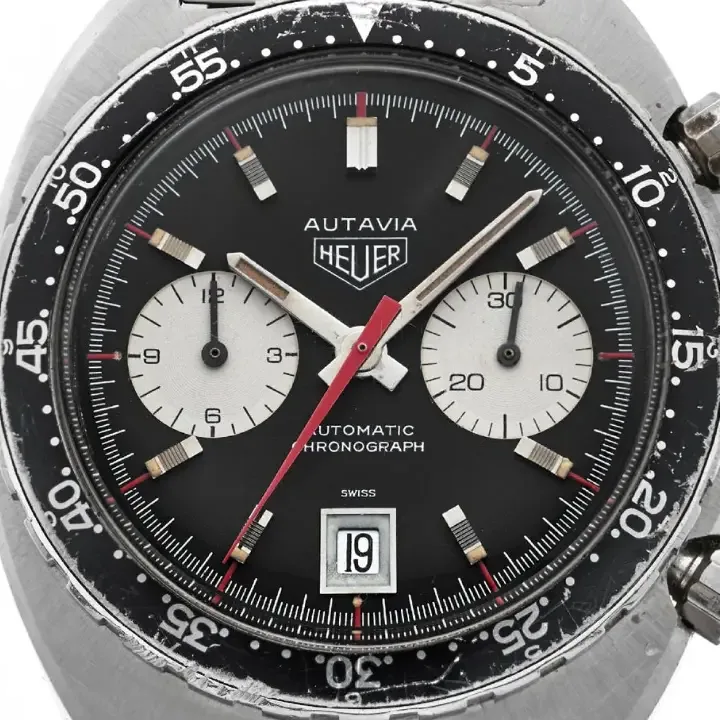
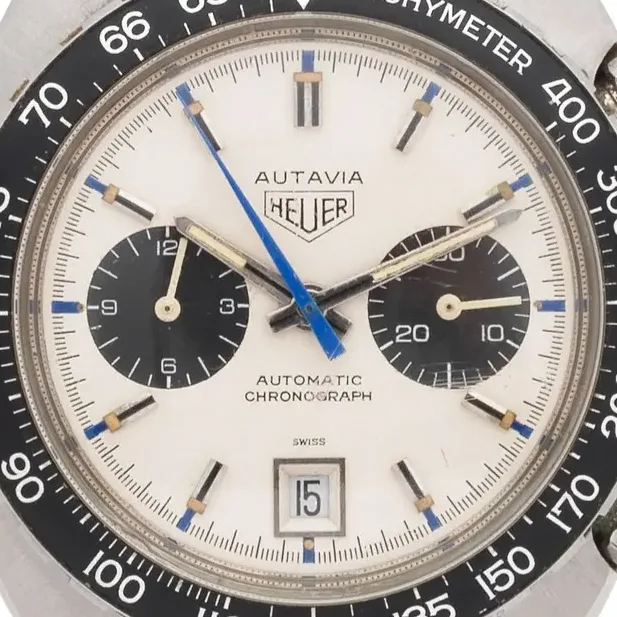
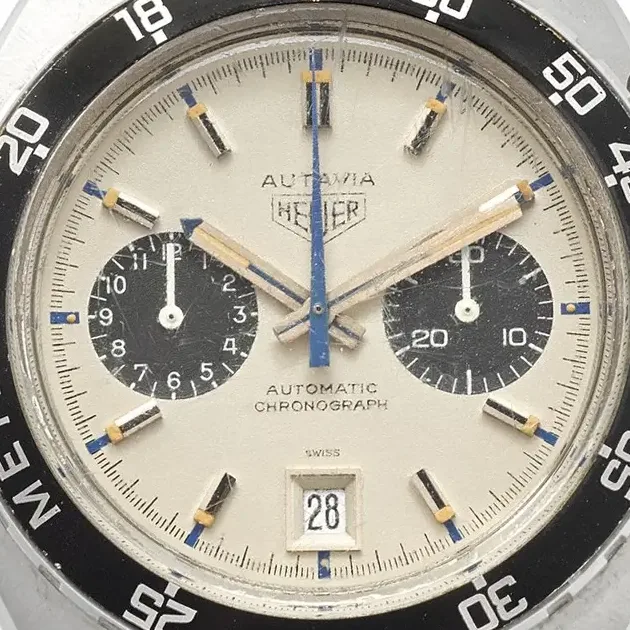
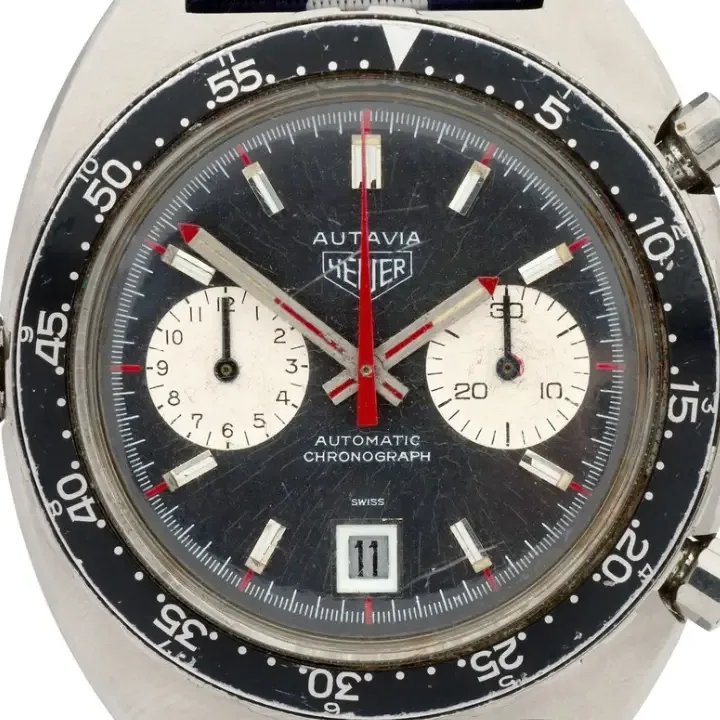
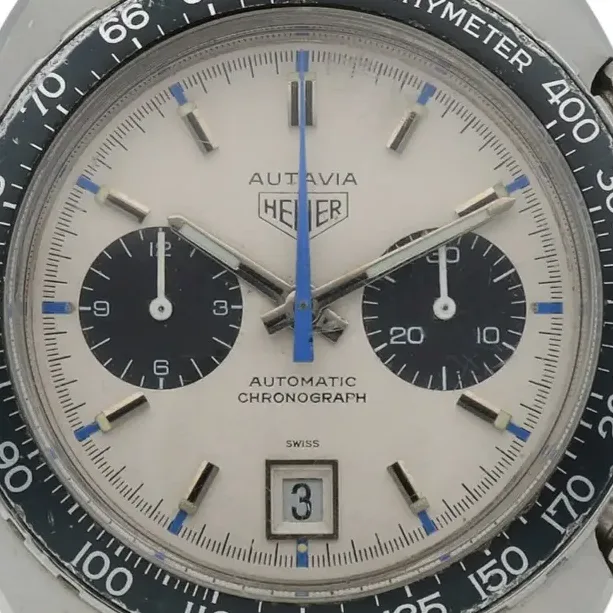
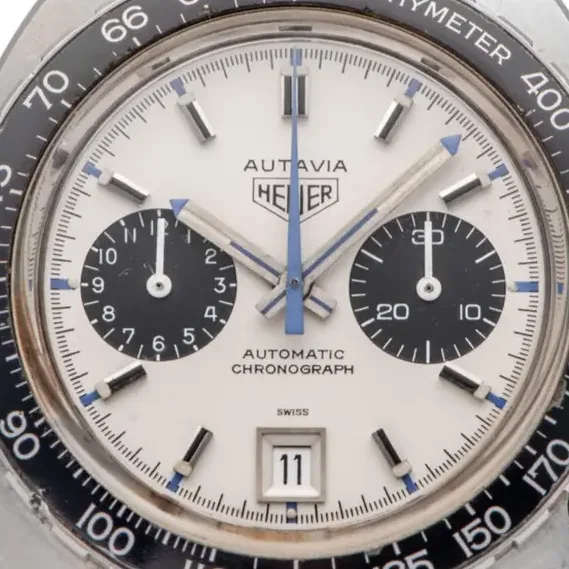
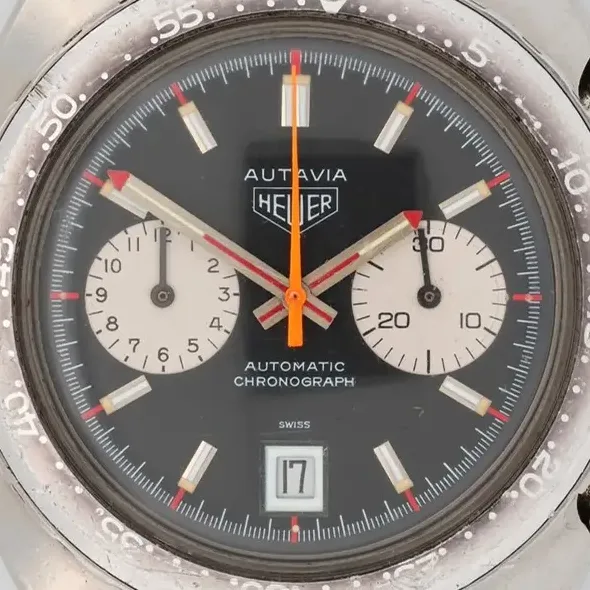
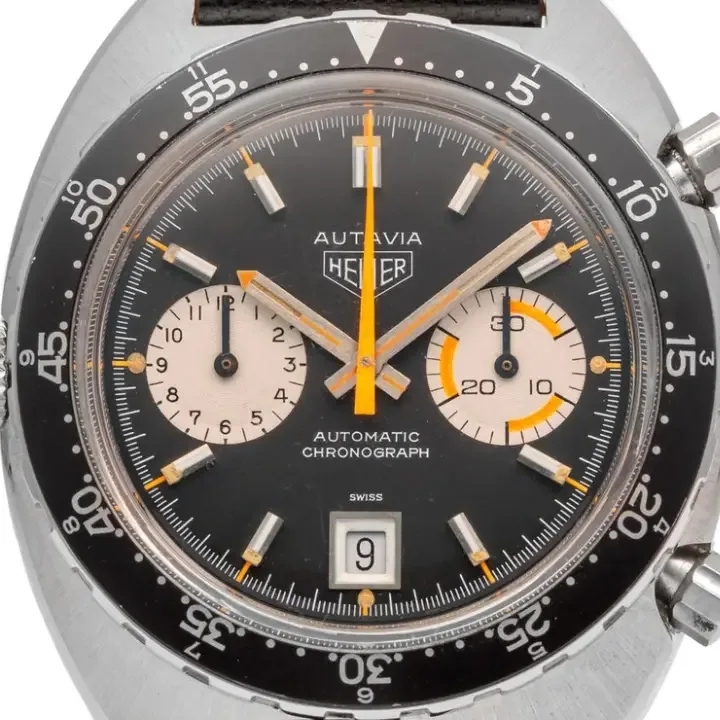
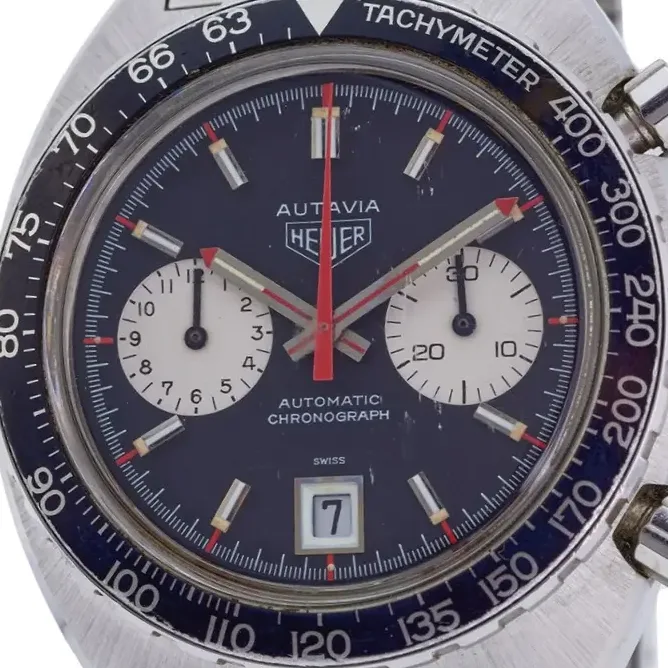
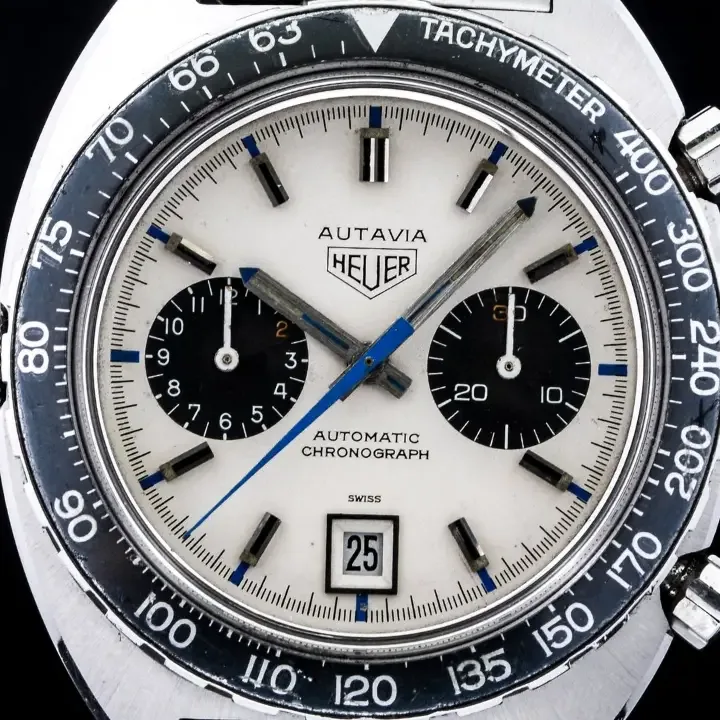
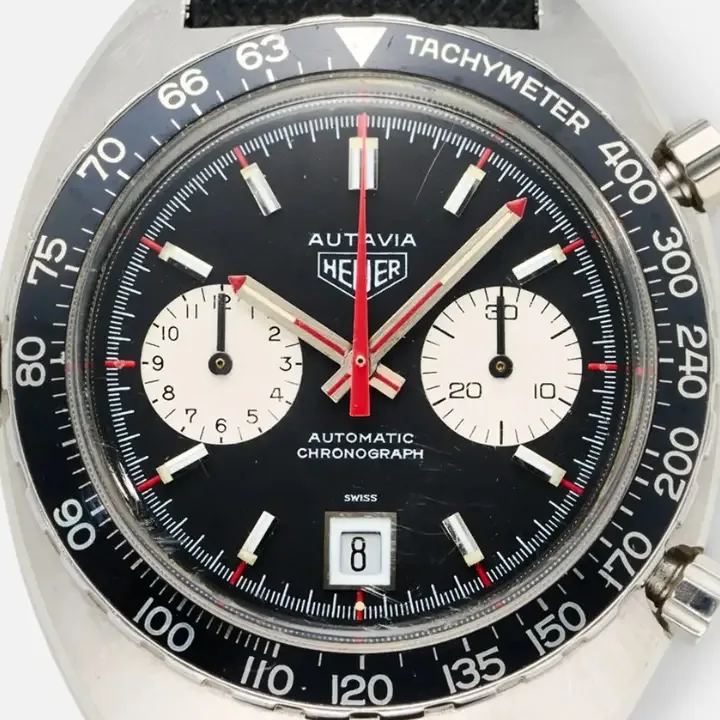
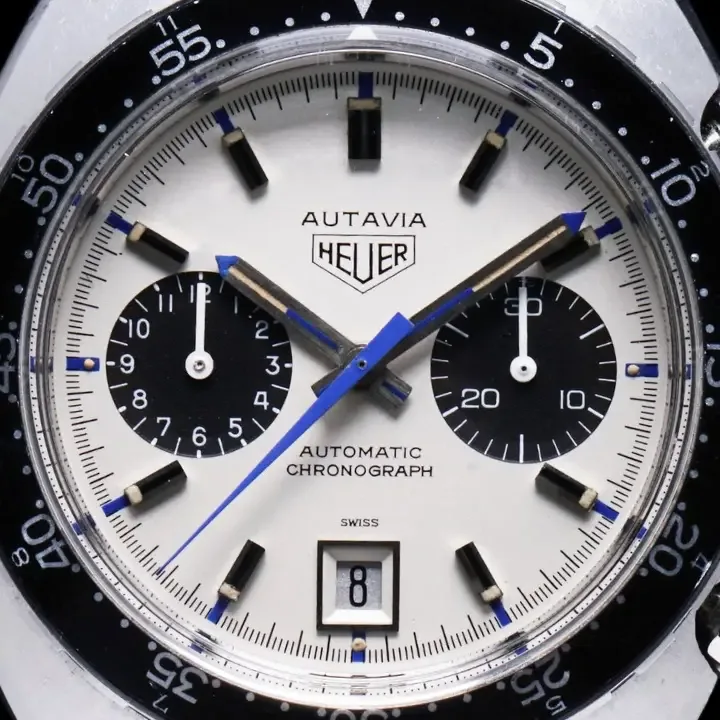
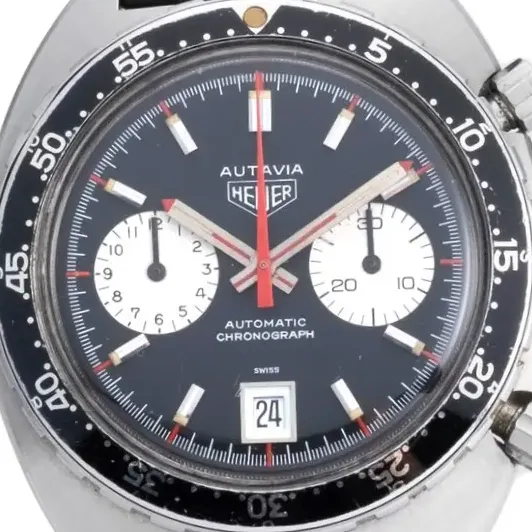
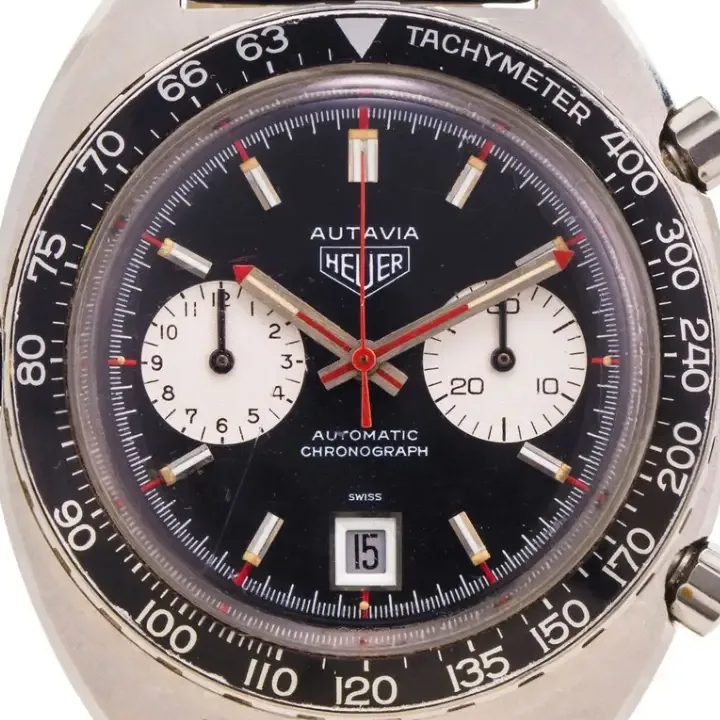
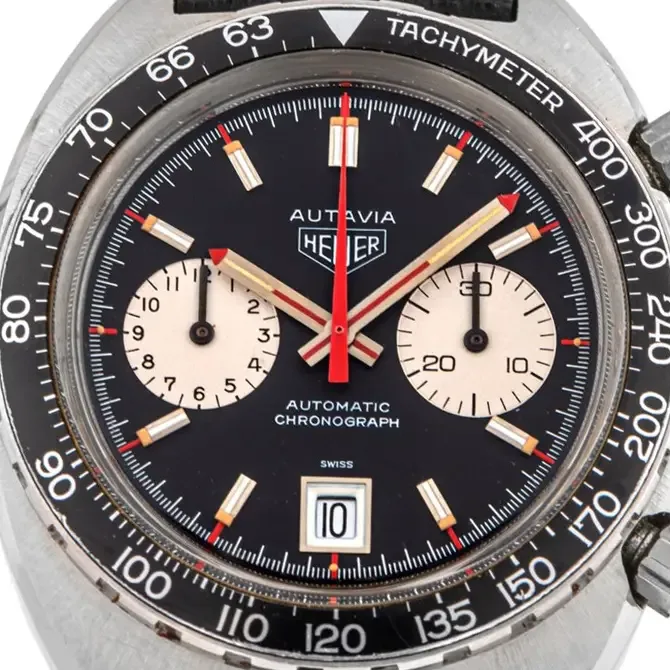
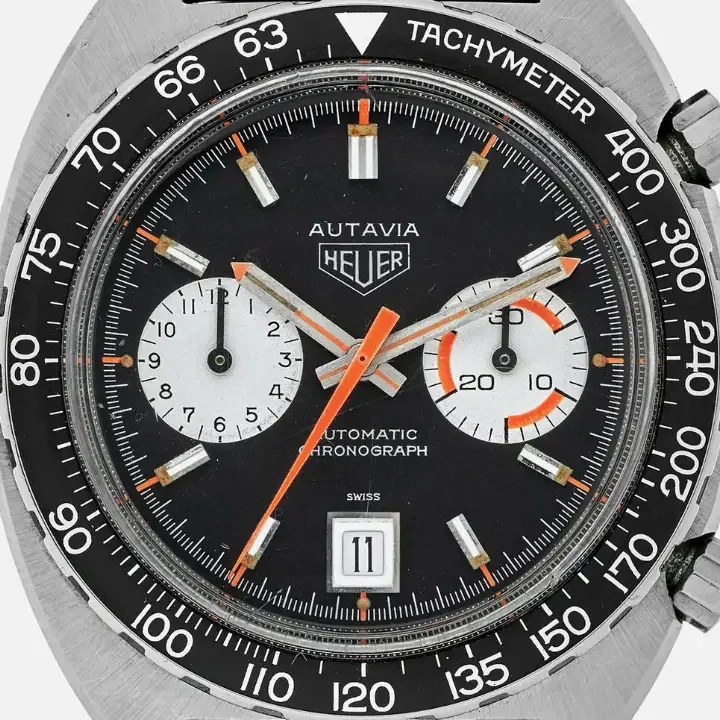
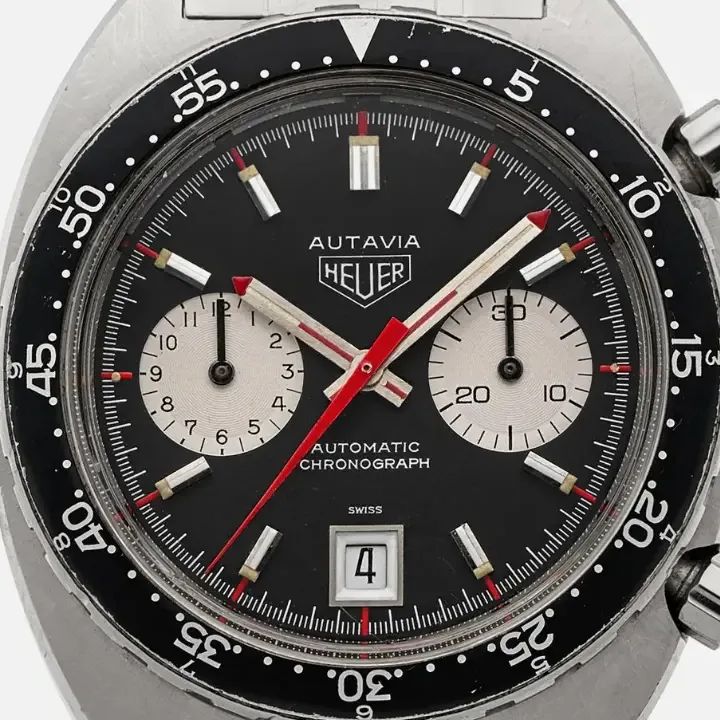
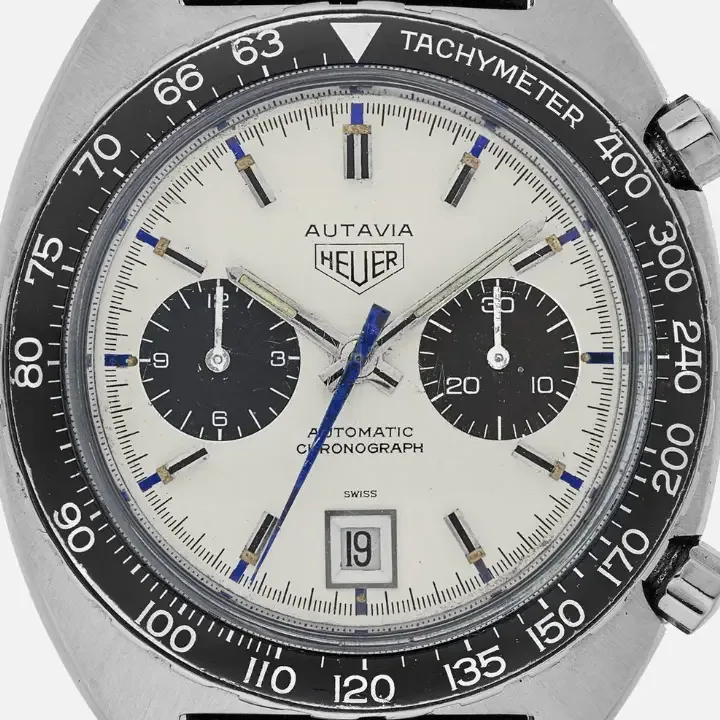
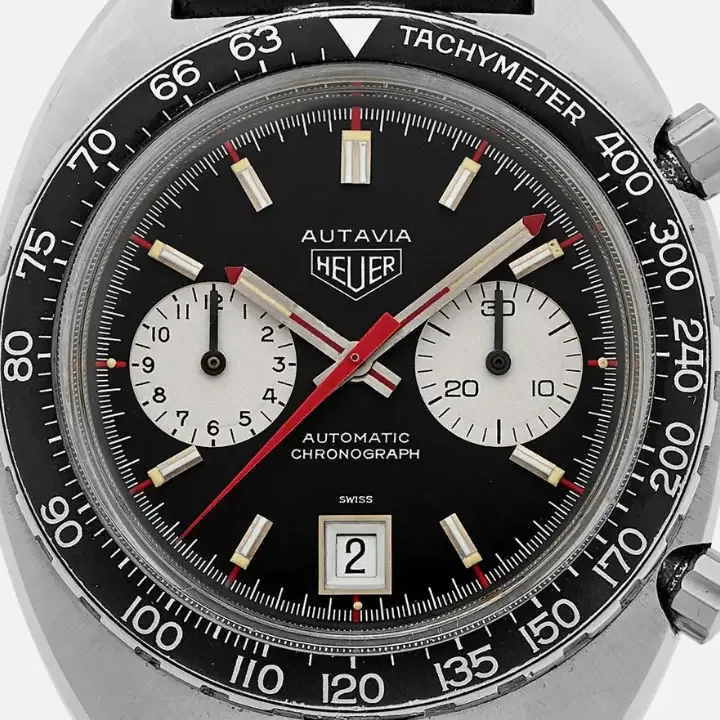
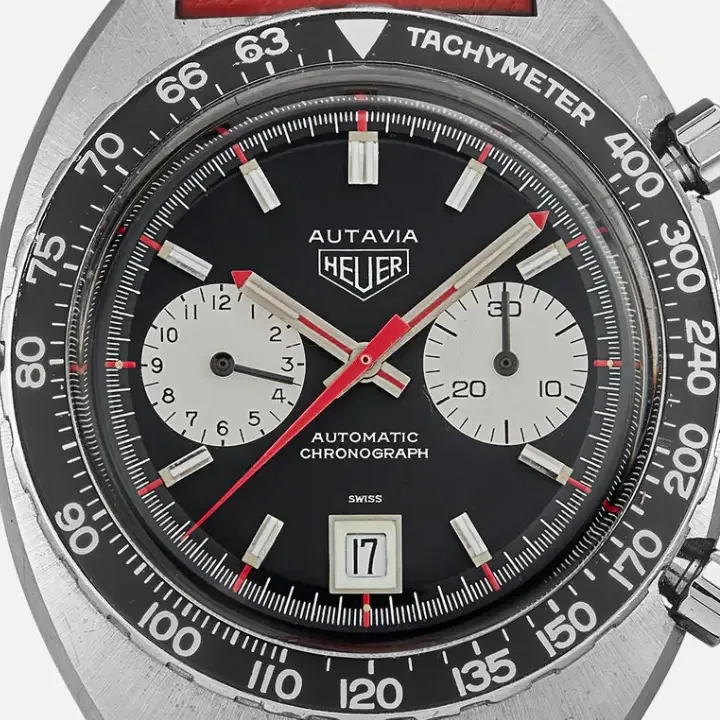
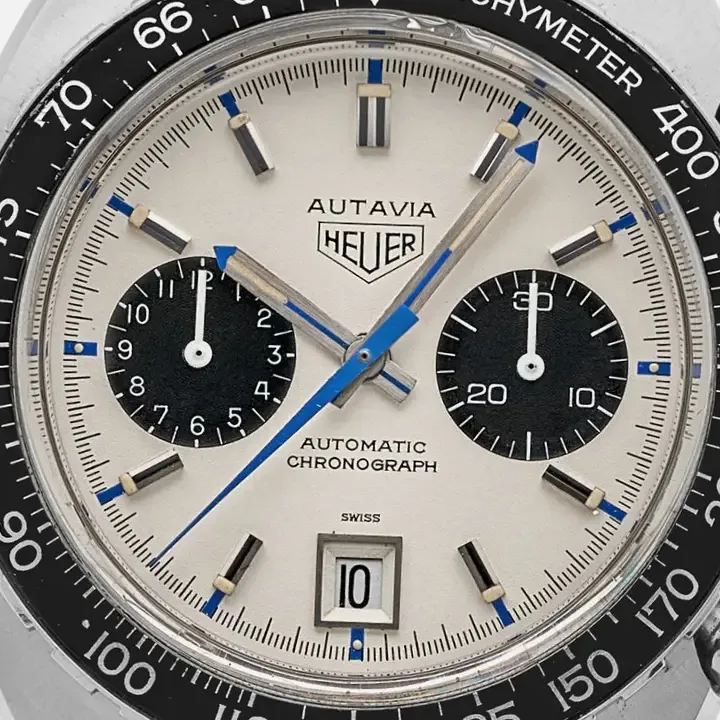
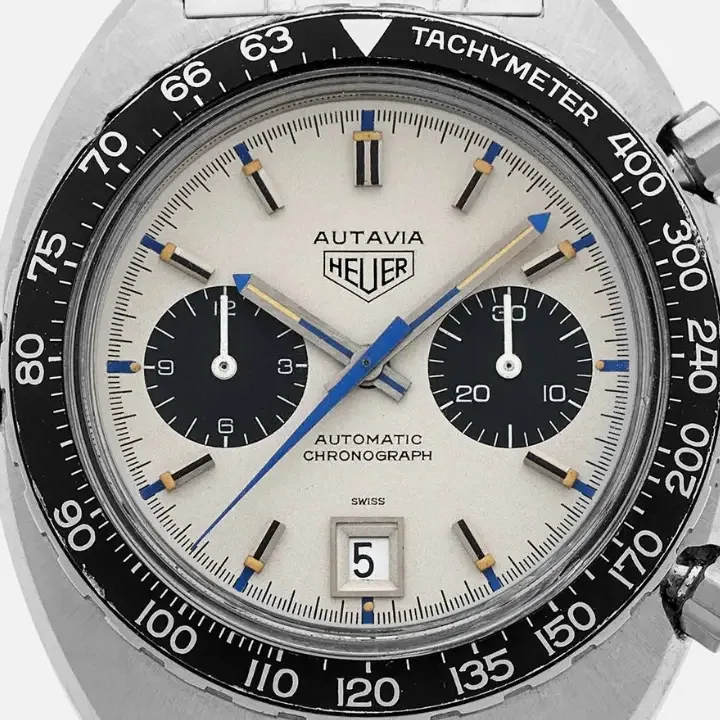
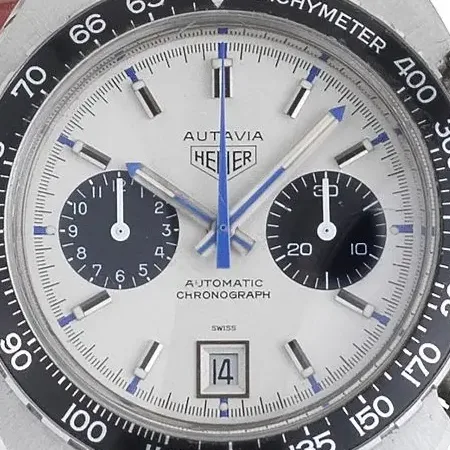
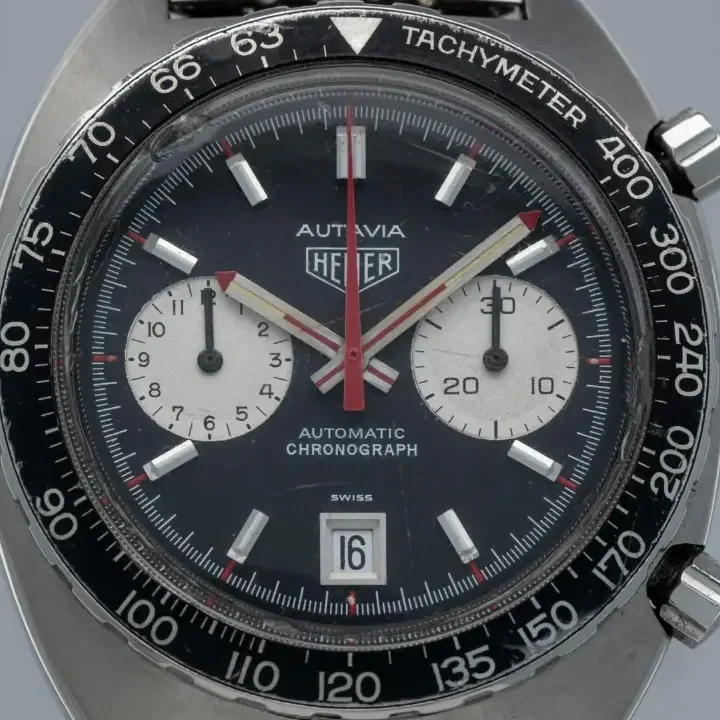
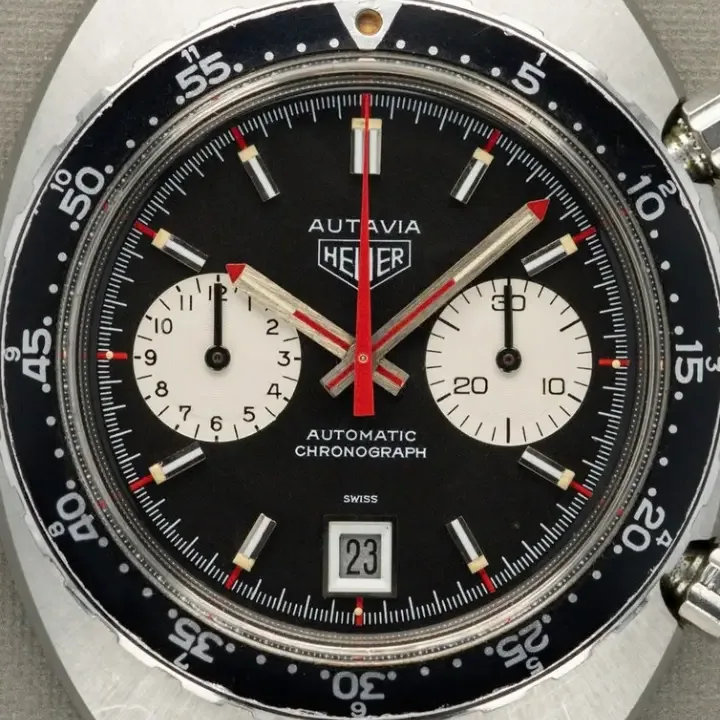
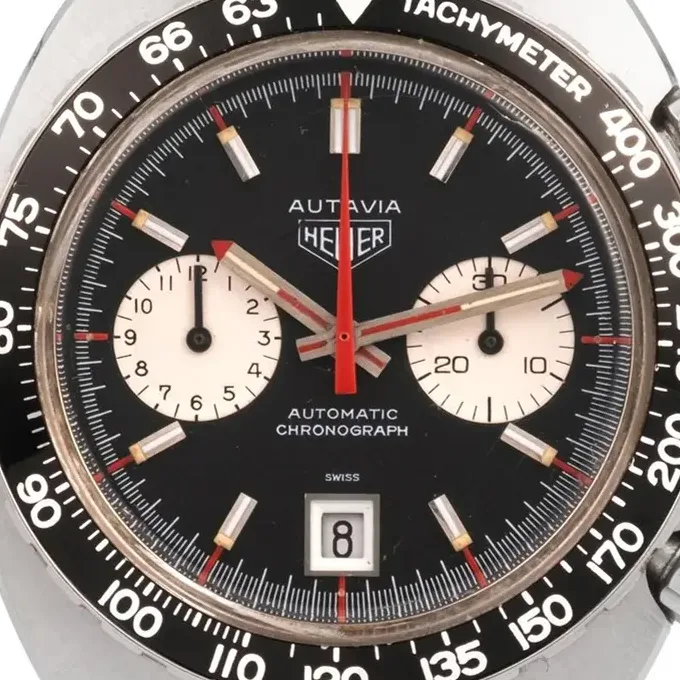
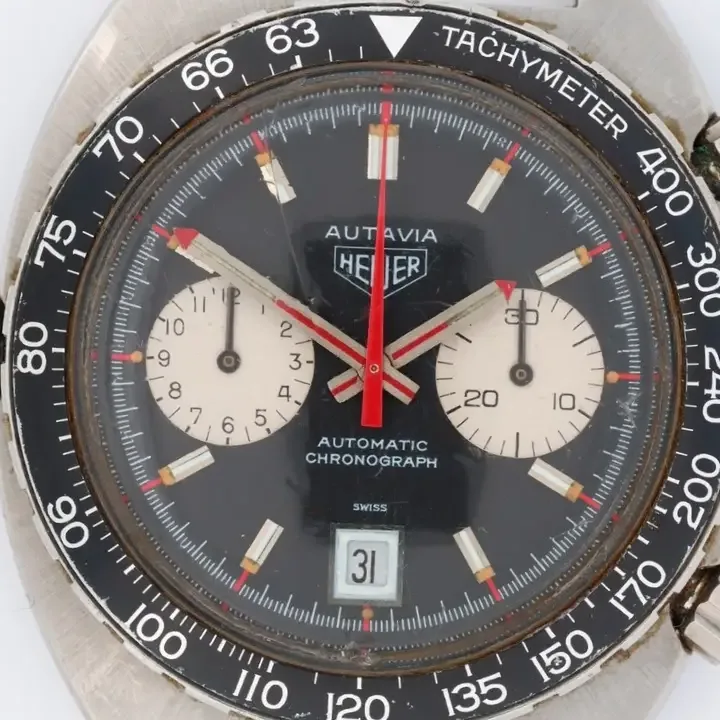
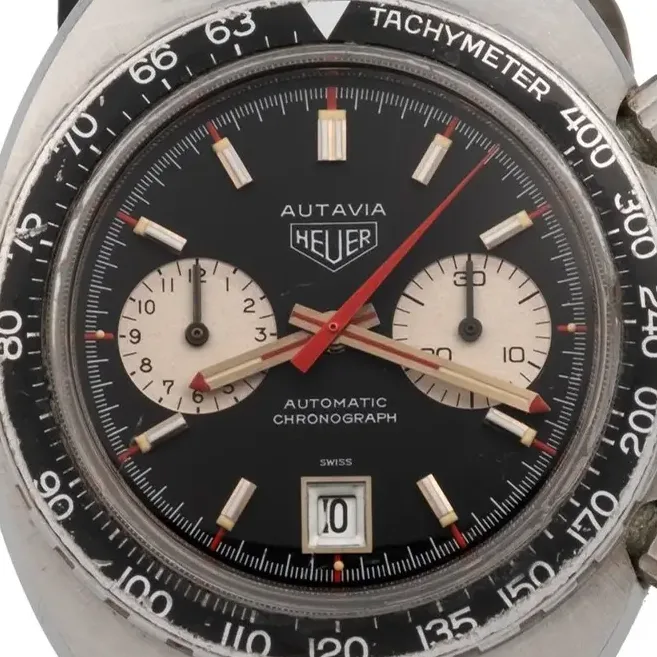





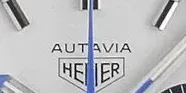
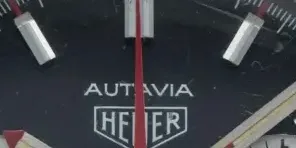
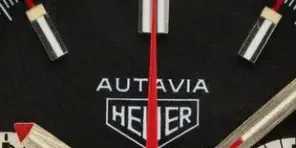

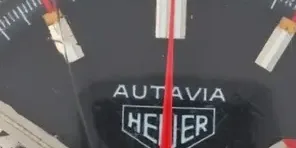

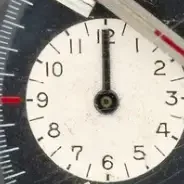
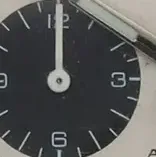
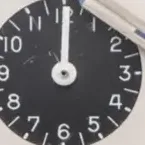
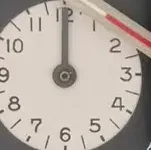
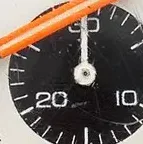
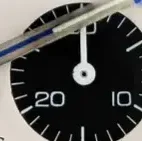
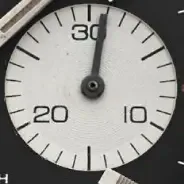
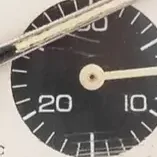

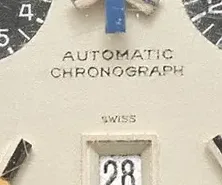
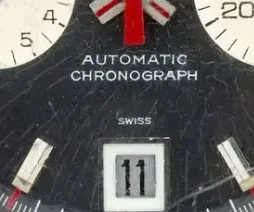
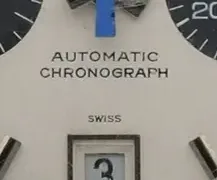
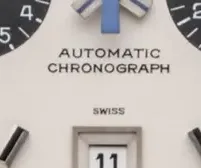
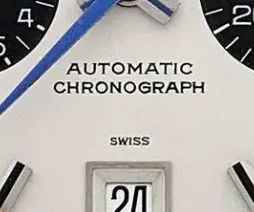
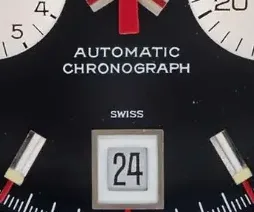
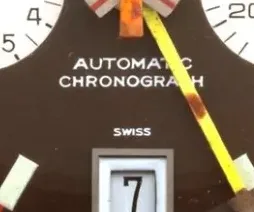
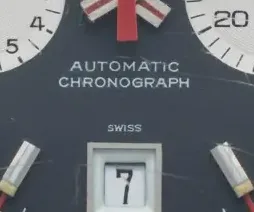
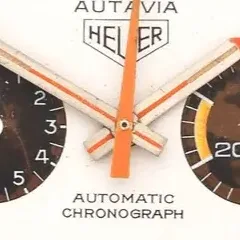
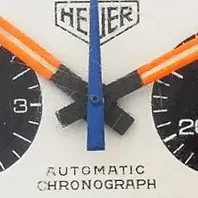
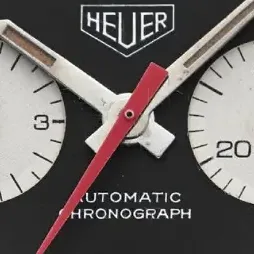
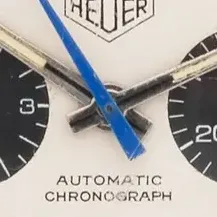
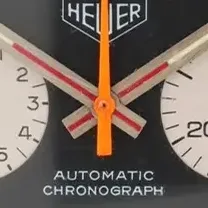
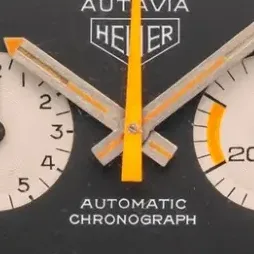
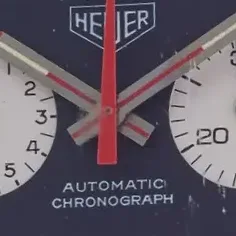
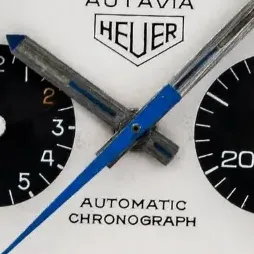
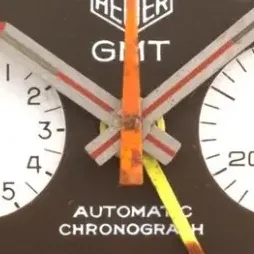
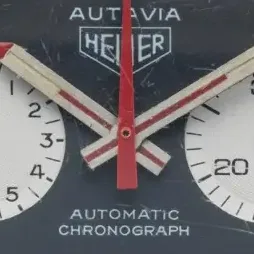
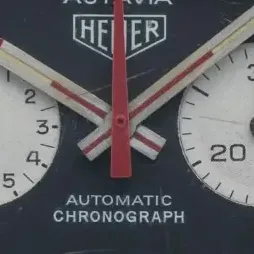
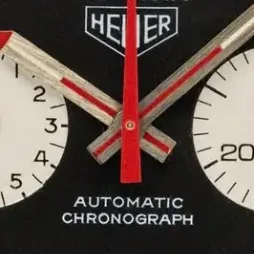
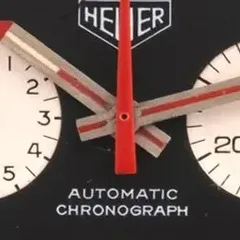
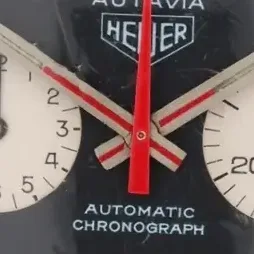
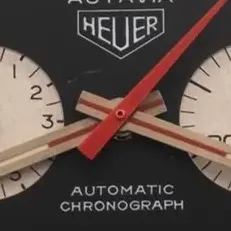


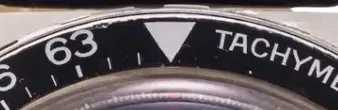
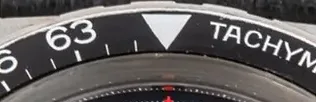
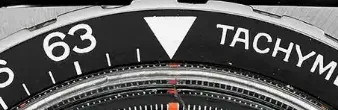
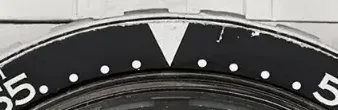

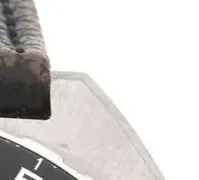
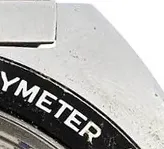
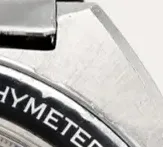
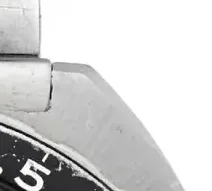
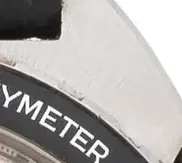
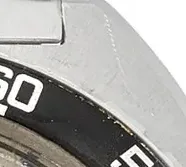

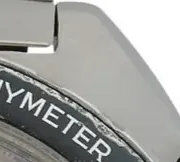
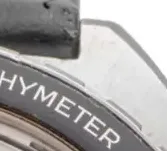

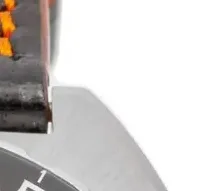
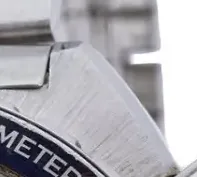
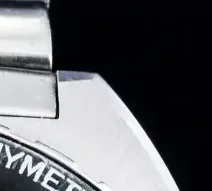
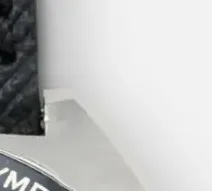
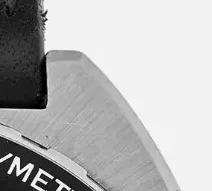
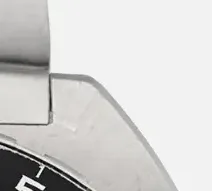
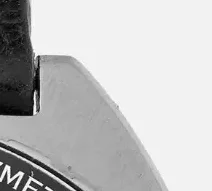
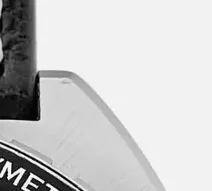





Chronology
The launch in 1969 is firm; the literature gives no end date for the reference, which stayed in production alongside later numbered references in the same family. Years sellers state run from 1969 to 1975, but those are the dates of individual watches.
Every dated variant: what is written, and what the records show
For the reference the marks are every dated watch; for a variant, the watches a seller names as that variant, so a variant sellers do not name has none.
Specification
| Case | Stainless steel cushion-shaped case, 42.3 mm across, 47.5 mm lug to lug, 15.6 mm thick, 20 mm between the lugs; 1163 marked between the lugs |
| Crystal | Plastic |
| Bezel | Bi-directional rotating bezel: black minutes and hours (MH), black tachymeter (T), or 24-hour on the GMT |
| Movement | Cal. 11 automatic micro-rotor chronograph from 1969, then Cal. 12; Cal. 14 in the GMT |
| Registers | Two registers: 12-hour and 30-minute recorders; date at six |
| Dial | Black with white registers, or white with black registers and blue accents; orange and other accents on special versions |
| Bracelet | Metal bracelet (Gay Frères on some) or strap |
Reference 7 described
The 1163 is a family of dial and hand versions on one case: a black MH version, a white T version called the Siffert, and special versions, with the Viceroy as the common one. Each of the two main lines went through several executions, numbered by collectors.
1163 MH, black dial
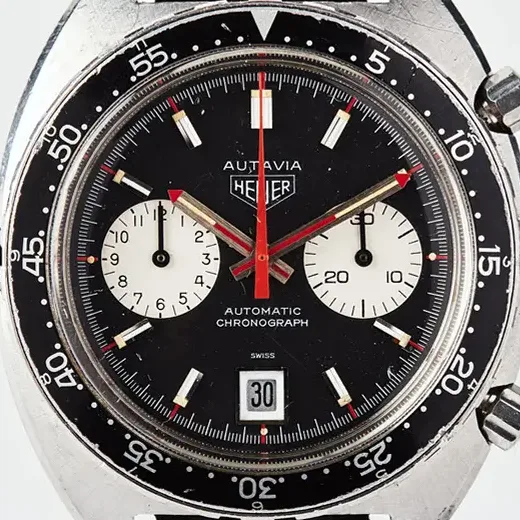
The black-dial 1163 with white registers and red accents, a Minutes and Hours (MH) bezel and black dial. It passed through a Chronomatic version, a second version with ridged markers, a third with polished markers and a fourth, the Viceroy. Collectors know this black dial as the Derek Bell.
- black dial with white registers
- MH bezel
- red accents
1163 T, white dial (Siffert)
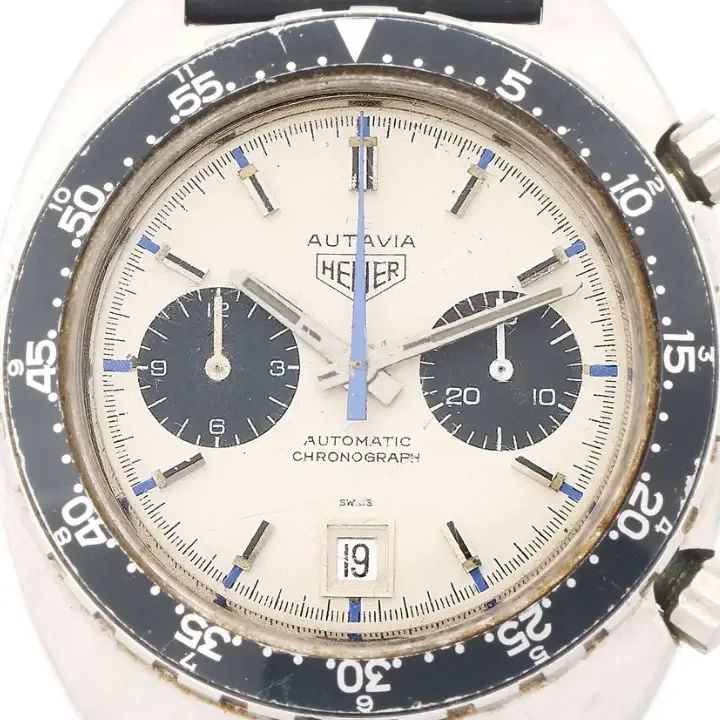
The white dial with black registers and cobalt blue accents, with a black tachymeter bezel. It is the model that the racing driver Jo Siffert wore from 1969. Collectors number its executions from the Chronomatic to a sixth, which is put at 1972; the later ones have the Cal. 12, from the fifth in one account and from the fourth in another. It is called the panda dial by some.

- white dial and black registers
- blue accents on markers and hands
39 listings on record under the name.
Orange Boy
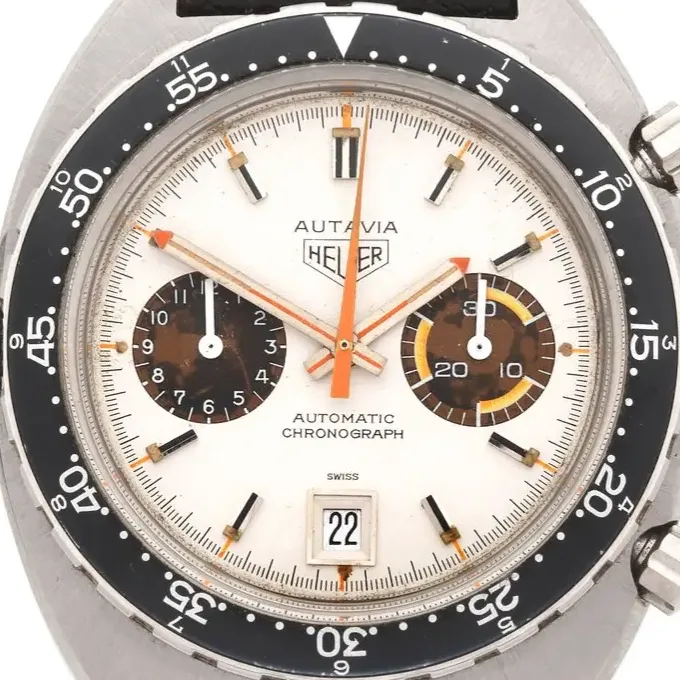
A 1163 with orange accents, on a black dial (also found with a white dial, which is rarer) and with the Cal. 12. It was seen only in the 1972 catalogue, which prints the colour closer to red. The name was coined informally and is often used wrongly for other watches with orange, such as the 11630 with grey registers. A prototype with an orange dial is also recorded.
- orange accents
- black or white dial
- Cal. 12
Viceroy (1163 V)
The black-dial 1163 sold through a cigarette promotion from May 1972 at a much reduced price. After the promotion, Heuer kept making it with either bezel. It is probably Heuer's most abundant chronograph. The name comes from collectors, not Heuer.
- tachymeter bezel
- brushed steel hands with red inserts and red triangular tips
- all 12 numbers on the hour recorder
Pre-Viceroy
A black-dial 1163 delivered to a racing team that ordered 12 or 15 watches engraved for its 1970 and 1971 championships, probably in late 1971, six months before the Viceroy promotion.
- engraving for the team's 1970-71 championships
GMT
A 1163 with a 24-hour bezel, red from 6 am to 6 pm and blue from 6 pm to 6 am, and a GMT hand. It went through three executions between 1970 and 1972, in the C-shaped case, replacing the compressor case of the manual GMT. The Mark 2 is transitional, with bright red chronograph hands, and is the only 1163 or 2446 version whose black dial can turn tropical.
- 24-hour bezel with red and blue halves
- extra GMT hand
- tropical brown dial on the Mark 2
Exotic
A Cal. 15 Autavia with a black dial, black registers and orange accents in the same case as the 1163 Viceroy, known to collectors as the Exotic and counted among the rarest Autavias. It is usually given as reference 1563, though a price list files it as 1163V. The Cal. 15 has no hour recorder and moves the running seconds to 10 o'clock, so the dial is asymmetrical, with oversized luminous markers and a hash-mark track.
- no hour recorder
- running seconds at 10 o'clock
- black registers
- orange accents
Dial 6 described
The dial text and the shape of the markers date a 1163 MH. On the white Siffert dial the same steps follow in the executions. The Chronomatic is the first.
Chronomatic text
The first dials carry Chronomatic above the Heuer shield with Autavia on the lower half. The word and the red hash marks are larger than on later watches. It was made only briefly, in 1969, and is among the rarest vintage Heuers; one specialist recalls seeing three in a decade.
- Chronomatic above the shield
- larger red hash marks
- Autavia on the lower half
Autavia and Automatic Chronograph text
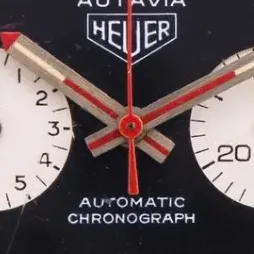
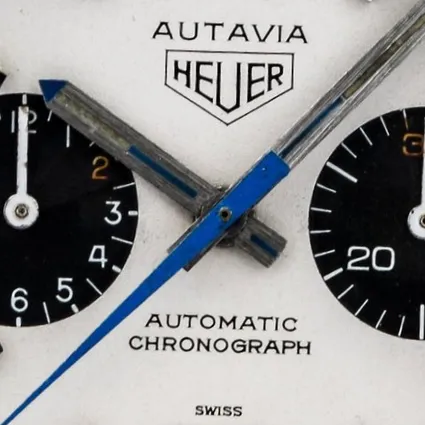
After Heuer ceded the Chronomatic name to Breitling in late 1969, the name Autavia moves above the shield and Automatic Chronograph sits at the bottom. It stays so on the later versions.
- Autavia above the shield
- Automatic Chronograph at the bottom
Ridged markers
Applied steel markers with ridges, carried over from the Chronomatic and found on the second version of the MH. Collectors pay more for ridged markers than for the later polished ones. The Siffert has black ridged baton numerals with blue above them.
- ridged applied steel markers
Polished markers
Polished steel markers with luminous inserts replace the ridged ones on the third MH version, introduced about 1970 or 1971 and made into 1972. The white inserts contrast with the black dial.
- polished steel markers with white inserts
Viceroy hour recorder
On the Viceroy the 12-hour recorder carries all twelve numbers, in place of 3, 6, 9 and 12 only on the earlier black-dial versions.
- hour recorder with all 12 numbers
Orange Boy and Exotic accents
Orange replaces red or blue on the hands and dial accents. On the white-dial Orange Boy the black registers are prone to tropical ageing.
- orange hands and accents
Hands 4 described
The hands change with the markers.
Polished hands with luminous inserts
Polished steel hands with luminous inserts, used on the Chronomatic and second MH.
- polished hands with lume inserts
Hands with black inserts
The third MH version has polished hands updated with black inserts to match those of the markers.
- black inserts matching the markers
Brushed hands, red inserts and tips
The Viceroy has brushed steel hands with red inserts and red triangular tips.
- red triangular tips
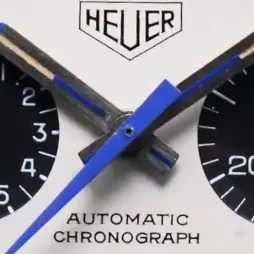
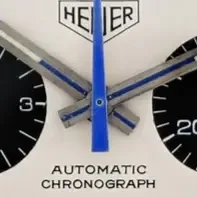
Blue-accented hands
On the Siffert the blue colour runs from the dial accents onto the arms of the hands.
Bezel 4 described
Bezels give the second letters: MH, T and P, plus the GMT 24-hour.
MH bezel
A black minutes and hours bezel on the earlier black-dial watches; after the Viceroy promotion dealers offered the black dial with either this bezel or the tachymeter.
- black MH bezel
Tachymeter bezel (T)
A black tachymeter bezel on the white-dial Siffert, and on the black-dial Viceroy.
- black tachymeter bezel
P bezel
A 1163 P version of the reference is listed in the literature, which gives no description of its bezel. Sellers call the bezel decompression-style; no date or movement is given for it in the literature.
- P bezel
24-hour bezel (GMT)
A 24-hour bezel with red and blue halves; the Mark 2 has brighter colours.
- 24-hour bezel
Case 3 described
The cushion-shaped, 42.3 mm case was the last Autavia case of the Heuer years and was kept until 1985, adapted for different movements. Pushers and case makers changed in detail.
Chronomatic case with long pushers
The cut of the case and the length of the pushers make them seem to stand out, giving the 'big ears' look of the Chronomatic MH.
- pushers that appear to stand out
Fluted pushers with recess
The Siffert has fluted pushers with a recess cut into the top, and the pusher at nine is always marked Heuer.
- fluted recessed pushers
- Heuer on the nine o'clock pusher
Schmitz case
A later case with cut-outs front and back to house the pushers; one Viceroy in it is numbered 272xxx.
- pusher cut-outs front and back
Crystal 1 described
The literature gives only the material.
Plastic crystal
A plastic crystal on all versions.
Movement 5 described
The movement is the Cal. 11 chronograph with a micro-rotor, replaced by the Cal. 12. The GMT used the Cal. 14.
Cal. 11
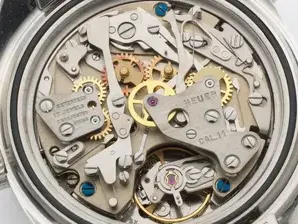
A 17-jewel automatic with Büren micro-rotor base and a chronograph module, made with partners for Heuer and Breitling. It is described as the first automatic chronograph to reach the market. The Chronomatic and second dials have it.
- Cal. 11
Cal. 11-I
A reworked Cal. 11, made after problems appeared quickly in the first, and said to have been in production until 1973. A Viceroy with this movement is recorded.
- Cal. 11-I
Cal. 12
A development of the Cal. 11 with changes to answer the first movement's problems, put at 1971 for the Autavia. On the Siffert one account gives it from the fifth execution, the earlier ones having the Cal. 11; a timeline lists it from the fourth, of 1970, with the third found with either calibre. It is found in the Orange Boy and later watches.
- Cal. 12
Cal. 14
Used in the GMT, and listed for its third execution, of 1971; the first two are listed with the Cal. 11. Early GMTs are also described with a Cal. 11 fitted with a GMT module, later upgraded to the Cal. 14.
- Cal. 14
Cal. 15
Used in the Exotic.
- Cal. 15
Bracelet 1 described
Metal bracelets and straps both appear.
Gay Frères bracelet
Sellers list the Siffert and Orange Boy on a Gay Frères bracelet, and one Siffert on a Beads of Rice bracelet.
- Gay Frères bracelet
Box and papers 1 described
Some watches are offered with their Heuer box and papers, or with extra parts.
Box and guarantee papers
Some listings mention the Heuer box and guarantee papers, a spare bezel or a second bracelet.
- Heuer box
- guarantee papers
- extra bezel
Originality
- Dial condition matters: the black registers on the white Orange Boy, and the black dial of the GMT Mark 2, can turn tropical.
- The Chronomatic text and larger red hash marks distinguish the genuine first dials; ridged markers should match the version.
- Bezels move between versions, and the later black dial was sold with either the MH or the tachymeter bezel, so the bezel alone does not settle a version; one watch is recorded with an extra bezel supplied.
- Names such as Orange Boy are used loosely for other watches with orange, so the reference and movement need checking.
Names
- Siffert. The white dial with black registers and blue accents, worn by the racing driver Jo Siffert.
- Derek Bell. A name collectors use for the black-dial MH 1163.
- Orange Boy. Informal name for the version with orange accents; also called Gulf.
- Viceroy. The black-dial version sold through a cigarette promotion in 1972.
- Pre-Viceroy. A black-dial 1163 delivered to a racing team before the promotion.
- Chronomatic. The first dials, which carry that word above the shield.
Where accounts differ
Points on which the published literature and the library's own records do not agree, or on which the literature contradicts itself.
- Start of the Viceroy. One guide places the Viceroy with the promotion from May 1972; the records include a 1163 V that a seller dates to 1970, and others called Viceroy that sellers date to 1972, 1973 and 1974.
- Movement of the Viceroy. A collector page ties the Viceroy to the Cal. 11-I, in production 1969 to 1973 and then replaced by the Cal. 12. The timeline lists the Viceroy with the Cal. 12 from 1971.
- Start of the GMT. The timeline gives 1969 for the first 1163 GMT; a catalogue note says it was introduced in 1970.
- Reference of the Exotic. A price list files the Cal. 15 Exotic as 1163V; collector and dealer pages give it as reference 1563, in the same case as the 1163V.
- Cal. 12 in the Siffert. A buying guide gives the Cal. 12 to the Siffert from the fifth execution. A price guide's timeline lists the fourth execution, of 1970, with the Cal. 12 and the third with the Cal. 11 or 12.
Back and movement
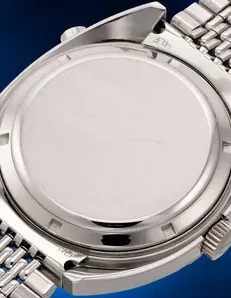
From listings of this reference, each confirmed by eye to show what it is filed under. A picture on which a person's name or a personal engraving can be read is not shown. From most holders a detail from the middle of the photograph is shown; the mark in its corner gives its holder and a link to the listing.
Caseback

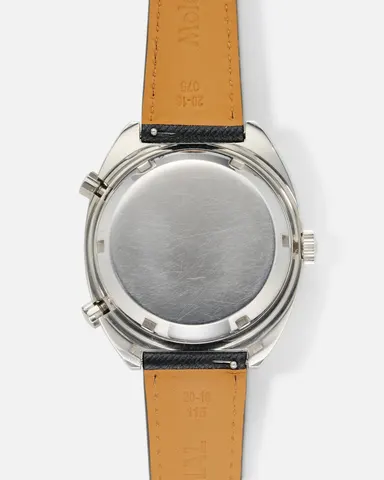

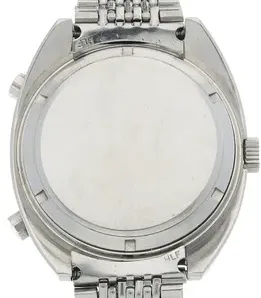

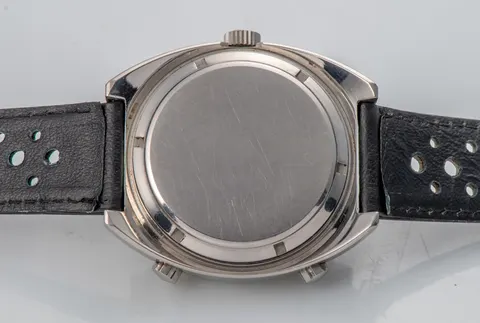

Movement

In the records
Counted from 131 listings at 29 holders between 8 June 2011 and 14 November 2026. These are what sellers and auction houses state, not measurements.
Fainter bars are the 2 outside the main run of 1969–1975 (the middle nine-tenths): the latest is 1979. They are early and late examples, and now and then a seller's slip. The head of the page gives 1969–1975: the years that listings from two holders bear out.
Case metal
| Steel | 85 |
Dial colour
| Black | 21 | |
| Silver | 14 | |
| Cream | 5 | |
| Brown | 5 | |
| White | 3 | |
| Orange | 1 |
Case size
| 42 mm | 44 | |
| 41 mm | 5 | |
| 40 mm | 4 |
Bracelet or strap
| Metal bracelet, kind not stated | 35 | |
| Leather strap | 15 | |
| Fabric strap | 2 | |
| Strap, kind not stated | 1 |
Each table counts the listings that state the thing, in the seller's own terms. A size, metal, colour or calibre that cannot belong to this reference is a seller's slip or a listing filed under the wrong number.