Carrera (three-register)
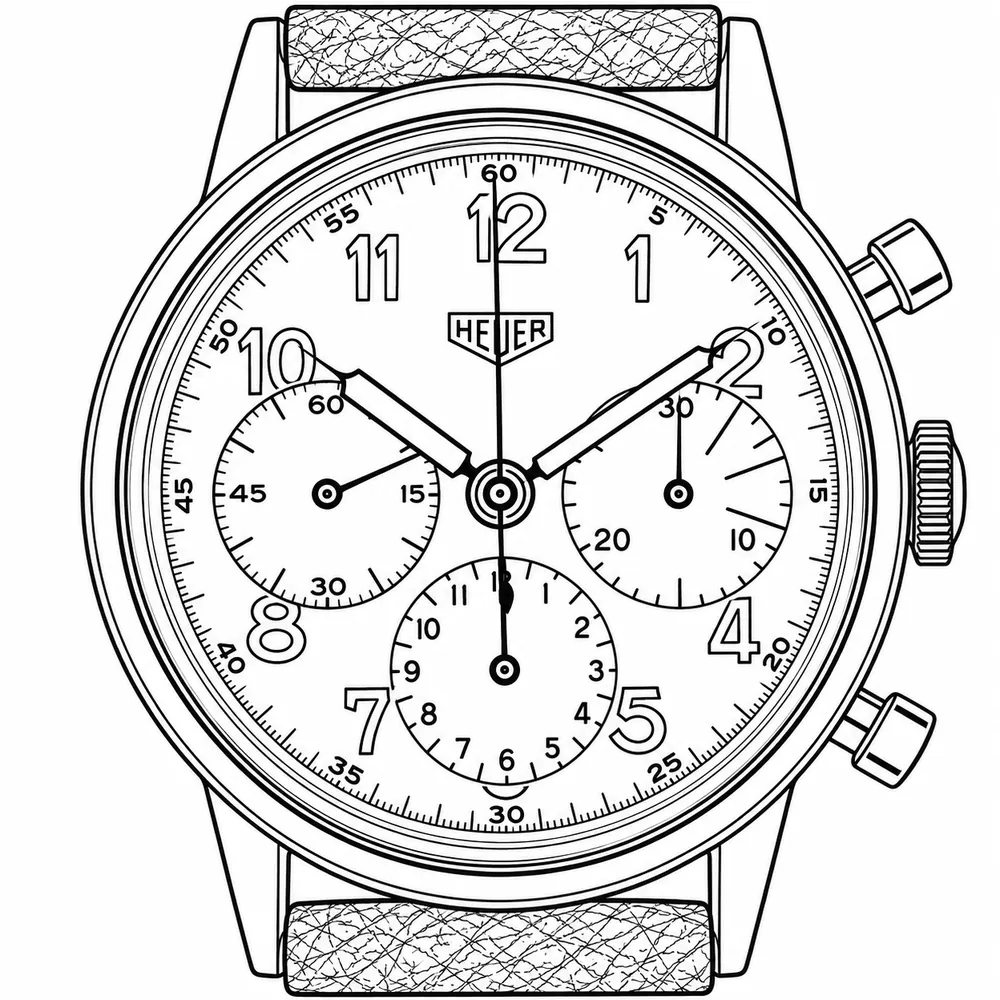
Reference 2447 is Heuer's three-register, manual-wind chronograph with a 12-hour recorder, powered by the Valjoux 72 and housed in a stainless steel screw-back case with angular lugs. The reference first appears in 1943 as a plain waterproof chronograph, which collectors call the pre-Carrera. From 1963 the same number carries the Carrera: a first execution with a clean centre to the dial, thin hands and markers and registers matching the dial colour, and from about 1968 a second execution with contrasting registers. Letter suffixes give dial colour and scale. The same case also held the tide-dial Seafarer and Mareographe.
- Made
- 1963–1970dates approximate
- Seen in the library
- 1963–1970by years sellers state
- Case
- 36 mm · steelas sellers state
- Movement
- Calibre 72, 721hand-wound
- On record
- 42 listings79 photographs · 13 holders
Components
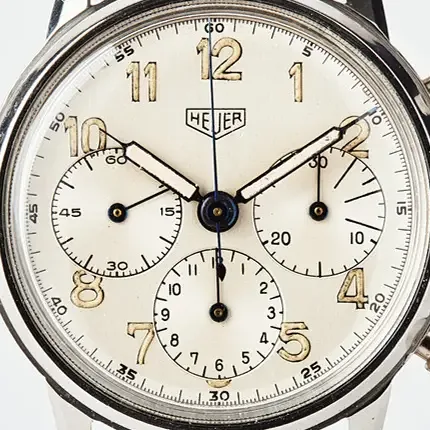
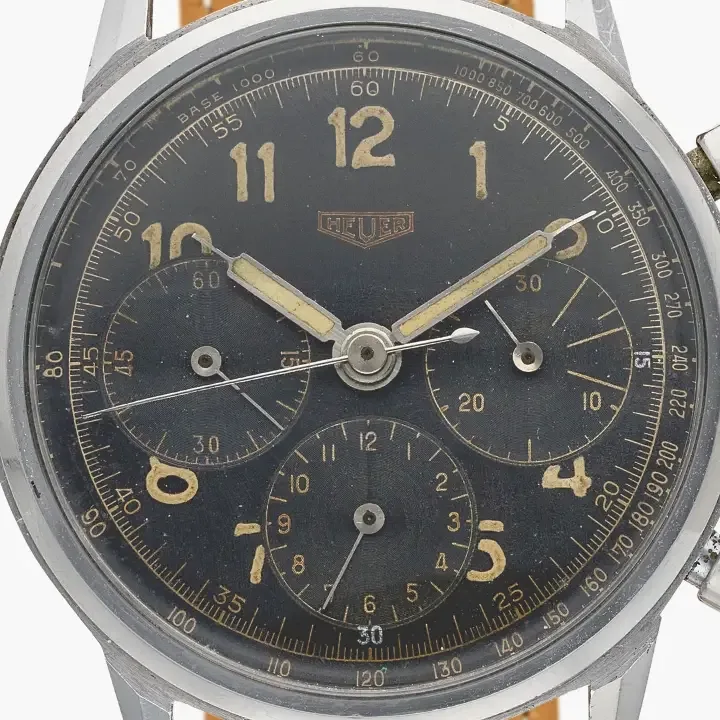
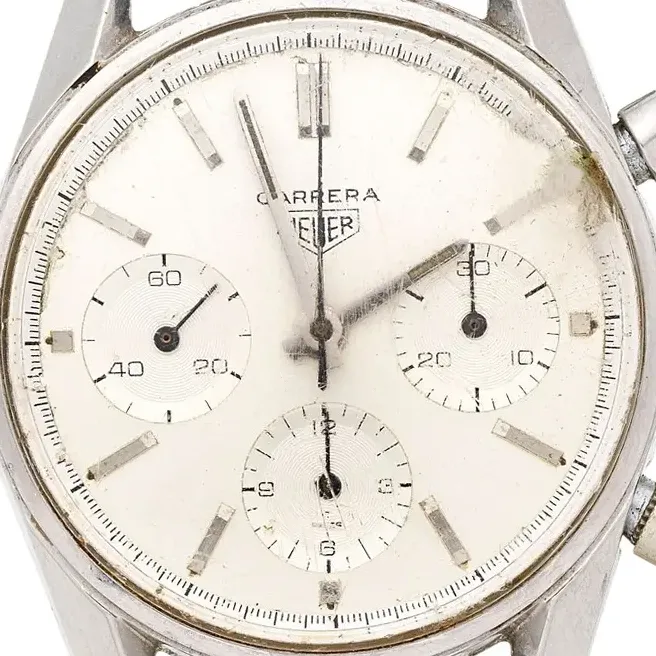
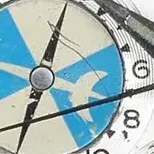
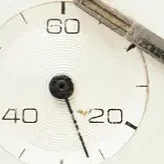
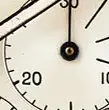
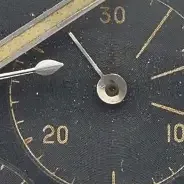
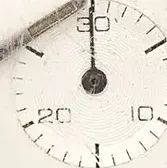
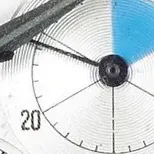
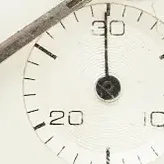
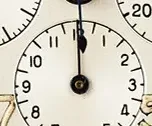
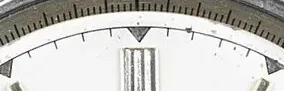
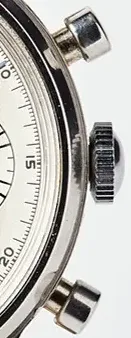
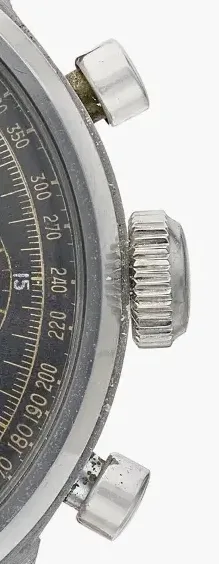
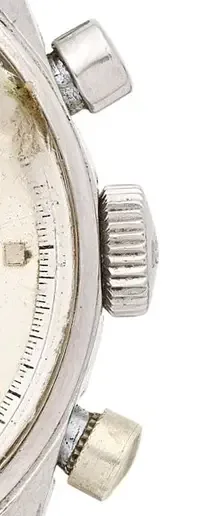
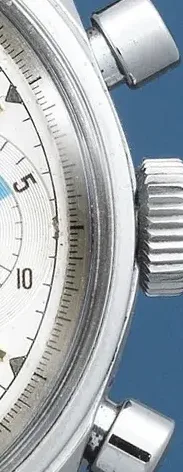
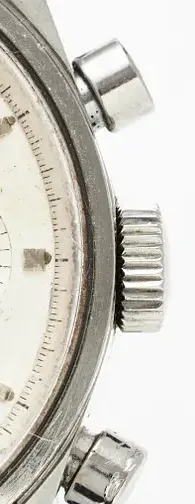
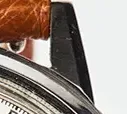
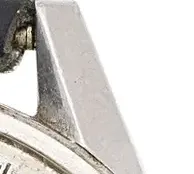
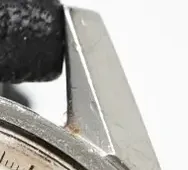
5 watches, oldest first, each straightened and cut the same way so that one row shows one component across them all. Chosen from 79 photographs on file for sharpness and for a face typical of the reference. A year marked c. is one its holder gives only roughly. Each picture is a detail cut from a listing photograph. Select the small mark in its corner for its year, its holder, a link to the listing it came from, and a way to report it.
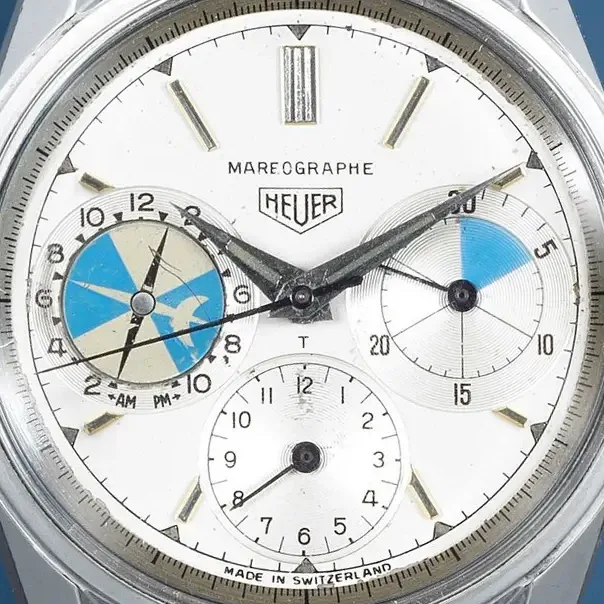
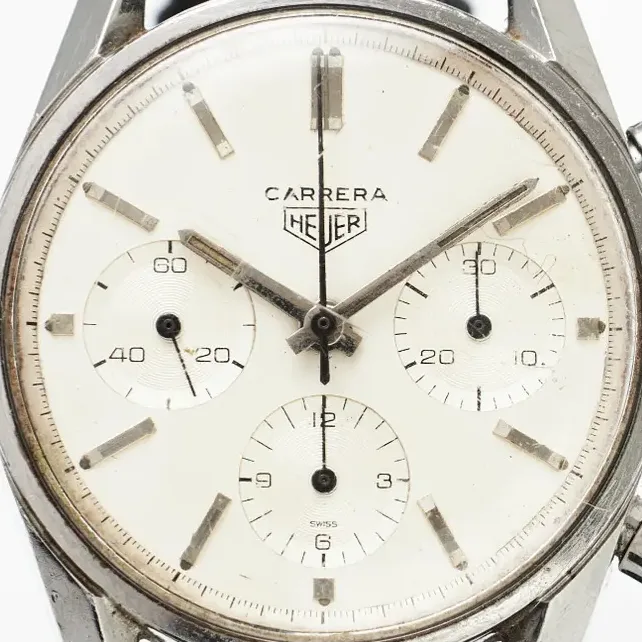
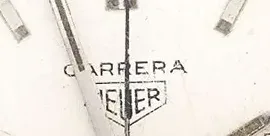


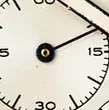
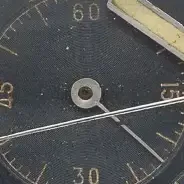
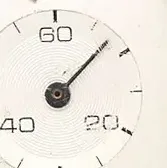
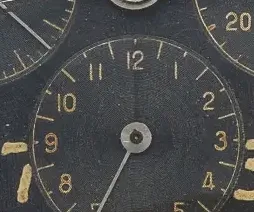
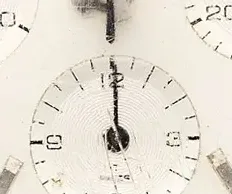
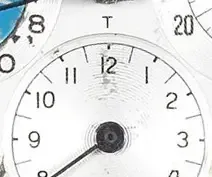
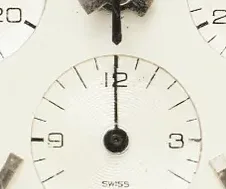
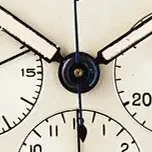
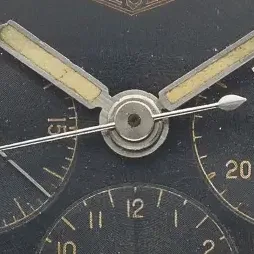
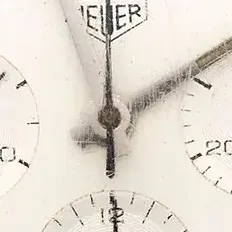
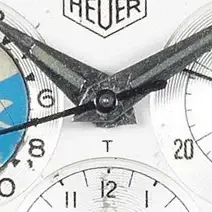
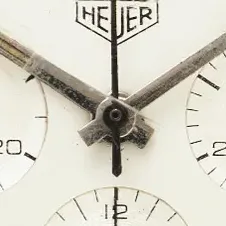
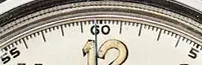
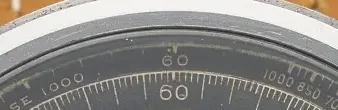
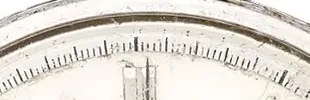




Chronology
The number was first used, from 1943, for a waterproof chronograph of the 1940s and 1950s; the Carrera on it begins in mid-1963. None of the literature gives a closing year; 1970 rests on dated watches.
Every dated variant: what is written, and what the records show
For the reference the marks are every dated watch; for a variant, the watches a seller names as that variant, so a variant sellers do not name has none.
Specification
| Case | Stainless steel screw-back case of about 36 mm on the Carrera, with angular lugs and large pushers and crown; the 1940s chronograph of the same number is listed at 38 mm |
| Crystal | Plexiglass, held by an inner tension ring on the Carrera |
| Bezel | None; the Carrera has a fixed inner ring marked for minutes and fifths of a second instead |
| Movement | Valjoux 72, manual wind, 13 ligne, three registers with a 12-hour recorder (modified Valjoux 72 or 721 in the tide versions) |
| Dial | Silver, eggshell, black or two-tone, with optional decimal, pulsations or tachymeter scale |
| Bracelet | Leather strap on most watches seen; period metal bracelets by Gay Frères also appear |
| Water resistance | Screw-back waterproof case; the 1940s model is called waterproof in the literature, no depth is given |
Reference 3 described
The number 2447 covers two quite different watches. In the 1940s it was a plain waterproof three-register chronograph; from 1963 it became the case and movement of the Carrera, offered in many dial combinations. Letters after the number give the dial: S silver, N black, and a second letter for the register colour or the scale. The same case also carried the tide-dial Seafarer and Mareographe.
Pre-Carrera 2447
The original 2447 is a waterproof chronograph with a Valjoux 72, listed from 1943 at 38 mm. Its radium dials were silver or white, black with white or gilt print, or copper, some with a tachymeter scale, with painted numerals and military-style hands; silver dials without radium had applied or gold-painted markers and dauphine or sword hands. Some numerals and hands were done in non-radioactive paint, and sellers describe the hands as military or syringe style. Its angular lugs foreshadow those of the Carrera, which is why it is called the pre-Carrera. A black dial in good state is hard to find because the black paint and the radium both age badly.
- military-style hands
- painted radium numerals
- angular lugs in a screw-back case
- no model name on the dial
Carrera, first execution
The Carrera was introduced in mid-1963 in this case. The first execution is plain: no scales in the centre of the dial, minutes and fifths of a second printed only on the inner ring, thin hands and thin markers, and registers always the colour of the dial. It came in two or three registers (the two-register Carrera is reference 3647). Dials were eggshell, brushed silver or black, with scale versions offered from the early years and the black tachymeter from about 1965.
- registers the same colour as the dial
- thin hands and slim markers
- scales only on the inner ring unless a scale dial
- no contrast between dial and registers
Carrera, second execution
From about 1968 the Carrera offered a choice of contrasting registers, black on white and white on black, giving the Panda and Reverse Panda dials. Markers and hands are wider and carry black inserts, and the tachymeter scale runs to 1000 units per hour. The change is usually put at about 1968, though one account places the contrasting registers around 1970.
- contrasting registers
- wider markers and hands with black inserts
- tachymeter scale to 1000
- suffix SN, NS, SNT or NST
Dial 10 described
Dials are named by letters. On first-execution watches the registers match the dial; on second-execution watches they contrast. Scales, where present, run round the edge of the dial. Colours were silver, eggshell and black, and the printed scale colour changed between executions.
Eggshell (2447 S)
An eggshell or cream dial with registers of the same colour, listed from 1963. It is the softer alternative to the brushed silver dial. One early two-tone cream dial is also recorded from 1963. A seller also describes a 2447 with eggshell registers.
- matt eggshell or cream surface
- registers same shade as dial
- thin markers
Silver (2447 S)
The brushed silver version of the first execution, with matching silver registers and no scale. It is usually put at 1964 or early 1965, after the first eggshell and black dials of 1963. A one-off Autoweek logo on a 2447 S is also recorded.
- brushed silver surface
- silver registers
- Autoweek logo on one example
Black (2447 N)
A black dial with black registers on the first execution, listed from 1963. A second-execution 2447 N is listed in 1968. The black Carrera is separate from the radium 2447 N of the 1940s.
- black dial and black registers
- thin gilt or white print
Decimal scale (2447 D)
A silver dial with a decimal-minutes scale: first execution in blue, second execution in black. The scale divides a minute into hundredths and suits rally and industrial timing. A combined silver and black form, 2447 SND, belongs to the second execution.
- blue decimal scale on first execution
- black decimal scale on second execution
Tachymeter, silver (2447 T)
A silver dial with the tachymeter scale printed in red on the first execution, introduced in 1964 though one is described as of 1963. On the second execution the scale is black, wider markers and hands are used, and the scale goes up to 1000.
- red tachymeter scale (first execution)
- black scale to 1000 (second execution)
Pulsations (2447 P)
A silver dial with a blue pulsations scale, offered on the first execution; the literature gives no year for it.
- blue pulsations scale
Yachting
A special-order three-register Carrera with the minute recorder in alternating blue and white sectors, each marking five minutes, for the countdown to a regatta start. It is built on the first execution; dates given run from 1964 to about 1965. The same sector idea was used on the Mareographe and Seafarer.
- alternating blue and white sectors on the minute recorder
- first-execution plain dial
Black with tachymeter (2447 NT)
A black dial with black registers and a white tachymeter scale printed at the edge, dated about 1965. The white scale on all-black dial is the feature collectors look for; the two-register equivalent is 3647 NT. A black-dial example retailed by Meister is recorded.
- black registers
- white tachymeter scale at the edge
- Meister retailer name on one example
Panda (2447 SN, SND, SNT)
A silver or white dial with black registers, called the Panda. It comes plain (SN), with a decimal scale (SND) or with a tachymeter scale (SNT). A three-register SND with decimal scale was offered at auction in 2023.
- black registers on white dial
- black decimal or tachymeter scale
Reverse Panda (2447 NS, NST)
A black dial with white registers, the Reverse Panda, plain (NS) or with a white tachymeter scale (NST). The NST was made in versions with a third-party logo, such as a Volvo example, and was also fitted on a Gay Frères bracelet.
- white registers on black dial
- white tachymeter scale on NST
- Volvo logo on some examples
Hands 4 described
The hands follow the executions: thin on the first Carrera, wider with black inserts on the second, and different again on the tide versions.
Military-style radium hands
The 1940s 2447 has hands and numerals painted with radium on many dials and with non-radioactive paint on others; sellers describe the hands as military or syringe style. Silver dials without radium have dauphine or sword hands instead.
- radium-filled military-style hands
- dauphine or sword hands on a silver dial without radium
Thin first-execution hands
The first Carrera has thin hands and thin dial markers, with minutes and fifths of seconds left to the inner ring.
- thin stick hands
- thin markers
Wide hands with black inserts
The second execution has wider markers and hands, with black inserts.
- wider hands with black inserts
Dauphine hands, Seafarer
The Seafarer in the 2447 case has polished dauphine hands with thin lume inserts, unlike the stick hands of the standard Carrera. The Seafarer's earlier pencil hands were replaced by dauphine hands in the middle of the 2444 run.
- polished dauphine hands with thin lume inserts
Subregisters 3 described
Register colours separate the two executions: matching colour on the first, contrast on the second. The tide versions have their own layout.
Matching registers
On first-execution watches the registers are always the colour of the dial. The contrast between dial and register was introduced a few years later.
- registers same shade as dial
Contrasting registers
Second-execution watches have black registers on white or silver, or white registers on black. The same Carrera range later used silver and black or blue and black registers in the 1970s case shapes.
- Panda or Reverse Panda register colours
Blue and white minute recorder
The Yachting Carrera and the Seafarer have the 30-minute and 12-hour recorders laid out as on other three-register watches, but the minute recorder carries alternating coloured sectors.
- coloured segments on the minute recorder
Bezel 1 described
The Carrera has no bezel; the literature calls the fixed ring that holds the crystal the tension ring.
Tension ring scale
An inner ring marked for seconds and fifths of seconds holds the crystal, and this is the only place those marks appear on the first execution. This is what separates the Carrera from the Autavia, which has a rotating bezel in a similar screw-back case.
- fixed ring with second and fifth-of-second marks
- no rotating bezel
Case 3 described
The Carrera case is a stainless steel screw-back of about 36 mm with angular lugs, large pushers and a large crown, used from 1963 and also taken over for the Seafarer. The 1940s chronograph of the same number had its own waterproof case, listed at 38 mm, whose angular lugs foreshadow the Carrera's.
Screw-back case
The Carrera's screw-back case with angular lugs, about 36 mm across. The literature states that its large pushers and crown suit racing use.
- angular lugs
- large round pushers
- screw-back
1940s waterproof case
The case of the 1940s chronograph that first carried the number: a stainless steel waterproof screw-back with angular lugs, listed at 38 mm across, larger than the Carrera case. Accounts differ on its pushers (see Where accounts differ).
- 38 mm screw-back case
- angular lugs with a radium dial and military-style hands
Seafarer in 2447 case
numbers 68xxx and two further batches (one account)
The tide-dial Seafarer or Mareographe in the Carrera case, listed as 2447 SF, third execution, with a larger pusher on the left of the case to set the tide register; one account describes its case as a modified 2447 screw-back with a slotted back. It ran from about 1963 or 1964 until the 2446C compressor case replaced it, around 1968. Many survive in good condition, which is put down to the sealed case.
- tide register in place of the running seconds
- pusher at nine o'clock for the tide dial
- angular Carrera lugs
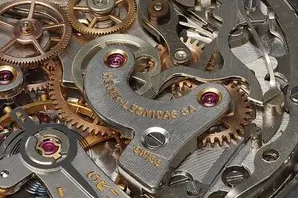
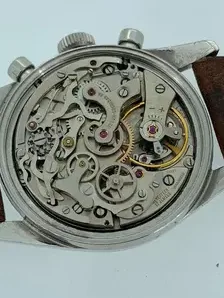
Movement 2 described
The movement is the Valjoux 72, a 13 ligne three-register chronograph with a 12-hour recorder, throughout. The tide versions use a modified calibre.
Valjoux 72
The standard calibre, hand-wound, with a 12-hour recorder. It was the movement of the pre-Carrera and of every Carrera in this reference.
- Valjoux 72 on the movement
Modified Valjoux 721 (tide)
The Seafarer and Mareographe in this case use a modified Valjoux 721, with the tide register at nine o'clock moving round once in 59 days. The bridge is signed Heuer Leonidas.
- bridge signed Heuer Leonidas
Originality
- Black dials with radium paint age badly, and dials are sometimes swapped or reprinted, so the print and hands should be checked against one another.
- On 1940s watches the radium on numerals and hands can damage the dial and hands, so condition and originality of both need checking.
- Logo dials need checking: loose dials left over from production have been made up into watches with spare parts.
Names
- Pre-Carrera. The 1940s 2447, with angular lugs already like those of the later Carrera.
- Yachting. The special-order dial with alternating blue and white sectors for counting down a regatta start.
- Panda. A silver or white dial with black registers (SN).
- Reverse Panda. A black dial with white registers (NS or NST).
- Red Tachy. The first-execution silver dial with a red tachymeter scale.
- Seafarer. The tide-dial chronograph sold through Abercrombie & Fitch, which used the Carrera case.
- Mareographe. The name used for the tide chronograph sold under Heuer's own name.
Where accounts differ
Points on which the published literature and the library's own records do not agree, or on which the literature contradicts itself.
- Reference number of the second Mareographe series. One account holds that the Mareographe and Seafarer in the cases after the 346 are wrongly listed as 2443, and that a catalogue shows them sold as 2447 SF; it relabels the former 2443 first and second executions as 2447 SF first and second, and the Carrera-case watch as 2447 SF third. Another account's table and its history of the Seafarer still call the intermediate case 2443.
- Pushers on the 2447 case. One account's table gives the 2447 square pushers, while a page on collecting the 1940s models ties the waterproof screw-back to round pushers and the snap-back to square ones.
- Case size. One account's table lists the 2447 at 38 mm, among its 1940s chronographs; a buying guide gives the first-generation Carrera, of which the 2447 S is one, as 36 mm. In the library's records sellers give about 36 mm for the Carrera and 38 mm only for watches of the 1940s.
Back and movement
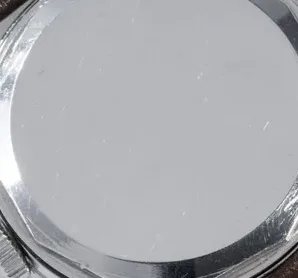
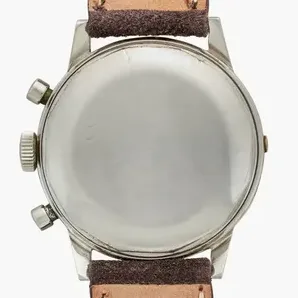
From listings of this reference, each confirmed by eye to show what it is filed under. A picture on which a person's name or a personal engraving can be read is not shown. From most holders a detail from the middle of the photograph is shown; the mark in its corner gives its holder and a link to the listing.
Caseback


Movement


In the records
Counted from 42 listings at 13 holders between 11 May 2012 and 14 November 2026. These are what sellers and auction houses state, not measurements.
Fainter bars are the 2 outside the main run of 1945–1970 (the middle nine-tenths): the earliest is 1944 and the latest 1977. They are early and late examples, and now and then a seller's slip. The head of the page gives 1963–1970: the years that listings from two holders bear out.
Case metal
| Steel | 25 |
Dial colour
| Silver | 9 | |
| Black | 4 | |
| Cream | 1 |
Case size
| 36 mm | 18 | |
| 38 mm | 4 | |
| 35 mm | 2 |
Calibre named
| 72 | 12 | |
| 721 | 5 |
Bracelet or strap
| Leather strap | 8 | |
| Metal bracelet, kind not stated | 3 | |
| Strap, kind not stated | 1 |
Each table counts the listings that state the thing, in the seller's own terms. A size, metal, colour or calibre that cannot belong to this reference is a seller's slip or a listing filed under the wrong number.