Carrera (second generation, automatic)
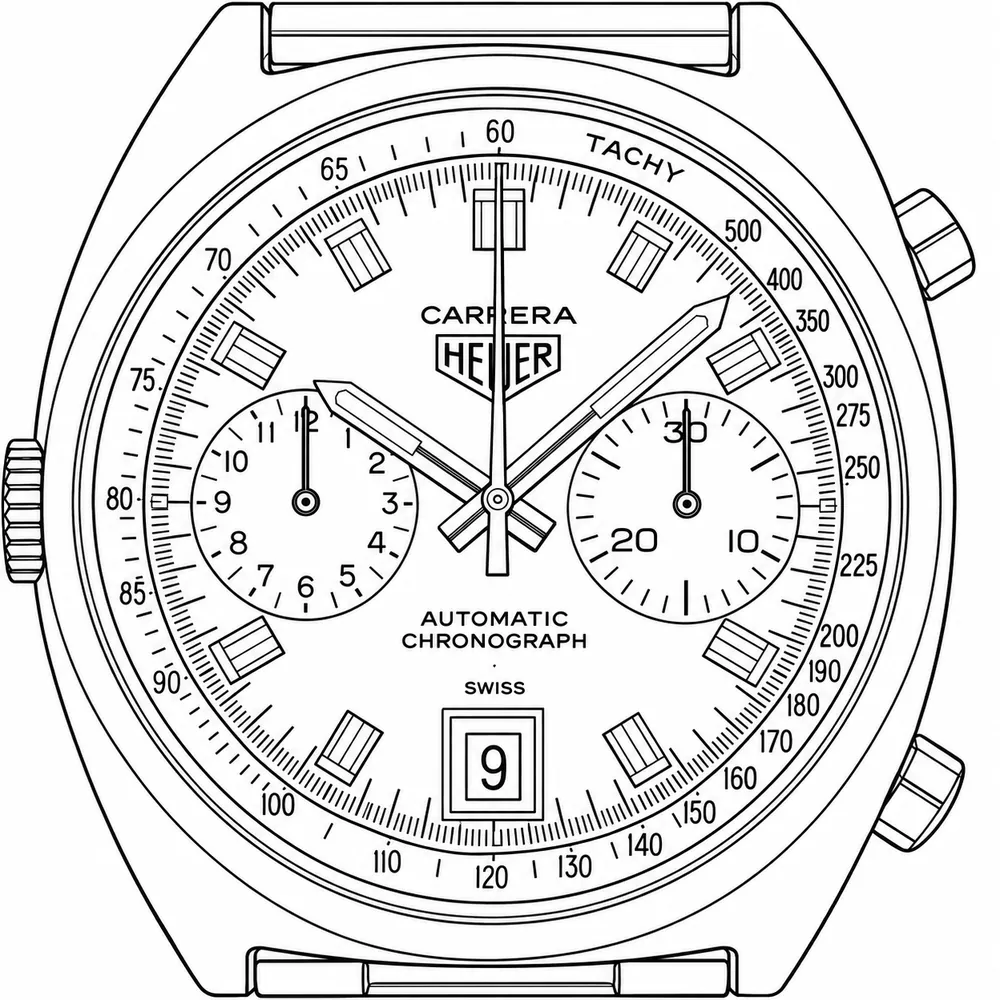
The 1153 is the automatic Carrera, made from 1969 to about 1974, one of three designs with which Heuer launched its Cal. 11 automatic chronograph movement; the Monaco and the Autavia were the other two. It replaced the round 36 mm Carrera of 1963 to 1969 with a C-shaped case of about 38 to 39 mm, the crown on the left and two pushers on the right. It came with Cal. 11, the modified 11-I and Cal. 12, in blue and silver dials and several dial executions. Collectors look first at the dial wording, since the very first watches say Chronomatic.
- Made
- 1969–1974dates approximate
- Seen in the library
- 1969–1975nine in ten in 1970–1975 · by years sellers state
- Case
- 38 mm · steelas sellers state
- Movement
- Automatic
- On record
- 44 listings81 photographs · 16 holders
Components
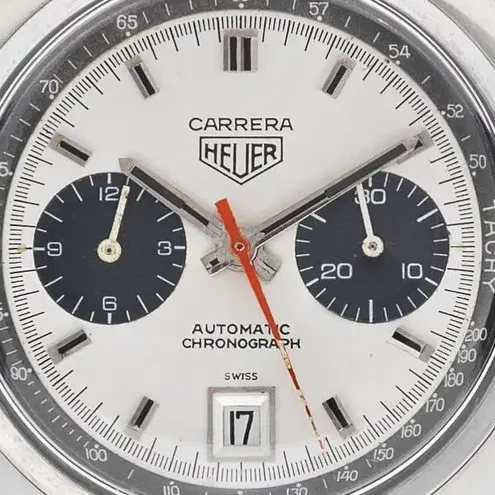
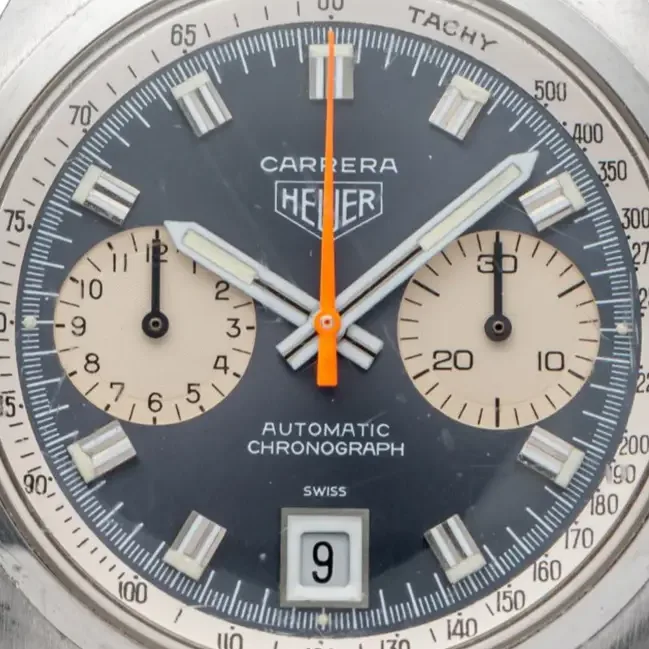
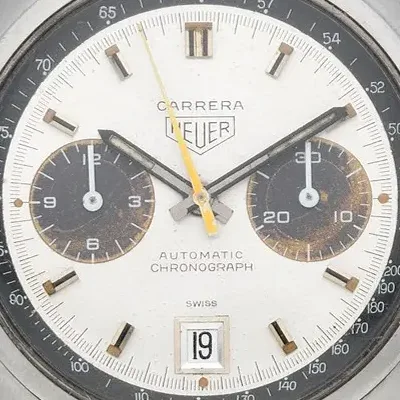
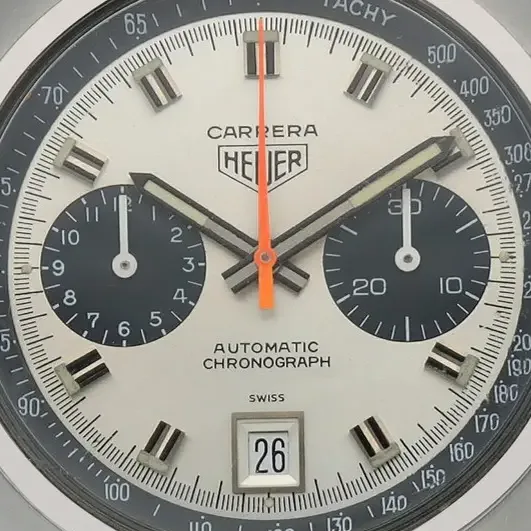
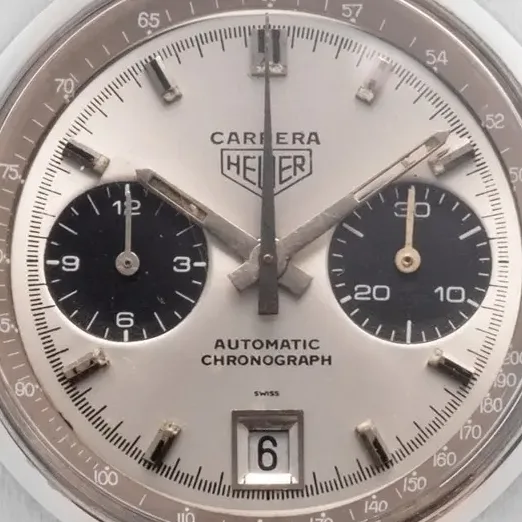
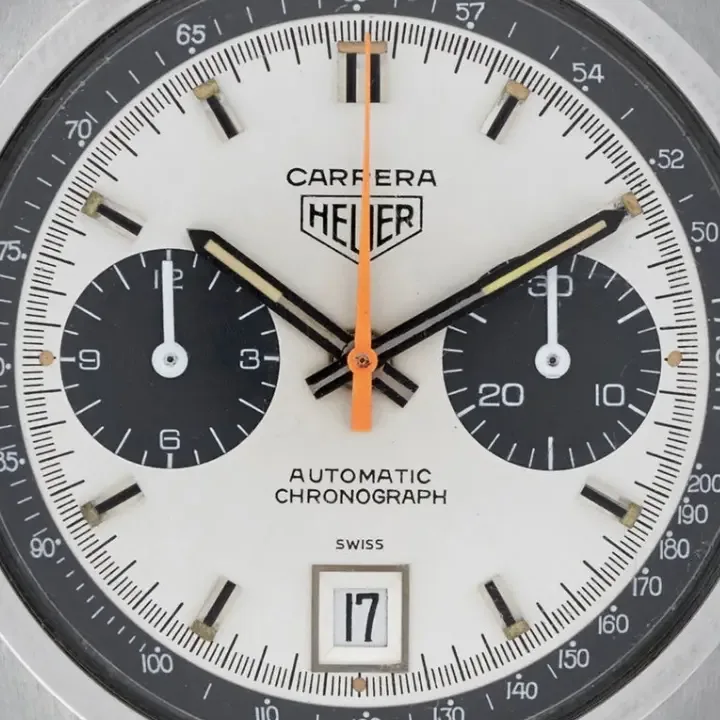
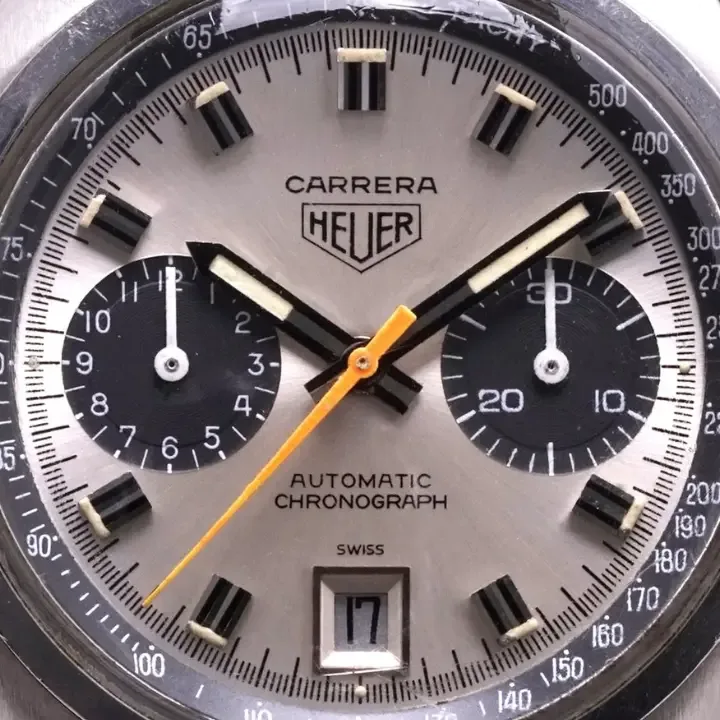
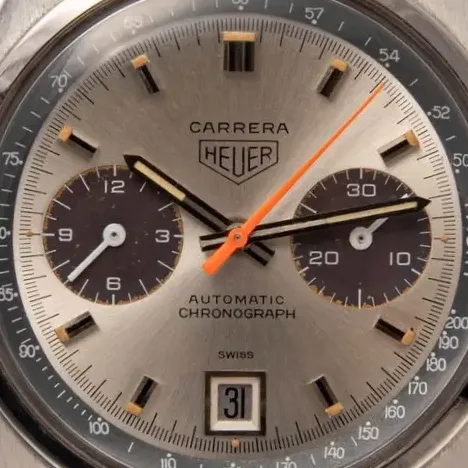
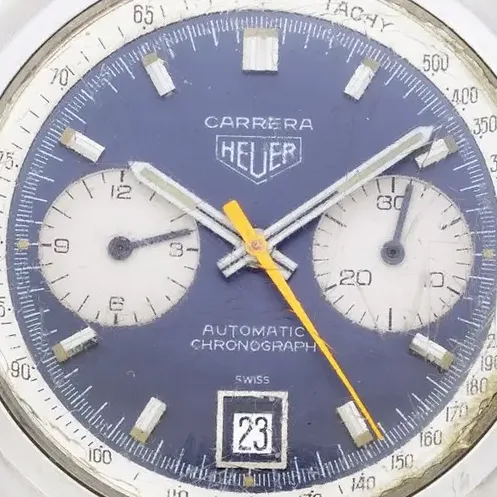
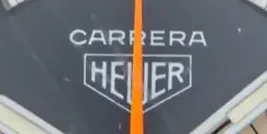
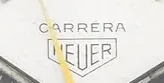
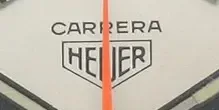
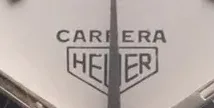
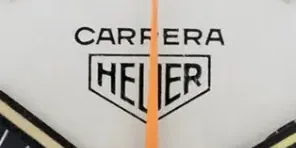
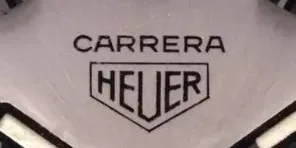
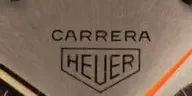
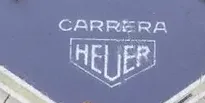
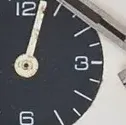
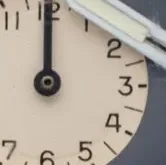
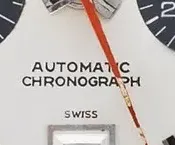
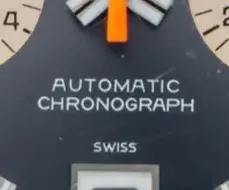
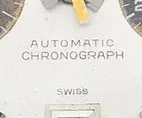
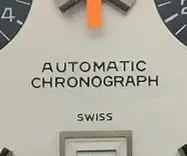
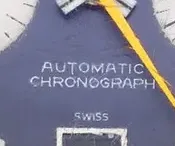
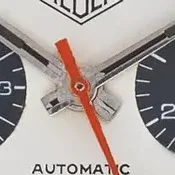
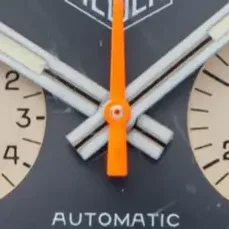
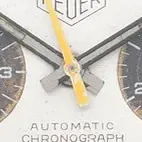
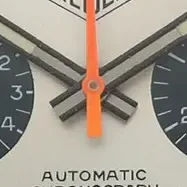
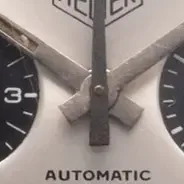
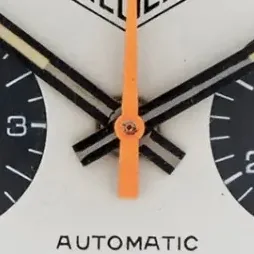
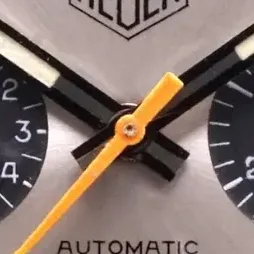
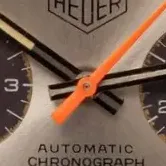
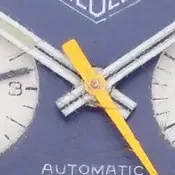
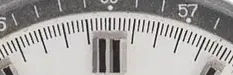
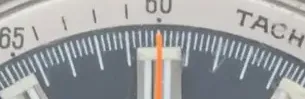
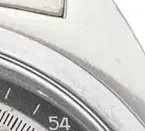
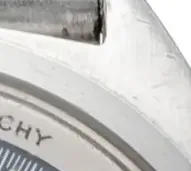
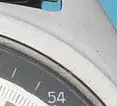
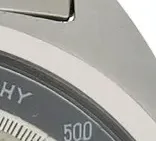
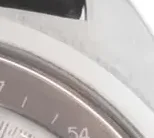
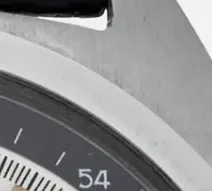
9 watches, oldest first, each straightened and cut the same way so that one row shows one component across them all. Chosen from 81 photographs on file for sharpness and for a face typical of the reference. A year marked c. is one its holder gives only roughly. Each picture is a detail cut from a listing photograph. Select the small mark in its corner for its year, its holder, a link to the listing it came from, and a way to report it.

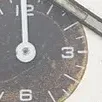
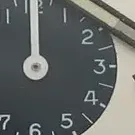
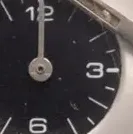
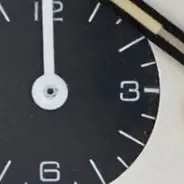
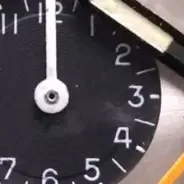
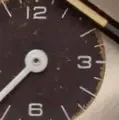
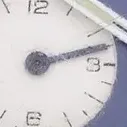
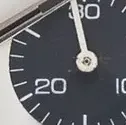
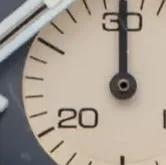
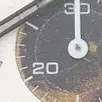
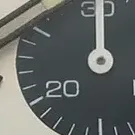
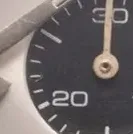
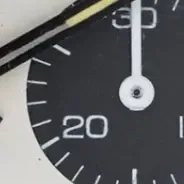
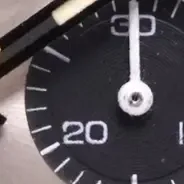
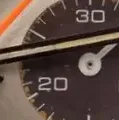
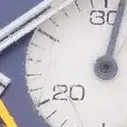
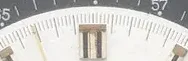
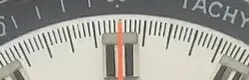
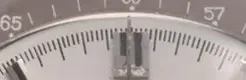
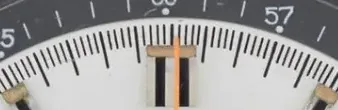
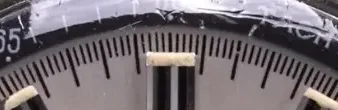
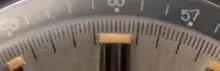
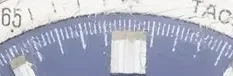
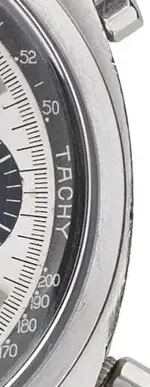
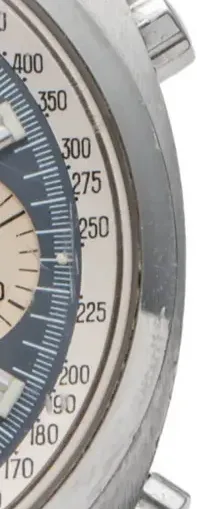
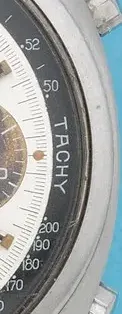
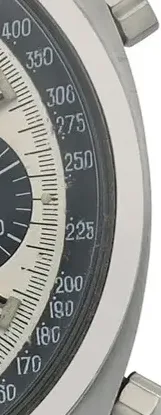
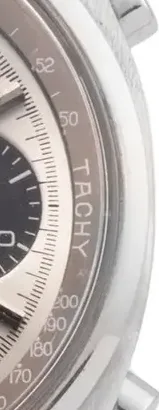
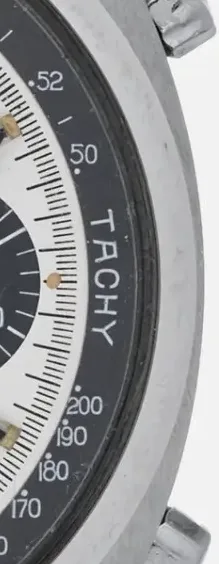
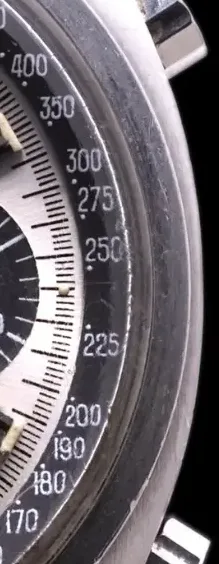
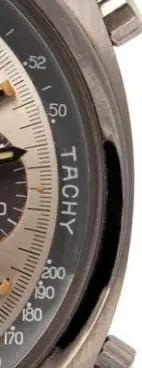
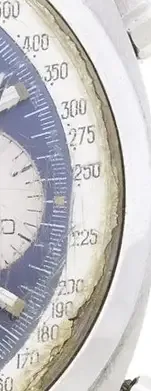



Chronology
Production is put at 1969 to 1974.
Every dated variant: what is written, and what the records show
For the reference the marks are every dated watch; for a variant, the watches a seller names as that variant, so a variant sellers do not name has none.
Specification
| Case | Brushed steel C-shaped case, about 38 to 39 mm wide, with short squared lugs of 20 mm; crown on the left, two chronograph pushers on the right |
| Crystal | Domed plexiglass |
| Dial | Blue with white registers, or silver with black registers; orange central chronograph hand |
| Movement | Automatic chronograph: Cal. 11, the modified 11-I, and from 1971 Cal. 12 |
| Bracelet | Gay Frères steel bracelet with 20 mm end links was an option; strap also seen |
Dial 8 described
The first dials read Chronomatic above the Heuer badge and the model name above the date. This was changed soon after launch, so the model name sits above the badge and Automatic Chronograph on the lower half. Dial executions follow in blue and silver, with a third execution that has wide markers and numerals in the hour register. Labels with suffix letters (N, S, BN) and names such as Pulsation and Solothurn mark further dial types.
Chronomatic dial
The first dial puts the model name over the date window and Chronomatic over the Heuer badge. Very few were made: the word was dropped quickly because it meant little to buyers, and Heuer is also said to have sold the Chronomatic name to Breitling. Collectors count it among the rare versions of the 1153.
- Chronomatic above the Heuer badge
- Carrera above the date
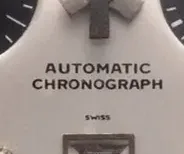
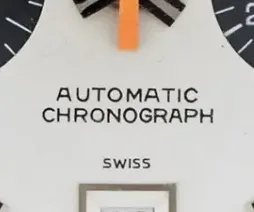
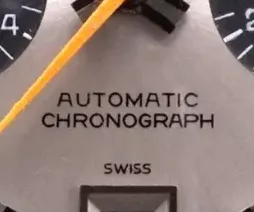
Carrera above the badge, Automatic Chronograph below
The standard dial after the first batch: the model name is moved above the Heuer logo and Automatic Chronograph replaces it on the lower half of the dial.
- Carrera above the logo
- AUTOMATIC CHRONOGRAPH at the foot of the dial
Blue dial with white registers
The new Carrera was introduced with a blue dial and contrasting white registers, a break from the single-colour dials of the first generation. Sellers list blue-dialled watches among the 1153s they offer.
- blue dial
- white registers
- orange chronograph seconds hand
Silver dial with black registers
A silver dial with contrasting black sub-dials offered alongside the blue. Silver is the commonest colour that sellers state.
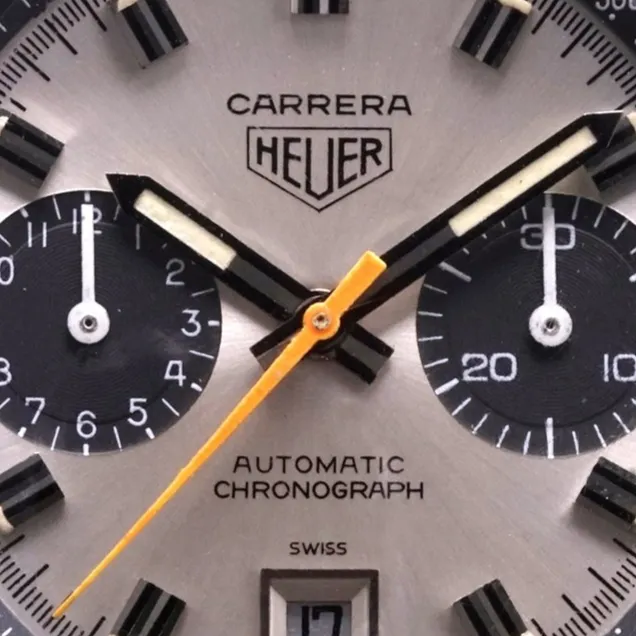

3 listings on record under the name.
Third execution
The third execution has wide markers and the numerals 1 to 12 on the hours register at 9 o'clock. One seller dates a watch described this way to about 1974. An example in the literature is a 1153 N.
- wide hour markers
- 1 to 12 numerals on the 9 o'clock register
Tropical, purple and other colours
The gallery lists a tropical 1153 S dial; sellers also describe purple and purple-chocolate dials. The literature says no more on them.
Pulsation, BN and Solothurn gallery types
The gallery labels further dial types 1153 N Pulsation, 1153 BN and 1153 S Solothurn without describing them.
Abercrombie & Fitch
A Carrera 1153 made for Abercrombie & Fitch is described as rare.
Hands 1 described
The central chronograph hand is orange.
Orange chronograph seconds hand
Heuer added more colour in the new Carrera, with an orange central chronograph hand.
- orange central hand
Case 1 described
The 1153 case is a break from the round first-generation Carrera.
C-shaped case
A C-shaped case of about 38 to 39 mm with much shorter, squarer lugs than the first generation, which had a 36 mm round case. The finish is brushed; the lugs measure 20 mm. The crown is on the left and the two pushers are on the right, as on all the new automatic models of the time.
- crown on left
- two pushers on right
- brushed finish
- 20 mm lugs
Crystal 1 described
The crystal is domed plexiglass.
Domed plexiglass
A domed plastic crystal.
- domed plexi
Movement 3 described
The 1153 used Cal. 11 at first, then the modified Cal. 11-I and Cal. 12.
Cal. 11
The automatic chronograph movement launched in 1969, used in the first watches. About half of the sellers who name a calibre state Cal. 11.
Cal. 11-I
The modified version of the Cal. 11, used in various 1153 watches.
Cal. 12
An updated movement that replaced Cal. 11 in the Carrera in 1971. Most of the other sellers who name a calibre state Cal. 12.
Bracelet 1 described
The bracelet was an optional extra.
Gay Frères bracelet
Gay Frères steel bracelets with 20 mm end links were optional. A watch of about 1974 is listed with one.
- 20 mm end links
Originality
- Many vintage Heuers have been serviced over the decades and had parts replaced, so dial, hands and movement should be checked against each other and the date.
Names
- Chronomatic. The first dials print the word Chronomatic above the Heuer badge.
Where accounts differ
Points on which the published literature and the library's own records do not agree, or on which the literature contradicts itself.
- Case size. A buying guide gives the C-shaped case as 39 mm, and another guide agrees; in the library's records most sellers give 38 mm and a few 39 mm.
Back and movement
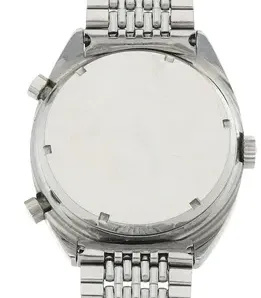
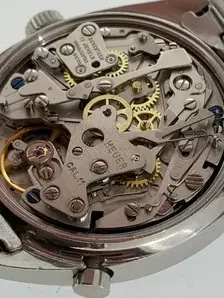
From listings of this reference, each confirmed by eye to show what it is filed under. A picture on which a person's name or a personal engraving can be read is not shown. From most holders a detail from the middle of the photograph is shown; the mark in its corner gives its holder and a link to the listing.
Caseback

Movement

In the records
Counted from 44 listings at 16 holders between 9 June 2010 and 14 November 2026. These are what sellers and auction houses state, not measurements.
Fainter bars are the 2 outside the main run of 1970–1975 (the middle nine-tenths): the earliest is 1969 and the latest 1978. They are early and late examples, and now and then a seller's slip. The head of the page gives 1969–1975: the years that listings from two holders bear out.
Case metal
| Steel | 31 |
Dial colour
| Silver | 10 | |
| Blue | 4 | |
| Grey | 2 | |
| Brown | 1 | |
| Purple | 1 |
Case size
| 38 mm | 18 | |
| 39 mm | 3 | |
| 37 mm | 1 |
Bracelet or strap
| Metal bracelet, kind not stated | 13 | |
| Leather strap | 11 |
Each table counts the listings that state the thing, in the seller's own terms. A size, metal, colour or calibre that cannot belong to this reference is a seller's slip or a listing filed under the wrong number.