Automatic Diver, 150 m (6309-7040/7049 Turtle and 6309-7290 Slim Turtle)
The 6309 is the export version of Seiko's 150 m automatic day-date diver, made from 1976 to 1988; its large cushion case, which later collectors call the Turtle, is put at 1976 to about 1985. It followed the 6105 and shares its layout with the Japanese-market 6306, which has 21 jewels, a seconds stop and often a kanji day wheel. The 6309 has 17 jewels and no seconds stop. From 1982 the movement was also sold in a slimmer, more angular export case, the Slim Turtle, in black, Pepsi and orange. Case code, dial code and caseback wording are what separate the variants, and the dial print changed during the run, so collectors compare these with the build period.
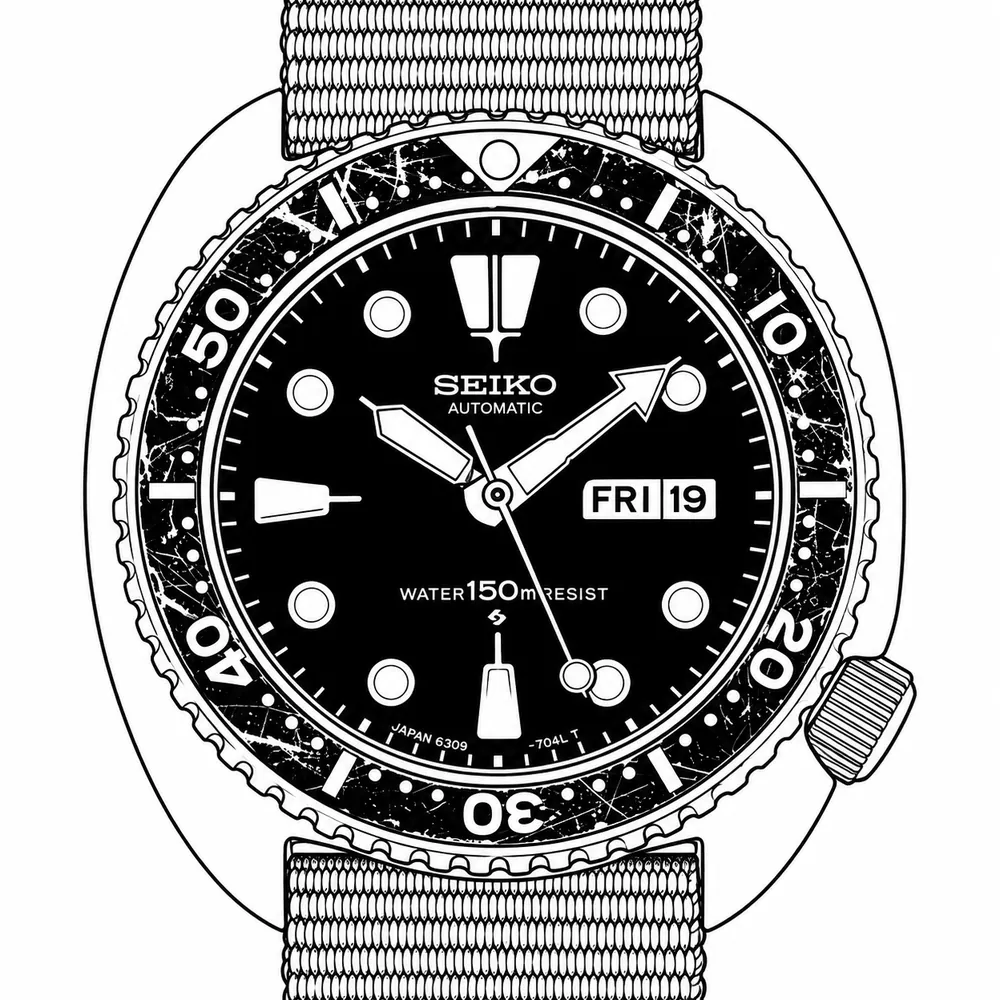
- Made
- 1976–1988dates approximate
- Seen in the library
- 1977–1987by years sellers state
- Movement
- Calibre 6309automatic
- On record
- 101 listings64 photographs · 9 holders
Components
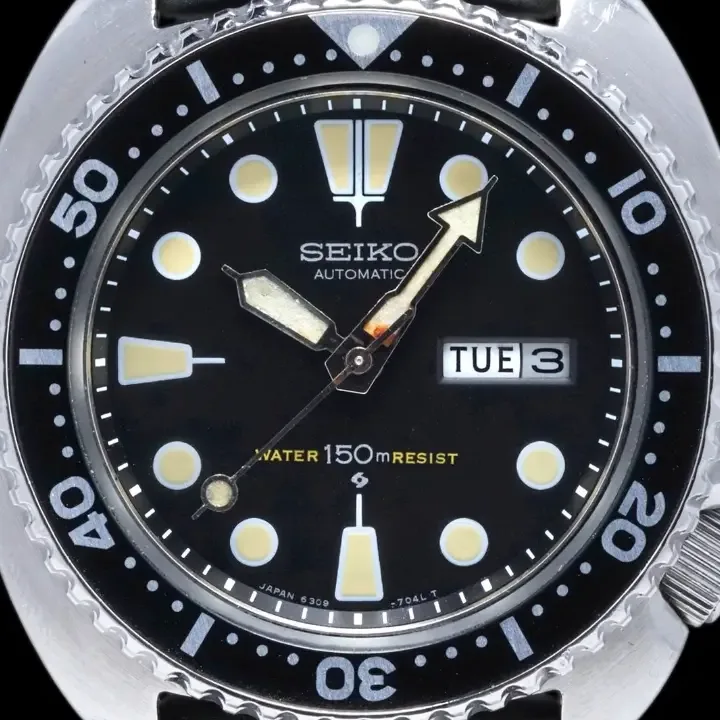
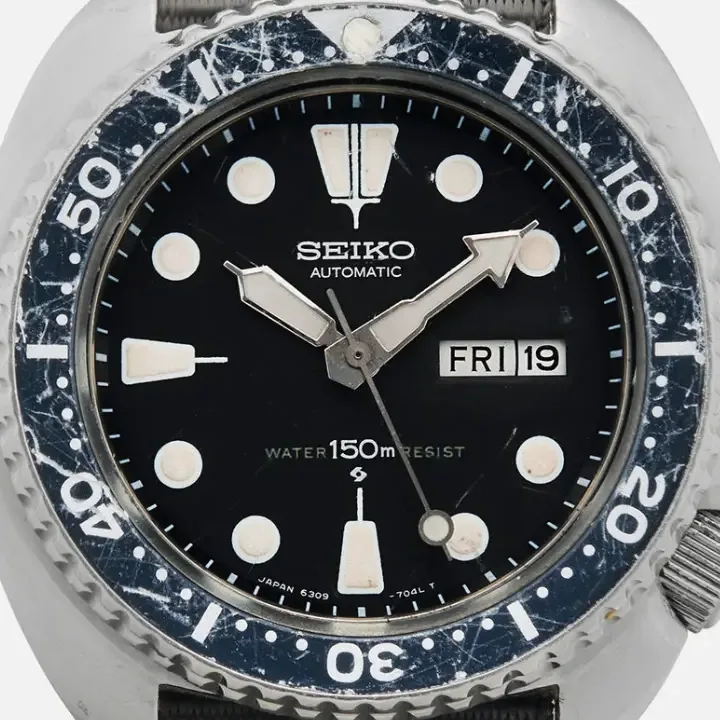
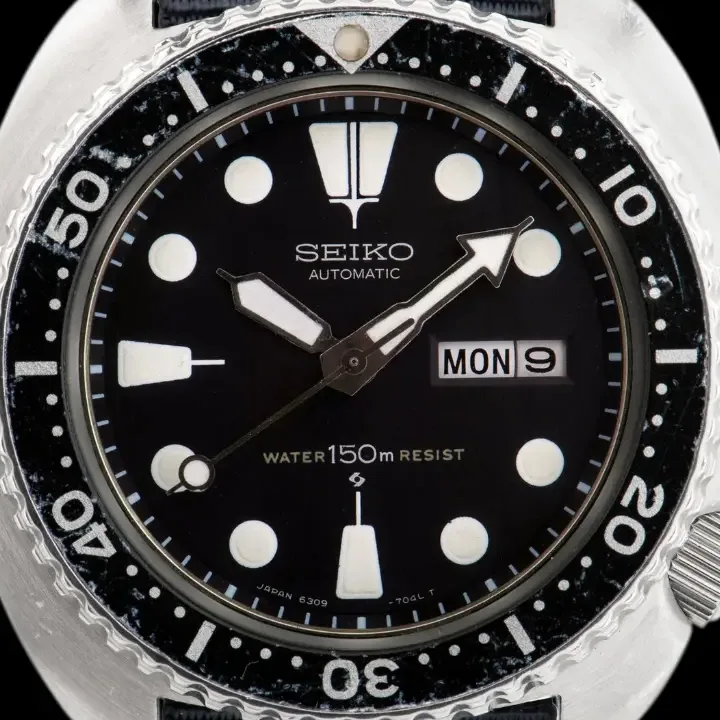
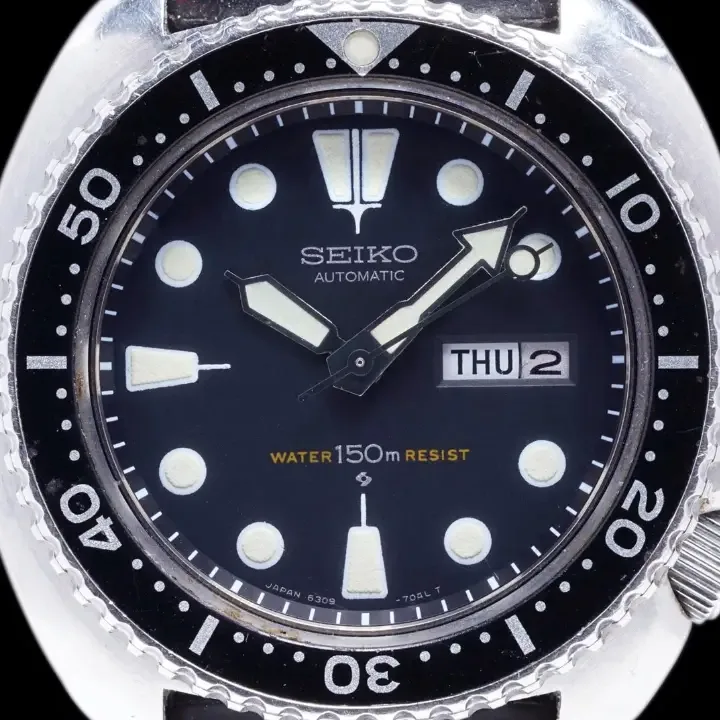
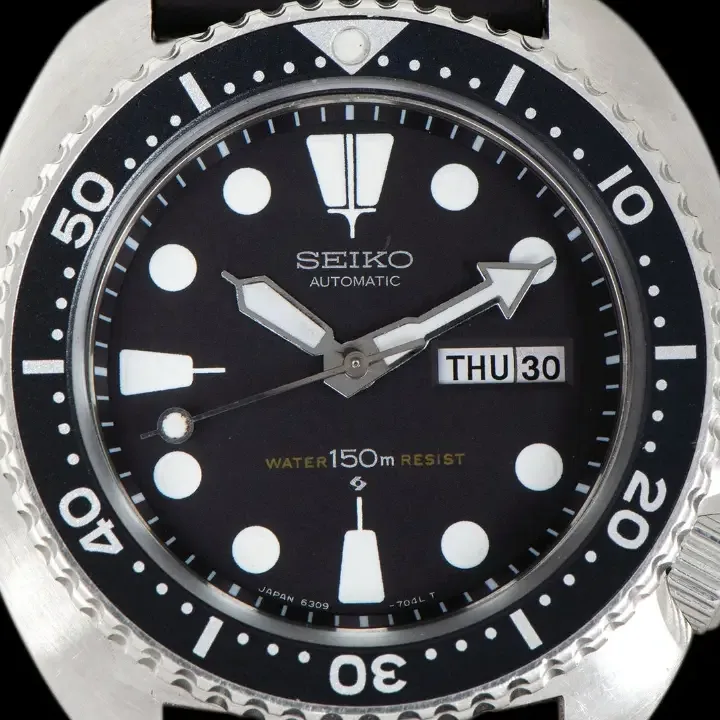
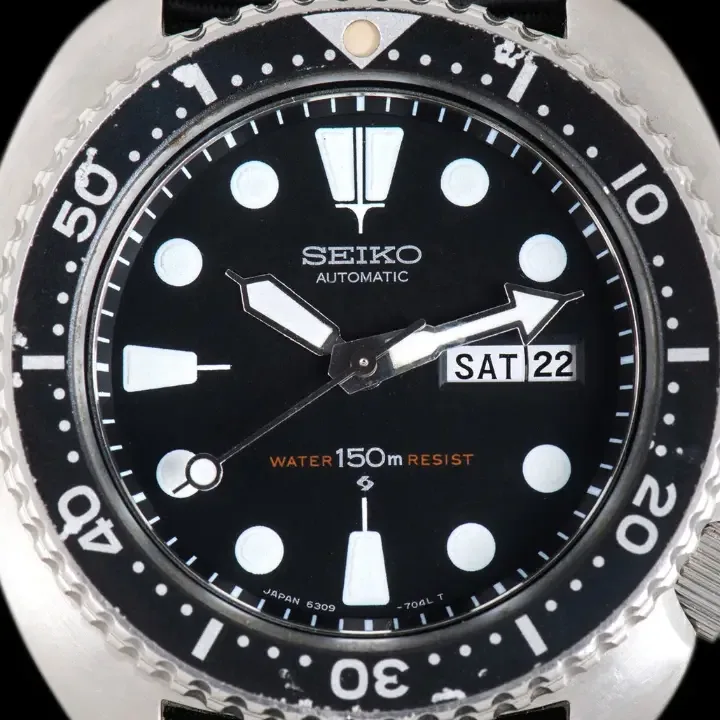
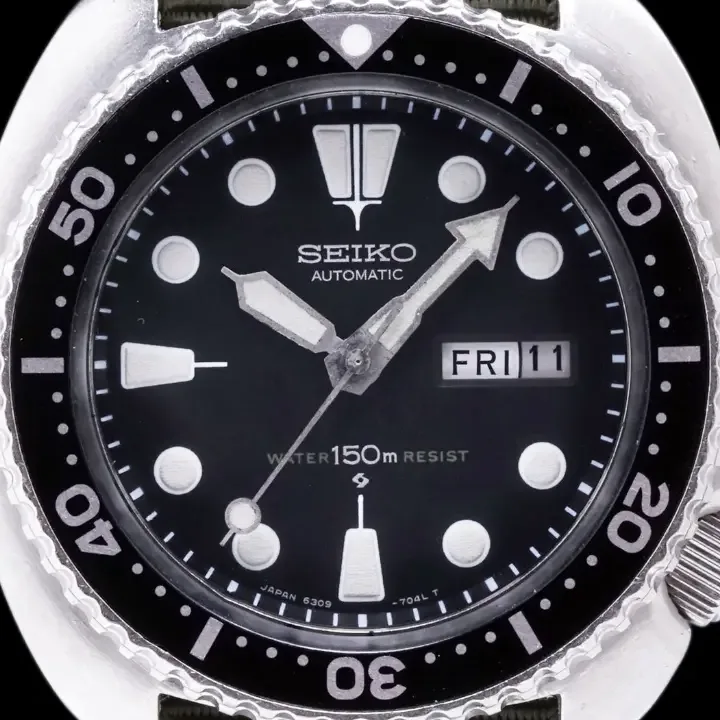
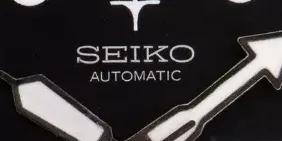
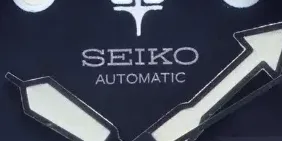
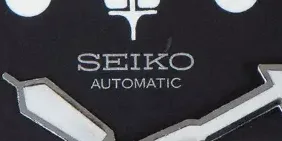
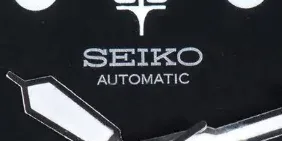
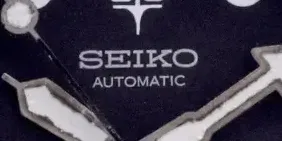
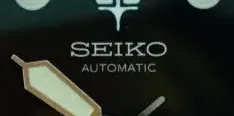
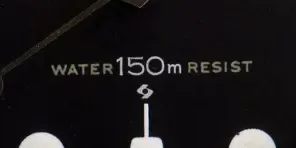
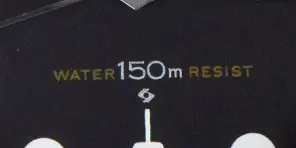
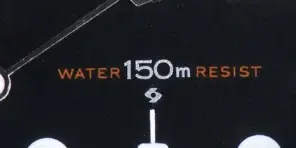
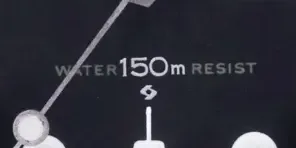
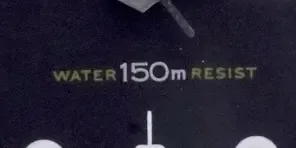
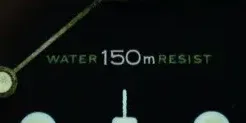
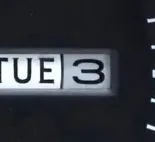
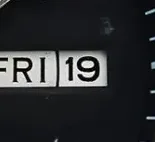
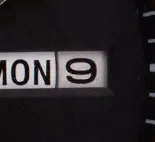
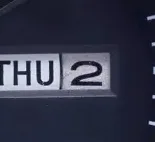
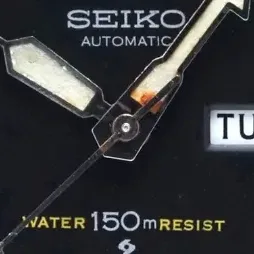
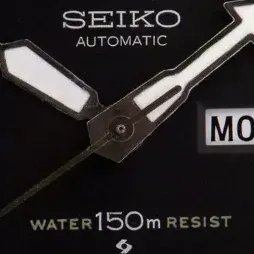
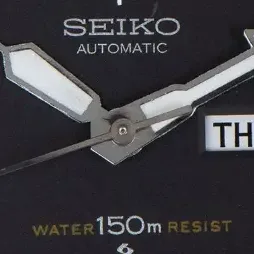
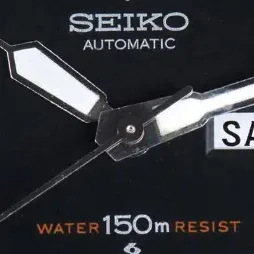
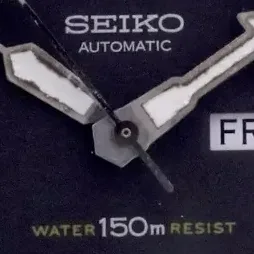
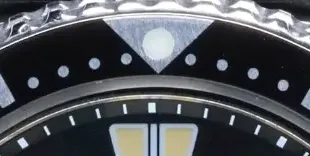
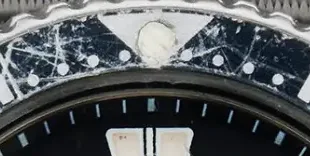
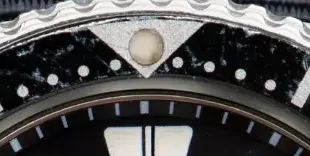
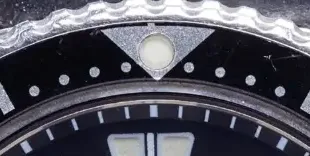
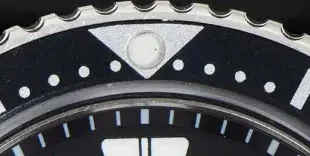
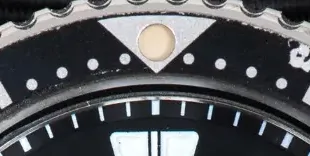
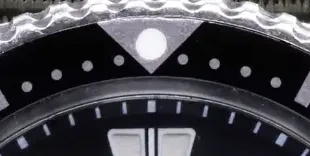
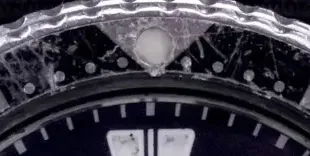
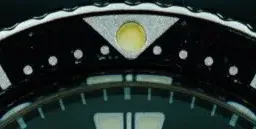
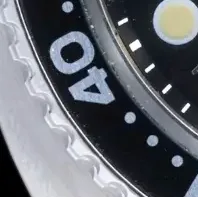
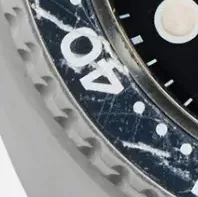
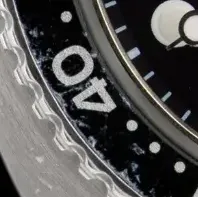
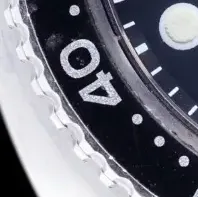
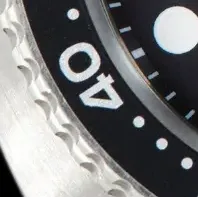
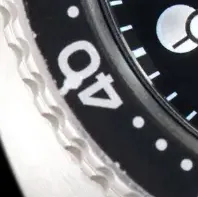
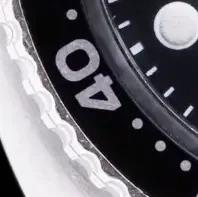
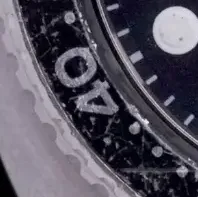
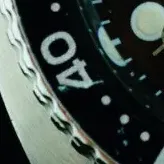
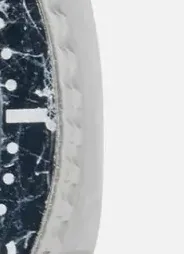
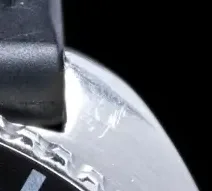
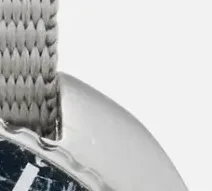
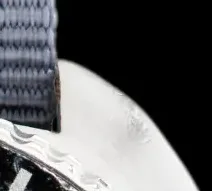
9 watches, oldest first, each straightened and cut the same way so that one row shows one component across them all. Chosen from 64 photographs on file for sharpness and for a face typical of the reference. A year marked c. is one its holder gives only roughly. Each picture is a detail cut from a listing photograph. Select the small mark in its corner for its year, its holder, a link to the listing it came from, and a way to report it.
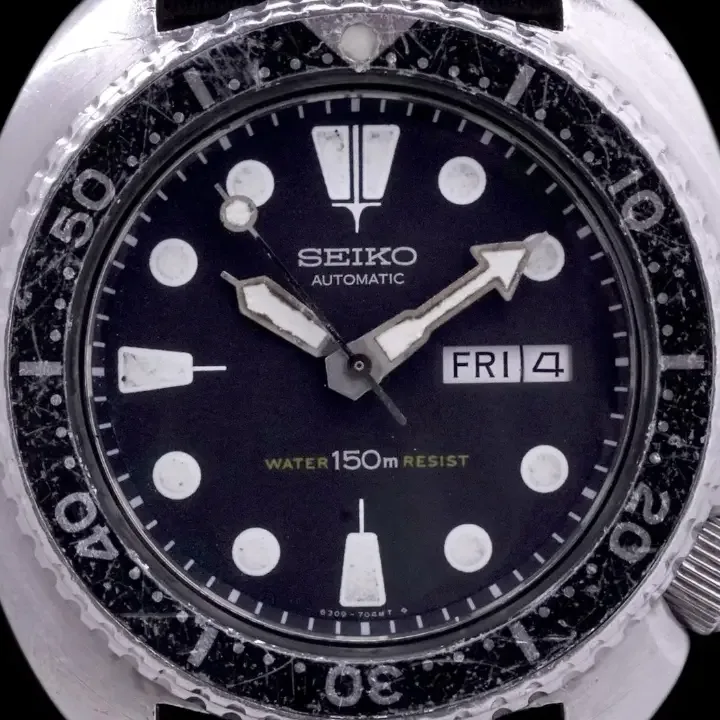
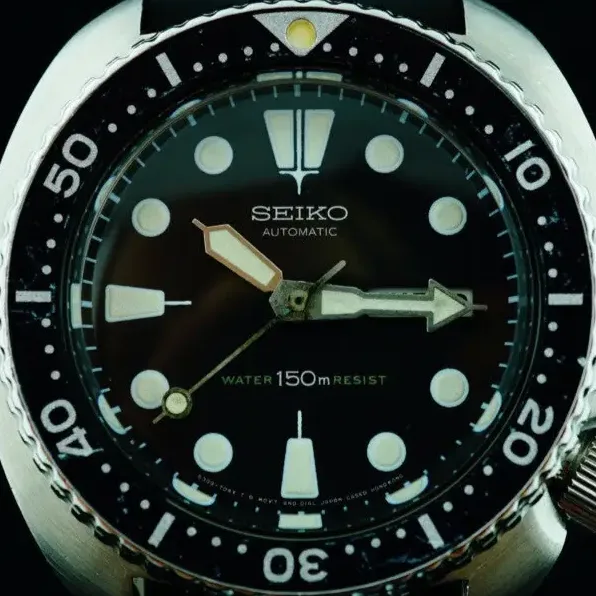
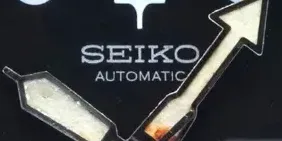
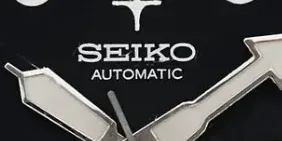





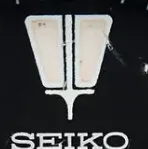

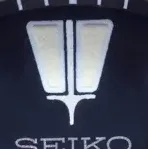
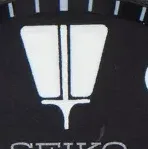


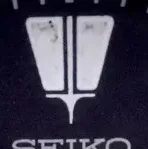





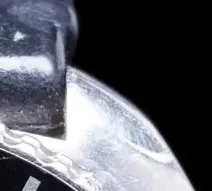
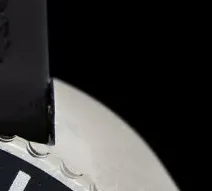
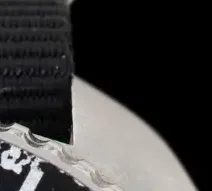
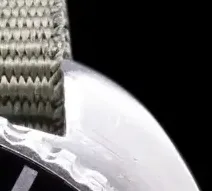



Chronology
The cushion-case run is put at 1976 to about 1985 and the whole 6309 family at 1976 to 1988; the Slim Turtle is dated 1982 to 1988.
Every dated variant: what is written, and what the records show
For the reference the marks are every dated watch; for a variant, the watches a seller names as that variant, so a variant sellers do not name has none.
Specification
| Case | Stainless steel cushion case, about 45 mm wide, 48 mm long and 13 mm thick, 22 mm between the lugs. Slim Turtle: about 42 mm, 13 mm thick |
| Case finish | Circular brushing on top, polished sides, straight brushing on the back, with a sharp line between top and side |
| Crystal | Flat Hardlex mineral glass |
| Bezel | 60-click bi-directional rotating bezel, not locking, with a black aluminium insert and a lume pip |
| Crown | Unsigned screw-down crown at 4 o'clock, set into a recess in the case rather than between guards |
| Caseback | Six-slot screw-down back stamped with the tsunami wave, the case code and the water-resistance wording |
| Movement | Automatic calibre 6309, 17 jewels, 21,600 bph, about 47 hours, quickset day and date, no hacking and no hand-winding |
| Strap | Black rubber strap, 22 mm; no steel bracelet is described for the cushion-case watch |
| Water resistance | 150 m as originally specified; dial reads Water 150m Resist |
Dial 5 described
The dial is black with round markers, a day-date window in place of the three o'clock marker and white and red print under twelve. It changed with the build period and the market, and dial codes at six o'clock name the market. A dial carrying a Scubapro name belongs on a 6306 only, so one on a 6309 points to a reprint.
Suwa-symbol dial
The first dials carry the Suwa symbol just above the six o'clock marker, with Japanese production indicated. The text under twelve reads Seiko Automatic in silver-white with Water 150m Resist in red. Its use is put at about 1976 to 1980.
- Suwa symbol above six
- red Water 150m Resist line
Hong Kong dial
From about 1980 the Suwa symbol is gone and a line naming Hong Kong as the place of casing appears, matched by a caseback with an A mark. Some of the dial codes described pair a small Suwa symbol with a cased-in-Hong-Kong line, so the two features do not strictly separate the periods. Its end date is not fixed; the dial runs on to the end of the family.
- no Suwa symbol
- A alone on the caseback, without Japan
Market dial codes
Five dial codes are described. The Japanese code reads JAPAN 6309-704LT with the Suwa symbol over six. An American-market code reads 6309-704X T, then the Suwa symbol, then movement and dial Japan, cased Hong Kong, spread from seven to five o'clock; a shorter form leaves out the dial. A further short form reads 6309-704L T with the Suwa symbol and movement Japan, cased Hong Kong, and a Singapore code reads 6309-704M T with a small Suwa symbol at the left.
- code line at six
- Singapore 704M
- Japan 704L
Day wheels
The day wheel is bilingual and the second language depends on the market: English with Spanish, French, Arabic and others, and English with kanji on watches made for Japan. A wheel that does not match the market may have been replaced, though an unusual wheel in a 6309 is not by itself a sign of a fake.
- English plus second language
- kanji on Japan-market watches
Hour markers
Hour markers are round, with bell-shaped markers at six and nine and a two-piece rounded triangle at twelve divided by an inverted cross. The markers on original dials are a more matt finish than those of the modern reissue. A day-date window with a bevelled frame sits at three.
- bell markers at 6 and 9
- split triangle at 12
Hands 1 described
The handset is plain and often replaced.
Original handset
The hour and minute hands are flat, silver-toned and sharply pointed from precise stamping, with a large lume fill. The seconds hand has only a lume dot near the tip, set on the head of the hand; the modern reissue places its dot on the tail.
- flat sharp stamped hands
- lume dot at seconds hand tip
Bezel 4 described
The bezel is a 60-click bi-directional ring with a black aluminium insert and silver markings, which turns freely enough to be knocked backwards. Several colours are known on the slim case only.
Cushion-case bezel (7040/7049)
A black-painted aluminium insert with silver graduations and a deep-set round pip, removable, with two rows of fine teeth on the edge. The original bezel's underside is not flat: a small dimple sits on the centreline of each rectangular grip, which many aftermarket bezels lack. A blue and red Pepsi insert on a 7040 or 7049 is taken to be a later owner's change.
- dimple under grips
- deep-set pip
- fine teeth
- no Pepsi on 704x
Slim Turtle black
The black Slim Turtle is case code 6309-7290, with a black dial and insert. It belongs to the 1982 to 1988 slim-case run.
- case code 6309-7290
Slim Turtle Pepsi
The slim case was also made with a blue and red Pepsi insert, the third of its three colours. It belongs to the same 1982 to 1988 run as the black and orange.
- blue and red insert
- slim angular case
Slim Turtle orange
Case code 6309-729B has an orange dial and a black insert with silver lettering rather than gold, as on the orange 4205 divers. It was made in smaller numbers than the other two colours; almost all serials are May 1982, with a very few later ones. Orange examples are the most often assembled from parts, so case, dial and code should agree.
- case code 729B
- orange dial
- silver bezel lettering
- May 1982 serial
Case 3 described
The cushion case has a recessed crown instead of guards and a finish in three directions. The slim case, made from 1982, is narrower and more angular.
Cushion case (7040/7049)
A big round cushion case, about 45 mm wide, 48 mm long and 13 mm thick on a 22 mm lug width, whose crown sits at four o'clock in a recess that works as a guard. The top is circular-brushed, the sides polished and the underside straight-brushed, with a sharp line between top and side. Another measure puts it at 45 by 45 by 12 mm. Codes 7040 and 7049 are identical, the 9 being North America and the 0 the rest of the world.
- recessed crown
- sharp line round top
- curved sides
Slim case (7290, 729A, 729B)
An export-only case of about 42 mm and 13 mm thick, thinner in width and depth than the cushion case, with angular lines. The same shape had been used from 1978 on the quartz 7548, which has different markers. Dial, hands, insert and codes differ from the cushion case.
- angular, narrower case
- code 7290/729A/729B
Caseback wording
A six-slot steel back with a large tsunami wave in the middle. Round it runs the text ST. STEEL, the case code, SEIKO in larger type and WATER RESIST. In the first period, about 1976 to 1980, Japan A follows; from about 1980 an A alone appears. A Suwa mark sits beside the text in both periods.
- tsunami wave
- ST. STEEL and case code
- Japan A or A
Crown 1 described
The crown is screwed down, unlike the 6105.
Screw-down crown
An unsigned, screwed crown at four o'clock on a two-piece spring-loaded stem, set thick and horizontal. The crown tube is not replaceable, so stripping it ends the case. Position matters for the movement: the crown sits at twenty minutes past on a 6309 case, so a modern movement with the crown at eighteen cannot be fitted.
- unsigned crown
- screw-down
- recessed at 4 o'clock
Crystal 1 described
A flat Hardlex crystal is standard.
Flat Hardlex
The original crystal is a flat mineral piece, and original replacements are hard to find. Domed glass has been fitted by owners.
- flat profile
Movement 1 described
The calibre 6309 is the plain workhorse export movement of the family. It does not hack and cannot be wound by the crown, so a shake starts it.
Calibre 6309
A 17-jewel automatic of 27 mm whose rotor turns on a ball bearing, beating at 21,600 bph for about 47 hours, with Diashock protection and a quickset bilingual day and date. The hairspring is clamped without a stud to ease service. It is sometimes misread as 6809. The Japanese 6306 differs by 21 jewels and a seconds stop.
- 17 jewels
- no hack
- 6309A marking
Bracelet 1 described
The cushion-case watch was supplied on a rubber strap; no steel bracelet is described as made for it.
Black rubber strap
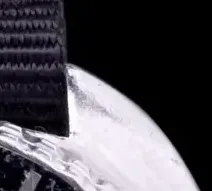
A black rubber strap in a long and a short length, 22 mm at the lugs. One pattern has eleven holes with the tsunami wave stamped in a circle near the tip; another has three vents with offset rows and a loose rectangular keeper. The underside is stamped SEIKO ST.STEEL JAPAN Z. Replacements are plentiful, and one reference type uses a perforated keeper and a plain brushed buckle.
- vented or holed rubber
- tsunami stamp
- 22 mm
Originality
- Dials and hands are commonly replaced.
- Bezel inserts are often aftermarket; a Pepsi insert on a 7040 or 7049 is not original.
- A day wheel in the wrong language for the market may be a service replacement.
- Orange Slim Turtles are the most frequently assembled from parts; case code, dial code and insert should agree.
- Crowns and crystals are often replaced, and original flat crystals are hard to find.
- Replacement rubber straps are plentiful, so a strap should not be taken as original without checking.
Names
- Turtle. The name came long after the watch; the cushion case looks like a turtle's shell.
- Slim Turtle. The narrower export case introduced in 1982.
- Pepsi. The blue and red bezel on one of the slim-case colours.
Where accounts differ
Points on which the published literature and the library's own records do not agree, or on which the literature contradicts itself.
- When the slim case began. One account says the case changed to the 729A shape around 1986 and that the cushion case ran to 1985. Another, from serial numbers, shows the slim cases from 1982.
- Start of the 6309. Most accounts date the export 6309 diver from 1976, the same year as the Japanese 6306. One account of the 6306 notes that no 6309-7040 or 7049 with a 1976 serial number has been seen, and suggests export production began early in 1977.
Catalogue versions 16 listed
The full numbers under which holders list this reference, with what their listings say of each. Each has a page of its own.
| Version | Metal | Dial | Years seen | Records |
|---|---|---|---|---|
| 6309-7049 | Steel | 1977–1984 | 18 | |
| 6309-7040 | 1980–1984 | 3 | ||
| 6309-8840 | 3 | |||
| 6309-5030 thin | 1975 | 2 | ||
| 6309-6240 thin | 2 | |||
| 6309-501A thin | 1 | |||
| 6309-5060 thin | 1 | |||
| 6309-5400 thin | 1 | |||
| 6309-5410 thin | 1 | |||
| 6309-5510 thin | 1 | |||
| 6309-5740 thin | 1 | |||
| 6309-5800 thin | 1 | |||
| 6309-610A thin | 1 | |||
| 6309-8230 thin | Green | 1 | ||
| 6309-8540 thin | 1 | |||
| 6309-9070 thin | 1 |
In the records
Counted from 101 listings at 9 holders between 20 July 2016 and 14 November 2026. These are what sellers and auction houses state, not measurements.
The fainter bar is the one listing outside the main run of 1977–1987 (the middle nine-tenths): the earliest is 1975. It is an early or late example, or a seller's slip. The head of the page gives 1977–1987: the years that listings from two holders bear out.
Dial colour
| White | 1 | |
| Red | 1 | |
| Black | 1 | |
| Green | 1 |
Case size
| 44 mm | 8 | |
| 36 mm | 4 | |
| 35 mm | 2 |
Calibre named
| 6309 | 26 | |
| 6309A | 12 |
Each table counts the listings that state the thing, in the seller's own terms. A size, metal, colour or calibre that cannot belong to this reference is a seller's slip or a listing filed under the wrong number.