Royal Oak Perpetual Calendar (39 mm, calibre 2120/2800)
The 25654 is the 39 mm Royal Oak with a perpetual calendar, introduced in 1987 as the successor to the 25554 of 1984. It uses the ultra-thin automatic calibre 2120/2800, which shows day, date, month and moon phase but has no leap-year indication. The case was made slightly thicker than its predecessor to improve water resistance. It was catalogued until 1996, when the 25820 replaced it, and sales ran into 1998. Steel, yellow gold, steel and gold, and platinum versions were sold, mostly with plain, un-patterned dials, though a few carry tapisserie. Collectors look first at the dial signature, the dial colour and the metal code.
- Made
- 1987–1998dates approximate
- Seen in the library
- 1987–1999nine in ten in 1987–1998 · by years sellers state
- Case
- 39 mm · gold (51%), steel (43%)as sellers state
- Movement
- Calibre 2120automatic
- On record
- 90 listings225 photographs · 22 holders
Components
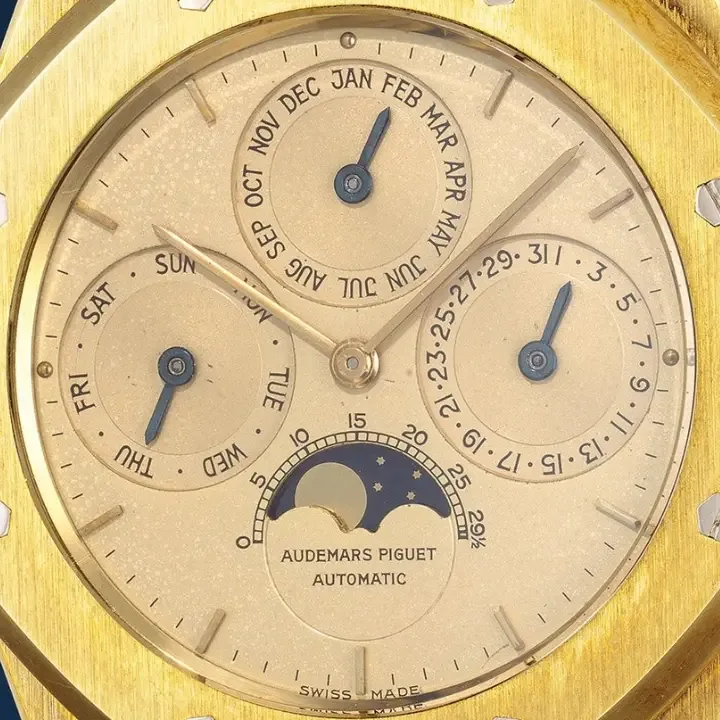
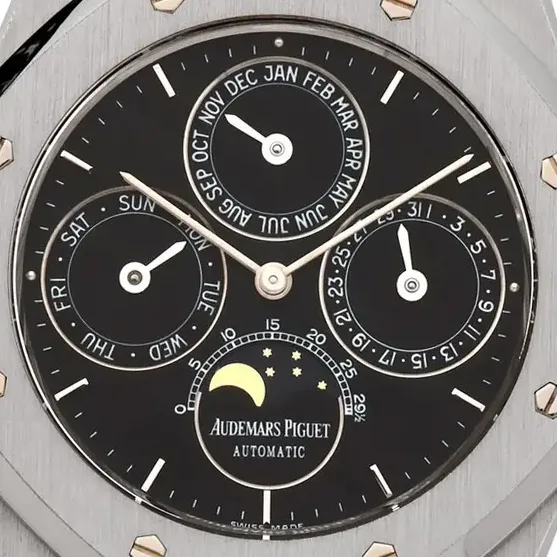
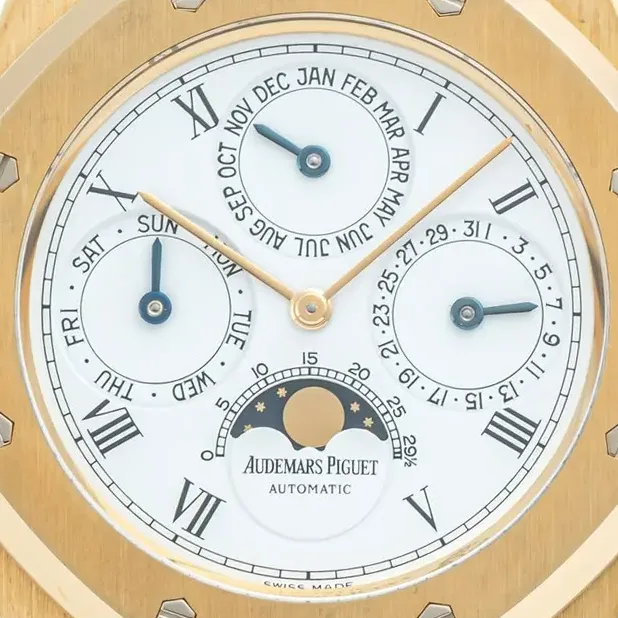
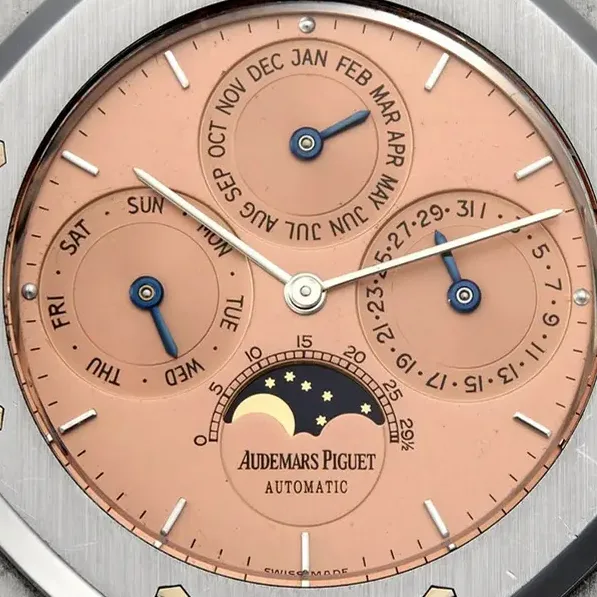
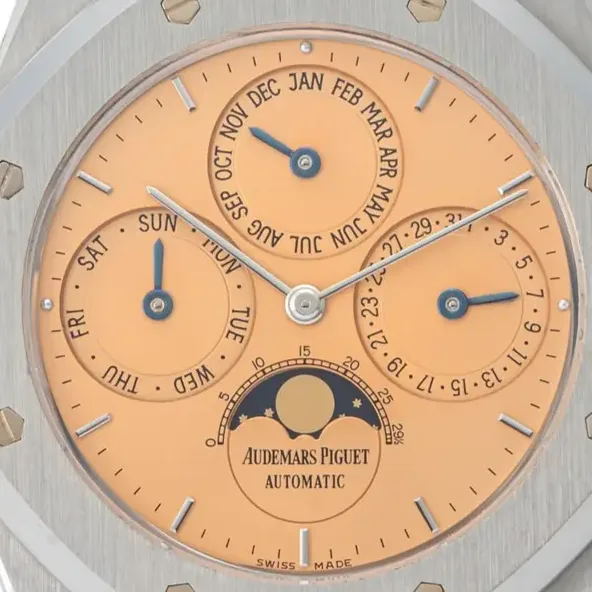
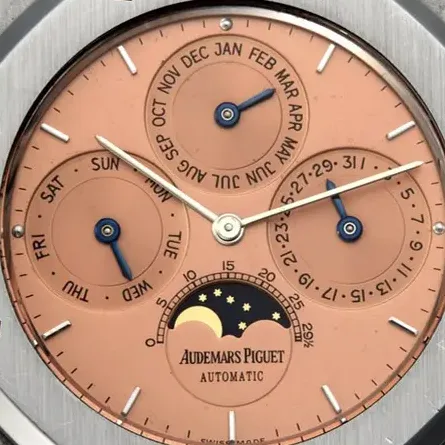
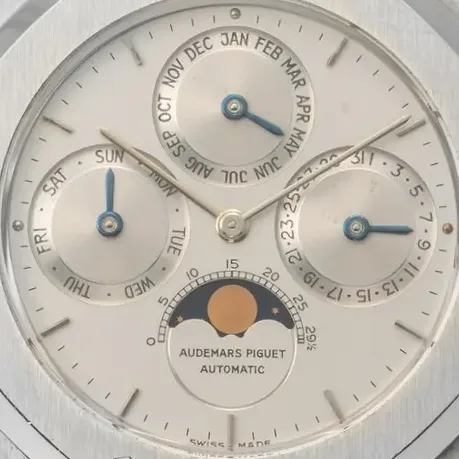
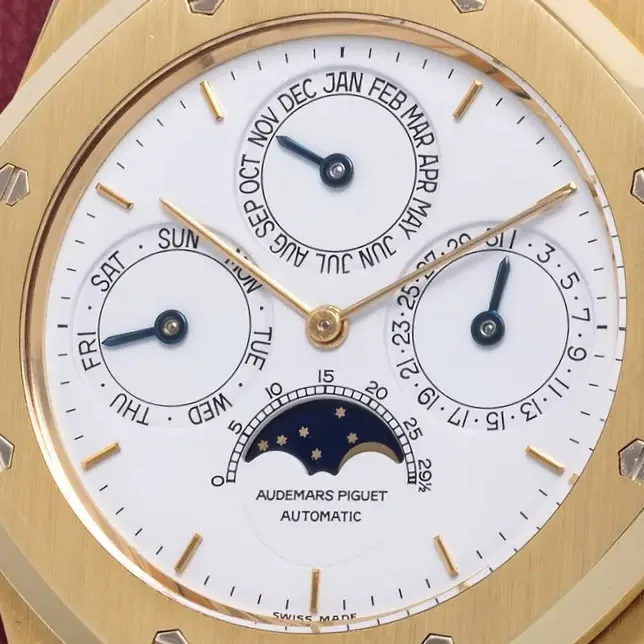
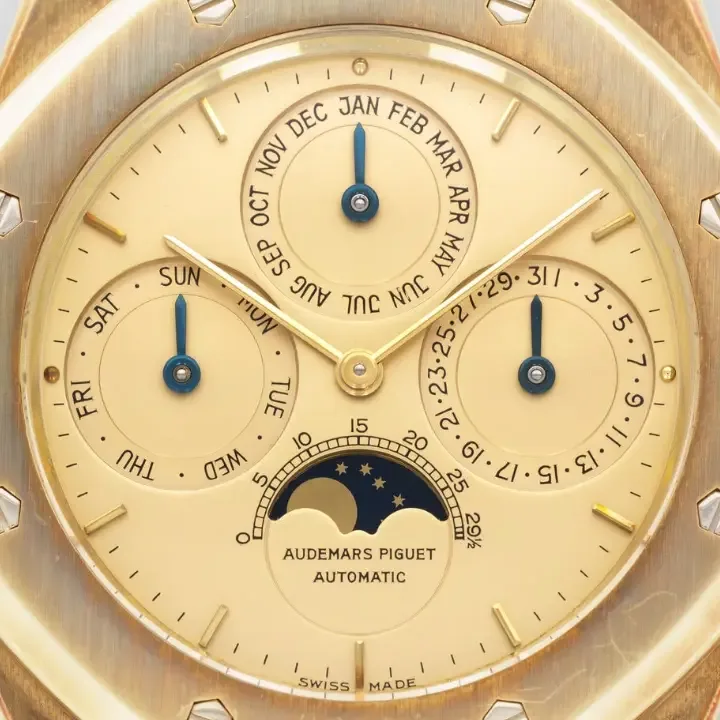
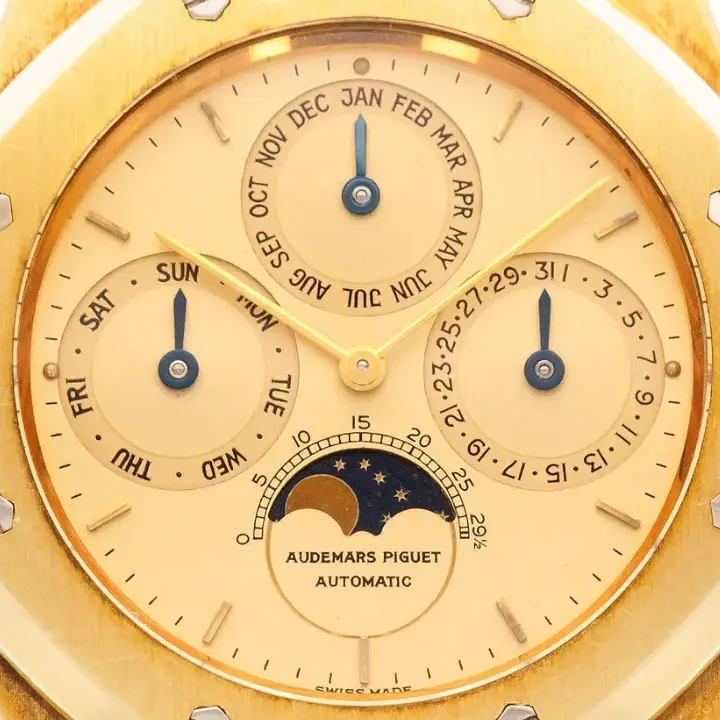
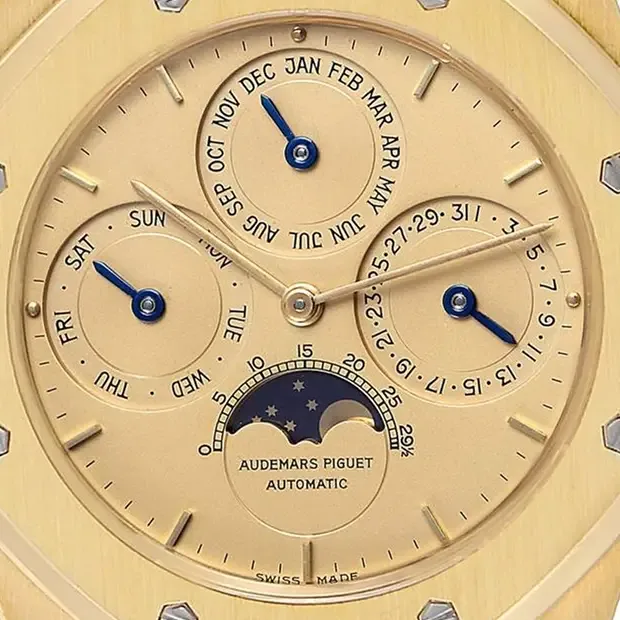
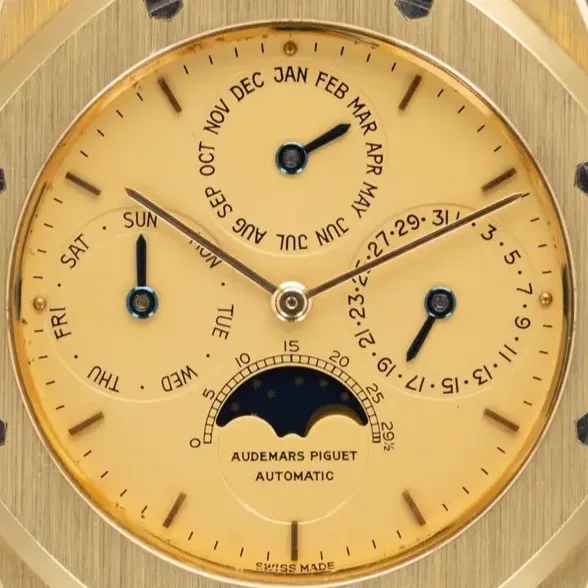
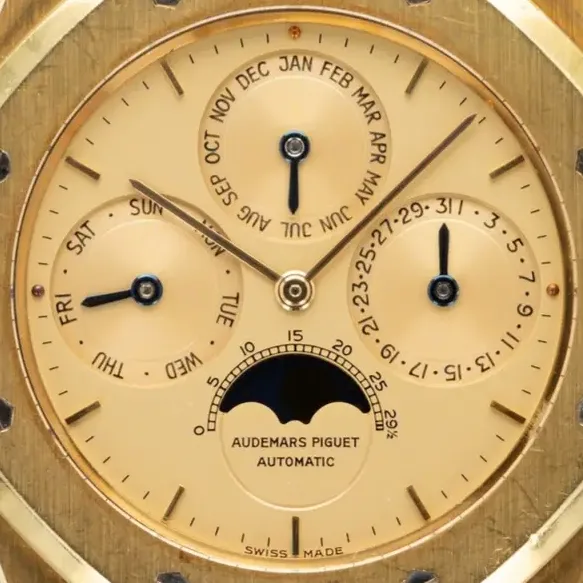
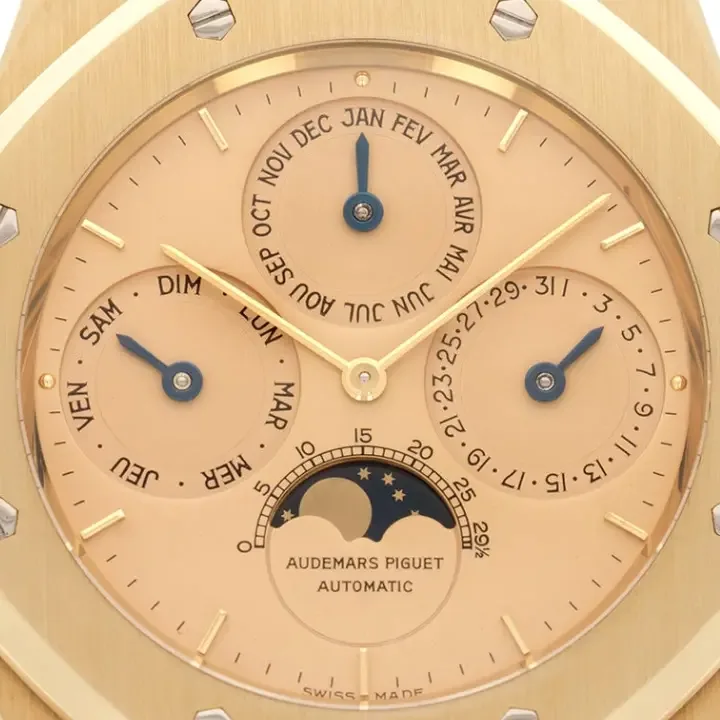
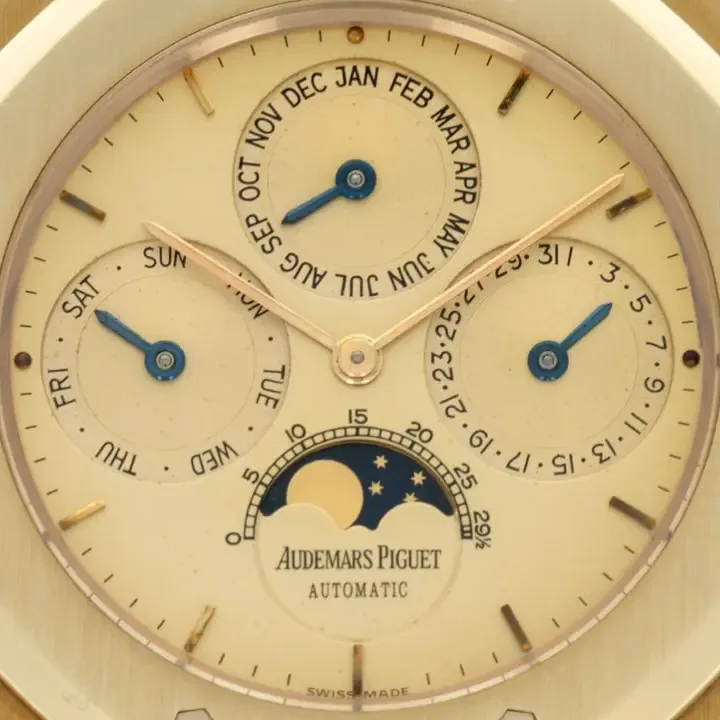
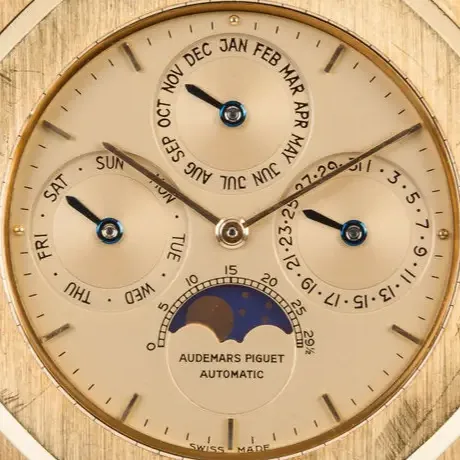
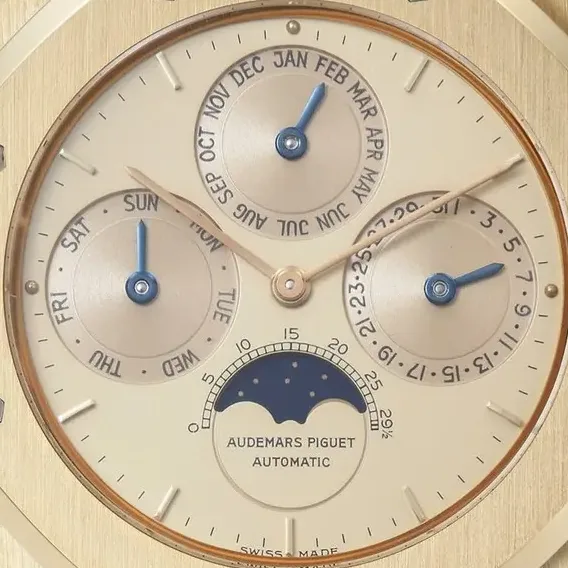
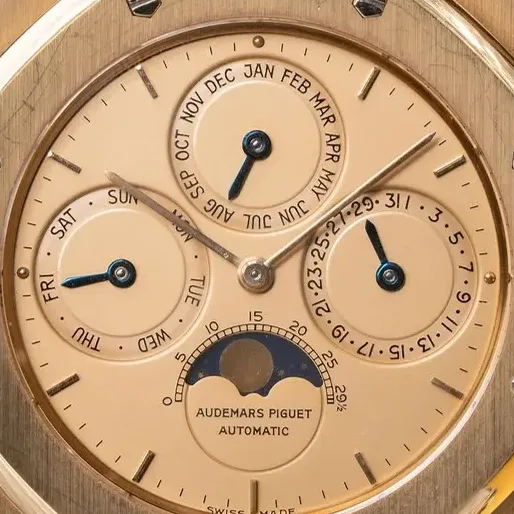
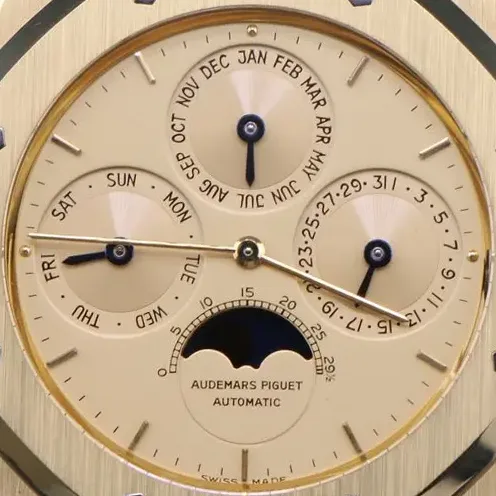
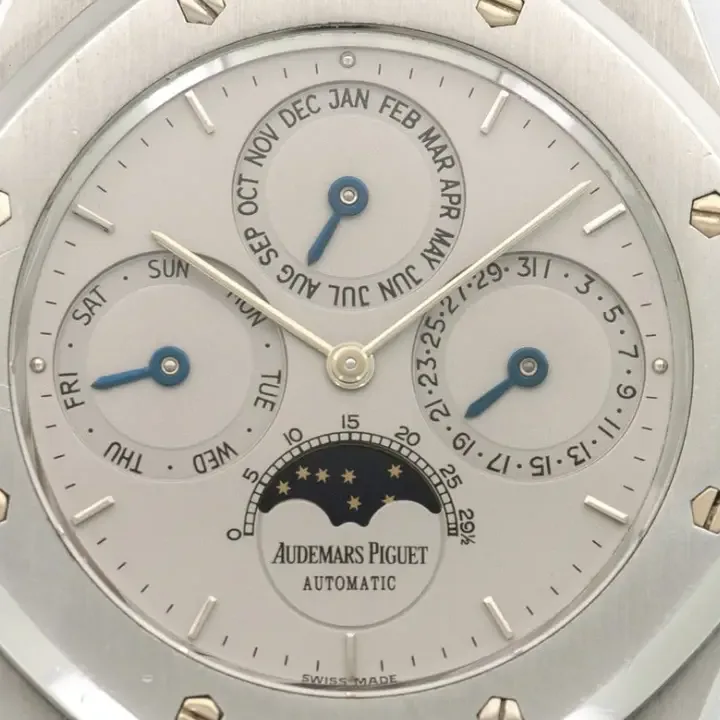
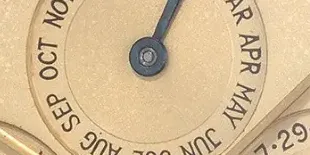
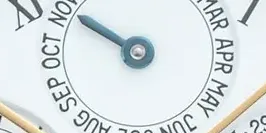
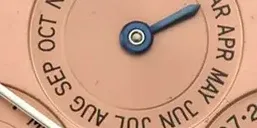
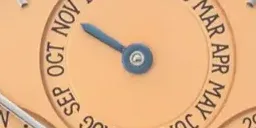
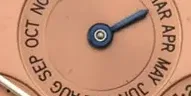
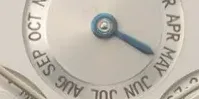
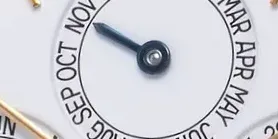
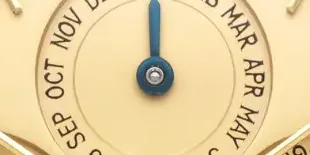
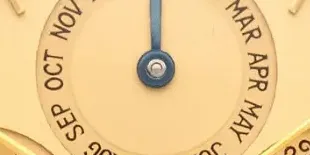
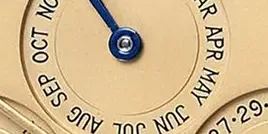
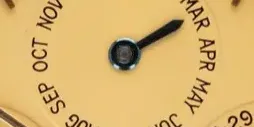
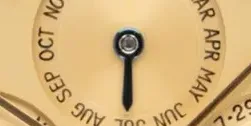
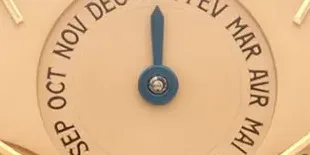
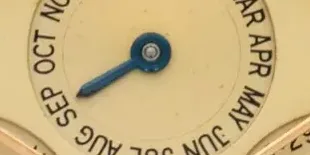
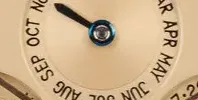
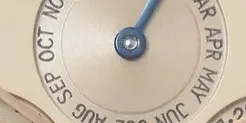
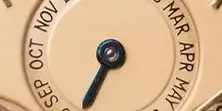
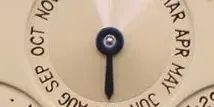
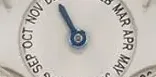
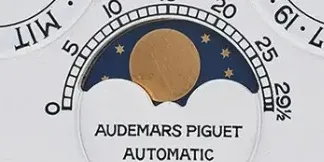
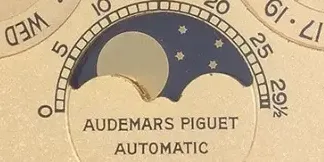
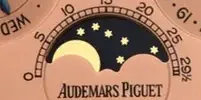
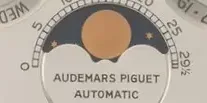
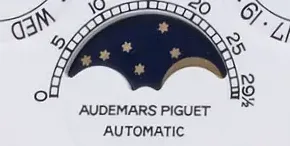
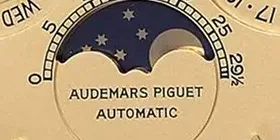
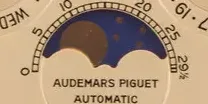
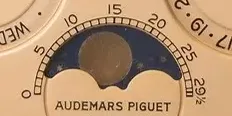
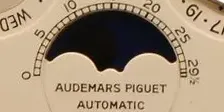
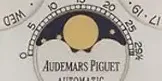
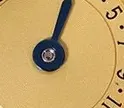
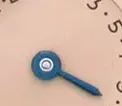
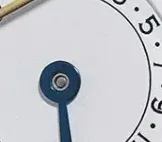
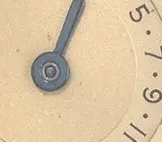
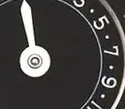
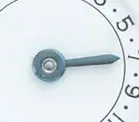
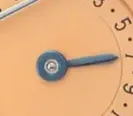
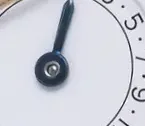
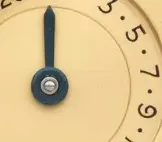
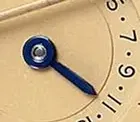
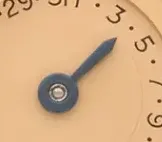
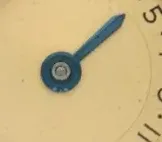
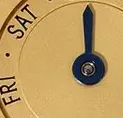
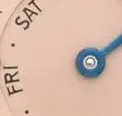
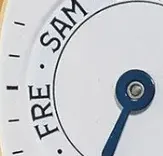
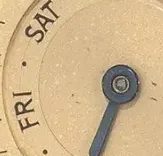
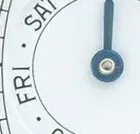
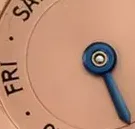
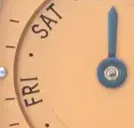
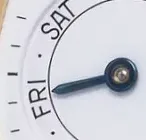
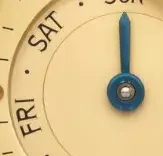
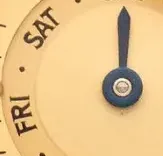
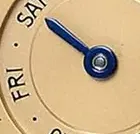
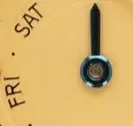
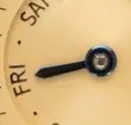
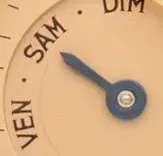
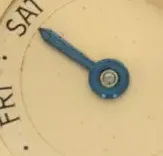
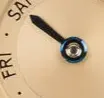
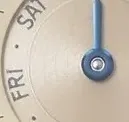
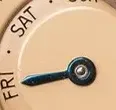
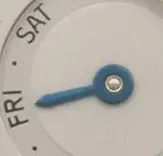
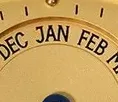
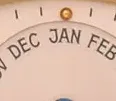
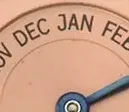
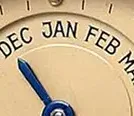
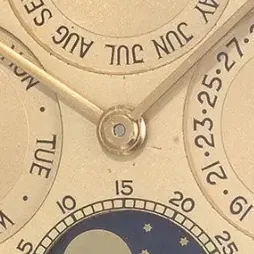
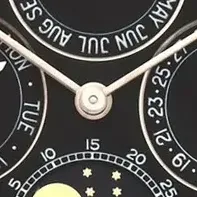
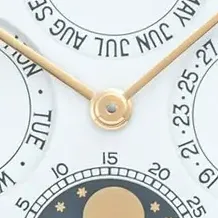
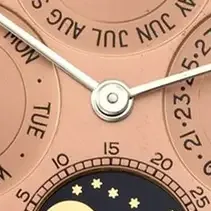
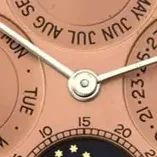
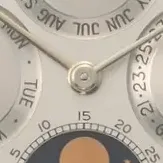
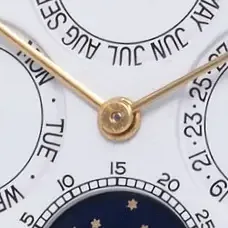
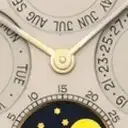
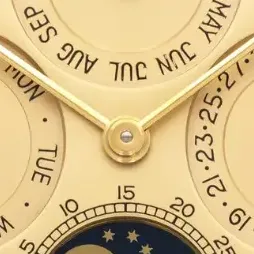
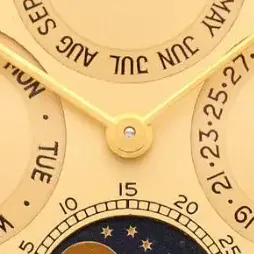
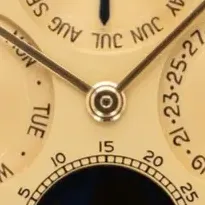
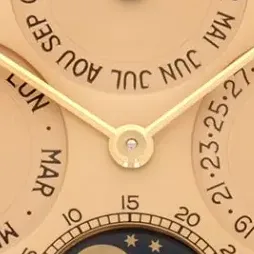
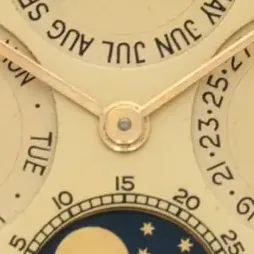
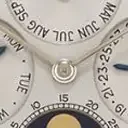
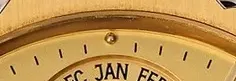
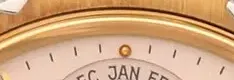
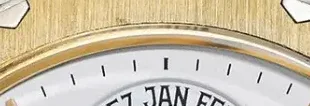
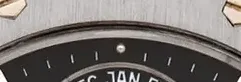
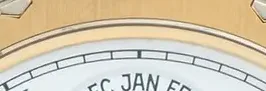
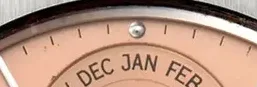
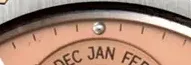
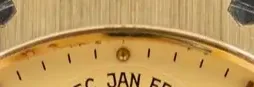
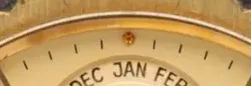
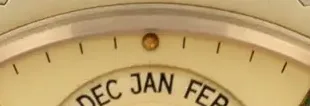
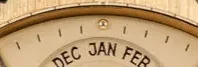
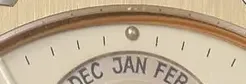
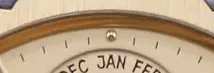
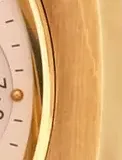
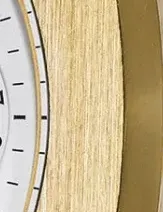
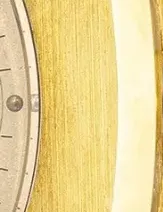
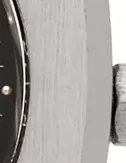
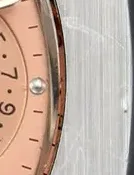
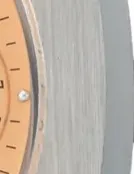
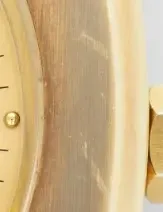
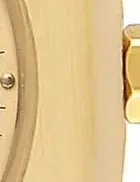
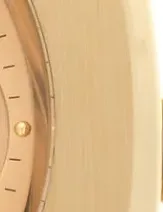
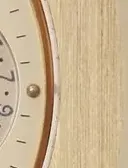
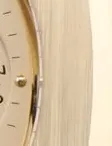
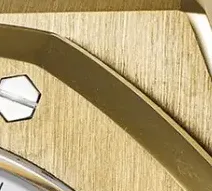
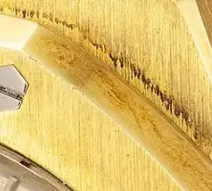
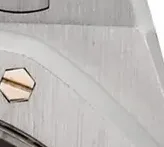
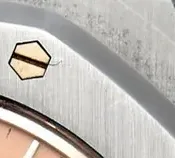
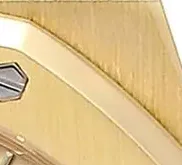
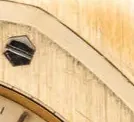
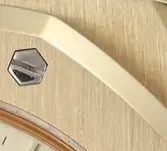
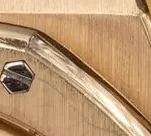
25 watches, oldest first, each straightened and cut the same way so that one row shows one component across them all. Chosen from 225 photographs on file for sharpness and for a face typical of the reference. A year marked c. is one its holder gives only roughly. Each picture is a detail cut from a listing photograph. Select the small mark in its corner for its year, its holder, a link to the listing it came from, and a way to report it.



















































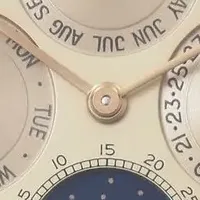
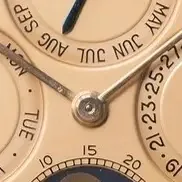
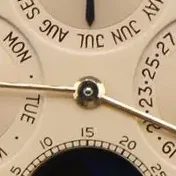
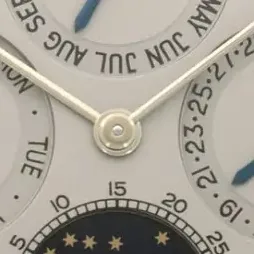


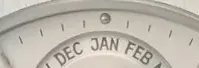
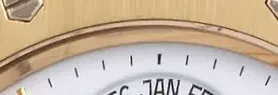


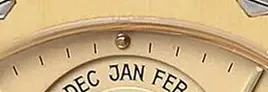






























Chronology
The literature gives 1987 as the launch and records sales to 1998, with the reference leaving the catalogue in 1996.
Every dated variant: what is written, and what the records show
For the reference the marks are every dated watch; for a variant, the watches a seller names as that variant, so a variant sellers do not name has none.
Specification
| Case | 39 mm Royal Oak case with octagonal bezel and eight hexagonal screws; thickness given as 8.3 mm for the standard case and 8.8 mm with a sapphire back, though some accounts quote other figures |
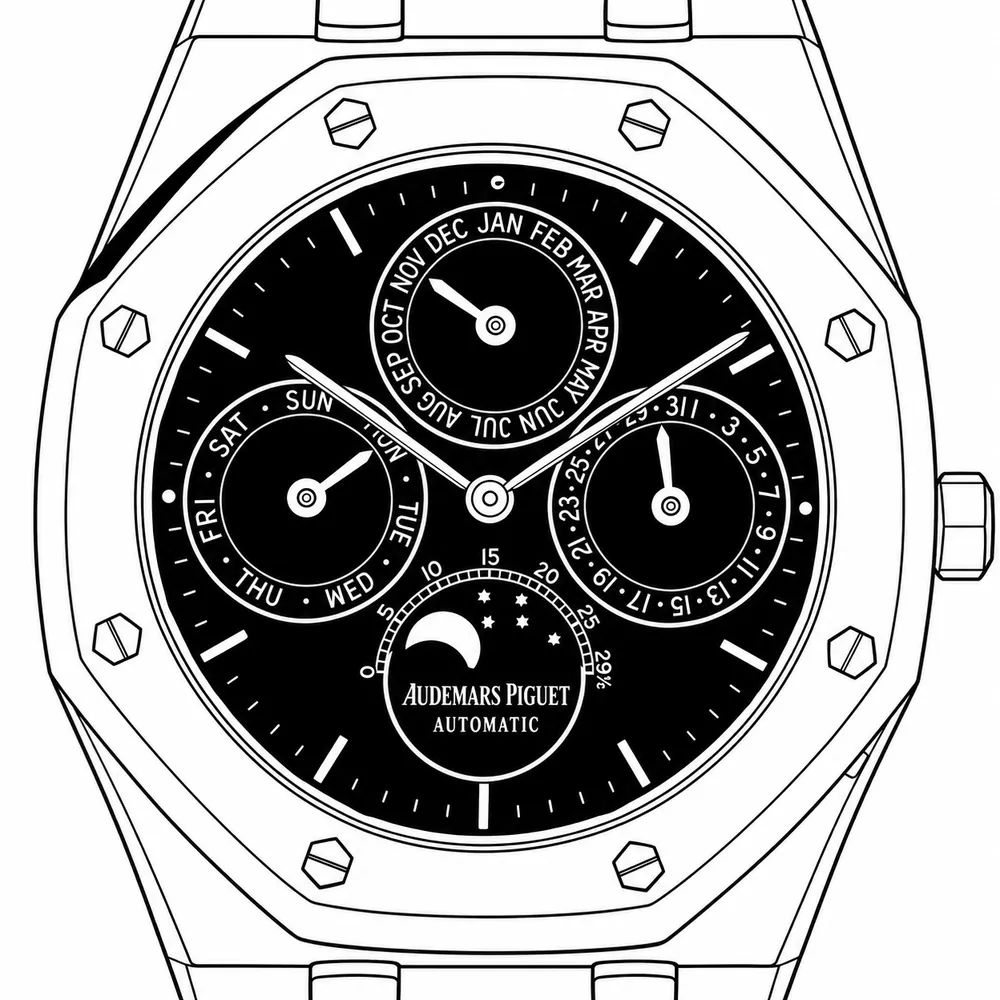
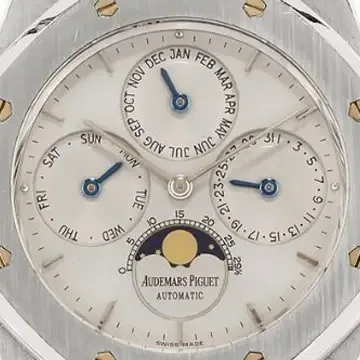
| Dial | Usually flat and without tapisserie; applied slim hour markers; date at 3, moon phase at 6, day at 9, month at 12 |
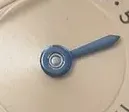
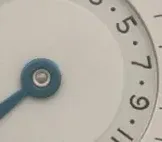
| Hands | Hour and minute hands, with blue calendar hands and a blue moon-phase disc |
| Movement | Calibre 2120/2800, self-winding perpetual calendar, 3.95 mm thick; its rate is usually given as 19,800 vibrations an hour, like the rest of the 2120 family, and its power reserve as about 40 to 48 hours; no leap-year indication |
| Pushers | Three recessed correctors at 10, 8 and 4 o'clock, worked with a stylus |
| Bracelet | Integrated bracelet 344, with an AP-shaped folding clasp on the gold example described |
| Metals | Steel (ST), yellow gold (BA), steel and yellow gold (SA), platinum (PT) |
Reference 4 described
The reference is divided by case metal, and the code after the number tells which. Four codes are recorded in the manufacturer's sales figures for 1987 to 1998, which total 851 watches across all four metals, plus six undated conversions of earlier watches.
25654ST (steel)
Steel was the second most common metal, with 315 sold between 1987 and 1998 and the strongest years in 1987 and 1992. In the catalogues only one steel variant was shown, with a sandblasted grey dial that matches the case.
- matt grey sandblasted dial
- very slim hour markers
25654BA (yellow gold)
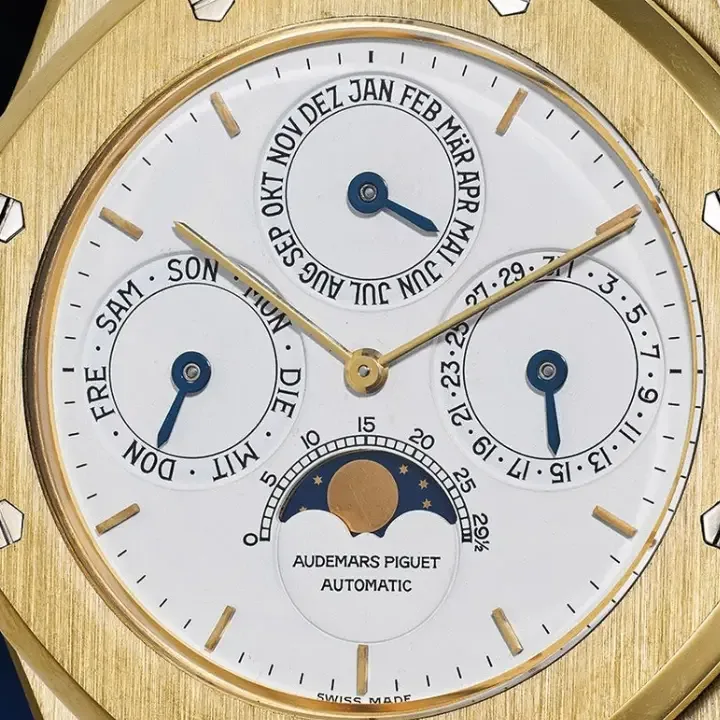
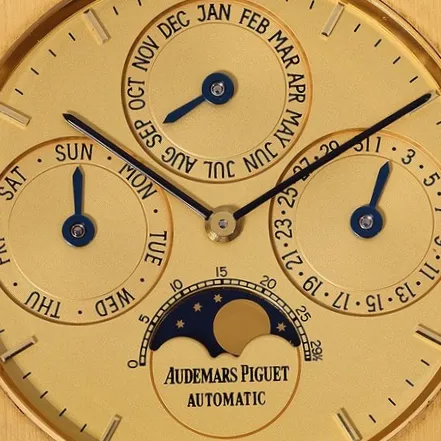
The yellow gold watch is the commonest version, with 430 sold between 1987 and 1998, more than half of the total, plus six undated conversions of watches first cased between 1983 and 1986. Sales fall away sharply after 1996. It comes either with a gold dial or with a white Roman-numeral dial.

- white dial with Roman numerals
43 listings on record under the name.
25654SA (steel and yellow gold)
Sixty-eight of the two-tone version were sold, 45 of them in the launch year; only platinum sold fewer. The two-tone combination was common in the Royal Oak of the 1980s and became less usual in the 1990s.
- steel case with gold touches
- grey dial with gold details
25654PT (platinum)
Platinum is the rarest, at 38 sold between 1988 and 1998, with 14 of them in 1996. The first, case number 001, carries a tapisserie dial and an Asprey engraving on the case; the manufacturer's archives hold no photograph of it.
- platinum case
Dial 7 described
Most 25654 dials are flat and carry no tapisserie, the plain finish inherited from the 25554 and from the perpetual-calendar module beneath. The dial signature changed in size over the run. Seller descriptions mention many more colours than the manufacturer's catalogues, which showed only a few variants.
Early dial with small signature
On early examples the Audemars Piguet signature is set in small letters. Later dials have a larger signature in which the A and P are bigger than the other letters. Another account describes the early dial as a Mark 1 with a block-capital signature, set against mixed capitals on later ones; the literature does not date the change.
- small Audemars Piguet signature
- block-capital signature on Mark 1
Matt grey steel dial
The steel watch has a lightly sandblasted matt grey dial that echoes the colour of the case and bezel, with the blue moon-and-stars disc and a gold moon standing out against it. Its hour markers are very slim. A non-operational steel prototype kept by the manufacturer, probably shown at Basel in 1987, has a dial with shiny counter rims.
- sandblasted matt grey
- slim markers
Gold dial with shiny or matt counters
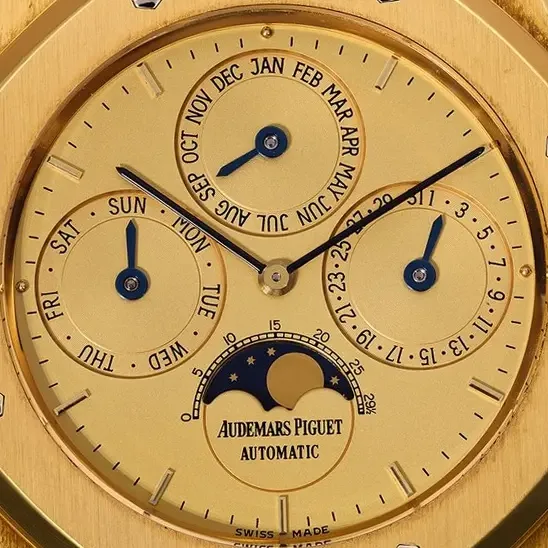
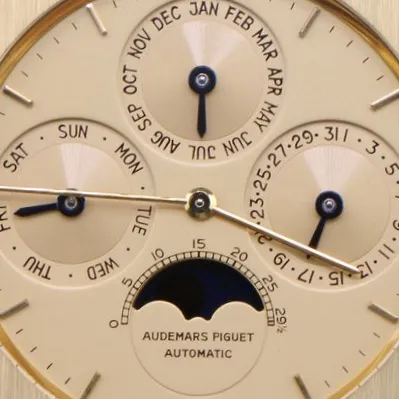
The yellow gold watch is often single-colour, with a gold dial whose counters have either shiny or matt rims. One described example has a champagne dial with applied round and stick markers in yellow gold and matching gold hands.

- counter rims shiny or matt
- applied round and stick markers
5 listings on record under the name.
White dial with Roman numerals
A white dial with Roman numerals exists on the yellow gold watch and is described as particularly rare in the Royal Oak range.
- white dial
- Roman numerals
Two-tone dial
The steel and gold watch has a grey dial with gold touches and blue calendar hands, which the designer balanced against the grey ground. A prototype catalogued as 25654SA, kept by the manufacturer and probably shown at Basel in 1987, has a two-tone dial.
- grey dial with gold detail
- blue calendar hands
Tapisserie (platinum no. 001)
The first platinum watch, number 001, sold in 1988, has a tapisserie dial; the literature describes no other platinum dial. The one platinum listing in the library's records is that same watch, and its seller calls the dial brown. A tapisserie dial is the exception on this reference, since most dials are plain.
- tapisserie pattern
Other colours described by sellers
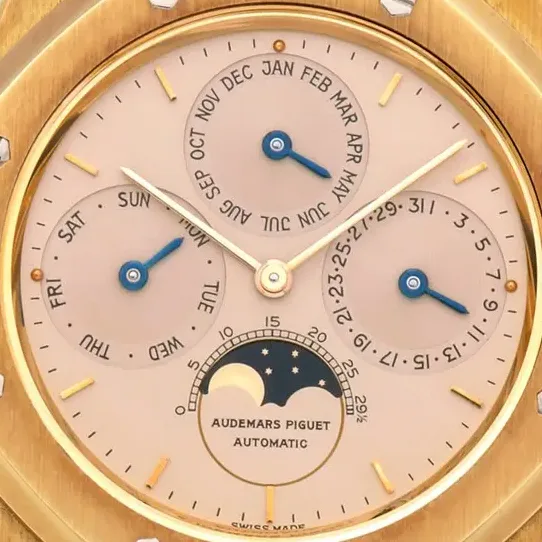
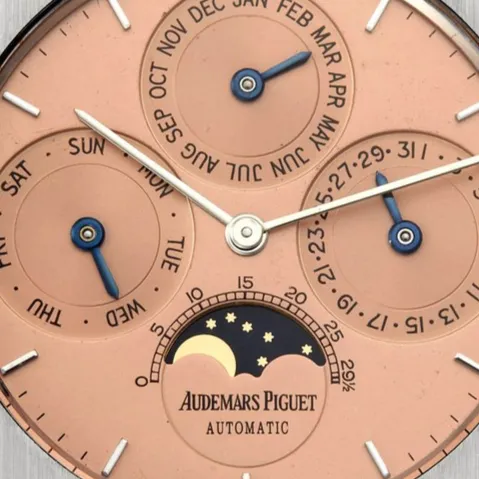
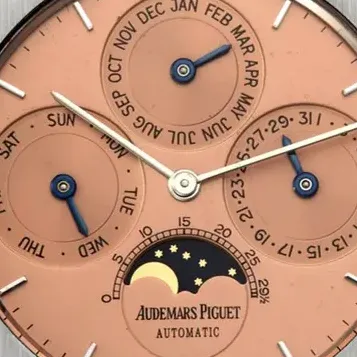
Sellers also describe salmon, silver, white, several blues (including sapphire, Tuscan and a bright blue sold as 'Yves Klein'), green, brown, mother-of-pearl and black petite-tapisserie dials. The literature does not date these colours, and some auction lots call them unique or possibly unique.

- blue
- emerald green
- mother of pearl
- black petite tapisserie

Hands 1 described
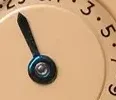
The hands are plain; on the yellow gold watch described, the hour and minute hands match the metal of the case.
Gold hands with blue calendar hands
On the yellow gold watch described, the hour and minute hands are gold. The three calendar hands are blue, as is the moon-phase display, giving a little colour to an otherwise single-colour dial.
- gold hour and minute hands
- blue calendar hands
- blue moon phase
Subregisters 1 described
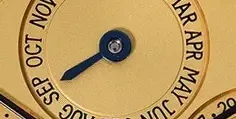
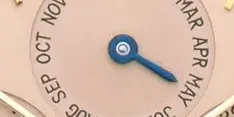
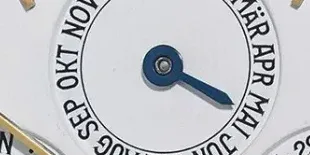
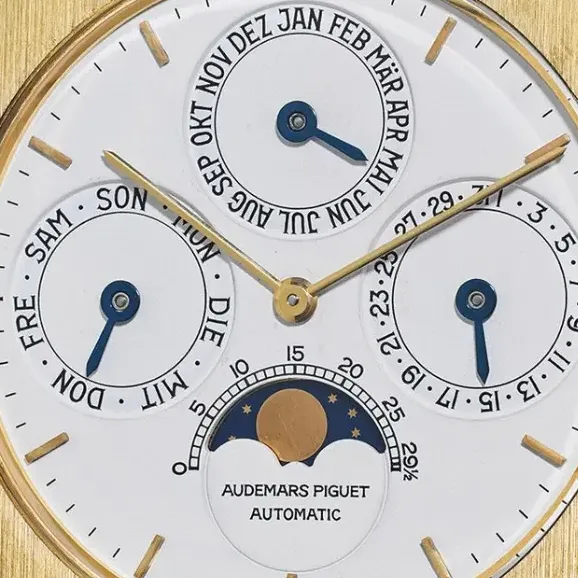
Four indications are set in the dial: date at 3, moon phase at 6, day at 9 and month at 12.
No leap-year indication
The calendar shows no leap-year cycle, the usual way these first-generation watches are told from the later 25820. One auction title calls an example 'no leap year indicator'. The cycle is handled mechanically by the movement and is not displayed.
- no leap-year hand on the month register

Bezel 1 described
The bezel is octagonal and carries eight hexagonal screws.
Reduced and decorative screws
The family redesign of the 25554 made the screws smaller, and the two at 10 and 4 o'clock became decorative so that pushers could sit there. On a yellow gold example the screws are in white gold and highly polished against the brushed case.
- eight screws
- white gold screws on gold case
- decorative screws at 10 and 4
Case 2 described
The case follows the 25554 but is thicker to improve water resistance. Three thicknesses are recorded in the literature; the accounts differ on the exact figure.
Standard case
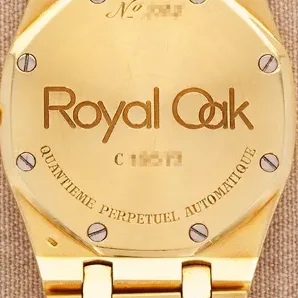
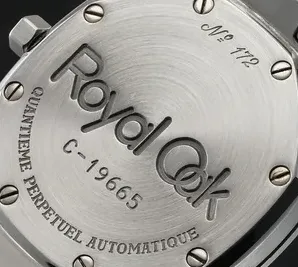
The 25654 case was made thicker than the 25554, 8.3 mm against 7.5 mm, with a larger metal casing ring and a sturdier rubber gasket in place of the earlier arrangement. The case is a monobloc with a solid caseback engraved ROYAL OAK on the yellow gold watch described.
- solid caseback engraved ROYAL OAK
- 39 mm monobloc case
Sapphire caseback
A third case variant has a sapphire caseback, which brings the total thickness to 8.8 mm.
- display back
Movement 1 described
One calibre is used throughout, a base movement with a perpetual-calendar module mounted beneath the dial.
Calibre 2120/2800
The calibre was first unveiled in 1978 in an earlier model, the 5548; in this reference it is 3.95 mm thick, with a 2.45 mm base calibre and a 1.5 mm calendar module. Its rate is usually given as 19,800 vibrations an hour, as for the other calibres built on the 2120, and its power reserve as about 40 to 48 hours. It shows the time, date, day, month and moon phase, and lacks a leap-year display, which the 2120/2801 of the 25820 added.
- no leap-year display
Bracelet 1 described
The integrated bracelet is the standard Royal Oak type.
Bracelet 344
Bracelet 344 is listed for the reference. On the yellow gold example described it is brushed with polished bevelled edges and has two rows of inner links, with a single folding clasp shaped like the AP logo and released by a trigger.
- AP-shaped folding clasp
- brushed links with polished bevels
Originality
- The dial signature, case numbers and engraving should agree with the metal code and the era.
- Dials in unusual colours and mother-of-pearl dials appear in auction descriptions as rare or unique, so a dial that differs from the plain grey, gold or white type needs checking against factory records.
Names
- Yves Klein. A seller's name for a bright blue dial on a steel example.
Where accounts differ
Points on which the published literature and the library's own records do not agree, or on which the literature contradicts itself.
- Production totals. The manufacturer's archive pages state 851 sold, split 315 steel, 430 yellow gold, 68 two-tone and 38 platinum. A dealer article and a retailer note give about 800, with 422 yellow gold, 272 steel, 72 two-tone, 33 platinum and one white gold; the retailer note also gives the yellow gold run as 1982 to 1993. The archive pages do not record a white gold watch.
- Case thickness. The archive pages give 8.3 mm, and a history of the model adds 8.8 mm with a sapphire back. A dealer article gives 9.3 mm and a retailer note about 8 mm.
- Span of production. The archive pages record sales from 1987 to 1998. Most years sellers state in the library's records fall in that span, but a few listings give years before the 1987 launch or after the last recorded sales, and dealer accounts speak of the reference from the early 1980s.
- Movement rate and reserve. A dealer article gives calibre 2120/2800 a rate of 21,600 vibrations an hour and 48 hours of reserve, and a dealer review of the steel watch gives 21,600 and about 40 hours. The manufacturer's history gives 19,800 for the 2121, derived from the 2120, and published specifications of other perpetual calendars on the 2120 base give 19,800 and about 40 hours.
- Arrival of the successor. The archive pages say the 25654 left the catalogue in 1996, when the 25820 replaced it with a leap-year display. A history of the model puts a limited 25810 with calibre 2120/2801 in 1995 and the regular 25820 in 1998.
Back and movement
From listings of this reference, each confirmed by eye to show what it is filed under. A picture on which a person's name or a personal engraving can be read is not shown. From most holders a detail from the middle of the photograph is shown; the mark in its corner gives its holder and a link to the listing.
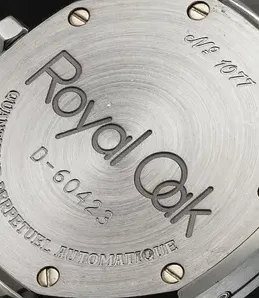
Caseback



Catalogue versions 4 listed
The full numbers under which holders list this reference, with what their listings say of each. Each has a page of its own.
| Version | Metal | Dial | Years seen | Records |
|---|---|---|---|---|
| 25654BA | Yellow gold | Champagne or white | 1987–1998 | 41 |
| 25654ST | Steel | Salmon or mother of pearl | 1987–1999 | 30 |
| 25654SA | Steel and gold | Silver or white | 1987–1989 | 5 |
| 25654PT thin | Platinum | Brown | 1988 | 1 |
In the records
Counted from 90 listings at 22 holders between 16 May 2016 and 14 November 2026. These are what sellers and auction houses state, not measurements.
Fainter bars are the 5 outside the main run of 1987–1998 (the middle nine-tenths): the earliest is 1980 and the latest 2001. They are early and late examples, and now and then a seller's slip. The head of the page gives 1987–1999: the years that listings from two holders bear out.
Case metal
| Gold, any colour | 37 | |
| Yellow | 27 | |
| Colour not stated | 10 | |
| Steel | 31 | |
| Steel and gold | 3 | |
| Platinum | 1 |
A listing that says "gold" or "18K gold" names no colour: it is counted under "colour not stated", not as yellow gold.
Dial colour
| Champagne | 14 | |
| White | 7 | |
| Salmon | 7 | |
| Silver | 6 | |
| Blue | 5 | |
| Mother of pearl | 4 | |
| Gold | 4 | |
| Green | 2 |
Case size
| 39 mm | 57 | |
| 37 mm | 1 |
Calibre named
| 2120 | 37 |
Bracelet or strap
| Metal bracelet, kind not stated | 68 |
Each table counts the listings that state the thing, in the seller's own terms. A size, metal, colour or calibre that cannot belong to this reference is a seller's slip or a listing filed under the wrong number.