Royal Oak 36 mm (mid-size)
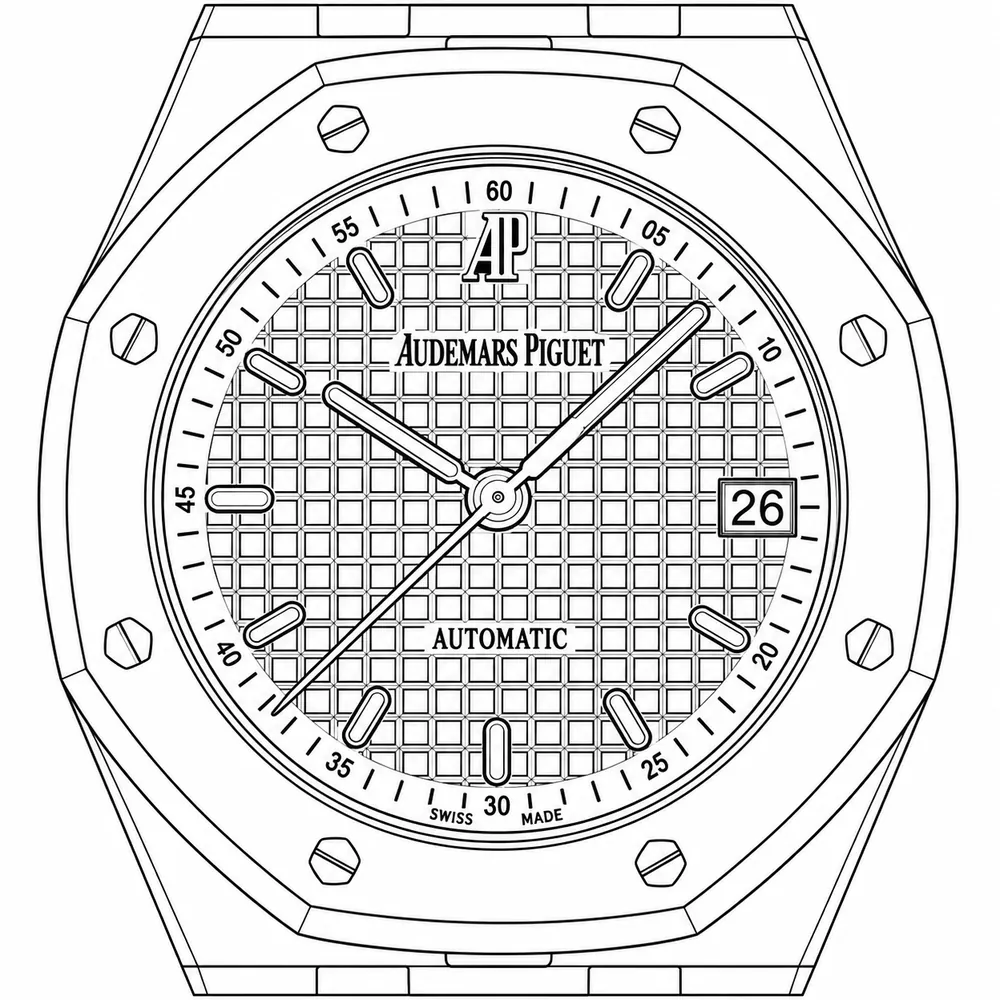
The 14790 is the 36 mm Royal Oak with centre seconds and date, launched in 1992 and made until 2005 or 2006. It follows the 35 mm 4100 and the one-year 14700 and is the longest-running of the mid-size Royal Oaks. It keeps the octagonal eight-screw bezel, tapisserie dial and integrated bracelet of the 39 mm 5402, with a solid back and calibre 2225. Collectors split it into three series by the dial signature, the length of the hour markers, the hands, the clasp and the crown. The range spans steel, yellow gold, two-tone, pink gold, platinum and tantalum, and a long list of dial colours.
- Made
- 1992–2006dates approximate
- Seen in the library
- 1992–2008nine in ten in 1993–2006 · by years sellers state
- Case
- 36 mm · steel (67%), gold (19%)as sellers state
- Movement
- Calibre 2225, 2125automatic
- On record
- 260 listings924 photographs · 39 holders
Components
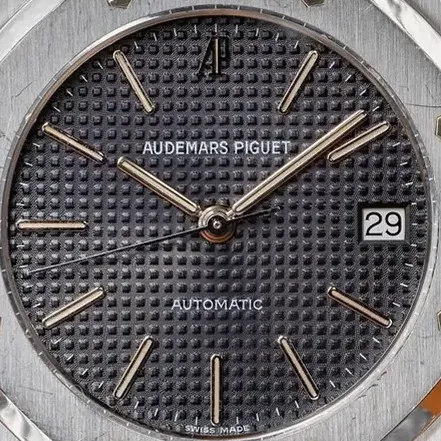
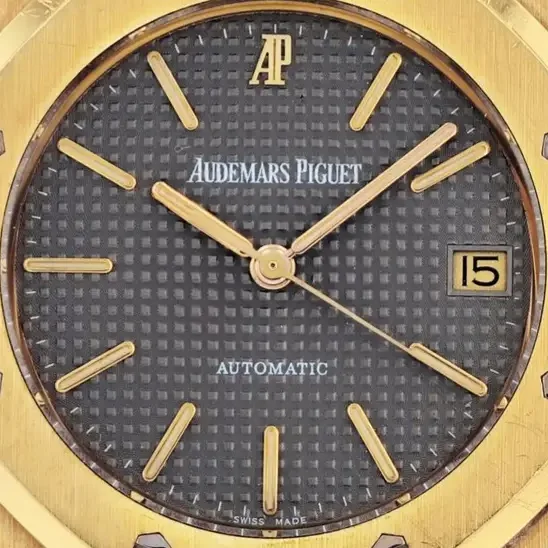
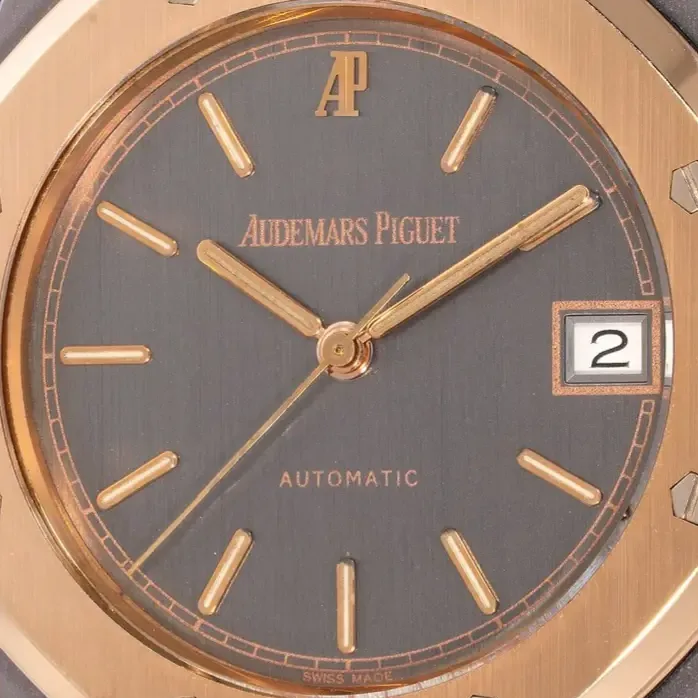
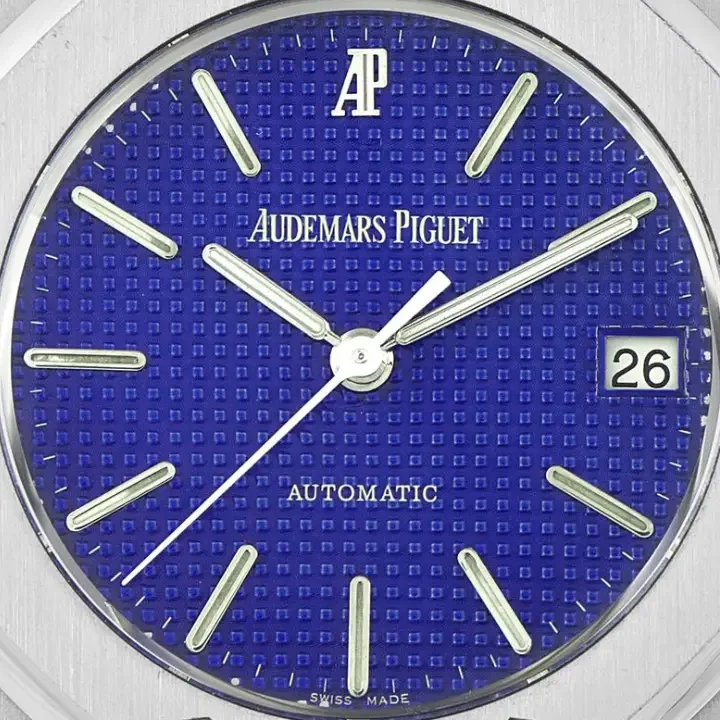
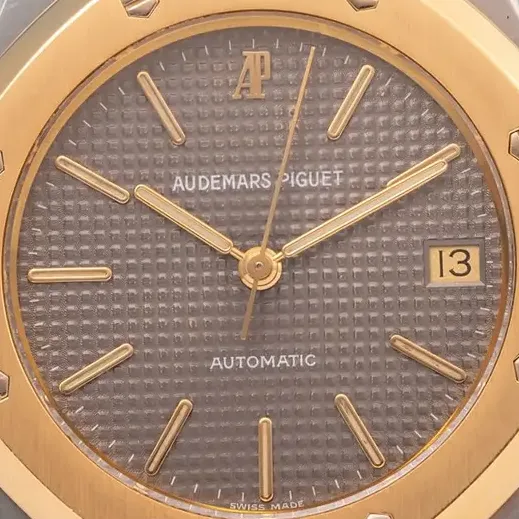
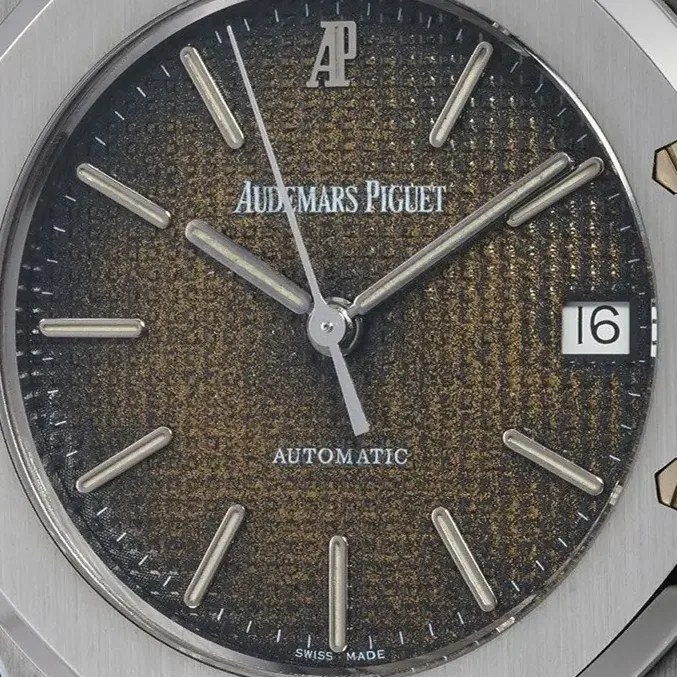
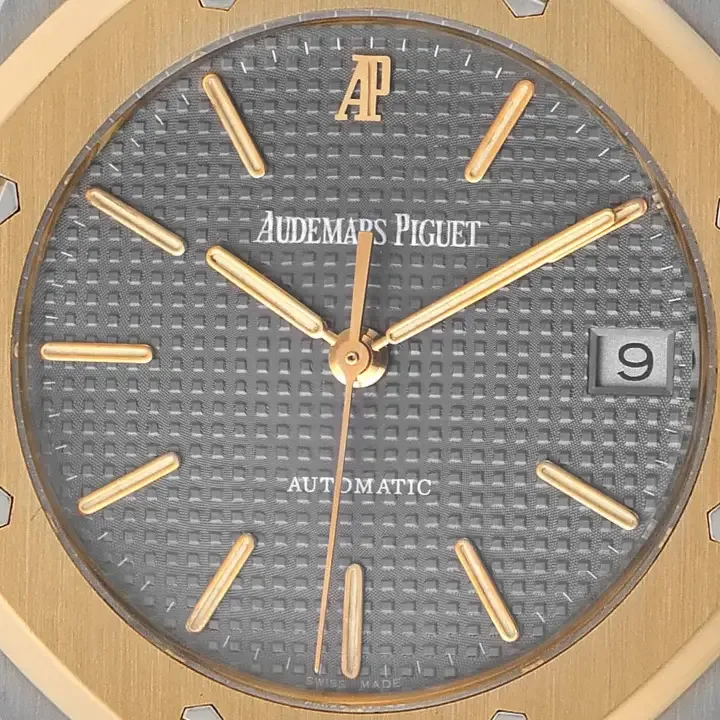
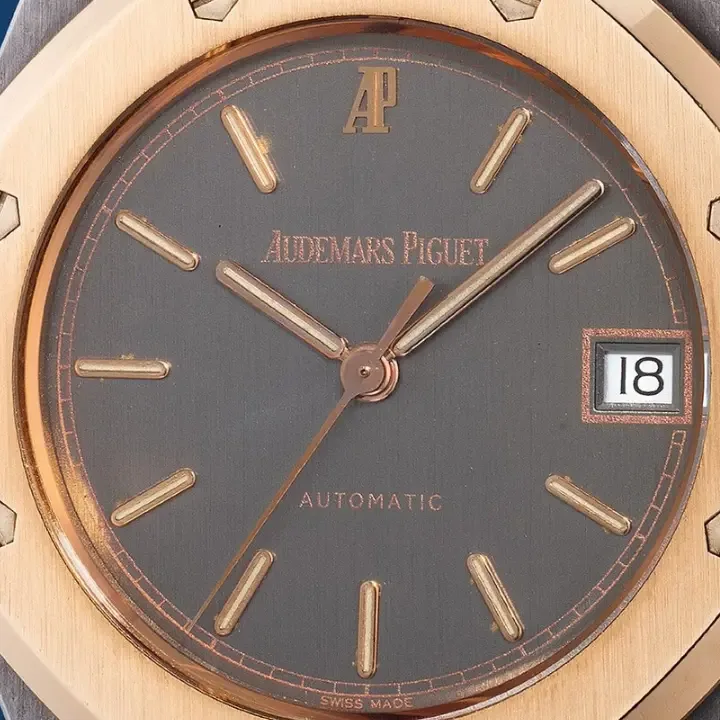
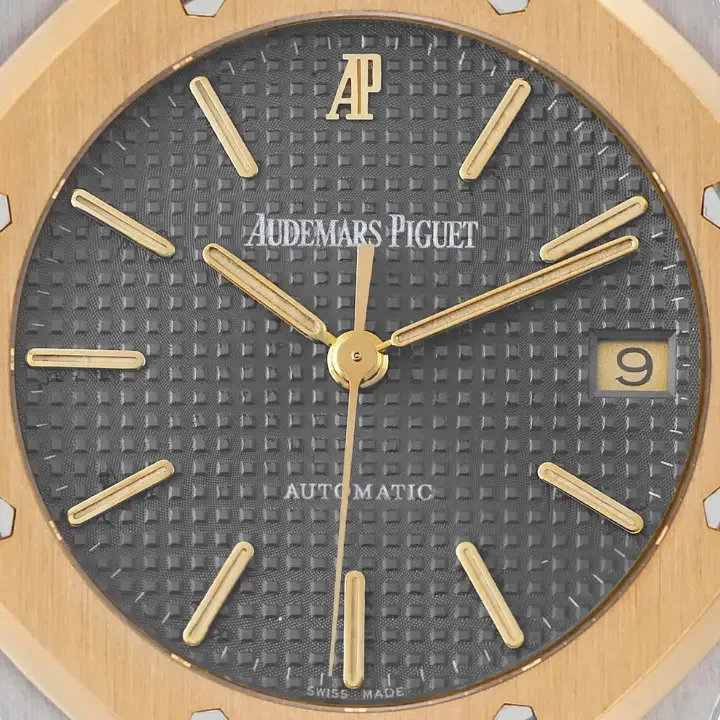
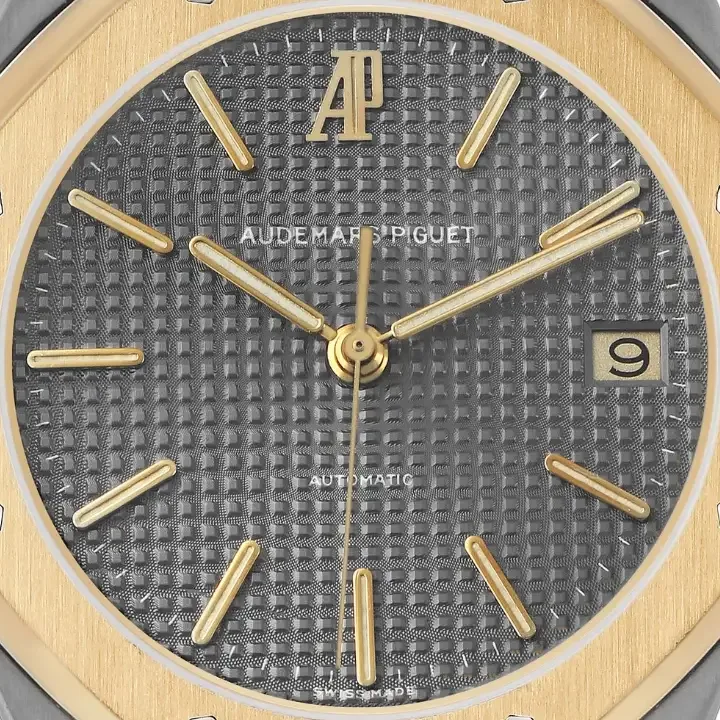
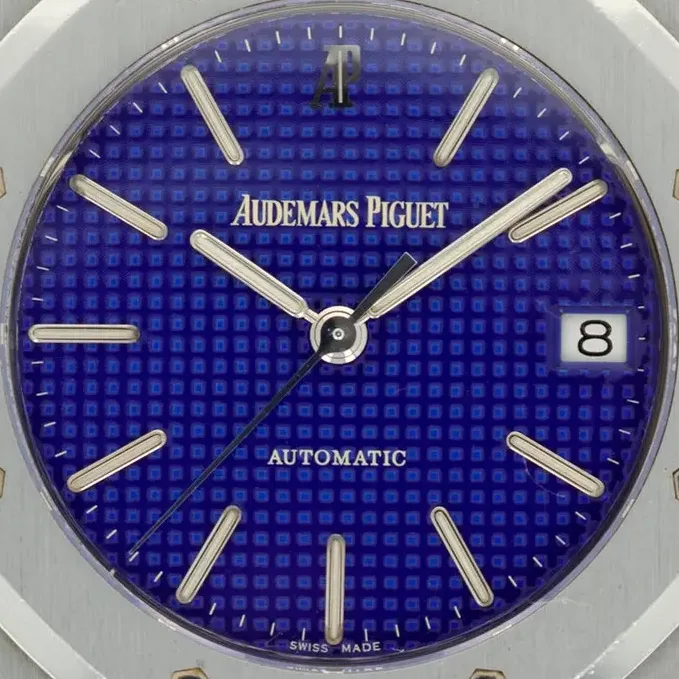
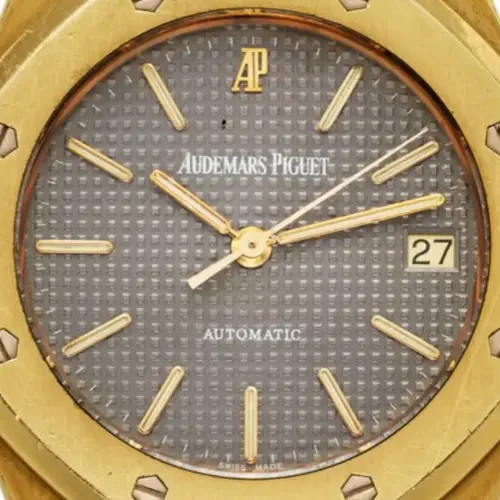
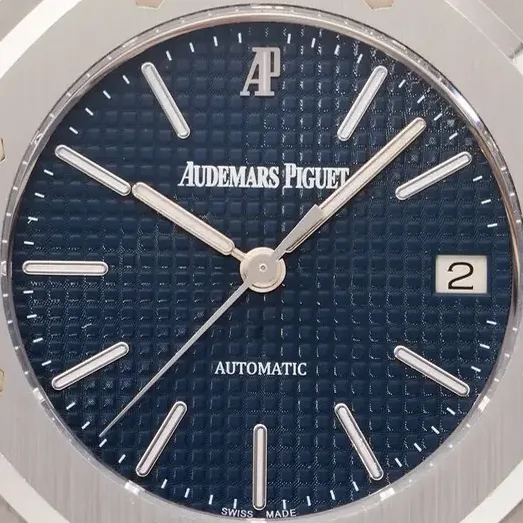
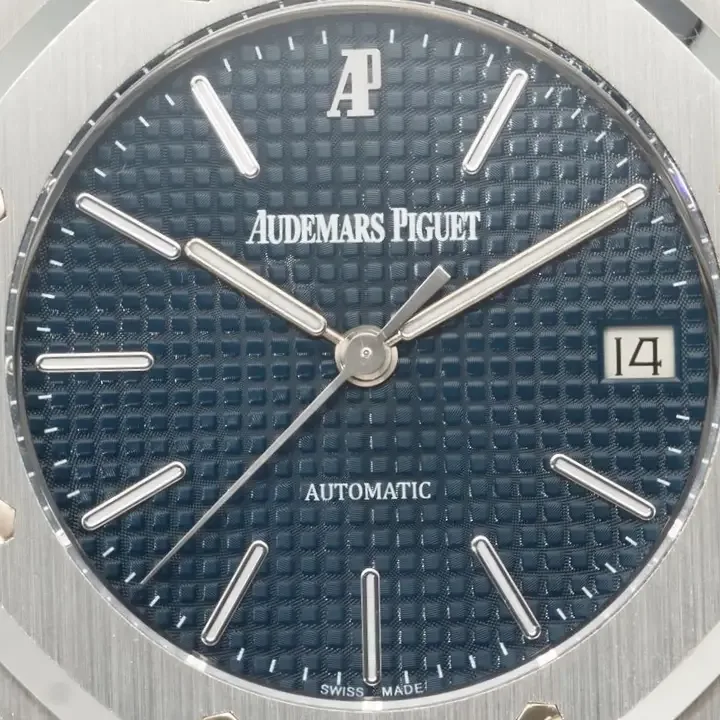
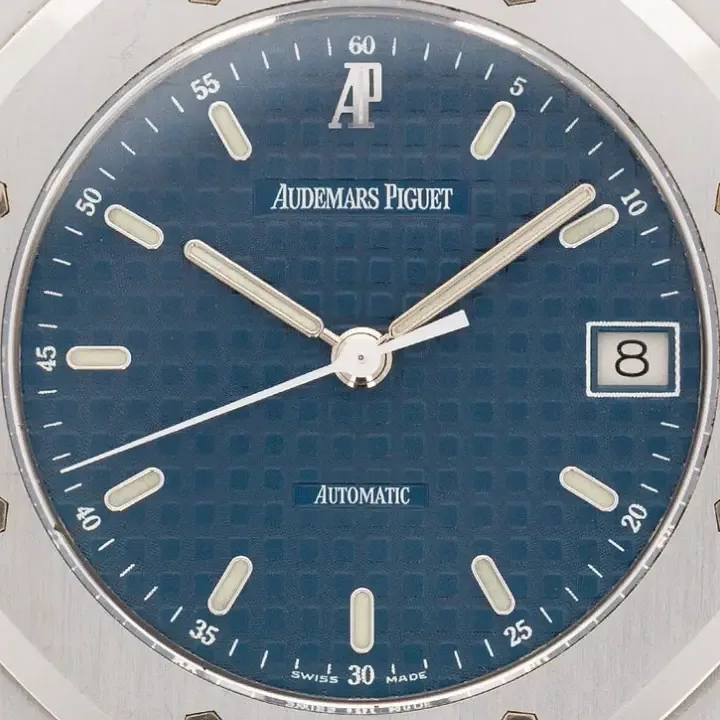
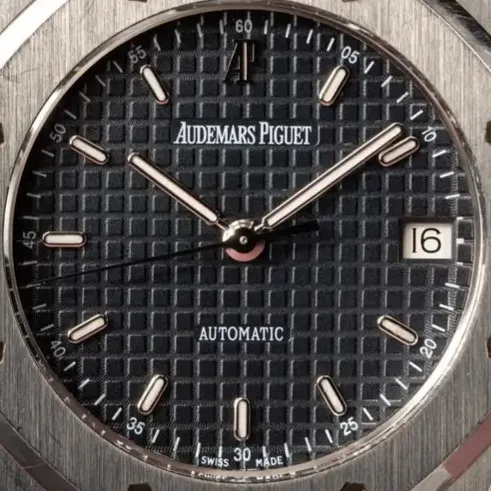
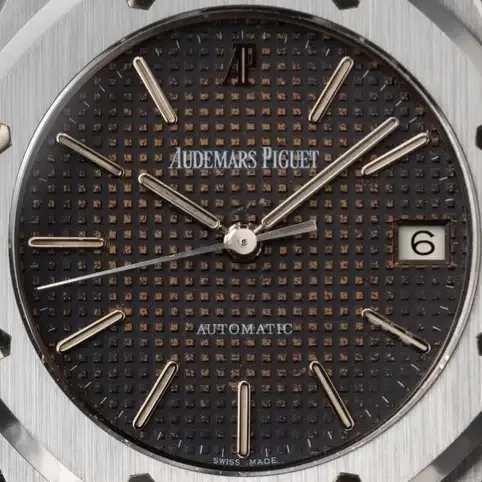
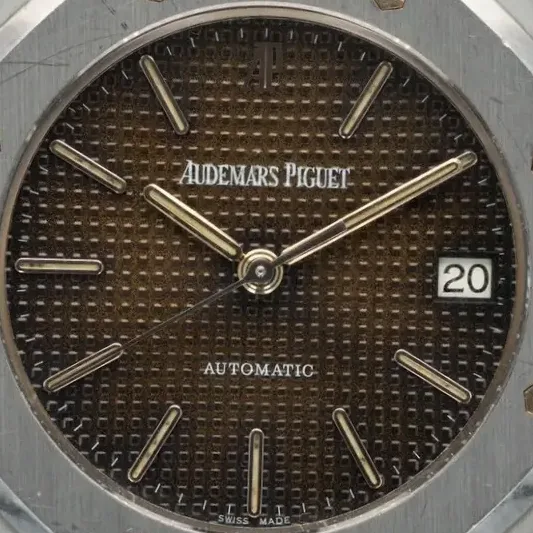
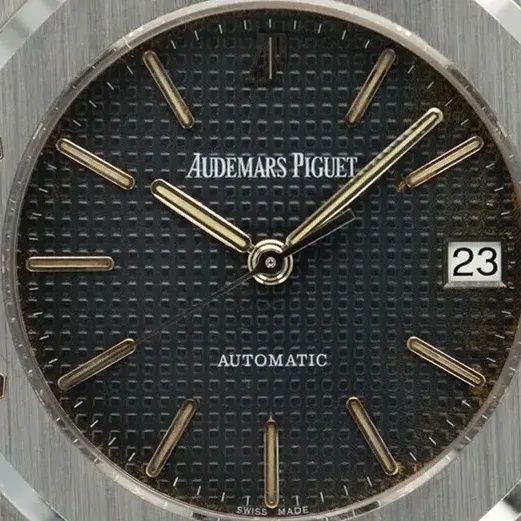
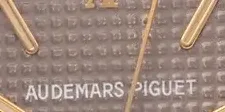
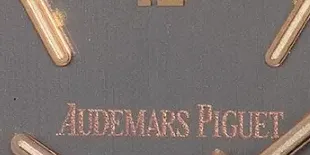
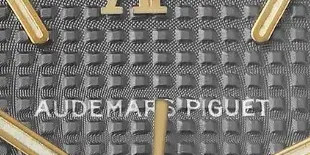
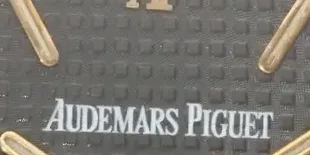
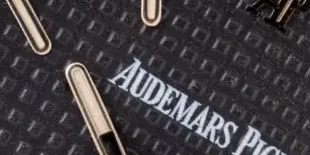
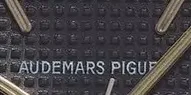
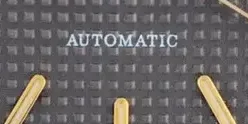
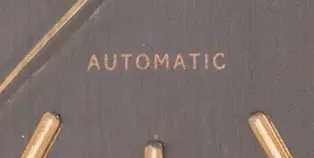
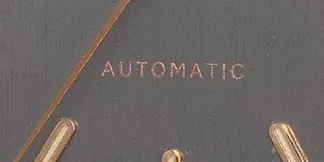
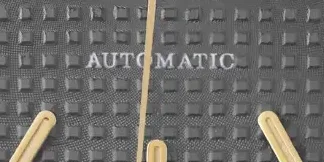
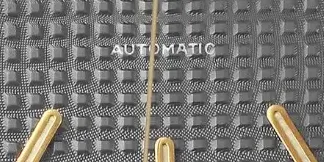
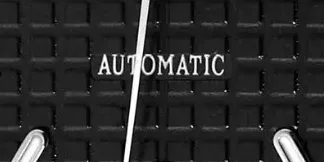
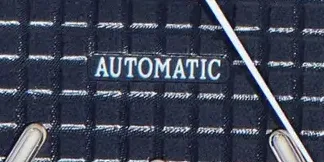
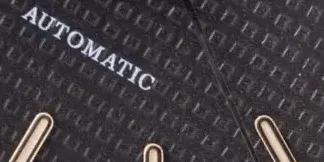
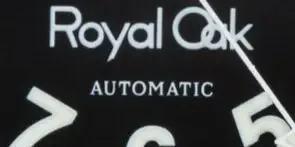
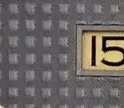
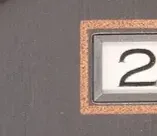
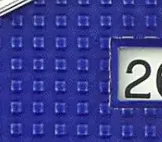
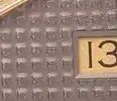
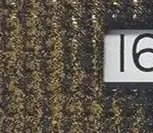
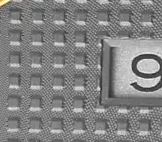
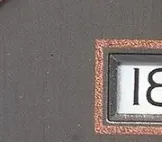
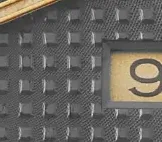
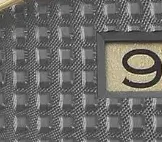
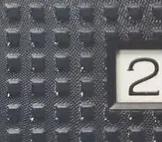
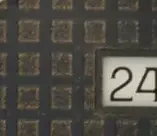
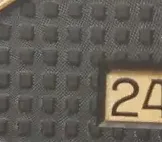
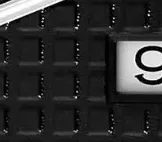
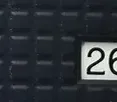
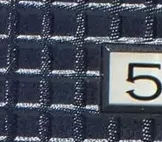
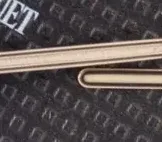
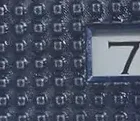
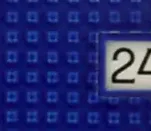
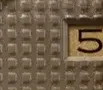
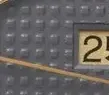
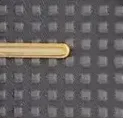
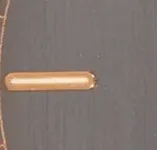
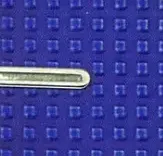
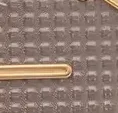
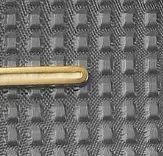
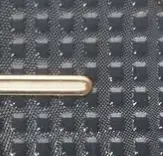
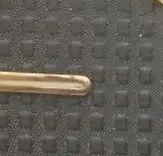
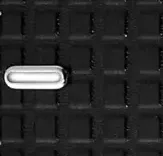
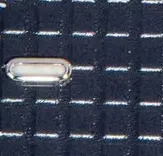
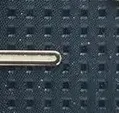
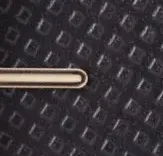
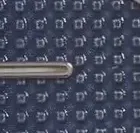
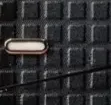
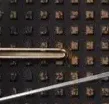
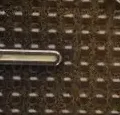
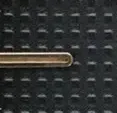
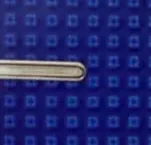
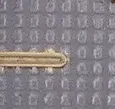
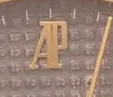
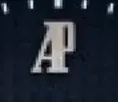
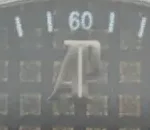
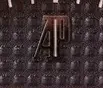
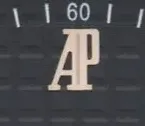
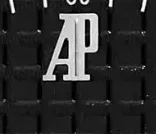
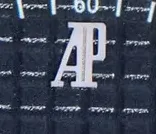
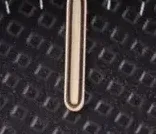
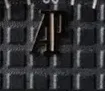
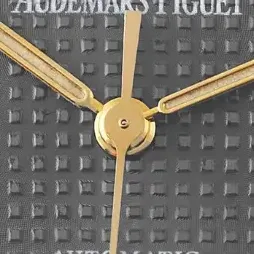
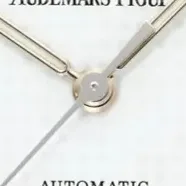
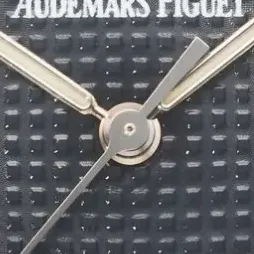
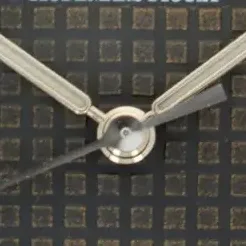
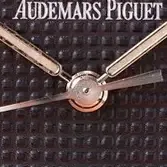
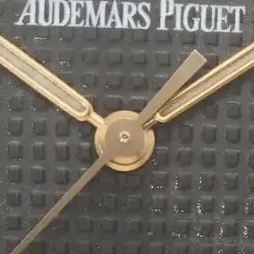
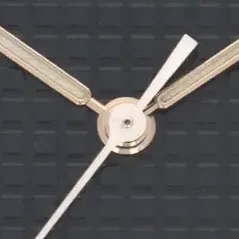
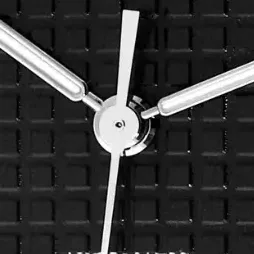
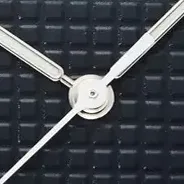
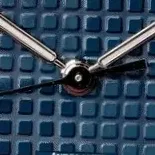
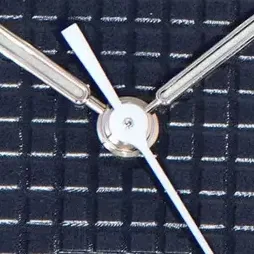
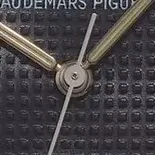
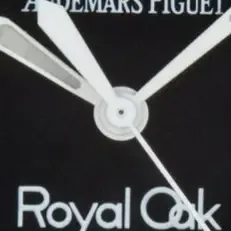
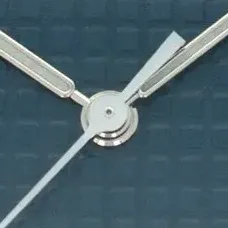
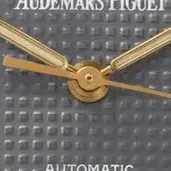
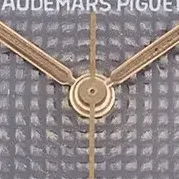
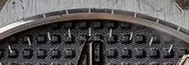
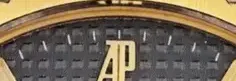
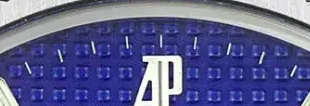
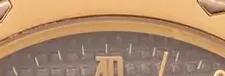
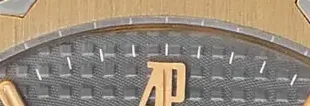
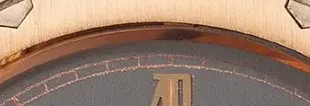
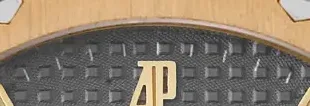
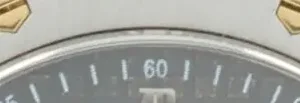
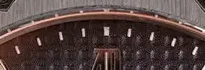
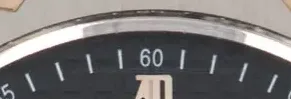
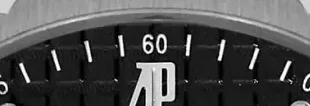
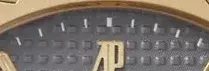
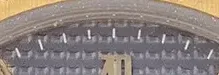
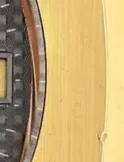
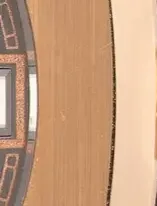
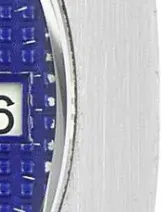
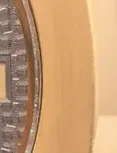
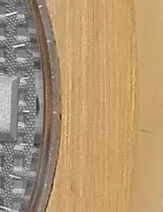
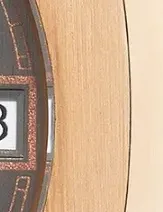
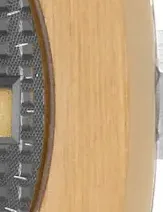
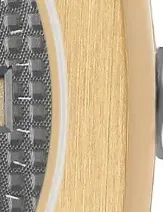
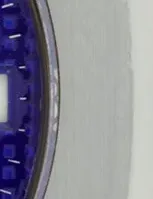
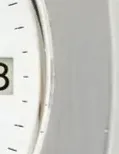
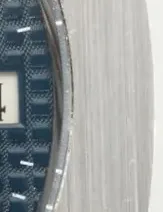
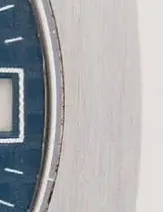
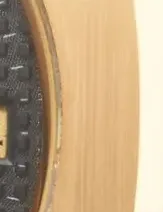
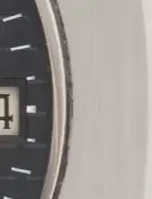
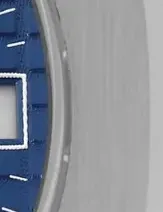
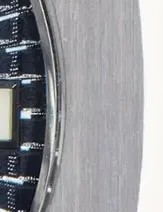
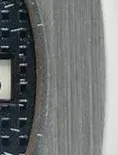
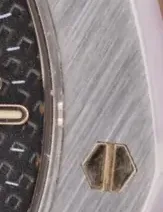
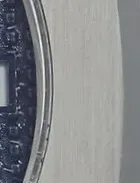
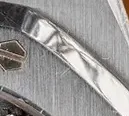
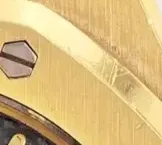
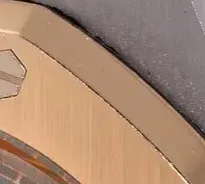
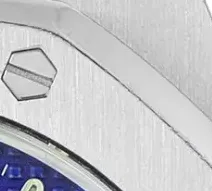
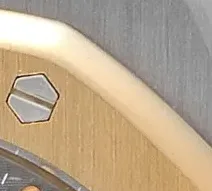
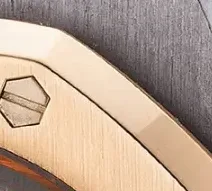
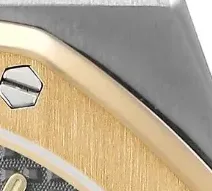
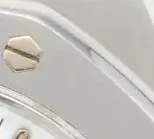
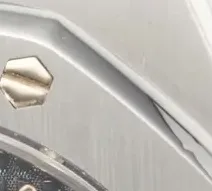
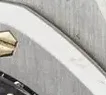
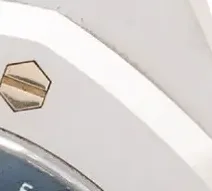
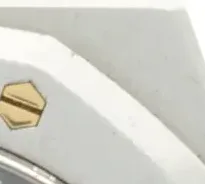
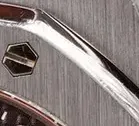
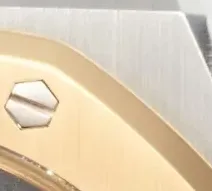
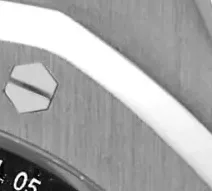
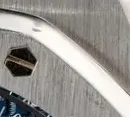
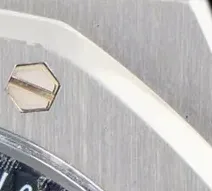
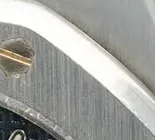
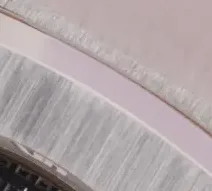
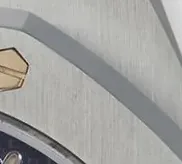
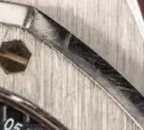
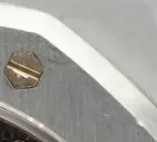
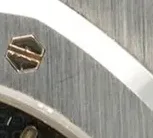
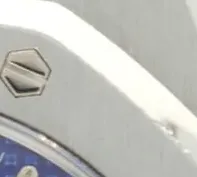
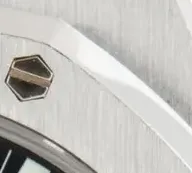
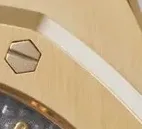
42 watches, oldest first, each straightened and cut the same way so that one row shows one component across them all. Chosen from 924 photographs on file for sharpness and for a face typical of the reference. A year marked c. is one its holder gives only roughly. Each picture is a detail cut from a listing photograph. Select the small mark in its corner for its year, its holder, a link to the listing it came from, and a way to report it.
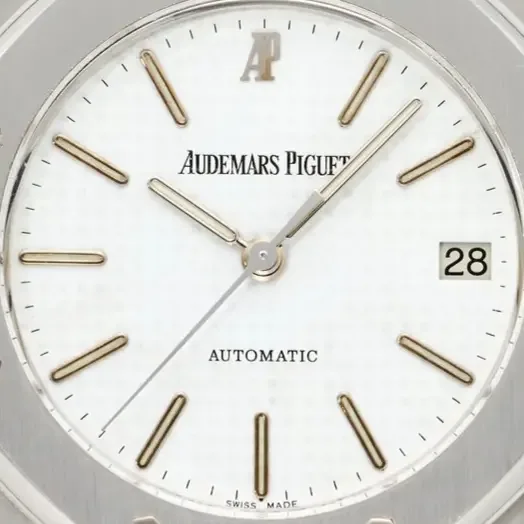
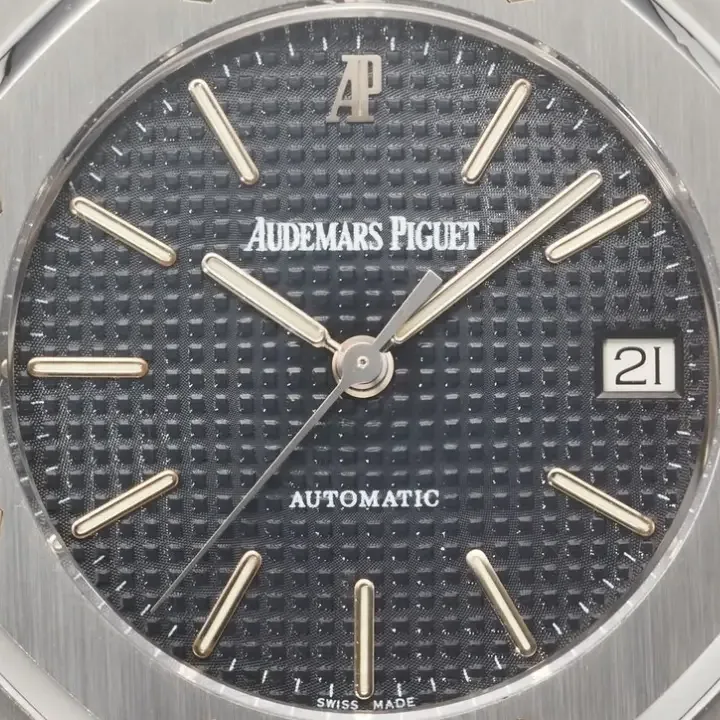
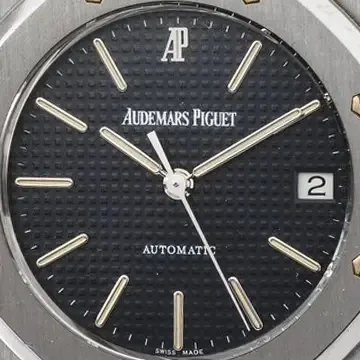
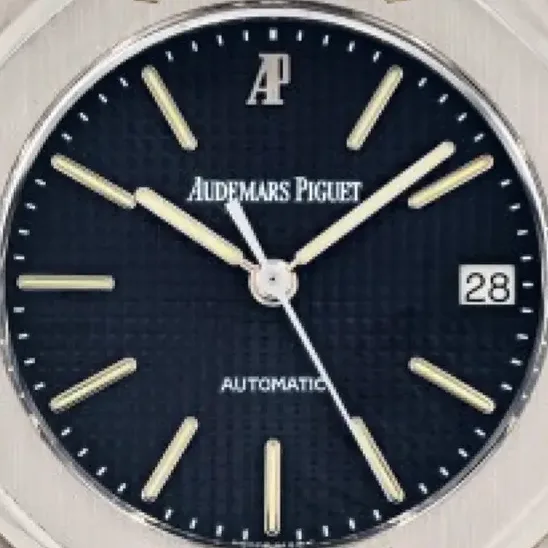
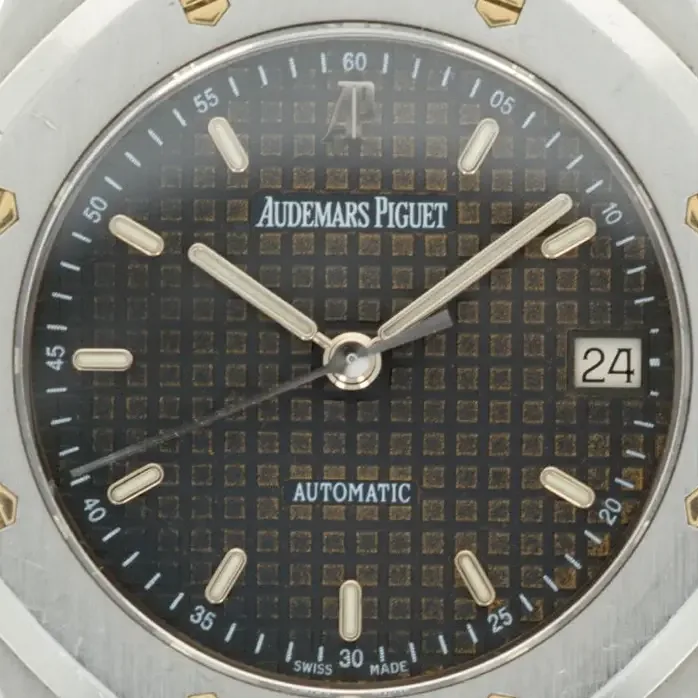
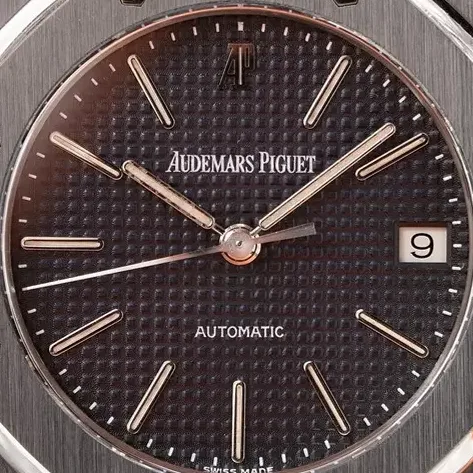
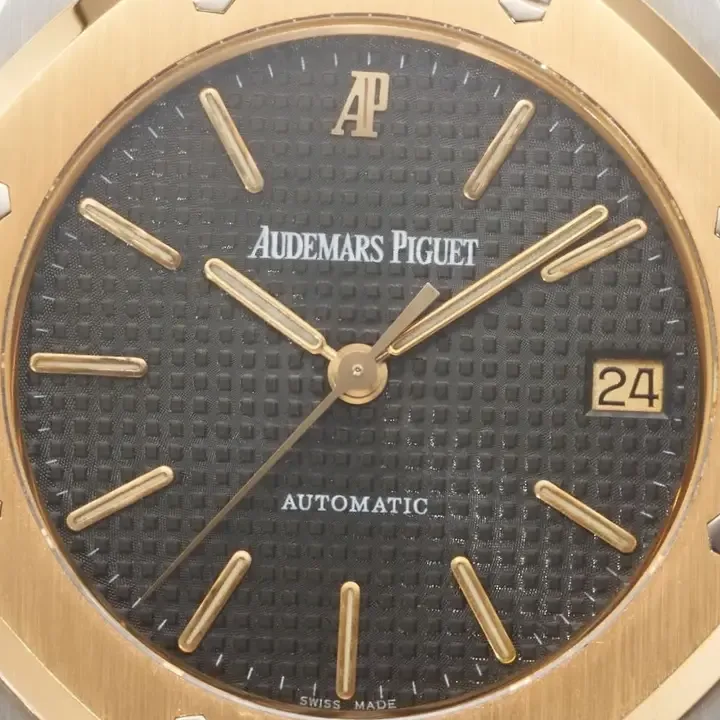
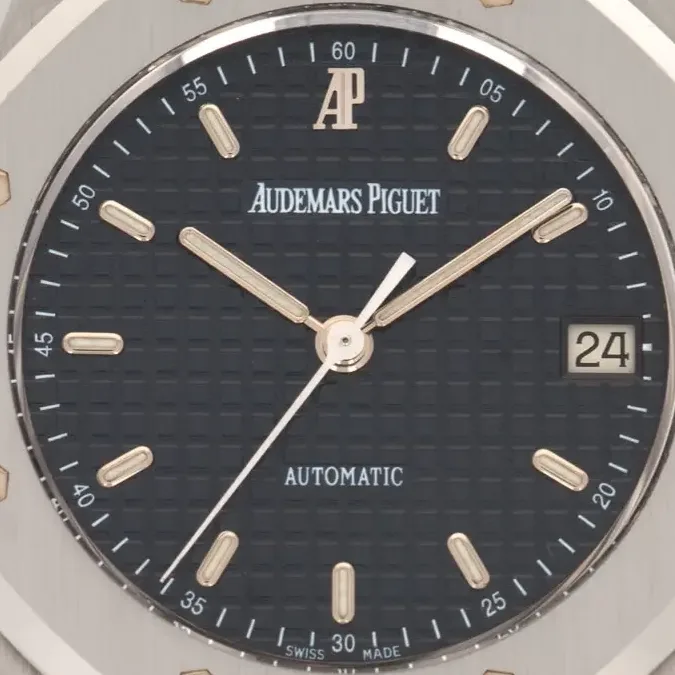
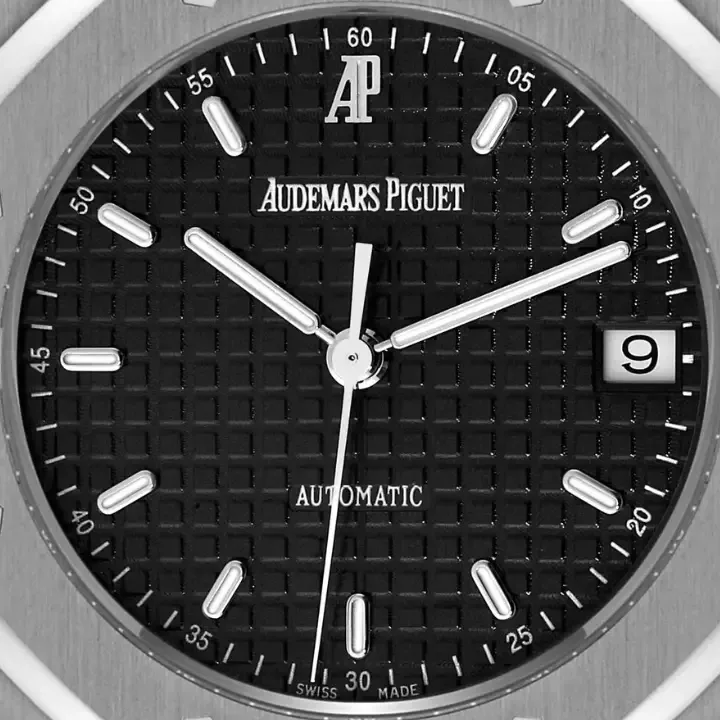
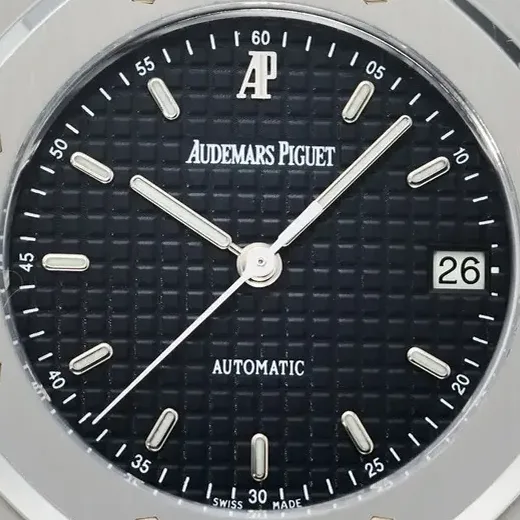
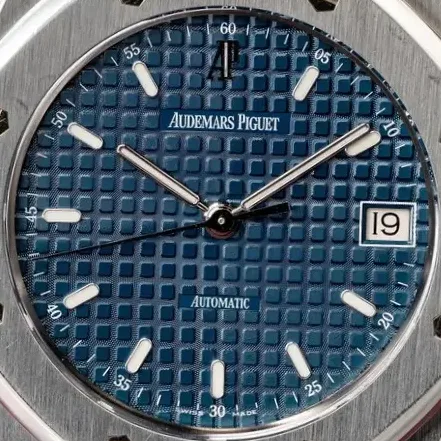
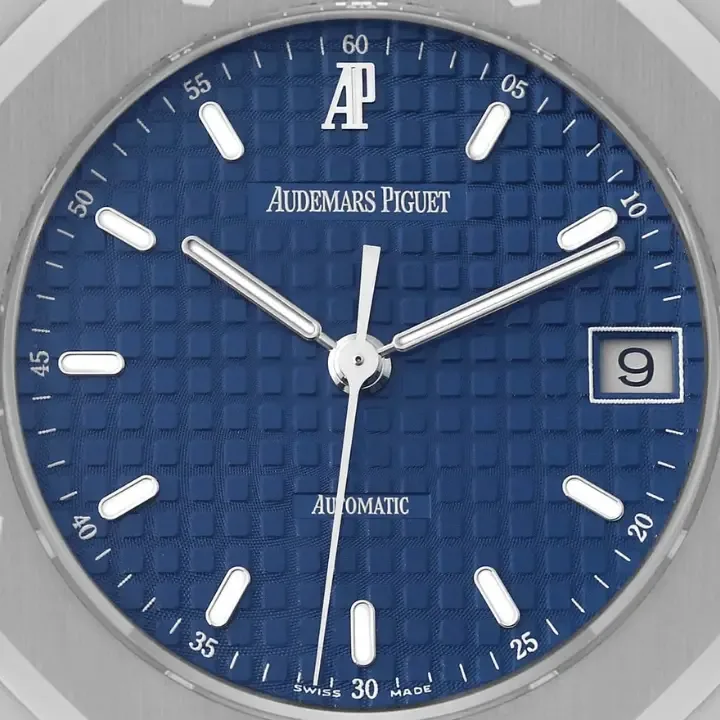
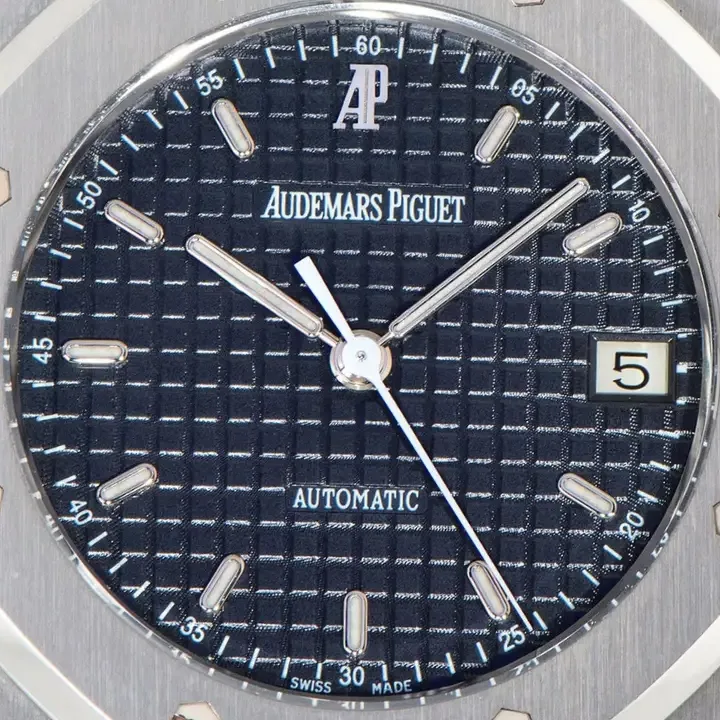
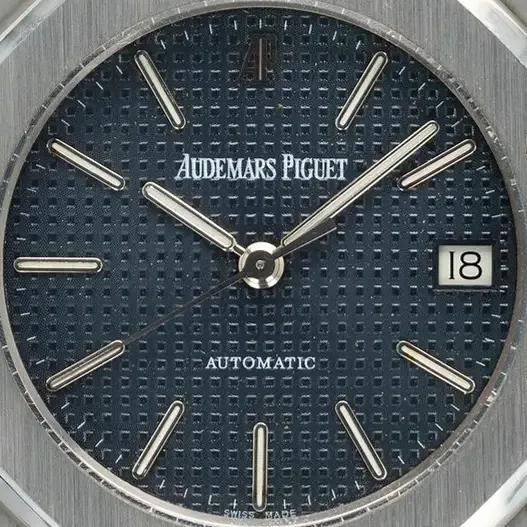
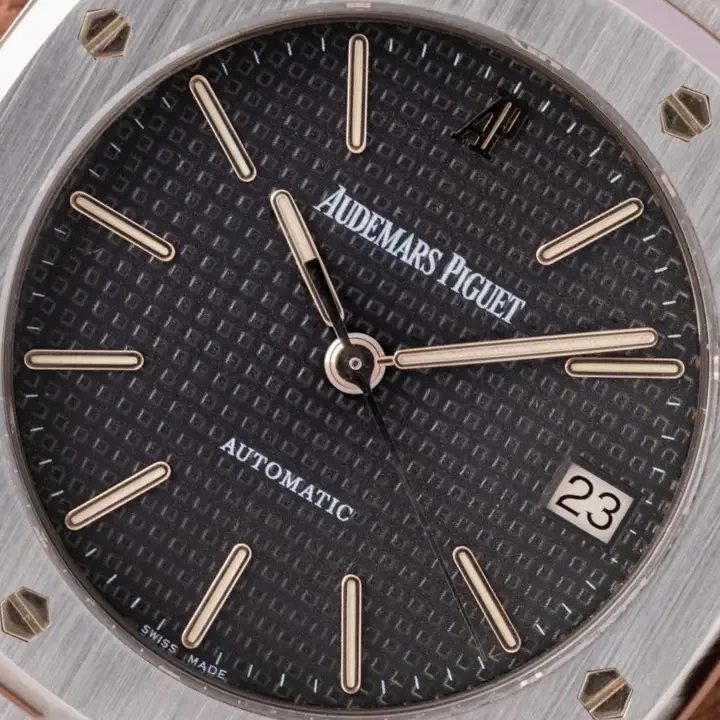
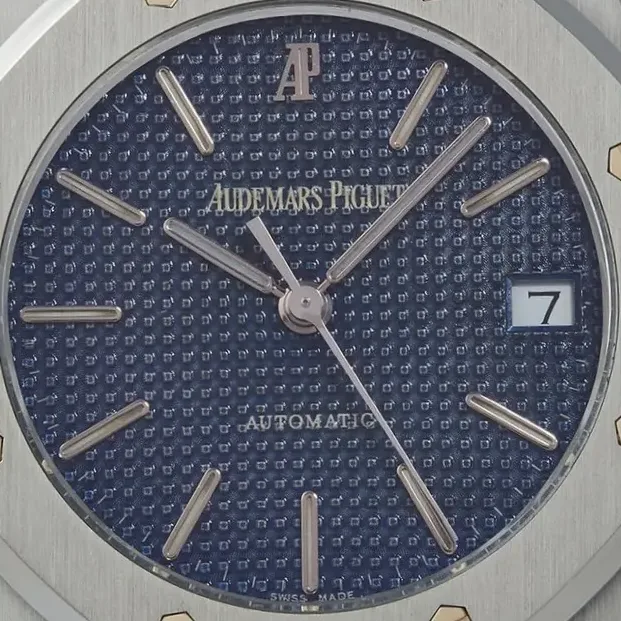
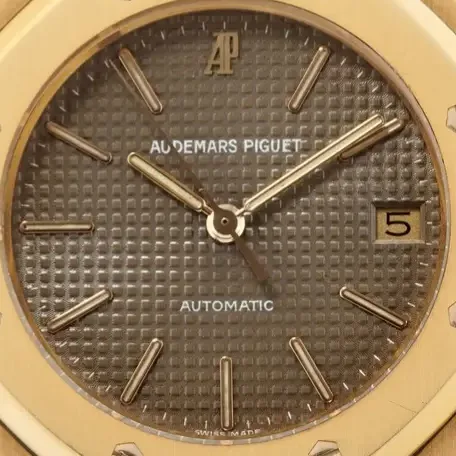
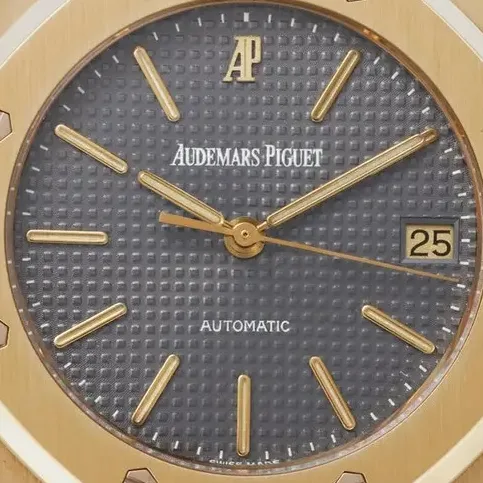
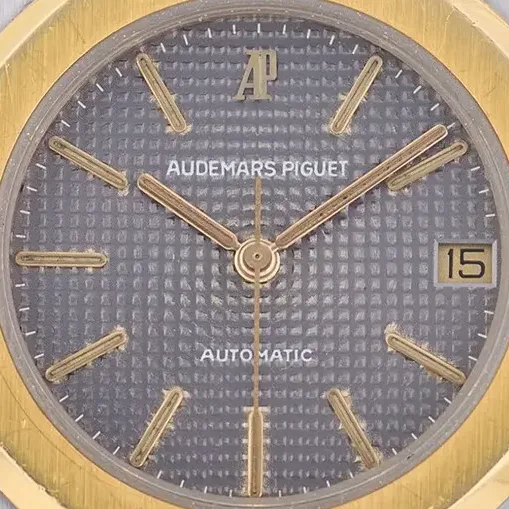


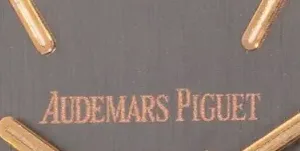












































































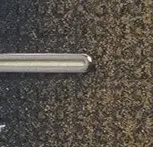
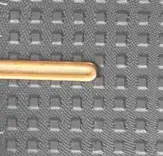
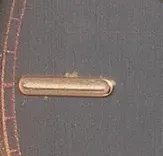
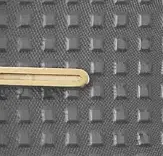


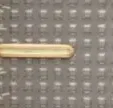

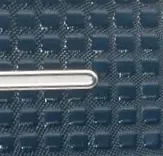

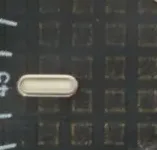




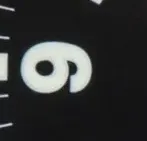


























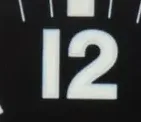
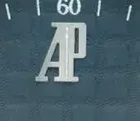




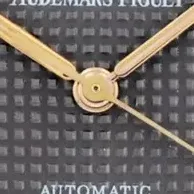
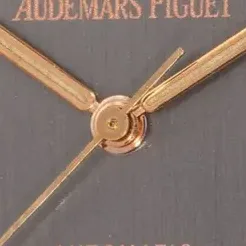
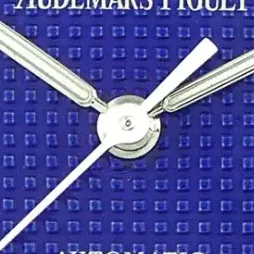
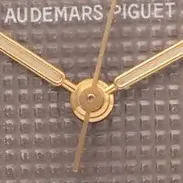

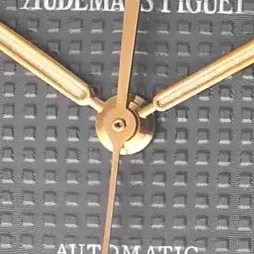
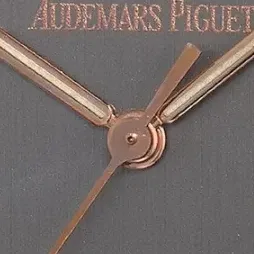


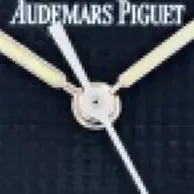
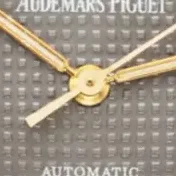
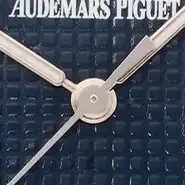

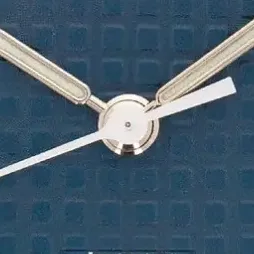


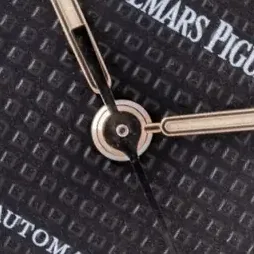
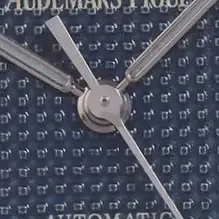






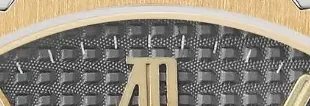

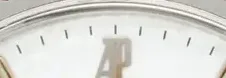

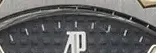




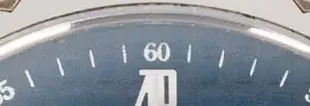


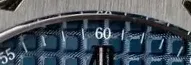

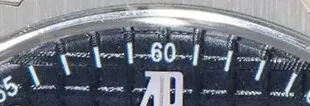


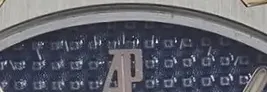
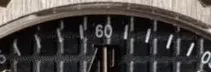


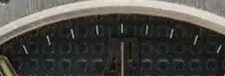
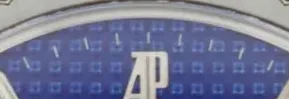
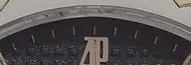

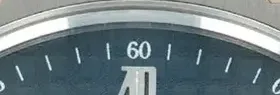


























Chronology
Launch in 1992 is widely stated; the end is given as 2005 in some accounts and 2006 in others, and one account carries a letter-series run to 2008. Nearly all sellers' stated years fall between 1992 and 2006.
Every dated variant: what is written, and what the records show
For the reference the marks are every dated watch; for a variant, the watches a seller names as that variant, so a variant sellers do not name has none.
Specification
| Case | 36 mm octagonal, about 46 to 46.5 mm lug to lug; thickness quoted as about 7.5 mm in some accounts and 8 to 8.1 mm in others; solid back held by eight screws; about 94 g in steel, about 125 g two-tone |
| Bezel | Octagonal, fixed, brushed on top with polished flanks, eight hexagonal screws (white or yellow gold) |
| Dial | Petite tapisserie to about 2000, grande tapisserie after; applied indexes, date at 3 o'clock |
| Hands | Hours, minutes and centre seconds; thin hands at first, thicker later |
| Crown | Hexagonal, unsigned at first, signed AP from the late 1990s or about 2000 |
| Movement | Calibre 2225, automatic, 26.6 mm, about 3.25 mm thick, 36 jewels, 28,800 vibrations an hour, about 40 hours, 21-carat gold rotor; calibre 2125 in early watches and 2325 in the last |
| Bracelet | Integrated bracelet with folding clasp, made by Gay Freres in the early series |
| Water resistance | 50 m |
| Metals | Steel (ST), yellow gold (BA), steel and yellow gold (SA), pink gold (OR), platinum (PT), tantalum and pink gold (TR), tantalum and steel (TT) |
Reference 4 described
Collectors call the three generations MK1, MK2 and MK3. They overlap, because changes were phased in over several years and service replacements blur the picture. The factory archive is said to list more than forty configurations, including ten dial types in steel alone.
MK1 / first series
early D series
The rarest series, thought to have been made for about a year from 1992. It has the vintage flat Audemars Piguet signature, petite tapisserie, long lume-filled indexes, thin hands, an unsigned crown and a Gay Freres bracelet. One dealer estimates fewer than 500 in steel and a three-digit total across all metals, and watches may carry paperwork dated later because retailers held stock.
- flat even-height signature
- long indexes
- unsigned crown
MK2 / second series
D series to early E series
From 1993 to about 2000, the most varied series and the one made in the greatest numbers. The signature has a larger capital A and P, the indexes stay long, and the tapisserie stays small. Most of the special dials belong here. It overlaps with the first series, since second-series watches are recorded from February 1993, and late watches show some third-series parts.
- capital A and P in the signature
- long indexes
MK3 / third series
E series to F series
From about 2000 to 2005 or 2006. The dial has a bolder tapisserie and short indexes, the hands are thicker, the crown is signed AP, the clasp has the AP logo and the lume is Luminova. These dials were also used as service replacements, so they turn up on older watches.
- short indexes
- bold tapisserie
- AP crown
Letter series
numbers D, E and F letters
One account links the series to serial letters: D series 1990 to 2000, E series 2000 to 2005 and F series 2006 to 2008. These are the letters of the case number that ran across the maker's watches at the time, not the 5402's own A to D production series. The account treats the early D watches as MK1, D to early E as MK2 and E to F as MK3; the library's records place the change from E to F a little earlier, about 2004.
Dial 10 described
The dial is where the three series are most easily told apart: the style of the Audemars Piguet signature and the Automatic line, the size of the tapisserie and the length of the indexes. A long list of colours and special dials sits on top of that, and some are of uncertain origin.
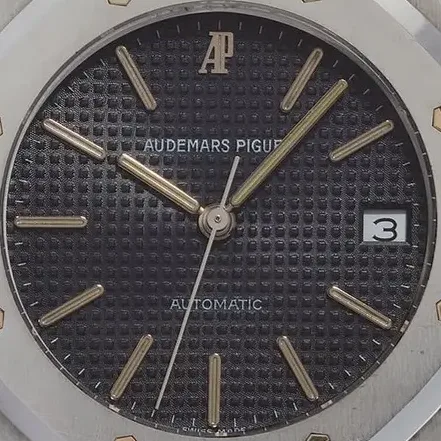
First-series dial
Petite tapisserie, a flat block Audemars Piguet signature in which all letters are the same height, and a flat-topped A in Automatic at 6, as on the 5402. Long baton indexes are filled with lume, and an applied AP at 12 has a thin strip of lume between the letters; both come from the 14700. In steel only a bluish grey that varies towards black or blue, and white, are known. Gold has white, grey and gold; two-tone has grey and gold; the tantalum and pink-gold watch has slate grey.
- even-height signature letters
- flat-topped A in Automatic
- lume strip between the A and P at 12
Second-series dial
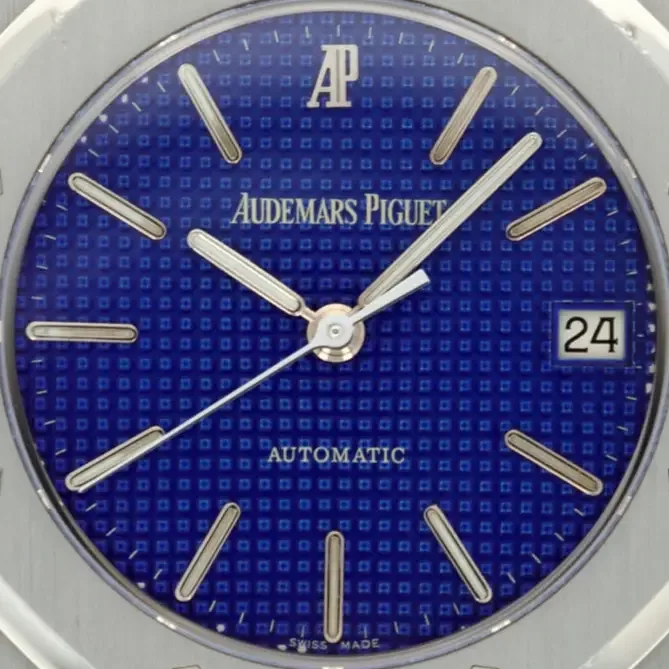
A newer, stylised signature with enlarged capital A and P, and a more modern Automatic line. Petite tapisserie and long applied indexes continue. Colours widen to blue, a lighter grey, the electric blue known as Yves Klein, and diamond-set dials on some yellow-gold watches.
- larger capital A and P
- long indexes
- petite tapisserie
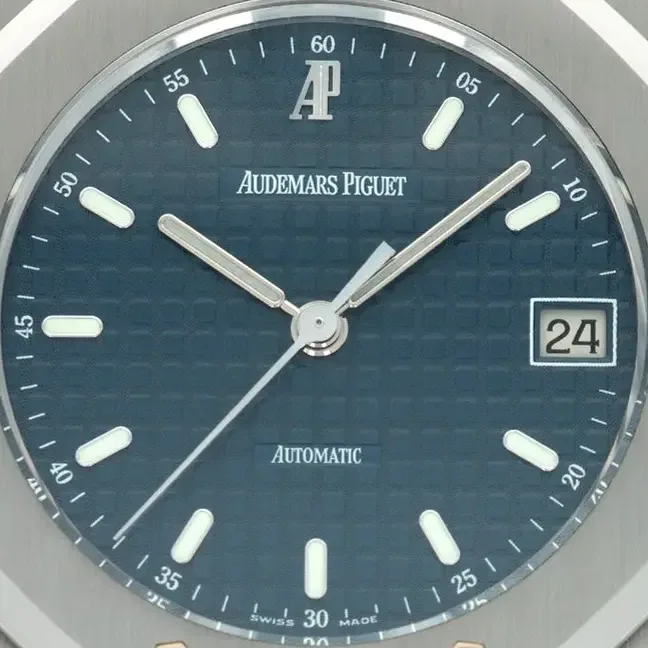
Third-series dial
Grande tapisserie with short indexes. The date window is flush, without a box; on some dials it has a white surround and on others not. Brighter colours such as Ferrari red and yellow appear on a handful of watches.
- bold tapisserie
- short indexes
- date window with or without white surround
Dial codes
The dial is named by a suffix after the case code, for example 14790ST.OO.0789ST.07 for military, .08 blue, .09 black and .10 white. The Yves Klein blue is given the suffix .05 and a muted blue or grey petite tapisserie .01 in a dealer's list, which does not match the .08 blue code above. Gold and two-tone codes include 14790SA.OO.0789SA.08 white, 14790OR.OO.0789OR.01 white and 14790BA.OO.0789BA.02 white.
- suffix after 0789ST
Yves Klein blue
A vivid electric-blue dial named by collectors after the artist, not by the maker. It is petite tapisserie in the second-series style with capital A and P and long indexes, and is thought to have been made by Stern, as the 5402 dials were. The colour was used on several Audemars Piguet models, in steel and yellow gold, and was made briefly in the 1990s. A Luminova example shows no patina.
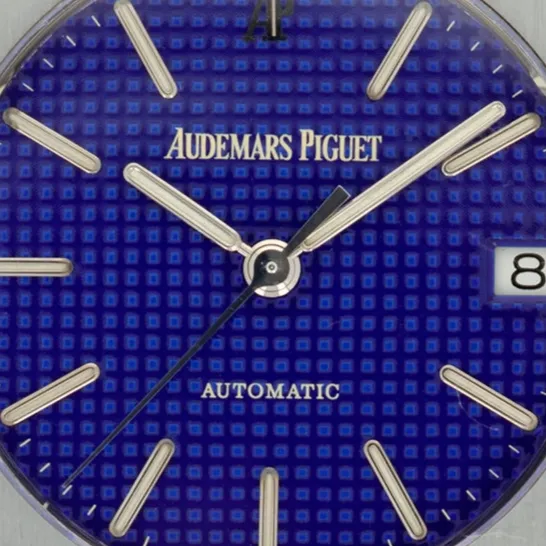



9 listings on record under the name.
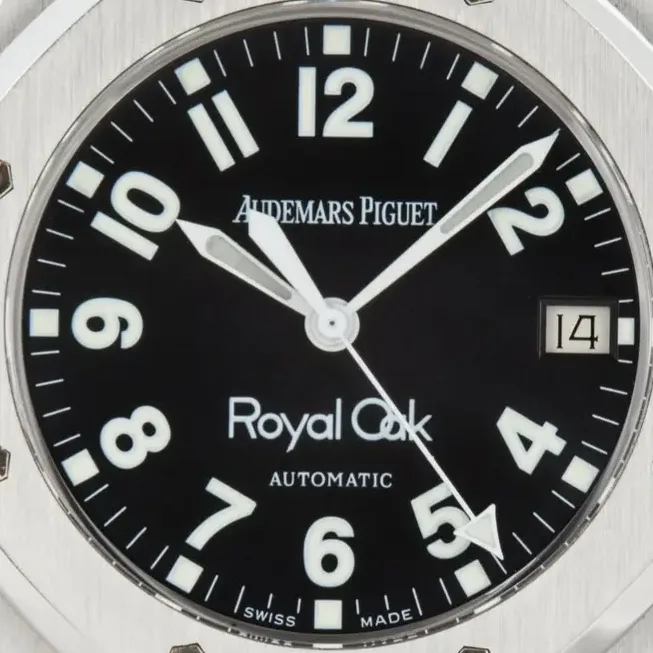
Military or Arabic dial
A smooth black dial with blocky white Arabic numerals, lume-filled pointed hands and an arrow-tipped sweep seconds hand. It dates from the mid-1990s to the early 2000s and carries the code .07. It is unlike any other Royal Oak and has not been repeated.
- Arabic numerals
- smooth dial
- arrow-tipped seconds hand
Salmon dial
A salmon dial matching the 14802 of 1992. It is made in petite tapisserie, the dials are genuine and were made for the 14790 and do not fit the 14800, but whether the maker sold new watches with it is not established. It is variously called a special order, a retailer sales boost, or a service option for privileged clients.
- salmon colour
- petite tapisserie
Ferrari red, yellow and other colours
The literature names Ferrari red and lemon or bright yellow dials, a Jasper stone dial, champagne and diamond-set dials, and tropical black dials fading to brown. The red is recorded on third-series watches of unknown provenance. Blue dials are anodised and not painted, which affects how they age.
- red dial
- yellow dial
- diamond markers
Smooth dial in tantalum and platinum
Tantalum two-tone watches have a smooth dial, most often with the MK2 signature. A platinum watch is described with a smooth deep blue dial and diamond-set hour markers.
- smooth dial
Retailer and dealer marks
Dial or case marks mentioned in sellers' listings include a Pictet & Cie retailer name and a grey dial reverse-stamped Stern.
Luminous material 2 described
Lume changed from tritium to Luminova around the change of series, and is largely decorative.
Tritium
Early watches have tritium, usually aged to cream or tan. The tone should roughly match the hands but dial and hands may age differently.
- cream or tan lume
Luminova
Later dials and hands use Luminova, whose patina does not develop, and some second-series watches already show it near the end of the run.
- white lume without ageing
Hands 5 described
The hands move from thin to thick and the seconds hand counterweight changes shape.
Thin hands
First-series hands have hour and minute hands of the same width as the lume on the applied indexes, with the lume starting close to the centre. They continue into the early second series.
- hand lume as thin as the index lume
Thick hands
Broader hands, with the lume starting further from the centre pivot, appear during the second series and are fitted throughout the third. They were also used as service parts.
- lume starts away from the pivot
Straight seconds counterweight
The earliest watches have a straight seconds hand counterweight; one cannot be sure if a later shape on a first-series watch is service or a running change.
Pyramid seconds counterweight
A counterweight that flares in a pyramid shape is standard from the second series onward.
- flared counterweight
Military and platinum hands
The military dial has lume-filled pointed hands and an arrow-tipped seconds hand; the platinum watch has lumeless stick hands.
Bezel 2 described
The bezel is octagonal with eight hexagonal screws.
Eight hexagonal screws
Fixed octagonal bezel, brushed on top and polished on the flanks. The screws are described as yellow gold on steel watches and as white gold in other descriptions; on two-tone watches they are said to be white gold on most. The 14700 had a thinner bezel.
- eight screws all present and unmarked
Gold bezel on two-tone
The 14790SA has a solid yellow-gold bezel, gold centre links and gold hands and markers.
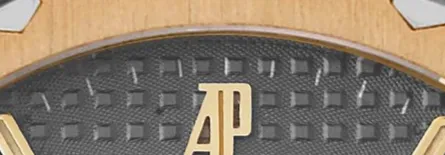

- gold centre links
30 listings on record under the name.
Case 8 described
The case follows the 5402 on a smaller scale, with sharp bevels that polishing quickly rounds. The literature gives several metal combinations.
Two-part case
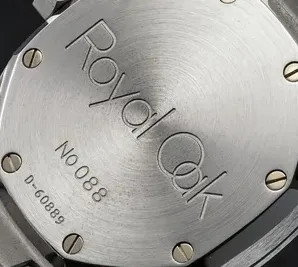
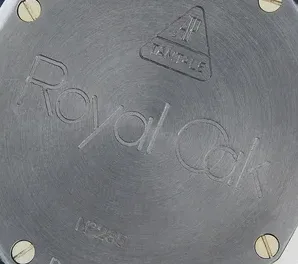
The 14790 has a two-part case with the back integral, unlike the three-part case of the 4100. The back is solid and fixed by gold screws, and the movement is fitted from the dial side.
- solid back
- eight screws on the back
Steel (ST)
The most numerous metal, with ten dial types in the archive list.
Yellow gold (BA)
Offered from the first series, with white, grey and gold dials.
Steel and yellow gold (SA)
Two-tone; first-series dials only in grey and gold. It follows the three-series pattern.
Pink gold (OR)
A pink-gold watch with a white dial is coded 14790OR.
Platinum (PT)
Platinum with a smooth deep blue dial and diamond hour markers is described.
White gold (BC)
Sellers offer a few white gold watches coded 14790BC, one of them with a salmon dial. The literature does not describe this metal.
Tantalum and pink gold (TR) and tantalum and steel (TT)
Tantalum combinations with a smooth dial, made in the first and second series, TR more commonly. The tantalum and steel combination is very rare, and neither type reached the third series.
- smooth dial
- tantalum case
Crown 2 described
The crown is hexagonal and changed from unsigned to signed.
Unsigned crown
First series and early second series have no AP mark on the crown.
- plain crown
AP-signed crown
Signed with AP from the late 1990s into 2000 and on the third series.
- AP on the crown
Date 2 described
The date is at 3 o'clock. Accounts differ on whether it can be set quickly: one says it is moved on only by turning the hands past midnight, another that it has a quick-set.
Framed date window
On first- and second-series watches the date window has a frame.
- framed window
Flush date window
Third-series watches have a flush window with no box, though some third-series dials show a white surround to the window.
- no frame
Movement 3 described
The calibre family is derived from the Jaeger-LeCoultre 889.
Calibre 2125
Published accounts put it in the earliest watches, before the change to the 2225. Auction catalogues in the library's records, one of them backed by an archive extract, also name the 2125 on watches dated from the mid to late 1990s.
Calibre 2225
The main calibre, 28,800 vibrations an hour, 36 jewels and a bidirectional rotor in 21-carat gold.
- solid back so not visible
Calibre 2325
Fitted in later production. Published accounts put the change from the 2225 during the third series, after its early watches, without giving a year.
Bracelet 4 described
The bracelet and clasp record the series. Accounts differ on the number of link screws.
Ladder clasp, old Gay Freres mark
First series. The clasp is hollow, with ladder-like sides, a cross bar stamped S6, 'Swiss Made' opposite 'Steel Inox', the old Gay Freres mark with a ram's bust in an oval, and a small spring lock with AP engraved.
- S6 stamp
- ram's bust Gay Freres mark
Filled-blade clasp, newer Gay Freres mark
In the early second series one blade of the clasp is filled in and the maker's mark is the letters GF in an oval.
- filled blade
- GF in an oval
AP-signed clasp
Later watches have a clasp with the AP logo.
- AP on the clasp
Link screws
The literature disagrees on the order: first-series links are described as held by a pair of screws with a single screw later, and elsewhere as single-pin early with two screws later. See the disagreement.
Box and papers 1 described
Sellers mention archive extracts, certificates and boxes.
Extract, certificate and box
An archive extract confirms the original configuration, including the calibre. The box is octagonal.
Originality
- Third-series dials were used as service replacements in the early 2000s, so a short-index dial can sit in an earlier watch.
- Thick hands were fitted as service parts, so they can be found on first-series watches.
- A pyramid seconds counterweight on a first-series watch may be a service replacement.
- Polishing round the bezel, the screw seats and the bevels cannot be undone, and gold loses metal each time.
- The bracelet stretches, and replacement gold centre links for two-tone watches are scarce.
- The manufacture's service is said to refinish the case by default.
Names
- Yves Klein. The electric-blue dial resembles the artist's colour.
- MK1, MK2, MK3. Collectors' labels for the three series.
- Military. The Arabic-numeral dial with pointed hands.
- Salmon. The salmon-coloured dial.
Where accounts differ
Points on which the published literature and the library's own records do not agree, or on which the literature contradicts itself.
- Link screws on the bracelet. One account says first-series links have two screws and later ones a single screw. Two others say the early bracelet is single-pin and later ones use dual screws.
- Bezel screw metal. One account says the screws are yellow gold on the steel watch; others say white gold.
- Start of production. Two accounts put the 14790's arrival in the 1980s. Most others give 1992, and nearly all the years sellers state in the library's records begin there.
- Thickness and series dates. Case thickness is given as 7.5 mm by two sites and as 8 to 8.1 mm by another. First-series dates also vary between one year and the early 1990s.
- Years of the case-number letters. One account gives D for 1990 to 2000, E for 2000 to 2005 and F for 2006 to 2008. In the library's records, Audemars Piguet watches with a stated year and a case-number letter fall mostly in the mid to late 1990s for D, 2000 to 2004 for E and 2004 to 2007 for F, so the letters overlap and F begins about two years earlier than that account gives.
- How long the calibre 2125 was fitted. Published accounts give the 2125 only for the earliest, first-series watches. In the library's records, auction catalogues name the 2125 on a fair number of watches dated 1994 to 1998, one with an archive extract.
- Quick-set date. One account says the date is not quick-set and is advanced by running the hands past midnight. Another says every mid-size reference of the period except the 14486 has a quick-set date.
Back and movement
From listings of this reference, each confirmed by eye to show what it is filed under. A picture on which a person's name or a personal engraving can be read is not shown. From most holders a detail from the middle of the photograph is shown; the mark in its corner gives its holder and a link to the listing.
Caseback


Catalogue versions 7 listed
The full numbers under which holders list this reference, with what their listings say of each. Each has a page of its own.
| Version | Metal | Dial | Years seen | Records |
|---|---|---|---|---|
| 14790ST | Steel | Blue or black | 1992–2006 | 142 |
| 14790SA | Steel and gold | Grey or brown | 1993–2009 | 28 |
| 14790BA | Yellow gold | Grey or white | 1993–2000 | 17 |
| 14790TR | Pink gold | Grey | 1994–1997 | 9 |
| 14790OR | Pink gold | White or cream | 1996–2000 | 4 |
| 14790BC thin | White gold | Salmon | 1999–2001 | 2 |
| 14790TT thin | Steel | Grey | 1997 | 2 |
In the records
Counted from 260 listings at 39 holders between 13 May 2017 and 14 November 2026. These are what sellers and auction houses state, not measurements.
Fainter bars are the 9 outside the main run of 1993–2006 (the middle nine-tenths): the earliest is 1990 and the latest 2014. They are early and late examples, and now and then a seller's slip. The head of the page gives 1992–2008: the years that listings from two holders bear out.
At the holders that record papers on every watch, 51% of their 55 listings of this reference come with papers; at those that record the box on every watch, 55% of 53 come with a box. "Papers" is whatever the holder counts as papers, and can include service papers.
Case metal
| Steel | 104 | |
| Gold, any colour | 30 | |
| Yellow | 18 | |
| Pink | 9 | |
| White | 2 | |
| Colour not stated | 1 | |
| Steel and gold | 20 | |
| Other | 2 |
A listing that says "gold" or "18K gold" names no colour: it is counted under "colour not stated", not as yellow gold.
Dial colour
| Blue | 39 | |
| Grey | 30 | |
| White | 25 | |
| Brown | 17 | |
| Silver | 16 | |
| Black | 14 | |
| Red | 4 | |
| Cream | 2 |
Case size
| 36 mm | 134 | |
| 37 mm | 6 | |
| 38 mm | 2 |
Calibre named
| 2225 | 36 | |
| 2125 | 16 | |
| 2325 | 7 |
Bracelet or strap
| Metal bracelet, kind not stated | 150 |
Each table counts the listings that state the thing, in the seller's own terms. A size, metal, colour or calibre that cannot belong to this reference is a seller's slip or a listing filed under the wrong number.