Royal Oak (39 mm, calibre 3120)
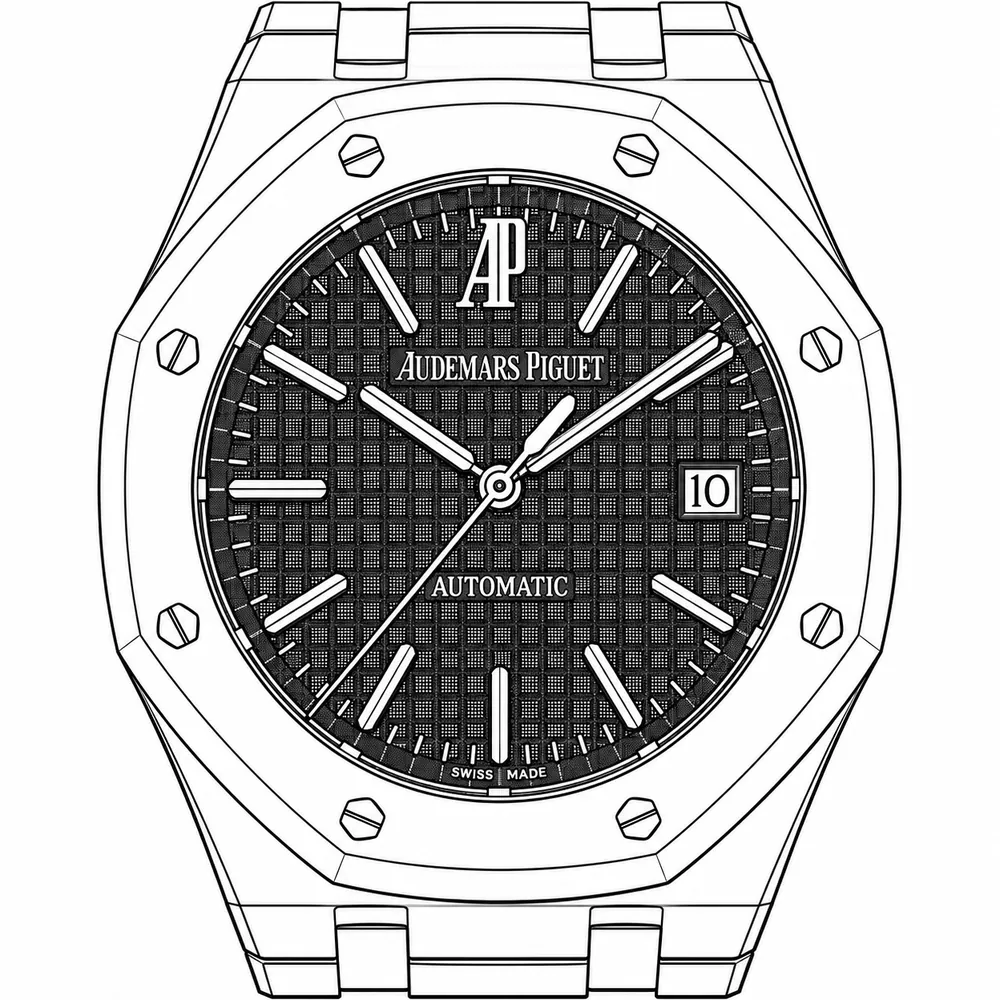
The 15300 is the 39 mm Royal Oak with centre seconds and date, introduced in 2005 and made until 2012. It is usually described as the first Royal Oak with a movement made wholly in-house, calibre 3120, and it was made alongside the thinner 15202 with calibre 2121. The case is 9.4 mm thick with a screw-down crown, sapphire back and eight-screw octagonal bezel. Dials are grande tapisserie in silver, blue or black, with the Audemars Piguet logo in place of the 12 o'clock index. It was made in steel and rose gold, on a bracelet or a leather strap, and the 15400 of 2012, at 41 mm, took its place.
- Made
- 2005–2012dates approximate
- Seen in the library
- 2005–2013by years sellers state
- Case
- 39 mm · steel (76%), pink gold (24%)as sellers state
- Movement
- Calibre 3120automatic
- On record
- 149 listings430 photographs · 33 holders
Components
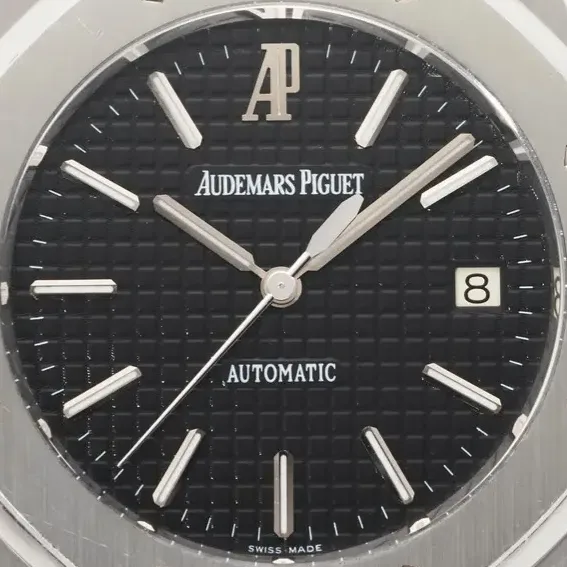
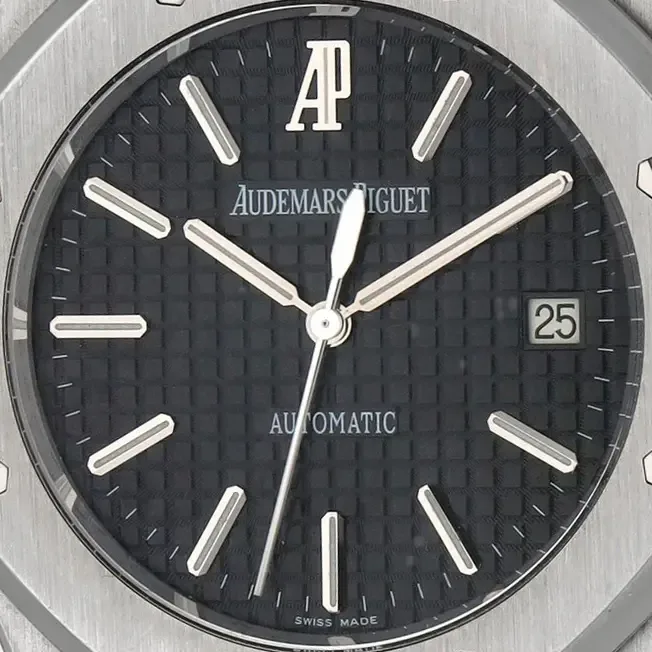
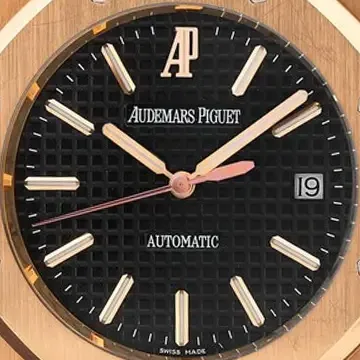
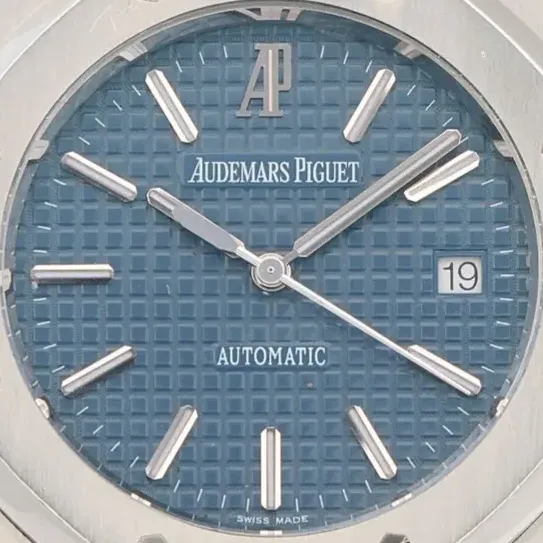
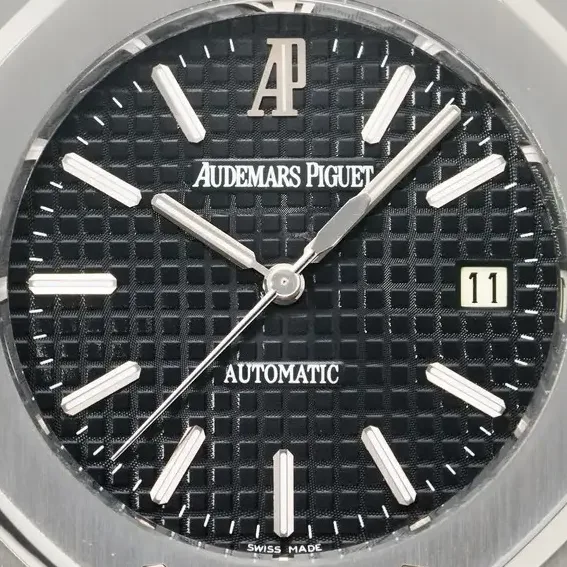
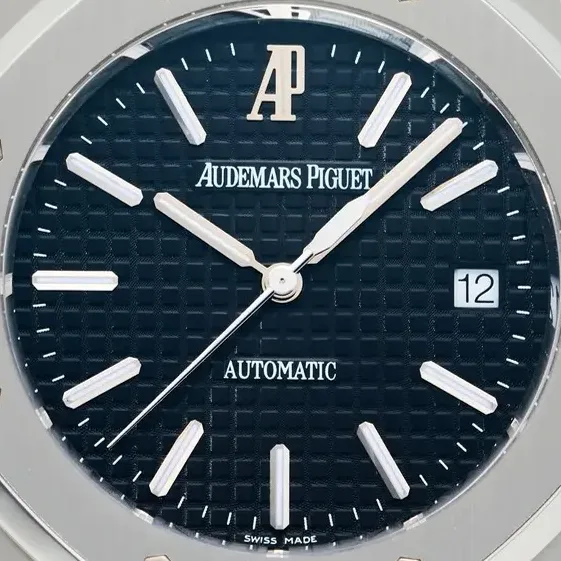
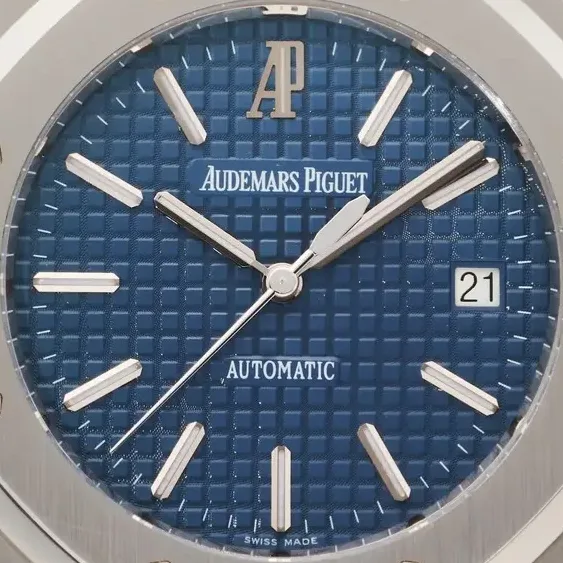
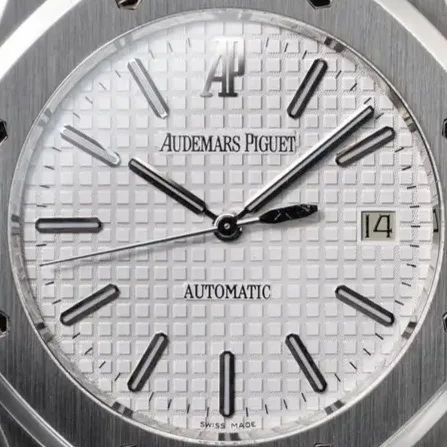
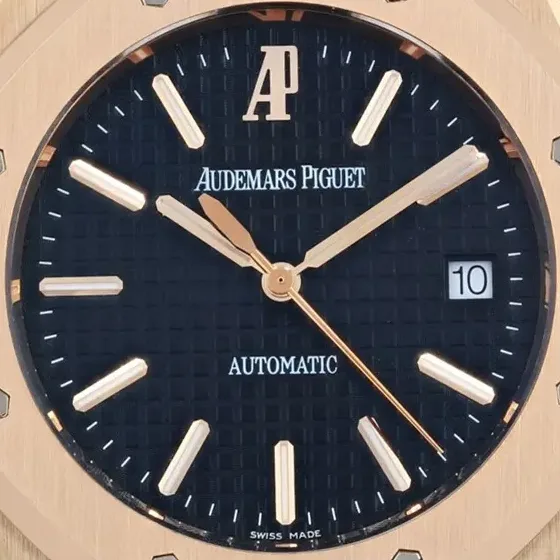
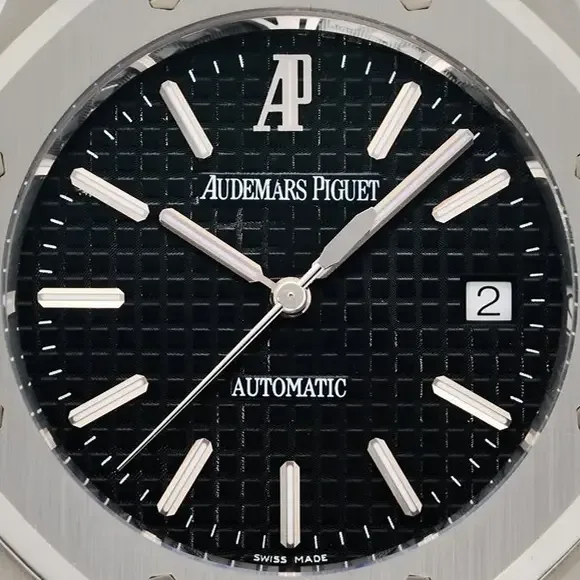
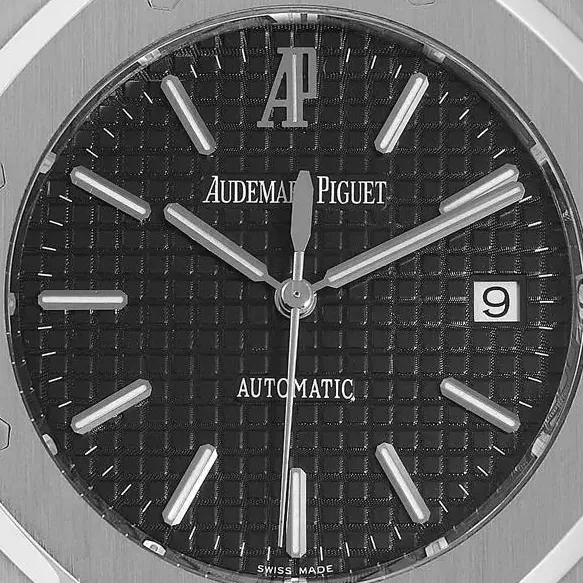
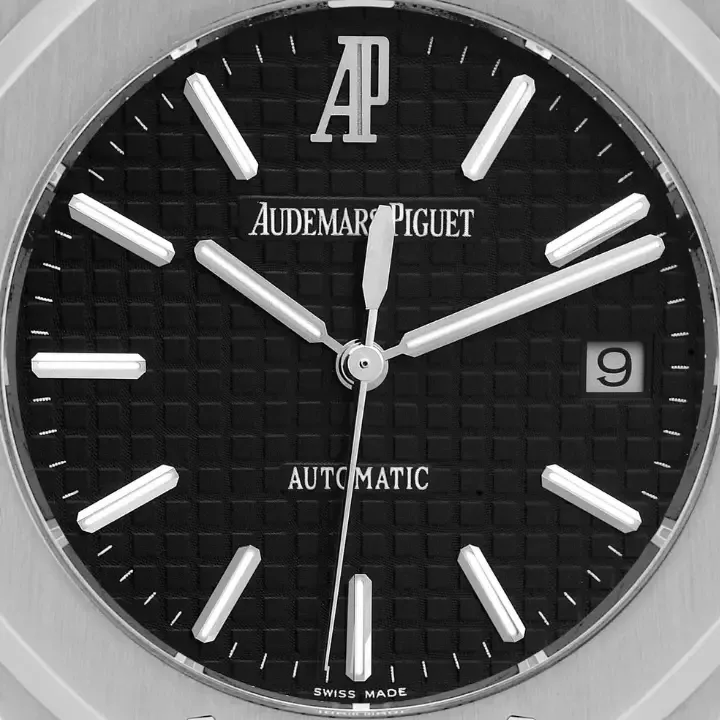
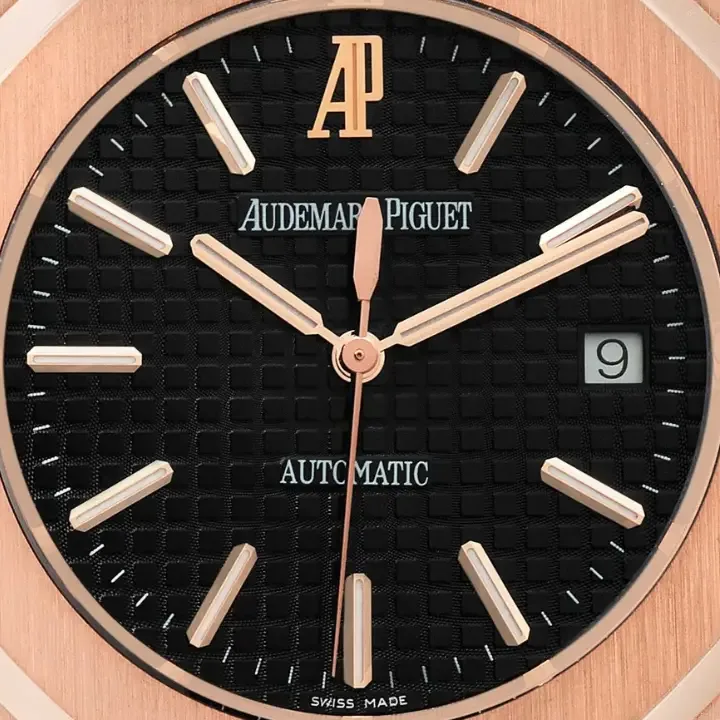
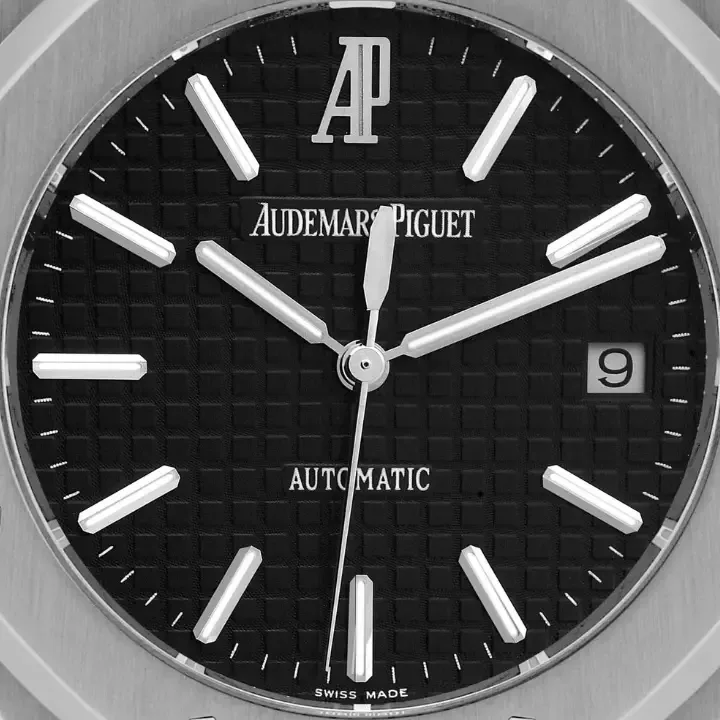
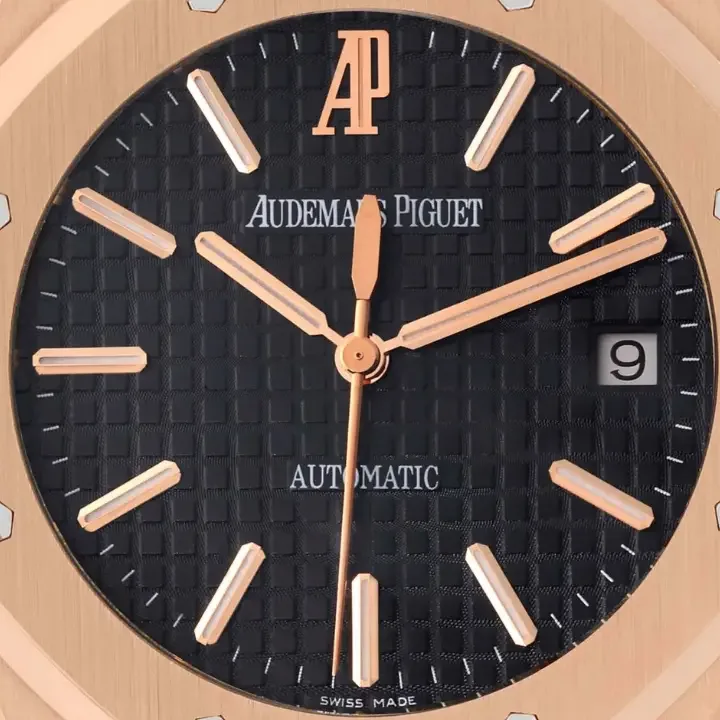
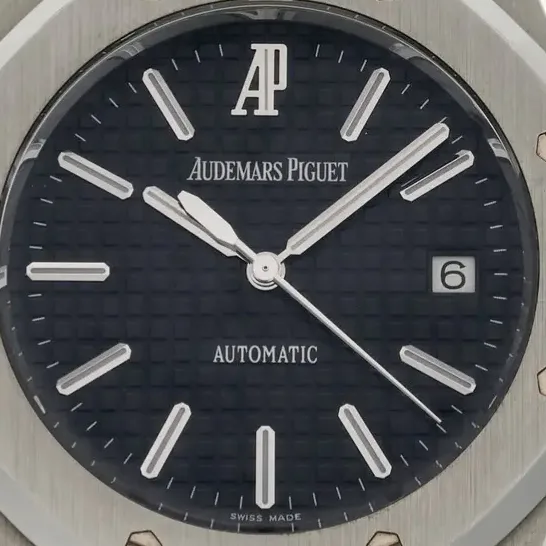
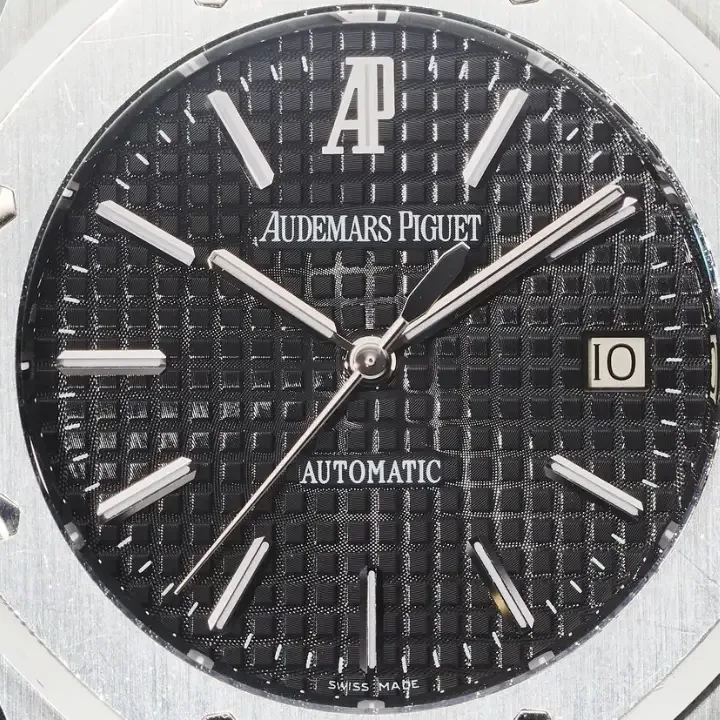
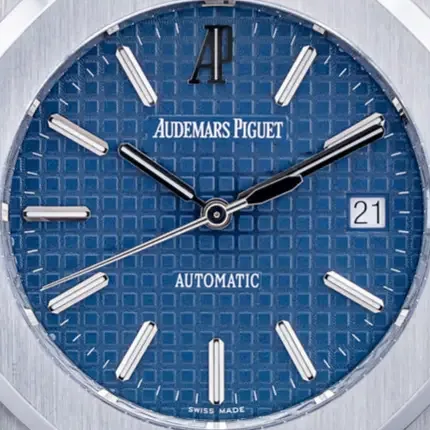
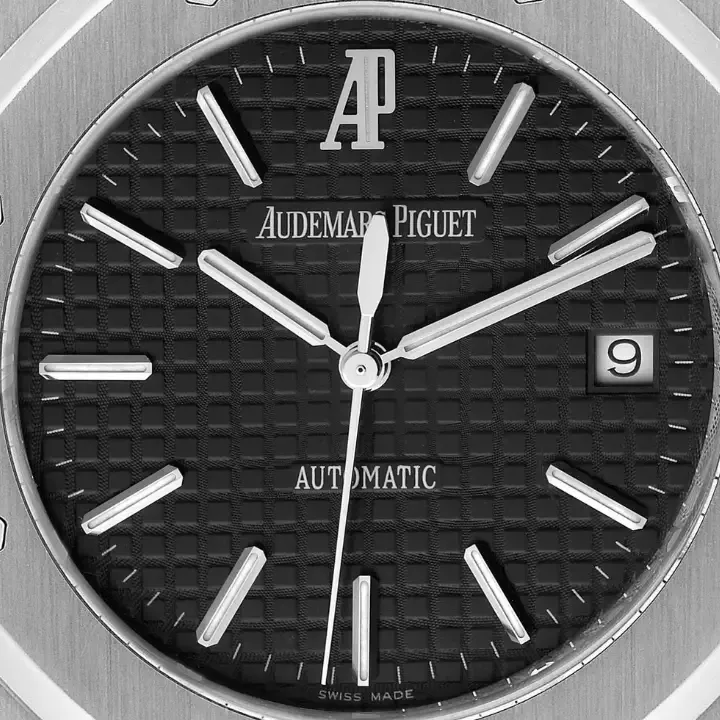
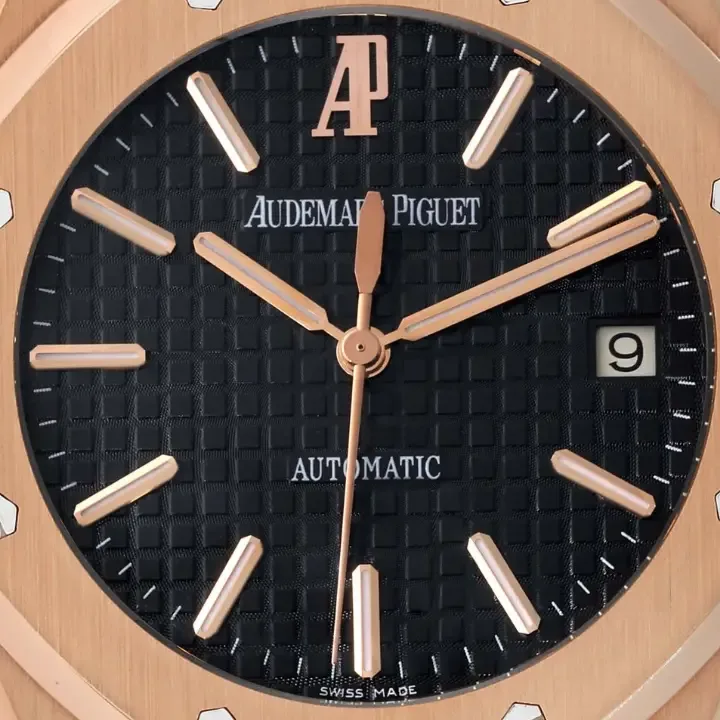
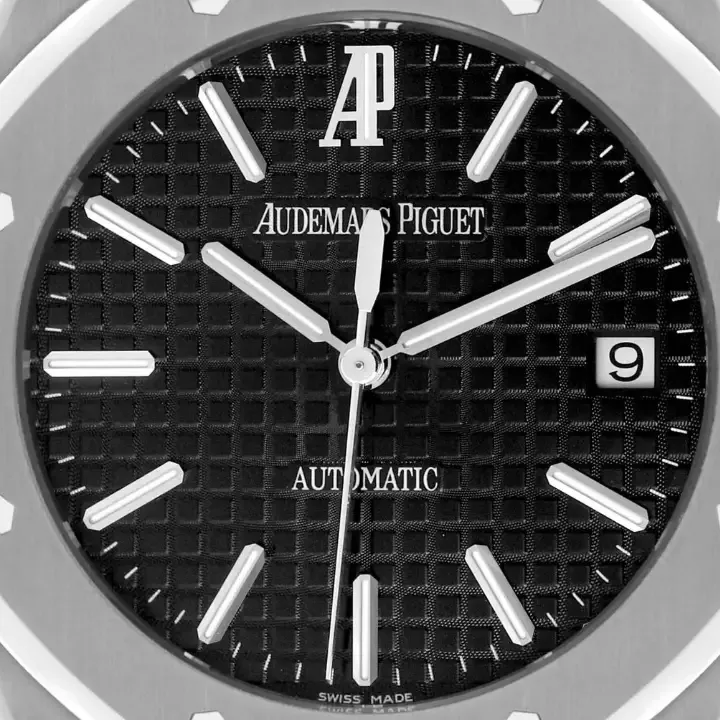
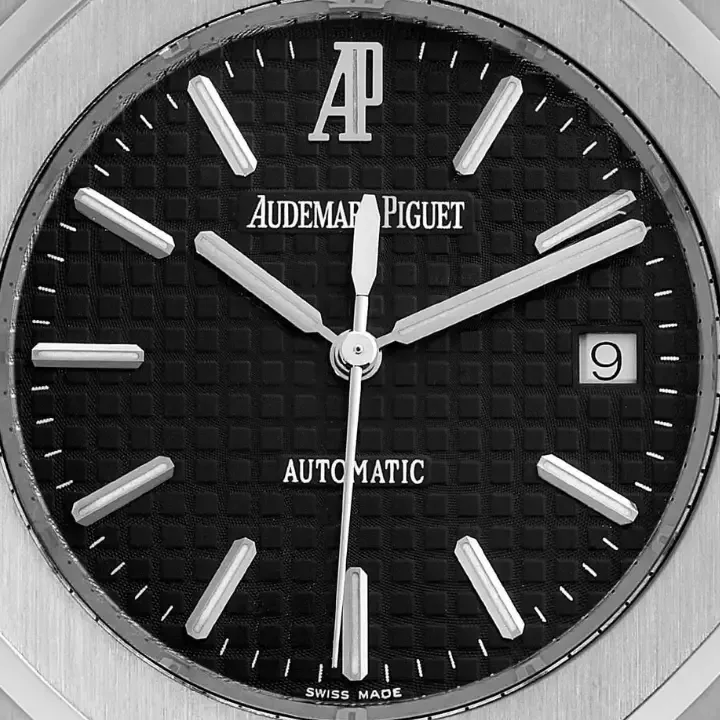
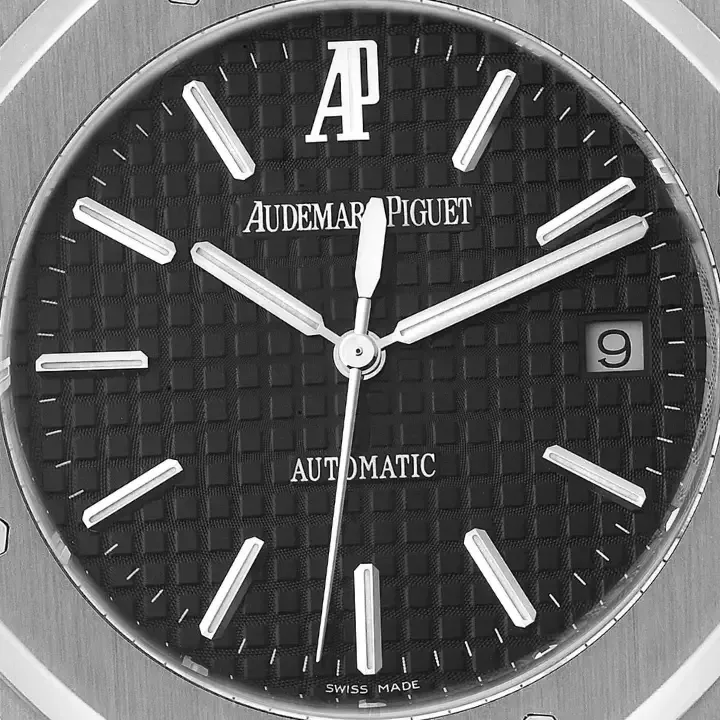
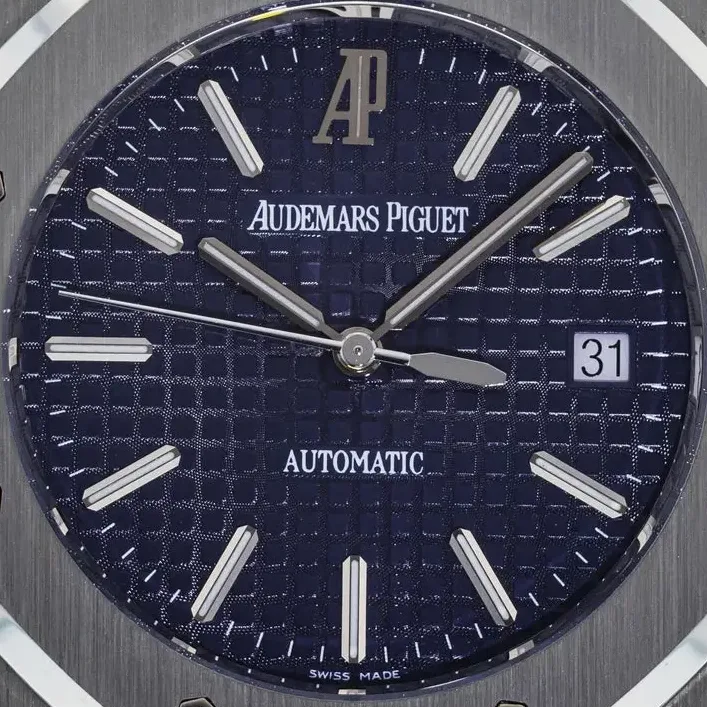
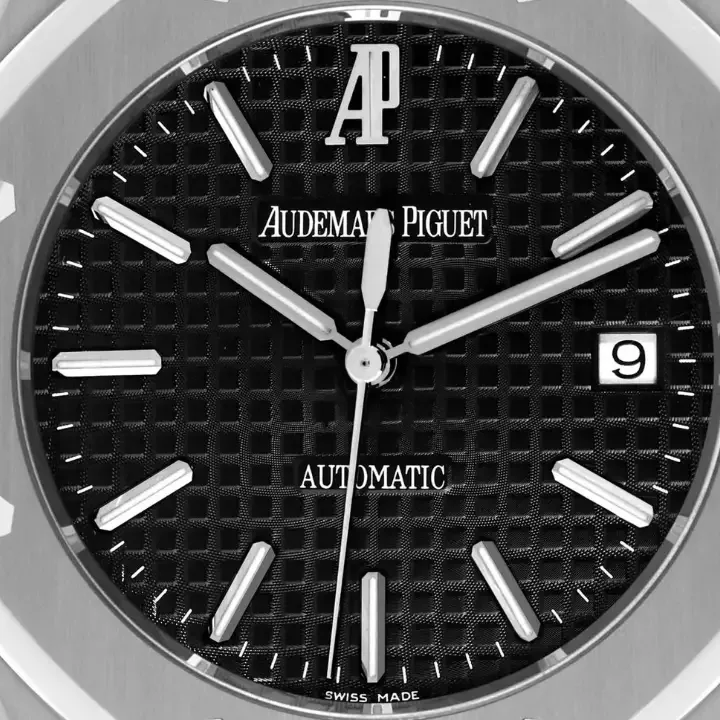
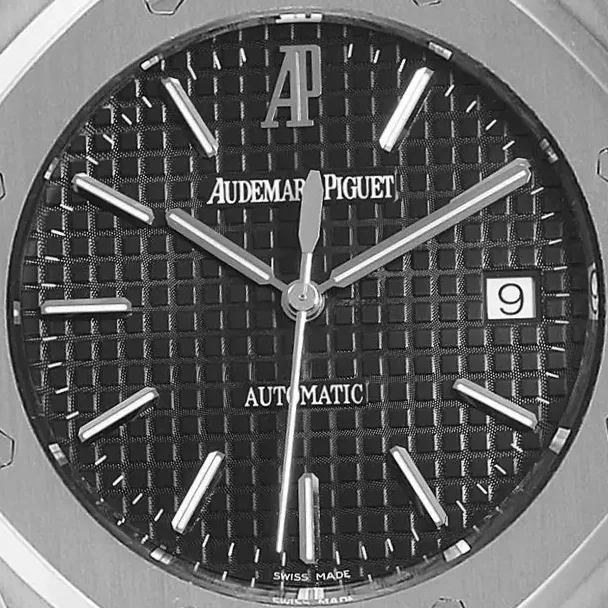
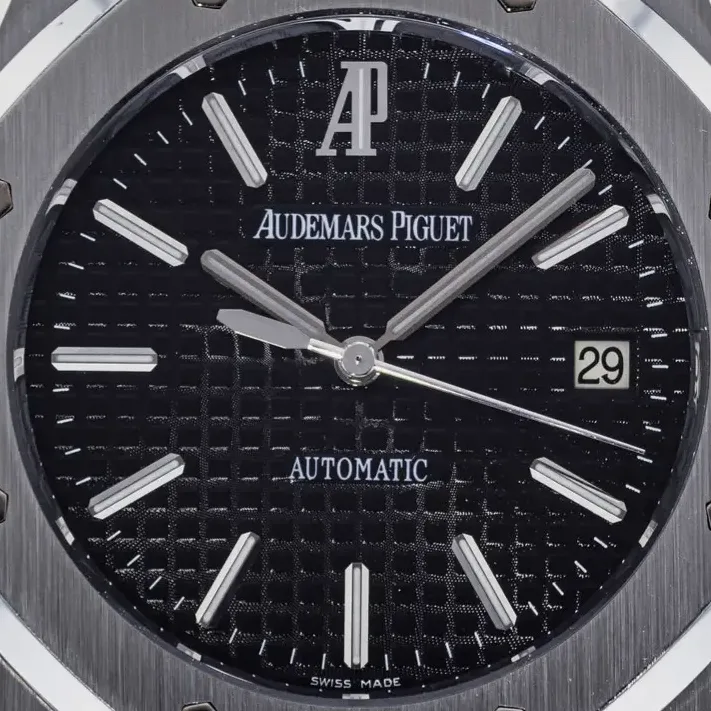
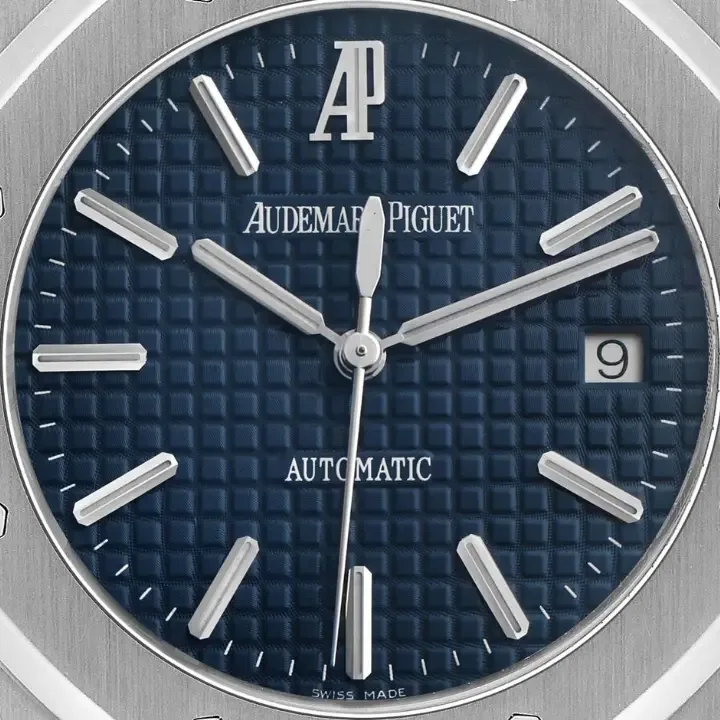
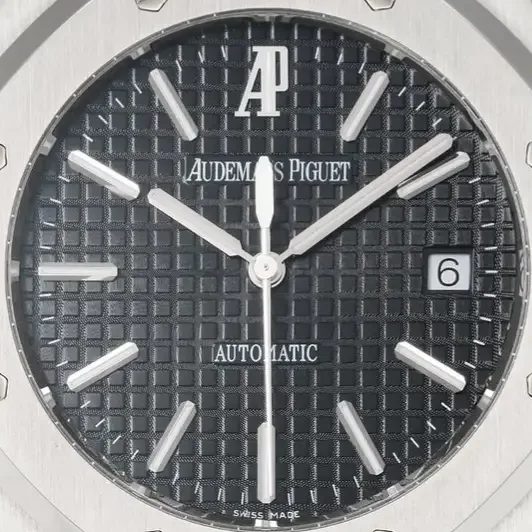
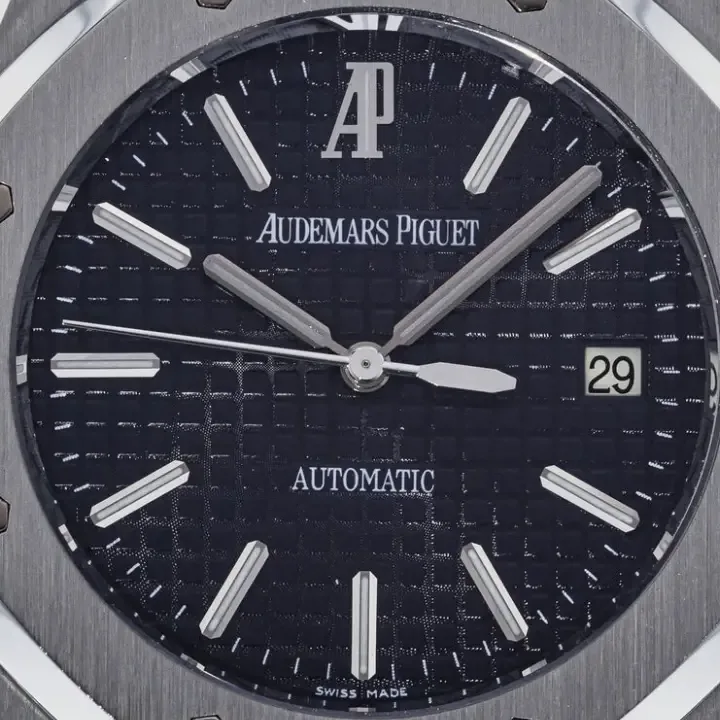
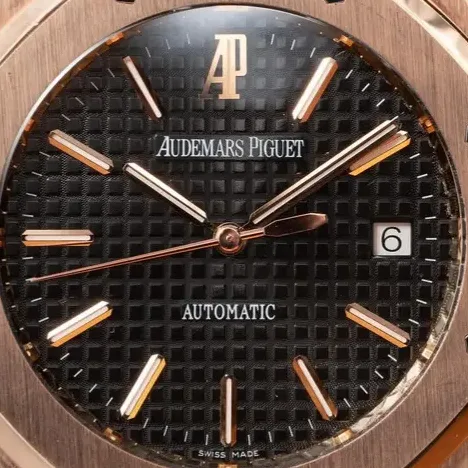
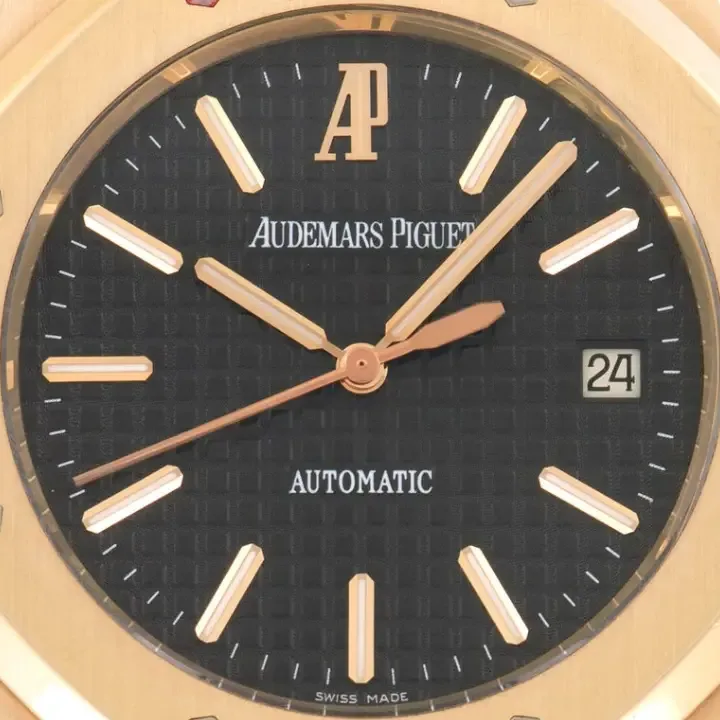
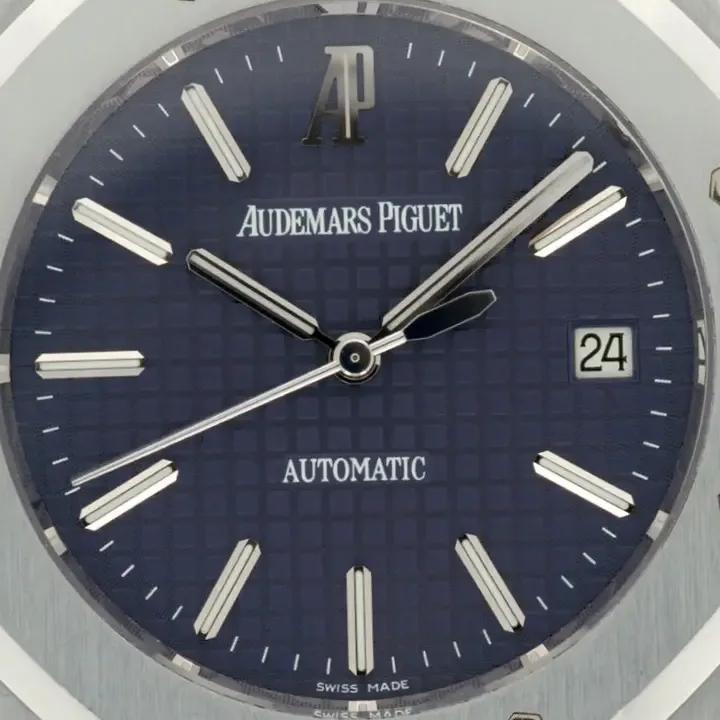
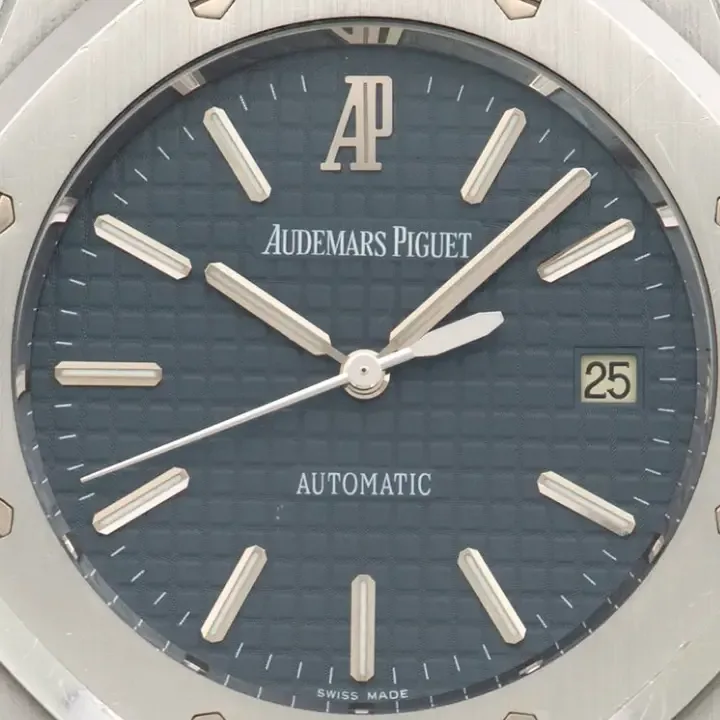
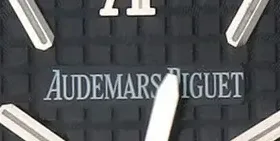
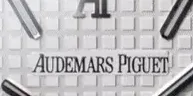
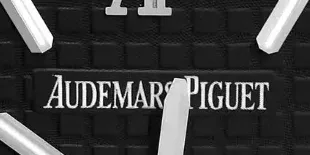
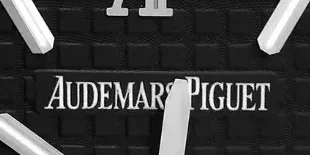
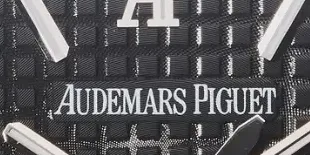
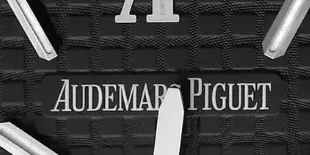
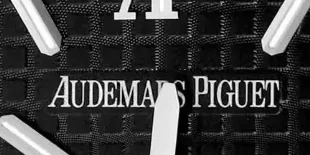
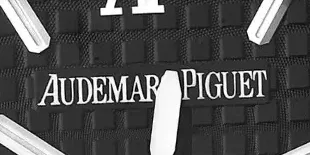
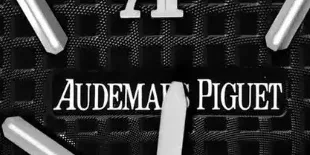
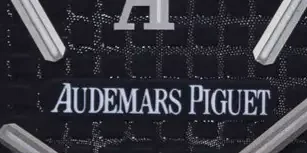
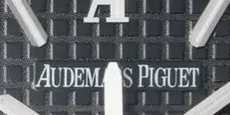
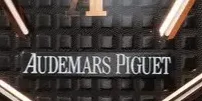
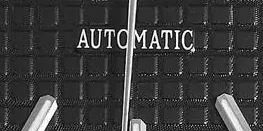
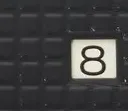
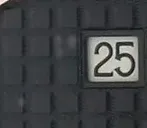
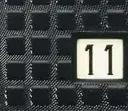
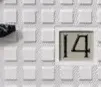
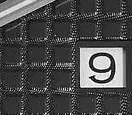
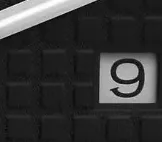
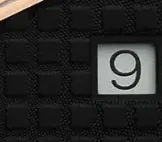
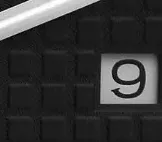
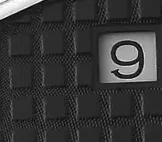
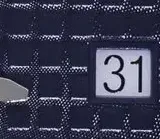
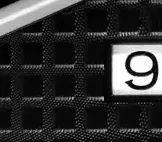
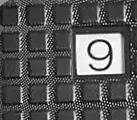
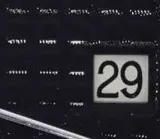
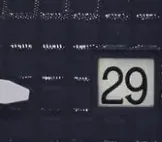
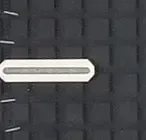
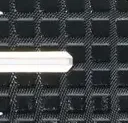
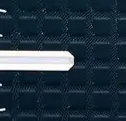
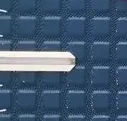
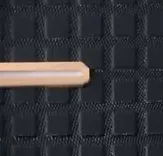
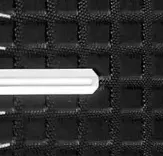
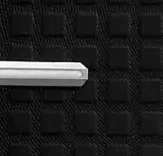
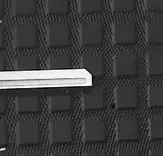
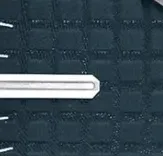
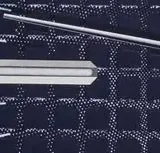
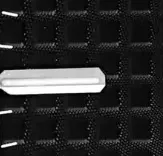
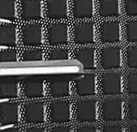
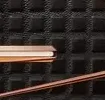
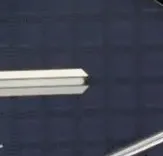
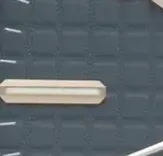
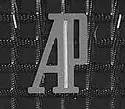
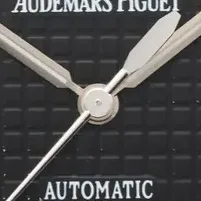
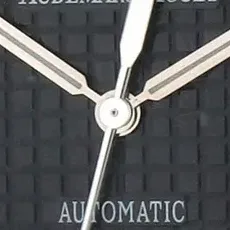
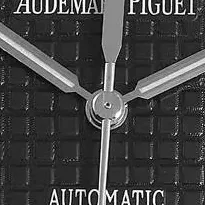
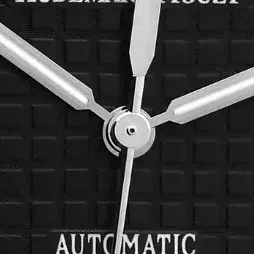
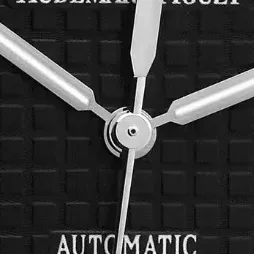
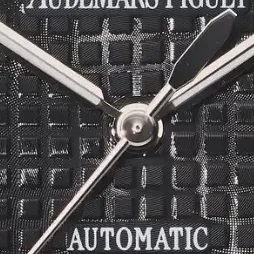
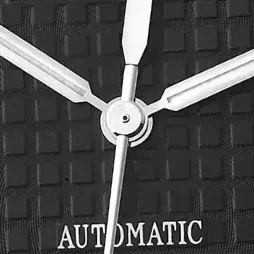
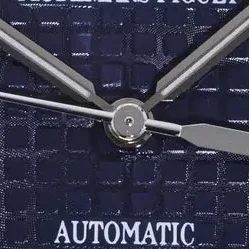
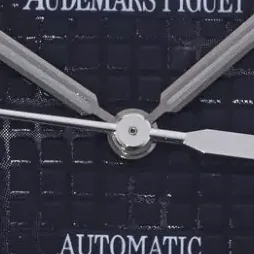
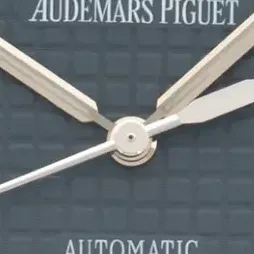
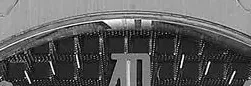
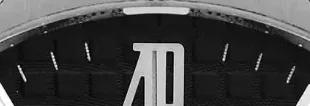
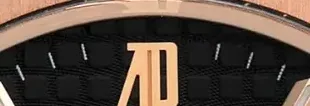
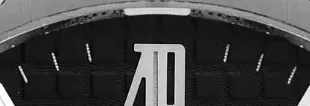
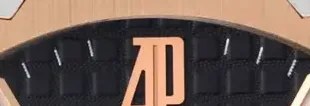
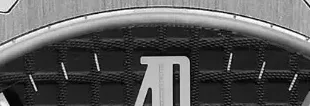
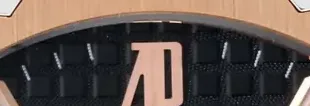
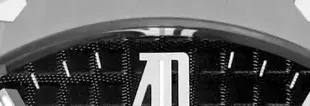
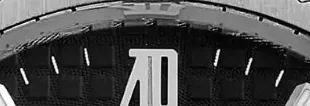
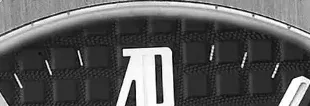
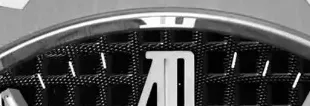
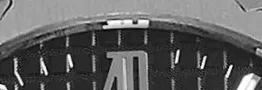
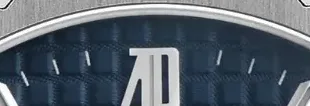
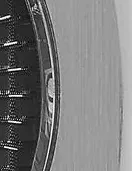
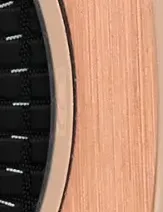
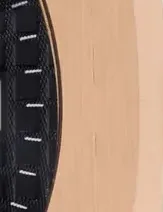
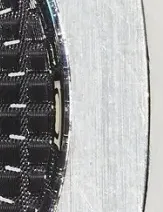
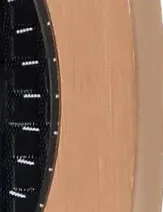
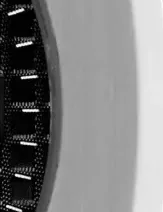
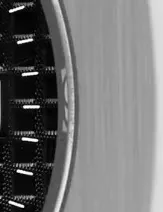
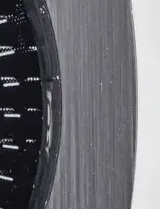
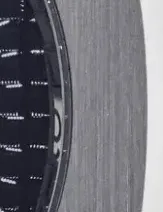
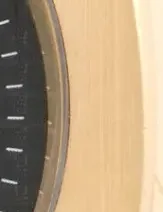
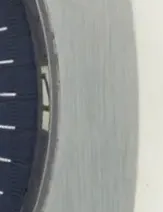
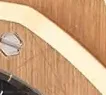
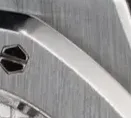
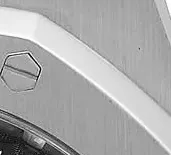
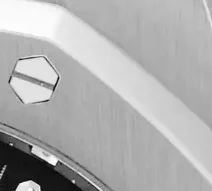
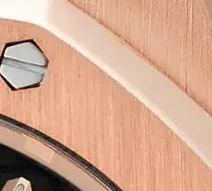
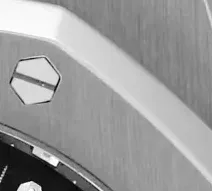
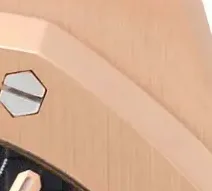
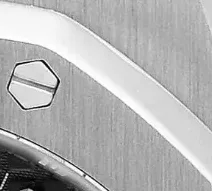
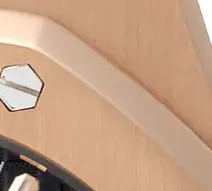
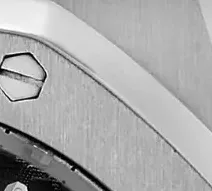
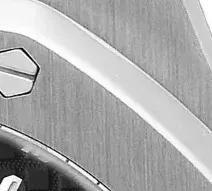
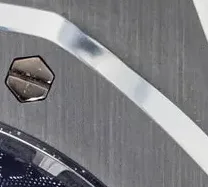
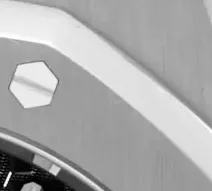
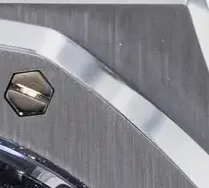
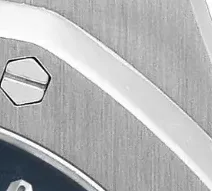
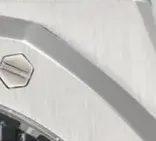
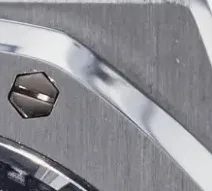
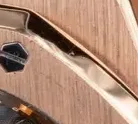
36 watches, oldest first, each straightened and cut the same way so that one row shows one component across them all. Chosen from 430 photographs on file for sharpness and for a face typical of the reference. A year marked c. is one its holder gives only roughly. Each picture is a detail cut from a listing photograph. Select the small mark in its corner for its year, its holder, a link to the listing it came from, and a way to report it.












































































































































































































Chronology
The launch in 2005 and the end in 2012 are stated consistently; a few listings state 2013, a year after the end, which probably describes a sale or service.
Every dated variant: what is written, and what the records show
For the reference the marks are every dated watch; for a variant, the watches a seller names as that variant, so a variant sellers do not name has none.
Specification
| Case | 39 mm octagonal Royal Oak in steel or 18 ct rose gold; 9.4 mm thick in most accounts, 9 mm in one |
| Crystal and back | Sapphire crystal and sapphire caseback |
| Crown | Screw-down |
| Water resistance | 50 metres |
| Bezel | Octagonal with eight exposed screws, set a little higher than on the 15202 |
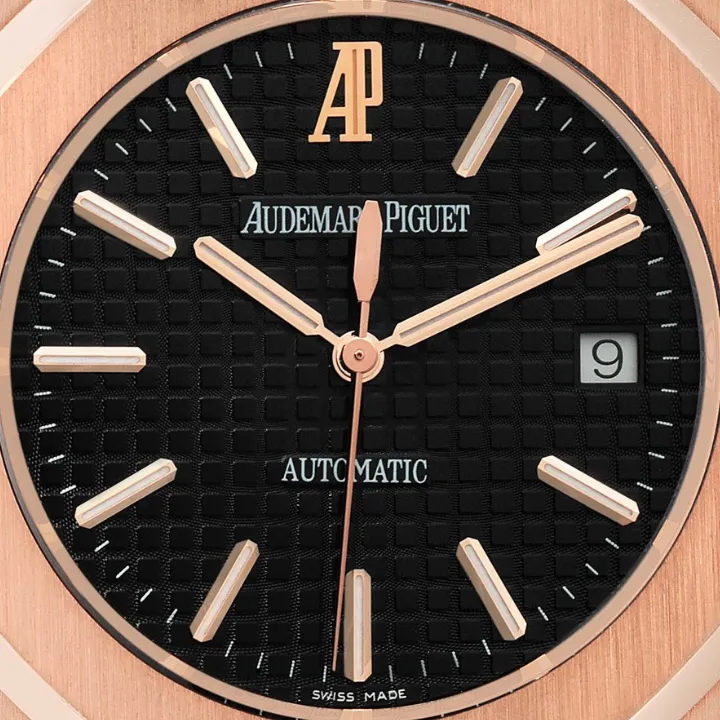
| Dial | Grande tapisserie (clous de Paris), baton indexes, AP logo at 12 o'clock, date at 3 |
| Movement | In-house automatic calibre 3120: 280 parts, 40 jewels, 60 hours of power reserve, 22 ct gold rotor on ceramic ball bearings |
| Bracelet | Metal bracelet on the 1220 link with a folding clasp, or leather strap with a folding clasp |
Reference 4 described
Steel and rose gold are the main versions, and each metal has dial and strap sub-references. A yellow gold sub-reference and a two-tone one are also listed.
15300ST (steel)
The steel watch has three sub-references by dial: .01 silver, .02 blue and .03 black. It is usually on a metal bracelet.
- steel case
- 1220ST bracelet
15300OR (rose gold)
The rose gold watch is 18 ct, and the listed sub-references are on leather straps with folding clasps. Sub-references .01 and .02 are listed with black and silver dials on a strap; the two sources give different dial colours for the .02 reference, one black and one silver.
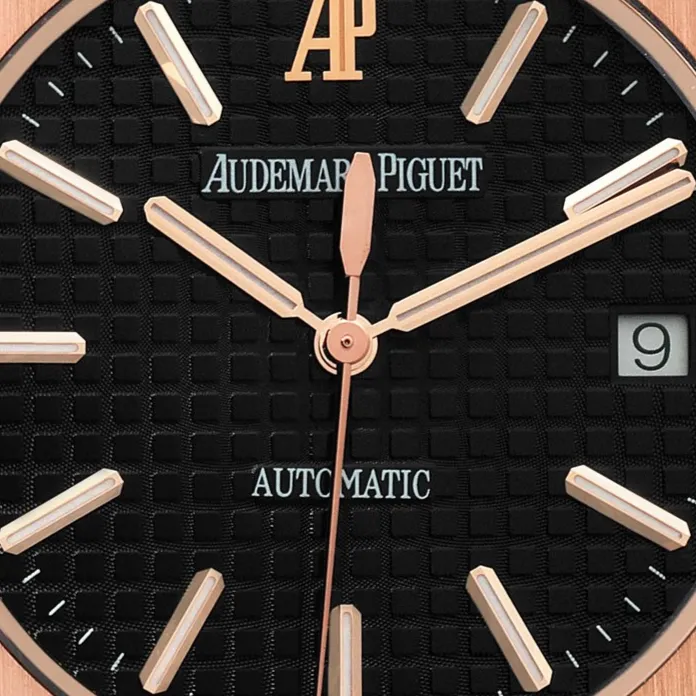

- leather strap
26 listings on record under the name.
15300BA (yellow gold)
A yellow gold watch with a silver dial on a strap is listed under this code.
- yellow gold case
- silver dial
15300SR (steel and rose gold)
A limited edition in two-tone steel and rose gold is recorded, and a watch of this sub-reference is listed with the name Elteger. It is not settled: the 15300 has also been described as never made in two-tone.
- steel and rose gold
Dial 5 described
All dials are grande tapisserie, with the logo at the top, and are silver, blue or black. Compared with the 15202 before it, the dial has a larger logo and a different arrangement of text; against the 15400 after it, the 12 o'clock position is changed.
Silver or white dial (.01)
The silver dial of the steel watch is sold by sellers as silver or white. It has the logo at 12 and baton indexes.
- silver dial
- grande tapisserie
Blue dial (.02)
The blue is greyish and quite matt, and in many lights it looks black or dark grey, becoming closer to a true blue only in direct sunlight.
- matt blue-grey dial
Black dial (.03)
The black dial is the third steel version, and the rose gold watch is also described with a black dial.
- black dial
AP logo at 12 and Swiss Made at 6
The Audemars Piguet logo is placed at the top centre, replacing the double index at 12, and it is larger than on the 15202. 'Swiss Made' sits under the 6 o'clock index. On the 15400 the logo is smaller, a double index returns above it, and the words are split on either side of the 6 o'clock index.
- large AP logo at 12
- Swiss Made below the 6 o'clock index
White date wheel
The date disc is white whatever the colour of the dial, which one writer counts as the main flaw of the design; later models have date wheels matched to the dial.
- white date disc on blue and black dials
Hands 2 described
The 15300 has centre seconds, which the 15202 lacks.
Hour and minute hands
The design is that of the 15202 apart from the outer ends, which are more angular. The indexes have the same angular tips.
- angular hand ends
- baton indexes
Seconds hand with a bulky counterweight
The centre seconds hand has a heavy counterweight; the 15400 later has a wedge-shaped hand that looks better balanced.
- heavy counterweight on the seconds hand
Case 1 described
The case is 39 mm like the 15202 but thicker and with a higher bezel.
Case with screw-down crown
Thickness is given as 9.4 mm in most accounts and 9 mm in one. The crown is screwed down, unlike that of the 15202, and the back is sapphire. Water resistance is 50 metres.
- screw-down crown
- sapphire caseback
- eight bezel screws
Movement 1 described
One movement is used throughout.
Calibre 3120
Usually described as the first movement in a Royal Oak designed and built wholly in-house; one account calls the 15300 the first modern full-manufacture Royal Oak. It was first seen in 2003 in a Jules Audemars. It has 280 parts, 40 jewels, a 22 ct gold rotor on ceramic bearings, a double balance bridge and up to 60 hours of power reserve. The weight segment is engraved with the maker's family crest. Its early versions had faults, which the maker corrects at service at no cost. At 26.6 mm it looks small in a case of this size when viewed through the back.
- gold rotor with engraved crest
- sapphire view of calibre 3120
Bracelet 2 described
The bracelet is the 1220 link, which was new with the 15300.
Bracelet 1220
The 1220 link is a little heavier than the 1240 link fitted to the 15202 from 2012; the 15202 made alongside the 15300 had a different link and clasp. Links are removed with screws. The clasp changed twice, reported as 2007 and 2010, and has not changed since.
- screwed links
- folding clasp
Leather strap
The watch was also supplied on leather with a folding clasp, in rose gold in particular.
- leather strap
- folding clasp
Originality
- The clasp has been revised twice, so an early bracelet with a clasp of the first type can be correct but a mismatch with the case period is worth checking.
Where accounts differ
Points on which the published literature and the library's own records do not agree, or on which the literature contradicts itself.
- Beat rate of calibre 3120. One retailer article gives 26,000 beats per hour for calibre 3120, while a wiki and a magazine comparison both give 21,600, as do several accounts of the later 15400. The 21,600 figure is the one used here.
- Case thickness and rose gold dial. One wiki lists a case height of 9 mm, while the other sources give 9.4 mm. It also lists the 15300OR .02 as black, while a movement database lists it as silver.
- End of production. The literature places the end of the 15300 at 2012, while a few listings in the library's records state 2013.
- Two-tone version. A retailer article mentions a limited edition of the 15300 in two-tone steel and rose gold, and a reference database lists a 15300SR named Elteger; a magazine article on the 2015 two-tone 15400 says the 15300 was never made in two-tone.
Catalogue versions 3 listed
The full numbers under which holders list this reference, with what their listings say of each. Each has a page of its own.
| Version | Metal | Dial | Years seen | Records |
|---|---|---|---|---|
| 15300ST | Steel | Black or white | 2005–2012 | 94 |
| 15300OR | Pink gold | Black or white | 2006–2013 | 30 |
| 15300BA | White | 4 |
In the records
Counted from 149 listings at 33 holders between 16 December 2015 and 14 November 2026. These are what sellers and auction houses state, not measurements.
Fainter bars are the 2 outside the main run of 2005–2013 (the middle nine-tenths): the earliest is 2003 and the latest 2016. They are early and late examples, and now and then a seller's slip. The head of the page gives 2005–2013: the years that listings from two holders bear out. Not on the scale: 2023 (1). A year more than ten from all the rest is usually a model name or a founding date, not the year of the watch.
At the holders that record papers on every watch, 47% of their 47 listings of this reference come with papers; at those that record the box on every watch, 64% of 45 come with a box. "Papers" is whatever the holder counts as papers, and can include service papers.
Case metal
| Steel | 78 | |
| Pink gold | 24 |
Dial colour
| Black | 40 | |
| White | 31 | |
| Blue | 20 | |
| Silver | 12 |
Case size
| 39 mm | 91 | |
| 41 mm | 2 | |
| 40 mm | 1 |
Calibre named
| 3120 | 33 | |
| 2121 | 3 |
Bracelet or strap
| Metal bracelet, kind not stated | 68 | |
| Leather strap | 14 | |
| Rubber strap | 4 | |
| Strap, kind not stated | 2 |
Each table counts the listings that state the thing, in the seller's own terms. A size, metal, colour or calibre that cannot belong to this reference is a seller's slip or a listing filed under the wrong number.