Tank Must
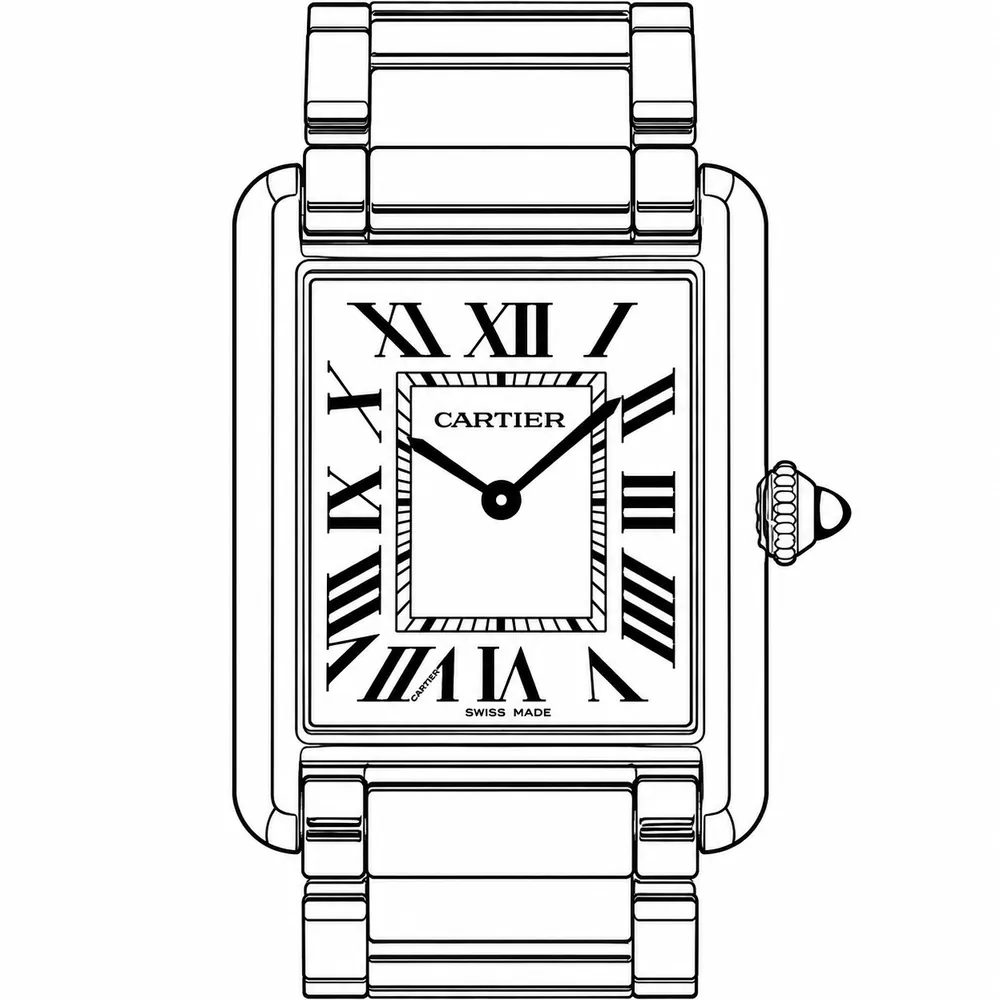
The Tank Must is two watches that share a name and must be kept apart. The first is the Must de Cartier Tank, put on sale in 1976 or 1977 in the Tank Louis Cartier shape, with a case of gold-plated sterling silver (vermeil), hand-wound and then quartz movements, and a very wide run of dials, many of them in lacquered colour. It was made until the early 2000s. The second is the Tank Must of 2021, in stainless steel, with quartz, SolarBeat solar quartz and, in the extra-large size, automatic movements. Collectors of the first look at the dial, the state of the plating and the crown stone; for the second the case size and the catalogue code decide what it is.
Cartier's entries are arranged by model, not by reference number, because its reference numbers are several systems at once and many of its watches carry none. The houses are set out in Paris, London and New York.
- Made
- from c. 1976The vintage watches date from 1976 or 1977 until the early 2000s (one account says about 2004), and the name was taken up again in 2021; published accounts differ by a year on the start and by a few years on the end.
- On record
- 1,801 listings1,013 of them give no reference
- Reference numbers
- 18 described134 seen in listings
- House named in the title
- Paris 45most older watches are not labelled
What to look for
Details cut from photographs of watches of this line on record. Each was chosen by eye from a listing on the line and then checked again against the words beneath it. More sit beside the productions and parts they belong to, below. Select the small mark in a picture's corner for its holder and a link to its listing.

Components
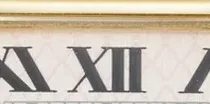
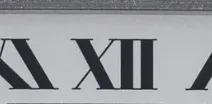
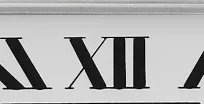
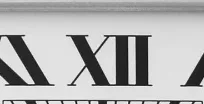
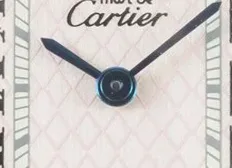
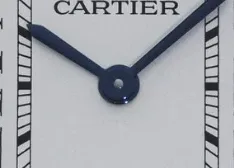
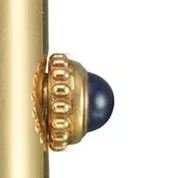
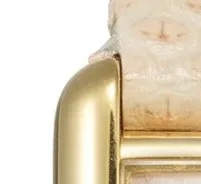
4 watches of this line, oldest first. Each photograph is turned upright and scaled so the dial is the same height, and every crop is cut from the same place on the dial, so one row shows one part across them all. A watch is shown only if its seller's title names the line and the picture has been checked by eye, twice, to show it. Years are as sellers give them. Each picture is a detail; select the small mark in its corner for its holder and a link to its listing; the whole watch is shown only for holders whose pictures may be shown whole.






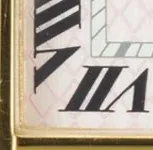
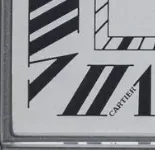
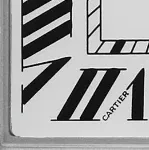
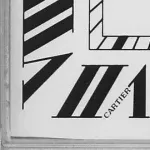





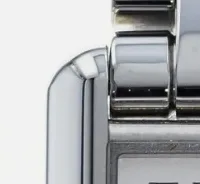
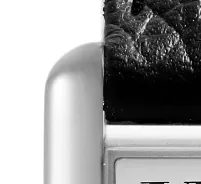
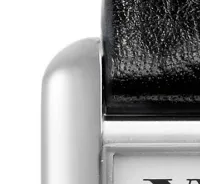


By house and period 4 described
Must de Cartier Tank, 1976 to the early 2000s
The watch came out of Les Must de Cartier, the cheaper range planned after Robert Hocq's group bought Cartier Paris in 1972. It was cased in vermeil, 925 sterling silver electroplated with gold, in place of solid gold (the plating is given as 20 microns on one account and as at least 2.5 microns on another), and followed the shape and size of the Tank Louis Cartier of the day. The first watches were hand-wound with an ETA-based calibre; quartz calibres took over, though a hand-wound large-model watch is documented as late as 1992. More than a dozen dials were offered at the start and many more were added: Roman numerals, plain lacquer, Trinity stripes, faux stone, cloisonne. Two sizes are described, a large model of about 23 x 30 mm and a small one sold to women; a larger 25 x 34 mm size and a 28 x 38 mm size are also given. The launch is dated 1976 by some and 1977 by others, and the range was withdrawn in the early 2000s.
Signature and marks. Dial printed with the Must de Cartier name, often beside a double C; Roman-numeral dials also carry a Cartier signature under twelve and a secret signature hidden in the VII or the X. One bordeaux dial without numerals has a Paris index at six. The case back carries a 925 silver hallmark, the reference and, typically, a serial number, with the silver content and gold plating spelled out.

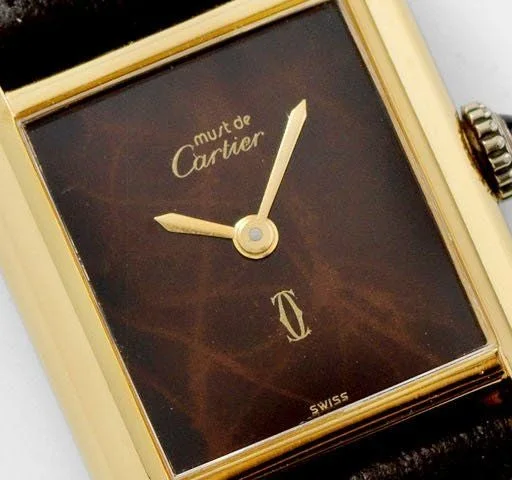

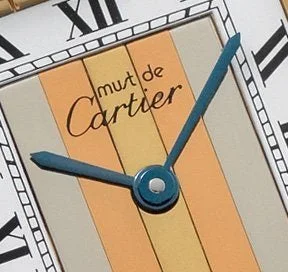

- vermeil case with gold worn from the corners and lugs
- four screws on the back of quartz watches, on one account
References: 1613, 1615, 590005, 5057001, 681006, 681008, 99009, 2413, 2414, 2415
Limited and special runs in the Must years
Several small or numbered productions are described inside the Must years. Dials for the Japanese market, in sector and Art Deco designs, are said to have been made in runs as small as 500, with Christmas editions for Japan alone. A 500-piece edition with Arabic numerals at 12 and 6 is reported. The Art Deco Must Tank, reference 1616, was a worldwide edition of 1,000 pieces in 1995; sellers describe it as sterling silver and quartz.
Signature and marks. The literature gives no signature for these runs.
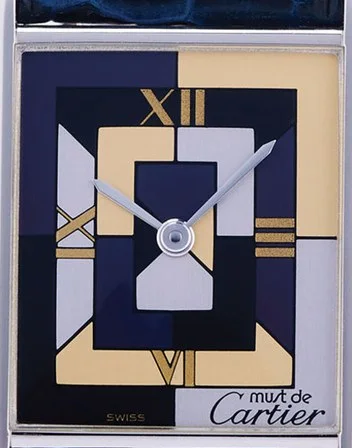

- Arabic numerals at 12 and 6
References: 1616
Tank Must, steel, from 2021
The 2021 Tank Must keeps the name and some of the look but is a different watch: a steel case with brancards rounded off, 6.6 mm thick, in Small (29.5 x 22 mm), Large (33.7 x 25 or 25.5 mm) and Extra-Large (41 x 31 mm). Small and Large are quartz; the Extra-Large is automatic with the manufacture calibre 1847 MC and a date window at six. The first release had lacquered red, blue and green dials with no numerals and no Must wording, and a white Roman-numeral dial; the coloured lacquers were later cut back, one account says to black. Versions with diamonds set in the steel case were offered in Small and Large: the specification list gives 40 in the Small and 42 in the Large, a caption on the same page 40 in both, and the same list gives the diamond-set Large the automatic 1847 MC. The three plain steel sizes can take a steel bracelet in place of the leather strap.
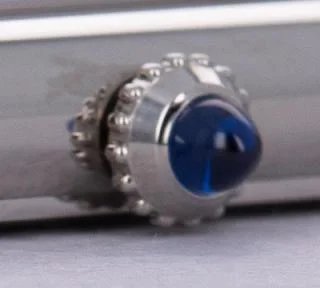
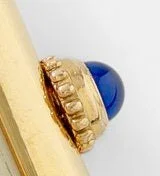
Signature and marks. The red, blue and green dials of 2021 carry no Must wording. The crown is set with a blue synthetic spinel cabochon.
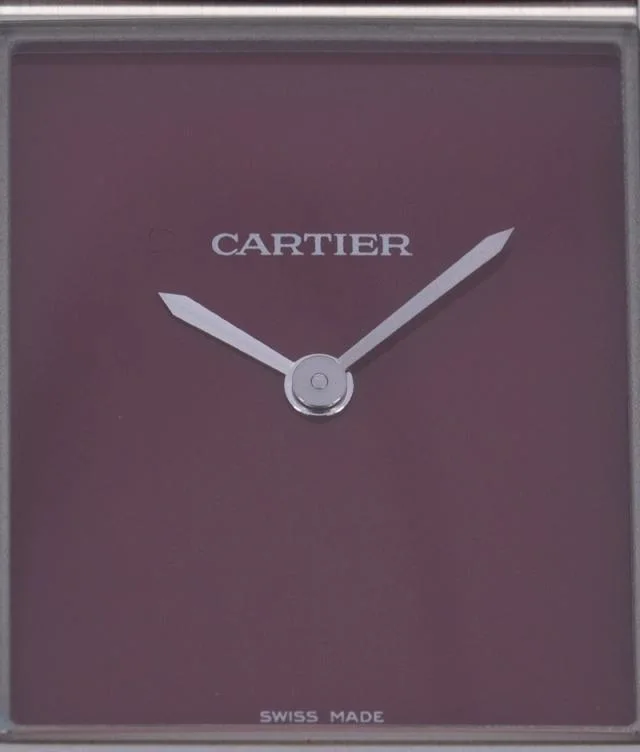

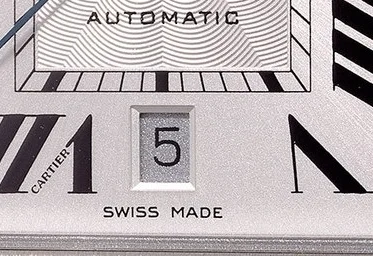

- steel case, 6.6 mm thick
References: WSTA0040, WSTA0053, WSTA0051, W4TA0016, 4322, 4323
Tank Must SolarBeat, from 2021
The SolarBeat Tank Must was launched with the steel range in 2021, in Large and Small. Its quartz movement is driven by photovoltaic cells under the dial, and light reaches them through perforations in the Roman numerals. It has no battery and is said to need service about every 16 years. The movement is said to have been developed in-house and to have taken two years to fit into the Tank. The straps launched with it are of non-animal material, described as made from recycled apple peels.
Signature and marks. Roman numerals perforated for light; the movement is not named in the literature.
- Roman numerals with fine perforations
- non-animal strap
References: WSTA0060, CRWSTA0121
Chronology
Specification
| Case, Must de Cartier years | Rectangular case in the Tank Louis Cartier form, 925 sterling silver plated with gold (vermeil), the plating given as 20 microns on one account; about 23 x 30 mm in the larger of the two original sizes, with a small size for women |
| Case, from 2021 | Stainless steel, rounded brancards, 6.6 mm thick; Small 29.5 x 22 mm, Large 33.7 x 25 or 25.5 mm, Extra-Large 41 x 31 mm |
| Crown | Blue cabochon: spinel or synthetic sapphire on the vintage watches, synthetic spinel from 2021 |
| Dial | Many types over the Must years: Roman numerals with a railway-track minute ring, plain lacquer, then Trinity three-tone from about 1980, faux stone and cloisonne from about 1985; plain or Roman-numeral dials again from 2021 |
| Movement, Must de Cartier years | Hand-wound ETA-based calibre early on; quartz calibres 81, 90, 057, 687 and 690 later |
| Movement, from 2021 | Quartz in Small and Large; SolarBeat solar quartz; automatic manufacture calibre 1847 MC in the Extra-Large with a date at six |
| Strap | Leather with a gilt pin buckle on the vintage watches; leather or steel bracelet, interchangeable, from 2021 |
| Water resistance | 30 m on the 2021 steel Small and Large; 30 m is also given for reference 1613 as first made |
Dial 14 described
The vintage dials are the main interest. The first watches had plain lacquer with no numerals; Roman-numeral dials, three-tone Trinity dials, faux-stone and tortoiseshell dials and cloisonne followed over the years, and a few limited layouts. Rarity is stated by dealers' consensus, not by counts. Dark lacquer is prone to fine cracking, called spidering. From 2021 the dials are plain colours or white with Roman numerals.
Plain lacquer, no numerals
The first Must Tanks had dials in plain red, blue or black with no numerals, only the Must de Cartier name, the double C and two gold vermeil hands. The plain red and plain blue are the ones collectors still look for most. A bordeaux dial of this kind, with no numbered indices and a gilt Must de Cartier logo, is also described with a Paris index at six.
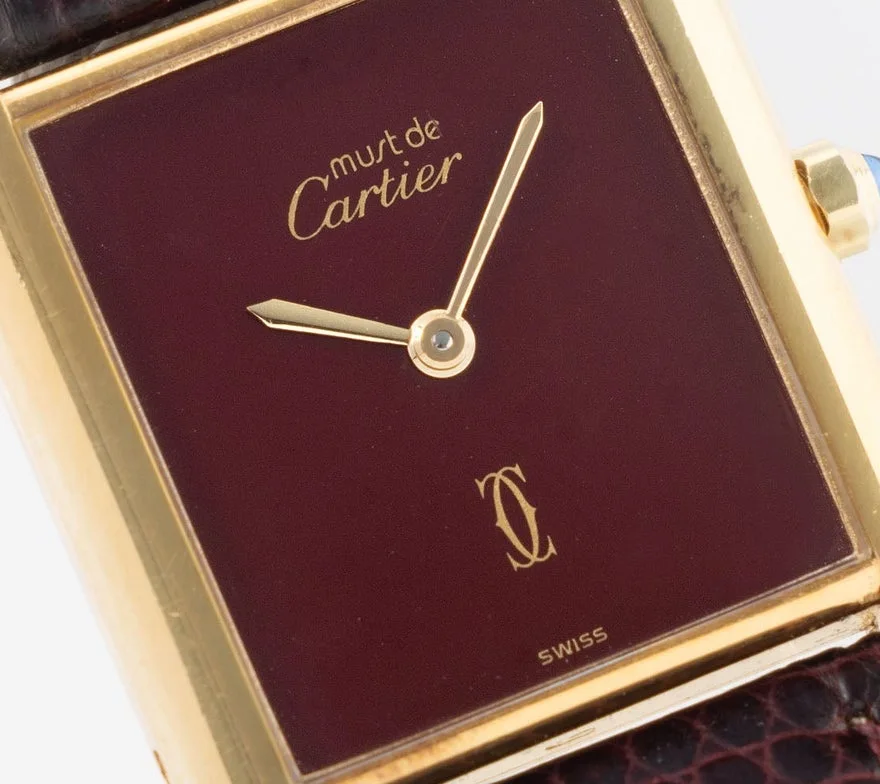

- red, blue or black lacquer
Black Roman numeral
A black ground with white Roman numerals, tied mostly to the early hand-wound years and called rare; black lacquer cracks more easily.
- white numerals on black
Lacquered colours
Burgundy, navy, forest green, black and lemon yellow are named. Blue is found throughout the run, green is described as rarer, and black was made with gold or white numerals.
- even lacquer, free of fine cracking
Ivory or white Roman numerals
White or ivory dial, black Roman numerals, railway-track minute ring and the Cartier signature below twelve; the most plentiful type.
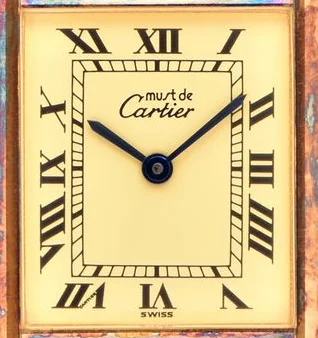

- blued sword hands
Trinity
Stripes in three gold tones across the dial, drawn from the Trinity ring, first appearing around 1980. A wide vertical stripe with no numerals goes with the hand-wound watches of the early 1980s; later layouts have Roman numerals around a central stripe, as on references 590005 and 5057001, or the stripes set to one side with numerals only at 12 and 6. Another account calls the stripe set in columns the Column or Side Trinity.
- three gold tones in parallel stripes
- tones clearly different and evenly finished
Tricolour sector
A dial of concentric rectangles in three tones, documented on a watch bought new in 1981.
- concentric rectangles
Sunray
Fine lines radiating from the centre, from about 1980.
- radial lines
Cloisonne
Thin wire laid on the dial to make cells as hour markers, first around 1985; a gold and cream example is among the seller titles.
- raised wire cells
Column
Roman numerals set in two vertical columns, described as entering production in the late 1980s; cream examples are listed by sellers.
- numerals in two columns
Tortoiseshell and wood
Layered amber, brown and black lacquer imitating shell, or imitation timber grain, made in the 1970s and 1980s; a turtle-shell brown wood dial is also described.
- shell or grain pattern
Faux stone
Dials imitating lapis lazuli or onyx; a tiger-eye style dial is among the seller titles.
- mottled blue with gold flecks, or glossy black
Arabic and Breguet numerals
Small runs with Arabic numerals, one of about 500 pieces with Arabic at 12 and 6; Breguet numerals are rarer still.
- Arabic or Breguet figures
Secret signature
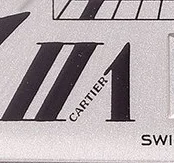
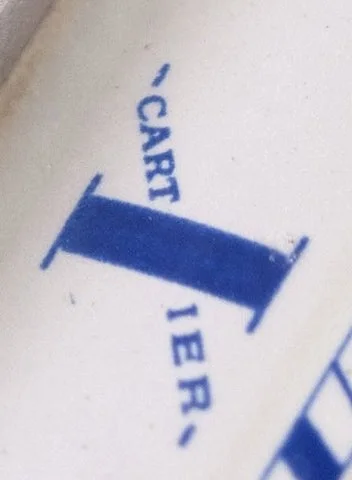
A small CARTIER hidden in a numeral, the VII or the X, on the Roman-numeral dials.


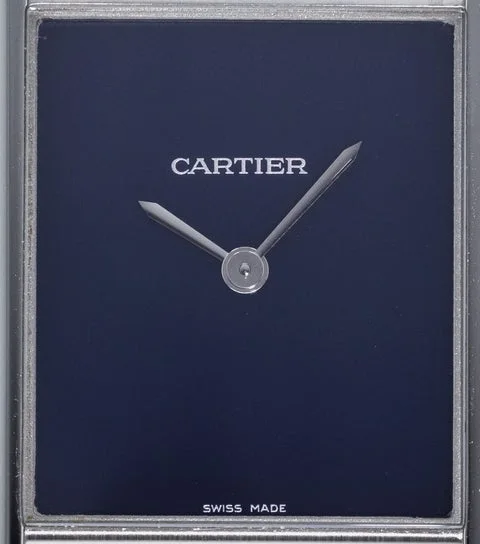
2021 single-colour and Roman dials
Lacquered red, blue and green with no numerals and no Must wording, plus a white dial with Roman numerals; later the coloured options narrow, one account says to black.

Hands 2 described
Blued steel sword hands go with the Roman dials, and the first no-numeral watches are said to have gold vermeil hands.
Blued steel sword hands
Standard with the Roman-numeral dials; patchy bluing suggests wear or a redo.
- even blue, no silvery patches
Gold vermeil hands
Given for the first plain-lacquer watches.
Case and sizes 6 described
The vintage case follows the Tank Louis Cartier in shape and in size. The Must years use the names Large Model and Small Model; the published accounts give the large model as about 23 x 30 mm, about 23 x 31 mm or, in the 1980s and 1990s, 25 x 34 mm, with a 28 x 38 mm size beyond. The 2021 cases are steel in three sizes.
Vermeil case, large model
925 sterling silver plated with gold, about 23 x 30 mm and 6 mm thick on one 590005; the plating is given as 20 microns on two accounts and as at least 2.5 microns on another. Wear shows first at brancard ends, corners and strap attachments.
- silver showing at corners and lugs
- 925 hallmark on the case back
Vermeil case, small model
Sold as a women's watch; one small quartz case is given as 20 x 28 mm.
Larger vermeil sizes
25 x 34 mm in the 1980s and 1990s and a 28 x 38 mm size.
Case back
On one account quartz watches have four screws on the back for battery changes and hand-wound watches have a screw at the side only; another gives a snap-on back for reference 1613, hand-wound in its first series and quartz later, and a snap-on steel back for the quartz 5057001. The back carries a 925 hallmark, the reference and, usually, a serial.
- four screws or a snap-on back
Steel Small, Large and Extra-Large
Small 29.5 x 22 mm, Large 33.7 x 25 or 25.5 mm and Extra-Large 41 x 31 mm; 6.6 mm thick, with rounded brancards.
- steel brancards rounded off
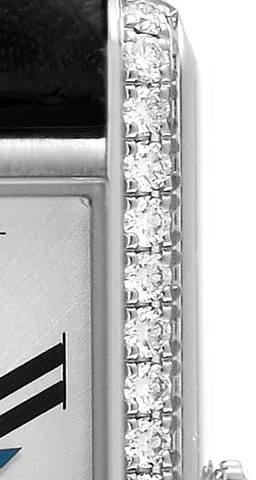
Steel with diamonds
Small with 40 diamonds and Large with 42 diamonds set in the case.

Crown 1 described
A blue cabochon is set in the crown of the vintage and the 2021 watches; the vintage crown is described as faceted.
Blue cabochon
Blue spinel or synthetic sapphire on the vintage watches; synthetic spinel from 2021. A flat, pale or chipped stone suggests a replacement.
- domed polished stone
Movement 4 described
The first watches were hand-wound with an ETA-based calibre and quartz followed, though the published accounts differ on timing and on the calibre. The 2021 watches are quartz, SolarBeat and automatic.
Hand-wound ETA-based
Given as ETA 2512-1 for 1976 to 1981, or as calibre 78-1, an ETA-based Cartier movement, on early watches and on a 1992 large-model Trinity. One account of the Tank Louis Cartier gives the 78-1 a Piguet base instead.
Quartz calibres
Calibres 81, 90, 057, 687 and 690 are named; 057 and 690 are put at about 1981 on, and cal. 690 sits in a 590005 examined.
- battery compartment corrosion on old quartz
Modern quartz and SolarBeat
High-autonomy quartz in Small and Large, with a battery life of eight years on one account; SolarBeat solar quartz needing service about every 16 years.
Calibre 1847 MC
Automatic manufacture movement of the Extra-Large, with a date at six; one published account gives the power reserve of one reference as 40 hours.
- date window at six
Bracelet and strap 2 described
Leather straps on gilt pin buckles belong to the vintage watches; 2021 watches take leather or a steel bracelet.
Leather and pin buckle
Leather strap with a gold-plated Cartier-signed pin buckle on vintage watches.
Steel bracelet or leather, 2021
Interchangeable; the coloured-dial watches came on alligator, the SolarBeat on non-animal straps and the others on black calf.
Reference numbers
A four-digit number is stamped on the case and covers a case; a code beginning W, or the newer letter codes, is a catalogue number for one version of it (metal, dial, strap). Many older watches carry neither. The last column is the listings on record under the number, as its own page counts them.
| Number | What it is | Listings |
|---|---|---|
| 1613 | Given in the literature as a vermeil Must Tank with a plain bordeaux dial, 23 x 30 mm, hand-wound at first and quartz calibre 90 in the 1990s; as sellers describe it, a lady's vermeil Must Tank about 20 mm wide with the quartz calibre 057 and cream, Roman or Trinity dials. | 28 |
| 1615 | As sellers describe it, a vermeil Must Tank about 23 mm wide, with some given as about 30 mm, Roman or Trinity dials and, on one, the quartz calibre 90. | 23 |
| 1616 | The Art Deco limited edition of 1995, 1,000 pieces; sellers describe it as sterling silver. | 9 |
| 590005 | A vermeil Must Tank, 23 x 30 mm, 6 mm thick, with quartz calibre 690; found with Trinity, cream column and champagne dials; sellers give silver. | 119 |
| 5057001 | Small vermeil Must Tank, 20 x 28 mm, quartz calibre 057, white Roman dial or Trinity dial; sellers give gold. | 45 |
| 681006 | As sellers describe it, a silver, gold-plated Must Tank with quartz, classic Roman or cloisonne dial. | 46 |
| 681008 | As sellers describe it, a gold-plated quartz Must Tank, one bought on 21 October 1986. | 2 |
| 99009 | A 1992 large-model Trinity Must Tank, vermeil, hand-wound calibre 78-1, about 31 x 23 mm. | |
| 2413 | As sellers describe it, a larger vermeil quartz Must Tank, about 25 to 26 mm wide, with a date at three and, on one, the calibre 687. | 51 |
| 2414 | As sellers describe it, a large sterling silver Must Tank with a white Roman dial. | 16 |
| 2415 | As sellers describe it, a vermeil quartz Must Tank with a white Roman dial, marked PM in the title. | 26 |
| WSTA0040 | 2021 steel Tank Must, Extra-Large, automatic, as sellers describe it. | 56 |
| WSTA0053 | 2021 steel Tank Must, Extra-Large, automatic calibre 1847 MC; one published account gives it 40 hours of reserve. | 38 |
| WSTA0051 | 2021 small steel Tank Must as sellers describe it; sellers give 4322 beside it. | 14 |
| WSTA0060 | Small SolarBeat Tank Must as sellers describe it. | 6 |
| W4TA0016 | Small steel Tank Must with a diamond bezel as sellers describe it. | 8 |
| 4322 | A steel Tank Must on a steel bracelet, quartz, of 2024; sellers give WSTA0051 beside it. Catalogue codes seen beside it in listings: WSTA0051 | 9 |
| 4323 | A steel Tank Must on a leather strap as sellers describe it; sellers give WSTA0056 and W4TA0017 beside it. Catalogue codes seen beside it in listings: WSTA0056, W4TA0017 | 21 |
Originality
- The vermeil can be re-plated; a very even case may have been, and a re-plated case is not original.
- Dial lacquer may crack; the Must de Cartier wording and the numerals should be sharply printed, regularly spaced and match other known dials of that reference.
- A flat, pale or chipped crown stone points to a replacement crown.
- Blued hands with silvery patches may have worn or been redone.
- A quartz movement should be shown in a photograph, since a leaking battery leaves corrosion.
- Reference 1613 is described on leather with a gold-plated pin buckle signed Cartier; other vintage references are listed on folding clasps, so a clasp of another kind is not on its own a sign of replacement.
Names
- Tank Must Vermeil. The gold-plated silver case gives the vintage watch its common name.
- LM and SM. Large Model and Small Model are the Cartier size names for the vintage case.
- Bordeaux. The deep red lacquer dial with no numerals.
- Lemon. The lacquer dial of yellow colour.
Where accounts differ
Points on which the published literature and the library's own records do not agree, or on which the literature contradicts itself.
- Launch year of the Must de Cartier Tank. One account puts the watch on sale in 1976 at about US$500; another says 1976-77, another gives 1977, and one reproduces a 1977 advertisement at US$350 for a lemon-dial watch. A collector's account describes a red-dial vintage watch as of 1970. Another account dates the start of the watch department's Must range to 1977 at about US$300.
- Calibre of the hand-wound watches. One account names the ETA 2512-1 and dates it 1976 to 1981; others name calibre 78-1, an ETA-based Cartier movement: one page for the first series of the late 1970s, another for a documented example of 1992.
- Start of quartz. The same account says quartz arrived in the late 1970s on one page and from about 1981 on another; a 1992 hand-wound watch is also recorded, so quartz did not replace hand-winding on a fixed date.
- Size of the Large Model. About 23 x 31 mm on one page and 23 x 30 mm on others, while another account says the large model of the 1980s and 1990s is 25 x 34 mm and has a 28 x 38 mm size above it.
- Case back construction. One account says quartz watches have four screws on the back and hand-wound watches only a side screw; another gives snap-on backs for reference 1613, hand-wound and later quartz, and for the quartz 5057001.
- Hands on the first watches. One account says the first plain-lacquer watches had two gold vermeil hands; others say Must Tanks have blued steel sword hands.
- References 1613 and 1615. One account gives reference 1613 as a 23 x 30 mm bordeaux-dial watch, hand-wound and later on calibre 90, and reference 1615 as a vermeil Must version of the Tank Obus of about 1997. In the library's records 1613 is mostly a lady's watch about 20 to 21 mm wide with the quartz calibre 057, and 1615 is a rectangular vermeil Must Tank of about 23 or 30 mm; no listing describes a vermeil Must Obus, and the Obus listings are all gold.
- Power reserve of the calibre 1847 MC. One account gives the Extra-Large WSTA0053 a power reserve of 40 hours. A Phillips catalogue of a WSTA0053 and dealers' listings in the library's records give 42 hours for the same calibre.
- Launch year of the Tank Française. Most accounts date the launch of the Tank Française to 1996, with a showing in Geneva reported for 1995; a few give 1995 as the year of release.
- Base of calibre 78-1. Two accounts of the Must Tank describe calibre 78-1 as an ETA-based movement. One account of the Tank Louis Cartier reference 78086 says the same calibre is based on the Frédéric Piguet 21 or 25.
In the records
Counted from 1,801 listings at dealers and auction houses whose title, or whose reference, places them on the line; 755 state a year. These are what sellers state, not measurements, and a count of listings is not a count of watches made.
Case metal
| Metal | Listings | Share |
|---|---|---|
| Silver | 432 | 46% |
| Steel | 318 | 34% |
| Gold, any colour | 107 | 11% |
| Yellow | 32 | 3% |
| Colour not stated | 75 | 8% |
| Gold plated | 85 | 9% |
| Steel and gold | 1 | under 1% |
As sellers state it. Shares are of the 943 listings that name a metal. A listing that says "gold" or "18K gold" names no colour: it is counted under "colour not stated", not as yellow gold. Carat, where a listing of gold gives one: 18k 7.
Case size
| Size | Listings | Share |
|---|---|---|
| 23 mm | 174 | 20% |
| 20 mm | 101 | 11% |
| 22 mm | 74 | 8% |
| 25 mm | 74 | 8% |
| 21 mm | 64 | 7% |
| 33.7 mm | 53 | 6% |
| 31 mm | 45 | 5% |
| 25.5 mm | 40 | 5% |
| Other sizes | 262 | 30% |
As sellers state it. Shares are of the 887 listings that give a size. On a watch that is not round some sellers give the width and some the length, so one watch can stand under two sizes. 4 more give a figure outside 12 to 56 mm, which is a strap, a box or a slip, and are left out.
Movement
| Kind | Listings | Share |
|---|---|---|
| Quartz | 343 | 70% |
| Hand-wound | 89 | 18% |
| Automatic | 59 | 12% |
Shares are of the 491 listings whose description says how the watch is driven.
Listings by decade the seller gives
| Decade | Listings |
|---|---|
| 1970s | 52 |
| 1980s | 193 |
| 1990s | 201 |
| 2000s | 47 |
| 2010s | 4 |
| 2020s | 247 |
11 more give a year outside the years the line was made (from 1976): a later watch sold under the name, or a slip. They are left out.