El Primero A3817 (tri-colour tonneau)
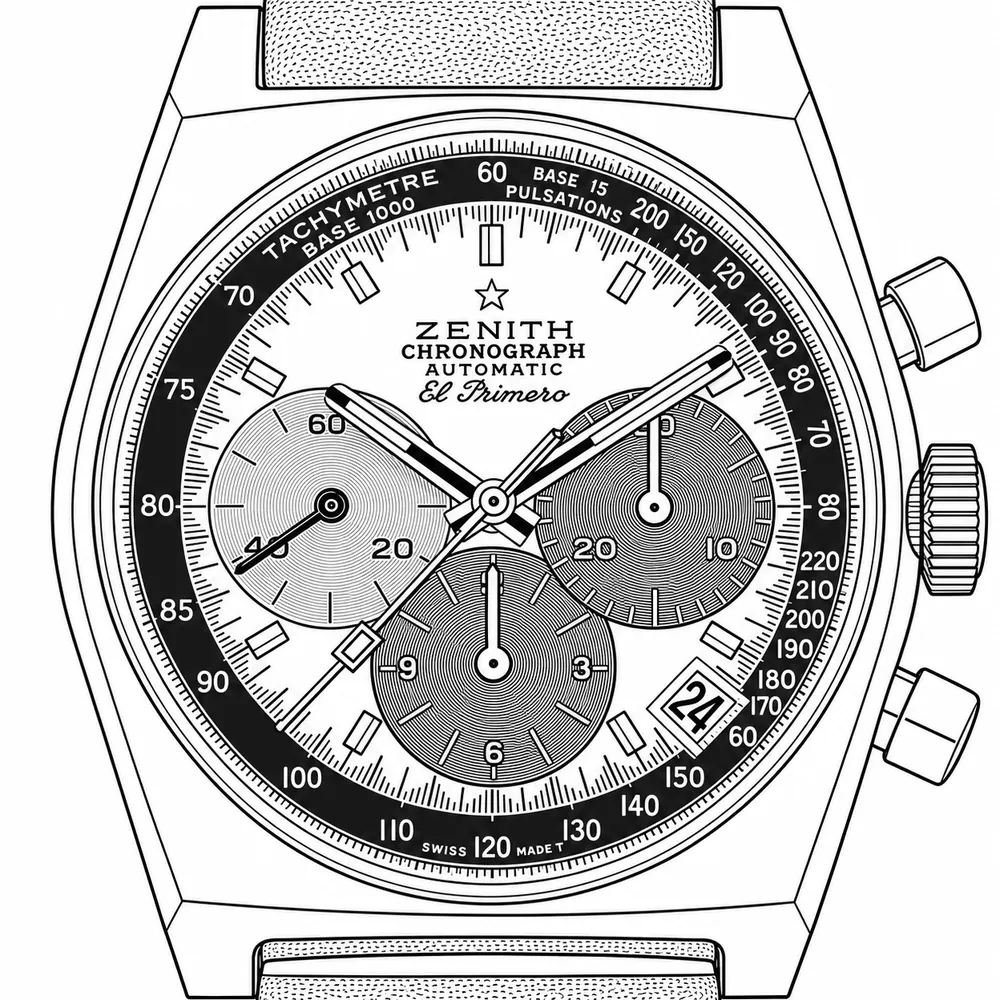
The A3817 is an early-1970s El Primero automatic chronograph that puts the white, grey and blue tri-colour dial of the round A386 into the angular steel tonneau case of the A384. It was introduced in 1971 and about a thousand were made, against some 2,500 of the A386. The dial departs from the A386 in its blue seconds register, its pyramid-shaped minute markers and a tachymeter and pulsations scale. It runs on the 3019 PHC high-beat calibre. A faithful reissue, the Chronomaster Revival A3817, followed in 2021.
- Made
- 1971dates approximate
- Seen in the library
- 1971by years sellers state
- Case
- 37 mm · steelas sellers state
- Movement
- Calibre 3019automatic
- On record
- 6 listings28 photographs · 4 holders
Components
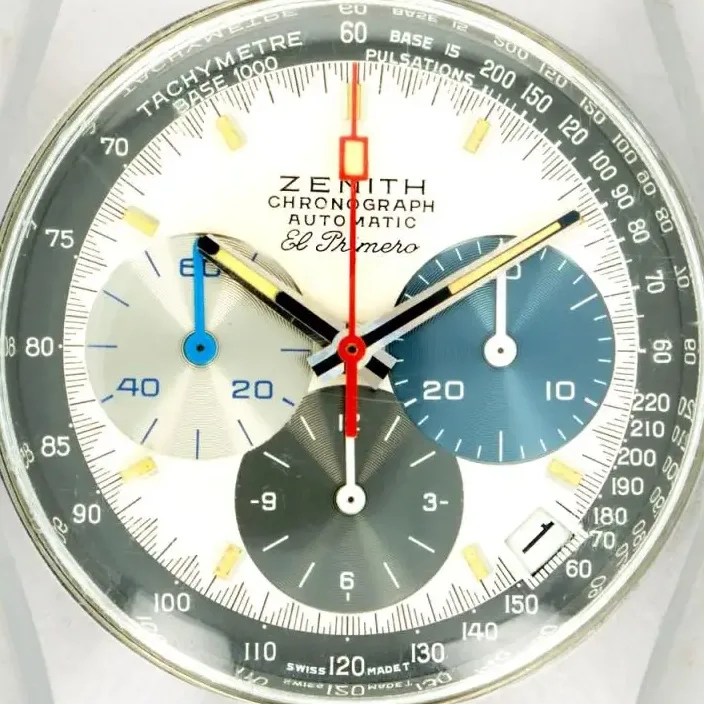
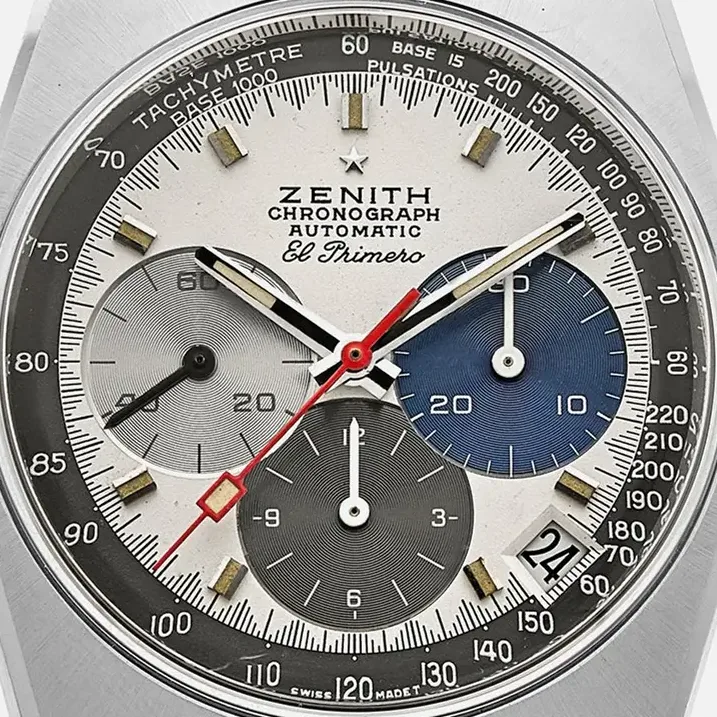
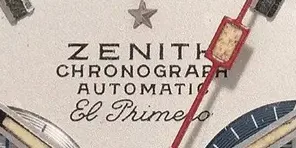
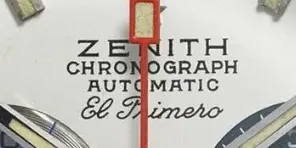
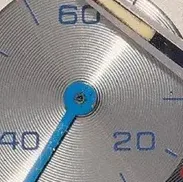
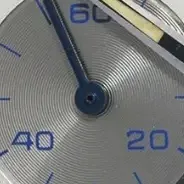
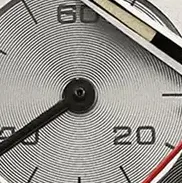
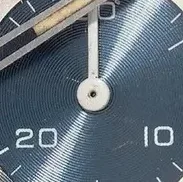
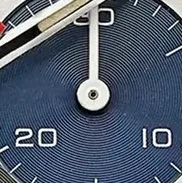
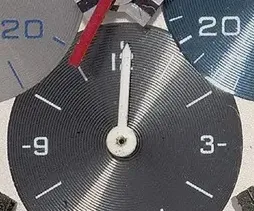
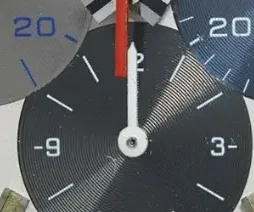
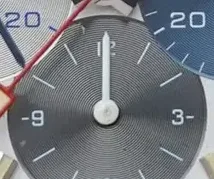
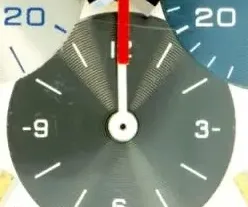
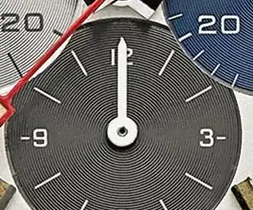
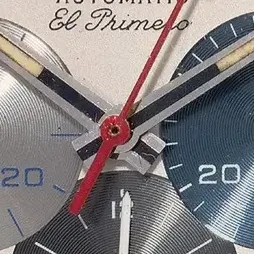
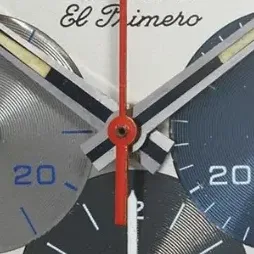
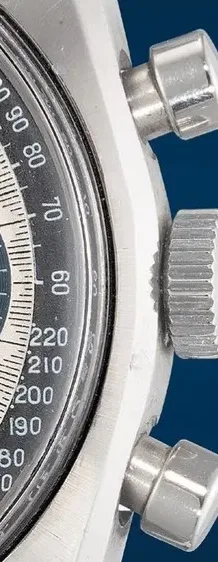
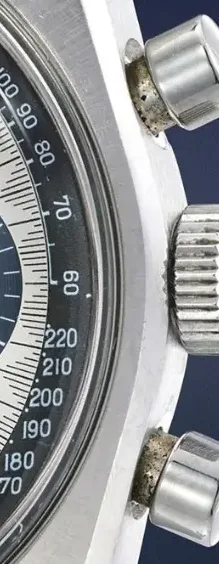
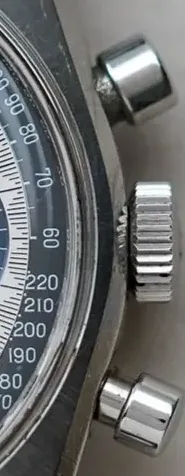
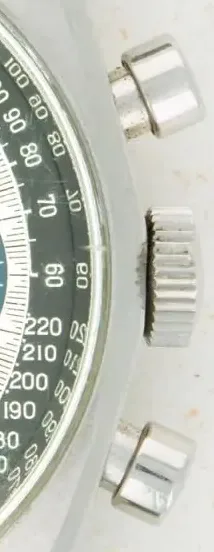
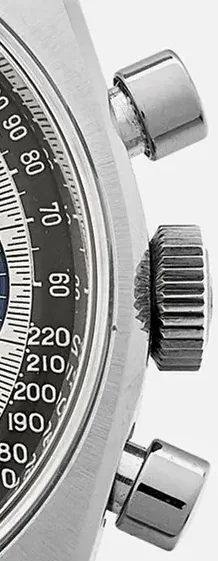
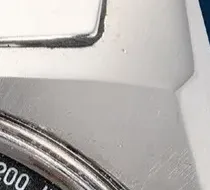
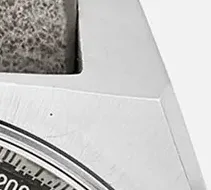
5 watches, oldest first, each straightened and cut the same way so that one row shows one component across them all. Chosen from 28 photographs on file for sharpness and for a face typical of the reference. A year marked c. is one its holder gives only roughly. Each picture is a detail cut from a listing photograph. Select the small mark in its corner for its year, its holder, a link to the listing it came from, and a way to report it.
















Chronology
The literature places the introduction in 1971 and gives a production of about a thousand pieces. One account confines the run to a short period in 1971; the others give no end date. The years sellers state in the library's records are all 1971.
Every dated variant: what is written, and what the records show
For the reference the marks are every dated watch; for a variant, the watches a seller names as that variant, so a variant sellers do not name has none.
Specification
| Case | 37 mm steel tonneau case, 47 mm lug to lug, brushed with sharp polished edges; piston pushers; inner caseback stamped SP 1301 (Spillman) |
| Crystal | Domed |
| Dial | White, with overlapping grey and blue registers; outer tachymeter and pulsations scale; date at about 4:30 |
| Movement | El Primero 3019 PHC, automatic, integrated chronograph, column wheel, 36,000 vibrations per hour |
| Bracelet | Gay Frères ladder bracelet with hollow links, ZK or ZKM end links |
| Production | About 1,000 pieces |
Reference 2 described
Two states are described: the original of 1971 and the Chronomaster Revival of 2021. The revival follows the original in size, finish and dial, and is treated here only as a short reference variant.
Original A3817
The only reference of the early El Primero period to join the A386's tri-colour dial to a tonneau case. It was made in a run of about a thousand, which Zenith is reported to have confirmed, so it is scarcer than the A386. It is sometimes treated as a transitional model between the A384 and A386 styles.
- tonneau case with visible lugs
- tri-colour dial in a tonneau case
- blue seconds hand at 9 o'clock
Chronomaster Revival A3817
A reissue keeping the original's 37 mm width and finishing, rebuilt from historical drawings, and 12.6 mm high. It differs from the original in its sapphire crystal, sapphire display back, 50 m water resistance, beige Super-LumiNova on faceted rhodium hands and markers, and El Primero 400 movement. It is not a limited edition. Strap and bracelet versions carry different reference endings.
- sapphire display back
- beige lume
- El Primero 400
Dial 4 described
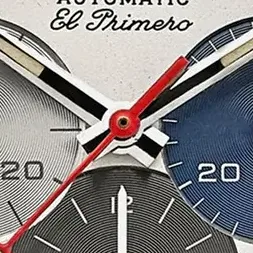
The dial is the white tri-colour layout of the A386, reworked. The changes are in the seconds register, the minute track and the printed scales, and they set it apart from both the A386 and the A384.
Tri-colour white dial
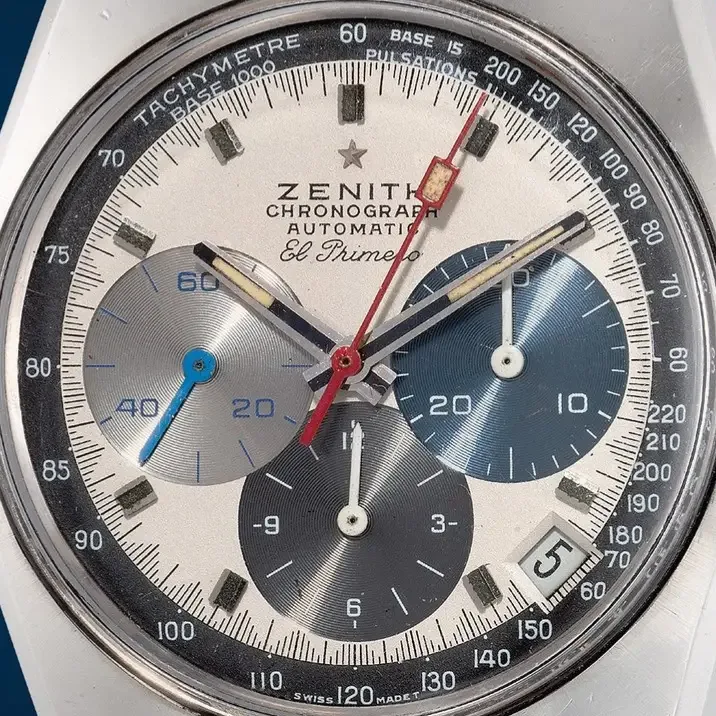
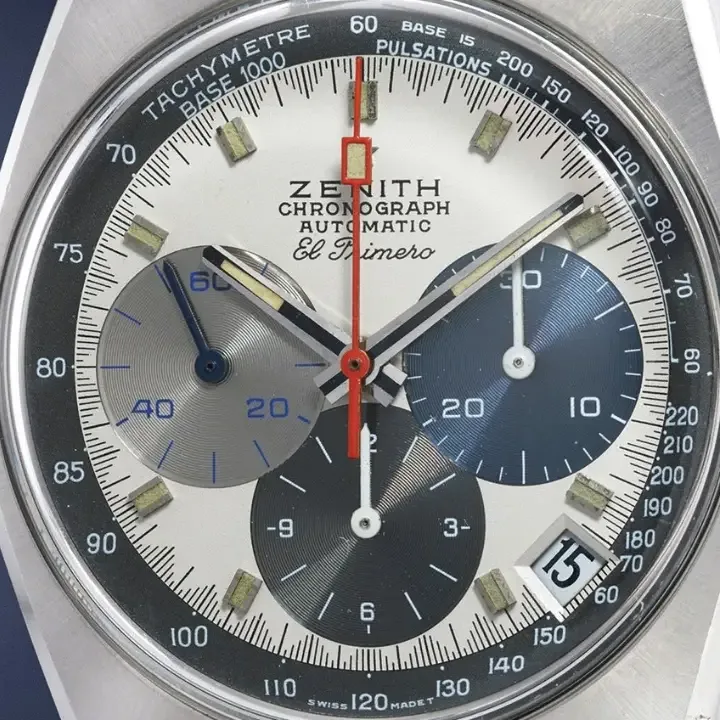
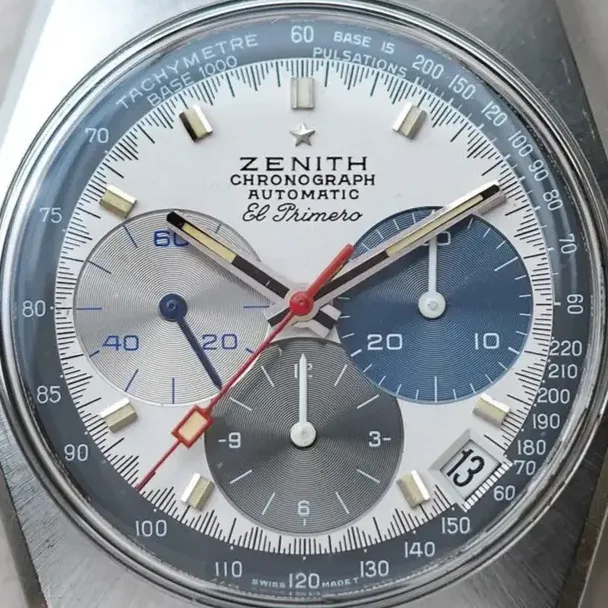
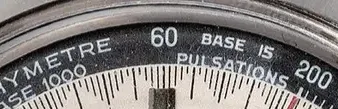
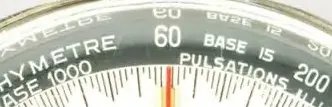
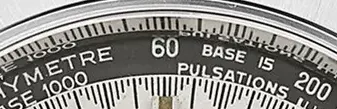
A white dial with overlapping grey and blue registers. Unlike the A386, whose registers all carry white markings and white hands, the register at 9 o'clock has blue markers and a blue seconds hand. The outer ring carries a tachymeter and a pulsations scale on a base of 15. Descriptions of the ring colour differ: it is described as grey on one example and black on others.
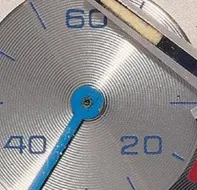
- tachymeter and base 15 pulsations scale
- word pulsations printed on the outer scale
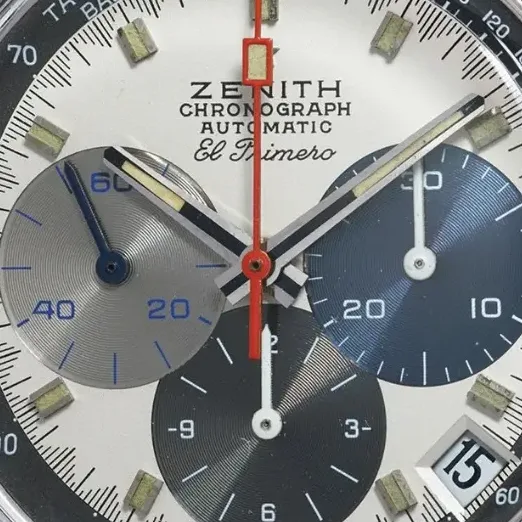

Pyramid minute markers
The seconds track is made of small pyramid-shaped markers, known as shark tooth. In the early El Primero family this treatment is thought to be limited to the A3817 and the A3818, the blue-dial Cover Girl. At each five-minute position an applied metal marker has a stripe of lume down the middle. The track is notched to make room for the date window.
- triangular teeth on the seconds track
- applied five-minute markers with a central lume stripe
- notch in the track at the date
Grey left register
The markings of the left register are usually described as a lighter blue than the blue register on the right. Some examples instead have a left register in plain grey. A few collectors call that configuration exotic, and four-colour has been put forward as a better description, but neither name is established.
- left register in plain grey, without blue markings
Revival dial
The 2021 dial is lacquered white with grey and blue registers, a single blue seconds hand and blue markers at 9 o'clock. The date sits at 4:30. The outer scale doubles as a pulsometer from 12 to 3 and is a tachymeter over the rest of the track, with the pyramid seconds track retained.
- date at 4:30
- pulsometer from 12 to 3 o'clock
Luminous material 2 described
The original used tritium; on one well-kept example described it had aged to a light cream. The revival uses a beige Super-LumiNova.
Tritium
Tritium on the dial and hands. On one well-kept example it had aged to a light cream that matched across dial and hands; on another the dial tritium was imperfect in places. The lume on the red paddle hand is reported to fall away often.
- tritium matched in tone between dial and hands
- missing lume on the chronograph seconds hand
Beige Super-LumiNova
The revival's rhodium-plated faceted hands and markers are coated with beige Super-LumiNova, chosen to suggest aged lume.
- beige lume on faceted hands
Hands 2 described
The hands are a baton set with a red paddle chronograph seconds hand, and a blue seconds hand for the 9 o'clock register.
Blue register hand
The seconds hand at 9 o'clock is blue and is hard to replace. Original ones are typically a lighter blue, though examples with a darker, slightly thinner blue hand also occur, where the three register hands also look slightly thinner, so they may have been fitted as a set.
- light or dark blue seconds hand
- thinner hands with a darker blue hand
Red paddle chronograph hand
The central chronograph seconds hand is a red paddle, common on El Primero chronographs of the period. Its paint and lume are both prone to loss, and a hand slightly lighter than the rest may be seen.
- red paddle hand
- flaking paint on hands
Case 2 described
A steel tonneau case, more angular than the A78x family and with visible lugs. The original dimensions are carried over into the revival.
Tonneau case, SP 1301
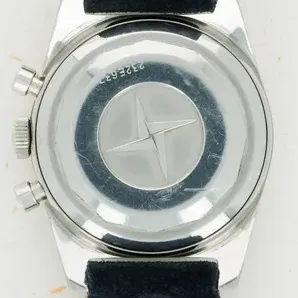
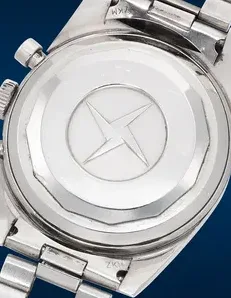
The case measures 37 mm excluding the crown and 47 mm lug to lug, with brushed surfaces and sharp polished bevels. The inside of the caseback is stamped SP 1301, a case type made by Spillman. Other stamps such as SP 1205 and SP 1301-1 belong to other El Primero models. Cases are often heavily polished: where the crystal edges meet the case edges with no clearance, heavy polishing is likely.
- SP 1301 stamp inside the caseback
- signed caseback
- clearance between crystal and flat case edges
- brushed top with polished facets
Revival case
The revival keeps the 37 mm width and 47 mm lug-to-lug distance, with radial brushing, polished facets and piston pushers, but is 12.6 mm tall because of the display back and is rated to 50 metres.
- sapphire display back
Crown and pushers 1 described
The literature notes only that the original should have a signed crown.
Signed crown
A signed crown belongs with the original watch. Replacement crowns are known and are mentioned in seller descriptions.
- signed crown
Crystal 1 described
The original has a domed crystal and the revival a domed sapphire.
Domed crystal
The 1971 watch has a domed crystal, which the revival reproduces in sapphire.
- domed crystal
Date 1 described
The date is shown in a window at about 4:30.
Date at 4:30
The window sits at 4:30, with a notch cut in the seconds track. The date changes instantly, shortly before the seconds hand in the register reaches the five-second mark.
- date window at 4:30 with notched track
Movement 2 described
The original uses the 3019 PHC, an integrated automatic chronograph. The revival uses its descendant.
El Primero 3019 PHC
A fully integrated automatic chronograph with a column wheel, beating at 36,000 vibrations per hour, so that the chronograph can time to a tenth of a second. The movement is 6.6 mm high and is described as having 278 components. The date changes instantly.
- 3019 PHC on the movement
El Primero 400
The revival movement has an integrated automatic chronograph, column wheel and horizontal clutch, 5 Hz and 50 hours of power reserve. It is described as lightly updated for robustness and servicing.
- visible through sapphire back
Bracelet 1 described
The original came on a Zenith ladder bracelet by Gay Frères; the revival copies it and offers a strap.
Gay Frères ladder bracelet
The original bracelet has hollow links and ends in ZK or ZKM end links, which can be hard to replace if lost. The revival has a steel ladder bracelet with a double-folding clasp as well as a light brown calfskin strap with pin buckle.
- ladder links
- ZK or ZKM end links
Originality
- Replacement crowns are known; the original should carry a signed crown.
- The blue seconds hand in the left register is rare to find and a matching original set of hands is valued.
- Cases are frequently over-polished; check the clearance between crystal and case edges.
- Paint on the hands and lume on the red paddle hand often flake or fall away.
- The bracelet may have lost an end link, which are hard to match.
Names
- Quadcolore. Put forward, beside 'exotic', for examples whose left register is plain grey; neither name is established.
Back and movement
From listings of this reference, each confirmed by eye to show what it is filed under. A picture on which a person's name or a personal engraving can be read is not shown. From most holders a detail from the middle of the photograph is shown; the mark in its corner gives its holder and a link to the listing.
Caseback


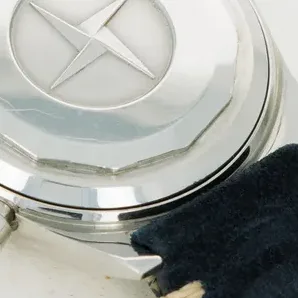

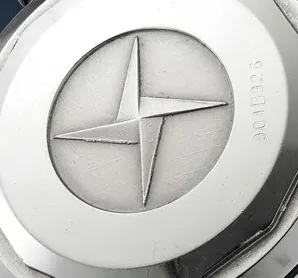

In the records
Counted from 6 listings at 4 holders between 28 June 2020 and 11 November 2026. These are what sellers and auction houses state, not measurements.
All 4 dated listings are of 1971.
Case metal
| Steel | 3 |
Case size
| 37 mm | 3 |
Calibre named
| 3019 | 3 |
Bracelet or strap
| Metal bracelet, kind not stated | 2 | |
| Leather strap | 1 |
Each table counts the listings that state the thing, in the seller's own terms. A size, metal, colour or calibre that cannot belong to this reference is a seller's slip or a listing filed under the wrong number.