Analogue quartz chronograph (calibre 7A28)
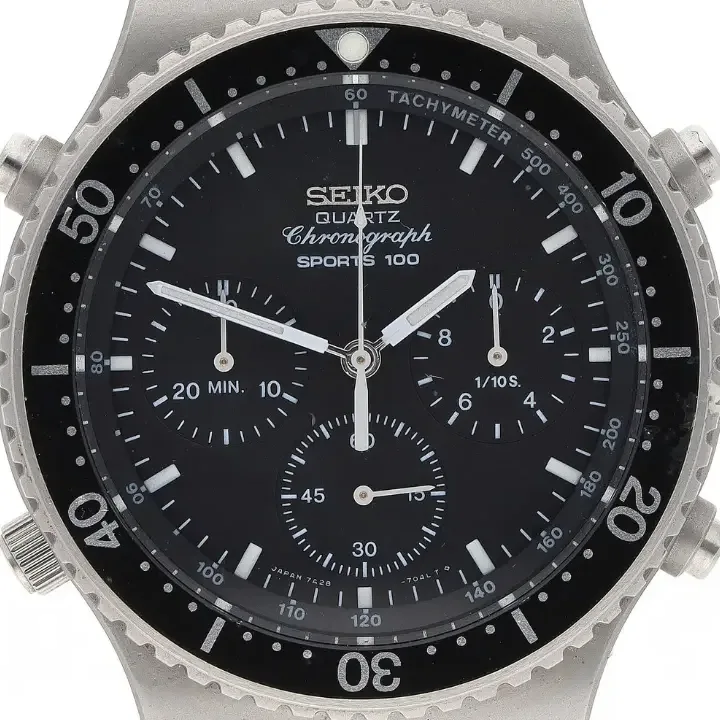
7A28 names a movement family rather than one watch: Seiko's analogue quartz chronograph of 1983, described as the first of its kind. It has 15 jewels, an all-metal build, four stepper motors and a chronograph that reads to a twentieth of a second, and it sits in about forty case codes, from 7A28-5000 to 7A28-7140. Among them are the Giugiaro-designed Ripley (7000) and Bishop (6000), the 7020 seen in A View to a Kill, the Sports 100, the 7090 Yacht Timer and the RAF-issued 7120. Later day-date and moonphase developments of the chronograph carry their own calibre numbers, 7A38 and 7A48. Collectors identify a watch by its case code, dial print and caseback, and check that the pushers and electronics work.
- Made
- 1983–1991dates approximate
- Seen in the library
- 1983–1989by years sellers state
- Case
- steelas sellers state
- Movement
- Quartz
- On record
- 26 listings12 photographs · 8 holders
Components
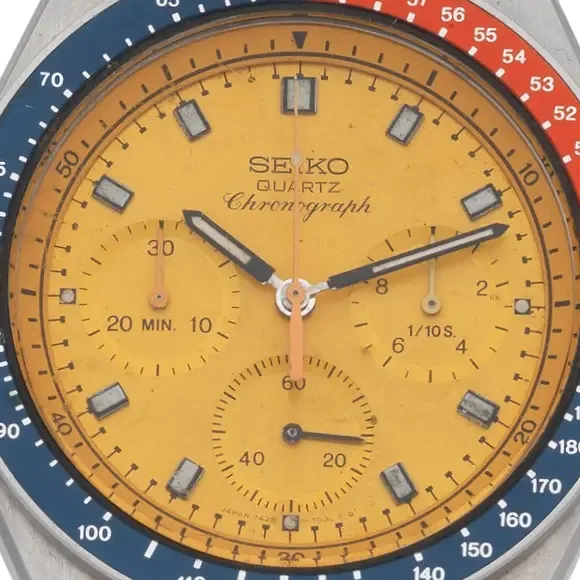
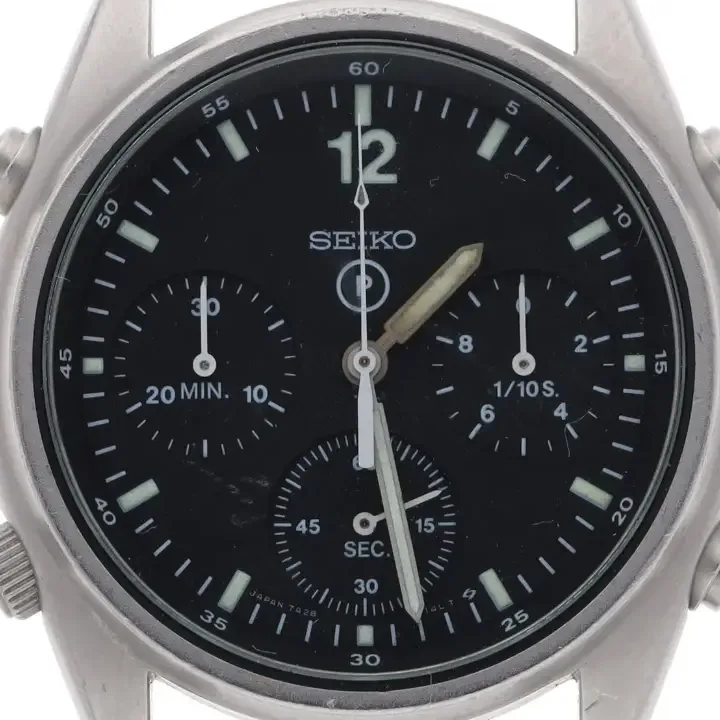
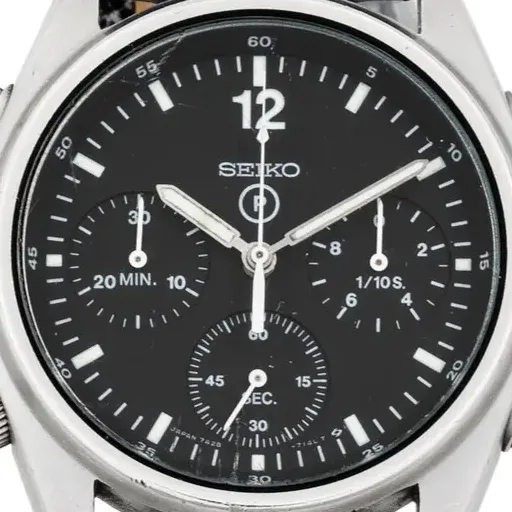
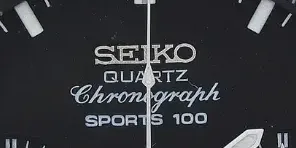
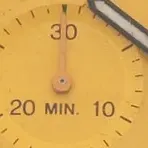
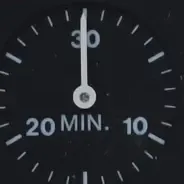
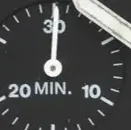
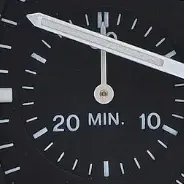
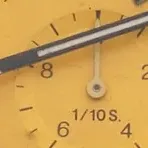
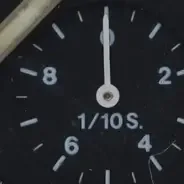
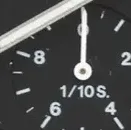
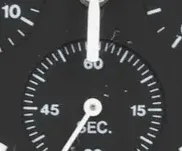
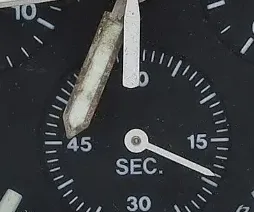
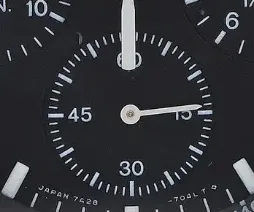
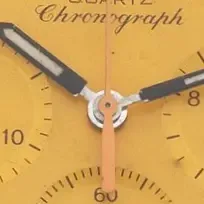
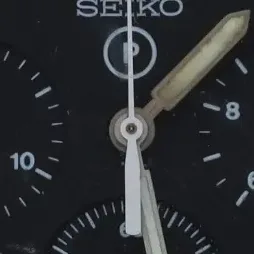
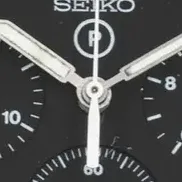
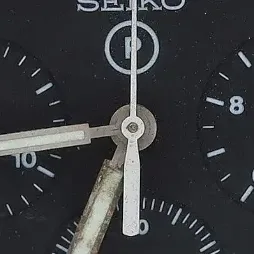
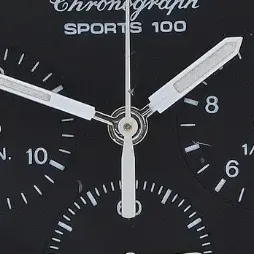
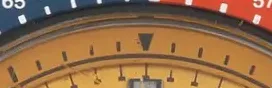
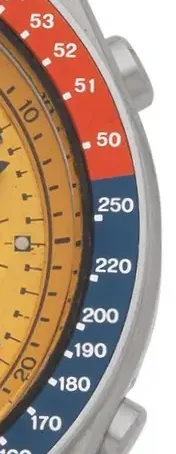
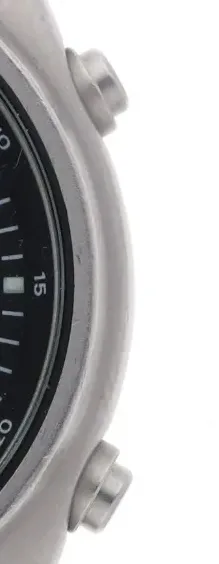
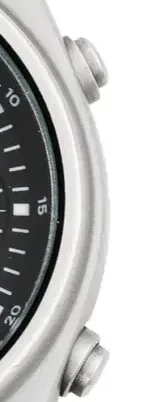
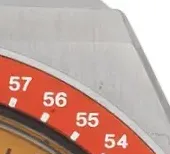
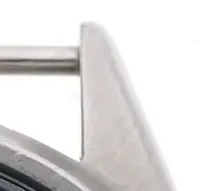
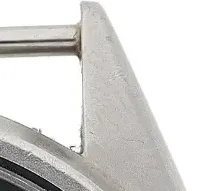
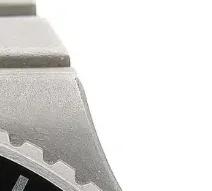
5 watches, oldest first, each straightened and cut the same way so that one row shows one component across them all. Chosen from 12 photographs on file for sharpness and for a face typical of the reference. A year marked c. is one its holder gives only roughly. Each picture is a detail cut from a listing photograph. Select the small mark in its corner for its year, its holder, a link to the listing it came from, and a way to report it.










Chronology
The calibre dates from 1983; accounts put the end between about 1990 and 1992, and the RAF contract ran to 1991.
Every dated variant: what is written, and what the records show
For the reference the marks are every dated watch; for a variant, the watches a seller names as that variant, so a variant sellers do not name has none.
Specification
| Movement | Calibre 7A28, analogue quartz chronograph, 15 jewels, four two-pole stepper motors (one for the time and one for each chronograph hand), 32,768 Hz quartz, all-metal construction; 31.1 mm across and 3.5 mm thick without the battery |
| Indications | Hours, minutes and small seconds; chronograph with centre seconds hand, minute counter and a counter reading to 1/20 s (often printed 1/10 s); split time |
| Battery | Silver oxide SR936SW, about two years; a battery-end indicator is built in, and chronograph use shortens battery life |
| Accuracy | About 15 seconds a month at normal temperature by one account and about 10 seconds by another; regulated with a rotary click switch worth 0.26 seconds a day per step |
| Controls | Crown with two positions, which in position two stops the seconds and resets the circuit; three pushers: start-stop, split and reset |
| Case | Varies by case code; for example 40 mm bead-blasted steel (7090), 38 mm black-coated titanium (7060) |
| Water resistance | 30 m on the 7090; others vary |
Reference 10 described
7A28 is the movement, shared by a large range of watches, and the number after the dash names the case and dial. Published accounts count 42 known case codes, excluding 7A38 and 7A48 watches. The literature describes only a few in detail.
7A28-7000
The Ripley: the silver and black Giugiaro chronograph worn in Aliens. The dial reads Speedmaster, and it is also called the Chronograph Sports 100; the caseback has a small waves logo. The original is hard to find in good condition because owners wore them.
- matte light grey case
- Speedmaster on the dial
- extra pusher and crown on the left side
7A28-6000
The Bishop, worn by the android in Aliens. Its case is offset from the strap so that it does not catch a cuff. It was well liked by collectors where the Ripley's buttons caused trouble. The original colour scheme is black and red.
- offset case
- black and red
7A28-7009
A second Giugiaro analogue chronograph with a distinctive layout of start, stop and reset buttons that stay within reach at any wrist angle. One account pairs it with the 7000 as the 1983 originals.
- unusual button layout
7A28-7020
The case code of a chronograph worn by James Bond in A View to a Kill (1985); sellers write it as View To A Kill.
7A28-7030
A steel quartz chronograph bracelet watch that one auction listing calls Pogue and dates to about 1980. Published accounts give the Pogue name to the 6139 automatic chronograph of 1969, not the 7A28, and put the calibre's start in 1983.
7A28-7060
The Sports 100 in a 38 mm case of black-coated titanium, an early titanium watch, with a gold-toned dial and a complicated bracelet. It is also numbered SPR025J1, and is described as made in the mid-1980s.
- black-coated titanium case
- gold-toned dial
7A28-7090 Yacht Timer
A watch with a white dial and one splash of blue, built on a plain 40 mm case. It was priced at 35,000 yen at launch and dropped from catalogues after 1985. Its case is shared only with the black PVD 7A28-7140.
- white dial with blue pie-segment register at 9
- very large pushers and a small crown
7A28-7140
A black PVD-coated version of the Yacht Timer case, made as the Bridgestone Motorsport edition and described as rare.
- black PVD case
7A28-7120
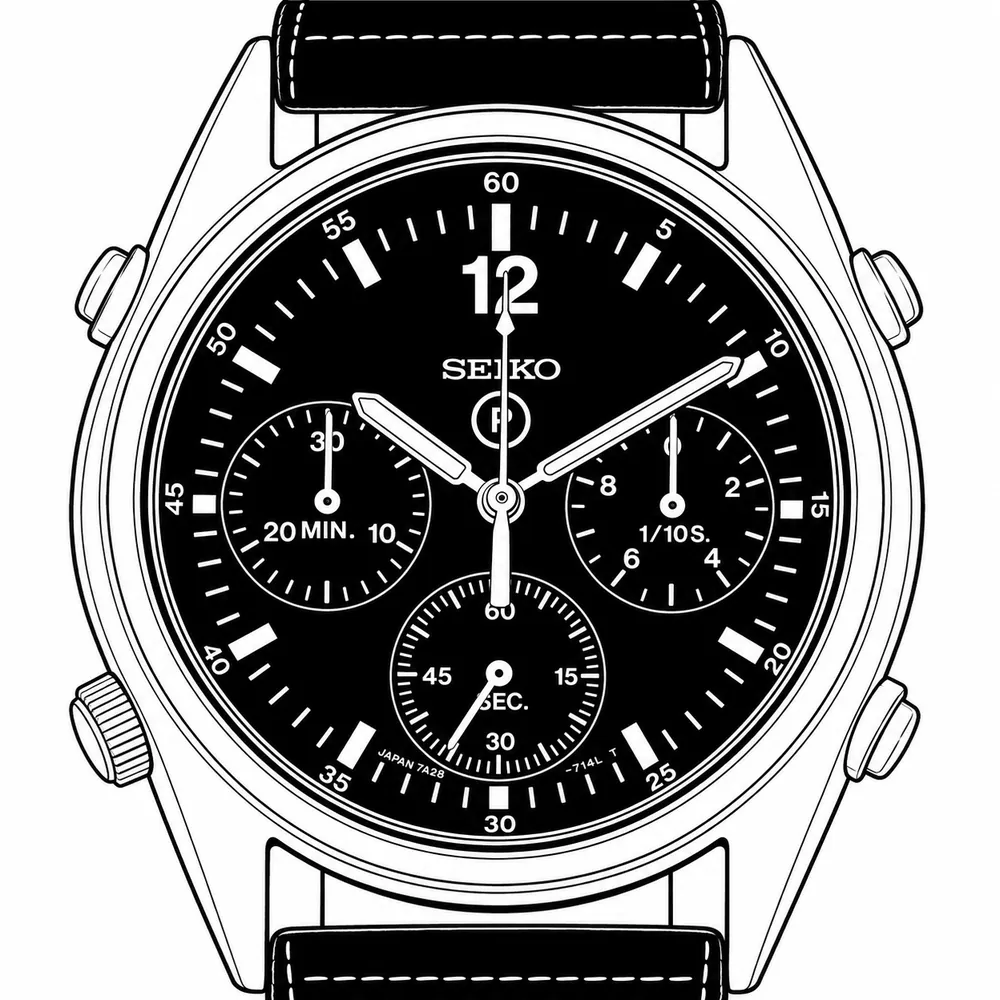
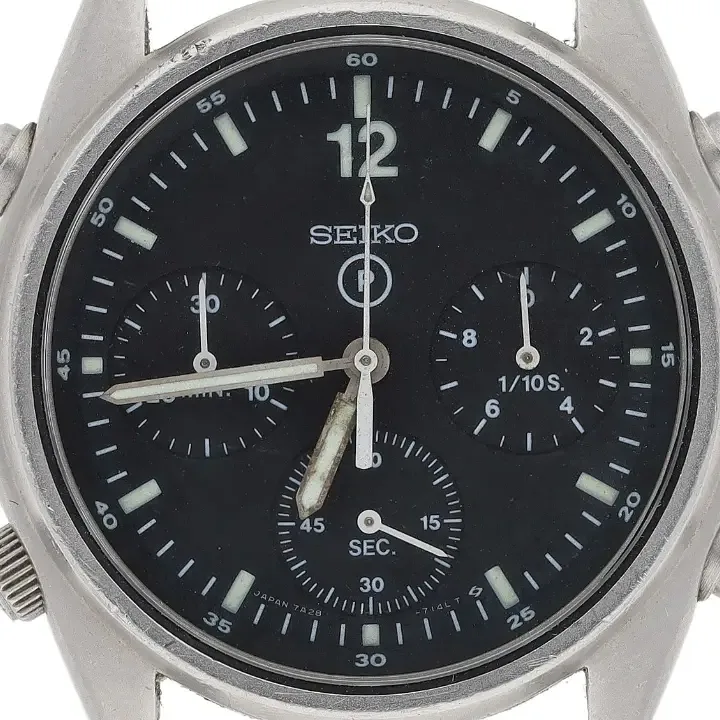
The RAF-issued Gen I, also numbered SPR047. About 11,307 were stamped for the RAF under a Ministry of Defence contract from 1984 to 1991, and the casebacks carry military engraving.
- military engraving on the caseback
- dial with an encircled P
Other 7A28 case codes
The movement is also listed in 7A28-5000, 500A, 6009, 6010, 6020, 6029, 6030, 6040, 6050, 605A, 605B, 7001, 7008, 7010, 701A, 702A, 7029, 7039, 703A, 703B, 7040, 7049, 7050, 7069, 7070, 7079, 707A, 7080, 7089, 7100, 710A, 7110, 7130 and 7A00. The literature does not describe them.
Dial 5 described
The literature describes dials only for a few case codes. The Giugiaro watches carry Speedmaster lettering, the Yacht Timer a white dial with blue, and military watches a code for their luminous material.
Ripley dial
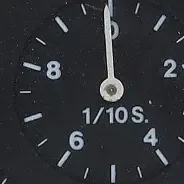
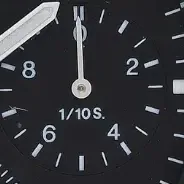
Speedmaster is printed on the dial, with rounded face-like sections around the subsidiary registers, and the 3 o'clock register is marked 1/10 s although it moves in twentieths of a second.
- Speedmaster lettering
- 1/10 S on the 3 o'clock register
Yacht Timer white dial
Black printing on white, with a 9 o'clock minute register made of alternating light and royal blue segments and a yellow hand. The words Yacht Timer under the Seiko name are in light blue. It has a white inner bezel with a minutes track, and applied chromed indices with lume at the outer ends.
- blue pie-segment register
- Yacht Timer in light blue
- white inner minutes track
Gold-toned dial
The 7A28-7060 has a gold-toned dial with a classic layout, in a black-coated titanium case.
- gold dial
- black case
Military dial with encircled P
The RAF version of the 7A28-7120 carries an encircled P on the dial, marking promethium luminous material.
- encircled P
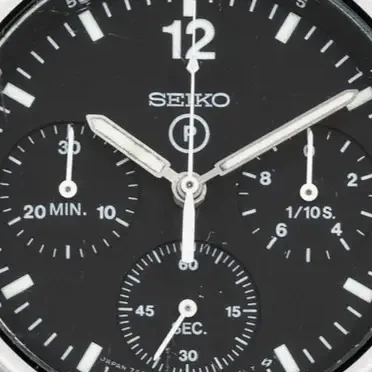

Military dial without luminous material
A second military version, issued to the Royal Navy and mostly to submarine crews, omits the luminous material, so as to avoid radioactive interference with sensitive equipment.
- no luminous material
Hands 2 described
The literature speaks of hands for only the Ripley and the Yacht Timer.
Orange hands with black line
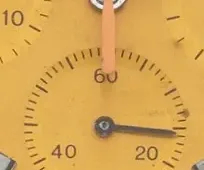
The Ripley has orange hands with a black line running through each.
- orange hands with a black centre line
Yacht Timer hands
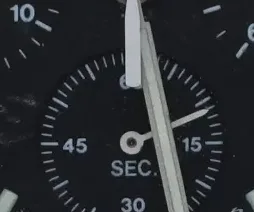
Thin black hands with lume inside, a yellow hand in the blue register, and a slender needle chronograph seconds hand with a lumed arrow tip.
- needle chronograph seconds hand with lumed arrow
- yellow counter hand
Subregisters 2 described
The movement allows up to three subregisters in layouts that vary with the model. The 3 o'clock counter moves in steps of 1/20 s while it is marked 1/10 s on some dials.
1/20 s register at 3
The upper right pusher starts the chronograph. The register at 3 races around in twentieths of a second while the central chronograph seconds hand moves once a second; the dial marking is 1/10 s.
- fast-moving counter at 3
- 1/10 s printed
30-minute register at 9
On the Yacht Timer the register at 9 is the 30-minute counter, in a blue and light-blue pie pattern.
- coloured register at 9
Case 5 described
Cases vary a great deal with the case code. Caseback marks include a small waves logo, not the tsunami of the divers, and the Suwa symbol.
Giugiaro Ripley case
Asymmetric, in matte light grey aluminium and steel, and large for its period. The up-down chronograph pusher sits in a bar on the right, which the reissues keep; a further pusher and the crown are on the left side, which the reissues lack.
- asymmetric case
- crown and pusher on the left
Giugiaro Bishop case
Offset in relation to the strap so as to keep clear of a shirt or jacket cuff.
- case offset from the strap
Yacht Timer case
Bead-blasted steel, 40 mm with 20 mm lugs, sides sloping inward from chamfering to a polished bezel, and slender end-curved stick lugs. It is under 12 mm thick. The pushers are very large at upper left and right, with a small crown at lower left and reset pusher at lower right. A screw-down back with a gentle wave design carries the Suwa symbol and a 30 m water resistance rating.
- bead-blasted steel
- stick lugs
- oversized upper pushers
Black-coated titanium case
The 7A28-7060 Sports 100 is 38 mm and made in titanium with a black coating that scratches easily.
- black coating that scratches off with wear
Military caseback
On the RAF 7A28-7120 the caseback carries military engravings; they stay deep and legible where the back has not been polished.
- deep military engraving
Crystal 1 described
Little is said about crystals.
Flat mineral crystal
The Yacht Timer has a flat mineral crystal, which scratches and can be replaced cheaply.
- flat crystal
Movement 1 described
The 7A28 is an all-metal, jewelled movement that the literature stresses is repairable and meant to be serviced. Faults described are a failed electronic module and stuck chronograph hands. The day-date 7A38 and the pointer-date moonphase 7A48 are separate calibres that keep the same chronograph; they are not versions of the 7A28.
Calibre 7A28
Four stepper motors drive the time and each chronograph hand. Fifteen jewels carry the motor rotors, the counting wheels and the time train. A shock spring protects the chronograph seconds hand. The seconds hand steps two seconds at a time when the battery is nearly out. A rotary switch regulates the rate. A servicing watch may need a replacement electronic module.
- two-second seconds hand jumps when the battery is low
- chronograph hands that do not return to zero
Bracelet 2 described
Straps and bracelets are described for a few watches.
Giugiaro bracelet
A light bracelet in the case finish with an unusual link system, likened to a caterpillar track. It is described in detail from the reissues, said to keep the original design: the links are held by small metal plates and are hard to resize.
- caterpillar-track style links
Yacht Timer strap
The watch was supplied on a rubber strap with large rally-style holes; one example described came as a head only.
- rubber strap with large holes
Originality
- Black coatings of this era, as on the 7060, scratch off easily, so an unworn coating suggests little use.
- Flat mineral crystals are easily scratched and replaced cheaply.
- Bleeding print on a dial can point to past damp, which may also have damaged the electronic module; a replacement module is a known repair.
- The Yacht Timer was supplied on a rubber strap with large rally-style holes; a watch sold as a head only lacks it.
- RAF issues of the 7120 carry the encircled P on the dial; caseback engraving that is still deep, as an unpolished back keeps it, counts in a watch's favour.
Names
- Ripley. The 7A28-7000 was worn by Ellen Ripley in Aliens.
- Bishop. The 7A28-6000 was worn by the android Bishop in Aliens.
- Yacht Timer. Seiko's name for the 7A28-7090, with its colour scheme taken from regatta timers.
- Sports 100. The Speedmaster Sports 100 series name for several Seiko chronographs of this family.
Where accounts differ
Points on which the published literature and the library's own records do not agree, or on which the literature contradicts itself.
- End of production. One account gives the calibre a run of about seven or eight years from 1983, ending around 1990 or 1991; another says production continued until about 1992, over roughly ten years and forty versions. Another puts the end of the RAF contract in 1991.
- Start of the calibre. Published accounts place the first 7A28 in 1983. The library's records include a Bonhams listing of a 7A28-7030 described as circa 1980, which would be three years earlier.
Catalogue versions 6 listed
The full numbers under which holders list this reference, with what their listings say of each. Each has a page of its own.
| Version | Metal | Dial | Years seen | Records |
|---|---|---|---|---|
| 7A28-7120 | Steel | Black | 1987–1989 | 6 |
| 7A28-7039 | 1983 | 3 | ||
| 7A28-7040 thin | 1983 | 2 | ||
| 7A28-7000 thin | 1983 | 1 | ||
| 7A28-7020 thin | 1 | |||
| 7A28-7030 thin | Steel | Yellow | 1980 | 1 |
In the records
Counted from 26 listings at 8 holders between 7 September 2021 and 14 November 2026. These are what sellers and auction houses state, not measurements.
The head of the page gives 1983–1989: the years that listings from two holders bear out. Not on the scale: 2000 (1). A year more than ten from all the rest is usually a model name or a founding date, not the year of the watch.
Case metal
| Steel | 3 |
Dial colour
| Black | 2 | |
| Yellow | 1 |
Case size
| 40 mm | 5 | |
| 37 mm | 5 | |
| 41 mm | 3 |
Each table counts the listings that state the thing, in the seller's own terms. A size, metal, colour or calibre that cannot belong to this reference is a seller's slip or a listing filed under the wrong number.