Chronograph (UFO, Kakume, Bullhead, Panda)
The 6138 is the family of Seiko automatic chronographs built on the 6138 calibre, the twin-register companion to the 6139: a column wheel and vertical clutch chronograph with a 30-minute and a 12-hour register, day and date, and hand winding as well as automatic winding. It appeared in 1970, a year after the 6139, and was made to about 1978 or 1979. The reference covers many case codes, among them the UFO or Yachtman (6138-001X), Tokei Zara, Kakume, Bullhead, Jumbo, slide-rule Calculator, Baby Panda and Panda, and the Baby Kakume. Collectors look first at dial family, dial number, hands, bezel and bracelet, as many surviving watches carry replacement parts.
- Made
- 1970–1979dates approximate
- Seen in the library
- 1970–1978nine in ten in 1970–1977 · by years sellers state
- Case
- steelas sellers state
- Movement
- Calibre 6138A, 6138Bautomatic
- On record
- 144 listings122 photographs · 17 holders
Components
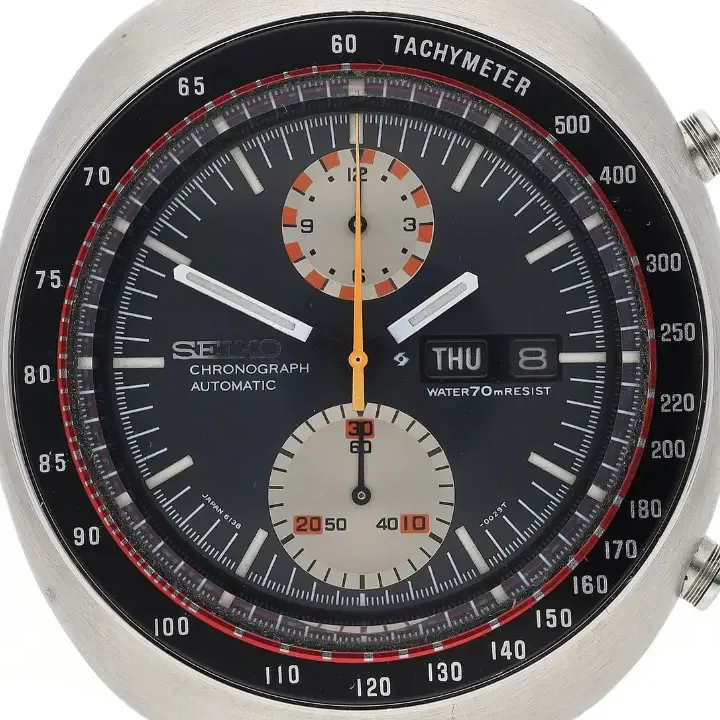
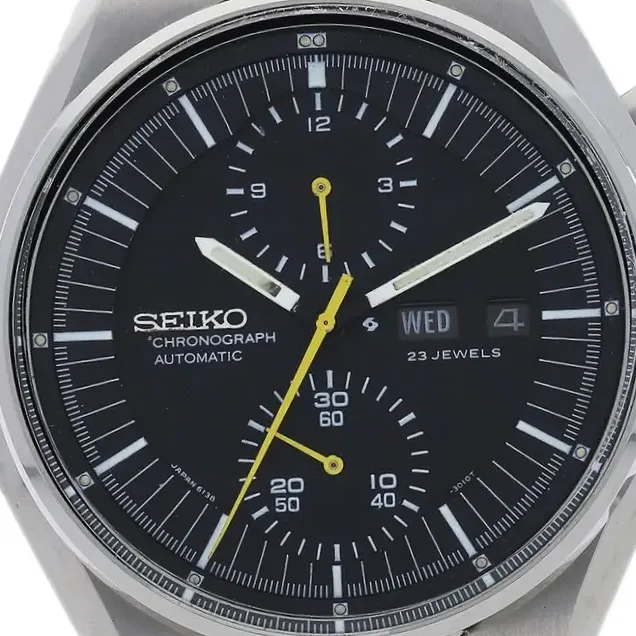
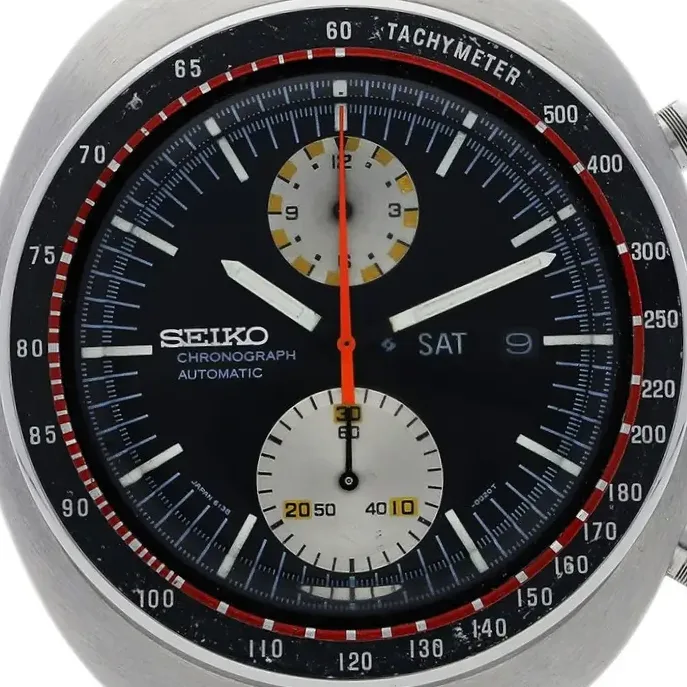
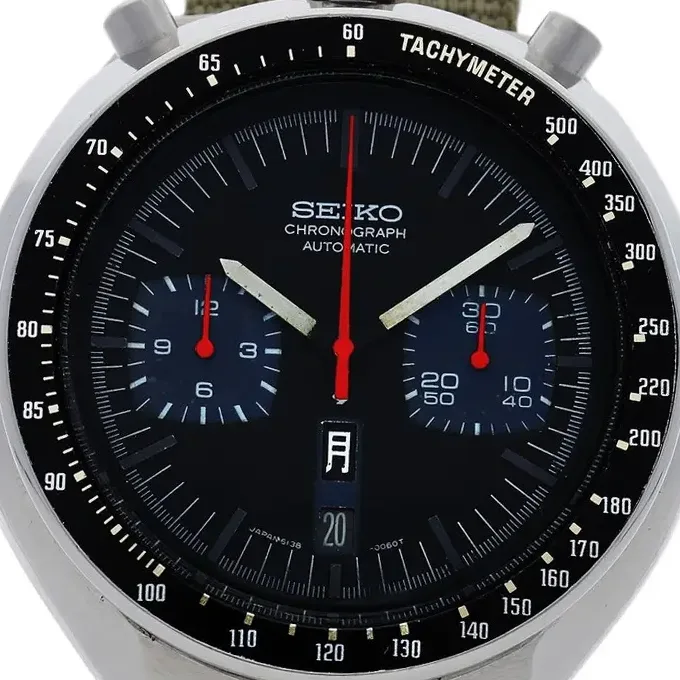
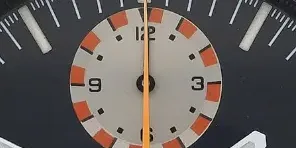
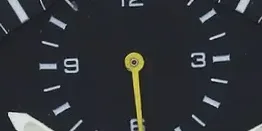
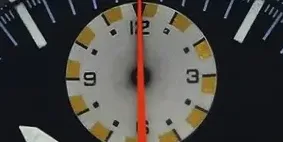
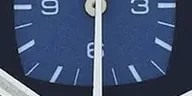
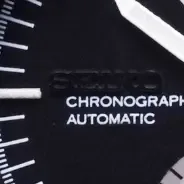
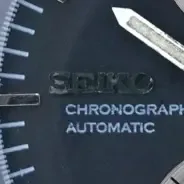
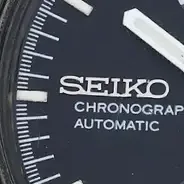
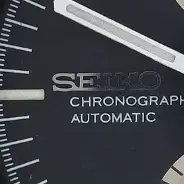
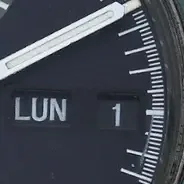
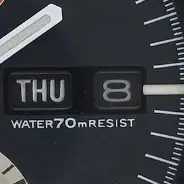
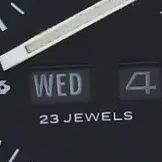
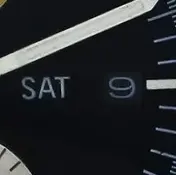
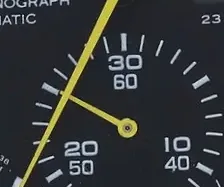
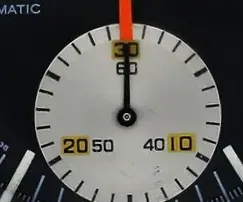
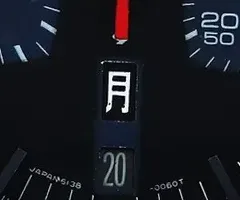
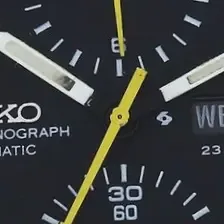
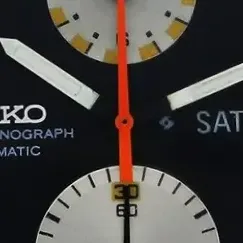
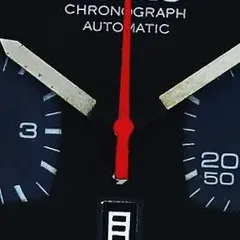
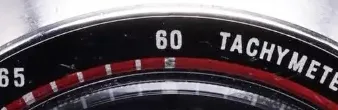
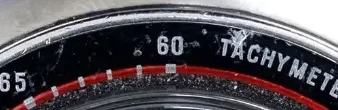
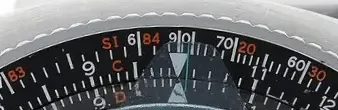
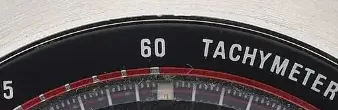
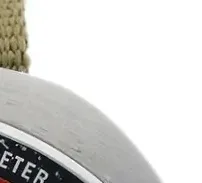
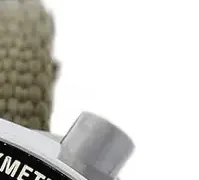
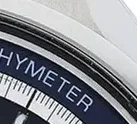
8 watches, oldest first, each straightened and cut the same way so that one row shows one component across them all. Chosen from 122 photographs on file for sharpness and for a face typical of the reference. A year marked c. is one its holder gives only roughly. Each picture is a detail cut from a listing photograph. Select the small mark in its corner for its year, its holder, a link to the listing it came from, and a way to report it.
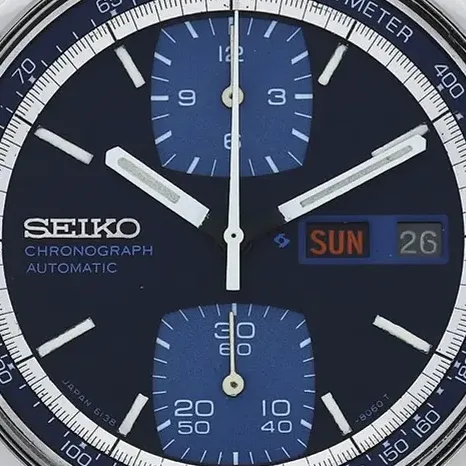
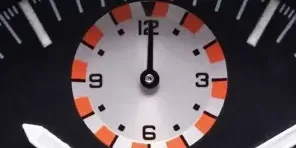
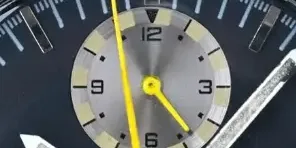
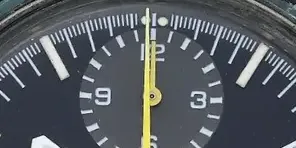

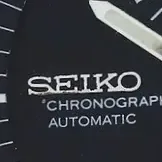
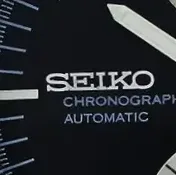
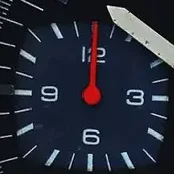
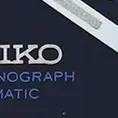




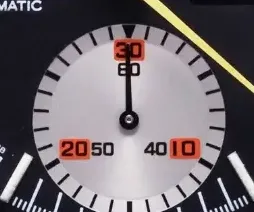
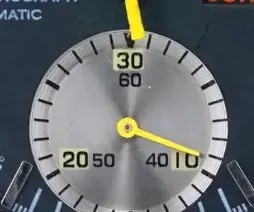
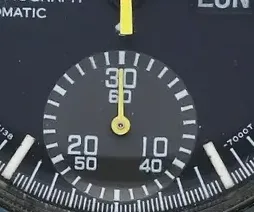
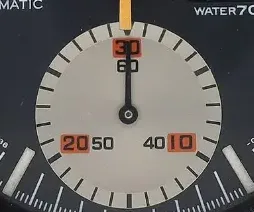
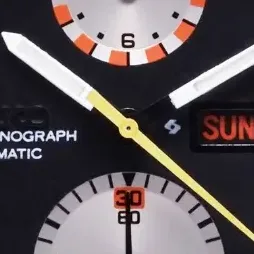
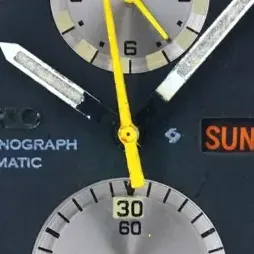
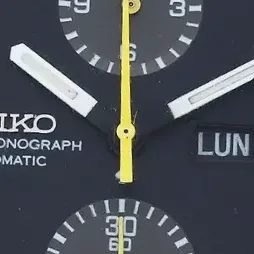
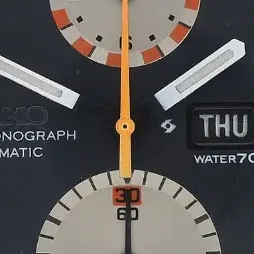
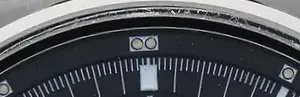
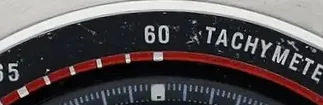
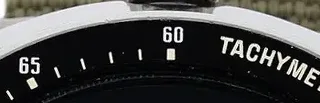
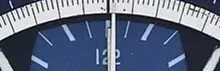
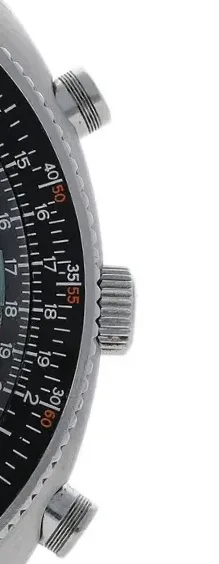
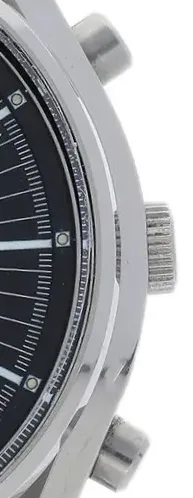
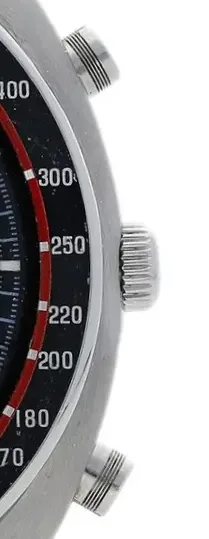
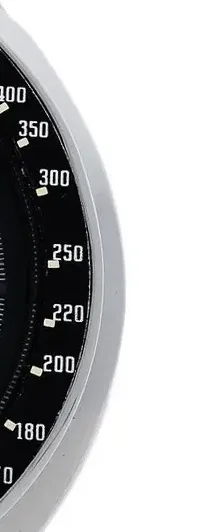
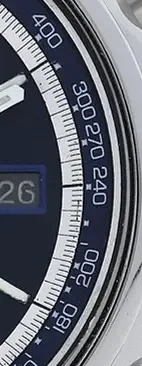

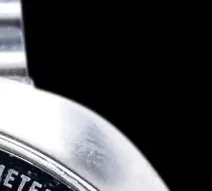

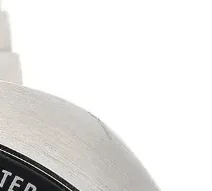
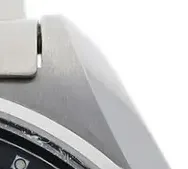


Chronology
The movement is dated to 1970; the UFO runs to 1978 or 1979 in catalogues, the Kakume to 1978, and the Bullhead is put at 1973 to 1979.
Every dated variant: what is written, and what the records show
For the reference the marks are every dated watch; for a variant, the watches a seller names as that variant, so a variant sellers do not name has none.
Specification
| Case | Stainless steel, with gold-plated cases on some Panda and Baby Kakume versions; sizes run from about 40 mm (Baby Kakume) to 44 mm (UFO, Bullhead) by code |
| Crystal | Hardlex mineral crystal (the slide-rule Calculator has acrylic) |
| Bezel | Tachymeter on most codes; the Calculator has a double bezel, one rotating |
| Movement | Seiko 6138A or 6138B automatic chronograph, 27 mm, 21,600 beats per hour, column wheel and vertical clutch, 21 or 23 jewels, 45 hour reserve |
| Registers | Central chronograph seconds, a 30-minute and a 12-hour register; no running seconds |
| Calendar | Day and date with quick setting and a bilingual day wheel; Japanese-market watches carry a kanji day wheel |
| Winding | Automatic and by hand |
| Water resistance | 70 metres on the dial of the early UFO, with the wording changing from Proof to Resist |
Reference 10 described
The code after the dash combines the case and the market. The codes below are the ones named in the literature, and watches with the same case may have different dial families.
6138-001X UFO
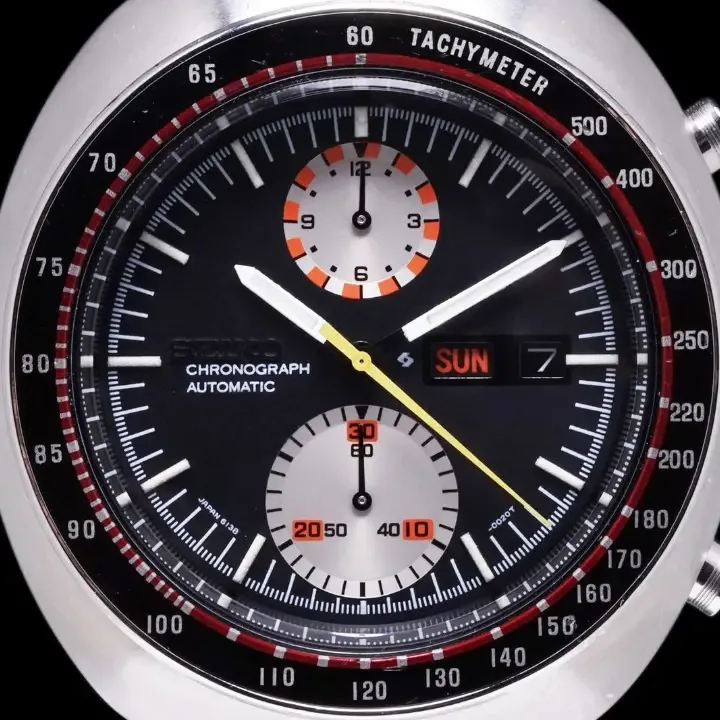
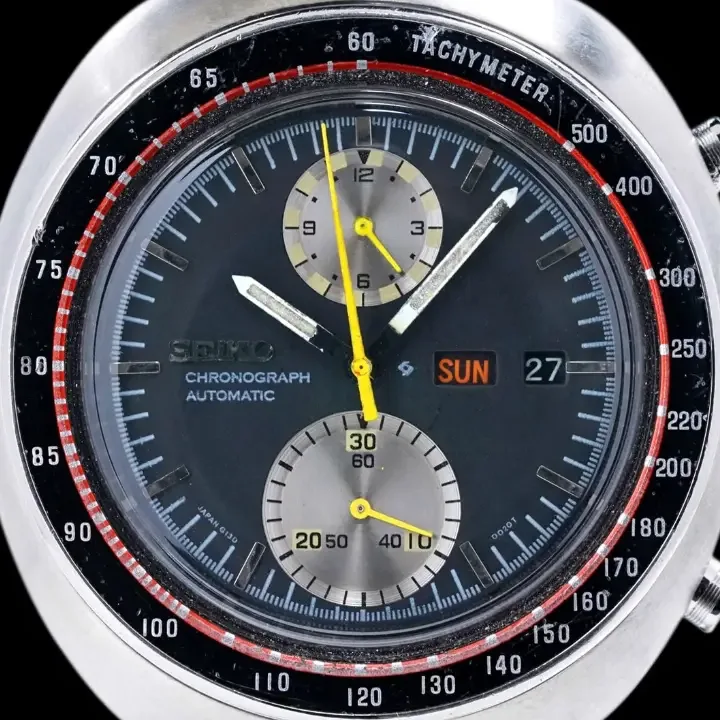
Called UFO for the flying-saucer lugless case, or Yachtman, from a distributor's advertisement; also Big Eye and Small Eye for the unequal registers. Black dial with two silver registers, one slightly larger, and a red and black tachymeter scale; 44 mm. It was made for Japan and for export. Codes 6138-0010, -0011, -0012, -0017 and -0019, which are movement and case codes. It first appears in the United States catalogue for 1969 to 1970 and disappears in 1979.
- lugless bowl-shaped case
- black dial
- silver registers of unequal size
- red and black tachymeter bezel
6138-0020 Tokei Zara
The name means bowl. Made for the Japanese market only, in a helmet-shaped case with brushed and polished surfaces, with a blue or a grey minutes register.
- helmet case
- blue or grey minutes register
6138-003X Kakume
Square-eyed: the hour and minute registers are square. The case is 43 mm, about 15 mm thick, 18 mm between the lugs. Codes 6138-0030, nearly all, and 6138-0031, seen on blue dials of 1978. Blue dials went to Japan and abroad; champagne dials were Japanese only and are scarcer. Also called Big Blue.
- square registers
- blue or champagne dial
6138-004X Bullhead
A 44 mm case named for the crown and pushers at the top, like horns. Codes 6138-0040, -0048 and -0049 are listed, and a white-dial Panda version of the 0040 exists; one seller gives 6138-0060T, which has the form of a dial number. Two schemes: a brown dial with gold registers and a black dial with bluish registers. The Japanese version has the Speed-Timer signature in kanji. It is among the most imitated and altered of the family.
- crown and pushers at 12 o'clock
- brown dial with gold registers
- black dial with bluish registers
6138-300X Jumbo
A large multi-level dial in black or dark blue. The 6138-3000 is among the more affordable codes; the family also includes -3002, -3003, -3005 and -3009.
- multi-level dial
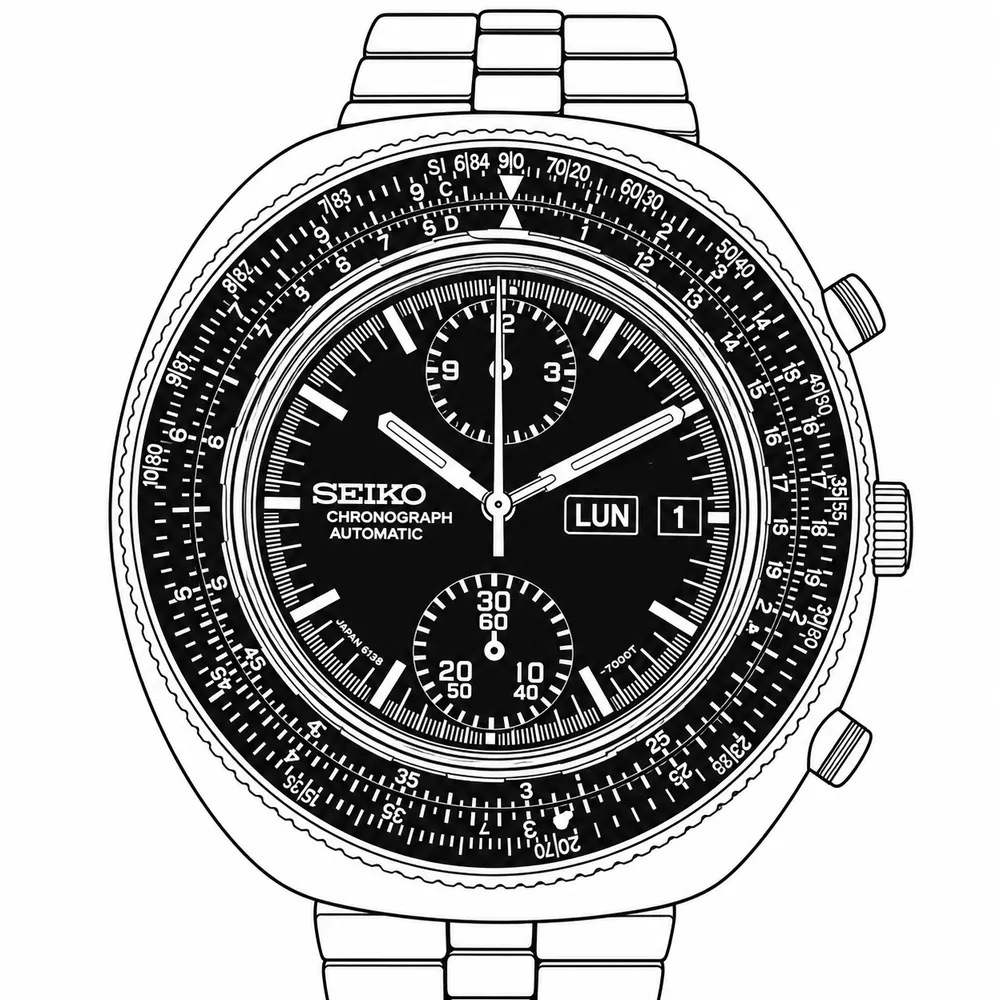
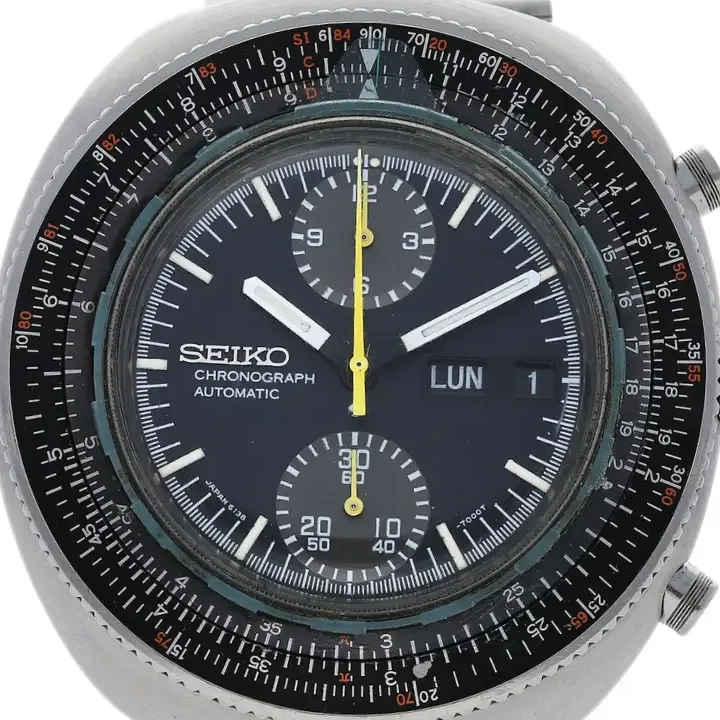
6138-7000 Calculator
Called Sliderule, Calculator, or Pilot Calculator; a case like the UFO but looking larger, with a double bezel and a plastic pointer for calculation. It is the only 6138 with a rotating bezel and the only one with an acrylic crystal, and the large bezel scratches easily. The literature gives no years for it.
- double bezel
- plastic cursor
- acrylic crystal
6138-8000 Baby Panda
An ivory-faced chronograph; a Reverse Baby Panda has a deep grey dial, and sellers describe some watches as having a silver patina dial. Code 6138-8000 and -8001. The literature gives no date for it.
- ivory dial
- deep grey dial on the Reverse Baby Panda
6138-8010
Made only for the Japanese domestic market, 42 mm, with a blue dial and a bracelet particular to the model. It appears for sale only a few times a year and may be the scarcest of the family; it has no proper nickname.
- blue dial
- 42 mm
6138-8020 Panda
The white-dial Panda, a 42 mm case in which dials and cases are often faked or over-polished. Two less common versions have a black dial with gold elements and white hands, in a gold-plated case or a steel case. Codes 6138-8020 and -8021; published accounts put its release at about 1974 or 1975 and give no closing year.
- white dial with black registers
- black and gold version with white hands
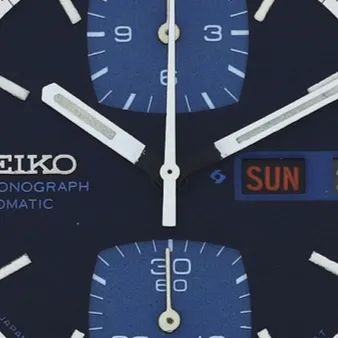
6138-8030 Baby Kakume
A smaller 40 mm case with square registers, in three schemes: blue, gold in a steel case (John Player Special) and gold in a gold-plated case. Sellers describe the 6138-8039 as the John Player Special.

- 40 mm
- gold dial in steel case
4 listings on record under the name.
Dial 10 described
Dials of the UFO and Kakume fall into three families by the line at 9 o'clock: early Japanese, export and late Japanese. A dial number between 4 and 5 o'clock and Japan 6138 between 7 and 8 identify the print, and replacement dials are common.
Early JDM dial: 5 Sports Speed-Timer
numbers 6138-0010T, 6138-0014T
The first Japanese dial reads Seiko 5 Sports Speed-Timer at 9 o'clock with all words printed; the Suwa mark is at 3 o'clock on the early UFO. It is paired with arrowhead hands on the UFO. UFO dial numbers 6138-0010T and -0014T belong here, the latter in yellow or orange schemes.
- Seiko 5 Sports Speed-Timer at 9
- Suwa mark at 3 o'clock
- Water 70m Proof under the date on early watches
Export dial: Chronograph Automatic
numbers 6138-0020T, 6138-0029T, 6138-0050T
The international dial reads Chronograph Automatic, with the Seiko name applied rather than printed. UFO dial numbers 6138-0020T and -0029T belong here, the latter with Resist wording. On the Kakume the international dial, 6138-0050T, has a black frame to the day and date window and always arrowhead hands.
- Chronograph Automatic at 9
- applied Seiko name
Late JDM dial: Seiko Speed-Timer
numbers 6138-0015T, 6138-0045T
The later Japanese dial reads Seiko Speed-Timer, with no water resistance marking, and the Suwa mark sits above the minutes register. UFO number 6138-0015T; Kakume number 6138-0045T. On the UFO painted white sword hands go with it; Japanese Kakume dials usually have baton hands.
- Speed-Timer at 9
- Suwa mark above the minutes register
- no water resistance line
Water 70m Proof, Resist and none
On the UFO the line under the date window moved from Water 70m Proof, seen up to 1971, to Water 70m Resist, seen up to 1972, to nothing from about 1972. The pattern follows a change in United States labelling rules and is not exact; watches with Resist dials or case backs are dated up to 1977.
- Proof or Resist wording under the day and date
UFO colour schemes
The UFO dial is black with silver registers; the markers on the registers and the Speed-Timer line are orange, yellow or a mix of the two, and a red scheme is reported. A blue dial is wrong.
- orange register markers
- yellow variant
Kakume with arrowhead hands
numbers 6138-0040T
Dial with lume points at 6 and 9 o'clock, a double point at 12, and small lume points at the ends of the hour markers. Number 6138-0040T for the early Japanese dial. Both blue and champagne.
- lume points at 6, 9 and double at 12
Kakume with baton hands
numbers 6138-0044T
Dial without lume points or lume on the hour markers, mostly Japanese; the day-date frame is white on Japanese dials. Number 6138-0044T.
- no lume points on the dial
Kakume champagne dial
Champagne dial for the Japanese market only, with early and late Speed-Timer markings and a pumpkin ring that often fades.
- champagne dial
- pumpkin ring
Kakume blue dial
Blue dial in international, early Japanese and late Japanese versions with the same 9 o'clock lines as the UFO.
- blue dial
Bullhead brown and black
A brown dial with golden registers, and a black dial with bluish registers.
- brown dial
- gold registers
Hands 5 described
The UFO has at least five sets of hands; the Kakume has arrowhead or baton hands. On the UFO the register hands are black and the sweep second hand is yellow, orange or red; on the Kakume the sweep and register hands are mostly orange or red, sometimes yellow.
Arrowhead hands
Arrow-tipped hands in two slightly different tip forms, on early watches with 5 Sports Speed-Timer dials; the Kakume international dial always uses arrowhead hands.
- arrow tips
Short lume hands
Short lume-filled hands on early Chronograph Automatic dials, in which the minute hand barely reaches the markers.
- minute hand barely reaches the hour markers
Long sword hands with lume
Long sword hands whose minute hand reaches the minute markers, on Chronograph Automatic dials.
- long minute hand
Long white painted sword hands
White painted sword hands on early and late Japanese dials.
- white painted sword hands
Tapered black register hand
The correct minutes-register hand on an early UFO is black and tapered.
- tapered black register hand
Bezel 2 described
The tachymeter bezel is the usual type; wrong bezels are common.
Tachymeter bezel with white or silver text
On the Kakume the original tachymeter text is white or silver and yellow text means a replacement. The UFO bezel has red and black.
- white or silver tachymeter text
Double bezel with rotating ring
The Calculator has two bezels, one of which rotates, and a plastic pointer for calculation.
- double bezel
Case 5 described
The UFO case is lugless and bowl-shaped; the Kakume is 43 mm and thick; the Bullhead is 44 mm. Two kinds of case back are found on the UFO and the Kakume.
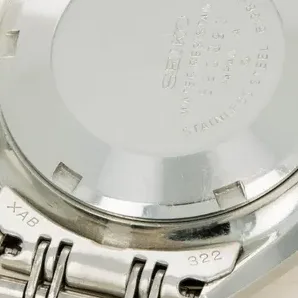
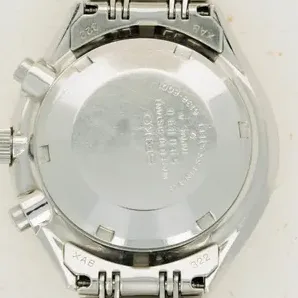
Elaborate case back, UFO
A back with a circle marked Seiko, the Suwa mark, Stainless Steel, the model number, the water wording, a six-digit serial and Japan J. It is on every UFO code except 6138-0012.
- circle with Seiko, Suwa mark and serial
Simple case back, UFO 6138-0012
A plainer arrangement with similar information, seen only on the 6138-0012.
- plain layout
Horseshoe case back, Kakume
The horseshoe or elaborate back with Seiko, the Suwa mark, Stainless Steel, Water Resistant, a serial and Japan A, on the first Kakume watches of 1973.
- horseshoe layout
- Japan A
Simple case back, Kakume
A simpler arrangement seen on the Kakume from 1974 to the end of production in 1978.
Serial-dated case back
The serial gives the month and year of the case; watches are dated for instance to March 1970, June 1970, March 1972 and November 1975.
Crown and pushers 2 described
Crowns are ribbed and unsigned; pushers differ by code.
UFO ribbed crown and ringed pushers
The crown is ribbed and unsigned; the pushers are longer, with small engraved rings or decorative grooves at the end. Wrong pushers are common.
- five small rings on each pusher
- unsigned ribbed crown
Kakume tapered pushers
A ribbed unsigned crown and pushers that taper slightly at the end.
- tapered pushers
Crystal 2 described
Mineral crystal throughout, except the Calculator.
Hardlex crystal
Seiko mineral crystal, reference 340W14GN on the UFO and 340W18GN on the Kakume. An aftermarket replacement is easily bought and is not thought to lower value much.
Acrylic crystal
The Calculator has an acrylic crystal.
Movement 2 described
The 6138 adds a 12-hour register and hand winding to the 6139 design. The A and B versions differ in the switching mechanism and in details of the chronograph bridges.
6138A
The first version, with 21 jewels, hand winding, and metal date driving wheels. The intermediate minute driving wheel is fixed to the centre wheel bridge, the reset hammer pivot is not adjustable, and the third and fourth wheel top bearing is uncovered. Found in the early UFO of 1970 and 1971.
- 21 jewels
- no cover over the third and fourth wheel bearing
6138B
The later version with a modified switching mechanism, with an eccentric reset hammer pivot and a cover over the third and fourth wheel bearing. It has 21 or 23 jewels depending on the model; the UFO is marked 21 jewels, and Kakume watches seen have the 6138B with 21 jewels. In the UFO it starts about 1972.
- 21 or 23 jewels
Bracelet 4 described
Export and Japanese bracelets differ, and the clasp wording follows the dial family.
UFO export bracelet
A bracelet and clasp used on export dials; a rare Stelux president bracelet is also reported.
UFO Japanese bracelets XAA240 and XAA541
Two references on the end links, with a clasp marked Seiko 5 Sports on early Japanese dials and Seiko Speedtimer on late ones.
- XAA240 or XAA541 on the end links
- clasp marked Seiko 5 Sports or Seiko Speedtimer
Kakume fishbone bracelet
A fishbone bracelet for export models, coded Z039 on the end links.
- Z039 on the end links
Kakume Oyster or H-link bracelet
An Oyster or H-link bracelet for Japanese models, with XGA 261 on the end links and a clasp marked Seiko 5 Sports or Seiko Speed-Timer by dial type. A third Stelux bracelet is rumoured.
- XGA 261 on the end links
Originality
- Aftermarket dials are widespread on the UFO; wrong typefaces, spacing, a round letter O in Seiko and a blue dial all show a replacement.
- Hands are often wrong or repainted, and should match the dial family.
- Bezels are replaced with well-made copies; a yellow tachymeter text on a Kakume is wrong.
- Chronograph pushers are often wrong on the UFO and the correct ones are longer with decorative grooves.
- Over-polished cases lose their sharp edges, and the case back text becomes unreadable.
- Movement parts, such as the minute register hand, can be wrong, and moisture marks are common because the pusher seals harden with age.
Names
- UFO. The lugless case looks like a flying saucer.
- Yachtman. The name appears in a distributor's advertisement for the UFO.
- Kakume. The word means square eyes, after the square registers.
- Bullhead. The crown and pushers sit at the top of the case.
- Tokei Zara. The name means bowl, after the helmet case.
- Baby Panda. The ivory-faced 6138-8000.
- John Player Special. The gold scheme of the Baby Kakume.
Where accounts differ
Points on which the published literature and the library's own records do not agree, or on which the literature contradicts itself.
- Setting the day and date. One account says day and date are set quickly by turning the crown; another says the crown is pulled out one detent and turned either way. The records give no answer.
- Origin of the Yachtman name. One account knows the name only from an advertisement by a United States distributor, while another says Seiko itself advertised the watch as the Yachtman.
- Jewel count. One account gives both versions as 21 jewels; another gives 21 or 23 jewels for the B.
Back and movement
From listings of this reference, each confirmed by eye to show what it is filed under. A picture on which a person's name or a personal engraving can be read is not shown. From most holders a detail from the middle of the photograph is shown; the mark in its corner gives its holder and a link to the listing.
Caseback


Catalogue versions 20 listed
The full numbers under which holders list this reference, with what their listings say of each. Each has a page of its own.
| Version | Metal | Dial | Years seen | Records |
|---|---|---|---|---|
| 6138-0040 | Steel | Black or brown | 1974–1977 | 20 |
| 6138-0030 | Steel | Blue | 1970–1976 | 14 |
| 6138-0011 | Steel | Black | 1974–1977 | 10 |
| 6138-7000 | Steel | Black | 1971–1972 | 9 |
| 6138-3002 | Black or blue | 1970–1973 | 6 | |
| 6138-0049 | Steel | Brown | 1975–1976 | 4 |
| 6138-8030 | Steel | Black or blue | 1977 | 4 |
| 6138-0010 | 1970 | 3 | ||
| 6138-0017 | 1972–1974 | 3 | ||
| 6138-0020 thin | Steel | Black | 1970–1972 | 2 |
| 6138-0060 thin | 1975 | 2 | ||
| 6138-8020 thin | Steel | Black or silver | 2 | |
| 6138-0012 thin | 1978 | 1 | ||
| 6138-0060T thin | 1 | |||
| 6138-3000 thin | Steel | Black | 1 | |
| 6138-3005 thin | 1973 | 1 | ||
| 6138-8000 thin | 1971 | 1 | ||
| 6138-8001 thin | Steel | White | 1971 | 1 |
| 6138-8021 thin | 1977 | 1 | ||
| 6138-8039 thin | 1976 | 1 |
In the records
Counted from 144 listings at 17 holders between 25 August 2020 and 14 November 2026. These are what sellers and auction houses state, not measurements.
The fainter bar is the one listing outside the main run of 1970–1977 (the middle nine-tenths): the latest is 1978. It is an early or late example, or a seller's slip.
Case metal
| Steel | 16 |
Dial colour
| Black | 13 | |
| Blue | 7 | |
| Brown | 5 | |
| Silver | 1 | |
| White | 1 | |
| Gold | 1 |
Case size
| 43 mm | 23 | |
| 44 mm | 19 | |
| 42 mm | 14 |
Calibre named
| 6138B | 31 | |
| 6138 | 23 | |
| 6138A | 3 |
Bracelet or strap
| Metal bracelet, kind not stated | 5 | |
| Mesh bracelet | 1 |
Each table counts the listings that state the thing, in the seller's own terms. A size, metal, colour or calibre that cannot belong to this reference is a seller's slip or a listing filed under the wrong number.