Chronograph (Speed-Timer, Pogue)
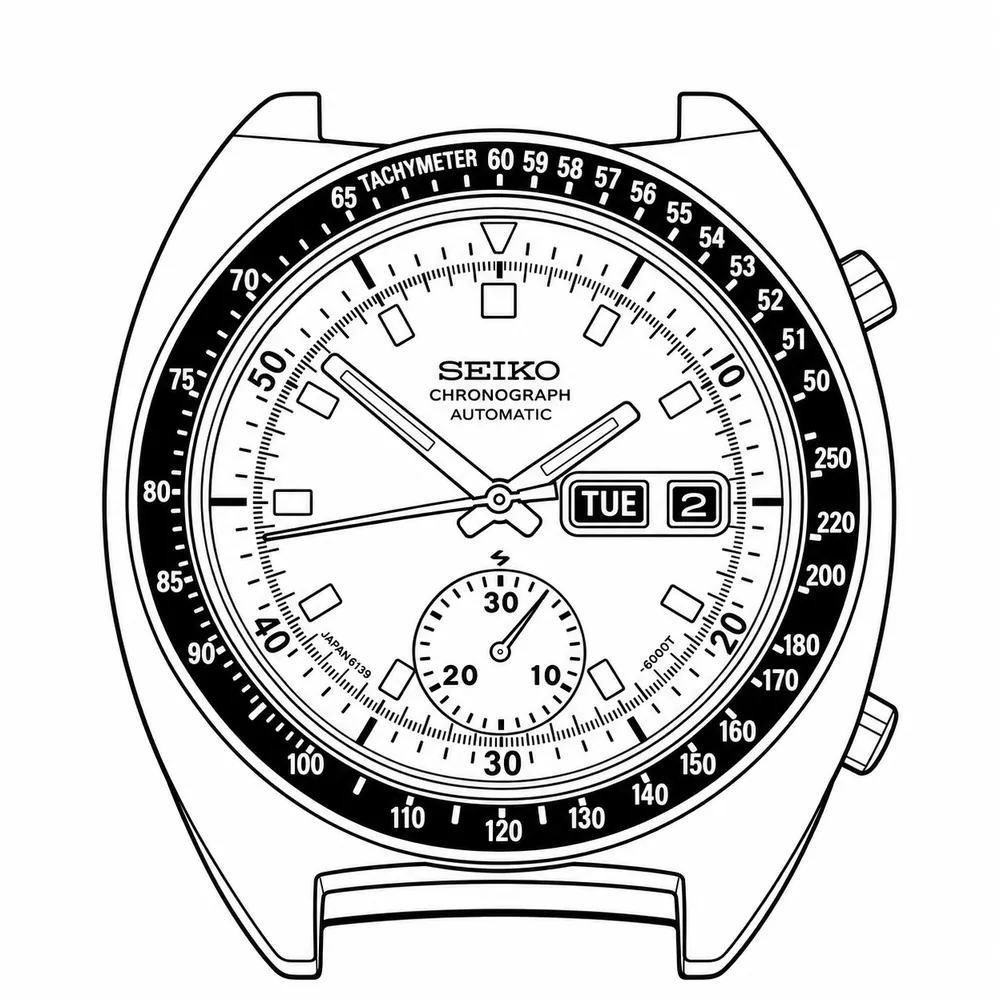
The 6139 is the family of Seiko automatic chronographs built on the 6139 calibre, Seiko's first automatic chronograph, with a column wheel, a vertical clutch, a single 30-minute register at 6 o'clock and quick-set day and date. It was released in Japan in May 1969 as the Seiko 5 Sports Speed-Timer and made for about a decade, to at least 1979. The reference is not one watch but a run of case codes, from 6139-6000 and 6139-6010 through the 7000 and 8000 series, with some fifty dial and case designs. The yellow-dial 6139-6002 and 6139-6005 are called Pogue after an astronaut who wore one on Skylab 4. Collectors check the dial code, bezel, hands and case finish first.
- Made
- 1969–1979dates approximate
- Seen in the library
- 1969–1979nine in ten in 1969–1978 · by years sellers state
- Case
- 41 mm · steelas sellers state
- Movement
- Calibre 6139A, 6139Bautomatic
- On record
- 260 listings217 photographs · 21 holders
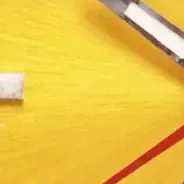
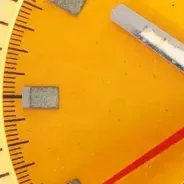
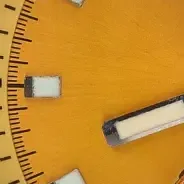
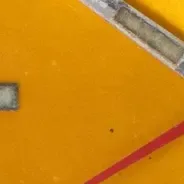
Components
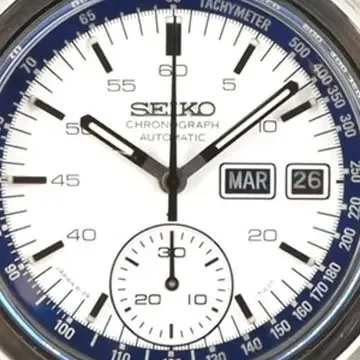
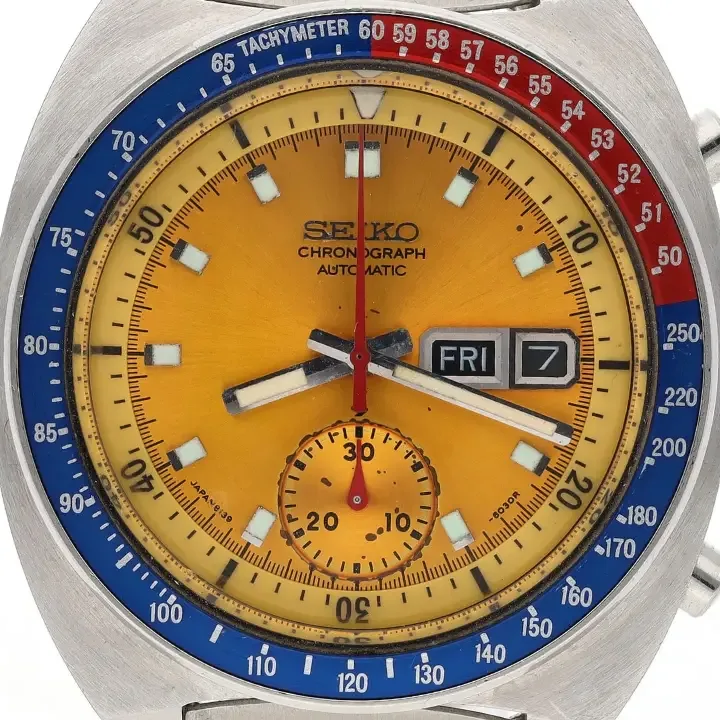
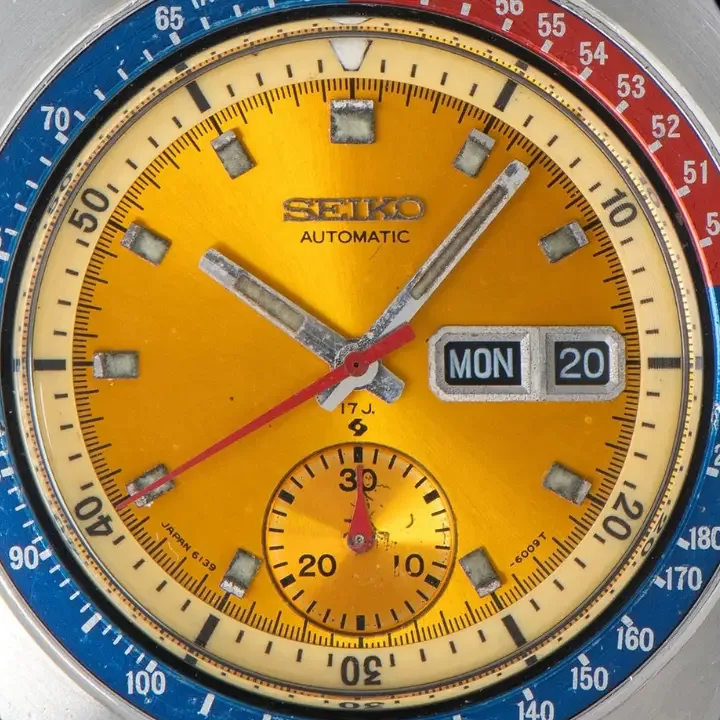
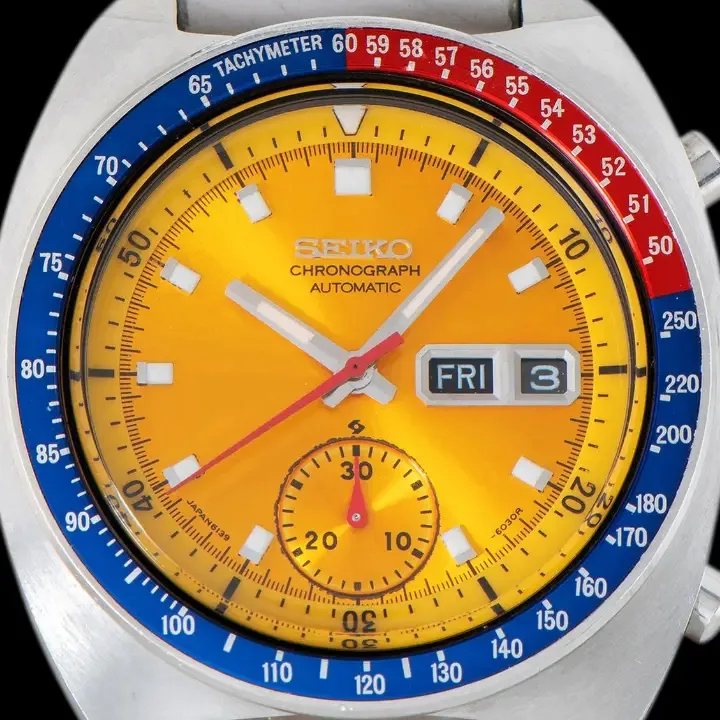
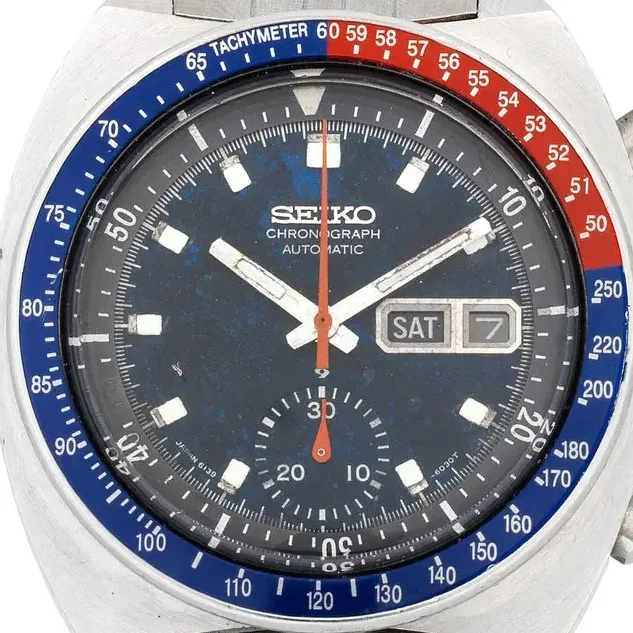
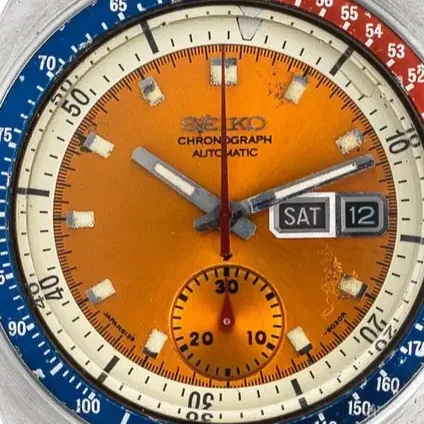
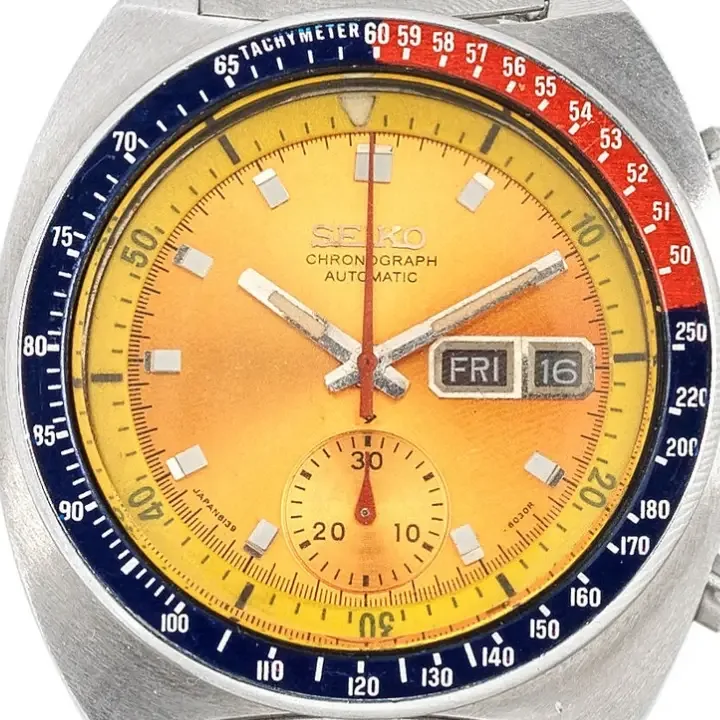
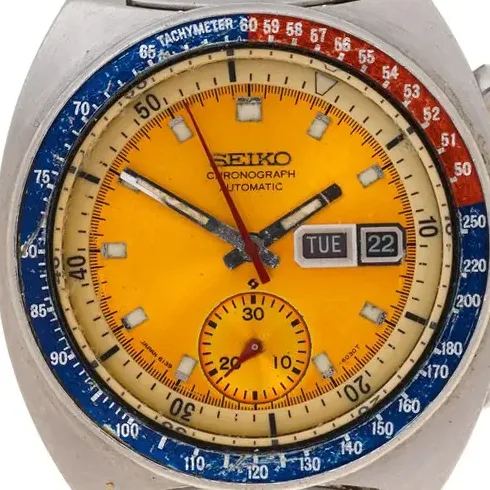
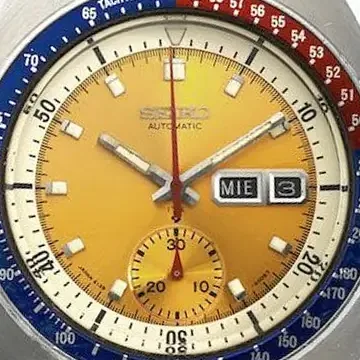
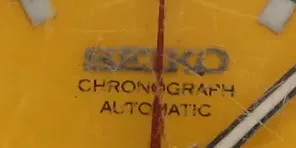
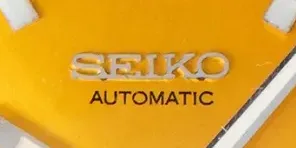
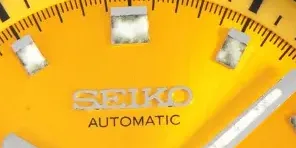
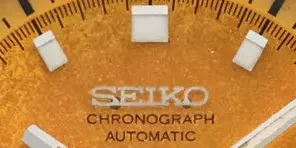
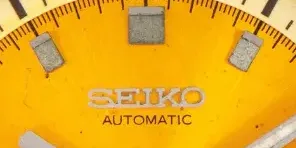
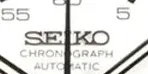
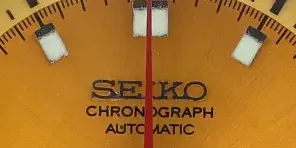
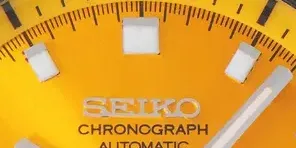
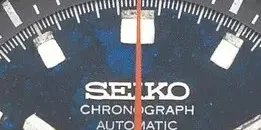
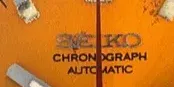
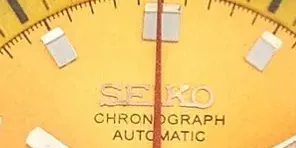
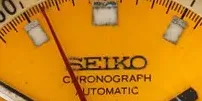
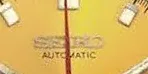
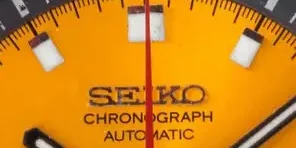
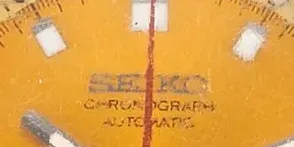
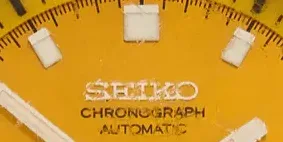
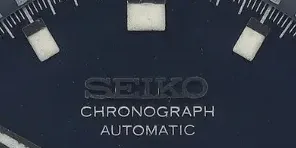
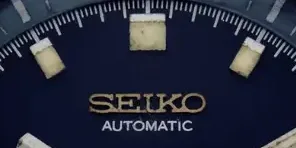
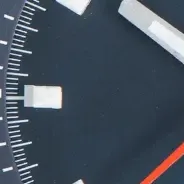
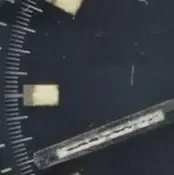
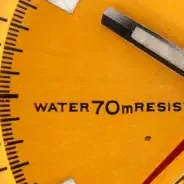
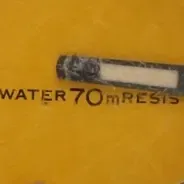
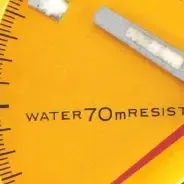
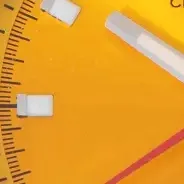
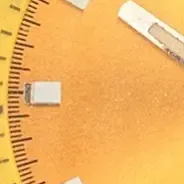
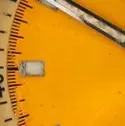
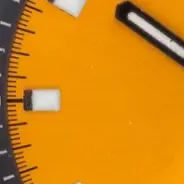
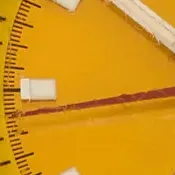
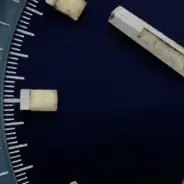
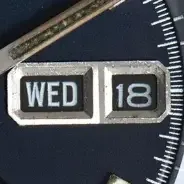
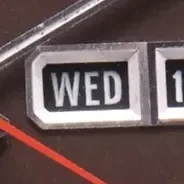
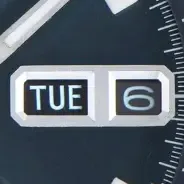
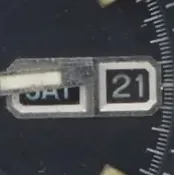
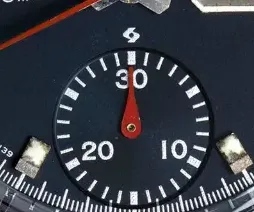
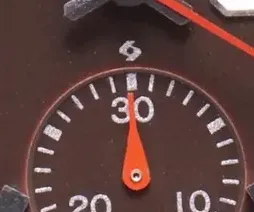
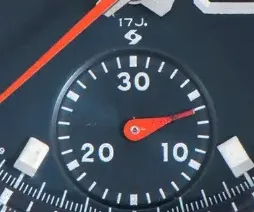
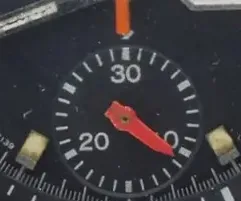
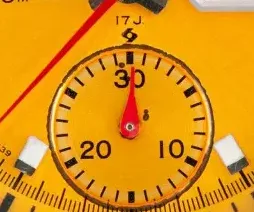
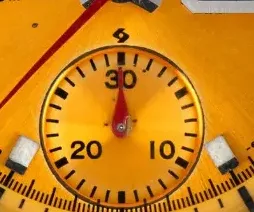
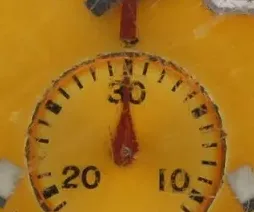
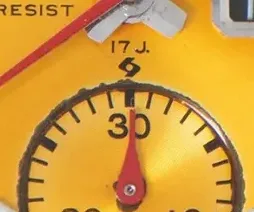
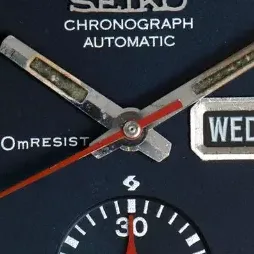
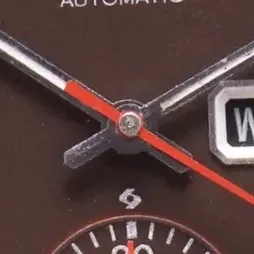
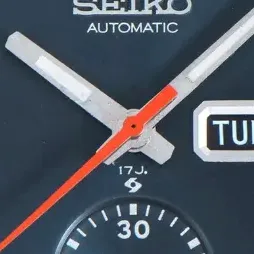
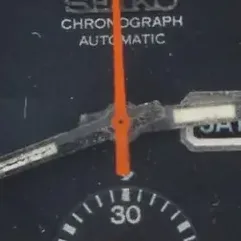
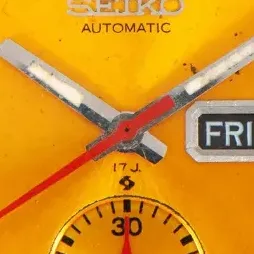
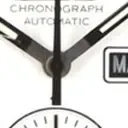
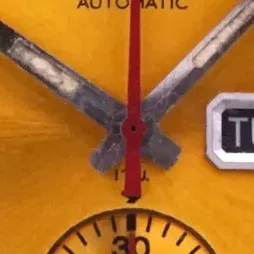
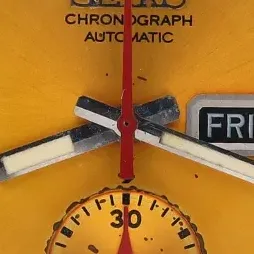
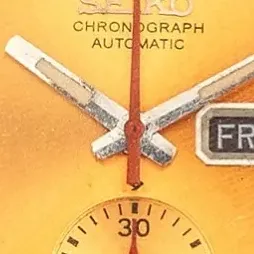
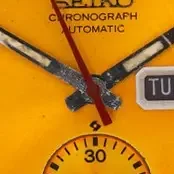
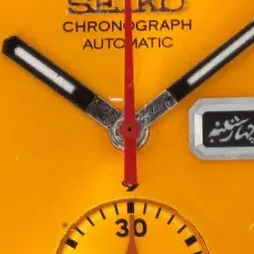
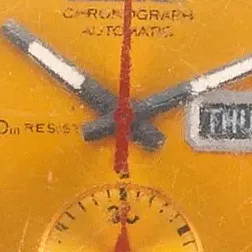
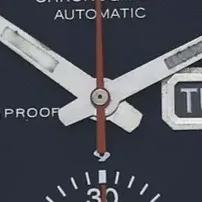
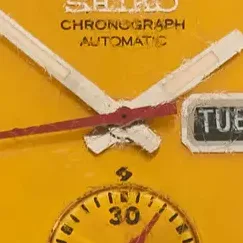
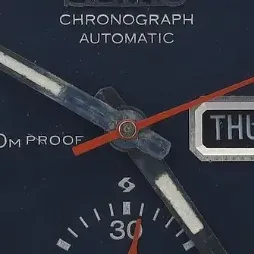
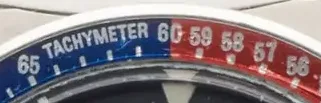
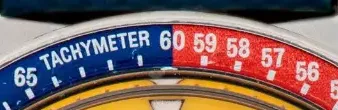
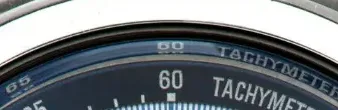
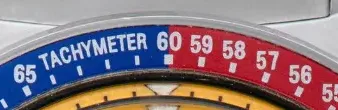
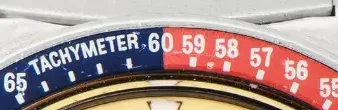
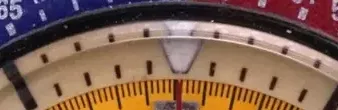
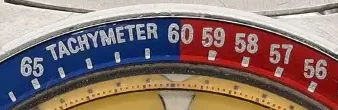
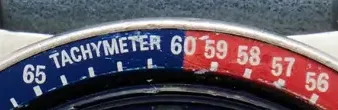
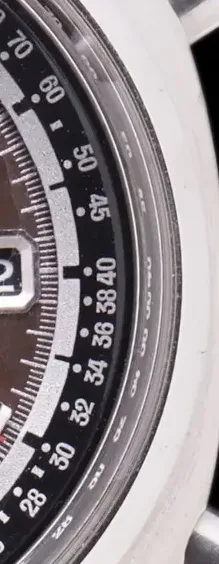
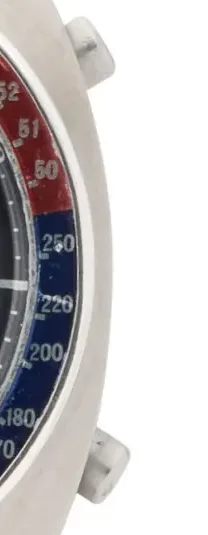
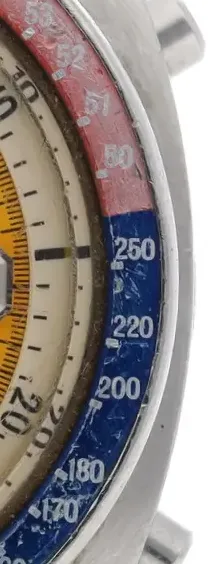
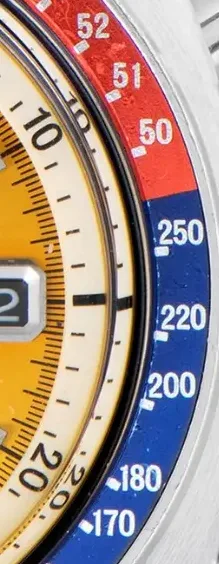
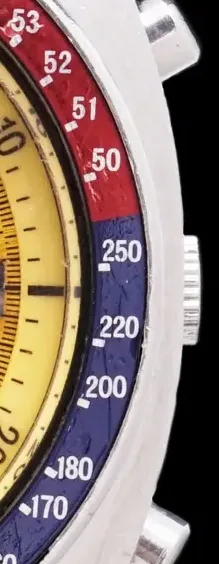
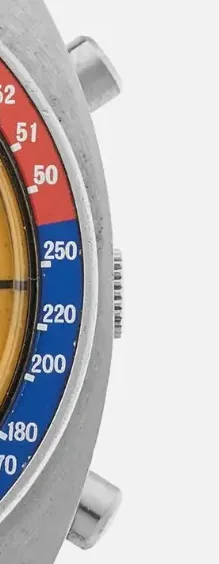
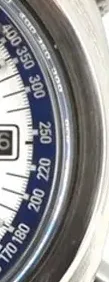
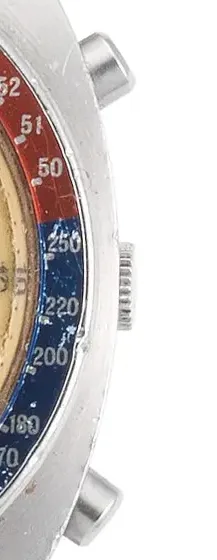
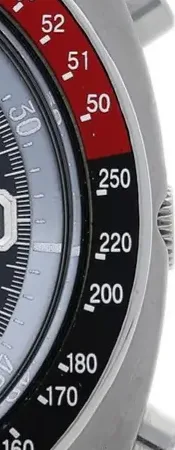
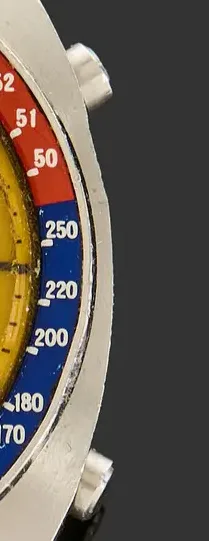
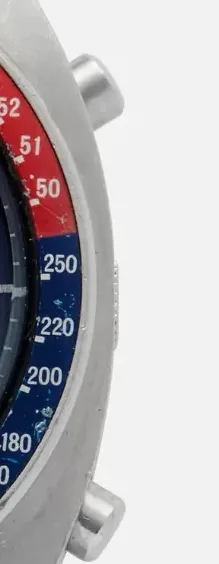
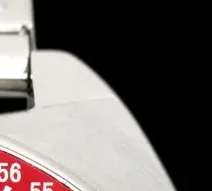
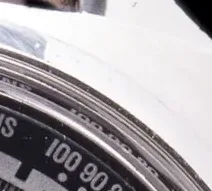
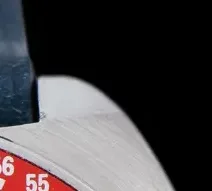
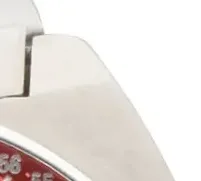
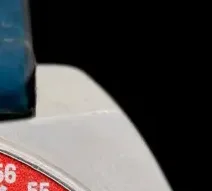
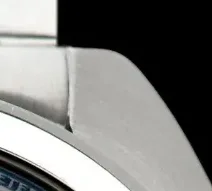
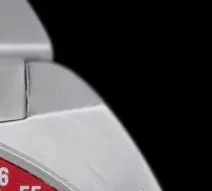
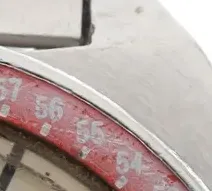
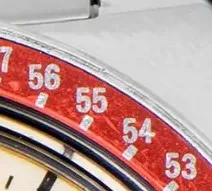
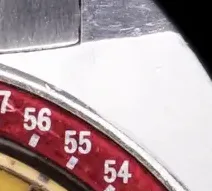
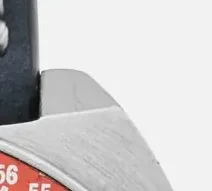
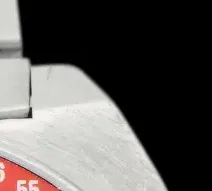
29 watches, oldest first, each straightened and cut the same way so that one row shows one component across them all. Chosen from 217 photographs on file for sharpness and for a face typical of the reference. A year marked c. is one its holder gives only roughly. Each picture is a detail cut from a listing photograph. Select the small mark in its corner for its year, its holder, a link to the listing it came from, and a way to report it.
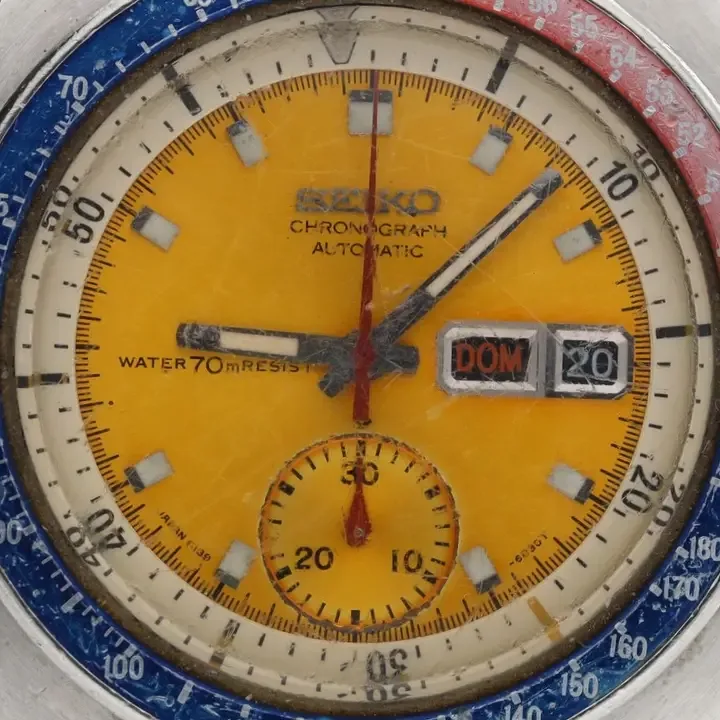
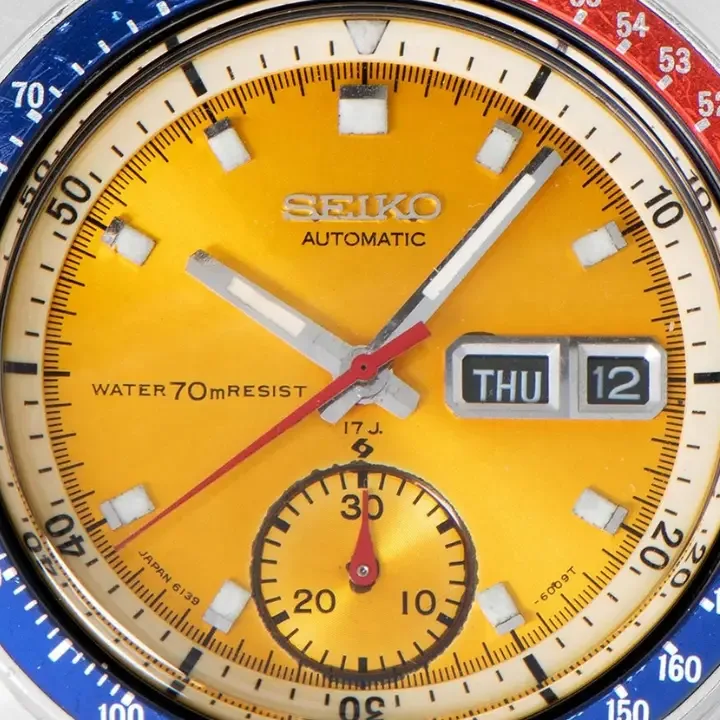
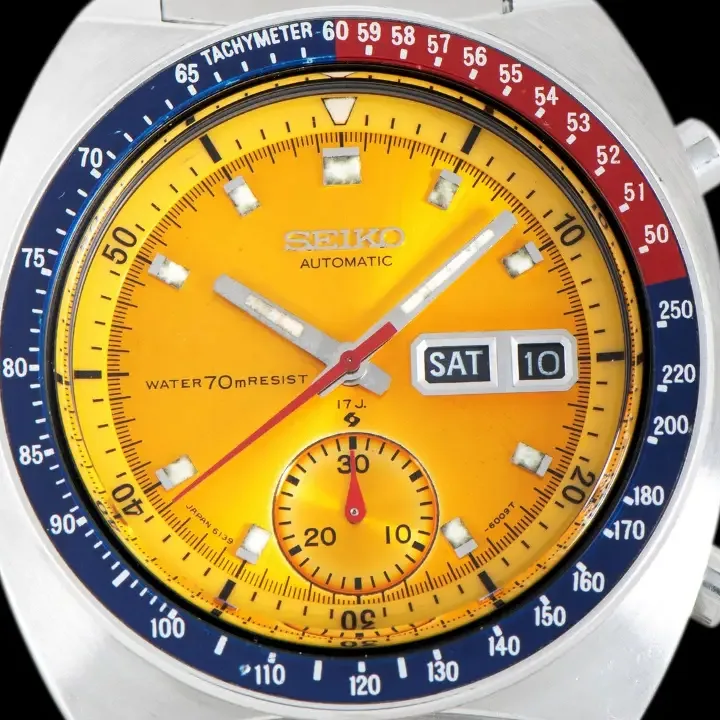
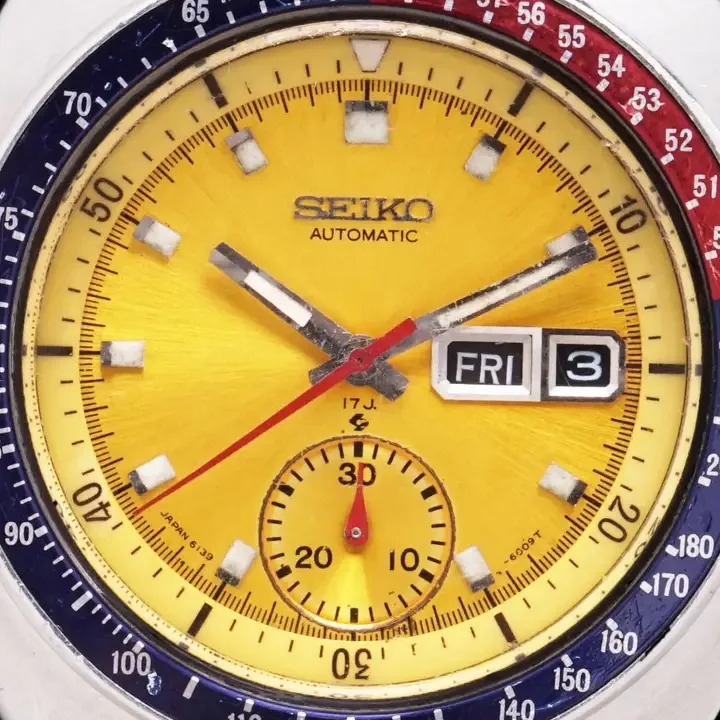
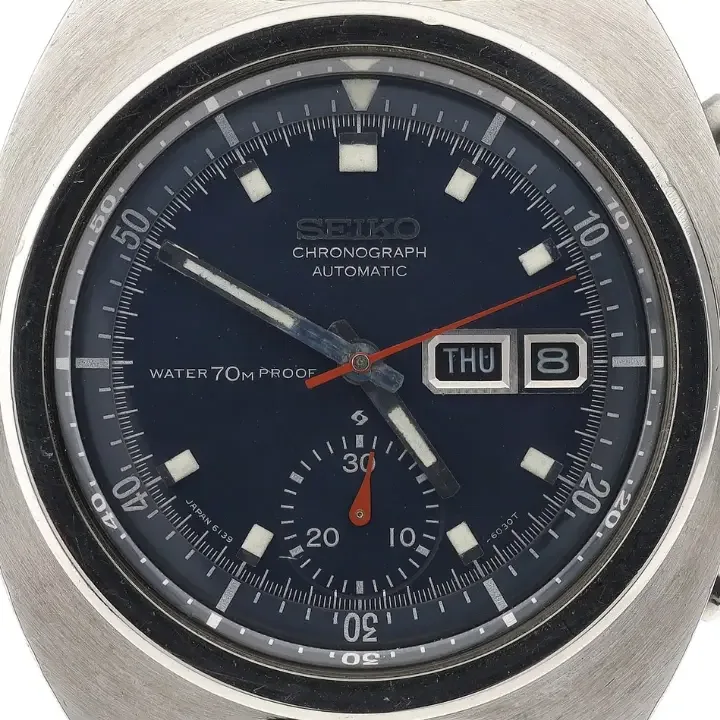
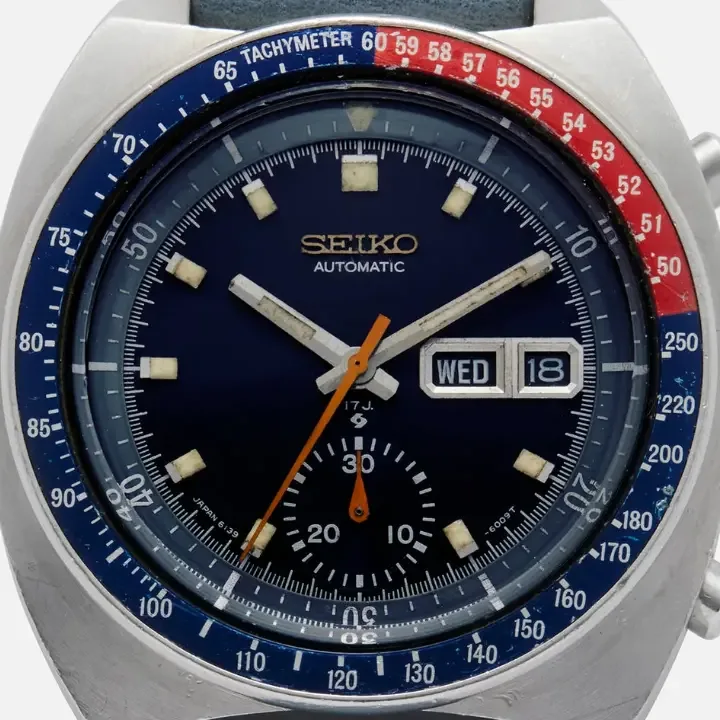
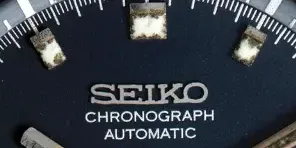
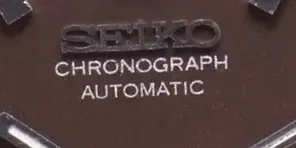


















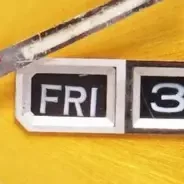
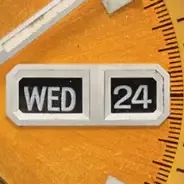
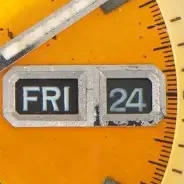

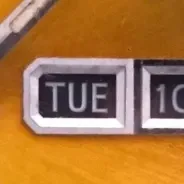

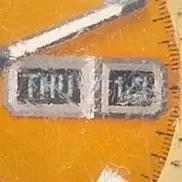
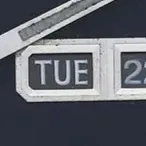
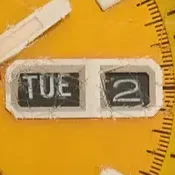
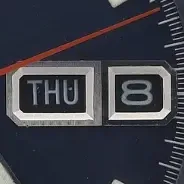


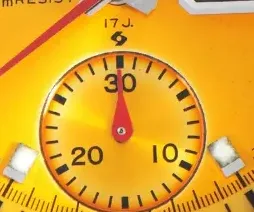
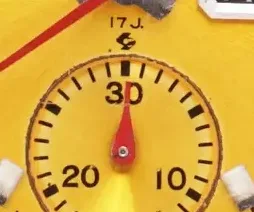
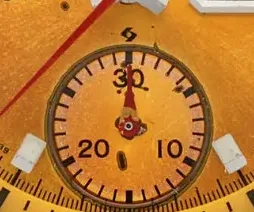
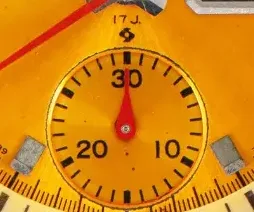
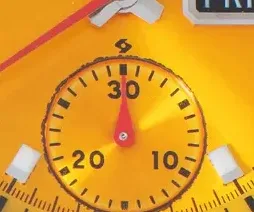
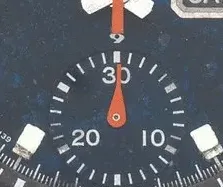
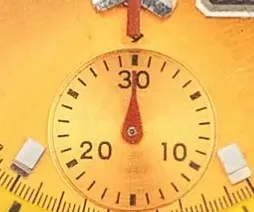


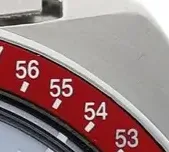
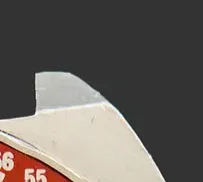
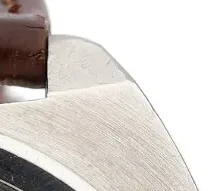
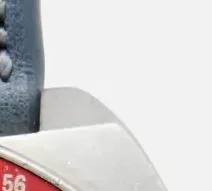
Chronology
Case-back serials date the first watches to January 1969 and catalogues run to 1978, with production seen to at least 1979; the end is put at 1979 or about 1980.
Every dated variant: what is written, and what the records show
For the reference the marks are every dated watch; for a variant, the watches a seller names as that variant, so a variant sellers do not name has none.
Specification
| Case | Stainless steel, about 40 mm, cushion or C-shaped with angled lugs and 19 mm lug width on the Pogue models; screw-down back |
| Crystal | Hardlex mineral crystal |
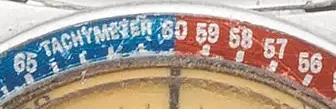
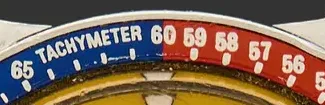
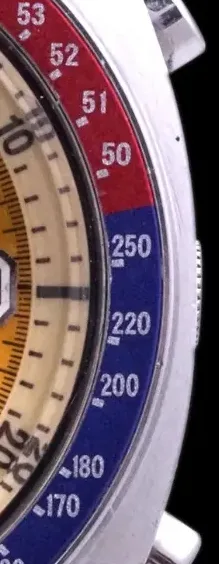
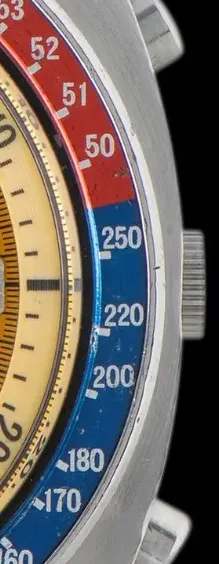
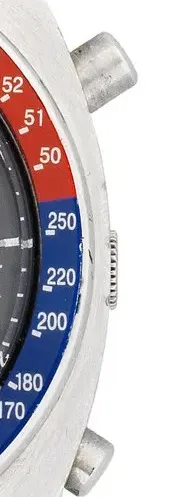
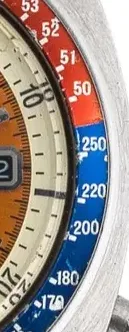
| Bezel | Outer tachymeter bezel (red and blue on the Pogue) and an inner rotating ring turned by the crown, depending on the code |
| Movement | Seiko 6139A or 6139B automatic chronograph, 27 mm, 21,600 beats per hour, column wheel and vertical clutch, no hand winding |
| Registers | Central chronograph seconds hand and one 30-minute register at 6 o'clock; no running seconds |
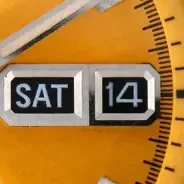
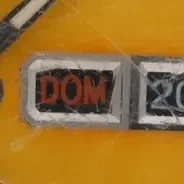
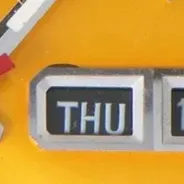
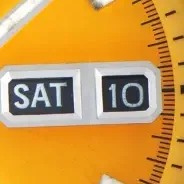
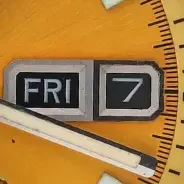
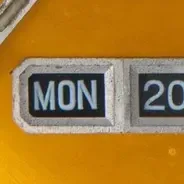
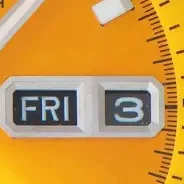
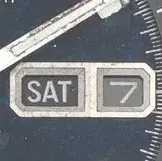
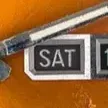
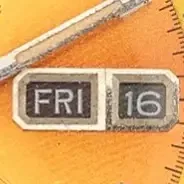
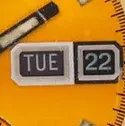
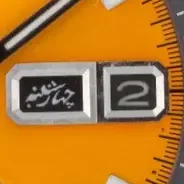
| Calendar | Day and date at 3 o'clock, quick-set by pushing the crown in, with a bilingual day wheel |
| Crown and pushers | Crown at 3 o'clock for time, calendar and inner bezel; start-stop and reset pushers on the right |
| Water resistance | 70 metres is marked on the dial of the Pogue models; the first Speed-Timer was announced as 40 m |
| Bracelet | Steel H-link bracelet with stamped end links and a folding clasp on the Pogue models |
Reference 20 described
The number before the dash is the calibre, 6139; the case code after it gives the design, each series (600X, 601X, 700X and so on) having its own case. Within a series the last digit is generally thought to mark the region where the watch was sold, and one code can come with more than one dial colour. The codes below run in order of series, and each series holds several dial colours.
6139-600X
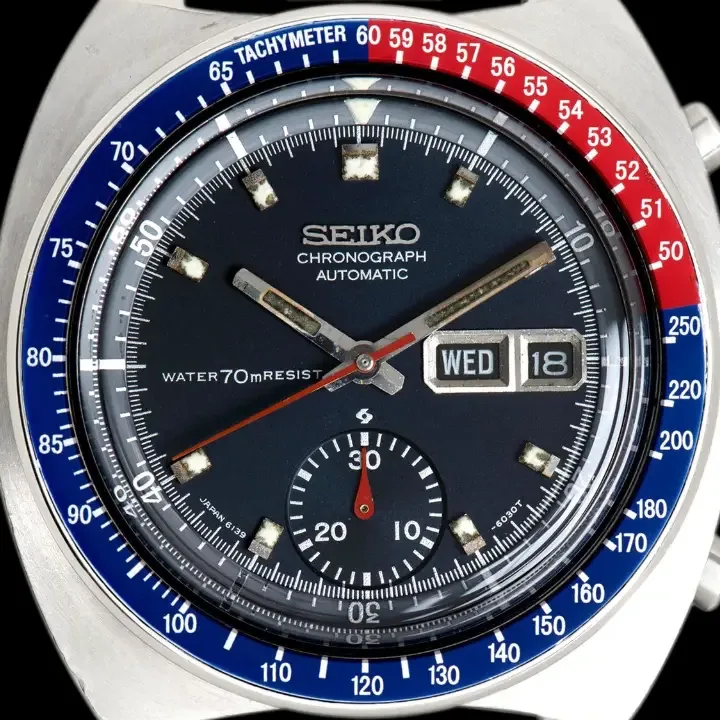
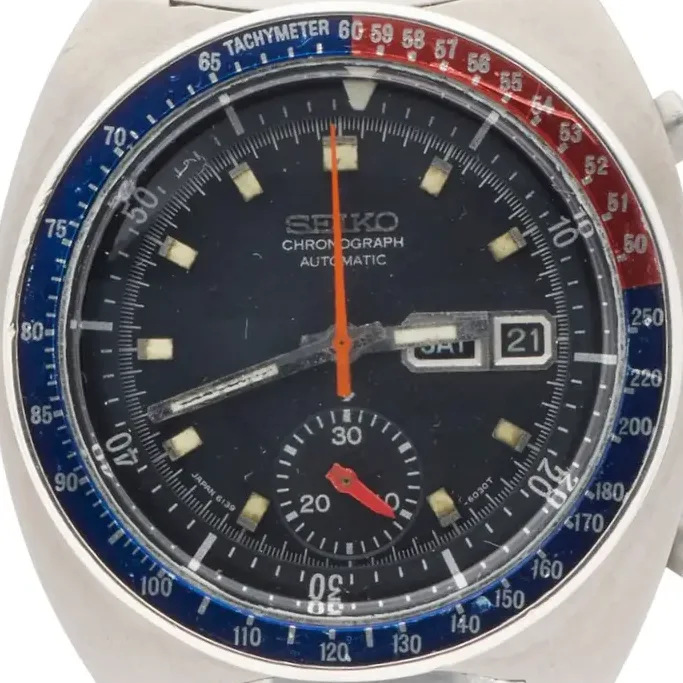
The sporty case with the red and blue tachymeter bezel, and the family of the Pogue. Codes seen are 6139-6000, -6001, -6002, -6005, -6007 and -6009, thought to relate to the regions where the watch was sold. There are about twenty variations over four colours: blue, yellow, silver and teal. The 6139-6000 is the 61SP 014 and 016 of the catalogues.
- red and blue outer tachymeter bezel
- rotating inner ring turned by the crown
6139-601X
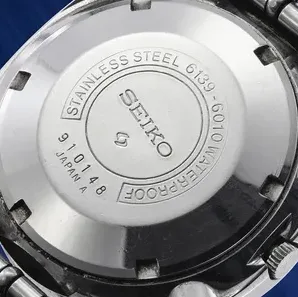
numbers from 910148
Among the first 6139 made; the earliest known is a 6139-6010 of January 1969. Codes are 6139-6010, -6011, -6012, -6015, -6017 and -6019, and the 6139-6010 is the 61SP 022 and 024 of the catalogues. Blue and black dials are the most common and black-dial watches are called Bruce Lee, after research linking one 1969 watch to him. The 6139-6012 also comes with a grey dial, a black dial with a white register and an all-gold version.
- fixed inner tachymeter chapter ring
6139-602X Pulsations
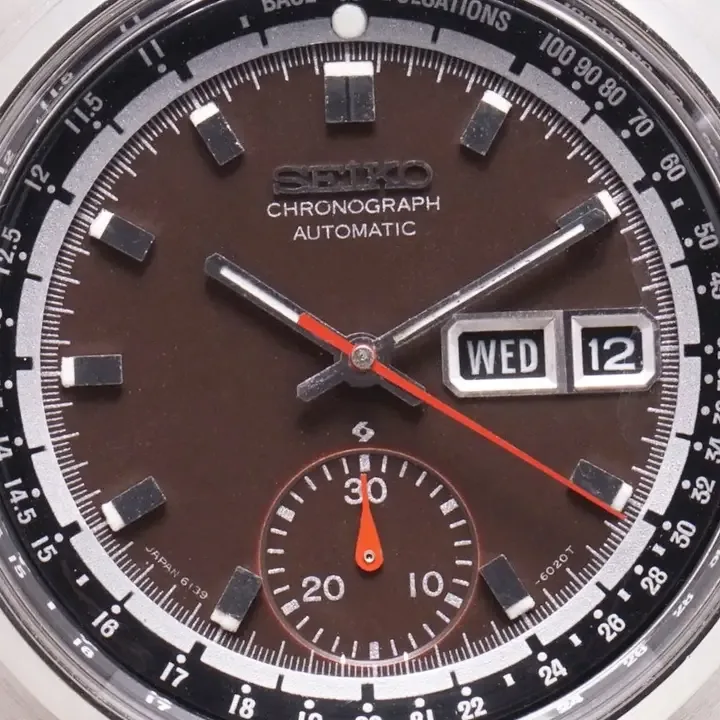
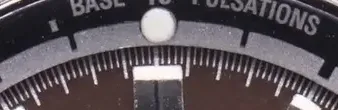
Has a rotating pulsations bezel with which the heart rate is measured: start the chronograph, count to ten and read the beats per minute. Called Pulsations or Doctor's Chronograph. Codes 6139-6020, -6021 and -6022; dials in silver, white, black, blue and chocolate brown.
- pulsations scale on the rotating bezel
6139-603X Coke
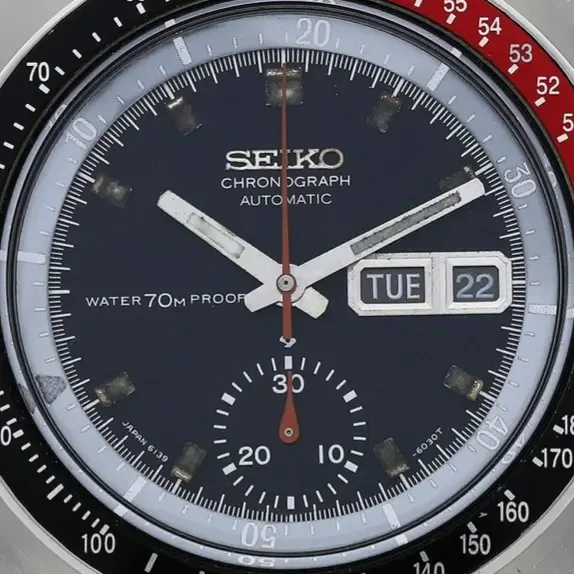
Black dial with a black and red tachymeter bezel in the cushion shape with sharp edges, also called Black Pogue. Codes 6139-6030, -6031 and -6032.
- black and red bezel
- black dial
6139-604X Silver Ghost
A round case, untypical of the 1970s Seiko chronographs, with a black and grey bezel that fades heavily; also under 6139-6041 and in an orange dial version. Called Silver Ghost or Grey Ghost after the dial and the fading bezel.
- round case
- fading black and grey bezel
6139-700X
Has an internal 0 to 100 bezel, the only model in the family with one, and a bold high-contrast dial in light blue and silver, khaki blue or black.
- internal 0 to 100 bezel
6139-701X Military
The only 6139 with alphanumeric hour indexes; codes 6139-7010, -7011 and -7012. Some were issued to the Japan Maritime Self Defense Force and the Japan Air Self Defense Force and carry a case back with the unit logo. It was also sold to the public and was made mostly between 1970 and 1972 by case-back numbers. Black is the common dial, with a silver 'iceberg' version.
- alphanumeric hour indexes
- JMSDF or JASDF case back logo
6139-7012 Coffee and Cream
In a case like the military watch but with no alphanumeric hour indexes. It has no official nickname; the coffee and cream dial is the unusual one and a black dial also exists.
- no alphanumeric indexes
- coffee and cream dial
6139-7020 Apple
Called Apple or Flying Saucer for the crescent scoops at the lugs.
- crescent scoops at the lugs
6139-7030 and 6139-7070 Baby Jumbo
Named for dial resemblance to the 6138-300X Jumbo. The 6139-7030 (or -7031) has a longer case with pointed lugs and curved end links; the 6139-7070 (or -7071) is less tonneau-shaped with straight end links, and bezel and crystal differ. Dials are dark blue (petrol) or black.
- curved end links on 7030
- straight end links on 7070
6139-7050
A sandwich three-level dial, a more colourful version of the 6139-7070 and made for the Japanese market only.
- three-level sandwich dial
6139-706X
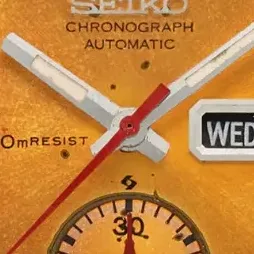
A case with brushed and polished surfaces; Japanese-market dials include cream, gold, green, grey and teal, and an export version has a black dial marked chronograph automatic.
6139-7080 Hexagon
A hexagon-shaped case, available with a champagne or black dial.
- hexagon case
6139-710X Helmet
A helmet-shaped case with alternating finishes that is spoiled by polishing; called Darth Vader in black and also made with a white dial. The 6139-7100 is the code.
- helmet case with alternating finishes
6139-800X
A barrel case with hidden lugs. Dials include a blue, grey and purple cocktail, black with black or white register, silver and khaki blue; the 6139-8002 is also sold as 5 Sports Speed-Timer with a blue fume dial.
- barrel case
- hidden lugs
6139-8010 and 6139-8019
Steel case with a black PVD coating, mostly with a black dial and also with a gold and beige dial.
- black PVD case
6139-8020 and 6139-8029 Retro Racer
A hooded case with a clean legible dial and a rally-style bracelet, in silver or black dial.
- hooded case
- rally-style bracelet
6139-8030
One of the smallest cases in the family, with black, blue and silver dials. It was made for the Oceania, South-East Asia and Australia market through a Singapore distributor, with English and Roman day wheels and solid-link bracelets signed Stelux.
- English and Roman day wheel
- Stelux solid-link bracelet
6139-8040
Rolled hooded lugs and clean edges, in green and blue dials; seen in Japanese catalogues and apparently with no export counterpart.
- rolled hooded lugs
6139-8050
A smaller dressier case with prominent lugs, a sunburst ocean green dial and syringe hands; a blue dial also exists.
- sunburst green dial
- syringe hands
Dial 8 described
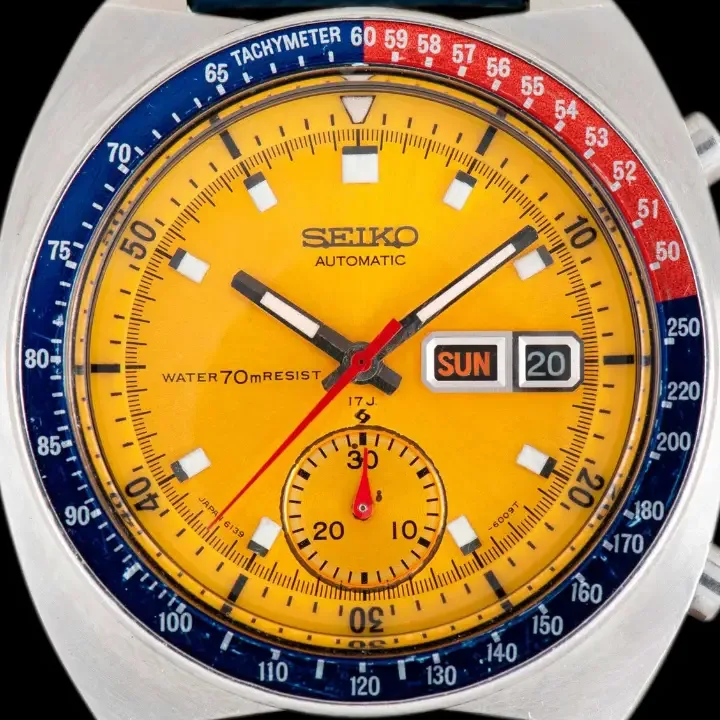
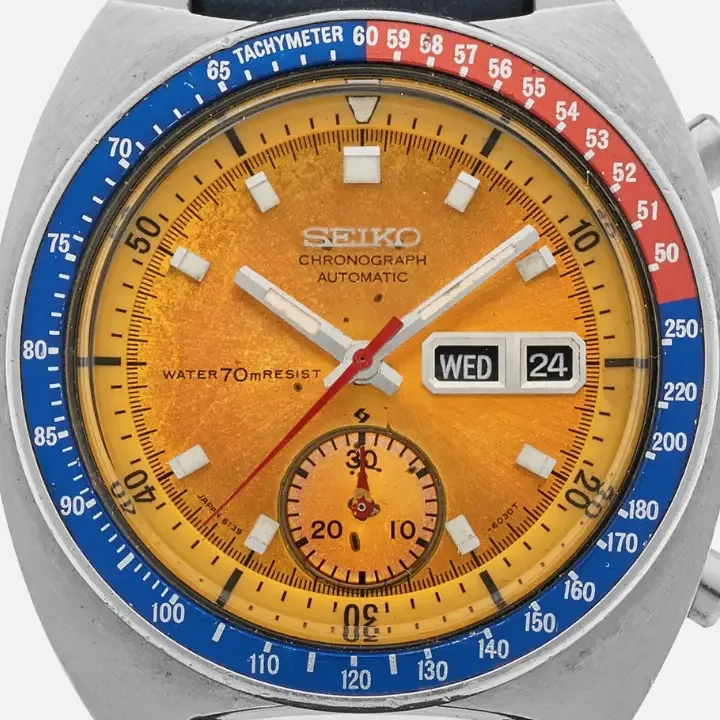
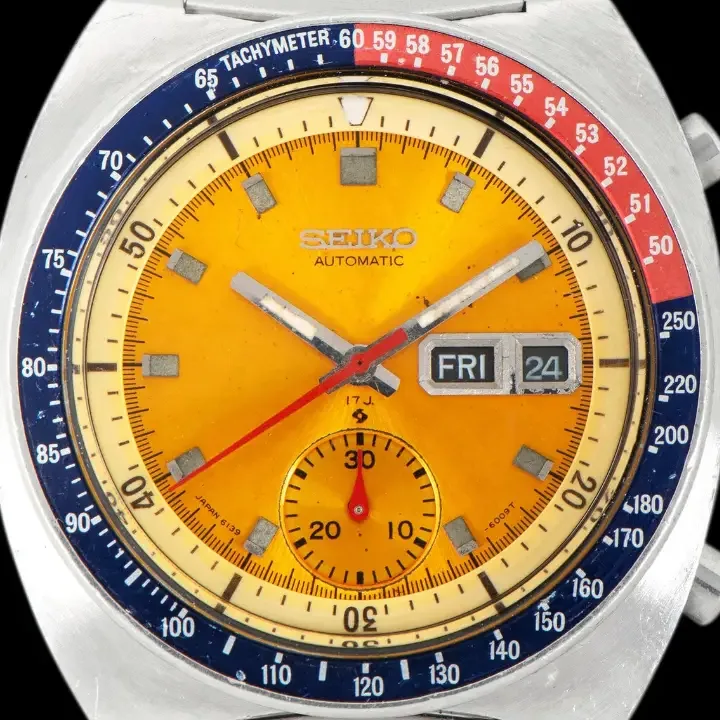
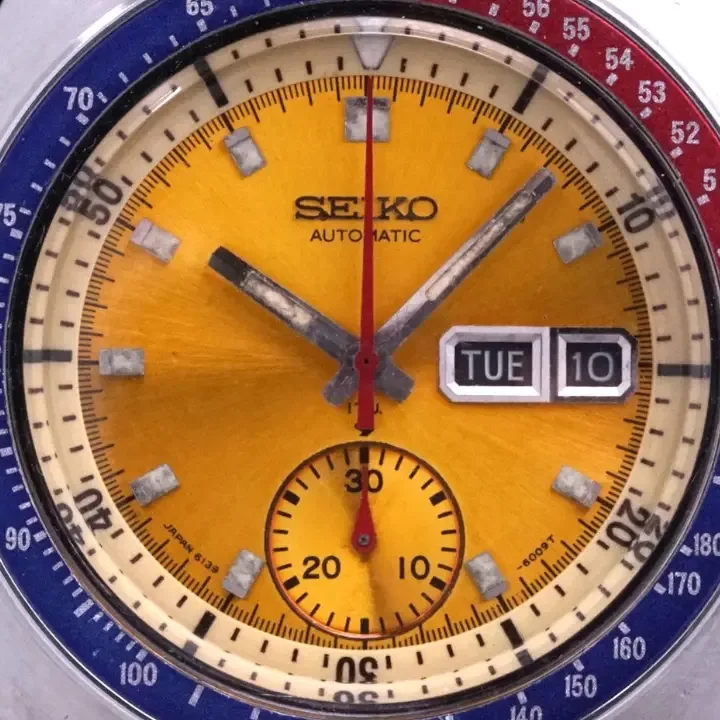
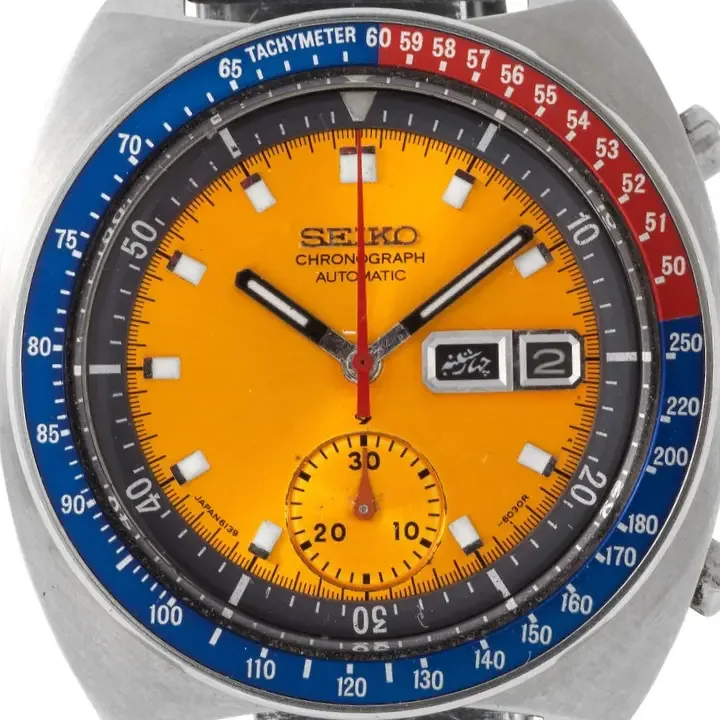
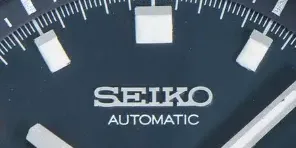
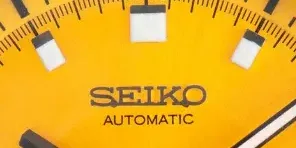
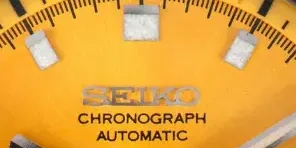
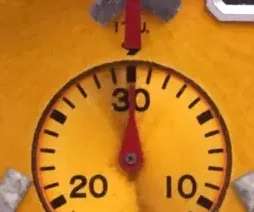
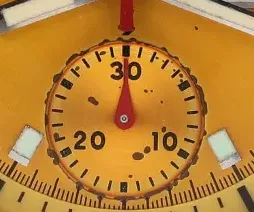
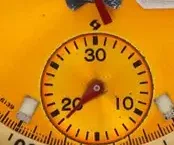
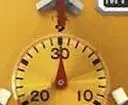
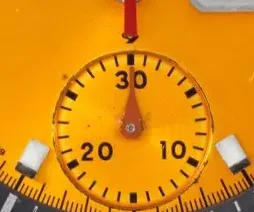
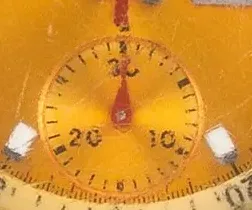
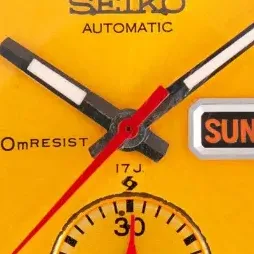
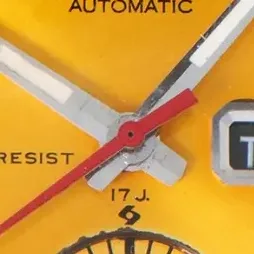
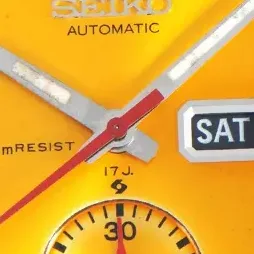
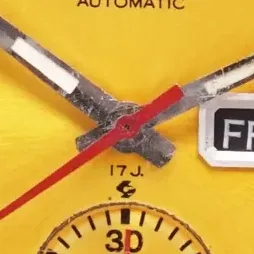
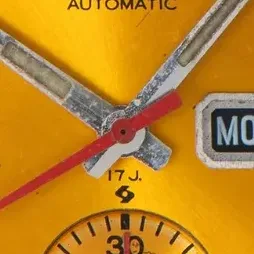
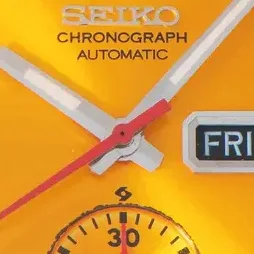
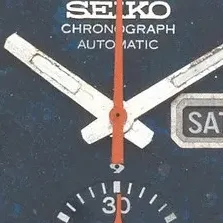
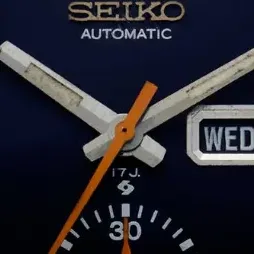
Dials come in many colours across the family; the Pogue dials are yellow, honey in tone with a sunray finish, with silver baton hands and markers filled with lume, black text, and a red chronograph hand and register hand. The Seiko logo is applied and a Suwa mark sits below the centre.
Yellow Pogue
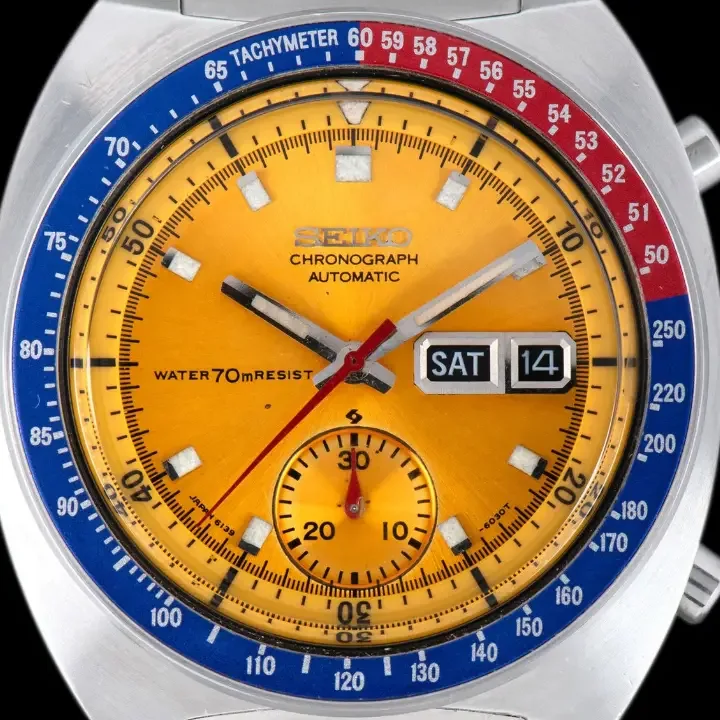
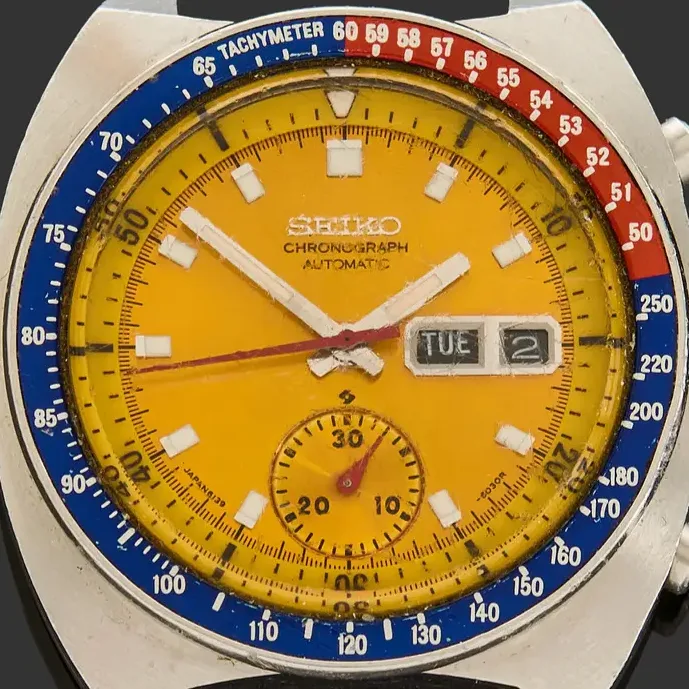
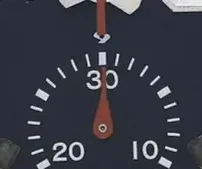
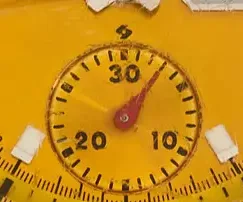
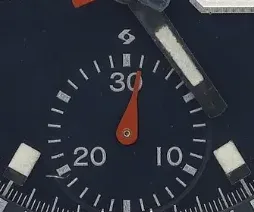
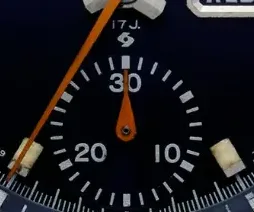
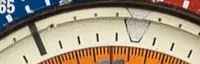
Any yellow-dial 6139 is generally called a Pogue, though some limit the name to one code. The dial is yellow with a sunburst finish, the 30-minute register has a step down and a teardrop hand, and the tachymeter bezel is red and blue.
- yellow sunburst dial
- applied Seiko logo
- Suwa mark below the centre
- teardrop register hand
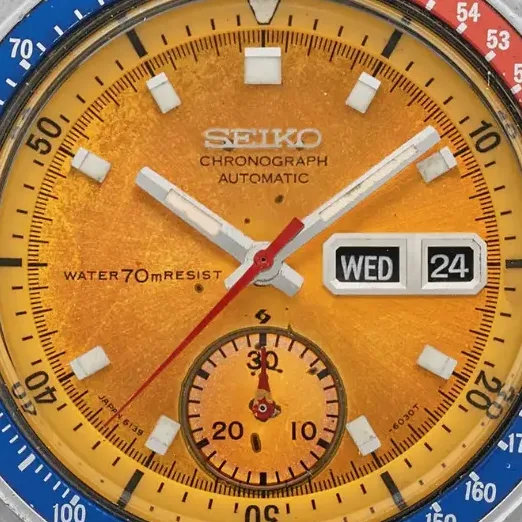
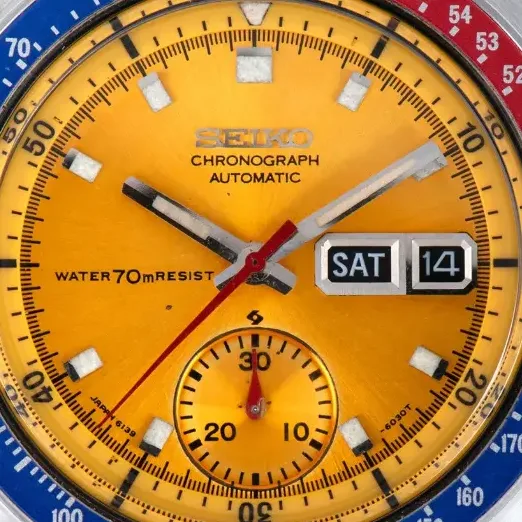
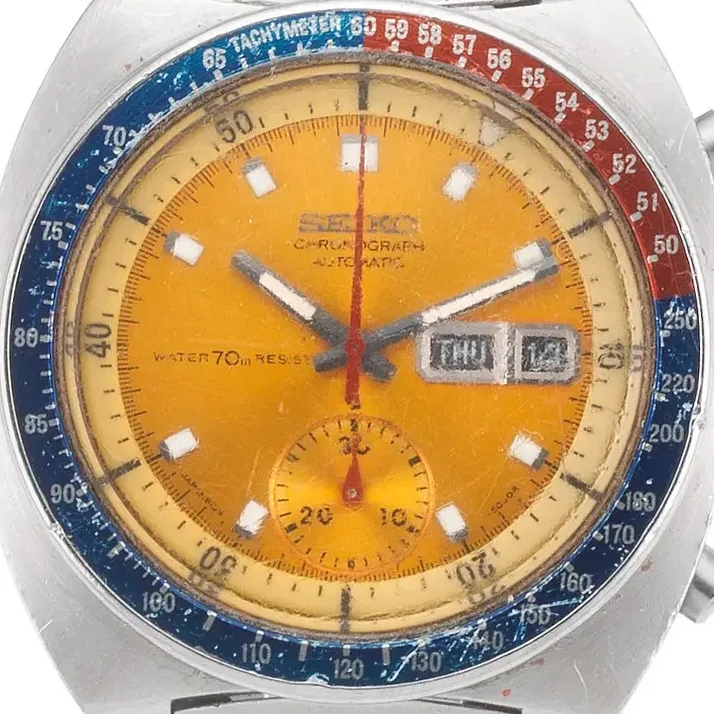
True Pogue dial, 6139-6005 (6009T)
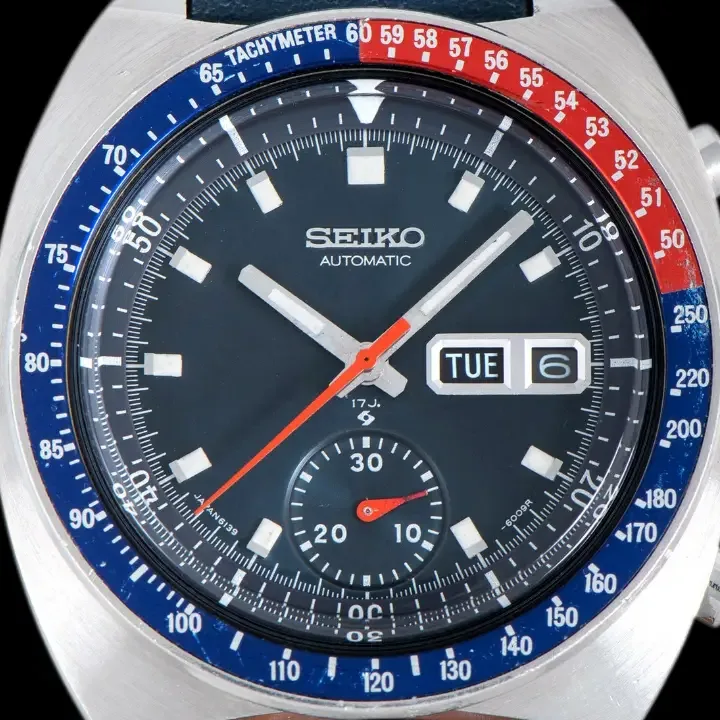
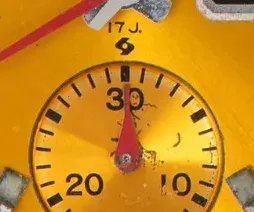
The 6139-6005 for the United States carries a dial coded 6009T with Water 70m Resist on the left, Automatic below the logo and 17J between the centre hands and the Suwa mark. The dial with the Resist wording is put at 1971 to about mid-1972 by one account and to 1973 by another; after that the 6005 dial has no text at 9 o'clock. This is the code some call the True Pogue. Its date wheel is in Spanish and English.
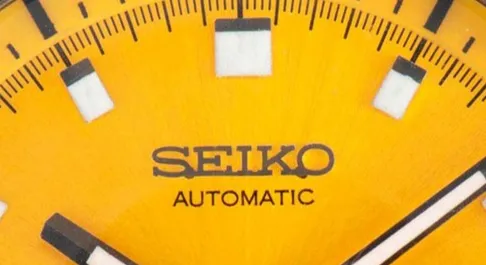
- Water 70m Resist at 9 o'clock
- 17J near the centre
- tiny dial code between 4 and 5
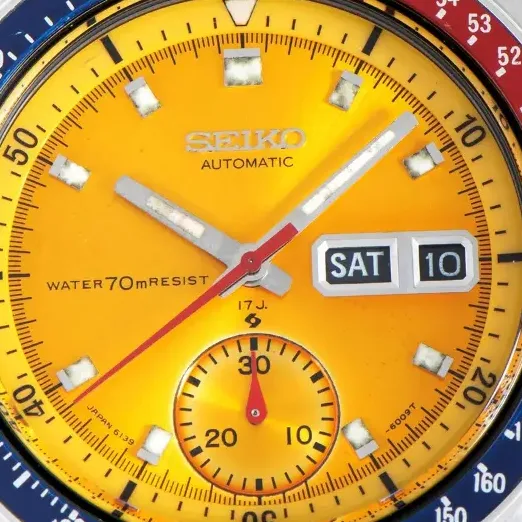


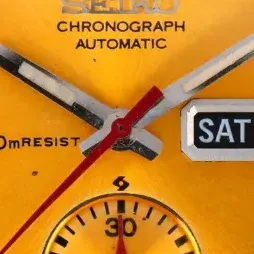
6139-6002 dial
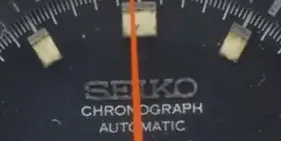
Also carries Water 70m Resist but has Chronograph Automatic below the Seiko logo and no 17J mark. It is described by one account as a model for the Japanese market only.
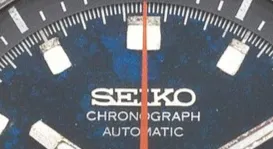

- no 17J mark
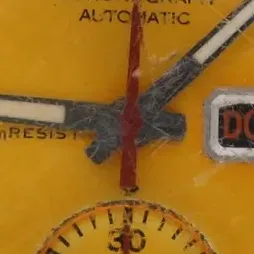
Later 6009T dial without 9 o'clock text
Later American-market 6139-6005 dials, still coded 6009T, have no text at 9 o'clock. They are put from about mid-1972 by one account and from 1973 by another, and run to the end of production; this would be the usual service replacement.
- no text at 9 o'clock
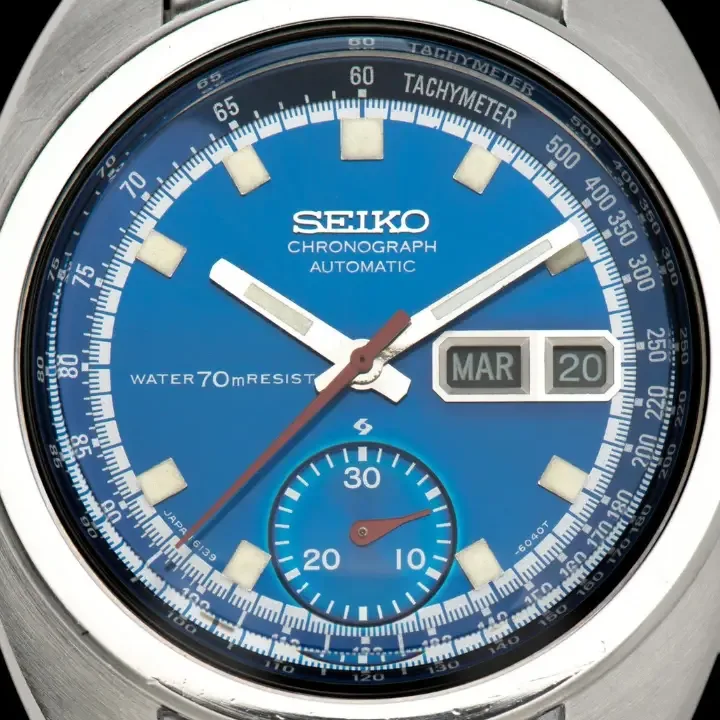
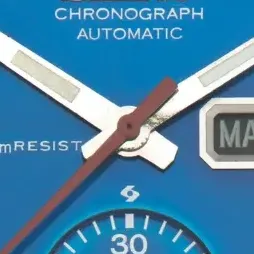
Blue Cevert
The blue-dial version of the Pogue case, called Cevert after the racing driver who wore one, with a blue inner bezel. Another blue dial is called Blue Pogue.
- blue dial
- blue inner bezel
Silver dial
A scarce silver-dial version of the 600X.
Teal Sunrise
A rare teal dial named for the markings on the register, said to have been made only in November and December 1972.
- teal dial
- markings on the register
Proof dial
Dials marked proof are mentioned among the first releases of the family.
Bezel 4 described
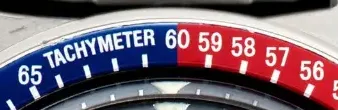
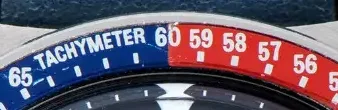
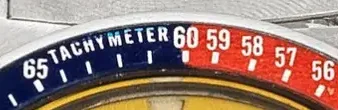
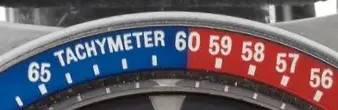
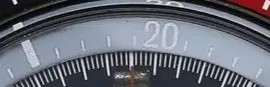
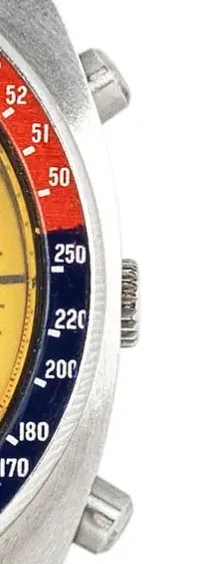
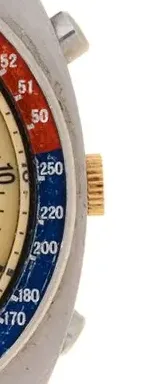
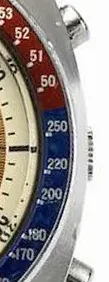
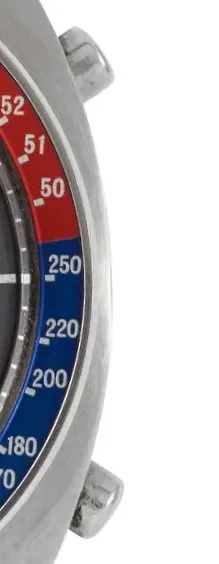
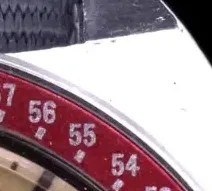
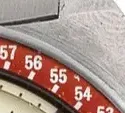
The outer bezel carries the tachymeter scale and the inner ring is turned by the crown. On the original 6139-6000 type the inner ring covers up to sixty minutes; on the 6139-6010 type the inner chapter ring is fixed.
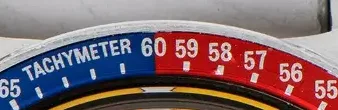
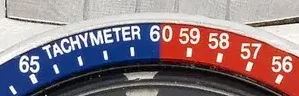
Red and blue tachymeter bezel with rotating inner ring
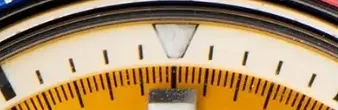
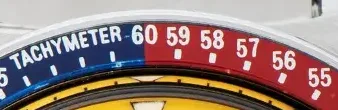
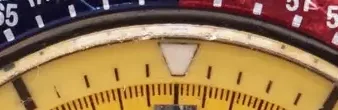
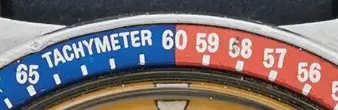
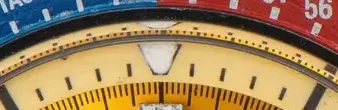
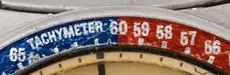
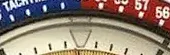
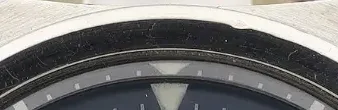
The outer tachymeter bezel in red and blue gives the Pepsi look. The inner ring is yellow on yellow dials and blue on blue dials, with a marker triangle at the top, and it often fades to near white from sunlight. No white or black original inner rings are known, so a white ring is either faded or repainted. If the plastic teeth under the ring are stripped the part has to be replaced.
- red and blue outer bezel
- yellow inner ring that may fade to white
- triangle marker at the top
Fixed inner chapter ring
The 6139-6010 type has a fixed inner tachymeter chapter ring instead of the rotating ring.
Black and red bezel
The 603X Coke has a black and red tachymeter bezel.
- black and red
Fading black and grey bezel
The Silver Ghost bezel fades heavily, which makes good examples hard to find.
Case 4 described
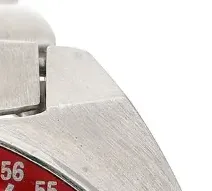
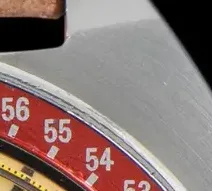
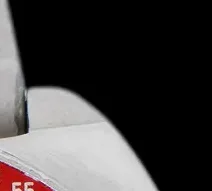
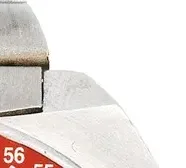
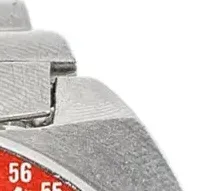
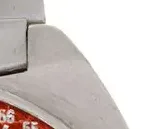
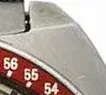
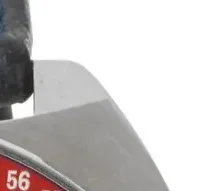
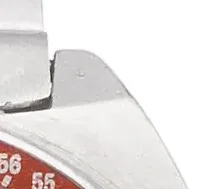
The Pogue case is about 40 mm and C-shaped, with 19 mm lugs and many surfaces and finishes, and a screw-down back. The wider family uses cushion, helmet, hexagon, barrel and hooded shapes.
First 1969 case
The case of the original models, which was kept to about 1976, apart from a small indentation near the crown on the earliest.
- small indentation by the crown on the earliest
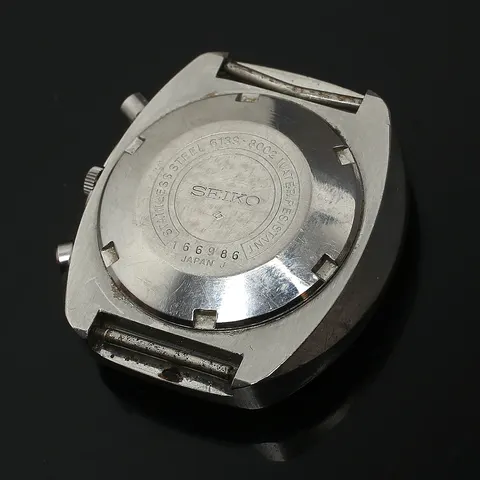
Case back with serial date
The case back gives the model number, material and Seiko signature, and the serial shows the year and month. The first digit gives the year and the second the month: a number from 1 to 9 up to September, then a zero, an N and a D for the last three months. A watch with a serial of 910149 was made in January 1969 and 190945 in September 1971.
- serial with year digit and month digit
Gold-plated case
A gold-plated case with a gilt dial and hands is found on the 6139-6015, one dated 1977; the plating wears off at corners and pusher ends.
- gilt dial print
- worn plating at corners
Military case backs
The 6139-7010 has case backs with the logo of the Japanese maritime or air self defence force.
- unit logo on case back
Crown and pushers 1 described
One crown at 3 o'clock does the time, the calendar and the inner bezel.
Recessed vertical-grooved crown
A plain unmarked crown with vertical grooves sits in the case, without crown guards. Pulled out one position it sets the time; pushed in a light press sets the date and a deeper press the day, and it also turns the inner bezel.
- unmarked crown with vertical grooves
- no crown guards
Crystal 1 described
A mineral crystal rather than acrylic.
Hardlex crystal
The Speed-Timer was announced with a Hardlex mineral crystal, and the Pogue models have one too; it resists scratches but can chip. Crystals are often replaced.
Movement 2 described
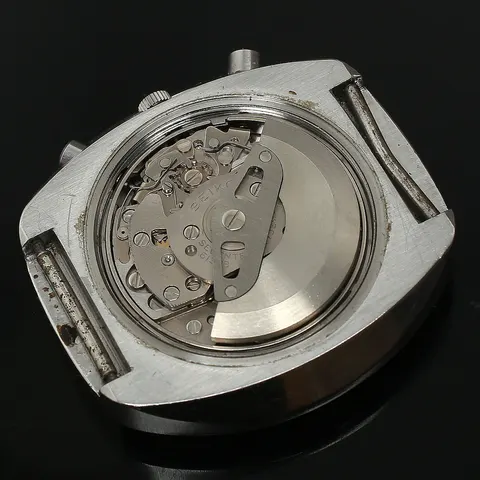
The calibre is a single-register automatic chronograph that cannot be wound by hand, built on the basic 6106 calibre and related to the 6138, which has a 12-hour counter.
6139A
The first version, 6.65 mm high, made with 21 jewels and with 17 jewels; the 21-jewel version adds the Diafix lubrication device to the escape wheel. In general, Japanese-market watches had 21 jewels and export watches 17.
6139B
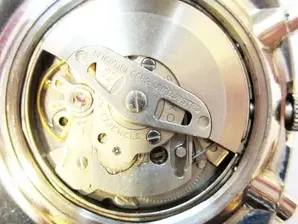
Replaced the A around 1971; 7.10 mm high, with a centre chronograph wheel and simplified chronograph bridge. Some accounts give it 17 jewels, but like the A it was also made with 21, generally for Japanese-market watches, the 21-jewel version adding a Diafix setting at the escape wheel. It is the only version listed by 1976. It runs at 21,600 beats per hour with Diashock protection and a quick-set day and date.
Bracelet 3 described
The Pogue models have a steel bracelet; other markets differ.
H-link bracelet
A simple H-link steel bracelet with stamped, thick polished end links and a thin folding clasp with sliding tabs for adjustment.
- H-shaped links
- stamped end links
- folding clasp
Stelux solid-link bracelet
A solid-link bracelet signed Stelux fitted on the 6139-8030 for the Oceania market.
Rally-style bracelet
The 6139-8020 and 8029 have a rally-style bracelet.
Originality
- Aftermarket bezels, wrong hands and inner bezels that no longer turn are common among surviving watches.
- A white inner ring on a yellow-dial watch is usually a faded original, and repainting it white is a known alteration.
- Cases that have been heavily polished lose their original finishes and sharp edges, which cannot be put back; the helmet case suffers badly from this.
- Moisture inside the case is common, and many listings describe watches with parts replaced or retouched.
- A serviced watch may have replaced seals and a replaced crystal. The dial code is not the case code (the 6139-6005 has a 6009T dial and the 6139-6002 a 6030T), but the dial wording should suit the case code, as the 6005 and 6002 dials differ.
Names
- Pogue. A yellow-dial 6139 was worn by an astronaut on the Skylab 4 mission of 1973 and 1974.
- True Pogue. Used for the 6139-6005 with Water 70m Resist and Automatic on the dial.
- Pepsi. The bezel is red and blue.
- Cevert. A racing driver of that name wore the blue-dial version.
- Bruce Lee. Black-dial 6139-601X watches carry the name, after research linking a 1969 6139-6010 to him.
- Coke. The 603X has a black and red bezel.
- Pulsations. The rotating bezel measures heart rate.
- Silver Ghost. The 604X has a pale dial and a bezel that fades.
- Baby Jumbo. The dial resembles that of the 6138-300X Jumbo.
- Helmet. The 710X case is helmet-shaped.
Where accounts differ
Points on which the published literature and the library's own records do not agree, or on which the literature contradicts itself.
- Which code the Pogue watch was. One account argues for the 6139-6005 from the 6009T dial code, the 17J mark and a serial dating the case to September 1971. Two others say it was a 6139-6002; one of them later argues for the 6005 instead and calls the 6002 a Japanese-market model. The library's records show both 6002 and 6005 sold as Pogue, so the name covers both.
- Release month. Guides give May 1969 for release, and an internal report of that month gives 21 May. One history table, compiled in 1995, puts the 6139 in March 1969; the guide that cites it suggests this may be when the first batch was delivered rather than when it went on sale.
- Case size. Published accounts give 40 mm. Sellers most often give 41 mm, and others 39 or 40 mm.
- End of production. Most accounts end production in 1979, with watches seen to at least that year; one account says Seiko stopped making the 6139 in 1980.
- Years of the 6139-6005. One account gives the 6139-6005 as made for the American market from 1971 to 1973, and another says it is reckoned to have stopped in 1973. Other accounts describe 6005 watches from November 1973 and from 1978, and one bought new in 1976, and the library's records hold 6005 watches dated into the later 1970s. One account puts the Water 70m Resist dial at 1971 to about mid-1972; another has the plain dial from 1973.
- Jewels of the 6139B. One account gives the 6139B 17 jewels only. Others say both the A and the B were made with 17 or 21 jewels, and accounts of 6139-7010, 6139-7020, 6139-7060 and 6139-8002 watches describe 21-jewel 6139B movements.
Back and movement
From listings of this reference, each confirmed by eye to show what it is filed under. A picture on which a person's name or a personal engraving can be read is not shown. From most holders a detail from the middle of the photograph is shown; the mark in its corner gives its holder and a link to the listing.
Caseback


Movement


Catalogue versions 24 listed
The full numbers under which holders list this reference, with what their listings say of each. Each has a page of its own.
| Version | Metal | Dial | Years seen | Records |
|---|---|---|---|---|
| 6139-6002 | Steel | Yellow | 1970–1978 | 37 |
| 6139-6005 | Steel | 1971–1978 | 22 | |
| 6139-7100 | Steel | White or yellow | 1975–1978 | 11 |
| 6139-6012 | Steel | Black | 1970–1975 | 9 |
| 6139-6000 | Steel | Black or blue | 1969–1970 | 6 |
| 6139-6010 | Steel | 1969–1971 | 6 | |
| 6139-6009 | 1969–1970 | 5 | ||
| 6139-8020 | Steel | Black or grey | 1970 | 5 |
| 6139-7002 | 1973–1974 | 4 | ||
| 6139-8002 | 1972–1975 | 4 | ||
| 6139-6001 | 1970 | 3 | ||
| 6139-6020 | 1970 | 3 | ||
| 6139-7070 | Blue | 1976 | 3 | |
| 6139-6011 thin | 1970 | 2 | ||
| 6139-6040 thin | 2 | |||
| 6139-7000 thin | 2 | |||
| 6139-7020 thin | 1971 | 2 | ||
| 6139-7060 thin | 1977 | 2 | ||
| 6139-8050 thin | 2 | |||
| 6139-6019 thin | 1 | |||
| 6139-6022 thin | Black | 1 | ||
| 6139-6030R thin | 1974 | 1 | ||
| 6139-8029 thin | 1 | |||
| 6139-8040 thin | 1974 | 1 |
In the records
Counted from 260 listings at 21 holders between 16 December 2015 and 14 November 2026. These are what sellers and auction houses state, not measurements.
Fainter bars are the 4 outside the main run of 1969–1978 (the middle nine-tenths): the latest is 1979. They are early and late examples, and now and then a seller's slip.
Case metal
| Steel | 16 |
Dial colour
| Yellow | 13 | |
| Blue | 8 | |
| Black | 8 | |
| Grey | 3 | |
| Brown | 2 | |
| White | 1 |
Case size
| 41 mm | 60 | |
| 39 mm | 16 | |
| 40 mm | 14 |
Calibre named
| 6139 | 54 | |
| 6139B | 39 | |
| 6139A | 11 |
Bracelet or strap
| Metal bracelet, kind not stated | 12 | |
| Leather strap | 2 |
Each table counts the listings that state the thing, in the seller's own terms. A size, metal, colour or calibre that cannot belong to this reference is a seller's slip or a listing filed under the wrong number.