Oyster Perpetual Day-Date
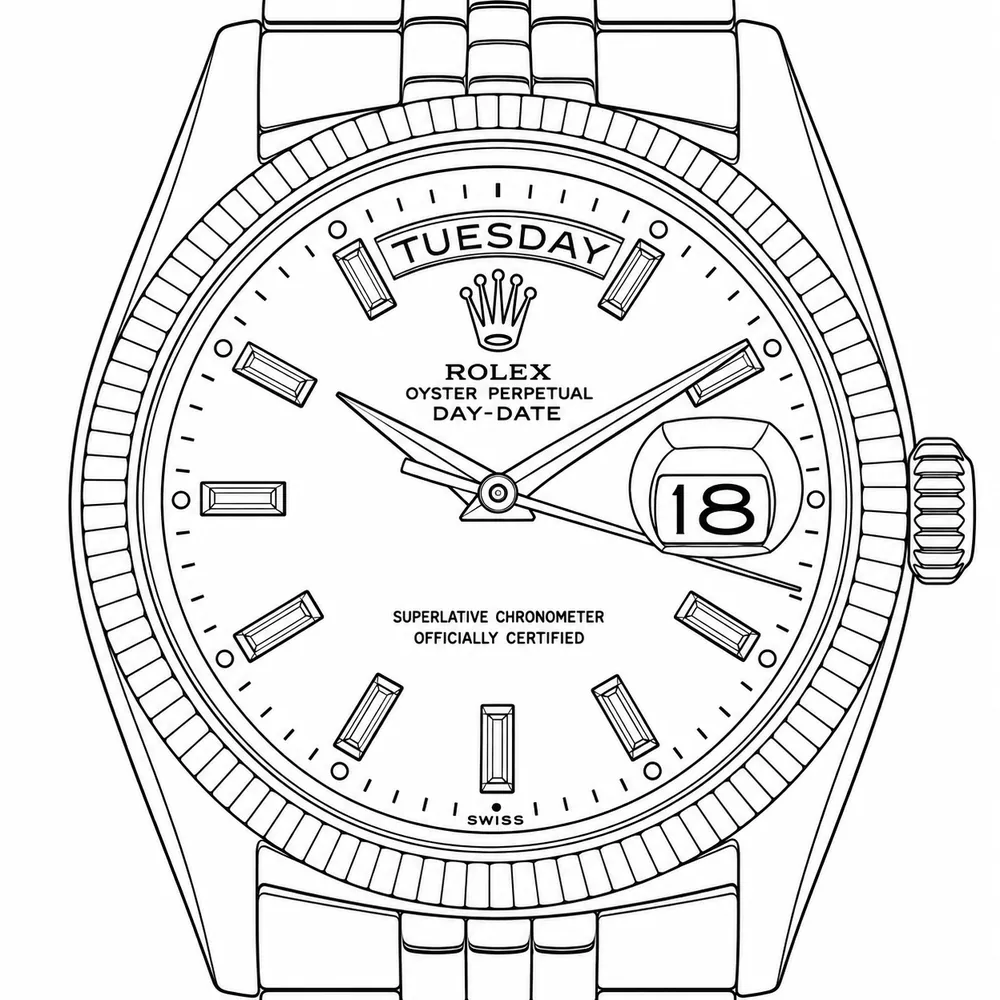
The 6611 is the second Day-Date reference, introduced in 1957 to replace the 6510 and 6511 of 1956. It keeps the 36 mm gold Oyster case and shows the day in full at 12 o'clock and the date at 3 o'clock. The change was inside: calibre 1055 with a free-sprung balance, which cured the date-change faults of the first movement and allowed the dial to read "Superlative Chronometer Officially Certified". Alpha hands replaced dauphine hands, and the dial is typically pie-pan. The 1800 series replaced it from 1959. Collectors check the dial, hands, crown and bracelet first.
- Made
- 1957–1959dates approximate
- Seen in the library
- 1956–1959by case numbers
- Case
- 36 mm · goldas sellers state
- Movement
- Calibre 1055, 1055Bautomatic
- On record
- 59 listings168 photographs · 25 holders
Components
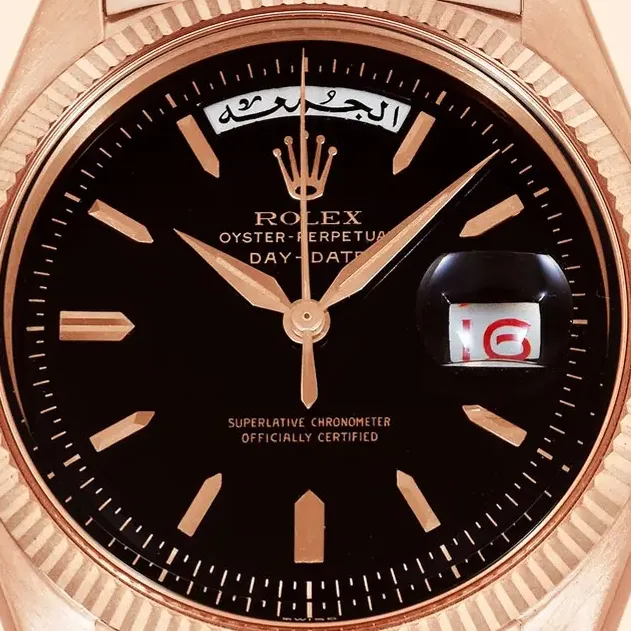
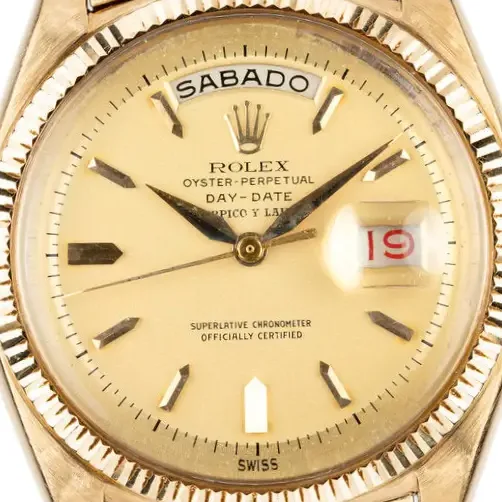
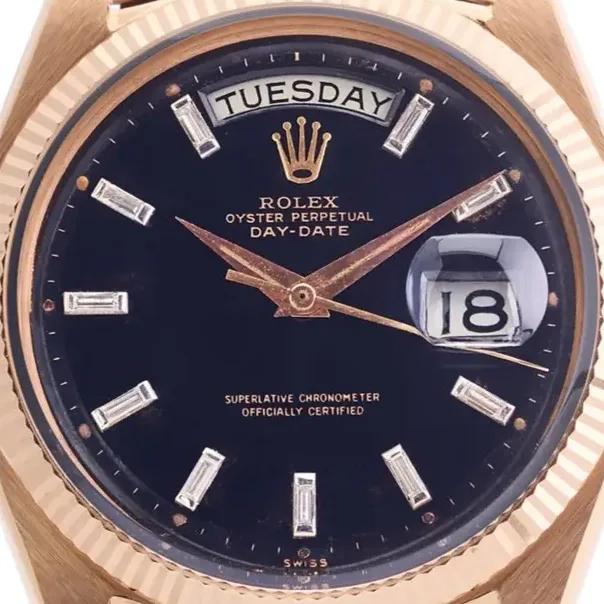
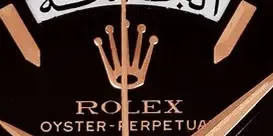
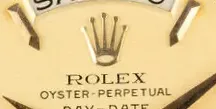
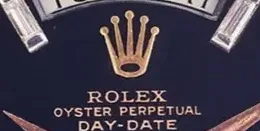
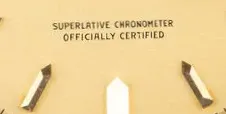
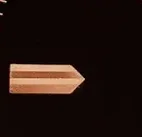
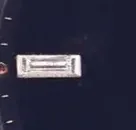
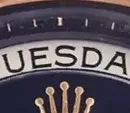
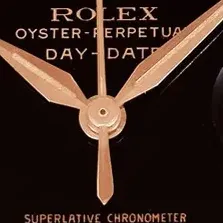
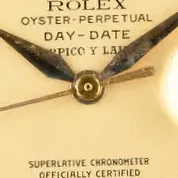
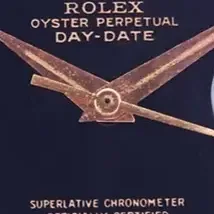
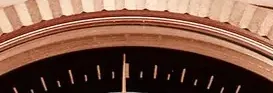
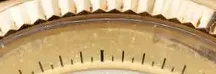
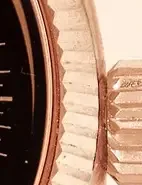
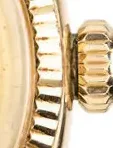
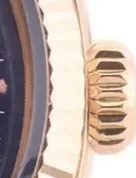
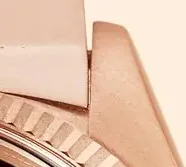
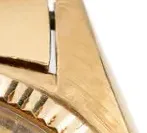
3 watches, oldest first, each straightened and cut the same way so that one row shows one component across them all. Chosen from 168 photographs on file for sharpness and for a face typical of the reference. A year marked c. is one its holder gives only roughly. Each picture is a detail cut from a listing photograph. Select the small mark in its corner for its year, its holder, a link to the listing it came from, and a way to report it.






Chronology
Published accounts give 1957 to 1959. A few watches in the library's records have case numbers of 1956, and one carries a British import mark for that year, so some were cased before the usual date of introduction.
Every dated variant: what is written, and what the records show
For the reference the marks are every dated watch; for a variant, the watches a seller names as that variant, so a variant sellers do not name has none.
The reference's own marks are dated by case number. A variant's marks use the year each seller states, so a variant can show watches in a year where the row for the reference shows fewer, or none. 2 dated listings fall outside this scale and are not drawn.
Specification
| Case | 36 mm Oyster case in 18 ct yellow, pink or white gold, and a handful in platinum; fluted bezel |
| Crown | Twinlock screw-down crown |
| Crystal | Acrylic, with a cyclops lens over the date |
| Dial | Pie-pan dial, usually champagne, with gold applied markers; signed Superlative Chronometer Officially Certified |
| Hands | Alpha hands |
| Movement | Calibre 1055 (1055B), self-winding, 25 jewels, 18,000 vibrations per hour, free-sprung balance |
| Bracelet | President bracelet, three semi-circular links, hollow, with Crownclasp; Jubilee bracelets also described |
| Water resistance | 100 metres is given for the first Day-Date case, which the 6611 repeats |
Dial 5 described
The 6611 dial is a pie-pan dial, with the edge sloping down, usually in champagne with gold applied markers. Its text changed from the predecessor's "Officially Certified Chronometer" to "Superlative Chronometer Officially Certified". The pie-pan form ran on into the 1803.
Superlative Chronometer Officially Certified text
The new wording follows the improved movement and was a first for Rolex. The 6510 and 6511 read "Officially Certified Chronometer".
- SCOC wording on the lower half of the dial
Pie-pan dial
The outer edge slopes downward like an upturned pie pan. It is described on the 6611 and carried on to the 1803, the last Day-Date with it.
- sloping outer edge
Champagne dial
The champagne dial is the one most often described, matched to a yellow gold case. A black dial is described as less common on the earlier references.
Black gilt dial
Sellers describe a few black dials with gilt printing, one of them set with baguette diamonds as markers. Black is described as less common than champagne.
- gilt print on black
Retailer and non-English day wheel dials
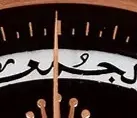
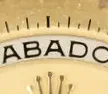
Dials signed by a retailer (Serpico y Laino) and dials with the day in another language (Italian, German) appear in the library's records. The literature notes that Rolex did not tie dial types to case numbers at this period, so many variations exist.
- retailer name on the dial
- day written in Italian or German
Hands 1 described
The 6611 changed from dauphine to alpha hands. The 1800 series changed again, to straight hands.
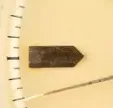
Alpha hands
Leaf-shaped alpha hands replace the dauphine hands of the 6510 and 6511. The 1803 and the 1800 series that follow have straight hands instead.
- leaf-shaped hands
Bezel 1 described
The reference is described with a fluted bezel; the smooth bezel went to the 6612.
Fluted bezel
The 6611 carries a fluted gold bezel. The 6612 is the smooth-bezel counterpart. Most of the watches in the library's records are described as fluted.
- fluted gold bezel
Case 5 described
The case is a 36 mm Oyster case in 18 ct gold, in yellow, pink or white, with a handful in platinum. Yellow gold is the commonest.
Yellow gold
The most common metal, though total production was only in the low thousands.
Pink gold
Rarer. One published estimate is that fewer than 25 survive.
White gold
Rarer still; about six are said to be known.
Platinum
Only a handful of 6611s are said to have been made in platinum. None of the 6611s in the library's records is platinum, though several of the smooth-bezel 6612s are.
Stainless steel
Five steel examples are said to be known, for reasons nobody has confirmed; they are thought likely to be prototypes. One sold at auction in 2002 and another in 2022.
Crown 1 described
The Oyster case has a twin-lock crown with two o-rings, first used on the Submariner in 1953.
Twinlock crown
The crown system gives a stated water resistance of 100 metres on the Day-Date case.
- screw-down crown with two o-rings
Crystal 1 described
The crystal is acrylic, with a cyclops lens over the date.
Acrylic crystal with cyclops
The Day-Date moved to sapphire around 1977; the 1803 is the last with acrylic. Some of the library's watches are described with a domed acrylic crystal.
- domed acrylic
- cyclops over the date
Date 1 described
The day is written out in full in an arched window at 12 o'clock and the date appears at 3 o'clock under a cyclops. This arrangement dates to the 1956 introduction, and the mechanism is covered by a Swiss patent of 1955.
Day at 12 and date at 3
The 6611 repeats the display of the 6510 and 6511. The first movement did not store enough energy to change the date reliably at midnight, which led to the new calibre.
- day window at 12
- date window at 3 with cyclops
Movement 2 described
The first Day-Date movement had faults advancing the date, and the 6611 replaced it with a revised calibre 1055. The 1803 that followed used calibre 1555.
Calibre 1055
Self-winding, 25 jewels, 18,000 vibrations per hour, with a free-sprung balance with micro-stella adjustment. It does not hack or wind by hand. Most sellers who name a calibre give 1055.
Calibre 1055B
The revised version, introduced in 1957 with the 6611, which is the origin of the B in 6611B. Where sellers give a suffix on the reference it is B, and a few name the calibre 1055B.
- B after the reference number
Bracelet 2 described
The President bracelet, with three semi-circular links and a Crownclasp, was made for the Day-Date. One account calls it the only metal bracelet ever offered for the model, but the first watches of 1956 came on a Jubilee.
President bracelet
The bracelet is hollow, as on all Day-Dates until 2000. A watch described in the literature has bark texture on the centre links, although bark finishes are otherwise tied to the 1800 series.
- three semi-circular links
- concealed Crownclasp
Jubilee bracelet
The first Day-Dates of 1956 came on a Jubilee bracelet, and some 6611s in the library's records are on one.
Originality
- The literature warns that the usual list of replaced parts (dials, hands, crowns, bracelets) applies, and a watch in original condition is hard to find.
- Hollow President bracelets and acrylic crystals are signs of age; a solid bracelet or a sapphire crystal is a later change.
- A dial with the Italian, German or another language day wheel is a recorded original variation, so language alone does not show a replacement.
Names
- President. The name of the bracelet, which came to be used for the whole watch; accounts differ on whether a United States president wore it or the bracelet gave the name.
- 6611B. The B marks the revised 1055B movement.
Where accounts differ
Points on which the published literature and the library's own records do not agree, or on which the literature contradicts itself.
- How scarce the pink and white gold watches are. One writer states that fewer than 25 pink gold 6611s are believed to exist, and about six in white gold. In the library's records pink gold is about a quarter of the listings with a stated metal and white gold a handful. The records cannot count watches made, but pink gold is not rare in them.
- Start of production. Published accounts place the 6611 in 1957 to 1959. In the library's records a few case numbers fall in 1956, one watch carries a Glasgow import mark for 1956 and some auction descriptions date examples to that year, so some were probably made before the usual date of introduction. One case number that would read as 1954 is incomplete.
- President bracelet first used. One published account says the 6611 was the first Day-Date offered with the President bracelet; another says the first watches of 1956 came on a Jubilee and the President soon became standard; a third describes the President bracelet on the original 6510 and 6511.
- The smooth-bezel partner. One account names the 6610 as the reference introduced alongside the 6611 in 1957. Other published accounts and the library's records give the smooth-bezel partner as the 6612, and in the records 6610 is an Explorer.
Catalogue versions 1 listed
The full numbers under which holders list this reference, with what their listings say of each. Each has a page of its own.
| Version | Metal | Dial | Years seen | Records |
|---|---|---|---|---|
| 6611B | Gold or pink gold | Champagne or black | 1957–1959 | 27 |
In the records
Counted from 59 listings at 25 holders between 16 October 2005 and 14 November 2026. These are what sellers and auction houses state, not measurements.
The fainter bar is the one watch outside the main run of 1956–1959 (the middle nine-tenths): the earliest is 1954. It is an early or late example, or a number misread. The head of the page gives 1956–1959: the years that listings from two holders bear out.
Case metal
| Gold, any colour | 38 | |
| Yellow | 12 | |
| Pink | 9 | |
| White | 4 | |
| Colour not stated | 13 |
A listing that says "gold" or "18K gold" names no colour: it is counted under "colour not stated", not as yellow gold.
Dial colour
| Champagne | 7 | |
| Gold | 2 | |
| Silver | 2 | |
| Black | 2 | |
| Blue | 1 | |
| Grey | 1 | |
| White | 1 |
Case size
| 36 mm | 25 | |
| 35 mm | 4 |
Calibre named
| 1055 | 17 | |
| 1055B | 5 | |
| 1556 | 2 |
Bracelet or strap
| Leather strap | 13 | |
| Jubilee bracelet | 5 | |
| President bracelet | 3 | |
| Metal bracelet, kind not stated | 3 | |
| Oyster bracelet | 1 |
Each table counts the listings that state the thing, in the seller's own terms. A size, metal, colour or calibre that cannot belong to this reference is a seller's slip or a listing filed under the wrong number.