Day-Date
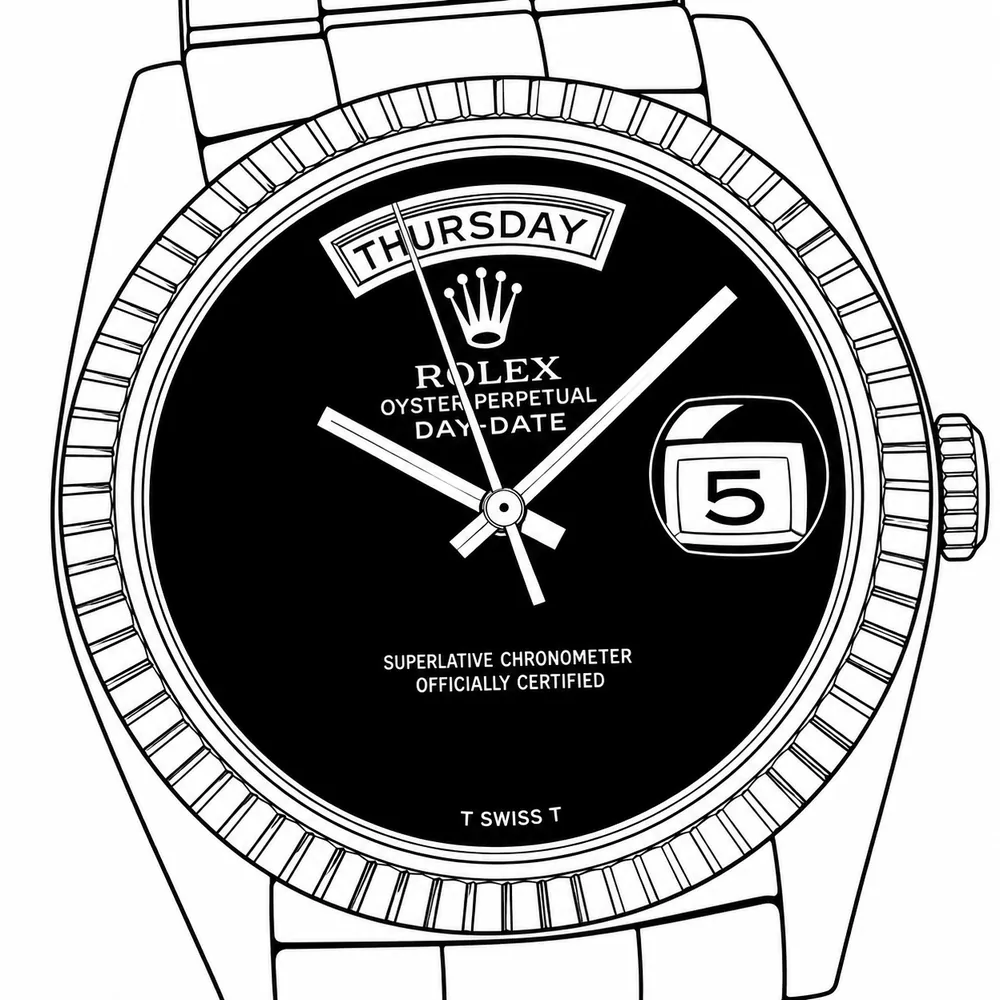
The 18038 is the Day-Date in a 36 mm case of solid 18 ct yellow gold with a fluted bezel and a President bracelet. It was the first five-digit Day-Date, replacing the 1803 in the late 1970s, and it brought the calibre 3055 with a quickset date, a sapphire crystal in place of acrylic, a flat dial in place of the pie-pan shape and the Twinlock crown. It was replaced around 1988 by the 18238, which has calibre 3155 and a quickset for both day and date. Collectors look first at the dial: champagne is the usual, but lacquered Stella, wood, stone and diamond-set dials were all made for it, and an unrestored dial with matching hands matters most.
- Made
- 1977–1988dates approximate
- Seen in the library
- 1976–1991nine in ten in 1978–1987 · by case numbers
- Case
- 36 mm · goldas sellers state
- Movement
- Calibre 3055automatic
- On record
- 2,020 listings5,761 photographs · 70 holders
Components
55 watches, oldest first, each straightened and cut the same way so that one row shows one component across them all. Chosen from 5,761 photographs on file for sharpness and for a face typical of the reference. A year marked c. is one its holder gives only roughly. Each picture is a detail cut from a listing photograph. Select the small mark in its corner for its year, its holder, a link to the listing it came from, and a way to report it.
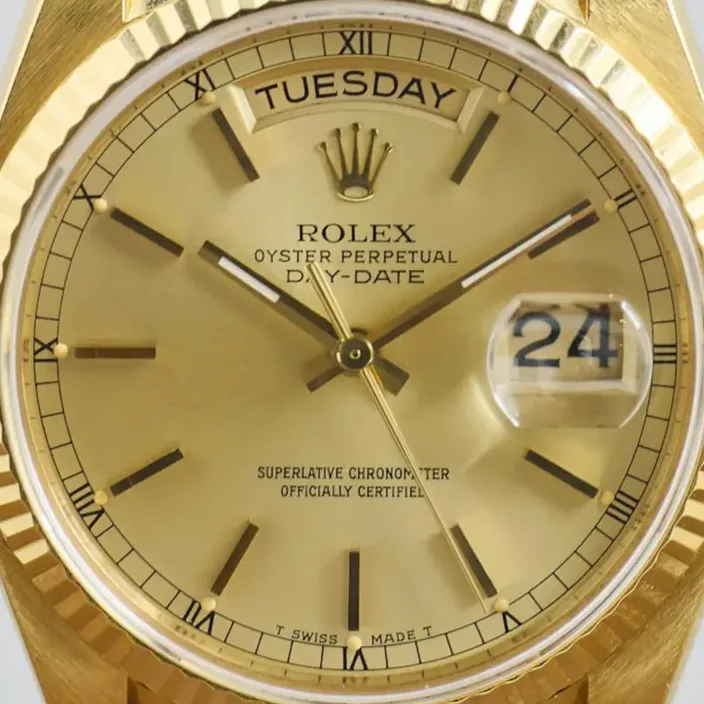
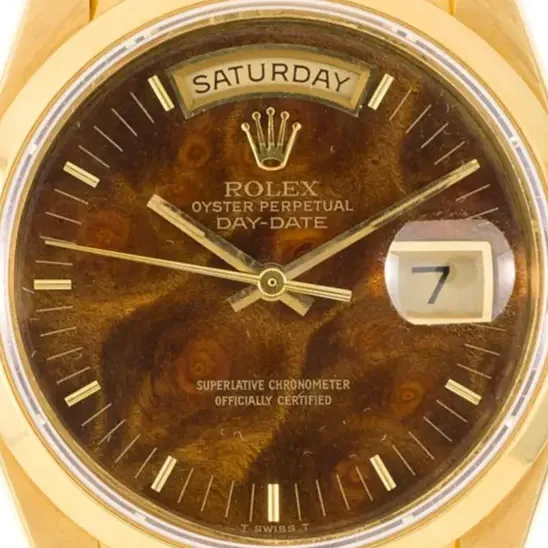
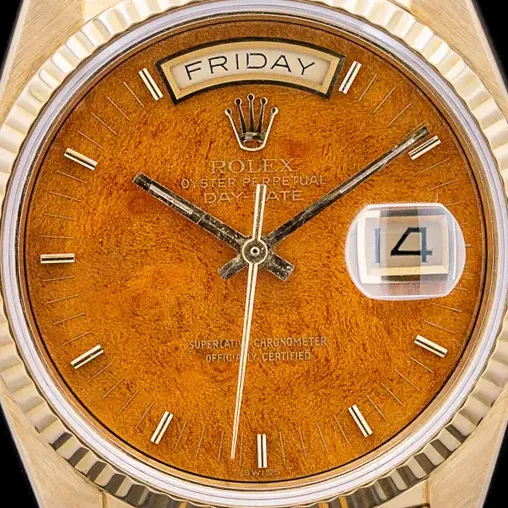
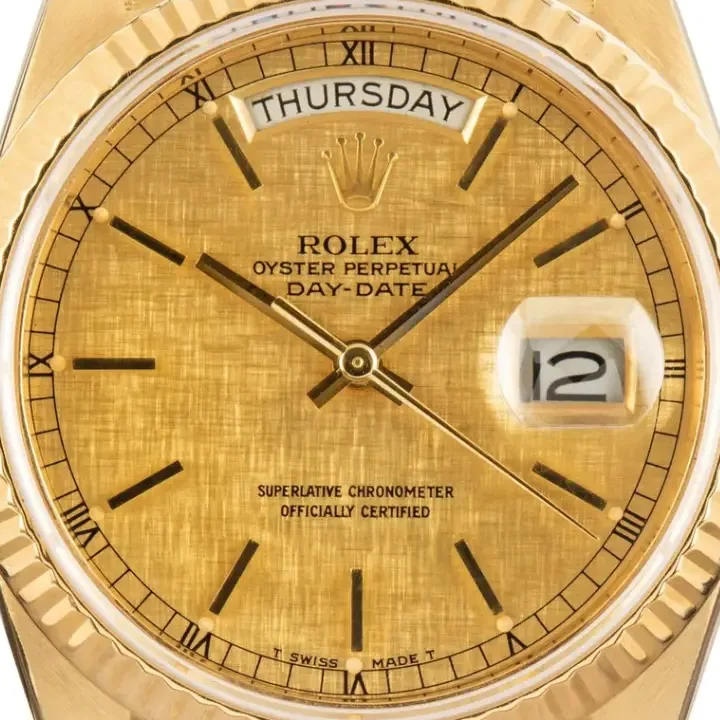
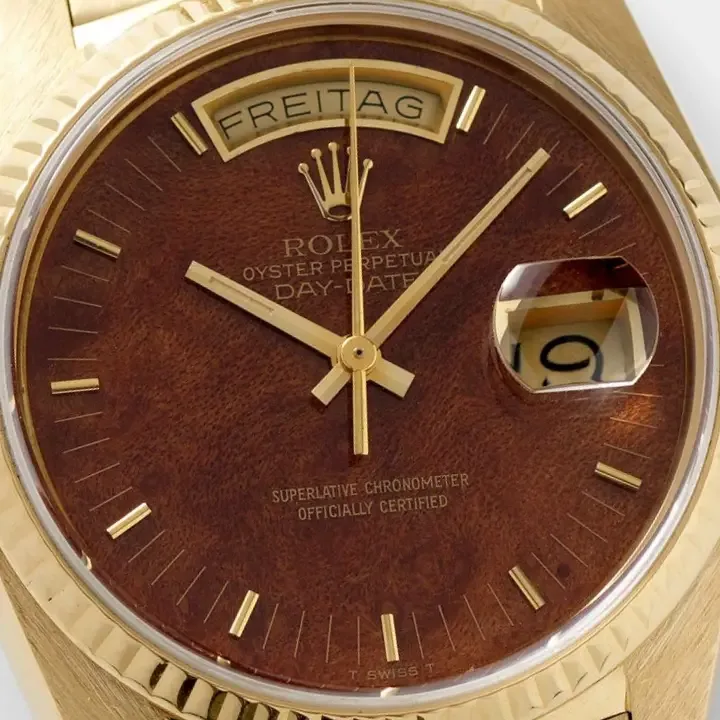
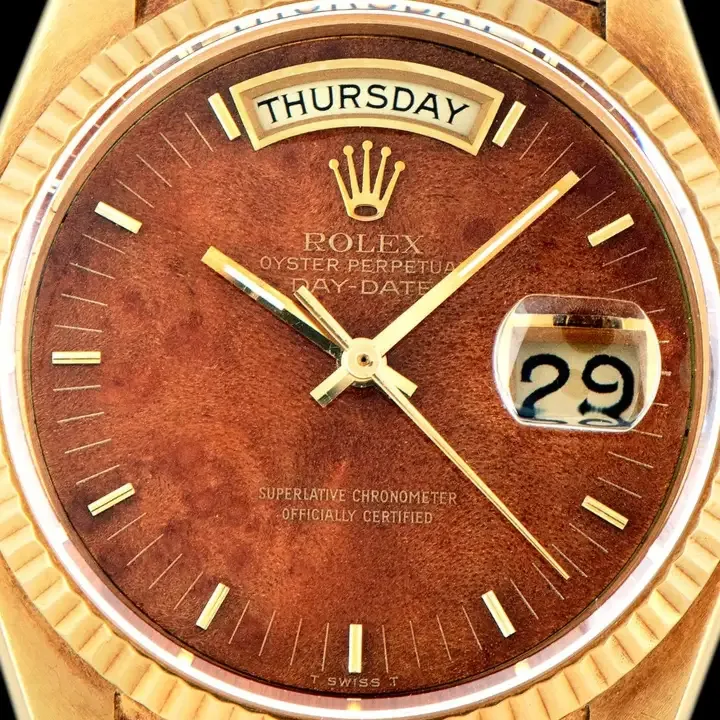
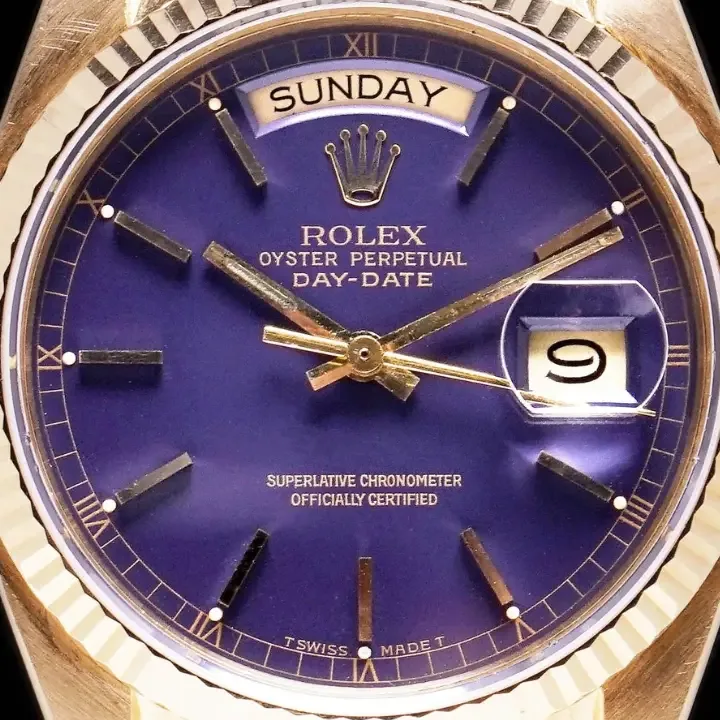
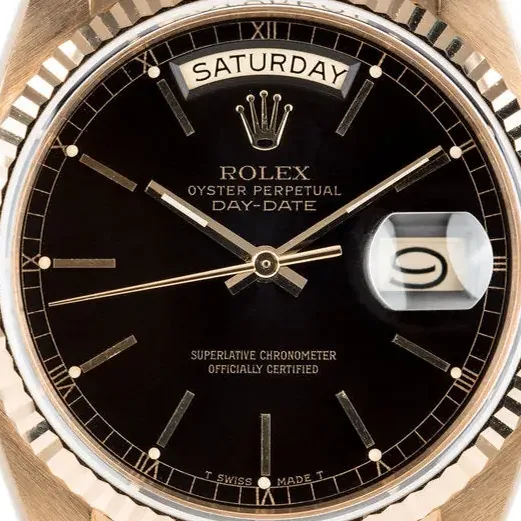
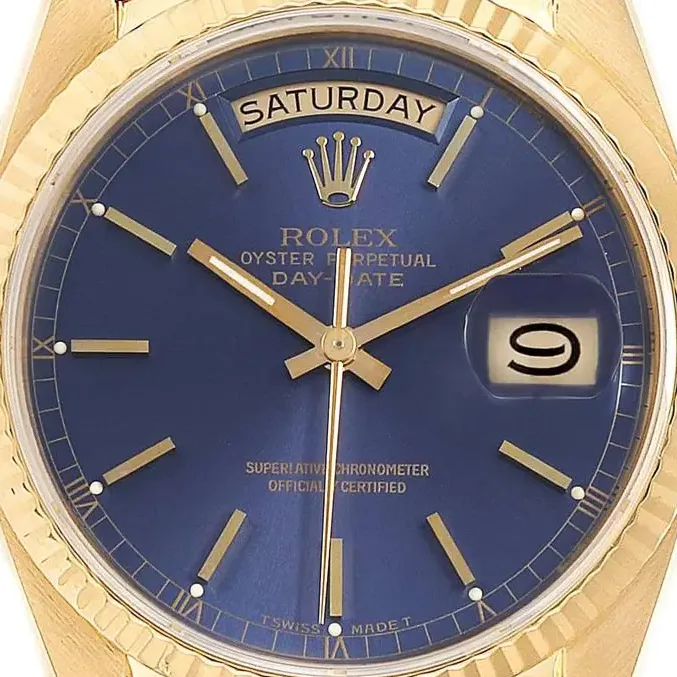
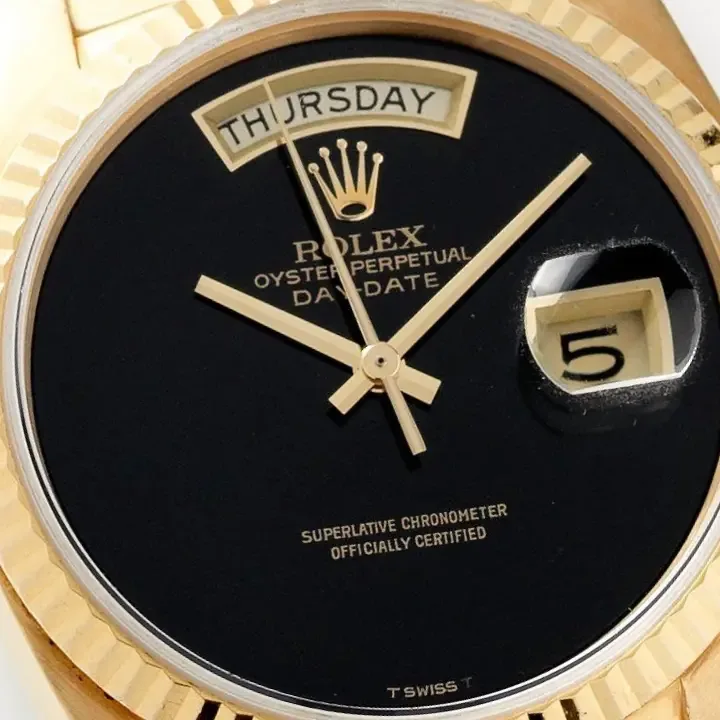
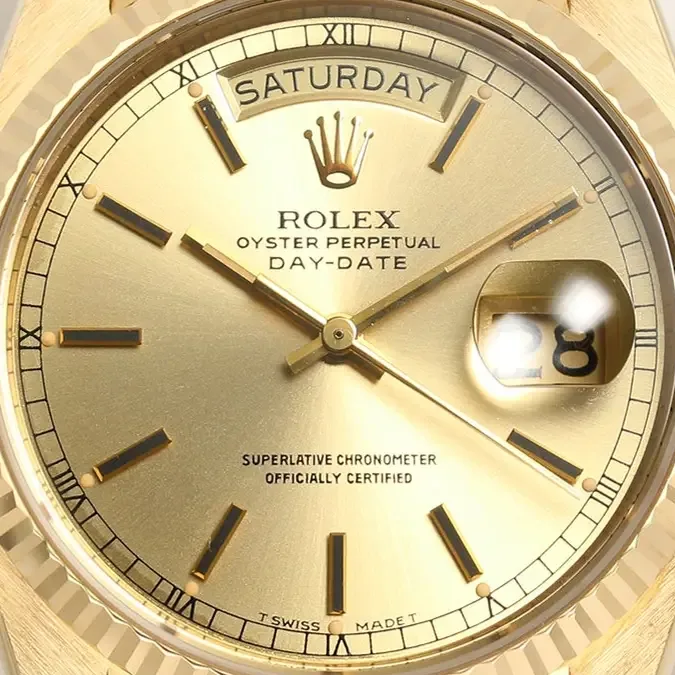
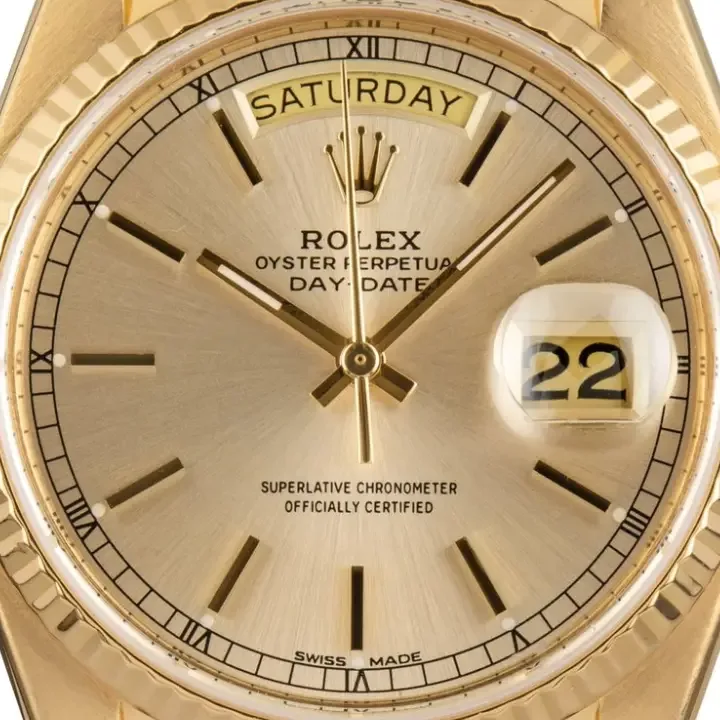
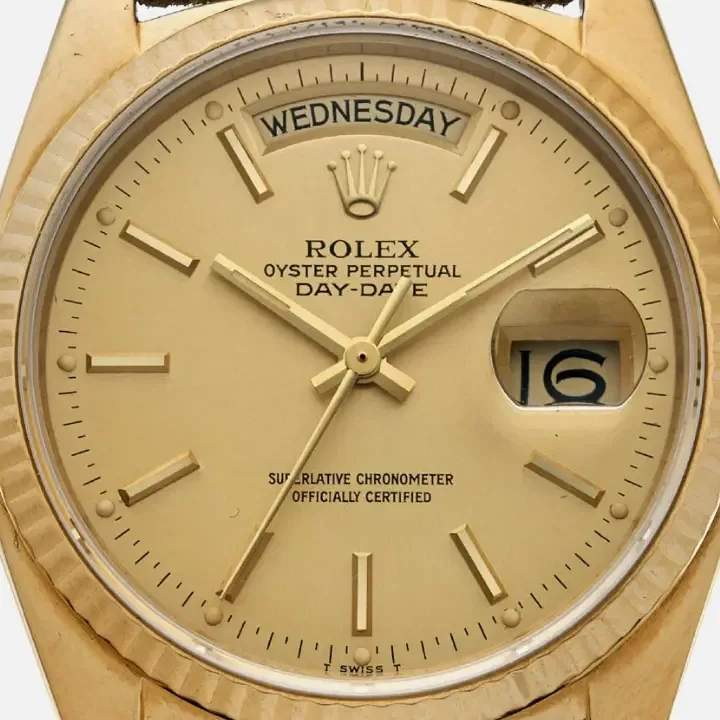
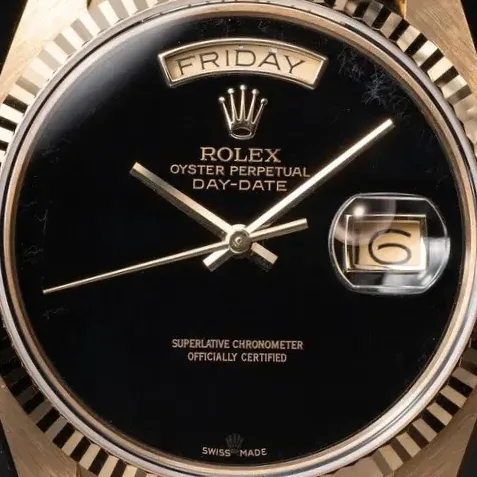
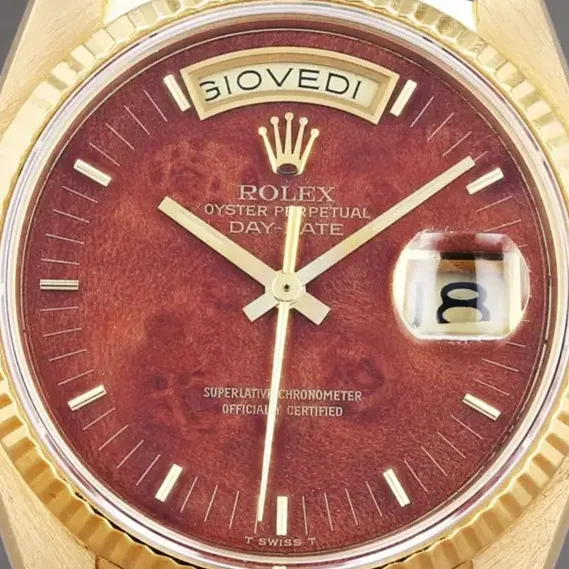
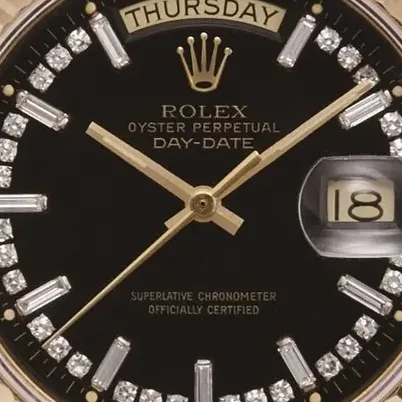
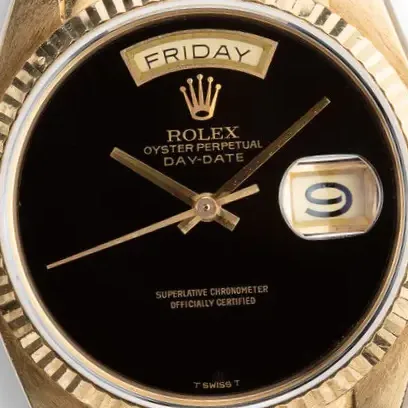
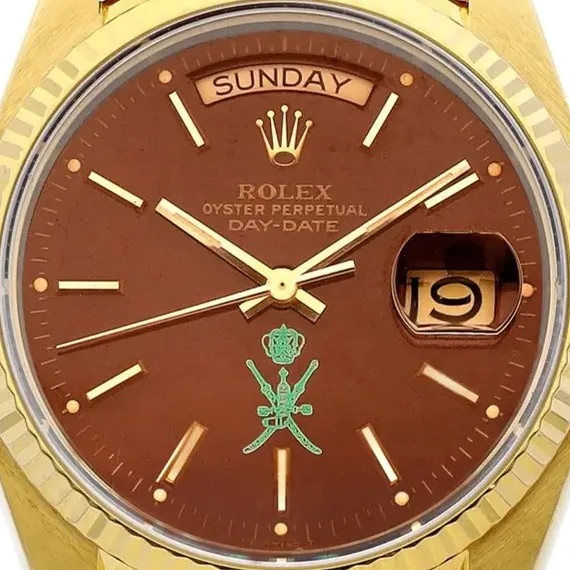
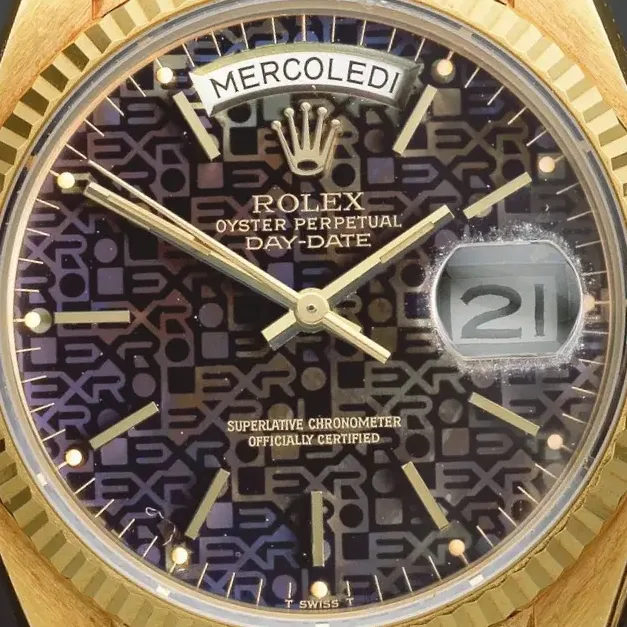
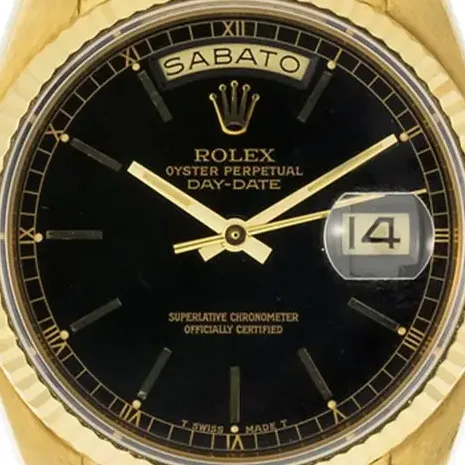
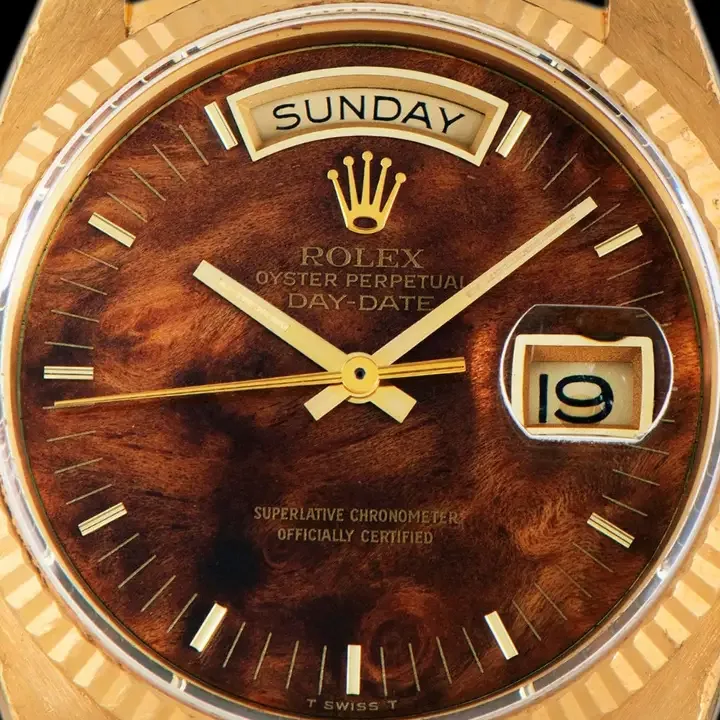
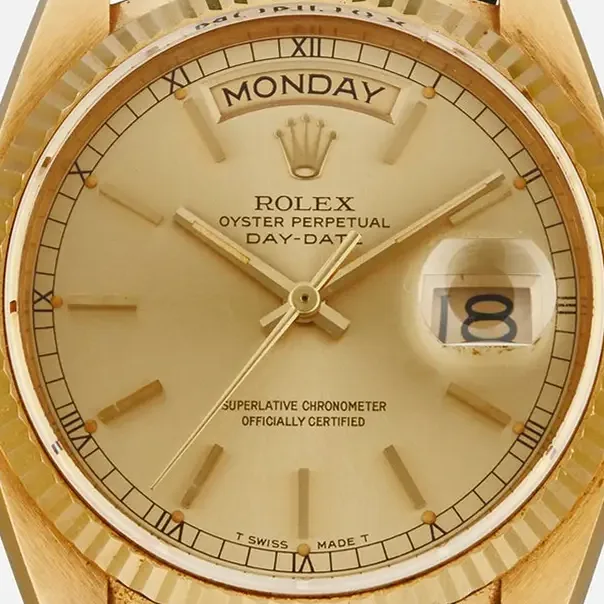
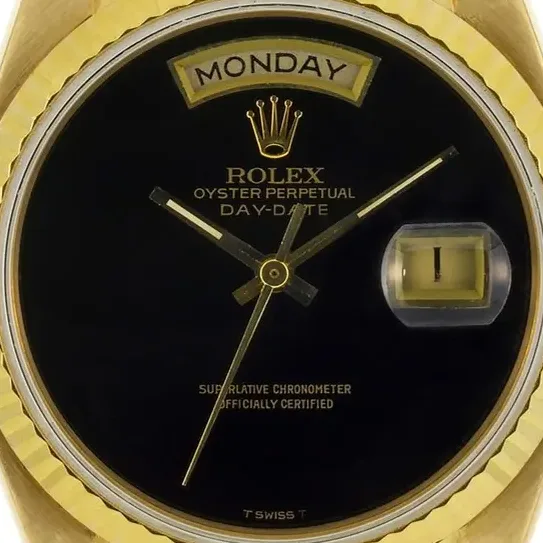
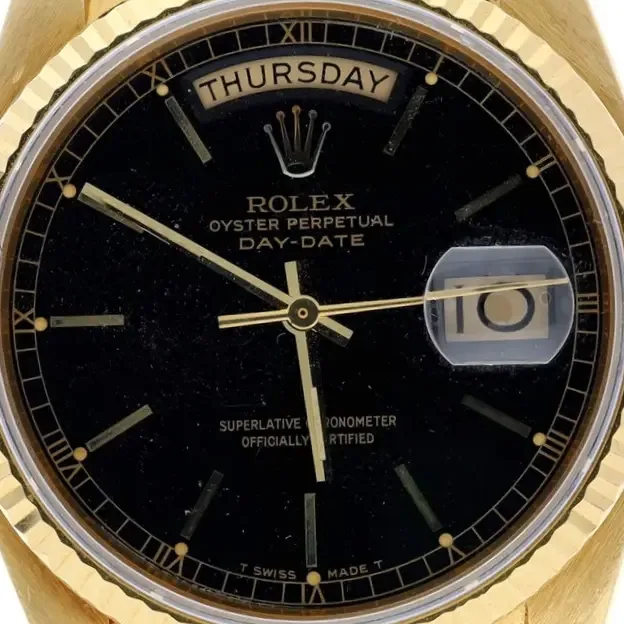
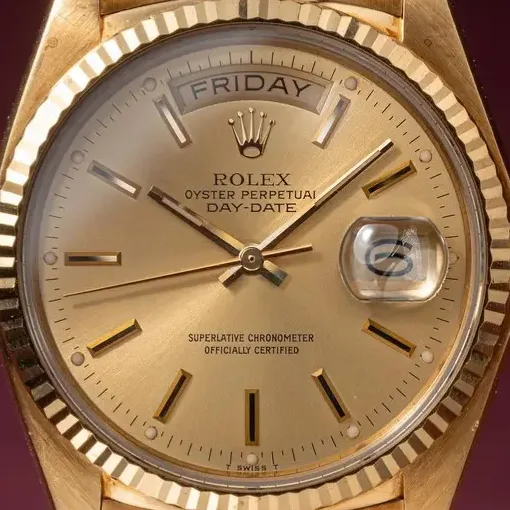
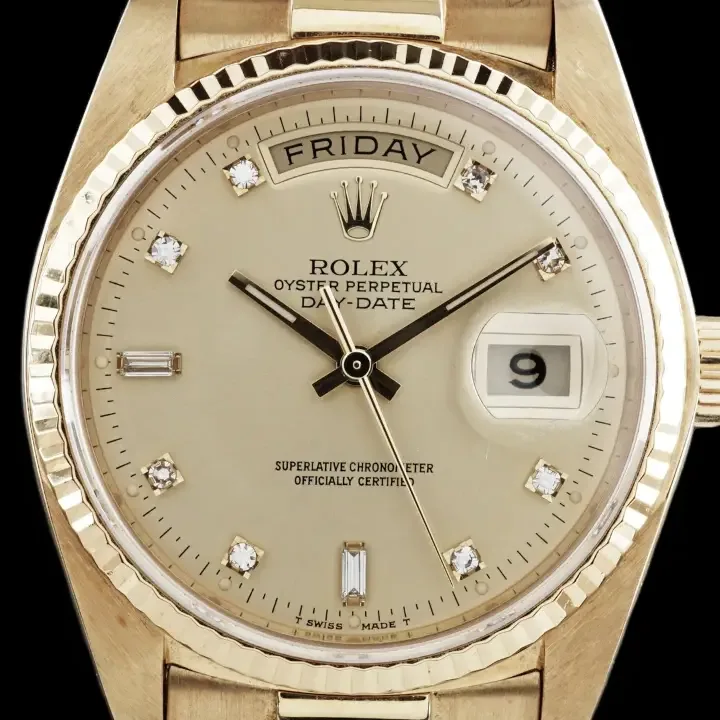
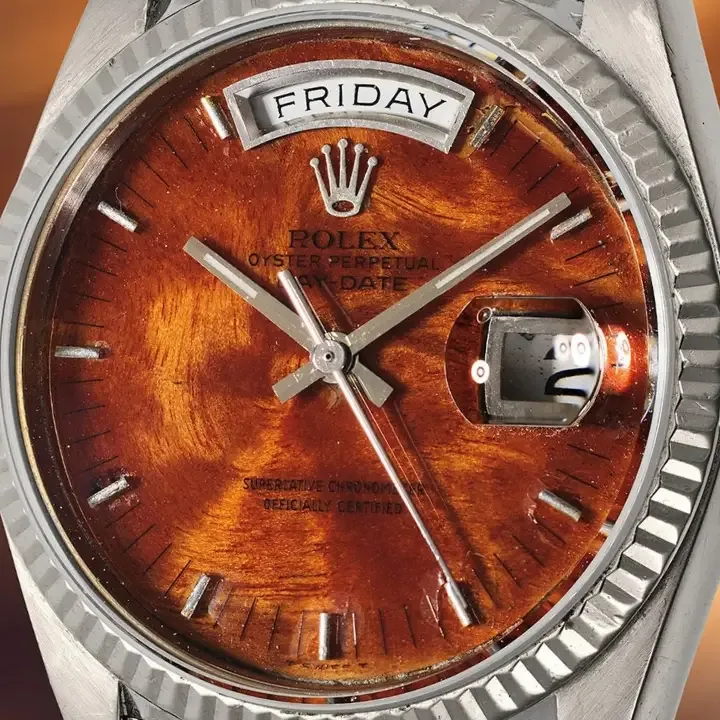
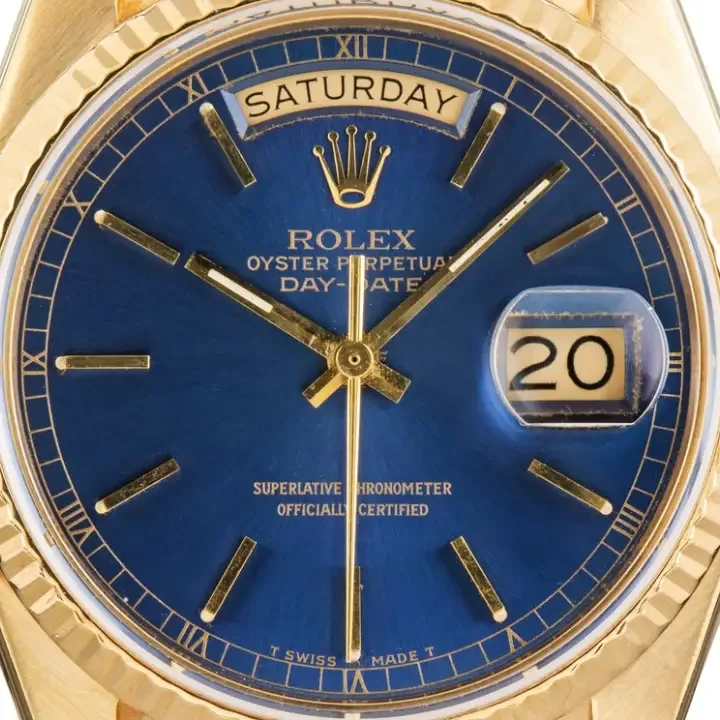
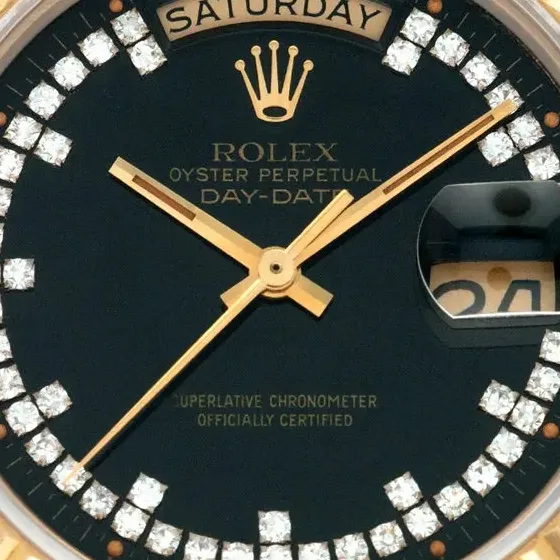
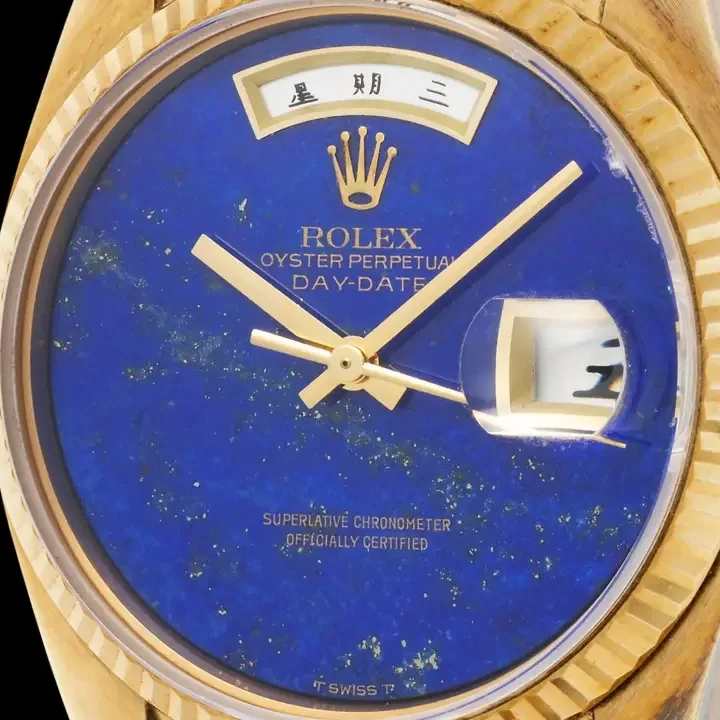
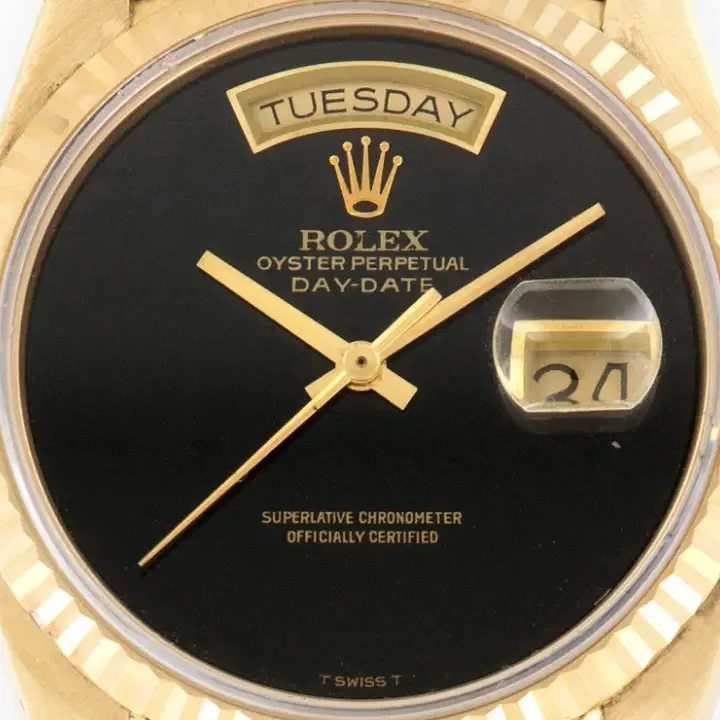
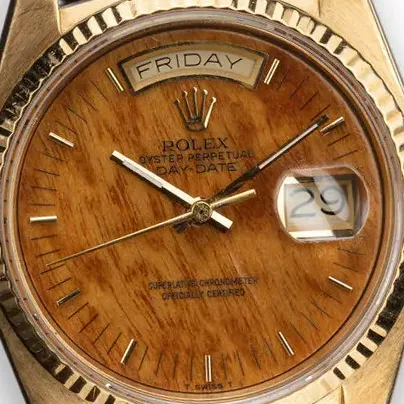
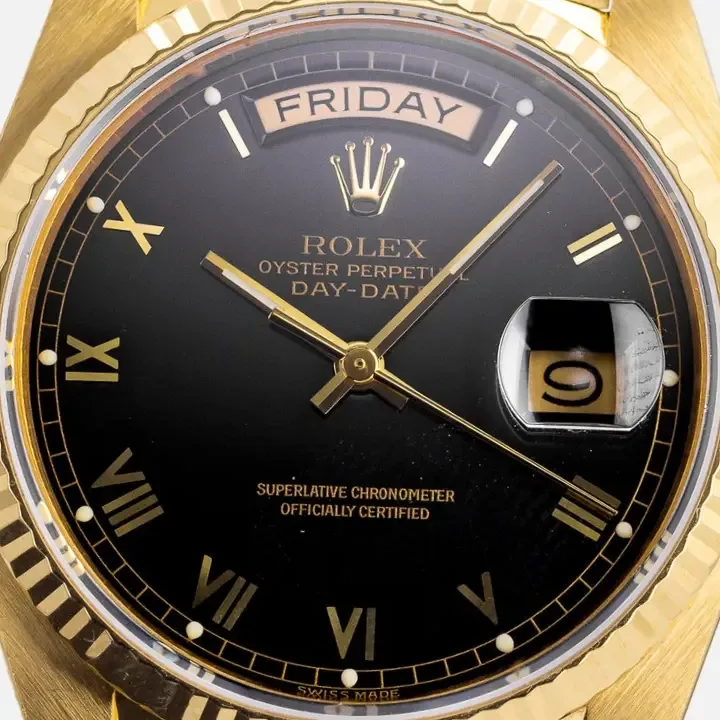
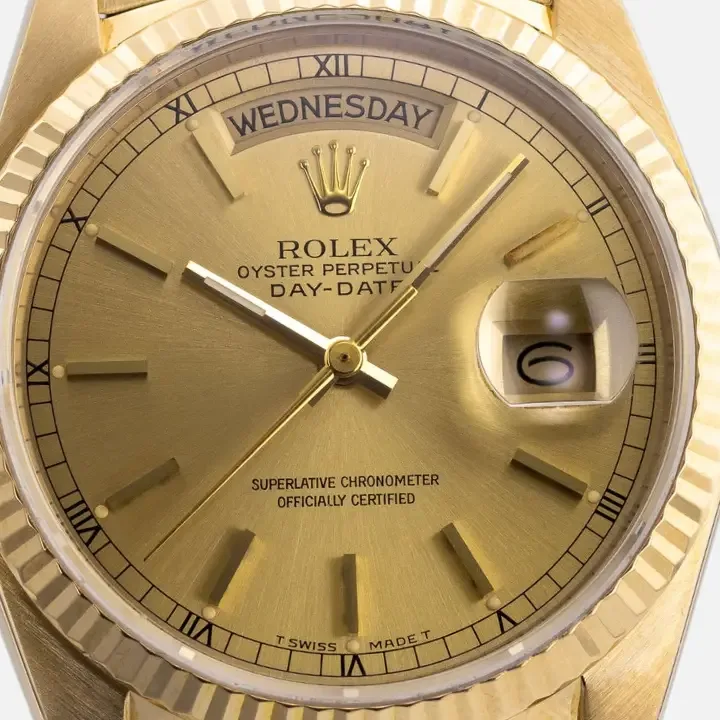
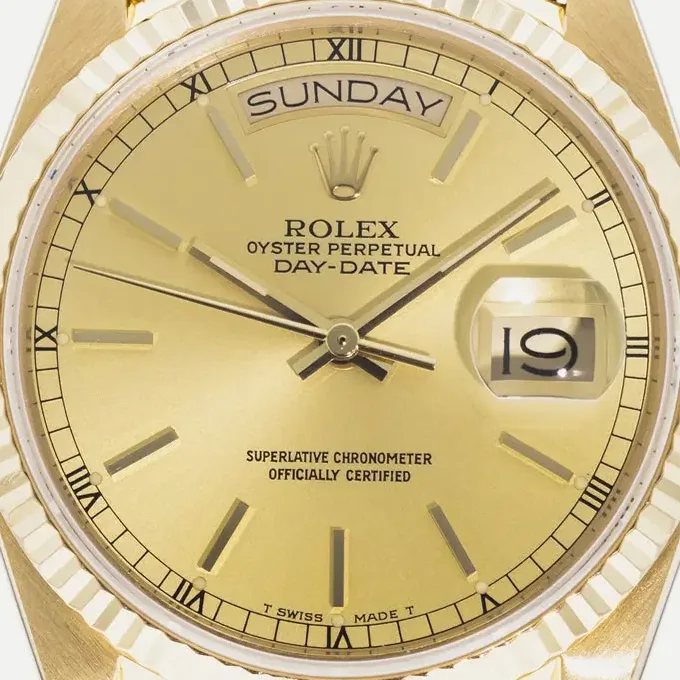
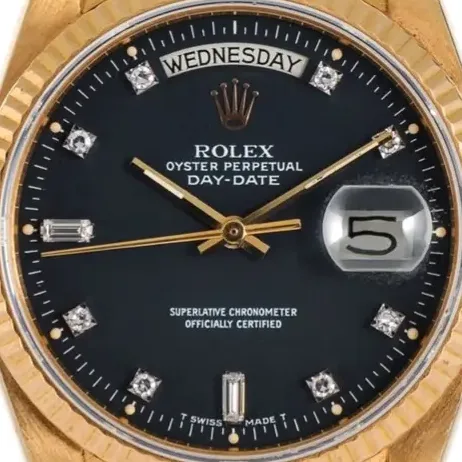
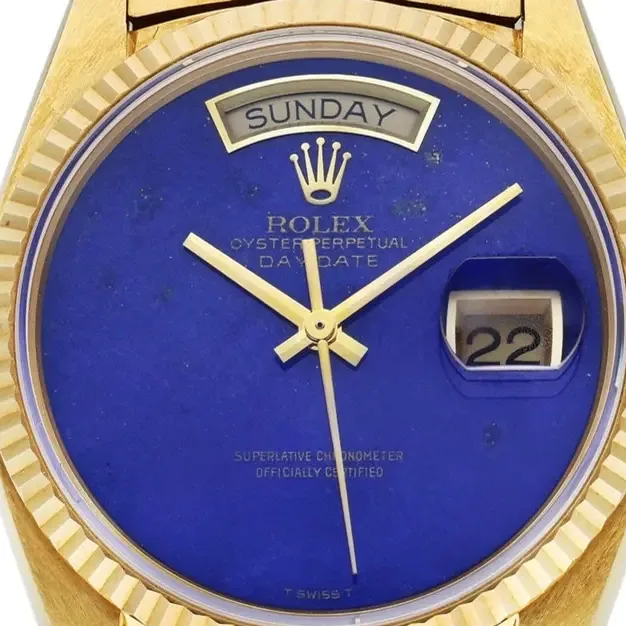
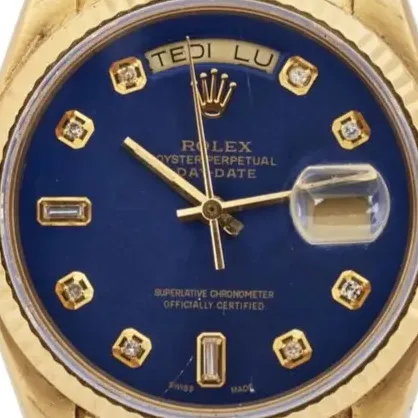
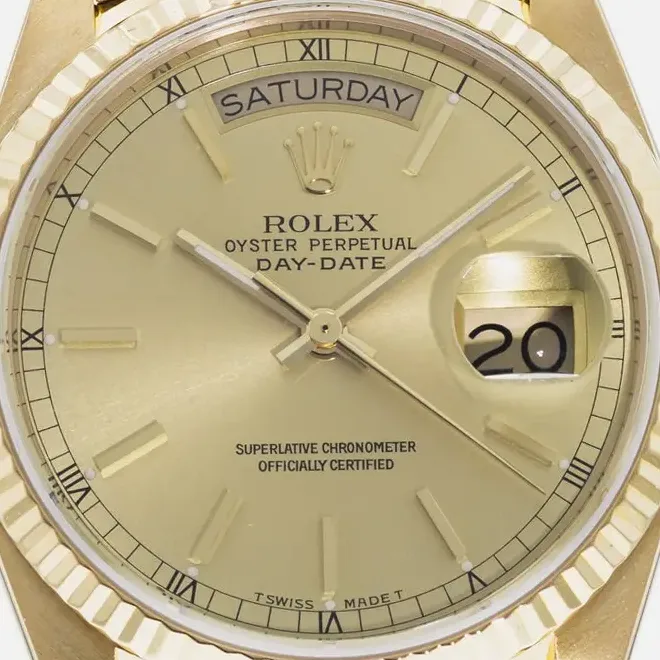
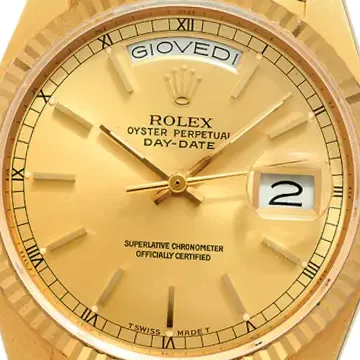
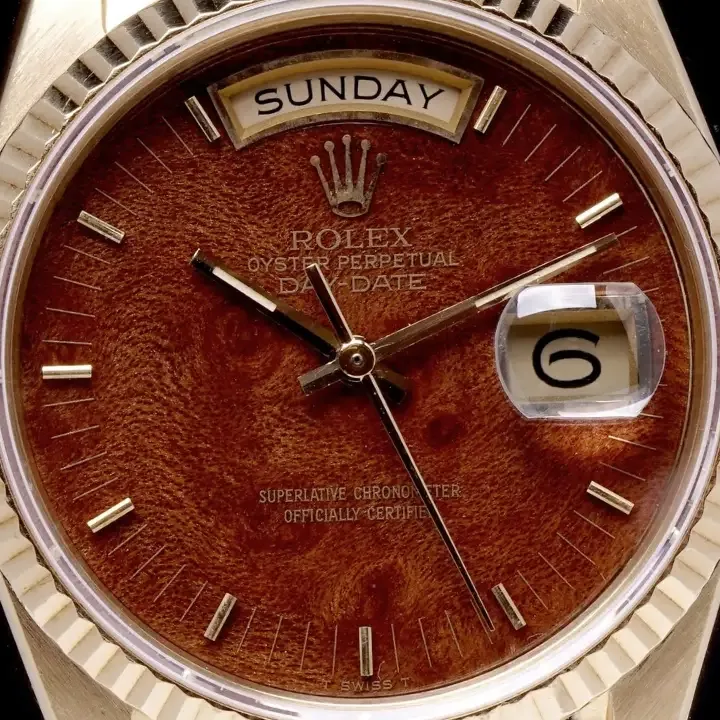
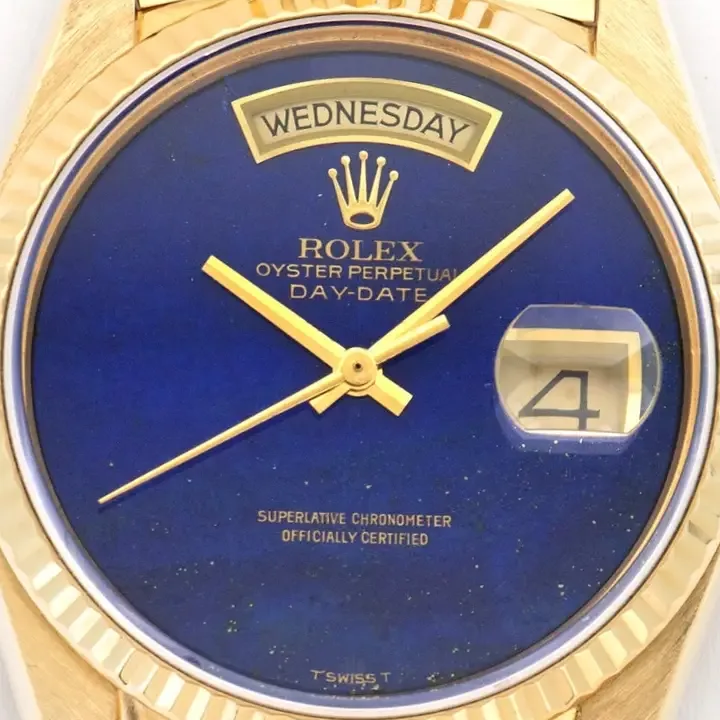
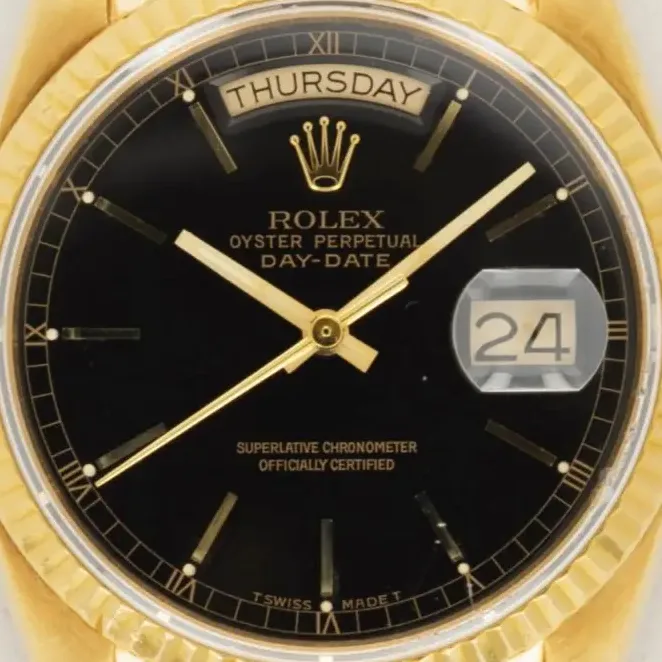
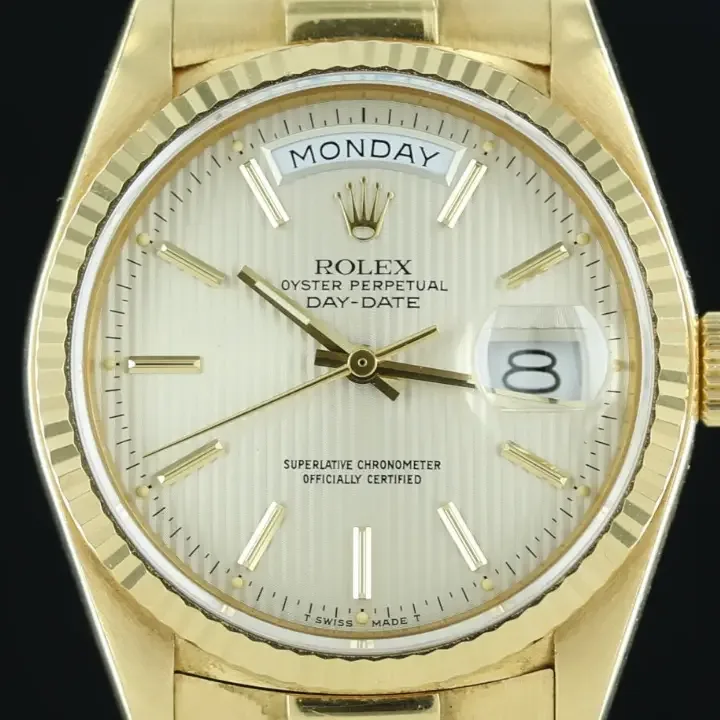
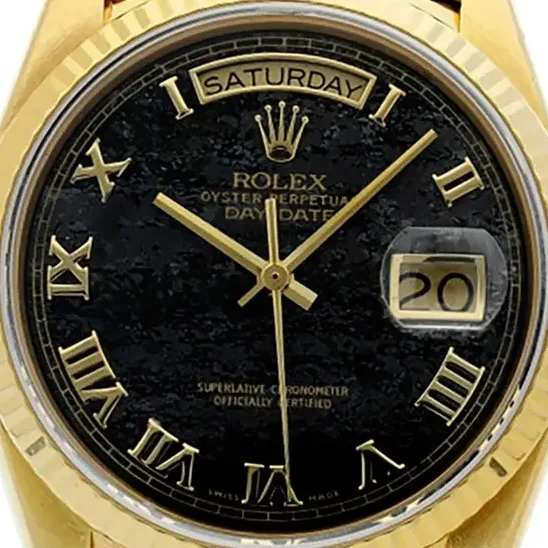
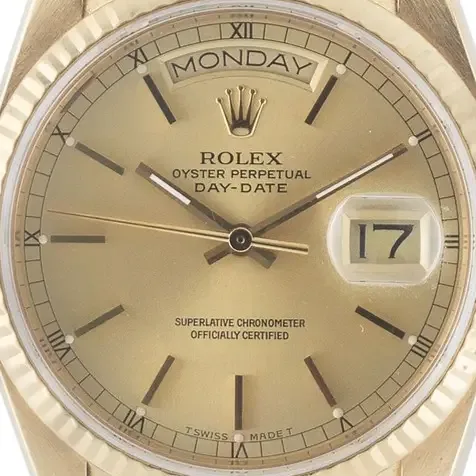
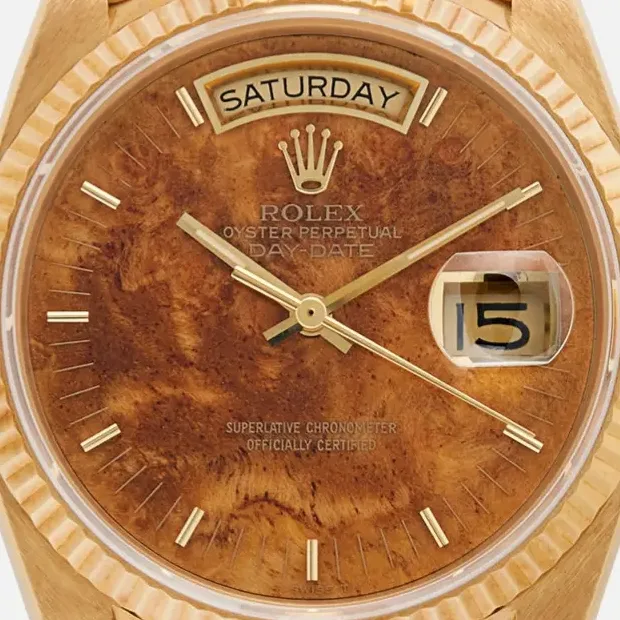
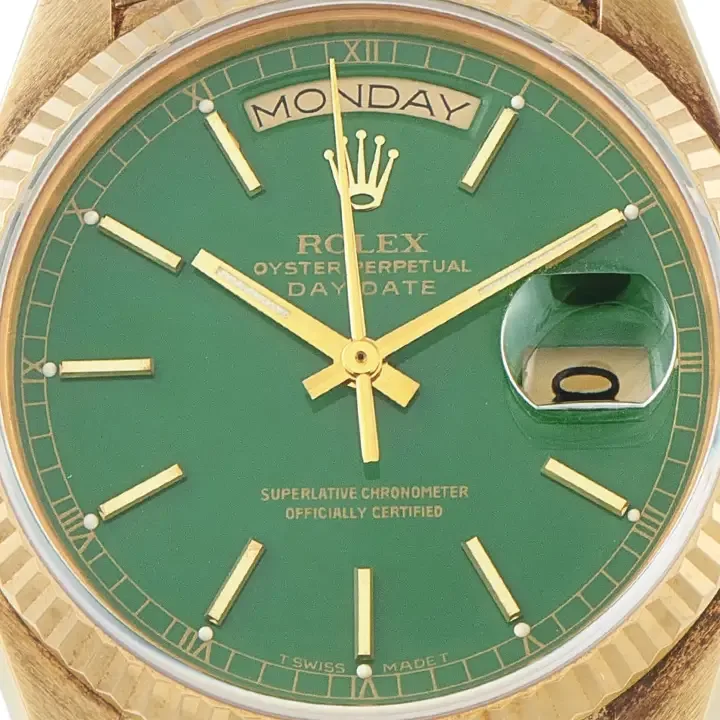
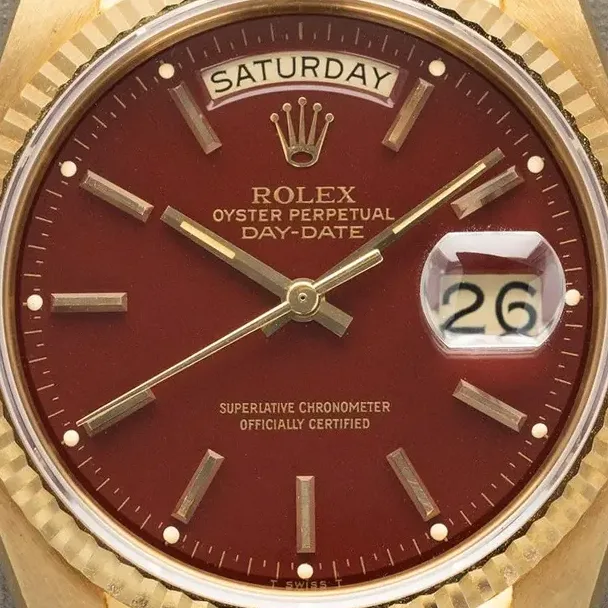
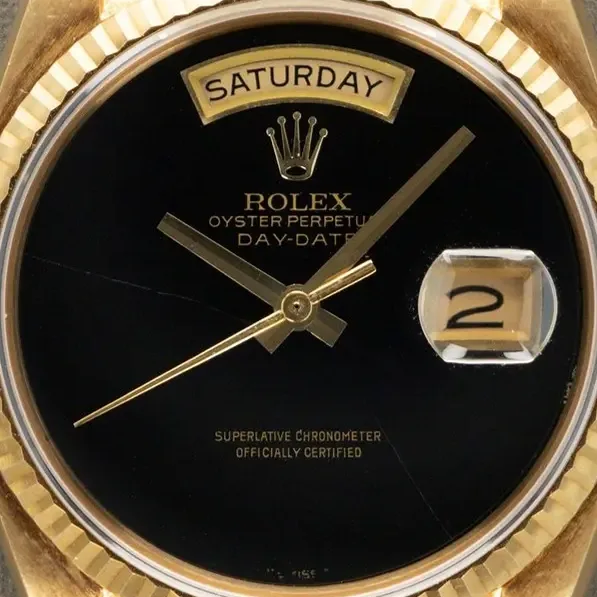
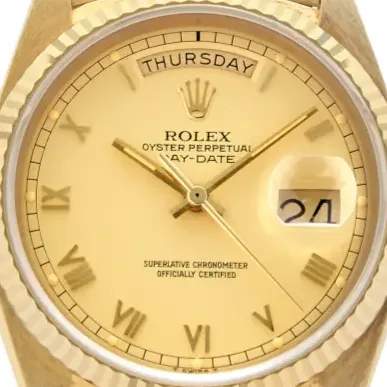
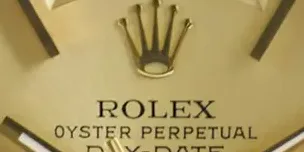

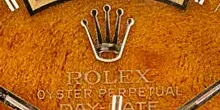
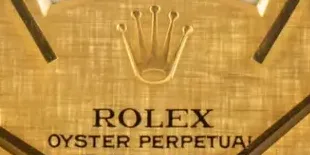
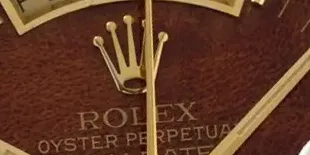
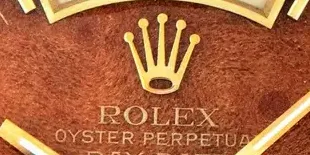
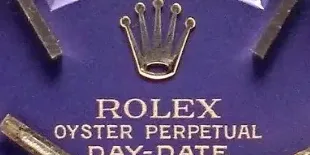
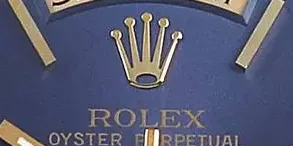
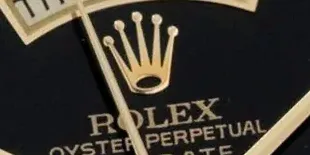
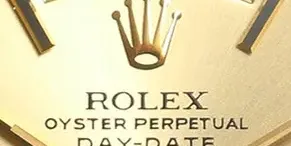
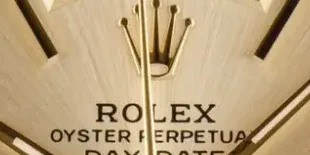


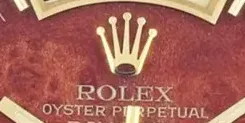
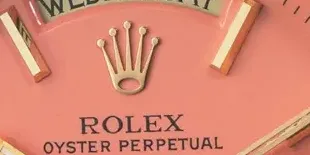
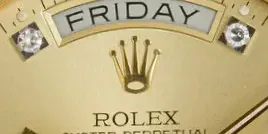
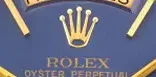



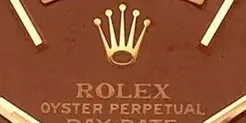






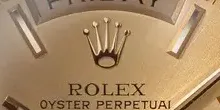
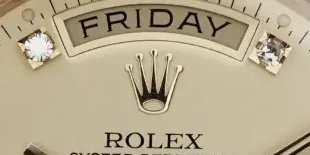
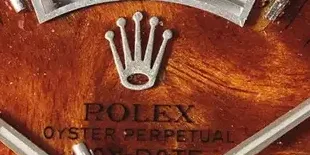
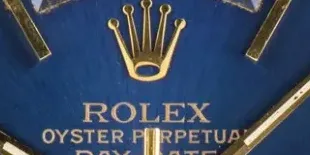



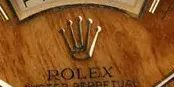

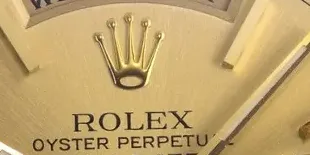
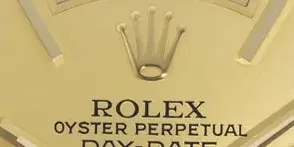
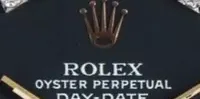




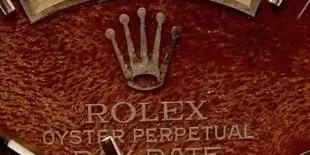


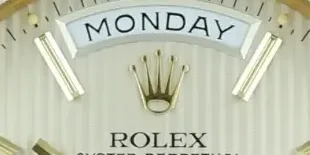
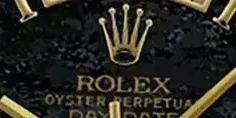
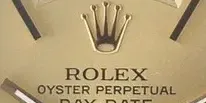

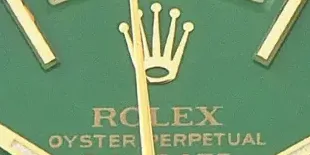
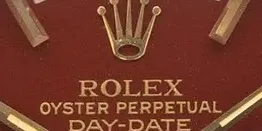






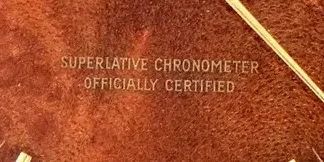















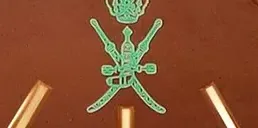








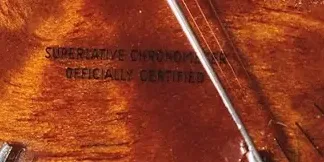
























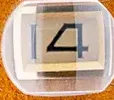
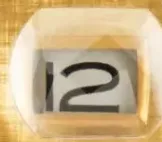
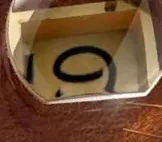
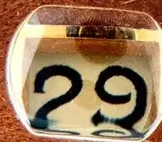
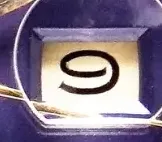
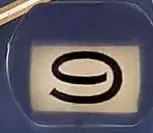
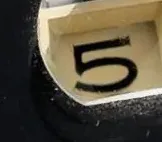
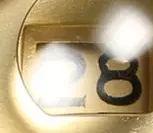
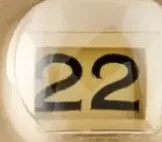
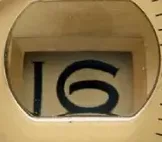
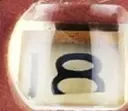
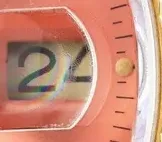
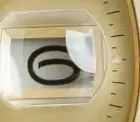





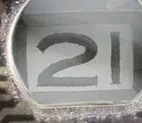

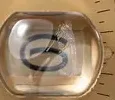
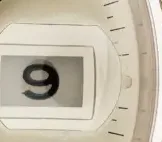

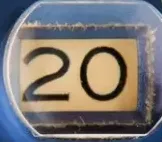

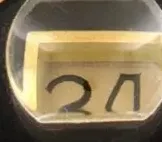



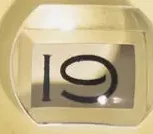

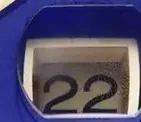



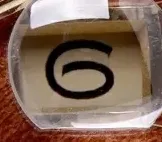




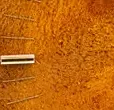
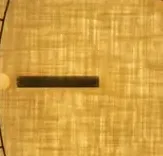
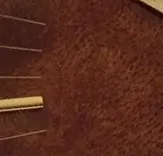

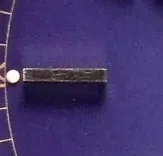
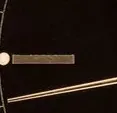
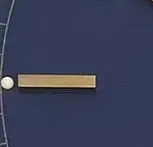

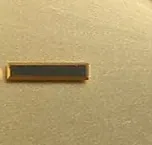
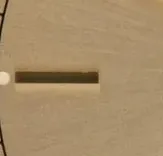
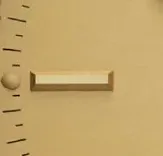

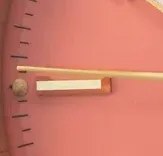
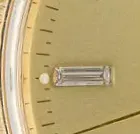

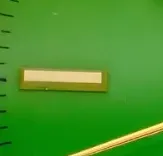


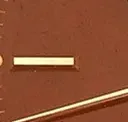

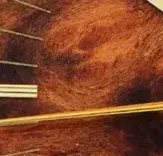
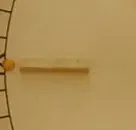


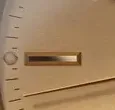
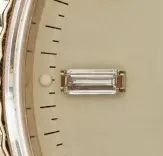
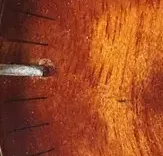
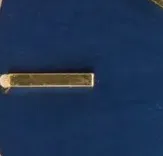




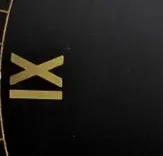
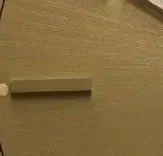
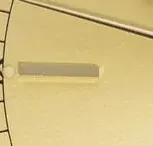
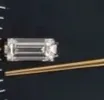


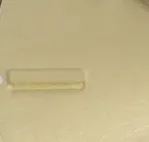

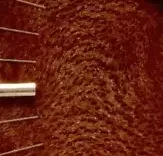


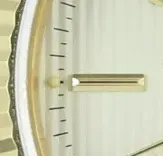
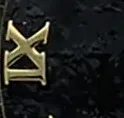




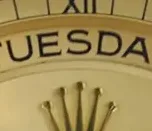


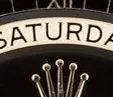
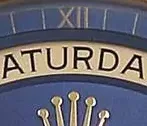
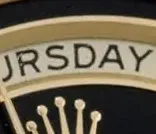
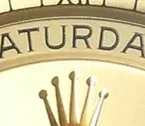









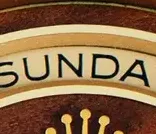
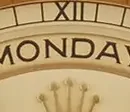


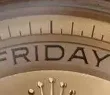

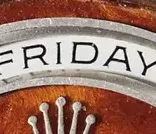
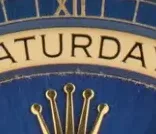



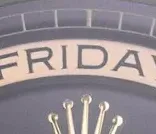





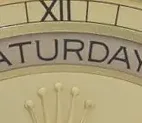










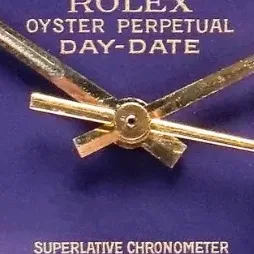

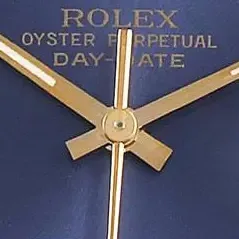
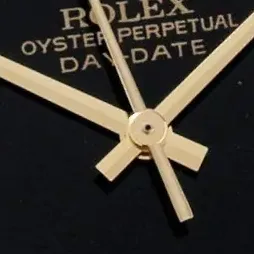

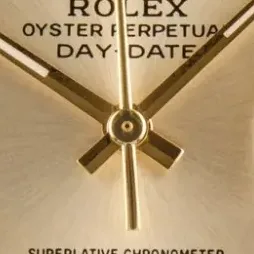
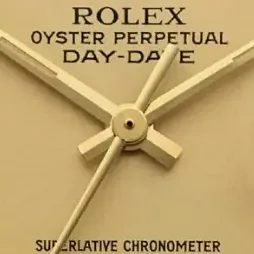

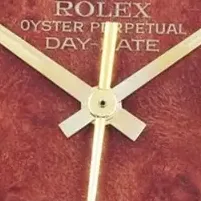

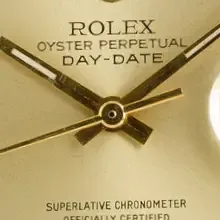




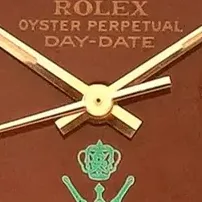


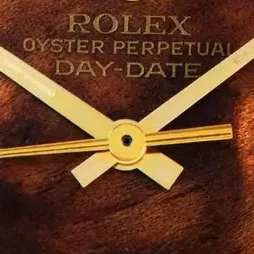
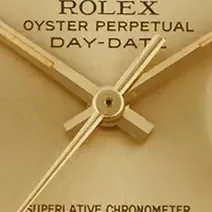


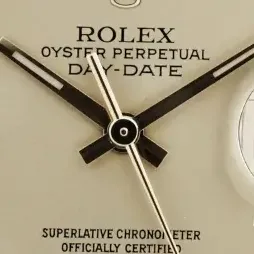
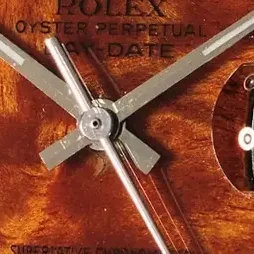

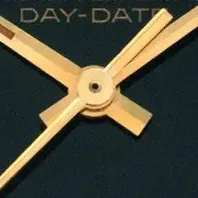
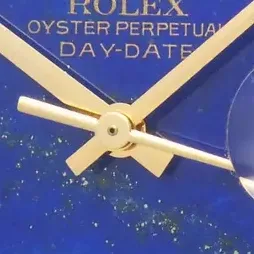
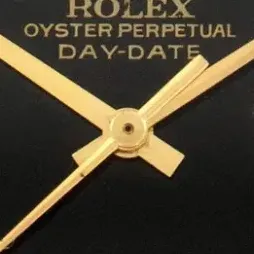
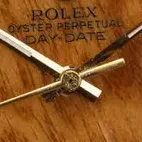

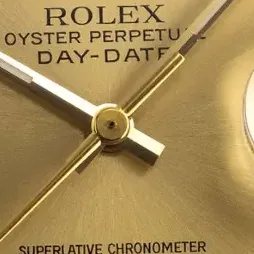


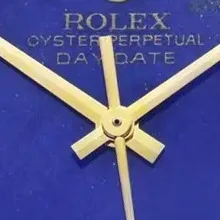
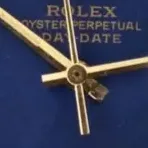
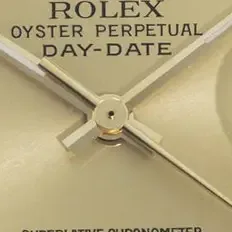


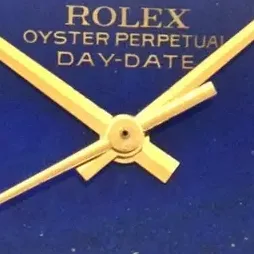

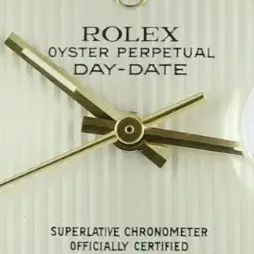
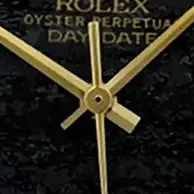

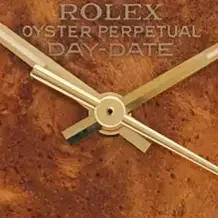
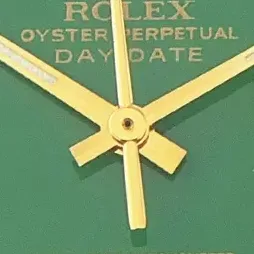




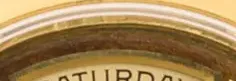
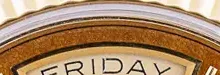
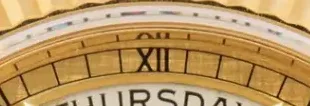

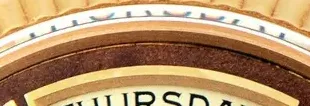

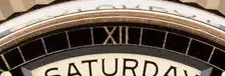

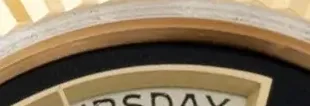
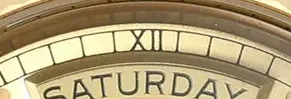
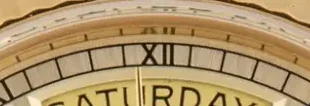

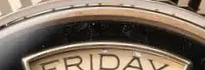
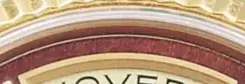




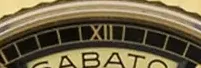


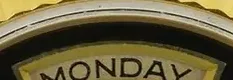




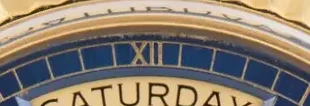
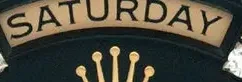




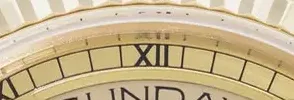

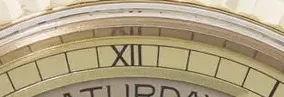
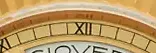
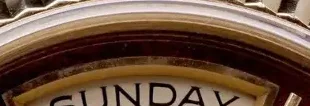




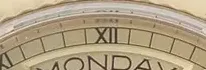


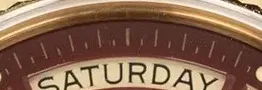
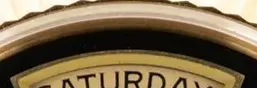

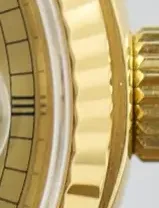

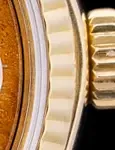
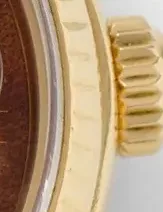
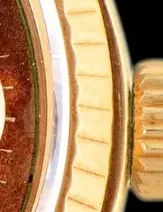
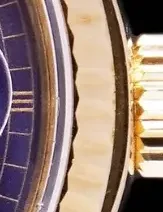

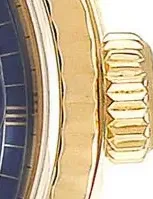

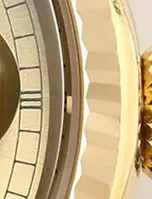
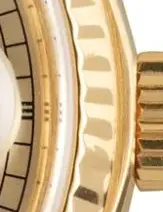
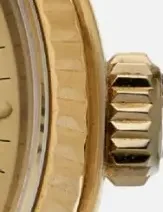
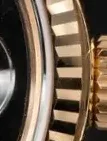
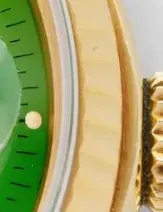
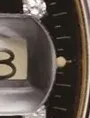
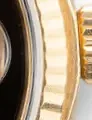
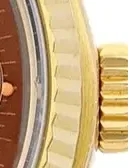
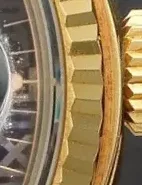

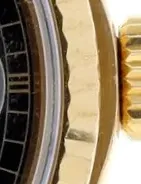
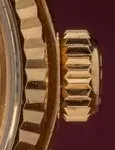

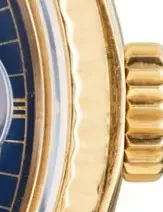

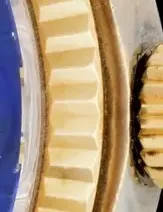
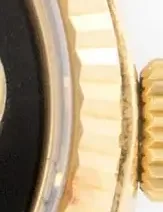
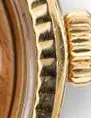
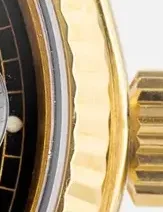
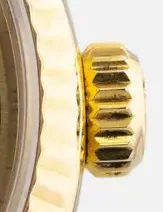
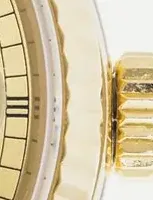
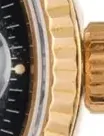
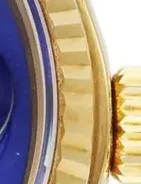
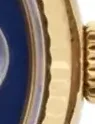
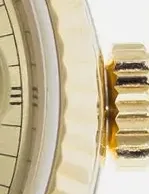
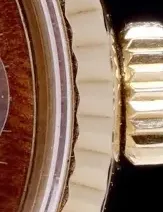
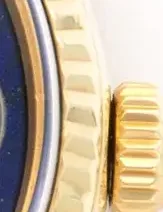
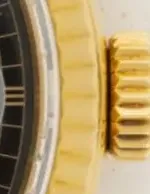
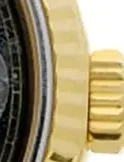

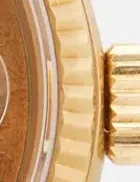
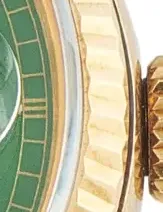
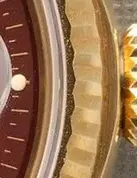
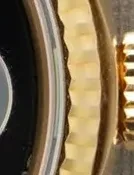
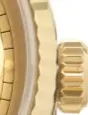
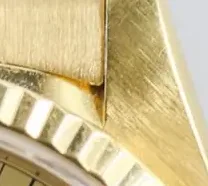
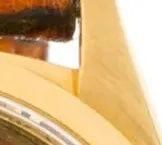
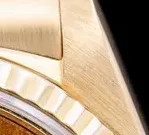
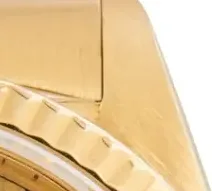
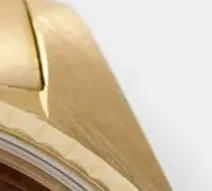
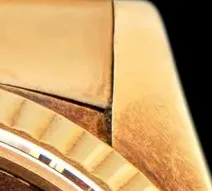
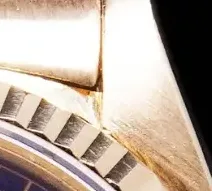
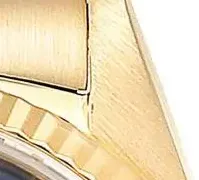

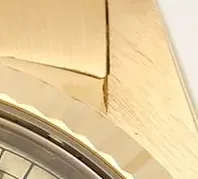


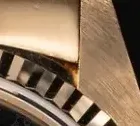
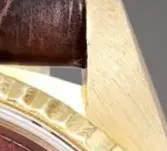
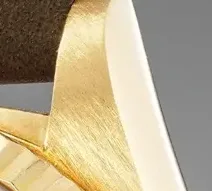


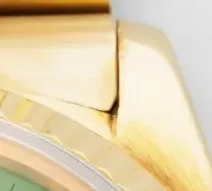
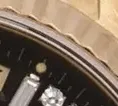

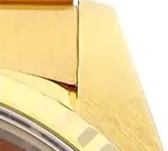


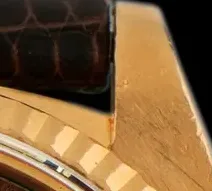
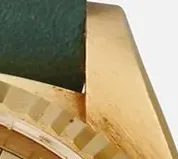


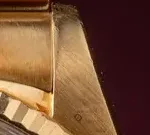
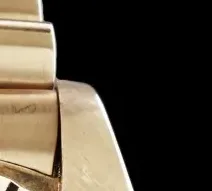

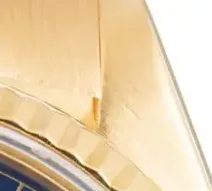
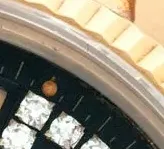
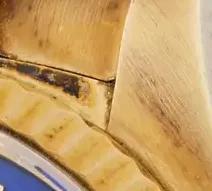

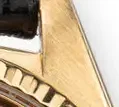
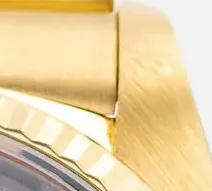
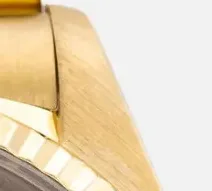
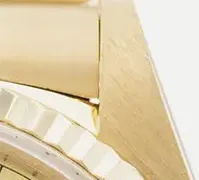

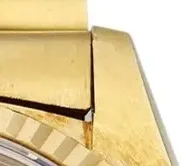

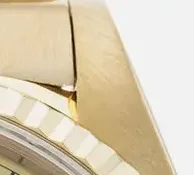
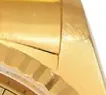
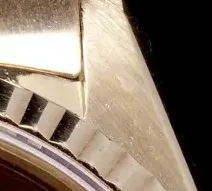






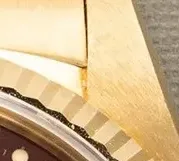
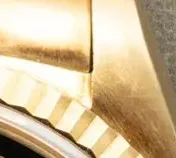
Illustrated history of the 18038: every change set out with close-up photographs of dated watches.
Chronology
The literature gives 1977 or 1978 for the start and about 1988 for the end; dated case numbers in the records run mainly 1977 to 1988, with a few numbered before and after.
Every dated variant: what is written, and what the records show
For the reference the marks are every dated watch; for a variant, the watches a seller names as that variant, so a variant sellers do not name has none.
The reference's own marks are dated by case number. A variant's marks use the year each seller states, so a variant can show watches in a year where the row for the reference shows fewer, or none. 5 dated listings fall outside this scale and are not drawn.
Specification
| Case | 36 mm solid 18 ct yellow gold Oyster case with polished and brushed surfaces |
| Crystal | Sapphire with a Cyclops lens over the date at 3; a laser-etched coronet at 6 marks a later replacement crystal |
| Bezel | Fluted, as the 3 in the fourth place of the reference number signifies |
| Dial | Flat dial, with day at 12 and date at 3 in gold-framed apertures; stick, Roman or Arabic markers |
| Crown | Twinlock screw-down crown |
| Movement | Calibre 3055, automatic, 28,800 vph, 27 jewels, about 48 hours of reserve, quickset date (single quickset) |
| Bracelet | 18 ct yellow gold President bracelet with concealed Crownclasp; solid end links, hollow links elsewhere |
| Water resistance | 100 metres, with screw-down crown and caseback |
Dial 16 described
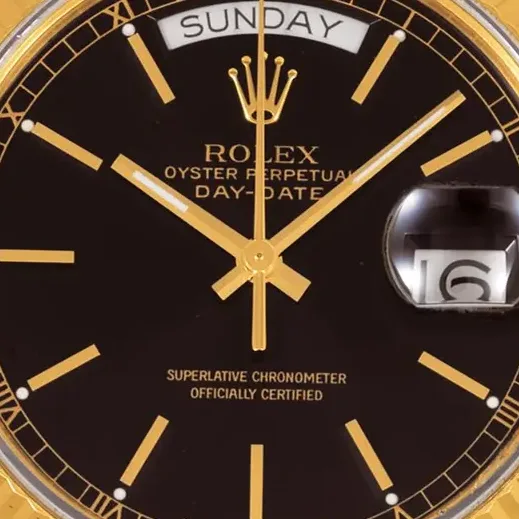
The 18038 dial is flat, where the 1803 before it had a pie-pan dial. Champagne is the usual colour for the yellow gold watch, with black and white also common, and blue, silver, brown, green and red are all found. The reference was made with an unusually wide range of special dials, among them lacquer, wood, stone and diamond-set types; the Stella lacquer dials in particular were often made for Middle Eastern and Asian markets. Stick, Roman and Arabic markers are all found, and many are diamond-accented.
Flat dial
The dial of the 18038 is completely flat. It replaced the pie-pan dial of the 1803 and is one reason the 36 mm case can seem slightly larger on the wrist than older Day-Dates.
- completely flat dial surface, no pie-pan slope
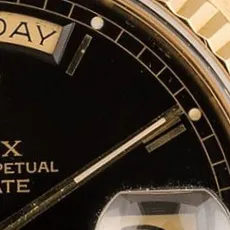
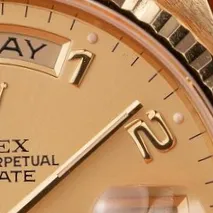
Stick, Roman or Arabic markers
Hour markers are stick batons, Roman numerals or Arabic numerals, and diamond-accented versions are common. A dial type named Arabia is also catalogued for the 18038.
- Roman numerals
- diamond accents
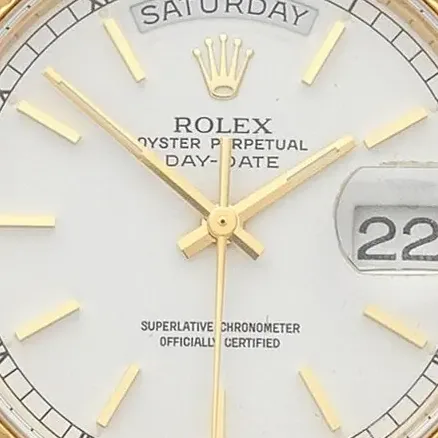
Linen
Linen dials carry a woven grain running vertically and horizontally. They were offered on the Datejust and Day-Date from about 1962 to 1992, silver and champagne being the common colours and slate and blue scarcer.
- woven vertical and horizontal grain
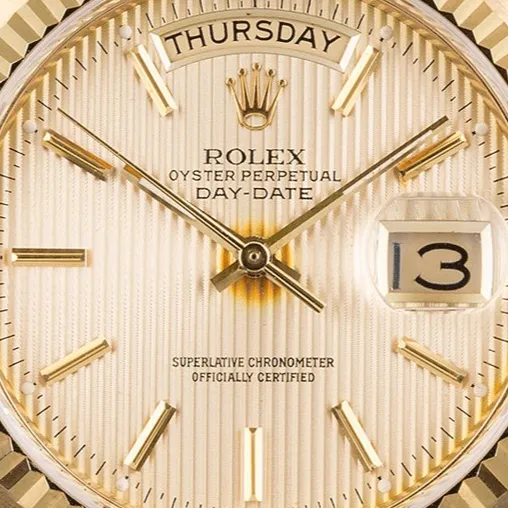
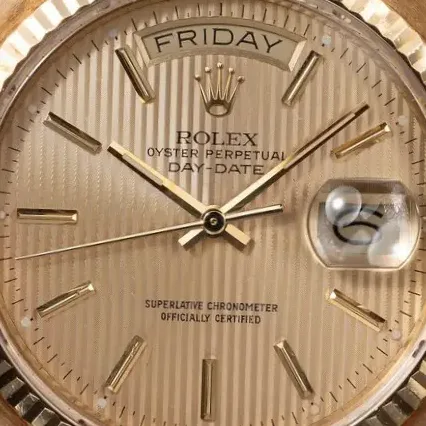
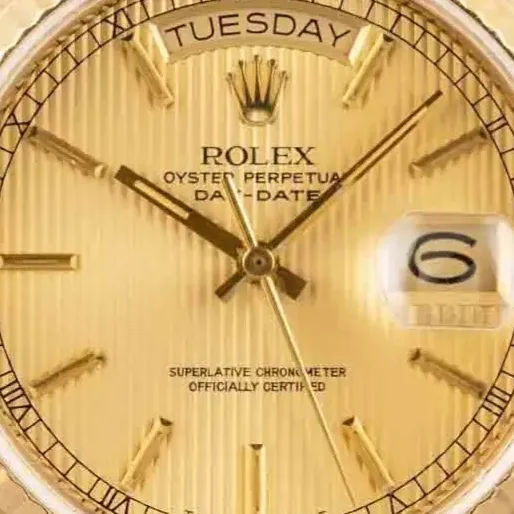
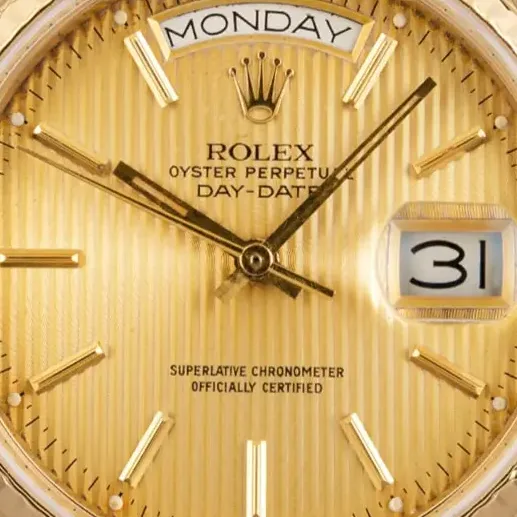
Tapestry
A tapestry dial on a President bracelet is recorded on the 18038.


Pyramid
Pyramid dials have an extra-large hobnail texture and were offered on the Datejust and Day-Date from about 1980 to 2010.
- large hobnail texture
Stella (lacquer)
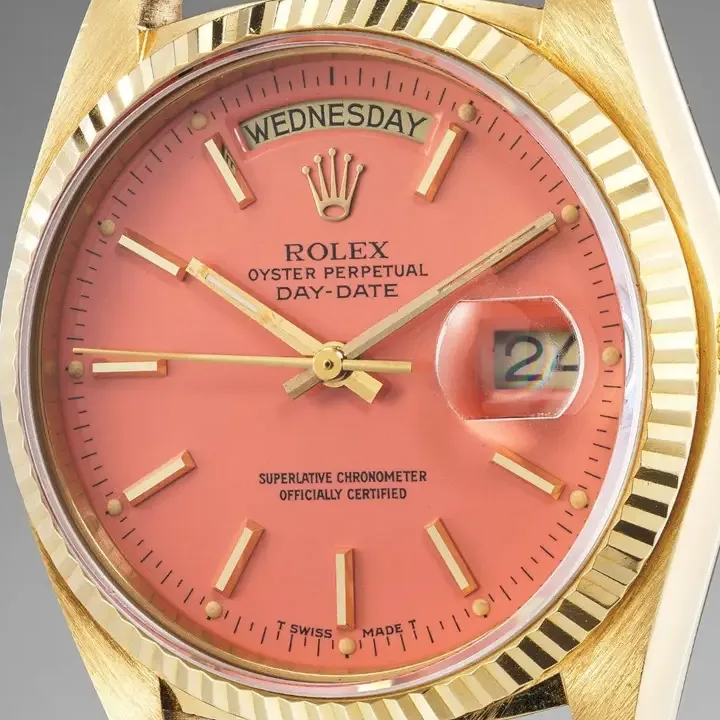
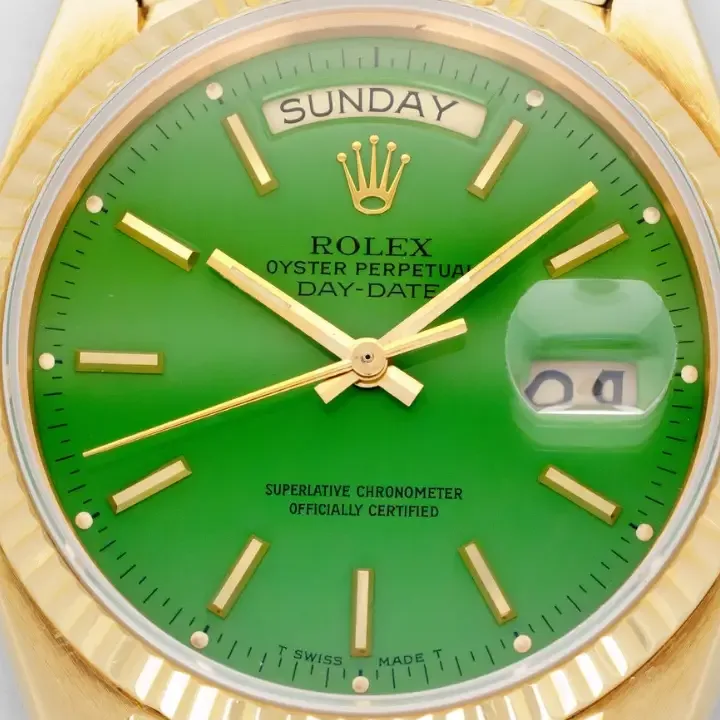
Glossy lacquer dials in vivid colours, made for a few chosen Day-Date references between the 1970s and the early 1980s, among them the yellow gold 18038 is one and the white gold 18039 another. The colours named include turquoise, canary yellow, pumpkin orange, coral red, pink, forest green and mauve, and an oxblood Arabic-language example is recorded; a sapphire-coloured Stella is also catalogued. Each dial is built from several sprayed coats, oven-cured, then a clear topcoat and hand polishing, and fine surface cracks (spidering) are common and are taken as a mark of authenticity. They were made in limited numbers, often for Middle Eastern and Asian markets, sold slowly at first and found collectors in Italy during the 1990s. The name is attributed to a Geneva supplier of the lacquer; the attribution is not certain.
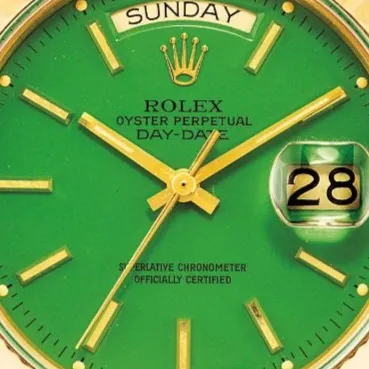

- glossy single-colour lacquer
- fine spidering cracks
94 listings on record under the name.
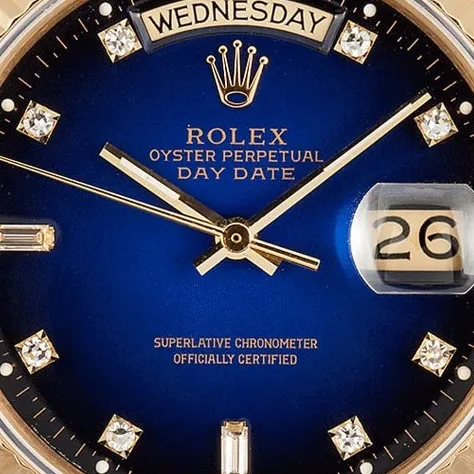
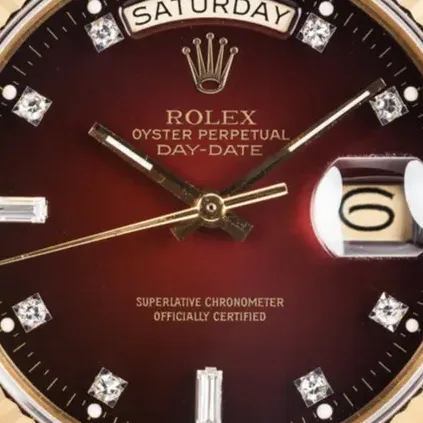
Vignette (degradé)
Vignette dials have a bright centre that fades to black at the edges. Sellers also describe blue vignette and brown degradé examples with diamond markers.


Buckley
Buckley dials have large painted Roman numerals with the numerals from 4 to 8 upright. They are dated in the literature only as a general type of about 1970 to 1990, not to this reference. The hands of a five-digit watch should be in the same colour as the numerals.
- big painted Roman numerals
- 4 to 8 upright
- hands matching numeral colour
Pinball
Pinball dials have large circular gold hour markers; an 18038 with this dial is pictured.
- large round gold markers
String and double-string diamond
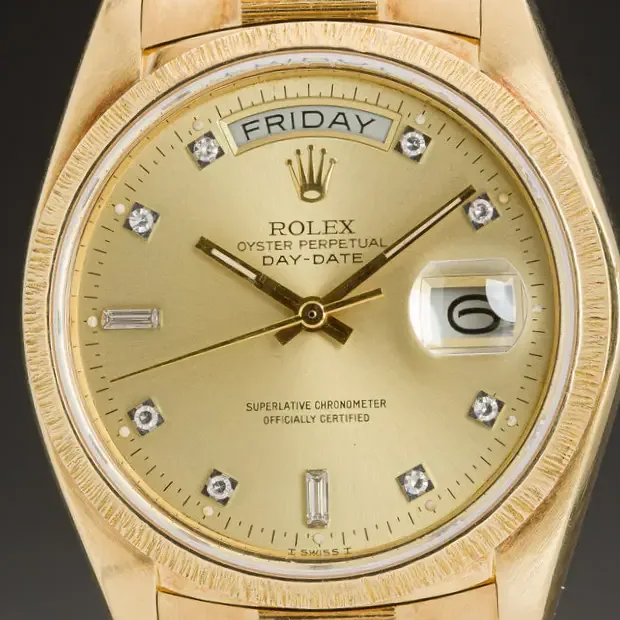
String dials have diamonds set in a circle round the dial, in one, two or three rows; an 18038 with a single and with a double string are pictured. Sellers also describe a black diamond string dial and a string dial with ruby indexes.
- ring of diamonds round the dial
- double row
Black stone Roman and black diamond
A black Roman stone dial and a black diamond dial are catalogued for the 18038. Stone dials such as lapis lazuli and malachite are the rarer options beside the usual champagne, black and white.
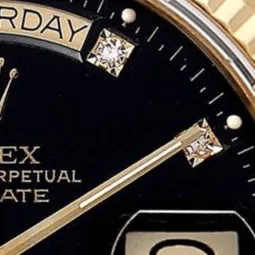

- stone dial with Roman numerals
147 listings on record under the name.
Burl wood
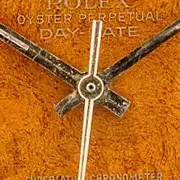
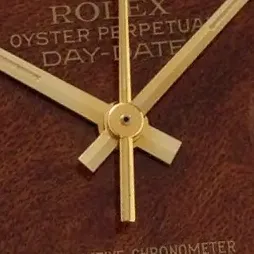
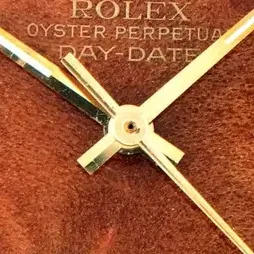
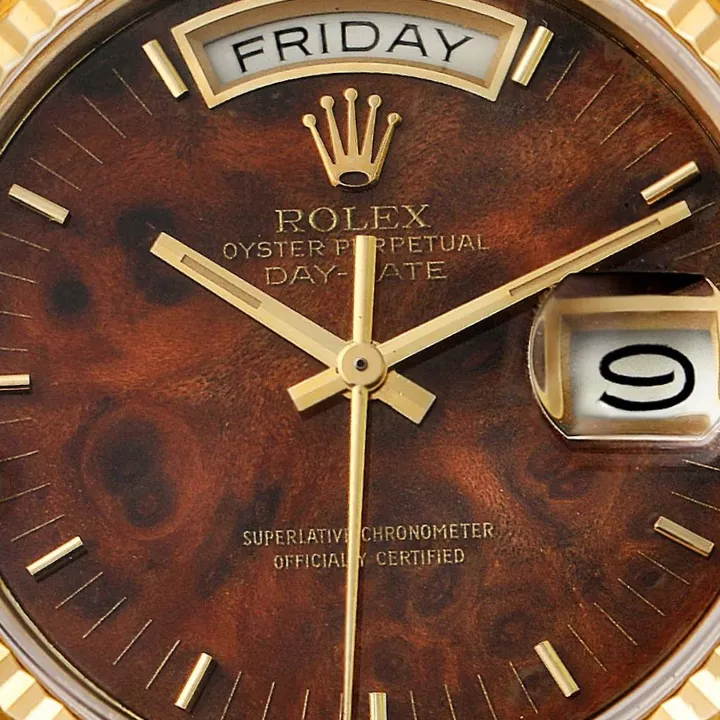
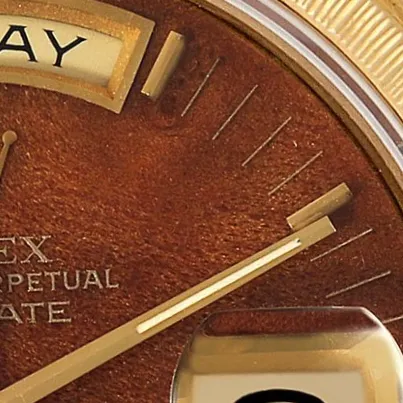
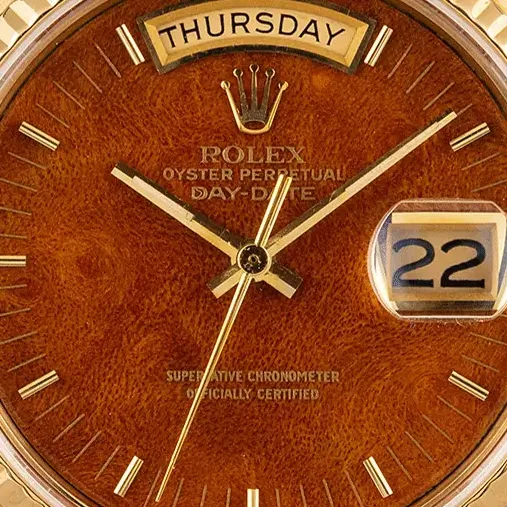
Burl wood dials were offered in the 1980s, cut from a thin wood veneer so that every grain is different. Walnut, madrone, mahogany and birch burls were used, with gold or black text and applied indices in the metal of the case. The wood slowly reacts with its lacquer and tends to take on patina. One example is dated to 1986 by its case number.



Jubilee anniversary
A gold dial with a repeating ROLEX engraving and diamond markers, introduced in 1985 across the Datejust and Day-Date and found on this reference.
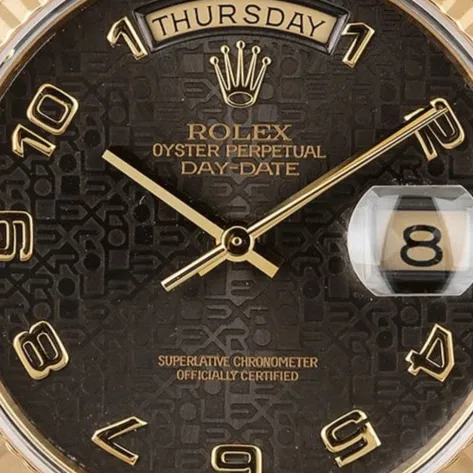

- diamond markers
15 listings on record under the name.
Missoni
Missoni dials were made from the late 1980s, only for yellow gold Day-Dates and Lady-Datejusts, and have hour markers set with rubies or sapphires; one is pictured on an 18038.
- ruby or sapphire hour markers
Coral
A coral stone dial on an 18038 of 1987 is described as the scarcest of the Rolex stone dials. Coral is fragile and scarce, and forgeries exist.
- natural coral stone
Black baguette diamond
A black dial with baguette diamond indices and applied gold plaques for the Rolex and Day-Date text in place of printing, recorded on an 18038 of 1988.
- baguette diamond indices
- applied gold text plaques
Hands
The literature gives no dated change of hands for this reference beyond the advice that a good watch has matching hands and markers with consistent patina.
Bezel 1 described
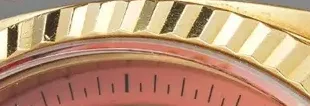
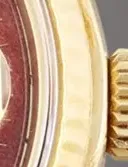
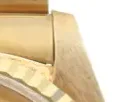
The bezel of the 18038 is fluted; the 3 in the fourth place of the reference number stands for it. Tree-bark and diamond-set bezels mark the sister references 18078 and 18048; one pictured 18038 has a custom diamond bezel and dial.
Fluted
The standard bezel of the reference, in gold to match the case. Sister references take other bezels: the 18028 is smooth, the 18048 diamond-set with 44 brilliants and the 18078 tree-bark with bark centre links.
- fluted gold bezel
Case 1 described
The case is a 36 mm Oyster in solid 18 ct yellow gold, polished and brushed, and the serial number sits between the lugs at 6. The white gold version is the 18039.
36 mm yellow gold Oyster
Entirely 18 ct yellow gold, case and bracelet; the full yellow gold 180XX Day-Date is the 18038.
- serial number between the lugs at 6
- polished and brushed surfaces
Crown 1 described
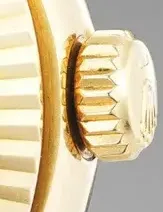
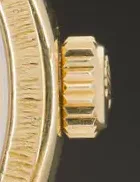
The crown is of the Twinlock type.
Twinlock
A Twinlock crown arrived with this reference and gave 100 metres of water resistance for the first time in the Day-Date.
- Twinlock crown
Crystal 1 described
The crystal changed from acrylic on the 1803 to sapphire on the 18038.
Sapphire with Cyclops
Scratch-resistant sapphire, the first in the Day-Date, with a Cyclops lens over the date at 3. The laser-etched coronet at 6 came in only around 2001 to 2002, so one on an 18038 shows a crystal replaced at service.
- Cyclops over date
- no etched coronet on an original crystal
Date 2 described
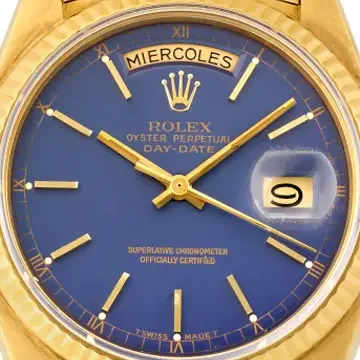
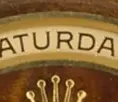
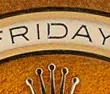
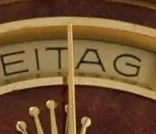
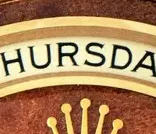
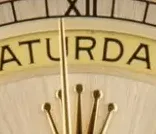
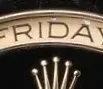
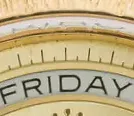
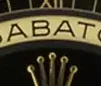
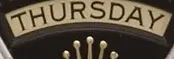
Gold frames surround the day aperture at 12 and the date aperture at 3. The reference has a single quickset: the date can be set by the crown, the day cannot. The weekday disc came in 24 languages at first and 25 from about 1984, against 11 on the 1803.
Single quickset
Calibre 3055 allows the date to be set without moving the hands past midnight, replacing the 24-hour winding cycle of earlier movements. The day must still be advanced by turning the hands round for 24 hours.
- date changes by crown, day by hands
24 and 25 day languages
The weekday disc was offered in 24 languages originally and 25 from about 1984. Arabic day and date discs are recorded on one watch.
- language of the day disc
Movement 1 described
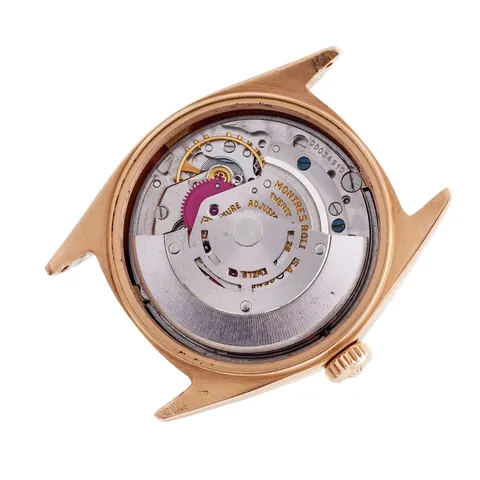
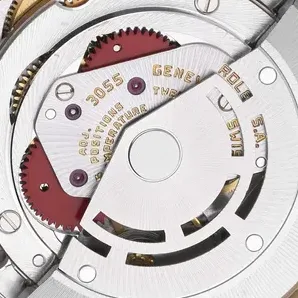
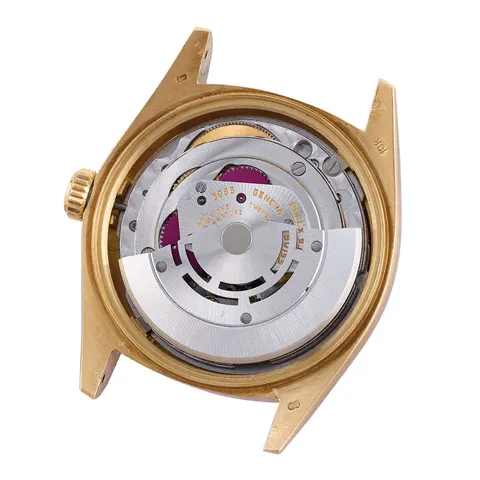
Calibre 3055 is the movement of the 18038. Some listings name calibre 3035 or 3155 in error; 3155 is the calibre of the 18238 that replaced it.
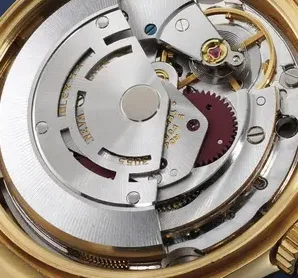
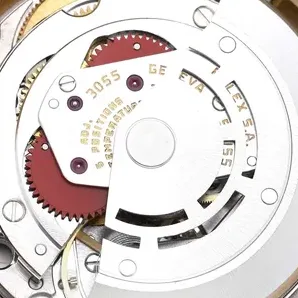
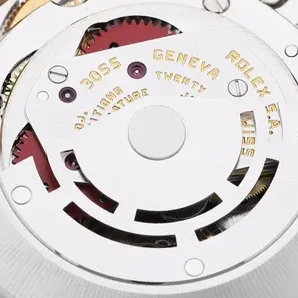
Calibre 3055
In-house, 28,800 bph (4 Hz), 27 jewels, about 48 hours of reserve against 42 for the calibre 1556 it replaced, and certified as a chronometer. The Microstella regulating, Nivarox hairspring and Glucydur balance carry over from the 1556, and it is described as a fifth-generation Day-Date movement.
- calibre 3055 on the movement
Bracelet 1 described
The 18038 came only on the President bracelet, in matching 18 ct yellow gold.
President with Crownclasp
Three-link bracelet with semi-circular links, polished centre links and brushed outer links. The Crownclasp, which dates from 1969, conceals the fastening apart from a small coronet; older Day-Dates may have a Fliplock clasp instead. End links are solid and the others hollow, so older bracelets tend to stretch.
- coronet on clasp
- stretch in the links
Originality
- An unrestored dial with matching hands and markers and consistent patina is the mark of a sound watch; a replaced dial or hands show as a mismatch of patina.
- Bracelets stretch with age because the links are hollow, so a bracelet with little stretch is worth noting.
- Heavy polishing softens the case, and the serial number between the lugs at 6 should be consistent with the production period.
- Fine natural spidering is read as a sign of an original Stella lacquer dial, and coral dials are known to be forged.
Names
- Texas Timex. The solid gold Day-Date acquired the name in the mid-1980s.
- Stella. Lacquered dials in vivid colours, the name being attributed to a Geneva supplier of the pigments.
- President. The name of the three-link bracelet on which the reference was supplied.
Where accounts differ
Points on which the published literature and the library's own records do not agree, or on which the literature contradicts itself.
- End of production. One dealer page says the 18038 was made in the 1980s and early 1990s; the other accounts give 1977 to 1988, and the library's case numbers agree with them in the main, with only a few watches numbered after 1988.
- Start of production. Most accounts give 1977 for the introduction; one gives 1978 and its dated examples start then. Case numbers in the records start with a few from 1976 and a main run from 1977.
- Pie-pan dials. The pages say the pie-pan dial ended with the 1803, yet a few sellers describe 18038s as pie-pan. Seller wording is loose, so this may describe shape rather than the true pie-pan dial.
- Etched coronet in the crystal. One page on the 18038 says the crown emblem is etched in the crystal at 6. Other published accounts put the arrival of the laser-etched coronet at 1999 to 2002, well after the 18038 ended, so on this reference it belongs to a replacement crystal.
- Case metals. One account speaks of the 18038 in yellow, white or rose gold and occasionally platinum, while other accounts, and the same site elsewhere, call it entirely yellow gold; the library's records are almost all yellow gold, and the white gold version is the 18039.
Back and movement
From listings of this reference, each confirmed by eye to show what it is filed under. A picture on which a person's name or a personal engraving can be read is not shown. From most holders a detail from the middle of the photograph is shown; the mark in its corner gives its holder and a link to the listing.
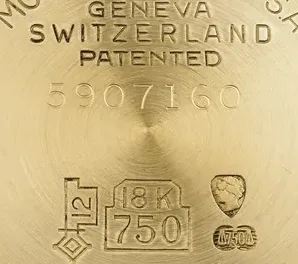
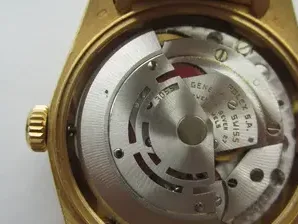
Caseback
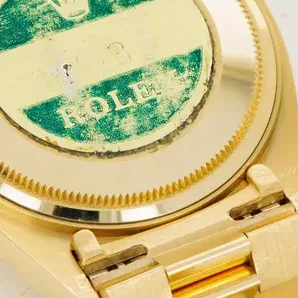

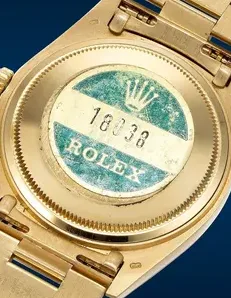

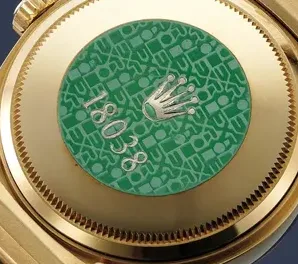

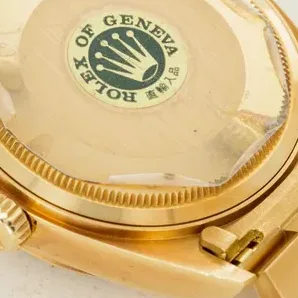

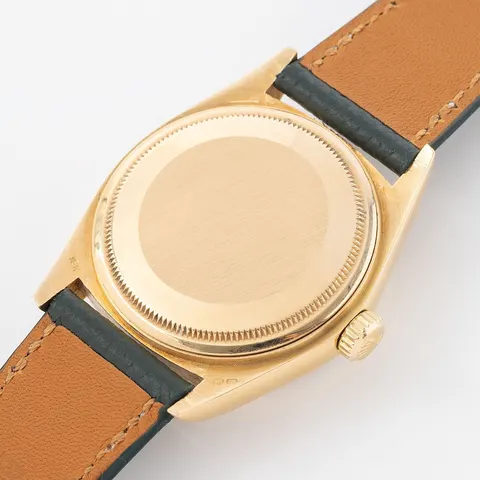

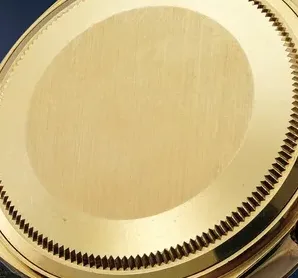

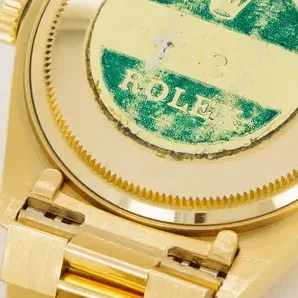

Inside the caseback

Movement







Catalogue versions 1 listed
The full numbers under which holders list this reference, with what their listings say of each. Each has a page of its own.
| Version | Metal | Dial | Years seen | Records |
|---|---|---|---|---|
| 18038A | Yellow gold | Champagne | 1977–1988 | 13 |
In the records
Counted from 2,020 listings at 70 holders between 16 October 2005 and 14 November 2026. These are what sellers and auction houses state, not measurements.
Fainter bars are the 73 outside the main run of 1978–1987 (the middle nine-tenths): the earliest is 1976 and the latest 1991. They are early and late examples, and now and then a number misread.
At the holders that record papers on every watch, 21% of their 256 listings of this reference come with papers; at those that record the box on every watch, 56% of 489 come with a box. "Papers" is whatever the holder counts as papers, and can include service papers.
6 listings dated long after the reference ended are set aside and not counted here: a year that late belongs to a later watch sold under the old number, or to a listing filed under the wrong one.
Case metal
| Gold, any colour | 1,146 | |
| Yellow | 841 | |
| White | 2 | |
| Pink | 1 | |
| Colour not stated | 302 | |
| Steel | 1 | |
| Steel and gold | 1 |
A listing that says "gold" or "18K gold" names no colour: it is counted under "colour not stated", not as yellow gold.
Dial colour
| Champagne | 554 | |
| Black | 90 | |
| Blue | 76 | |
| White | 60 | |
| Silver | 56 | |
| Brown | 26 | |
| Red | 21 | |
| Gold | 17 |
Case size
| 36 mm | 1,047 | |
| 35 mm | 22 | |
| 37 mm | 6 |
Calibre named
| 3055 | 596 | |
| 3155 | 44 | |
| 3035 | 28 | |
| 1556 | 2 |
Bracelet or strap
| President bracelet | 819 | |
| Metal bracelet, kind not stated | 102 | |
| Leather strap | 89 | |
| Oyster bracelet | 7 | |
| Strap, kind not stated | 5 |
Each table counts the listings that state the thing, in the seller's own terms. A size, metal, colour or calibre that cannot belong to this reference is a seller's slip or a listing filed under the wrong number.