Turn-O-Graph
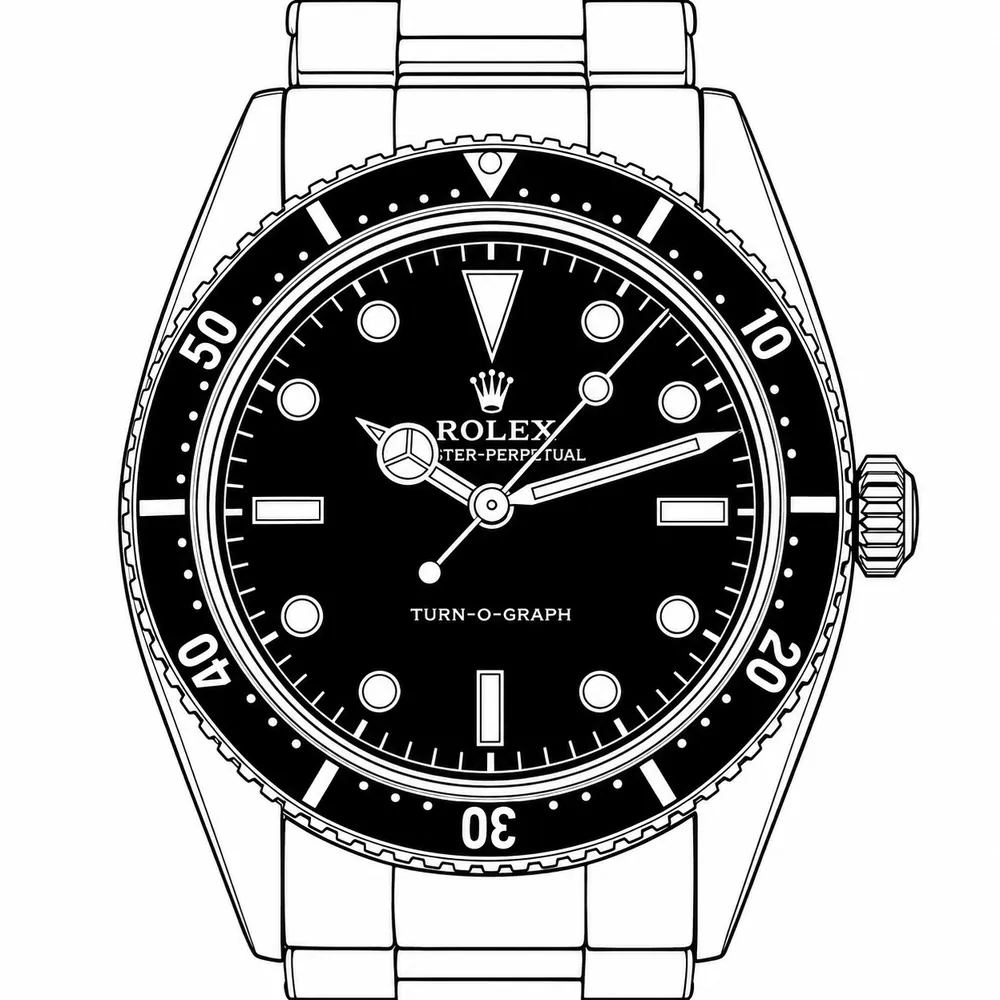
The 6202 is the first Turn-O-Graph, a time-only automatic Oyster with a rotating sixty-minute bezel that Rolex showed at Basel in 1953. It is generally described as the first Rolex wristwatch with a rotating bezel to be made in series, and it sits beside the first Submariner references, which it resembles closely. Published accounts put production at between one and three years, ending around 1954 or 1955. Most watches are steel with a black gilt dial signed Turn-O-Graph; a few are signed Monometer, and a handful are steel and gold. The reference was followed by the dressier, date-bearing 6309 and 6609. Collectors look first at dial print, bezel and the originality of the hands.
- Made
- 1953–1955dates approximate
- Seen in the library
- 1952–1953by case numbers
- Case
- steel (88%), steel and gold (11%)as sellers state
- Movement
- Calibre A260, 645automatic
- On record
- 109 listings267 photographs · 27 holders
Components
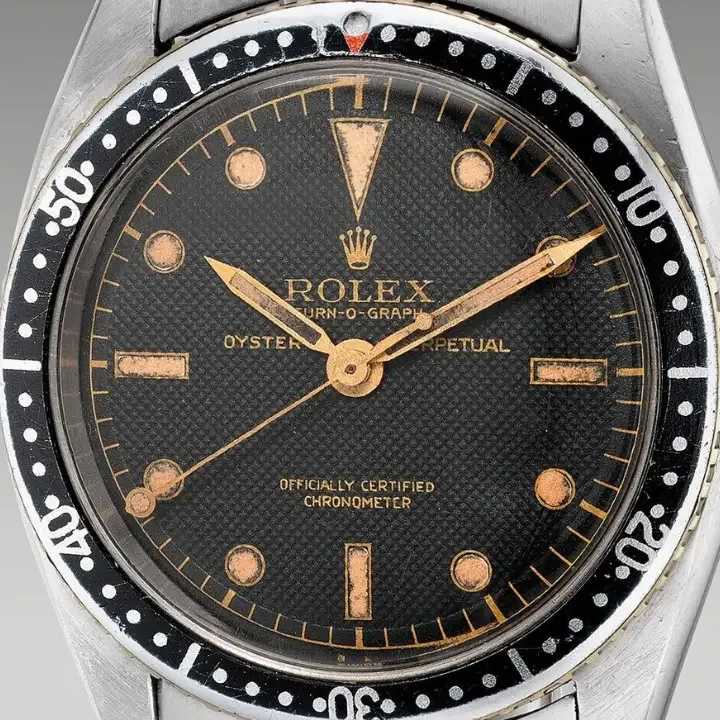
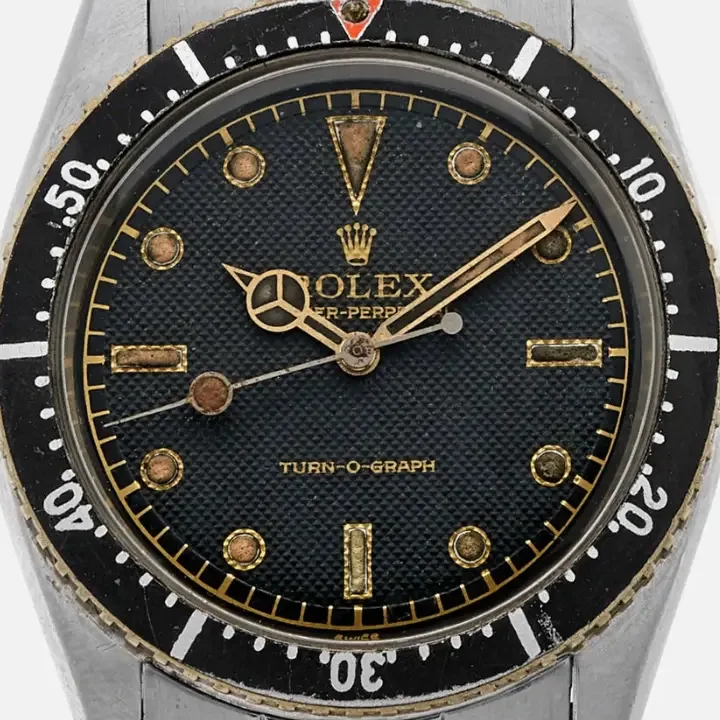
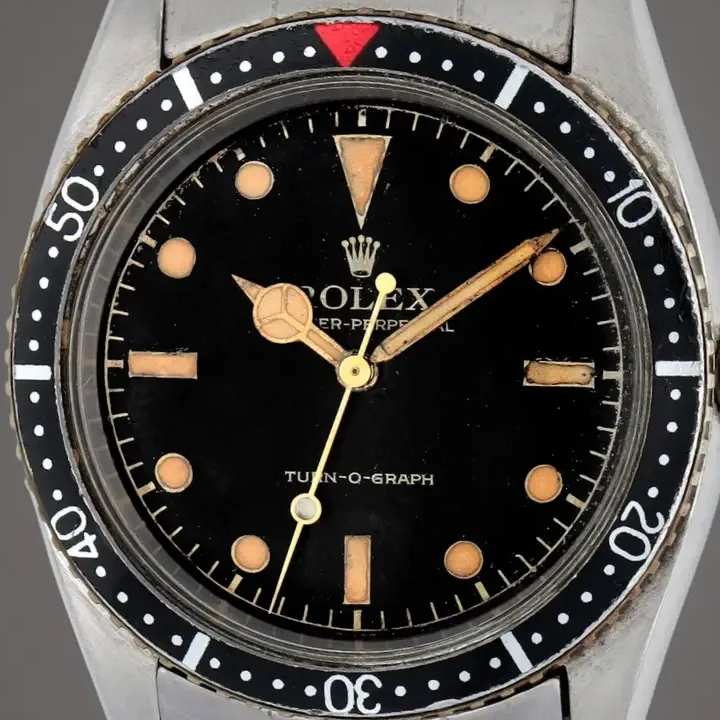
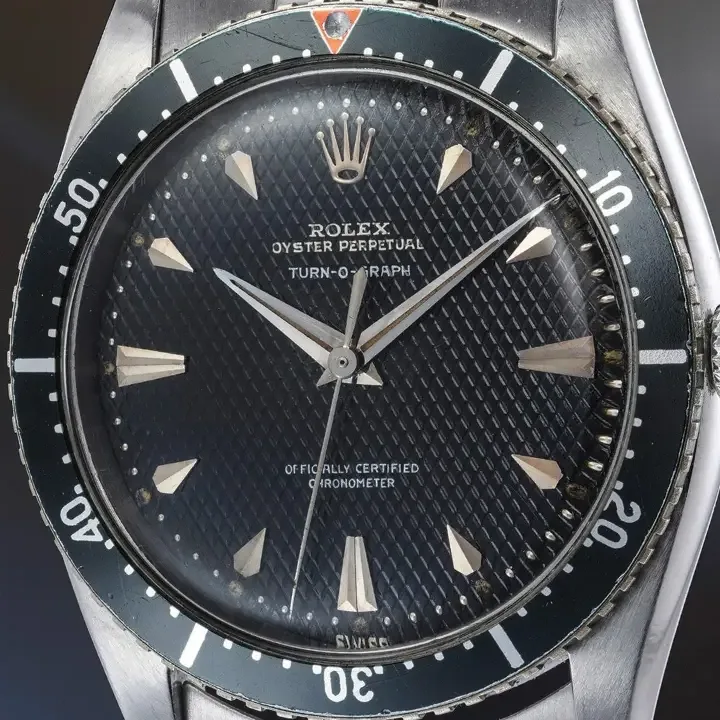
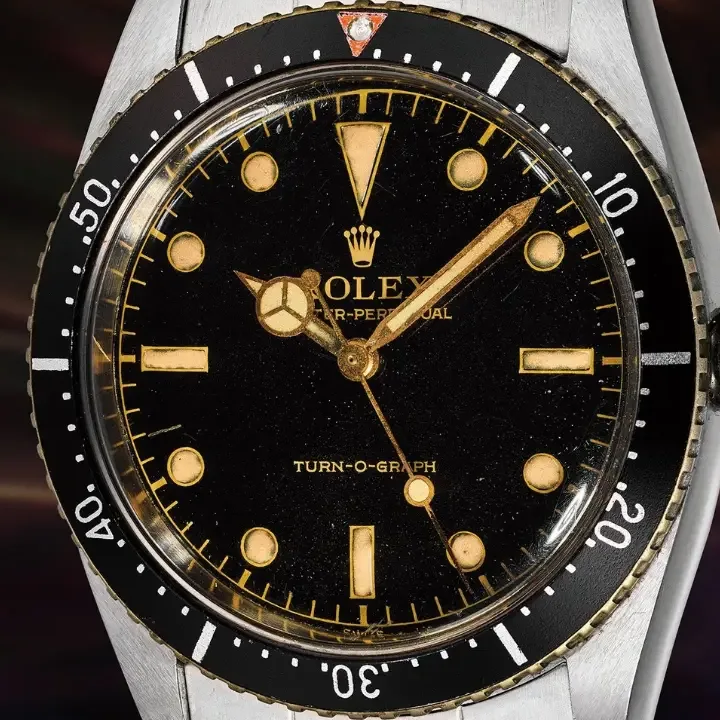
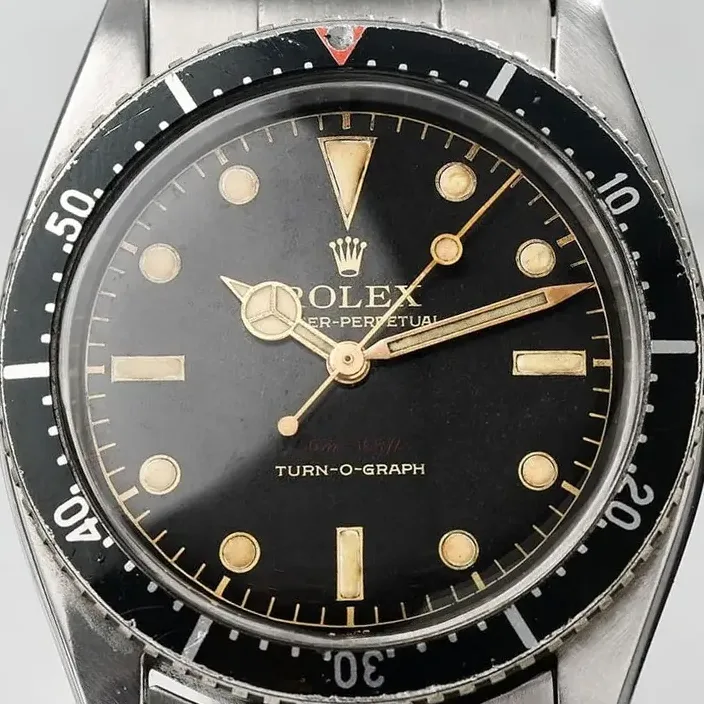
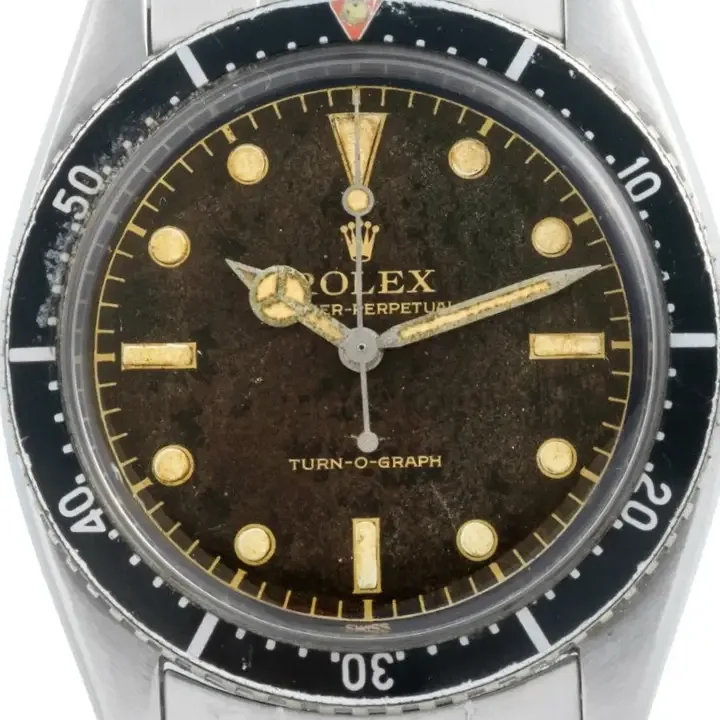
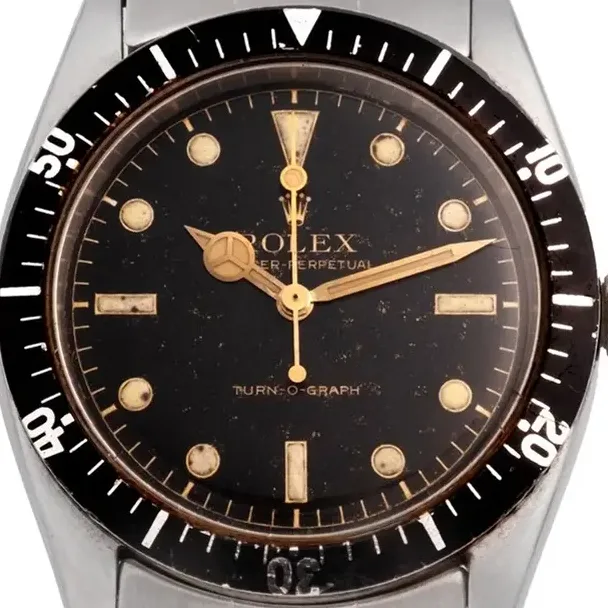
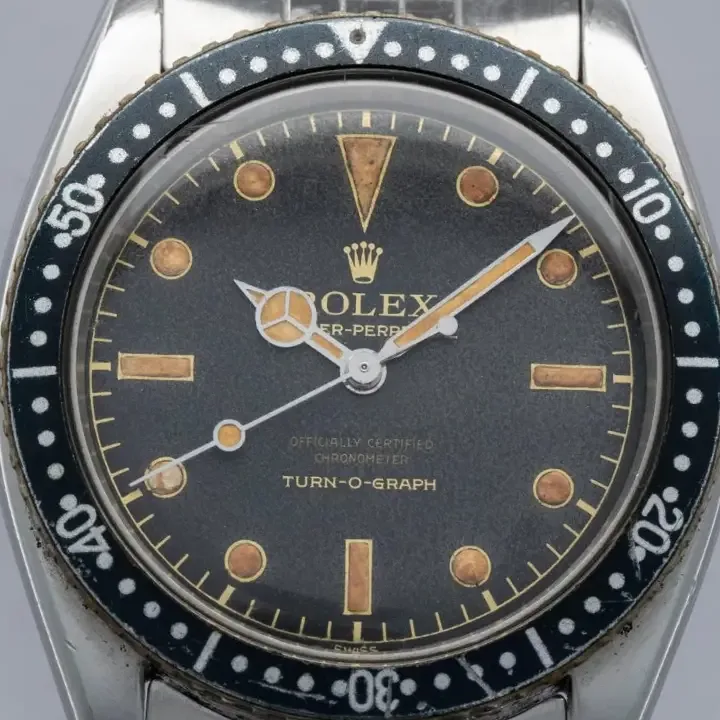
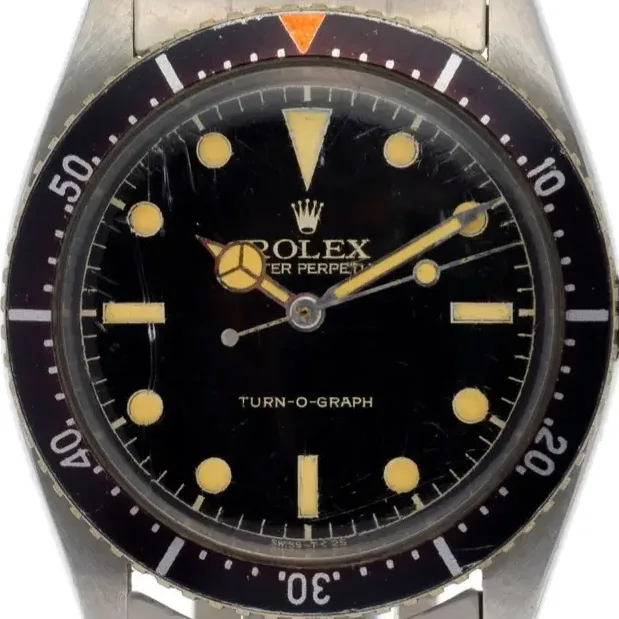
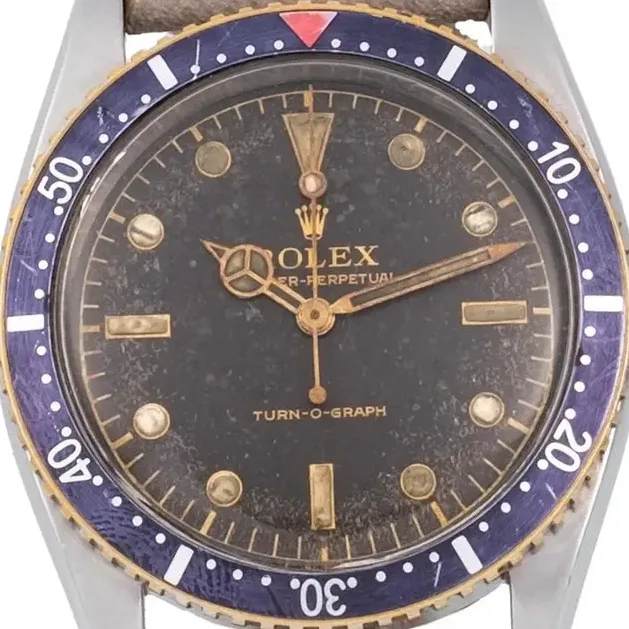
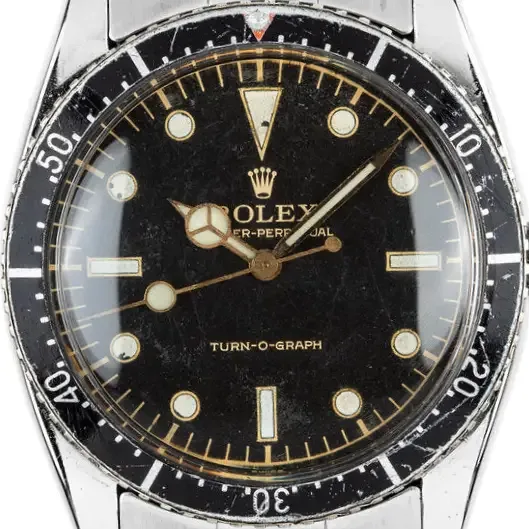
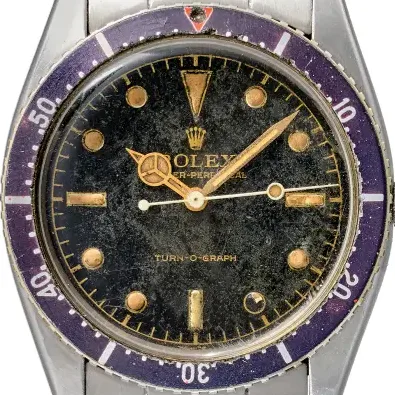
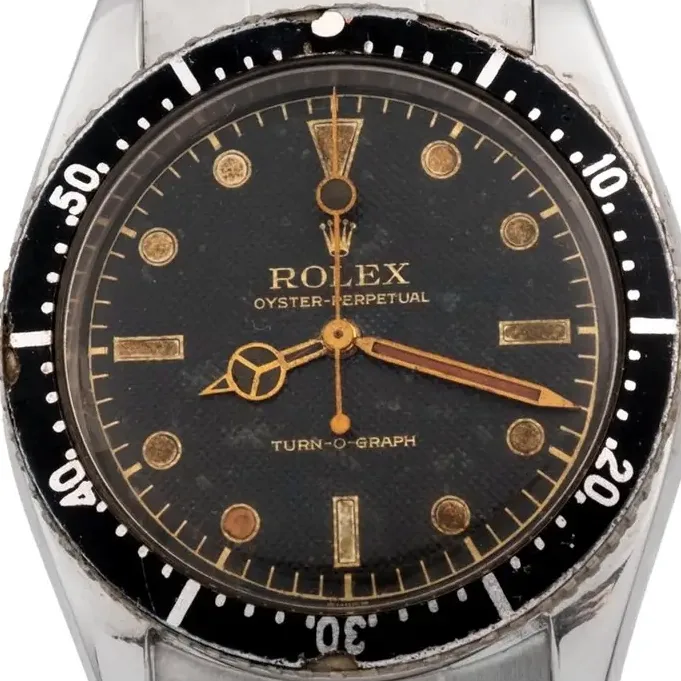
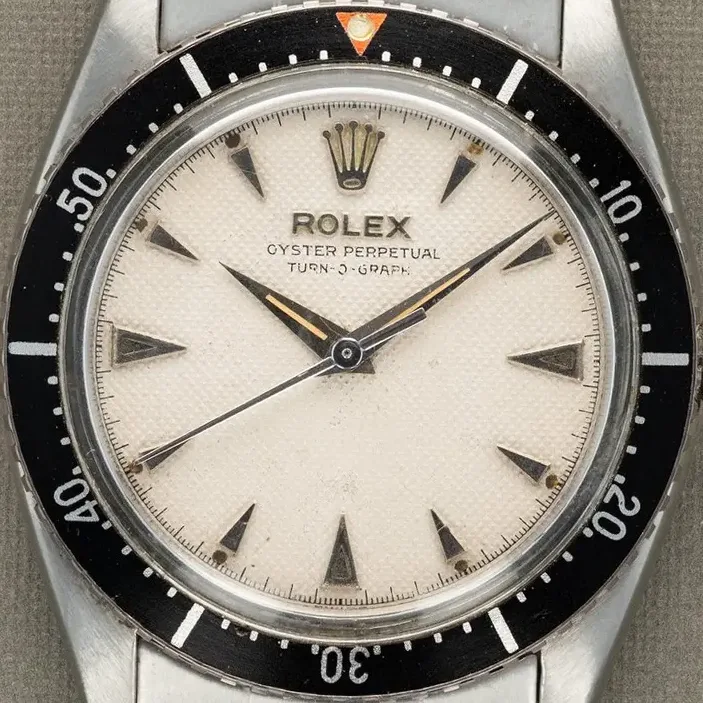
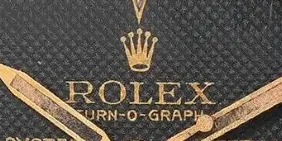
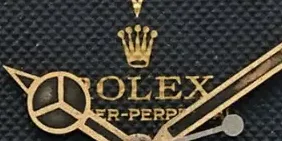
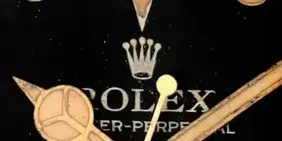
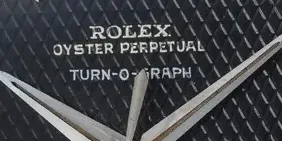
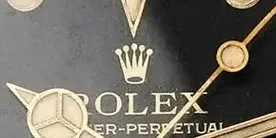
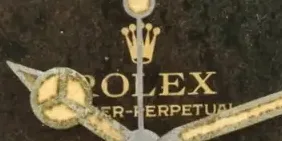
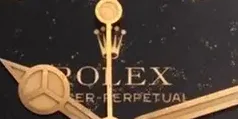
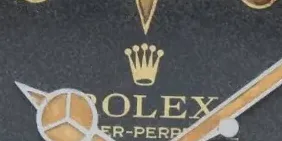
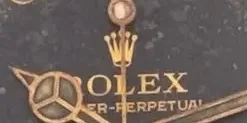
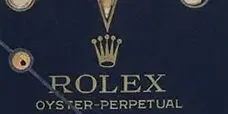
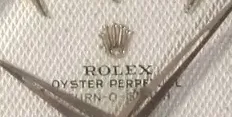
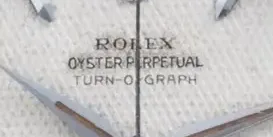
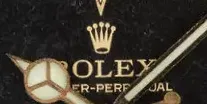
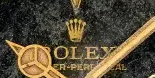
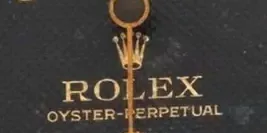
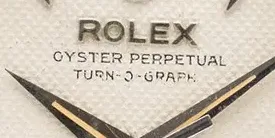
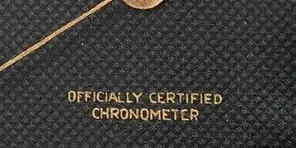
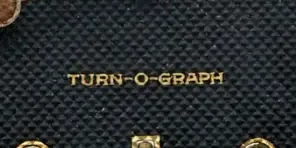
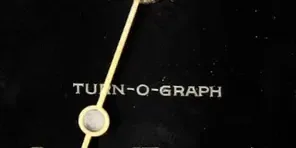
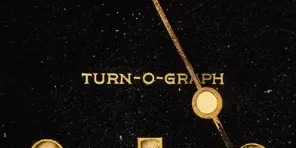
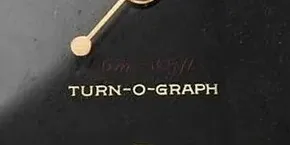
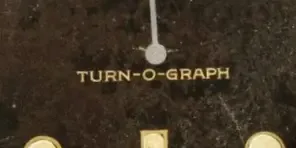
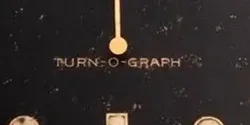
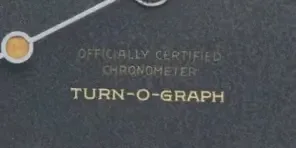
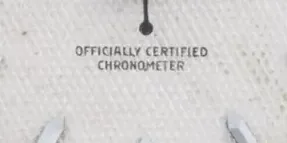
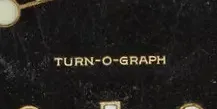
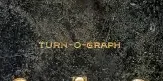
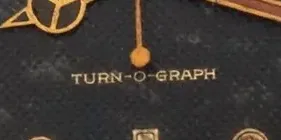
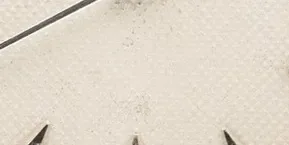
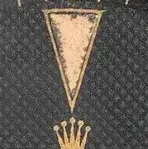
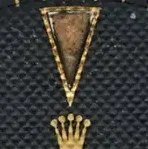
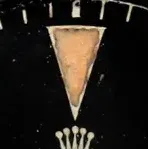
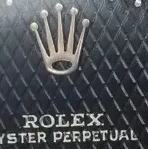
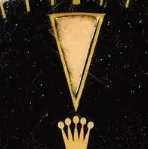
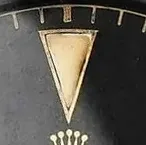
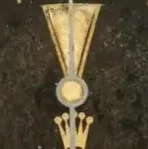
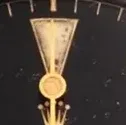
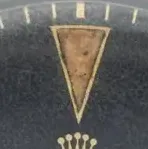
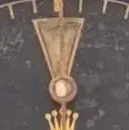
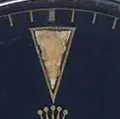
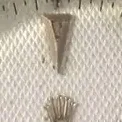
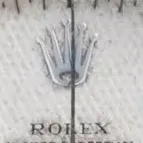
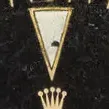
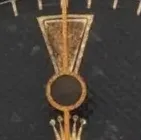
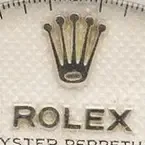
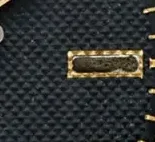
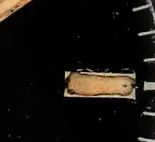
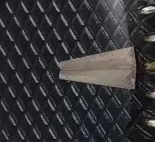
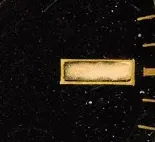
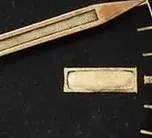
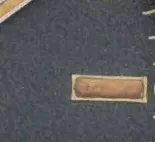
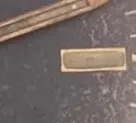
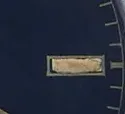
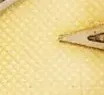
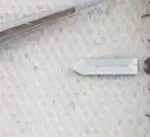
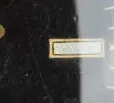
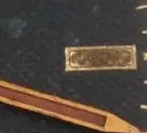
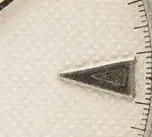
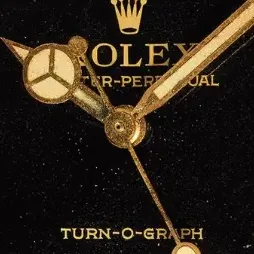
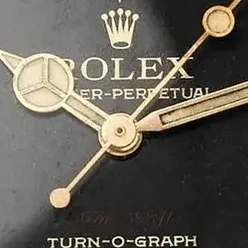
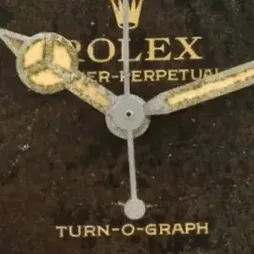
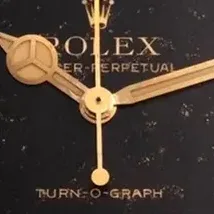
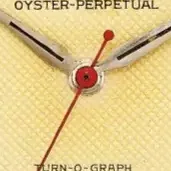
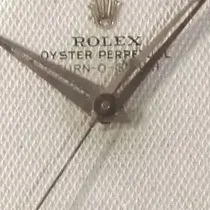
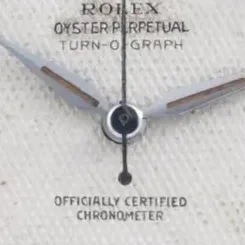
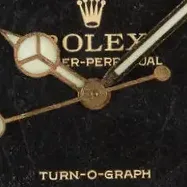
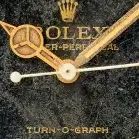
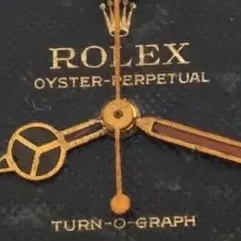
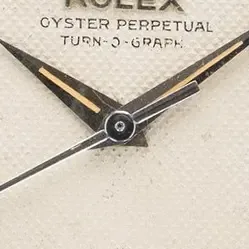
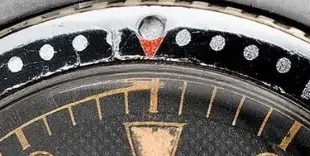
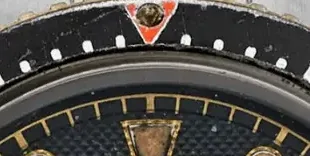
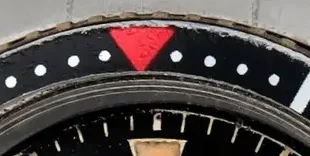
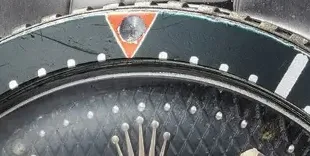
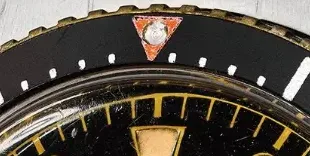
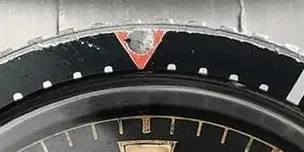
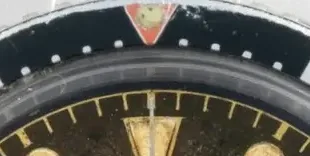
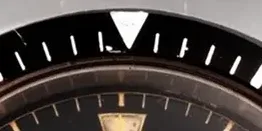
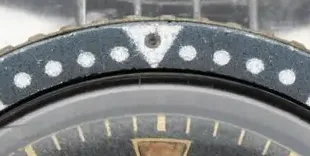
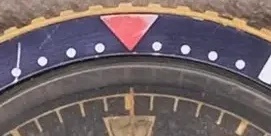
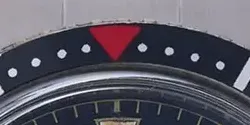
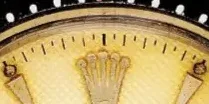
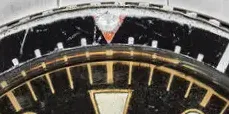
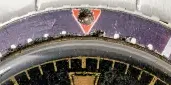
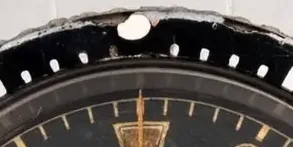
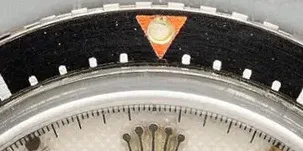
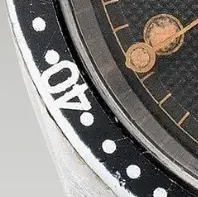
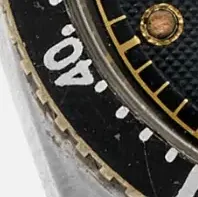
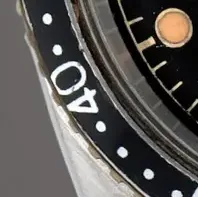
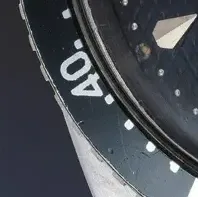
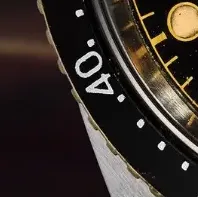
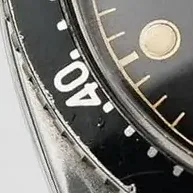
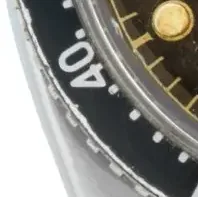
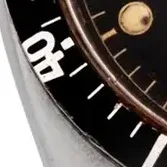
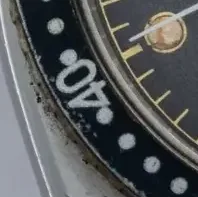
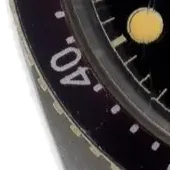
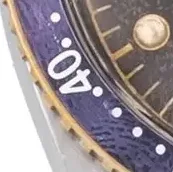
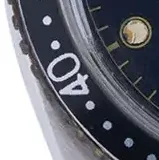
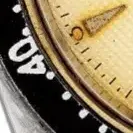
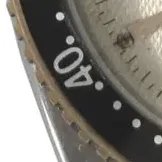
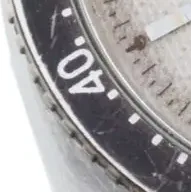
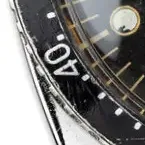
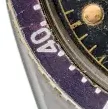
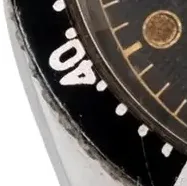
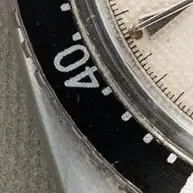
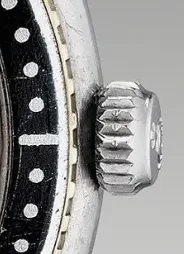
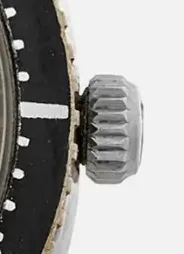
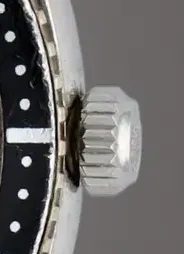
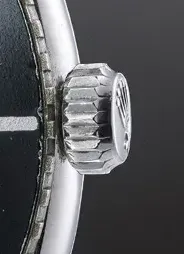
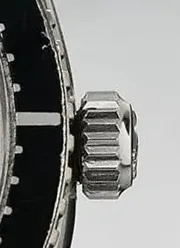
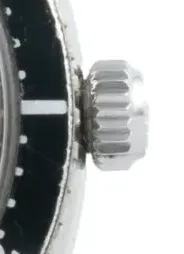
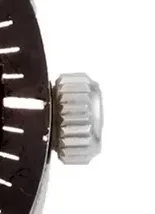
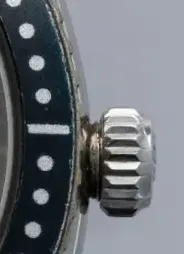
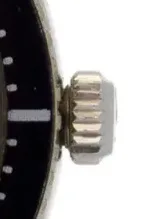
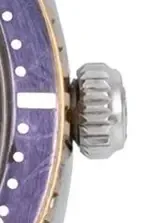
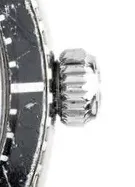
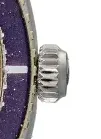
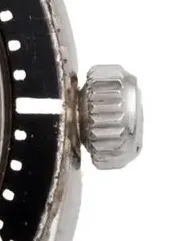
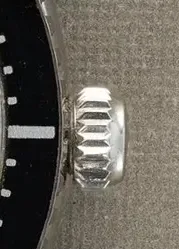
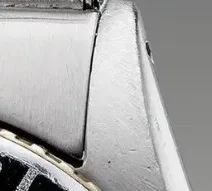
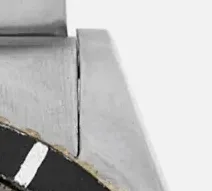
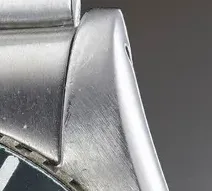
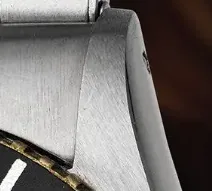
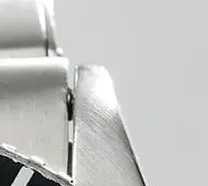
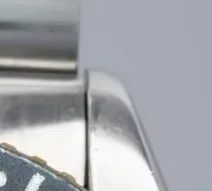
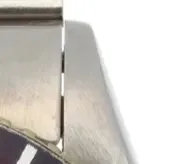
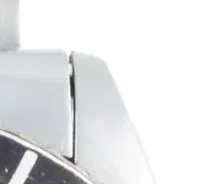
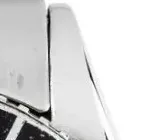
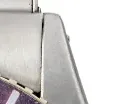
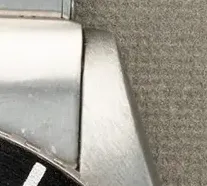
19 watches, oldest first, each straightened and cut the same way so that one row shows one component across them all. Chosen from 267 photographs on file for sharpness and for a face typical of the reference. A year marked c. is one its holder gives only roughly. Each picture is a detail cut from a listing photograph. Select the small mark in its corner for its year, its holder, a link to the listing it came from, and a way to report it.
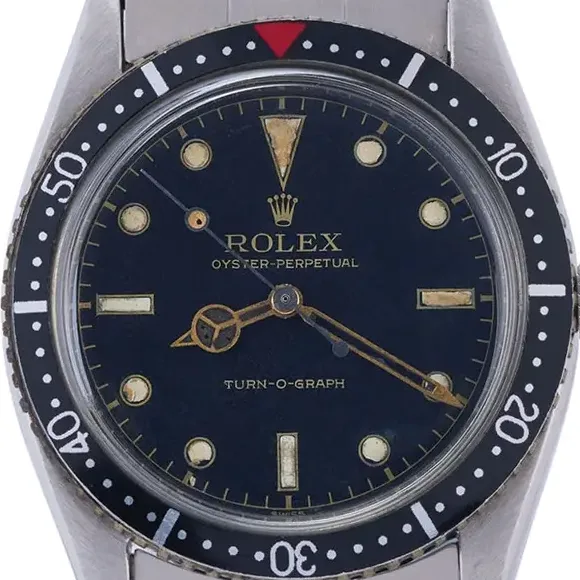
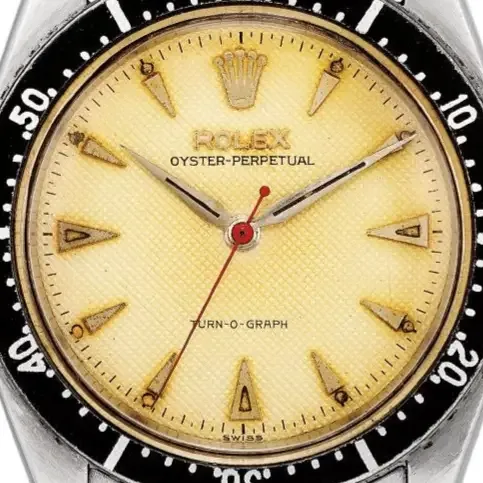
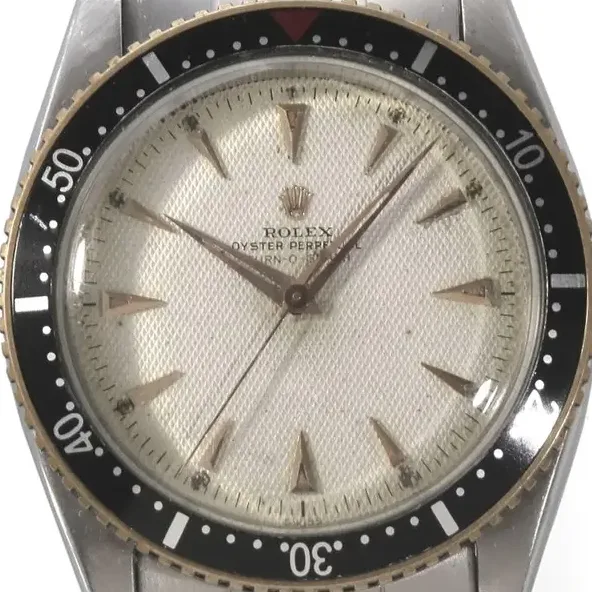
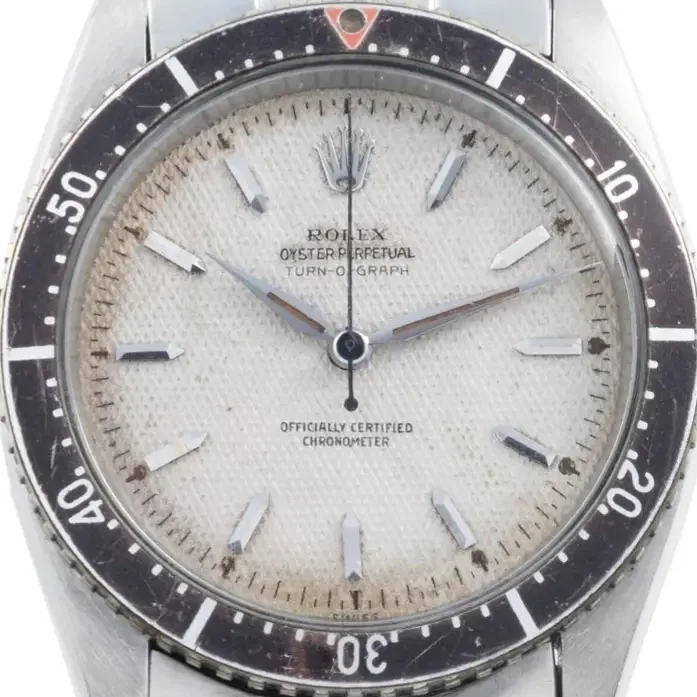












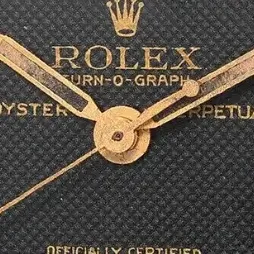
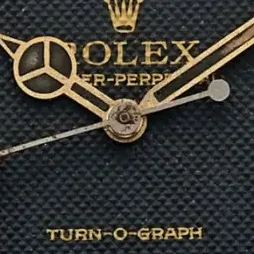
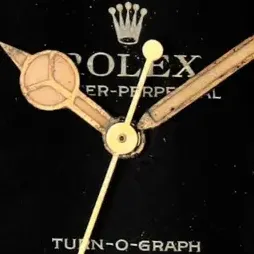
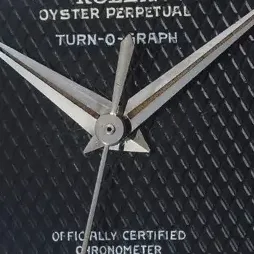
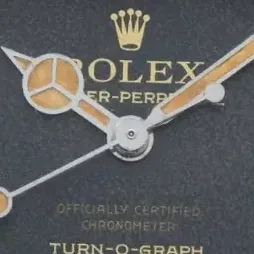
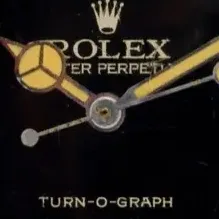
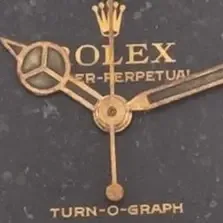
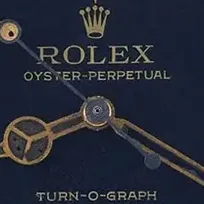













Chronology
The literature gives the start as 1953 but the end as anything from 1954 to c. 1954/55.
Specification
| Case | Steel Oyster case of about 35 to 36 mm, 20 mm between the lugs, no crown guards; a few in steel and gold |
| Crystal | Domed acrylic |
| Bezel | Rotating, sixty-minute scale, turned in either direction; black insert on most, a gold bezel on the steel-and-gold watches |
| Dial | Black gilt-printed dial, or honeycomb texture; signed Turn-O-Graph or, rarely, Monometer; time only, no date |
| Movement | Automatic calibre A260 (also given as 645), 18,000 vibrations an hour, about 41 hours of power reserve |
| Bracelet | Riveted Oyster bracelet as standard; Jubilee bracelets are also found |
| Water resistance | Not given in most accounts; one dial variant prints 50 m = 165 ft in red, and one general account gives 100 m for all Turn-O-Graphs |
Reference 1 described
The reference number is the same across the Turn-O-Graph and Monometer signatures. A few watches show another number altered or crossed out inside the case, which suggests the 6202 number was used while neighbouring early references were still being settled.
Crossed-out reference stamps
On some watches the inside of the caseback shows the reference number struck through and another written in. One shows a 6202 over a crossed-out 6284 stamped February 1953; the same hand is reported on 6206 watches, where 6202 is crossed out and 6206 added. The cases themselves are the same oyster case shared by several early tool-watch references.
- a struck-through number inside the caseback
- reference and quarter-year stamp such as III.53 or I.54
Dial 5 described
Dials vary widely for such a short run, and several types coexist rather than following one another. The usual dial is black with gilt printing; honeycomb-textured dials are found in several colours, and a very small group is signed Monometer. The signature, the surface and the marker layout should each be judged separately.
Gilt dial
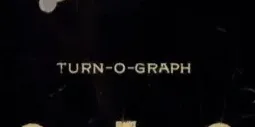
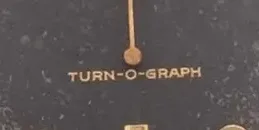
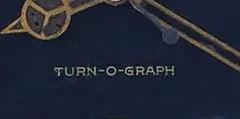
A glossy black dial printed in gilt, with the chapter ring, Rolex signature and Turn-O-Graph text all in gold. The marker layout of triangle, dots and bars echoes the early Submariner. With age the radium markers can take on a colour close to the gilt, and sellers describe some dials as brown.
- gilt chapter ring
- triangle, dot and bar markers
- gold TURN-O-GRAPH text
Honeycomb dial
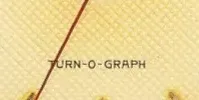
The surface is pressed in a grid texture that breaks up reflections. It is found in black and, scarcely, in light shades, including white. An early 1953 watch is shown with a split honeycomb dial. The texture should look crisp and consistent, not like an added pattern.
- square grid texture over the whole dial
- white honeycomb as a scarce variant
Monometer signature
A very small number are signed Monometer in place of Turn-O-Graph. They are otherwise identical to the Turn-O-Graph watches, and some are known with a honeycomb dial.
- MONOMETER in place of TURN-O-GRAPH
Red depth rating
Some dials print 50 m = 165 ft in red above the Turn-O-Graph text. Most accounts give no water-resistance figure for the reference; see the note on disagreements.
- red 50 m = 165 ft above the signature
Explorer-style dial
A few watches, including steel-and-gold examples, carry a cream dial with Arabic numerals in the manner of the Explorer, rather than the triangle, dot and bar layout. One published account also shows later 6202 watches with different indices.
- Arabic numerals at three, six and nine
- cream dial on steel-and-gold watches
Luminous material 1 described
The luminous material is radium, which has aged to cream or brown on most watches.
Radium
Radium dots, bars and hands. The lume often matches the gilt print in colour after ageing. Dated watches so described fall mostly in 1953 and 1954.
- aged cream or brown lume that matches the gilt
Hands 1 described
The hands are the usual early-1950s Rolex set, with a lollipop seconds hand. They are often replaced or refinished.
Lollipop seconds hand
A central seconds hand with a luminous disc, used with the hour and minute hands. Sellers also describe the hour hand as Mercedes style. A seconds hand that has discoloured may have been refinished.
- luminous lollipop on the seconds hand
- matching lume on all hands
Bezel 2 described
The bezel is the point of the watch: sixty minutes, turned both ways, with the zero marked at twelve. Its look differs between accounts, and replacements are common.
Black sixty-minute insert
A thick black insert, said to be Bakelite, graduated with hashes and dots rather than long and short hashes, and with a red triangle at the zero. It sits in a brass bezel ring. One account says the early bezel has no red at twelve; see the note on disagreements.
- hashes and dots, not long and short bars
- red triangle at zero
- brass bezel ring
Gold bezel
The steel-and-gold watches have a gold bezel, calibrated for sixty minutes, in place of the black insert, and gold centre links to the bracelet. Sellers describe this gold bezel as engine-turned.
- gold bezel on a steel case
Case 2 described
The case is a compact steel Oyster of about 35 to 36 mm, with no crown guards and a domed acrylic crystal. Measurements vary with where the case is measured, and heavy polishing is common.
Steel case
The standard case, about 35 to 36 mm across, with thickness given as 11.5 to 13 mm and 20 mm between the lugs. Some sellers give 37 mm.
- no crown guards
- defined lugs with the reference legible between them
Steel and gold case
A few watches were made in steel and yellow gold, described as the first Rolex sports watch in Rolesor. The accounts say very few were made, and the library's records agree that they are scarce.
- gold bezel
- gold centre links
Crown 1 described
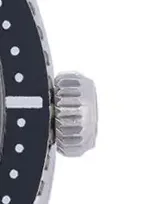
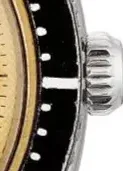
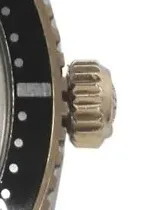
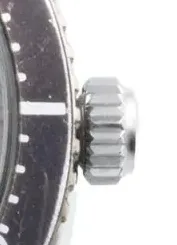
The crown is the plain signed winding crown of the period.
Signed plus crown
A free, unguarded crown signed with a plus. Sellers also describe a Brevet crown.
- plus sign on the crown
- no crown guards
Movement 1 described
The movement is the automatic A260, also called 645. Other calibres are occasionally reported and need checking.
A260 / 645
A nineteen-jewel automatic with 18,000 vibrations an hour and about 41 hours of reserve. The calibre is listed as A260 on the bridge and as 645 elsewhere; the two names are used for the same movement.
- A260 on the bridge
Bracelet 2 described
The standard bracelet is the riveted Oyster. Jubilee bracelets are found and are sometimes thought to be later replacements.
Riveted Oyster
The bracelet fitted to the first Turn-O-Graph, with riveted links. Sellers cite the reference 7206 for it. The 7836 Oyster seen on some watches is a later bracelet with folded links; on one its clasp is dated 1966.
- riveted links
- clasp stamped with the bracelet reference
Jubilee
A Jubilee bracelet, such as the 6251H with 55 end links often seen on later sports watches. The 6251H is thought a replacement from the 1960s on one watch; see the note on disagreements.
- five-piece centre link
- 6251H clasp reference
Originality
- The bezel and its insert are often replaced or look too fresh; compare the hashes and dots, the engraving and the profile with known examples.
- Hands, especially the lollipop seconds hand, are often refinished or replaced and may not match the lume of the dial.
- Heavy polishing is common on steel cases and removes the sharpness of the lugs and the legibility of case markings.
- A Jubilee bracelet on a 6202 is often a later replacement for the riveted Oyster bracelet.
- Dial texture and print should read as one with the rest of the dial; honeycomb that looks added, or a signature printed differently from the other text, is a warning.
Names
- Pre-Submariner. The watch appeared alongside the first Submariners and looks much like them.
- Monometer. The name on the dial of the few watches not signed Turn-O-Graph.
- Waffle. Sellers use the word for the honeycomb dial texture.
- Missing link. Writers use it for the place of the 6202 between earlier Rolex watches and the later tool watches.
Where accounts differ
Points on which the published literature and the library's own records do not agree, or on which the literature contradicts itself.
- Length of production. One guide puts production at about 1953 to c. 1954/55, another at a single twelve-month run of about a thousand watches, and another at three years.
- Red triangle on the bezel. One guide says the bezel has no red at the twelve marker. Other accounts, and the descriptions of auction lots, show a red triangle on the insert as the identifying feature.
- Standard bracelet. Published accounts give the riveted Oyster as the bracelet of the 6202; one watch on a Jubilee 6251H is thought to have been given it as a replacement in the 1960s. Many watches offered by sellers are on Jubilee bracelets.
- Which came first, the 6202 or the Submariner. The guides disagree whether the 6202 came slightly before the first Submariner, with it, or by a few months. All agree on 1953.
- Water resistance. Most accounts give no depth rating for the 6202. One describes a dial printed 50 m = 165 ft and treats that as the figure for the watch; another gives 100 m for every Turn-O-Graph from the first reference on.
In the records
Counted from 109 listings at 27 holders between 29 June 2006 and 14 November 2026. These are what sellers and auction houses state, not measurements.
Fainter bars are the 2 outside the main run of 1953–1953 (the middle nine-tenths): the earliest is 1952 and the latest 1955. They are early and late examples, and now and then a number misread. The head of the page gives 1952–1953: the years that listings from two holders bear out.
Case metal
| Steel | 75 | |
| Steel and gold | 9 | |
| Gold, colour not stated | 1 |
A listing that says "gold" or "18K gold" names no colour: it is counted under "colour not stated", not as yellow gold.
Dial colour
| Black | 11 | |
| Brown | 4 | |
| White | 3 | |
| Silver | 1 | |
| Cream | 1 | |
| Gold | 1 |
Case size
| 35 mm | 27 | |
| 36 mm | 22 | |
| 37 mm | 5 |
Calibre named
| A260 | 24 | |
| 645 | 5 | |
| A296 | 3 |
Bracelet or strap
| Oyster bracelet | 21 | |
| Jubilee bracelet | 13 | |
| Metal bracelet, kind not stated | 12 | |
| Leather strap | 5 |
Each table counts the listings that state the thing, in the seller's own terms. A size, metal, colour or calibre that cannot belong to this reference is a seller's slip or a listing filed under the wrong number.