Explorer II
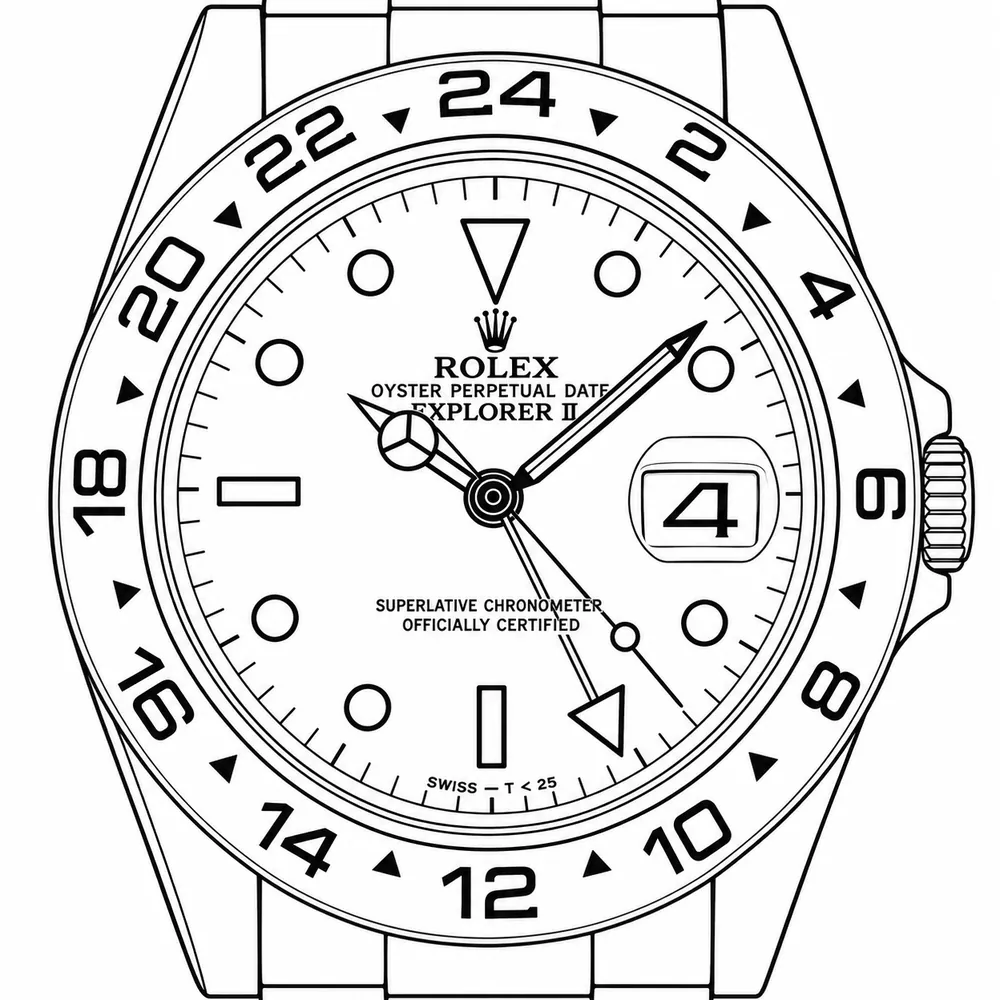
The 16550 is the second reference of the Rolex Explorer II, the steel 24-hour-bezel model made for caving and polar work. It replaced the 1655 in the mid-1980s and was itself replaced by the 16570. It brought a 40 mm case, a sapphire crystal, calibre 3085 with a 24-hour hand that sets on its own, and the first white dial in the line. Collectors look first at the dial: the white Polar dials that aged to cream, the rail text layout, the white gold marker surrounds and the width of the bezel numerals.
- Made
- 1985–1989dates approximate
- Seen in the library
- 1984–1988by case numbers
- Case
- 40 mm · steel (99%)as sellers state
- Movement
- Calibre 3085automatic
- On record
- 252 listings769 photographs · 42 holders
Components
42 watches, oldest first, each straightened and cut the same way so that one row shows one component across them all. Chosen from 769 photographs on file for sharpness and for a face typical of the reference. A year marked c. is one its holder gives only roughly. Each picture is a detail cut from a listing photograph. Select the small mark in its corner for its year, its holder, a link to the listing it came from, and a way to report it.
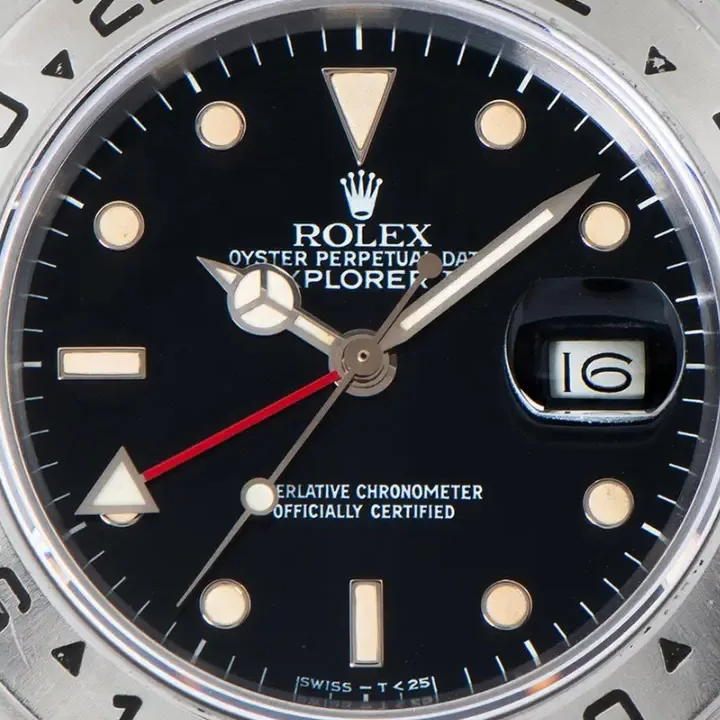
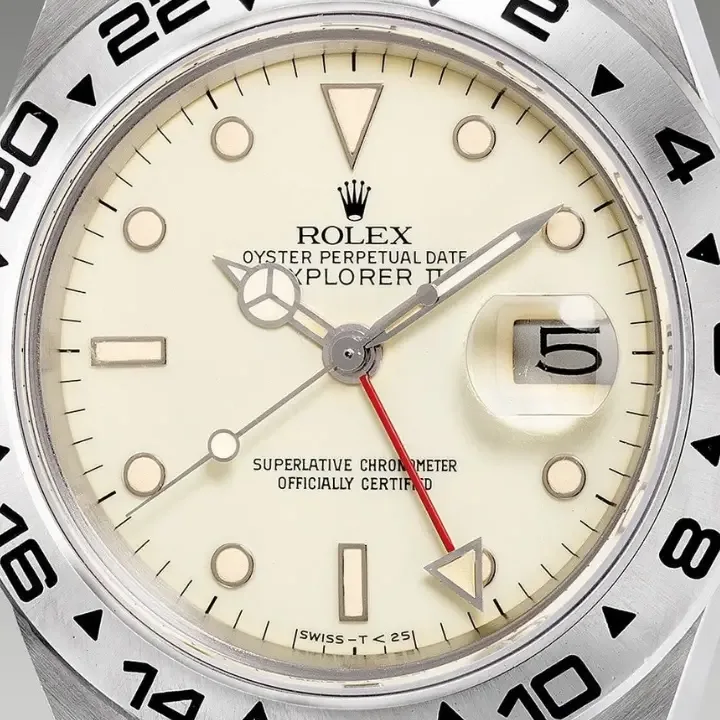
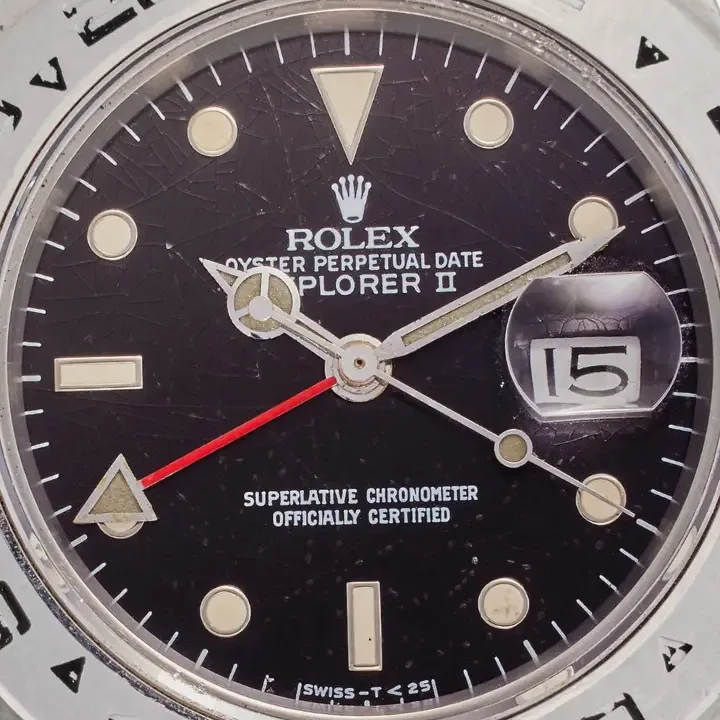
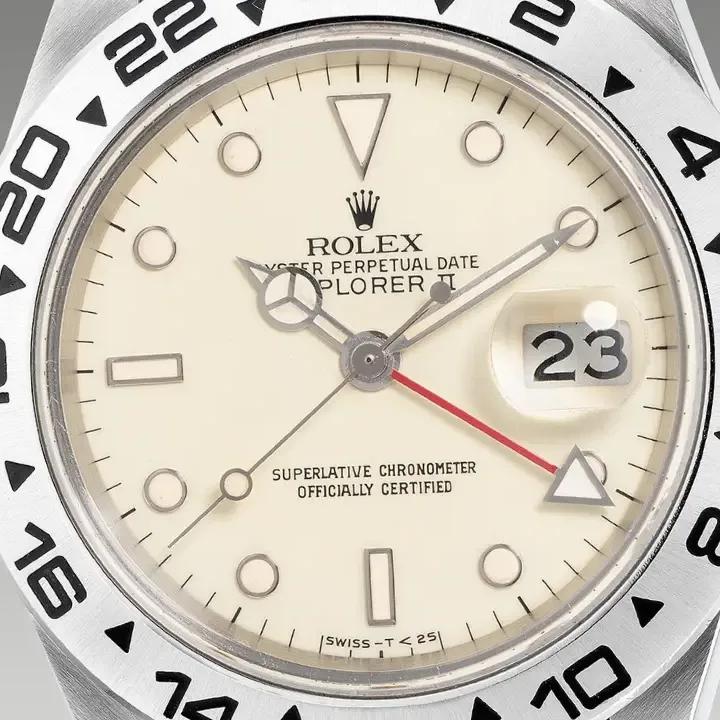
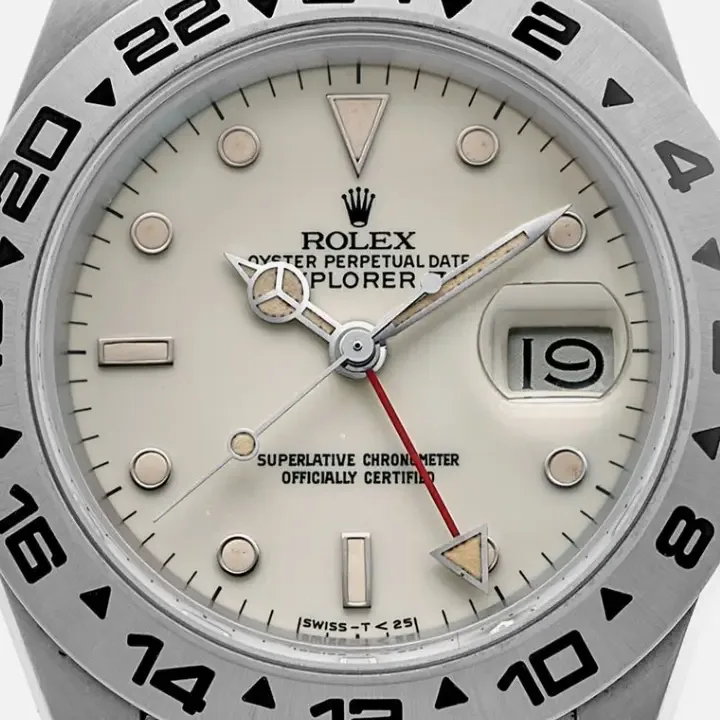
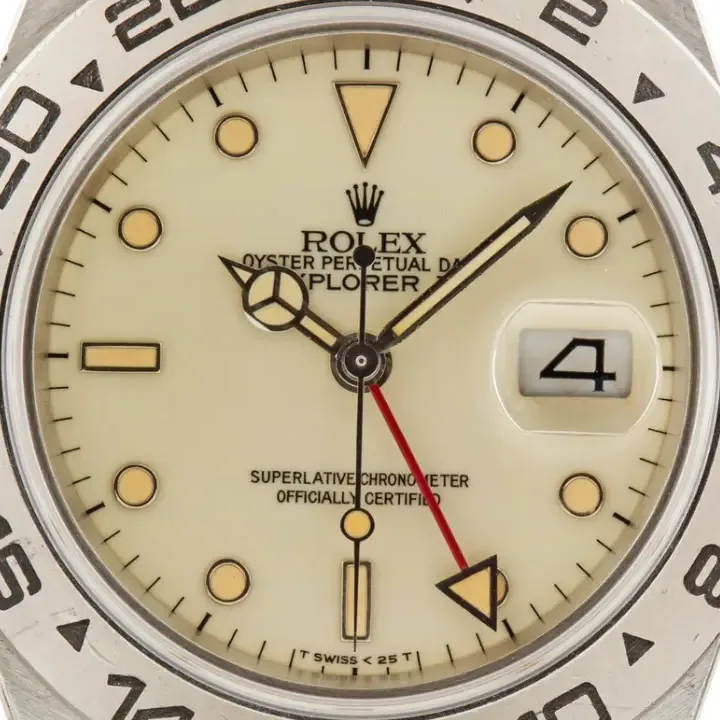
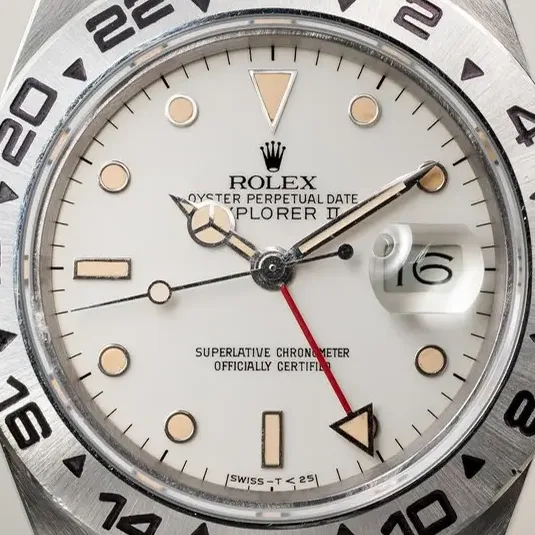
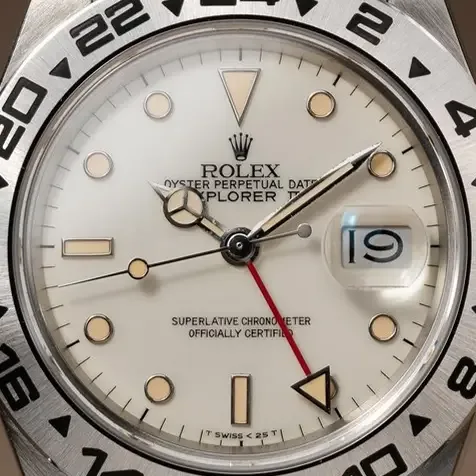
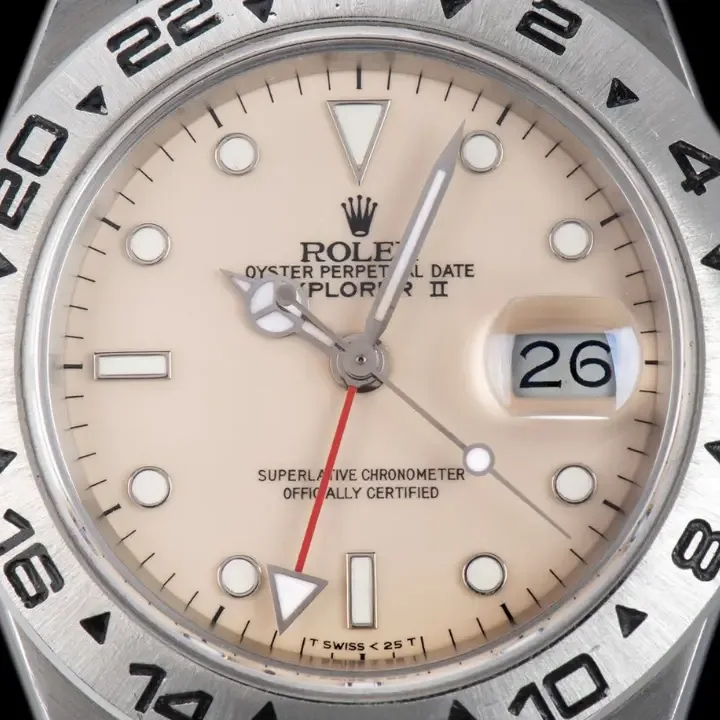
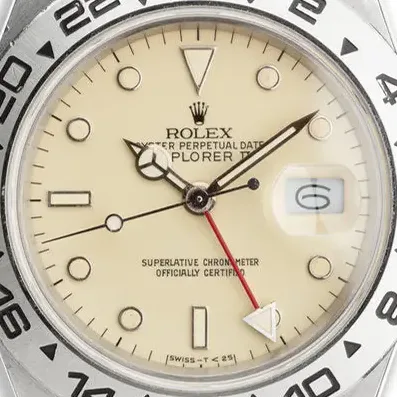
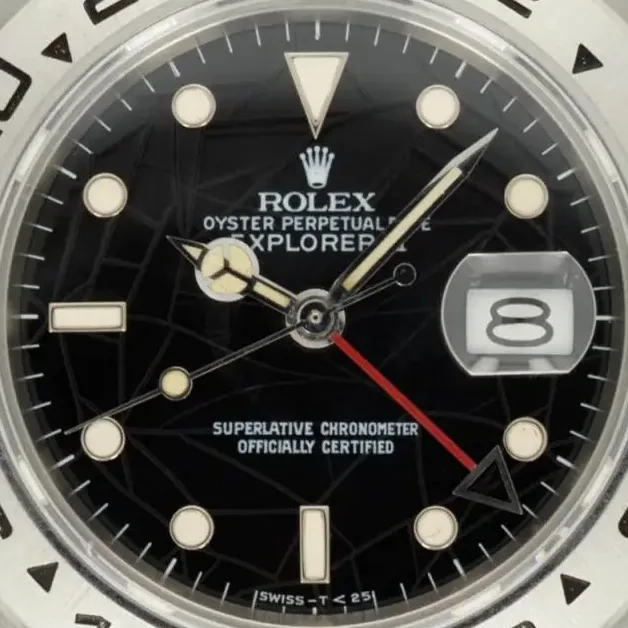
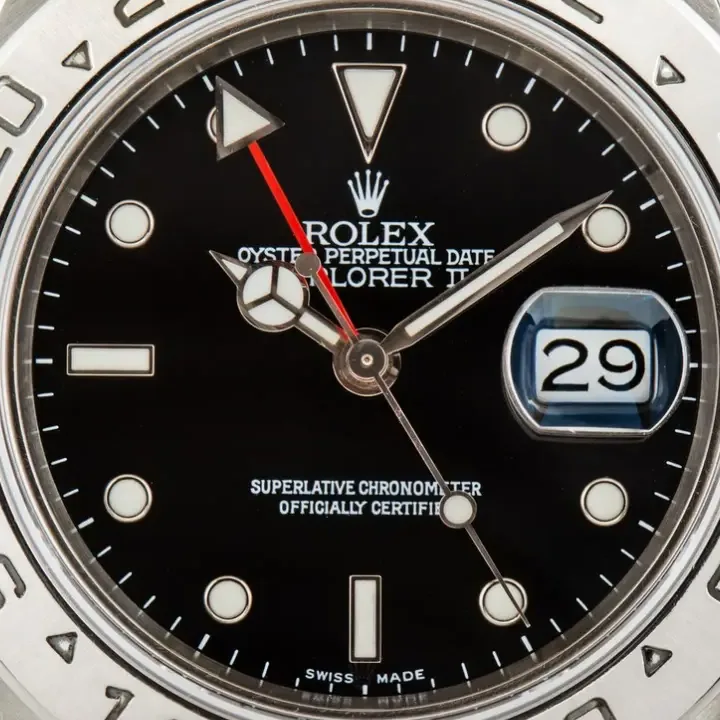
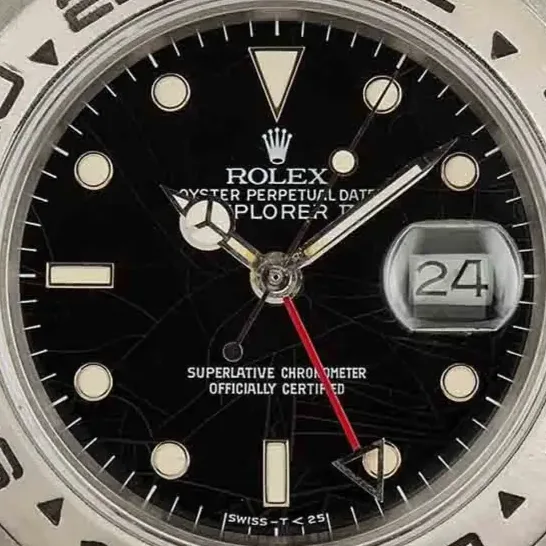
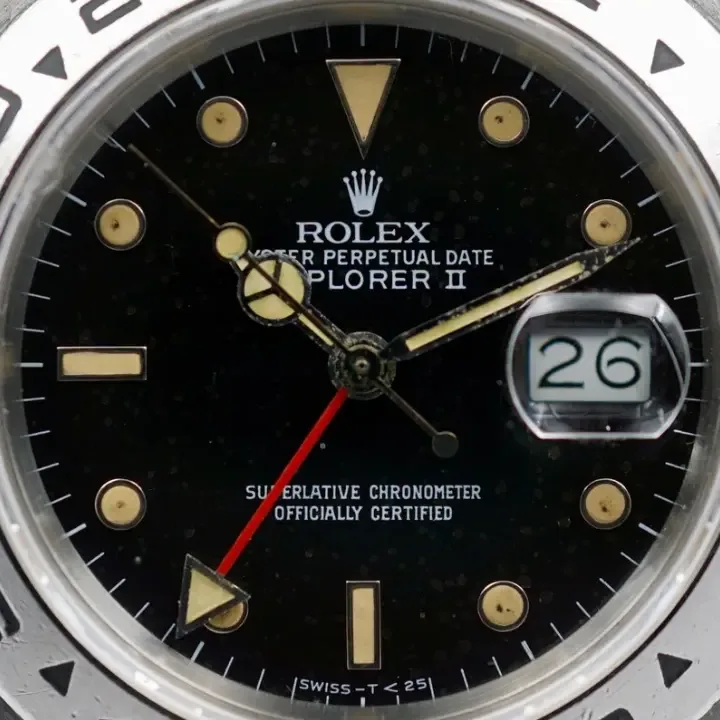
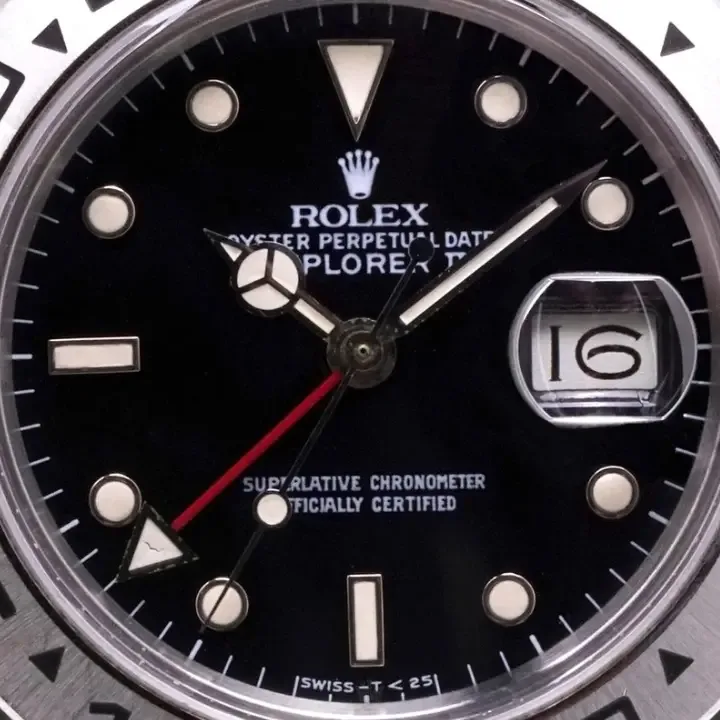
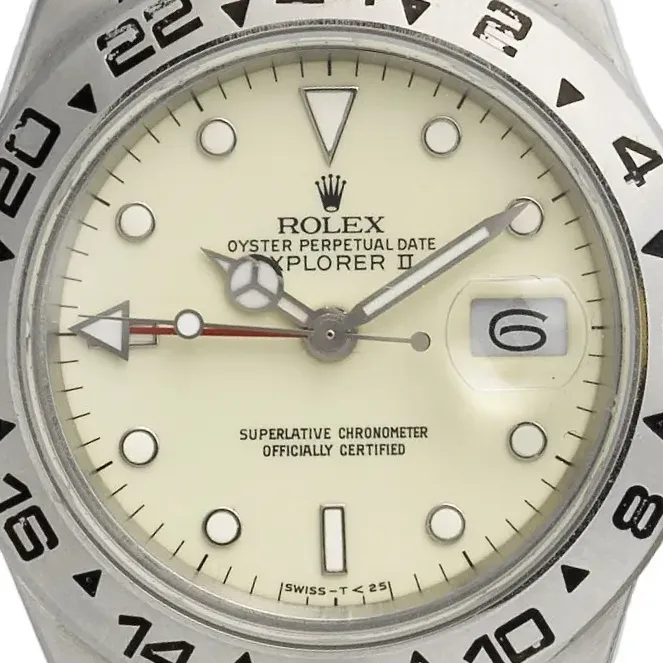
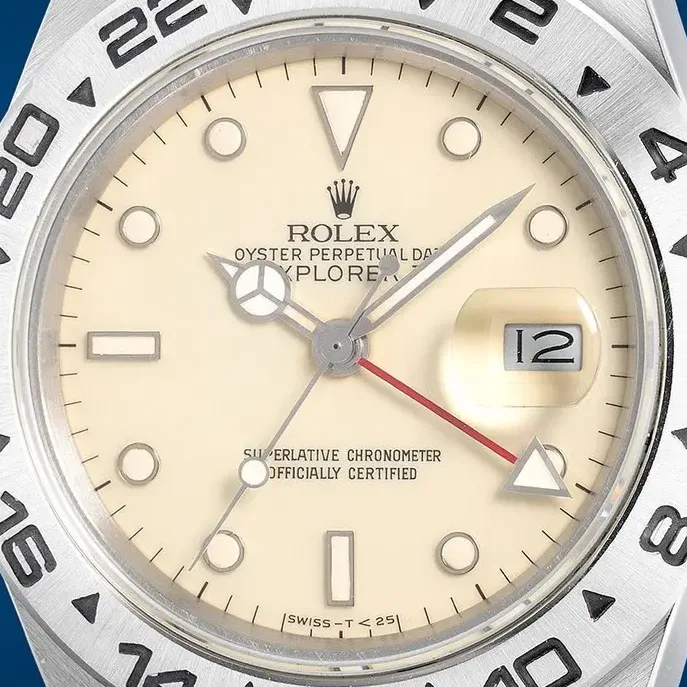
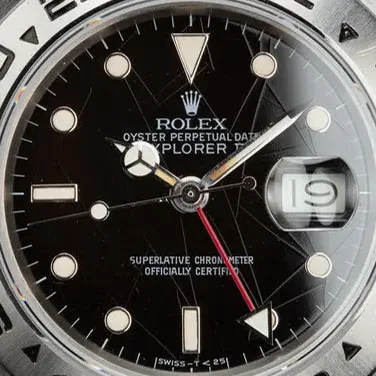
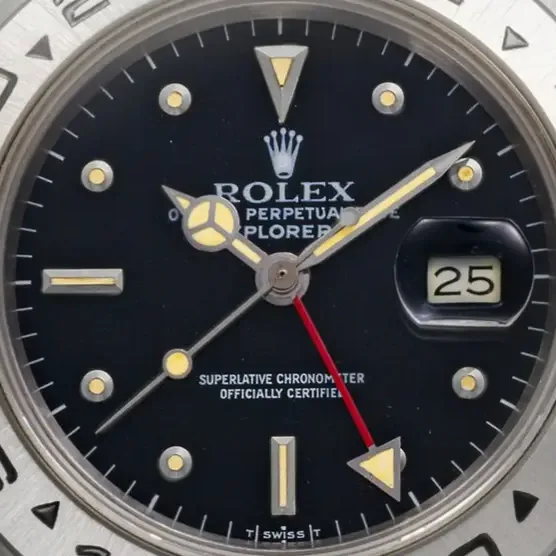
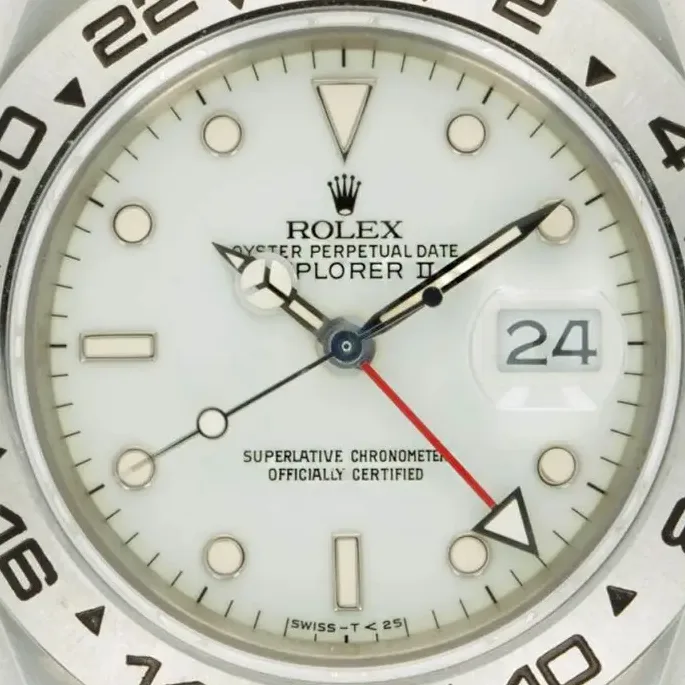
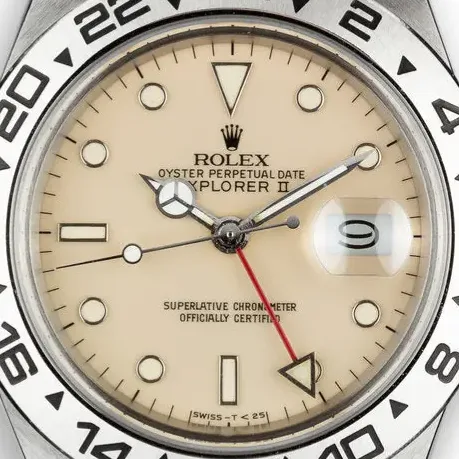
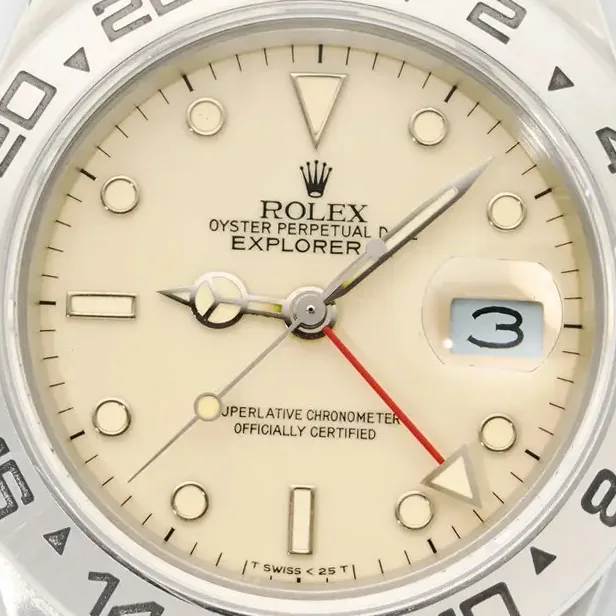
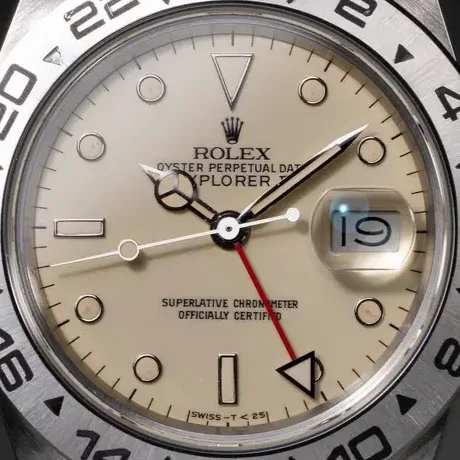
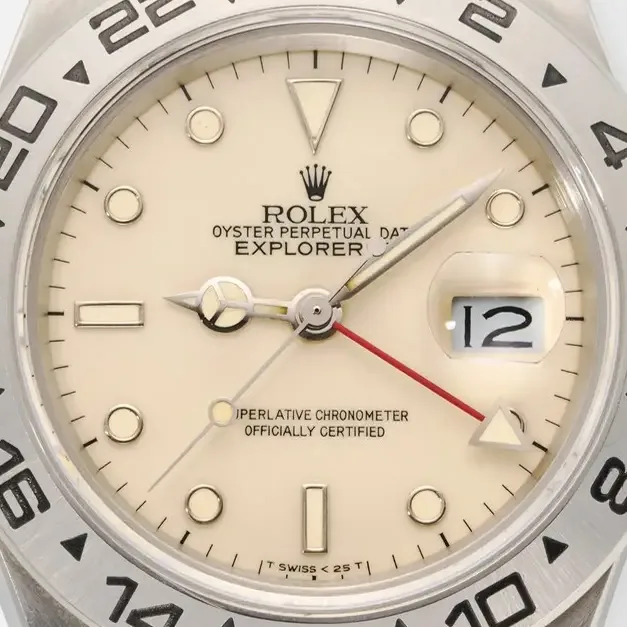
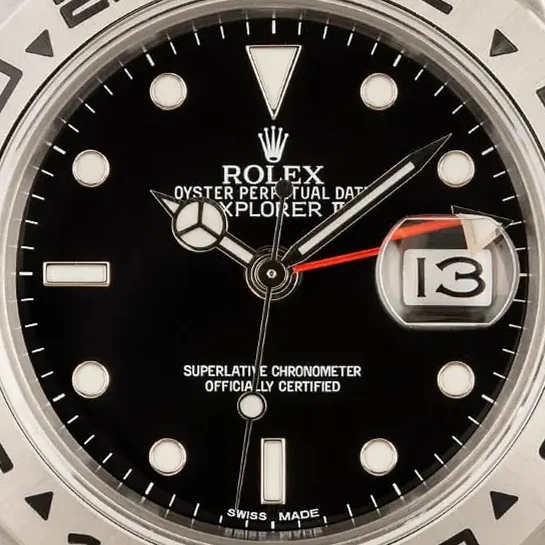
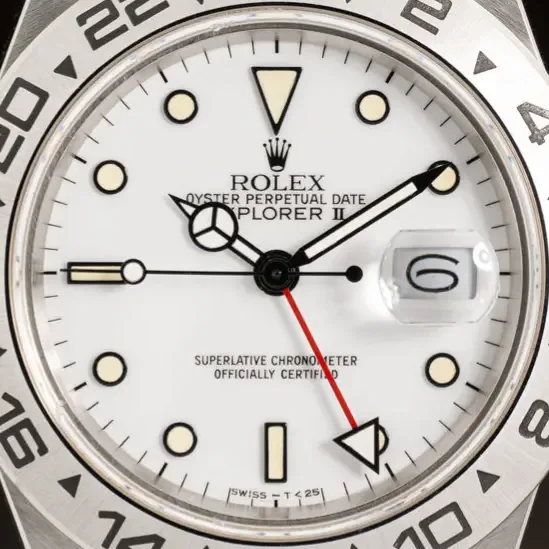
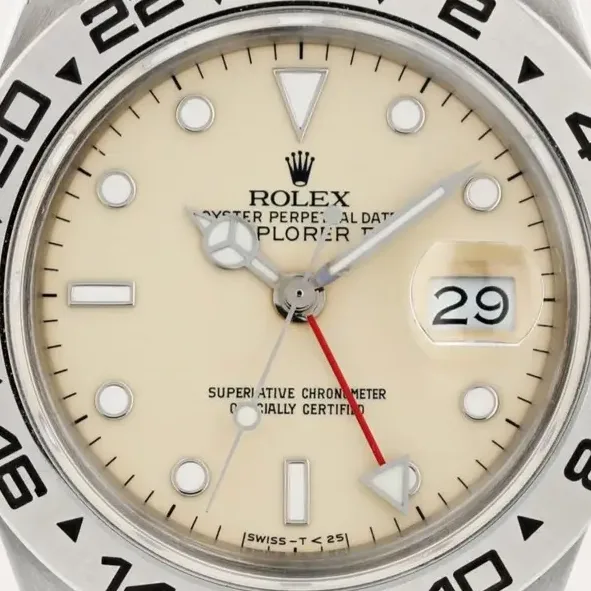
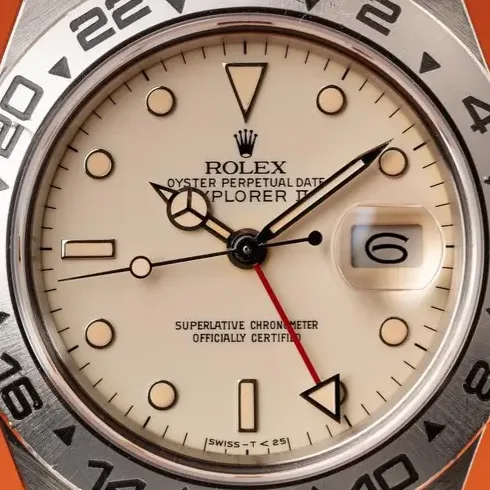
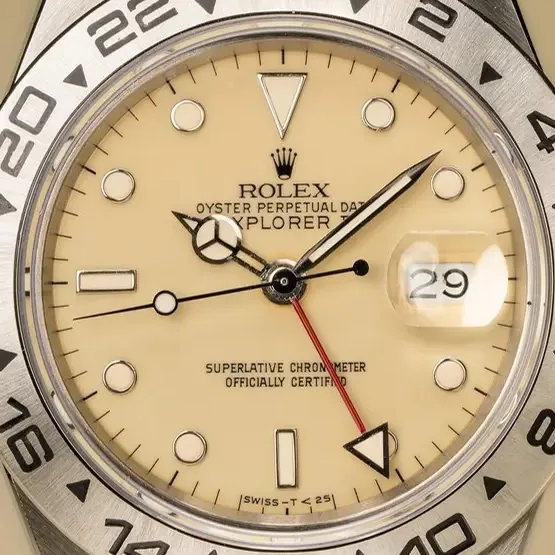
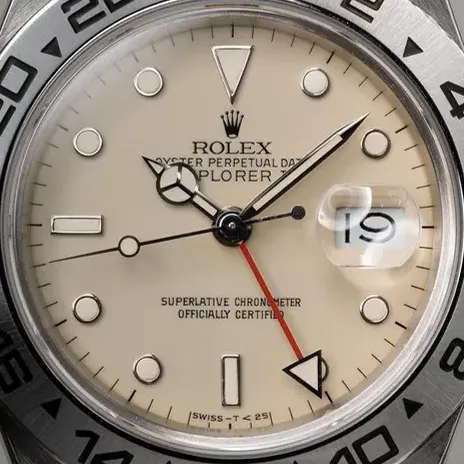
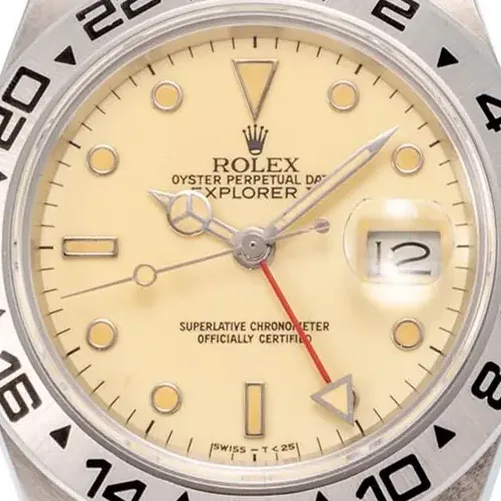
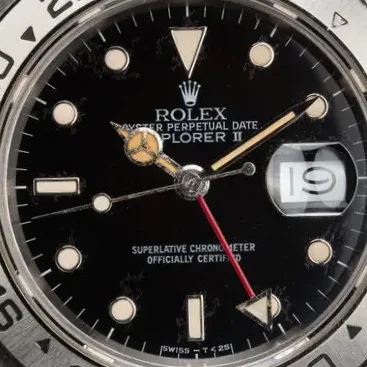
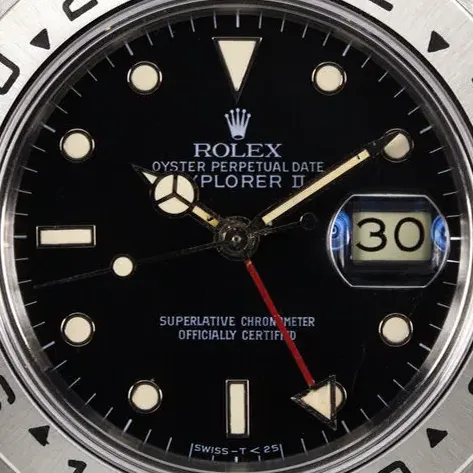
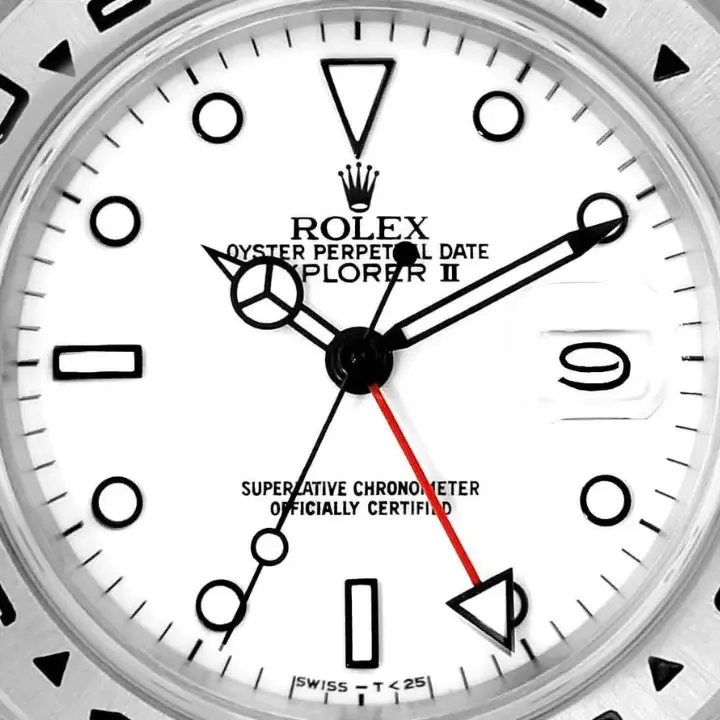
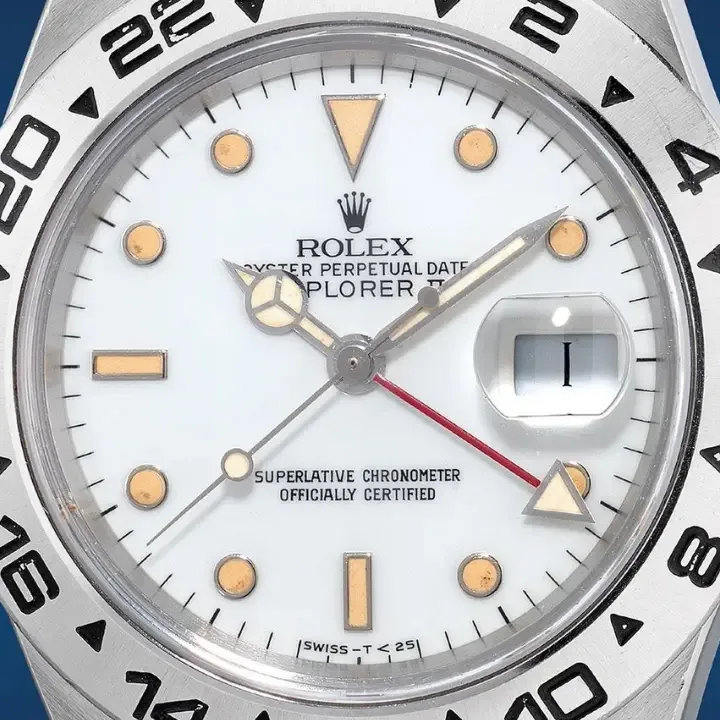
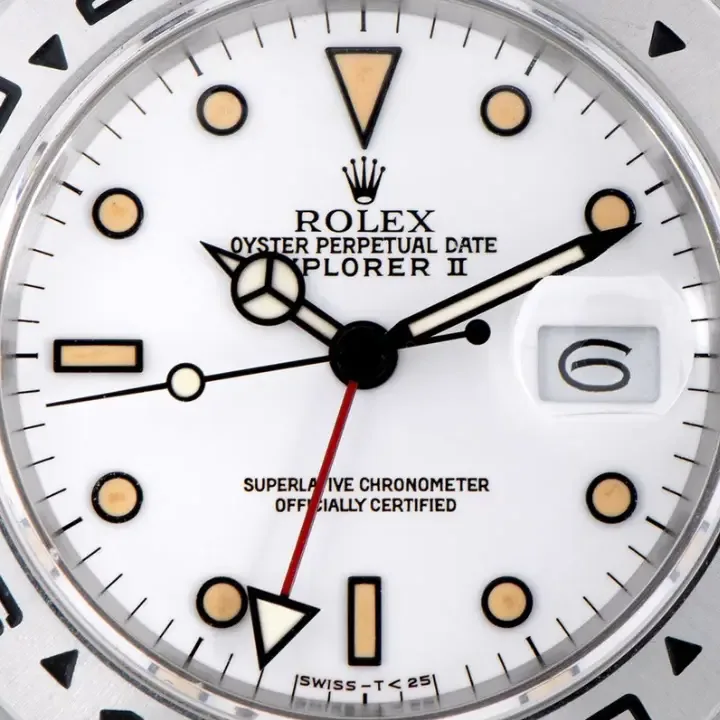
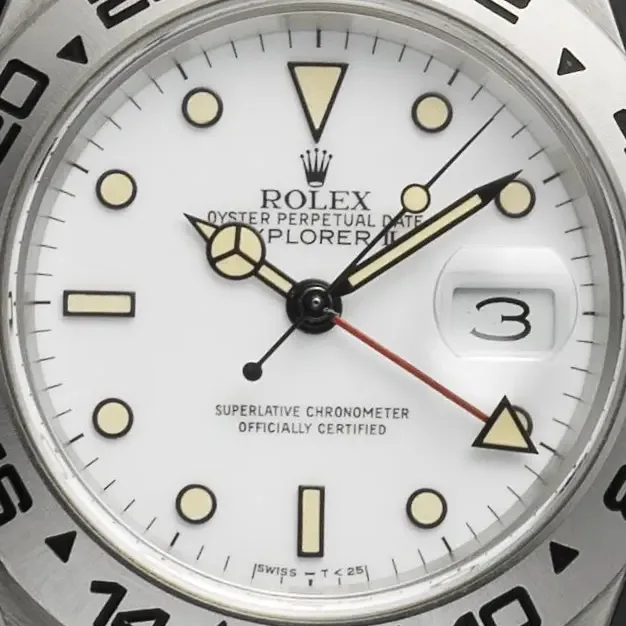
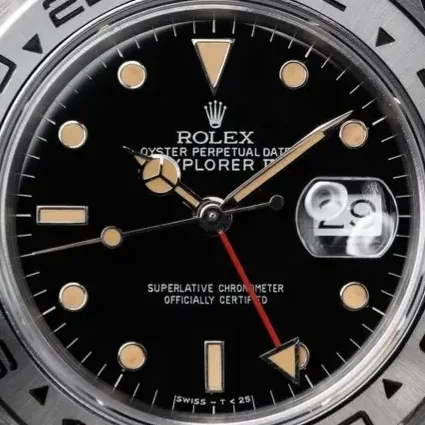
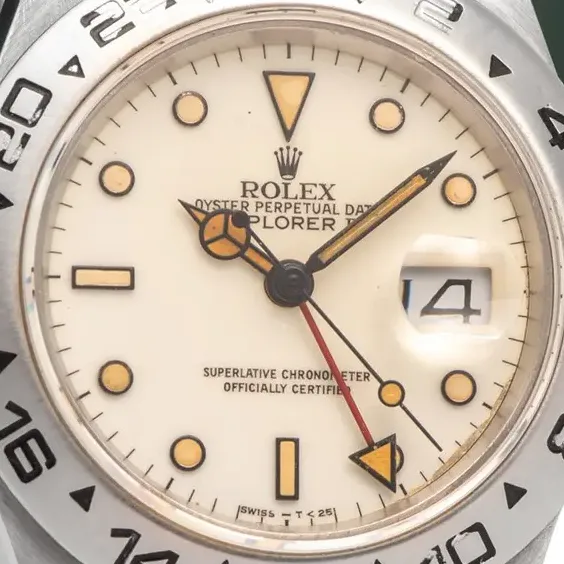
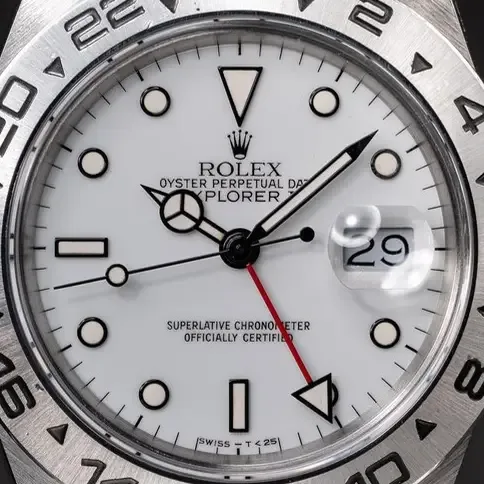
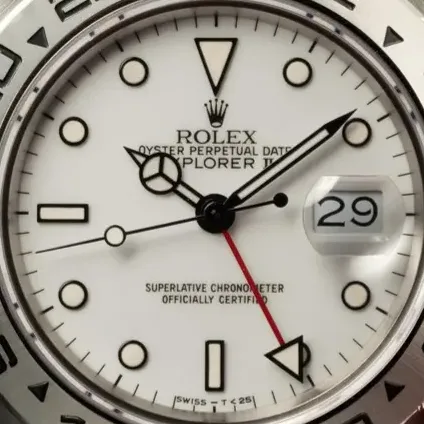
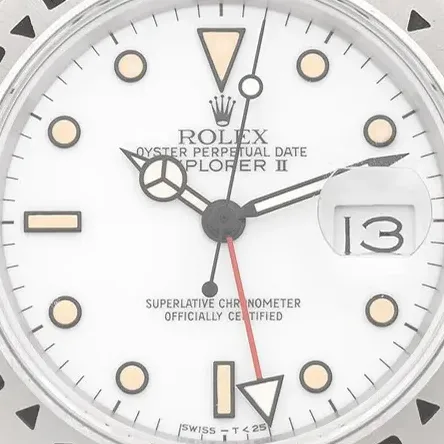





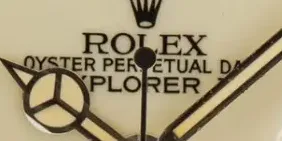



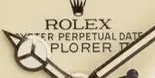

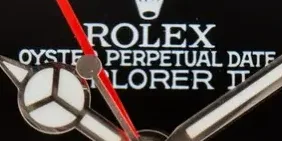

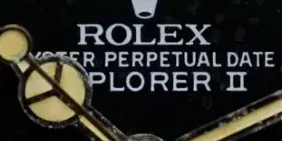




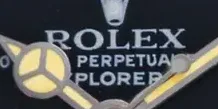
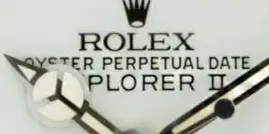






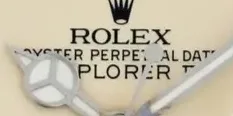


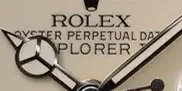






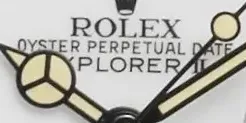







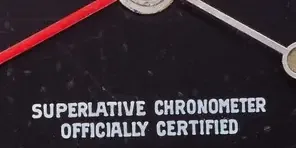







































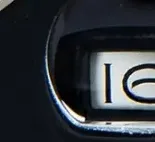
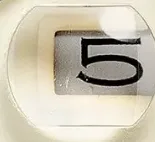
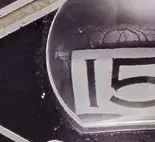



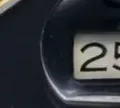
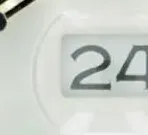

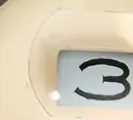

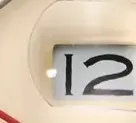




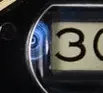
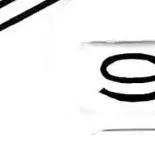

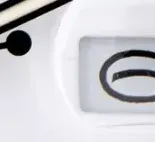
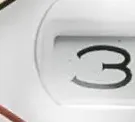

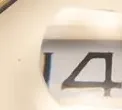
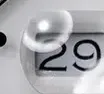


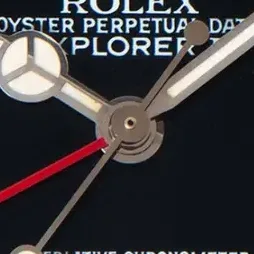
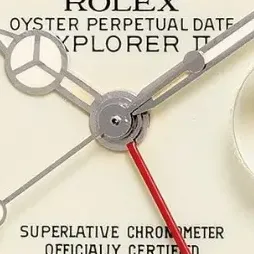
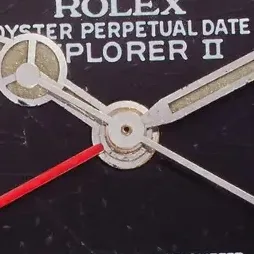
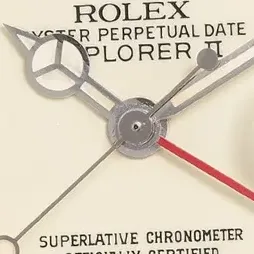

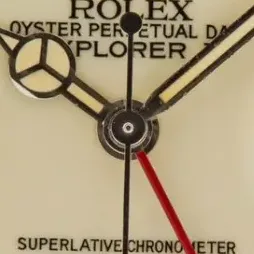
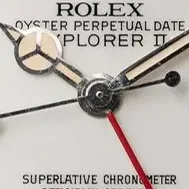
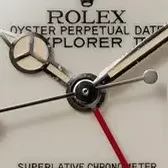
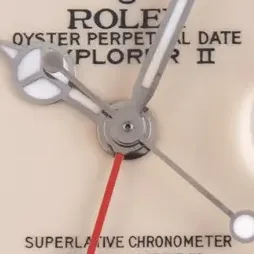
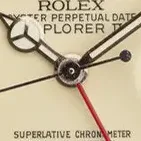

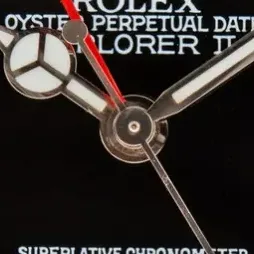

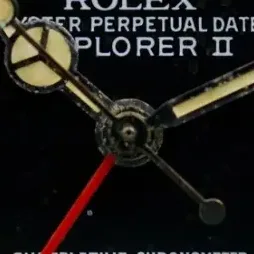
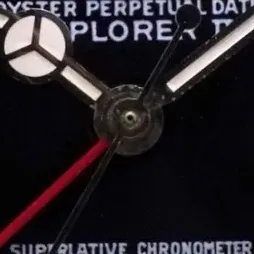
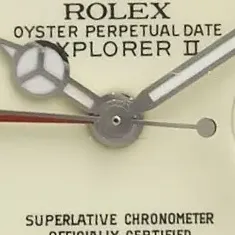
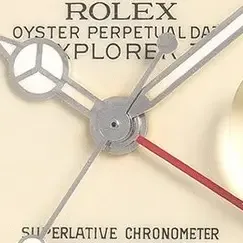
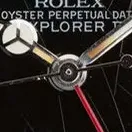
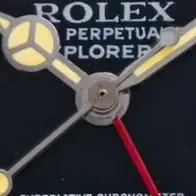
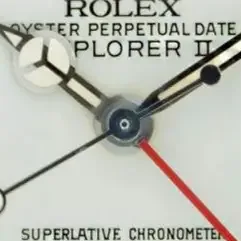
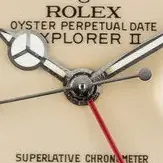
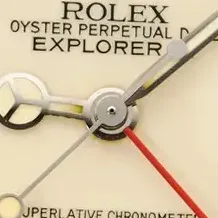
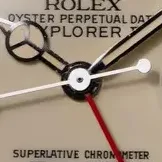
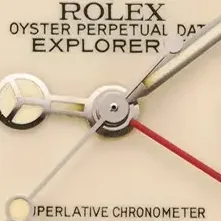

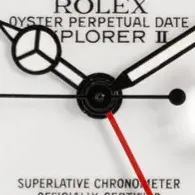
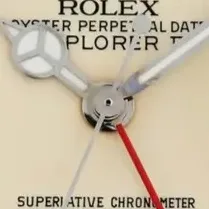
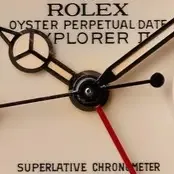
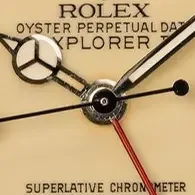
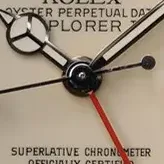
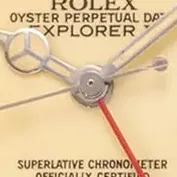
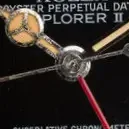


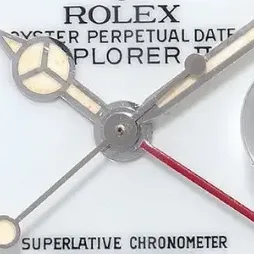
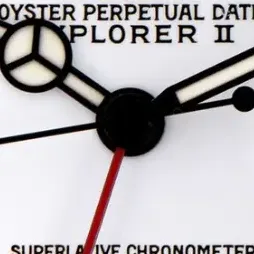
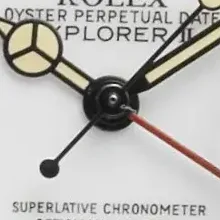

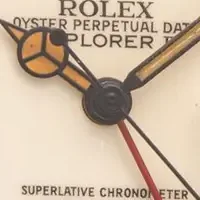
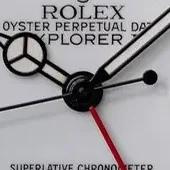
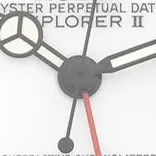
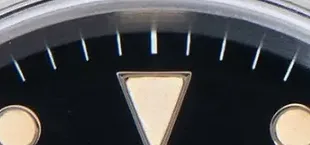
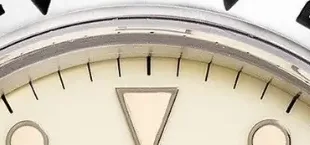
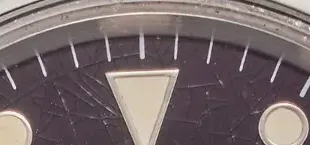
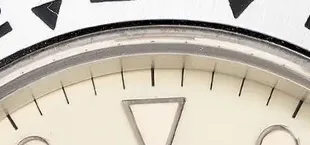
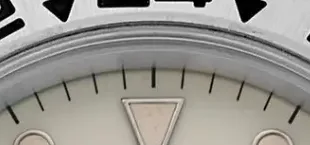
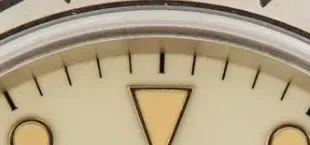
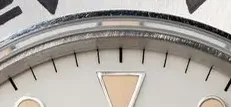
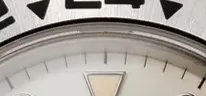
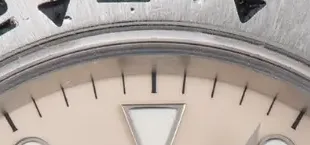
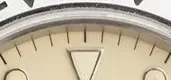

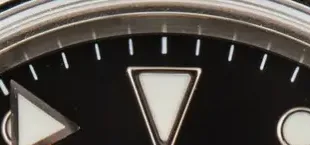


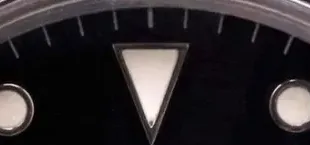
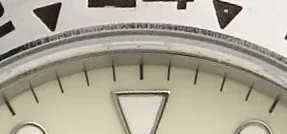
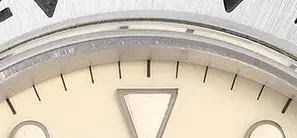
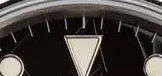


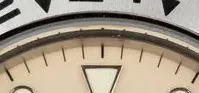

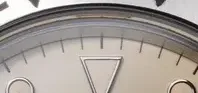
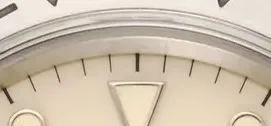
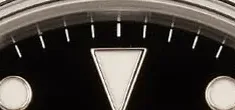
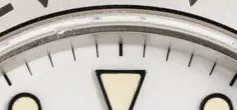
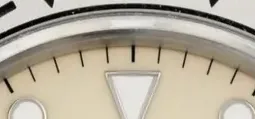
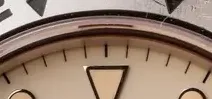
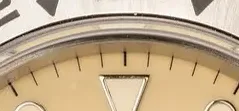

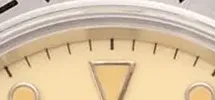


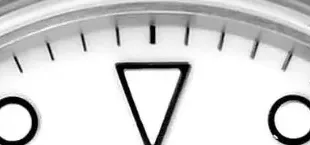
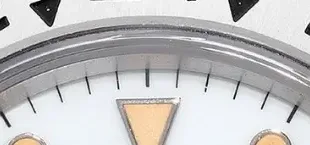
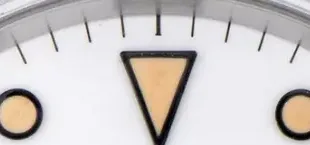

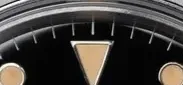

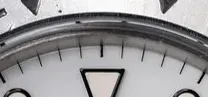

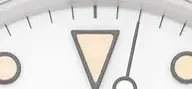
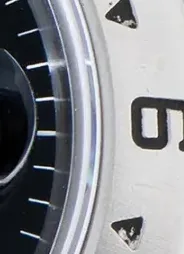
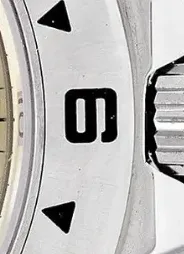
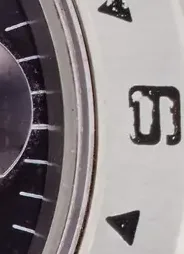
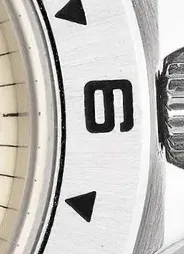
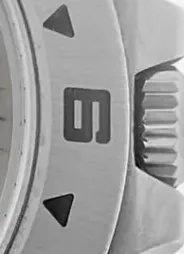
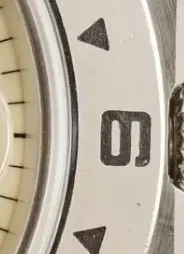
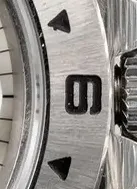
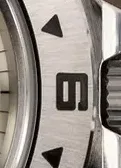
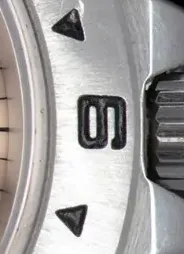
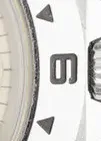
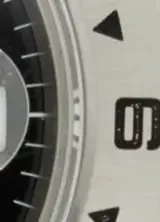
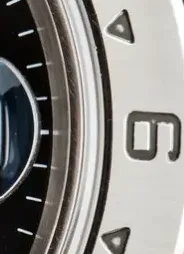
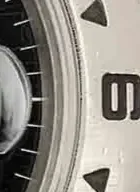
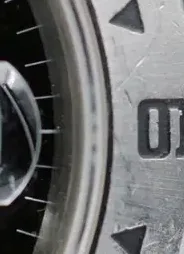
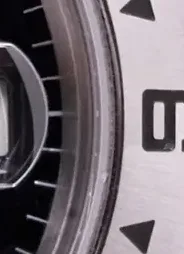
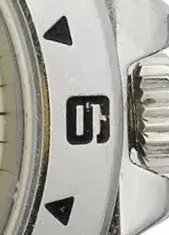
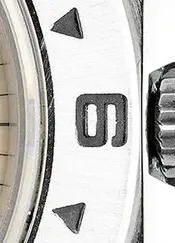


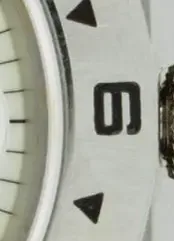
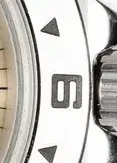
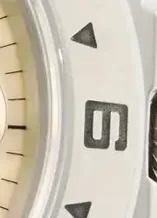
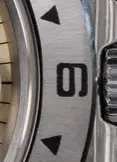
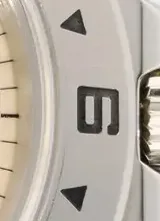
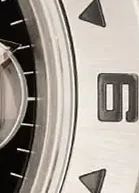
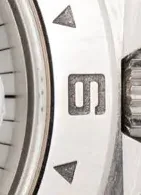
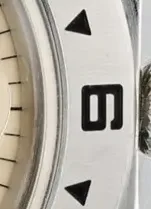
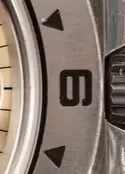
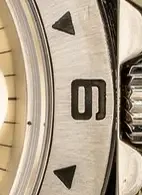
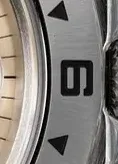
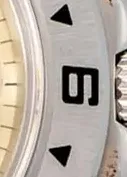


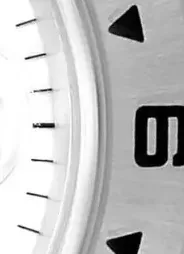
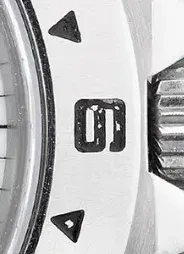
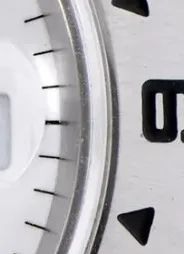
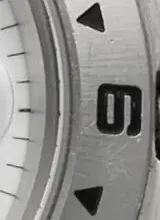
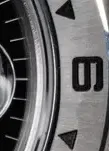

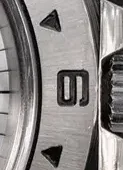

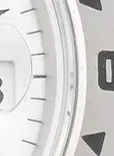
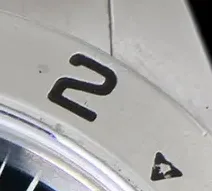
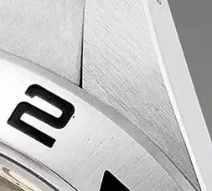
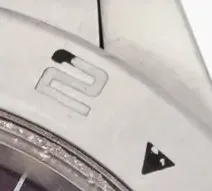
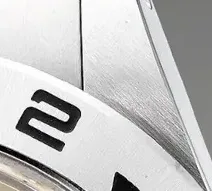
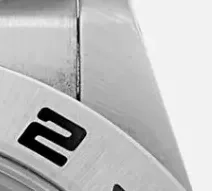
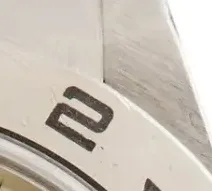
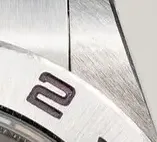
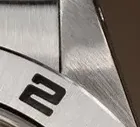
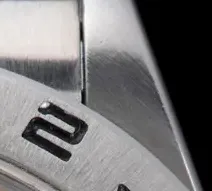
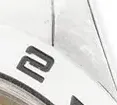
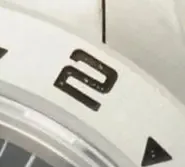
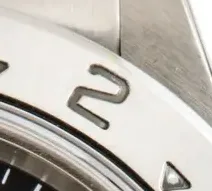
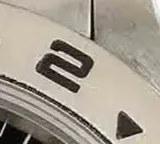
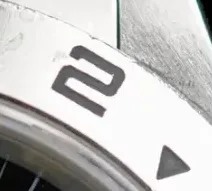
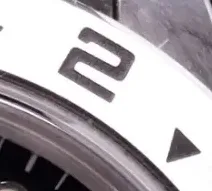
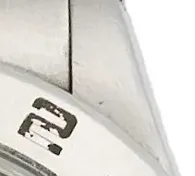
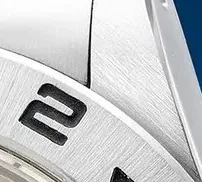
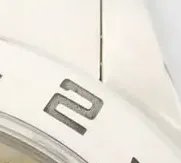
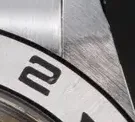
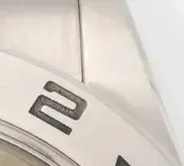
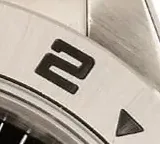
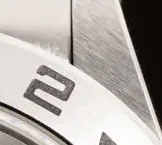
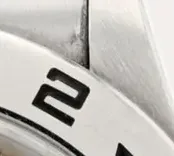
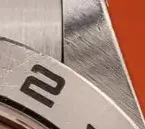
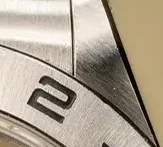
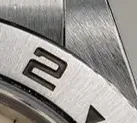
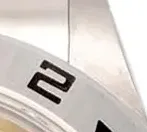
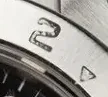
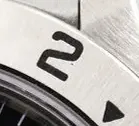
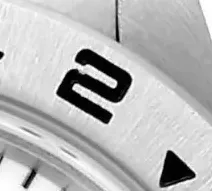

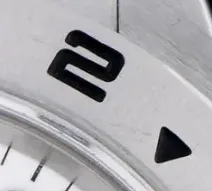
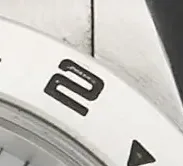
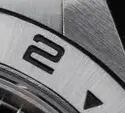
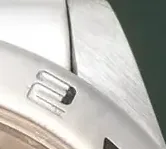
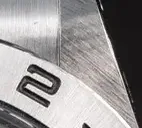

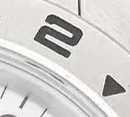
Illustrated history of the 16550: every change set out with close-up photographs of dated watches.
Chronology
Written accounts give 1985 to 1989, with a few ending in 1988; case numbers in the records place the watches between 1984 and 1988.
Every dated variant: what is written, and what the records show
For the reference the marks are every dated watch; for a variant, the watches a seller names as that variant, so a variant sellers do not name has none.
The reference's own marks are dated by case number. A variant's marks use the year each seller states, so a variant can show watches in a year where the row for the reference shows fewer, or none. 1 dated listing falls outside this scale and is not drawn.
Specification
| Case | 40 mm steel Oyster case, about 13 mm thick; the 1655 before it was 39 mm |
| Crystal | Sapphire, the first in the Explorer II line |
| Bezel | Fixed steel 24-hour bezel with black enamel numerals |
| Dial | Black or white, tritium lume plots with white gold surrounds; some accounts give late white dials black surrounds |
| Hands | Mercedes hour hand, red 24-hour hand |
| Movement | Calibre 3085, self-winding, 28,800 beats an hour, hacking seconds, quickset date, independently set 24-hour hand |
| Bracelet | Oyster, reference 78360 with 501 end pieces; most accounts call its links solid, one of this reference folded |
| Water resistance | 100 metres |
Dial 10 described
The 16550 came with a glossy black dial or, new to the line, a white one often called Polar. Both carry applied indices with white gold surrounds and tritium lume plots: dots, a baton at six and nine and a triangle at twelve. The first white dials were painted with a paint that discoloured, so many have turned cream. The text under the centre, the marker surrounds and the six o'clock line all changed through the run.
Black dial
Published accounts call the black dial the more common one, though listings on record name the cream dial more often. It has white markers and hands with tritium plots, and a red 24-hour hand tipped with a white arrow. One well-kept example shows an even black with pumpkin-coloured tritium echoed in the hands.
- glossy black
White (Polar) dial
The white dial first appeared on this reference and became known as the Polar. The earliest examples have polished white gold surrounds on the markers and hands, which were left plain; the 16570 later painted them black.
- white dial
- unpainted white gold surrounds on plots and hands
Cream dial
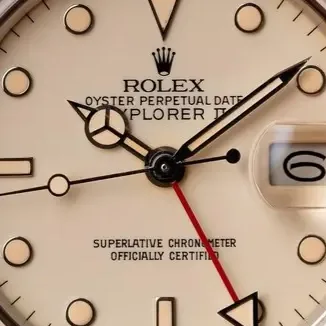
On early white dials the paint changed colour, taking the dial from white through ivory to custard or peach tones; the tritium on markers and hands often faded to a matching shade. The cause was a paint fault rather than ageing of the lume, and the cream look is found mostly on rail dials, though some tritium dials marked T SWISS < 25 T at six also show it. Few survive, because the run was short and many dials were replaced at service; the best have dial and lume of a matching colour. Hand lume often ages lighter than the dial, which does not by itself mean replaced hands. Dated watches that sellers describe this way fall mostly in the first years of the run; those are the years of the watches so described, which is not a stated span of production.
- warm ivory to custard dial Confirmed by eye on a watch of 1988; the photograph is not shown here. See the listing at swisswatchexpo.com
- lume matching dial
- hand lume may be paler than dial


Rail dial
The two lines of text at six o'clock are set so that the letters stack in tidy columns over the marker, the C of Chronometer sitting directly above the C of Certified beneath it. Rail dials were made for a brief period and late 16550 dials drifted back towards the 16570 layout. Dated watches that sellers describe this way fall mostly between 1985 and 1987; those are the years of the watches so described, which is not a stated span of production.


- lower text stacked in columns
77 listings on record under the name.
T SWISS < 25 T (non-rail)
A tritium dial with this marking at six o'clock and without the rail layout. It is cited as a second type that can also turn cream.
- T SWISS < 25 T at six o'clock
- non-rail text
White gold surrounds
Early examples have white gold surrounds on the lume plots and hands, which are left unpainted, unlike the black surrounds of later Explorer IIs. This was a short transitional feature.
- bare white gold outlines on plots and hands
Black surrounds
Some accounts say that late in the run Rolex answered the discolouring by changing to black surrounds on markers and hands, so that white dials exist both with and without the cream effect; others give black surrounds only from the 16570, which carries them throughout.
- black-outlined markers and hands on white dial
Chicchi di mais
A white dial whose indices have gone a deep corn colour. The term is used mostly for 16570 dials, but a 16550 has patinated in the same way.
- corn-toned indices on a white dial
Tiffany & Co. signed
A dial signed Tiffany & Co. exists on this reference and is judged very scarce.
- Tiffany signature on the dial
Text variations
Across the run the wording of Superlative Chronometer Officially Certified varied slightly, and dials differ between rail and non-rail in black, white and cream.
Luminous material 1 described
All 16550 dials and hands use tritium. It has aged to a warm cream, pumpkin or amber; on the best examples dial, plots and hands match, though hand lume often ages lighter than the dial.
Tritium
Tritium plots on the dial, aged warm. On cream dials it can darken to amber but may also degrade, so lume on hands and indices should be checked.
- warm, even ageing
- matching colour on plots and hands
Hands 3 described
The hand set was redrawn from the 1655: Mercedes hour hand, and a new, slimmer 24-hour hand in place of the broad orange one.
Mercedes hour hand
Mercedes-pattern hands take the place of the 1655's straight ones.
- Mercedes-pattern hour hand Confirmed by eye on a watch of 1984; the photograph is not shown here. See the listing at swisswatchexpo.com
Red 24-hour hand
The broad orange Freccione hand of the 1655 is dropped for a longer, thinner red hand with a smaller arrowhead, in the manner of the GMT-Master's. The arrowhead is white gold, on a red shaft.
- long thin red shaft
- white gold arrowhead
Lollipop seconds
Some watches are described with a lollipop seconds hand.
Bezel 2 described
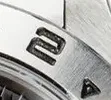
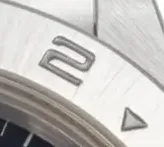
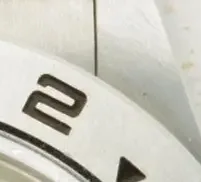
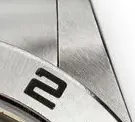
The bezel is fixed, steel, engraved with 24-hour numerals filled with black enamel. Compared with the 1655 it has bigger numerals and small inverted triangles between them in place of bars for the odd hours. Two fonts are recognised, and bezels are swapped more often than is realised.
Fat font
The original bezel, with squared, heavy numerals on a wider bezel; sometimes called long 1. It is hard to find in original condition.
- thick squared numerals
- wide bezel
Thin font
A thinner, more open font with closer triangles, thought to belong near the end of the run as the 16550 gave way to the 16570. A late advertisement showed a 16550 with a light-font bezel in the later style, so the change was gradual.
- thinner numerals
- triangles close together
Case 2 described
The case is 40 mm, steel and about 13 mm thick, larger than the 39 mm of the 1655. Decades of polishing often soften the lugs.
Drilled lugs
Many surviving cases have holes drilled through the lugs.
- through-drilled lug holes
Caseback sticker
Original green factory stickers survive on the caseback of a few examples.
- green sticker on the caseback
Crystal 1 described
The crystal is sapphire, new to the Explorer II.
Sapphire
The acrylic crystal of the 1655 was replaced by sapphire with this reference.
- sapphire crystal
Date 1 described
The date is a quickset, a first for the Explorer II.
Quickset date
A single quickset action on calibre 3085. Some sellers also describe open six and nine date wheels.
- quickset date
Movement 1 described
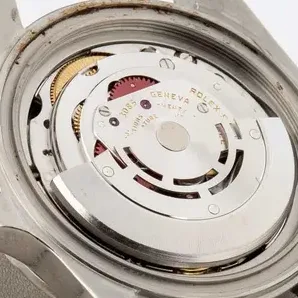
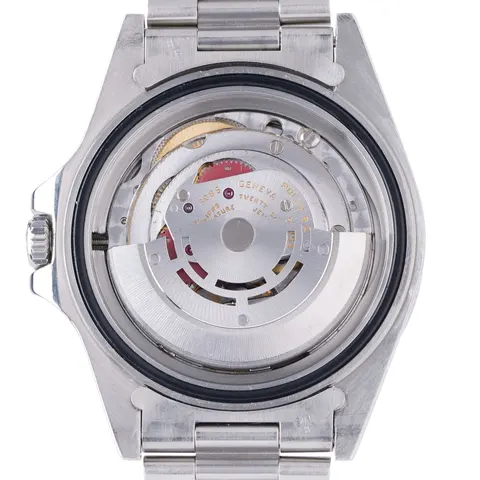
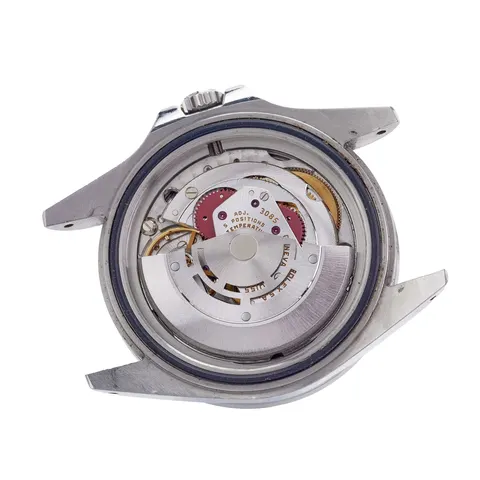
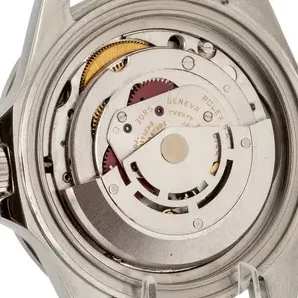
Calibre 3085, a thicker movement at 6.3 mm to make room for its independent hour hand, replaced the 1500-series movement of the 1655.
Calibre 3085
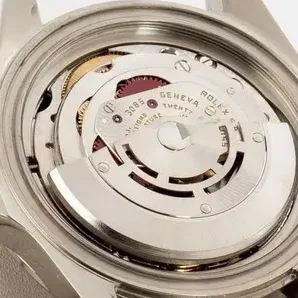
Self-winding, based on the 3035, with 31 jewels, hacking seconds, quickset date, 28,800 beats an hour and a reserve of 42 to 48 hours as stated. Its 24-hour hand sets independently of the hour hand, so the watch is a true GMT, where the 1655 only indicated AM/PM against the bezel. It first appeared in the GMT-Master II in 1983, is also used in the GMT-Master 16760, and has a traditional balance bridge with index regulator; the 16570's 3185 has a full two-sided bridge.
- traditional balance bridge
- index regulator
Bracelet 2 described
The watch was delivered on a steel Oyster bracelet with Oysterclasp.
78360 Oyster
Flat-link Oyster bracelet 78360; correct examples have 501 end pieces. Most accounts describe its links as solid, though one account of this reference calls them folded. Sellers also name 501B and 593 end links.
- 78360
- 501 end pieces
93150
Bracelet reference named by some sellers.
Box and papers 1 described
Papers are the main accessory.
Punched guarantee
A punched warranty card appears with watches of 1987 and 1988; service papers are also cited. Dated watches that sellers describe this way fall mostly between 1987 and 1988; those are the years of the watches so described, which is not a stated span of production.
- punched guarantee
Originality
- Cream dials were often replaced during service, so a surviving one with matching lume is worth checking closely.
- Bezels are swapped more than people realise; check that the numeral font suits the watch.
- Polishing softens lug bevels and blurs the case's finish changes.
- Hand lume of a different shade from the dial is not by itself proof of replacement hands.
Names
- Polar. The name for the white dial, which the 16550 introduced.
- Panna. Italian for cream, used for the creamy ageing of the white dial.
- Rail dial. The lower text lines are aligned in columns.
- Spider dial. Fine cracking of the gloss dial paint.
- Chicchi di mais. Corn-coloured indices on a white dial.
Where accounts differ
Points on which the published literature and the library's own records do not agree, or on which the literature contradicts itself.
- Start and end of production. Most guides give 1985 to 1989; one account and one summary line at another end it in 1988, while a third says 1989. Case numbers in the records place watches from 1984 to 1988, so the records begin a year earlier than the guides.
- Cream dial dates. One account puts cream dials at 1985 to 1987; another says many of them came in the first two years, while others place the paint fix late in production.
- Black marker surrounds. Two accounts say white gold surrounds gave way to black ones late in the 16550's run; three others give the black surrounds as a change made with the 16570.
- Oyster 78360 construction. One account describes the 16550's 78360 bracelet as folded-link, as does one account of the GMT-Master 16750; most accounts of the 78360 call it solid-link, introduced in the mid-1970s.
Back and movement
From listings of this reference, each confirmed by eye to show what it is filed under. A picture on which a person's name or a personal engraving can be read is not shown. From most holders a detail from the middle of the photograph is shown; the mark in its corner gives its holder and a link to the listing.
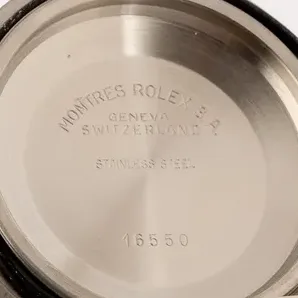
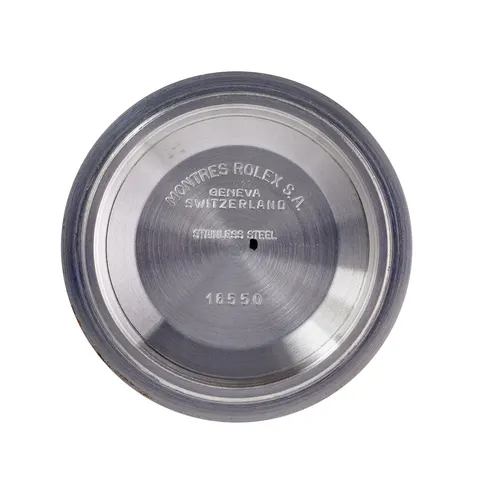
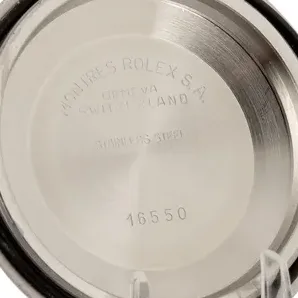
Caseback
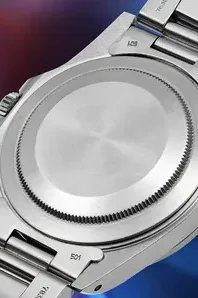

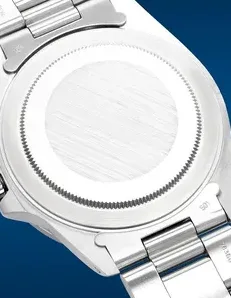

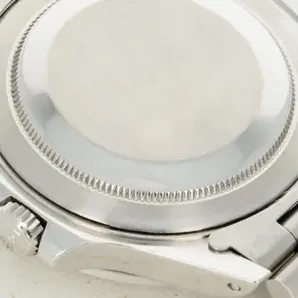

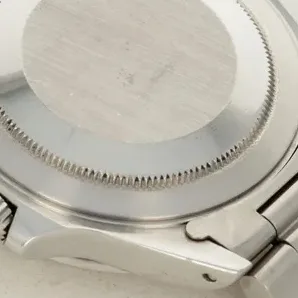

Inside the caseback



Movement





In the records
Counted from 252 listings at 42 holders between 26 June 1997 and 14 November 2026. These are what sellers and auction houses state, not measurements.
At the holders that record papers on every watch, 50% of their 28 listings of this reference come with papers; at those that record the box on every watch, 60% of 43 come with a box. "Papers" is whatever the holder counts as papers, and can include service papers.
Case metal
| Steel | 142 | |
| Silver | 1 |
Dial colour
| Cream | 51 | |
| Black | 39 | |
| White | 23 | |
| Red | 2 |
Case size
| 40 mm | 92 | |
| 39 mm | 31 | |
| 42 mm | 2 |
Calibre named
| 3085 | 100 |
Bracelet or strap
| Oyster bracelet | 103 | |
| Metal bracelet, kind not stated | 14 | |
| Jubilee bracelet | 1 |
Each table counts the listings that state the thing, in the seller's own terms. A size, metal, colour or calibre that cannot belong to this reference is a seller's slip or a listing filed under the wrong number.