Explorer II
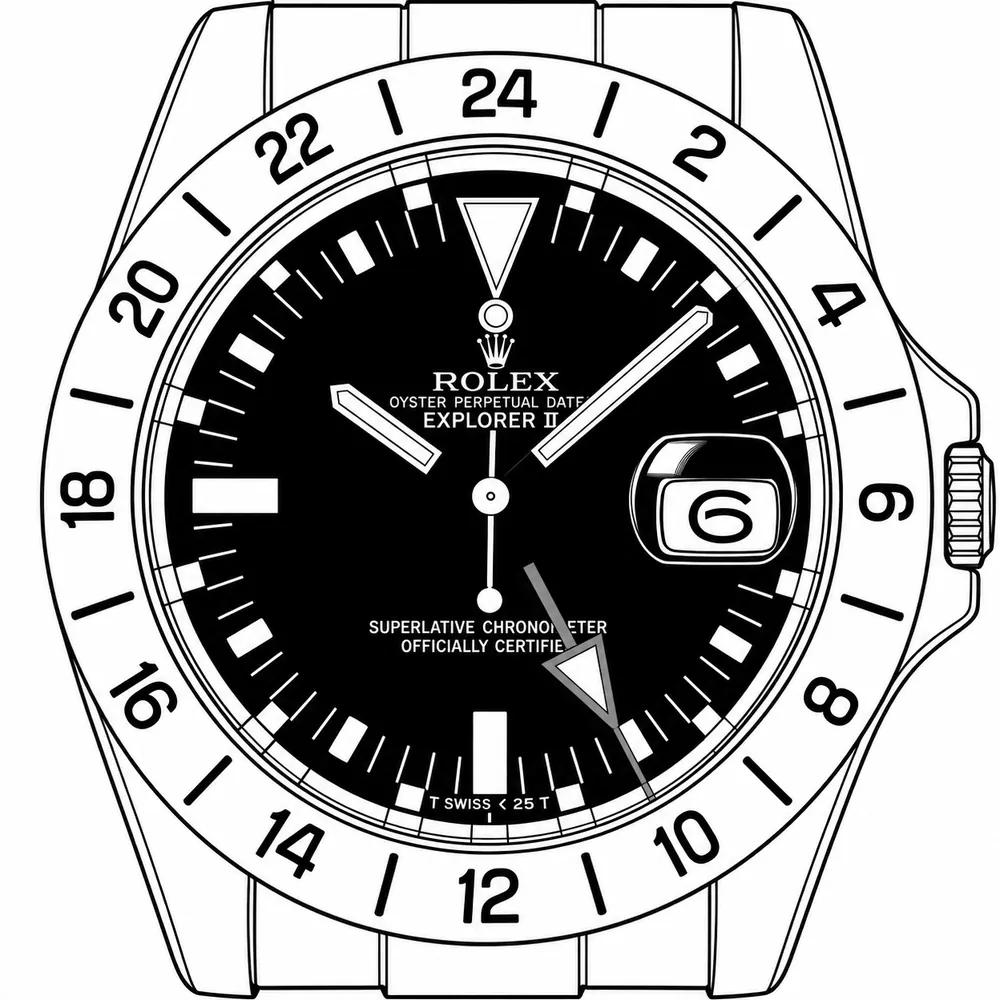
The first Explorer II, introduced in 1971 for cave explorers and polar parties and made until about 1984 or 1985. It is a steel Oyster with a fixed bezel graduated in 24 hours, a date with Cyclops at 3 and an extra orange arrow-shaped 24-hour hand, set together with the ordinary hour hand and so a day-and-night indicator rather than a second time zone. It has a matte black dial, an acrylic crystal and calibre 1575, whose winding bridge is often engraved 1570. Collectors sort the dials into five Marks, with bezels and seconds hands that change along with them, and the 16550 replaced it.
- Made
- 1971–1984dates approximate
- Seen in the library
- 1971–1984nine in ten in 1972–1984 · by case numbers
- Case
- steelas sellers state
- Movement
- Calibre 1575automatic
- On record
- 577 listings1,712 photographs · 51 holders
Components
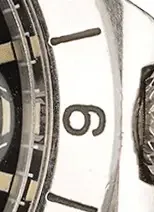
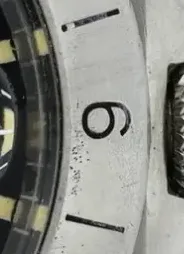
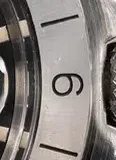
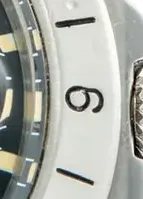
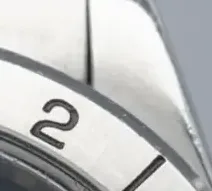
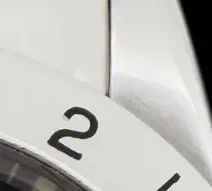
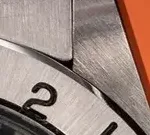
46 watches, oldest first, each straightened and cut the same way so that one row shows one component across them all. Chosen from 1,712 photographs on file for sharpness and for a face typical of the reference. A year marked c. is one its holder gives only roughly. Each picture is a detail cut from a listing photograph. Select the small mark in its corner for its year, its holder, a link to the listing it came from, and a way to report it.
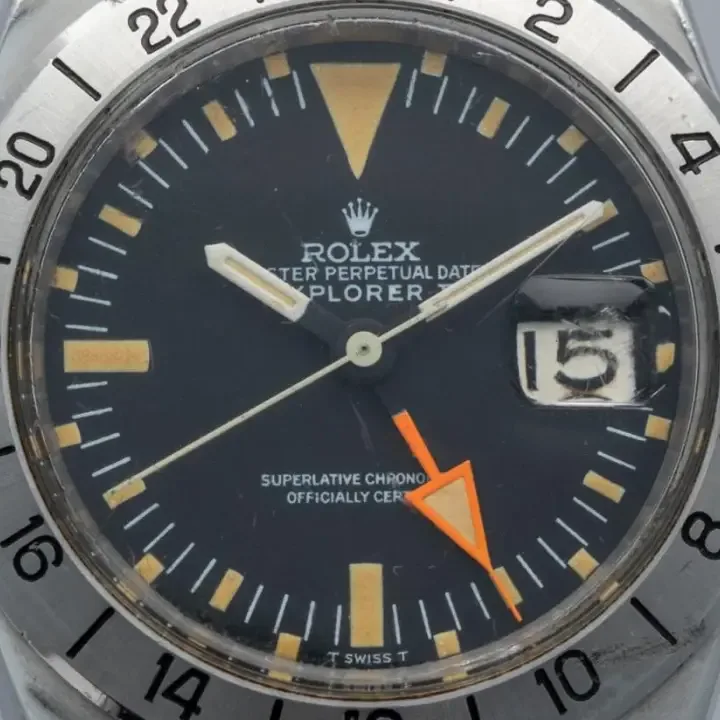
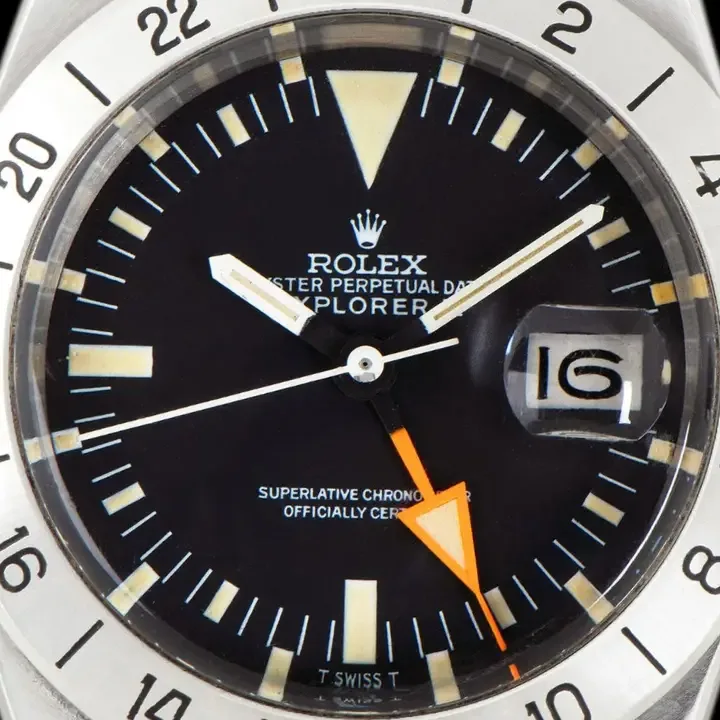
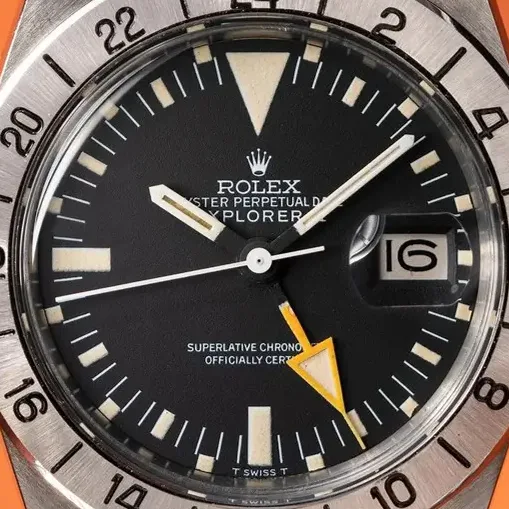
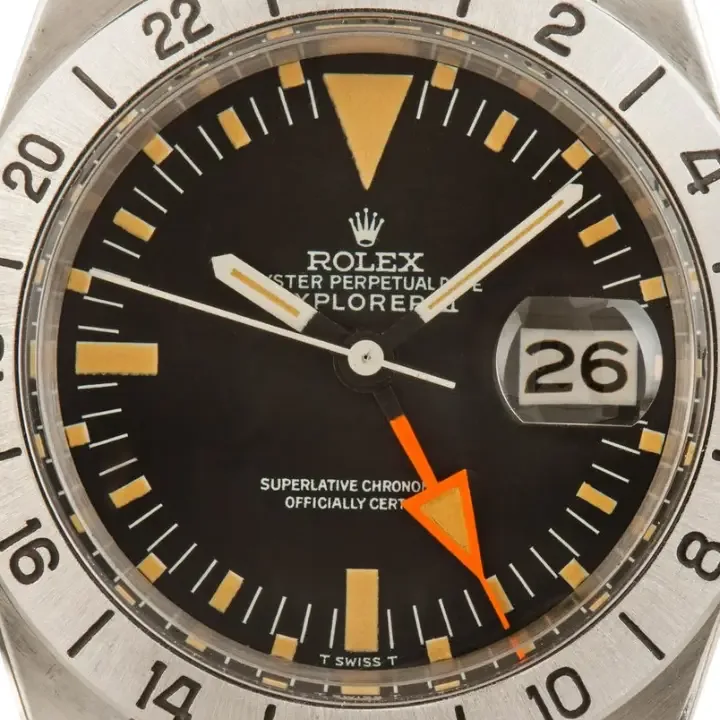
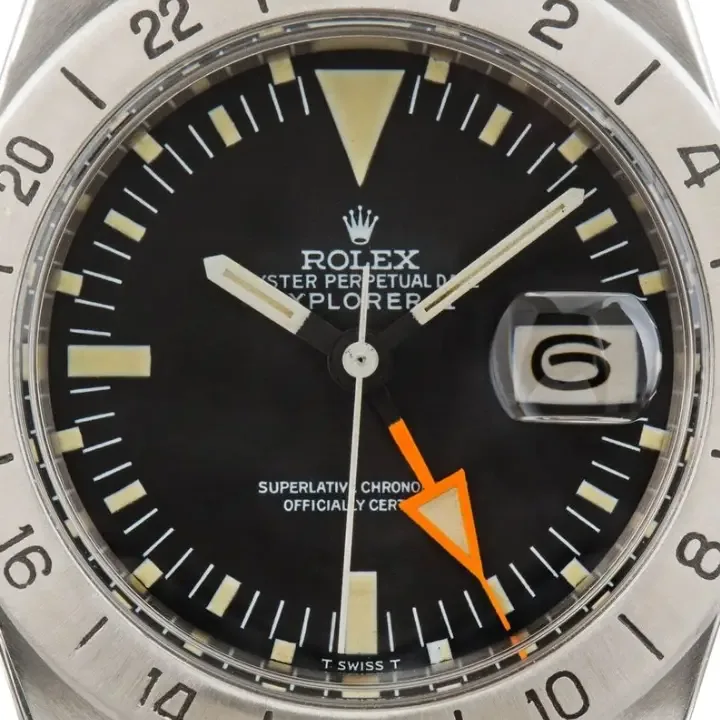
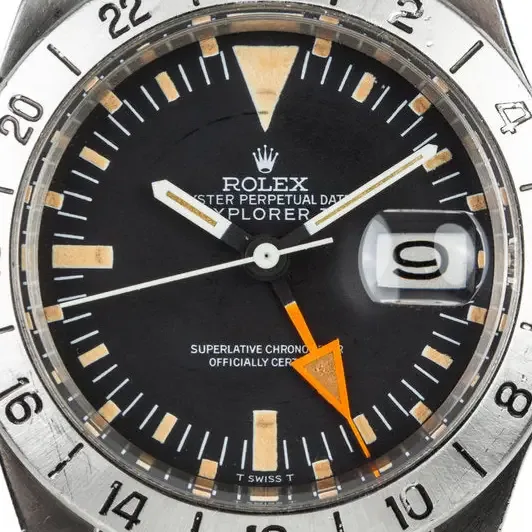
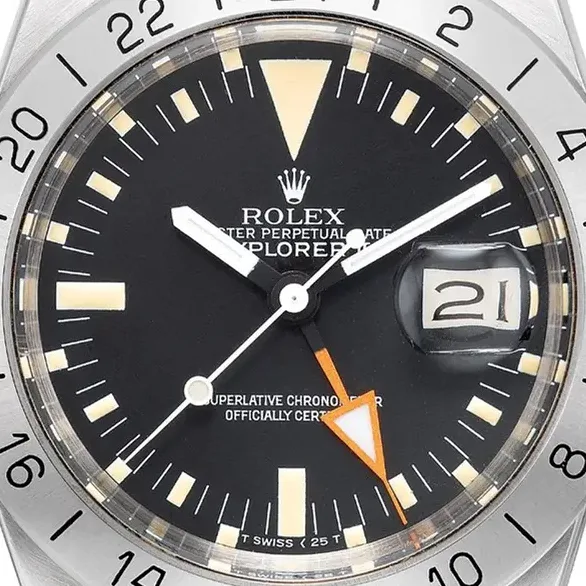
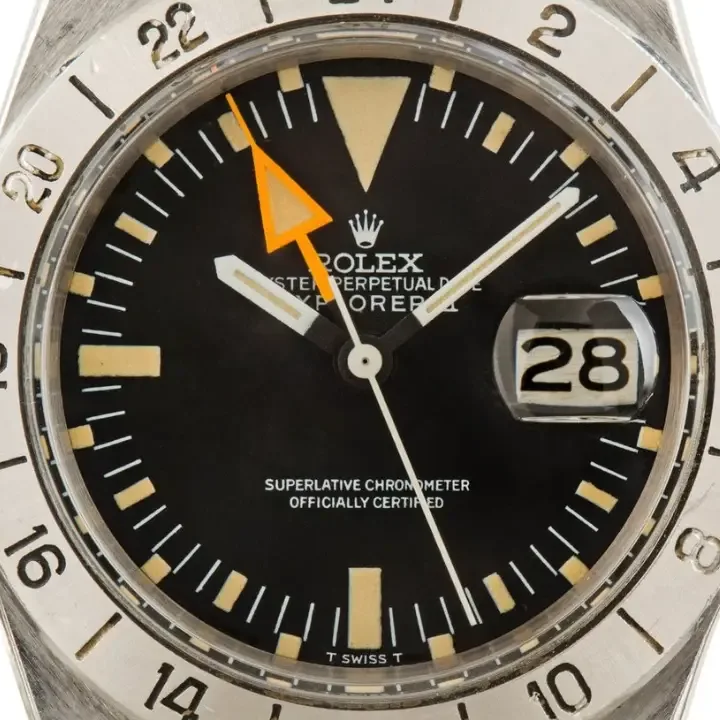
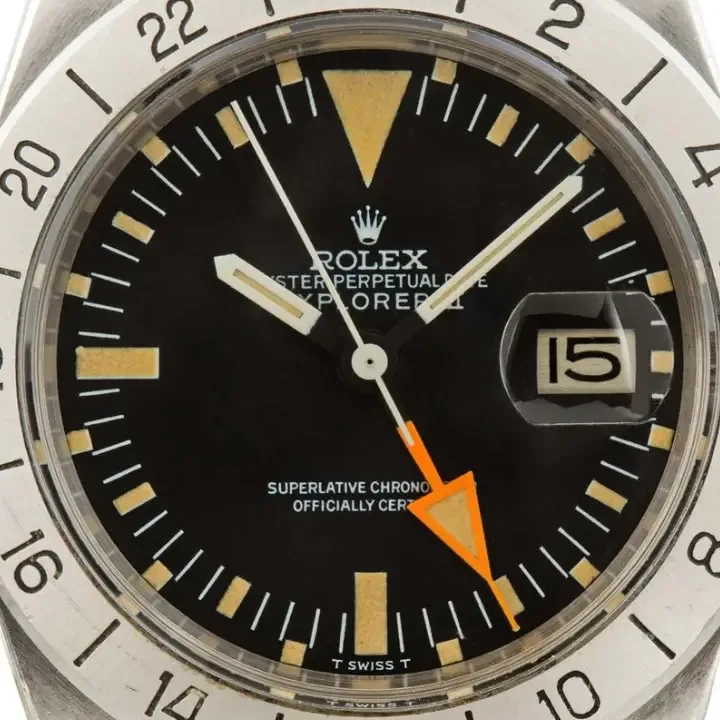
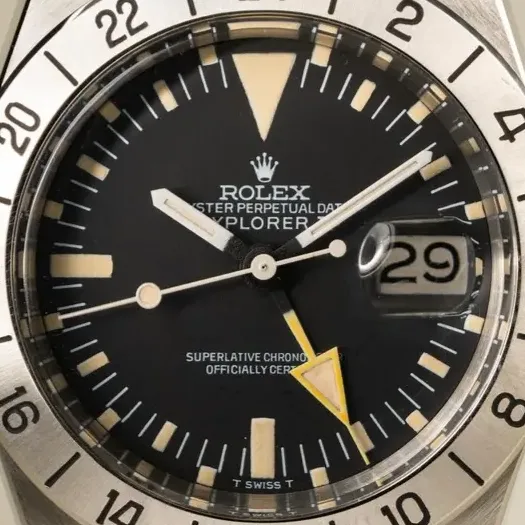
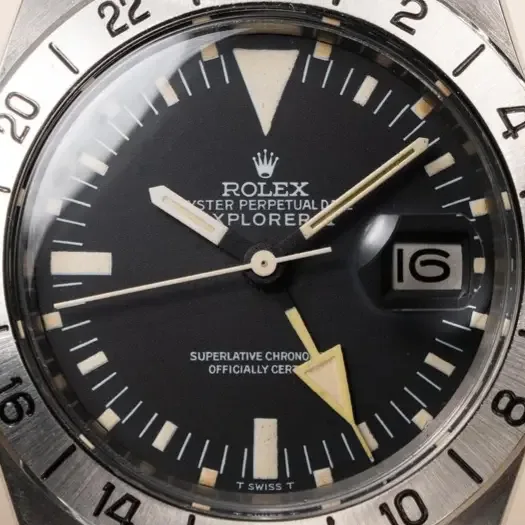
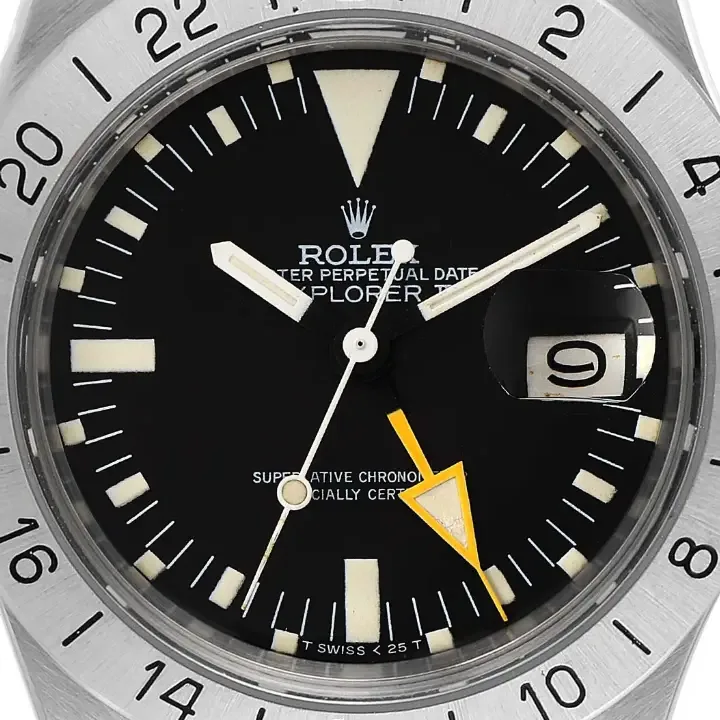
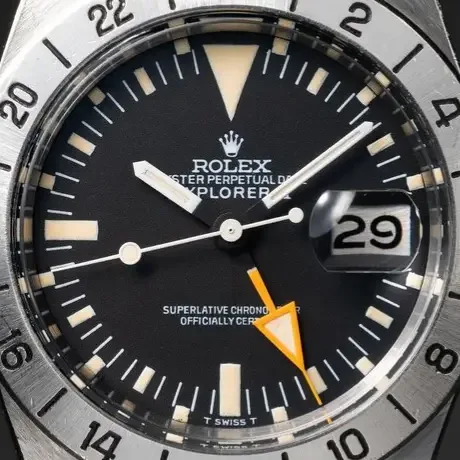
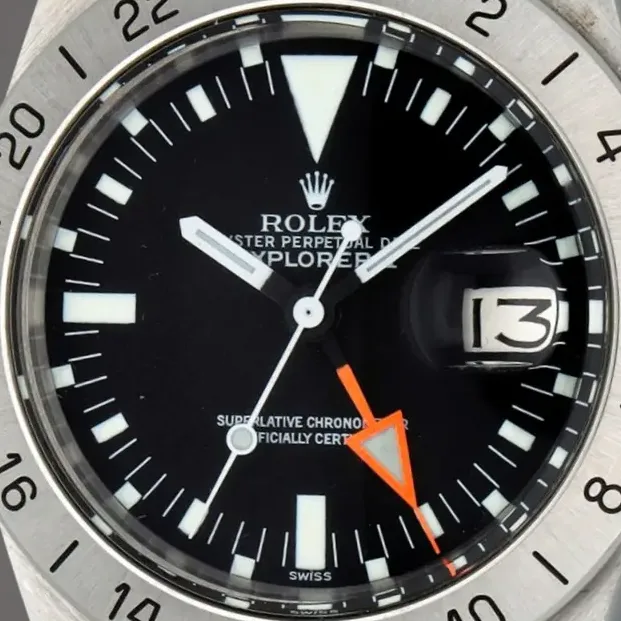
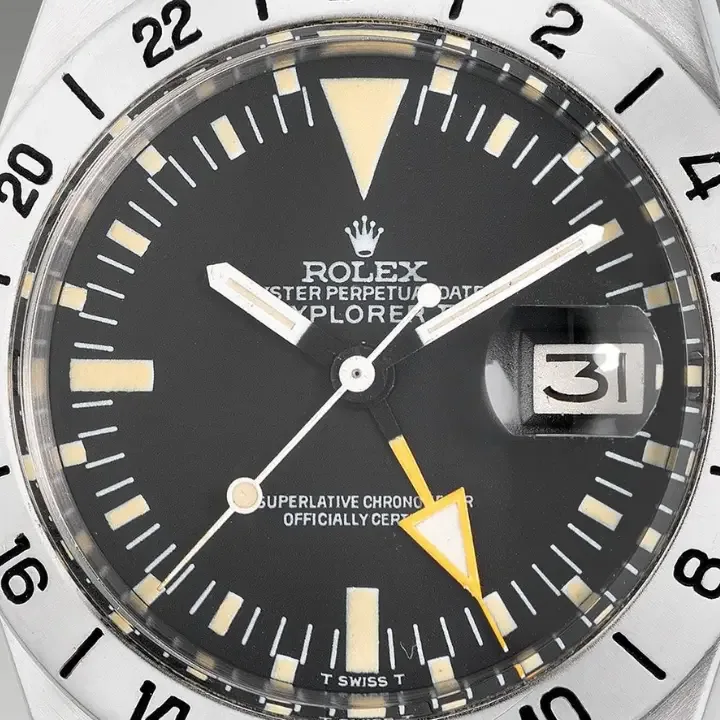
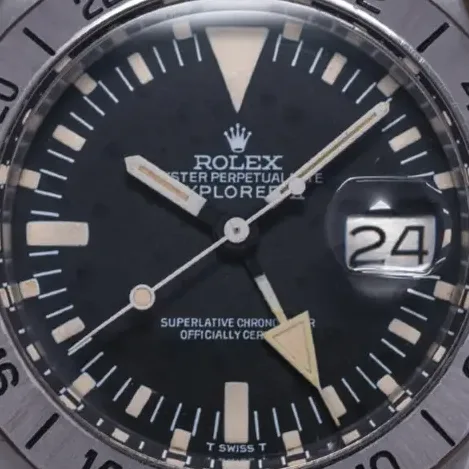
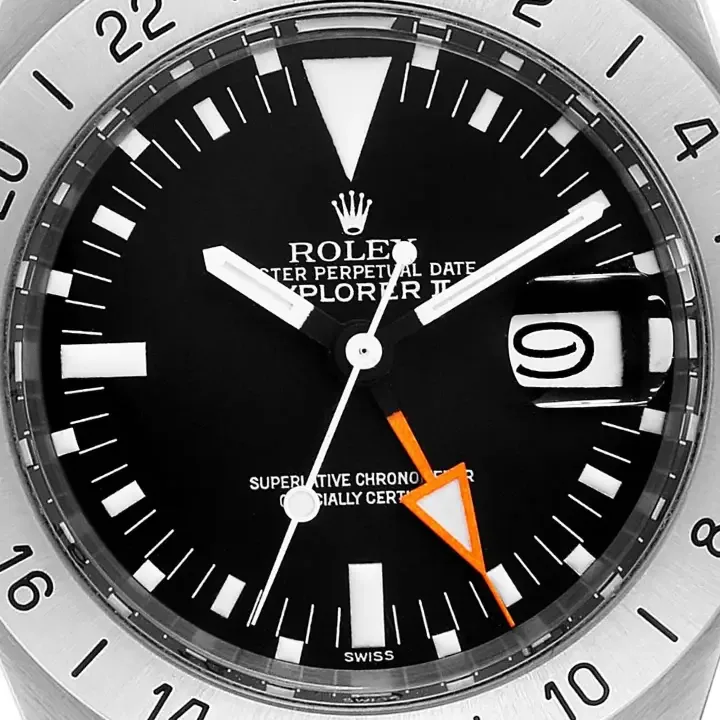
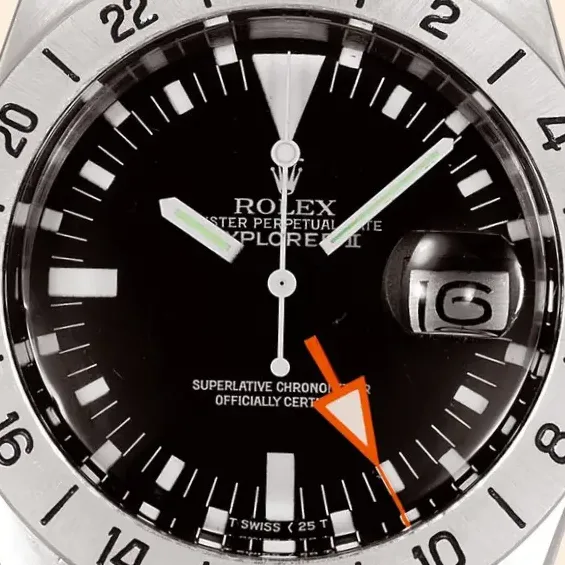
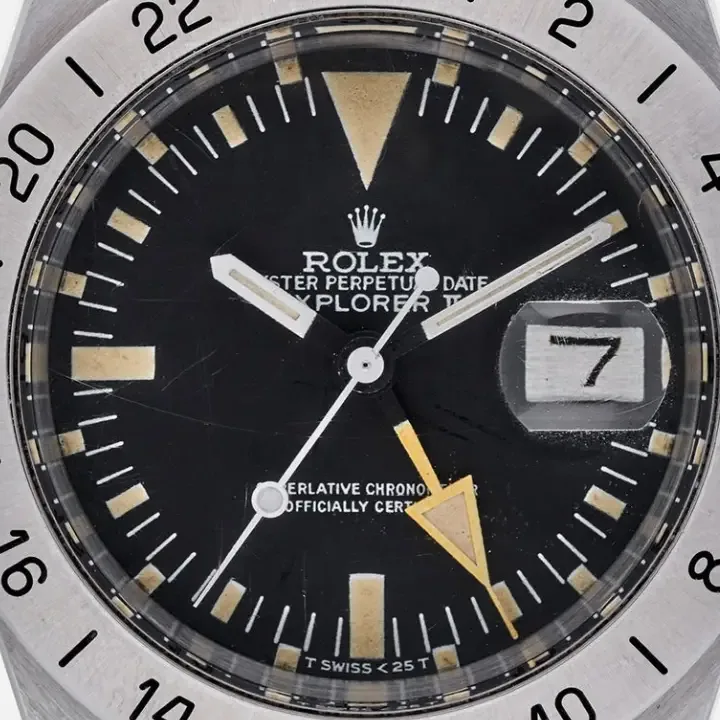
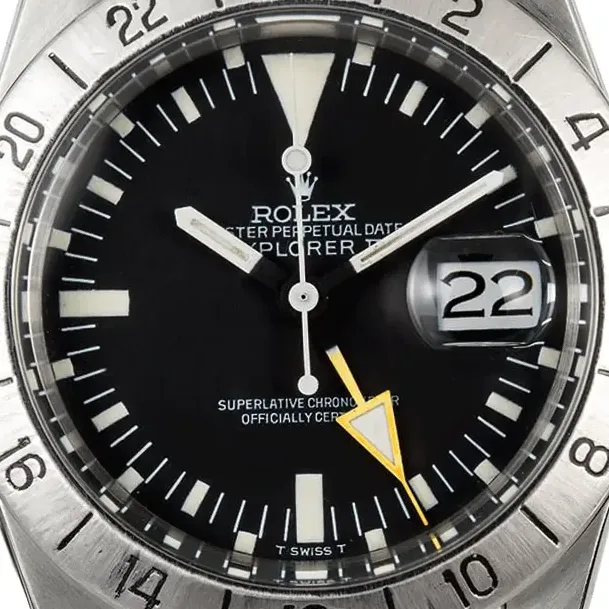
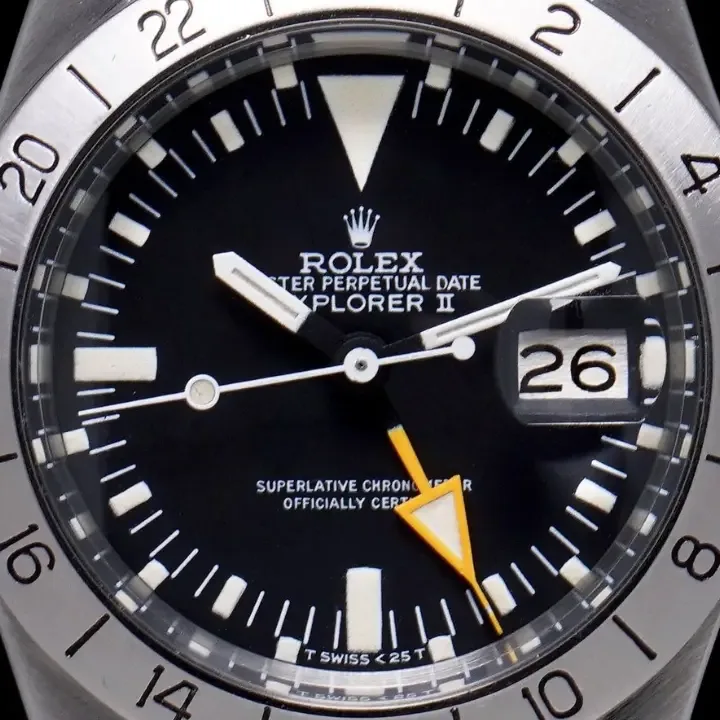
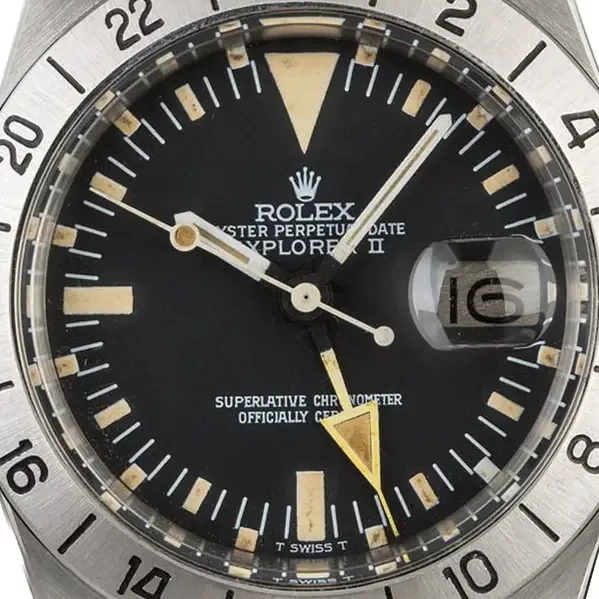
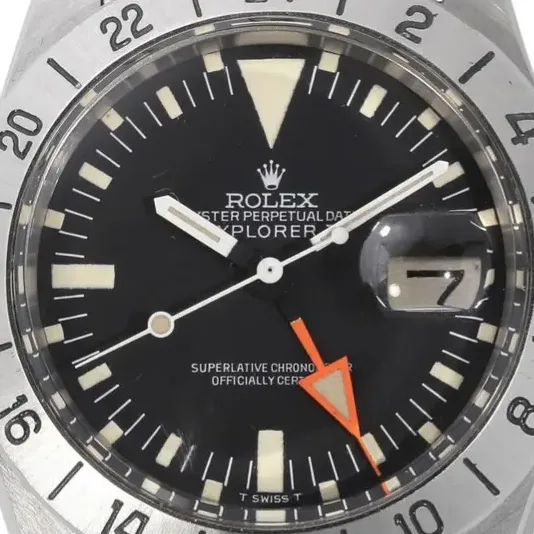
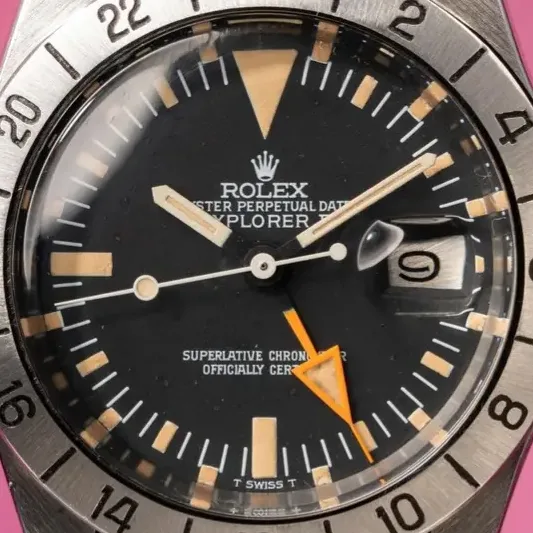
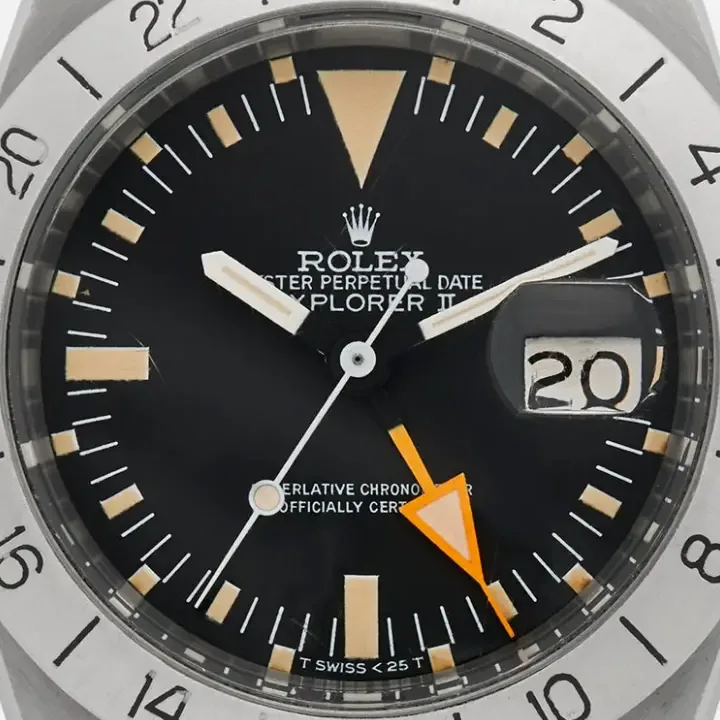
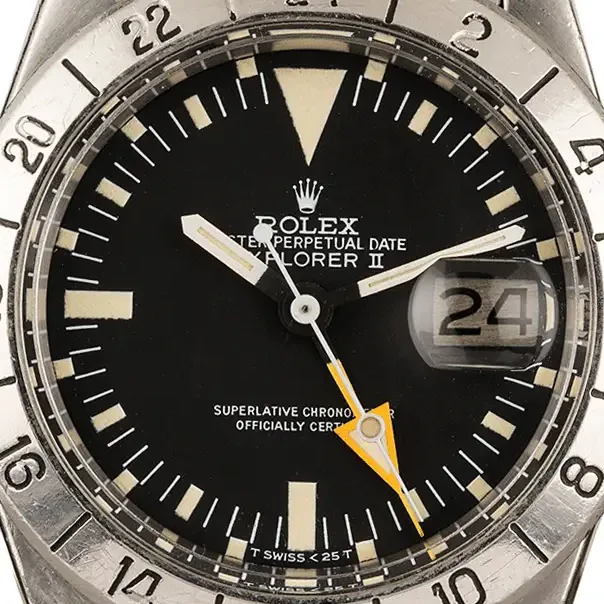
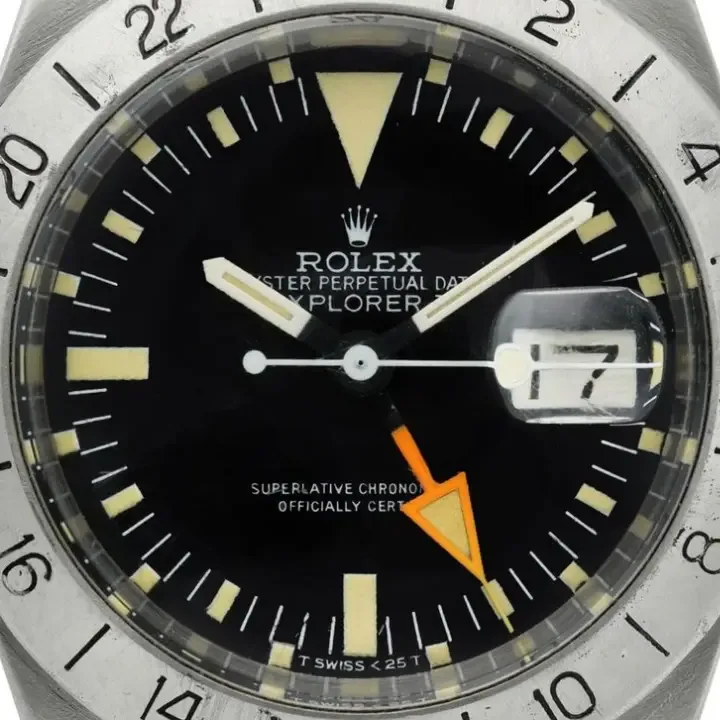
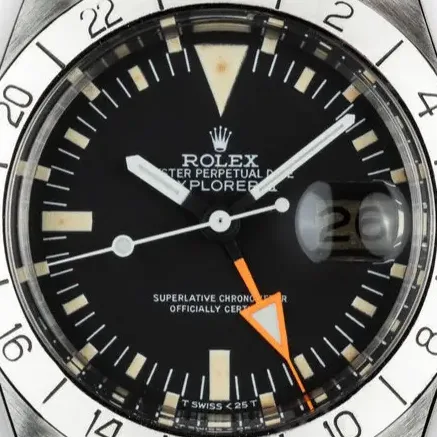
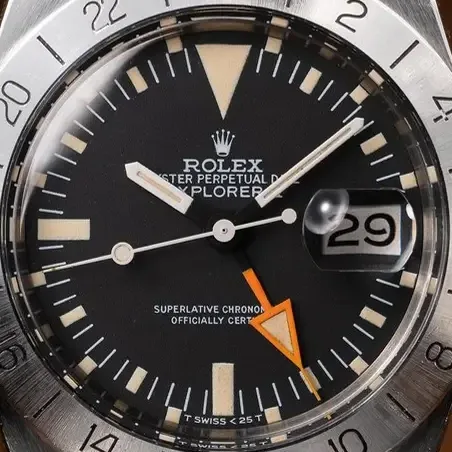
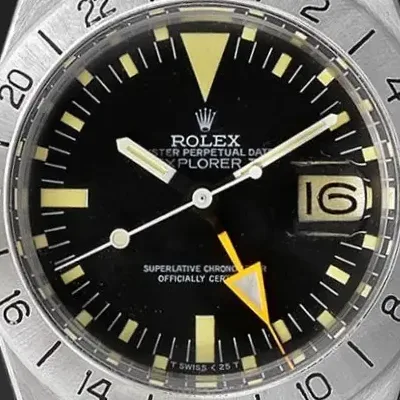
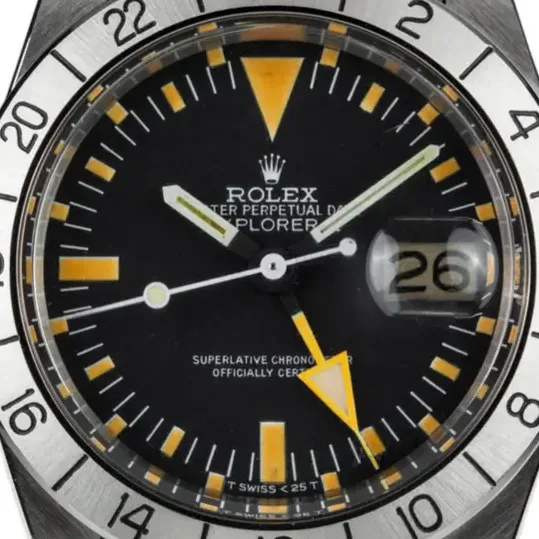
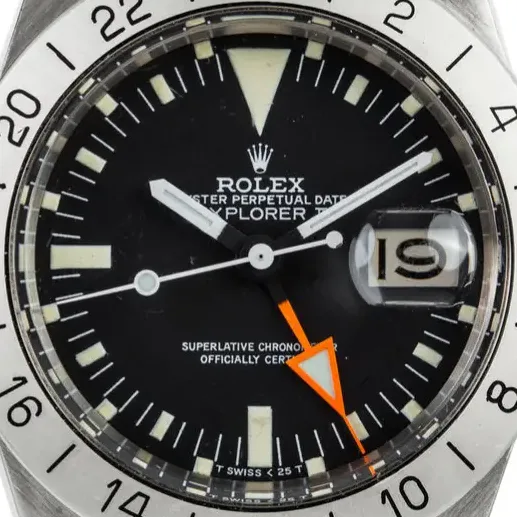
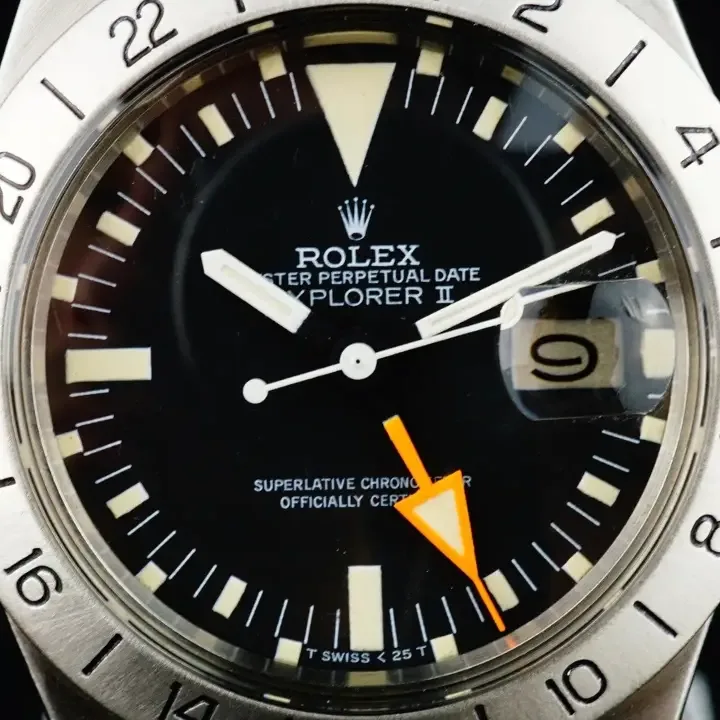
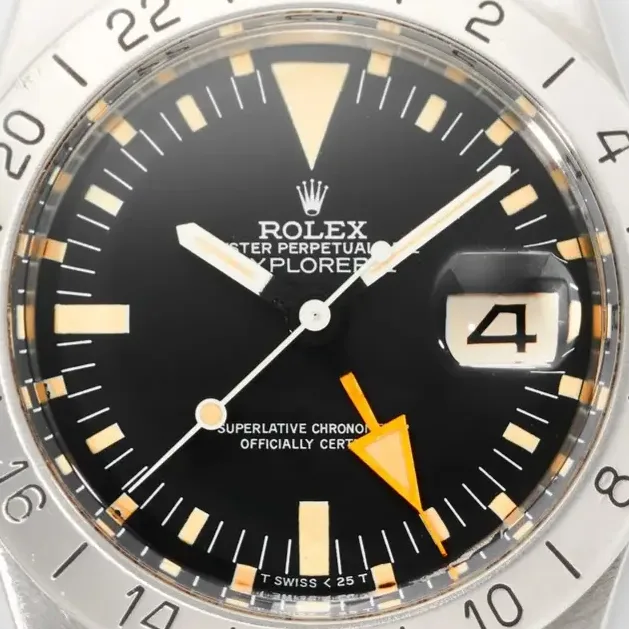
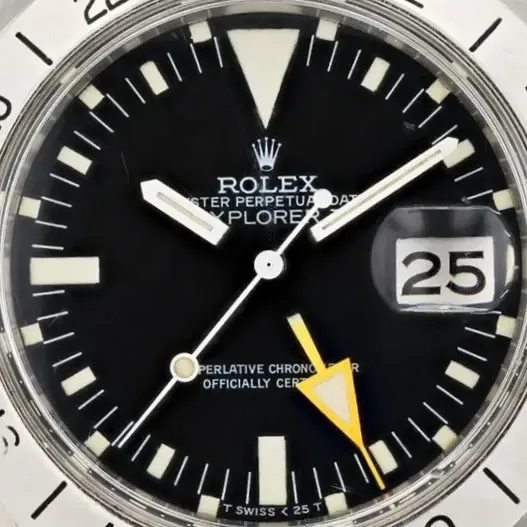
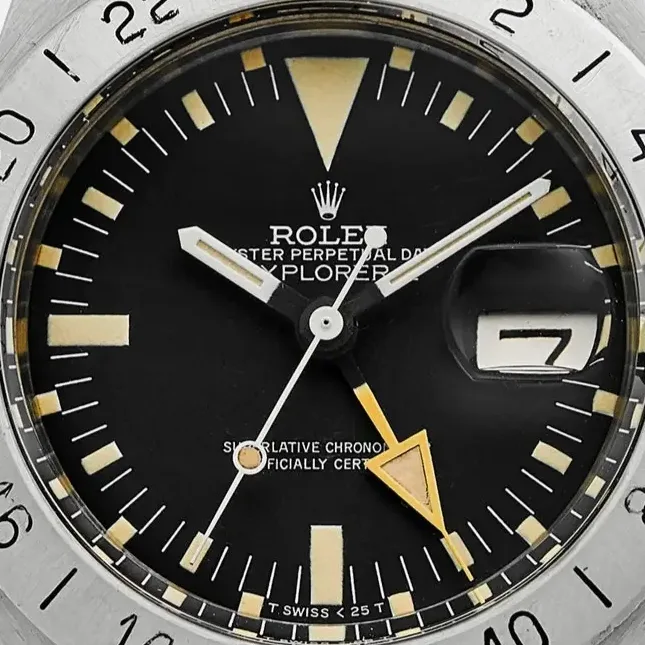
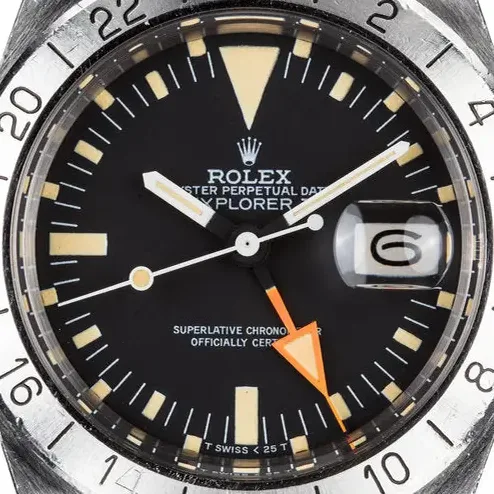
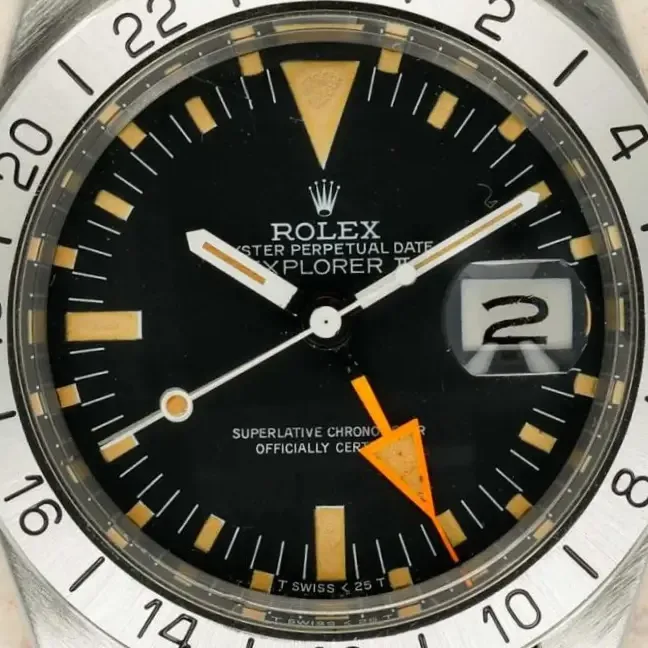
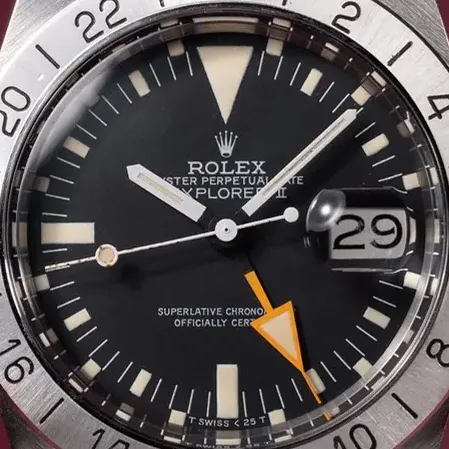
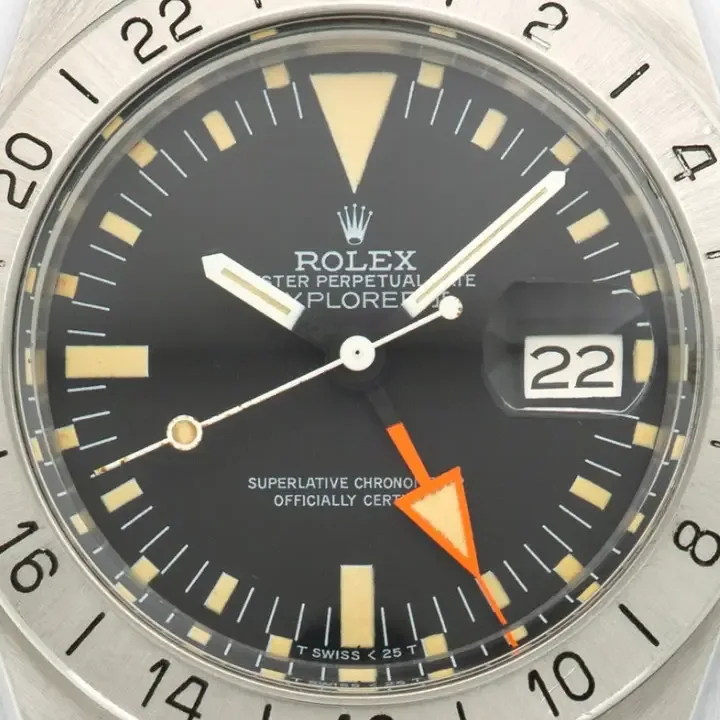
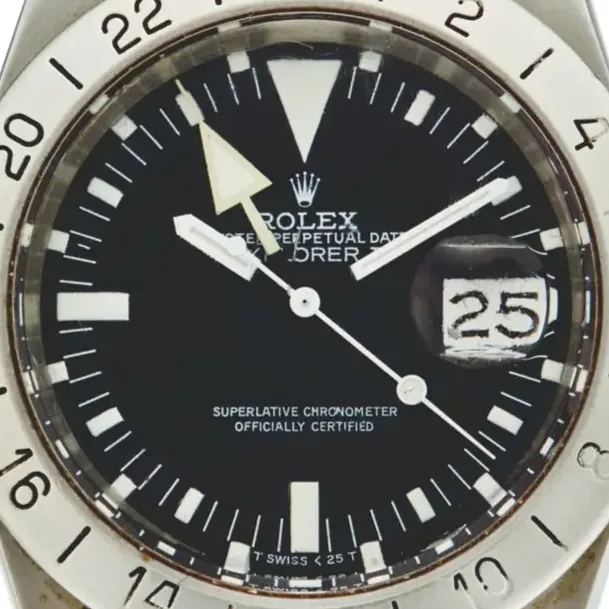
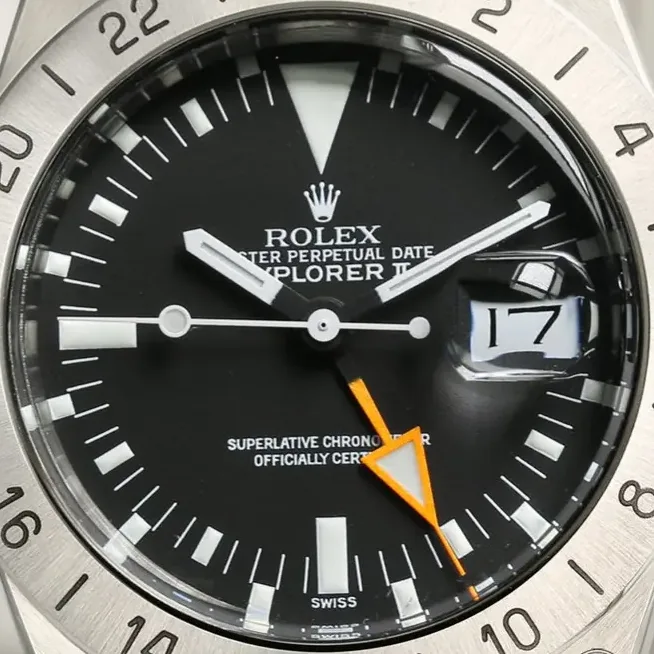
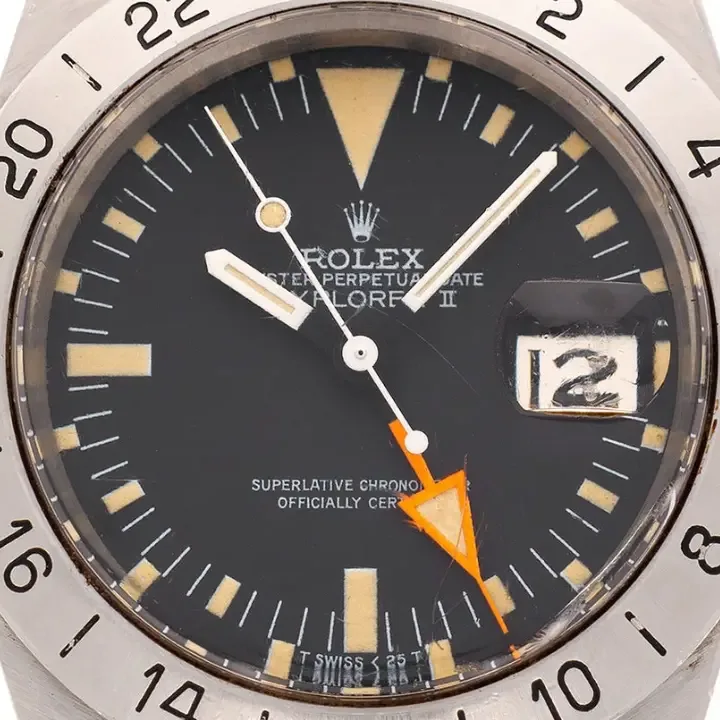
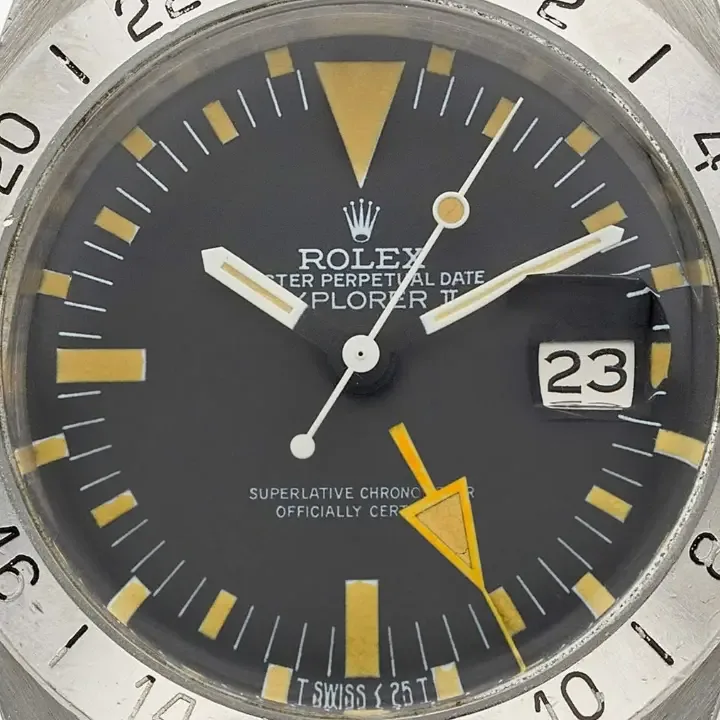
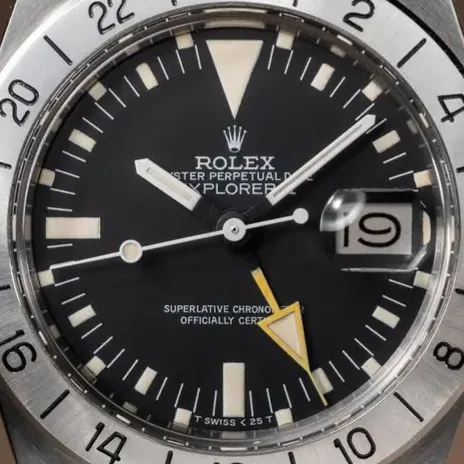
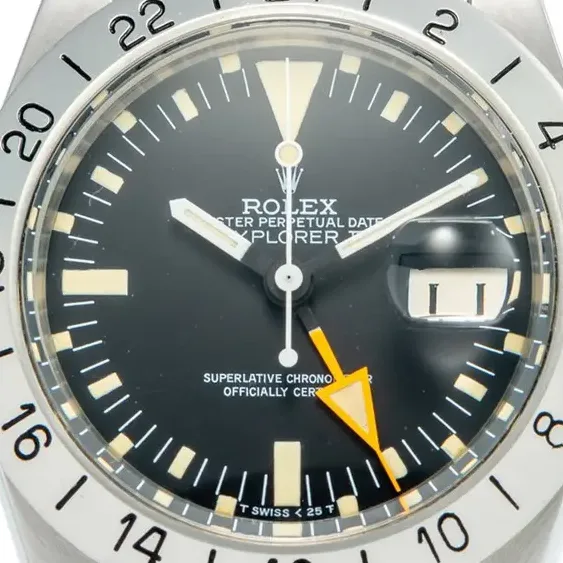
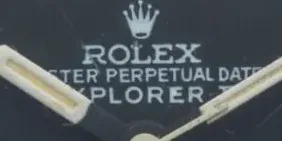
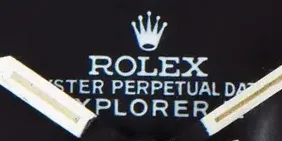
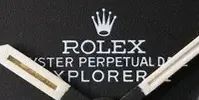
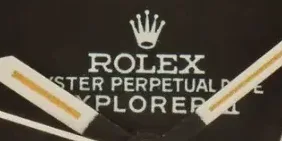
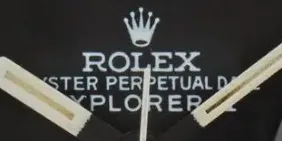
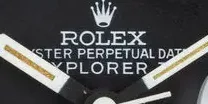

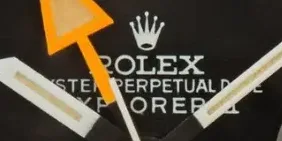
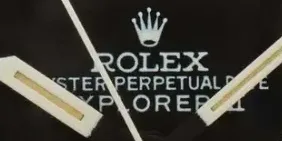
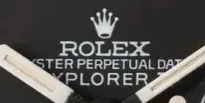
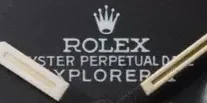

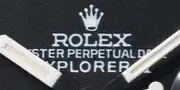
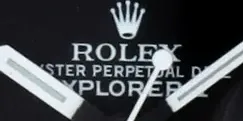
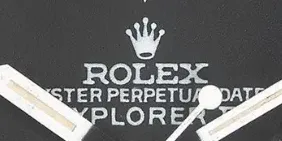
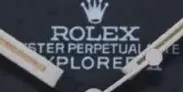


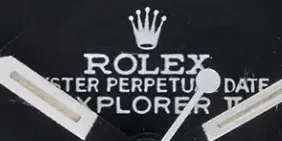

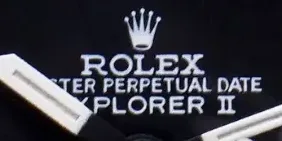

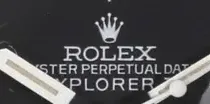
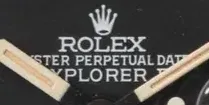
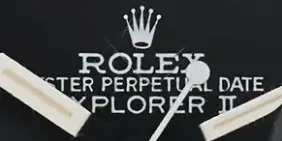
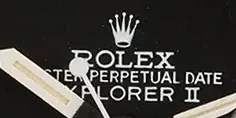
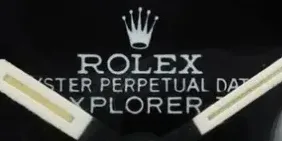



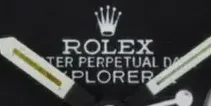
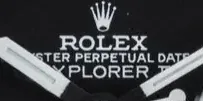
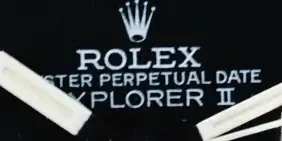



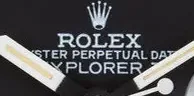
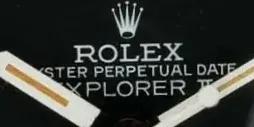

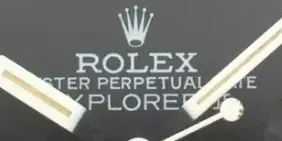
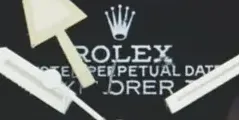
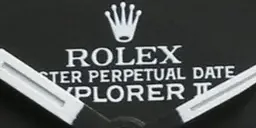
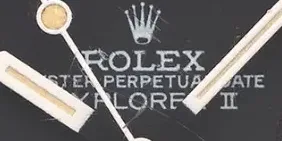
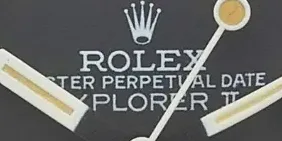


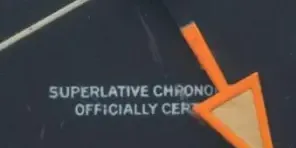
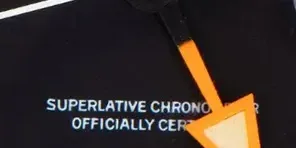


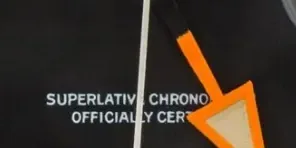
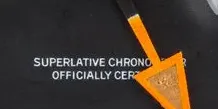
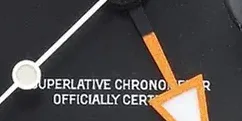

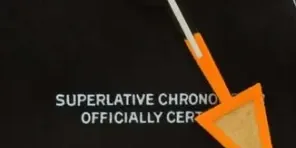


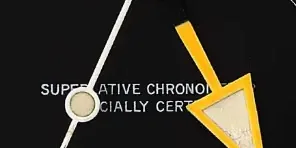


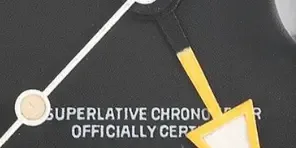

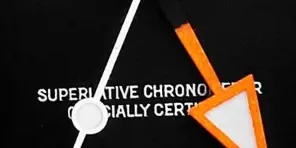

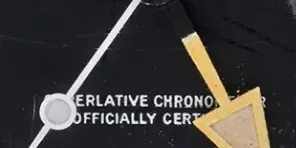

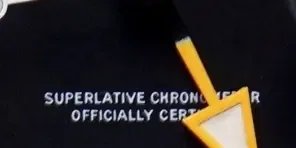
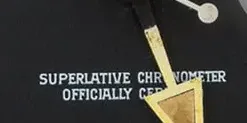

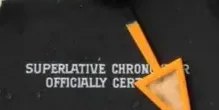
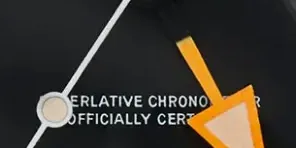





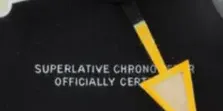

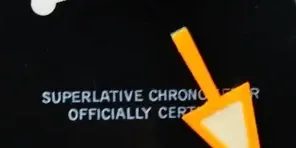


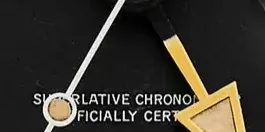

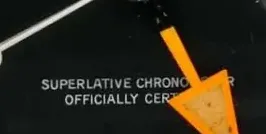



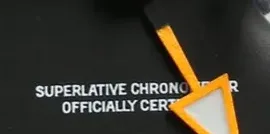
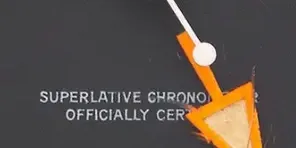
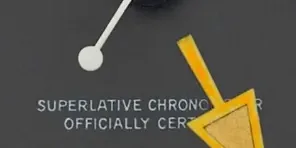


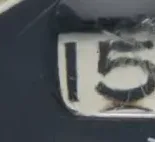
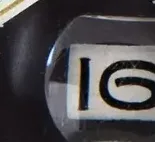
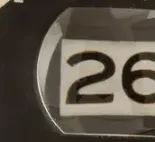
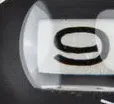
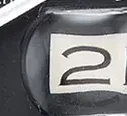
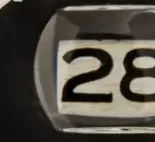
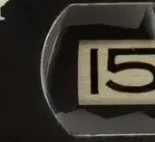

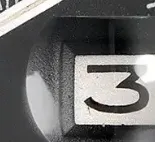
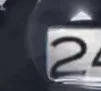
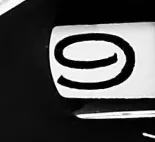

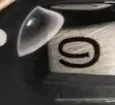
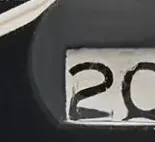
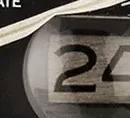
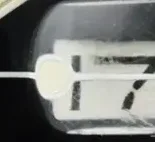


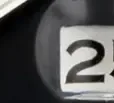

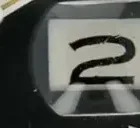

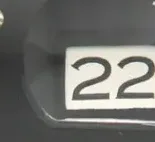
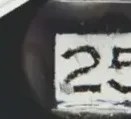
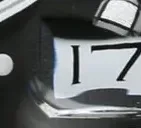
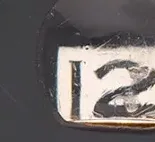
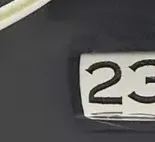
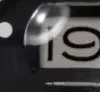

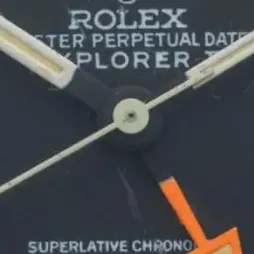
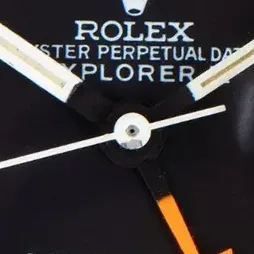
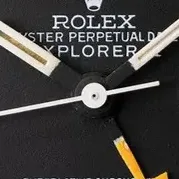

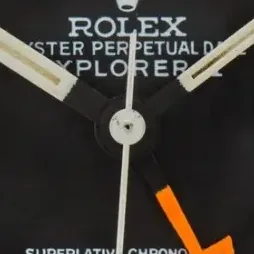
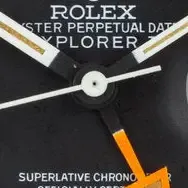
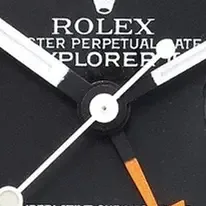
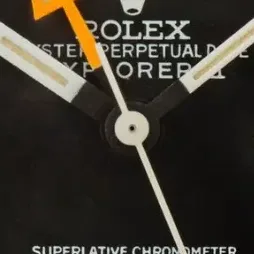
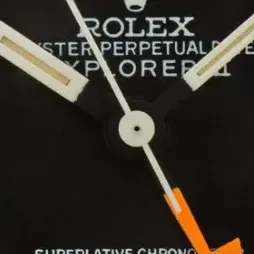
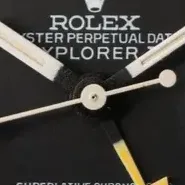
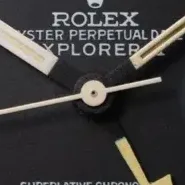
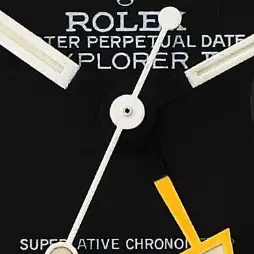
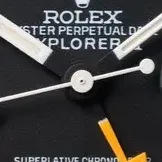
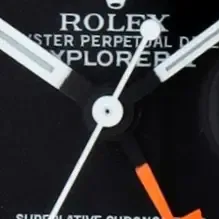
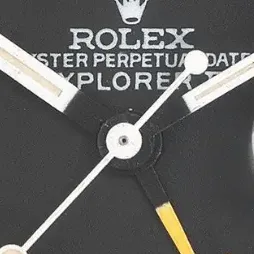
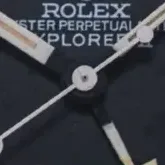
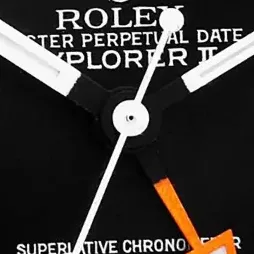
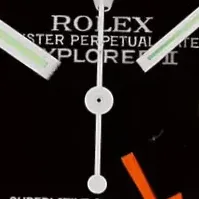
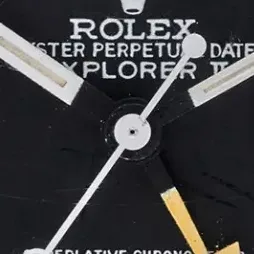
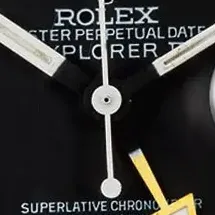
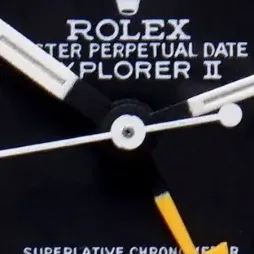
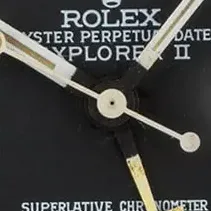
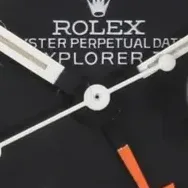
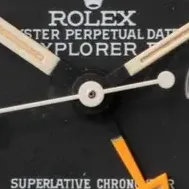
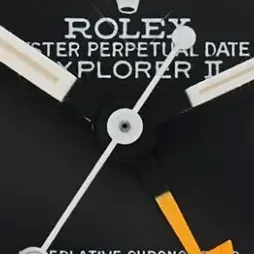
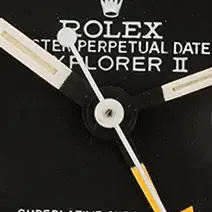
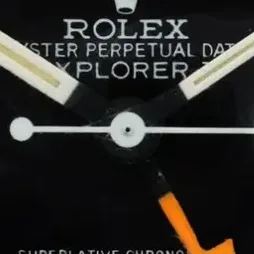
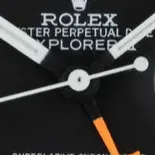
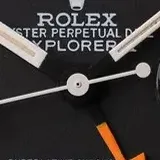

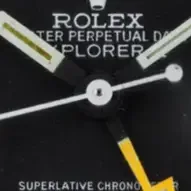
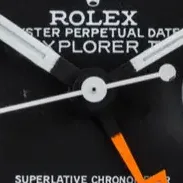
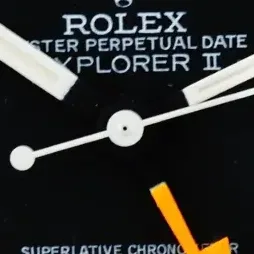

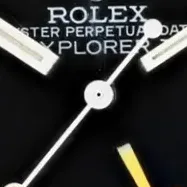
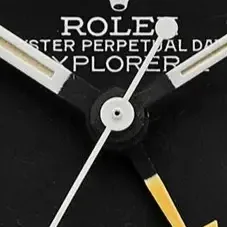

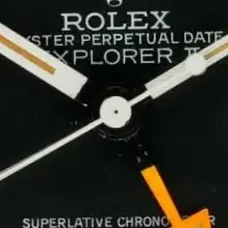
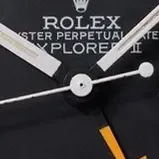

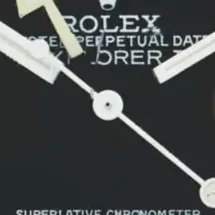
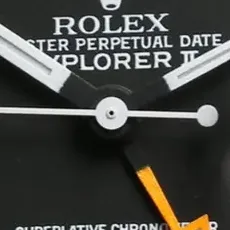
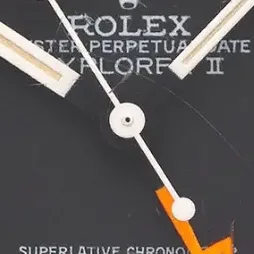
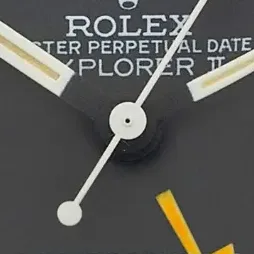

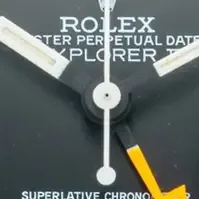
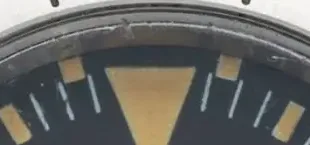
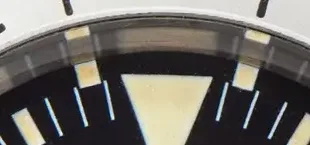
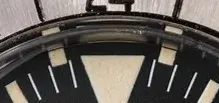
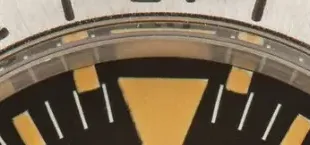
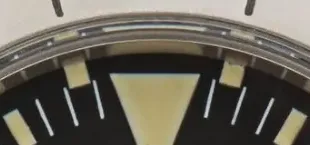
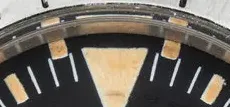
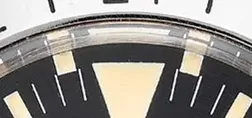
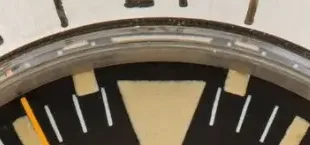
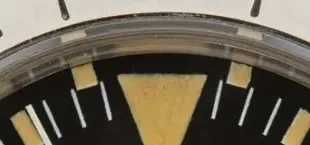
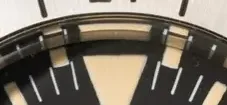
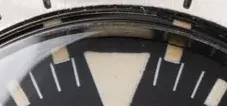
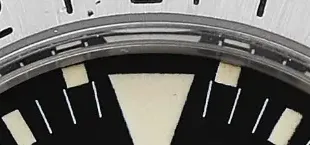
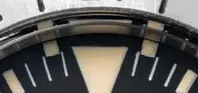
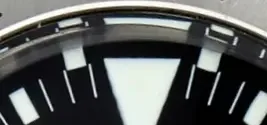
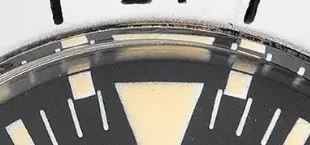
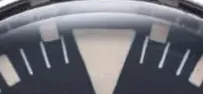
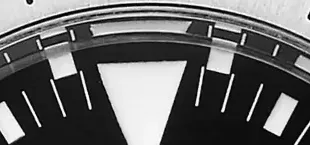
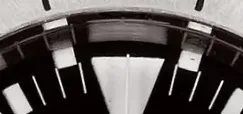
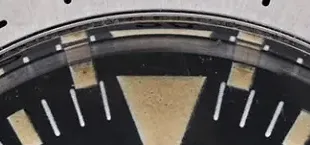
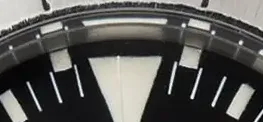
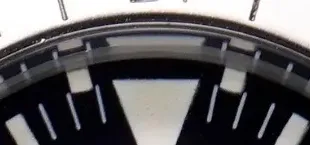
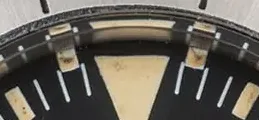
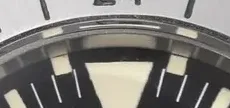
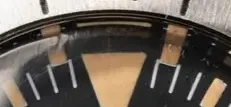
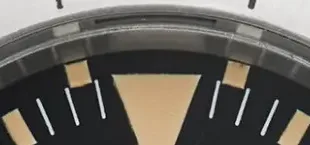
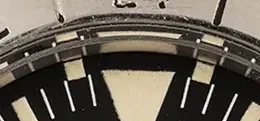
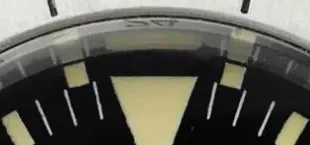
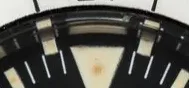
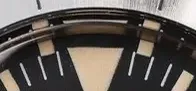
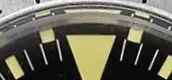
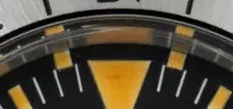
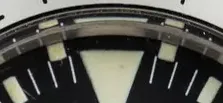
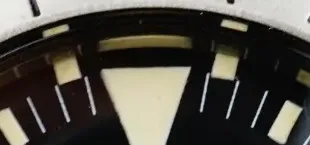
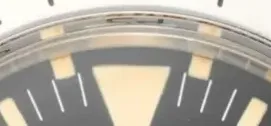
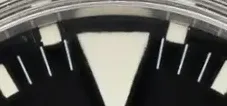
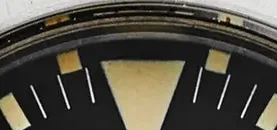
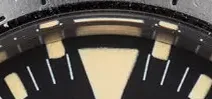
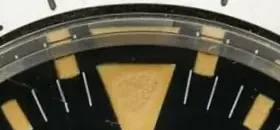
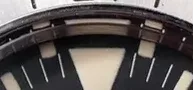
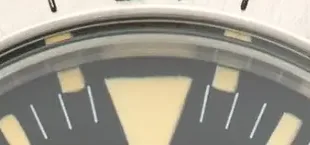
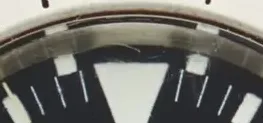
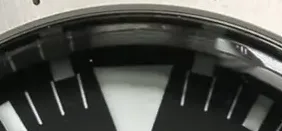
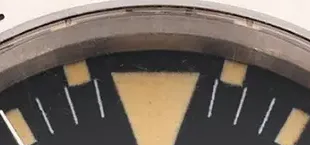
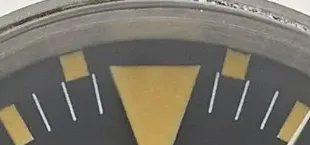
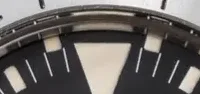
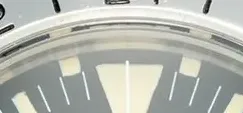
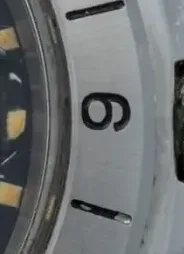
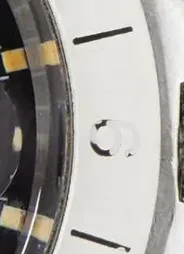
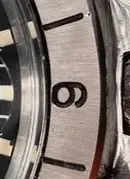
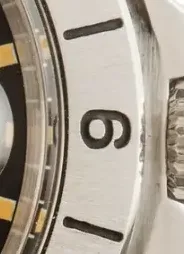
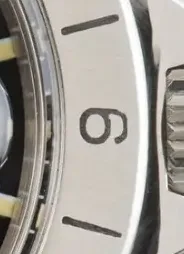
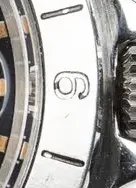
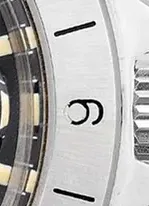
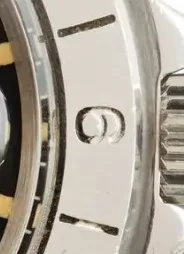
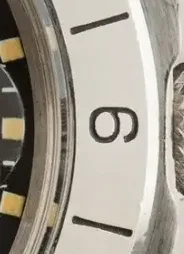
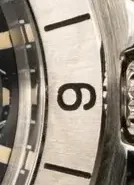
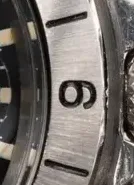
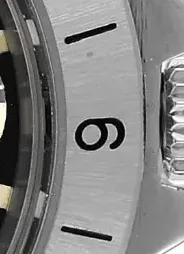
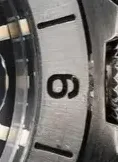
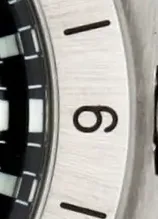
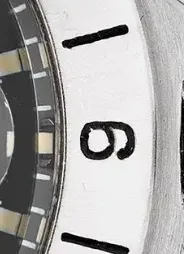
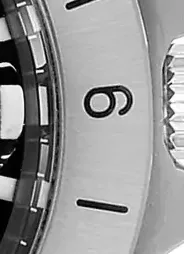
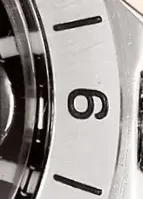
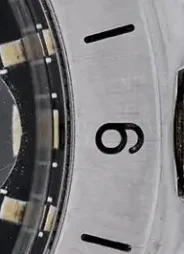
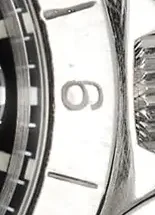
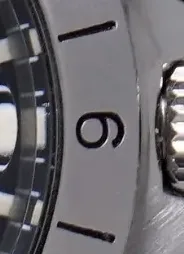
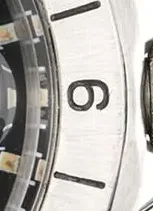
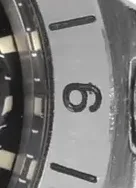
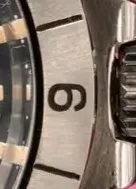
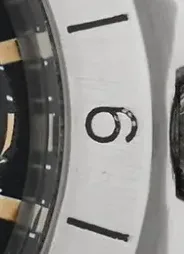
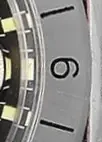
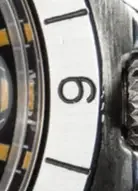
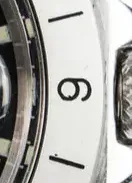
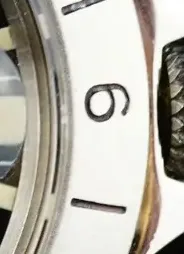
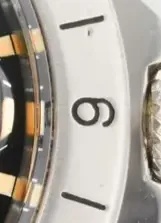
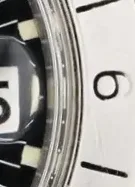
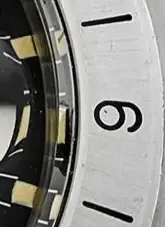
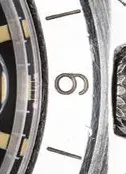
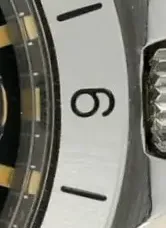
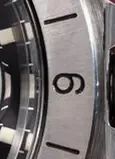
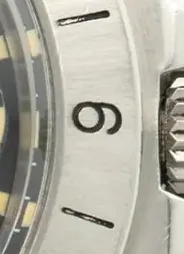
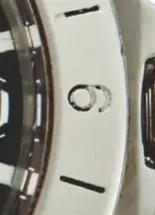
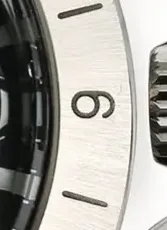
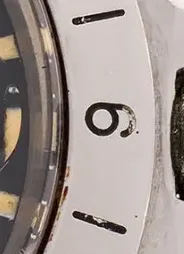
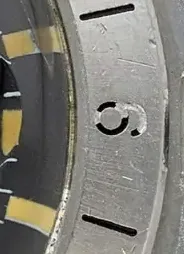
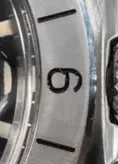
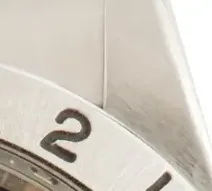
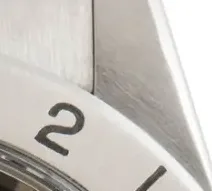
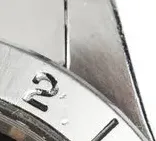
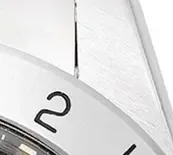
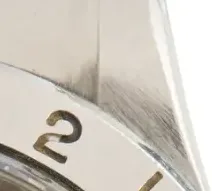
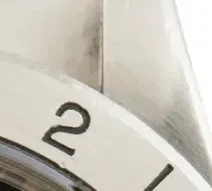
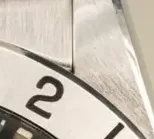
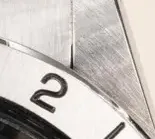
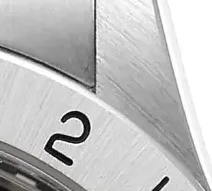
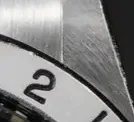
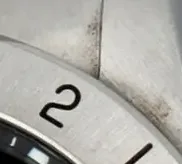
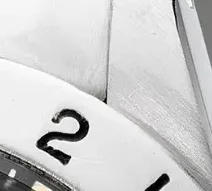
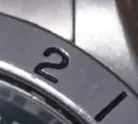
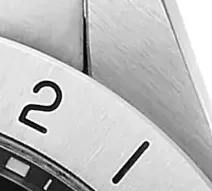
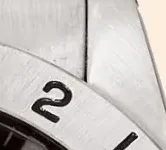
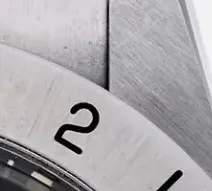
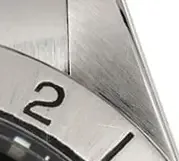
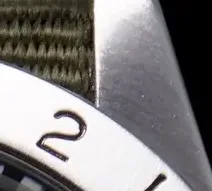
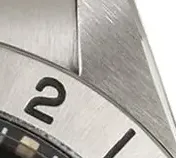
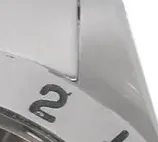
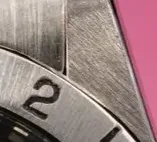
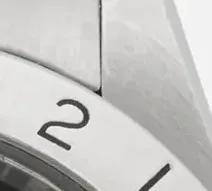
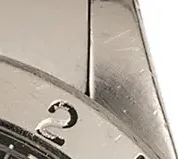
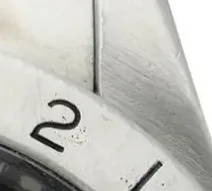
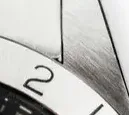
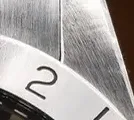
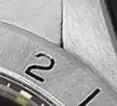
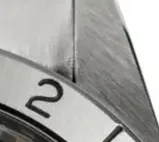
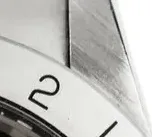
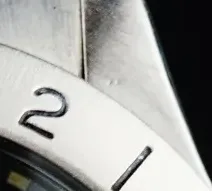
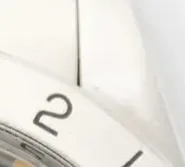
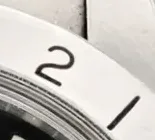
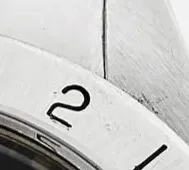
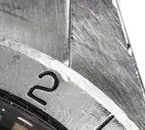
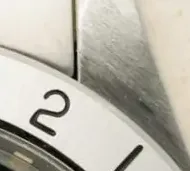
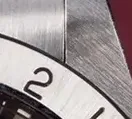
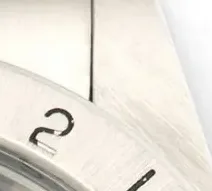
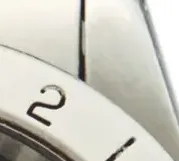
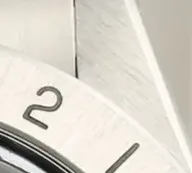
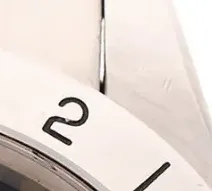
Illustrated history of the 1655: every change set out with close-up photographs of dated watches.
Chronology
Introduction in 1971 is agreed everywhere; the end is given as 1984 or 1985, and case numbers in the records run to 1984.
Every dated variant: what is written, and what the records show
For the reference the marks are every dated watch; for a variant, the watches a seller names as that variant, so a variant sellers do not name has none.
The reference's own marks are dated by case number. A variant's marks use the year each seller states, so a variant can show watches in a year where the row for the reference shows fewer, or none.
Specification
| Case | Steel Oyster case, given as 39 mm (marketed as 40 mm); thick, with brushed tops and polished sides and extra crown guards; screw-down crown and back; the back is not engraved |
| Crystal | Acrylic, domed |
| Bezel | Fixed steel, 24-hour scale engraved in the steel (no insert), even hours as numerals and odd hours as hash marks; lines, not arrows, between numerals |
| Dial | Matte black; 24 offset tritium markers in the minute track; baton at 6 and 9, triangle at 12; date at 3 under a Cyclops, with the 3 index removed |
| Hands | Plain stick hour and minute hands with tritium; large orange arrow 24-hour hand; straight or lollipop seconds |
| Movement | Calibre 1575 (winding bridge often engraved 1570), 19,800 vph, hacking, date; 24-hour hand cannot be set independently; about 44 to 48 hours reserve |
| Bracelet | Oyster, riveted on early watches, then the folded-link 7836 with 280 or 380 end links, then the solid-link 78360 with 580 |
| Water resistance | 100 metres |
Dial 8 described
The 1655 dial is matte black, the only colour offered, with painted indices and a 24-hour scale of offset tritium markers inside the minute track. Five production Marks were made by Stern, told apart by the font, the shape of the coronet and the text at the foot; two service dials by Beyeler were made later, making seven in all. The records count seller-stated Marks of 1, 2, 3, 4 and 5, plus Frog Foot and Rail.
Mark I
Wide coronet, with a rounded foot on the R of ROLEX; the bottom line reads T SWISS T. Early examples are paired with a straight seconds hand without lume.
- wide coronet
- rounded foot on R
- T SWISS T
Mark II
Splayed coronet with heavier tip dots, narrower PERPETUAL with the top of the L aligned to the X of ROLEX, and T SWISS T. Dated watches that sellers describe this way fall mostly between 1973 and 1975; those are the years of the watches so described, which is not a stated span of production.
- frog-foot coronet
- narrow PERPETUAL
Mark III
case numbers 3.7M example of 1973 is called very early
Wide symmetrical coronet, with the Cs in CHRONOMETER and CERTIFIED aligned vertically so a gap runs between the two lines. Still T SWISS T. Also seen on some 1665 Sea-Dwellers.
- wide symmetrical coronet
- vertical gap in text
Mark IV
Narrower, taller coronet and T SWISS < 25 T in a serif font, marking tritium under 25 millicuries. Dated watches that sellers describe this way fall mostly between 1978 and 1979; those are the years of the watches so described, which is not a stated span of production.
- tall narrow coronet
- serif T SWISS < 25 T
Mark V
The last production dial. The bottom line, T SWISS < 25 T, is set in a face without serifs, and the coronet is narrower, with a larger oval at its base.
- sans-serif T SWISS < 25 T
- larger oval at base of coronet
Cream (Polar)
Some accounts say many examples have a cream dial called Polar; others say the reference came in black only. Sellers describe a few as cream.
Offset 24-hour markers
Offset squares and rectangles inside the minute track form the 24-hour scale, with longer inner markers at five-minute or 12-hour positions, all tritium. Rolex added them to line up with the bezel numerals since lume on the bezel was impractical. Some collectors call it the Disco Dial.
- checkerboard markers
- 24 tritium marks
Service dials
Two service replacement dials, by Beyeler, were stockpiled for later servicing; sellers describe some watches as service-replaced.
Luminous material 1 described
Tritium on all markers and hands, ageing to cream or amber; a good example shows intact lume in the orange hand.
Tritium
Sellers state tritium on many watches; relumed hands are common, so the lume on dial and hands should age alike.
Hands 4 described
The hour and minute hands are plain sticks, lumed with tritium over most of their surface; they are not Mercedes hands. The orange 24-hour hand is an oversized arrow, enlarged to carry more tritium, and it tracks the hour hand. Two seconds hands are described.
Straight seconds
A thin straight needle painted white, without lume, on the first watches; paired with the first dial and bezel and most wanted by collectors.
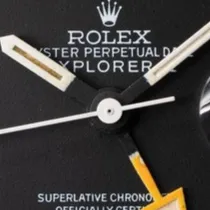
56 listings on record under the name.
Lollipop seconds
A lollipop with a lume bubble replaced the straight hand, about 1973 in one account and 1974 in another.
- lume circle on seconds
Orange 24-hour hand
Orange with a lume-filled triangle; early watches carry it from launch. Sellers call a hand faded to pale yellow albino.
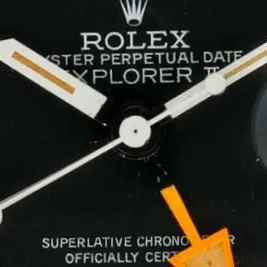
123 listings on record under the name.
Red 24-hour hand
One account says watches after 1975 have a bright red hand; another says it started red and has aged to orange, and nearly all now look orange through fading.
- red or orange arrow
Bezel 4 described
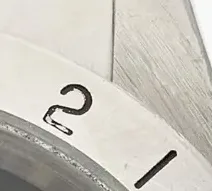
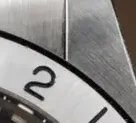
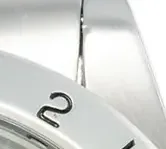
The bezel is fixed, steel, with the 24-hour scale engraved in the steel; even hours are numerals and odd hours hash marks. The numerals vary over the run: an original 1 has a short stick and the 2 a distinct form, in a bold typeface, whereas replacement bezels have a long-stick 1 and thinner lettering. The records carry seller-stated Marks of bezel too.
Bezel 1
Thick numerals set very near the inner edge, so not centred; used with Mark I and II dials.
- thick low numerals
Bezel 2
Thick centred numerals, on some Mark I watches but mostly Mark III and IV.
- thick centred numerals
Bezel 3
Thin centred numerals, on some Mark III and mainly Mark IV.
- thin centred numerals
Bezel 4
Thin numerals and a long hook at the top of the 1s, with Mark V dials; a service bezel also exists.
- long hook on the 1
- thin font
Case 2 described
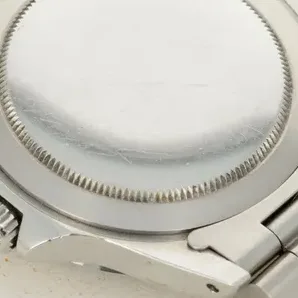
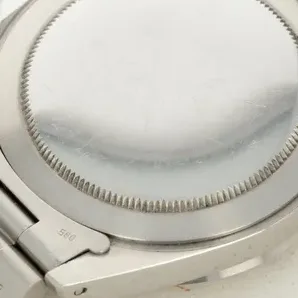
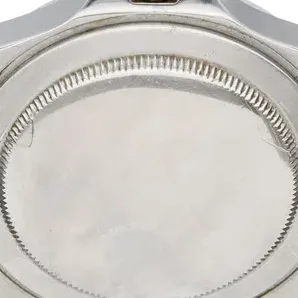
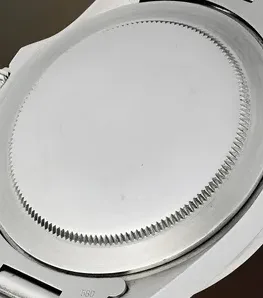
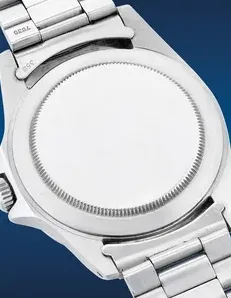
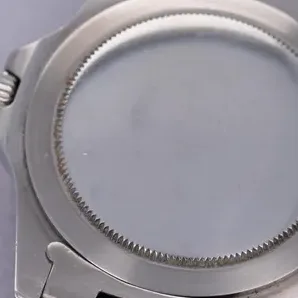
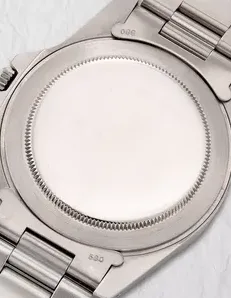
The case is thick, with big lug facets on good examples; heavily worn ones are over-polished. Casebacks were not engraved. Sellers record pointed crown guards on a few watches, and quote date stamps inside the caseback on some.
Steel Oyster 39 mm
Brushed tops, polished sides, crown guards. The case is given as 39 mm, though one account says 40 mm.
- fat lug facets
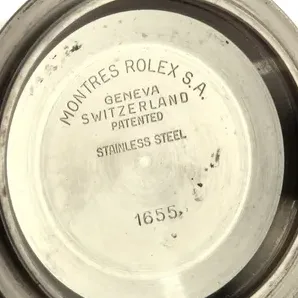
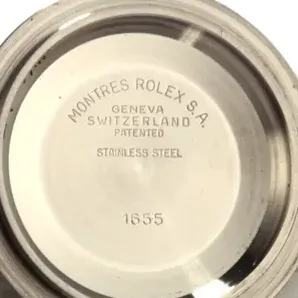
Smooth caseback
Not engraved by Rolex.
- unmarked caseback
Crystal 1 described
Acrylic is the only crystal of the 1655, and the only one among Explorer IIs; it is said to resist shattering better than sapphire.
Acrylic
Domed acrylic, the only crystal fitted to the 1655.
Date 1 described
Date at 3 with a Cyclops, the 3 index removed for it. No quickset.
Date at 3
Seen on every example.
- Cyclops at 3, no index at 3
Movement 2 described
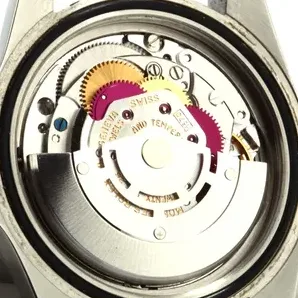
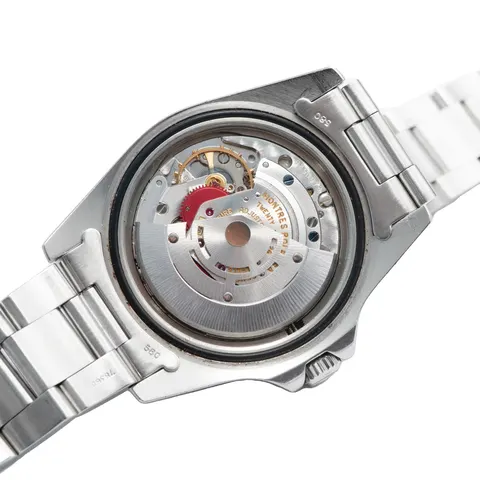
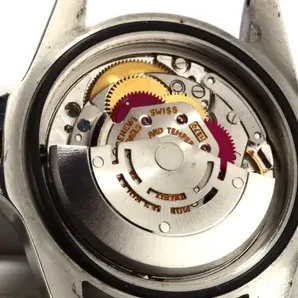
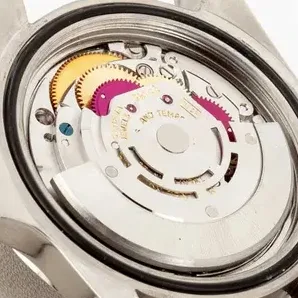
Calibre 1575, the date version of the 1570 base, with hacking seconds and chronometer certification, as in the GMT-Master 1675. Its automatic winding bridge is often engraved 1570, the number of the base calibre, which is why some accounts and most sellers name a 1570. It is 19,800 vph and 26 jewels in most accounts. The 1655 is in effect a GMT-Master 1675 with a fixed bezel, and is the only Explorer II whose hour hand cannot be set independently.
1570 on the bridge
The winding bridge of the 1575 is often engraved 1570, the number of the base calibre. Sellers name the 1570 far more often than the 1575, most likely from that engraving.
Calibre 1575
Named as the movement in most published accounts; hacking seconds, 48 hours reserve in some accounts.
Bracelet 3 described
A three-link Oyster, riveted on early watches and folded by the mid-1970s. Early watches carry the folded-link 7836; later ones the solid-link 78360 with 580 end links.
Folded Oyster 7836
The folded-link bracelet of the early watches; end links 280 and 380. Some early watches are on riveted bracelets instead. Sellers record it mostly on watches of the early 1970s.
- 7836
- folded links
Solid Oyster 78360
The usual later bracelet, with solid links and end links 580. One account describes its links as folded.
- 78360
- 580
Other bracelets
Sellers also record a few Jubilee bracelets and reference 93150.
Originality
- Heavily frankensteined: service dials, swapped hands and relumed orange hands turn up often, so dial and hands should show the same age.
- Replacement bezels look lighter and softer in print, the elongated stick of the 1 being the easiest tell.
- Over-polishing removes the lug facets.
Names
- Freccione. Italian for big arrow, from the orange arrow hand.
- Steve McQueen. The name is attached to the reference by sellers, but most published accounts say he never wore one and that the name came from advertising; the claim is disputed.
- Frog Foot. The Mark II coronet splays like a frog's foot.
- Rail Dial. The aligned text lines on Mark III leave a vertical gap.
- Albino. Sellers' name for a watch whose orange 24-hour hand has faded to a pale yellow.
Where accounts differ
Points on which the published literature and the library's own records do not agree, or on which the literature contradicts itself.
- Movement. Most accounts name calibre 1575 as the 1655's movement; two accounts and lesrhabilleurs say a 1570 or a 1575 was fitted, and monochrome that some early watches are stamped 1570. Accounts of the 1575 elsewhere explain that its winding bridge is engraved 1570, the number of the base calibre. The library's records name the 1570 far more often than the 1575.
- Dial colour. One guide says many 1655s have a cream dial called Polar, against others who say matte black was the only colour. In the library's records black dials greatly outnumber cream ones.
- Case size. One guide gives 40 mm where others give 39 mm. Sellers in the records give 40 mm and 39 mm about equally often, and 38 mm less often.
- End of production. Guides put the end in 1984 or mid-1985. Case numbers in the records end in 1984, with the 16550 appearing near 8.40M.
- Jewel count and reserve. The movement is given as 26 jewels by most guides and 25 by one; reserve is 44 hours in one and 48 in others.
- Oyster 78360 construction. Most accounts describe the 78360 bracelet with 580 end links as solid-link, the successor to the folded 7836; one account of the 1655 and its successor calls the 78360 folded-link.
Back and movement
From listings of this reference, each confirmed by eye to show what it is filed under. A picture on which a person's name or a personal engraving can be read is not shown. From most holders a detail from the middle of the photograph is shown; the mark in its corner gives its holder and a link to the listing.
Caseback
Inside the caseback
Movement


In the records
Counted from 577 listings at 51 holders between 16 October 2005 and 14 November 2026. These are what sellers and auction houses state, not measurements.
Fainter bars are the 13 outside the main run of 1972–1984 (the middle nine-tenths): the earliest is 1971. They are early and late examples, and now and then a number misread.
At the holders that record papers on every watch, 23% of their 31 listings of this reference come with papers; at those that record the box on every watch, 33% of 60 come with a box. "Papers" is whatever the holder counts as papers, and can include service papers.
1 listing dated long after the reference ended is set aside and not counted here: a year that late belongs to a later watch sold under the old number, or to a listing filed under the wrong one.
Case metal
| Steel | 304 | |
| Silver | 1 |
Dial colour
| Black | 198 | |
| Cream | 12 | |
| Orange | 2 |
Case size
| 40 mm | 87 | |
| 39 mm | 82 | |
| 38 mm | 51 |
Calibre named
| 1570 | 164 | |
| 1575 | 23 |
Bracelet or strap
| Oyster bracelet | 232 | |
| Metal bracelet, kind not stated | 36 | |
| Jubilee bracelet | 9 | |
| Leather strap | 1 |
Each table counts the listings that state the thing, in the seller's own terms. A size, metal, colour or calibre that cannot belong to this reference is a seller's slip or a listing filed under the wrong number.