Navitimer Cosmonaute
The 809 is the first production Cosmonaute: a Navitimer with a 24-hour dial, made from 1962 to 1971. It came out of a request from the astronaut Scott Carpenter, who wore a prototype on the Aurora 7 flight in May 1962. A modified Venus 178 turns the hour hand once in 24 hours, and the slide rule bezel is kept. The innermost scale was changed from the Navitimer's. It was made in steel and gold-filled cases, with a few in solid gold, and has no water resistance. Later 809s carry a Valjoux 7736.
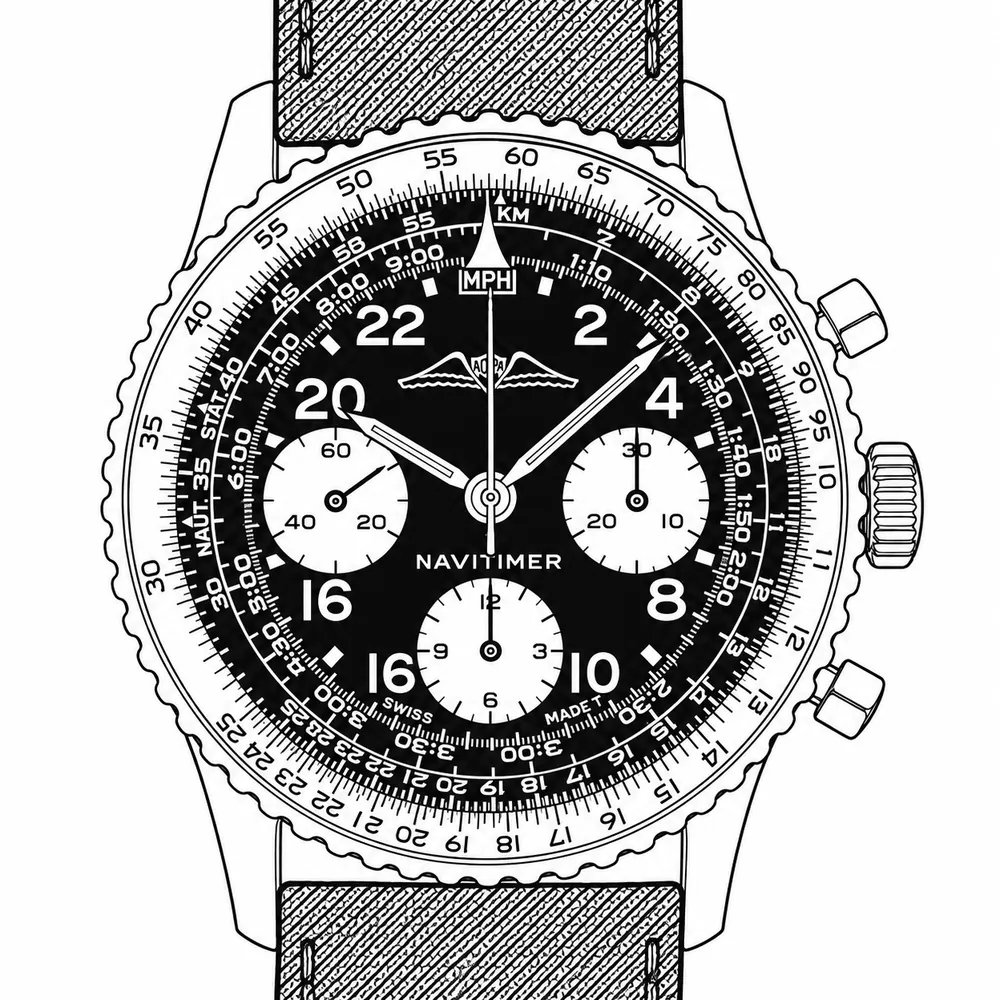
- Made
- 1962–1971dates approximate
- Seen in the library
- 1962–1973by years sellers state
- Case
- 40 mm · steel (95%)as sellers state
- Movement
- Calibre 178hand-wound
- On record
- 59 listings102 photographs · 19 holders
Components
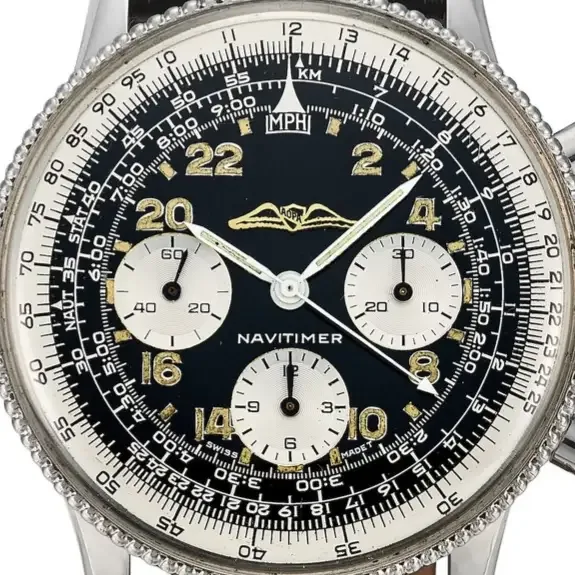
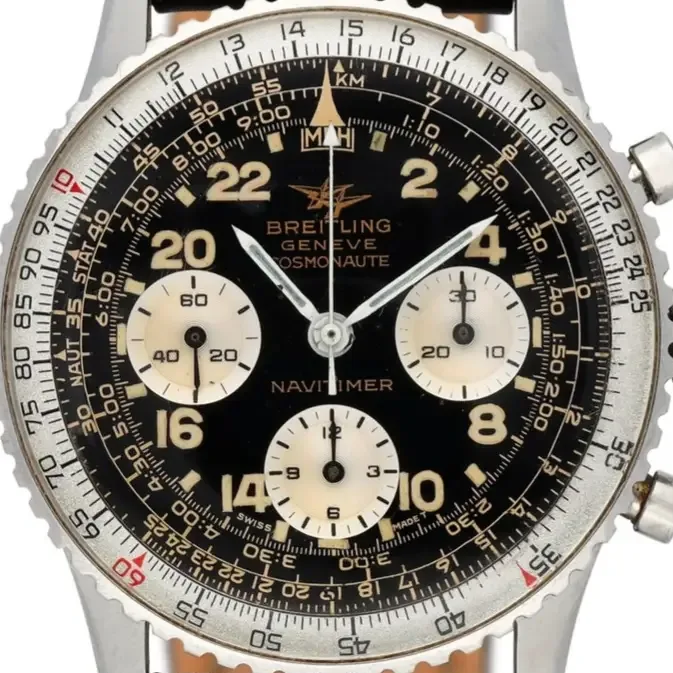
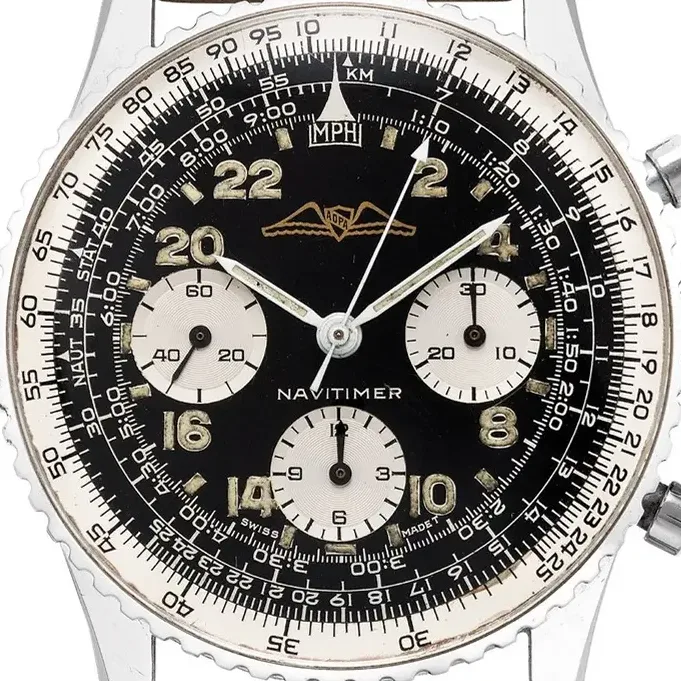
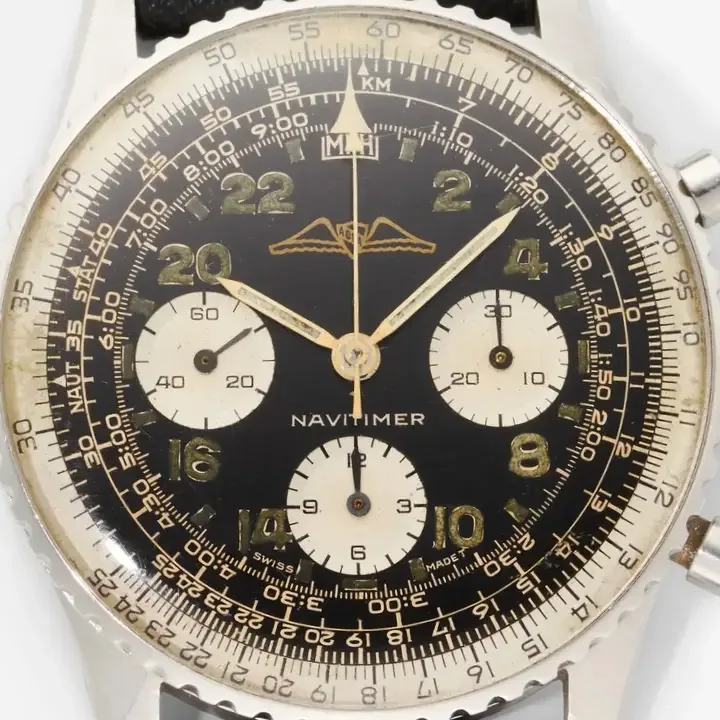
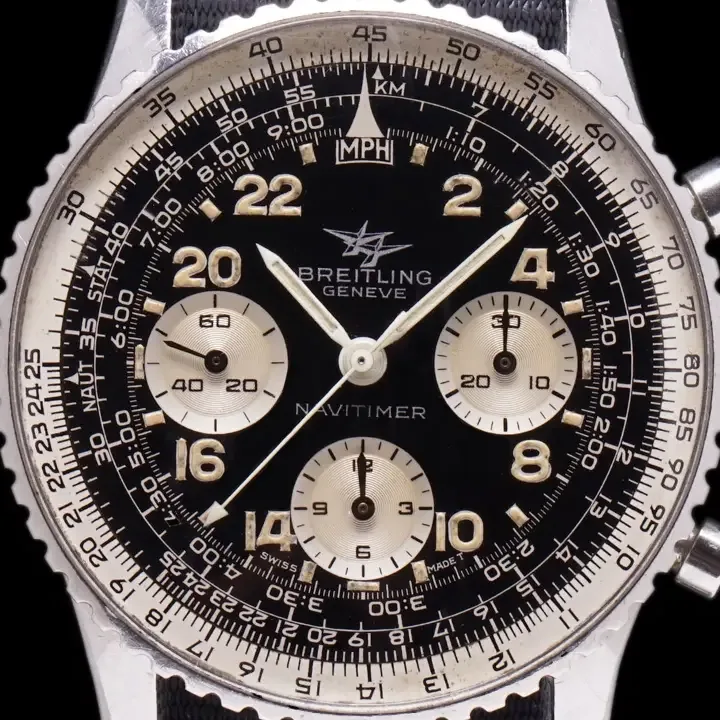
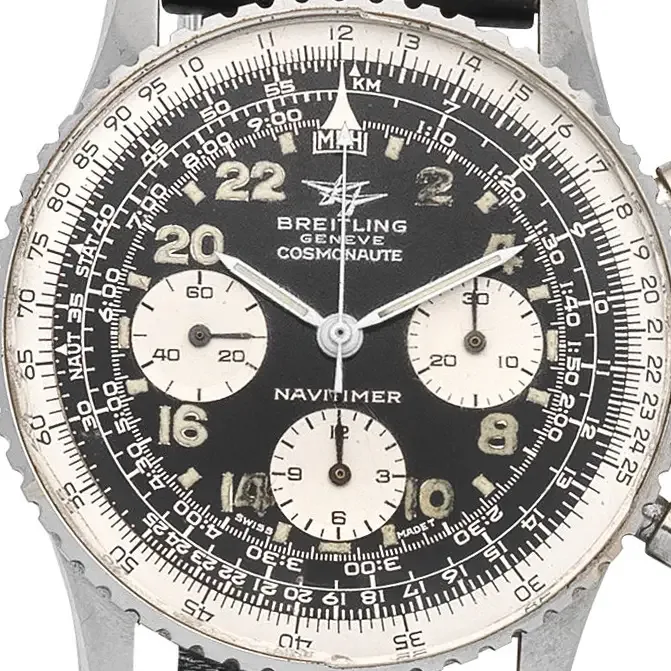
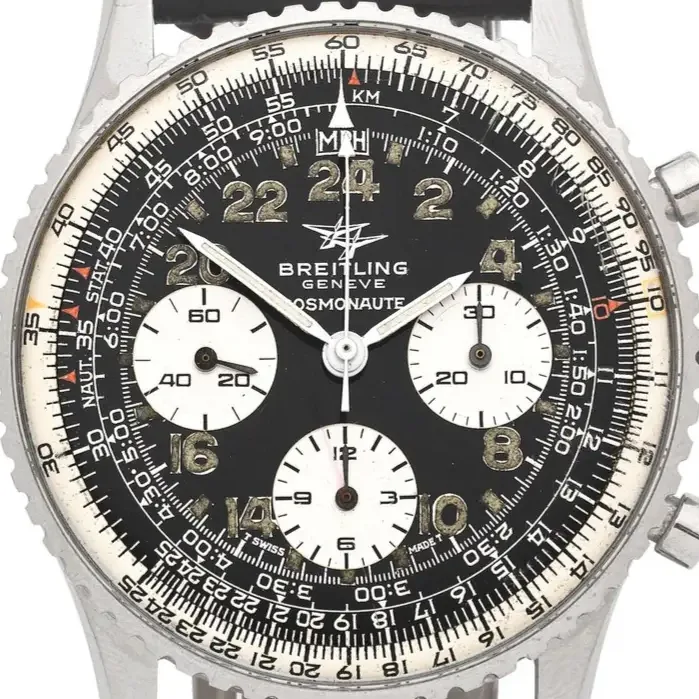
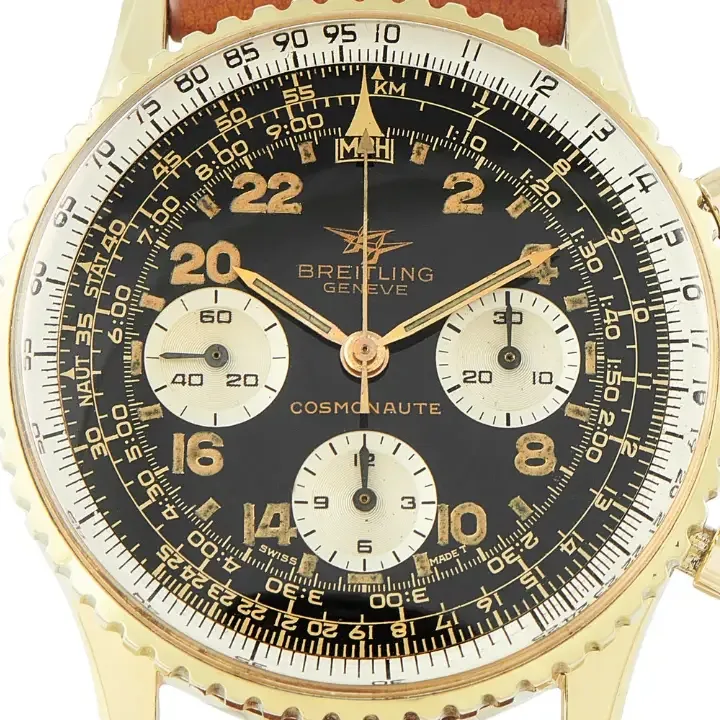
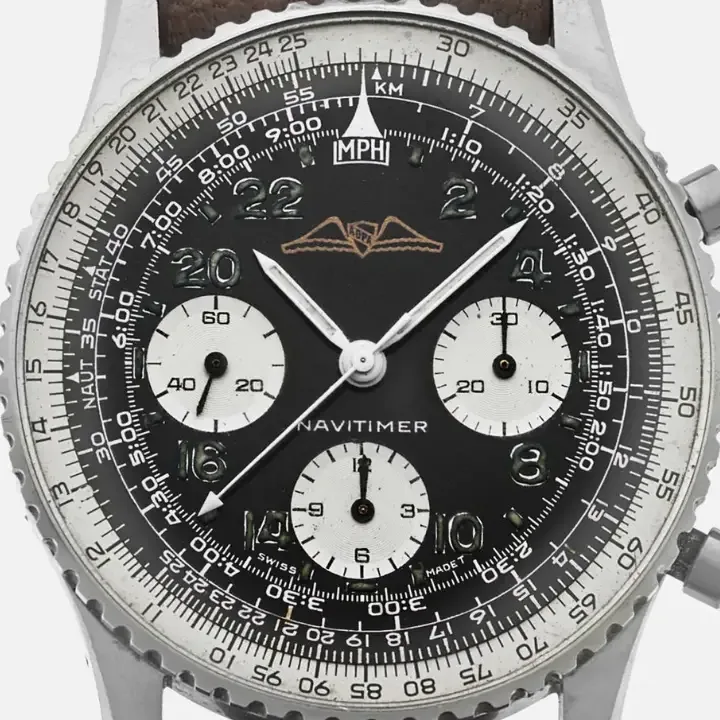
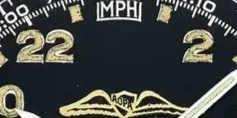
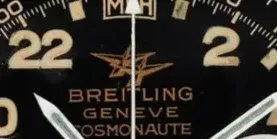
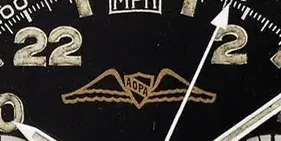
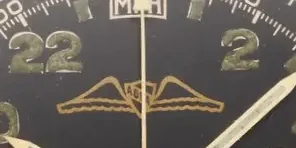
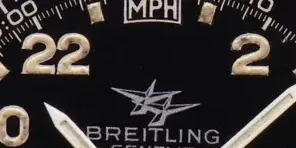
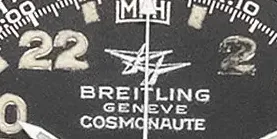
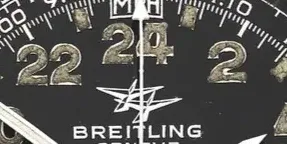
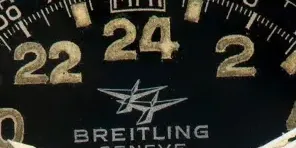
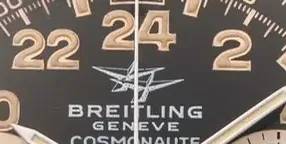
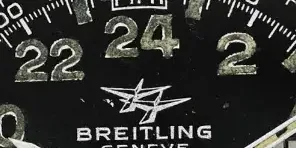
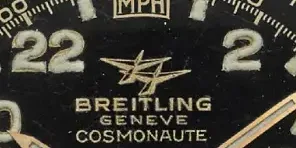
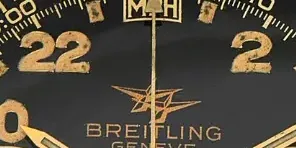
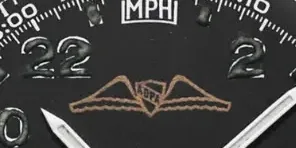
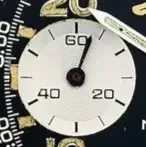
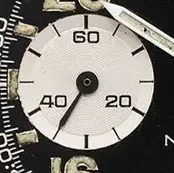
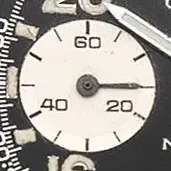
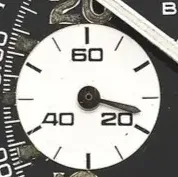
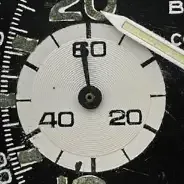
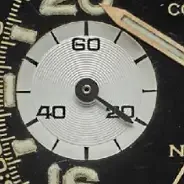
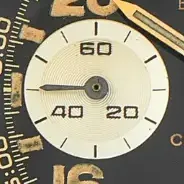
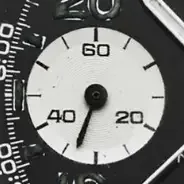
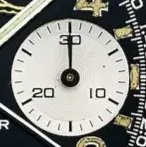
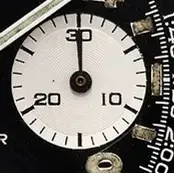
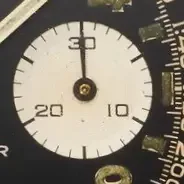
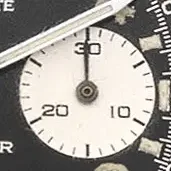
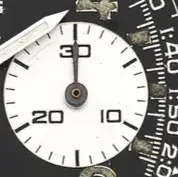
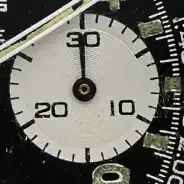
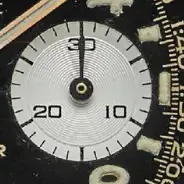
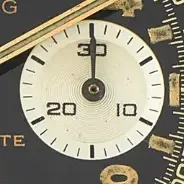
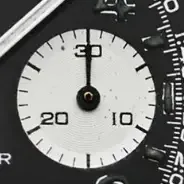
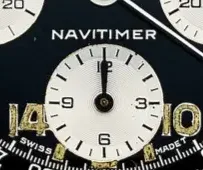
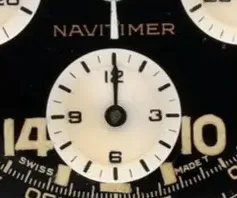
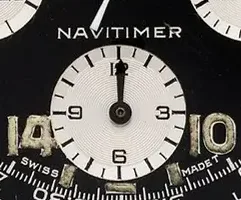
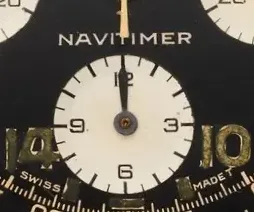
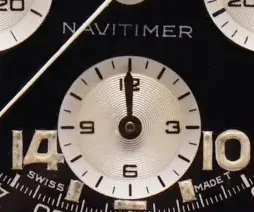
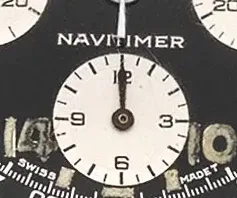
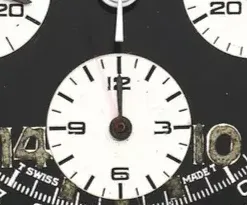
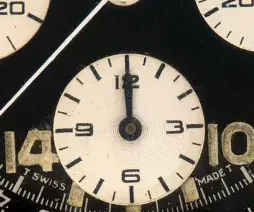
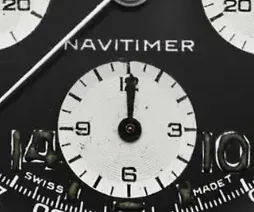
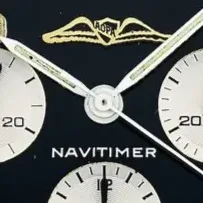
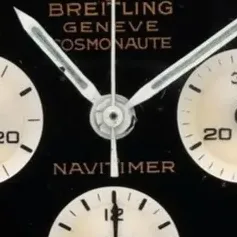
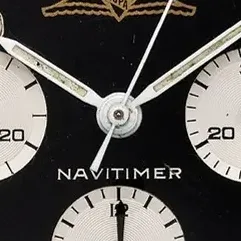
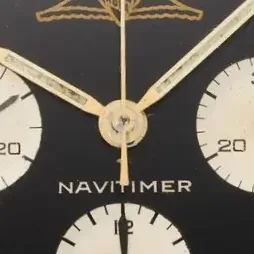
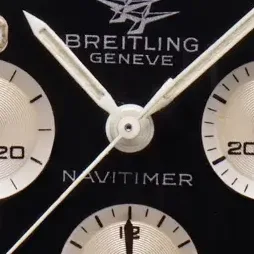
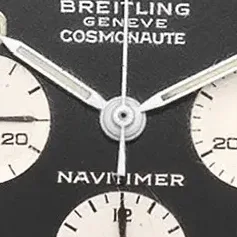
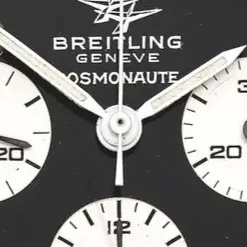
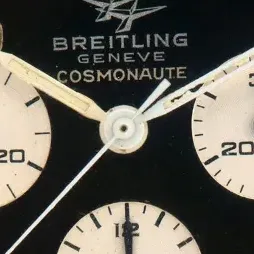
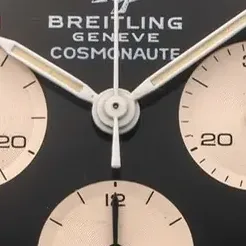
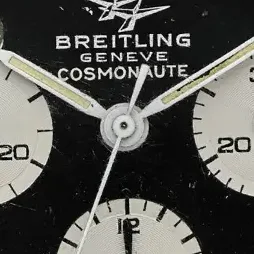
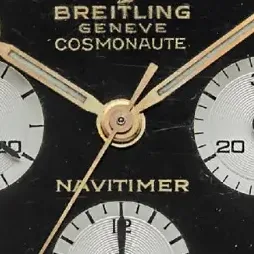
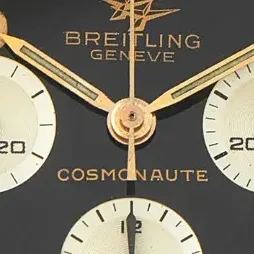
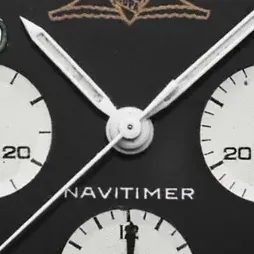
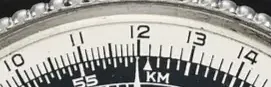
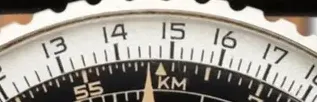
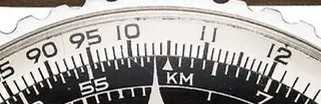
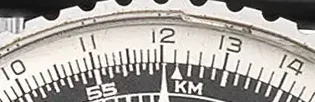
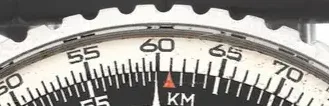
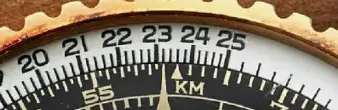
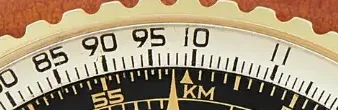
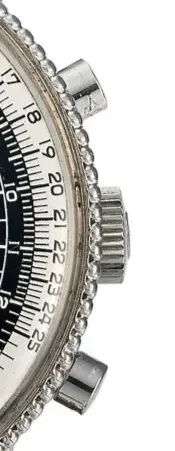
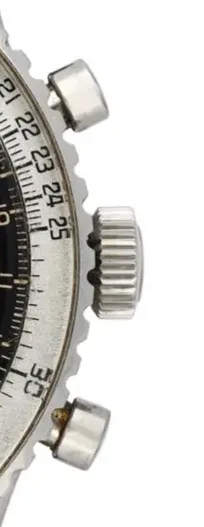
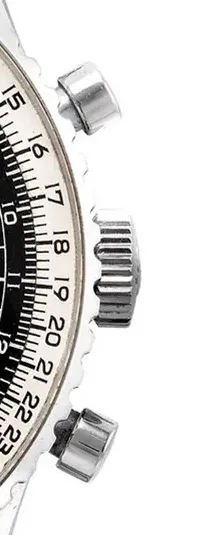
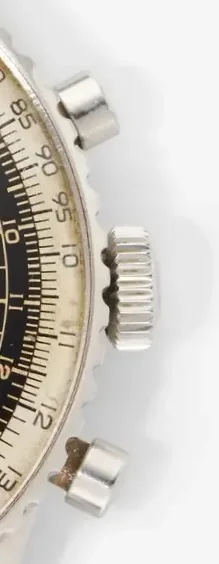
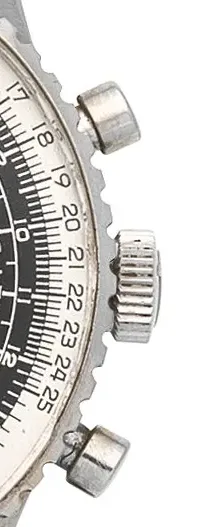
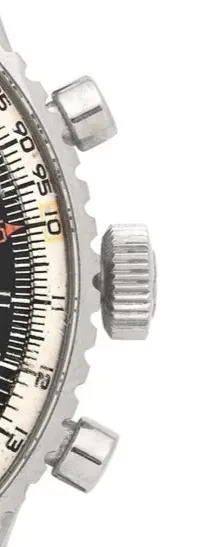
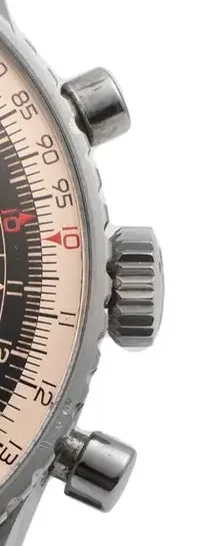
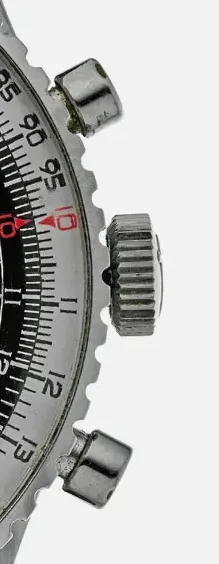
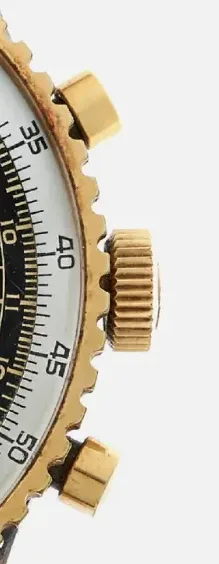
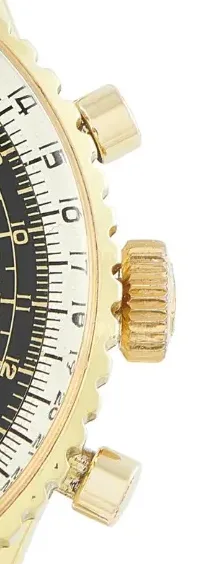
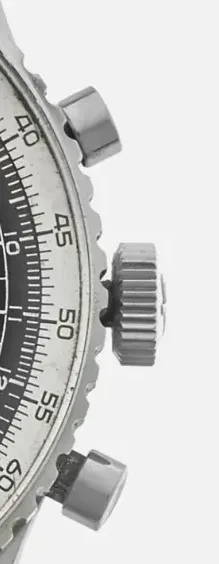
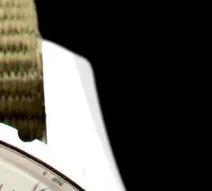
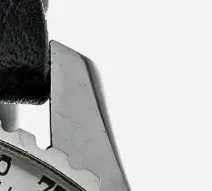
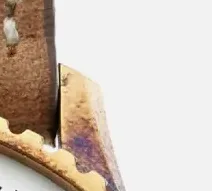
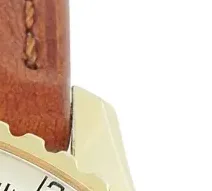
13 watches, oldest first, each straightened and cut the same way so that one row shows one component across them all. Chosen from 102 photographs on file for sharpness and for a face typical of the reference. A year marked c. is one its holder gives only roughly. Each picture is a detail cut from a listing photograph. Select the small mark in its corner for its year, its holder, a link to the listing it came from, and a way to report it.
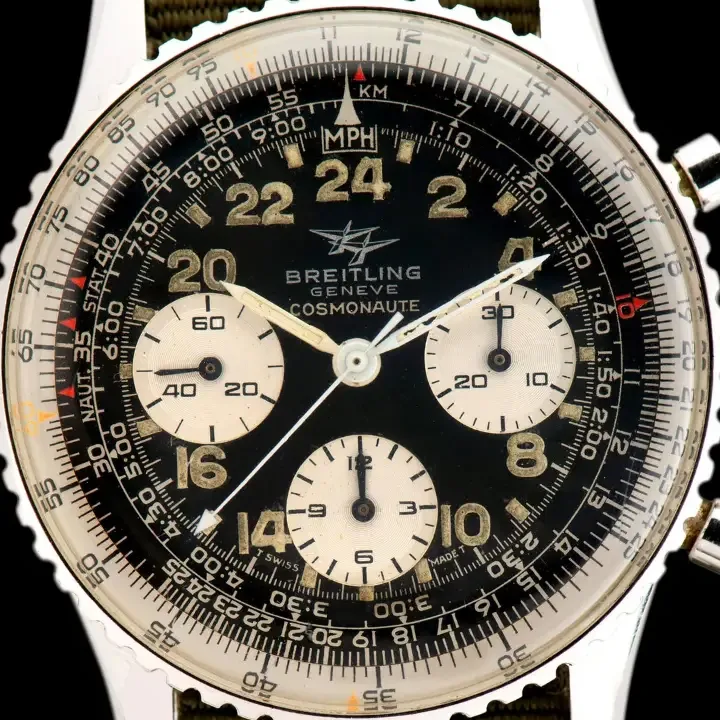
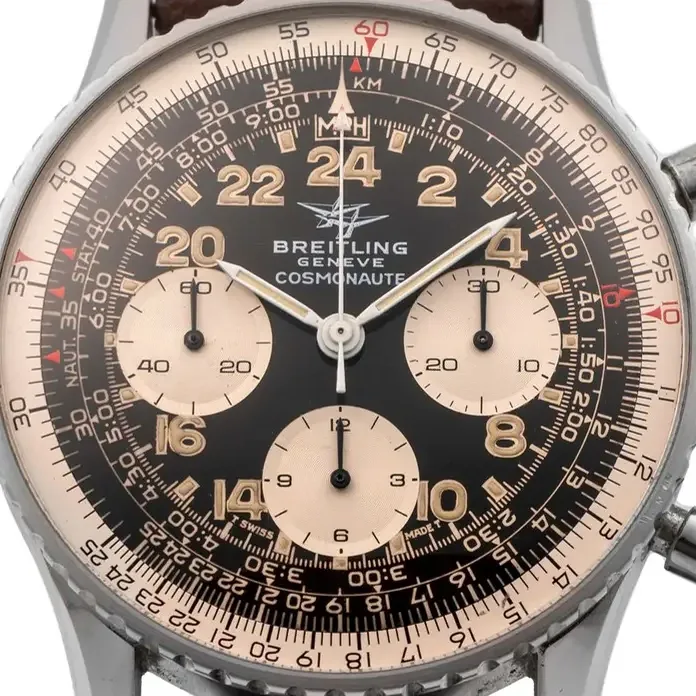
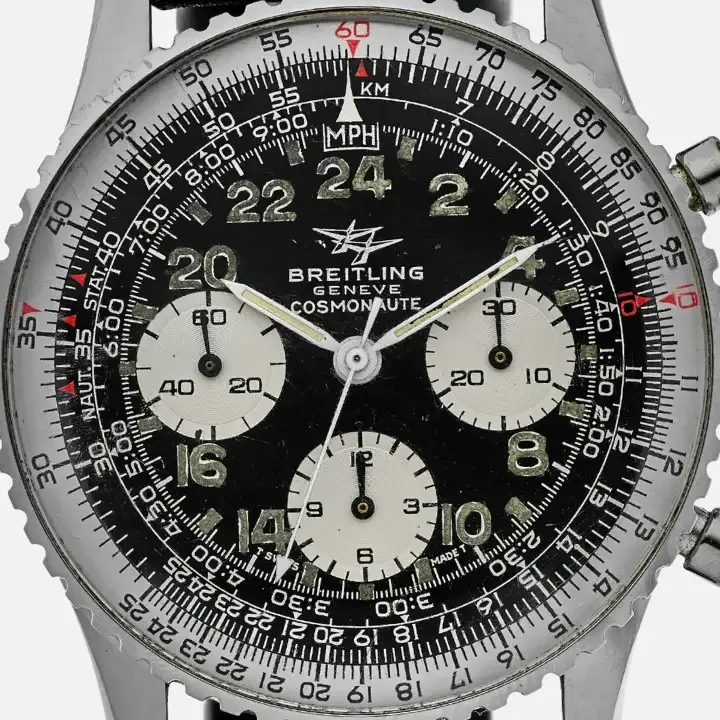
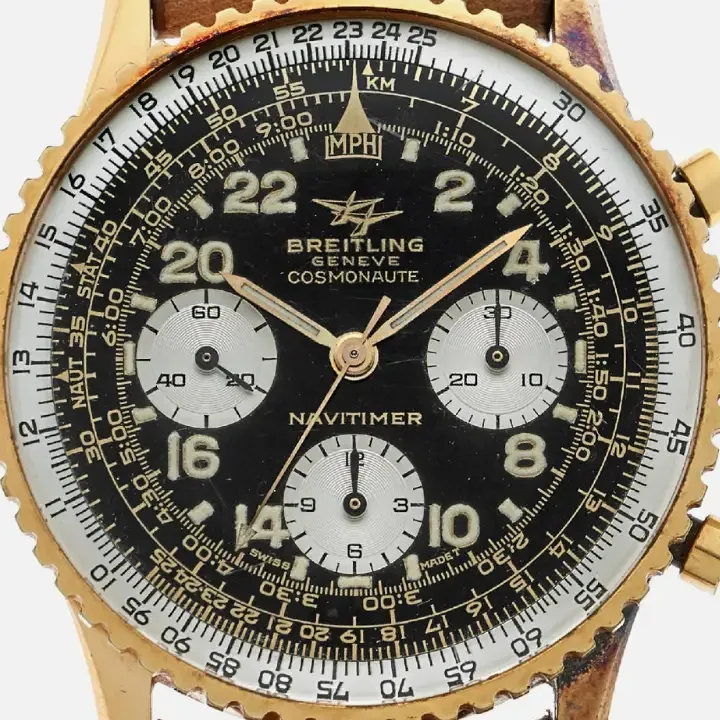









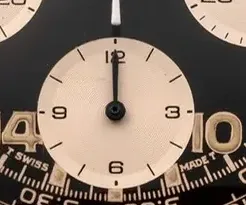
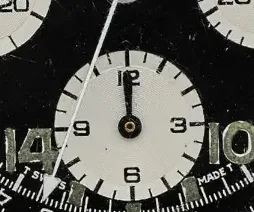
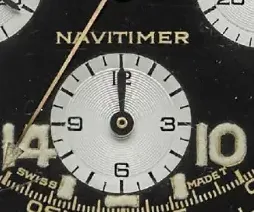
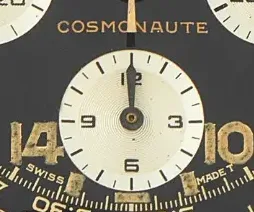











Chronology
The usual dating is 1962 to 1971, but dated watches in the library's records run to 1973.
Every dated variant: what is written, and what the records show
For the reference the marks are every dated watch; for a variant, the watches a seller names as that variant, so a variant sellers do not name has none.
Specification
| Case | 41 mm; stainless steel, gold-filled steel, or solid gold in four examples made for the King of Jordan; 22 mm lugs |
| Crystal | Domed acrylic |
| Bezel | Knurled rotating slide rule bezel; early watches have a wide beaded bezel |
| Dial | 24-hour dial with three registers at 3, 6 and 9 o'clock and slide rule scales |
| Movement | Venus 178 hand-wound, modified to a 24-hour hand, for most of production; Valjoux 7736 hand-wound at the end of the run |
| Bracelet | Leather strap or steel mesh bracelet |
| Water resistance | None |
Reference 2 described
The 809 covers the original production Cosmonaute. Variants of the reference number mark the movement, and the later 819 and 1809 are separate 'fried egg' Cosmonautes.
809 Venus
The first production Cosmonaute, nearly the same as the modified 806 that Carpenter wore. It holds a Venus 178 with a half-speed hour hand. The AOPA wings logo on the dial usually goes with this movement.
- AOPA wings
- Venus 178 movement
809-E and 809-36
Reference numbers for the later type with a Valjoux 7736.
- Valjoux 7736
Dial 5 described
All production dials are 24-hour layouts with the hour hand making one turn a day and noon shown at the bottom. The dial text and logo vary, and several combinations occur. Early dials are black.
All-black, applied AOPA wings
The earliest dials are black, with gold applied wings of the Aircraft Owners and Pilots Association in place of a Breitling logo, and the early dial may bear no Cosmonaute text. The numerals are applied and filled with tritium that ages to cream. Sellers call this type Scott Carpenter, and some describe an early black dial as Mk II.
- all-black dial
- gold applied AOPA wings
- no Cosmonaute wording on the earliest
Twin jets dial
From the mid-1960s a twin-jet logo appears in place of the AOPA wings. It is found on watches with the Venus 178 as well as on the later Valjoux type, so it does not tell the two apart. The dial is lettered Cosmonaute and Navitimer in various combinations.
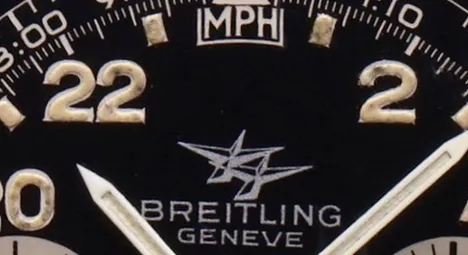
- Cosmonaute under logo
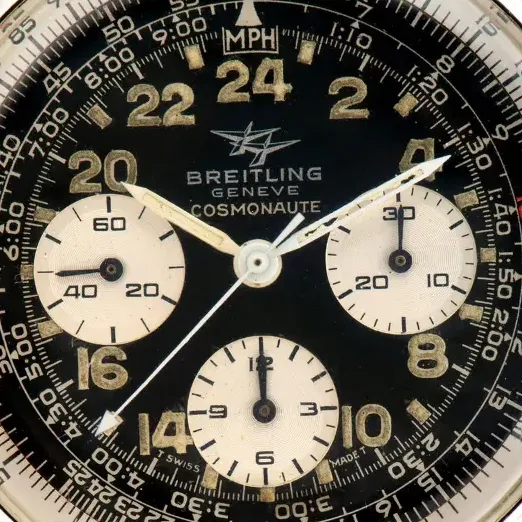


Text variations
Some dials lack the Navitimer text and others show only Navitimer, with or without Cosmonaute. Some carry the wings, some the twin jets and some a combination. The MPH figures have serifs on the dials of some watches. Many minor dial variations are noted among early Cosmonautes.
- Navitimer, Cosmonaute or both
- MPH with serifs
Gilt dial, gold-filled case
Gold-filled watches have gilt dials.
- gilt dial
Innermost scale
The production 809 replaces the Navitimer's tachymeter ring with a converter from tens of minutes to hours and minutes, intended to time a mission. The inner ring shows 1:10 under 7 in the middle ring. A report on a 1962 wide-bezel watch says instead that the hours and minutes scale was taken out of the slide rule.
- innermost ring reads hours and minutes
- three longer markers on the 30-minute register
Luminous material 1 described
Tritium was used on the applied numerals and hands, and has aged in different ways.
Tritium
Tritium on a clean example has aged to cream. Many watches show black, moisture-damaged lume instead, and the lume shapes on the dial are generous, including large numerals for 16, 20 and 22.
- cream tritium
- black damaged lume
Hands 1 described
The original hands are a distinctive set whose loss is common.
Original hands
Replaced hands are a recurring problem; a correct set is hard to find.
- correct original hands
Bezel 2 described
The slide rule bezel is knurled in the Navitimer pattern; the earliest bezel is a wide, beaded one.
Wide beaded bezel
The wide bezel of the earliest watches tapers outwards and has beads, giving a case about 42.5 mm across against about 40.5 mm for a standard Navitimer. It is said to have been widened so as to turn in gloves. Watches with it are dated to the early 1960s.
- wide tapering beaded bezel
Straight-cut ridged bezel
A tall, straight-cut ridged bezel on watches of the middle 1960s, which looks more modern and taller than the beaded type.
- straight-cut ridged bezel
Case 3 described
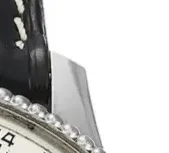
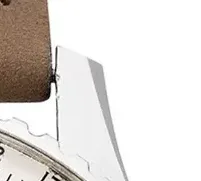
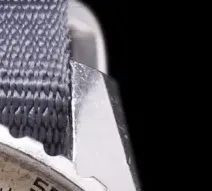
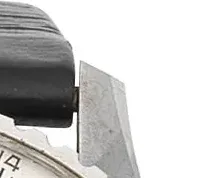
A 41 mm case with long, sharply chamfered lugs and matte flanks, not water resistant.
Steel case
Stainless steel, 41 mm, with chamfered lugs, a large signed crown and short pump pushers.
- sharp chamfered lugs
- matte sides
Gold-filled case
A gold-filled steel case, thicker than plate, offered alongside steel. Such watches are described as cheaper than comparable steel ones.
- gold-filled case
Solid gold case
Four solid gold watches are recorded, made for the King of Jordan.
- solid gold case
Crown and pushers 1 described
A big signed crown.
Signed crown
The large signed crown and short pushers belong to the middle 1960s examples described.
- large signed crown
Crystal 1 described
The crystal is acrylic and high-domed.
Domed acrylic
The crystal is acrylic, high-domed.
- domed acrylic crystal
Movement 2 described
Two movements are used: the Venus 178 for most of production and the Valjoux 7736 at the end.
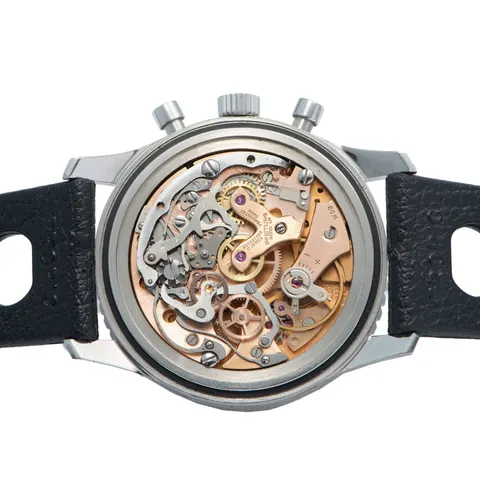
Venus 178, modified
A column-wheel, hand-wound chronograph with 17 jewels and about 45 hours of power reserve, adapted so the hour hand moves at half speed. A 1962 movement is described with curved 'Breitling Watch Ltd' text, and watches sold in the United States carry a WOG import code for the importer, Wakmann.
- column-wheel Venus 178
- WOG import code on US-market watches
Valjoux 7736
Used in the last years of the 809 after Venus was absorbed by Valjoux. It is cam-actuated, so the chronograph feels less smooth than the column-wheel Venus, and the Venus is the more favoured.
- Valjoux 7736
Bracelet 1 described
Leather straps and steel mesh bracelets are given.
Strap and mesh bracelet
The lugs take a 22 mm strap. Both leather and steel mesh are mentioned.
- 22 mm lugs
Originality
- Dials are often heavily damaged, and the lume may have been blackened by moisture.
- Slide rules are often replaced or damaged.
- Hands are often replaced, and correct ones are scarce.
- Green deposits on the slide rule edge show perspiration or moisture entry past the crystal or bezel.
Names
- Cossie. A collectors' short form of Cosmonaute.
- Scott Carpenter. The name for the early all-black dial with wide beaded bezel, the type worn on the 1962 flight.
Where accounts differ
Points on which the published literature and the library's own records do not agree, or on which the literature contradicts itself.
- Innermost dial scale. One guide says the production 809 swaps the tachymeter for a tens-of-minutes to hours-and-minutes converter; another says the hours-and-minutes scale was taken off an early 1962 watch. The two may describe different dial types and the library holds no scale readings to decide.
- End of production. One guide gives 1962 to 1971 for the first-generation 809. The library's records hold watches stated as 1973, among them two auction lots of an 809-36 and a King of Jordan piece.
Back and movement
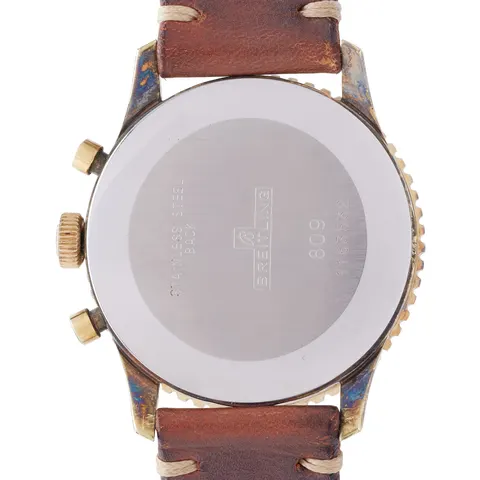
From listings of this reference, each confirmed by eye to show what it is filed under. A picture on which a person's name or a personal engraving can be read is not shown. From most holders a detail from the middle of the photograph is shown; the mark in its corner gives its holder and a link to the listing.
Caseback

Movement

Catalogue versions 1 listed
The full numbers under which holders list this reference, with what their listings say of each. Each has a page of its own.
| Version | Metal | Dial | Years seen | Records |
|---|---|---|---|---|
| 809-36 thin | Steel | 1969–1973 | 2 |
In the records
Counted from 59 listings at 19 holders between 12 April 2006 and 14 November 2026. These are what sellers and auction houses state, not measurements.
Fainter bars are the 2 outside the main run of 1960–1970 (the middle nine-tenths): the latest is 1973. They are early and late examples, and now and then a seller's slip. The head of the page gives 1962–1973: the years that listings from two holders bear out.
Case metal
| Steel | 35 | |
| Gold, any colour | 2 | |
| Yellow | 1 | |
| Colour not stated | 1 |
A listing that says "gold" or "18K gold" names no colour: it is counted under "colour not stated", not as yellow gold.
Dial colour
| Black | 14 |
Case size
| 40 mm | 17 | |
| 41 mm | 11 | |
| 42 mm | 4 |
Calibre named
| 178 | 23 |
Bracelet or strap
| Leather strap | 17 | |
| Metal bracelet, kind not stated | 2 | |
| Strap, kind not stated | 1 | |
| Fabric strap | 1 |
Each table counts the listings that state the thing, in the seller's own terms. A size, metal, colour or calibre that cannot belong to this reference is a seller's slip or a listing filed under the wrong number.