Navitimer 806
The 806 is the manual-wind Navitimer, the Breitling pilot's chronograph whose rotating bezel carries a circular slide rule. Made from the 1950s into the mid-1970s, it was the standard Navitimer until the automatic 1806 arrived around 1969. It began with all-black dials, winged AOPA logos and a beaded bezel, moved to white-register reverse panda dials with a toothed bezel from about 1965, and ended with larger registers and the twin-jet logo. Most carry the Venus 178 movement; the earliest and a few later ones have Valjoux calibres. The case is about 41 mm. A limited re-edition of the 1959 watch appeared in 2019.
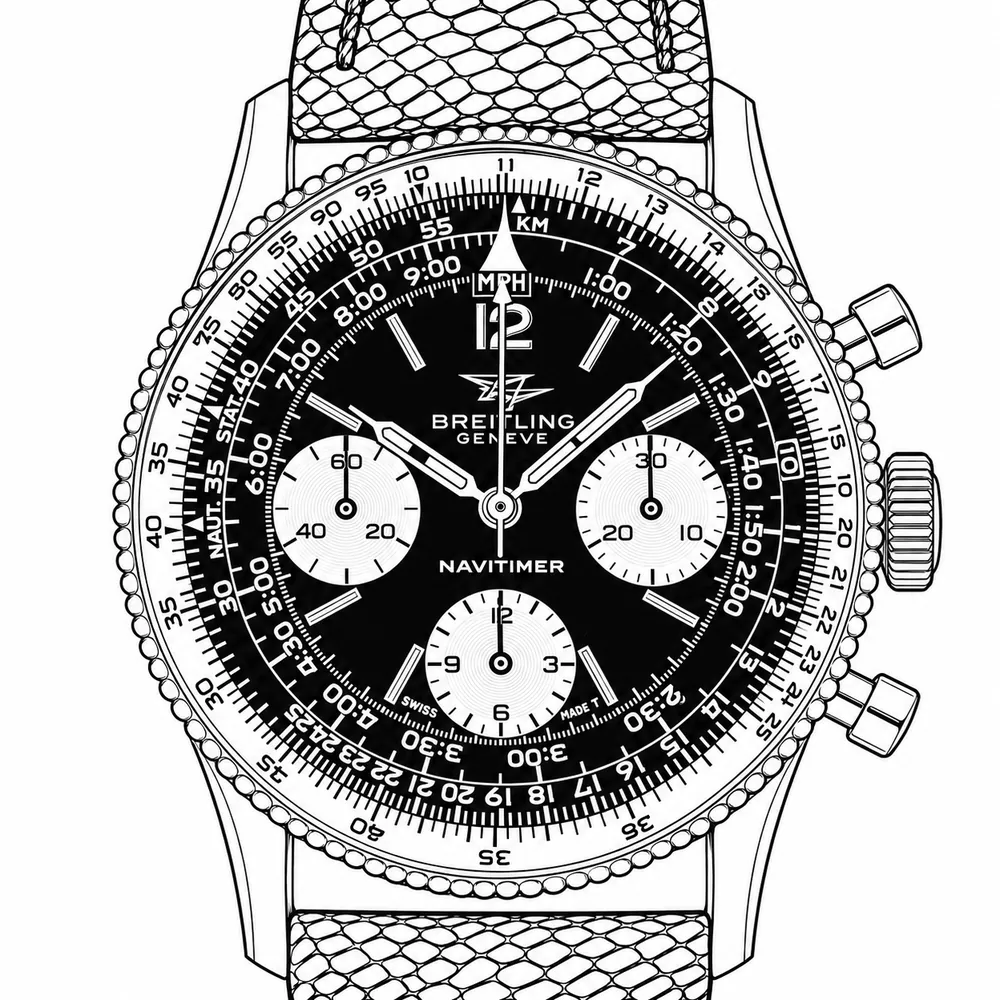
- Made
- 1952–1975dates approximate
- Seen in the library
- 1955–1972nine in ten in 1956–1970 · by years sellers state
- Case
- 40 mm · steel (87%), gold (12%)as sellers state
- Movement
- Calibre 178hand-wound
- On record
- 233 listings392 photographs · 42 holders
Components
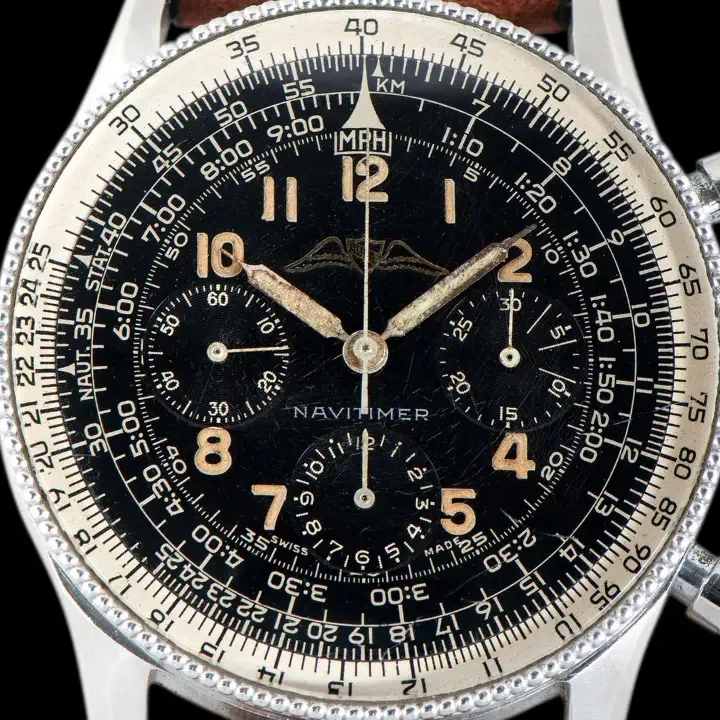
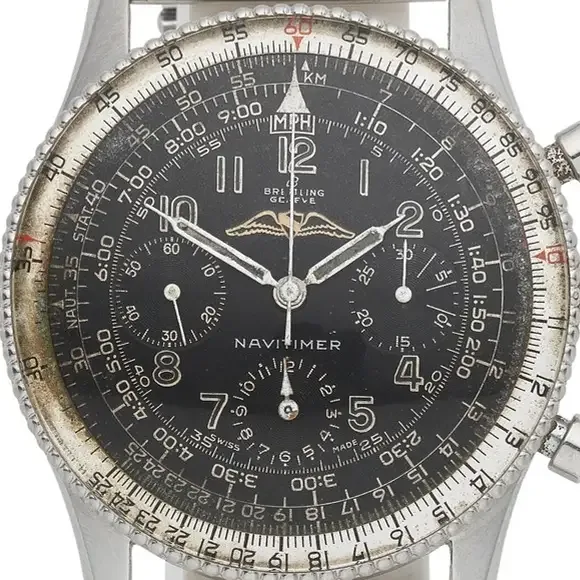
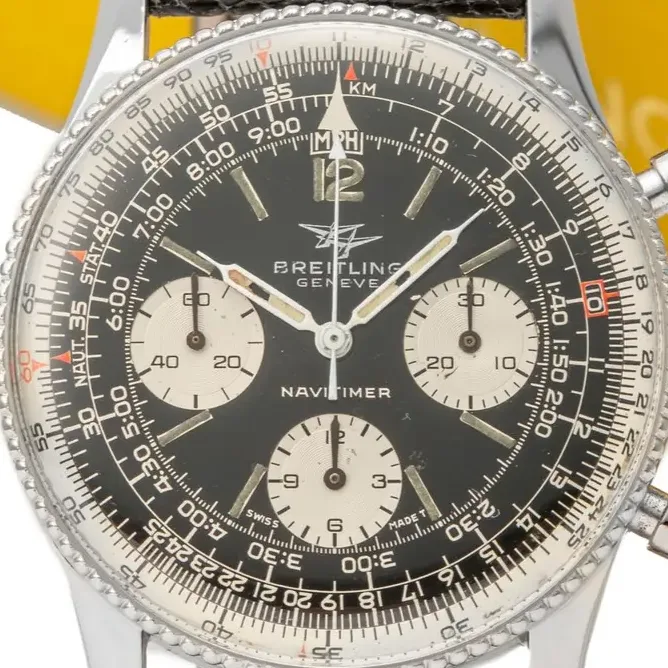
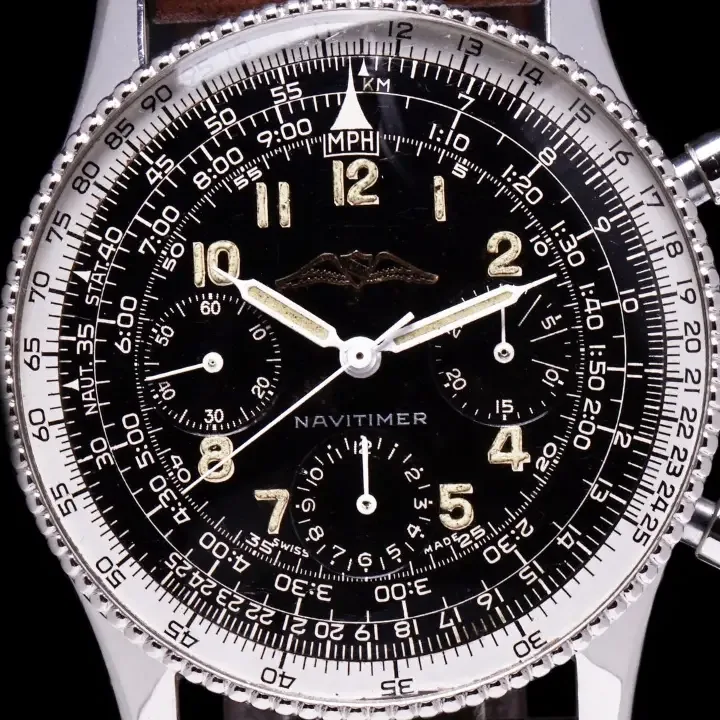
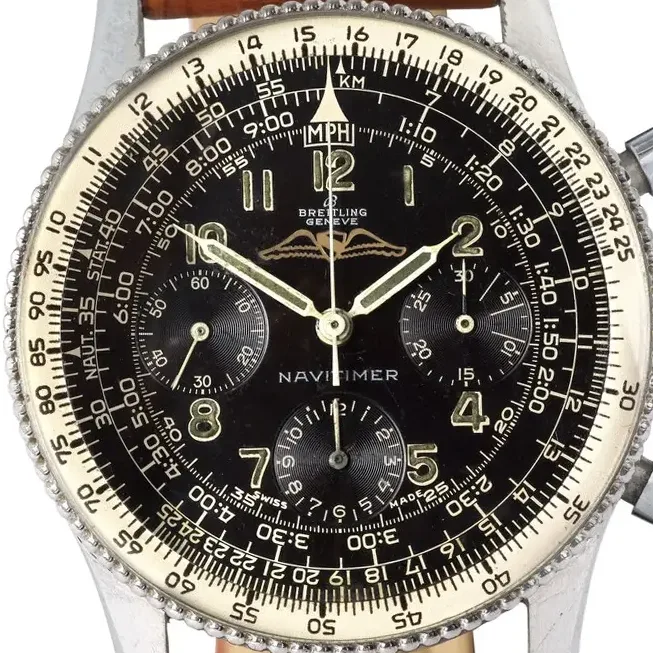
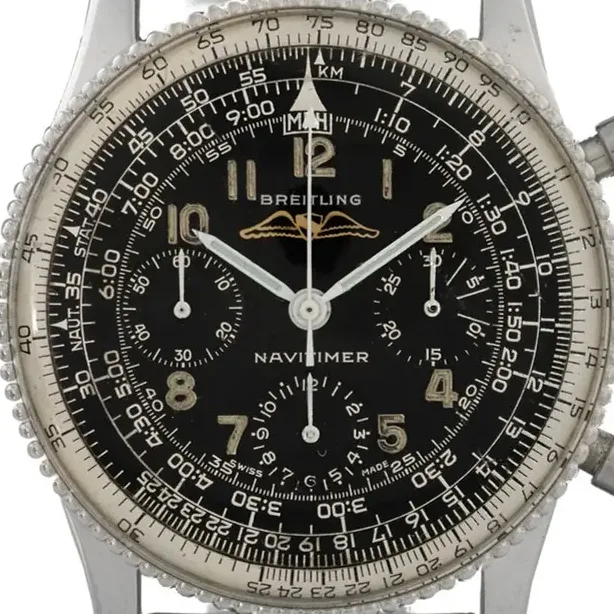
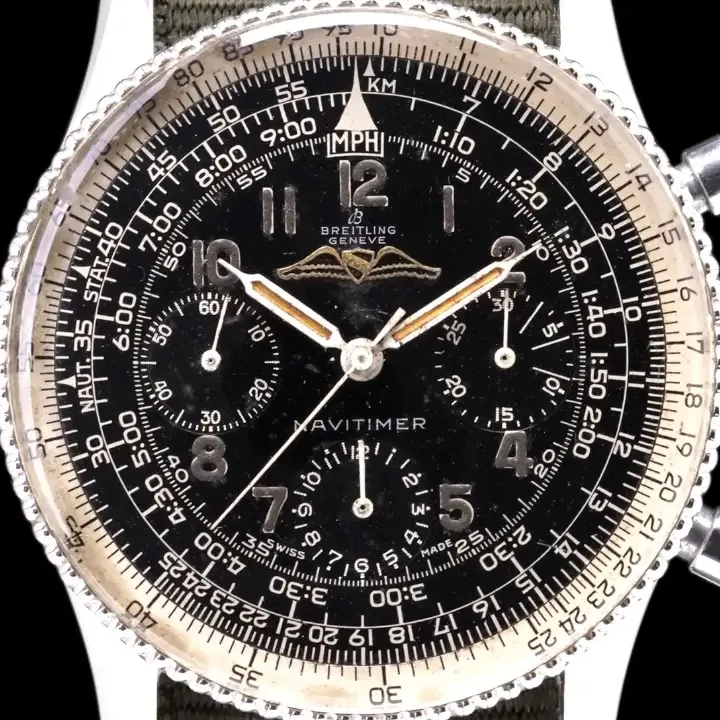
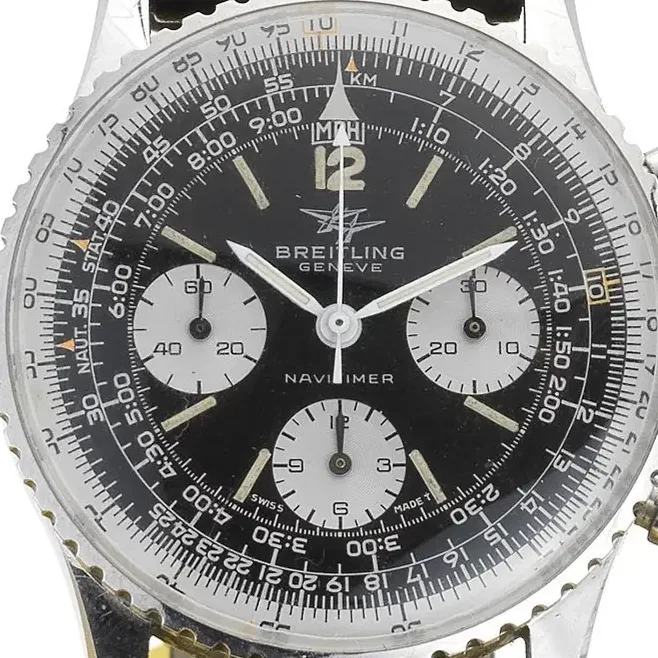
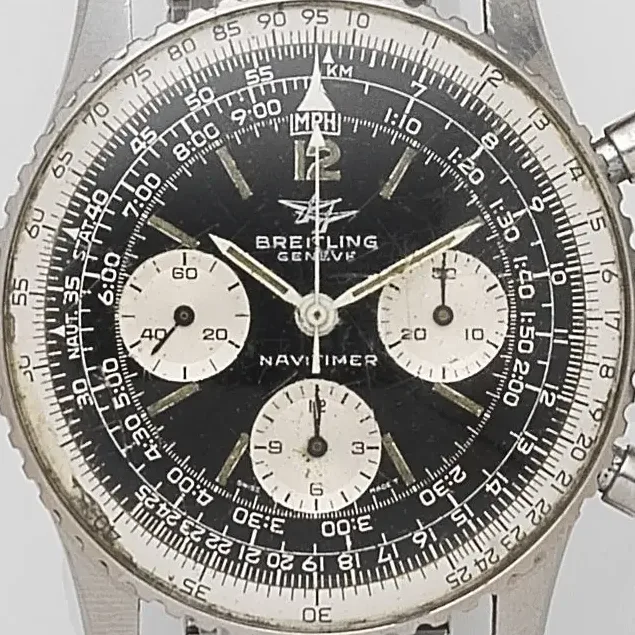
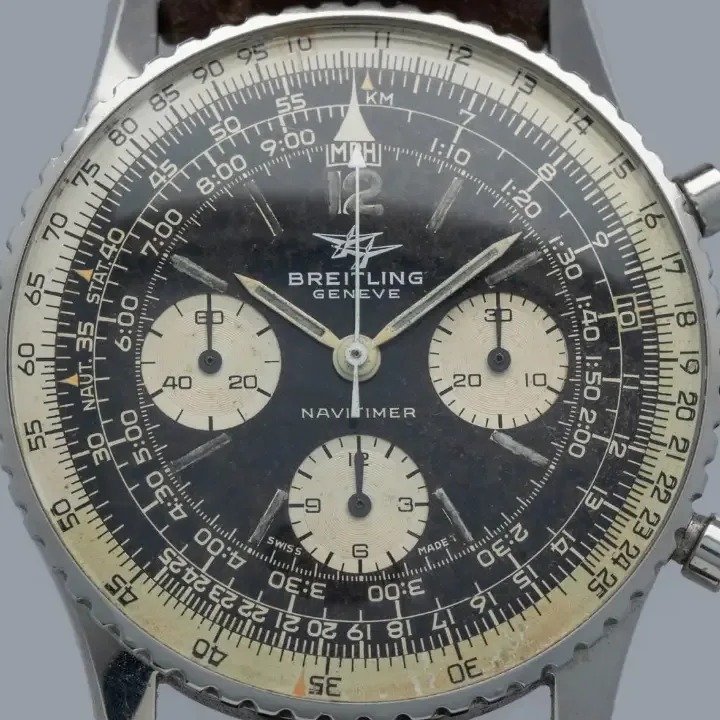
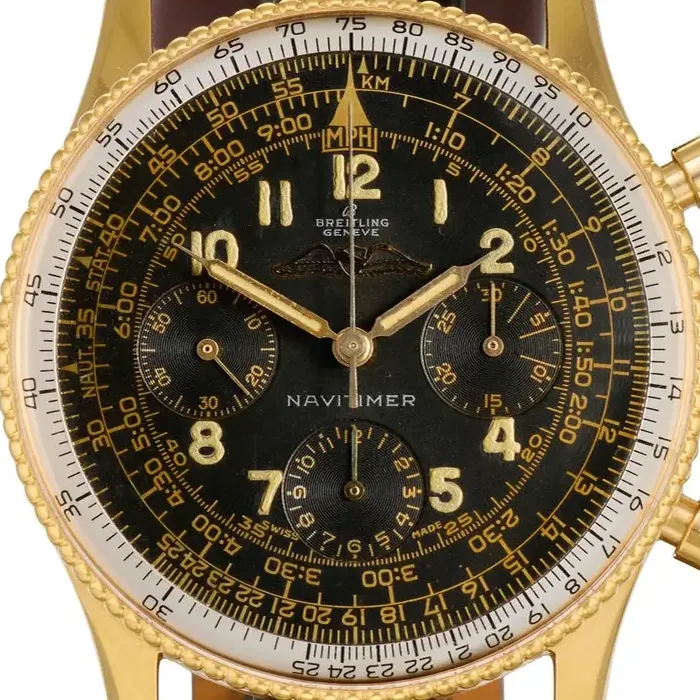
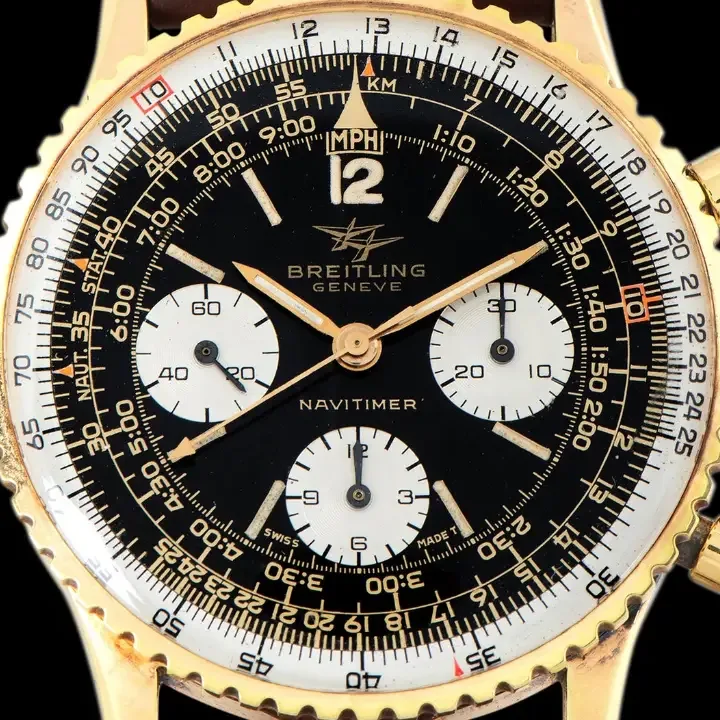
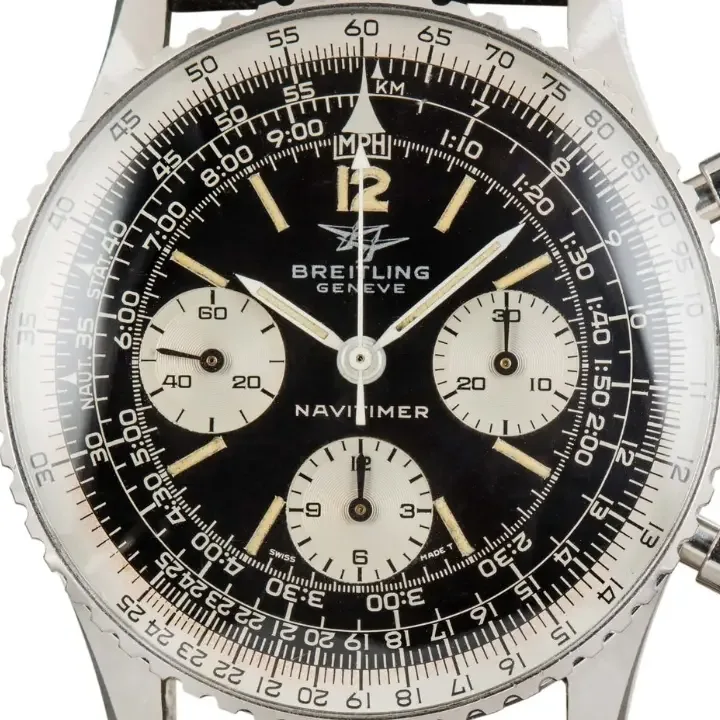
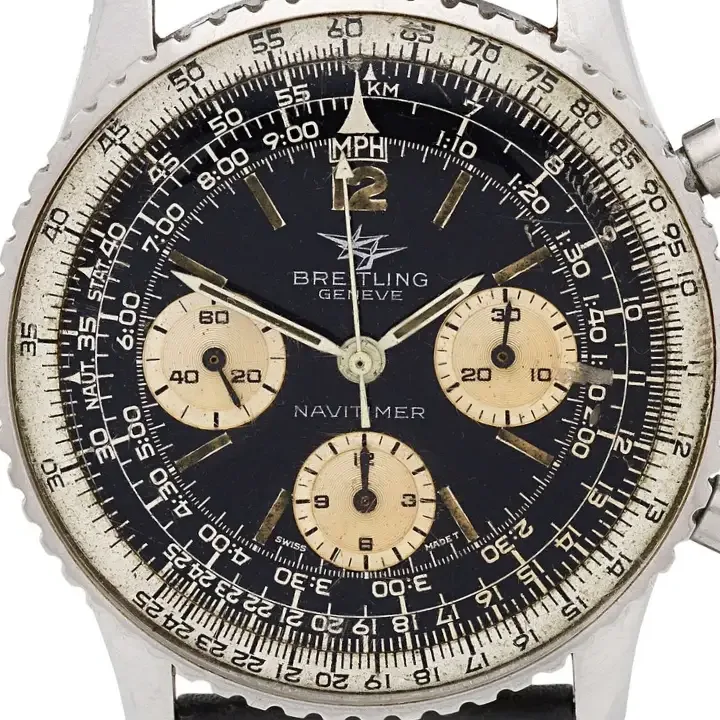
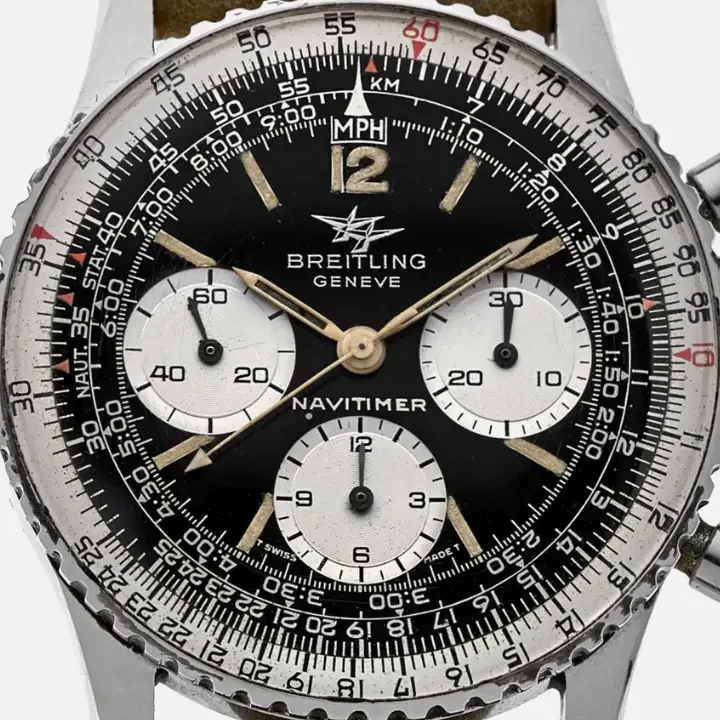
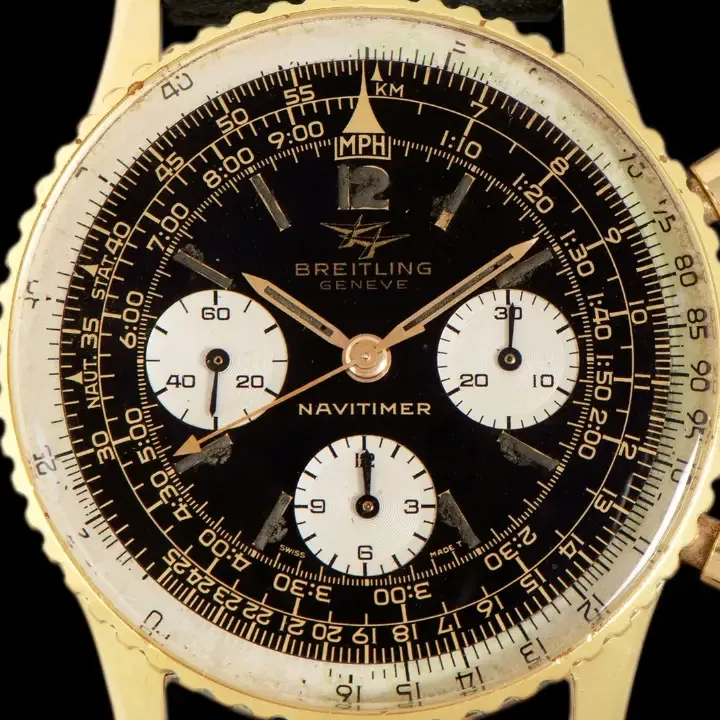
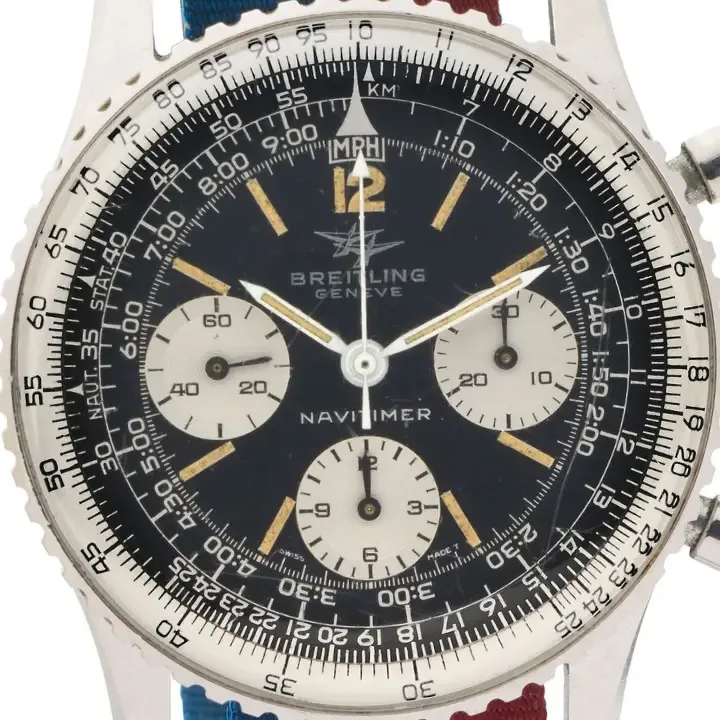
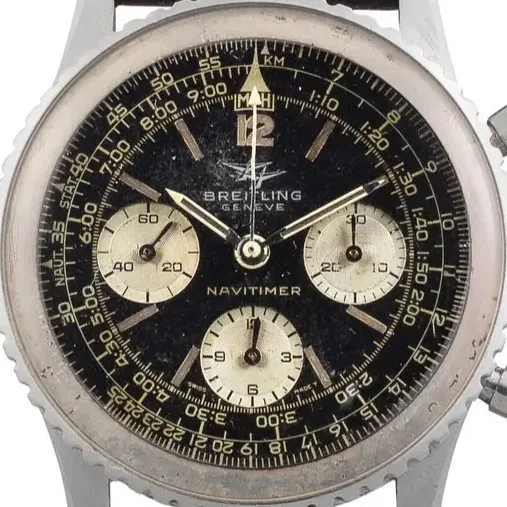
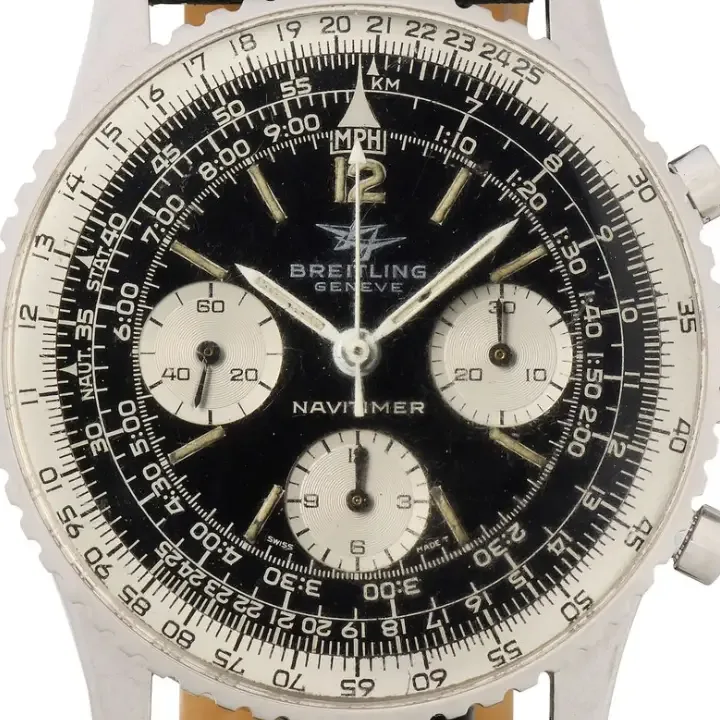
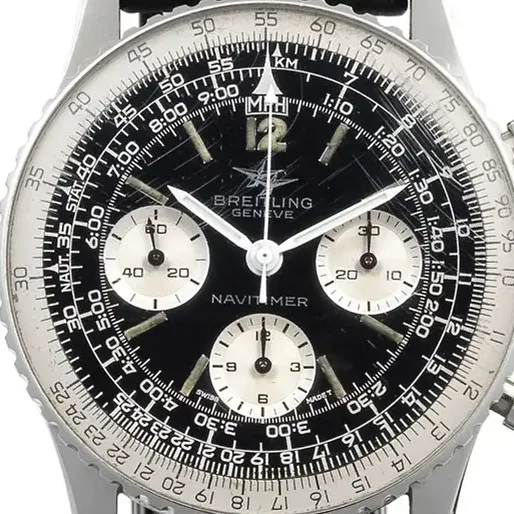
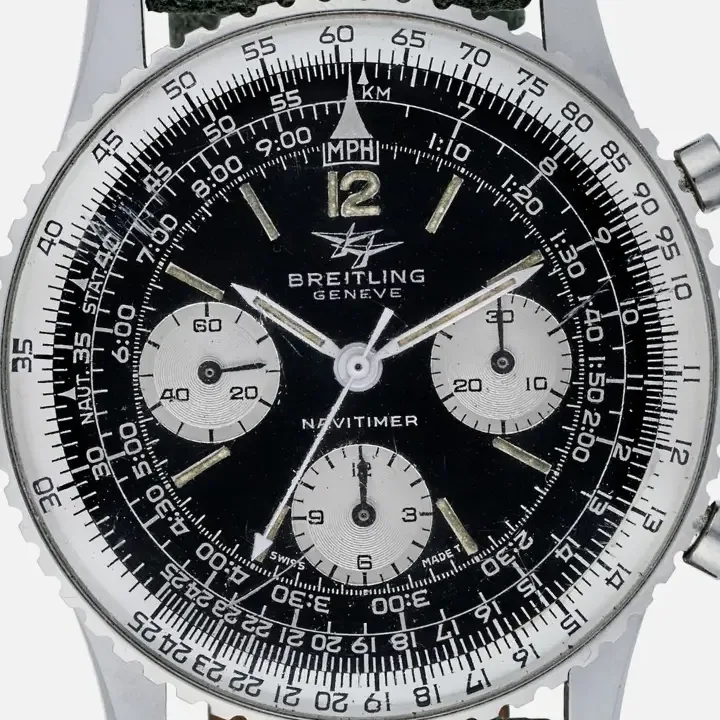
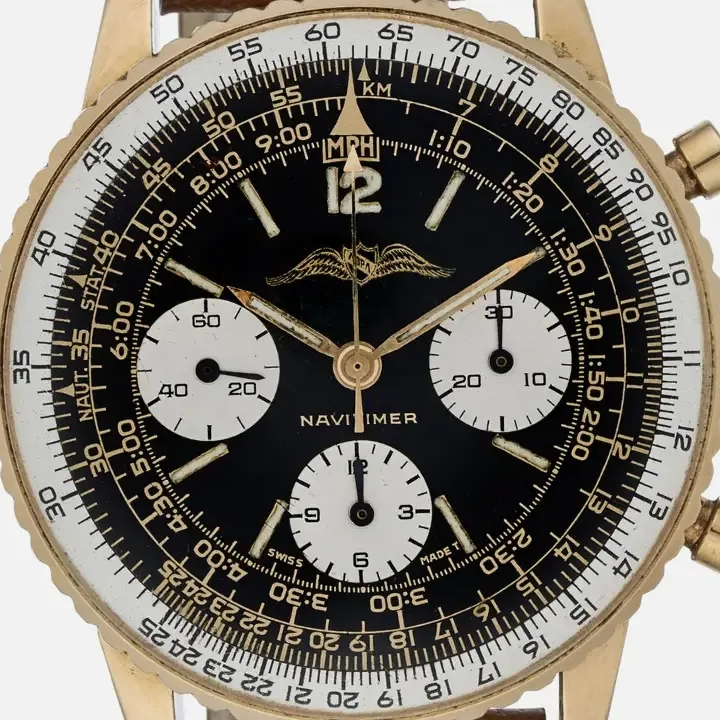
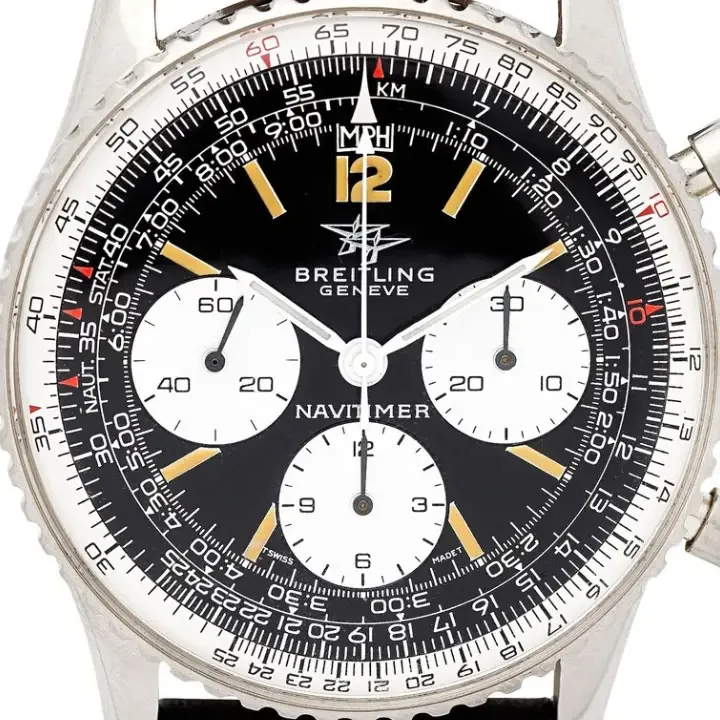
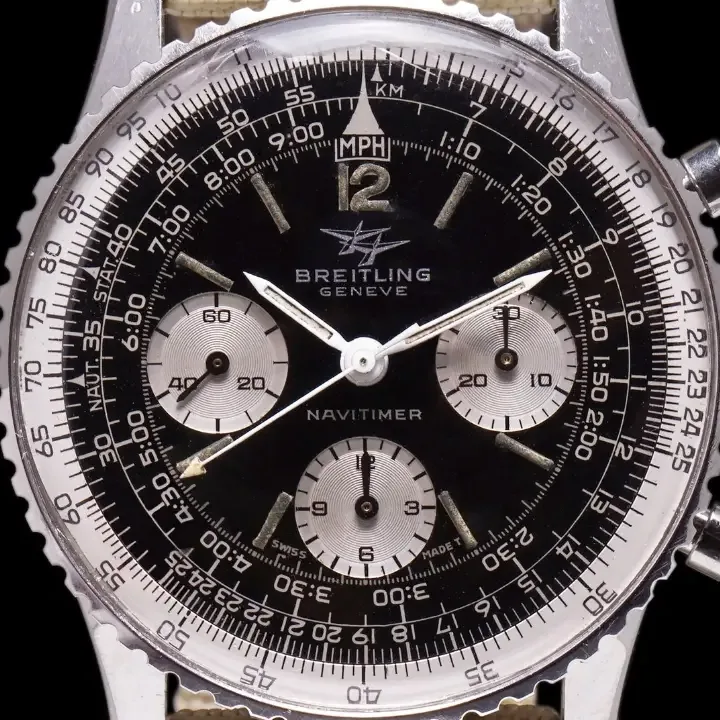
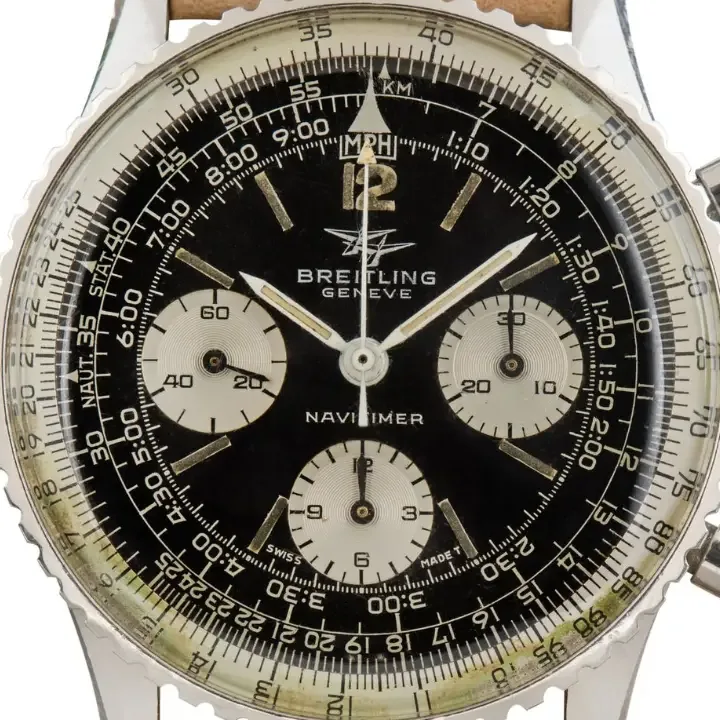
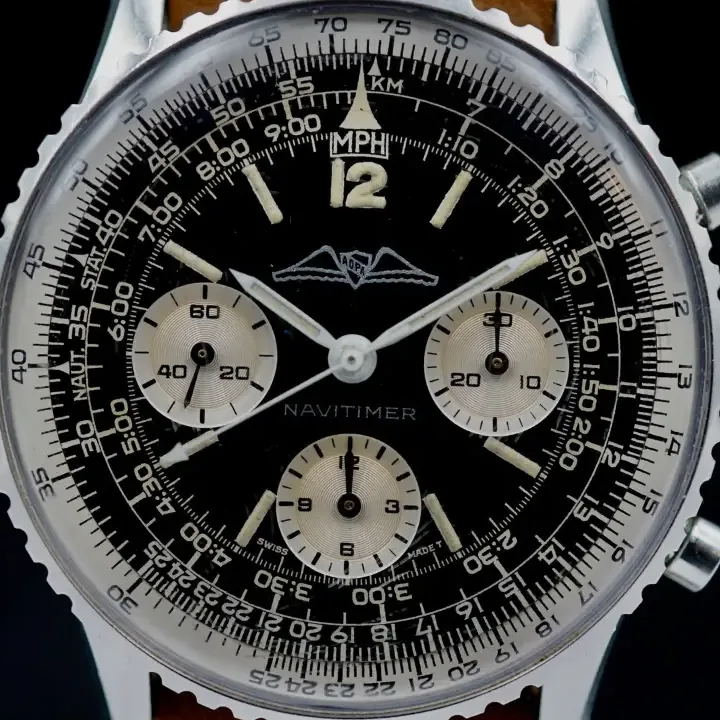
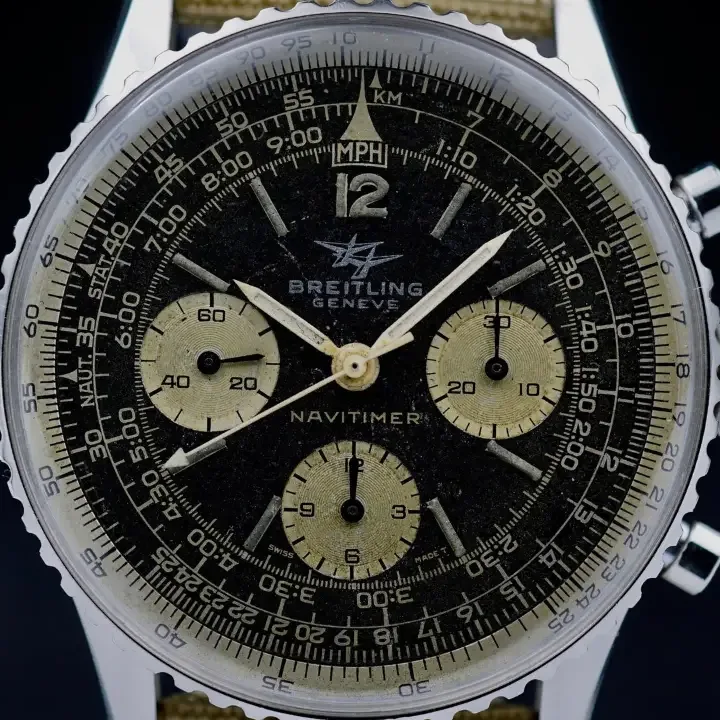
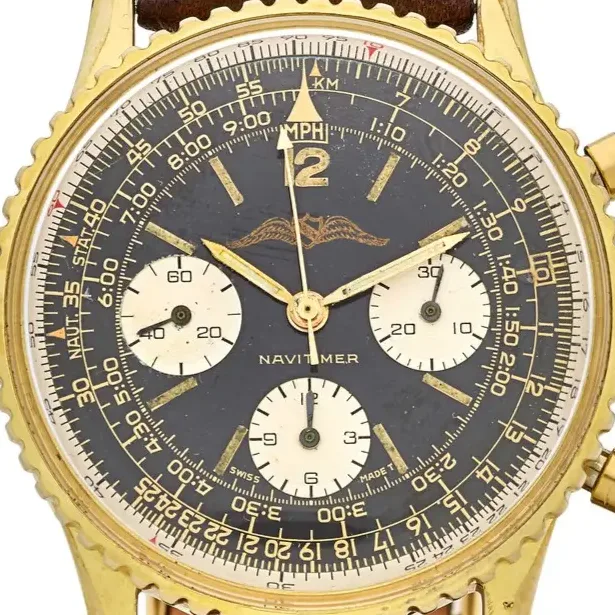
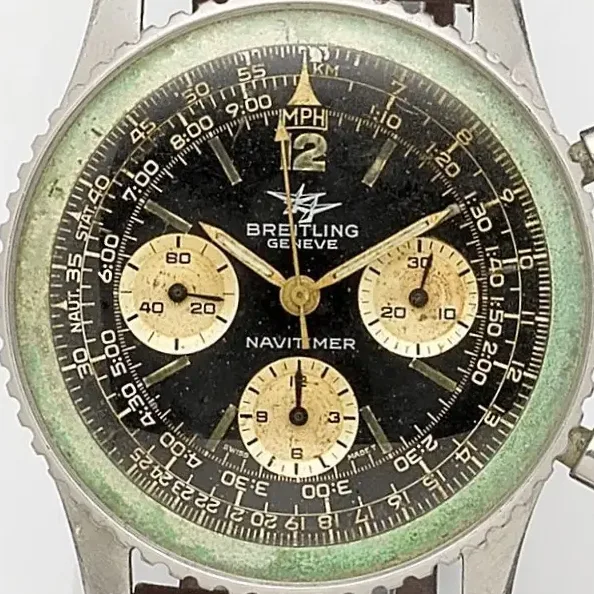
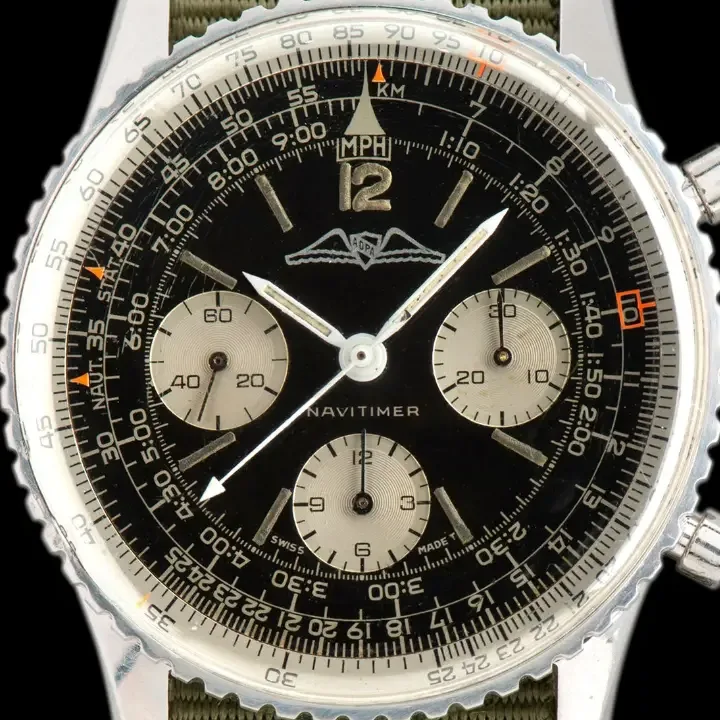
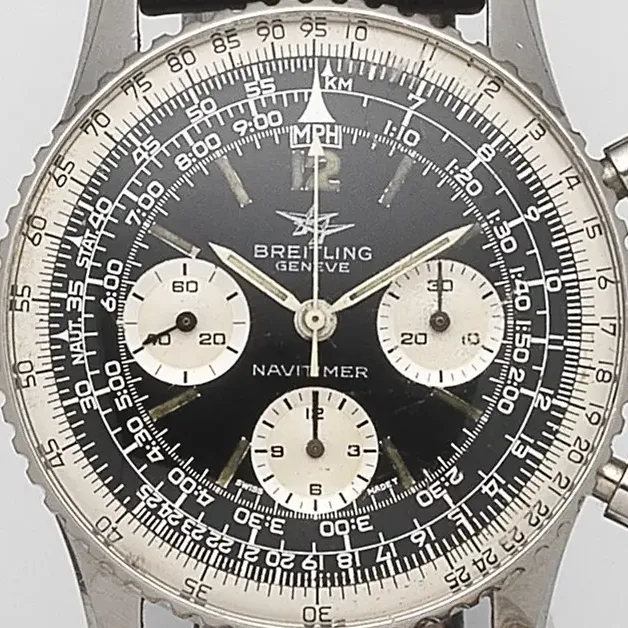
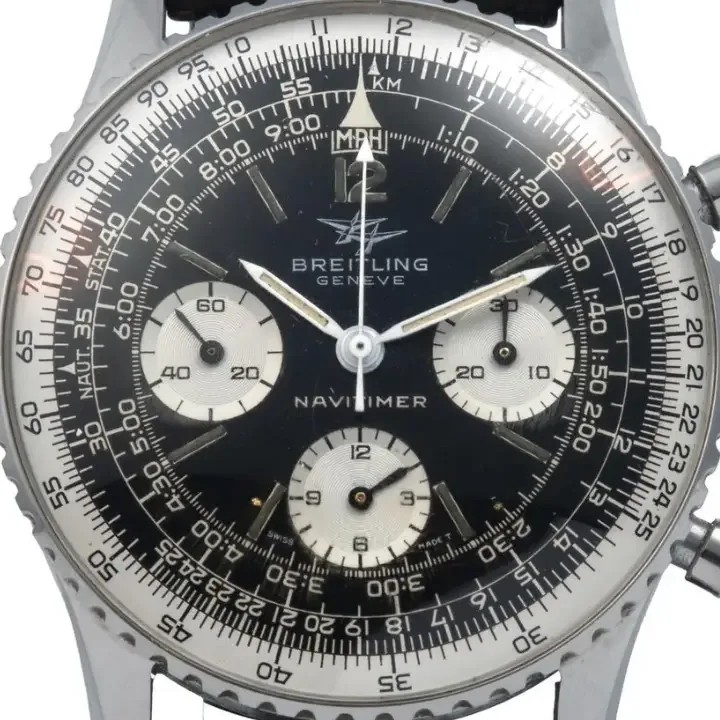
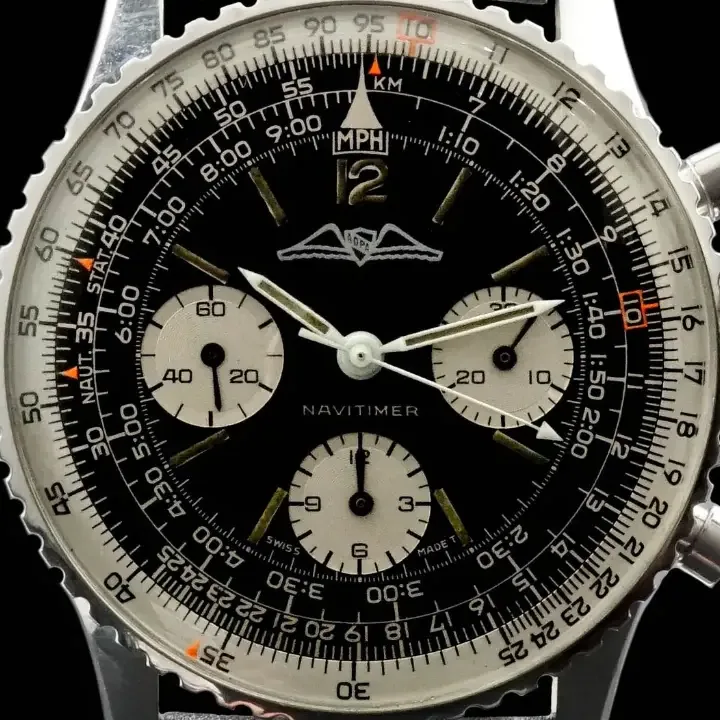
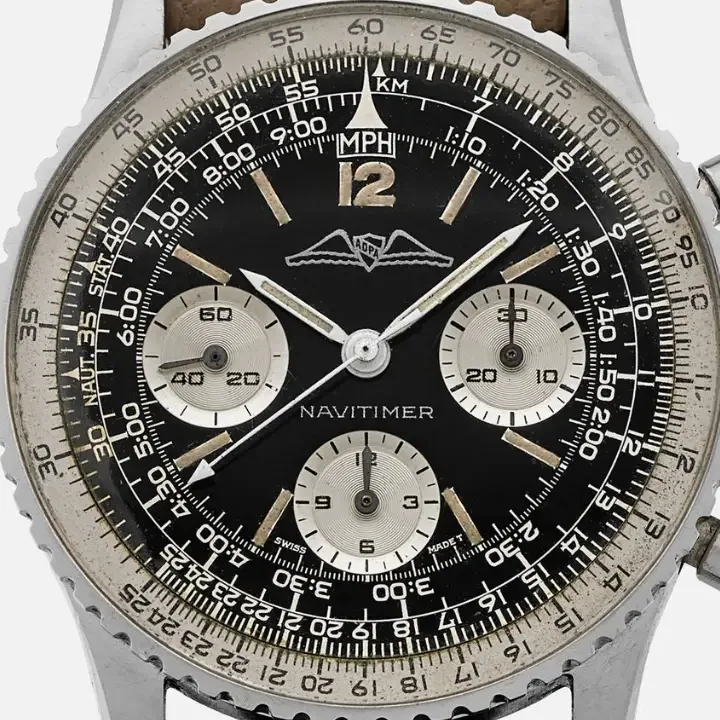
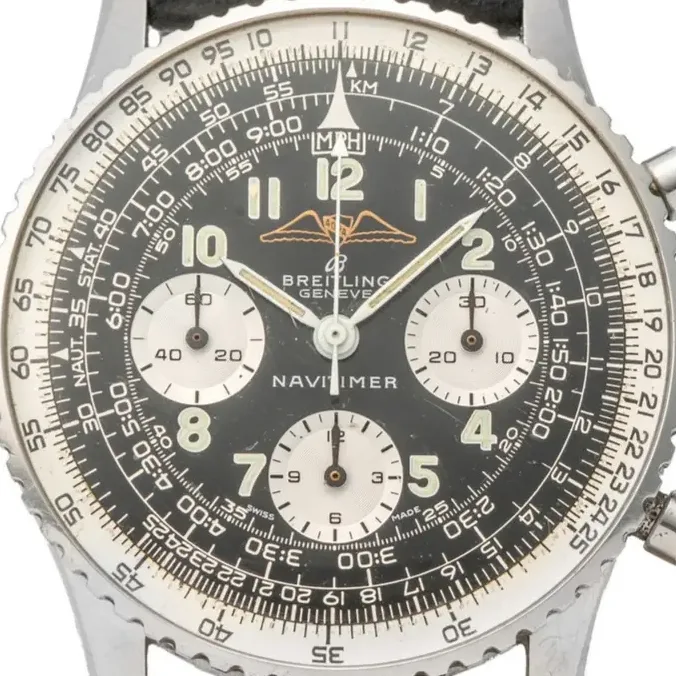
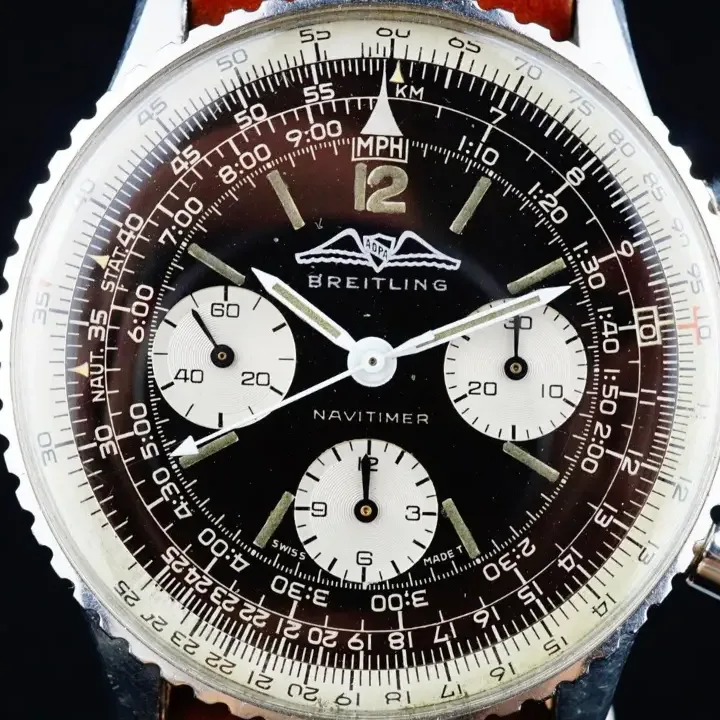
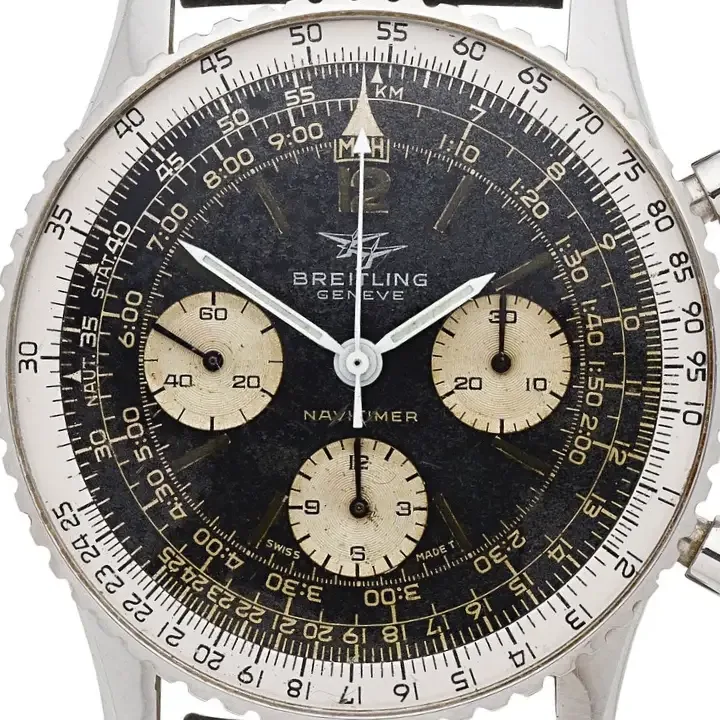
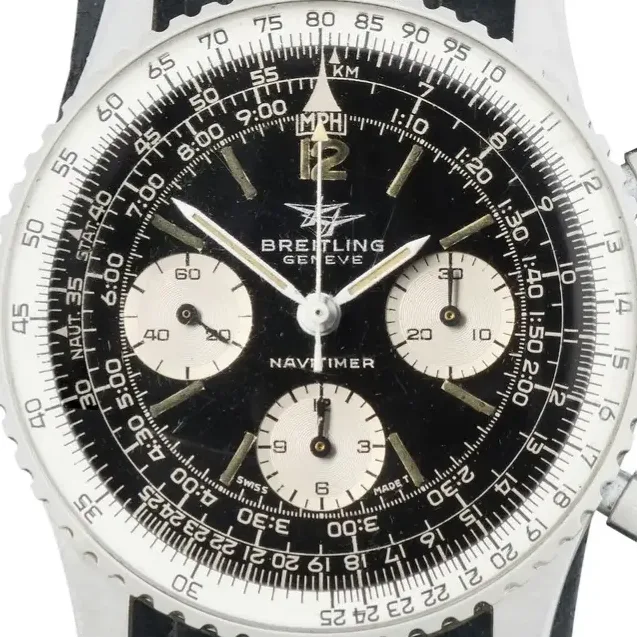
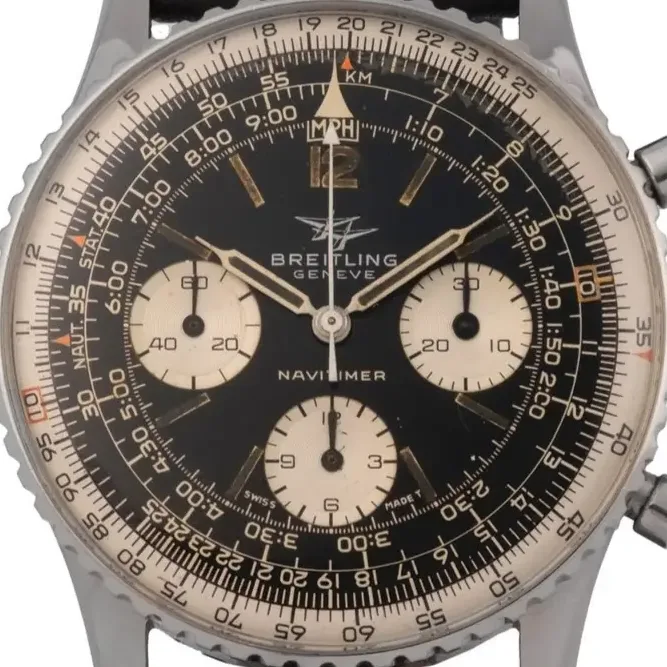
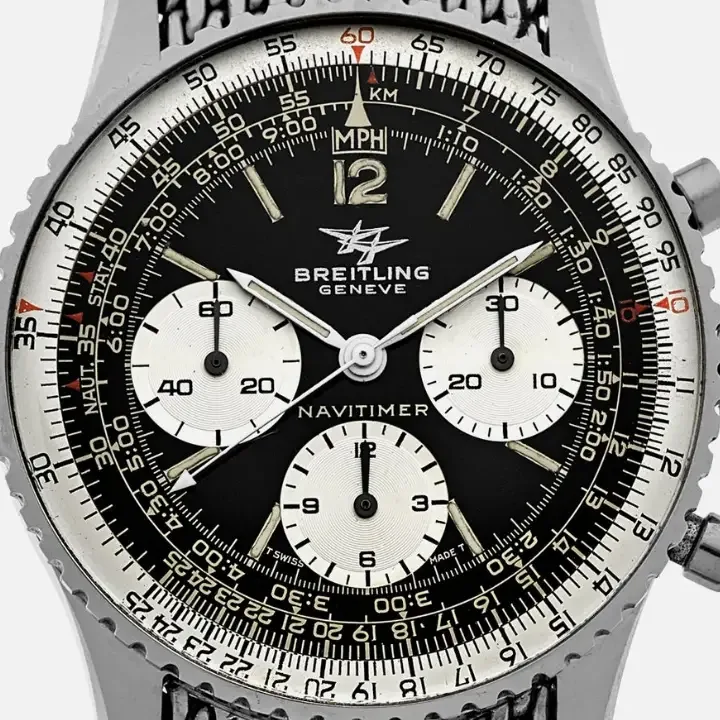
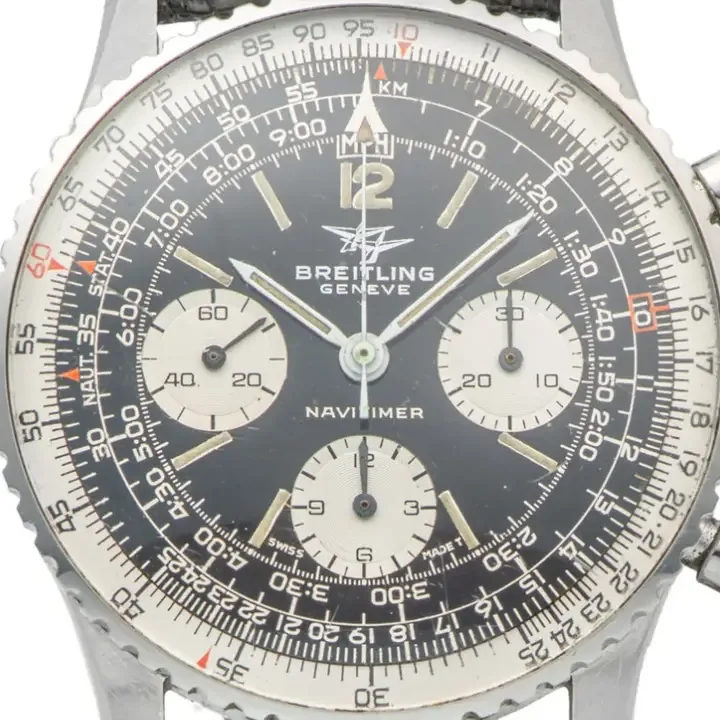
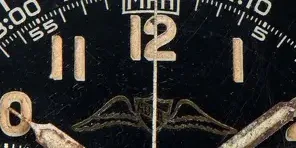
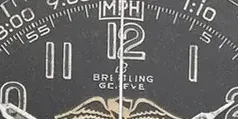
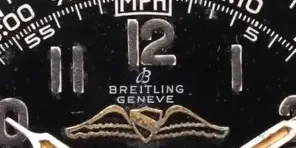
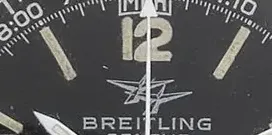
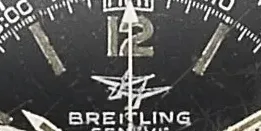
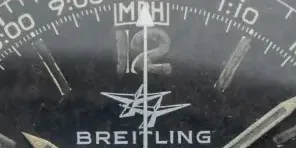
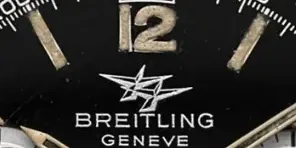
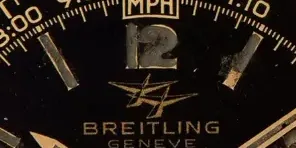
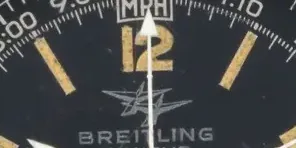
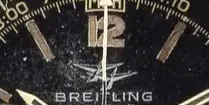
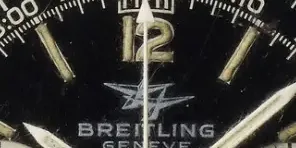
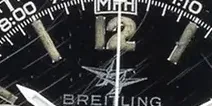
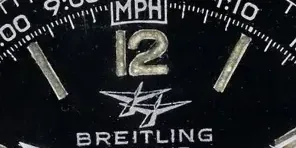
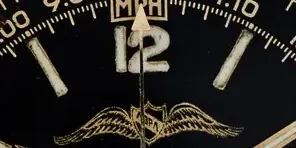
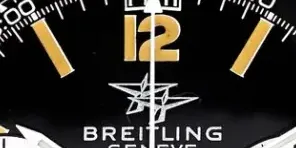
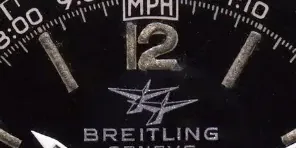
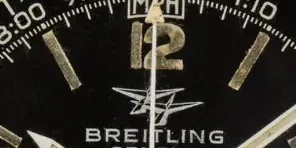
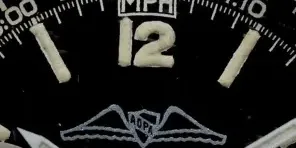
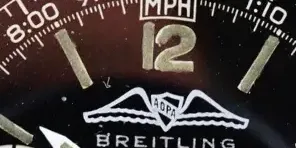
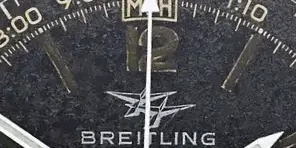
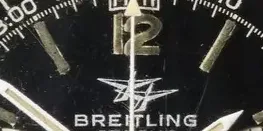
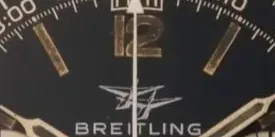
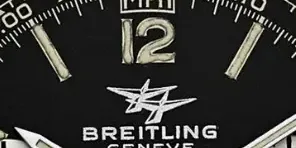
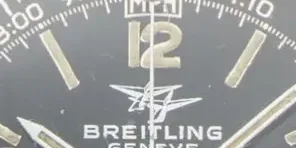
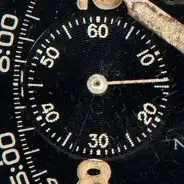
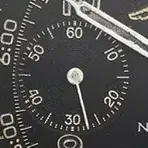
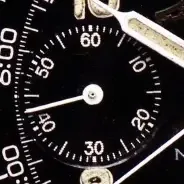
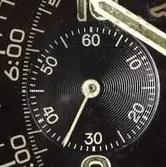
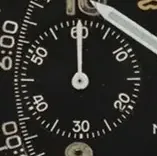
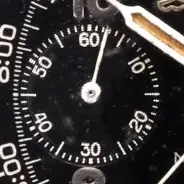
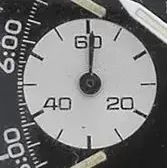
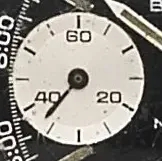
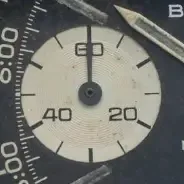
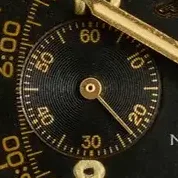
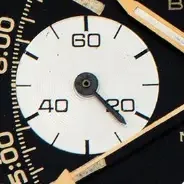
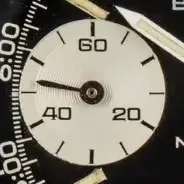
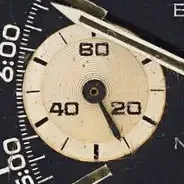
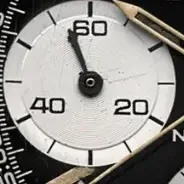
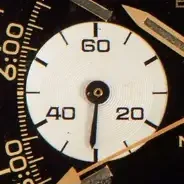
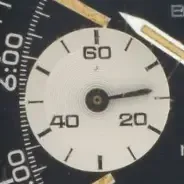
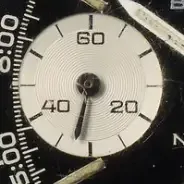
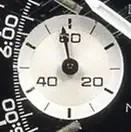
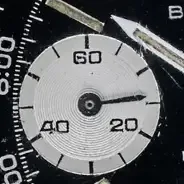
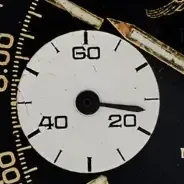
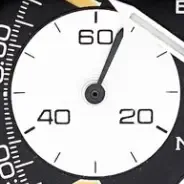
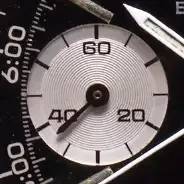
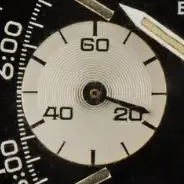
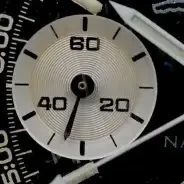
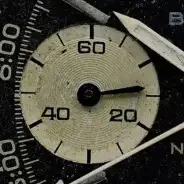
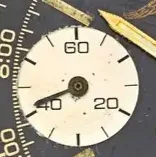
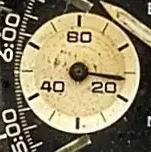
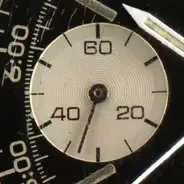
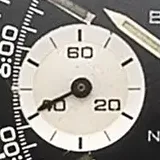
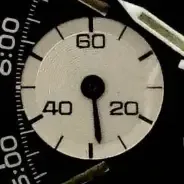
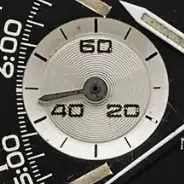
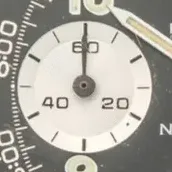
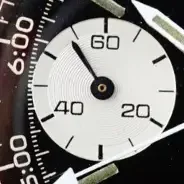
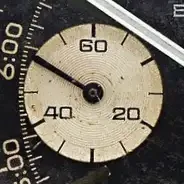
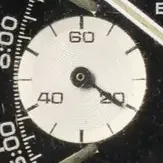
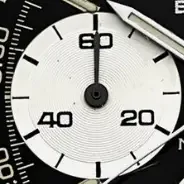
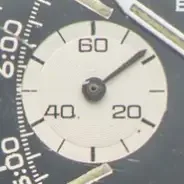
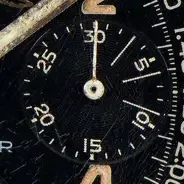
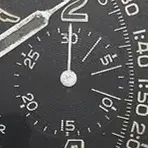
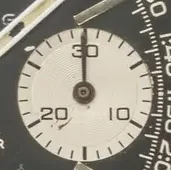
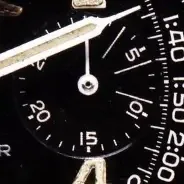
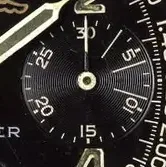
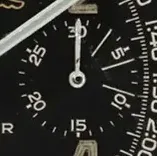
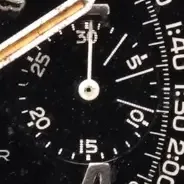
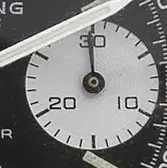
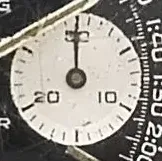
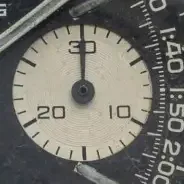
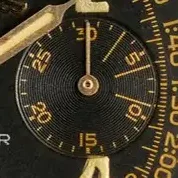
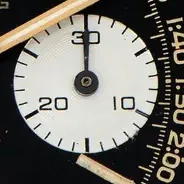
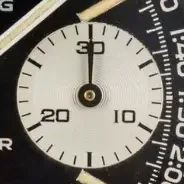
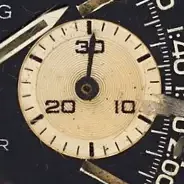
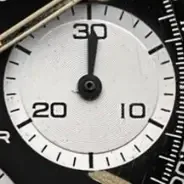
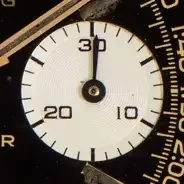
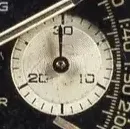
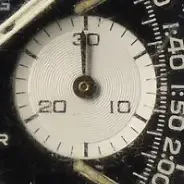
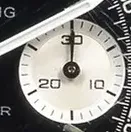
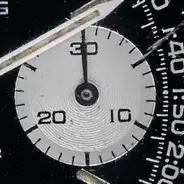
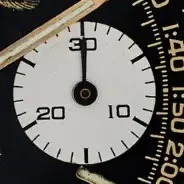
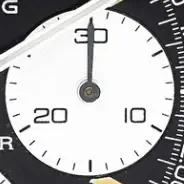
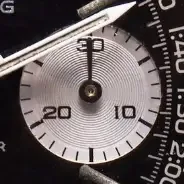
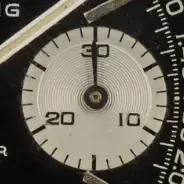
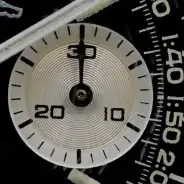
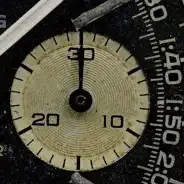
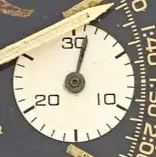
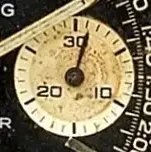
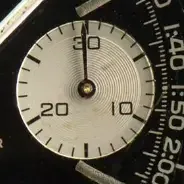
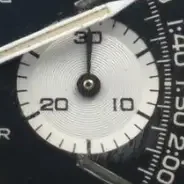
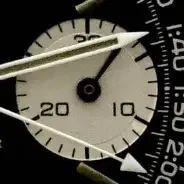
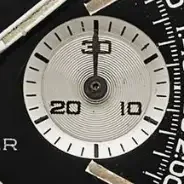
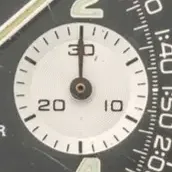
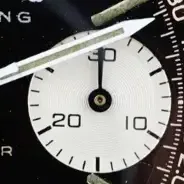
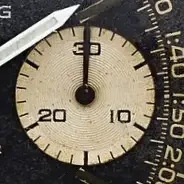
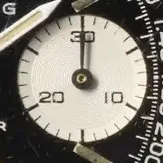
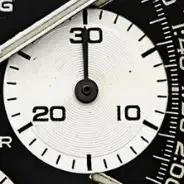
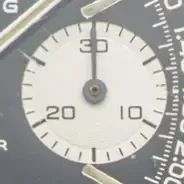
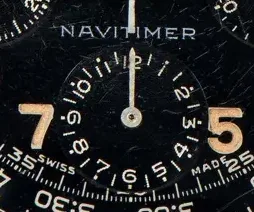
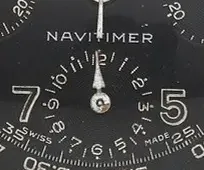
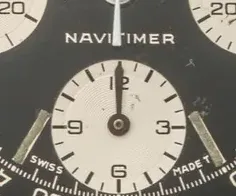
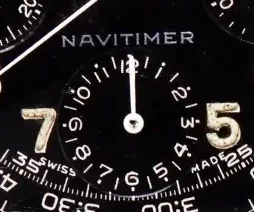
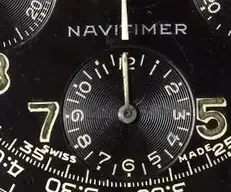
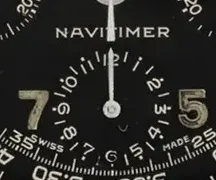
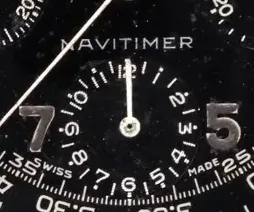
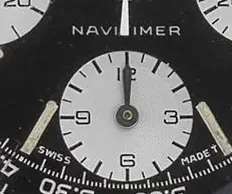
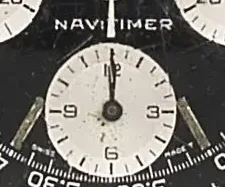
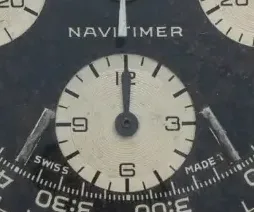
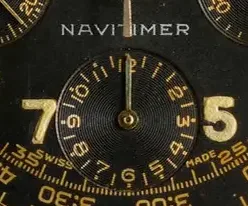
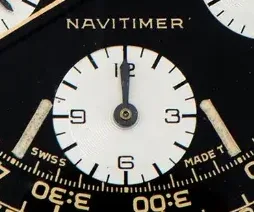
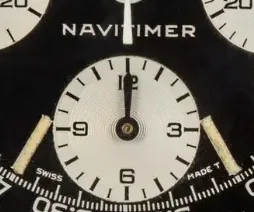
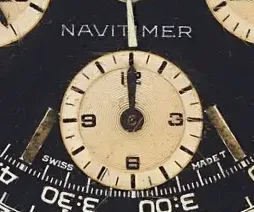
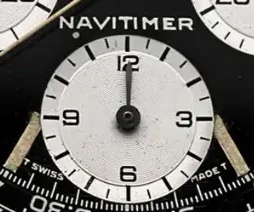
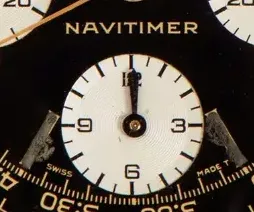
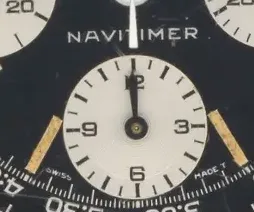
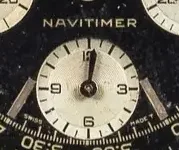
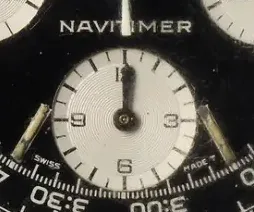
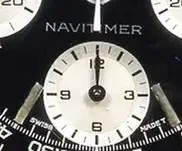
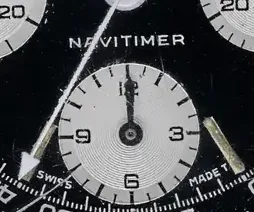
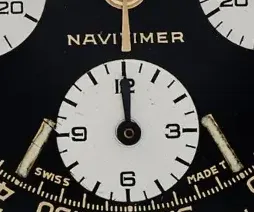
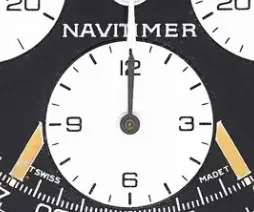
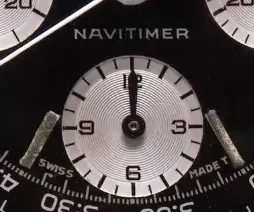
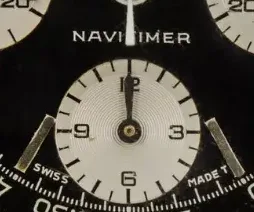
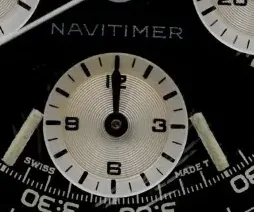
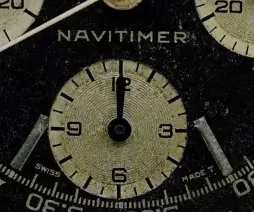
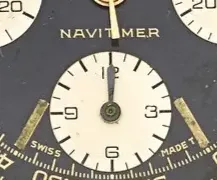
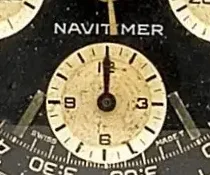
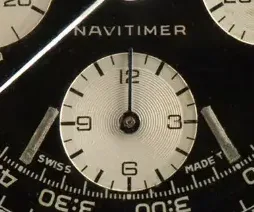
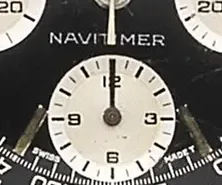
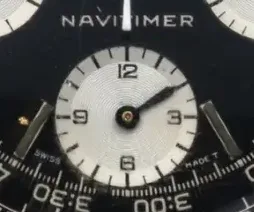
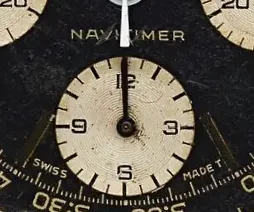
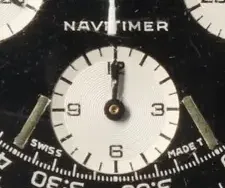
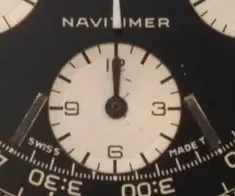
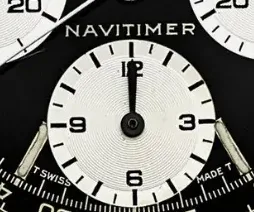
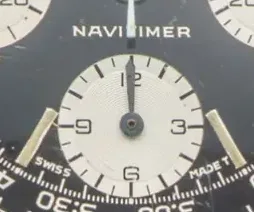
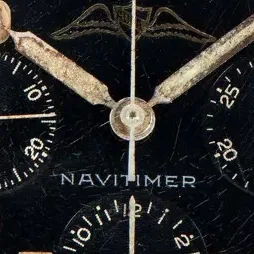
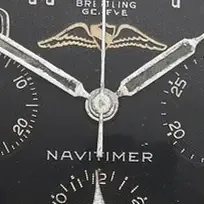
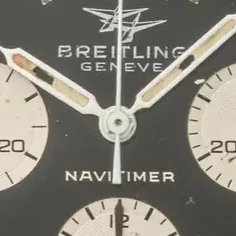
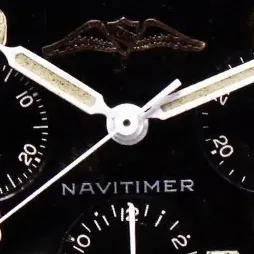
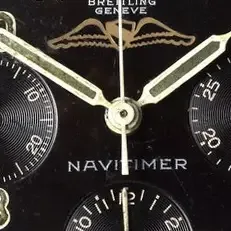
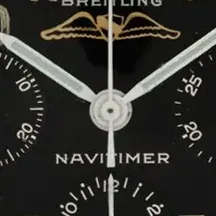
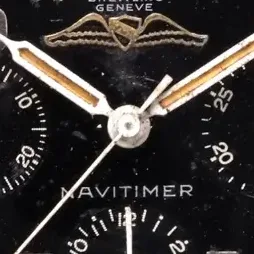
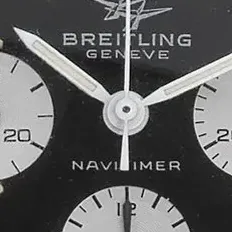
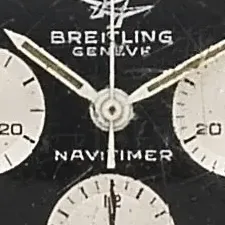
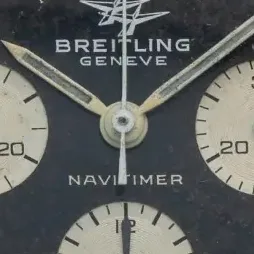
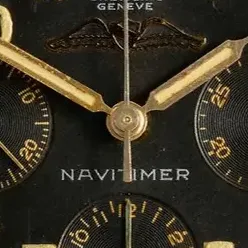
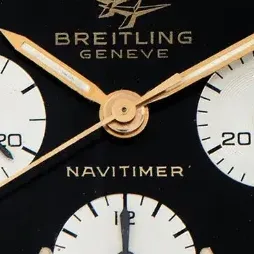
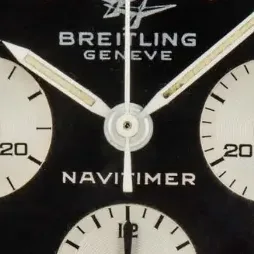
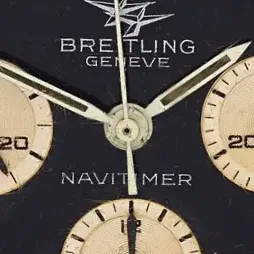
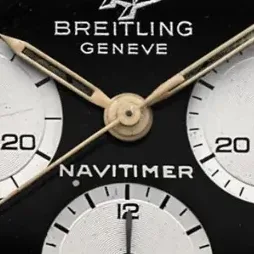
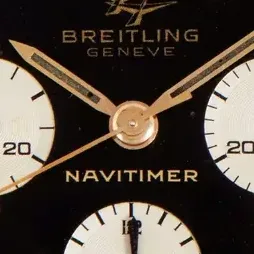
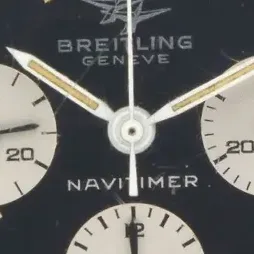
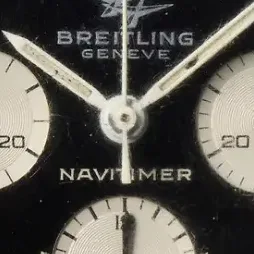
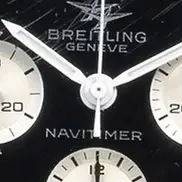
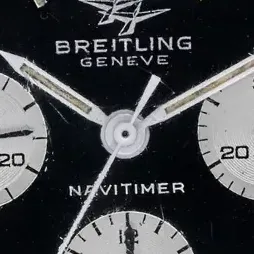
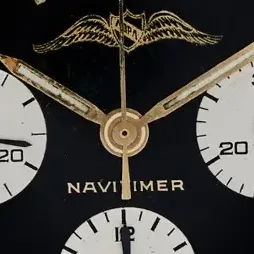
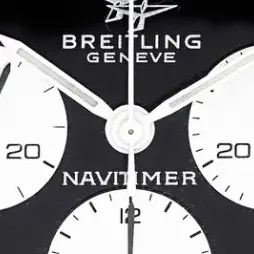
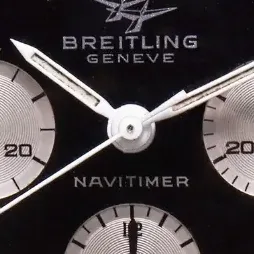
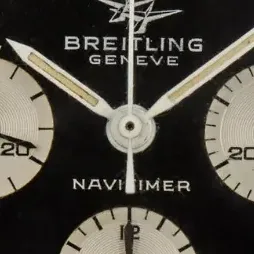
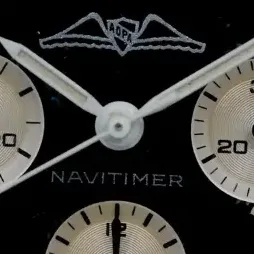
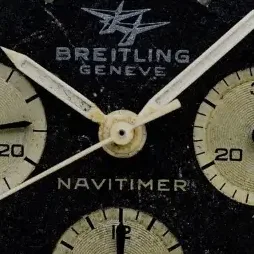
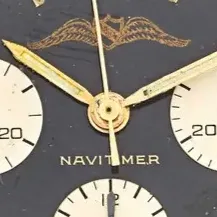
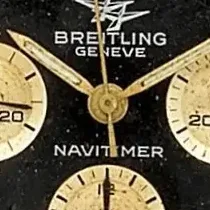
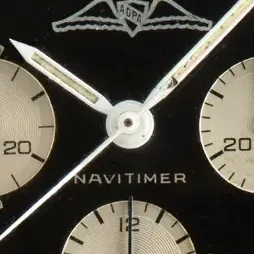
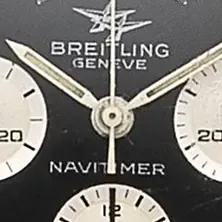
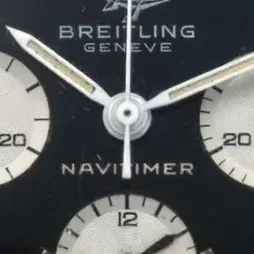
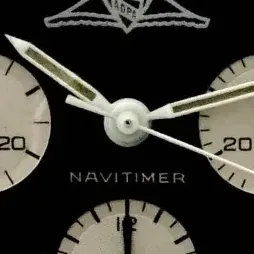
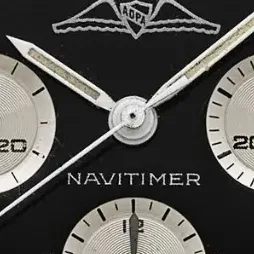
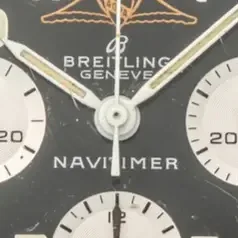
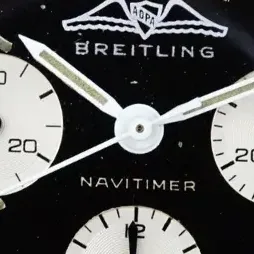
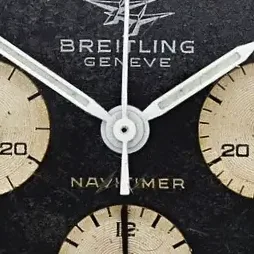
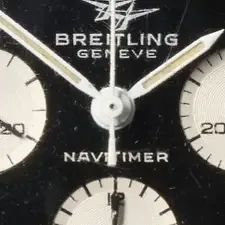
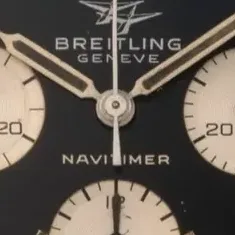
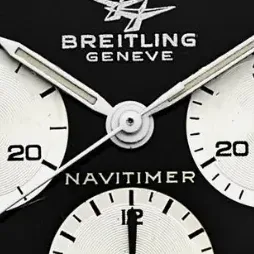
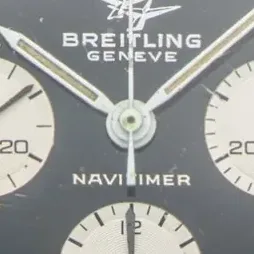
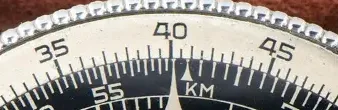
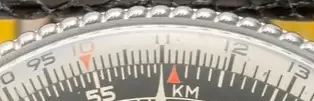
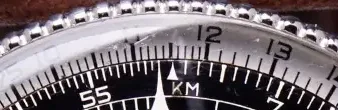
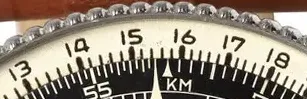
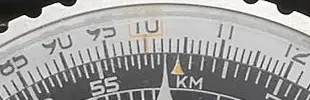
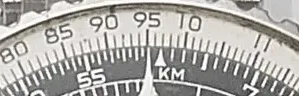
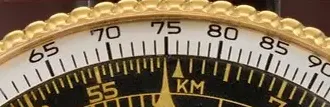
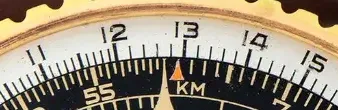
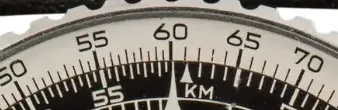
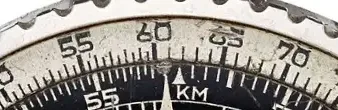
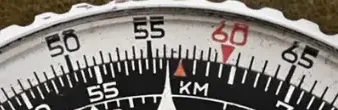
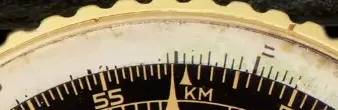
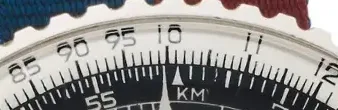
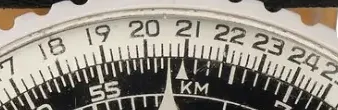
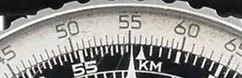
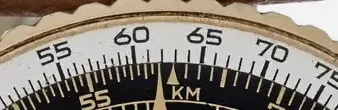
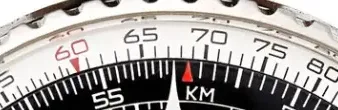
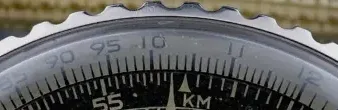
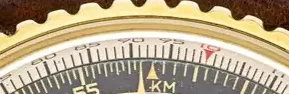
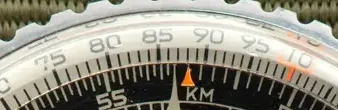
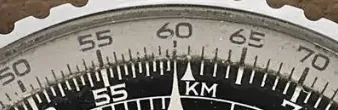
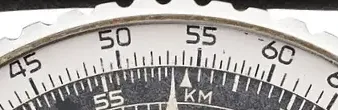
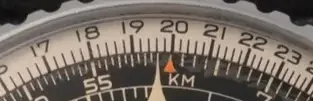
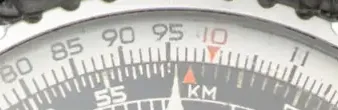
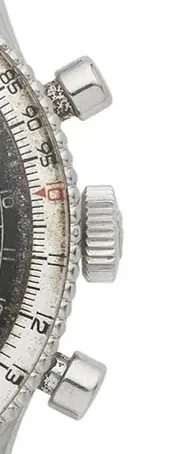
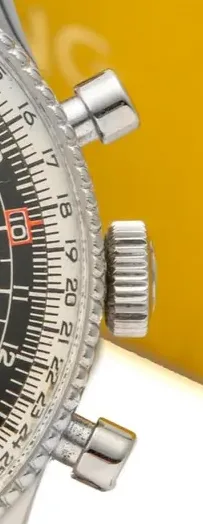
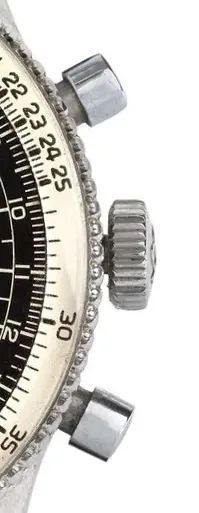
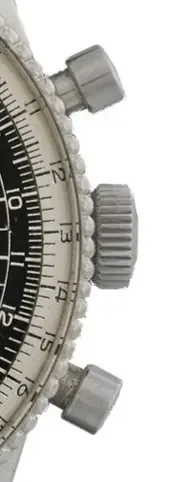
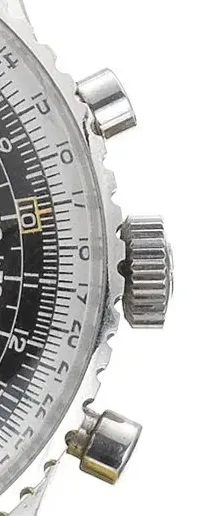
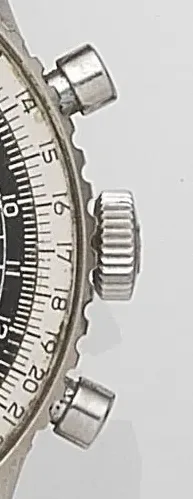
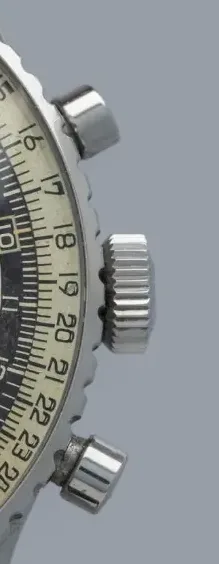
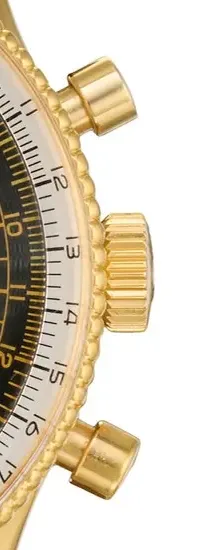
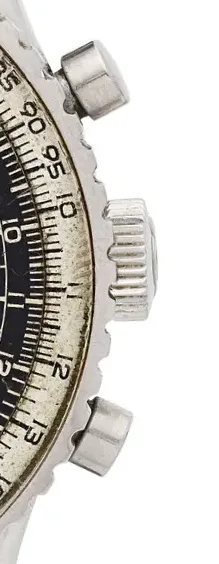
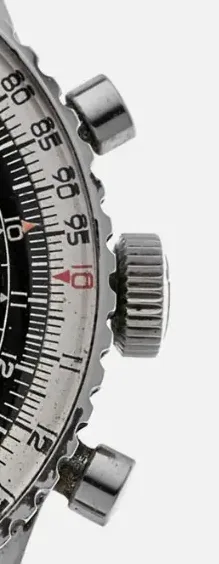
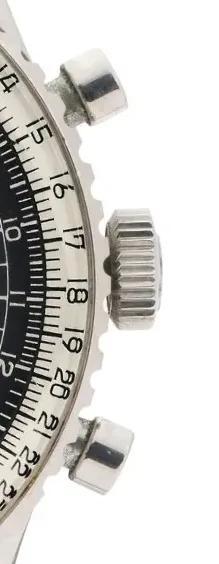
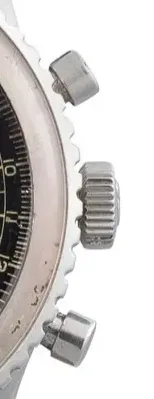
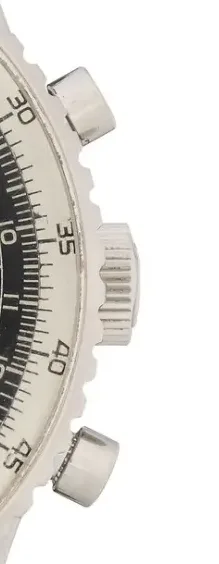
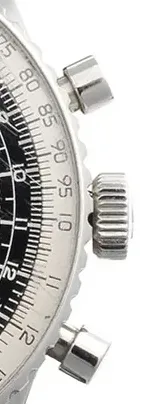
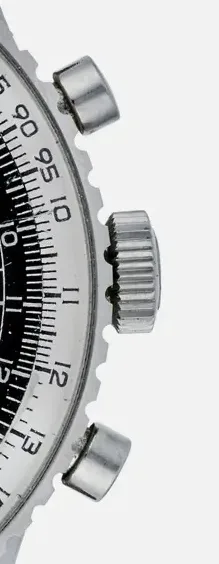
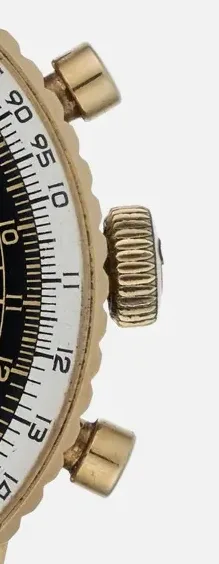
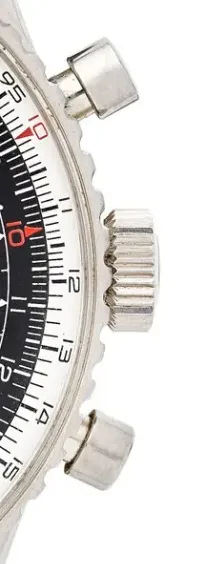
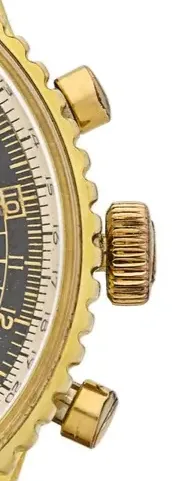
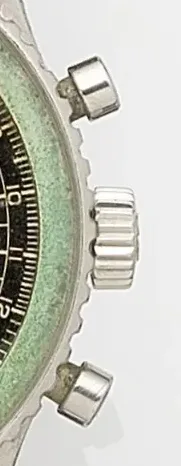
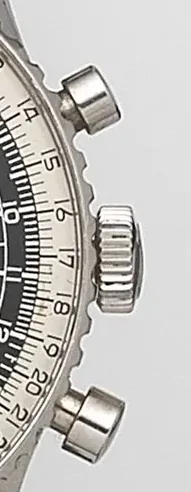
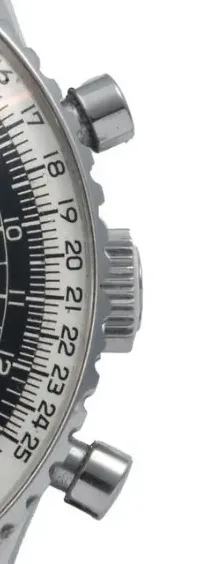
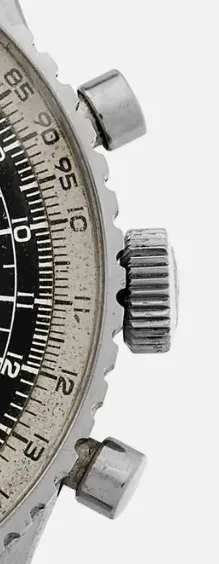
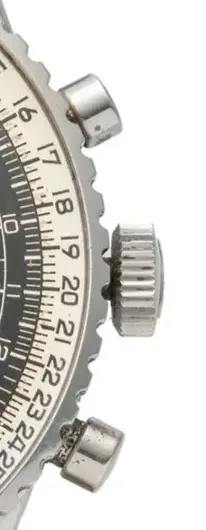
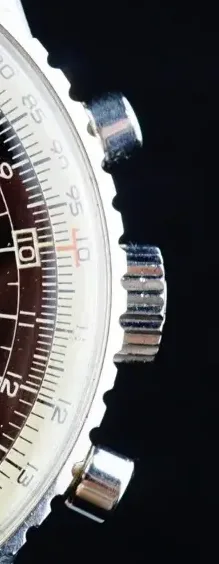
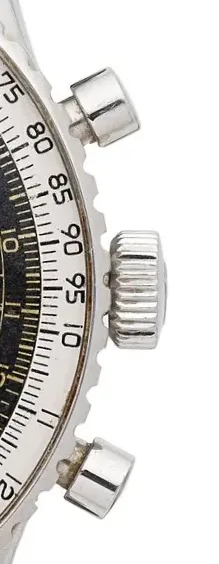
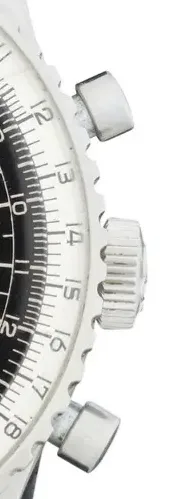
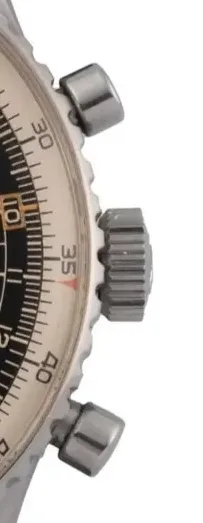
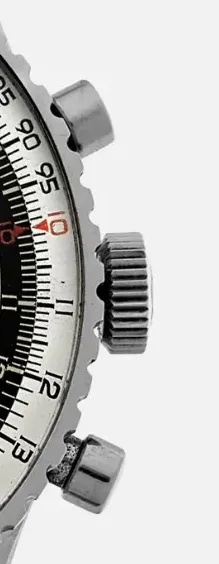
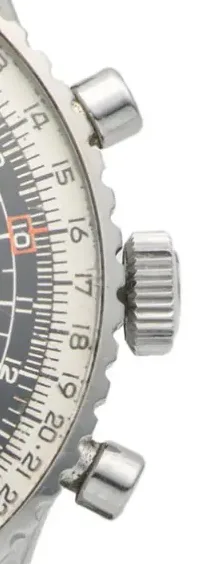
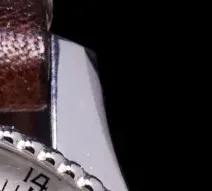
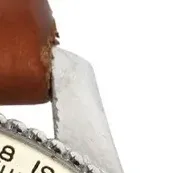
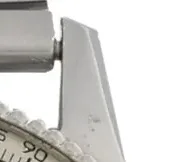
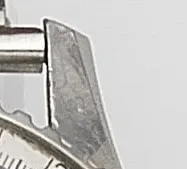
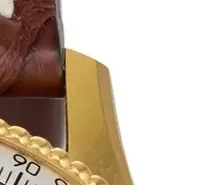
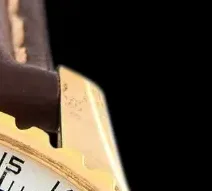
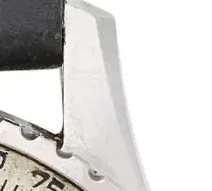
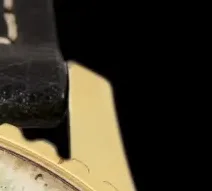
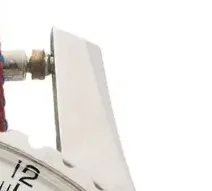
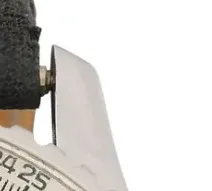
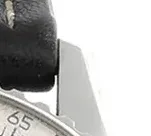
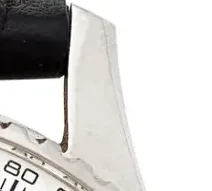
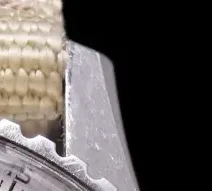
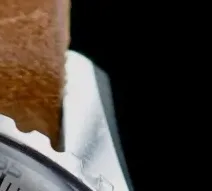
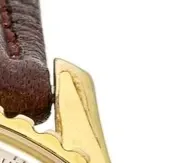
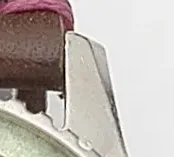
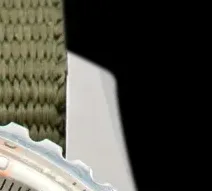
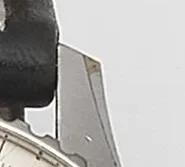
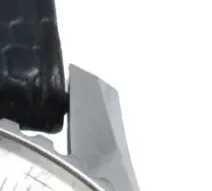
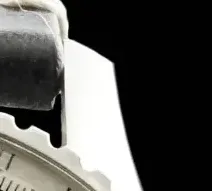
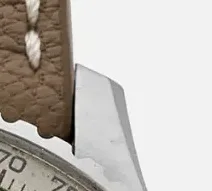
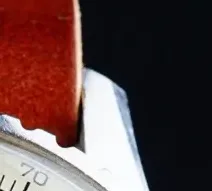
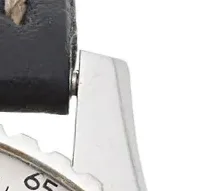
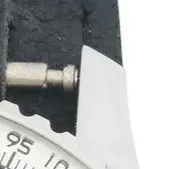
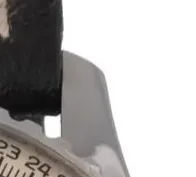
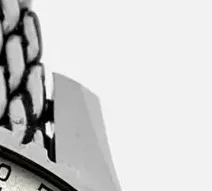
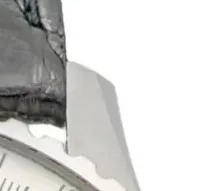
41 watches, oldest first, each straightened and cut the same way so that one row shows one component across them all. Chosen from 392 photographs on file for sharpness and for a face typical of the reference. A year marked c. is one its holder gives only roughly. Each picture is a detail cut from a listing photograph. Select the small mark in its corner for its year, its holder, a link to the listing it came from, and a way to report it.





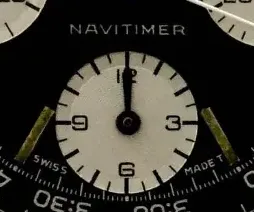
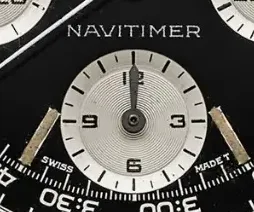
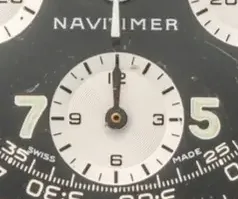
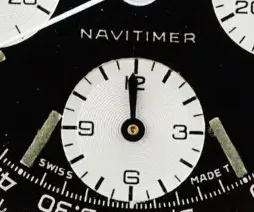






























Chronology
Launch dates for the 806 differ between 1952 and 1959 in the literature; the end is put at the mid-1970s.
Every dated variant: what is written, and what the records show
For the reference the marks are every dated watch; for a variant, the watches a seller names as that variant, so a variant sellers do not name has none.
Specification
| Case | About 41 mm steel (also seen in gold plate and solid gold); 38 mm also exists; 22 mm lug width; chamfered lugs; piston pushers at 2 and 4 |
| Dial | Black dial with three registers and a circular slide rule; no date |
| Bezel | Rotating, bi-directional slide rule bezel; beaded in early watches, gear-toothed from about 1965 onward |
| Crystal | Acrylic, shallow in the original |
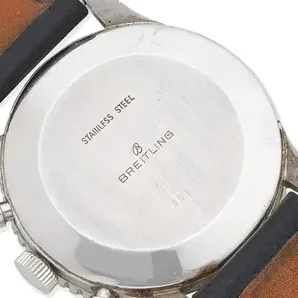
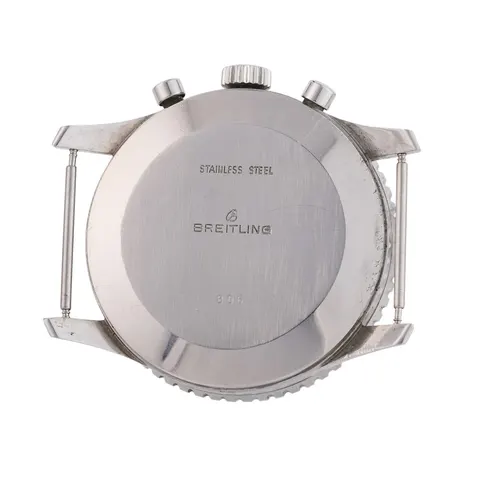
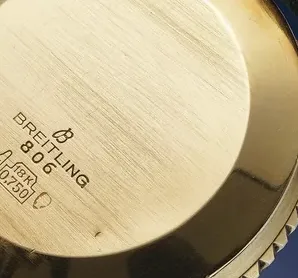
| Caseback | Snap-on steel back with the script B and the model number |
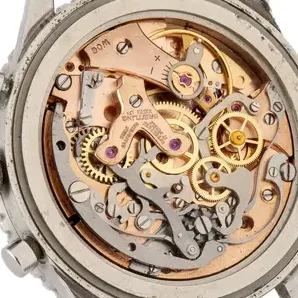
| Movement | Venus 178 hand-wound chronograph (column wheel, 17 jewels, 18,000 vibrations per hour) in most; Valjoux 72 in the earliest and some later watches; Valjoux 7736 in some late watches |
| Registers | Elapsed minutes at 3, elapsed hours at 6, running seconds at 9 |
| Bracelet | Usually a leather strap in the records; a five-link bracelet by JB Champion on one circa 1970 example |
| Water resistance | Poor; the original is not meant to be worn near water |
Reference 3 described
The 806 sits at the start of the Navitimer family. The literature disagrees on when the 806 itself began, and describes a variant order rather than a firm reference table. The automatic 1806, the 7806 date variant and the 809 Cosmonaute are separate references and are listed under related.
Pre-806 AOPA special
Described as the earliest Navitimer, made for members of the Aircraft Owners and Pilots Association and fitted with the Valjoux 72. It predates the commercial 806 with the Venus 178.
- Valjoux 72
- AOPA wings
8060, 8061 and 8062 case versions
One account gives three versions of the 806: 8060 (also called 806 S) in steel, 8061 (806 P) in gold plate and 8062 (806 G) in solid gold. The steel version sold most, as a tool watch.
- steel, gold plated or solid gold case
Re-Edition ref. AB0910371B1X1
A limited re-edition of the 1959 watch announced in 2019, in 1,959 pieces. It keeps the dial text and beaded bezel (94 beads), the 40.9 mm case, an acrylic crystal and a snap-on back, but adds 30 m of water resistance, a modern Super-LumiNova and the hand-wound B09 movement.
- B logo on crown
- numbered case back
Dial 7 described
Dials run from all-black, with large Arabic numerals and winged logos, to white-register reverse pandas, to later watches with large registers and an open, line-index layout. The slide rule scale is the same throughout.
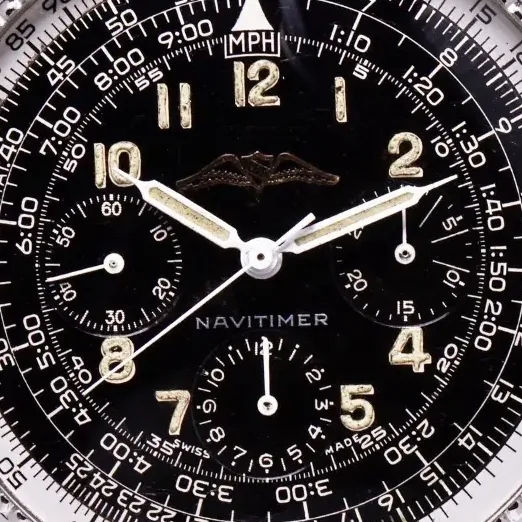
All-black dial, winged logo
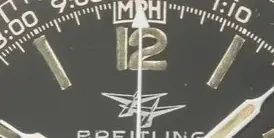
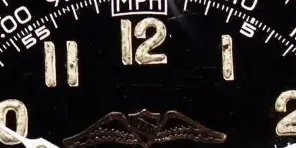
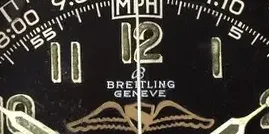
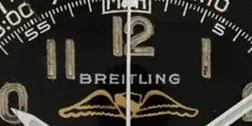
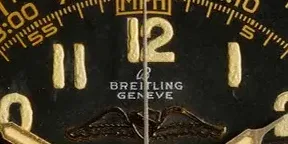
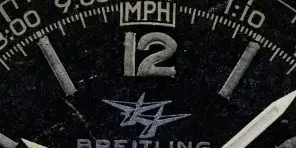
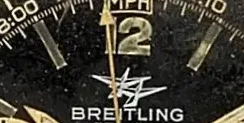
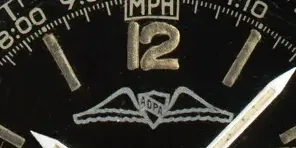
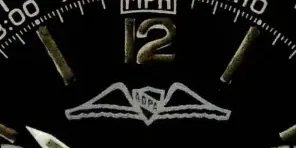
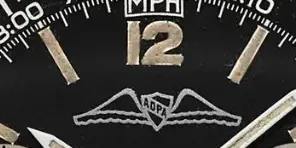
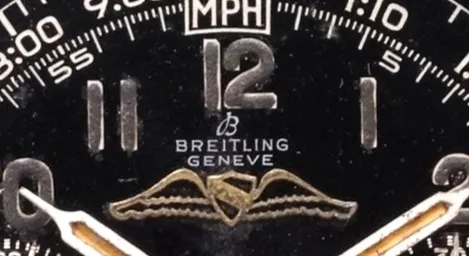
The earliest 806 dials are black with tone-on-tone black registers. Hours are marked with bold Arabic numerals, the hour counter is fully numbered, and the hands are syringe-shaped. A Breitling inscription in capitals sits below 12 with a winged logo. Watches for the US carry an AOPA-signed logo, while European ones have the same wings unsigned. The lume ages to orange.
- capital BREITLING text below 12
- fully numbered hour counter
- unsigned wings (Europe) or AOPA signature (US)
Transitional reverse panda, beaded bezel
Made in late 1964 or early 1965 as Breitling changed from all-black dials to reverse pandas. It has the new reverse panda dial but still carries the earlier beaded bezel. The example described has an applied gold Navitimer logo.
- reverse panda dial with a beaded bezel
Reverse panda dial, white registers
From about 1965 the black dial carries white registers, and these are larger than on the earliest watches so that they read more easily. The bezel changes to straight cut or serrated at the same time. Slide rule inserts and register diameters also changed from year to year.
- white registers on black dial
- toothed bezel
Big Eyes dial, single Arabic numeral
Around 1968 each register is made a full millimetre wider. Circa 1970 dials keep one Arabic numeral at 12 and mark the other hours with printed lines, which leaves more open space than the earlier all-Arabic dials.
- registers 1 mm larger
- only the 12 numeral
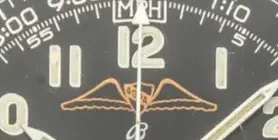
AOPA winged-shield logo
Most Navitimers carry the AOPA winged shield until about 1965. The logo is gold and applied on some watches.


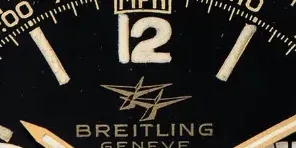
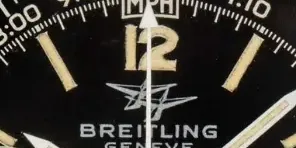
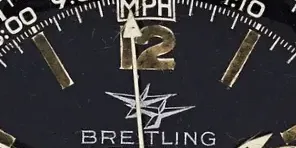
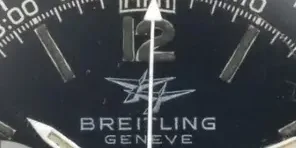
Twin-jet logo
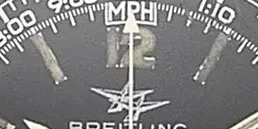
On later 806s the winged logo gives way to a twin-jet logo. One account puts the change at 1965, and a watch of about 1970 carries it. Breitling did not continue the logo, and collectors look for it.
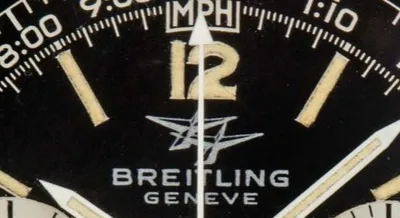

9 listings on record under the name.
Re-Edition dial (2019)
The 2019 watch reproduces the all-black 1959 dial, with tone-on-tone registers, capitals text, an unsigned winged logo and a hand-applied vintage-toned lume. A longer index line sits at the 3-minute point on the minute counter, alluding to three-minute telephone calls.
- unsigned wings
- no date
Luminous material 2 described
Original lume was radioactive; the re-edition uses modern paint tinted to match.
Aged lume on markers and hands
Original markers and hands carry cream to orange lume. Relumed markers and incorrect hands are common faults.
- cream hands with lume
- orange aged markers
Super-LumiNova, vintage tone (Re-Edition)
The 2019 watch uses non-radioactive Super-LumiNova, in a colour chosen to match the aged original, applied by hand.
Hands 1 described
Hands are slim; the chronograph seconds hand has an arrow-shaped tip.
Syringe hands, arrow chronograph hand
On the all-black dials the hour and minute hands are syringe-shaped. On a transitional watch of 1964 or 1965 the central chronograph seconds hand ends in an arrow, and the hands are slim beside the heavier ones of the 765.
- syringe-shaped hour and minute hands
- arrow-tipped chronograph hand
Subregisters 2 described
Three registers sit at 3, 6 and 9, and their colour and size change over the years.
Black registers (early)
The first dials have black registers matching the dial. Minutes are at 3, hours at 6 and running seconds at 9.
- tone-on-tone black registers
White registers, enlarged
White registers appear around 1965 and are made bigger to be easier to read. From about 1968 the 'Big Eyes' dials add another millimetre to each register.
- white registers
- larger diameter after 1968
Bezel 3 described
The bezel is a bi-directional slide rule bezel. Its edge changed from fine beads to teeth about 1965, and the bead count itself varied.
Beaded bezel
The early edge is a ring of fine beads, called beads of rice by sellers. The count is given as about 125 in the early 1950s, 94 in 1959 and 93 in 1960. The detail is fine enough that these bezels look newer than they are.
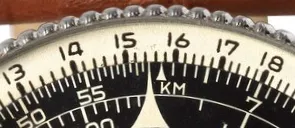

- white slide rule scale
18 listings on record under the name.
Straight-cut or toothed edge
From about 1965 the edge is cut with straight teeth, easier to grip. This became the usual Navitimer bezel. A circa 1970 watch uses the gear-toothed edge.
- straight-cut ridges
Slide rule inserts
The outer white ring rotates, with two black rings inside it, and together they work out multiplication, division, speed and other flight figures. The inserts are often replaced, worn or marked by damp.
- white outer scale
- two black inner rings
Case 2 described
The case is a large chronograph case with chamfered lugs. The original was big for its time.
41 mm steel case, chamfered lugs
The steel case measures about 41 mm (40.9 mm on the 1959 watch) and takes a 22 mm strap. The lugs have triangular chamfers. Pushers are piston style at 2 and 4. A 1970 example measures about 12.7 mm thick and 48 mm lug to lug. The 806 only came in 38 mm and 41 mm sizes; seller records are mostly 40 or 41 mm.
- triangular chamfers on lugs
- thin case for the width
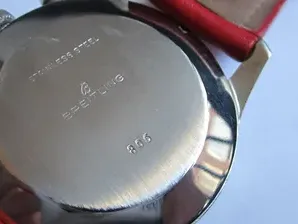
Snap-on caseback
The back is a snap-on steel back marked with the script B and the model number. Some are engraved by the owner.
- script B
- model number
Crown and pushers 1 described
The crown is large and signed, and does not screw down.
Large signed crown
A big winding crown carries the Breitling mark. The Re-Edition has the new Breitling B on the crown and its pushers sit further from the crown than the original.
- signed crown
Crystal 2 described
The original crystal is acrylic and lies almost flat.
Shallow acrylic crystal
The acrylic crystal rises a little towards the centre and sits almost level with the bezel at its edge. It flexes slightly under pressure and can squeak.
- almost flat crystal
Highly domed acrylic (Re-Edition)
The 2019 watch keeps acrylic but with a higher dome to clear its taller hand stack. Other accounts call it domed and identical to the original in shape.
Movement 4 described
Venus 178 is the usual movement, with Valjoux in the earliest and last watches.
Valjoux 72
Used in the first watches, the AOPA specials, and in a few later ones.
- Valjoux 72
Venus 178
A hand-wound chronograph of 14 ligne with a column wheel and horizontal clutch, 17 jewels, 18,000 vibrations per hour and about 45 hours of reserve. It powers most watches. Venus made it from 1941 to 1966, and Valjoux took over the firm in 1966.
- Venus 178 on the movement
Valjoux 7736 or 7740
Some late watches carry a Valjoux 7736; one account instead puts a Valjoux 7740 in place from about 1969.
Breitling B09 (Re-Edition)
The Re-Edition uses the new hand-wound B09, based on the B01. It is chronometer-certified, with column wheel, vertical clutch, 28,800 vibrations per hour and a 70-hour reserve.
Bracelet 1 described
Most are sold on straps; a bracelet appears on some later watches.
Five-link bracelet by JB Champion
A circa 1970 watch has a five-link bracelet of square middle links and slim oval outer links, made by JB Champion.
- five-link bracelet
Originality
- Slide rule inserts are the part most often replaced or worn, so wrong or mouldy inserts are the usual fault.
- Correct hands are frequently missing, and many watches have had the hour markers relumed.
- Dials can swell or dent, and the dial edge can sit above the bezel; one watch with a single flaw can be less acceptable than a worn honest one.
- Replacement bezels are fitted when the original is worn; a new white bezel on an all-black watch is an example.
- Crystals and Venus 178 parts are available, so the movement is easy to service.
Names
- AOPA. The winged logo with the Aircraft Owners and Pilots Association signature, used on watches sold in the US.
- Twin jet. The late dial logo showing two jets.
- Big Eyes. The enlarged registers of the late 1960s dials.
Where accounts differ
Points on which the published literature and the library's own records do not agree, or on which the literature contradicts itself.
- When the 806 began. Accounts differ. One gives 1952 for the first 806, another 1954, another 1956, and others put the 806 in 1959, shortly after the 1952 Navitimer.
- Valjoux calibre of late watches. One account says the Valjoux 7740 replaced the Venus 178 around 1969, another says some late 806s have the 7736, and a third says the 806 kept the Venus 178, from stockpiled movements, until it ended in 1972 or 1973. In the library's records sellers mostly state the 178 and some the 72; a watch sold as 806-36 is stated to have the 7736.
- End of production. One account says the 806 ended in 1972 to 1973, another says it sold into the mid-1970s, and a third says it was available until 1978 or 1979. The library's records show no stated year after 1972.
- Year of the Navitimer. Most accounts introduce the Navitimer in 1952. Others give 1954, and one of them says members of the AOPA, the pilots' association, could buy it that year, a year before the public. The name was registered in 1955.
Back and movement
From listings of this reference, each confirmed by eye to show what it is filed under. A picture on which a person's name or a personal engraving can be read is not shown. From most holders a detail from the middle of the photograph is shown; the mark in its corner gives its holder and a link to the listing.
Caseback




Movement

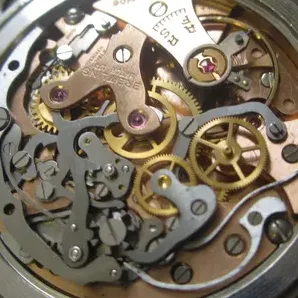

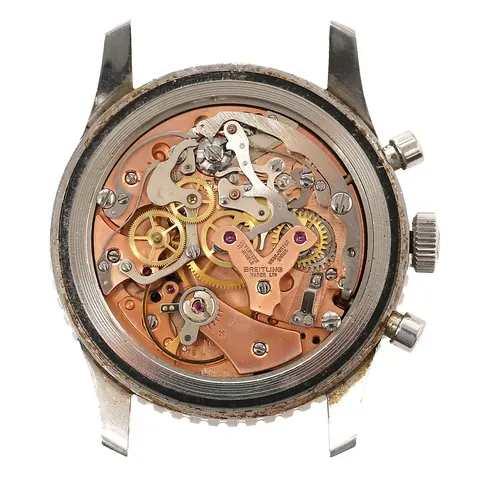

Catalogue versions 1 listed
The full numbers under which holders list this reference, with what their listings say of each. Each has a page of its own.
| Version | Metal | Dial | Years seen | Records |
|---|---|---|---|---|
| 806-36 thin | 1968 | 1 |
In the records
Counted from 233 listings at 42 holders between 12 April 2006 and 14 November 2026. These are what sellers and auction houses state, not measurements.
Fainter bars are the 8 outside the main run of 1956–1970 (the middle nine-tenths): the earliest is 1950 and the latest 1972. They are early and late examples, and now and then a seller's slip. The head of the page gives 1955–1972: the years that listings from two holders bear out.
4 listings dated long after the reference ended are set aside and not counted here: a year that late belongs to a later watch sold under the old number, or to a listing filed under the wrong one.
Case metal
| Steel | 82 | |
| Gold, any colour | 11 | |
| Yellow | 6 | |
| Colour not stated | 5 | |
| Gold plated, filled or capped | 1 |
A listing that says "gold" or "18K gold" names no colour: it is counted under "colour not stated", not as yellow gold.
Dial colour
| Black | 67 | |
| White | 2 | |
| Brown | 1 |
Case size
| 40 mm | 68 | |
| 41 mm | 45 | |
| 38 mm | 1 |
Calibre named
| 178 | 102 |
Bracelet or strap
| Leather strap | 52 | |
| Metal bracelet, kind not stated | 5 | |
| Fabric strap | 4 | |
| Rubber strap | 1 |
Each table counts the listings that state the thing, in the seller's own terms. A size, metal, colour or calibre that cannot belong to this reference is a seller's slip or a listing filed under the wrong number.