Tank Basculante
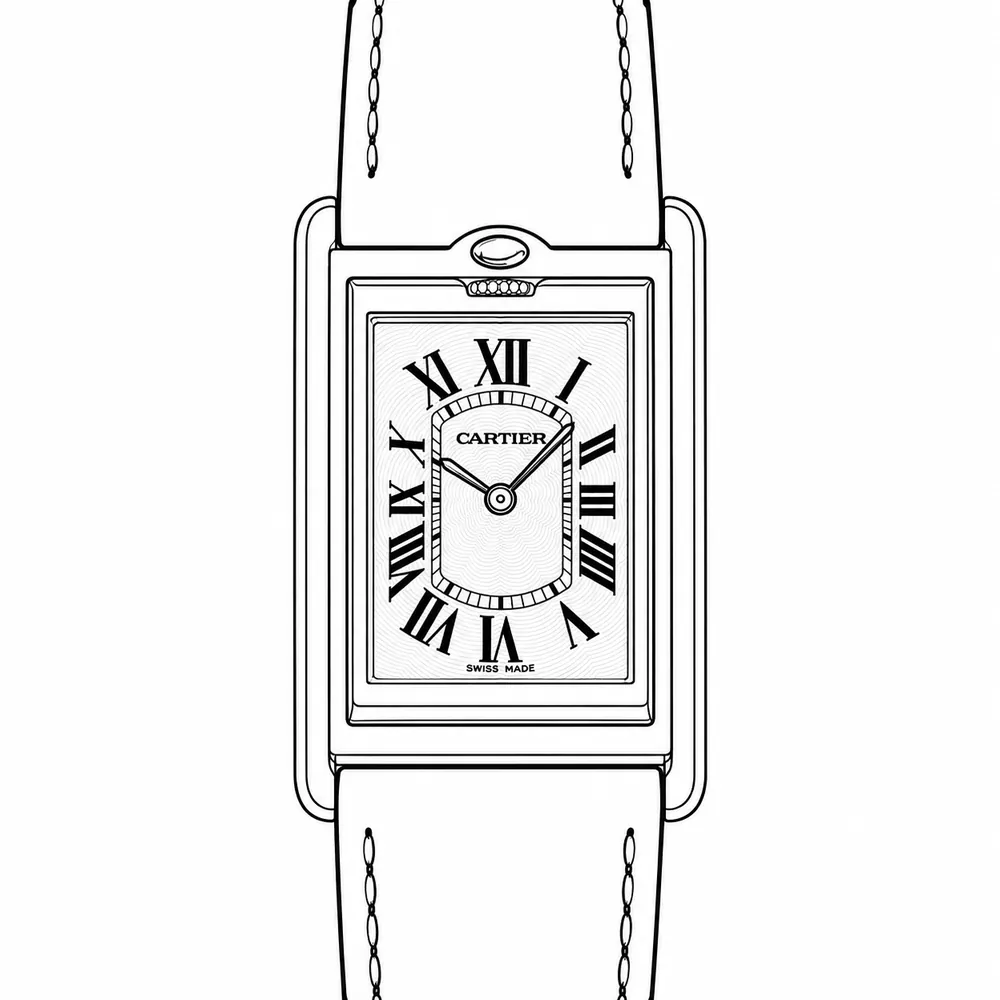
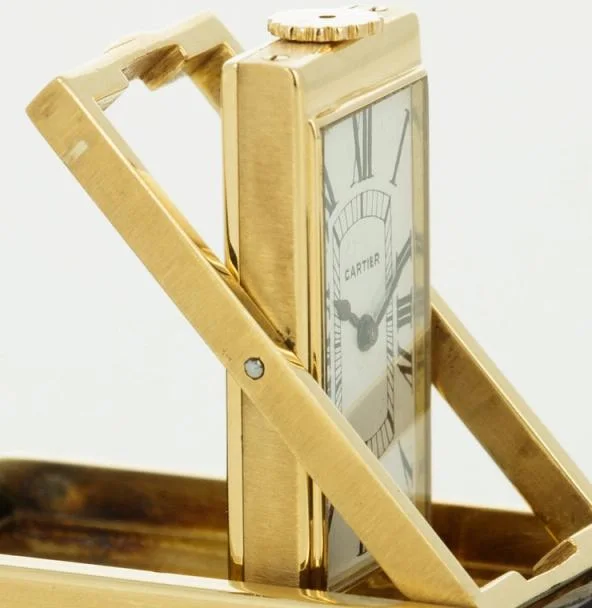
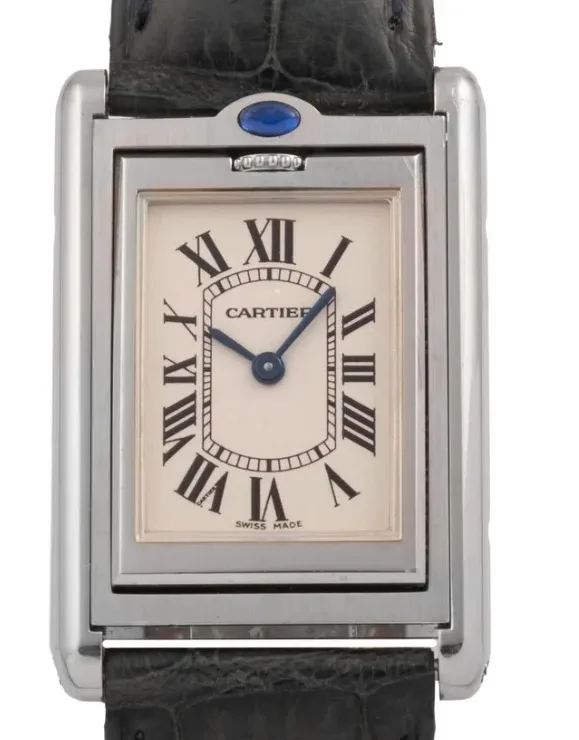
The Tank Basculante is a rectangular Tank whose inner case sits in a frame and turns end over end, so that it can be worn face up, turned face down to cover the glass, or stood upright on a table as a small clock. The crown is at 12 o'clock beneath a cabochon. The first watches are dated to the early 1930s, most often 1932, a year after the Reverso, and the case came from the same maker. The model returned in the 1990s in steel and gold, with a thin manual-wind movement or quartz, and in limited editions of the Collection Privée Cartier Paris. Among the steel watches the manual-wind 2390 is the one most looked for; the quartz versions are valued lower.
Cartier's entries are arranged by model, not by reference number, because its reference numbers are several systems at once and many of its watches carry none. The houses are set out in Paris, London and New York.
- Made
- from c. 1932The first watches are dated to 1931, 1932 or 1933 depending on the account; the literature is split on whether the model was made for decades afterwards or vanished until the 1990s, and gives no end date for the first production.
- On record
- 296 listings76 of them give no reference
- Reference numbers
- 13 described32 seen in listings
- House named in the title
- Paris 8most older watches are not labelled
What to look for
Details cut from photographs of watches of this line on record. Each was chosen by eye from a listing on the line and then checked again against the words beneath it. More sit beside the productions and parts they belong to, below. Select the small mark in a picture's corner for its holder and a link to its listing.
Components
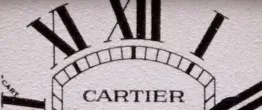
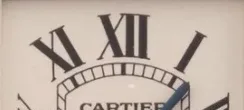
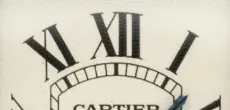
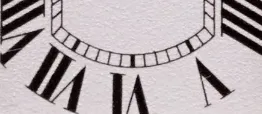
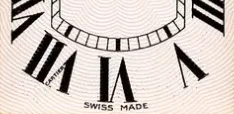
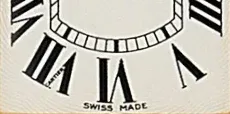
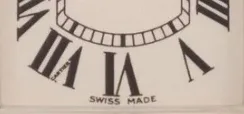
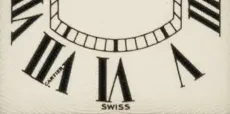
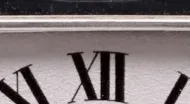
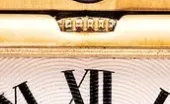
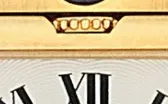
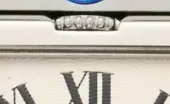
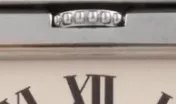
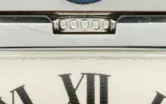
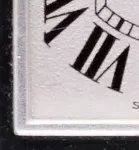
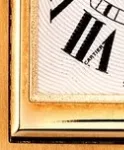
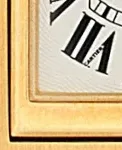
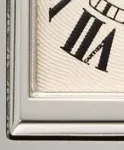
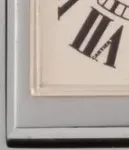
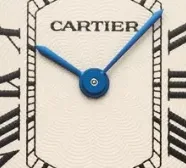
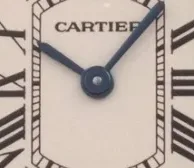
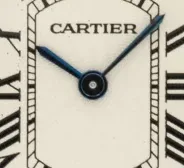
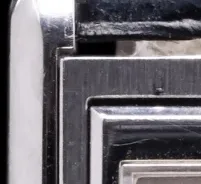
6 watches of this line, oldest first. Each photograph is turned upright and scaled so the dial is the same height, and every crop is cut from the same place on the dial, so one row shows one part across them all. A watch is shown only if its seller's title names the line and the picture has been checked by eye, twice, to show it. Years are as sellers give them. Each picture is a detail; select the small mark in its corner for its holder and a link to its listing; the whole watch is shown only for holders whose pictures may be shown whole.




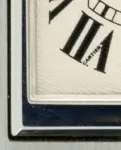
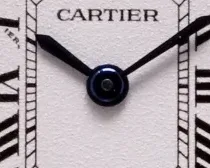
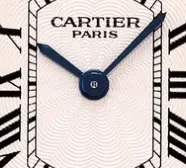
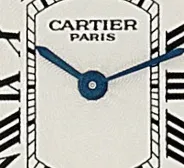


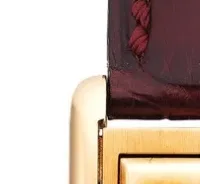
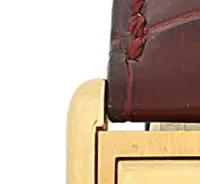


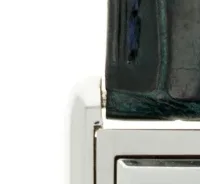


By house and period 4 described
Original Tank Basculante, 1930s
The first Basculante is dated to 1932 in most accounts, with 1931 and 1933 also given, a year after the Reverso. Its case was made by Spécialités Horlogères SA, which also made the Reverso, and the patent for the turning mechanism came from Le Coultre, César de Trey and Jaeger. The inner case sits in a frame and turns lengthwise, where the Reverso slides sideways, and the crown was put at 12 o'clock to protect it. It is also said to have first appeared under the name Cabriolet. The literature is split on what followed: one account has it made for several decades, with an example from the 1970s, another has it vanish for decades until the 1990s. It names no Paris, London or New York version.
Signature and marks. The literature gives no signature for these watches.
- crown at 12 o'clock
- case that turns lengthwise in a frame
Yellow gold models, 1980s
Yellow gold Basculantes are described as launched in the 1980s, some with closed backs and some with display backs. No year, reference or movement is given for them.
Signature and marks. The literature gives no signature for these watches.
- yellow gold case
- closed or display back
Basculante in steel and gold, 1990s and 2000s
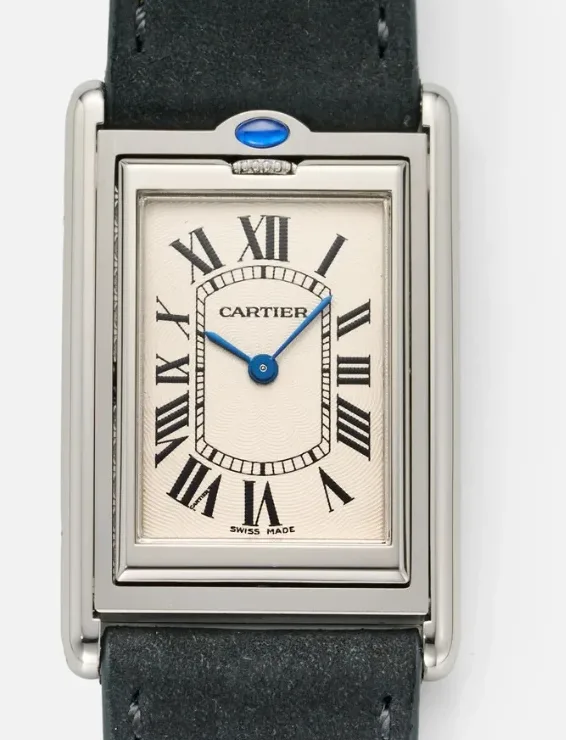
Cartier reissued the Basculante in the 1990s and 2000s, in steel and in gold, with manual-wind and quartz movements, in sizes slightly larger than the originals. The literature is split on the start: the steel 2390 is put on sale at the end of 1999 and made until about 2002, but the model is also described in small runs during the 1990s and on sale in the later 1990s. The mechanical watches use a Piguet-based calibre, and the 2390 has no seconds hand; the quartz 2405 is the lighter and cheaper alternative, and a quartz XL has date and small seconds. Among the steel watches the manual-wind 2390 is the one most looked for, and sale catalogues often call it the Millennium Basculante.
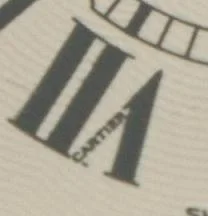
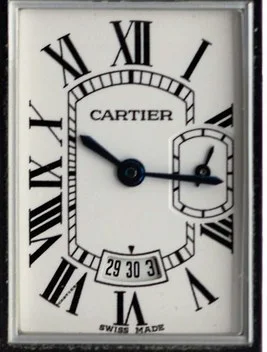
Signature and marks. Cartier on the dial, with a secret signature in the Roman numerals; the literature places it at 5 o'clock on one guilloché dial, at 7 o'clock on another and at the numeral X on a 2390, and sellers mostly give VII, with X on most of the small 2386. A pattern of Cartier logos (double C) lines the inside of the case.
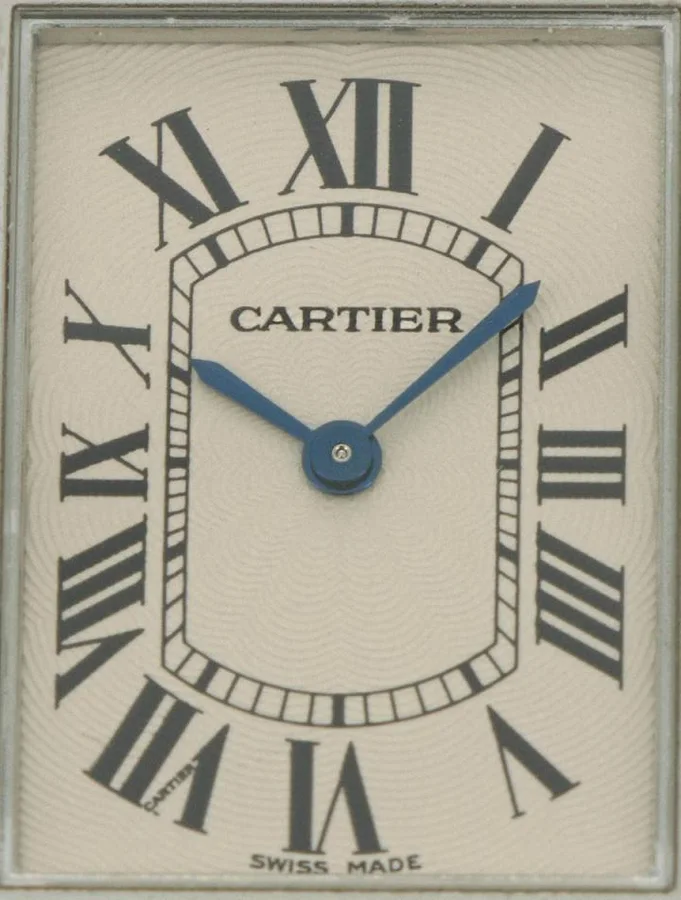

- perlage finish on the inner case
- blue sapphire cabochon over the crown at 12 o'clock
Collection Privée Cartier Paris, 1990s and 2000s
Cartier returned to the Basculante more than once in the Collection Privée Cartier Paris, from the late 1990s, in limited runs with hand-finished guilloché dials, precious metals and a refined mechanical movement. The 2391 is a limited edition of 365 pieces, 26 mm wide, with spade-style hands; the 2499, written 2499C, has a full guilloché dial and on some watches a display back showing the decorated Piguet calibre, and is seldom seen beside other Collection Privée models. Auction titles place the 1997 150th anniversary edition, sold as 'I love Cartier', in the Collection Privée, though most accounts date the Collection itself from 1998, a year after that edition. The same titles describe diamond-set lady's watches under 2506 and 2480 and a platinum watch under 2500E.
Signature and marks. The literature gives no dial signature. Auction titles describe the anniversary edition and a 2499C as signed Cartier, Paris, with a limited-edition number such as 137/150 or 99 MG.
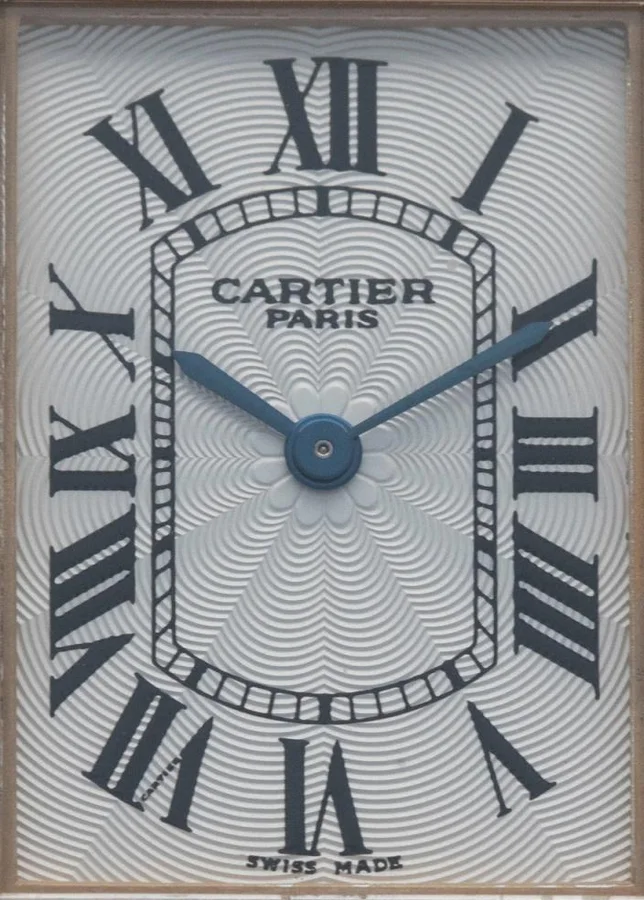

- limited-edition number on the case
- display (sapphire) back showing the decorated calibre
- vertical brushing and polishing, perlage on the inner frame (1997 edition)
- ruby red cabochon (1997 edition)
References: 1625, 2391, 2499, 2499C, 2506, 2480, 2500E, WA201651
Chronology
Specification
| Case | Rectangular case pivoting lengthwise on two arms inside a frame, held by a sprung ball bearing; steel or gold in the 1990s revival |
| Sizes | Several: the 2405 at 23 mm wide; the 2390 at 25 mm, given also as 25 by nearly 39 mm ('XL') and as 26 by 38 mm ('large'); a quartz XL with date at 26 by 40 mm; the 2391 at 26 mm |
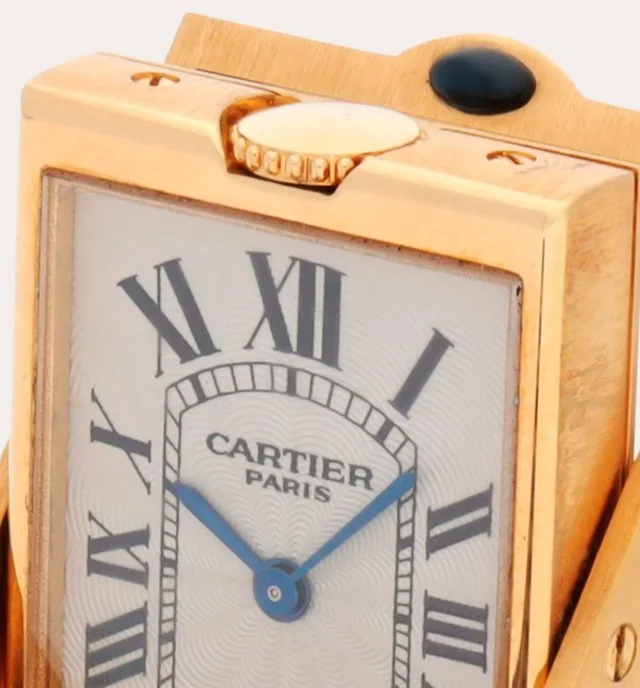
| Crown | At 12 o'clock, flush in the frame, with a blue sapphire cabochon above; the 1997 anniversary edition has a ruby red cabochon instead, which on watches in the library's records sits in the frame at 6 o'clock |
| Dial | White or silver, with black Roman numerals, a railway minute track and a secret signature; guilloché is described on the mechanical and Collection Privée watches, and the white dials seen on listings of the quartz 2405 are plain |
| Hands | Blued steel on the white and silver dials; épée or spade-shaped in different versions |
| Movement | Manual-wind calibre built on the Frédéric Piguet 6.10, about 2.1 mm thick, given as calibre 610, 060 MC or 050 MC; calibre 40P on the 1997 anniversary edition; or quartz |
| Case thickness | About 5.8 mm for the mechanical steel 2390 |
Dial 3 described
The literature describes one dial design across the revival: a silver or white guilloché centre with painted black Roman numerals and a railway-track minute ring. A secret signature sits in the numerals. Colours other than white and silver appear only in sellers' titles.
Silver guilloché dial
A silver or white dial with a guilloché pattern, painted Roman numerals and a railway minute track. The Roman numerals are described as 'exploding' on a mechanical steel watch, and the guilloché on the 150th anniversary edition as two-tone.
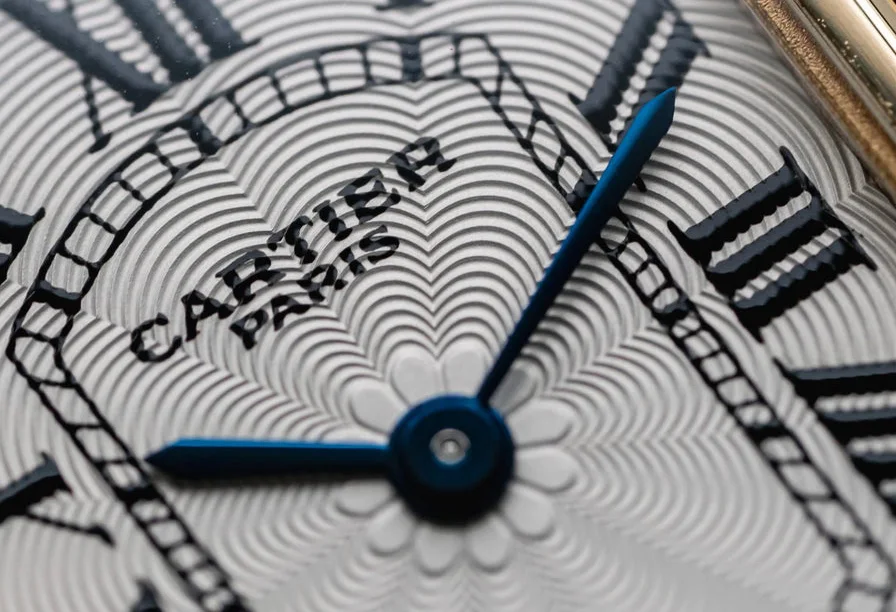

- exploding Roman numerals
Secret signature
A hidden Cartier signature worked into the Roman numerals. The literature puts it at 5 o'clock on one guilloché dial, inside the numerals at 7 o'clock on another and at the numeral X on a 2390, and does not reconcile them. Sellers' descriptions mostly give VII, for the 2390 and 2405 among others, and X for most of the small 2386.

Slate grey, blue and off-white dials
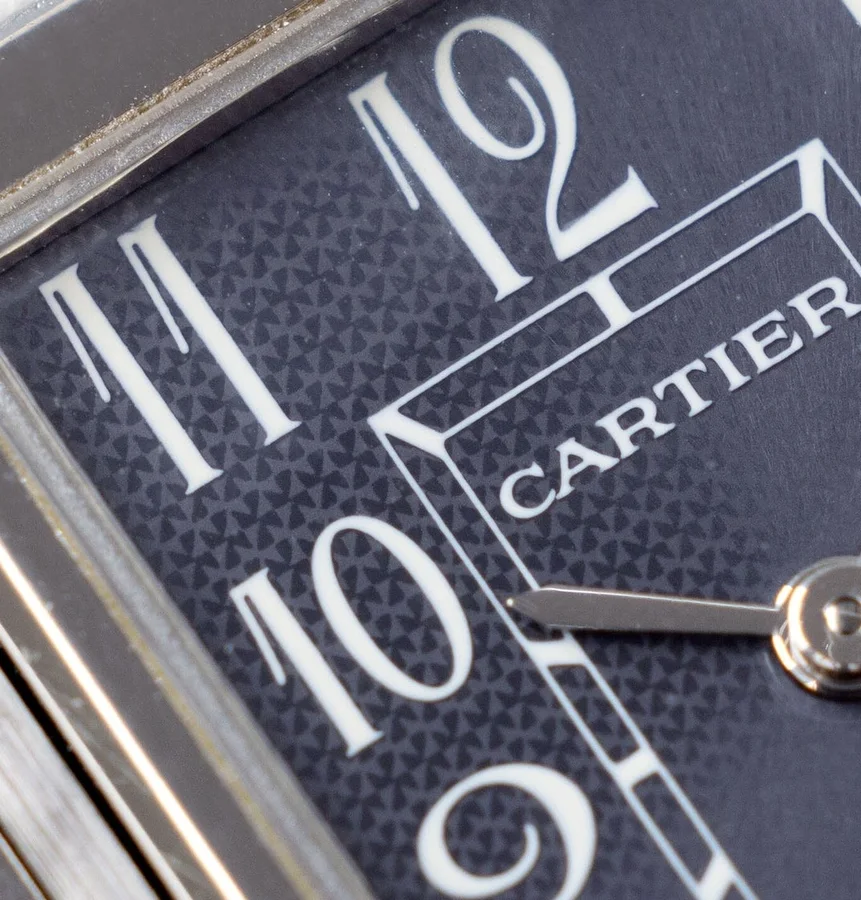
Sellers' titles describe slate grey, blue and off-white dials on watches with W catalogue codes and on a 2405; the literature does not mention them.

Hands 1 described
Blued steel hands are the rule in the literature, with some variation in shape.
Blued steel hands
Hour and minute hands in blued steel, with no seconds hand on the mechanical 2390. The 1997 anniversary edition has thermally blued épée hands and the 2391 spade-style hands.
- blued steel
- sword or spade shape
Case and sizes 4 described
Every Basculante has a rectangular inner case that turns lengthwise in a frame and locks, so it can be worn face up, face down, or stood upright as a table clock. The revival watches are slightly larger than the originals, and the literature gives several sizes, with the size names large and XL applied inconsistently.
Swinging frame
The inner case sits in a frame and pivots on two arms; a sprung ball bearing holds it, released from the top. The frame adds eight edges, all bevelled and polished, and the inner part of the case has a perlage finish. The turn can go a full 360 degrees, allowing the watch to stand upright.
- frame with beveled edges
- perlage on the inner case
Steel 2390 and XL
The steel mechanical 2390 is given as 25 mm wide, as 25 by nearly 39 mm in the size called XL, and as 26 by 38 mm in the size called large, about 5.8 mm thick, and about 38 mm long elsewhere. A quartz XL with date and small seconds is given as 26 by 40 mm.
- 25 or 26 mm wide, 38 to 40 mm long
Small steel quartz
The quartz 2405 is given as 23 mm wide. Sellers give 22 by about 32 mm for the 2386, which their titles call quartz in most cases and manual-wind in one.
- 22 to 23 mm width
Gold and precious-metal cases
Gold is given for the 1980s models, for the revival, for the 1997 anniversary edition (18 carat yellow gold) and for the Collection Privée runs. Sellers' titles add platinum for some limited editions and white gold with diamonds for a few.
- gold or platinum case
- limited number engraved
Crown 1 described
The crown is at 12 o'clock inside the frame, so that the case can turn.
Crown at 12 under a cabochon
The crown is flush with the case at 12 o'clock and is protected when the case is reversed. A blue sapphire cabochon sits above it and is used to release the case from its frame. The 150th anniversary edition is described with a ruby red cabochon in place of the blue; on watches in the library's records it sits in the frame at 6 o'clock, opposite the crown.
- blue cabochon above the crown
- ruby red cabochon at 6 o'clock on the 1997 edition
Movement 3 described
The mechanical watches use a thin Piguet-based manual-wind movement; the literature gives it different names, and the revival also included quartz.
Piguet-based calibre 610 / 060 MC
A manual-wind movement built on the Frédéric Piguet 6.10, about 2.1 mm thick, with embossed decoration in place of Geneva stripes. Its Cartier name is given variously as calibre 610, as 060 MC and as 050 MC (with 18 jewels); sellers give 060MC with 19 or 21 jewels, and one sale listing calls it Piaget. Some Collection Privée watches show it through a display back.
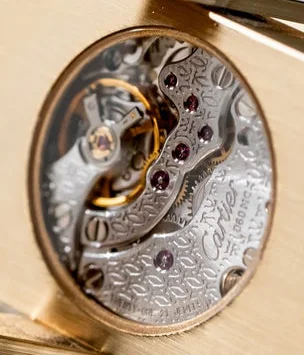

Calibre 40P
The 150th anniversary edition is fitted with a manual-wind 40P with gold, engraved bridges seen through a sapphire back.
- gold engraved bridges
Quartz
Quartz Basculantes are described as lighter, simpler and cheaper alternatives in the 1990s and 2000s. The 2405 is the quartz reference named, and the XL with date and small seconds is quartz; sellers also describe the 2386 as quartz.

- no winding
Bracelet and strap 1 described
The literature says little about straps; the 2390 takes a 20 mm strap.
Cartier alligator strap with pin buckle
A Cartier alligator strap with a steel pin buckle is described on a 2390, and a Cartier alligator strap on a quartz XL. One auction title describes a gold Basculante on a Gay Frères bracelet.
- Cartier strap and buckle
Reference numbers
A four-digit number is stamped on the case and covers a case; a code beginning W, or the newer letter codes, is a catalogue number for one version of it (metal, dial, strap). Many older watches carry neither. The last column is the listings on record under the number, as its own page counts them.
| Number | What it is | Listings |
|---|---|---|
| 2390 | The steel mechanical Basculante with Piguet-based calibre, about 25 to 26 mm wide; the one most often named in the literature and the most common reference in the records. | 84 |
| 2405 | A steel quartz Basculante, described as 23 mm; the literature names it as the quartz example. | 41 |
| 2386 | As sellers describe it, a small steel Basculante, around 22 by 32 mm, mostly quartz and in one title manual-wind and a lady's watch. | 34 |
| 2391 | The Collection Privée yellow gold limited edition of 365 pieces, 26 mm, and described by sellers as the Millennium edition. | 16 |
| 2499 / 2499C | The Collection Privée Cartier Paris Basculante in yellow gold, with a full guilloché dial and on some a display back; the literature gives both 2499 and 2499C. | |
| 1625 | Given in the literature as the 18 carat yellow gold 150th anniversary Basculante of 1997, with calibre 40P; sellers' titles of the anniversary edition do not give this number, and one gives the code WA201651. | |
| 2506 | As sellers describe it, a Collection Privée yellow gold watch set with diamonds, called a lady's watch. | 7 |
| 2480 | As sellers describe it, a Collection Privée yellow gold and diamond-set lady's watch. | 3 |
| 2500E | As a seller's title describes it, a Collection Privée platinum Basculante. | 1 |
| W1011358 | The steel large mechanical Basculante, as it is labelled in the literature. | 1 |
| W1011158 | A steel Basculante that sellers call a ladies' watch with an off-white dial. | 5 |
| 2526 | As a seller's title describes it, an 18 carat white gold Basculante with diamond-set bezel and case, 22.5 by 32.5 mm, with code WA202751. Catalogue codes seen beside it in listings: WA202751 | 5 |
| 2522 | As sellers describe it, a steel quartz Basculante with date, called XL in some titles, about 26 mm wide. | 7 |
Originality
- A genuine 2390 has a decorated manual-wind Piguet-based movement; a 2390 with quartz inside is not as made, the quartz steel Basculantes being sold under other references such as the 2405.
- Heavy polishing rounds the sharp edges of the case and frame and can wear away the serial number on the back; deep engravings and full proportions point to an unpolished case.
- Cartier will, on request and for a fee, confirm a serial number and the model it belongs to.
Names
- Millennium Basculante. Used in sale catalogues for the steel 2390, and in sellers' titles for the 2391 limited edition.
- CPCP Basculante. The Collection Privée Cartier Paris versions.
- Cabriolet. The name under which the model is said to have first appeared in 1932; the turning case is also called a cabriolet system.
- I love Cartier. The name sellers give the 1997 150th anniversary limited edition.
Where accounts differ
Points on which the published literature and the library's own records do not agree, or on which the literature contradicts itself.
- Year of introduction. The first Basculante is dated to 1931 by one site, to 1932 by most, and to 1933 by three others. The few listings in the library's records that sellers date to the 1930s do not settle it.
- Number of 150th anniversary pieces. One account gives the reference 1625 anniversary edition of 1997 as 15 pieces. The records hold titles for the 150th anniversary edition numbered 137/150 and 056/150.
- Revival dates. One account says the 2390 was launched at the end of 1999 and made until about 2002. Another has it back in small runs during the 1990s, a third saw it in a boutique in the later 1990s, and another has yellow gold models launched in the 1980s. In the library's records sellers' stated years for the 2390 begin in 1990; stated years are often guesses.
- Calibre name and secret signature. The movement is called 610 by Cartier in one account, 060MC as Cartier's name for the 610 in two others, 050 in another and 050 MC in a third, and Piaget in another sale listing. The secret signature is placed at 5 o'clock in another, at 7 o'clock in the first account and at the numeral X on a 2390 in one of those accounts; in the library's records sellers mostly give VII for the 2390.
- Production between the 1930s and the 1990s. One account says the model was made for several decades after 1932 and shows an example from the 1970s; another says it disappeared from production for many decades before the 1990s; a third has yellow gold models launched in the 1980s. In the library's records sellers date several gold listings to the 1940s, 1950s and 1960s; stated years are often guesses.
- Most desirable version. One account calls the steel mechanical 2390 the most looked for, and another reports the mechanical XL as the one to have; a third names the Collection Privée 2499 as the most desirable of all.
- The 1997 edition and the start of the Collection Privée. Most accounts date the Collection Privée Cartier Paris from 1998; one says it was relaunched in 1997, for the firm's hundred and fiftieth anniversary. One account of the Basculante says only that it was revived in the Collection in the late 1990s. In the library's records, auction titles file the 1997 anniversary edition under the Collection Privée.
In the records
Counted from 296 listings at dealers and auction houses whose title, or whose reference, places them on the line; 179 state a year. These are what sellers state, not measurements, and a count of listings is not a count of watches made.
Case metal
| Metal | Listings | Share |
|---|---|---|
| Steel | 142 | 68% |
| Gold, any colour | 66 | 32% |
| Yellow | 32 | 15% |
| White | 6 | 3% |
| Pink | 1 | under 1% |
| Colour not stated | 27 | 13% |
| Platinum and gold | 1 | under 1% |
As sellers state it. Shares are of the 209 listings that name a metal. A listing that says "gold" or "18K gold" names no colour: it is counted under "colour not stated", not as yellow gold. Carat, where a listing of gold gives one: 18k 51.
Case size
| Size | Listings | Share |
|---|---|---|
| 25 mm | 26 | 21% |
| 22 mm | 19 | 15% |
| 23 mm | 15 | 12% |
| 26 mm | 7 | 6% |
| 39 mm | 7 | 6% |
| 24 mm | 6 | 5% |
| 38 mm | 6 | 5% |
| 36 mm | 5 | 4% |
| Other sizes | 33 | 27% |
As sellers state it. Shares are of the 124 listings that give a size. On a watch that is not round some sellers give the width and some the length, so one watch can stand under two sizes. 1 more gives a figure outside 12 to 56 mm, which is a strap, a box or a slip, and is left out.
Movement
| Kind | Listings | Share |
|---|---|---|
| Hand-wound | 63 | 62% |
| Quartz | 37 | 36% |
| Mechanical, winding not stated | 2 | 2% |
Shares are of the 102 listings whose description says how the watch is driven.
Listings by decade the seller gives
| Decade | Listings |
|---|---|
| 1930s | 5 |
| 1940s | 6 |
| 1950s | 2 |
| 1960s | 3 |
| 1990s | 48 |
| 2000s | 110 |
| 2010s | 5 |