Panthère de Cartier
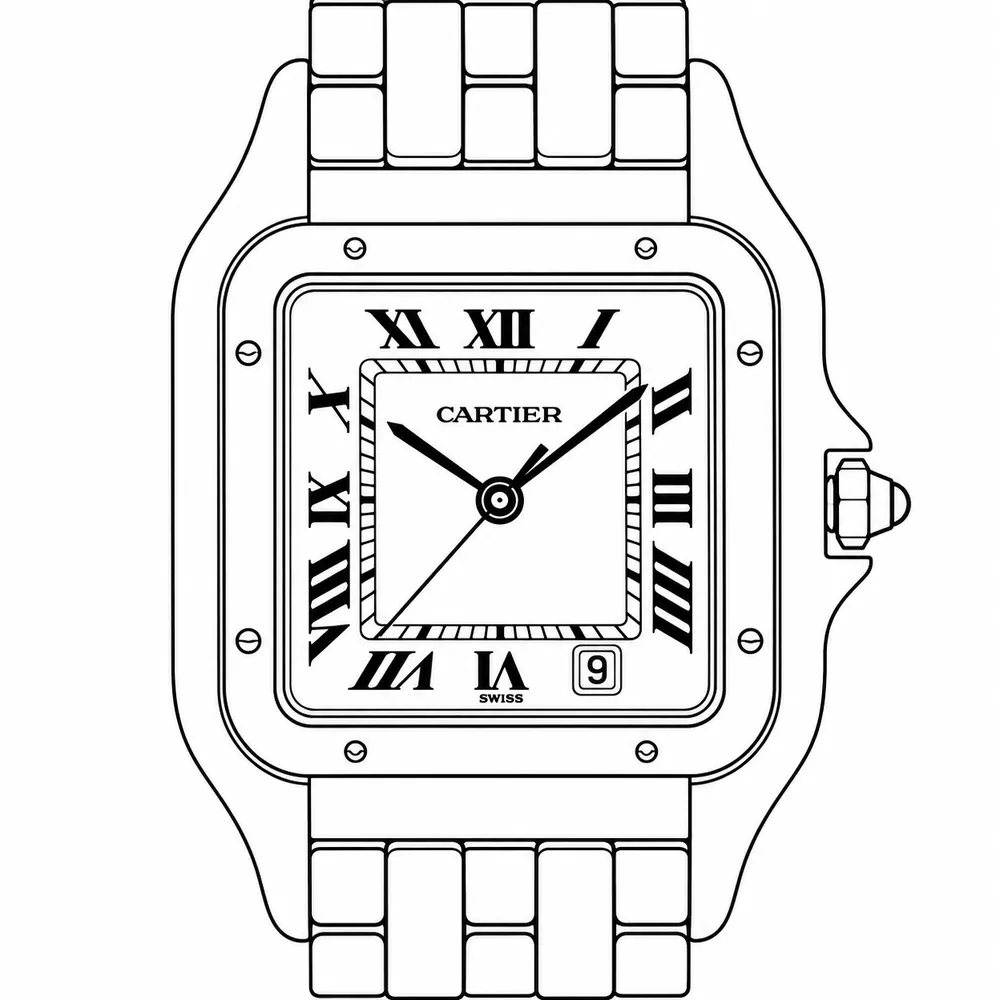
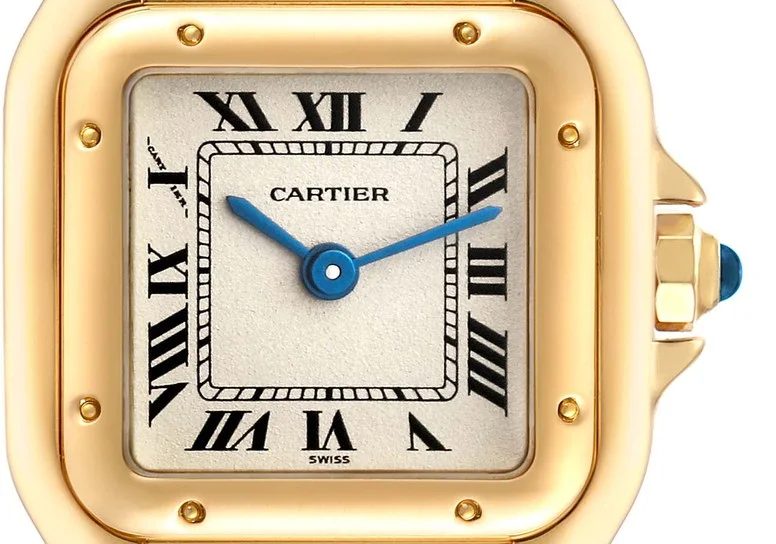
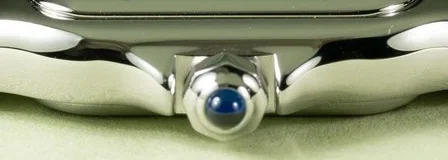
A square quartz bracelet watch, launched in 1983 and made in steel, gold and steel-and-gold in several sizes, from a mini to a jumbo or large. It has a screw-set bezel, Roman numerals, blued sword hands, a blue cabochon crown and an integrated bracelet of brick-pattern links with a concealed folding clasp. The first run is put at 1983 to about 2004; Cartier brought the line back in 2017 with small and medium cases (one account adds a mini), and a large size has since returned. Collectors look first at the bracelet, whose gold versions stretch with wear, then at the case back reference, the dial print and whether any diamond setting is original.
Cartier's entries are arranged by model, not by reference number, because its reference numbers are several systems at once and many of its watches carry none. The houses are set out in Paris, London and New York.
- Made
- from c. 1983The 1983 start is given consistently; the first run is said to end about 2004 and the line returned in 2017 (one account says 2014), so it is in production again and no end date is given.
- On record
- 2,422 listings955 of them give no reference
- Reference numbers
- 32 described300 seen in listings
- House named in the title
- Paris 6, London 1the line is later than the three houses; a title naming one is quoting the dial
What to look for
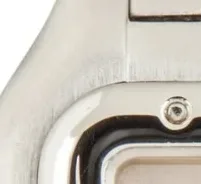
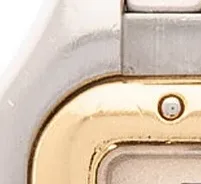
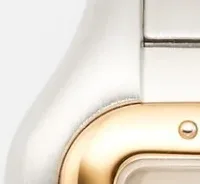
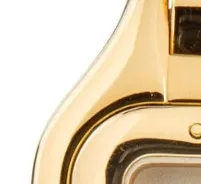
Details cut from photographs of watches of this line on record. Each was chosen by eye from a listing on the line and then checked again against the words beneath it. More sit beside the productions and parts they belong to, below. Select the small mark in a picture's corner for its holder and a link to its listing.
Components
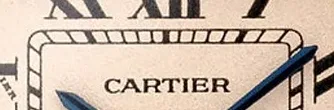
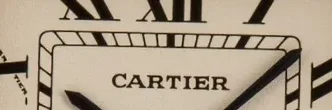
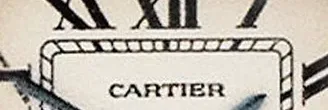
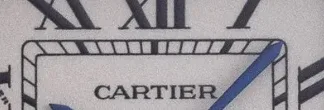
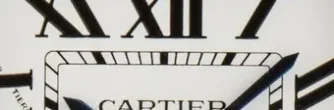
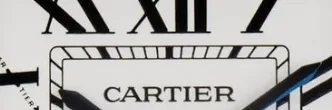
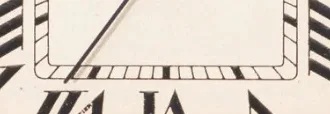
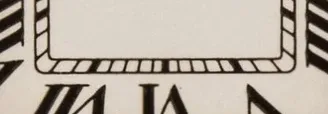
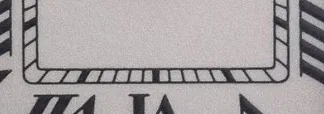
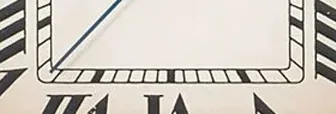
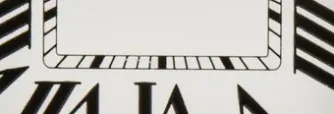
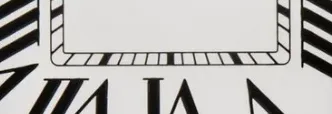
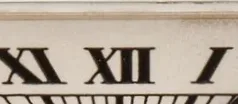
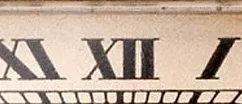
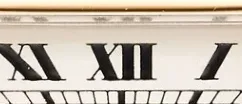
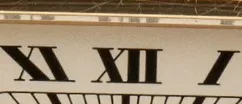
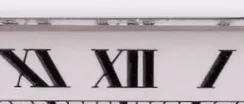
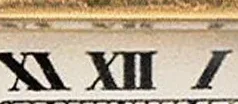
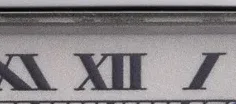
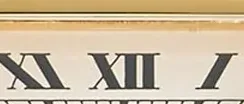
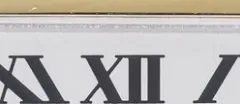
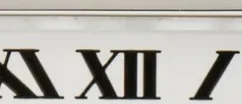
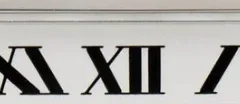
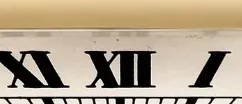
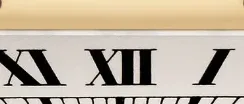
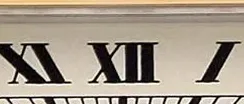
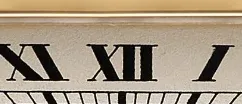
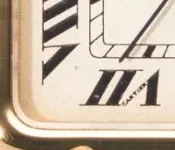
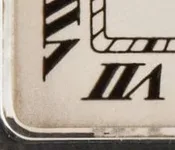
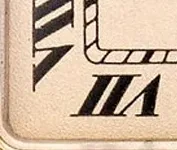
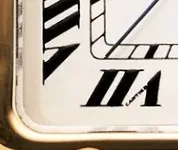
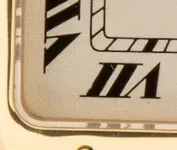
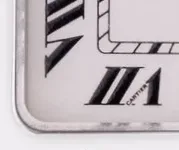
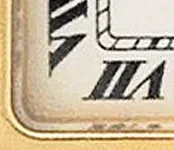
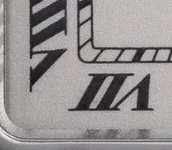
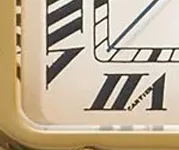
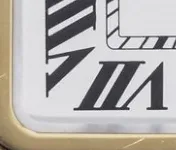
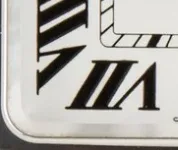
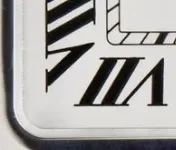
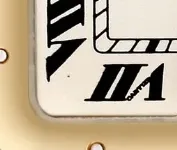
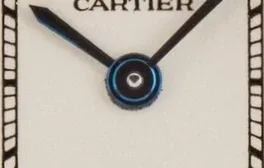
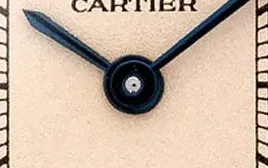
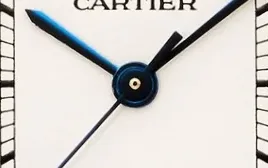
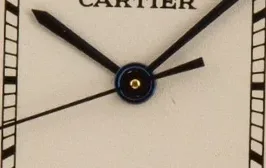
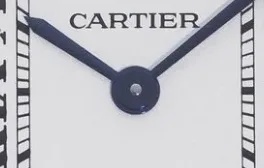
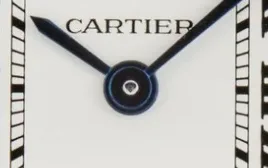
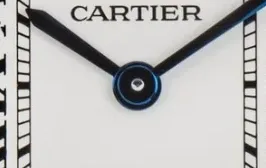
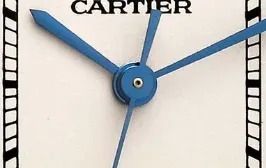
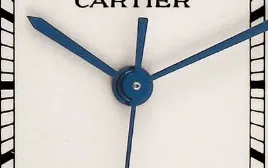
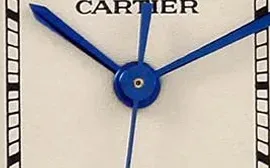
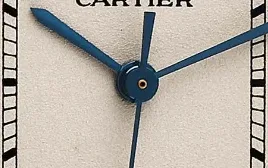
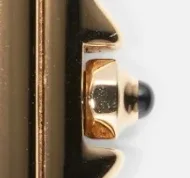
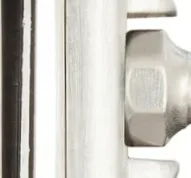
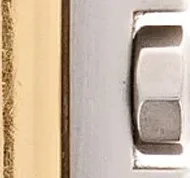
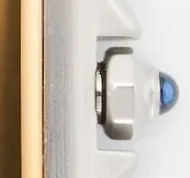
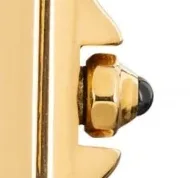
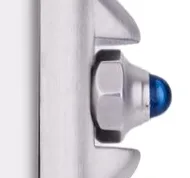
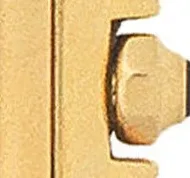
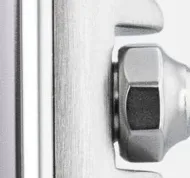
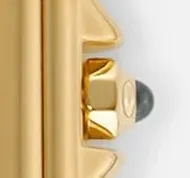
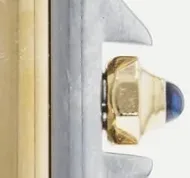
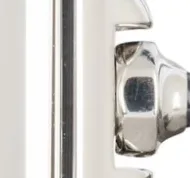
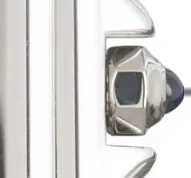
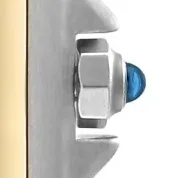
16 watches of this line, oldest first. Each photograph is turned upright and scaled so the dial is the same height, and every crop is cut from the same place on the dial, so one row shows one part across them all. A watch is shown only if its seller's title names the line and the picture has been checked by eye, twice, to show it. Years are as sellers give them. Each picture is a detail; select the small mark in its corner for its holder and a link to its listing; the whole watch is shown only for holders whose pictures may be shown whole.
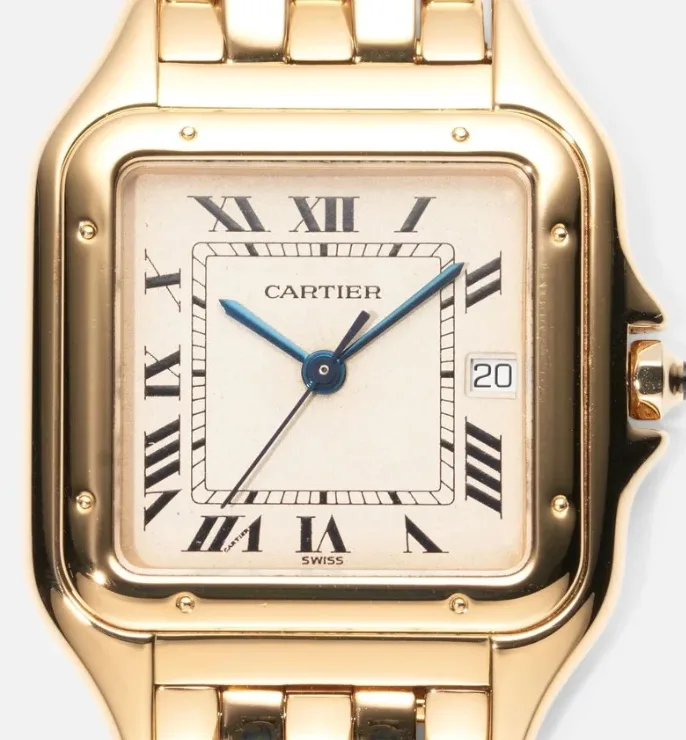
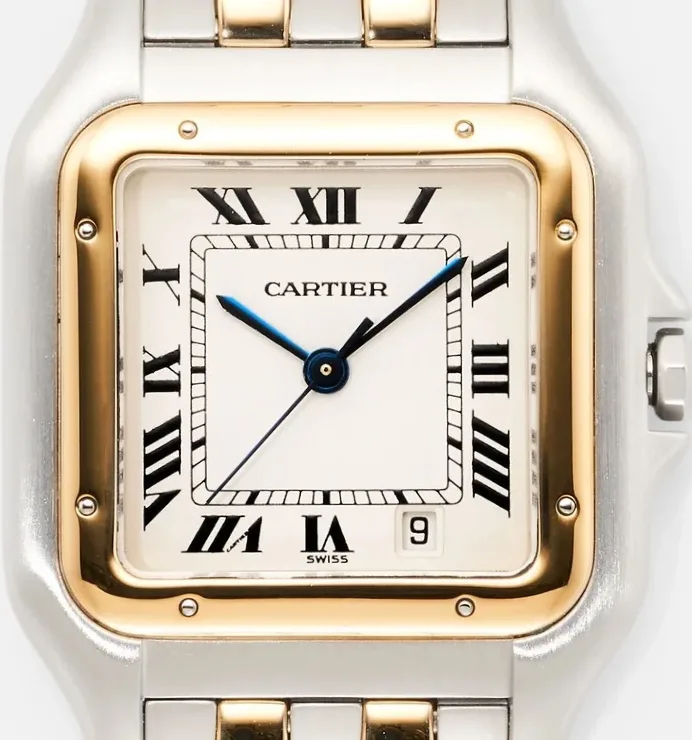
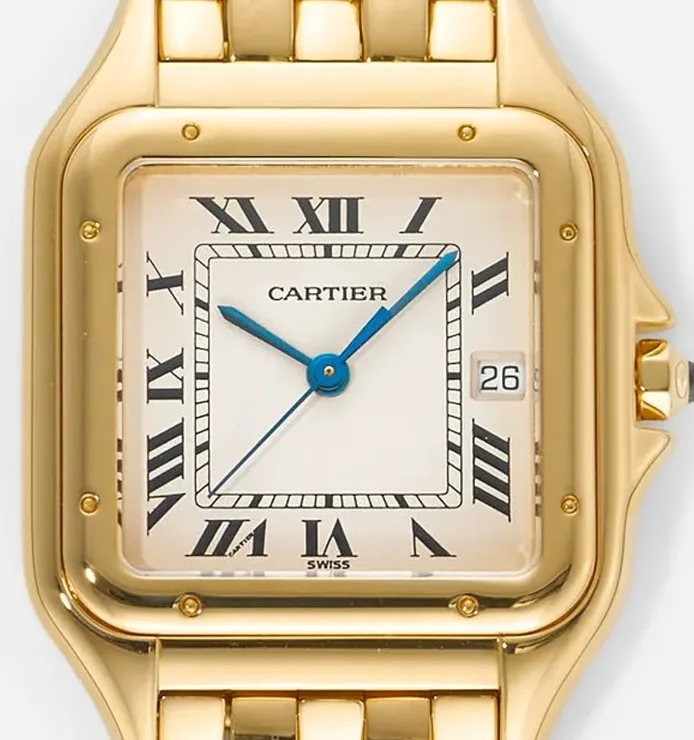

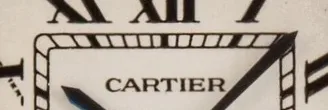








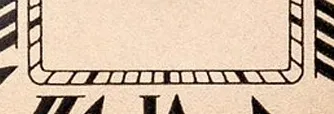
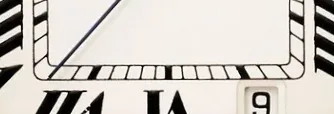

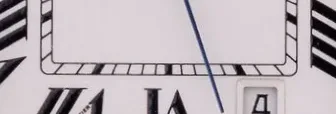
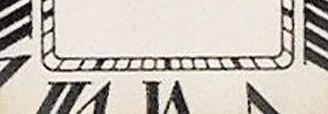

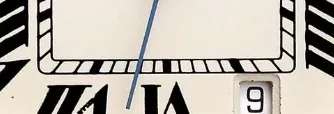

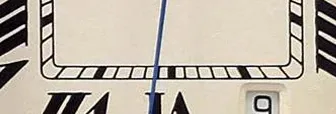
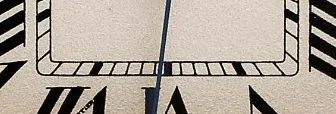
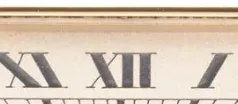
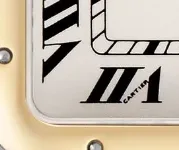
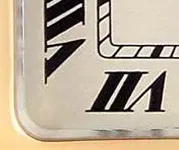
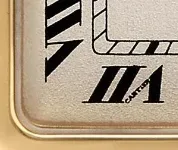
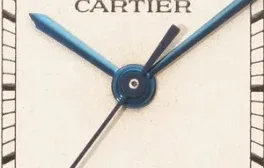
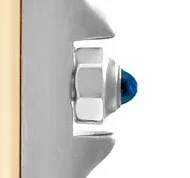
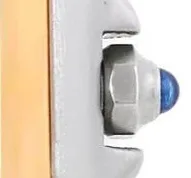
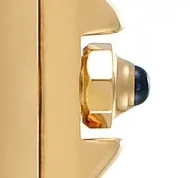
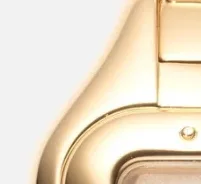
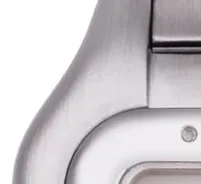
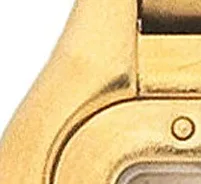
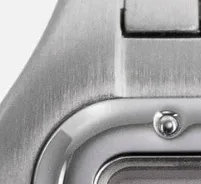
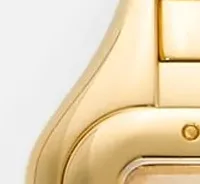
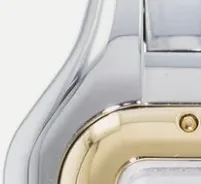
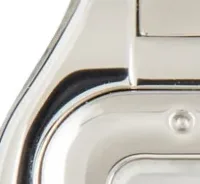
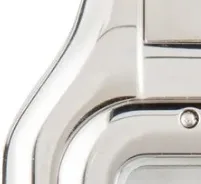
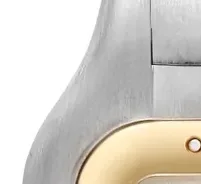
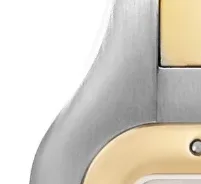
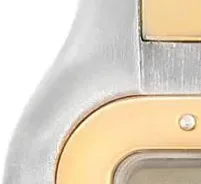
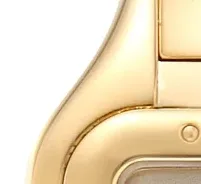


By house and period 4 described
First generation, 1983 to about 2004
The watch appeared in 1983 as a quartz bracelet watch in mini, small, medium and large sizes on the usual account; one account puts the first case at 22 mm only, with a medium of 27 mm following, and another adds a Jumbo. Two-tone and yellow gold were the launch metals on one account, with steel added in 1991; another states that the 1983 range already included steel, and the catalogue dates for steel Jumbo and small references begin about 1990, so the year is not settled. Almost all were quartz, in cases kept thin and light. Accounts differ on the name: some tie it to the bracelet, whose flexibility recalled the animal, others to the nickname of a long-serving artistic director of the house. One account places the launch in the years of the Must de Cartier collection but states that the Panthère was not part of it. The published accounts do not assign the watch to Paris, London or New York, and none separates the houses, so no house is given. Most accounts end the run about 2004; one adds that in the 2000s the model left the regular range and appeared as limited editions.
Signature and marks. Dial signed Cartier, with the signature repeated hidden in a numeral. On the small gold 107000M the screwed case back is engraved Cartier, Quartz, 18K, Swiss Made, the reference and a six-digit serial, with hallmarks that include an S A Cartier oval, a Helvetia head and 750.

- brick-pattern integrated bracelet with a signed folding clasp
- reference and serial on the screwed case back of the small gold 107000M
- Jumbo size of about 29 x 40 mm
References: 107000, 1060, 1070, 1100, 1120, 1280, 1300, 1310, 1320, 166921, 183949, 187957, 2363, 8057915, 8669, 8839, 887968
First-generation special versions: gem, hardstone and Ruban
Within the first run Cartier made high-jewellery versions set with diamonds, and versions with dials of malachite, lapis or onyx; separately, some limited editions, of a period not stated, carry diamonds and the panther motif on the dial in place of numerals and sword hands. Coloured dials were tried mostly in the 1980s and 1990s. The Panthère Ruban turned the watch into a wide, cuff-like bracelet watch, and the round-cased Cougar kept the screw-set bezel and Cartier dial; the Cougar has its own entry. Published accounts give no dates for any of these. Sellers' titles join the name Ruban to reference 2420, a steel quartz watch with a mother-of-pearl dial.
Signature and marks. Not given for these versions.
- hardstone dial in malachite, lapis or onyx
- diamonds or the panther motif on the dial
- wide cuff-like bracelet on the Ruban
References: 2420
Revival, 2017 onward
Cartier brought the Panthère back at SIHH 2017, after a gap of more than ten years, with quartz movements; one account gives mini, small and medium cases at the relaunch, others only 22 mm and 27 mm. The case, dial and bracelet follow the earlier watch, with eight bezel screws, a case back also held by eight screws, pointed crown guards, a faceted crown set with a blue cabochon, and a bracelet with heavier links and a refined clasp. The bracelet end links join the case rather than the lug ends, which can leave the lugs standing slightly proud. Steel, yellow, white and rose gold and two-tone versions are made, with diamond settings. The large size was absent at first and is offered again. One account dates the revival to September 2014; the others say 2017.
Signature and marks. Dial signed Cartier under the XII, with Swiss Made in very small print and the secret signature in the X at ten o'clock. One account says the case back carries the reference and a serial.

- secret Cartier signature in the X
- eight screws on the bezel and the case back
- references beginning WSPN, W2PN, W3PN or WJPN
- concealed folding clasp and screw-set adjustment links
Revival special versions: loops, cuff, lacquer and gem-set
Alongside the standard watches Cartier made versions with the bracelet wrapped once, twice or three times round the wrist, cuff versions, and gem-set limited editions. A Watch-Cuff in yellow gold has open-work links that show the skin and the dial set to one side of the cuff, on a 22 mm case. A Triple Loop in rose gold has diamonds on the bezel and lugs and a 20 mm case. A white-gold 27 mm limited edition has black lacquer spots, 374 diamonds weighing 5.37 carats and a diamond-set dial. A rose-gold limited edition has black lacquer links. The most recent gem-set rose-gold version, with black and golden-brown lacquer, measures 36.5 by 26.7 mm and is 6.8 mm thick, with a diamond-set crown. The accounts give no firm years for these versions.
Signature and marks. Not given for these versions.
- two or three loops of bracelet
- open-work cuff links with the dial off-centre
- black lacquer spots or stripes with stone setting
Chronology
Specification
| Case | Square with softly rounded corners, curved lugs and crown guards; steel, yellow, white or rose gold, or steel and gold. Small 22 x 30 mm, Medium 27 x 37 mm; Mini, Jumbo and Large sizes are also named (see parts) |
| Bezel | Square and screwed to the case, held by eight small exposed screws on the current watches; first-run watches in the library's records show the same eight screws; plain or diamond-set |
| Dial | White, silvered or cream with painted Roman numerals, a railroad minute track and the secret signature in a numeral; gem, hardstone and lacquer dials in special versions |
| Crown | Blue cabochon, described as sapphire or as synthetic spinel; octagonal on the small gold 107000M |
| Crystal | Sapphire |
| Movement | Quartz, Swiss made; one account names Cal. 157 for the current watches, and sellers name it for many first-run references |
| Bracelet | Integrated, brick-pattern links, no conventional lugs, concealed folding clasp |
| Water resistance | 30 m is stated for the first-run cases and for current small and medium watches |
Dial 4 described
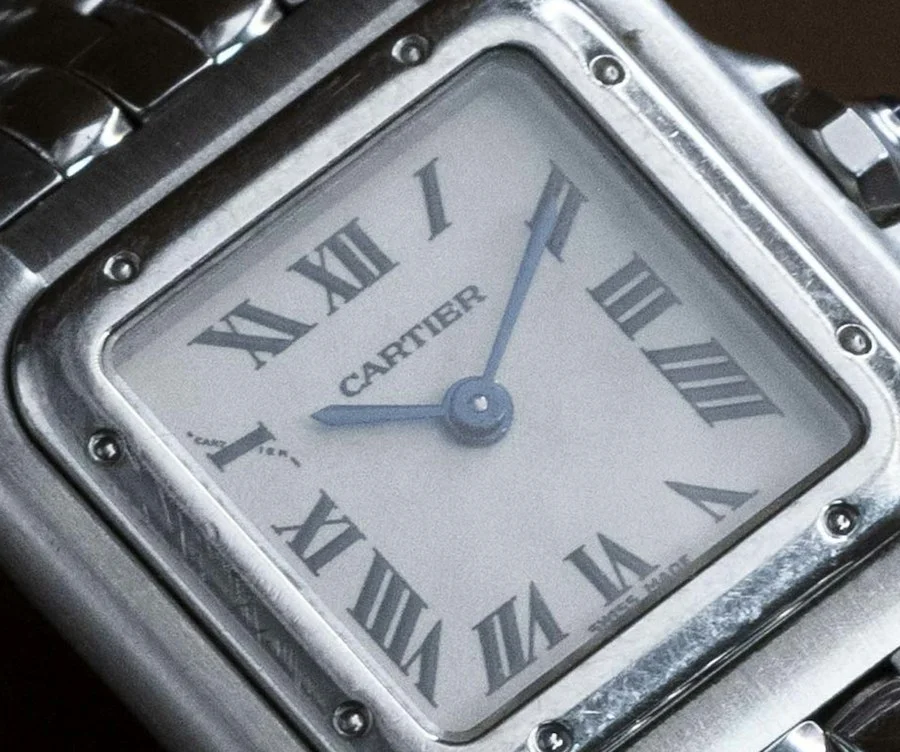
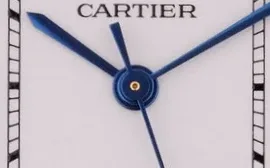
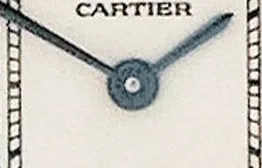
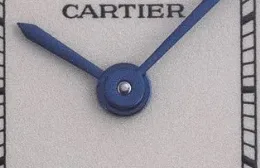
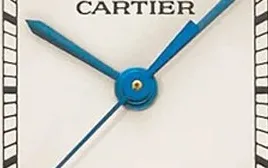
The dial is a flat white, silvered or cream one with painted Roman numerals, a railroad minute track, blued sword hands and the Cartier signature under the XII. Cartier's secret signature is hidden in a numeral. Dial colours were varied mainly in the first run and in special versions, and the accounts date none of the changes.
White, silvered or cream Roman dial
The standard dial has painted Roman numerals, the railroad track and Swiss Made in very small print. One account calls the silvered dial sunburst or guilloché. The small gold 107000M is recorded in cream, white or silvered.
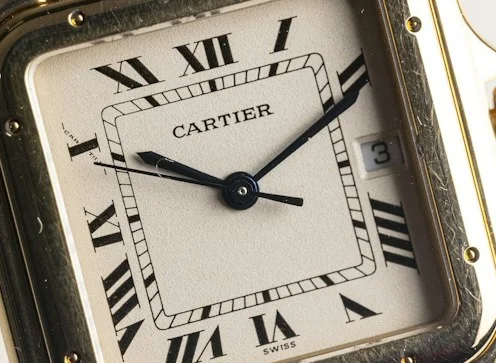

Secret signature in the X
On the current watches the word Cartier is hidden in the X at ten o'clock, and the numeral should print crisply. The small gold 107000M is also described as carrying the secret signature, without a position. One account says every genuine dial has it in one numeral, most often the X.
- Cartier hidden in the X at ten o'clock
Hardstone, gem and panther-motif dials
First-run special versions had dials of malachite, lapis or onyx; some limited editions, of a period not stated, carry diamonds and the panther motif in place of numerals. Coloured dials were tried mostly in the 1980s and 1990s and are now reserved for limited editions. Sellers' titles describe a mother-of-pearl dial on reference 2420, and others describe factory diamond dials; no dates are given.
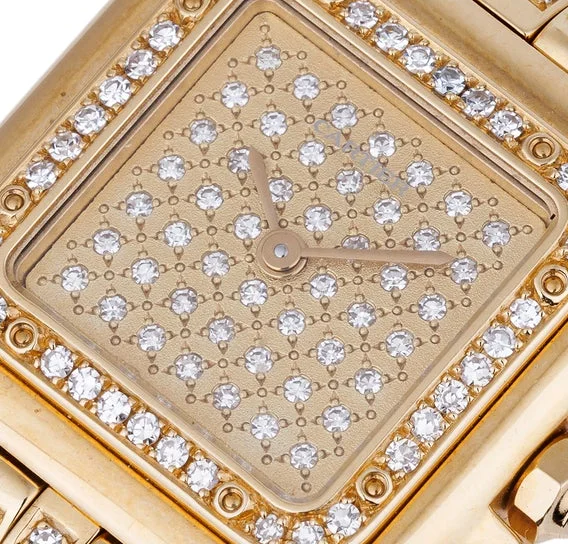

- stone dial without numerals
Lacquer spots and stripes
Some versions carry black lacquer spots; a white-gold 27 mm limited edition is rhodium-finished with 374 diamonds, and a recent rose-gold version has abstract black and golden-brown stripes that run from dial to case to bracelet, over 145 diamonds on the dial. Black enamel spots on gem-set versions are also recorded. No years are given for the earlier ones.
- black lacquer spots
- stripes carrying through dial, case and bracelet
Hands 2 described
The hands are blued steel sword hands in the Cartier manner. Whether the watch has a seconds hand is described differently by the accounts.
Blued steel sword hands
Hour and minute hands are blued steel sword shapes.
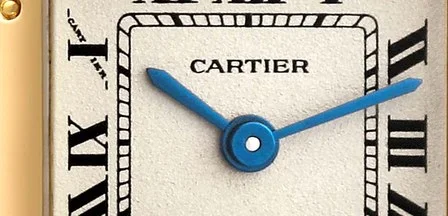

Hours and minutes only
One account calls the Panthère a two-hand watch, with no seconds hand on most models, and a recent gem-set version shows hours and minutes. Another says the watch carries hour, minute and second hands. The library's records hold many listings, chiefly of medium and larger first-run watches such as 1060, 1100, 183949, 187949 and 1300, described with a centre seconds hand and a date window, so a seconds hand on a first-run watch is not by itself a warning sign.
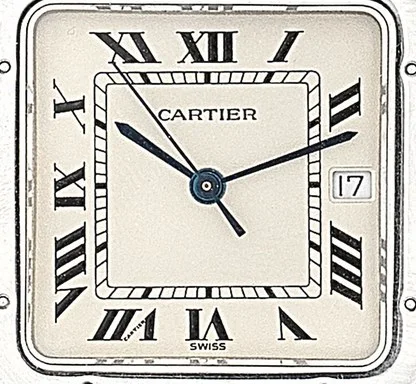

- hours and minutes only on the current watches
Bezel 2 described
The bezel is square, polished and screwed to the case, with eight small exposed screws on the watches described in detail. It may be plain or set with diamonds.
Screw-set bezel
A square bezel held by eight small screws. The literature describes the same eight screws on the case back of the current watches, and first-run case backs in the library's records are held by eight screws as well.
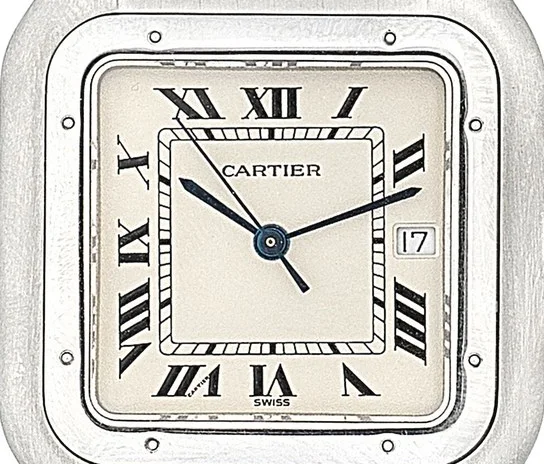

Diamond-set bezel and lugs
Factory versions have diamonds on the bezel and lugs, and sometimes on the bracelet links. A diamond-set case with no Cartier papers cannot easily be shown to be factory work, and a listing in the library's records describes a diamond bezel as aftermarket.
- Cartier papers for a diamond-set watch
Case and sizes 5 described
The case is a softened square with curved lugs and crown guards, joined to an integrated bracelet. Sizes carry names: Mini, Small, Medium, Large and, in the first run, Jumbo. The accounts disagree on several of the dimensions.
Mini
The smallest case. One account gives 21 x 25 mm, another 19 mm. A mini in white gold with diamonds appears as reference 2363.
- very small case
Small, 22 x 30 mm
The small model is about 22 mm wide and 30 mm long and is the size of the small gold 107000M. It is about 6 mm thick on a current version and is the size of the small gold references and of WSPN0006. An auction catalogue calls the size petit modèle.
- 22 x 30 mm
Medium, 27 x 37 mm
The medium model is given as 27 x 37 mm, and one account calls it 27 mm on each side. A dealer lists 183949 at 27 mm and a seller's title gives WSPN0007 as 27 mm.
- 27 mm width
Jumbo and Large
A Jumbo of about 29 x 40 mm is recorded in the first run, and a Large of 31 x 42 mm among the current sizes. One account lists Large and Jumbo as separate first-run sizes; others name four first-run sizes ending in large. Sellers write Jumbo, XL and Large in titles.
- much larger square case
- 29 mm or 31 mm width
Case back
On the small gold 107000M the back is screwed and engraved with the maker's name, Quartz, 18K, Swiss Made, the reference and a six-digit serial. On the current watches the back is described as screwed with eight screws by one account and as snap-on by another.
- reference and serial on the back
- hallmarks beside Swiss Made
Crown 2 described
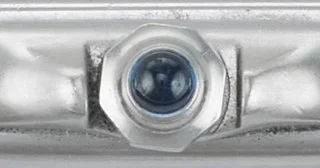
The crown carries a blue cabochon, and the accounts disagree on whether it is sapphire or spinel. It is a pull-out crown, not screw-down, on one account.
Blue cabochon crown
A faceted crown set with a blue cabochon, octagonal on the small gold 107000M, protected by two curved crown guards that one account shows with pointed ends. The cabochon is easily chipped or replaced.
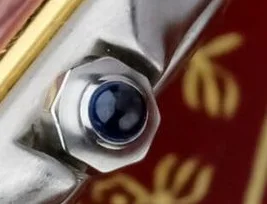

- two curved guards
Diamond-set crown
A recent gem-set rose-gold version has a 0.03 ct brilliant-cut diamond in the crown in place of the blue cabochon.
- white stone in the crown
Crystal 1 described
The crystal is described as sapphire wherever an account mentions it.
Sapphire crystal
Described as sapphire on the small gold 107000M and on the current 22 and 27 mm watches.
Movement 2 described
The Panthère is a quartz watch: one account says it has never had a mechanical movement, others that all or nearly all are quartz. The library's records hold several listings described as manual-wind or automatic, which the records do not explain.
Cartier quartz
A Swiss quartz calibre made to Cartier's specification, on one account; another says it is supplied by Swiss makers such as ETA and adapted, and that Cartier does not publish the calibre numbers.
- Quartz and Swiss Made on the case back
Calibre 157
Named by one account as the movement of the current watches, with hours and minutes only. Sellers' movement labels name Cal. 157, often as a 4-jewel quartz, mostly on first-run references such as 1280, 1320, 1070 and 1120.
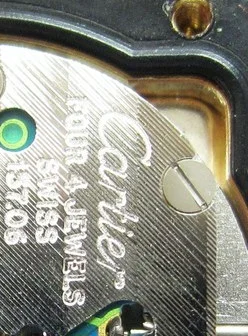

Bracelet and strap 3 described
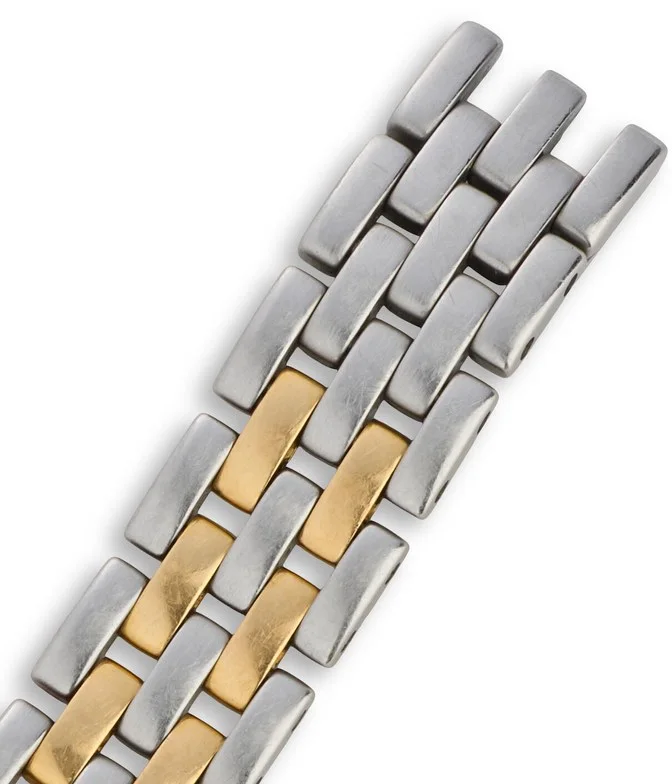
The bracelet is the feature the watch is built around: curved, polished brick-pattern links, joined inside at the top and bottom, flowing from the case without conventional lugs. The accounts count the links differently and the library's records speak of one, two and three rows.
Integrated brick-link bracelet
Called five-link by some accounts and three rows of links by another. In gold it stretches with wear, so slack, the number of links and the signed clasp need checking. The current bracelet is described as heavier in the link with a refined clasp and screw-set adjustment links near the clasp.
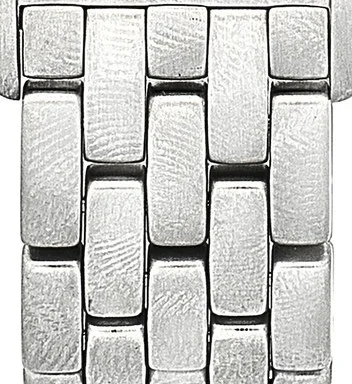

- slack between links
Concealed folding clasp
A signed double folding clasp on the small gold 107000M, a concealed deployant clasp on the current watches and an invisible folding clasp on one gold watch sold new in 1993. One 107000M is recorded on a strap with a gold folding buckle.
- signed clasp that closes firmly
Single, double and triple wrap and cuff
Current versions wrap the bracelet once, twice or three times, or form an open-work Manchette cuff; the first run had a wide Ruban. Years are not given for the Ruban or for the current wraps.
- more than one bracelet loop
- open-work cuff
Reference numbers
A four-digit number is stamped on the case and covers a case; a code beginning W, or the newer letter codes, is a catalogue number for one version of it (metal, dial, strap). Many older watches carry neither. The last column is the listings on record under the number, as its own page counts them.
| Number | What it is | Listings |
|---|---|---|
| 107000 | Small 22 x 30 mm yellow-gold quartz watch with 107000M on the case back, dated from about 1989 to 1994 on one catalogue; an auction catalogue records a warranty card of December 1992. | 3 |
| 1060 | Medium yellow-gold watch, dated about 1990 to 1997 on one catalogue. | 9 |
| 1070 | Small yellow-gold watch, dated about 1992 to 2000 on one catalogue; sellers' records show W2504431 beside it, and a seller's title ties it to a 150th anniversary limited edition. Catalogue codes seen beside it in listings: W2504431 | 37 |
| 1100 | Medium steel-and-gold watch, dated about 1995 to 1998 on one catalogue; sellers' material labels are split between steel alone and steel and gold. | 23 |
| 1120 | Small steel-and-gold watch, dated about 1990 to 1998 on one catalogue; sellers' material labels more often name steel alone, and a seller's title speaks of two rows. Catalogue codes seen beside it in listings: W25029B6 | 51 |
| 1280 | Small yellow-gold watch, dated about 1995 to 2001 on one catalogue; sellers describe it as 18K gold. | 27 |
| 1300 | Jumbo stainless-steel watch, dated about 1990 to 1994 on one catalogue. | 12 |
| 1310 | Medium stainless-steel watch, dated about 1990s to 2001 on one catalogue. | 10 |
| 1320 | Small stainless-steel watch, dated about 1990 to 2003 on one catalogue. | 42 |
| 166921 | Small steel-and-gold watch, dated about 1984 to 1993 on one catalogue; sellers' material labels are split between steel alone and steel and gold, and one title speaks of three rows. | 22 |
| 183949 | Medium steel-and-gold watch, from the 1980s on one catalogue; a dealer gives it as 27 mm. | 21 |
| 187949 | Described by sellers as a midsize two-tone watch, of two rows in some titles and three in another, some with a date; the literature does not list it. | 16 |
| 187957 | Jumbo steel-and-gold 29 mm watch with a cream dial, dated about 1986 to 1993 on one catalogue. | 26 |
| 2363 | Mini 18 ct white-gold watch set with diamonds, dated about 1997 into the 2000s on one catalogue. Catalogue codes seen beside it in listings: WF3244F3 | 6 |
| 8057915 | Small yellow-gold watch set with diamonds, dated about the 1980s to 2000 on one catalogue. | 17 |
| 8669 | Small yellow-gold watch, dated about 1987 into the 1990s on one catalogue; sellers describe some in white gold set with diamonds and sapphires. | 19 |
| 8839 | Medium yellow-gold watch, dated about the 1990s on one catalogue. | 14 |
| 887968 | Medium yellow-gold watch, dated about 1989 into the 1990s on one catalogue. | 13 |
| 1660 | White gold set with diamonds, as sellers describe it; sellers' records show W25016F3 beside it. Catalogue codes seen beside it in listings: W25016F3 | 15 |
| 2420 | Stainless-steel quartz bracelet watch with mother-of-pearl dial, named Ruban in sellers' titles. | 37 |
| 2325 | 18 ct gold quartz watch that a seller's title names Panthère 1925; the literature does not describe it. | 9 |
| 10602 | Number given in a seller's title for a gold watch with centre seconds hand and date, sold in 1996 as the title states; many other first-run listings in the records also describe centre seconds and a date. | |
| W25014B9 | Yellow-gold watch called XL in most sellers' titles and Jumbo in a few, many naming a blue sapphire crown; dealers' listings give it mostly as 29 mm and sometimes as 27 mm. One seller states 2005. | 60 |
| W25022B9 | Small yellow-gold ladies' watch with silver dial, as sellers describe it. | 68 |
| W25029B6 | Steel-and-gold two-tone watch, the commonest code in the records; size not stated. | 72 |
| WSPN0006 | Small 22 x 30 mm stainless-steel watch; one account lists it as a current reference with silvered dial and Cal. 157, and sellers' titles call it the small steel model. | 33 |
| WSPN0007 | Medium 27 x 37 mm stainless-steel watch; one account lists it as a current reference with silvered dial and Cal. 157, and a seller's title gives it as 27 mm midsize steel. | 26 |
| W2PN0006 | Steel-and-gold two-tone code, as sellers describe it; sellers' stated years run from 2017 to 2024. Size not stated. | 22 |
| W2PN0007 | Steel and yellow gold in the records; one account describes it both as medium steel-and-gold and as small yellow gold. | 15 |
| W3PN0007 | Steel and gold in the records; one account calls it a small rose-gold watch. | 9 |
| W4PN0008 | Medium steel watch with diamond bezel, as sellers describe it. | 13 |
| WJPN0008 | Small diamond-set watch: one account calls it white gold, while sellers' titles in the records call it rose gold. | 4 |
Originality
- A solid-gold bracelet that weighs less than it should may have lost links or had some replaced; spare links sold with a watch are noted as a plus.
- The blue cabochon in the crown is easily chipped or replaced.
- A dial that has been refinished loses crispness in the numerals and the hidden signature.
- A diamond-set case without Cartier papers is hard to place as factory work, and one listing describes a diamond bezel as aftermarket.
- Case back reference, serial and hallmarks should match the watch: 8669, 1070 or 1280 on the back points to a different small gold reference from 107000M.
- The warranty card, rather than the digits, gives the date; early-1990s cards are quoted with some watches.
Names
- Jumbo. The first-run large size of about 29 x 40 mm.
- Ruban. The first-run wide, cuff-like bracelet watch.
- Manchette. The current cuff version with open-work links.
- PM. An auction catalogue's name for the small, petit modèle size.
Where accounts differ
Points on which the published literature and the library's own records do not agree, or on which the literature contradicts itself.
- Date of the revival. One account says the Panthère returned in September 2014; other accounts say 2017, at SIHH 2017. The library gives 2017.
- Sizes at launch. Several accounts say the Panthère was launched in 1983 in mini, small, medium and large; one says the first case was 22 mm only and the medium came later; one adds a Jumbo to the first-run sizes.
- Size of the Mini. One account gives the mini as 21 x 25 mm, another as 19 mm.
- Medium size. Medium is given as 27 x 37 mm on two pages; another calls the steel medium 27 mm on each side.
- Crown stone. Two accounts call the crown stone spinel, one of them synthetic spinel; others call it sapphire, and one says it is typically sapphire with some variation.
- Minute track. Most accounts describe a railroad minute track; one, a page unreliable elsewhere, describes small dots or markers forming a circle inside the numerals.
- Seconds hand. One account says the watch has sword hour, minute and second hands; another says most models have no seconds hand and that a seconds hand points to another model or a fake. The library's records hold many listings of first-run watches described with centre seconds and a date.
- Case back construction. One account calls the current case back snap-on; another says it is held by eight screws like the bezel, and the small gold 107000M is described with a screwed back.
- Mechanical movements. One account says the Panthère has never had a mechanical movement and another that all are quartz; a third says nearly all. The library's records hold several listings described as manual-wind or automatic, among them a Bonhams lot with a London import mark for 1974; the records do not say what these watches are.
- Materials of references. A catalogue gives 1100, 1120 and 166921 as steel and 18 ct yellow gold; sellers' material labels name steel alone for many listings of all three. The same catalogue gives 8669 as yellow gold; sellers describe some as white gold.
- Current reference descriptions. One account lists W2PN0007 as medium steel-and-gold and, in another place, as small yellow gold, lists W3PN0007 as small rose gold and WJPN0008 as small white gold with diamonds; sellers' records give steel and gold for the first two codes and rose gold for WJPN0008.
- Calibre. One account names Cal. 157 for the current watches; another says Cartier does not give the calibre numbers.
- Steel version. One account says steel was added in 1991 to a range launched in two-tone and yellow gold; another says the 1983 launch already included steel, and dates steel Jumbo and small references from about 1990.
- Sizes at the 2017 relaunch. One account gives Mini, Small and Medium as the three sizes of the 2017 relaunch; three others say only the 22 mm and 27 mm cases were offered at first.
In the records
Counted from 2,422 listings at dealers and auction houses whose title, or whose reference, places them on the line; 849 state a year. These are what sellers state, not measurements, and a count of listings is not a count of watches made.
Case metal
| Metal | Listings | Share |
|---|---|---|
| Gold, any colour | 836 | 53% |
| Yellow | 367 | 23% |
| White | 80 | 5% |
| Pink | 26 | 2% |
| Colour not stated | 363 | 23% |
| Steel | 485 | 31% |
| Steel and gold | 263 | 17% |
| Silver | 4 | under 1% |
| Platinum | 2 | under 1% |
As sellers state it. Shares are of the 1,590 listings that name a metal. A listing that says "gold" or "18K gold" names no colour: it is counted under "colour not stated", not as yellow gold. Carat, where a listing of gold gives one: 18k 358.
Case size
| Size | Listings | Share |
|---|---|---|
| 22 mm | 482 | 36% |
| 27 mm | 143 | 11% |
| 29 mm | 131 | 10% |
| 30 mm | 81 | 6% |
| 23 mm | 72 | 5% |
| 36 mm | 68 | 5% |
| 24 mm | 64 | 5% |
| 21 mm | 51 | 4% |
| Other sizes | 264 | 19% |
As sellers state it. Shares are of the 1,356 listings that give a size. On a watch that is not round some sellers give the width and some the length, so one watch can stand under two sizes. 4 more give a figure outside 12 to 56 mm, which is a strap, a box or a slip, and are left out.
Movement
| Kind | Listings | Share |
|---|---|---|
| Quartz | 848 | 99% |
| Hand-wound | 4 | under 1% |
| Automatic | 3 | under 1% |
Shares are of the 855 listings whose description says how the watch is driven.
Listings by decade the seller gives
| Decade | Listings |
|---|---|
| 1980s | 66 |
| 1990s | 418 |
| 2000s | 140 |
| 2010s | 73 |
| 2020s | 99 |
53 more give a year outside the years the line was made (from 1983): a later watch sold under the name, or a slip. They are left out.