Prince Oysterdate Chronograph 'Big Block'
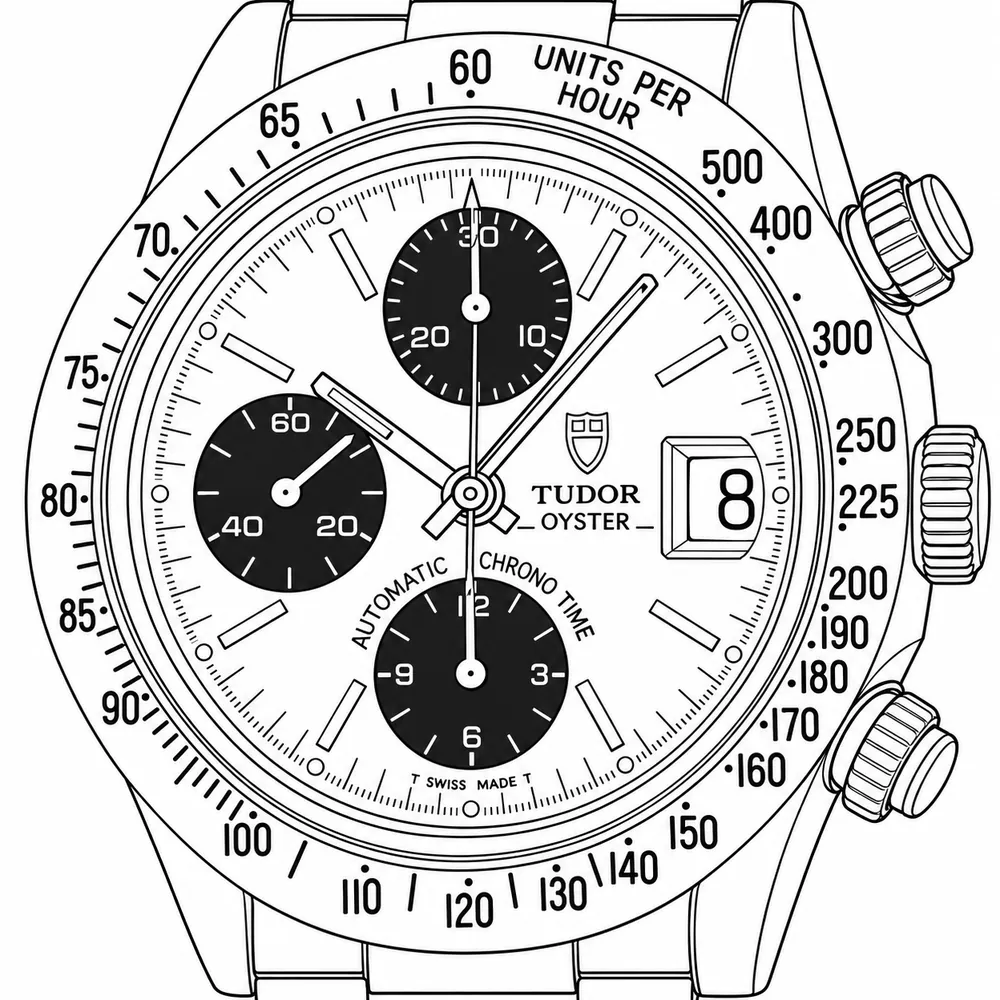
The 79180 is the steel-bezel reference of the second Big Block series, the three-register automatic chronograph with a Valjoux 7750 in a deep 40 mm Oyster case. The Big Block family was Tudor's first self-winding chronograph, begun in 1976 with the 94xx series; the deeper case needed for the rotor gave it its name. The 79100 series, to which the 79180 belongs, replaced that first series in the late 1980s. The 79160 and 79170 differ only by bezel. The dial is a regular panda or reverse panda in place of the coloured Monte Carlo dials of the earlier series. It was in turn followed by a sapphire-crystal chronograph, the 79280. Collectors look first at the dial, the hands, the bracelet and the case condition.
- Seen in the library
- 1990–1995by years sellers state
- Case
- 40 mm · steelas sellers state
- Movement
- Calibre 7750automatic
- On record
- 78 listings143 photographs · 24 holders
Components
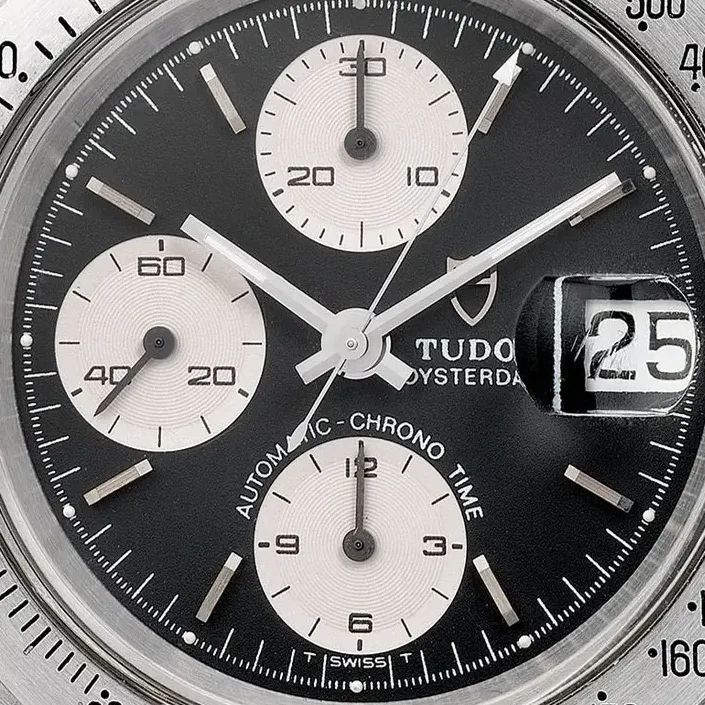
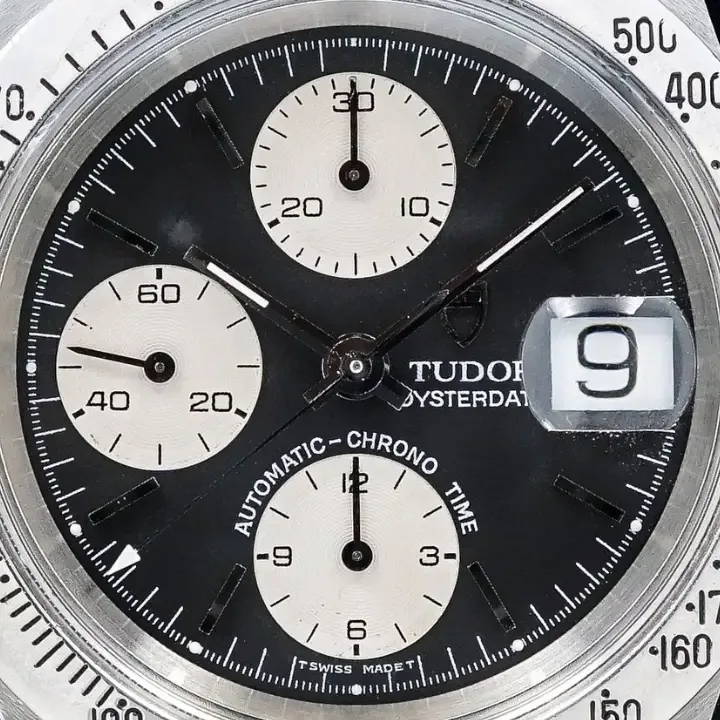
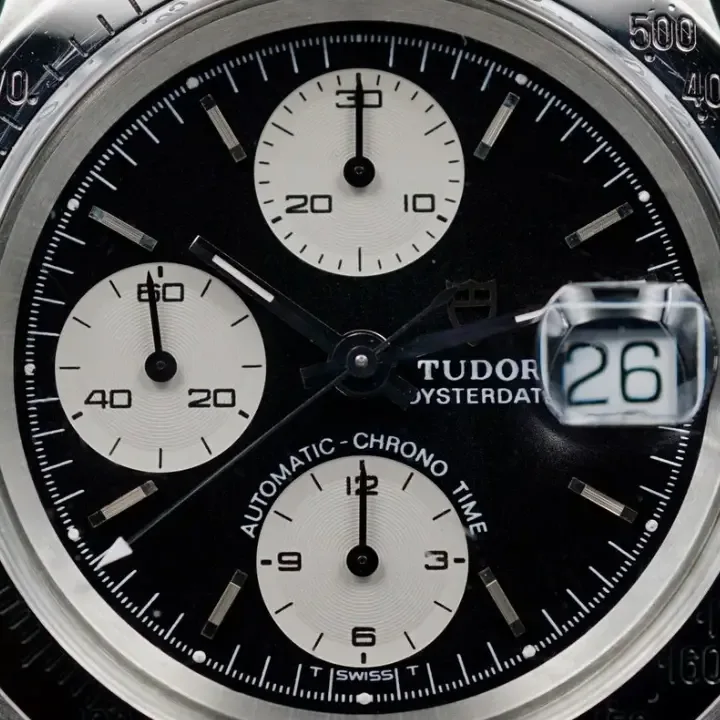
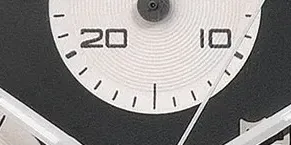
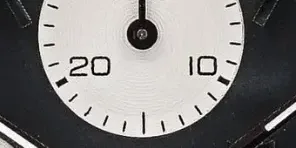
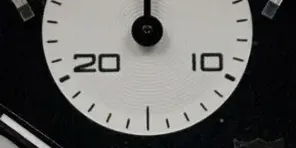
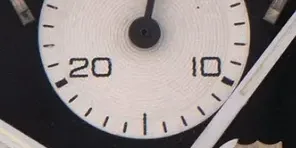
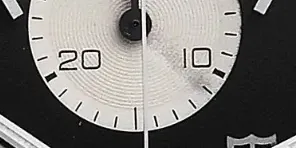
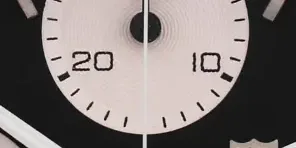
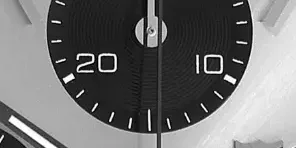
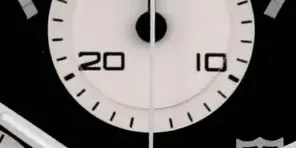
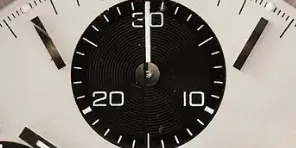
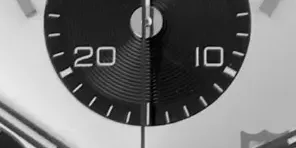
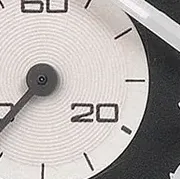
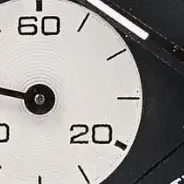
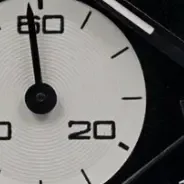
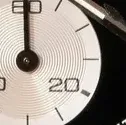
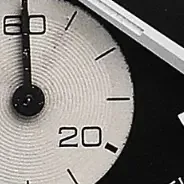
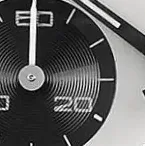
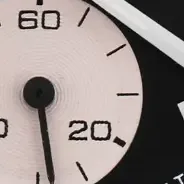
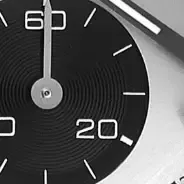
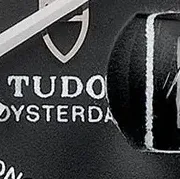
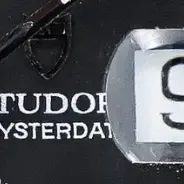
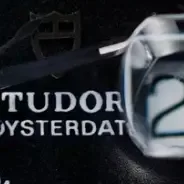
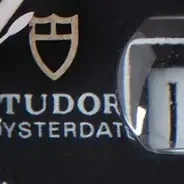
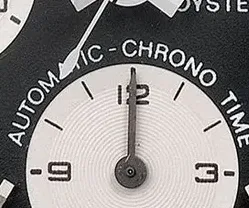
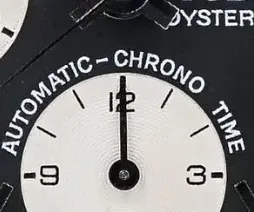
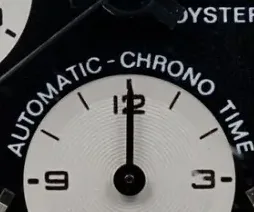
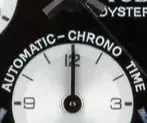
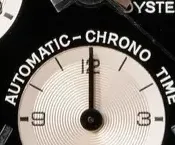
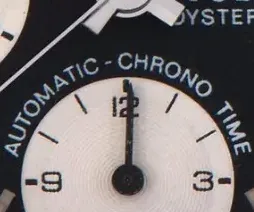
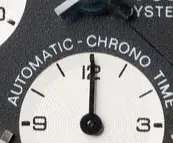
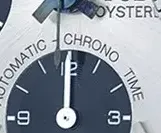
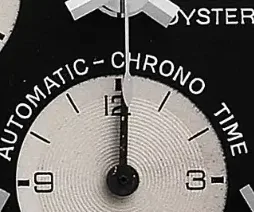
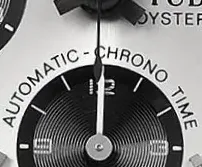
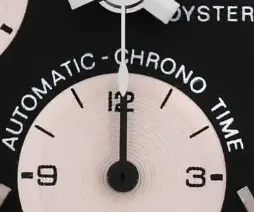
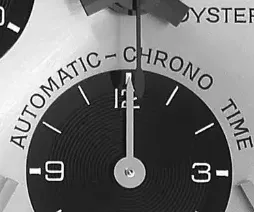
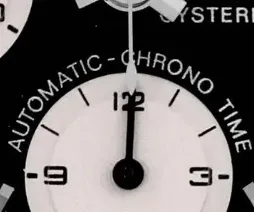
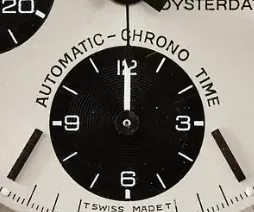
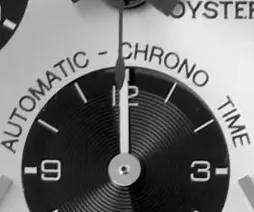
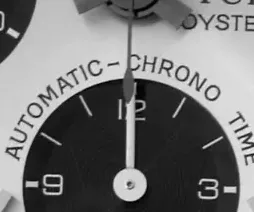
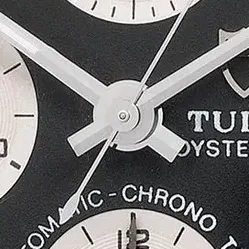
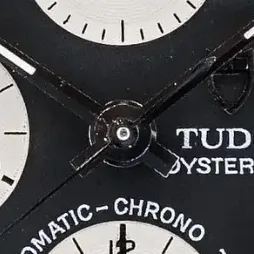
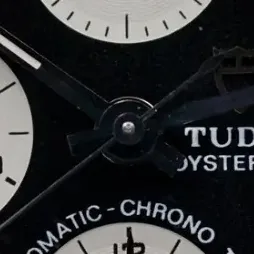
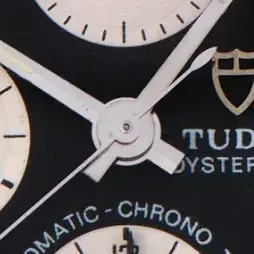
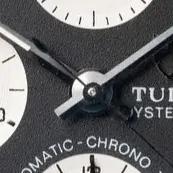
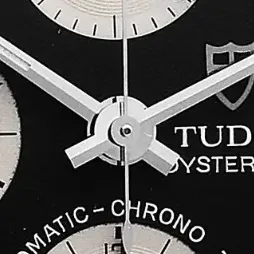
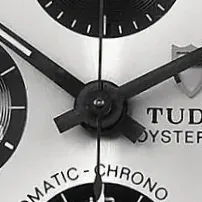
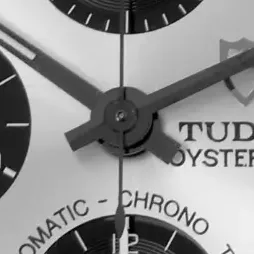
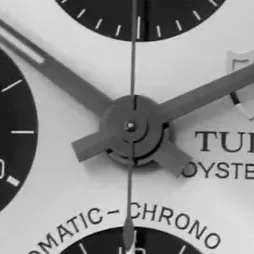
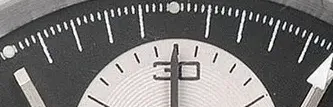
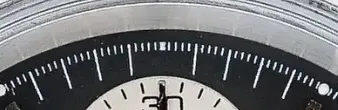
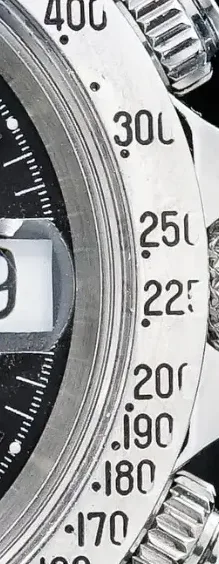
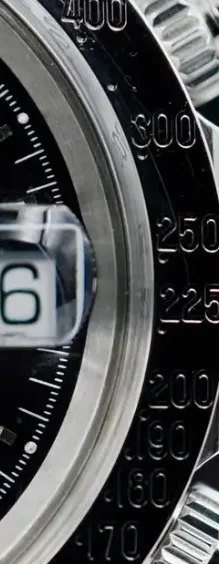
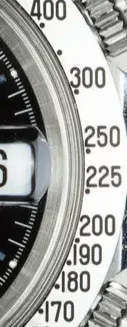
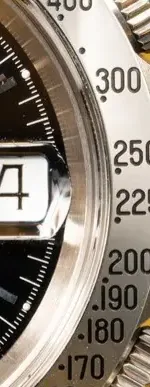
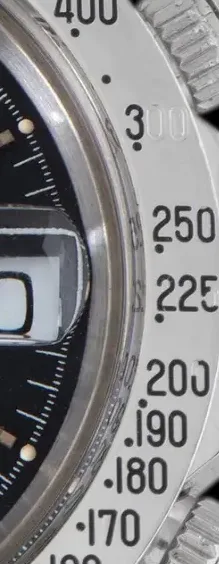
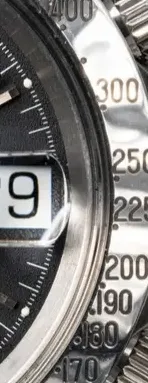
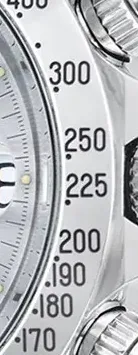
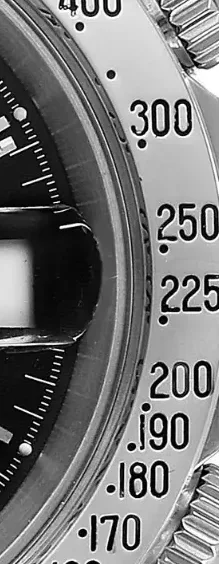
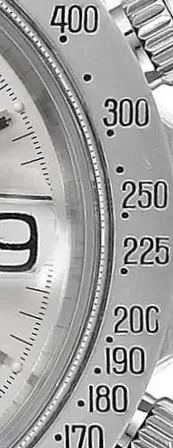
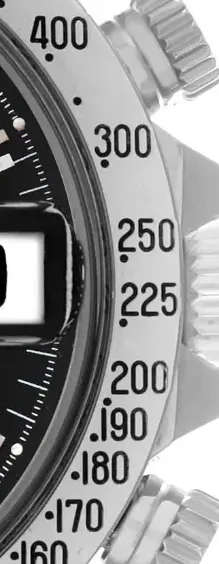
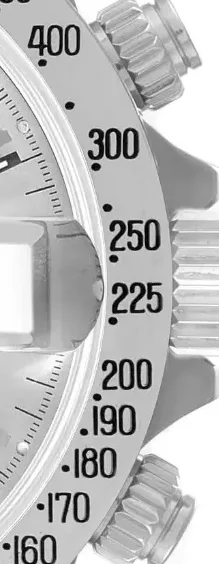
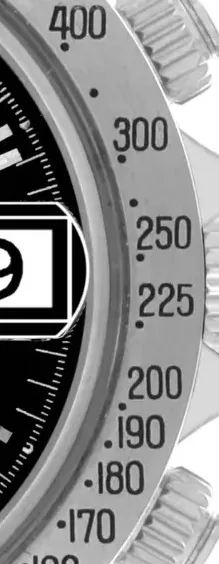
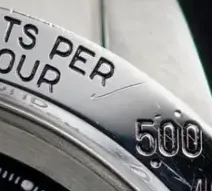
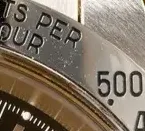
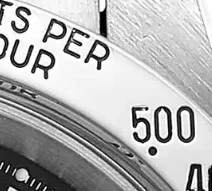
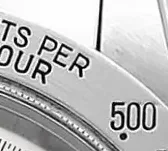
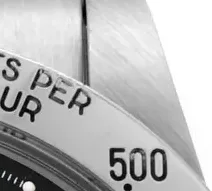
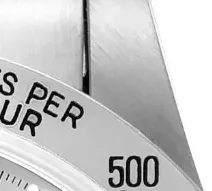
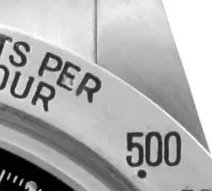
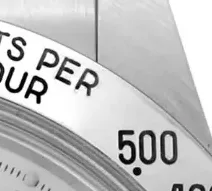
16 watches, oldest first, each straightened and cut the same way so that one row shows one component across them all. Chosen from 143 photographs on file for sharpness and for a face typical of the reference. A year marked c. is one its holder gives only roughly. Each picture is a detail cut from a listing photograph. Select the small mark in its corner for its year, its holder, a link to the listing it came from, and a way to report it.
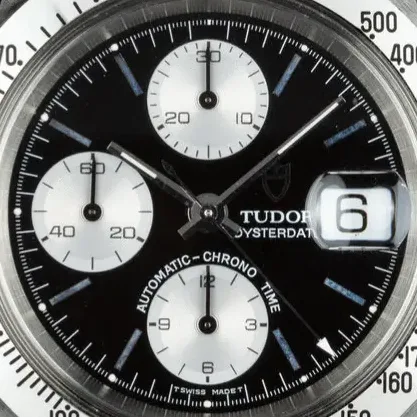
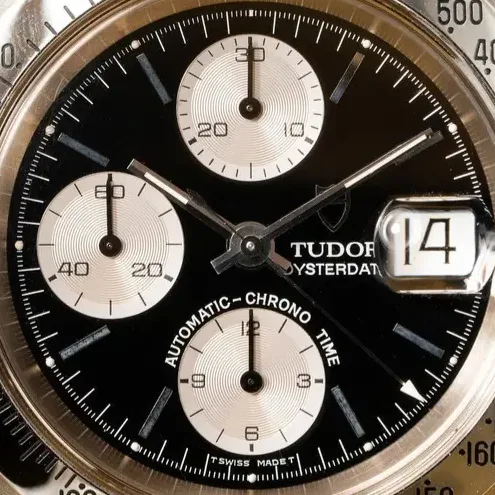
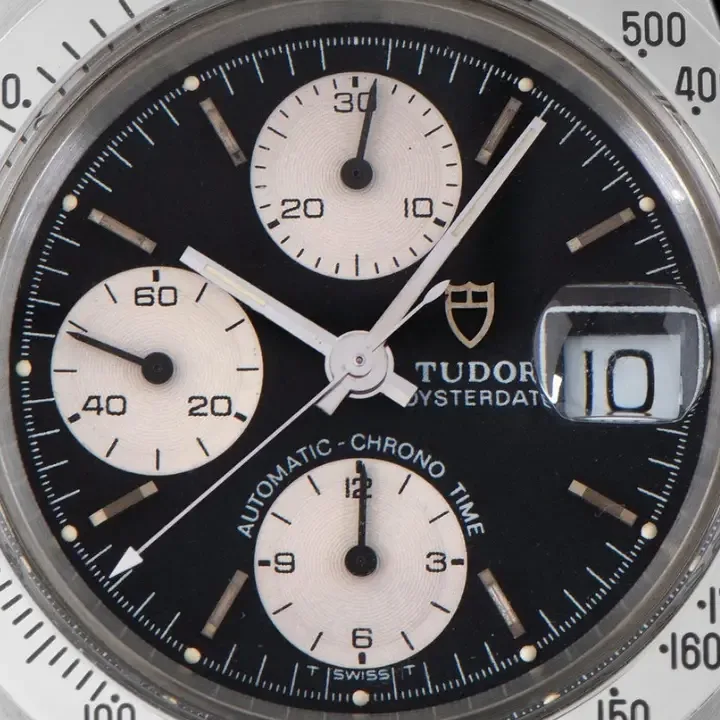
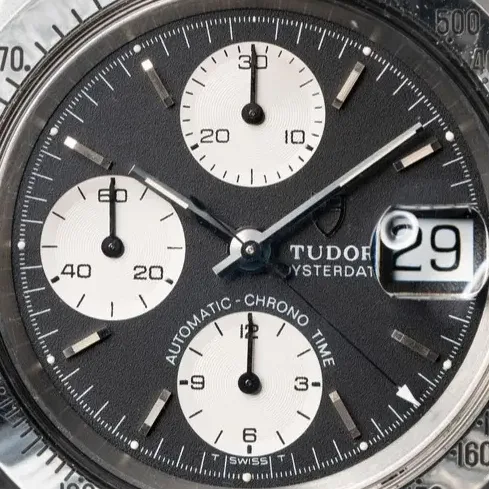
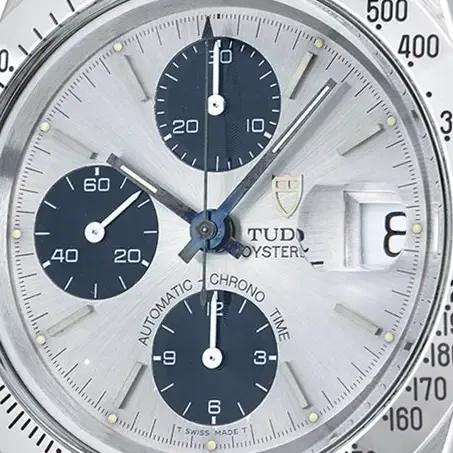
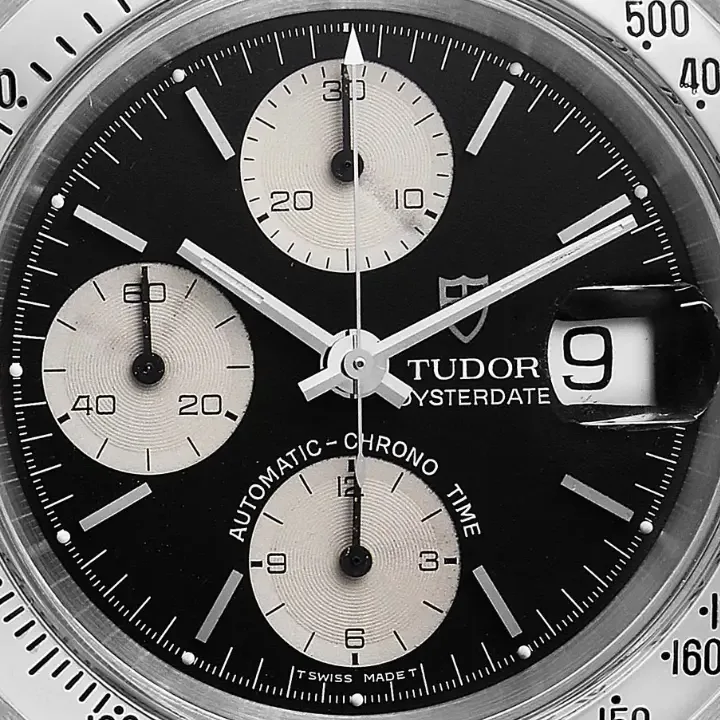
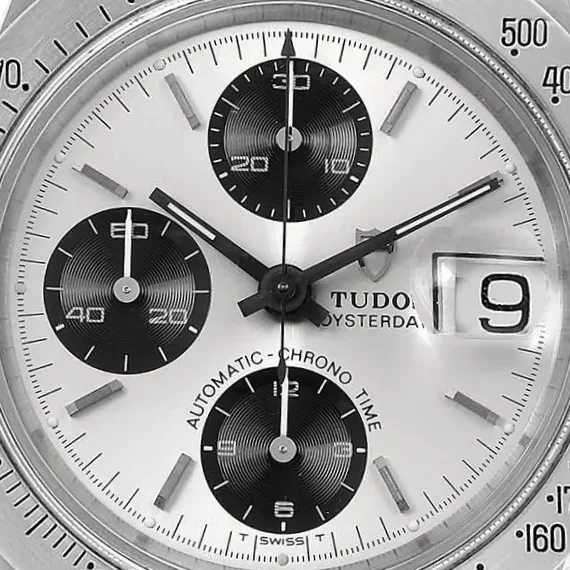
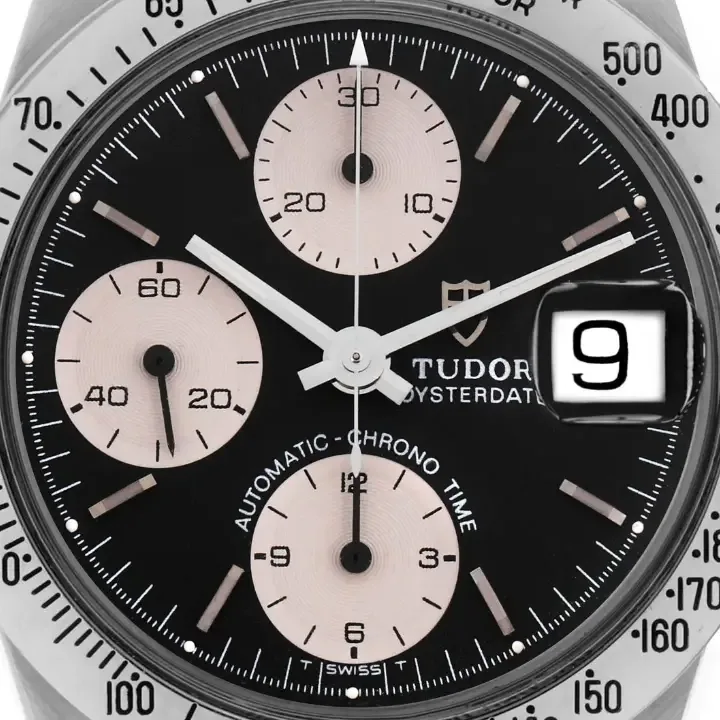









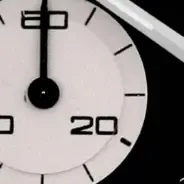
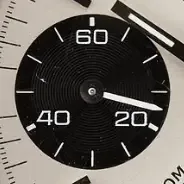
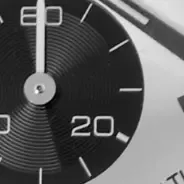
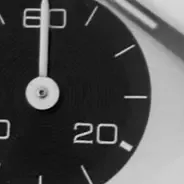


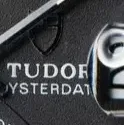


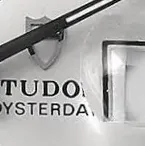




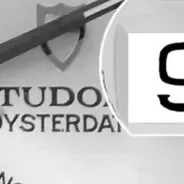
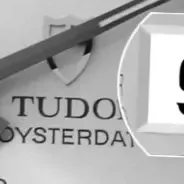


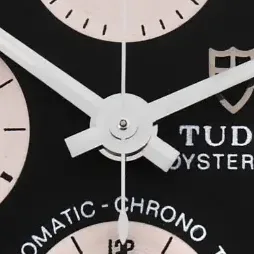
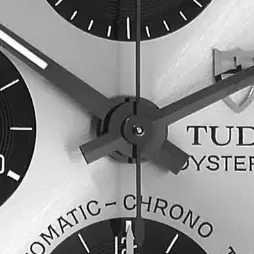
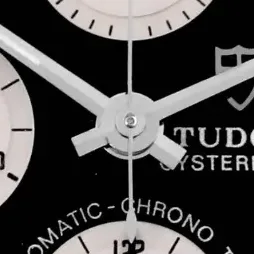
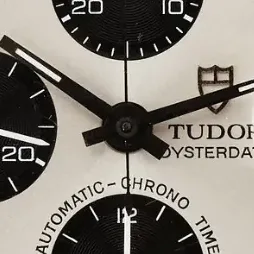


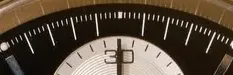

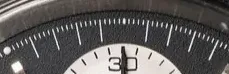
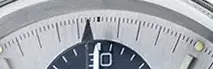
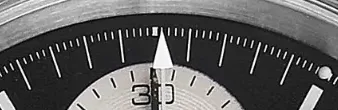








Chronology
The literature dates the Big Block to 1976 and the 79100 series to the late 1980s; sources differ on how long the case ran, and the dates sellers state for the 79180 fall between 1990 and 1995.
Specification
| Case | 40 mm steel Oyster case, about 44 mm lug to lug and 14 to 14.5 mm thick, deeper than earlier chronograph cases; crown guards; overhanging bezel; drilled lugs and spring bars for 20 mm straps; threaded case back |
| Crystal | Plexiglas with a Cyclops over the date |
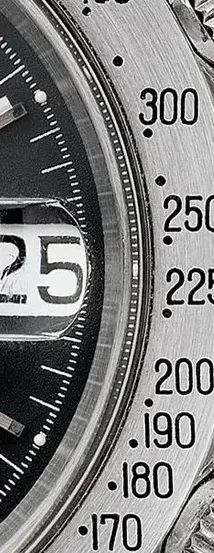
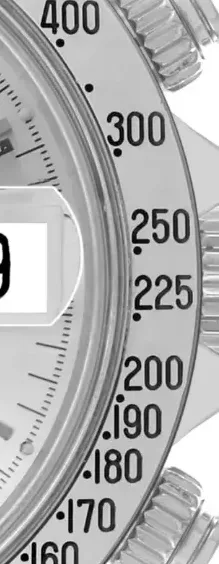
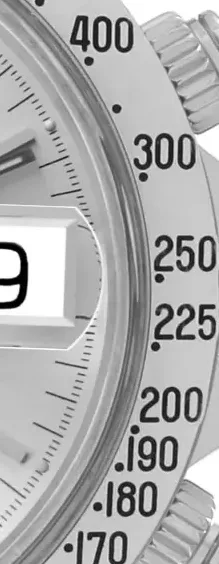
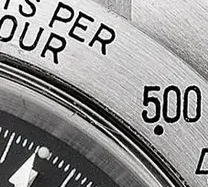
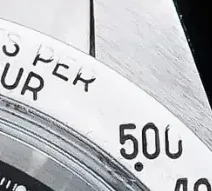
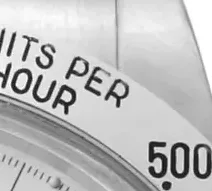
| Bezel | Fixed steel bezel with a tachymeter scale to 500 units |
| Crown | Rolex screw-down trip-lock crown with the coronet, between screw-down pushers |
| Movement | Valjoux 7750, automatic cam-operated chronograph with quick-set date, modified by Tudor; the literature states 28,800 beats per hour |
| Bracelet | Rolex-pattern Oyster bracelet with 589 end links; a 78360 with a Rolex clasp, later a Tudor shield clasp |
| Water resistance | 100 metres, with screw-down crown and pushers |
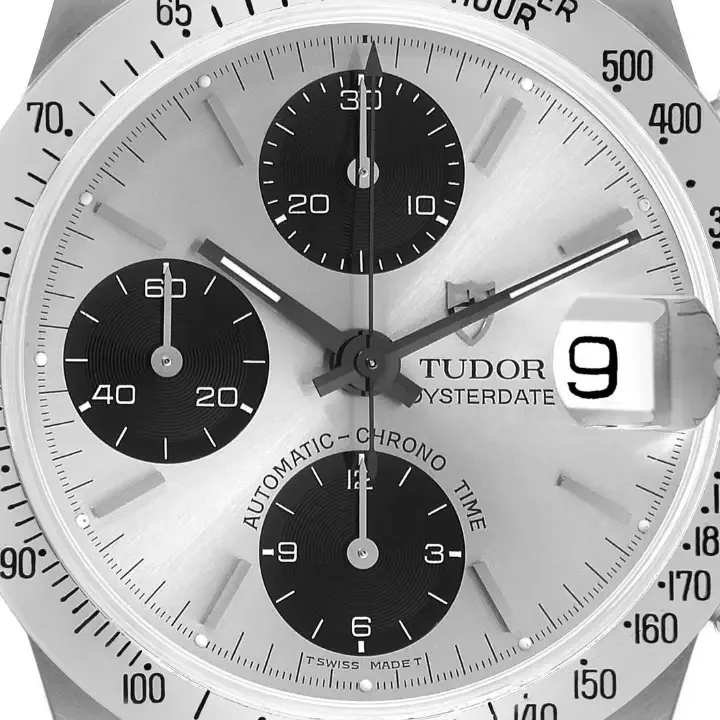
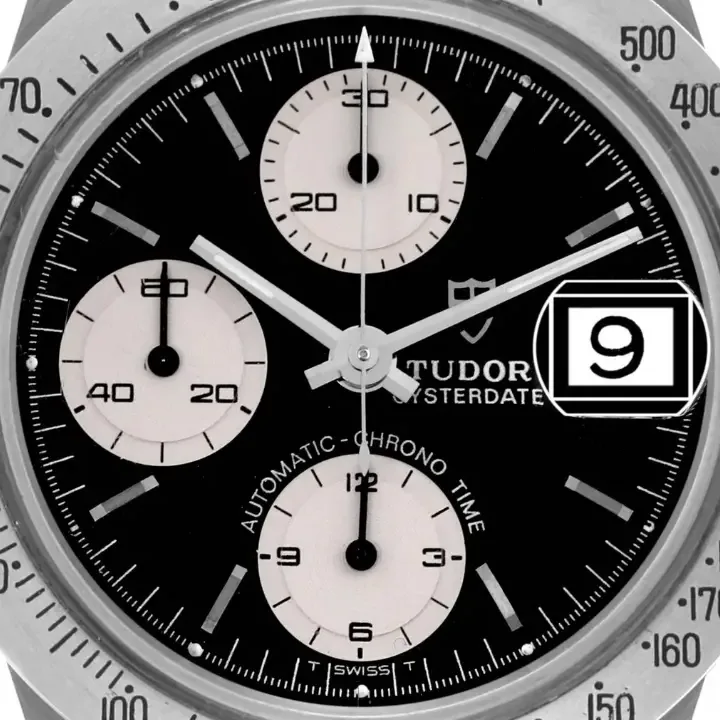
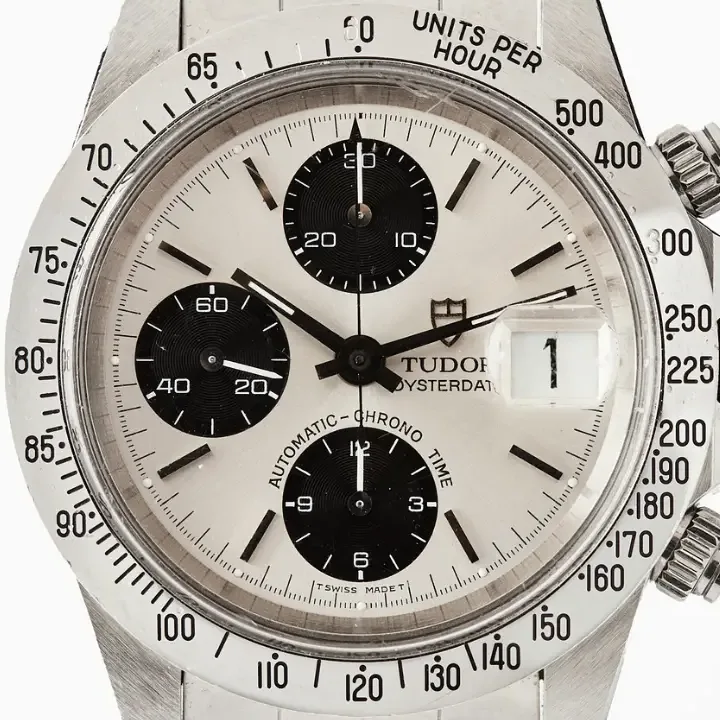
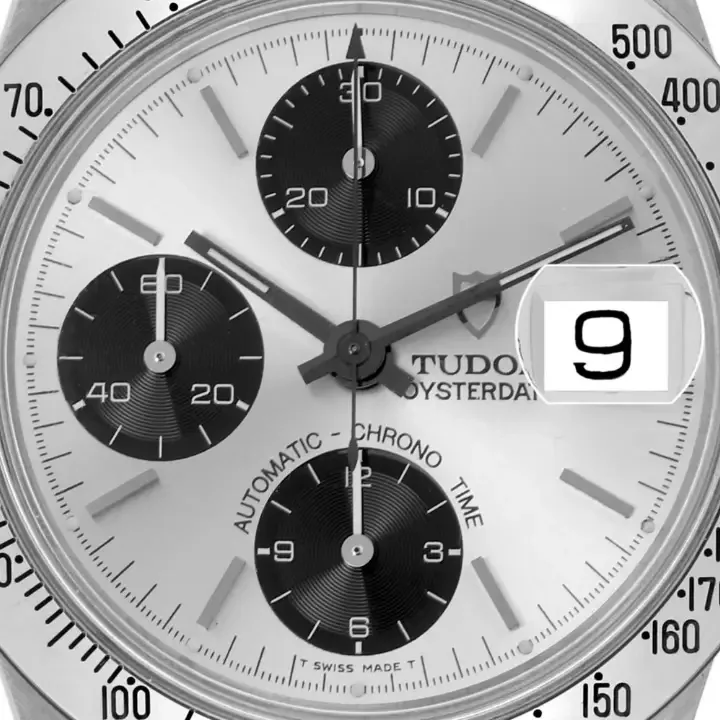
Dial 6 described
Big Block dials split into the coloured Monte Carlo type, used on the 94xx series, and the regular type that is the only dial on the 79100 series. The 79180 dial is regular, with applied markers and a Tudor shield. The literature describes a small change in the markers and the date window within the series.
Regular dial, early 79100 type
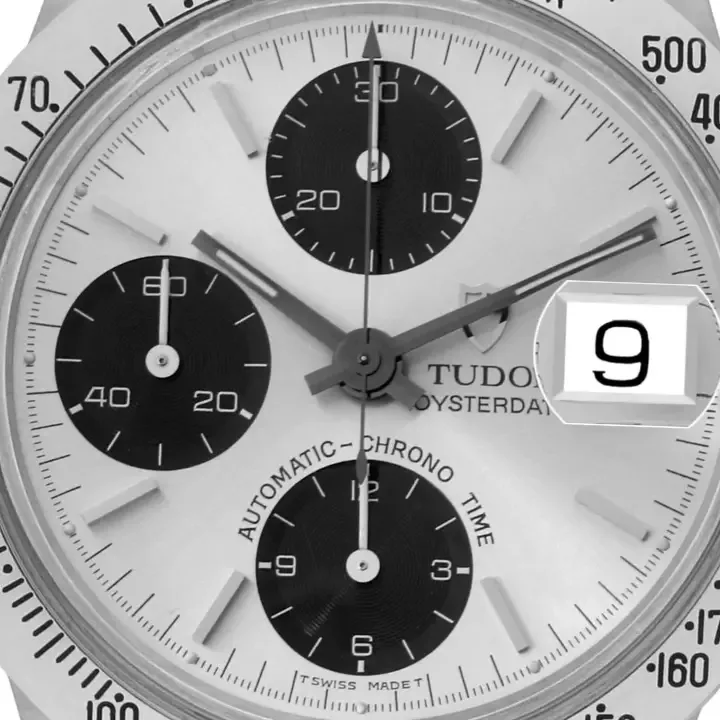
Applied hour markers with bevelled, sloping ends, a painted window around the date aperture, and registers with a raised inner section that gives a two-level look. The dial reads Oysterdate and Automatic Chrono Time, and the early silver dials have a light radial brushing.
- sloping applied markers
- painted date window
- raised inner register
Regular dial, later 79100 type
Later dials have straight applied hour markers with no slope, and the painted frame around the date aperture is gone.
- straight markers
- plain date aperture
Panda (silver and black)
The common dial: silver or white with black registers. Sellers also call it a vertical panda, and one lists semi-tropical registers, which the literature does not explain. Some sellers use the name albino for a different dial, silver with white registers. The registers sit at 6, 9 and 12 and have concentric circles.
- silver dial with black registers
Reverse panda (black and silver)
A matte black dial with silver or white registers, with an applied Tudor shield, small lume dots on the minute track and a typeface close to that of the Rolex Daytona.
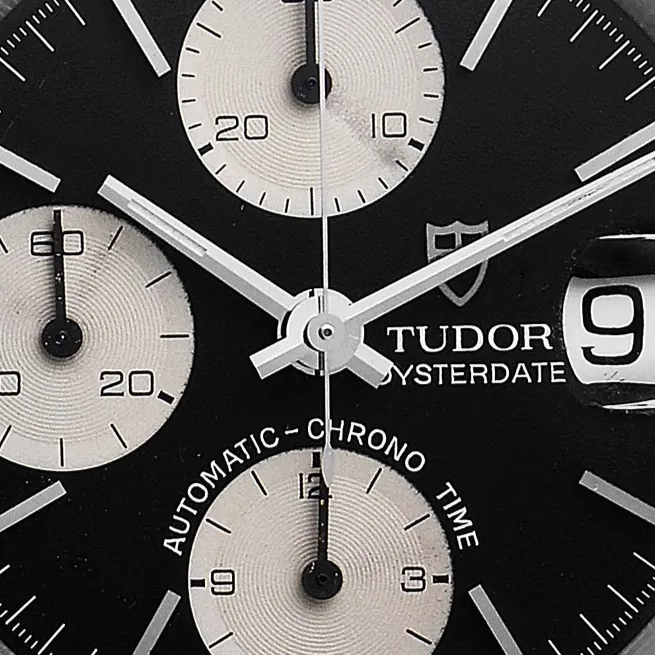
- lume dots on the track
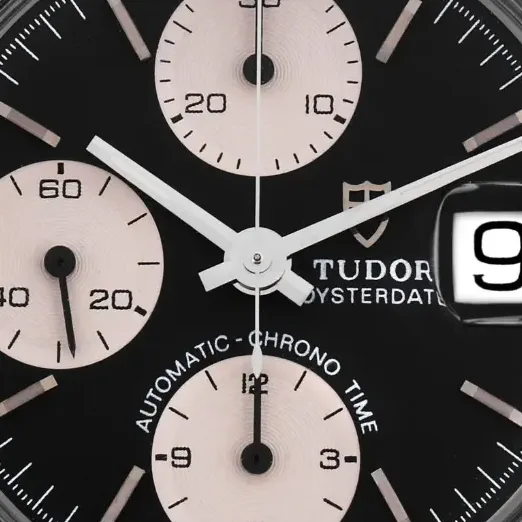
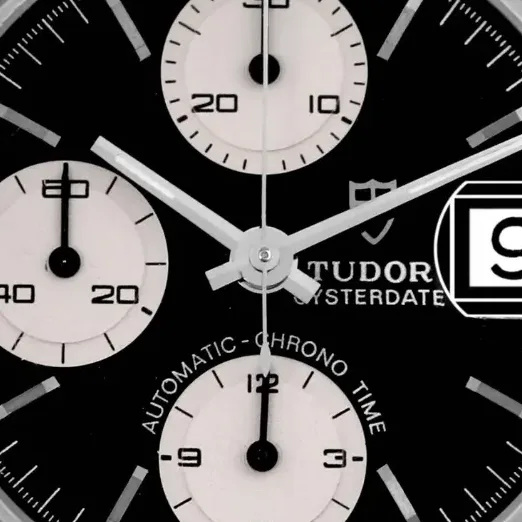


Prototype cloud registers
Several unissued silver dials with registers in blue, orange, pink and green have been found for the 79100 series. None went into production.
- silver dial with coloured registers
Porcelain-type white dial
An elusive white dial with silver registers, made with a layered lacquer like that of the 'floating' dial on the Rolex Cosmograph 16520.
- white lacquer dial
Luminous material 1 described
The literature says little about the lume beyond that tritium and lume dots are present on the dials.
Tritium markers with lume dots
Small applied lume dots sit along the edge of the dial, and a surviving example is described as having undegraded tritium. Sellers also name a tritium dial.
- lume dots at the edge
- aged tritium
Hands 1 described
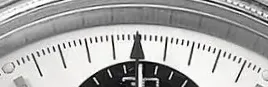
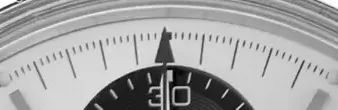
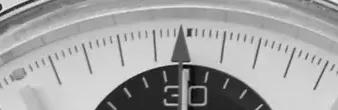
The regular dials have slender hands and an arrow-tipped chronograph seconds hand, unlike the orange centre hand of the Monte Carlo dials.
Slender hands, arrow chronograph hand
Slim chromed hands and an arrow-tipped central chronograph hand, close to the Daytona style of the time. The coloured Monte Carlo watches kept the orange central hand of the earlier series.
- arrow-tipped seconds hand
Subregisters 1 described
Three registers, an hour counter being added to the earlier two.
Three registers at 6, 9 and 12
The 7750 layout puts the registers at 6, 9 and 12, not at 3, 6 and 9 as on the Daytona, and allows timing up to 12 hours. The earlier two-register chronographs only counted 45 minutes. The registers have concentric rings.
- registers at 6, 9 and 12
Bezel 3 described
Bezel type separates the three references of the 79100 series.
79160 black plastic tachymeter
Black plastic tachymeter bezel; it has also been described as an aluminium inlay.
79170 twelve-hour rotating bezel
Black graduated 12-hour bidirectional bezel.
79180 steel tachymeter bezel
Fixed steel bezel with a 500-unit tachymeter scale. It overhangs the case by a good margin and picks up dents and marks. The 94300 of the earlier series looks nearly identical.
- steel bezel
- 500 scale
- overhang
Case 1 described
The case is deep, to hold the automatic movement and rotor. It has crown guards, drilled lugs and a threaded back that shows its Rolex origin.
Big Block case
A 40 mm Oyster case about 14 to 14.5 mm thick and 44 mm lug to lug, with crown guards and spring-bar holes drilled through the lugs for 20 mm straps. The back is threaded and tells that the case is from Rolex. The case style was used in several variants for about twenty years, until it was replaced by the slimmer 79280 with a sapphire crystal. Polishing at service often leaves the lugs thin.
- thick side profile
- drilled lugs
- thin lugs from polishing
Crown and pushers 1 described
The crown and pushers are Rolex-pattern screw-down parts.
Rolex trip-lock crown and screw-down pushers
A screw-down trip-lock crown with the Rolex coronet, between screw-down pushers that are small beside those of the Daytona. The crown guards make the crown thread hard to grip.
- coronet on crown
- trip-lock
Crystal 1 described
The crystal is acrylic with a Cyclops.
Plexiglas with Cyclops
A flat-looking acrylic crystal with a Cyclops over the date. The 79280 that followed has sapphire.
- Cyclops over the date
Date 1 described
A date with a quick-set function, under a Cyclops.
Quick-set date under Cyclops
The 7750 brought the quick-set date. The date window sits under a Cyclops on the acrylic crystal; the literature does not say where on the dial it falls.
- date window with Cyclops
Movement 1 described
Tudor modified the Valjoux 7750.
Valjoux 7750
Automatic chronograph with quick-set date, first used in the Big Block family in 1976. It is a cam-operated movement, though it has also been described in print as column-wheel (see Where accounts differ). It is a common movement and parts are easy to find.
- automatic winding rotor
Bracelet 2 described
The bracelet is the Rolex Oyster pattern with Tudor markings added later.
78360 with Rolex clasp
An Oyster bracelet, 78360, with a stamped clasp bearing the Rolex name and tall stamped 589 end links.
- Rolex clasp
- 589 end links
78360 with Tudor shield clasp
Later bracelets are the same but the clasp carries the Tudor shield. A transition period between the two is noted.
- Tudor shield on clasp
Originality
- Service dials are fairly common, because many of these watches were sold where owners kept to service schedules; check that dial and hands are original.
- Polishing at service often thins the lugs, and the bezel overhang takes dents, so case and bezel condition is the first check.
- Clasp signature, Rolex or Tudor shield, should agree with the age of the bracelet and case.
Names
- Big Block. The case is deep because of the rotor and self-winding movement.
- Panda. A light dial with dark registers, or the reverse.
- Chrono Time. The words Automatic Chrono Time on the dial.
Where accounts differ
Points on which the published literature and the library's own records do not agree, or on which the literature contradicts itself.
- How long the Big Block ran. One account says the basic watch stayed in production until 1988; another says the Big Block ran from 1976 to 1995 or 1996 in two generations. Sellers' stated years for the 79180 fall between 1990 and 1995.
- Movement type. One account calls the Tudor-modified 7750 a column-wheel movement. Another calls it cam-driven, and two others describe the 7750 as cam-actuated, with column-wheel versions of it appearing only decades later.
In the records
Counted from 78 listings at 24 holders between 11 May 2015 and 14 November 2026. These are what sellers and auction houses state, not measurements.
At the holders that record papers on every watch, 27% of their 11 listings of this reference come with papers; at those that record the box on every watch, 64% of 11 come with a box. "Papers" is whatever the holder counts as papers, and can include service papers.
Case metal
| Steel | 26 |
Dial colour
| Silver | 14 | |
| Black | 11 |
Case size
| 40 mm | 22 | |
| 42 mm | 2 | |
| 37 mm | 1 |
Calibre named
| 7750 | 16 | |
| ETA7750 | 3 |
Bracelet or strap
| Metal bracelet, kind not stated | 14 | |
| Oyster bracelet | 11 |
Each table counts the listings that state the thing, in the seller's own terms. A size, metal, colour or calibre that cannot belong to this reference is a seller's slip or a listing filed under the wrong number.