Oysterdate Chronograph 'Home Plate'
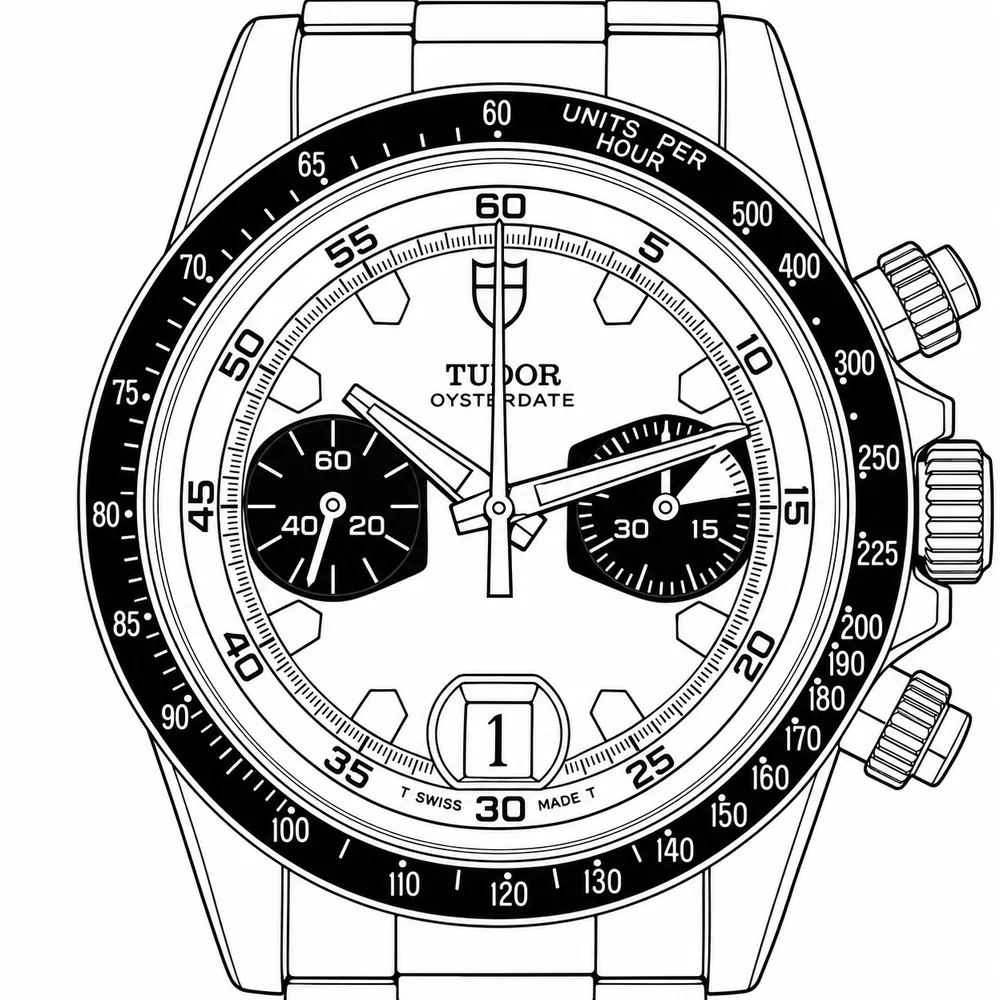
The 7031 is Tudor's first chronograph, a manually wound two-register Oysterdate with a Valjoux 7734. It is known as the Home Plate for its five-sided hour markers, which resemble a baseball plate. The dial is grey with black registers, or the reverse, with orange accents, and the bezel is a black bakelite tachymeter. The 7032 is the same watch with a steel bezel. It dates from 1970 and was replaced within two or three years by the 7149 of the Monte Carlo series. Collectors look first at the dial, the early pushers, the bezel and the case back stamp.
- Made
- 1970–1972dates approximate
- Seen in the library
- 1970–1972by years sellers state
- Case
- 40 mm · steelas sellers state
- Movement
- Calibre 7734hand-wound
- On record
- 36 listings111 photographs · 11 holders
Components
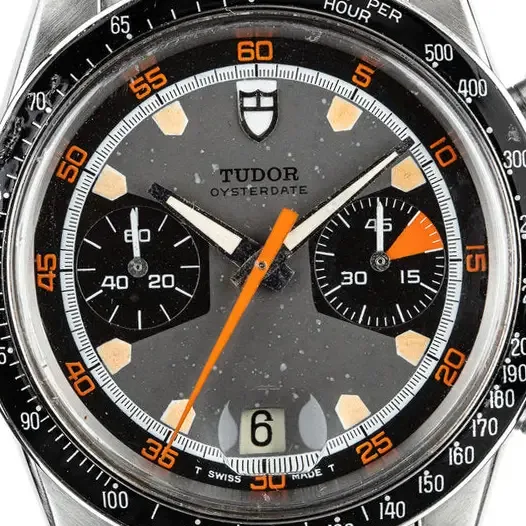
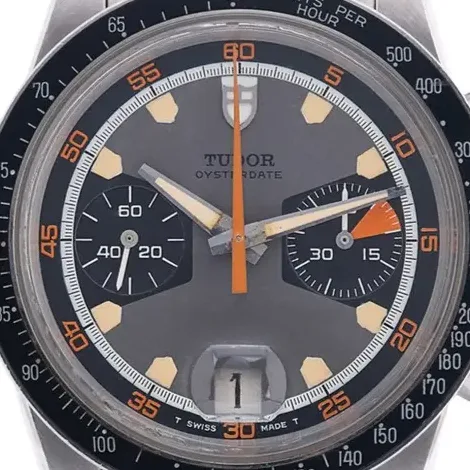
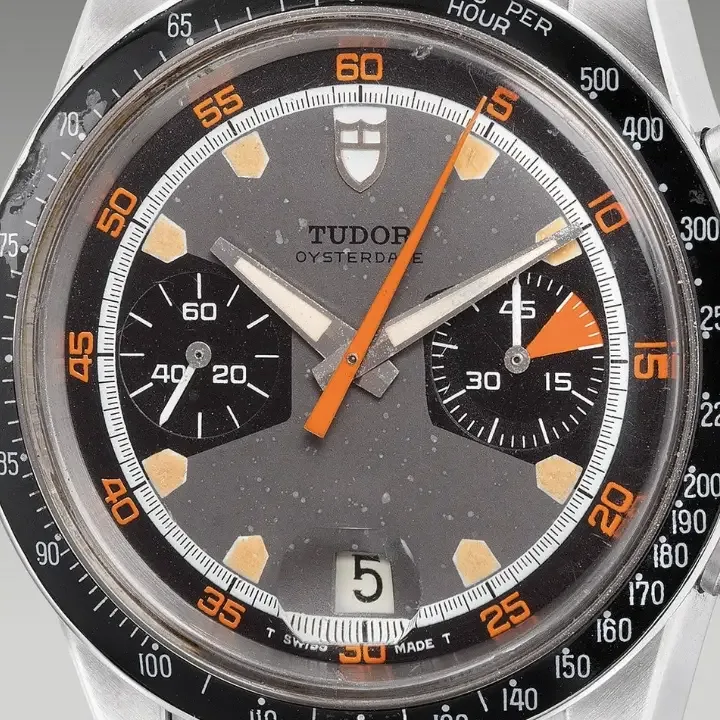
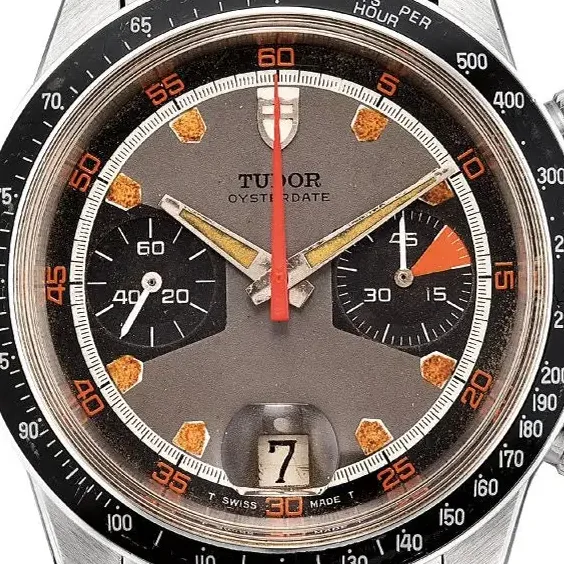
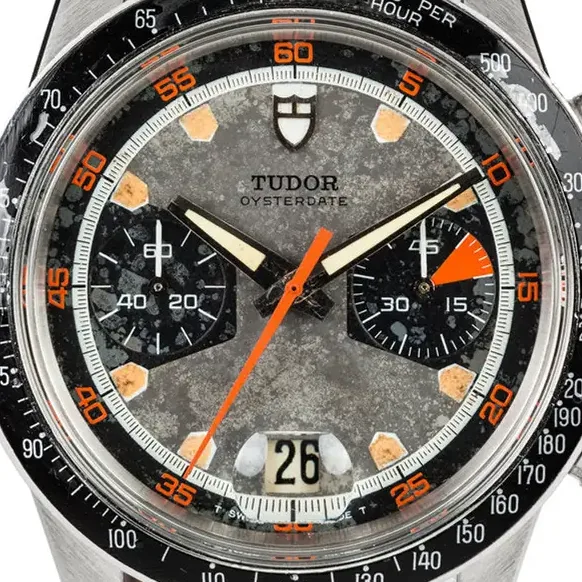
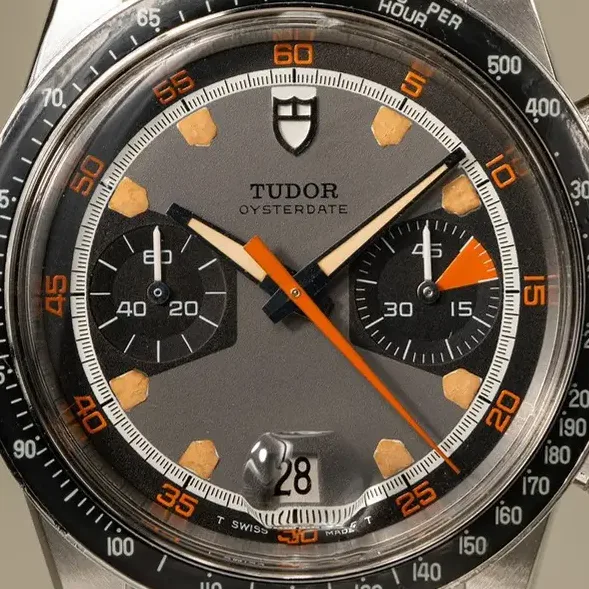
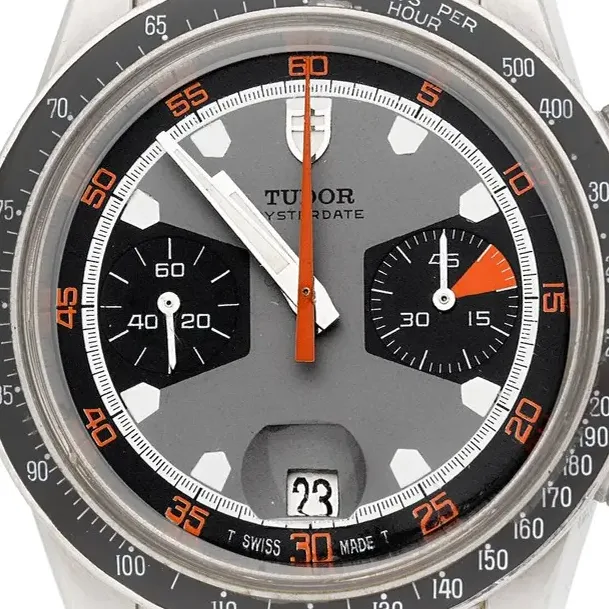
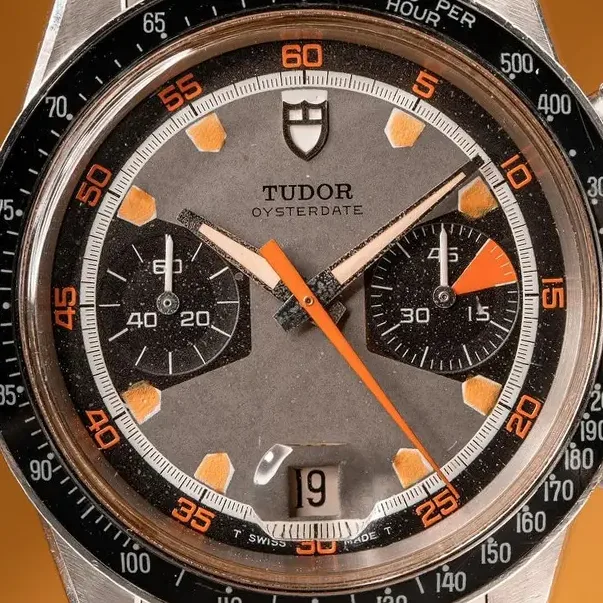
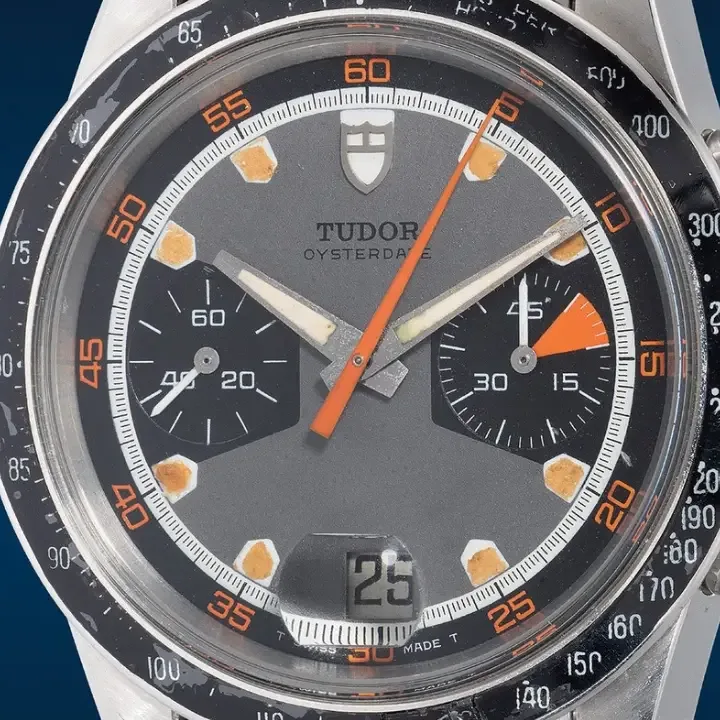
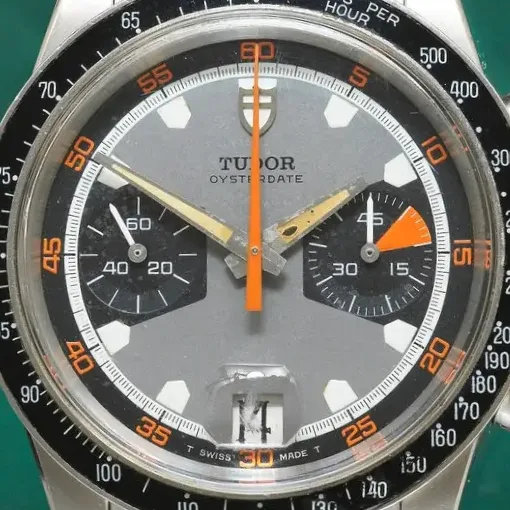
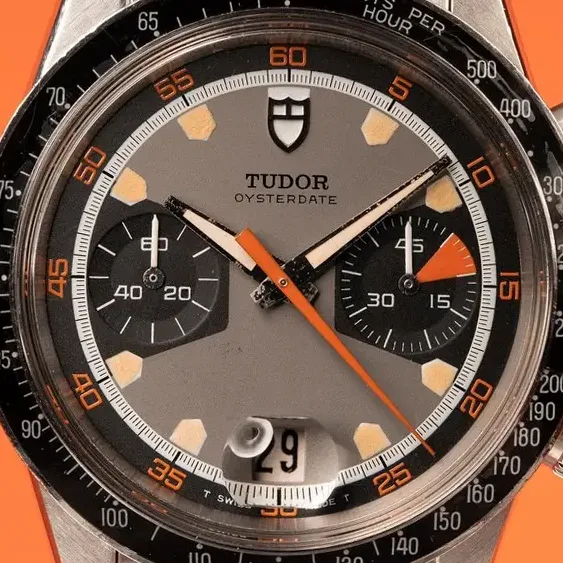
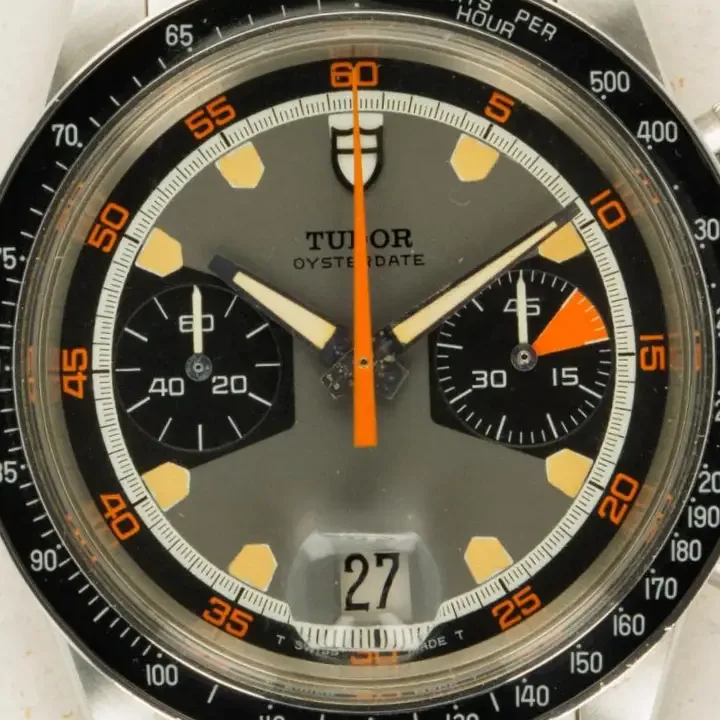
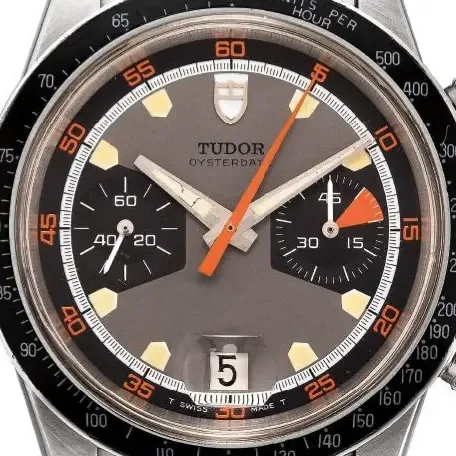
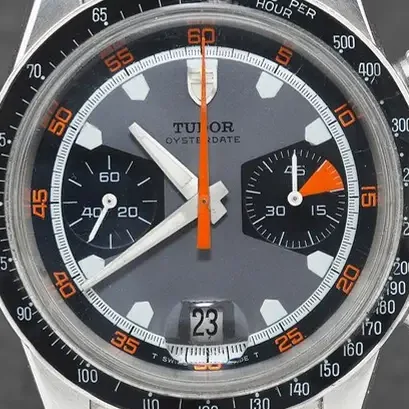
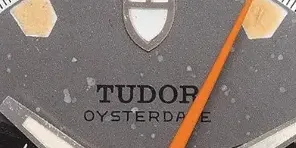
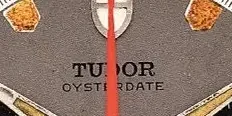
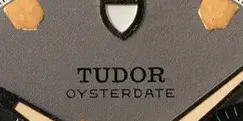
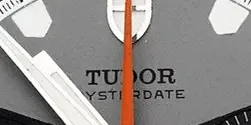
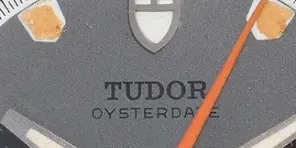
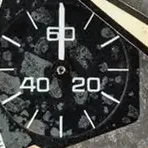
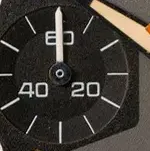
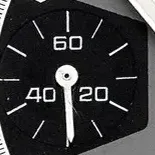
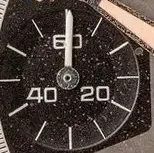
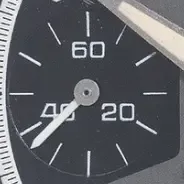
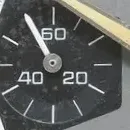
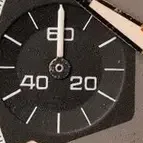
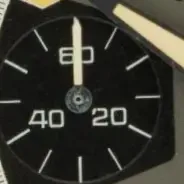
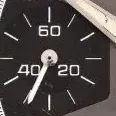
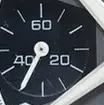
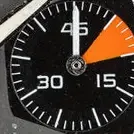
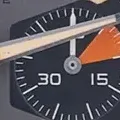
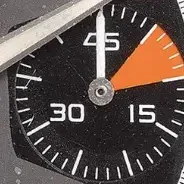
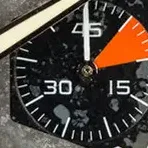
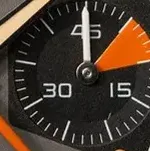
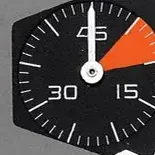
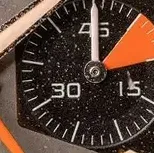
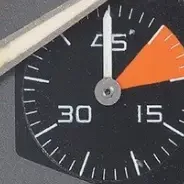
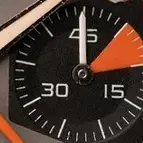
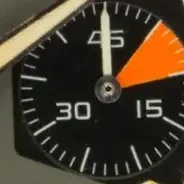
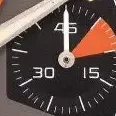
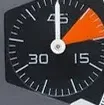
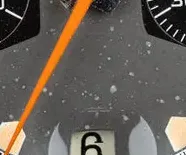
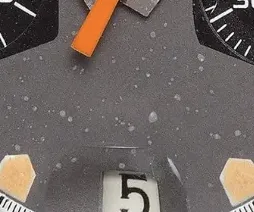
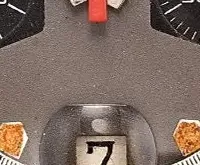
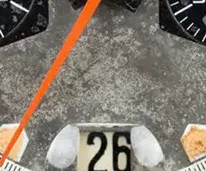
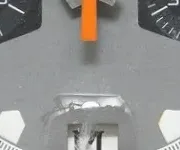
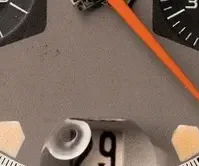
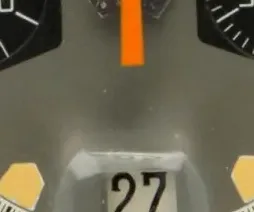
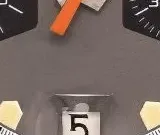
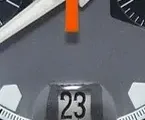
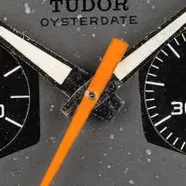
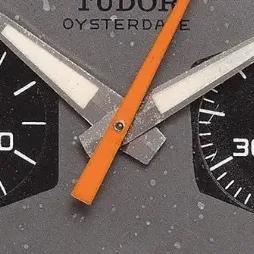
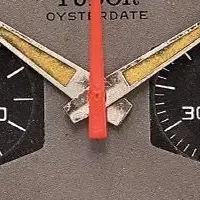
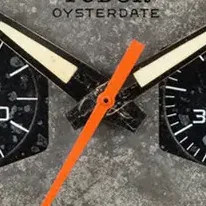
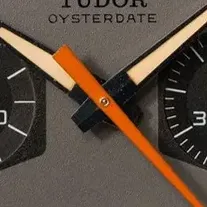
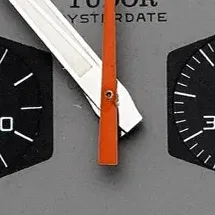
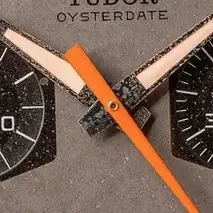
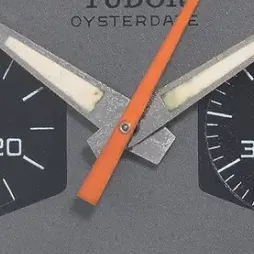
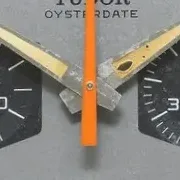
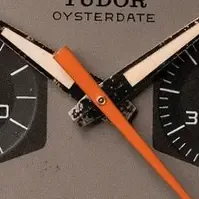
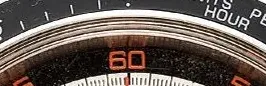
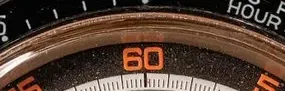
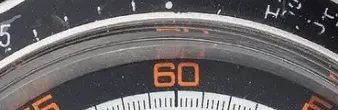
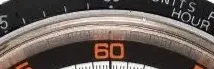
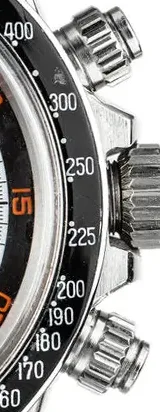
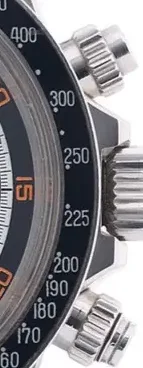
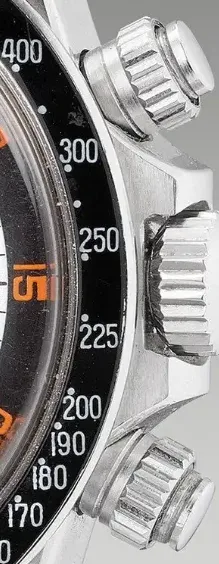
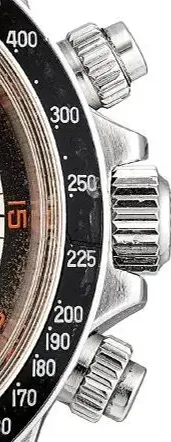
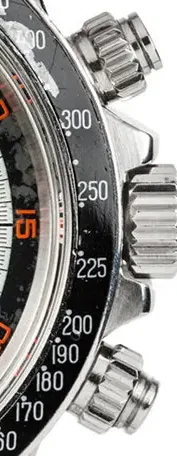
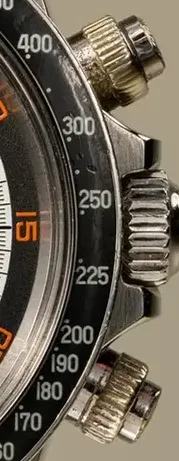
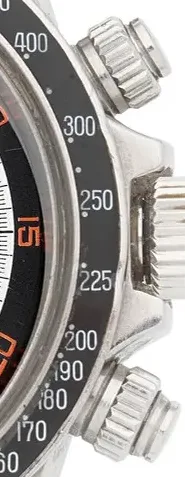
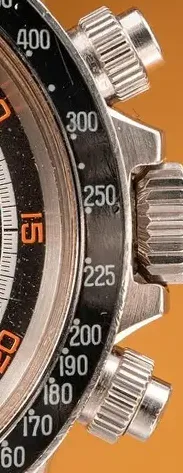
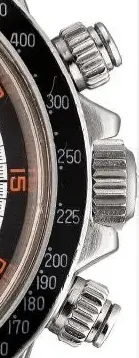
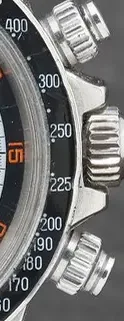
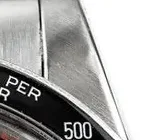
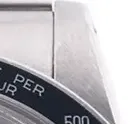
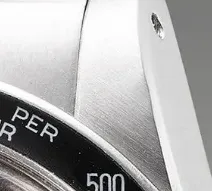
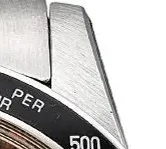
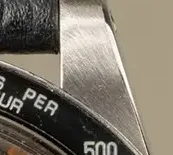
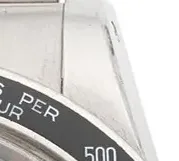
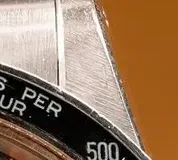
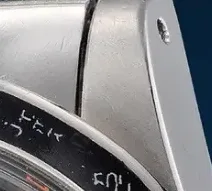
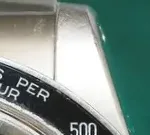
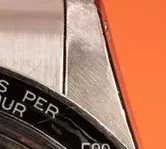
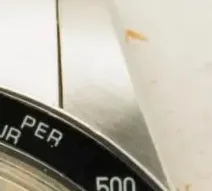
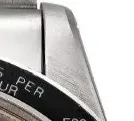
14 watches, oldest first, each straightened and cut the same way so that one row shows one component across them all. Chosen from 111 photographs on file for sharpness and for a face typical of the reference. A year marked c. is one its holder gives only roughly. Each picture is a detail cut from a listing photograph. Select the small mark in its corner for its year, its holder, a link to the listing it came from, and a way to report it.



















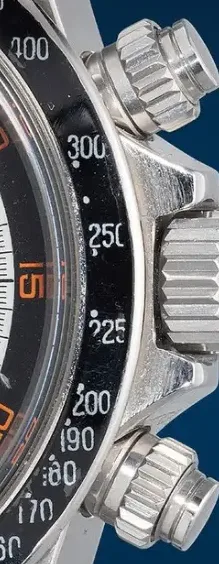
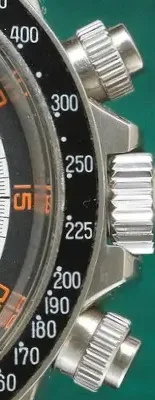
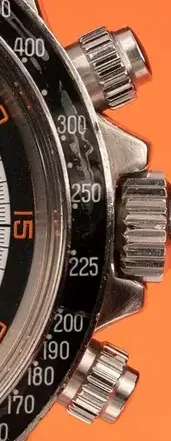
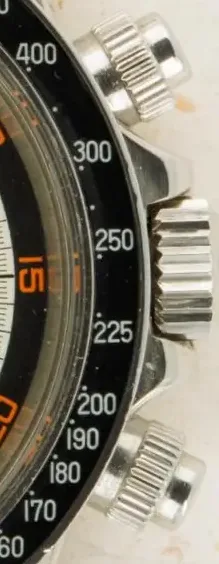



Chronology
The literature puts the introduction in 1970 and the last watches around 1972, when the 71xx series took over; the sources differ by about a year on when that happened.
Every dated variant: what is written, and what the records show
For the reference the marks are every dated watch; for a variant, the watches a seller names as that variant, so a variant sellers do not name has none.
Specification
| Case | Steel Oyster case with square crown guards and screw-down pushers; the literature gives 39 mm in some places and 40 mm in others; 14 mm thick |
| Crystal | Plexiglas with a Cyclops over the date; the literature names it as the type 128 crystal, which is used only on two-register models |
| Bezel | Fixed black bakelite insert with a tachymeter scale to 500 on the 7031; the 7032 has a satin steel bezel with the same scale |
| Movement | Valjoux 7734, manually wound, cam-operated chronograph, 18,000 beats per hour, 45-minute counter |
| Bracelet | Rolex Oyster folded-link bracelet 7836 with 380 end pieces |
| Water resistance | 50 metres |
Dial 2 described
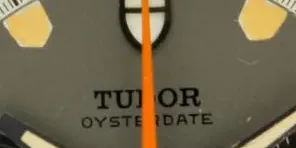
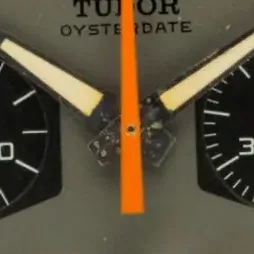
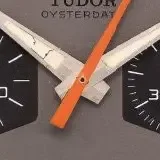
The Home Plate dial is grey or black, with trapezoidal registers, luminous five-sided hour markers and orange accents on the seconds hand and the 45-minute track. It has two registers, with the date at six. Its pattern was kept on the 7149 series, but the hour markers there became rectangular.
Grey dial, black registers
The grey central area has black registers and minute track, with a white seconds track, orange accents and five-sided luminous markers. This is the usual combination. The grey area is prone to pale spotting that looks like water droplets, and the lume markers often turn orange with age.
- grey centre
- black registers
- orange accents
- spotting in the grey area
Black dial, grey registers
The colours are reversed: black base with grey registers. It is described as much rarer, though another account says that whether grey or black is the scarcer depends on condition, and fewer black dials are seen. Some sellers call it 'dark side'.
- black centre
- grey registers
Luminous material 1 described
The literature says the hour markers and hands are filled with tritium.
Tritium markers and hands
The five-sided markers are luminous, and the large hands are filled with luminous material, described as tritium. On the dials the lume often turns orange. On the later blue 71xx dials the lume decay is reported near the inner 10, 20, 40 and 50 minute markers.
- pentagon markers that have aged orange
Hands 1 described
The hands are large and luminous. The 7149 that followed has straight hands of a different shape.
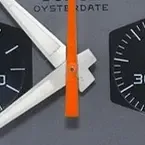
Large luminous hands, orange seconds
The hour and minute hands are large and filled with lume, and the central seconds hand is orange. The chronograph minute hand on some watches is bent, which the literature says was done by watchmakers to deal with crystal distortion.
- orange chronograph seconds hand
Subregisters 1 described
The registers are trapezoidal. The literature is not agreed on which side the register for seconds sits.
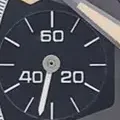
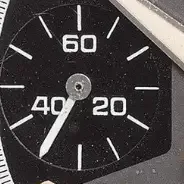
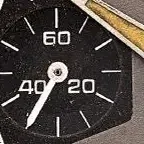
Two trapezoid registers
Two registers sit at 3 and 9, one for running seconds and one for the 45-minute counter, with the date at 6. On the later Heritage Chrono the totalizer was moved to 9 opposite the seconds at 3, which implies the original had the totalizer at 3. The registers are black on the grey dial and grey on the black dial.
- trapezoid registers
- two registers
Bezel 3 described
Bezel type distinguishes the 7031 from the 7032 and the 7033 prototype.
7031 black bakelite tachymeter bezel
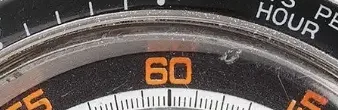
The fixed bezel carries a black bakelite insert printed with a tachymeter scale to 500 units. It is described as in the style of the Rolex 6263 Daytona.
- black bakelite insert
- tachymeter scale to 500
7032 steel bezel
The 7032 is the same watch with a satin steel bezel engraved with the same 500-unit scale, in the style of the Rolex 6265. The literature says the two references share all parts but the bezel.
- satin steel bezel
- engraved tachymeter
7033 rotating bezel (prototype)
A prototype with a bidirectional rotating bezel and a black anodised aluminium insert graduated to 12. It appeared in a catalogue but was not sold, and its form came back on the later 7169 and on the 2010 Heritage Chrono. Rolex said in a 2010 press release that the number was later used for the 70330.
- 12-hour rotating bezel
Case 2 described
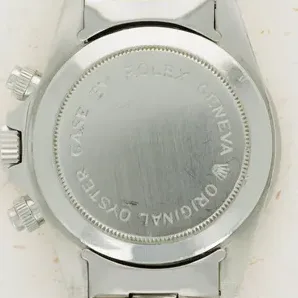
The case is large and heavy for its time, with square crown guards. Its back is marked 'Original Oyster Case by Rolex Geneva' and carries a quarter-and-year stamp.
First-batch case back
One early watch described has a back stamped 1-'70 and a case number in the 756.8xx range, and is put forward as one of the earliest seen; sellers record at least one 7031 with a lower case number. Other watches have backs stamped II.70, I.71 and 1.71. Early watches have flat-topped first-generation pushers, which differ in detail from the first Rolex Daytona pushers.
- 1-'70 or II.70 stamp inside back
- flat-top screw pushers
Rolex-marked case parts
The literature says components such as the case back and crown are often marked Rolex with the coronet, not Tudor with the rose or shield.
- Rolex coronet on crown or back
Crown and pushers 1 described
The crown is a screw-down crown, with square guards.
Screw-down crown with Rolex logo
The original crown and the pushers are screw-down, which prevents accidental chronograph starts. The crown often carries the Rolex coronet, not the Tudor rose.
- screw-down crown
- coronet
Crystal 1 described
The crystal is Plexiglas with an integrated magnifier.
Cyclops type 128 crystal
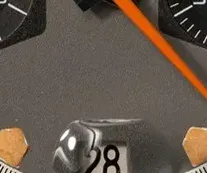
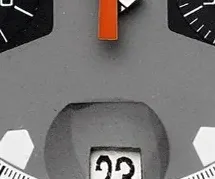
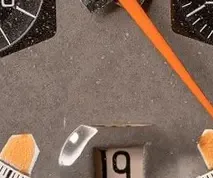
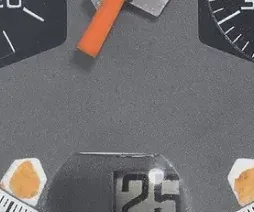
A Plexiglas crystal with a Cyclops over the date at 6. The Cyclops is fitted turned half way round compared with the Rolex pattern, so the date window looks different.
- Cyclops at 6
- unusual orientation of the magnifier
Date 1 described
A date at six o'clock under a Cyclops on every watch.
Date at 6
The date window is at six with the Cyclops above it, the only calendar function on the dial.
- date at 6
Movement 1 described
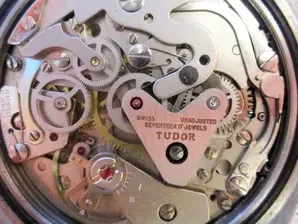
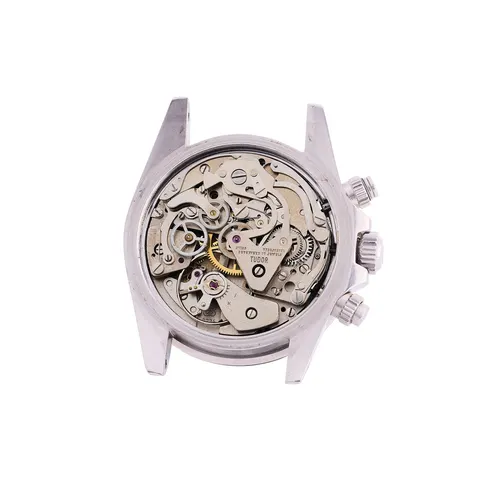
The movement is the manual Valjoux 7734.
Valjoux 7734
A hand-wound cam-operated chronograph at 18,000 beats per hour with a 45-minute counter. It is why this series is called Oysterdate and not Oyster Prince. The movement is about 30 mm across and 6.65 mm thick. The 7149 replaced it with the Valjoux 234, a column-wheel movement with a clutch at 21,600 beats.
- manually wound movement
Bracelet 1 described
Early watches came on a Rolex bracelet whose end pieces fit poorly.
Rolex 7836 with 380 end pieces
A folded-link Oyster bracelet, 7836, with 380 end pieces, which fit imperfectly. The 589 end pieces that fit flush were never fitted at the factory on the two-register watches, though many collectors have fitted them. Generic 501 end pieces are fitted at service and fit poorly.
- 7836 bracelet
- 380 end pieces
Originality
- The end pieces on the bracelet are often replaced: the factory 380 end pieces fit poorly, and 589 pieces fitted by collectors or generic 501 pieces fitted at service are later parts.
- Chronograph minute hands are sometimes bent by watchmakers to cope with crystal distortion.
- Dial decay on the grey area and the markers is common; a dial with no decay is uncommon but has been seen.
- Rolex-marked crowns and case backs are found on original watches, so a coronet is not by itself a sign of replacement.
Names
- Home Plate. The five-sided hour markers recall the plate on a baseball field.
- Monte Carlo. This name belongs to the 71xx series that followed, whose dials resemble a roulette wheel; sellers apply it to the 7031 too.
Where accounts differ
Points on which the published literature and the library's own records do not agree, or on which the literature contradicts itself.
- Case size. Two accounts give the case as 39 mm; another gives 40 mm, citing a published Tudor history. Most listings in the library's records that state a size say 40 mm, and a minority 39 mm.
- Which side the registers sit. One account places the seconds register at 3 and the minute counter at 9 on the 7031, yet places the seconds at 9 and the counter at 3 on the 7149, which it says kept the same layout. Another says the Heritage Chrono moved the counter to 9, a third says the orange index of the 45-minute counter moved from right to left on the reissue, and another puts the minute counter on the right of the Home Plate dial; all three point to the counter at 3.
Back and movement
From listings of this reference, each confirmed by eye to show what it is filed under. A picture on which a person's name or a personal engraving can be read is not shown. From most holders a detail from the middle of the photograph is shown; the mark in its corner gives its holder and a link to the listing.
Caseback

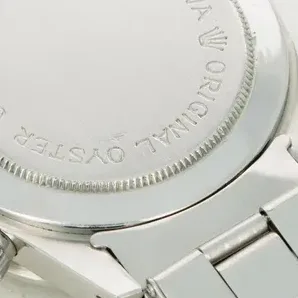

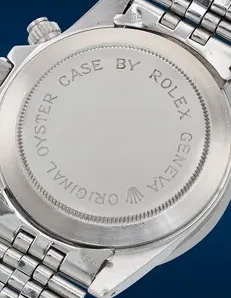

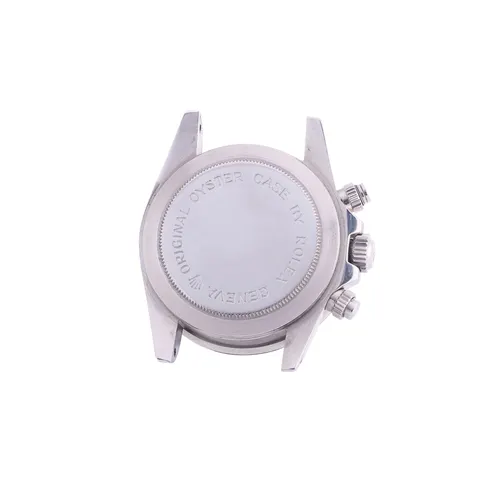

Inside the caseback
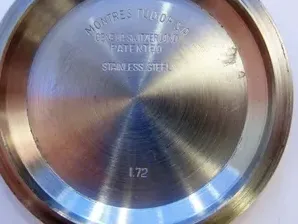

Movement


Catalogue versions 1 listed
The full numbers under which holders list this reference, with what their listings say of each. Each has a page of its own.
| Version | Metal | Dial | Years seen | Records |
|---|---|---|---|---|
| 7031/0 | Steel | Grey | 1970–1972 | 24 |
In the records
Counted from 36 listings at 11 holders between 11 November 2013 and 14 November 2026. These are what sellers and auction houses state, not measurements.
The fainter bar is the one listing outside the main run of 1970–1972 (the middle nine-tenths): the latest is 1975. It is an early or late example, or a seller's slip. The head of the page gives 1970–1972: the years that listings from two holders bear out.
Case metal
| Steel | 22 |
Dial colour
| Grey | 11 | |
| Black | 6 | |
| Red | 1 |
Case size
| 40 mm | 15 | |
| 39 mm | 4 |
Calibre named
| 7734 | 17 |
Bracelet or strap
| Oyster bracelet | 18 | |
| Metal bracelet, kind not stated | 3 | |
| Fabric strap | 2 | |
| Leather strap | 1 |
Each table counts the listings that state the thing, in the seller's own terms. A size, metal, colour or calibre that cannot belong to this reference is a seller's slip or a listing filed under the wrong number.