Air-King
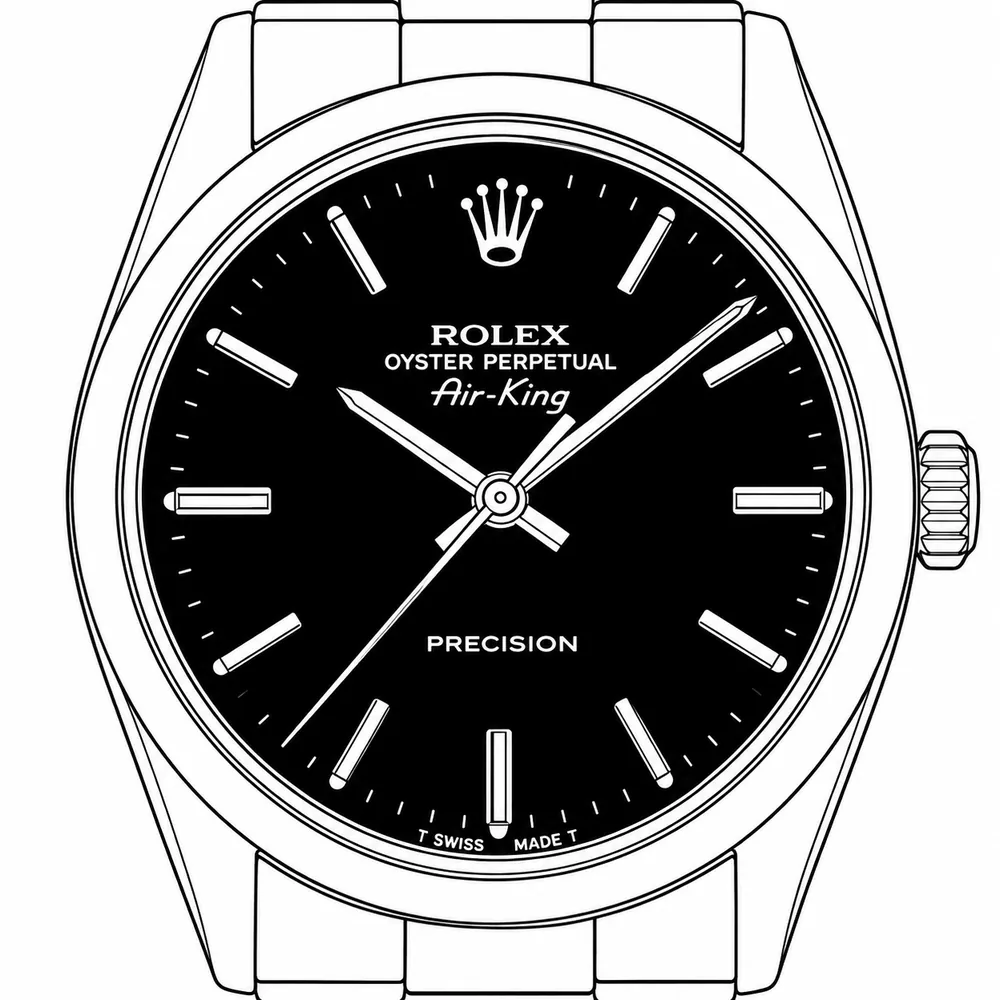
The 5500 is the Air-King of 1957 to 1989: a 34 mm steel Oyster with a smooth bezel, a screw-down crown, an acrylic crystal and a centre-seconds automatic movement that is not a chronometer. It was the longest-running Air-King reference and changed only in small steps: alpha hands gave way to pencil baton hands in the mid-1960s, radium lume to tritium, calibre 1530 to calibre 1520, riveted bracelets to folded and then solid links. Most carry a silver stick dial, but the same case also carried Explorer-style dials, company logos and military crests. It was replaced by the 14000 in 1989. Collectors look first at the dial text, the hands and whether the dial and hands are original.
- Made
- 1957–1989dates approximate
- Seen in the library
- 1957–1991nine in ten in 1958–1988 · by case numbers
- Case
- 34 mm · steel (95%)as sellers state
- Movement
- Calibre 1530, 1520automatic
- On record
- 1,048 listings1,527 photographs · 61 holders
Components
42 watches, oldest first, each straightened and cut the same way so that one row shows one component across them all. Chosen from 1,527 photographs on file for sharpness and for a face typical of the reference. A year marked c. is one its holder gives only roughly. Each picture is a detail cut from a listing photograph. Select the small mark in its corner for its year, its holder, a link to the listing it came from, and a way to report it.
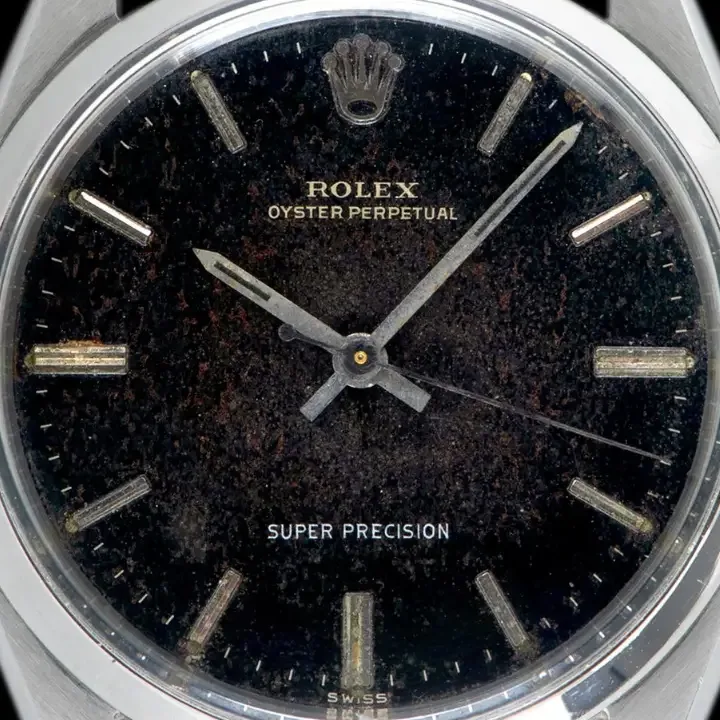
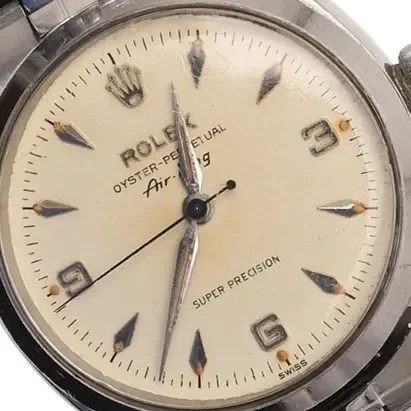
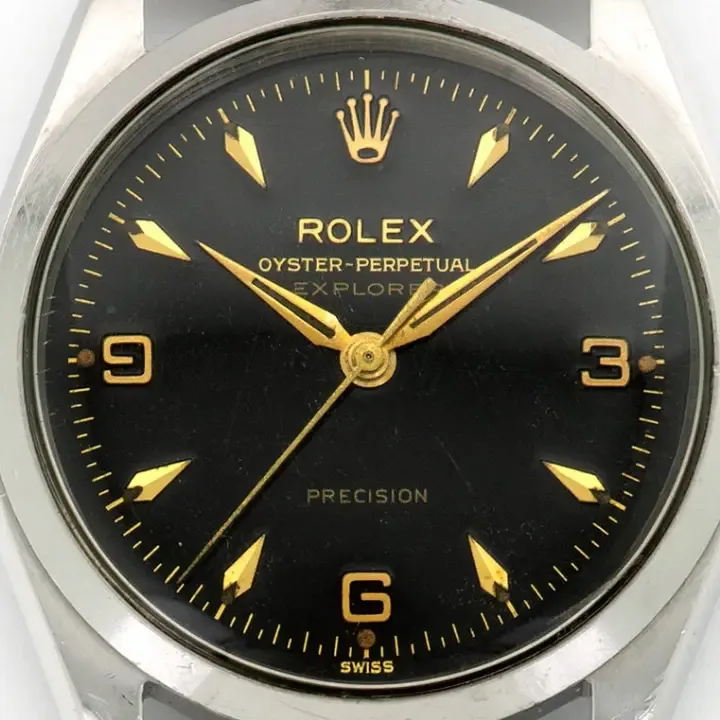
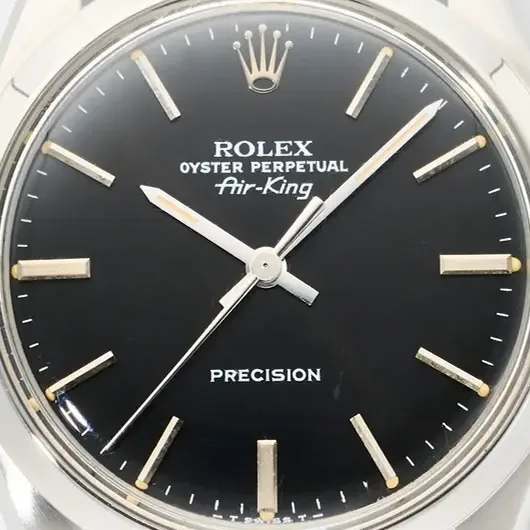
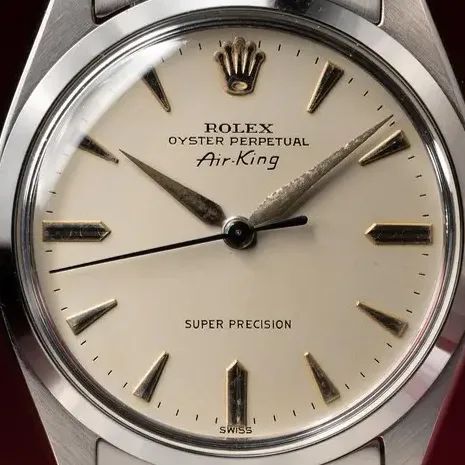
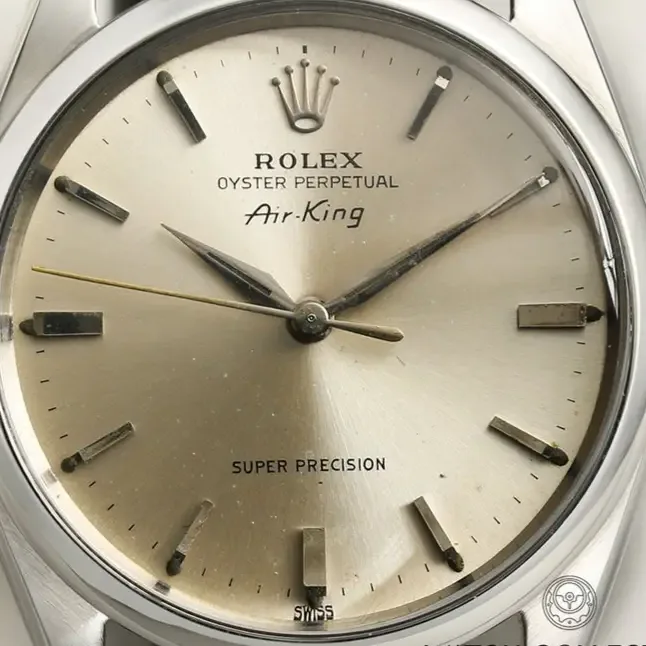
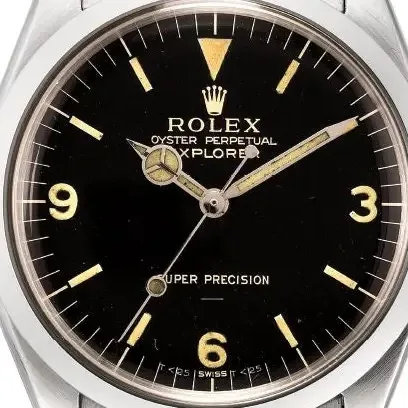
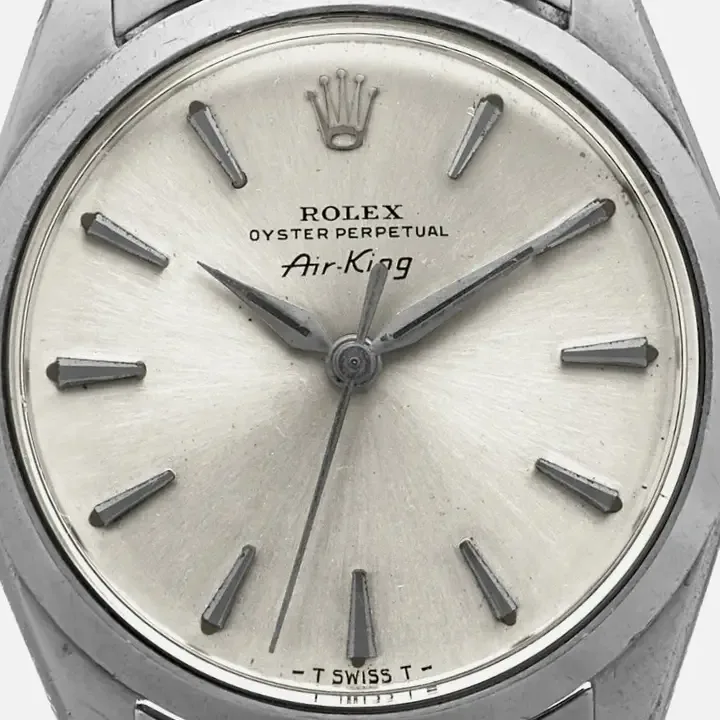
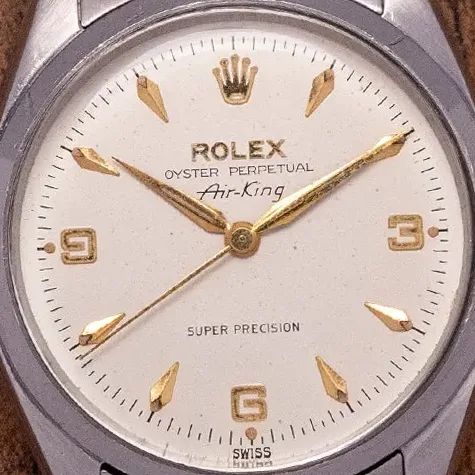
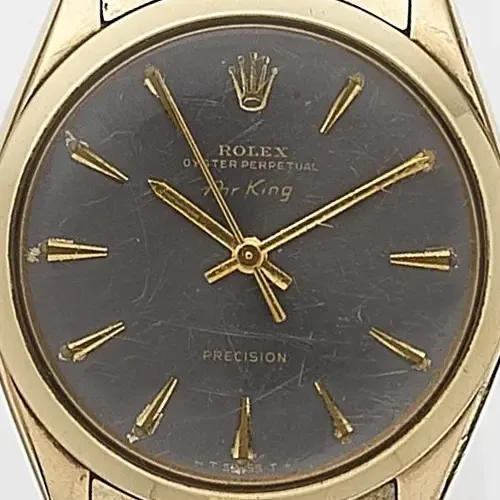
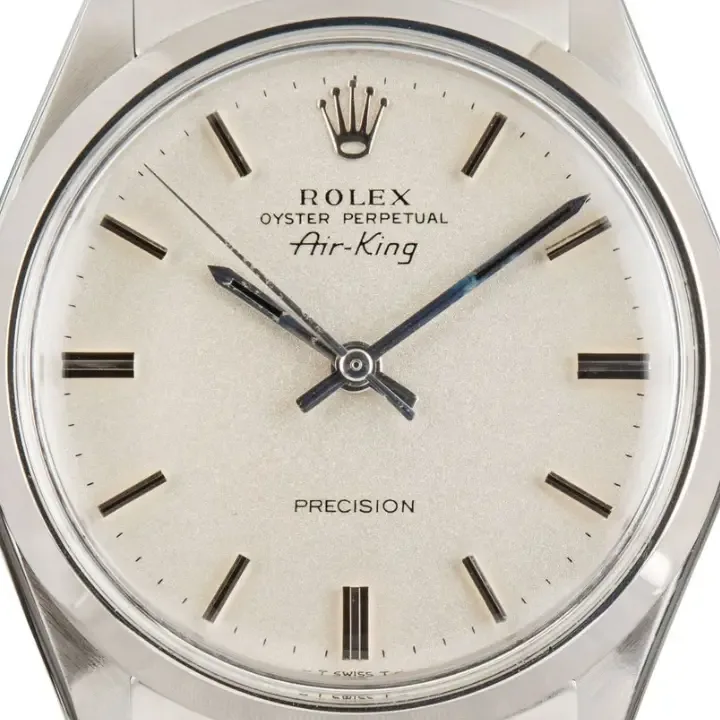
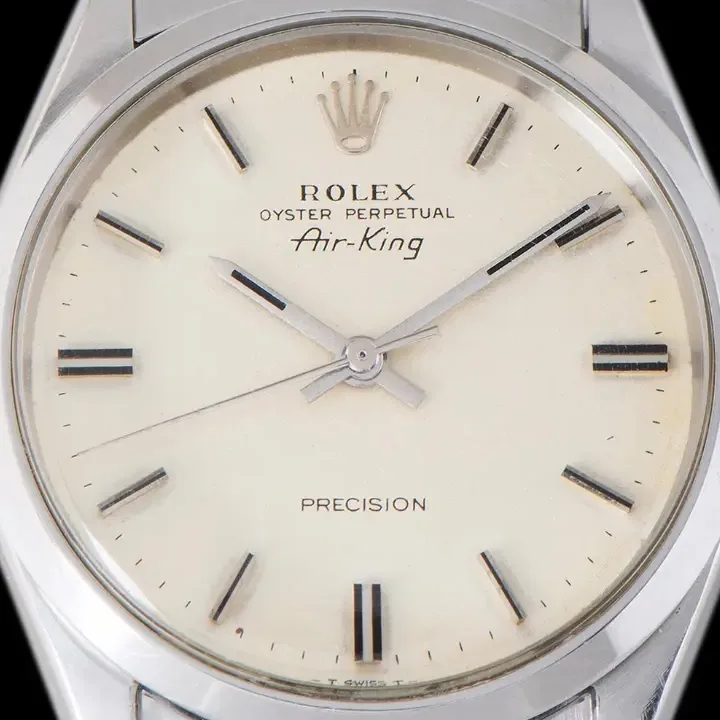
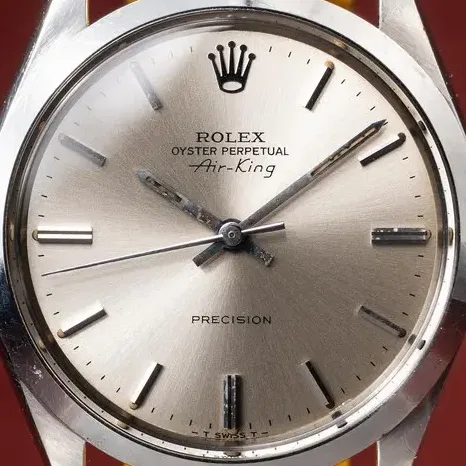
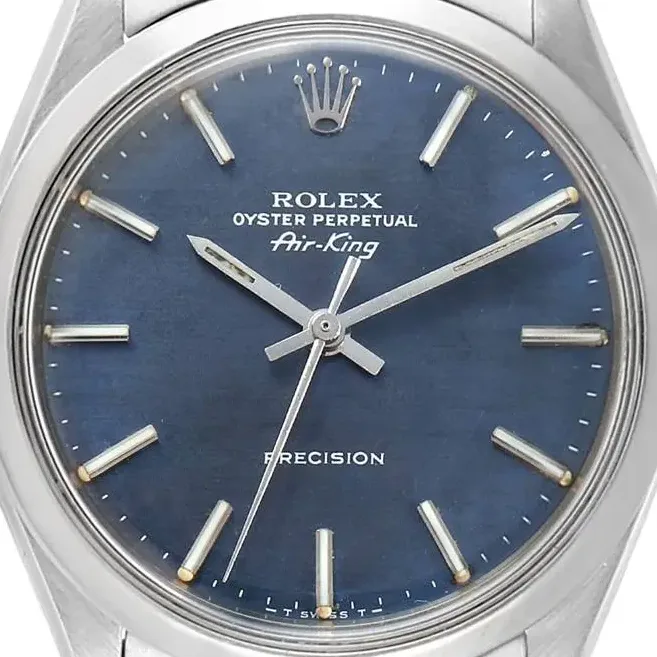
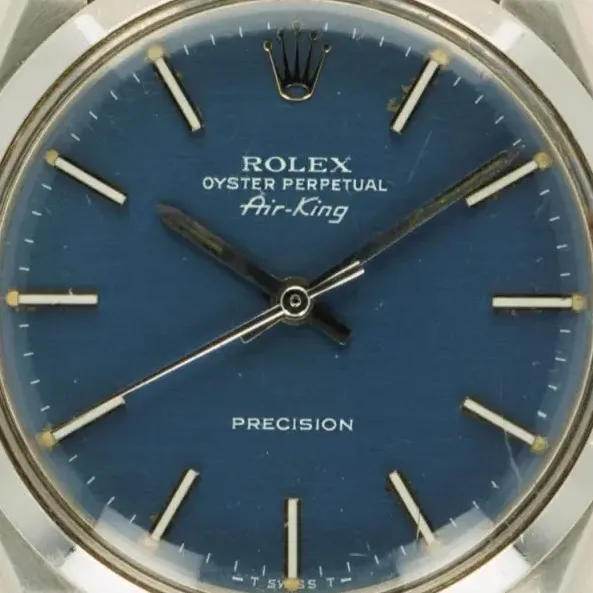
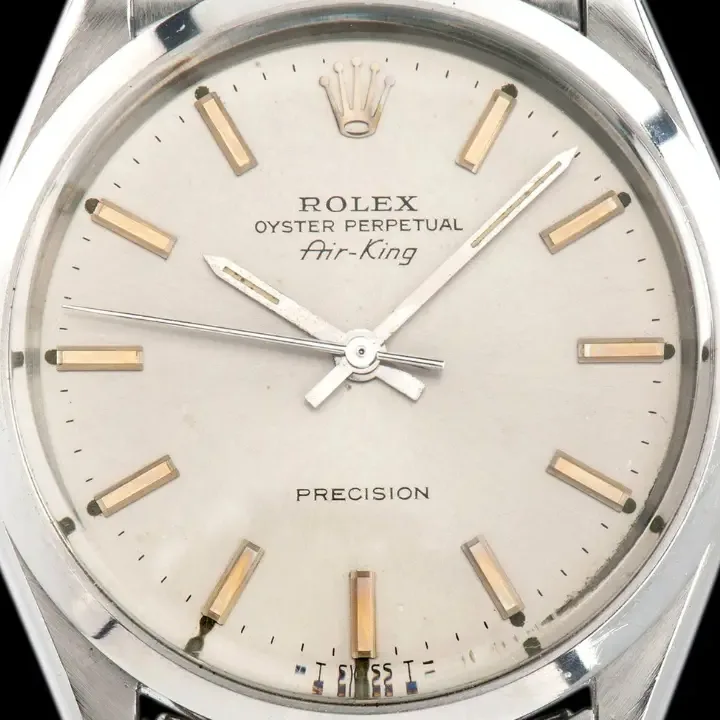
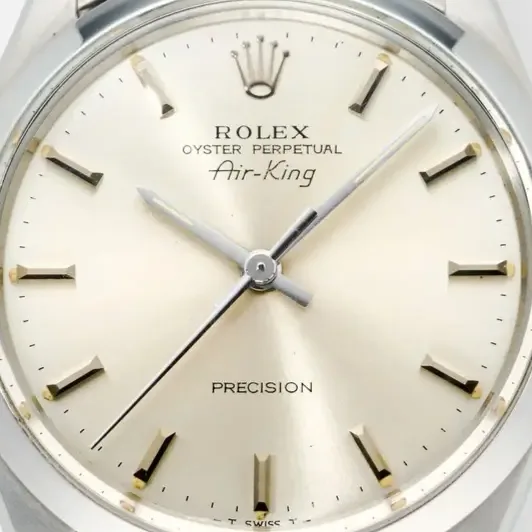
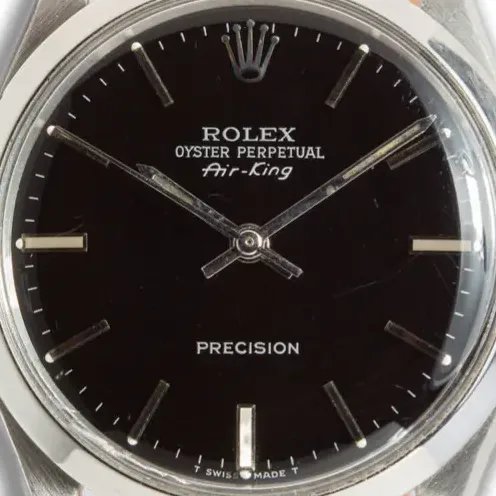
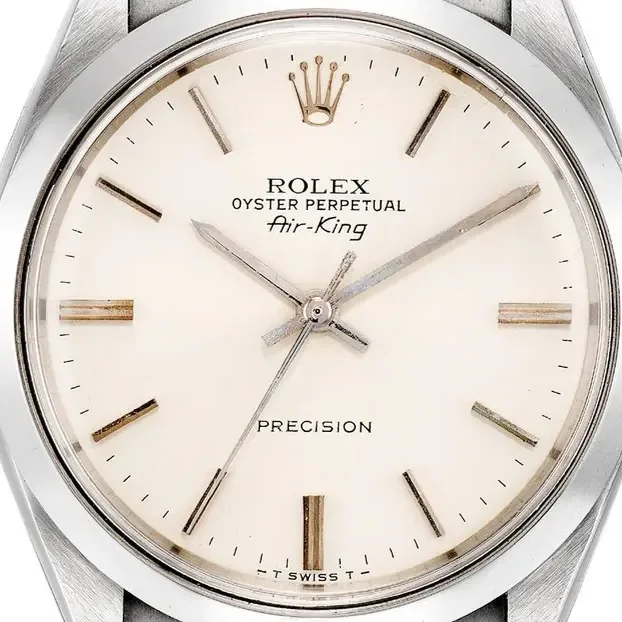
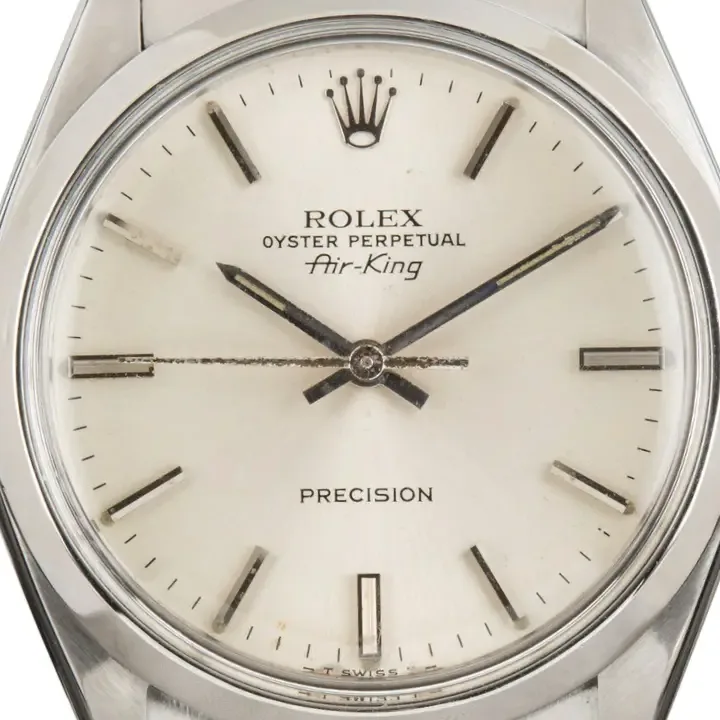
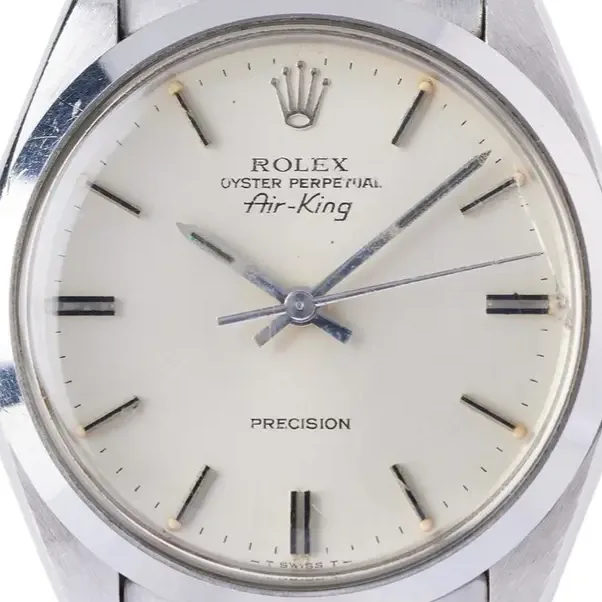
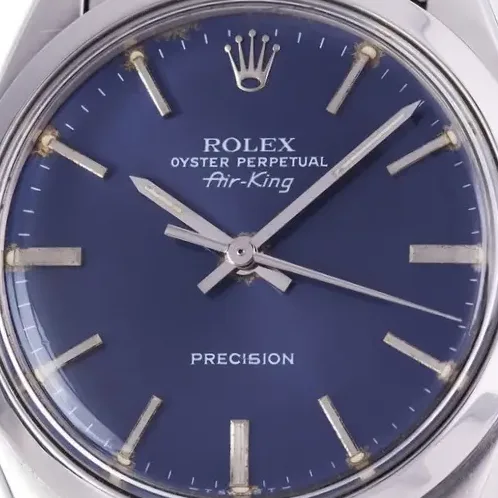
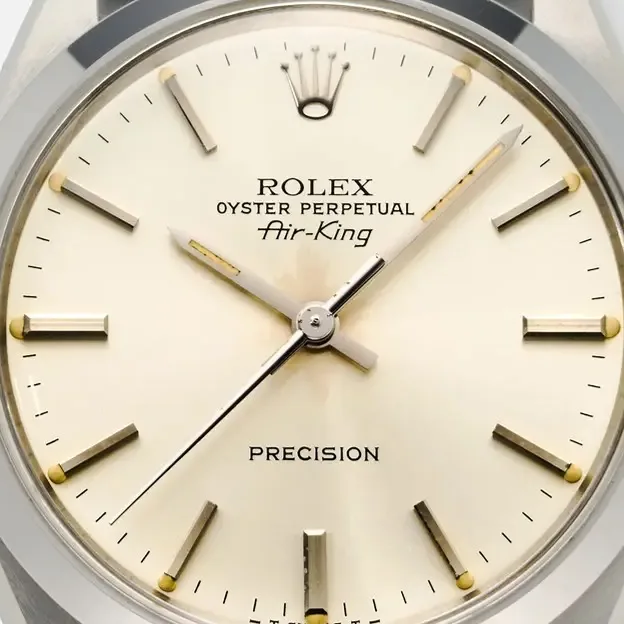
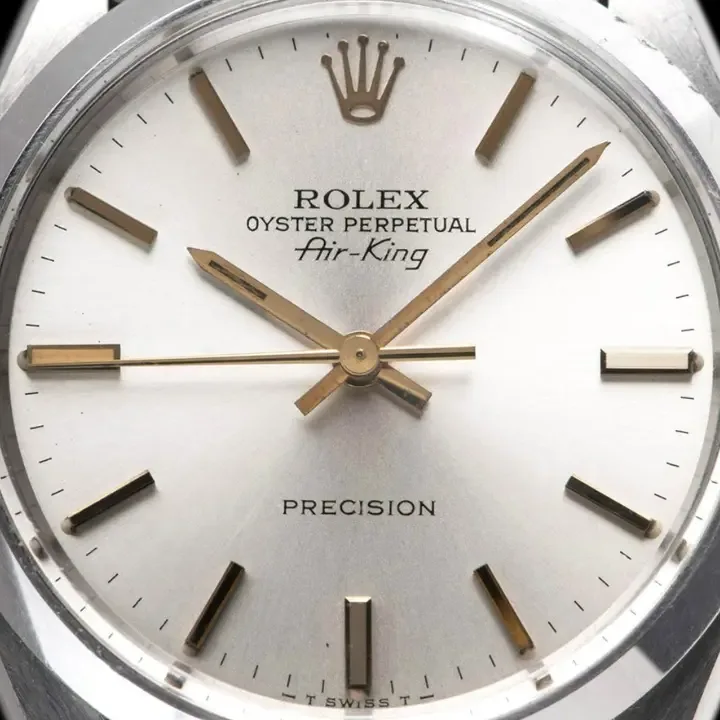
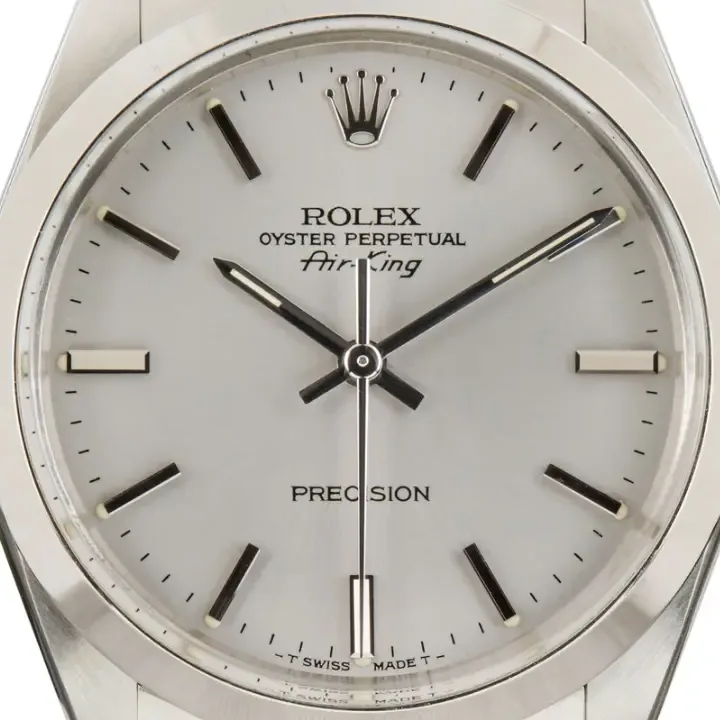
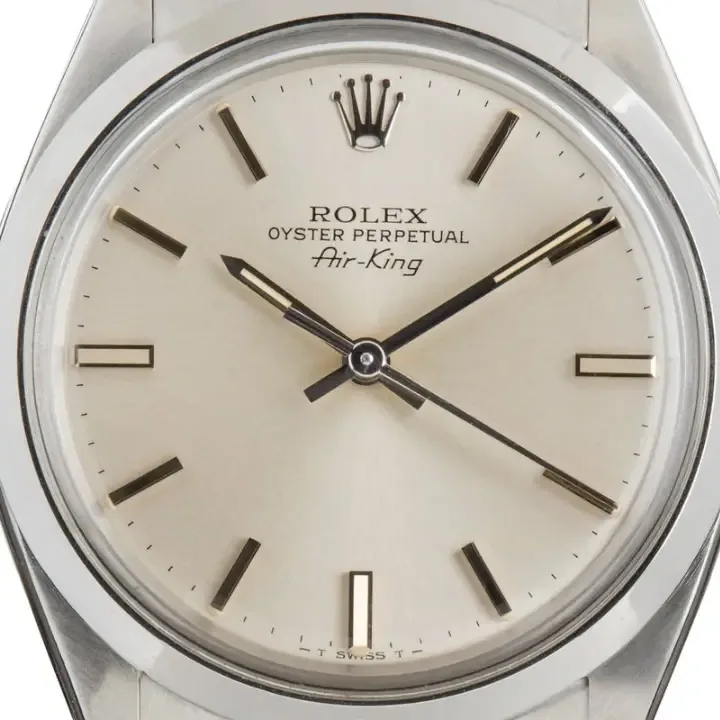
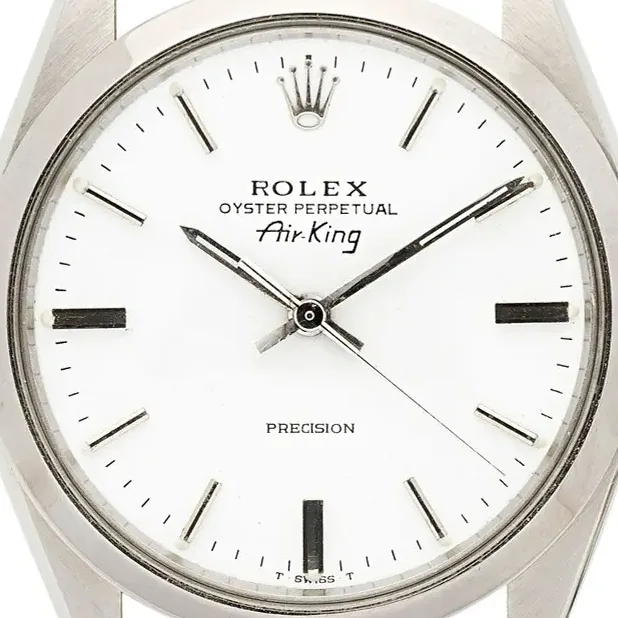
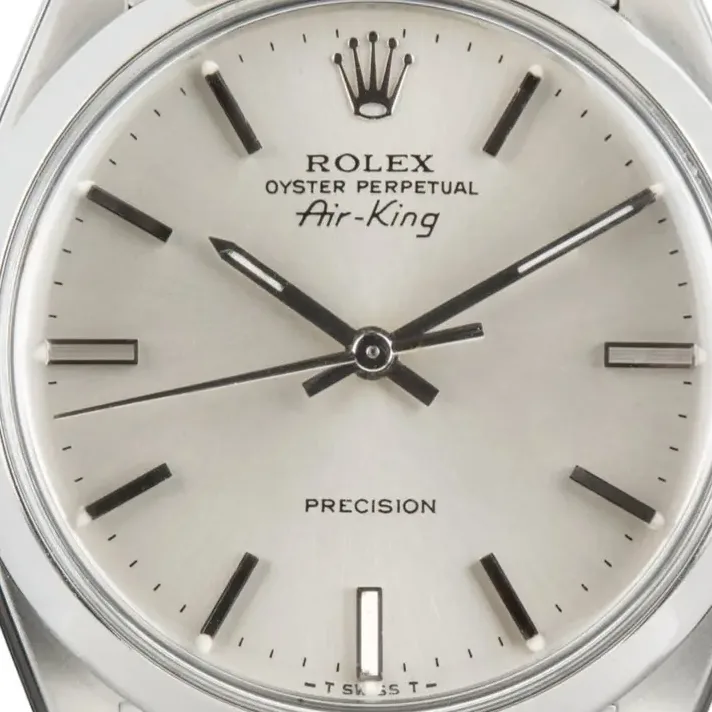
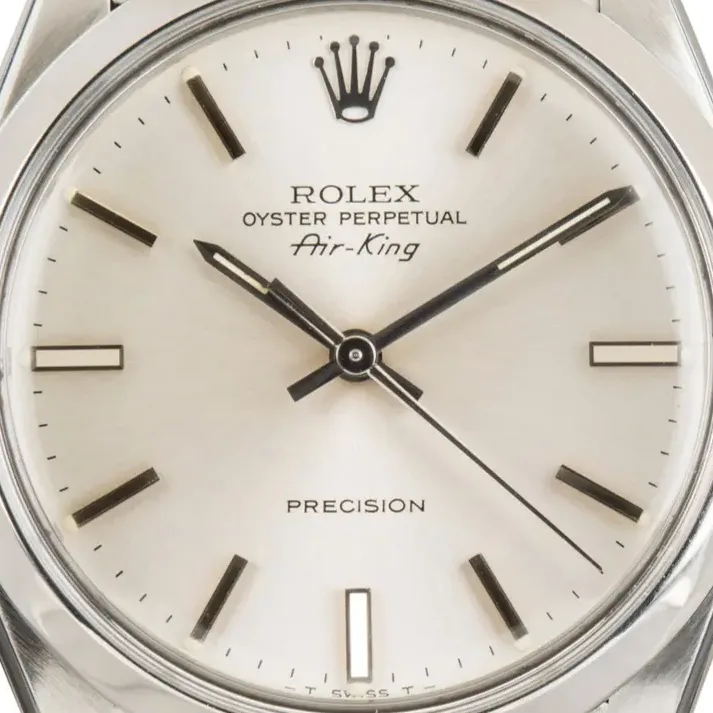
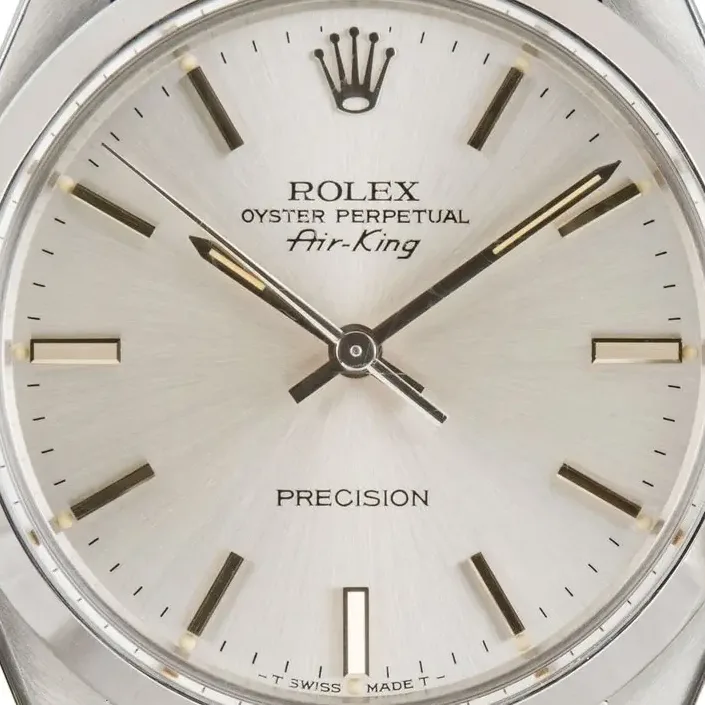
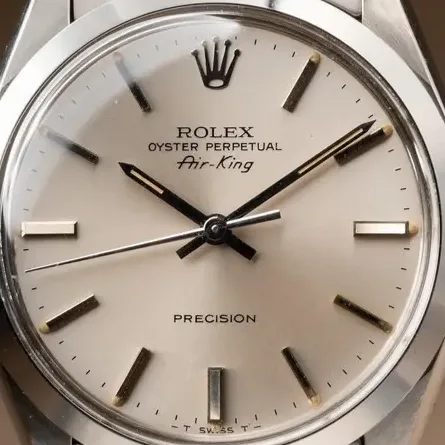
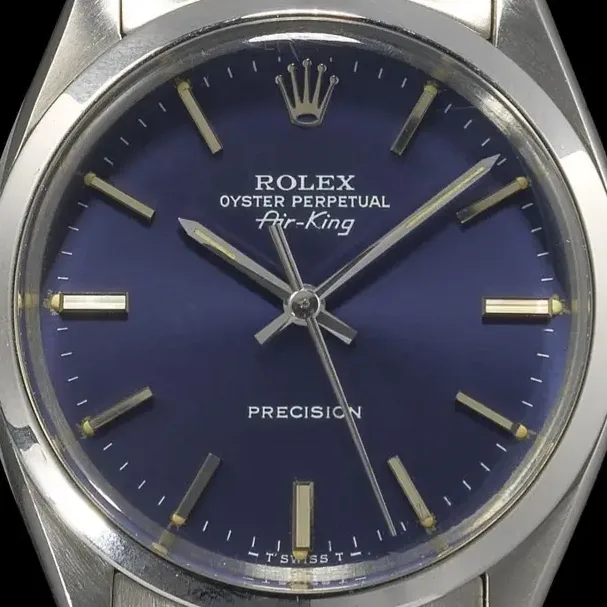
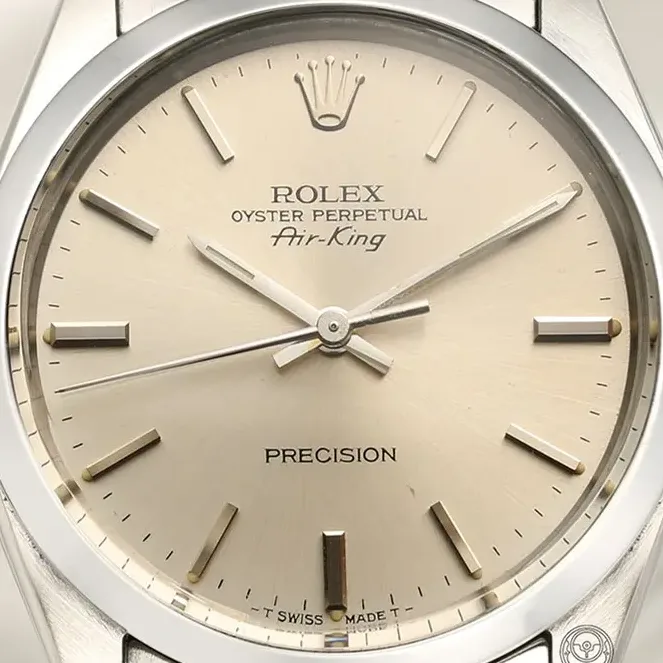
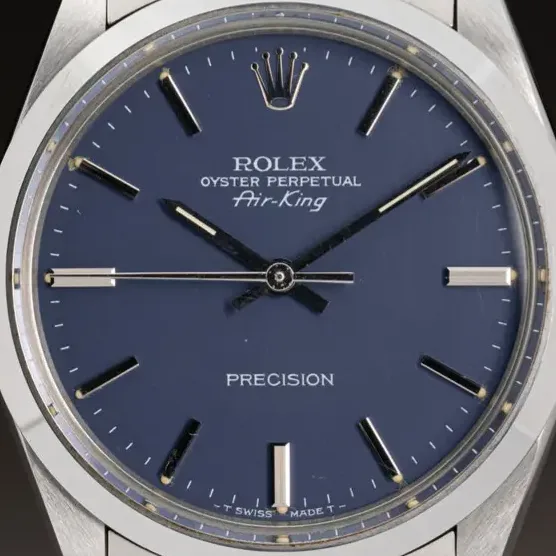
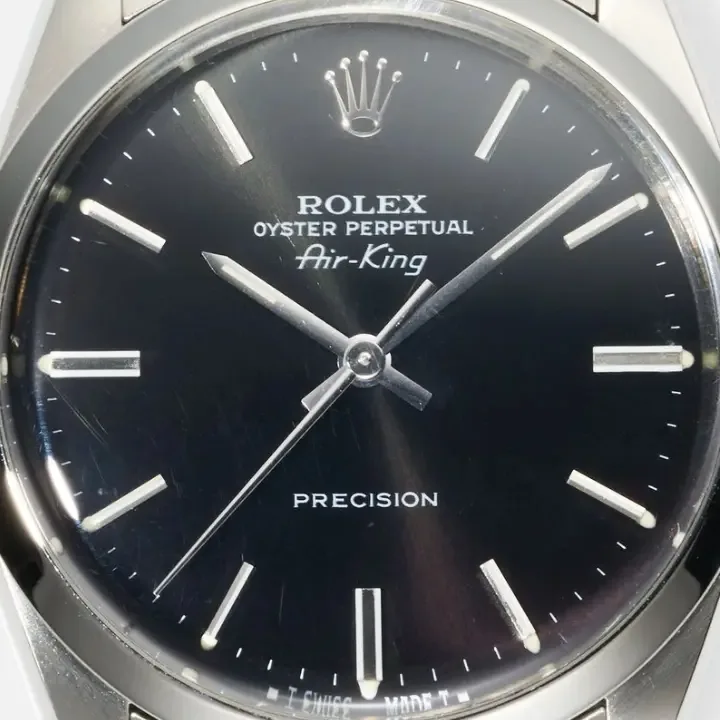
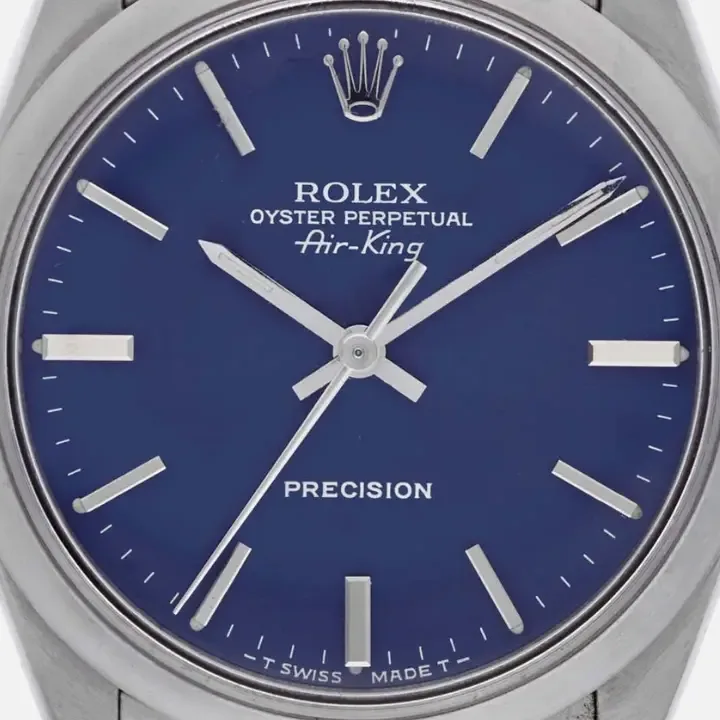
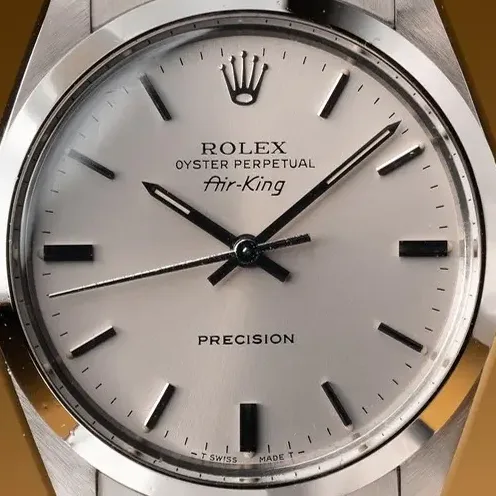
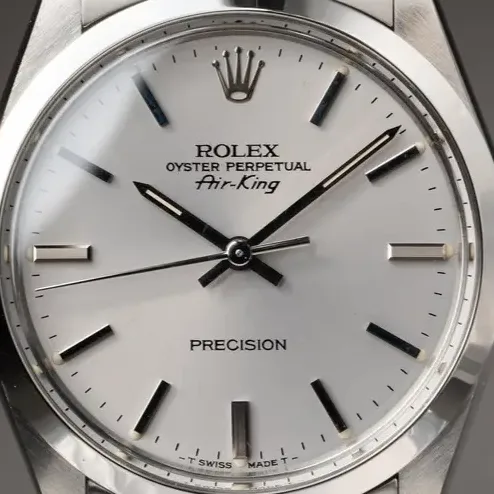
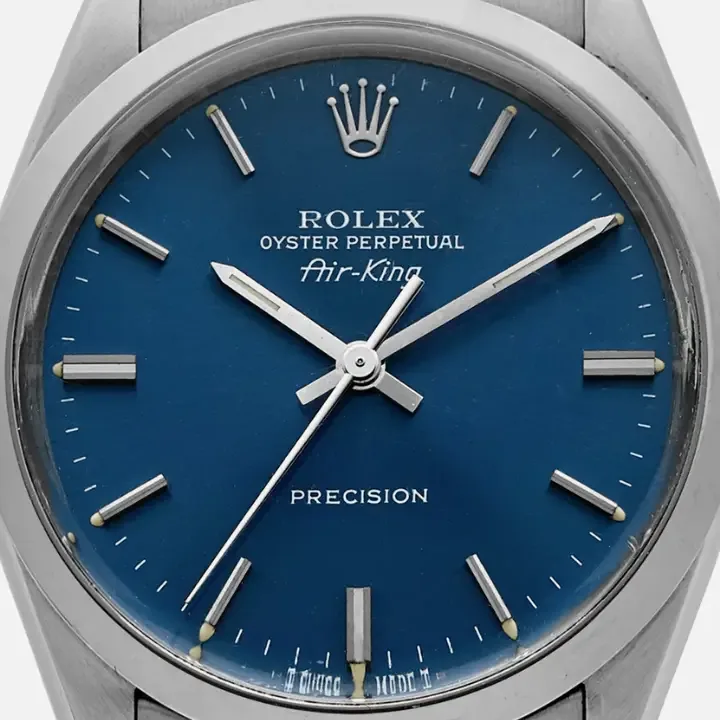
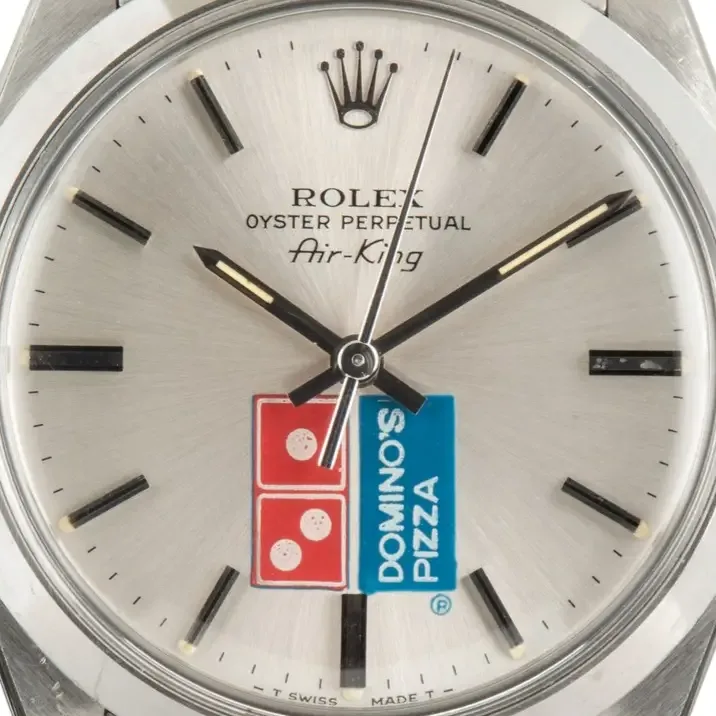
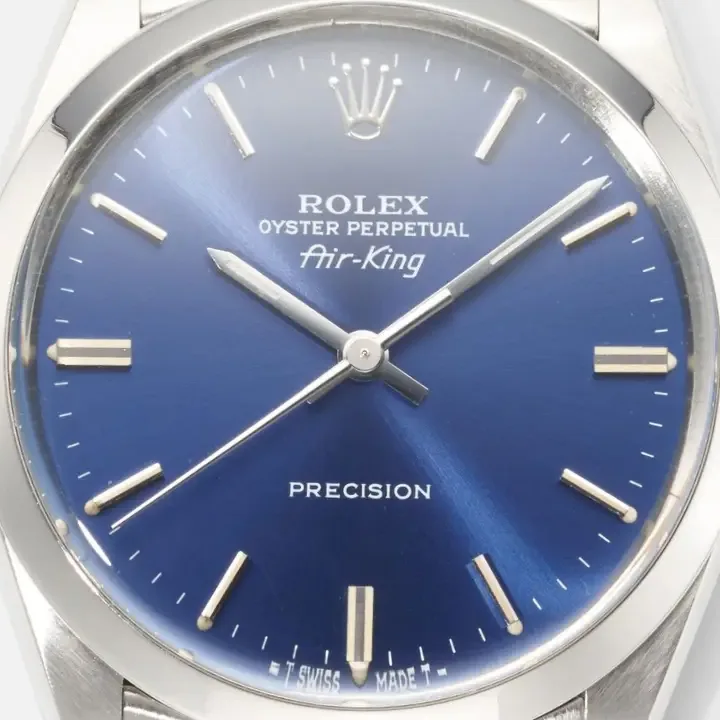
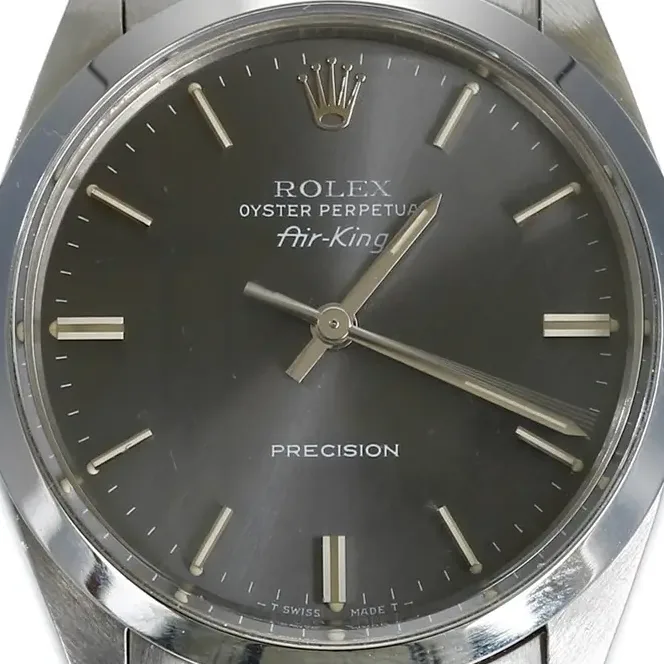
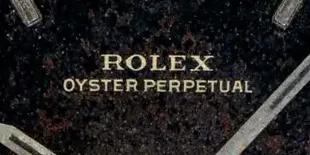




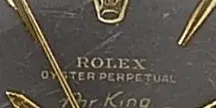
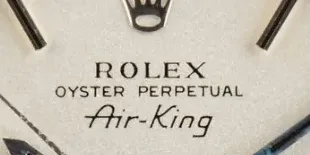
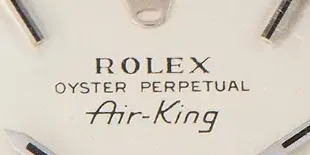
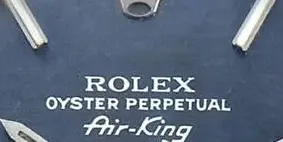
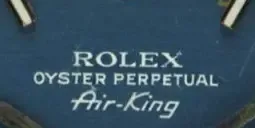
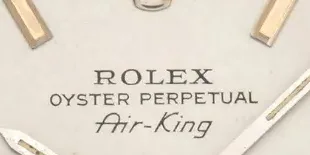
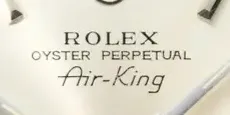

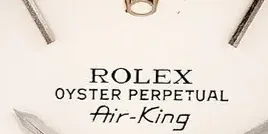
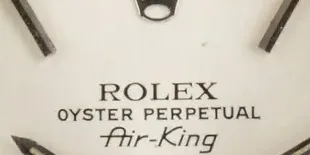
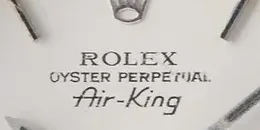
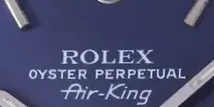
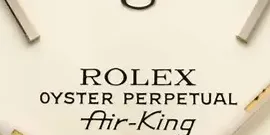
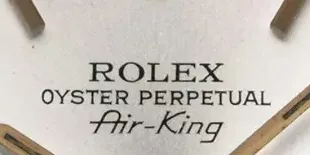
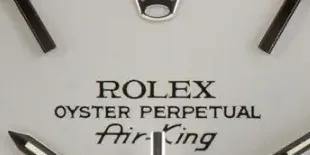
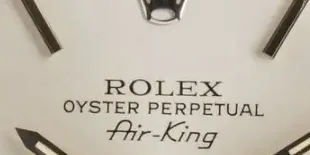
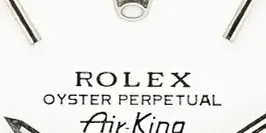
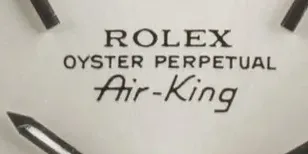

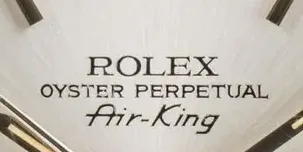
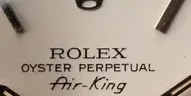
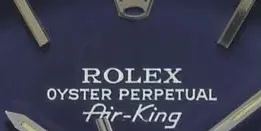
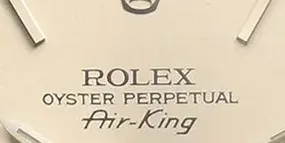


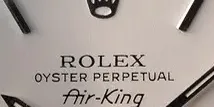

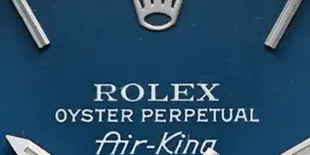
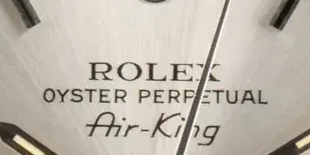

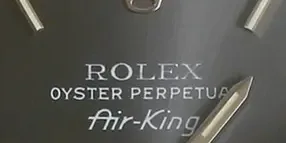


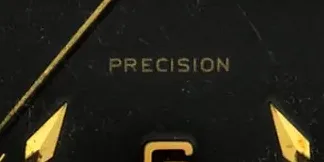












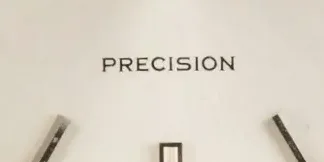







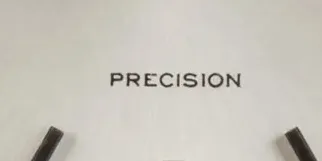













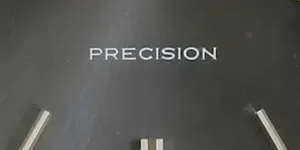

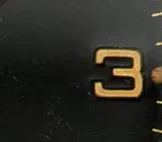

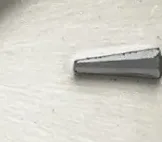
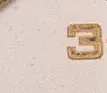
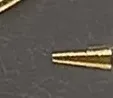
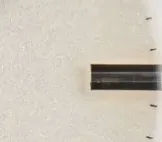
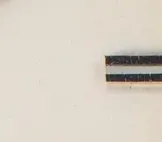

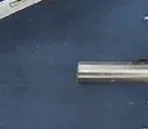
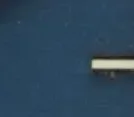
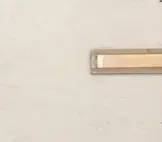






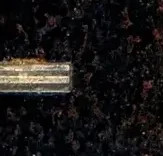

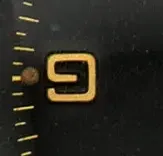
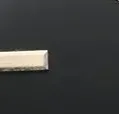
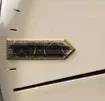

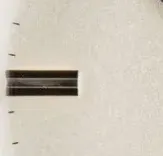
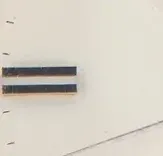


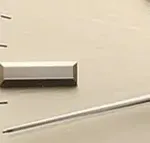
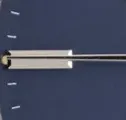


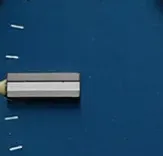
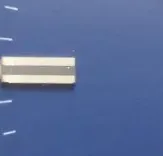
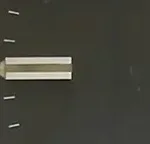


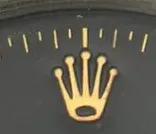

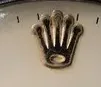


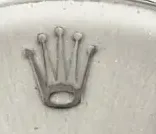
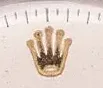
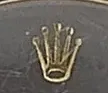
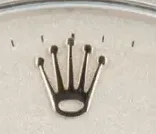

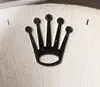
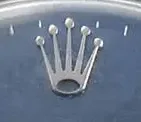

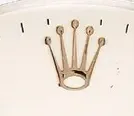
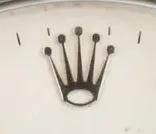





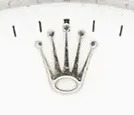
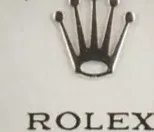
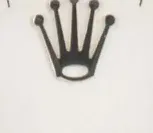
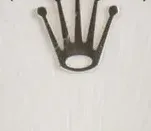


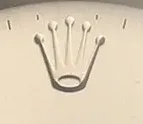


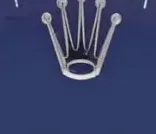
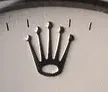
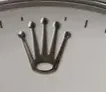

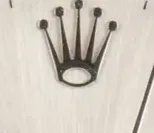


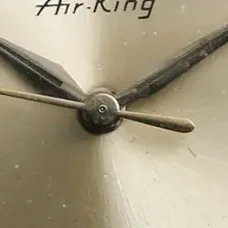


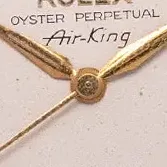
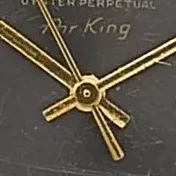
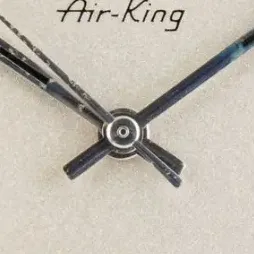


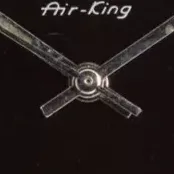

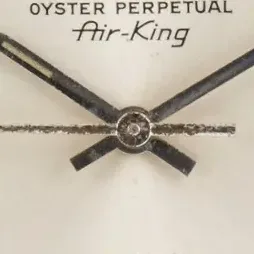



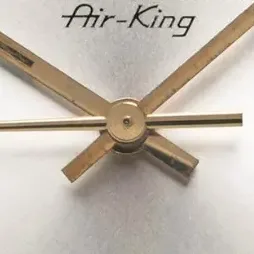


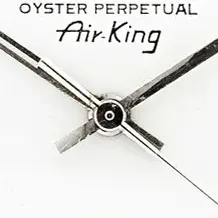

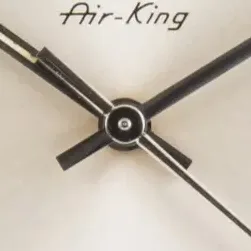
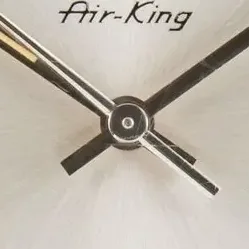


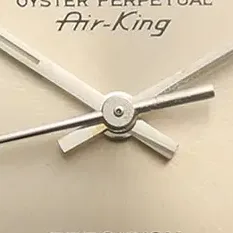






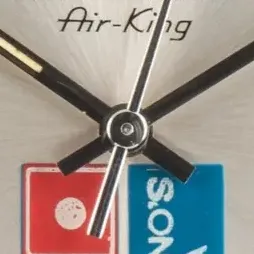



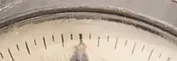
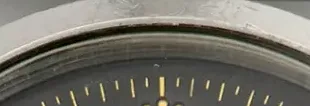

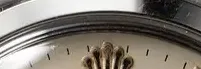

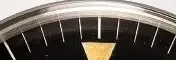

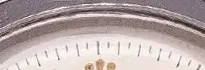

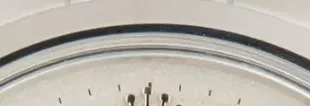

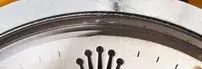
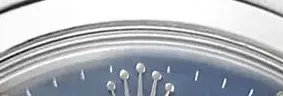




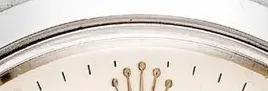





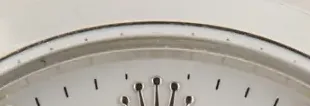

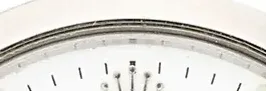









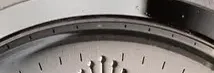
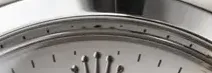




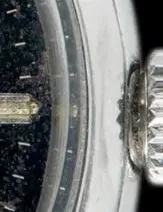
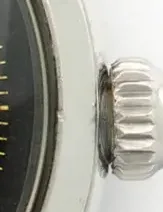
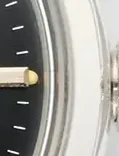

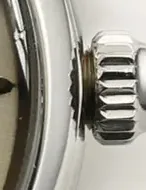
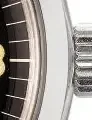
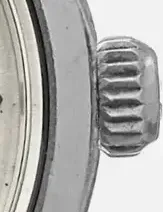
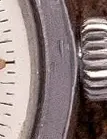
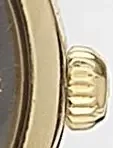
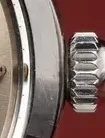
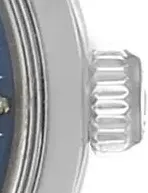


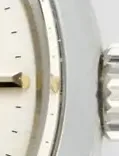

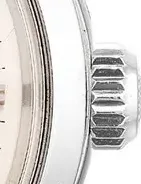
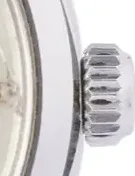

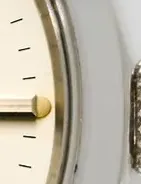
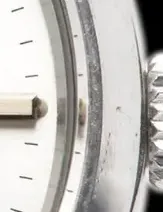
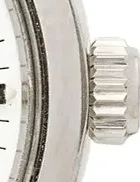

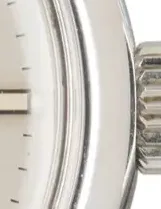
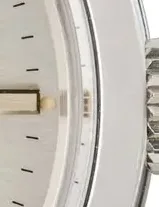
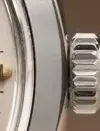

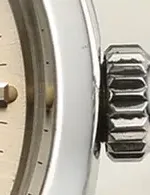
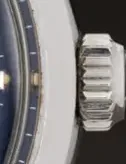
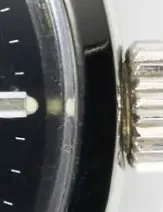

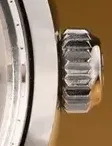
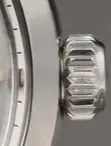
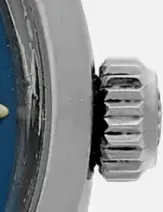
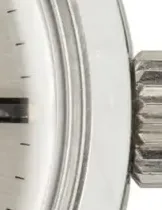
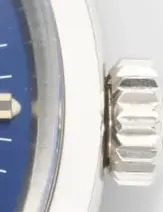
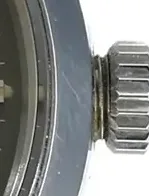




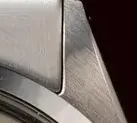

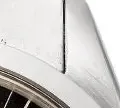
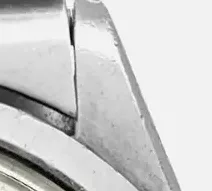
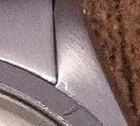
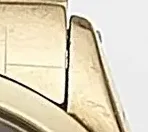
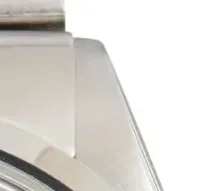

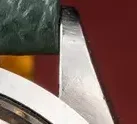
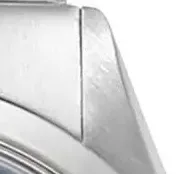

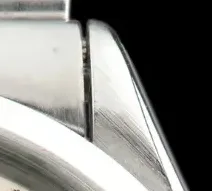


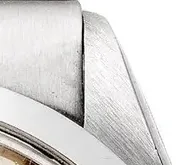
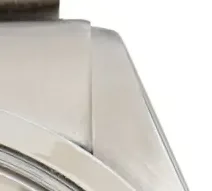
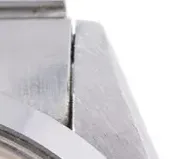



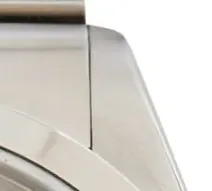
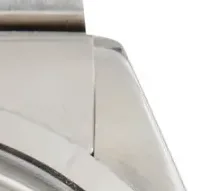
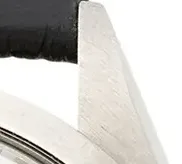
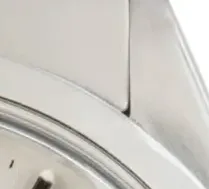

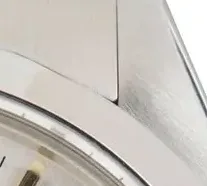

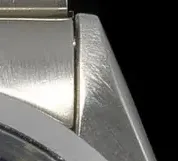
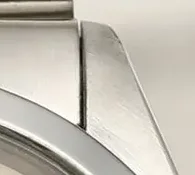



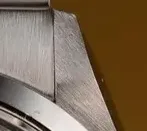

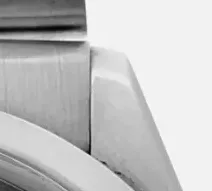



Illustrated history of the 5500: every change set out with close-up photographs of dated watches.
Chronology
Introduction in 1957 and replacement in 1989 are stated almost everywhere; the reference was sold to the public from 1958.
Every dated variant: what is written, and what the records show
For the reference the marks are every dated watch; for a variant, the watches a seller names as that variant, so a variant sellers do not name has none.
The reference's own marks are dated by case number. A variant's marks use the year each seller states, so a variant can show watches in a year where the row for the reference shows fewer, or none. 7 dated listings fall outside this scale and are not drawn.
Specification
| Case | 34 mm steel Oyster case, 11.9 mm thick and 39.2 mm lug to lug, with sharp lugs; screw-down back; also made in small numbers in solid gold |
| Crystal | Domed acrylic |
| Bezel | Smooth, fixed, polished steel |
| Dial | Silver sunburst stick dial with applied indices and small lume plots at the bases; black, blue, slate grey and white also found |
| Movement | Automatic calibre 1530 from 1957 by most accounts, calibre 1520 from 1963; neither is chronometer certified; hacking seconds from about 1972 |
| Bracelet | Steel Oyster bracelet: rivet 7205, folded-link 7835, solid-link 78350; 19 mm between the lugs |
| Water resistance | 50 metres |
Dial 15 described
Most 5500 dials are silver with stick indices; black, blue and slate grey are less common and became more popular in later years. The earliest dials carry gold applied logos and triangle, arrowhead, dagger or Arabic markers, and these were mostly replaced by plain stick dials in the mid-1960s; a few watches late in the run have Roman numerals. The text at the foot of the dial changes with the movement and the lume, and the same case was used for Explorer-style dials, logo dials and crest dials made to order.
Pre-Precision
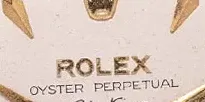
A few of the older dials have no text in the lower half; only a handful of early watches have them.
- no text below the centre
Early applied-marker dials
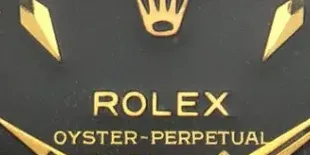
The first dials have an applied gold logo and 3-6-9 numerals, arrowhead or triangular markers, honeycomb texture, or daggers between 3-6-9 Arabic numerals with the applied logo above a printed Air-King. A rare early type has Arabic numerals at every hour with dagger or alpha hands, thought possibly to be for the UK.
- applied gold logo
- 3-6-9 numerals with dagger or arrowhead markers
- honeycomb texture
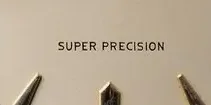
Super Precision
Dials reading Super Precision usually go with calibre 1530 and are the older type; those reading Precision, or with no wording, usually go with calibre 1520. The pairing is not consistent, because service dials and loose production put either dial with either movement.
- Super Precision at six
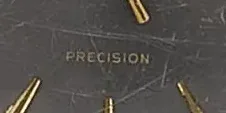
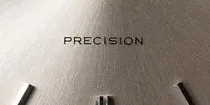
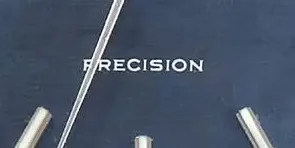
Precision
Dials with Precision only, usually with calibre 1520 and common from the mid-1960s. In the United States and Canada most watches say Precision, because of import jewel-count rules.
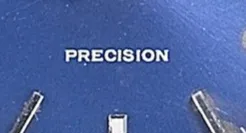
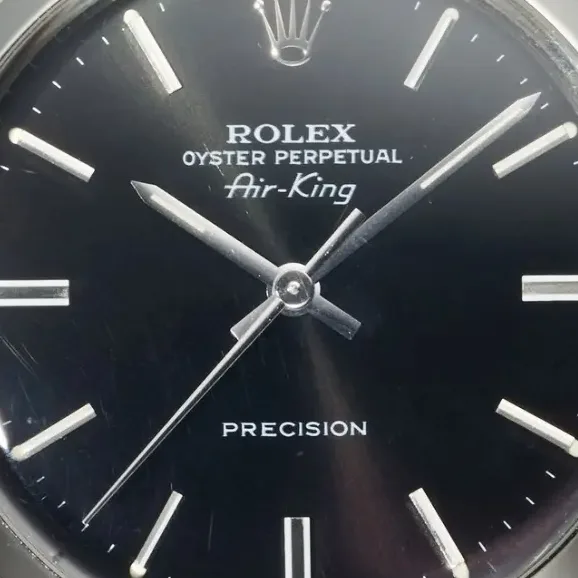
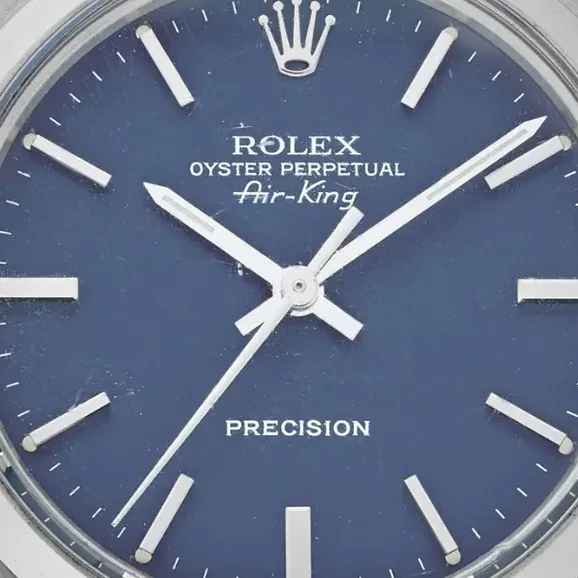
Also sold under this name and confirmed by eye, the photograph not shown here: 1972 · the listing at swisswatchexpo.com.
SWISS (radium)
Early dials are stamped SWISS alone at six rather than T SWISS T, tied to the radium lume used until about 1963.
- SWISS only at six
Underline
The dial shows a line under SWISS, or a line alone, at six. It is generally believed to mark the change from radium to tritium and lasted a few years in the 1960s; such dials are also said to give off much less radiation. Some sellers also describe exclamation-point dials.
- line under SWISS at six
T SWISS T
The marking T SWISS T at the foot of the dial signals tritium lume and is the later standard.
- T SWISS T
Silver sunburst stick dial
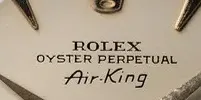
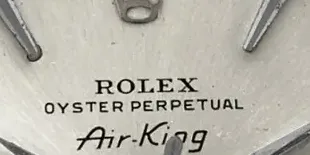
The usual dial: creamy silver with a gentle sunburst, applied stick indices at all hours except 12 with small lume plots near the base, and pencil-pointed baton hands. Text reads Rolex, Oyster Perpetual, Air-King, Precision and T SWISS T. From about the mid-1970s the markers appear to be yellow-tinted white gold, and some later watches have yellow gold hands and indices; this is not firmly established.
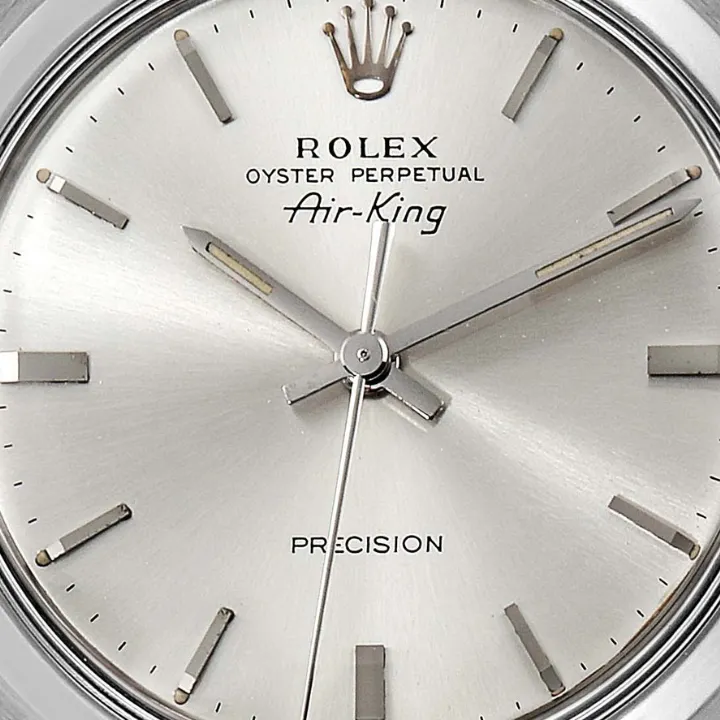
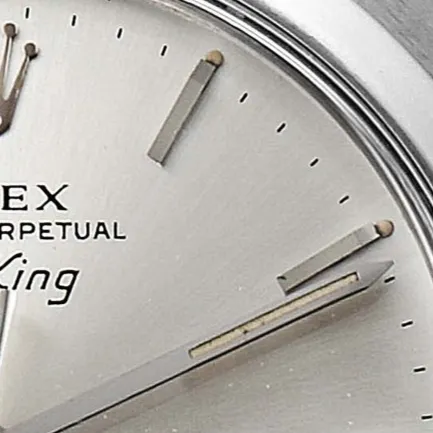
- lume plots at index bases
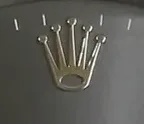
- gold coronet at 12
125 listings on record under the name.
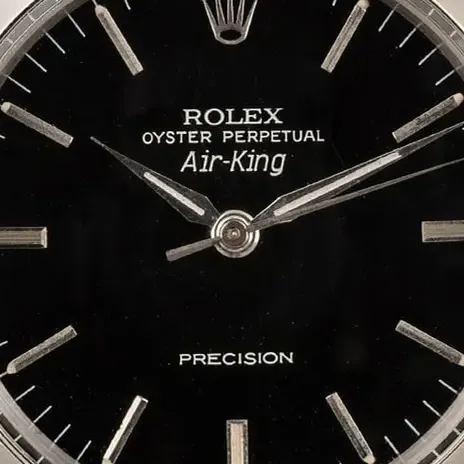
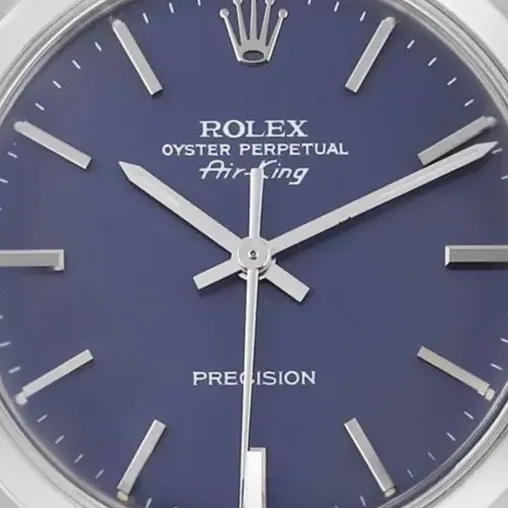
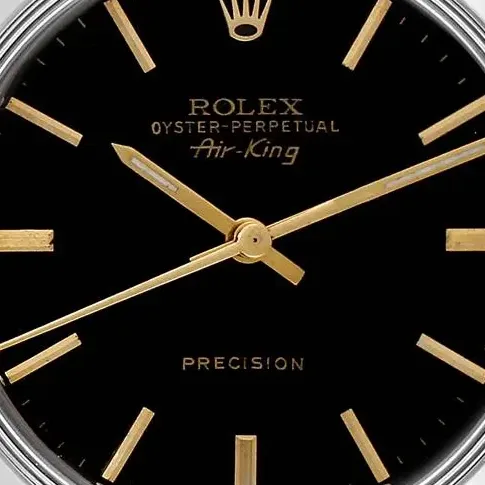
Black, blue and slate
Black and dark blue dials are scarcer than silver, and early gilt black ones are especially appealing. Black and slate grey grew more popular as the years went on, and navy blue was added later.
- gilt black
- dark blue
- slate grey
Linen, brushed, mosaic and chevron
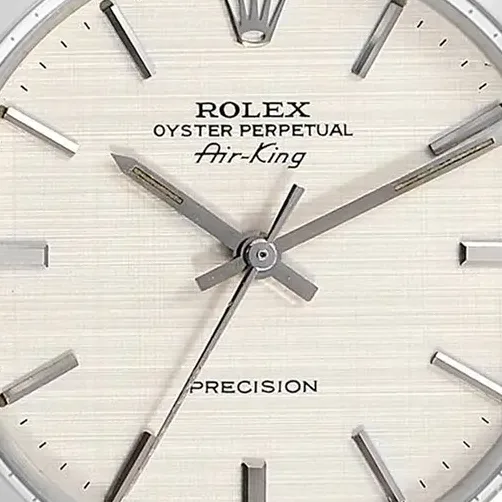
Around 1971 rare dials appear briefly: brushed, a blue mosaic and chevron patterns in the early 1970s. A silvery linen dial is recorded on a watch of 1972.
- chevron pattern
- blue mosaic
- brushed surface
Double red
A rare dial that prints Air-King and Super Precision in red.
- red Air-King
- red Super Precision
Explorer
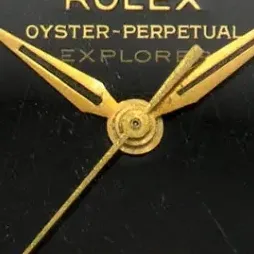
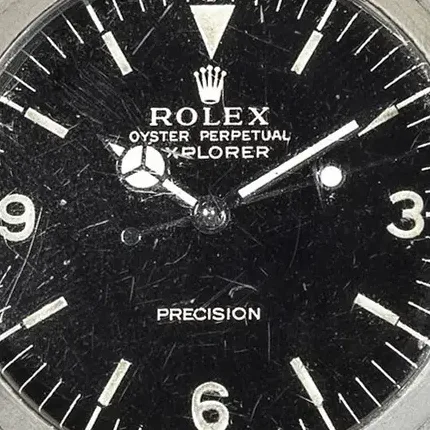
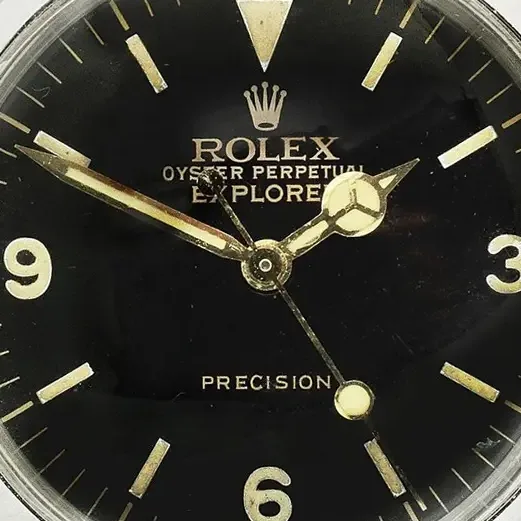
From 1958 until about 1967 the 5500 was also fitted with a black 3-6-9 Explorer-style dial and scaled-down Mercedes hands, in the 34 mm case. The dial is black gilt with an inverted triangle at 12, EXPLORER under the Rolex logo and a lollipop seconds. It reads Precision or Super Precision, not the chronometer text of the 36 mm Explorer. The dial shows T<25 under six on tritium examples, with rarer underline, double T<25 and Double Swiss variants. A matte black version was produced for a short time between about 1959 and 1961. They are hard to find, many have replaced dials and hands, and the dials are often faked and fitted to ordinary Air-Kings. An old story that they were sold only through the NAAFI to military buyers is doubted.
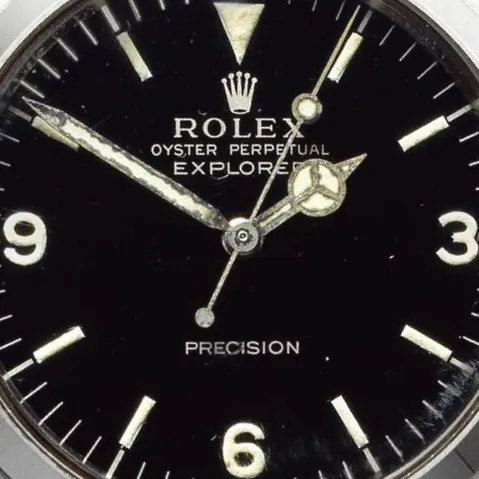

- triangle at 12
- EXPLORER text
Company logo dials
Factory-printed logos of companies appear, often above six or at the base of the dial: Circle Bar Drilling, Winn-Dixie, Pool Intairdril (a globe in a P, sometimes taken for Pan Am), Levi's and Domino's. Service awards such as Greyhound Ten Year Safe Driver (1958) and Gulf Oil Drilling (late 1960s to early 1970s, with Safety Award engraved on the caseback) are recorded. The Domino's logo was given to franchisees reaching sales quotas. It stayed on Air-King dials until about 2004 and a rare black version dates from 1991, but both of those belong to the later Air-Kings: the 5500 itself gave way to the 14000 in 1989.
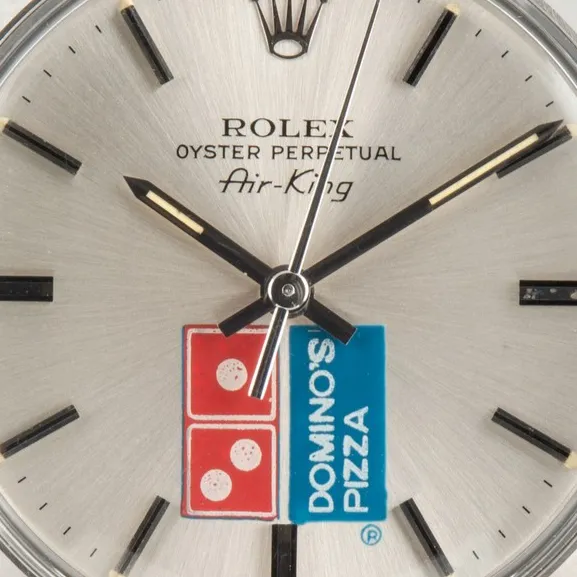
- Safety Award caseback engraving
32 listings on record under the name.
Retailer and crest dials
Dials double-stamped with retailers such as Tiffany & Co. and Joyeria Riviera exist, as do crests of Saudi Arabia, Bahrain, the UAE military and Kuwait military and a few signed for a Kuwaiti Sheikh. Military insignia dials are probably Middle Eastern.
- retailer name above six
- national or military crest
Aftermarket colour dials
Dials in shocking colours, and all Mickey Mouse dials, are after-market, with print irregularities in the Rolex and Air-King text next to a correct dial.
- irregular text print
Luminous material 2 described
Lume was radium on the early watches and tritium afterwards. The changeover is put at 1962 by one account and at the mid-1960s by others, and the dial's foot text marks it.
Radium
Radium lume on the earliest watches, with SWISS only at six.
- SWISS alone at six
Tritium
Tritium lume, marked T SWISS T or the underline, from the 1960s to the end of the run.
- T SWISS T at six
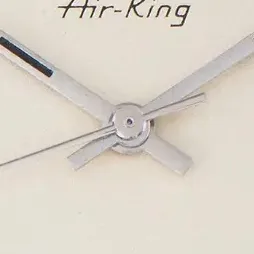
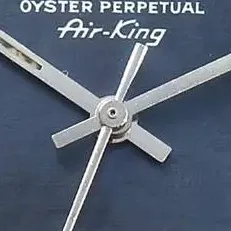
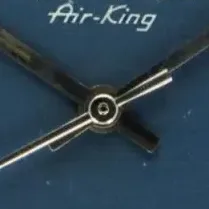
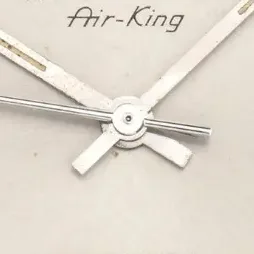
Hands 4 described
Hands went from alpha to pencil baton in the mid-1960s, with Mercedes hands on the Explorer-style watches. Later gold hands appear. Some listings describe 5500s with dauphine hands, which the literature gives to the 1002 rather than the 5500.
Alpha
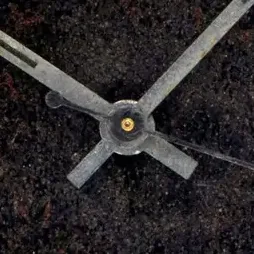
Alpha-style hands on the first watches, through the early 1960s, some with a blue steel seconds hand. Before about 1965 the 5500 has alpha hands where the 1002 has dauphine.
- alpha hands
- blue steel seconds hand
Pencil baton
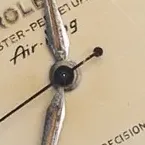
Pointed baton hands, standard from 1965 and a way to tell the 5500 from the 1002; some watches have leaf-shaped hands. One account puts the move to stick hands in the late 1960s.
- pointed baton tips
Mercedes
Scaled-down Mercedes hands with a lollipop seconds on Explorer-style dials, about 1958 to 1967.
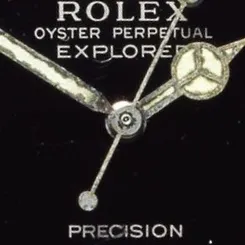
- Mercedes hands

Gold hands
White gold hands replaced steel ones in 1979. Yellow gold hands and markers are also recorded on some steel watches from about 1971, and a watch of about 1977 has luminous gold hands with applied gold baton markers.
- luminous gold hands
Bezel 2 described
The 5500 has a smooth, fixed bezel of polished steel, described as domed in some accounts; fluted bezels belong mainly to related references, though some gold 5500s of the 1980s have one.
Smooth polished
The standard bezel, with no date or rotating ring.
- smooth domed bezel
Fluted on gold examples
A gold 5500 is mentioned with a fluted bezel in the 1980s; the 5501 two-tone reference also has one.
- fluted bezel on gold watch
Case 3 described
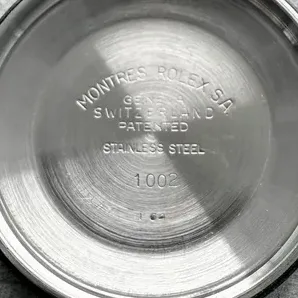
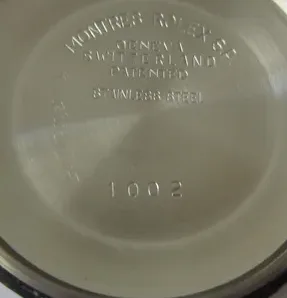
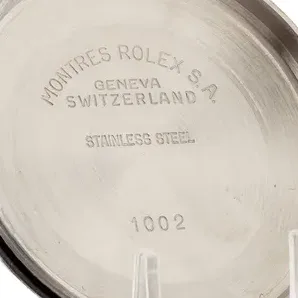
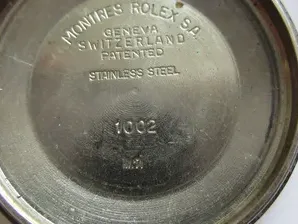
The case is 34 mm in steel, almost always; solid gold cases were made in small numbers, and the gold-plated versions carry their own reference numbers. The caseback stamp changed from 5500 to 1002 by the 1970s.
Steel Oyster 34 mm
Steel with a screw-down crown and back, sharp lugs and 19 mm lug width. Drilled lug holes are present on all vintages.
- sharp lugs
- drilled lug holes
Caseback stamps 5500 and 1002
Early casebacks are stamped 5500; by the 1970s they are usually stamped 1002. Rolex often used 1002-stamped backs, so this is correct and not a sign of a service case back.
- 5500 or 1002 inside the caseback
Gold cases
Solid gold 5500s were made in small numbers. 9k yellow gold (dropped in 1967, probably for Britain), 14k yellow gold (dropped in 1974, probably for the United States) and 18k are mentioned; one account has gold examples throughout the run, including 1980s watches with fluted bezels. The gold-plated 5502, 5506 and 5516, plated to 40 microns by Kessi Freres and hallmarked KB, the gold-capped 5520 and the two-tone 5501 are separate references.
- solid gold case
Crystal 1 described
The crystal is domed acrylic, box-shaped in one description, throughout the run.
Acrylic
Domed acrylic, the original crystal for the reference.
- domed acrylic
Movement 2 described
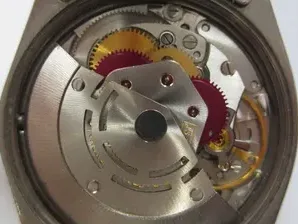
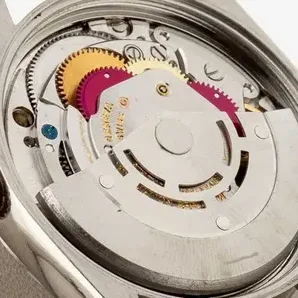
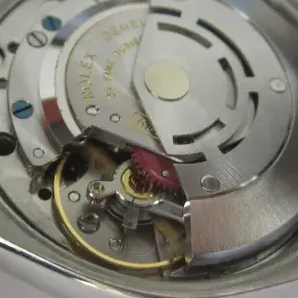
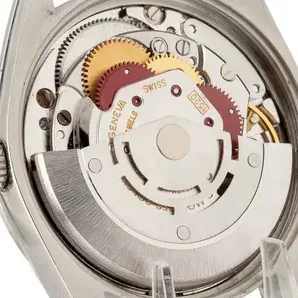
Two non-chronometer automatic calibres were used, 1530 first and then 1520, with several years of overlap and market differences. Hacking seconds was added in 1972.
Calibre 1530
The first calibre, in use 1957 to about 1967, with 25 or 26 jewels and some 17-jewel versions for the US. The rotor is first butterfly and later half-moon. It is often found with Super Precision dials. Beat rate and reserve are given variously as 18,000, 18,800 or 19,200 vph and 42 or 44 hours.
- calibre 1530
Calibre 1520
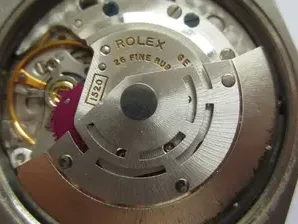
Introduced in 1963 and used to 1989. It has 17 jewels for the US and Canada and 26 elsewhere, beats at 19,800 vph, has about 42 hours of reserve and has no Microstella regulator, hence Precision rather than Super Precision. Hacking seconds came around 1972.
- calibre 1520
Bracelet 3 described
Rolex fitted the Oyster bracelet only, running from riveted to folded to solid links; sellers offer some watches on a Jubilee. Lug width is 19 mm.
7205 rivet
Rivet Oyster bracelet, 7205 (introduced 1954), on early examples and still on a c. 1977 example.
- riveted links
7835 folded
Folded-link steel bracelet with 257 or 357 end links, replacing rivet bracelets in 1967.
- folded links
78350 solid
Solid-link bracelet with 557 end links from 1975.
- solid links
Originality
- Dials and hands are commonly replaced; Explorer-style 5500s in particular often show a swapped dial and hands.
- Super Precision and Precision dials were mixed in service, so the dial text need not match the calibre.
- A shocking-colour dial or one with irregular Rolex and Air-King print is an after-market dial.
- Bracelet end-link numbers and the caseback stamp (5500 early, 1002 later) should fit the period.
Names
- Explorer. Some 5500s carry a black 3-6-9 dial like the Explorer.
- Metropolitan. The 5500 is sometimes branded under this name.
- Double red. Air-King and Super Precision are printed in red.
- Pre-Precision. A few early dials carry no Precision text.
Where accounts differ
Points on which the published literature and the library's own records do not agree, or on which the literature contradicts itself.
- Length of production. Several accounts give the 5500 a run of 37 years, or 42 years, which contradicts their own dates of 1957 to 1989 (32 years).
- Water resistance. Two accounts give 100 metres; the others give 50 metres.
- Which calibre goes with which dial. One account gives calibre 1520 to Precision dials from 1957 and 1530 to Super Precision, the reverse of the other accounts. The records agree with the majority: calibre 1530 is named on watches from 1959 to 1963 and 1520 mainly from 1969.
- Crystal. Every page gives an acrylic crystal. Some sellers state sapphire; these may be replacement crystals or loose wording.
- Changeover to tritium. One account dates the radium to tritium change to 1962 and the arrival of calibre 1520 to 1963, while others put the tritium change in the mid-1960s.
- Calibre at launch. Three accounts give calibre 1530 at the launch of 1957, with the 1520 from 1963 or by 1965; another gives the 5500 of 1957 calibre 1520, and a third pairs the 1520 with Precision dials from 1957.
Back and movement
From listings of this reference, each confirmed by eye to show what it is filed under. A picture on which a person's name or a personal engraving can be read is not shown. From most holders a detail from the middle of the photograph is shown; the mark in its corner gives its holder and a link to the listing.
Caseback
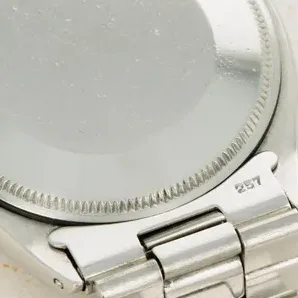
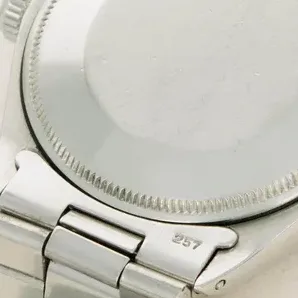
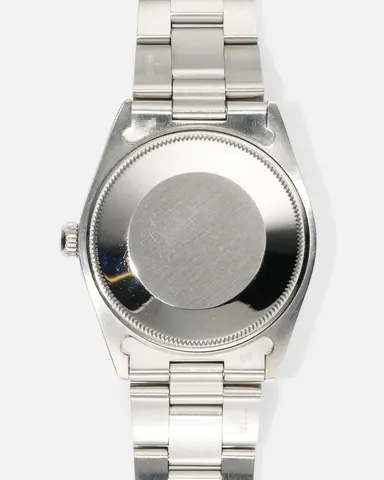
Inside the caseback
Movement


Catalogue versions 1 listed
The full numbers under which holders list this reference, with what their listings say of each. Each has a page of its own.
| Version | Metal | Dial | Years seen | Records |
|---|---|---|---|---|
| 5500/0 | Steel | Black | 1963–1990 | 11 |
In the records
Counted from 1,048 listings at 61 holders between 12 April 2006 and 14 November 2026. These are what sellers and auction houses state, not measurements.
Fainter bars are the 24 outside the main run of 1958–1988 (the middle nine-tenths): the earliest is 1954 and the latest 1991. They are early and late examples, and now and then a number misread. The head of the page gives 1957–1991: the years that listings from two holders bear out.
At the holders that record papers on every watch, 10% of their 113 listings of this reference come with papers; at those that record the box on every watch, 26% of 149 come with a box. "Papers" is whatever the holder counts as papers, and can include service papers.
3 listings dated long after the reference ended are set aside and not counted here: a year that late belongs to a later watch sold under the old number, or to a listing filed under the wrong one.
Case metal
| Steel | 525 | |
| Gold, any colour | 16 | |
| Yellow | 1 | |
| Colour not stated | 15 | |
| Silver | 9 | |
| Steel and gold | 1 |
A listing that says "gold" or "18K gold" names no colour: it is counted under "colour not stated", not as yellow gold.
Dial colour
| Silver | 211 | |
| Black | 89 | |
| Blue | 26 | |
| Grey | 18 | |
| Cream | 9 | |
| Red | 9 | |
| White | 7 | |
| Champagne | 6 |
Case size
| 34 mm | 464 | |
| 33 mm | 40 | |
| 35 mm | 21 |
Calibre named
| 1520 | 318 | |
| 1530 | 101 | |
| 1560 | 8 | |
| 1570 | 6 |
Bracelet or strap
| Oyster bracelet | 177 | |
| Leather strap | 43 | |
| Jubilee bracelet | 18 | |
| Metal bracelet, kind not stated | 12 | |
| Strap, kind not stated | 6 |
Each table counts the listings that state the thing, in the seller's own terms. A size, metal, colour or calibre that cannot belong to this reference is a seller's slip or a listing filed under the wrong number.