Air-King
The time-only Air-King with a 34 mm steel Oyster case, smooth steel bezel and Oyster bracelet. It succeeded the long-running 5500 around 1989 and brought a sapphire crystal and the calibre 3000, the first Air-King movement beating at 28,800 vibrations per hour. It was not a chronometer, and the dials read 'Precision' (some accounts say 'Super Precision'). In 2000 the 14000M followed with the calibre 3130, and the 114200 replaced it in 2007. The dials range from baton and Roman to Explorer-style 3-6-9, and some carry company logos.
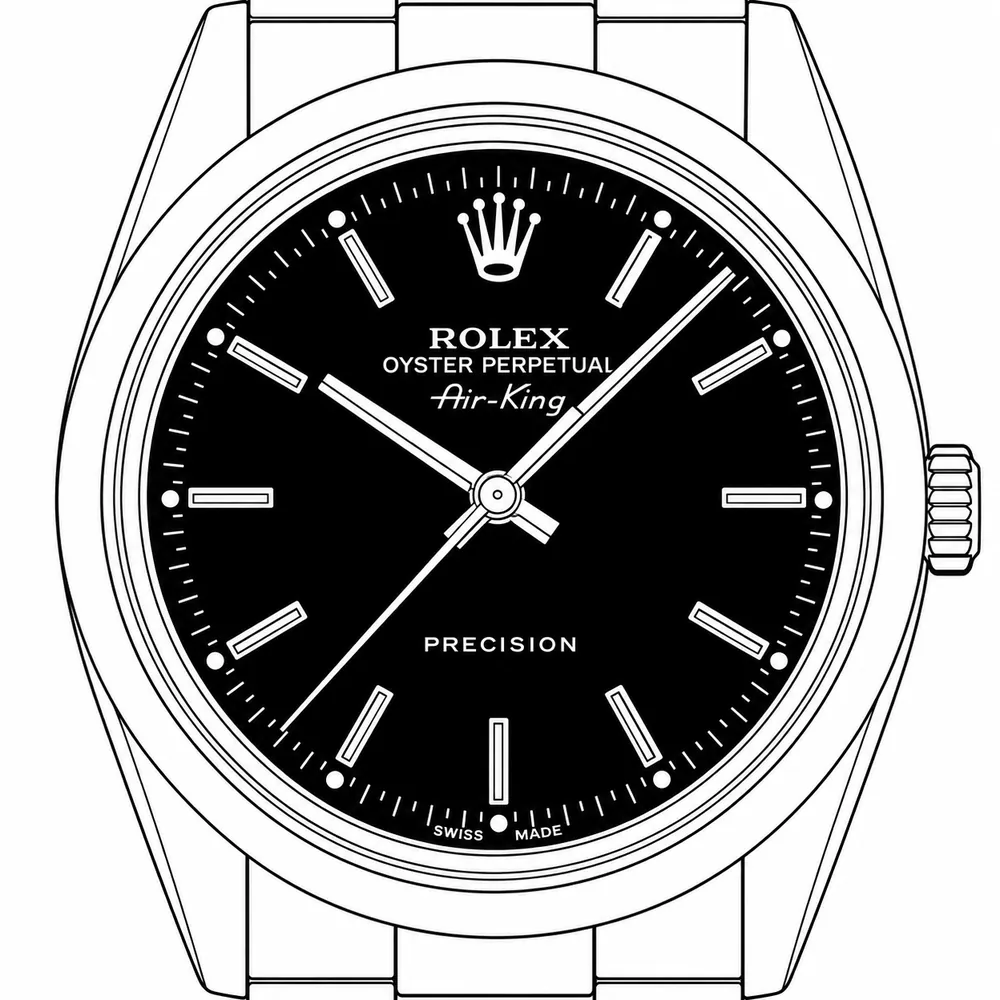
- Made
- 1989–2006dates approximate
- Seen in the library
- 1990–2008nine in ten in 1992–2005 · by case numbers
- Case
- 34 mm · steelas sellers state
- Movement
- Calibre 3000, 3130automatic
- On record
- 1,459 listings3,459 photographs · 61 holders
Components
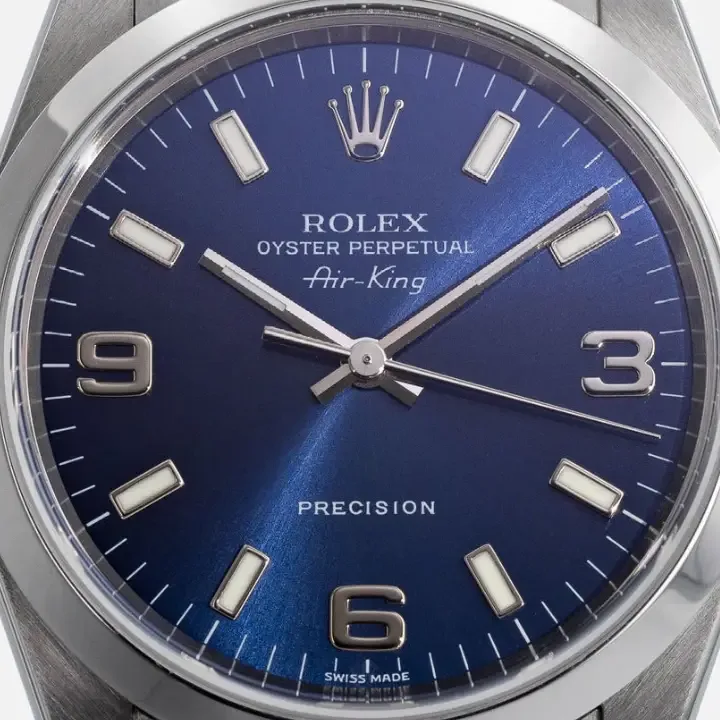
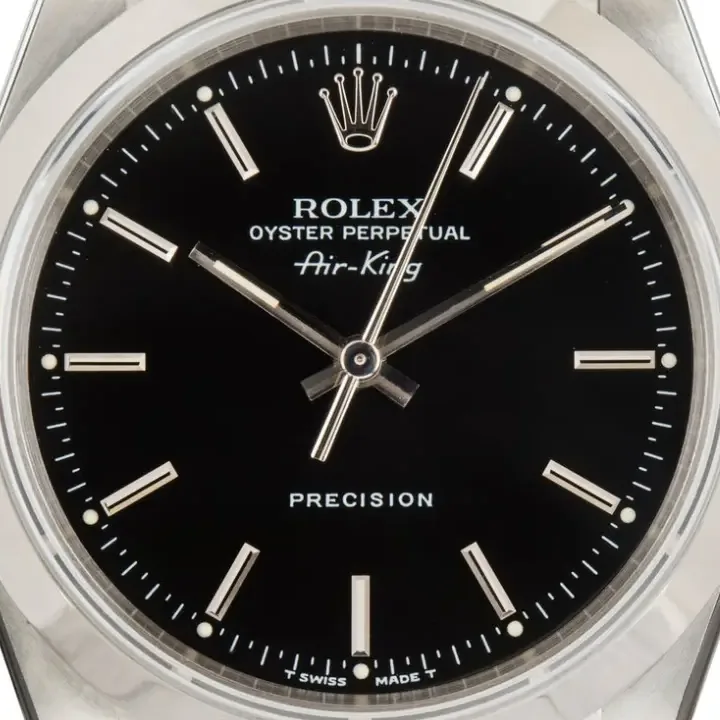
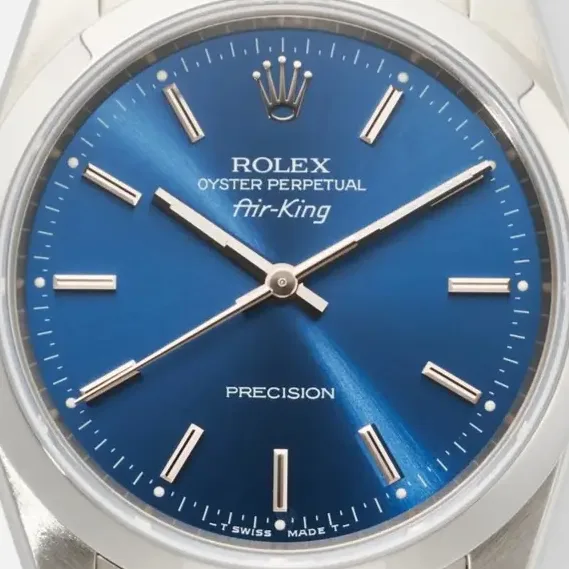
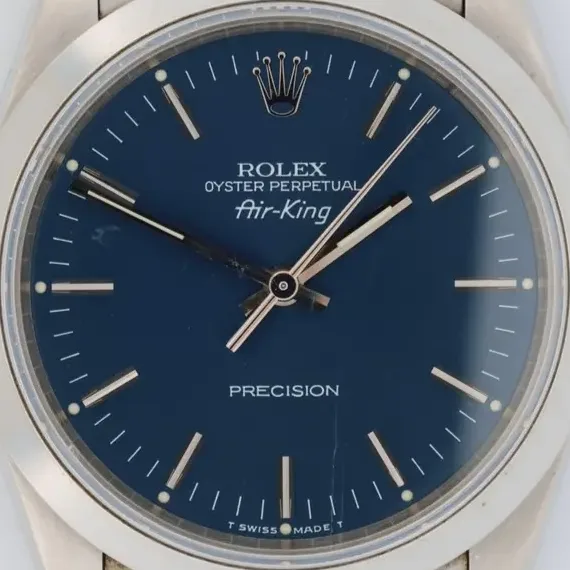
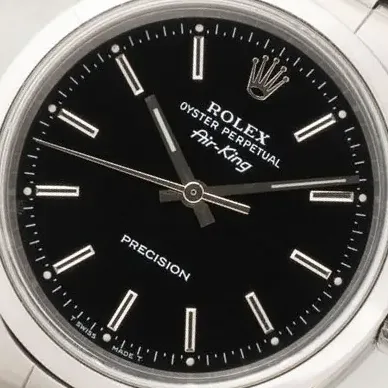
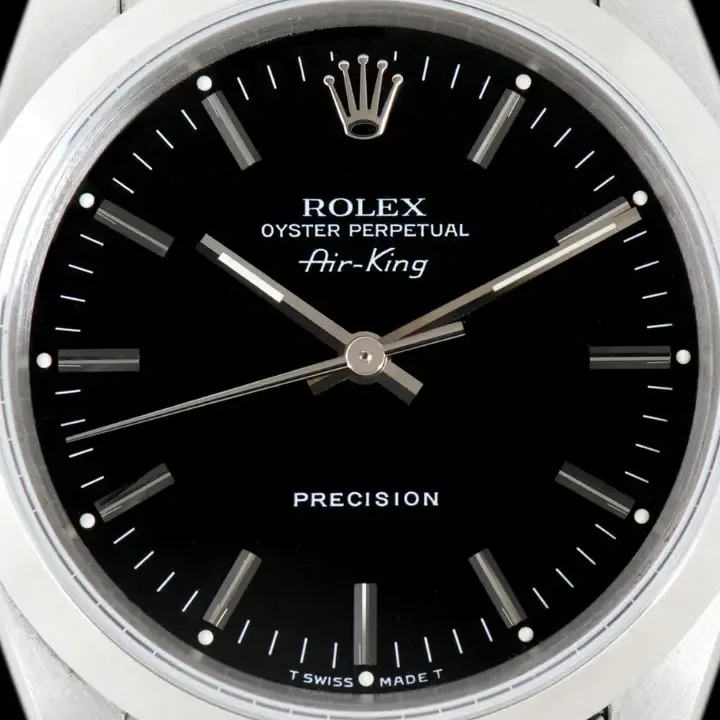
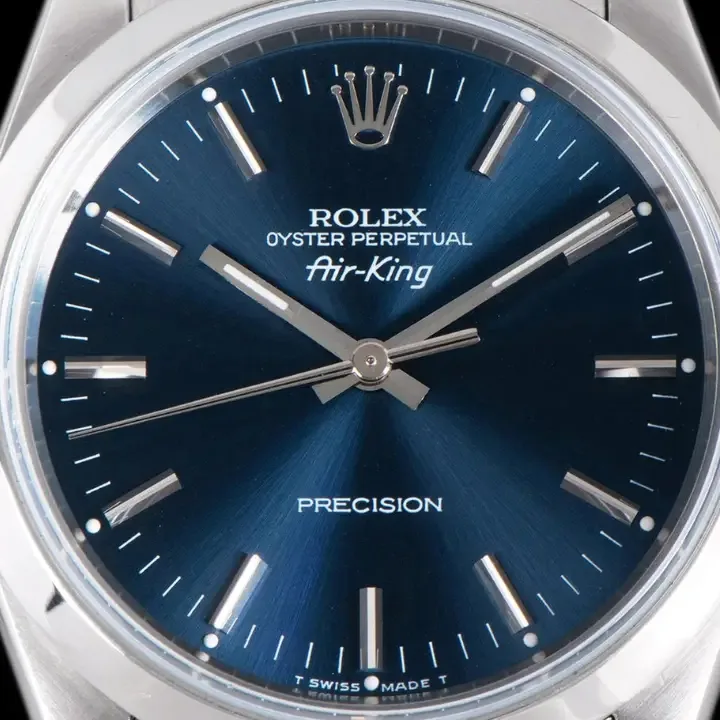
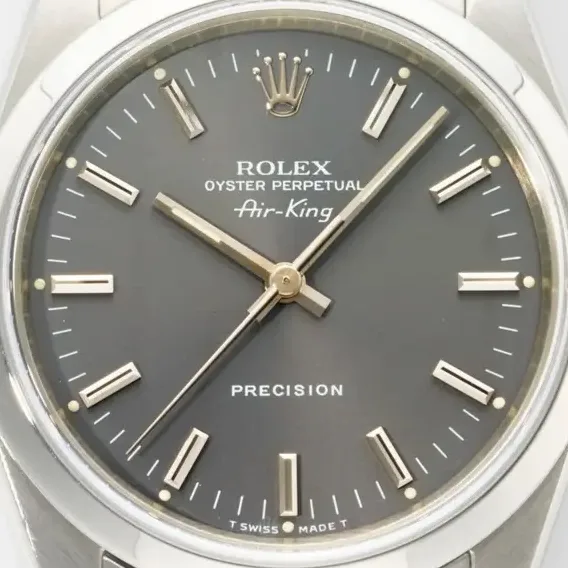
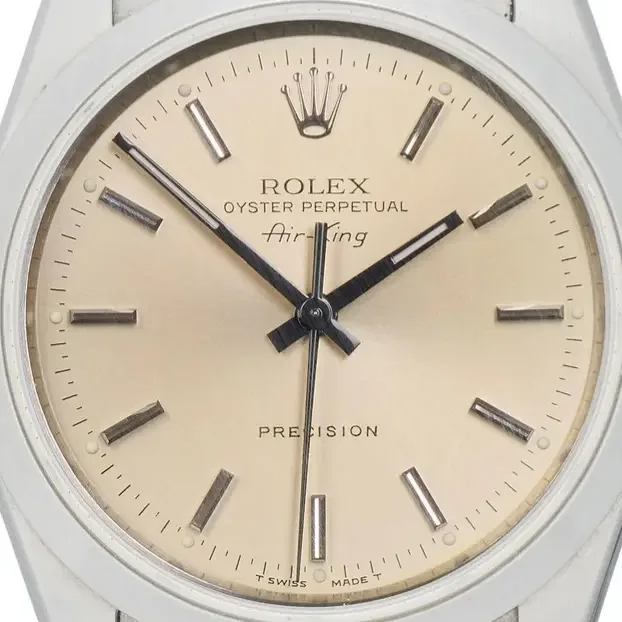
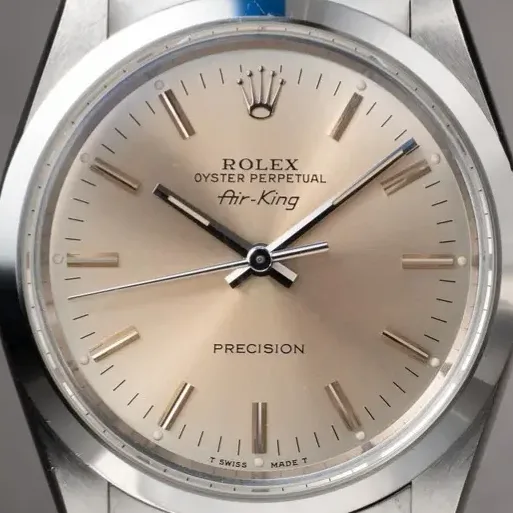
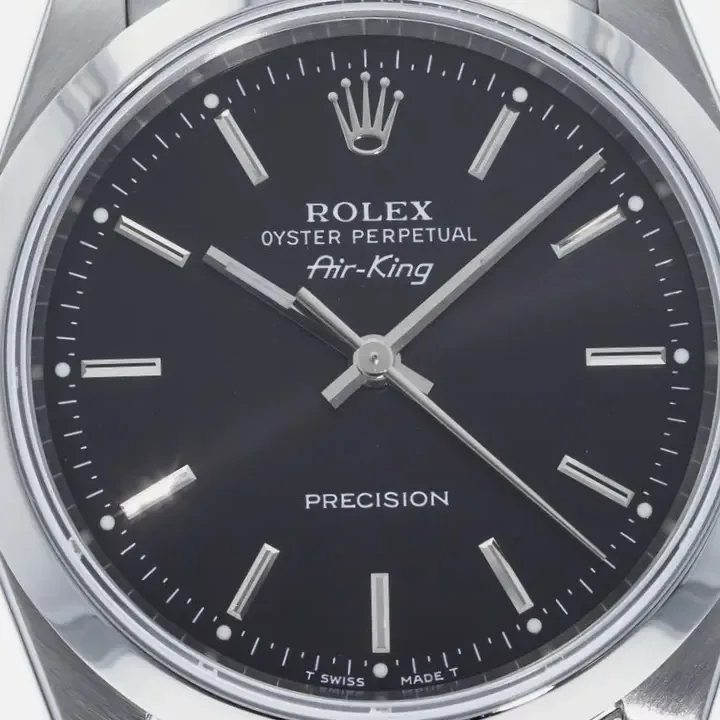
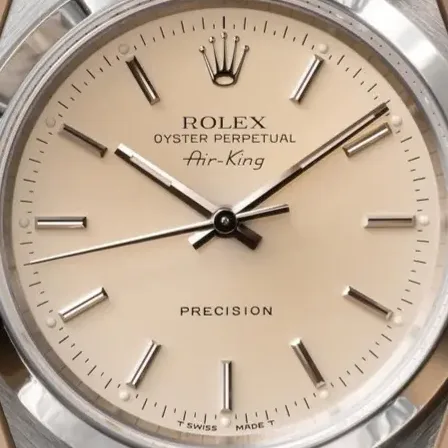
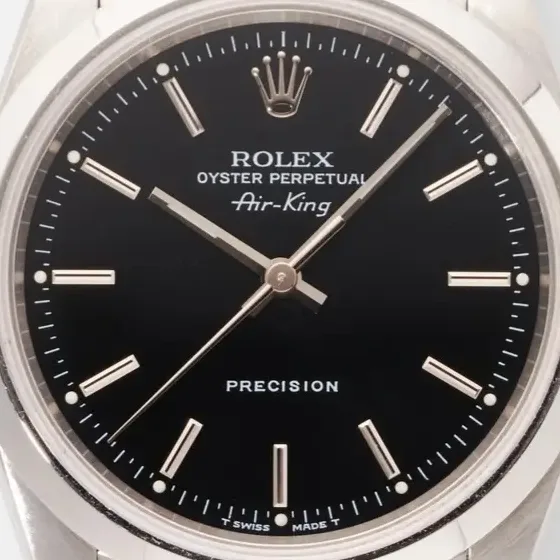
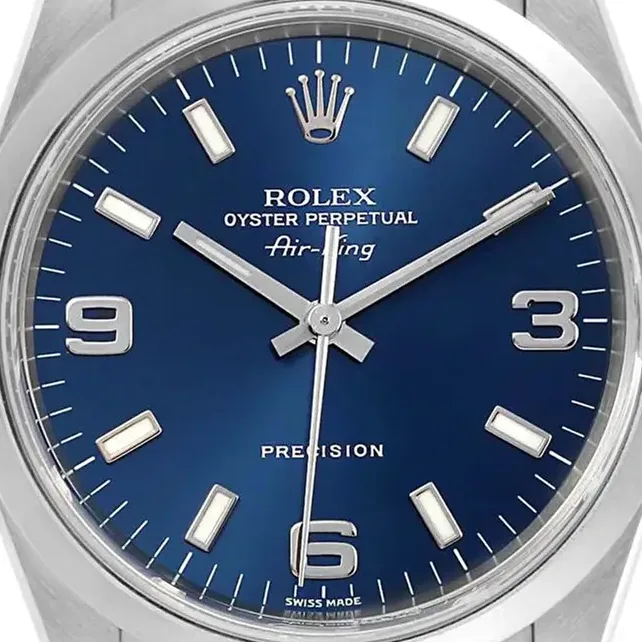
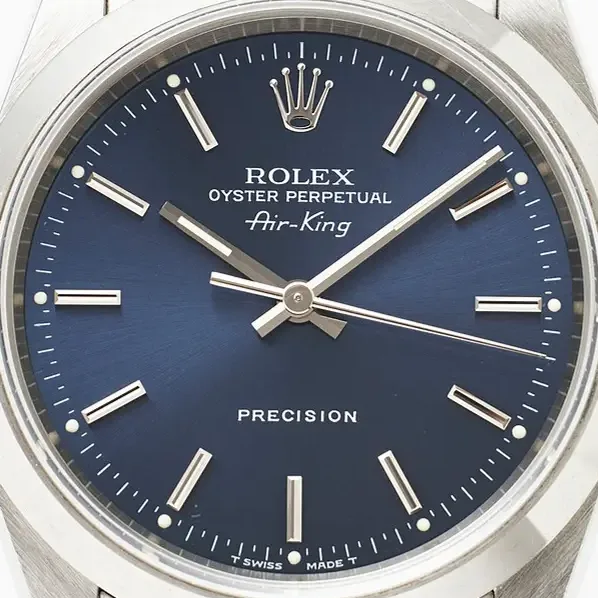
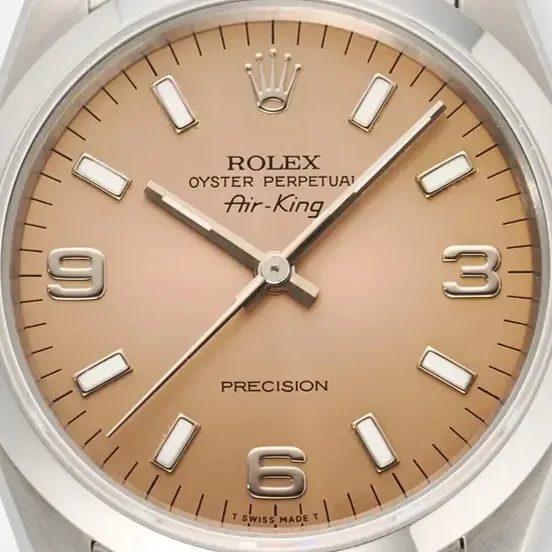
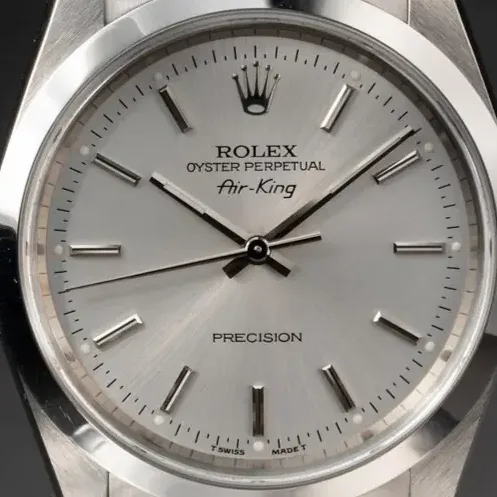
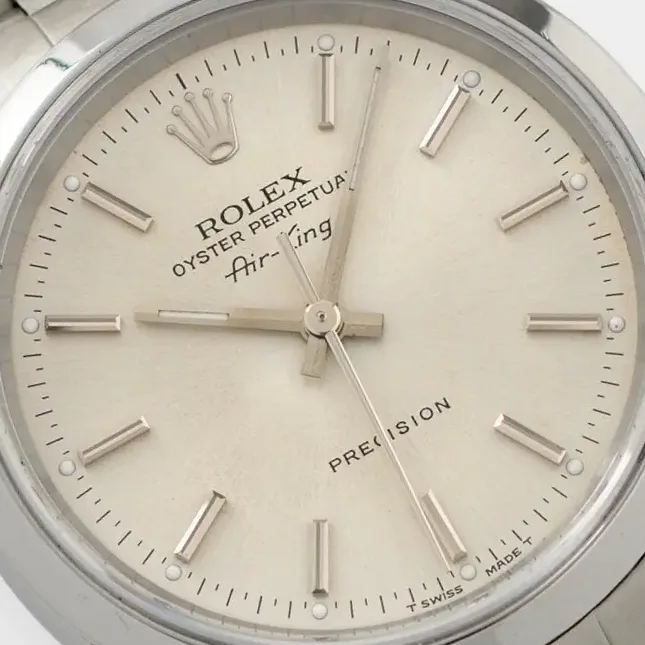
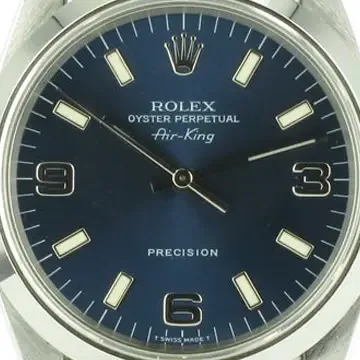
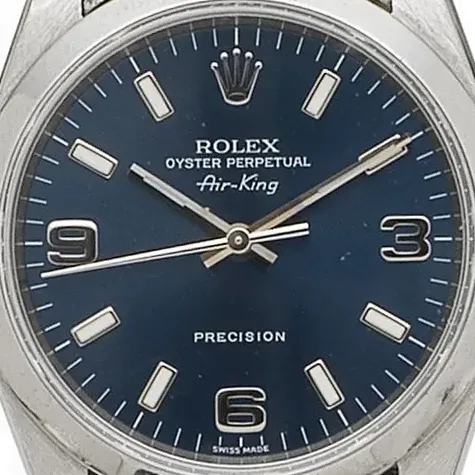
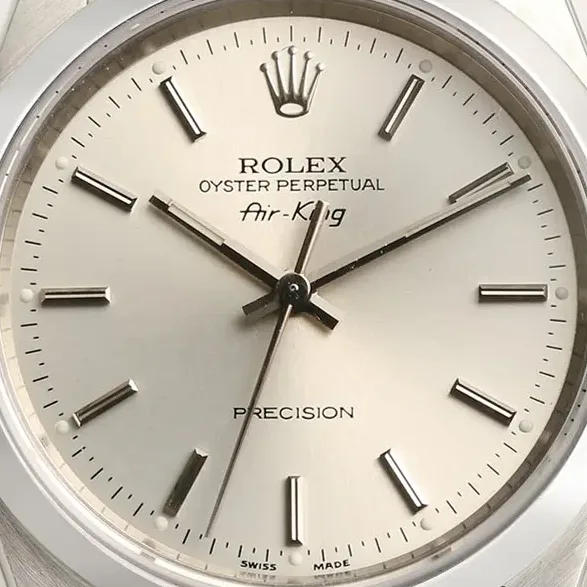
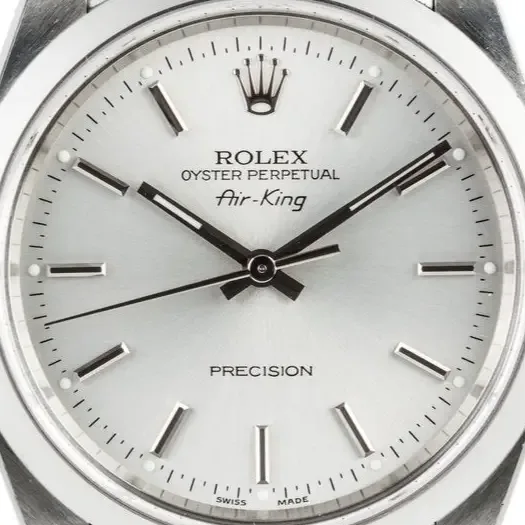
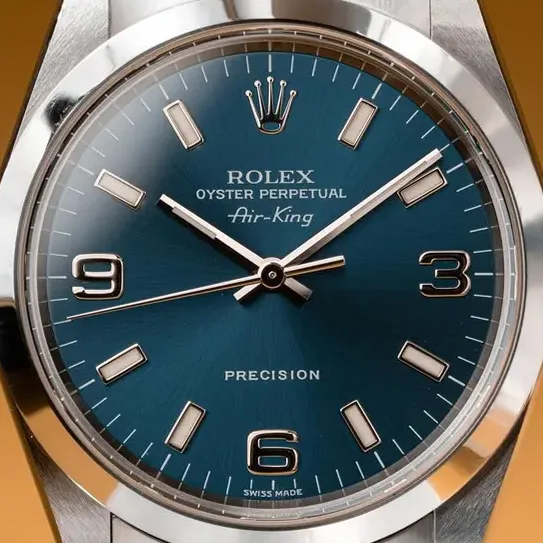
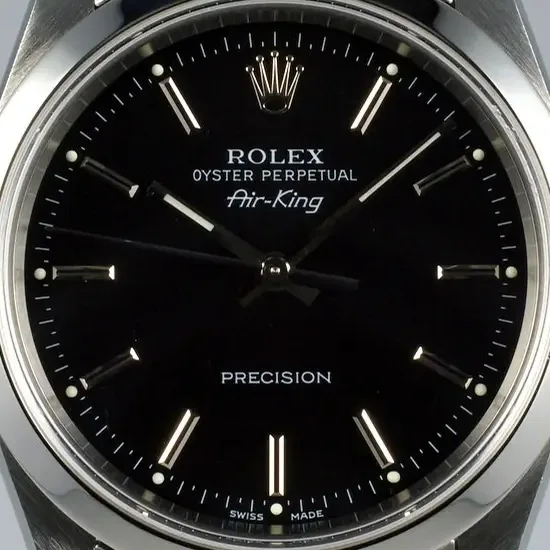
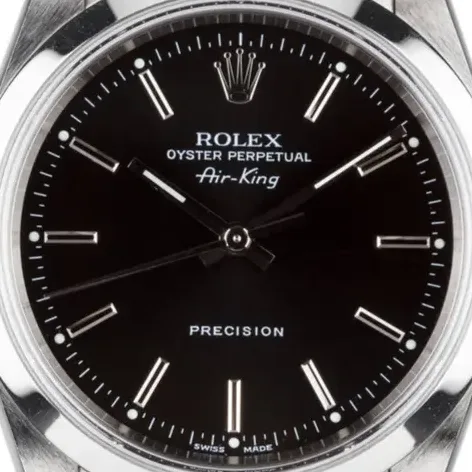
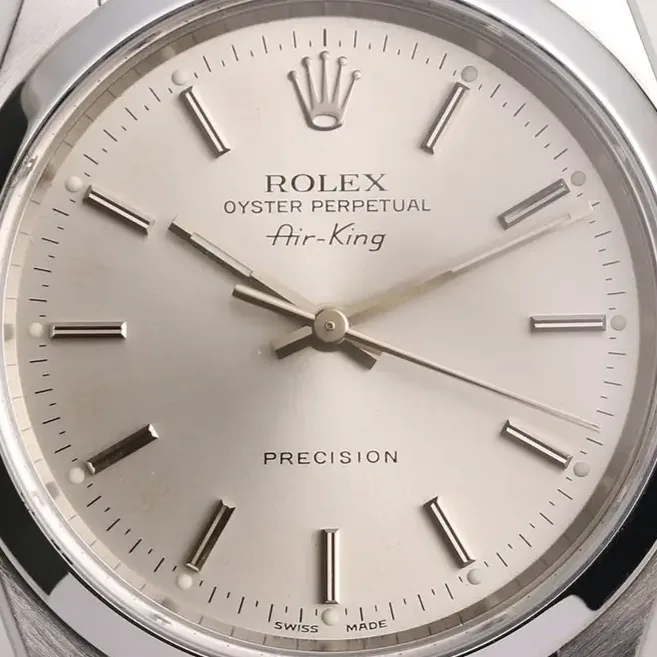
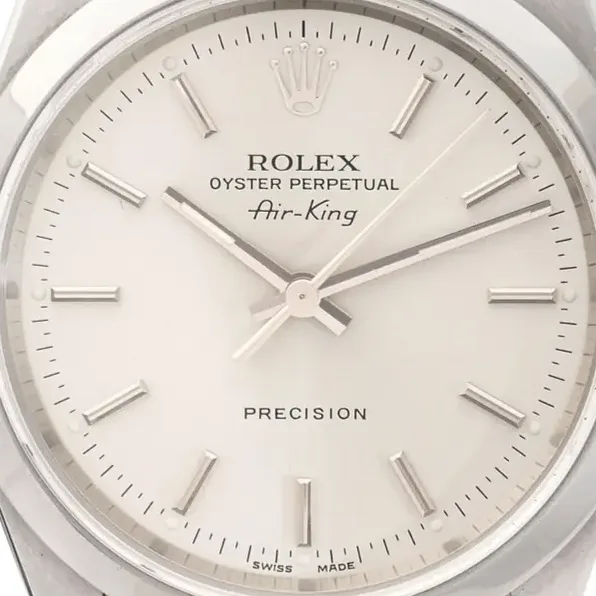
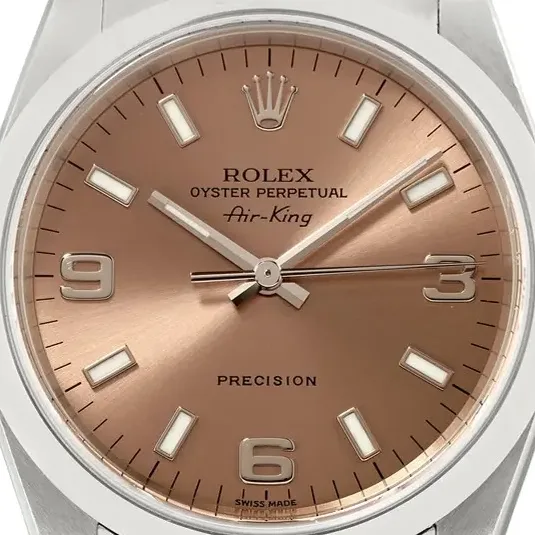
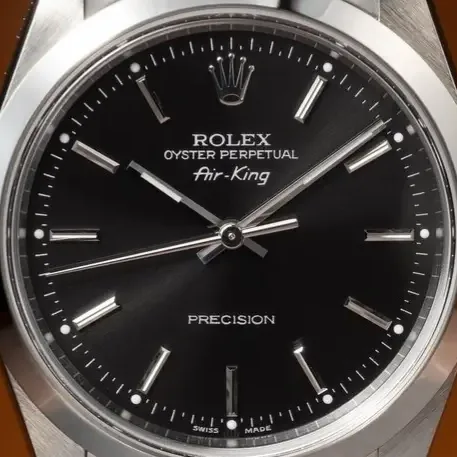
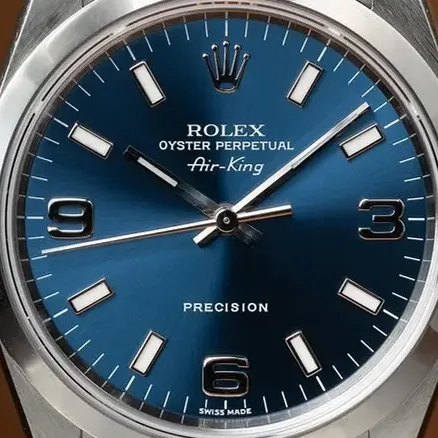
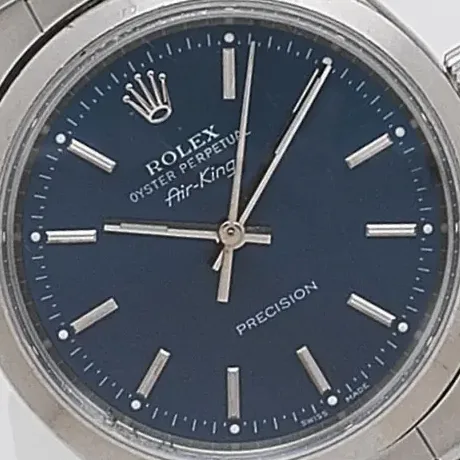
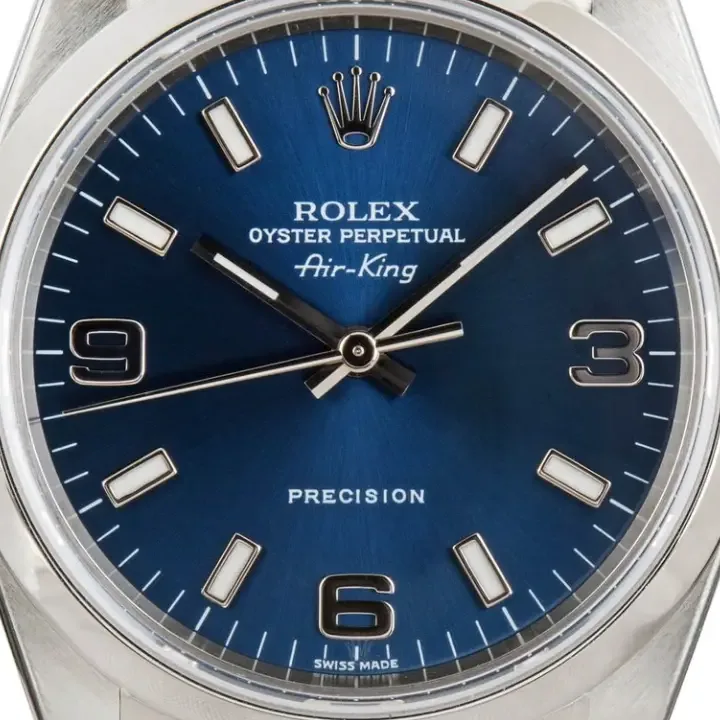
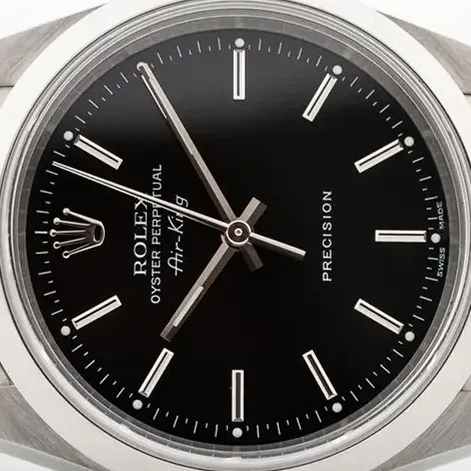
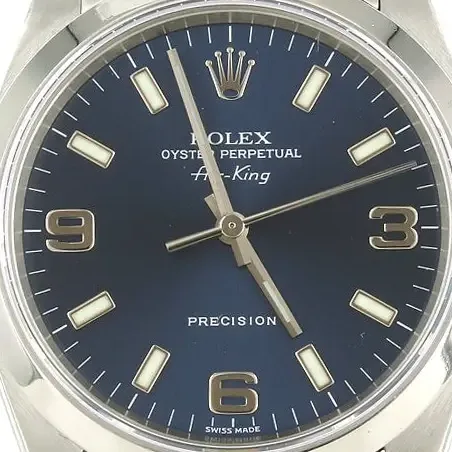
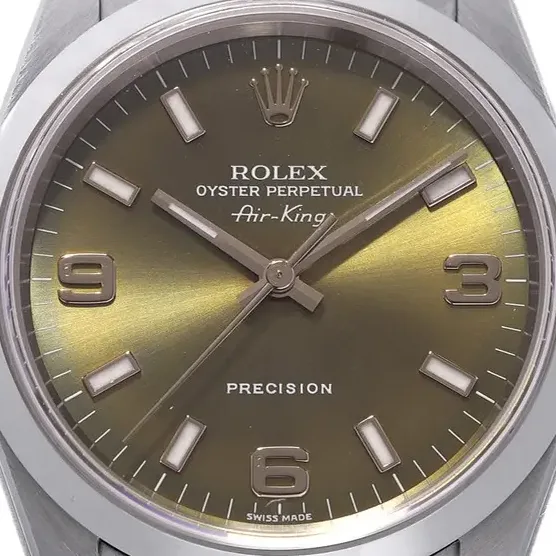
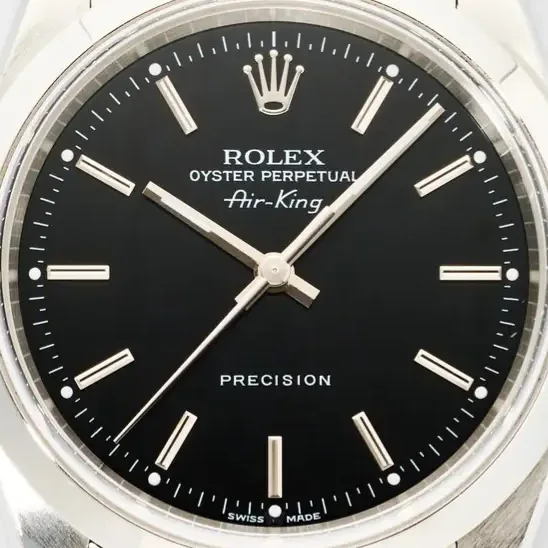
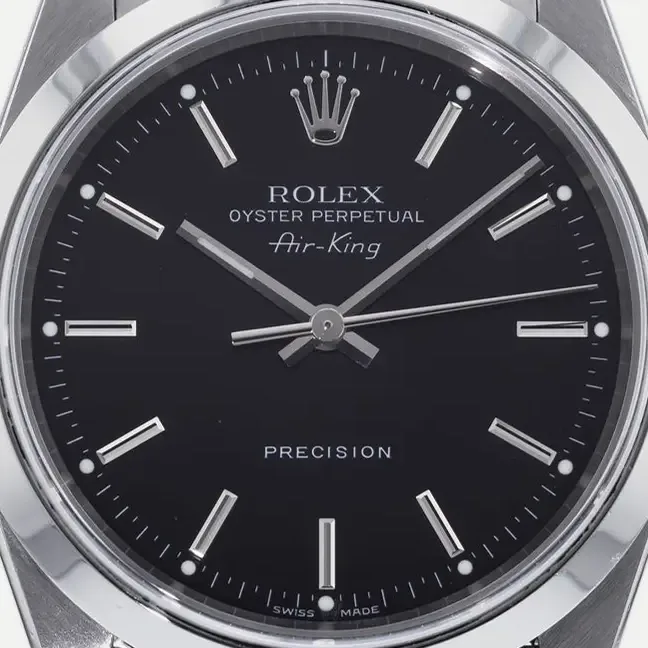
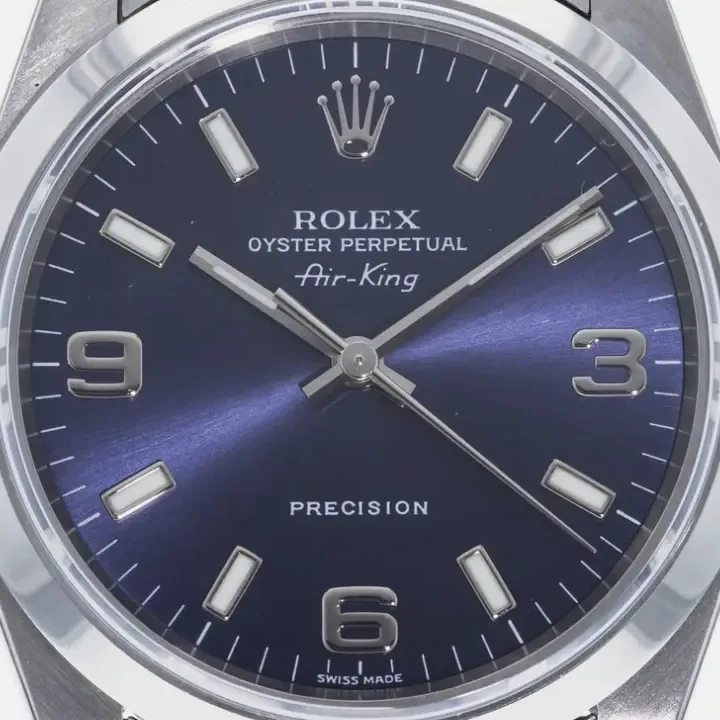
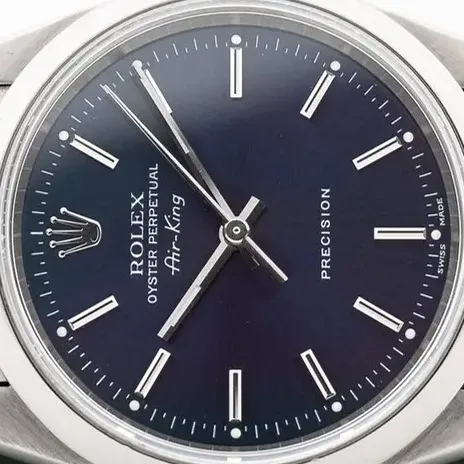
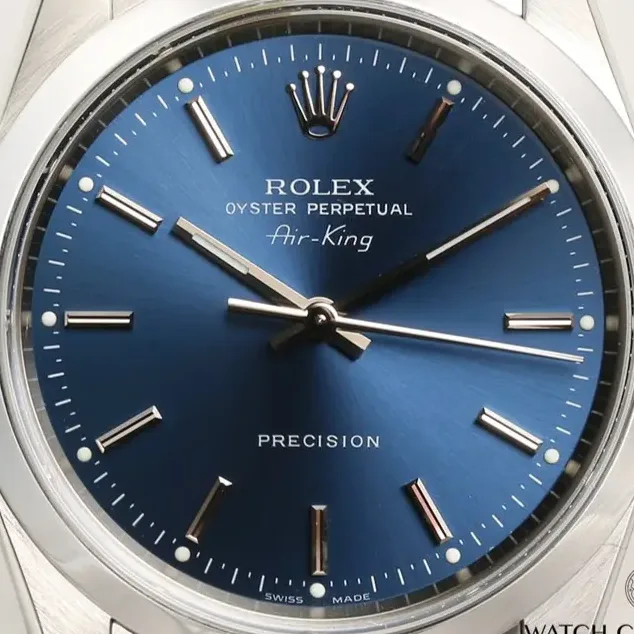
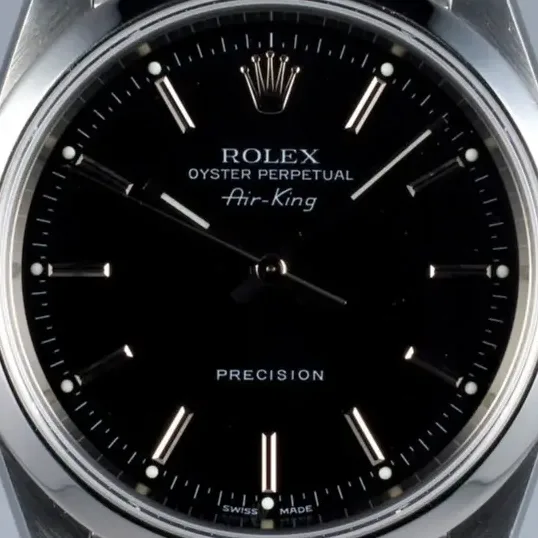
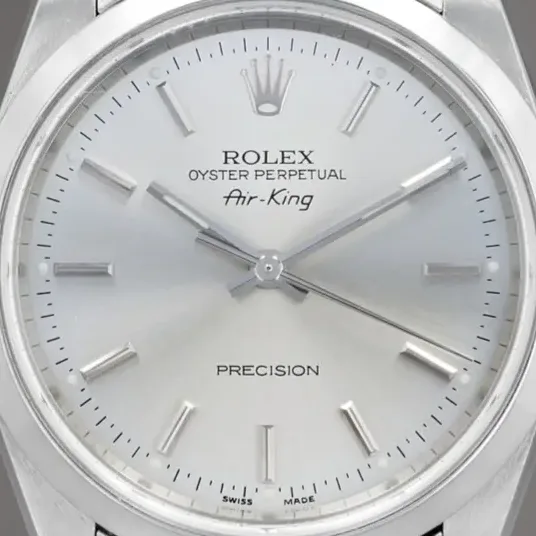
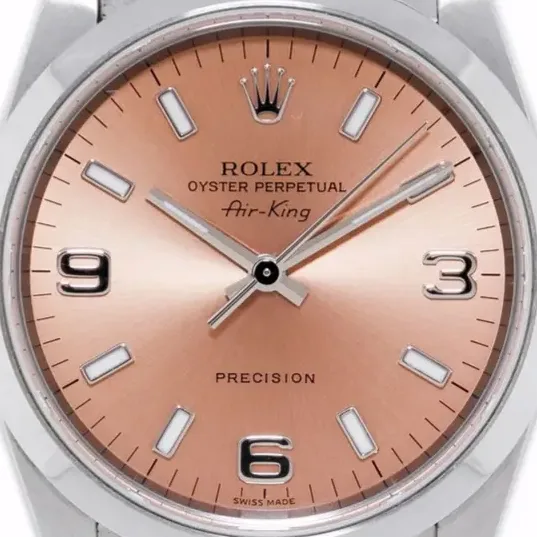
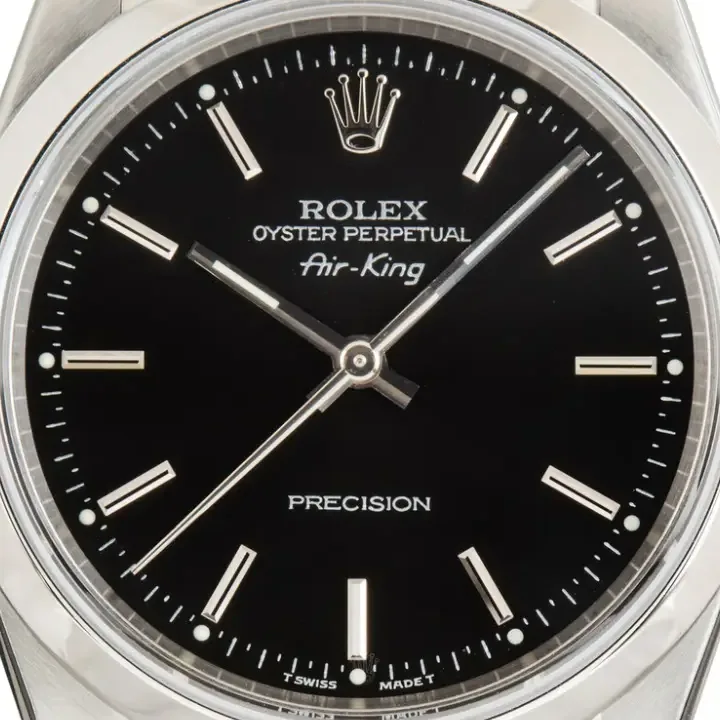
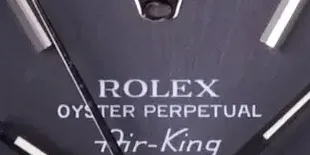
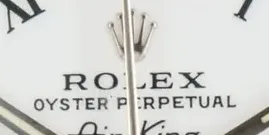
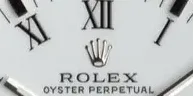
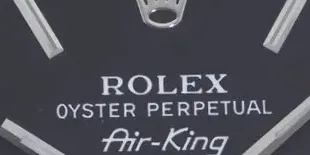
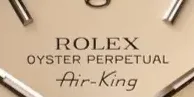
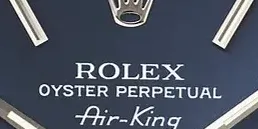
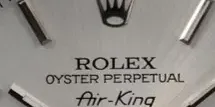
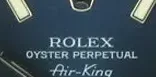
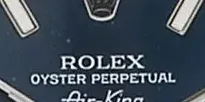
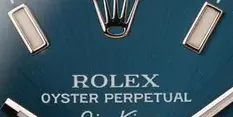
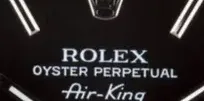
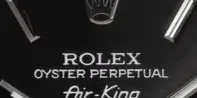
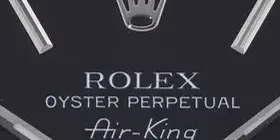
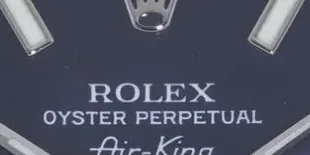
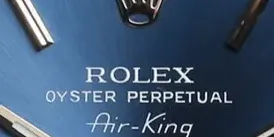
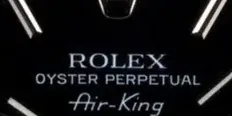
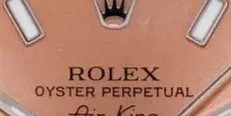
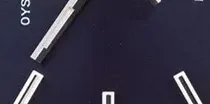
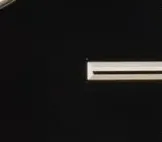
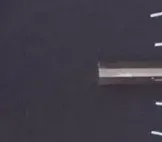
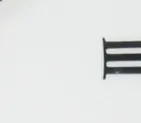
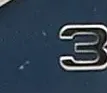
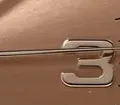
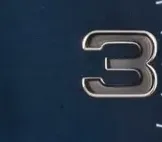
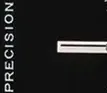
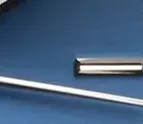
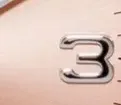
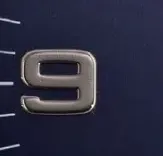
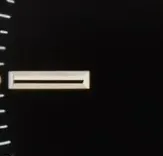
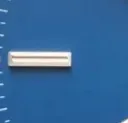
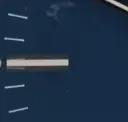
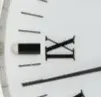
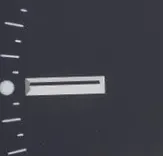
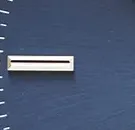
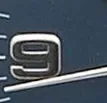
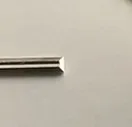
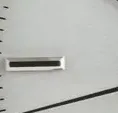
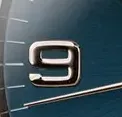
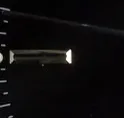
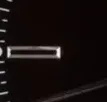
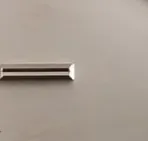
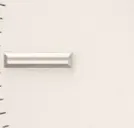
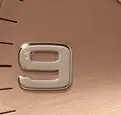
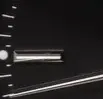
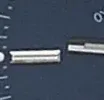
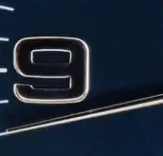
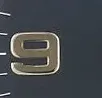
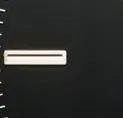
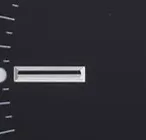
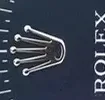
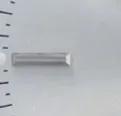
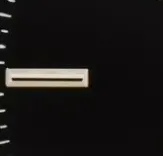
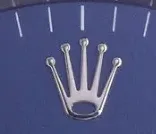
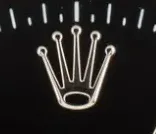
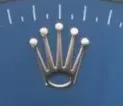
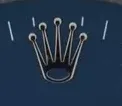
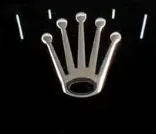
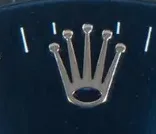
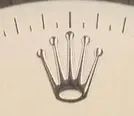
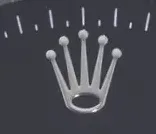
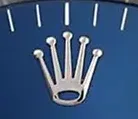
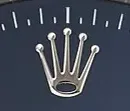
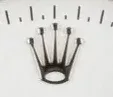
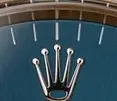
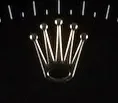
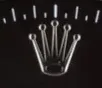
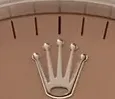
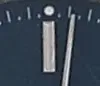
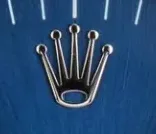
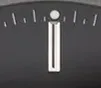
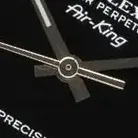
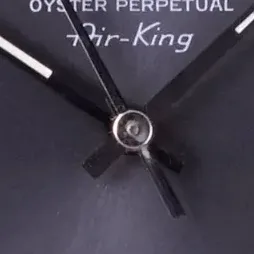
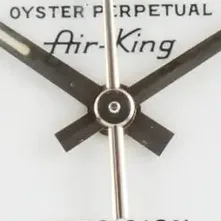
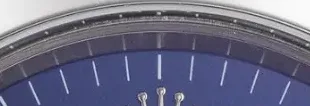
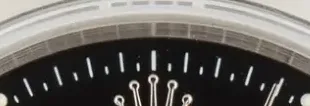
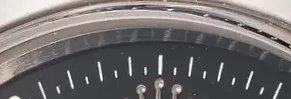
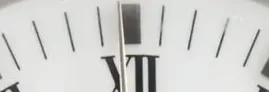
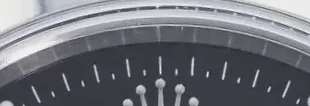
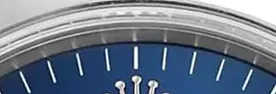
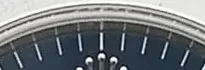
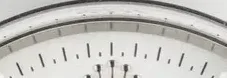
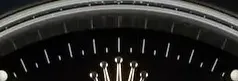
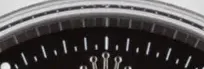
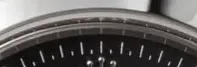
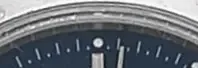
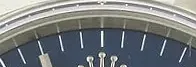
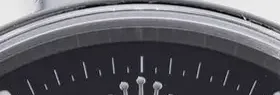
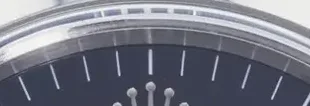
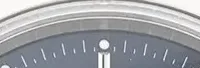
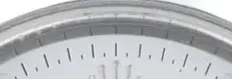
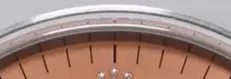
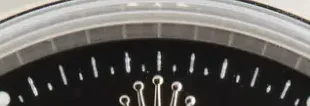
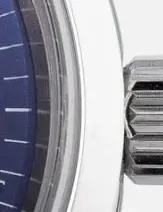
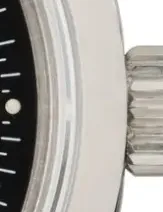
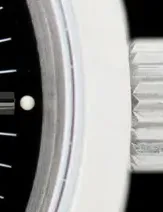
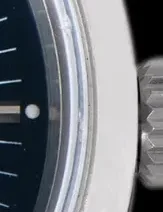
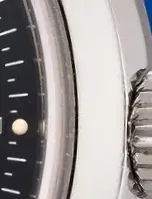
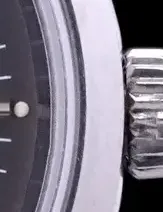
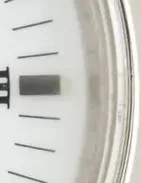
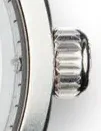
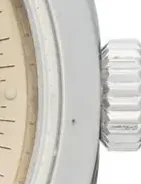
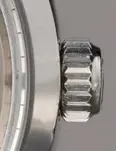
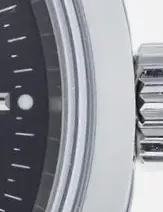
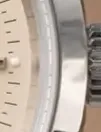
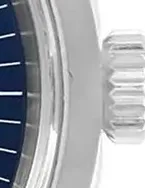
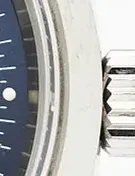
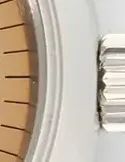
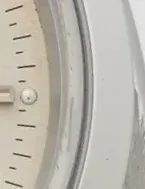
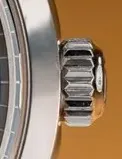
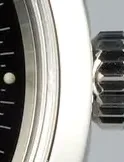
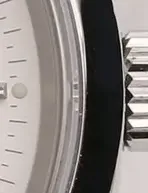
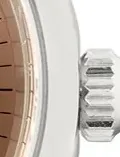
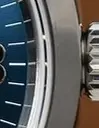
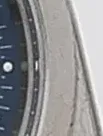
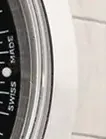
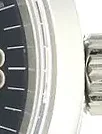
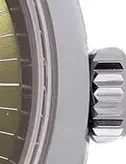
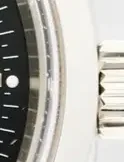
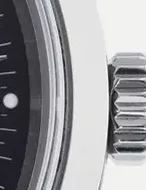
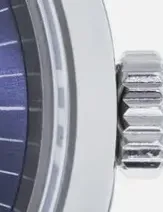
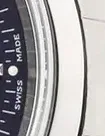
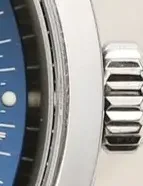
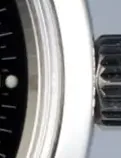
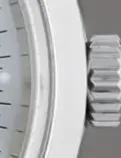
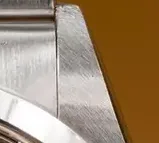
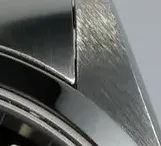
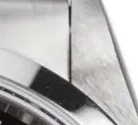
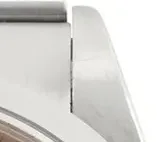
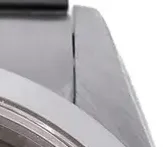
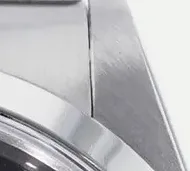
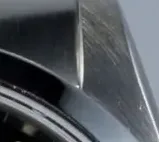
48 watches, oldest first, each straightened and cut the same way so that one row shows one component across them all. Chosen from 3,459 photographs on file for sharpness and for a face typical of the reference. A year marked c. is one its holder gives only roughly. Each picture is a detail cut from a listing photograph. Select the small mark in its corner for its year, its holder, a link to the listing it came from, and a way to report it.






























































































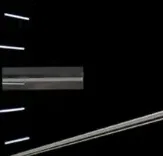

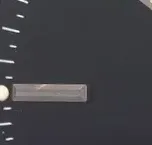
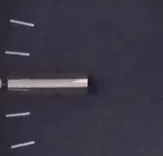
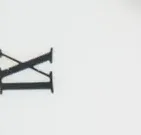













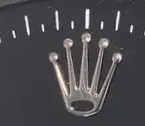
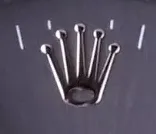
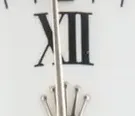

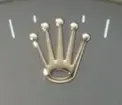



























































































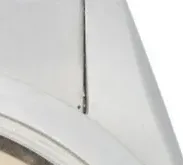




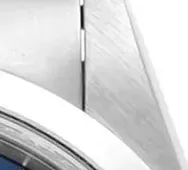
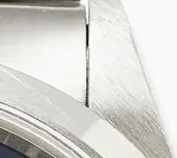




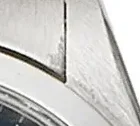

















Chronology
Guides give 1989 for the start; the earliest case numbers in the records are of 1990, and the end is put at 2006 or 2007 when the 14000M is counted.
Every dated variant: what is written, and what the records show
For the reference the marks are every dated watch; for a variant, the watches a seller names as that variant, so a variant sellers do not name has none.
The reference's own marks are dated by case number. A variant's marks use the year each seller states, so a variant can show watches in a year where the row for the reference shows fewer, or none.
Specification
| Case | 34 mm Oyster case in steel, about 11 mm thick, with a smooth steel bezel; 19 mm lug width |
| Crystal | Sapphire; time-only dial with no date |
| Bezel | Smooth steel |
| Crown | Twinlock screw-down crown |
| Movement | Calibre 3000, automatic, 28,800 vibrations per hour, 27 jewels, about 42 hours of power reserve, not chronometer-certified; the 14000M has calibre 3130 |
| Bracelet | Oyster bracelet, hollow end links, 19 mm at the lugs and tapering to 14 mm at the clasp |
| Dial text | Air-King script with 'Precision' (or 'Super Precision') in place of the chronometer text |
Dial 8 described
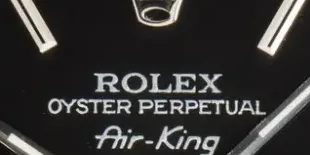
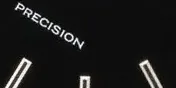
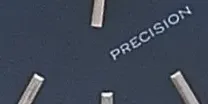
Despite its plain character the 14000 was made in a small range of dials: black, white, silver, blue and a salmon pink that is a favourite. The hour markers were sticks, Roman numerals or an Explorer-style 3-6-9. Some dials have a sunburst finish. The dial carries the Air-King script and 'Precision' text instead of the chronometer wording. Company-logo dials are a separate group.
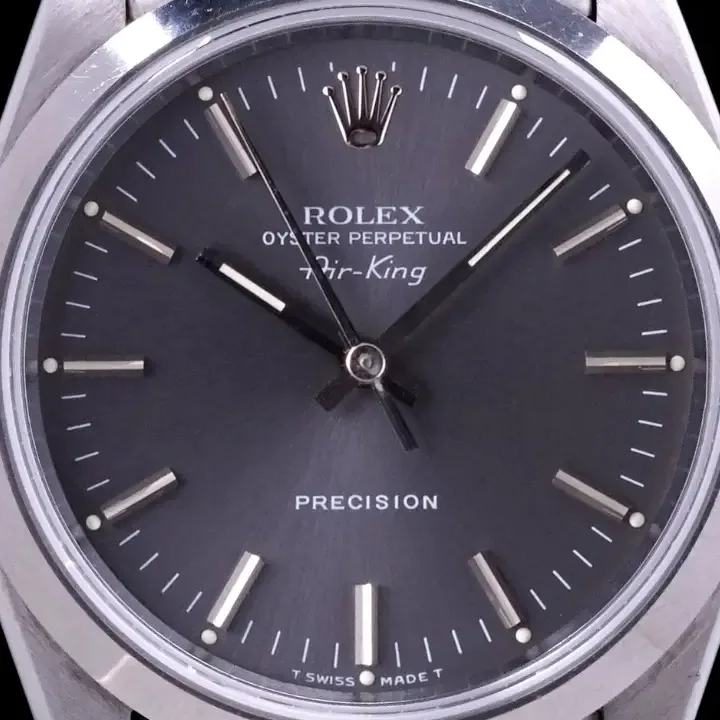
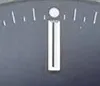
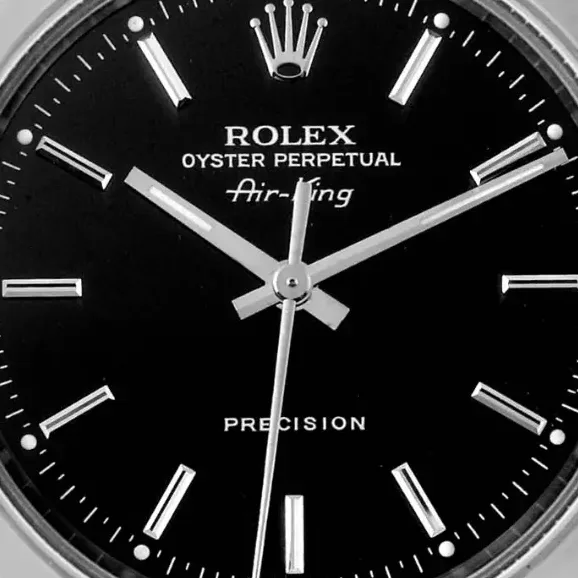
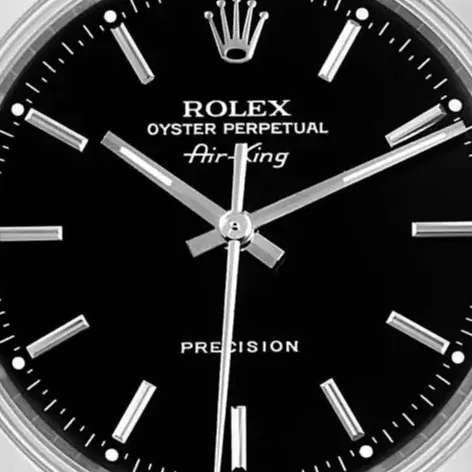
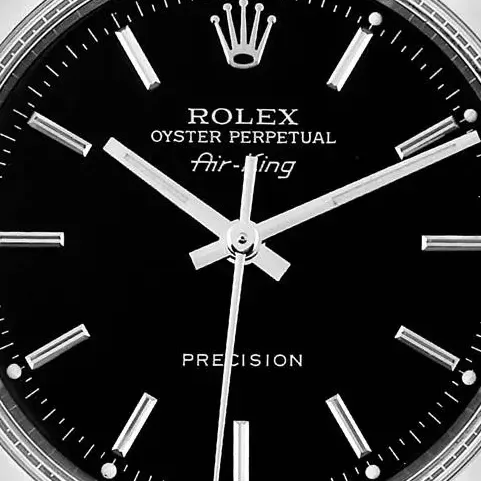
Baton markers
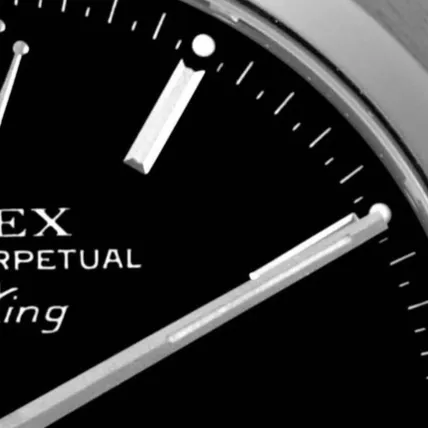
The standard layout, with stick hour markers, and the commonest in the records. Colours are silver, blue, black and white.
- Air-King script, 'Precision' text
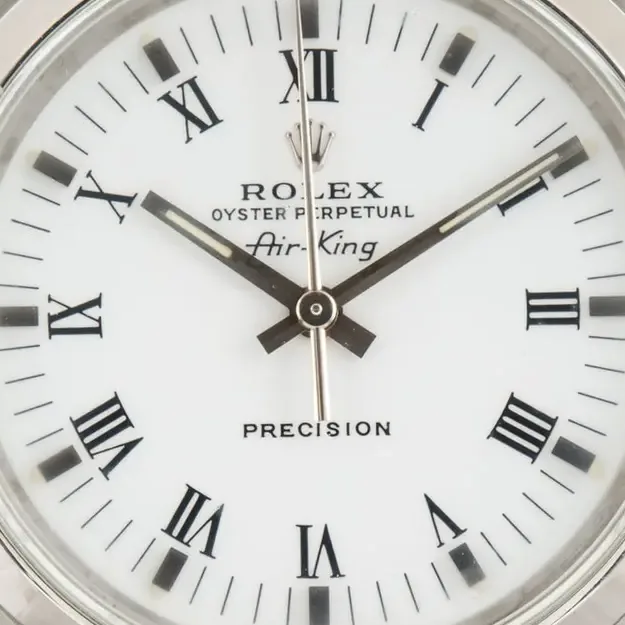
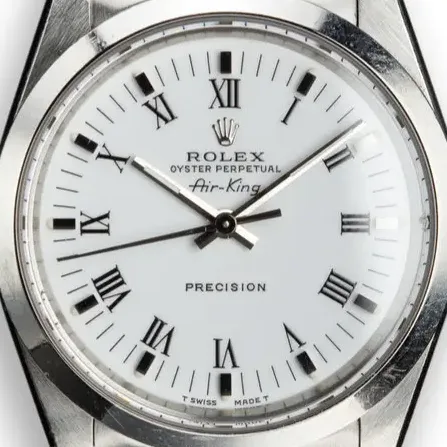
Roman numerals
Roman-numeral dials were a factory option, and those in the records are all white.
- Roman numerals on a white ground
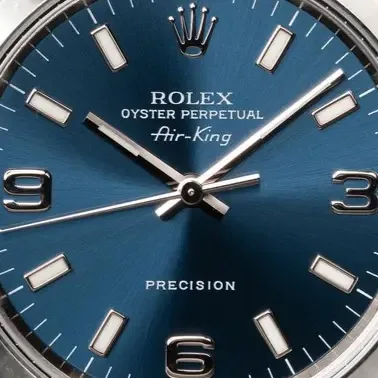
Explorer-style 3-6-9
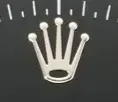
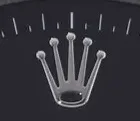
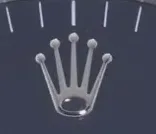
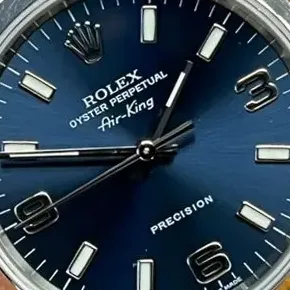
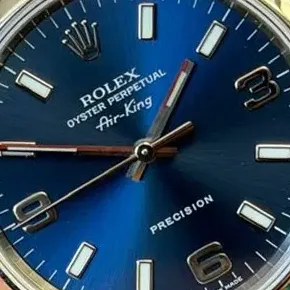
A dial with Arabic numerals at 3, 6 and 9, with a coronet at twelve in place of the Explorer's triangle. A blue one is mentioned as an unusual combination. A few watches in the records are described this way.
- 3-6-9 numerals
- coronet at 12
Salmon
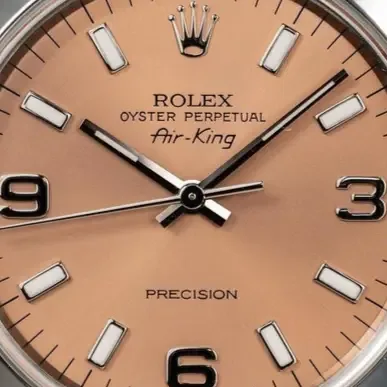
The pink or salmon dial arrived with the 14000, alongside blue, and is a favourite colour of the range. About one watch in nine in the records is salmon.
- pink-copper ground Confirmed by eye on a watch of 1998; the photograph is not shown here. See the listing at swisswatchexpo.com
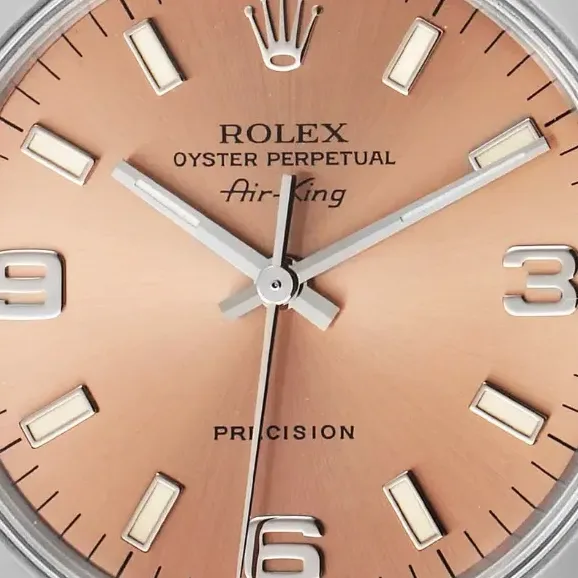
Also sold under this name and confirmed by eye, the photograph not shown here: 1998 · the listing at swisswatchexpo.com.
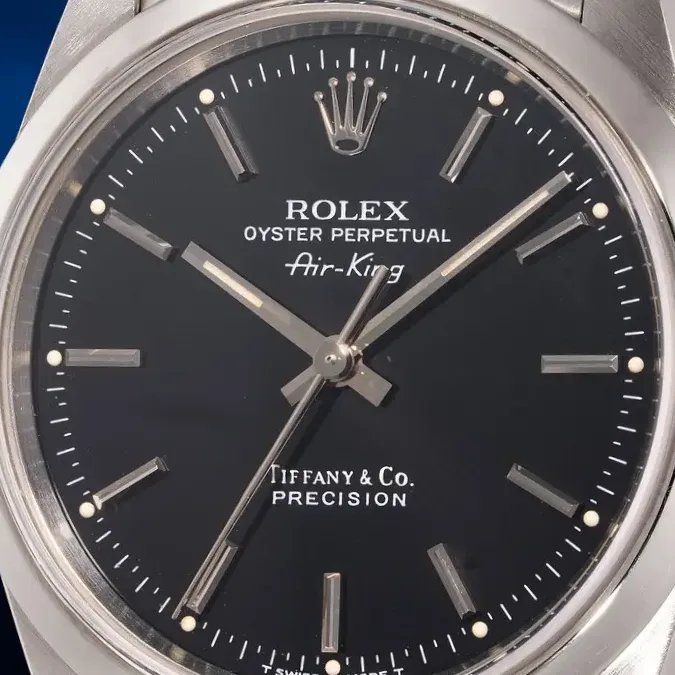
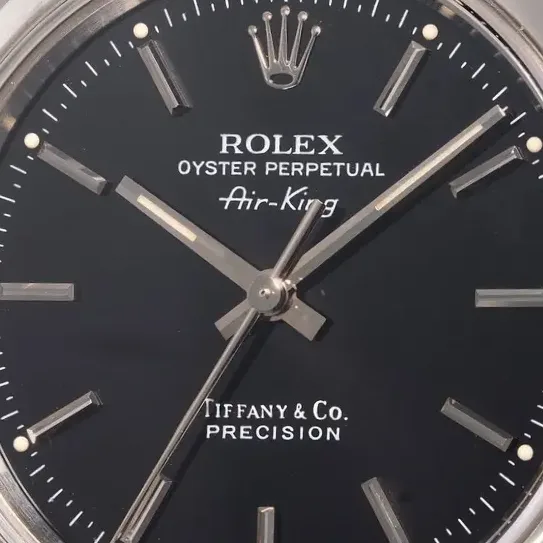
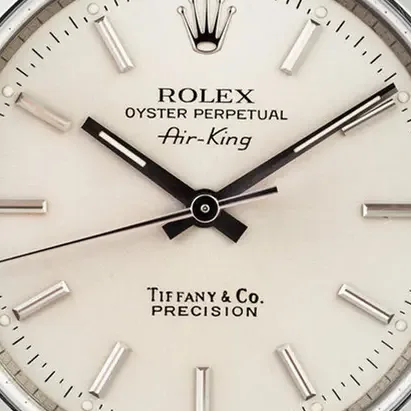
Tiffany & Co. signature
Sellers describe a few watches as carrying the Tiffany & Co. retailer's name. Some listings use the name only for a dial recoloured in Tiffany blue or for an aftermarket dial, which are not of this kind.
- retailer's name on the dial
Domino's logo
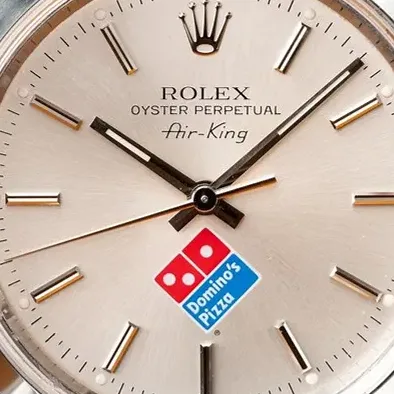
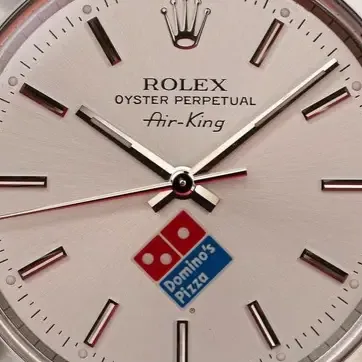
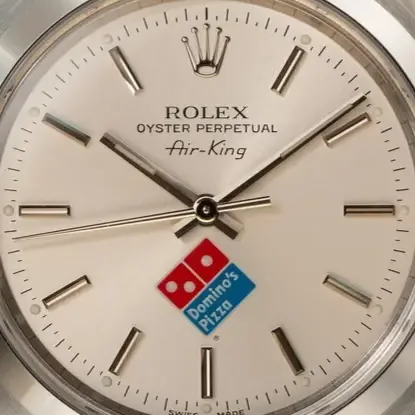
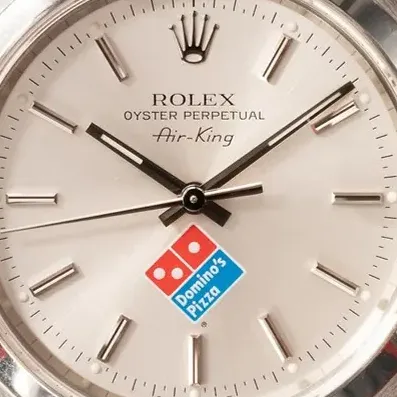
A dial printed with the red and blue Domino's logo, given to store managers who met sales targets in a programme running from the early 1980s. The logo is on the dial from the 1990s until about 2004; the rarest is a short-lived black logo of 1991. Casebacks were engraved with the recipient's initials and papers were made out to the company. It is among the commonest logo dials in the records.
- Domino's logo on the dial
- initials engraved on the caseback
Winn-Dixie logo
Dials printed '10 Year Safe Driver' or '10 Year Safe Maintenance' with the supermarket's red logo, awarded for ten years of service. On the 14000 the tritium dials read 'T SWISS MADE T'. From about 1998 the '10' is elongated into a 'Big 10', and the red lettering is later set smaller and more compact. A Safe Driver watch of 1998 is recorded with a copper-grey ombre dial. The bracelets carry no company mark.
- red logo above six
- 'Big 10' on later dials
Diamond indexes (aftermarket)
Diamond accents were never a factory option. Examples exist that were set by third parties, and Rolex will not service them.
- diamond markers on an Air-King dial
Luminous material 3 described
The lume changed twice during the run, and the text under the six o'clock marker shows which material is on the dial.
Tritium
The first dials carry tritium and are printed 'T Swiss T' or 'Swiss T<25' below the six; Winn-Dixie dials of this period are recorded with 'T SWISS MADE T'.
- 'T Swiss T' under the six
Luminova
Luminova, printed 'SWISS', replaced tritium in 1998. The switch is described as complete in that year.
- 'SWISS' alone under the six
Super-LumiNova
Super-LumiNova followed soon after, around 2000, and the dial is printed 'SWISS MADE'. It is found on both the 14000 and the 14000M.
- 'SWISS MADE' under the six
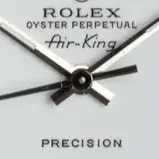
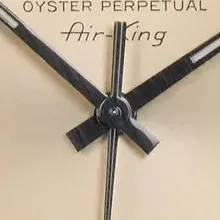
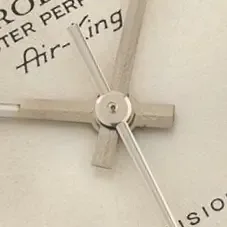
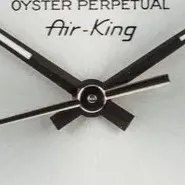
Hands 1 described
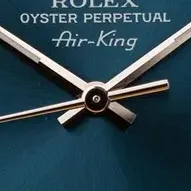
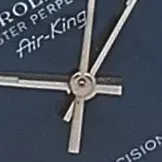
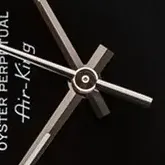
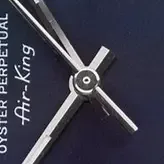
The hands are the baton type shared with the Datejust. The pencil and Alpha hands of the 5500 were gone.
Baton hands
Plain baton hour and minute hands, lumed to match the dial.
- baton hands as on a Datejust
Bezel 2 described
The 14000 has a smooth steel bezel. A version with an engine-turned bezel was sold under its own reference.
Smooth steel bezel
A plain domed steel bezel, on the great majority of the watches in the records.
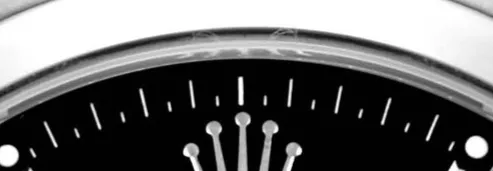
552 listings on record under the name.
Engine-turned (14010)
The 14010, dated 1991 to 2001, and the 14010M, dated 2000 to 2006, have an engine-turned bezel, a ring of fine grooves between polished plates beside the main indices with a double plate at twelve. They are otherwise identical to the 14000 and 14000M. A few watches in the records are described with the engine-turned type.
- hash-mark pattern broken by smooth tabs
Case 1 described
A 34 mm Oyster case of about 11 mm thickness, the same size as the 5500. The lug width is 19 mm. The case is stated to be 316L steel, and the drilled lugs of the 5500 were dropped.
34 mm Oyster case
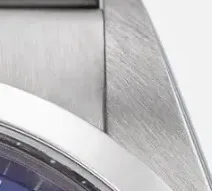
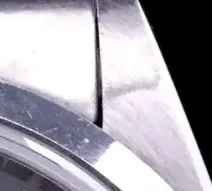
Steel, with solid lugs and no drilled holes, a lug-to-lug of about 43 mm and a thickness given as 11.2 to 11.5 mm. Sellers describe a few watches with thick bevelled lugs, and many as unpolished.
- undrilled lugs
Crown 1 described
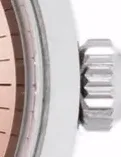
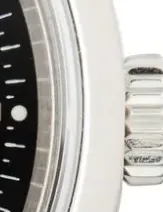
The crown is a screw-down Twinlock.
Twinlock
A Twinlock screw-down crown, a feature of the 14000 period.
Crystal 1 described
The 14000 was the first Air-King with a sapphire crystal.
Sapphire
A sapphire crystal in place of the acrylic of the 5500. A few listings call the crystal acrylic, which is an error for this reference.
Movement 2 described
The calibre 3000 of the first run was replaced in 2000 by the 3130 in the 14000M. Neither was chronometer-certified in the Air-King, which is why the dials read 'Precision'.
Calibre 3000
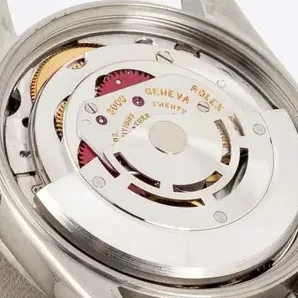
27 jewels, 28,800 vibrations per hour, about 42 hours of power reserve, a flat hairspring without a Breguet overcoil and a simplified adjustable mass balance. It was the last Rolex movement made without the overcoil, and was also used in no-date Submariners and in Explorers.
Calibre 3130 (14000M)
Fitted from 2000. It has a full balance bridge in place of the balance cock, a Breguet overcoil, 31 jewels and about 48 hours of reserve. Most accounts say the dial still reads 'Precision'; one gives 'Super Precision'. The watches with this movement are sold as the 14000M.
- 14000M
Bracelet 1 described
An Oyster bracelet with a folding clasp. It is 19 mm at the lugs and tapers to 14 mm at the clasp, and has hollow end links.
Oyster, 78350
Three-piece flat links with hollow end links, listed by sellers as the 78350 with 557B end links. Many watches in the market wear other bracelets, including the Jubilee, or a leather strap.
- 78350 on the clasp
- 557B end links
Box and papers 1 described
Sellers record papers and service documents with some of these watches.
Domino's presentation
Domino's watches were issued with papers made out to the company, and some were engraved with the initials of the recipient on the back. Later the logo was moved from the dial to one link of the Oyster bracelet, around 2000 on one account and about 2004 on another, and the dial was left blank of it.
- initials on the caseback
- logo on a bracelet link
Originality
- Replacement dials are seen on the market, and company dials such as Domino's are best checked against the caseback engraving and papers.
- Bracelets are often replaced with Jubilee or other official bracelets or leather straps, and a bracelet that sits with a gap between the lug tips and the end links may not be the original.
- Diamond-set indexes are not factory work and mean a dial altered by a third party.
- Sellers describe more of these cases as unpolished than polished, so polishing history is worth checking.
Names
- Domino's. The dial carries the pizza company's logo.
- Winn-Dixie. The dial carries the supermarket's logo and a ten-year service text.
- Explorer dial. A 3-6-9 dial like that of the Explorer.
Where accounts differ
Points on which the published literature and the library's own records do not agree, or on which the literature contradicts itself.
- Start of production. Guides date the 14000 to 1989; one says 'early 1990s'. The library's earliest case numbers are of 1990.
- End of production. One guide ends the 14000 in 1999 and one puts the end of the 14000 and its 14000M at 2007.
- Movement. One page on Winn-Dixie watches gives the 14000 the calibre 3135. All other accounts give the 3000. Most of the library's records that name a calibre give the 3000 or the 3130, though a few state the 3135.
- Beat rate. One guide gives 28,000 vph for the 3000 and the 3130. Others give 28,800.
- Chronometer status of the 3130. One guide calls the 14000M movement a certified chronometer, while the others say the 14000M was not tested and the first certified Air-King was the 114200 of 2007. The dials still read 'Precision' or 'Super Precision'.
- Bezels. One guide gives the 14000 an 18k white gold fluted bezel. The other accounts put that bezel on the 114234.
- Domino's. The logo is said to leave the dial around 2000 by one page and around 2004 by another; the sales target is given as $20,000, $25,000 or $30,000 a week.
- Dial wording. Most accounts say the 14000 and 14000M dials read 'Precision'. One says the dials carry either 'Precision' or 'Super Precision', and another gives 'Super Precision' for the 14000M.
- Lume change. Most accounts put Luminova, printed 'SWISS', in 1998 and Super-LumiNova a couple of years later. The page on Winn-Dixie watches has Rolex moving to Super-LumiNova around 1998.
Back and movement
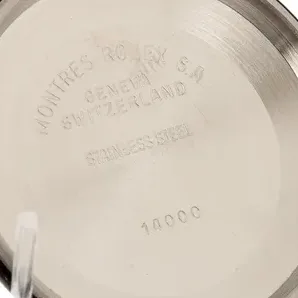
From listings of this reference, each confirmed by eye to show what it is filed under. A picture on which a person's name or a personal engraving can be read is not shown. From most holders a detail from the middle of the photograph is shown; the mark in its corner gives its holder and a link to the listing.
Caseback
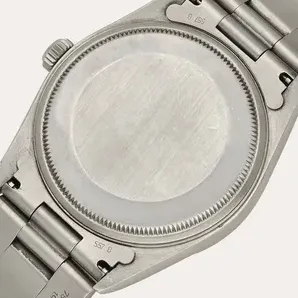
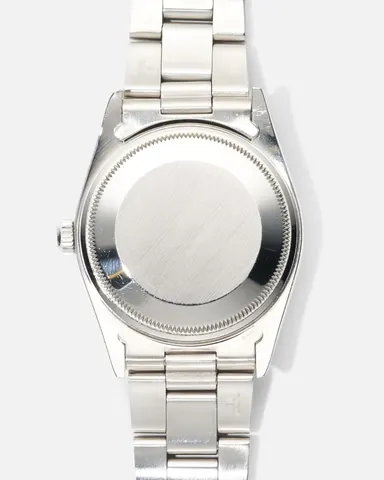
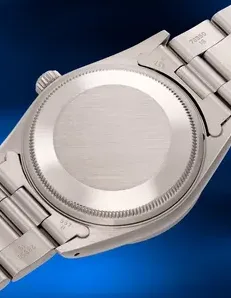
Inside the caseback
Movement
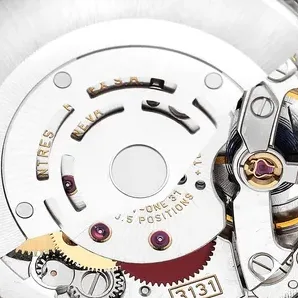
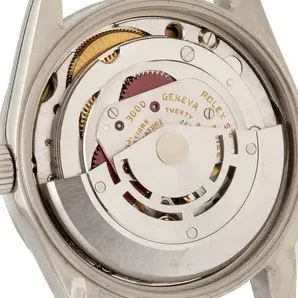
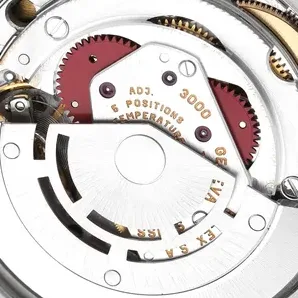


Catalogue versions 1 listed
The full numbers under which holders list this reference, with what their listings say of each. Each has a page of its own.
| Version | Metal | Dial | Years seen | Records |
|---|---|---|---|---|
| 14000M | Steel | Black or blue | 1997–2006 | 233 |
In the records
Counted from 1,459 listings at 61 holders between 16 December 2011 and 14 November 2026. These are what sellers and auction houses state, not measurements.
Fainter bars are the 70 outside the main run of 1992–2005 (the middle nine-tenths): the earliest is 1990 and the latest 2010. They are early and late examples, and now and then a number misread. The head of the page gives 1990–2008: the years that listings from two holders bear out.
At the holders that record papers on every watch, 16% of their 671 listings of this reference come with papers; at those that record the box on every watch, 80% of 707 come with a box. "Papers" is whatever the holder counts as papers, and can include service papers.
Case metal
| Steel | 900 | |
| Gold, colour not stated | 2 | |
| Steel and gold | 1 |
A listing that says "gold" or "18K gold" names no colour: it is counted under "colour not stated", not as yellow gold.
Dial colour
| Blue | 303 | |
| Black | 256 | |
| Silver | 241 | |
| Salmon | 111 | |
| White | 75 | |
| Grey | 9 | |
| Brown | 7 | |
| Pink | 6 |
Case size
| 34 mm | 909 | |
| 35 mm | 7 | |
| 36 mm | 2 |
Calibre named
| 3000 | 131 | |
| 3130 | 73 | |
| 3135 | 19 |
Bracelet or strap
| Oyster bracelet | 820 | |
| Metal bracelet, kind not stated | 107 | |
| Leather strap | 3 | |
| Jubilee bracelet | 1 |
Each table counts the listings that state the thing, in the seller's own terms. A size, metal, colour or calibre that cannot belong to this reference is a seller's slip or a listing filed under the wrong number.