Sea-Dweller
The 1665 is the first Sea-Dweller sold to the public and the first Rolex on general sale with a helium escape valve, set at nine o'clock in a 40 mm steel case. It is rated to 610 metres, or 2,000 feet, and is the only Sea-Dweller with an acrylic crystal and no quickset date. Production is put at about 1967 to 1983, in two broad dial eras: the Double Red, with two lines of red text, and from about 1977 the Great White, with all-white text. It was succeeded by the 16660, which ran beside the late Great White. Collectors look first at the dial mark, the caseback type and whether the dial is original.
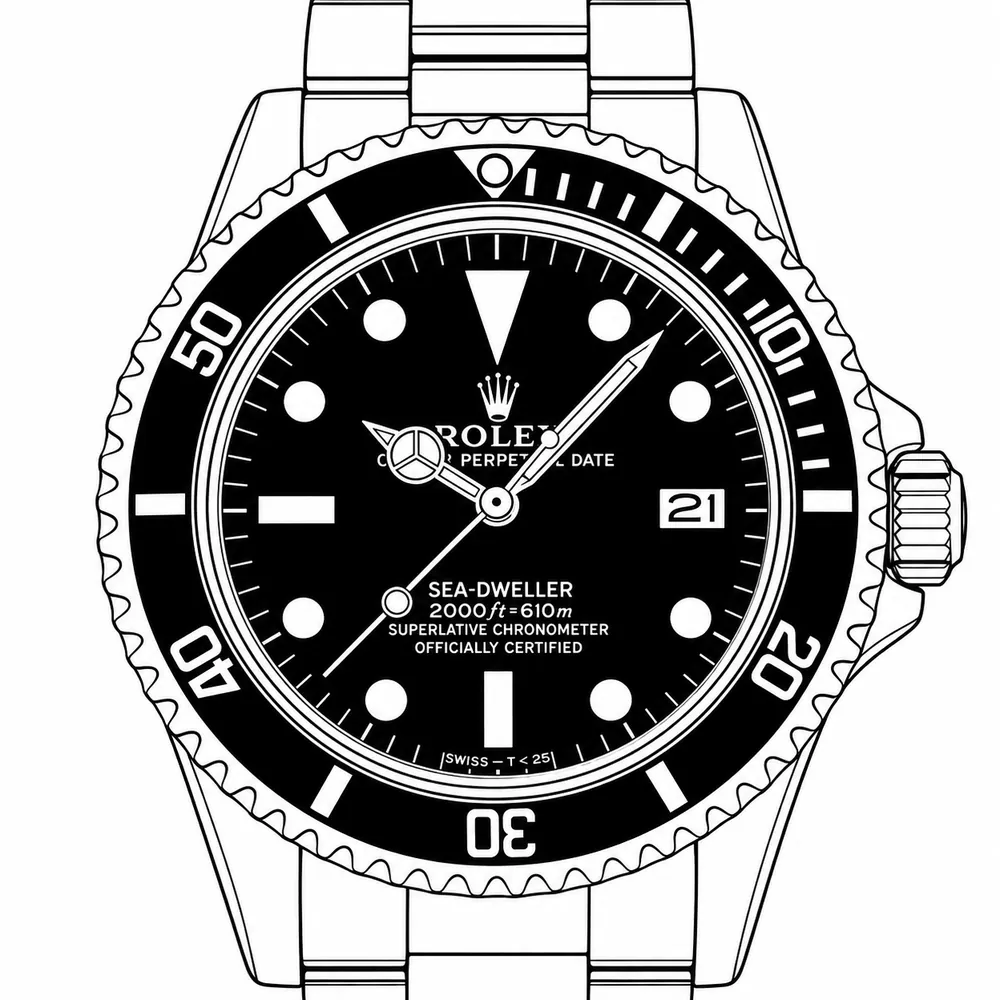
- Made
- 1967–1983dates approximate
- Seen in the library
- 1967–1984nine in ten in 1968–1981 · by case numbers
- Case
- 40 mm · steelas sellers state
- Movement
- Calibre 1575automatic
- On record
- 802 listings2,374 photographs · 58 holders
Components
47 watches, oldest first, each straightened and cut the same way so that one row shows one component across them all. Chosen from 2,374 photographs on file for sharpness and for a face typical of the reference. A year marked c. is one its holder gives only roughly. Each picture is a detail cut from a listing photograph. Select the small mark in its corner for its year, its holder, a link to the listing it came from, and a way to report it.
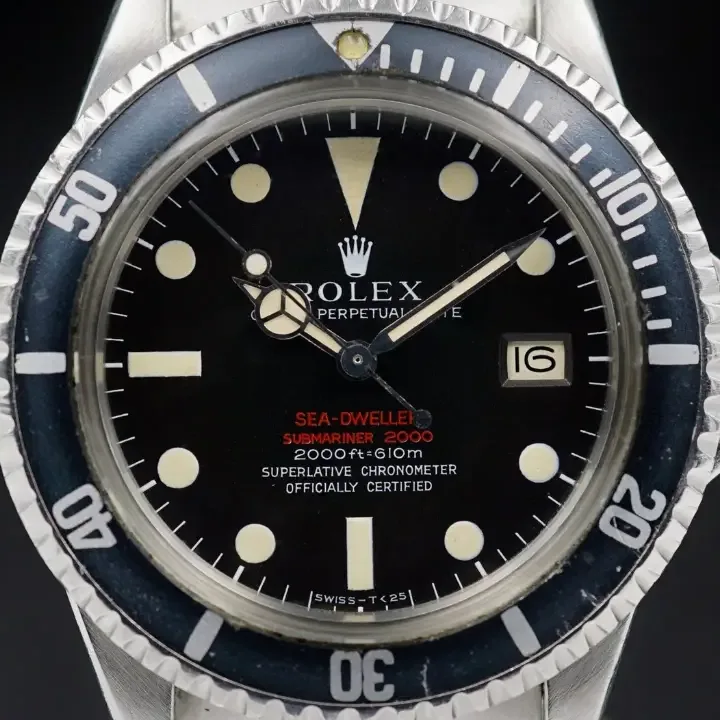
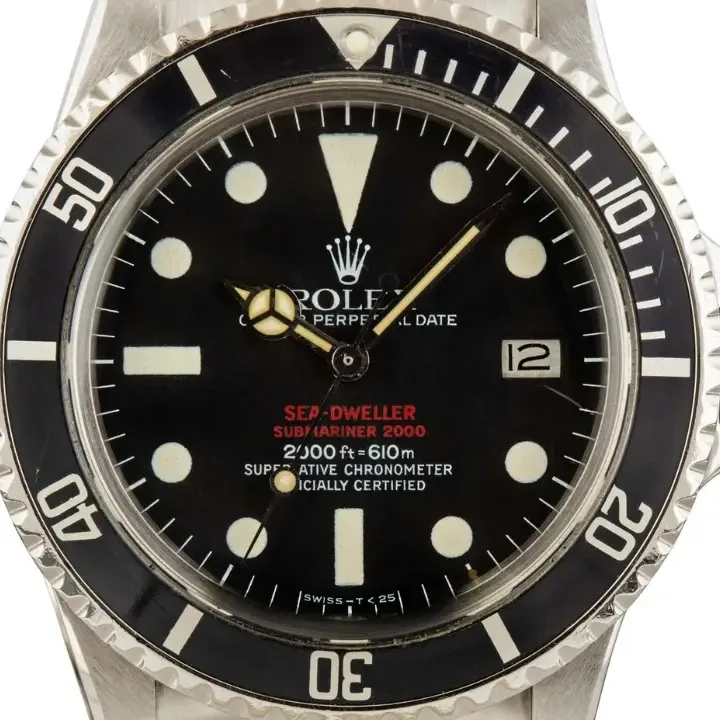
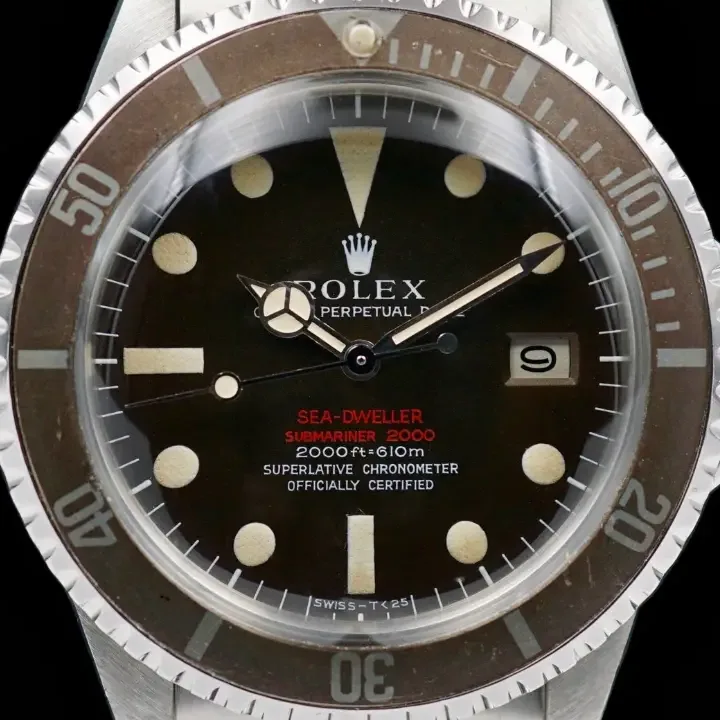
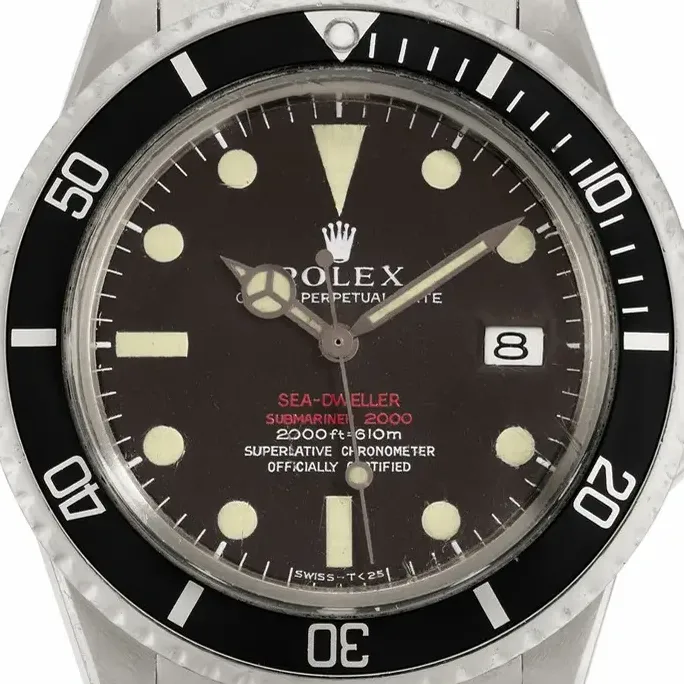
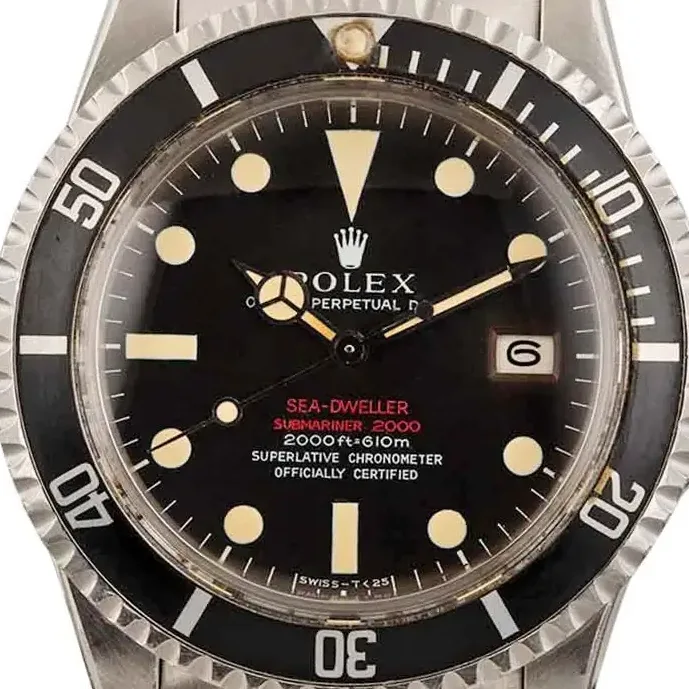
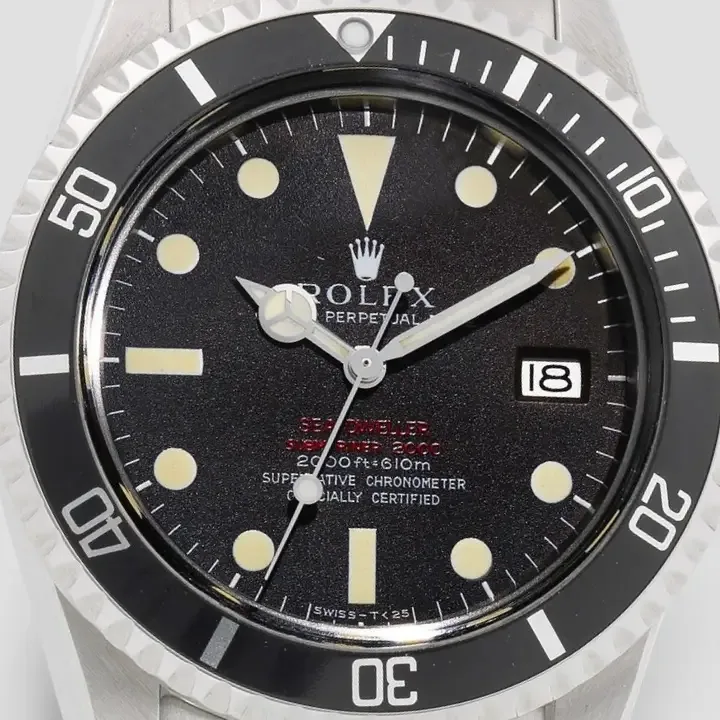
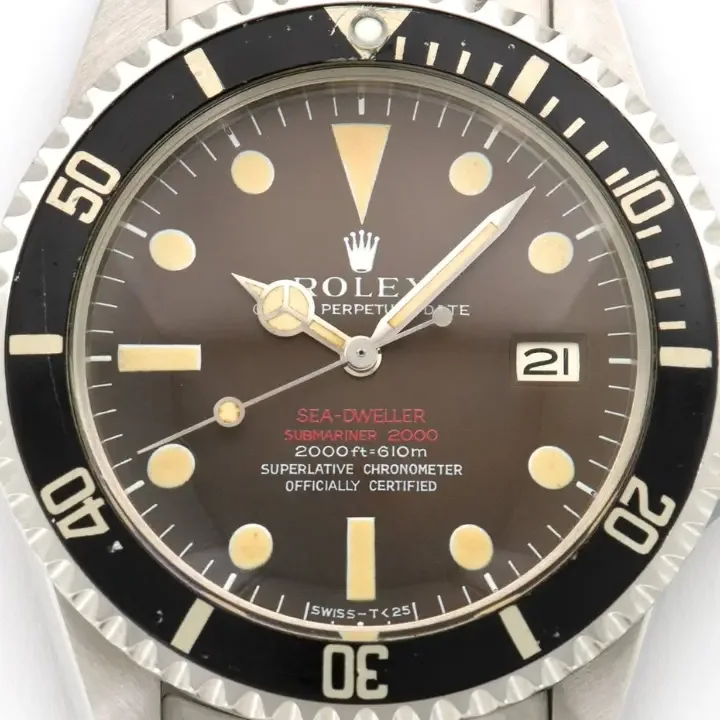
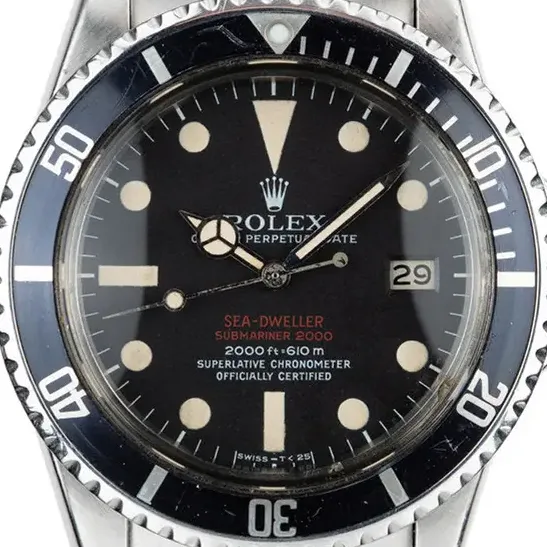
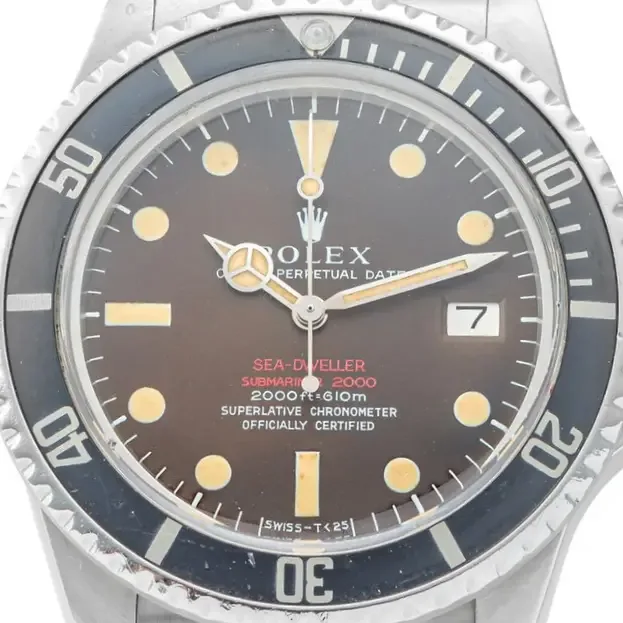
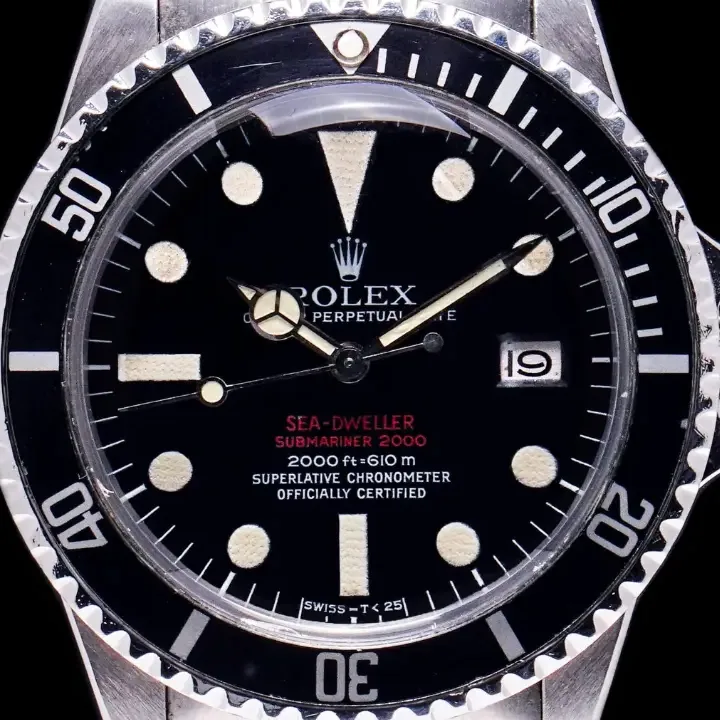
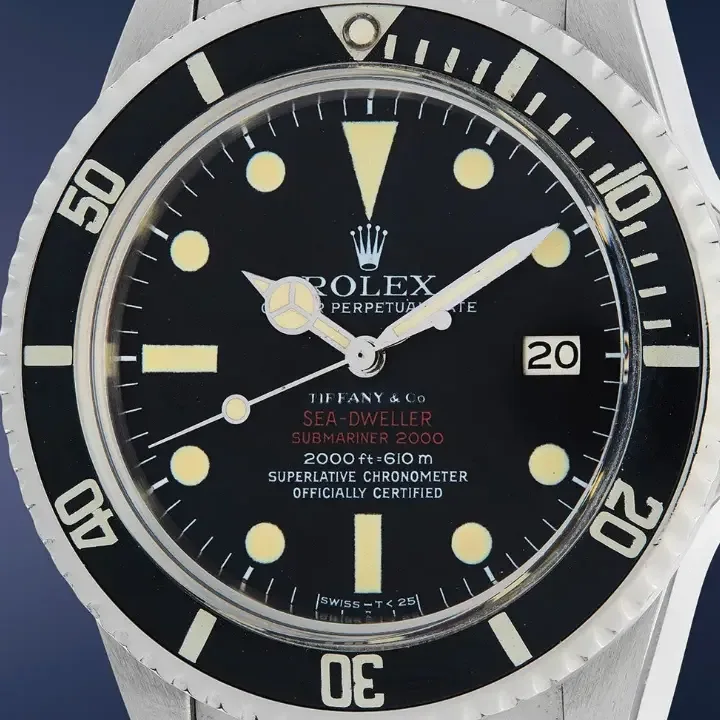
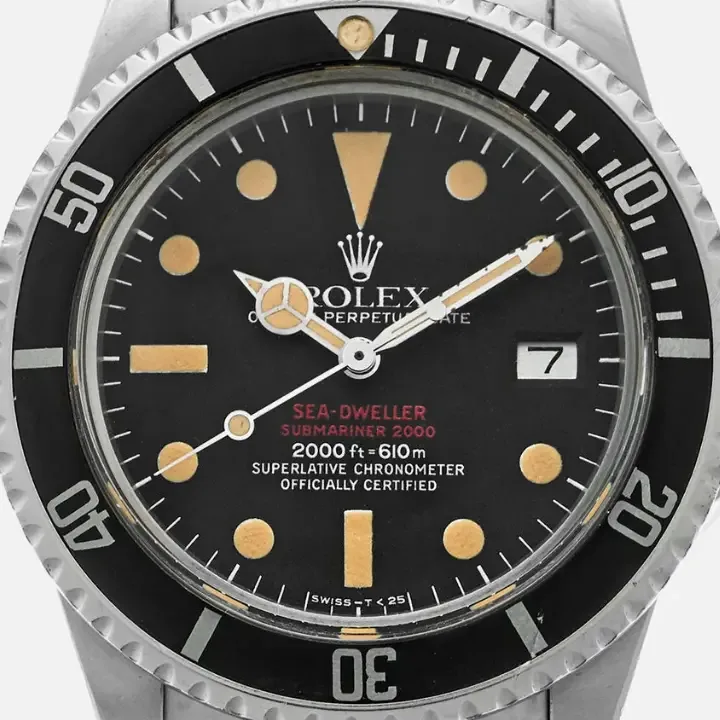
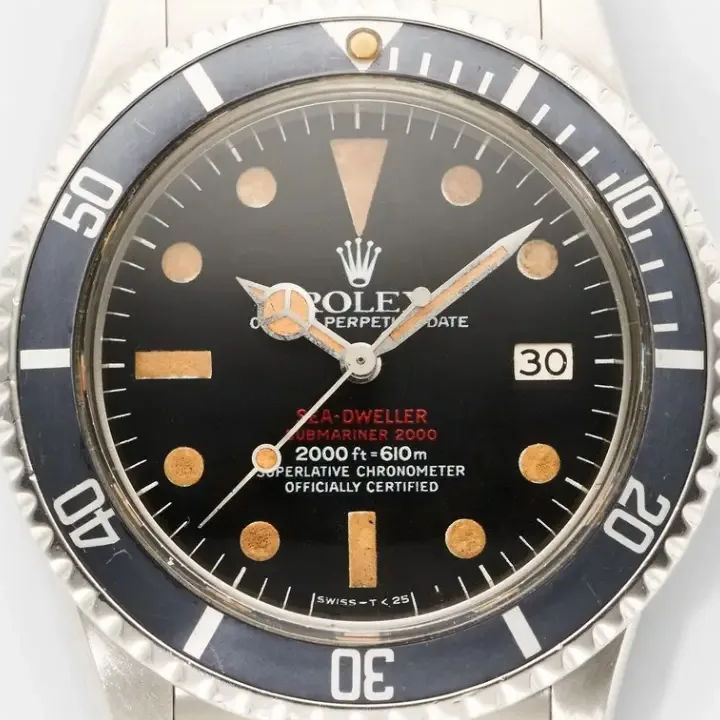
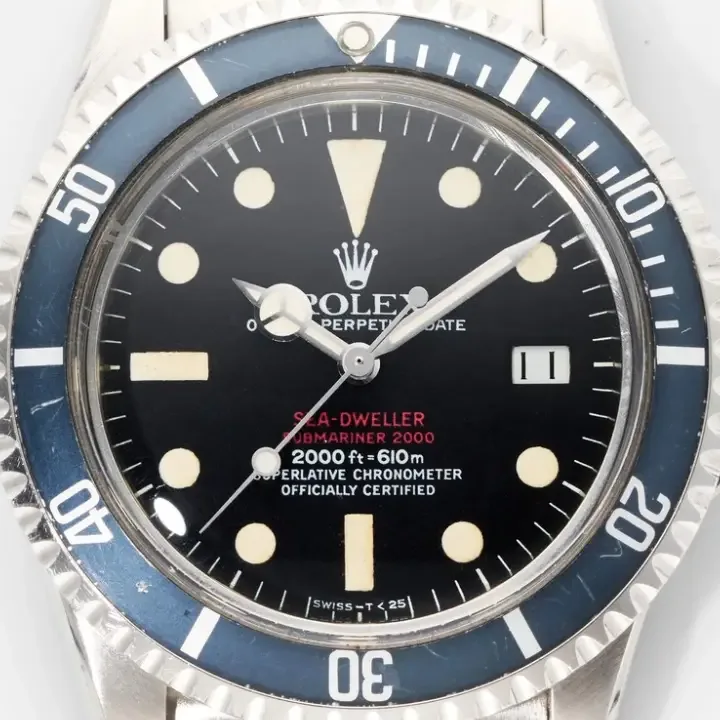
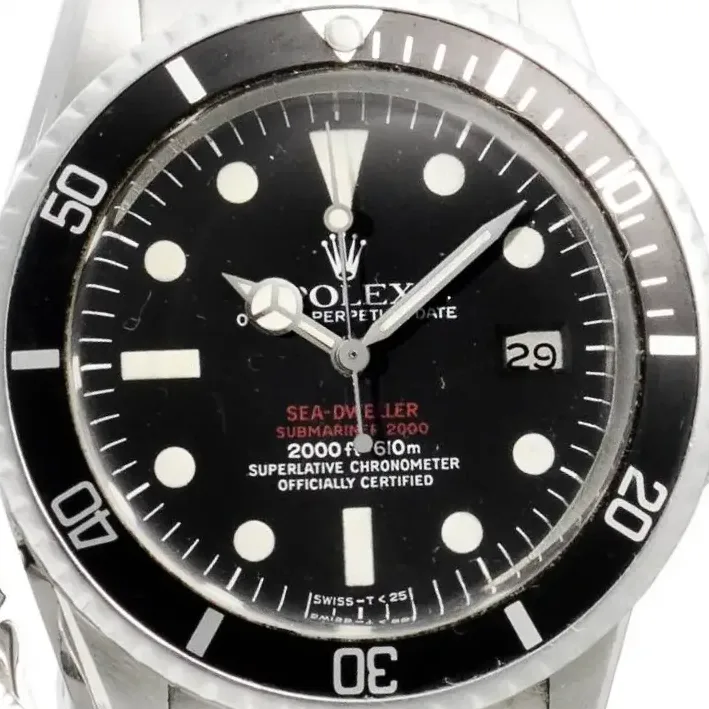
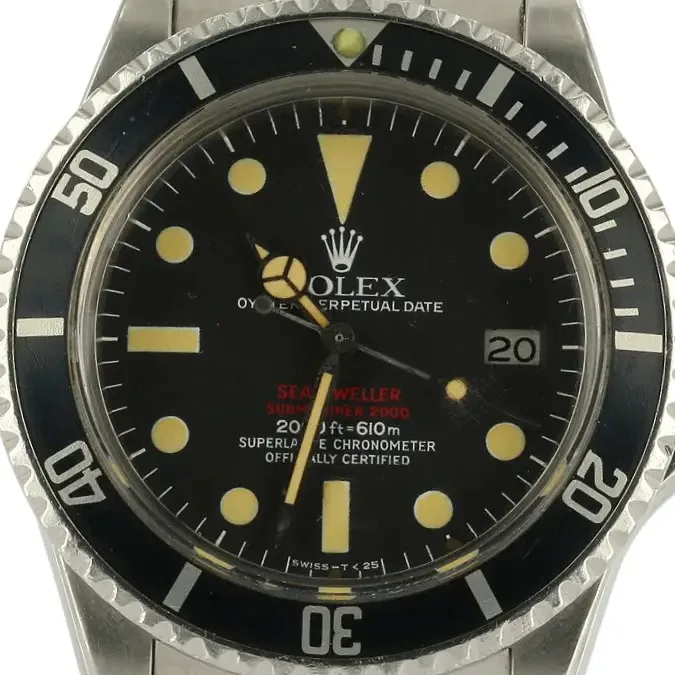
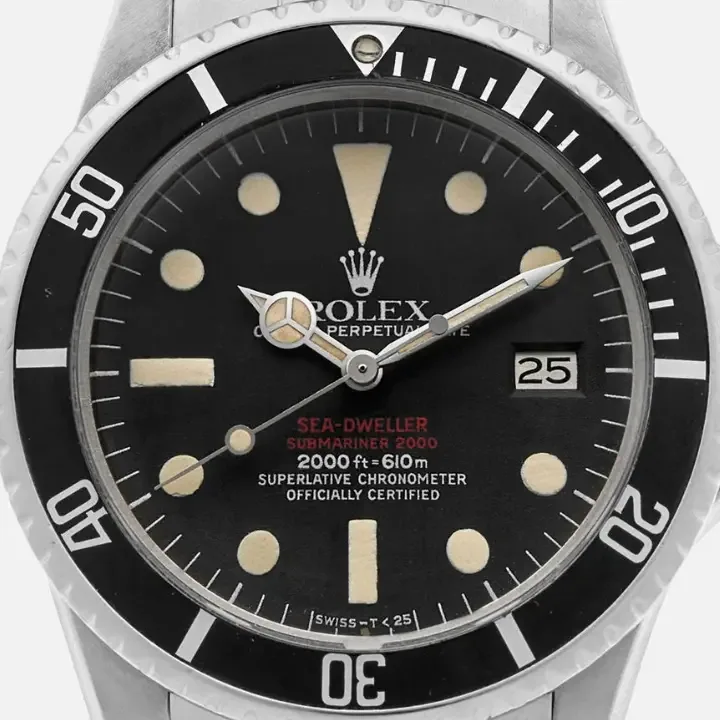
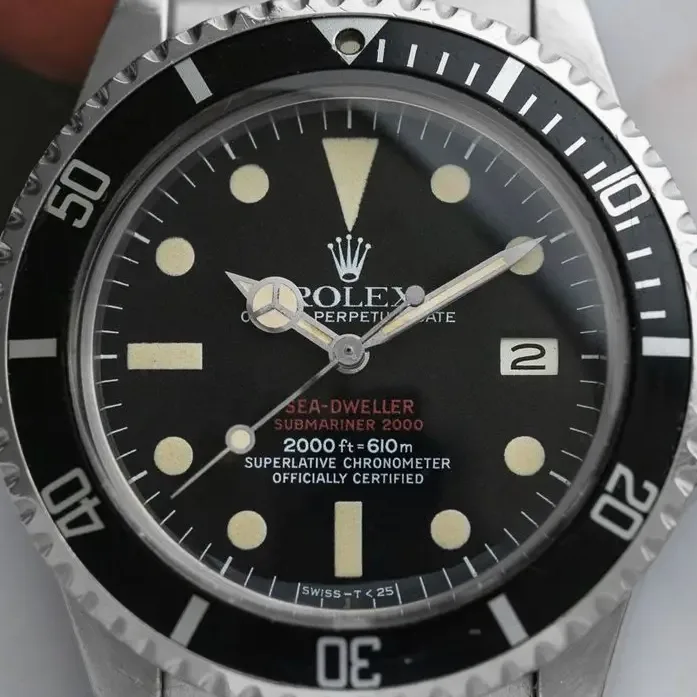
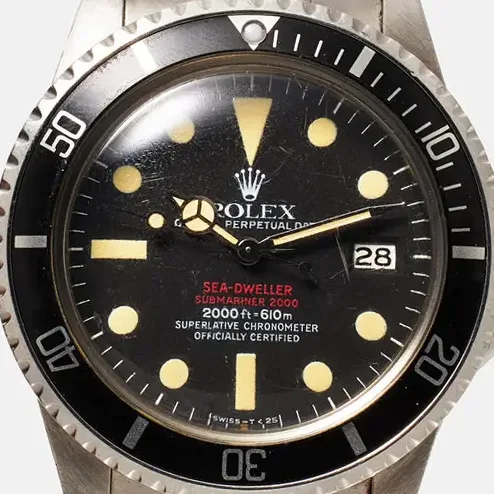
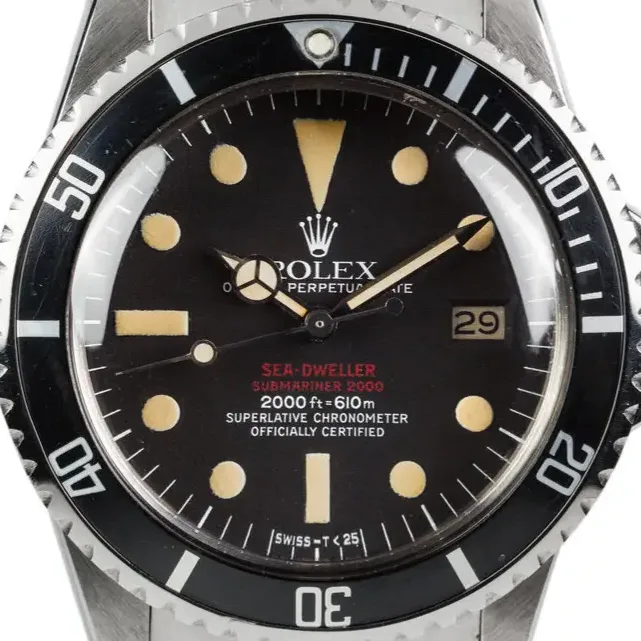
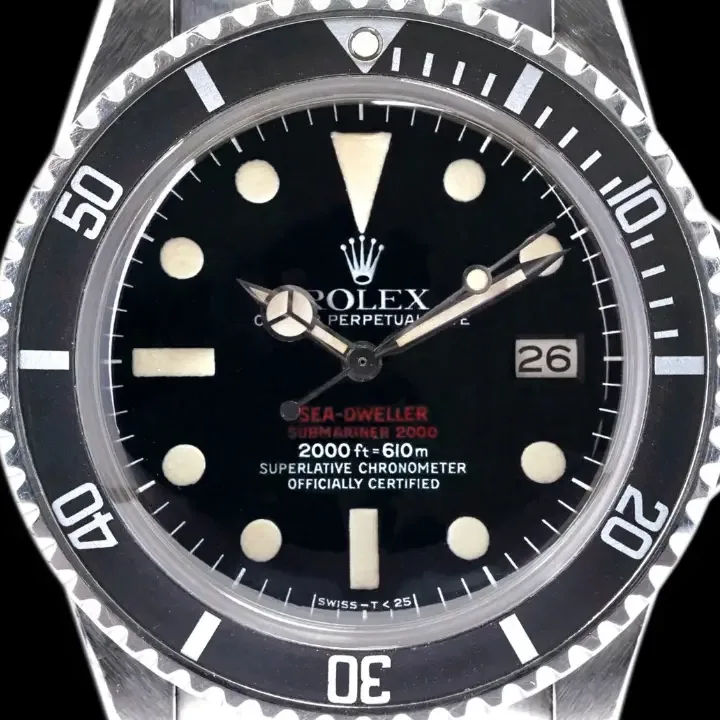
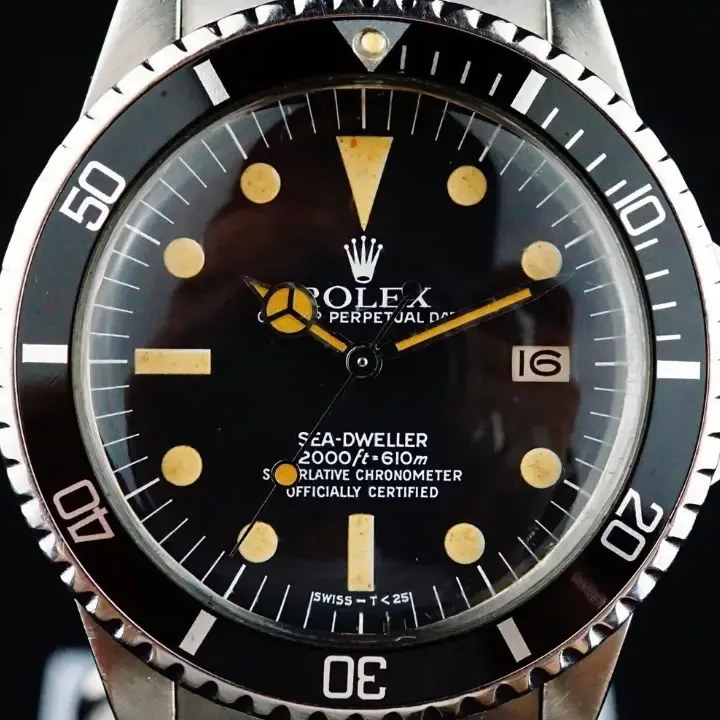
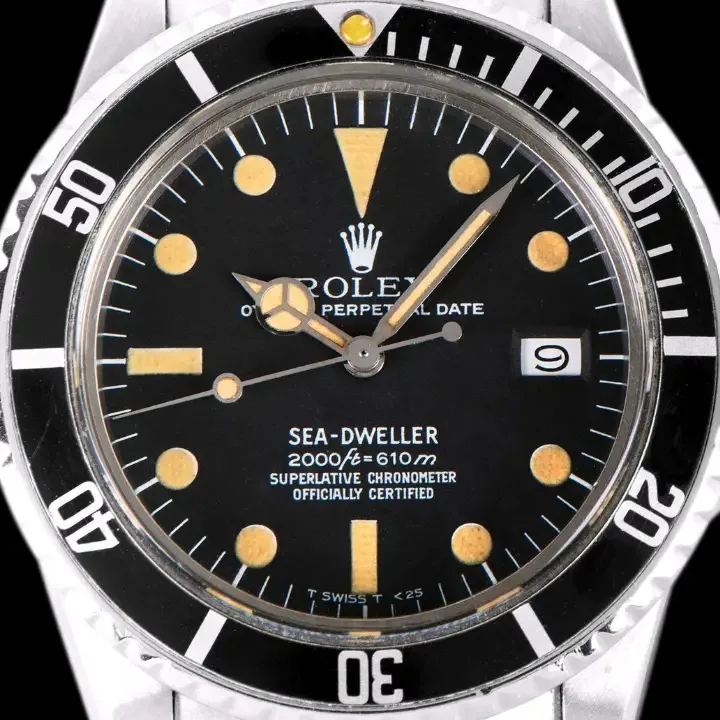
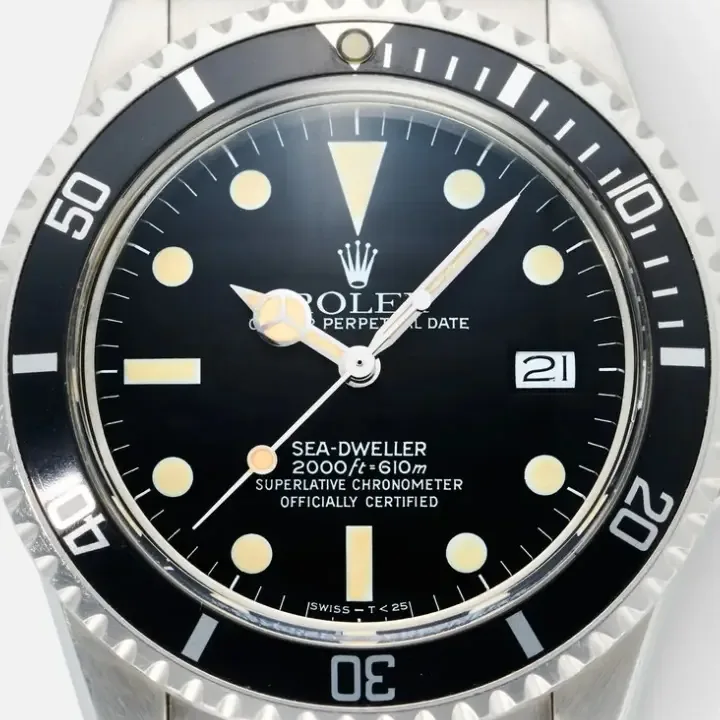
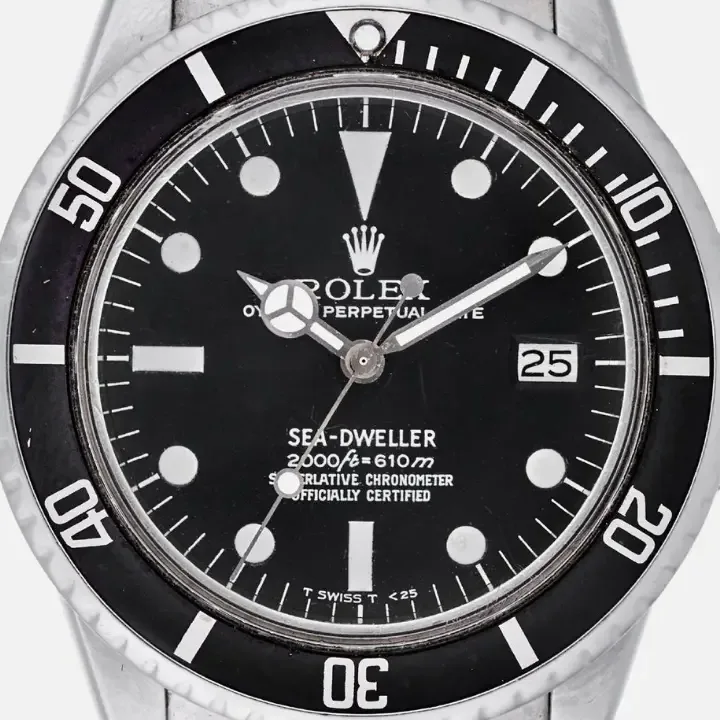
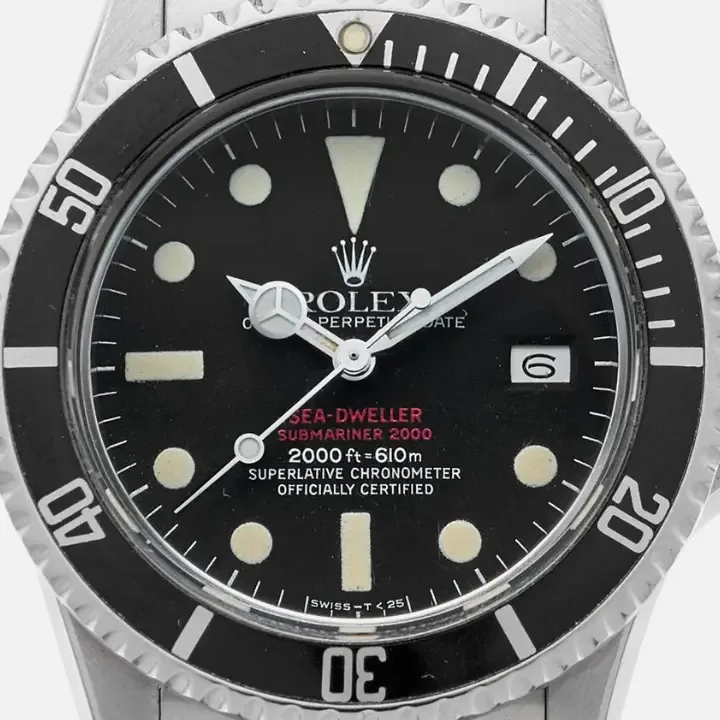
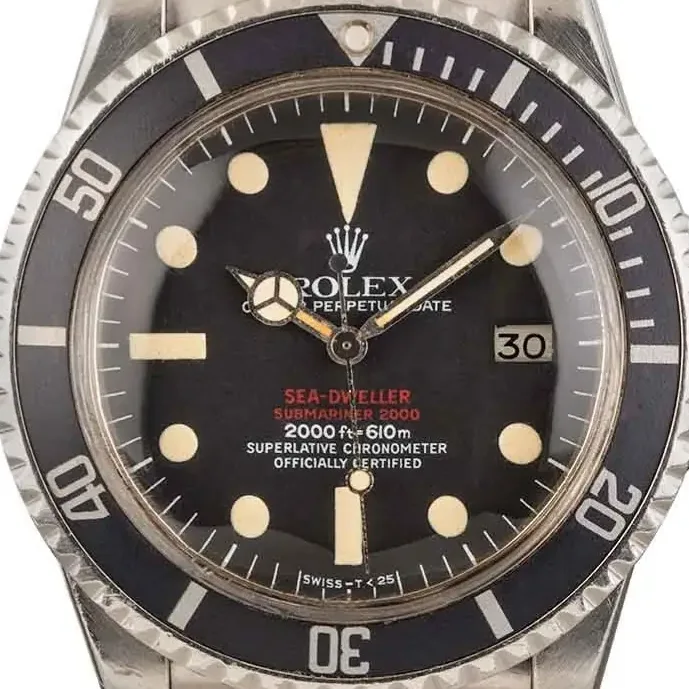
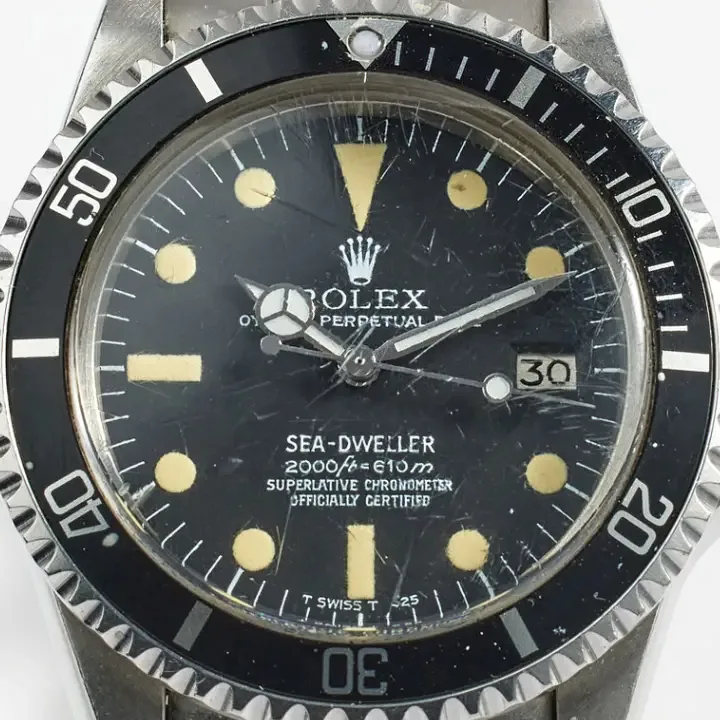
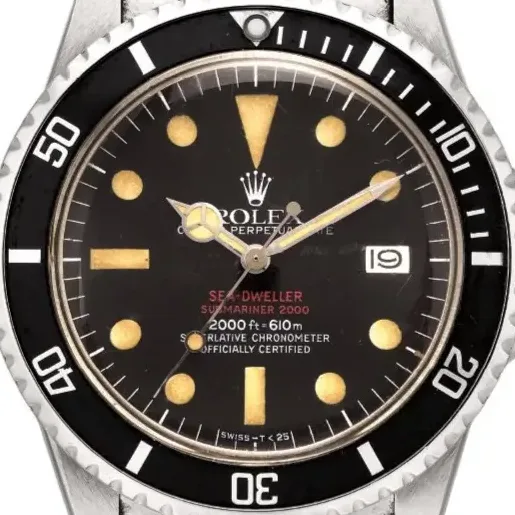
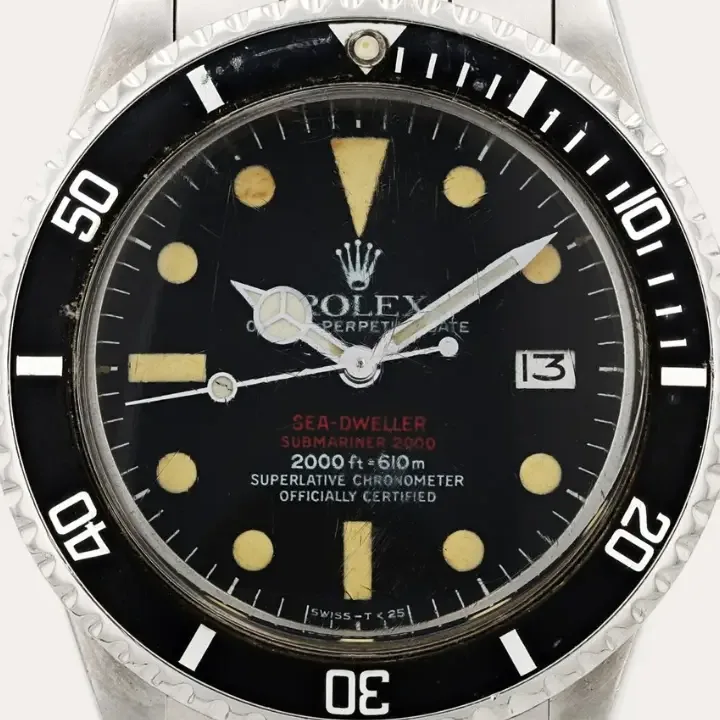
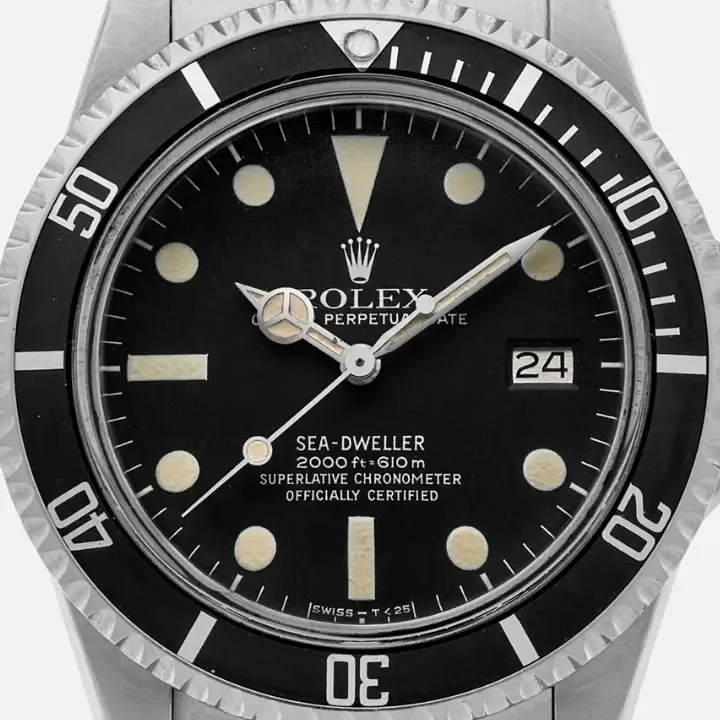
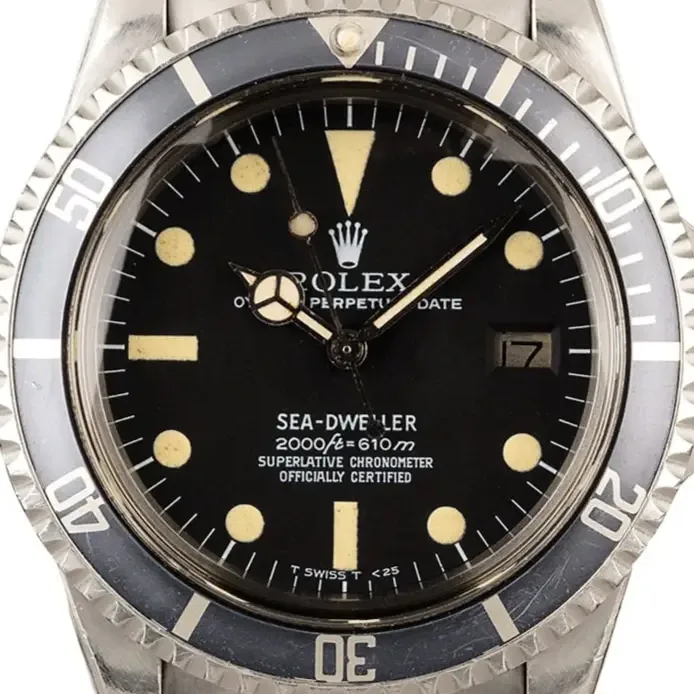
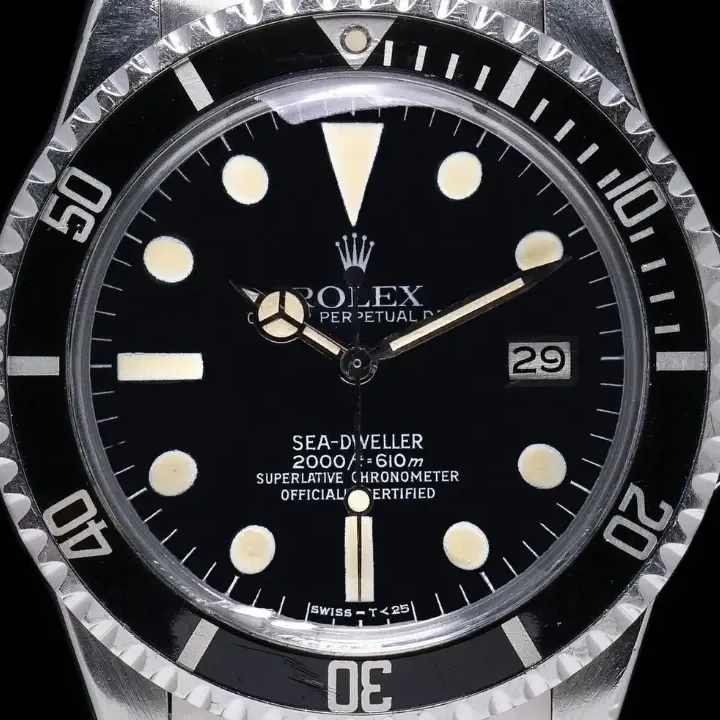
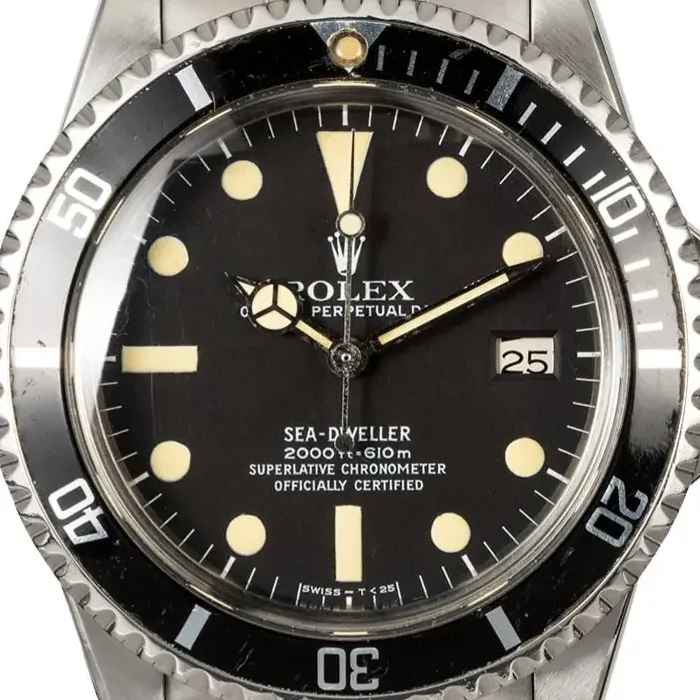
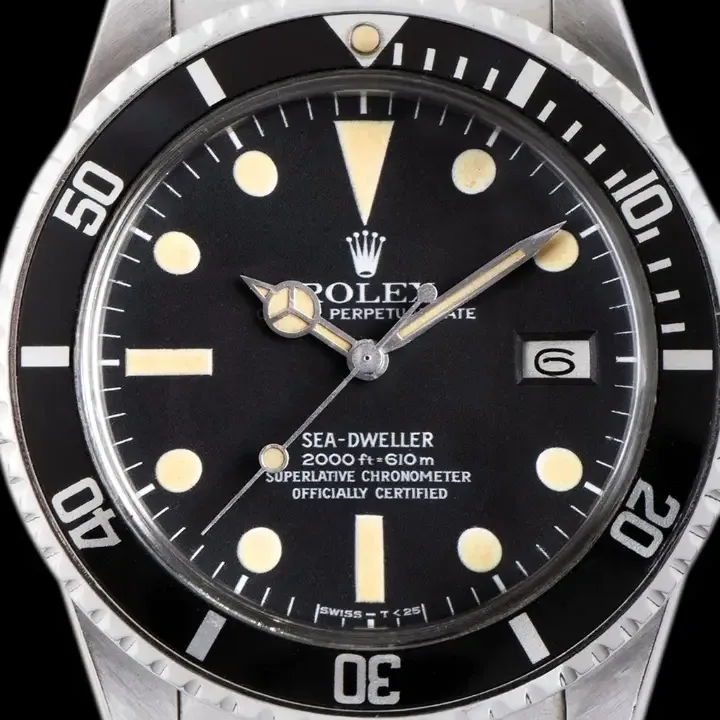
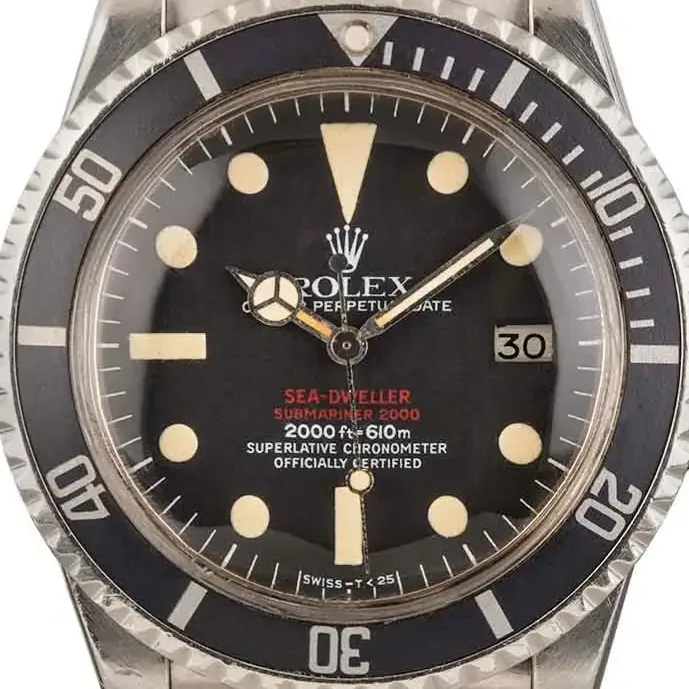
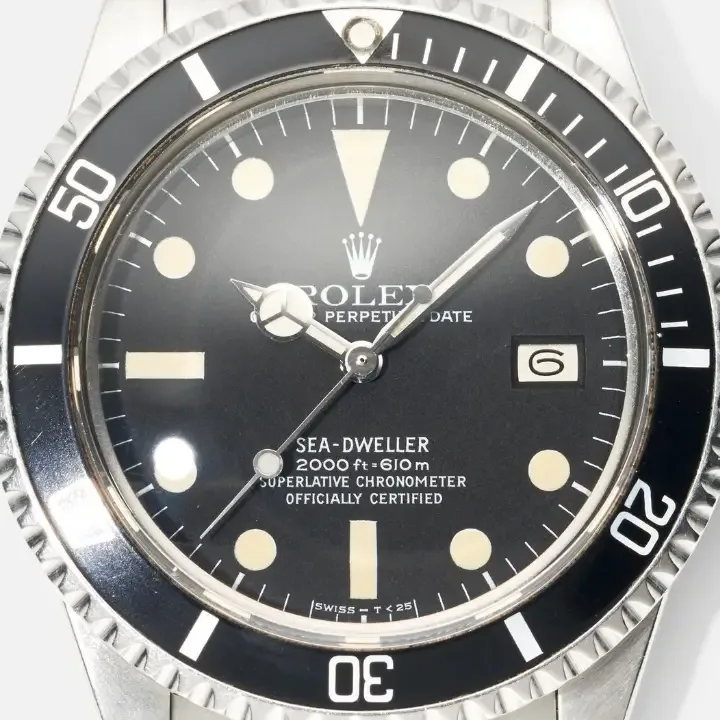
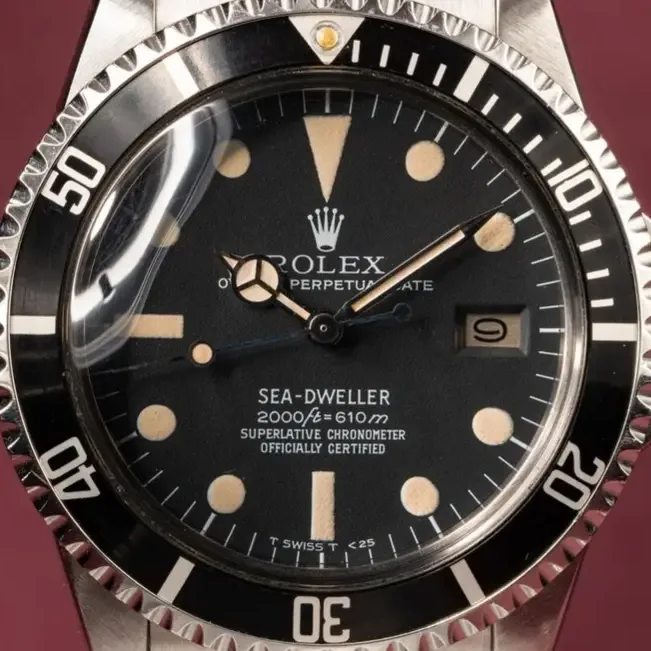
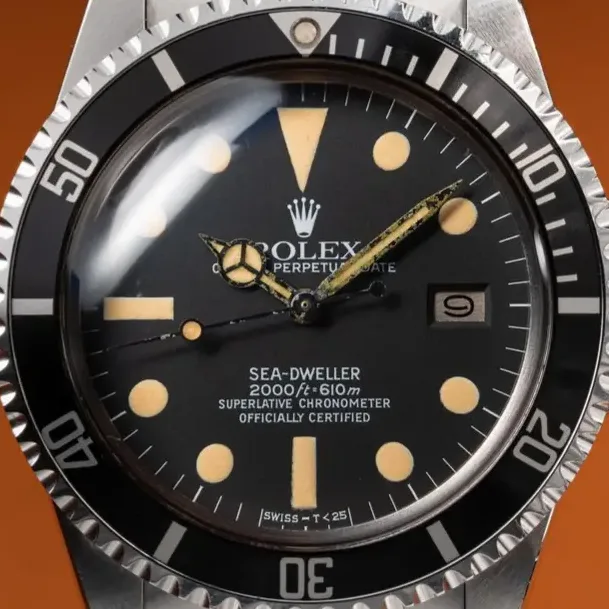
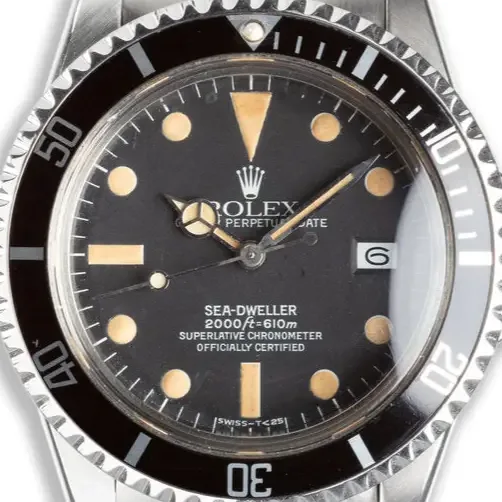
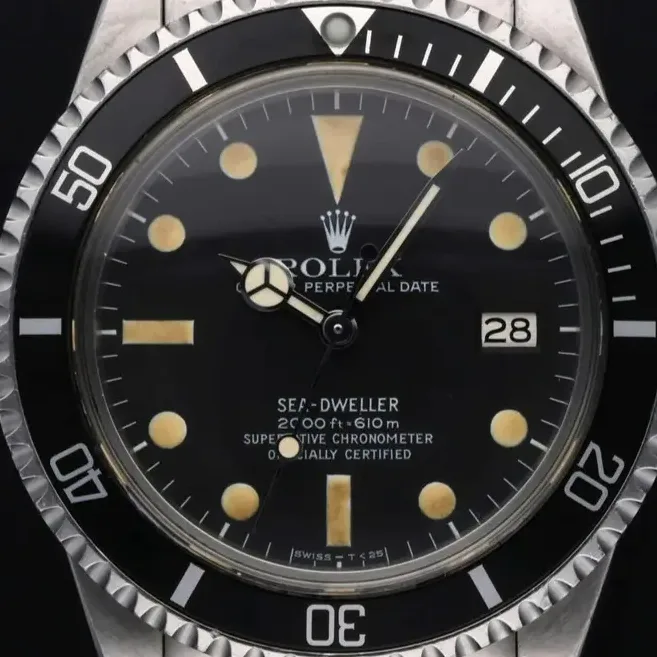
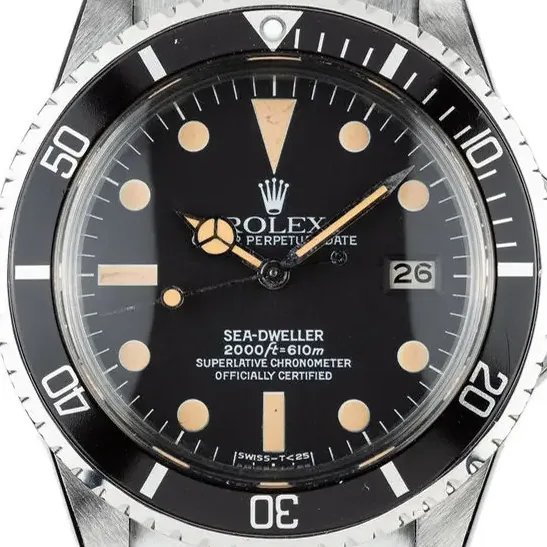
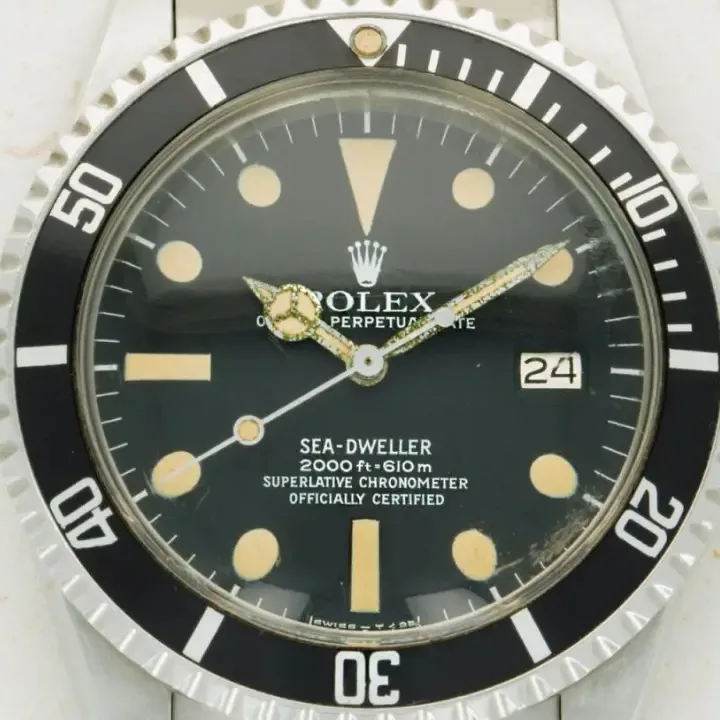
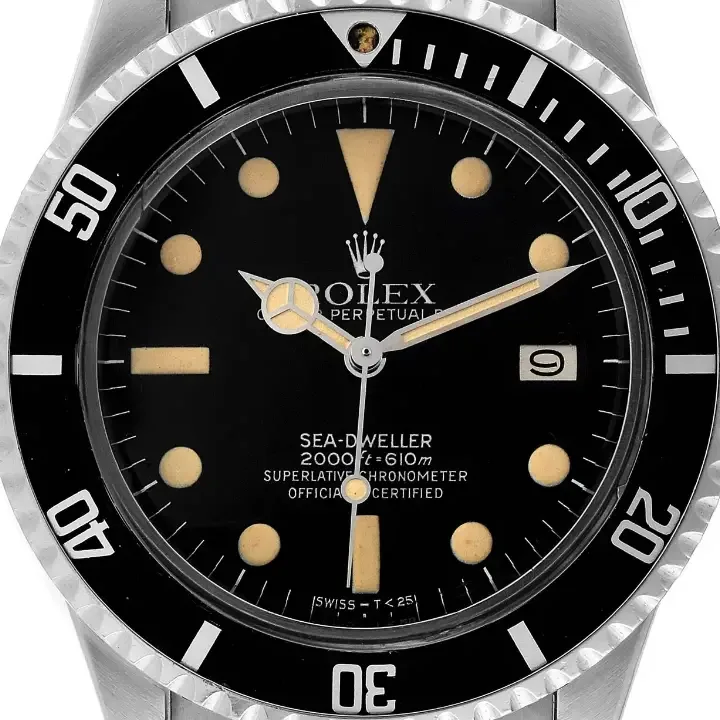
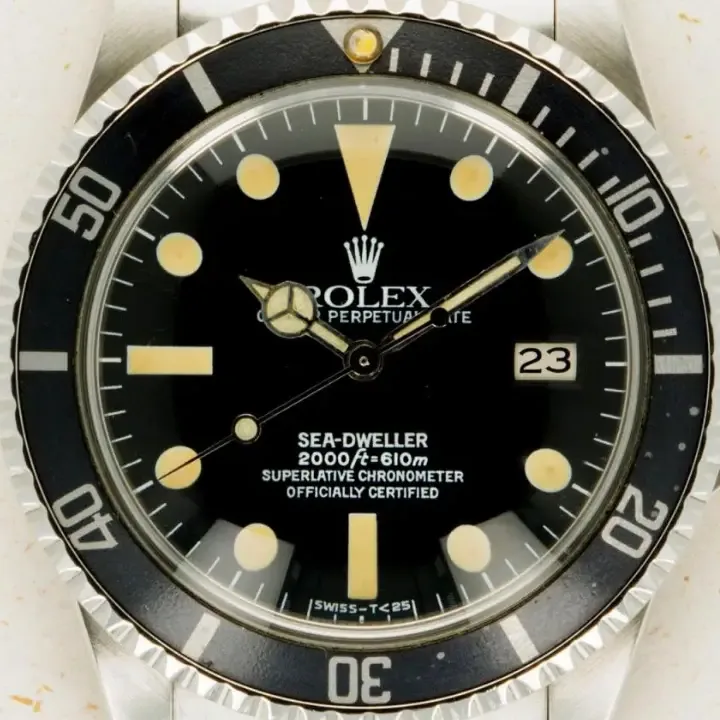
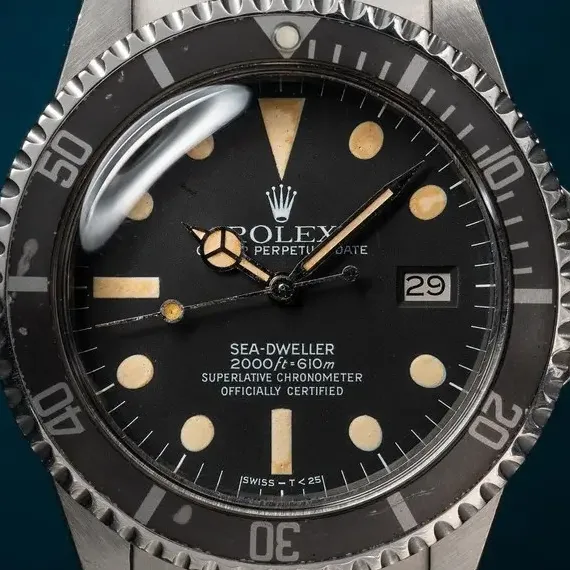
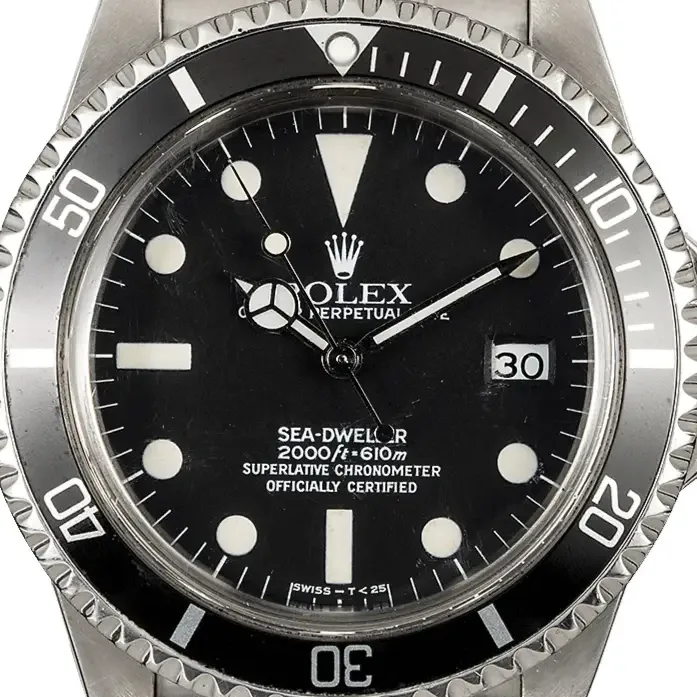





































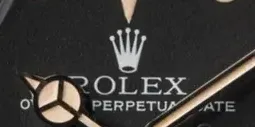












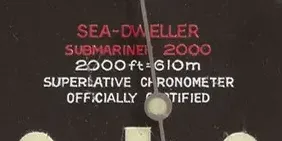

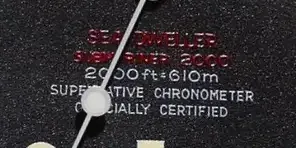





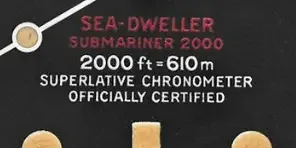

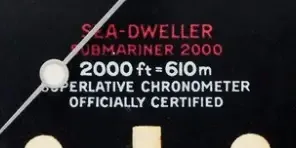


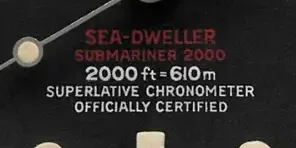

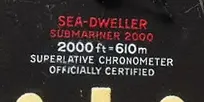
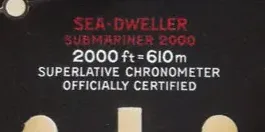


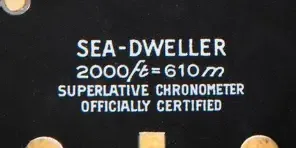
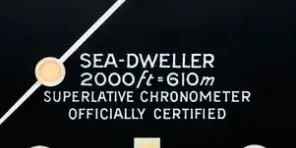
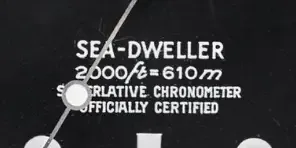
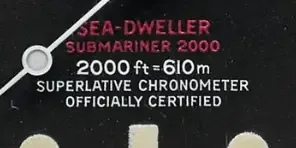

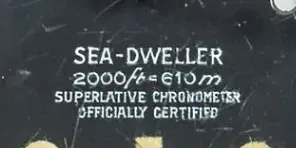
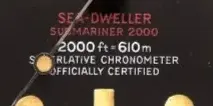
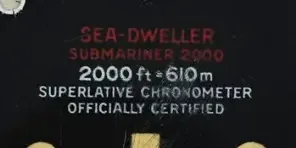
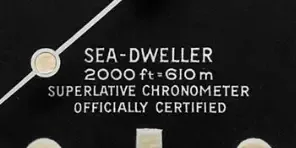
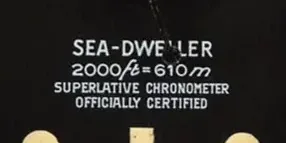
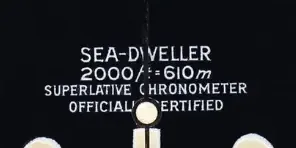
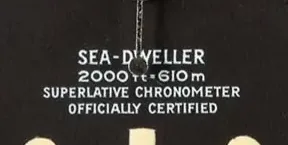
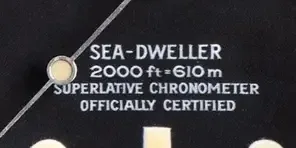

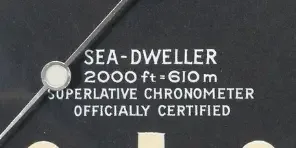
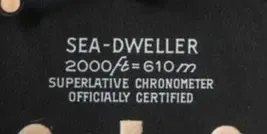
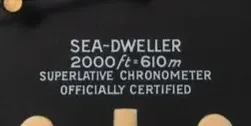
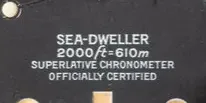
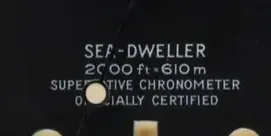

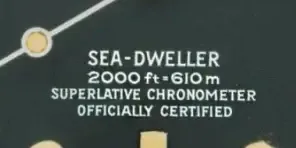
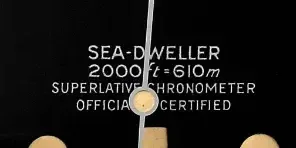

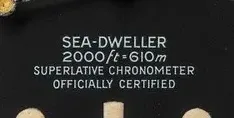
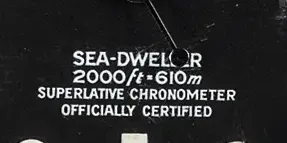
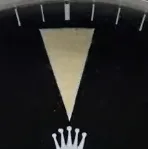


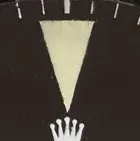
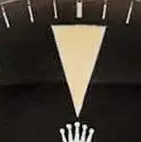
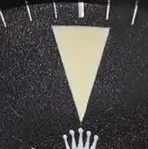

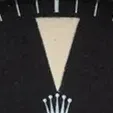
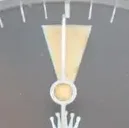
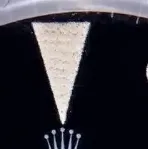

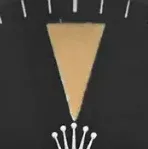
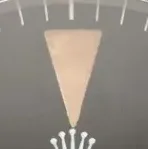
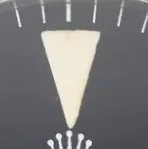

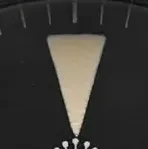
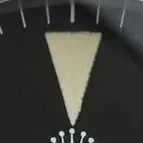
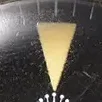
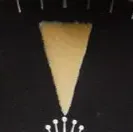

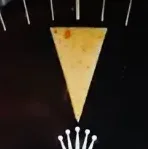
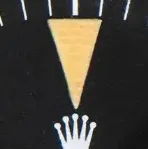

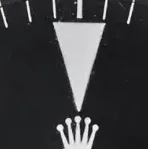
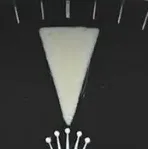
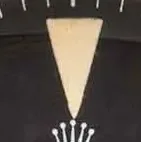
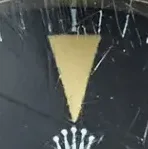
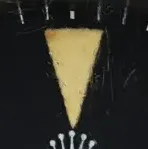
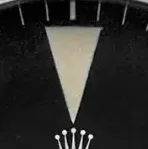
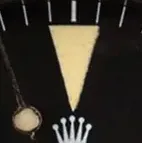
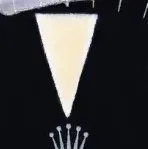
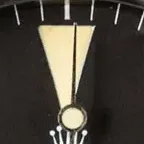
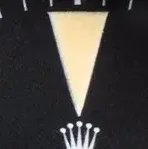
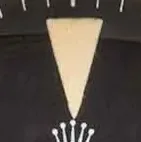


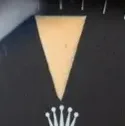

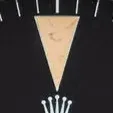
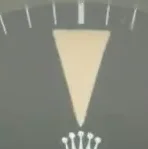
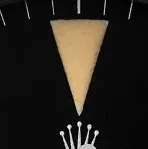
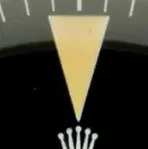

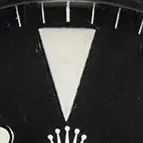
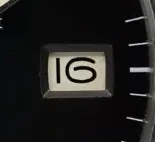
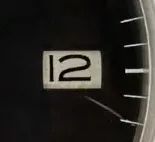
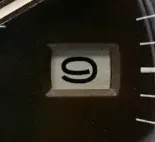
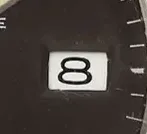

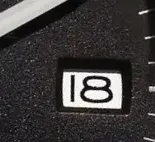
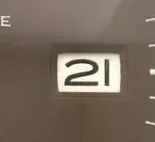
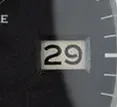


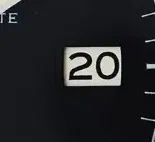
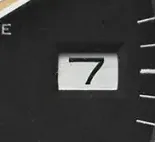
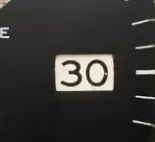
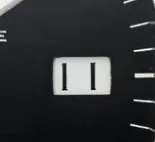
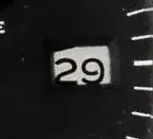
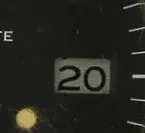
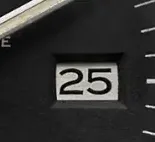
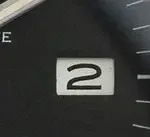
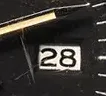
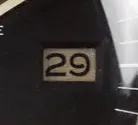
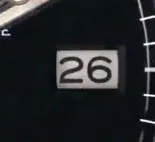

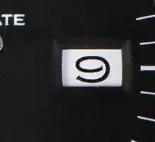
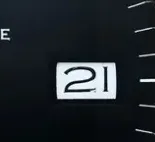
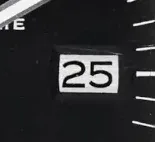
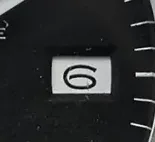
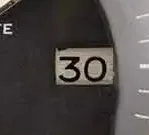
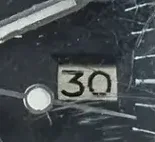

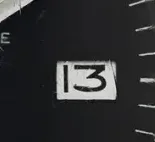
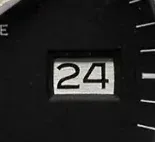
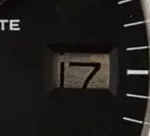
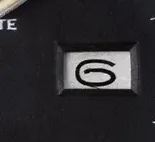
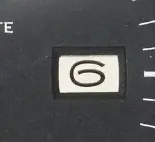
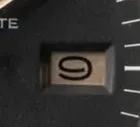
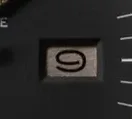

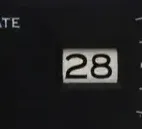
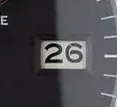
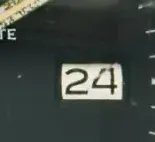
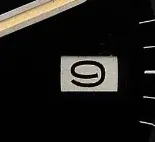

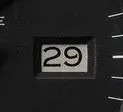
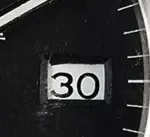


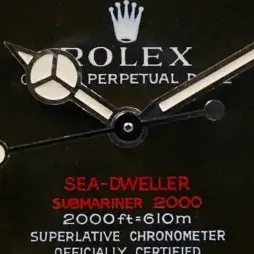

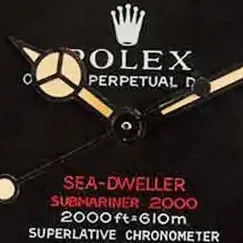
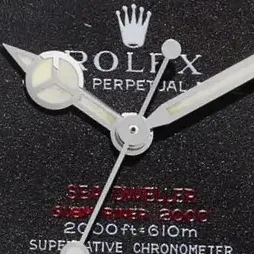
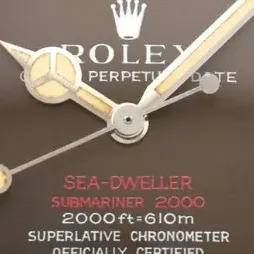
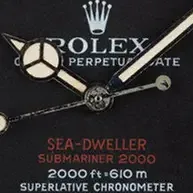
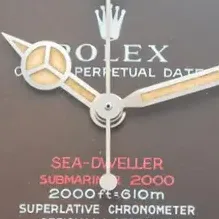
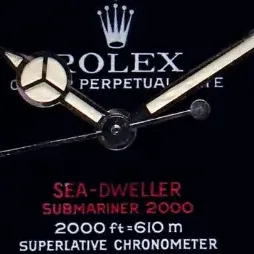

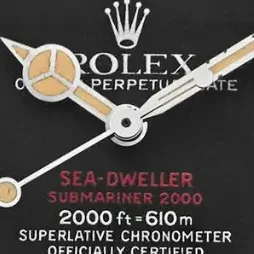
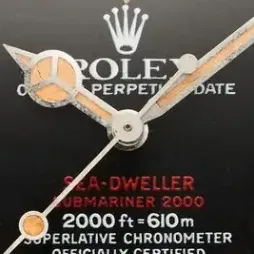
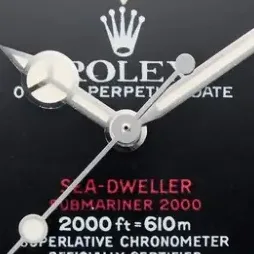
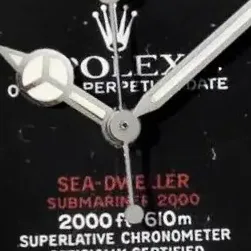
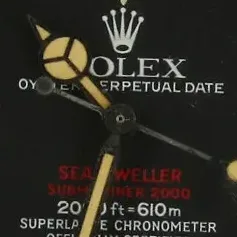
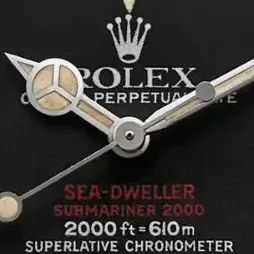
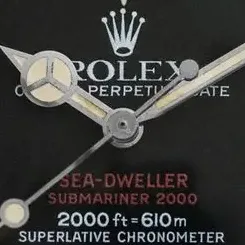
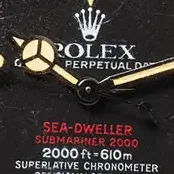


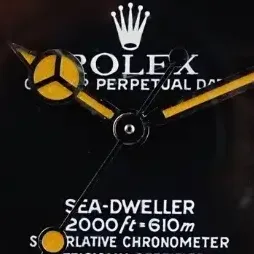
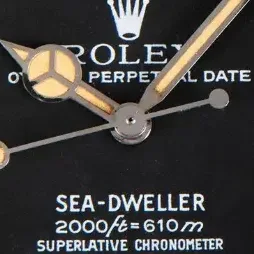
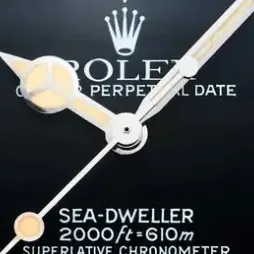
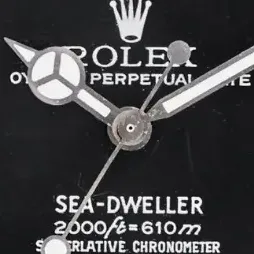
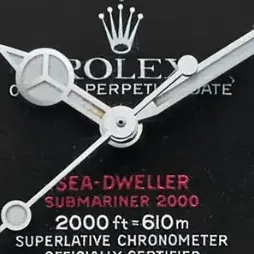

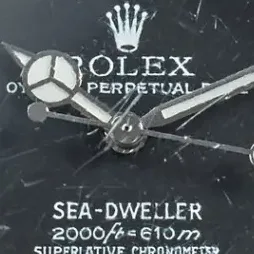
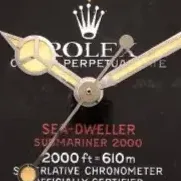
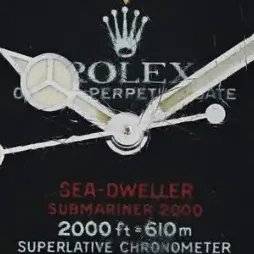
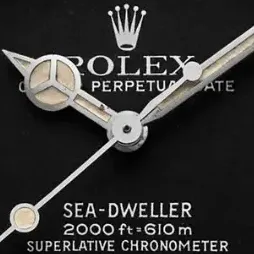
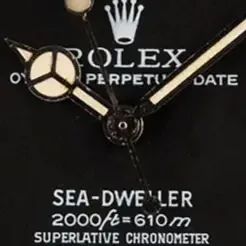
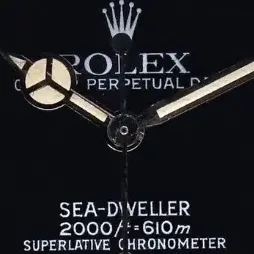

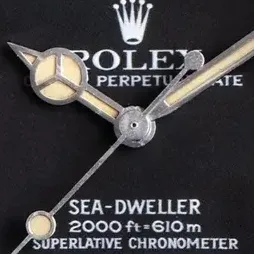

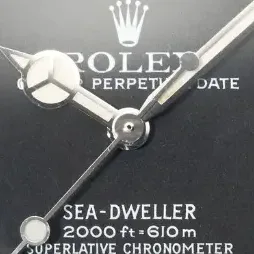
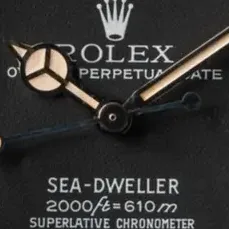
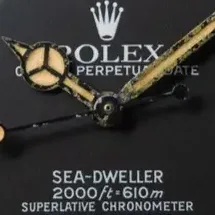
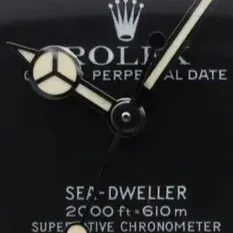

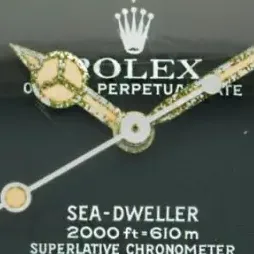
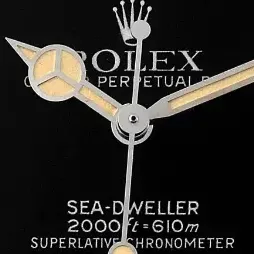
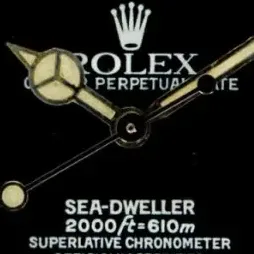
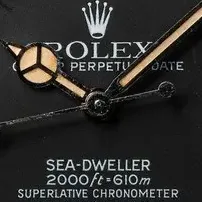
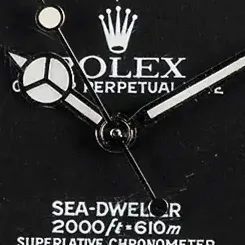




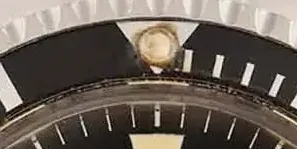
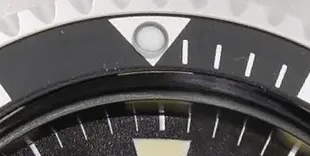

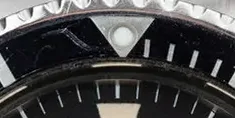

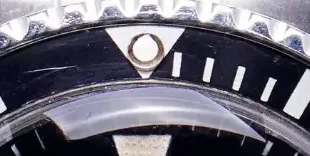
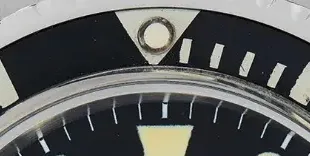
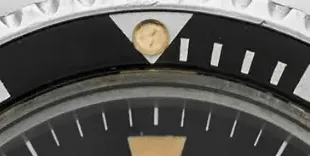
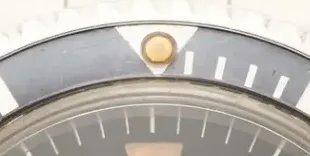

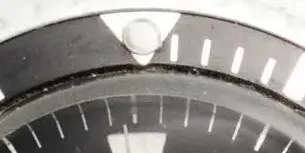
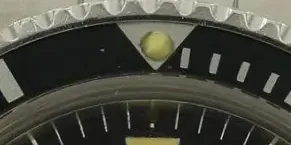
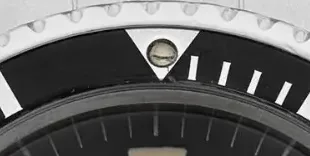


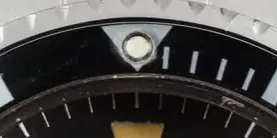


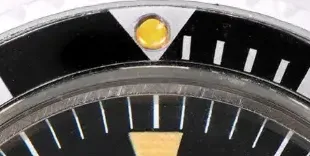

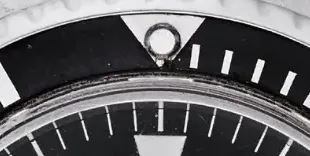
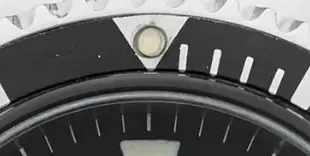
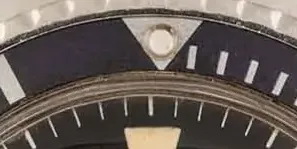

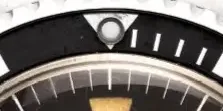

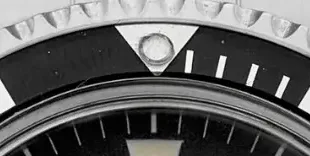
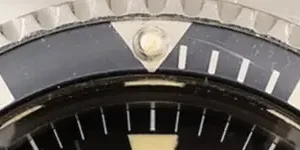
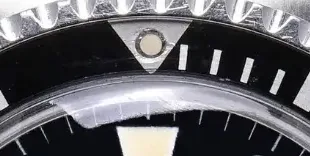
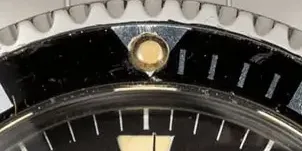
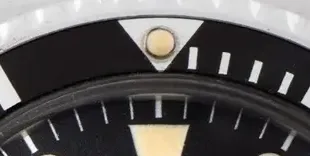
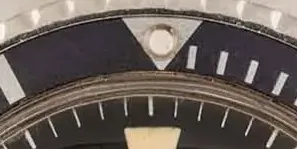
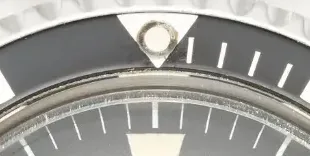
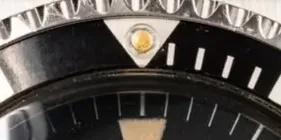
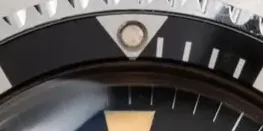
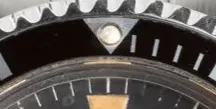

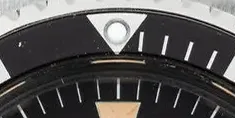

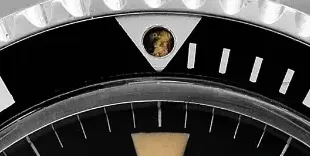
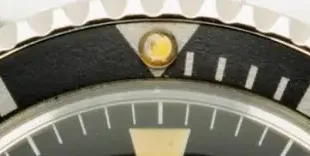
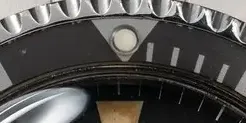
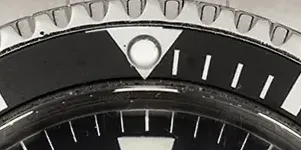
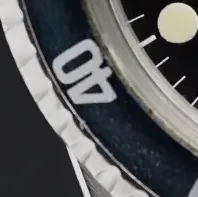
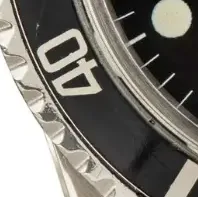
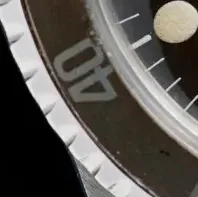
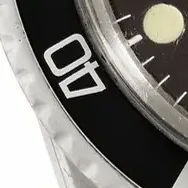
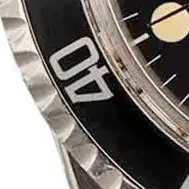
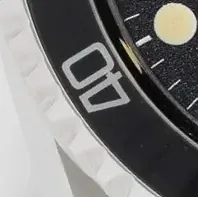
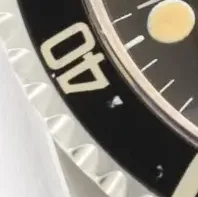
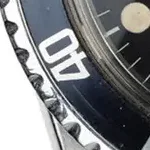
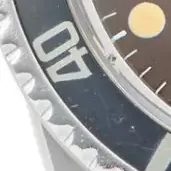
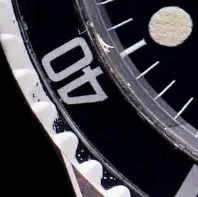

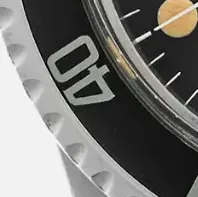

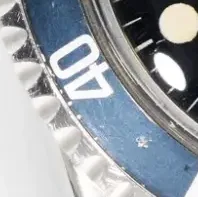
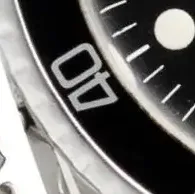
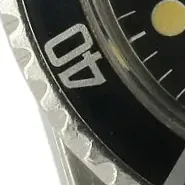
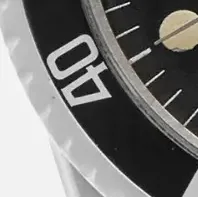
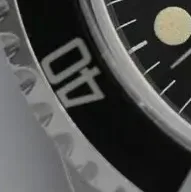
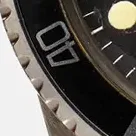
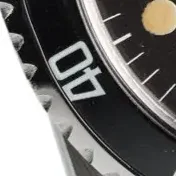
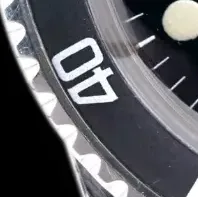
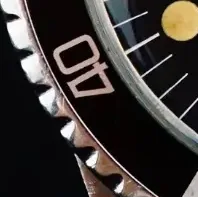
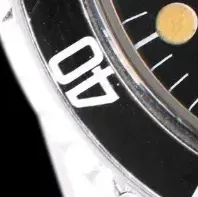
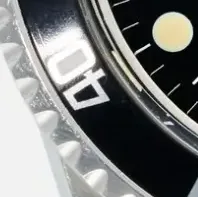
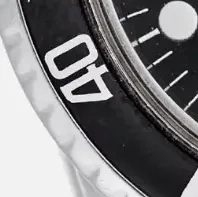
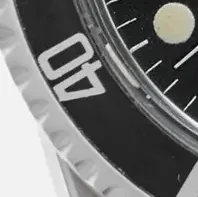
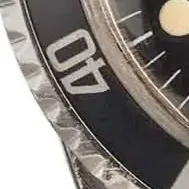
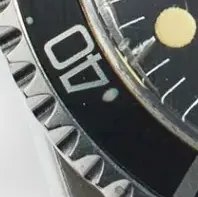
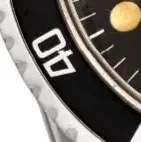
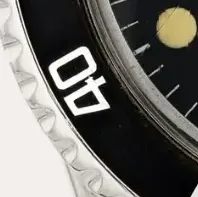
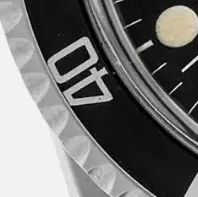
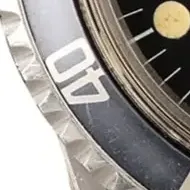
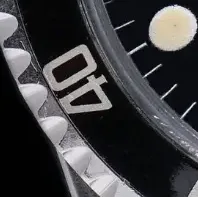
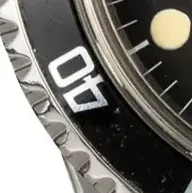
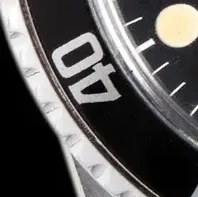
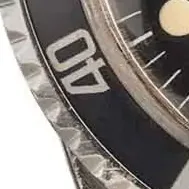
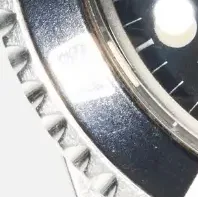
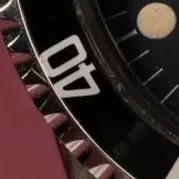
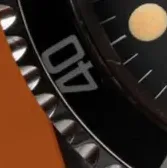
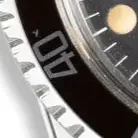

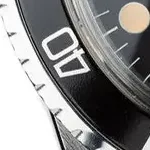
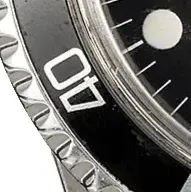
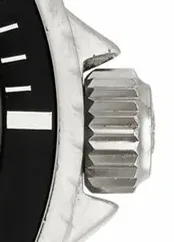
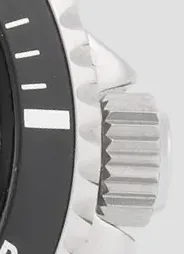
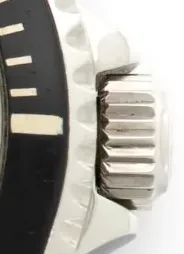
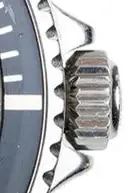
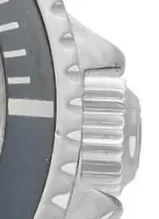
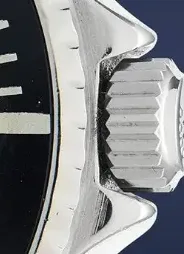

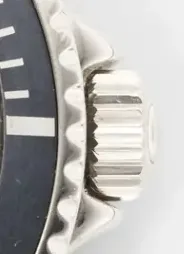
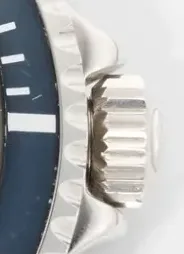
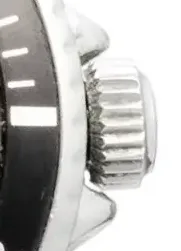
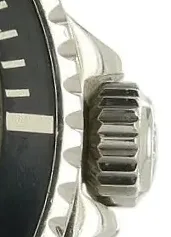
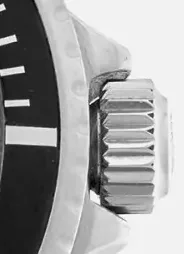
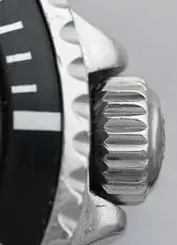
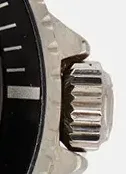
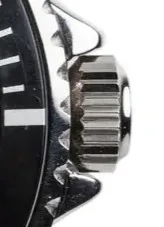
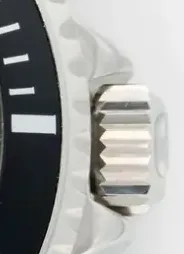
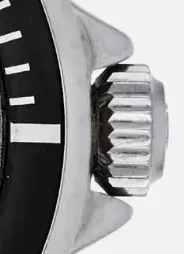
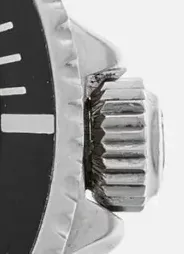
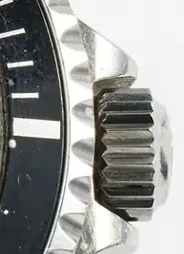
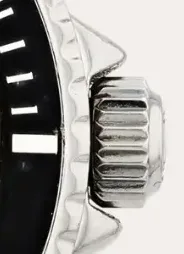
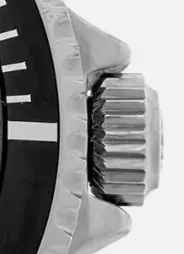
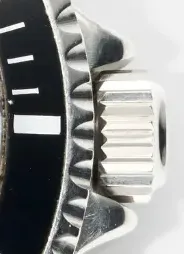
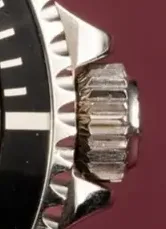
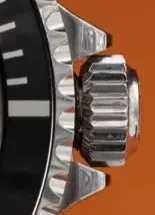
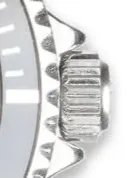
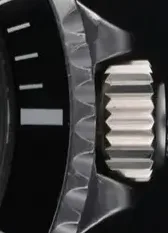
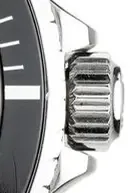
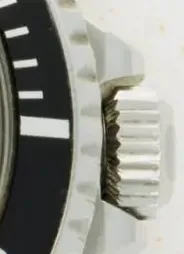
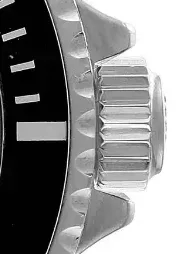
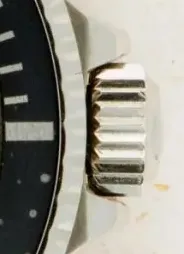
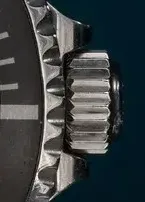

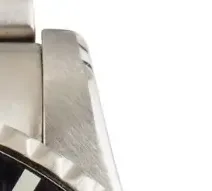

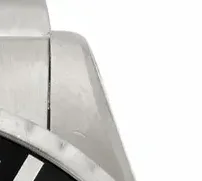
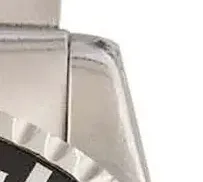


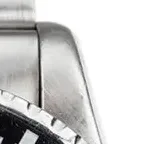
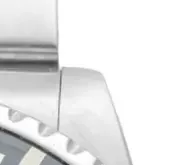
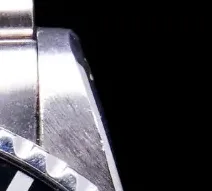
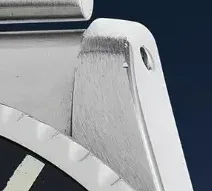








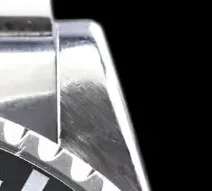



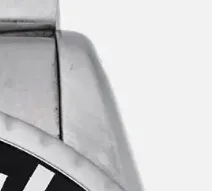

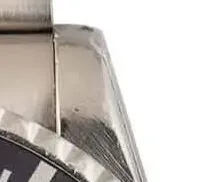
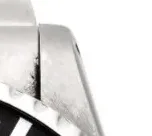

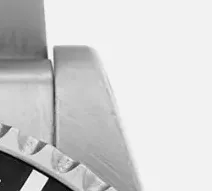
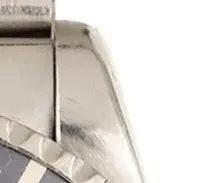
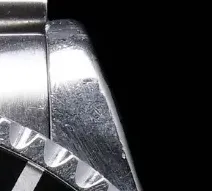
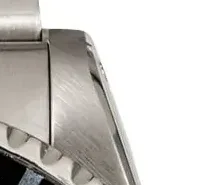

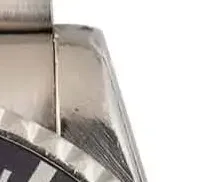

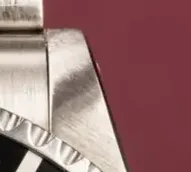

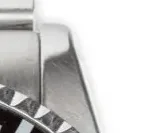

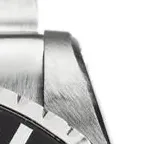

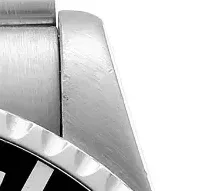

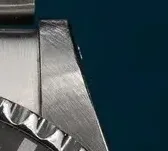
Illustrated history of the 1665: every change set out with close-up photographs of dated watches.
Chronology
Most accounts give about 1967 to 1983, but the public launch and the first batches of valve cases are dated variously between 1967 and 1971; case numbers in the records run from 1967 to 1984.
Every dated variant: what is written, and what the records show
For the reference the marks are every dated watch; for a variant, the watches a seller names as that variant, so a variant sellers do not name has none.
The reference's own marks are dated by case number. A variant's marks use the year each seller states, so a variant can show watches in a year where the row for the reference shows fewer, or none. 63 dated listings fall outside this scale and are not drawn.
Specification
| Case | 40 mm steel Oyster case, about 47 mm lug to lug; thin case on the earliest watches, thicker later, given as about 14.5 mm by one account and over 17 mm overall by another; helium escape valve at 9 o'clock |
| Crystal | Tall domed acrylic, no cyclops; the only Sea-Dweller with acrylic |
| Bezel | Bidirectional 60-minute bezel with aluminium insert and a lume pearl; one account gives it as unidirectional |
| Dial | Matte black, red text on the Double Red, white text on the Great White; tritium lume |
| Hands | Mercedes |
| Crown | Twinlock or Triplock |
| Movement | Calibre 1575, bridge marked 1570: automatic, date with no quickset, 19,800 vph, 42 to 48 hours of reserve |
| Bracelet | Steel Oyster, 9315 folded then 93150, with diver's extension clasp |
| Water resistance | 610 m / 2,000 ft |
Dial 17 described
Dials fall into the Single Red prototypes, the Double Red, with two red lines, and the Great White, with white text only. Mark numbers are used differently by different authorities: some run Mark I to Mark IV as original double red dials, followed by Mark V to VII as service replacements; others run Mark 0 to 4 for the original Double Reds and Mark 0 to 4 again for the Great White. The depth marking, coronet shape, the O under it, and the second line's size separate them. Rolex often replaced dials at service, so the dial must suit the case number.
Single Red
An experimental dial of 1966 to 1967 with SEA-DWELLER alone in red above a white line, SUBMARINER 500 M - 1650 FT, and a larger word Date. Rated 500 m and never sold to the public; fewer than fifteen are known, and the first forty were assembled in April to June 1967, on 1.6M case numbers, without a valve. Dials found on later 1.7M valve-less cases are thought later assemblies.
- one red line only
- 500 m / 1650 ft line
- Mercedes hands, no cyclops
Mark I (Patent Pending)
case numbers 1.6M to 2.2M
The earliest Double Red dial, found only on Patent Pending watches. Matte black, with SEA-DWELLER and SUBMARINER 2000 in equal sizes, red over a white undercoat that has usually faded to pink, a flat-bottomed coronet with the O showing beneath, and 2000ft = 610m in sans serif. About 120 to 300 Patent Pending watches are said to survive or to have been made, from three batches of 1.7M, 2.1M and 2.2M.
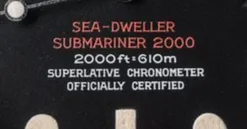
- flat-bottom coronet
- O under the coronet
- faded pink print
18 listings on record under the name.
Mark II
case numbers about 1.6M to 3.5M
Crisp bright red print applied directly, a smaller Submariner 2000 line, distorted coronet spikes and almost no O under the coronet, with a so-called smudge crown at twelve. Matte black dials of this mark often aged to chocolate brown, the tropical dials, especially on 1.7M cases. One account dates it to 1968 and another puts the 1.7M cases in 1971 to 1972; it overlaps Mark I.
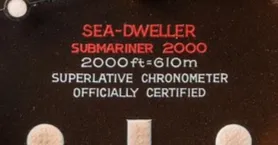
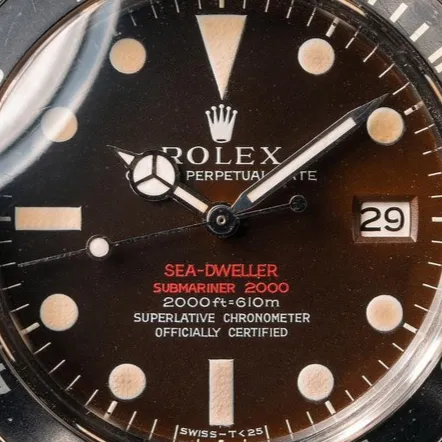
- smaller second line
- distorted coronet
59 listings on record under the name.
Version III (transitional)
Seen on a few authentic watches: Mark II style red print but Mark I's flat-bottom coronet; the second line is spaced so that the D of the top line falls above an R, where other dials have an I.
- flat-bottom coronet with Mark II print
- D over R
Mark III
about 2.1M to 2.5M; 2.6M to 4.1M in another numbering
Settled text printing; the most commonly met early double red dial in one account, with a coronet and direct red print matching the Red Submariner 'close 6s' dials made around 3M, suggesting a shared maker. Fake Red Submariner dials copy that close-six layout and are betrayed by longer coronet spikes.
- settled text printing
- direct red print
- coronet as on Red Submariner close-six dials
Mark IV (Double Red)
case numbers about 3.0M to 5.2M
The commonest Double Red dial and the last made for general production: dotty-looking red print under a loupe, a much larger Sea-Dweller line and a large coronet with sharp spikes and a prominent O. Chips at six, nine and twelve are common from sticking to the case. Another numbering gives the name Mark IV to a 1972 to 1974 dial on about 2.5M to 3.1M cases, marked by a change in the weight of the depth text.
- large top line
- big coronet with O
- dotted red print
Mark V to VII (service dials)
Later Rolex service replacements, not original production: Mark V has red lettering, Luminova markers, italic ft and m and a coronet resembling Mark II's; Mark VI is the white Sea-Dweller dial with only the word SEADWELLER overpainted red, found on serviced watches, and may or may not be a factory application; Mark VII, issued from early 2008, has two red lines printed directly, a Deep Sea style coronet and italic depth text. One account instead dates Mark V to 1974-77 and treats VII as the last double red.
- Luminova markers
- italic ft and m
- only SEADWELLER in red (VI)
Luminova white replacement
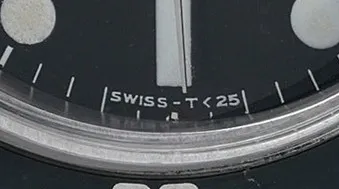
The Mark VI dial without the red overprint: all text white, Luminova markers and SWISS at six, with print that looks crude and blotted at 10x. Service-fitted around 2004. SWISS at six without T < 25 generally points to a late service dial.
- all-white text
- blotted print under a loupe
- SWISS at six without T < 25
Great White Mark 0
The first all-white dial of about 1977: Sea-Dweller line longer than the depth line below it, and a closed 6. Called the rarest of the Great Whites.
- long Sea-Dweller line
- closed 6
Great White Mark I
An open 6 and a shorter Sea-Dweller line aligned with the line below.
- open 6
- aligned lines
Great White Mark II (rail dial)
The C of Chronometer lines up with the C of Certified, with an italic depth font, longer minute marks and tritium reading T SWISS T < 25. Named as the most prized Great White; non-rail ones read SWISS - T < 25. Dated watches that sellers describe this way fall mostly between 1978 and 1979; those are the years of the watches so described, which is not a stated span of production.
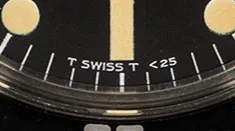
- C over C
- italic depth text
66 listings on record under the name.
Great White Mark III
Slightly different font, and the rail alignment is lost.
- different font
- no rail alignment
Great White Mark IV
Differs in small letter details: the position of the second S of Swiss, and the shapes of the 6, F and R of Chronometer.
- shifted S in Swiss
- 6, F and R shapes
COMEX
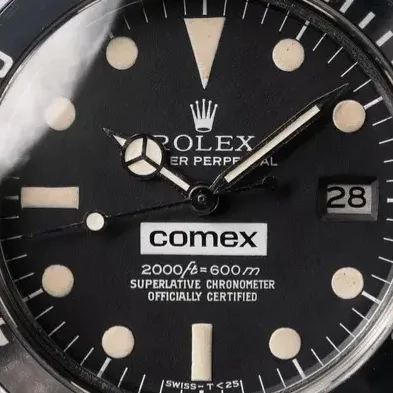
About 300 watches issued to divers and officials by COMEX, delivered about 1977 to 1981 (one account says 1980). The dial replaces SEA-DWELLER with COMEX in black on white, is a rail layout, has a shorter coronet, SWISS - T < 25, and DATE missing from the line under ROLEX; the depth reads 2000ft = 600m. Service replacements show 610m on a later glossy white dial; the original dial is called the Pisani dial. An issue number is engraved on the caseback.
- COMEX logo
- 600 m rating
- no DATE in the line
- issue number engraved outside the caseback
Khanjar / Qaboos
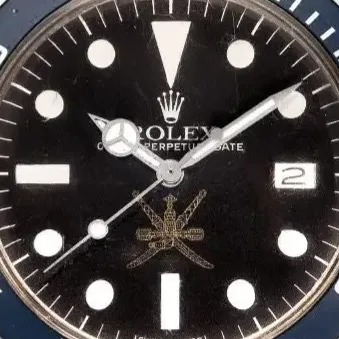
Special orders for the Sultan of Oman carry the Khanjar crest and the Qaboos signature; other Middle Eastern royal orders have crests too.
- Khanjar crest
- Qaboos signature
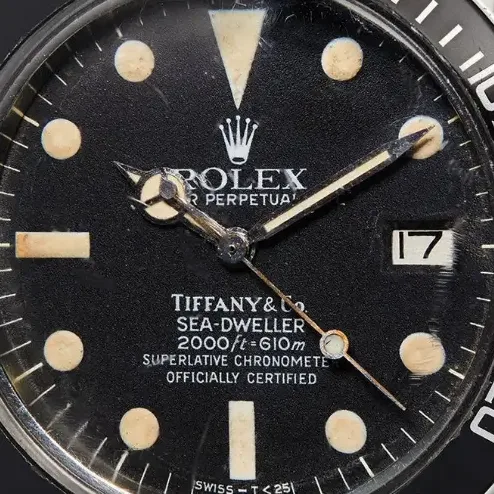
Tiffany & Co. signed
Dials signed Tiffany & Co. appear in seller descriptions. Dated watches that sellers describe this way fall mostly between 1978 and 1981; those are the years of the watches so described, which is not a stated span of production.
- Tiffany signature
Patent Pending prototype Double Red
case numbers 2.11M to 2.24M
One account states that 300 prototype Double Reds of 1969 were made in three batches of 100, with Mark 1 dials in two and Mark 2 in the third, rated 2000ft/610m, on cases near 2.11M, 2.12M and 2.24M, many passed to divers before the mid-1970 launch.
- Patent Pending caseback
Luminous material 2 described
Original dials use tritium. Anything with Luminova has been serviced.
Tritium
Tritium on dial and hands, aged to cream or pumpkin; early dials have large painted tritium indices.
- warm aged plots
Luminova replacement
Luminova markers show a service dial; original dials use tritium only.
- bright white markers
Hands 1 described
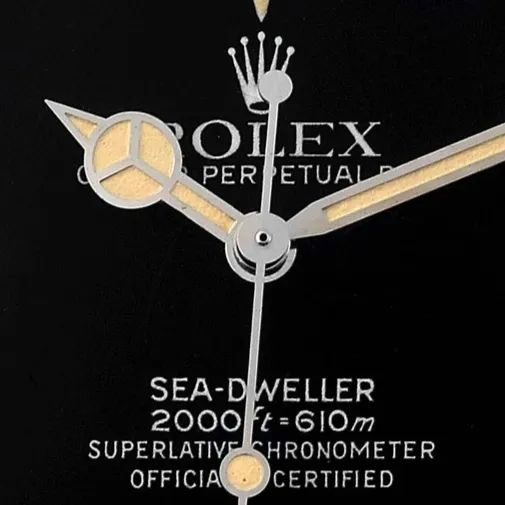
Hands are Mercedes on prototypes and production alike; their lume colour should match the dial.
Mercedes
Mercedes-pattern hands on both Single Reds and Double Reds; they should have aged with the dial, and replaced sets are common.


Bezel 2 described
The bezel is aluminium with a 60-minute scale and a lume pearl, and the insert sits taller than the Submariner's, about 3 mm against 2 mm. Original inserts often fade to grey, blue or charcoal.
Fat font insert
The original heavy numeral style, often faded; some sellers also describe a smooth domed insert.
- thick numerals
- faded to grey, blue or charcoal
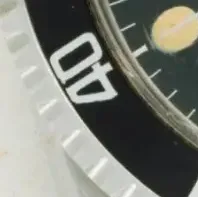
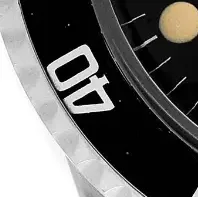
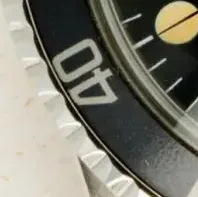
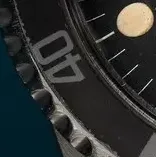
Kissing 40
A hooked-5 insert where the 4 touches the 0 at 40 from a worn print plate. Dated watches that sellers describe this way fall mostly between 1972 and 1976; those are the years of the watches so described, which is not a stated span of production.
- 4 touching 0
- hooked 5
Case 7 described
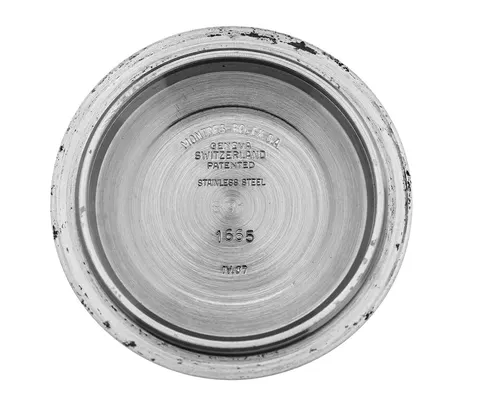
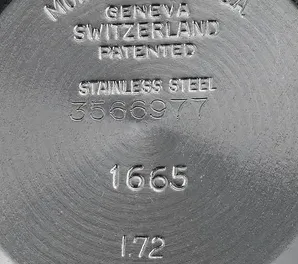
The case is 40 mm, with a mid-case thicker than a Submariner's. There are thin and thick profiles, and caseback types track dials and serial ranges. The interior engraving of model 1665 and the case number must agree with the case.
Thin case
case numbers 1.6M to 2.2M
A thinner, Submariner-like case on roughly 1.6M to 2.2M numbers.
- slimmer profile
Thick case
case numbers from 2.2M
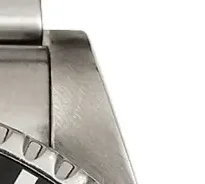
A thicker case from about 2.2M, with thick lugs and crown guards; one account dates a new thicker case, stamped I.72, to early 1972. Thick lugs with bevels are valued; pointed lugs show over-polishing.
- thick lugs
- thicker case profile
Type 2 Patent Pending caseback
case numbers about 1.7M to 2.2M
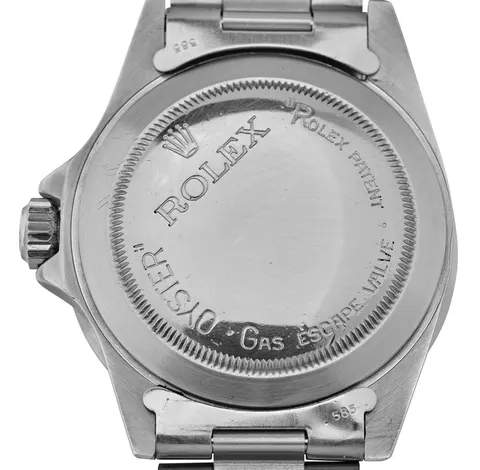
Flat, with Oyster Gas Escape Valve (Patent Pending) engraved outside, the Rolex coronet across the back and a quarter and year stamp that is often poor. Early casebacks are said to show the last three case digits inside, but one account says genuine 1.7M cases lack them, so such digits there are a warning sign. Casebacks stamped IV.67 were reused on batches up to about 2.9M, so the stamp does not date a watch to 1967; II.67 is on Single Reds.
- Patent Pending outside
- IV.67 stamp
- no case digits inside 1.7M
Patented caseback
case numbers from 2.6M
Casebacks read Patented after the patent was granted in June 1970, from the 2.6M batch. One account says Rolex Patent Oyster Gas Escape Valve appeared from 1968.
- Patented engraving
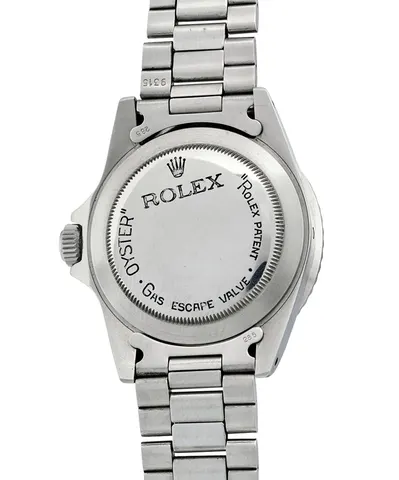
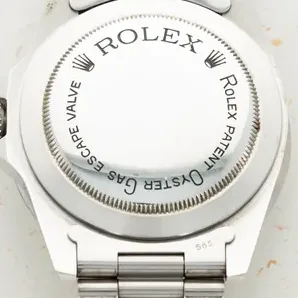
Type 1 standard caseback
Flat, ROLEX across the outside, the full serial and 1665 inside; early ones show the last three digits only. A quarter stamp such as II 72 may be present.
- flat
- ROLEX across back
- stamp like II 72
Transitional caseback
case numbers 5.1M to 5.2M
A few 5.1M to 5.2M double reds have ROLEX written around the back, and some have the curved caseback of the white Sea-Dweller with the full serial inside; the latter is debated and the dial must be checked on such watches.
- ROLEX around the back
- curved back
Type 3 rounded caseback
Rounded profile, usually on Great Whites, with the Rolex name curving along the fluting rather than in a straight line; domed to a soft point with deep engravings naming the gas escape valve. Stated as factory-correct on some double reds up to about 5.2M.
- domed to a point
- name curved along fluting
Crown 2 described
Crowns are Twinlock or Triplock.
Patent Pending crown
Triplock without the external rubber ring in the tube and no line or dots beneath the coronet.
- no dots under coronet
- no external O-ring
Triplock
Sellers describe Triplock crowns on many watches. Dated watches that sellers describe this way fall mostly between 1974 and 1979; those are the years of the watches so described, which is not a stated span of production.
- Triplock crown
Crystal 1 described
The crystal is a tall domed acrylic with no cyclops, the last acrylic in the Sea-Dweller line.
Domed acrylic
Tall T39 Tropic acrylic dome; one account says superdome throughout, and sellers use both terms. The Patent Pending watches carry a high dome.
- tall dome
- no cyclops
Date 1 described
The date has no quickset, unlike the 16660.
Date wheel
A silver date wheel on the Great White, with no cyclops; some sellers describe open six and nine numerals.
- silver date wheel
Movement 1 described
The movement is always calibre 1575, the date version of the 1570, with bridges marked 1570. It was also in the 1675, 1655 and 1680.
Calibre 1575
Automatic with Triplock crown, 19,800 vph, 25 or 26 jewels and 42 to 48 hours of reserve, chronometer certified, no quickset. One account says the serial restarted after a million in Q3 1971, with a redesigned balance cock afterwards.
- bridge marked 1570
Bracelet 2 described
The bracelet is a steel Oyster with a diver's extension clasp.
9315
Folded links, with end pieces 280 or 380; the extension may read Pat. Pend. on Patent Pending watches, which is desirable but not required, though clasps from 1970 read Patented.
- folded links
- 380 ends
93150
Flip-lock clasp with wetsuit extension, 580 end links and 585 on the Great White.
- 580 or 585 ends
Box and papers 1 described
Original sales sets are documented.
Full set
Inner and outer boxes, green tags, a booklet with the full serial, and a chronometer tag and certificate; sellers cite punched guarantees and service papers.
- green tags
- booklet
Originality
- Rolex often replaced original dials at service, so dial and hands should have aged together and the dial generation must match the case number.
- Luminova markers, or SWISS alone at six without the T < 25 of the tritium dials, show a service dial.
- Under a 10x loupe original dials show crisp letters; replacements are blotted.
- Caseback interior serial and 1665 must agree with the case; a mismatch is a serious fault.
- Bezel inserts are often replaced; originals fade to grey, blue or charcoal.
- Pointed lugs betray polishing.
- Dials swapped between double reds and early white Sea-Dwellers occur.
Names
- Double Red. Two lines of red text, SEA-DWELLER and SUBMARINER 2000.
- DRSD. Short for Double Red Sea-Dweller.
- Great White. The all-white dial text of about 1977 onward.
- Single Red. Only SEA-DWELLER is in red.
- Rail dial. The C of Chronometer lines up over the C of Certified.
- Tropical. A matte black dial aged to brown.
- Double pink. Faded red lettering.
- Pisani dial. The original COMEX dial.
Where accounts differ
Points on which the published literature and the library's own records do not agree, or on which the literature contradicts itself.
- Start of production. Most guides give 1967; one account dates the first valved Double Reds to 1969, regular launch to 1971 and dated advertising to November 1970, and says the 1.7M cases were finished in 1971 to 1972. Another puts regular double red production at 1971 to 1977. Records show case numbers from 1967.
- Dial mark numbering. One account numbers Mark I to VII as double red dials and gives serial ranges; two others run Mark I to IV for original double reds with later marks as service dials. The caseback and serial ranges also differ between sources.
- COMEX dates and depth. One account states 1977 to 1981 in one place and 1977 to 1980 in another; two others say 1977 to 1981.
- End of production. Most guides end the 1665 in 1983; one account says the Double Red ended about 1977 to 1978, with catalogue photographs to 1979. Case numbers in the records run to 1984.
- Bezel direction. One guide gives the 1665 a unidirectional bezel; two others call it bidirectional, and a history of the model says the unidirectional bezel came with the 16660.
Back and movement
From listings of this reference, each confirmed by eye to show what it is filed under. A picture on which a person's name or a personal engraving can be read is not shown. From most holders a detail from the middle of the photograph is shown; the mark in its corner gives its holder and a link to the listing.
Caseback



Inside the caseback


Movement
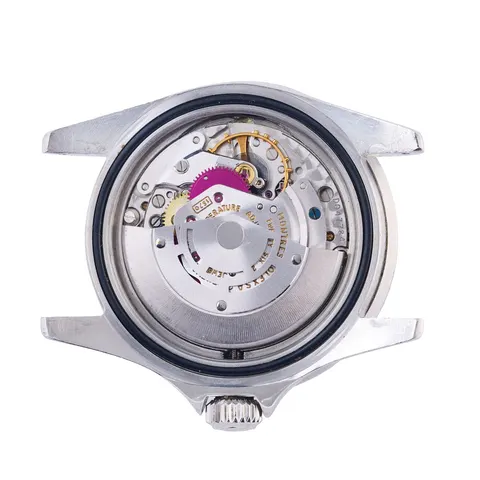

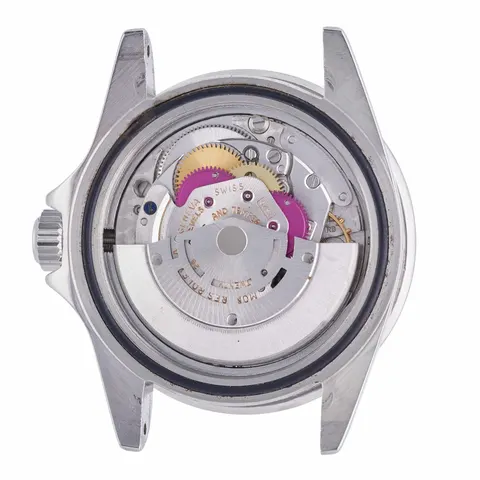


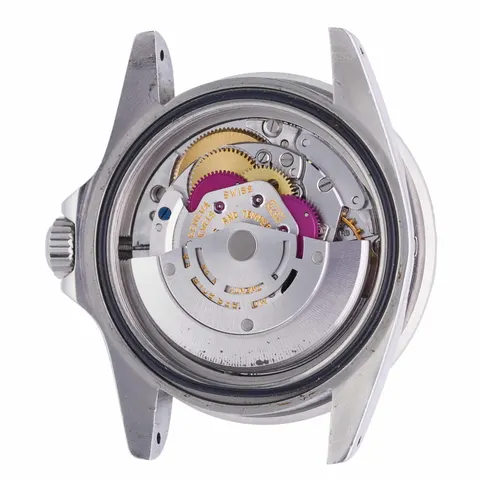

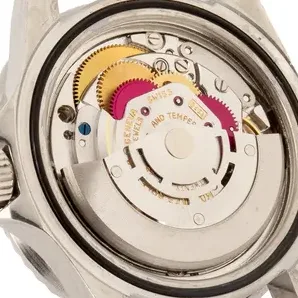

Catalogue versions 1 listed
The full numbers under which holders list this reference, with what their listings say of each. Each has a page of its own.
| Version | Metal | Dial | Years seen | Records |
|---|---|---|---|---|
| 1665/0 | Steel | Black | 1978–1979 | 3 |
In the records
Counted from 802 listings at 58 holders between 16 October 2005 and 14 November 2026. These are what sellers and auction houses state, not measurements.
Fainter bars are the 28 outside the main run of 1968–1981 (the middle nine-tenths): the earliest is 1967 and the latest 1984. They are early and late examples, and now and then a number misread.
At the holders that record papers on every watch, 24% of their 41 listings of this reference come with papers; at those that record the box on every watch, 40% of 62 come with a box. "Papers" is whatever the holder counts as papers, and can include service papers.
3 listings dated long after the reference ended are set aside and not counted here: a year that late belongs to a later watch sold under the old number, or to a listing filed under the wrong one.
Case metal
| Steel | 464 |
Dial colour
| Black | 220 | |
| Brown | 28 | |
| Red | 16 | |
| White | 11 | |
| Cream | 3 | |
| Gold | 1 |
Case size
| 40 mm | 295 | |
| 39 mm | 45 | |
| 42 mm | 4 |
Calibre named
| 1570 | 287 | |
| 1575 | 15 | |
| 1520 | 4 | |
| 1530 | 2 |
Bracelet or strap
| Oyster bracelet | 338 | |
| Metal bracelet, kind not stated | 51 | |
| Leather strap | 2 | |
| Rubber strap | 1 | |
| Fabric strap | 1 |
Each table counts the listings that state the thing, in the seller's own terms. A size, metal, colour or calibre that cannot belong to this reference is a seller's slip or a listing filed under the wrong number.