Milgauss
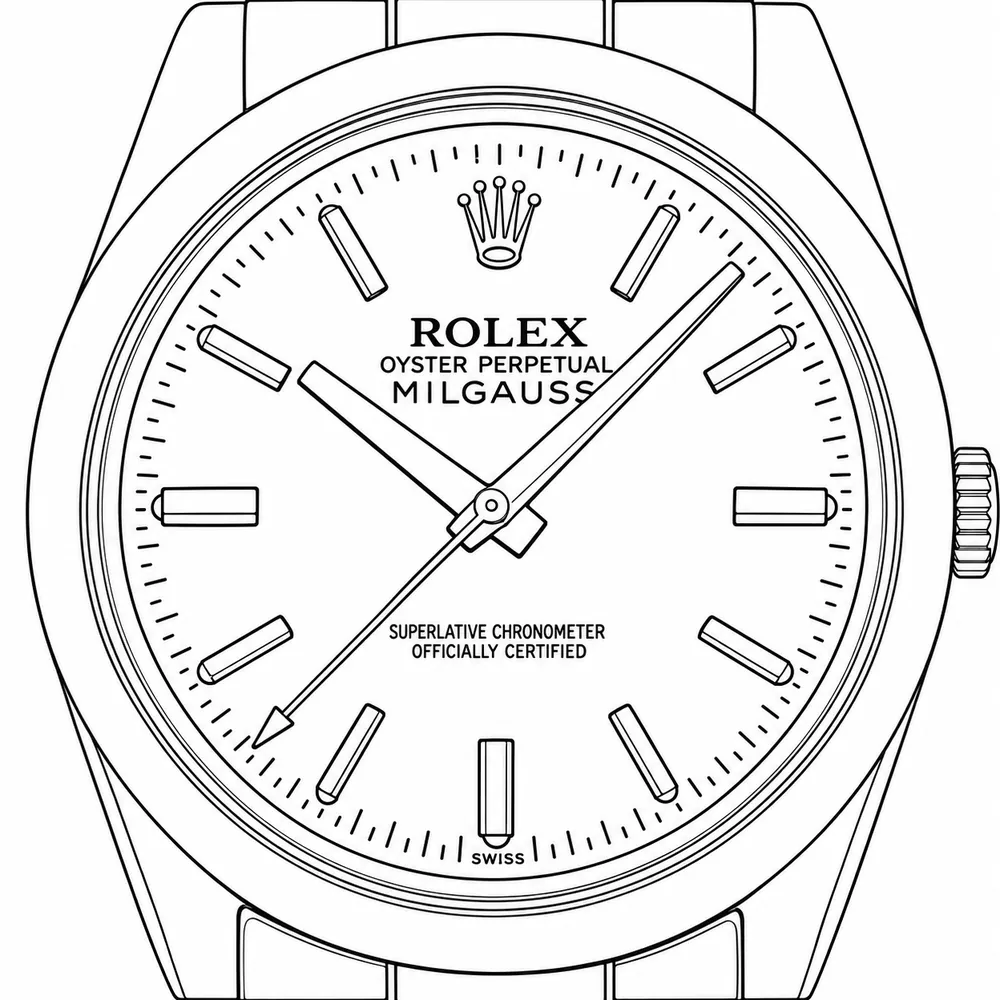
The 1019 is the second-generation Milgauss, a 38 mm steel antimagnetic Oyster introduced in 1960 and withdrawn in 1988, after which the Milgauss was absent for almost two decades. It replaced the 6541, dropping the rotating bezel, honeycomb dial and lightning-bolt seconds hand for a smooth fixed bezel, plain baton markers and a straight seconds hand with a small red arrowhead. The calibre 1580 sits inside a soft-iron Faraday cage. It is rated to 50 metres. Collectors look first at the dial: black or silver, with red MILGAUSS, and the rare no-lume CERN dial, square lume and black dials with silver print.
- Made
- 1960–1988dates approximate
- Seen in the library
- 1967–1979by case numbers
- Case
- 38 mm · steel (96%)as sellers state
- Movement
- Calibre 1580automatic
- On record
- 193 listings503 photographs · 33 holders
Components
41 watches, oldest first, each straightened and cut the same way so that one row shows one component across them all. Chosen from 503 photographs on file for sharpness and for a face typical of the reference. A year marked c. is one its holder gives only roughly. Each picture is a detail cut from a listing photograph. Select the small mark in its corner for its year, its holder, a link to the listing it came from, and a way to report it.
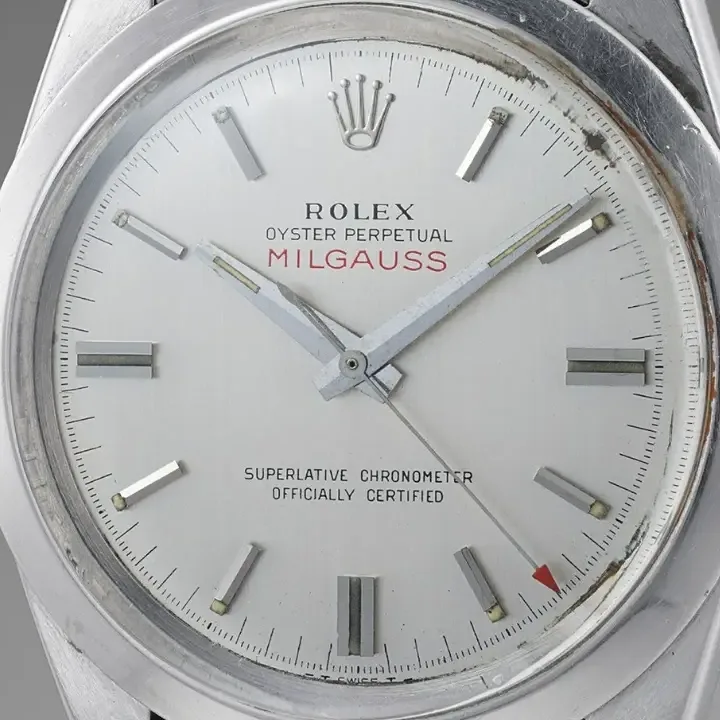
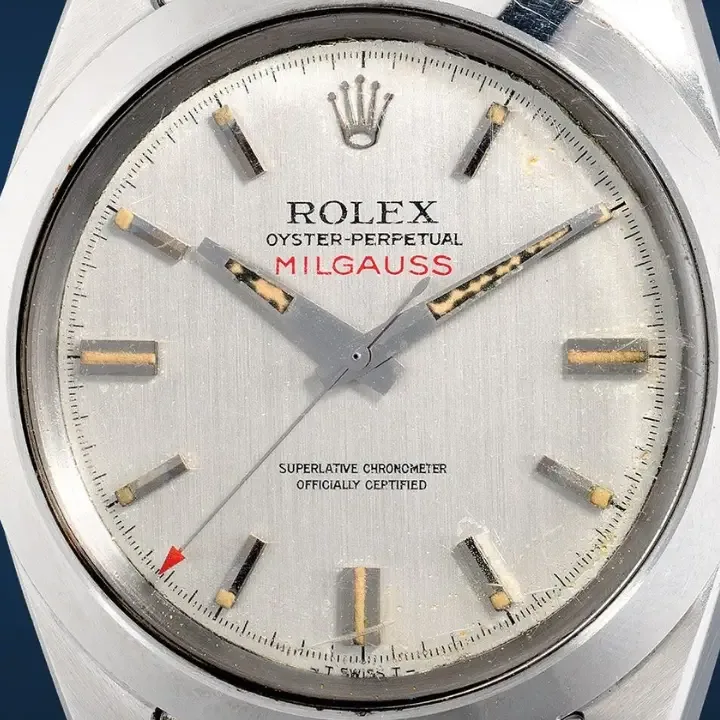
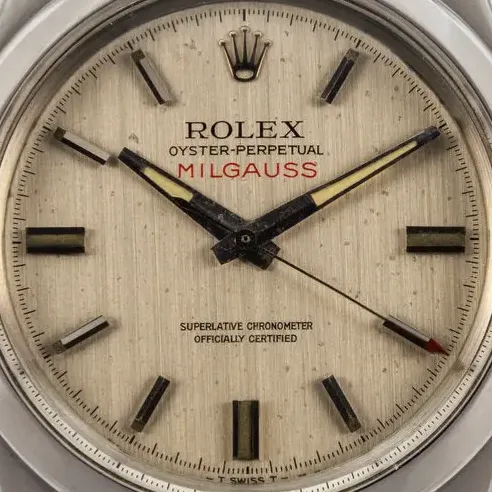
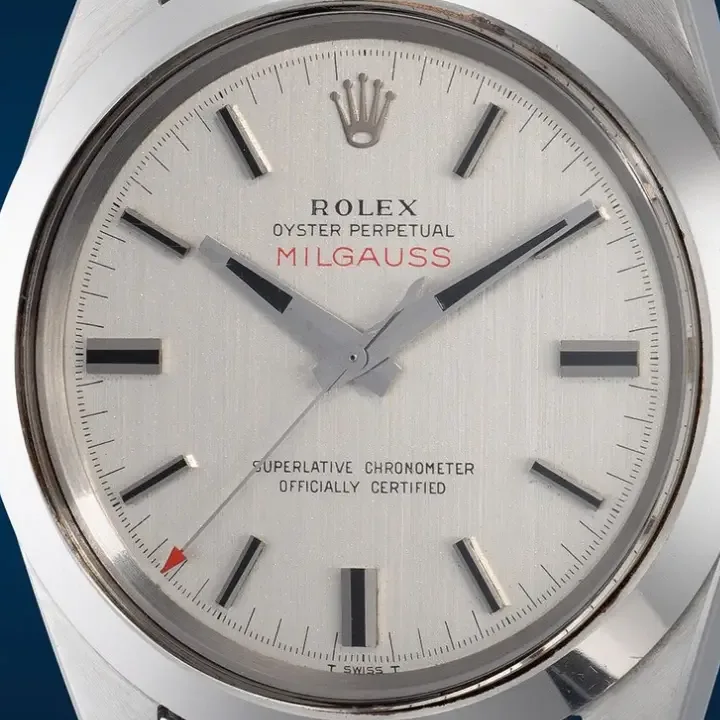
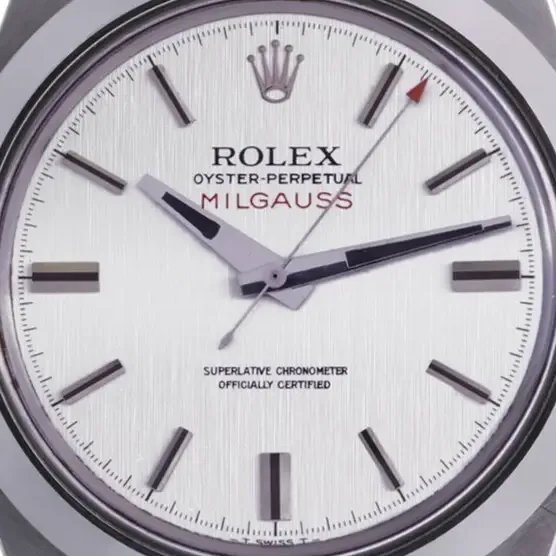
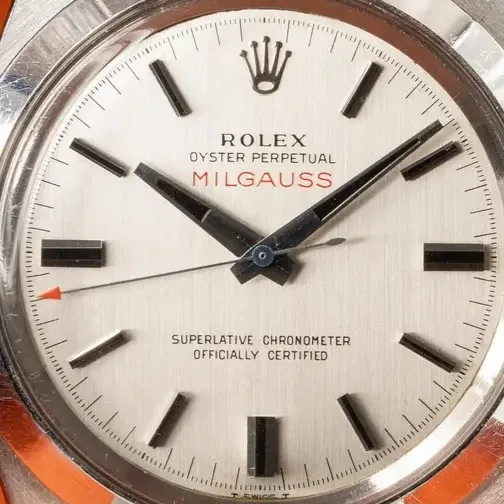
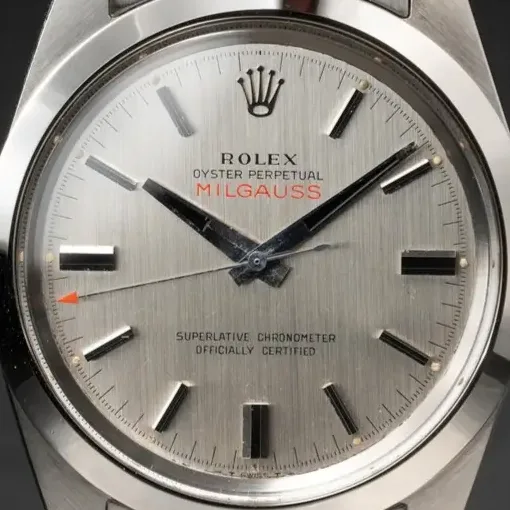
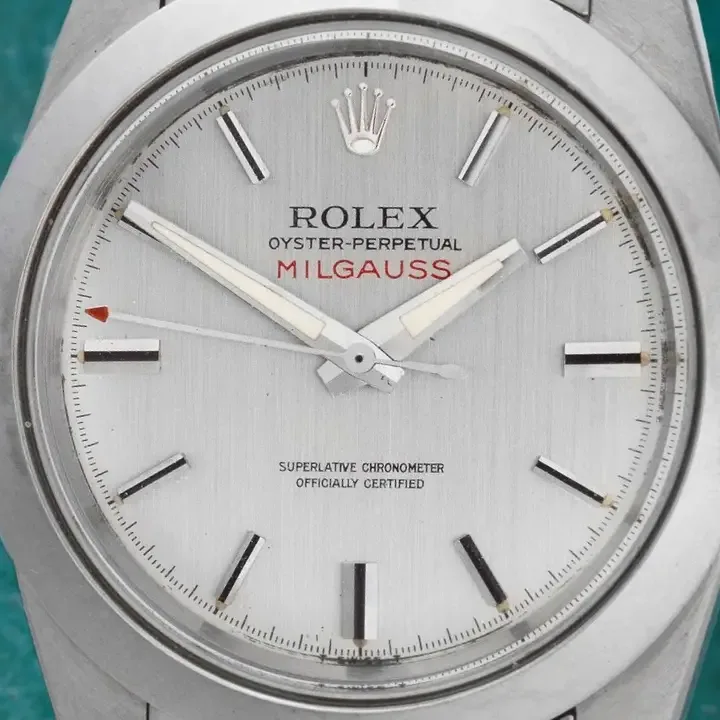
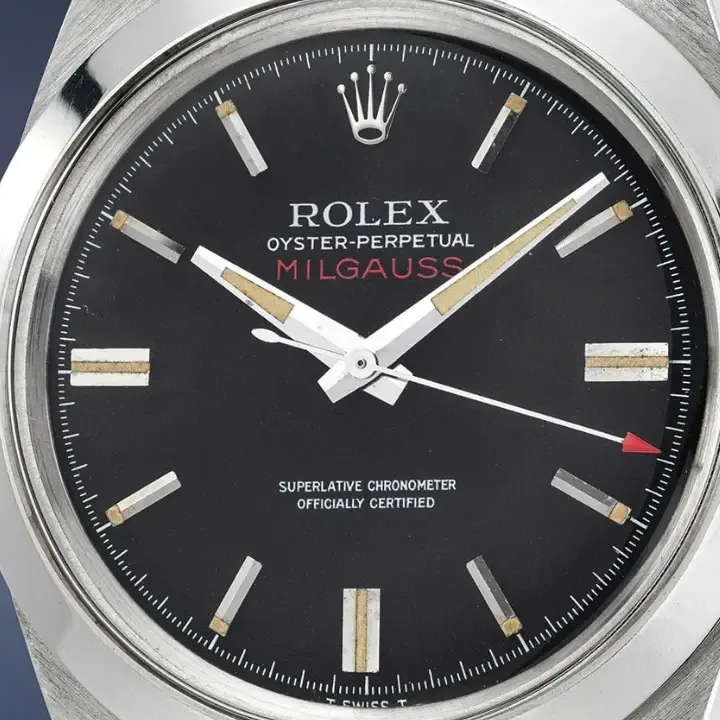
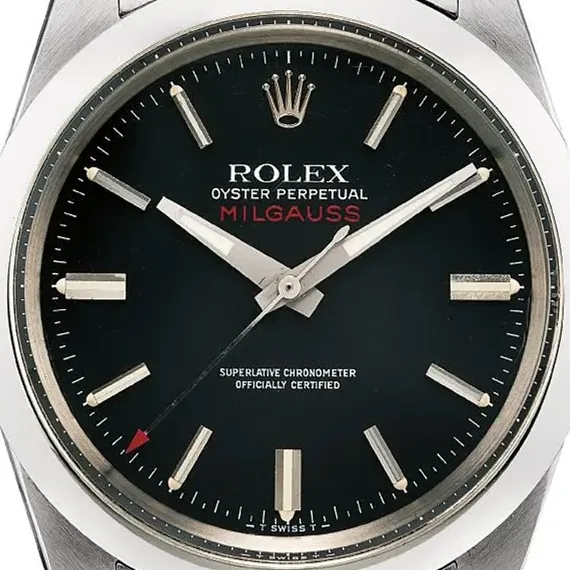
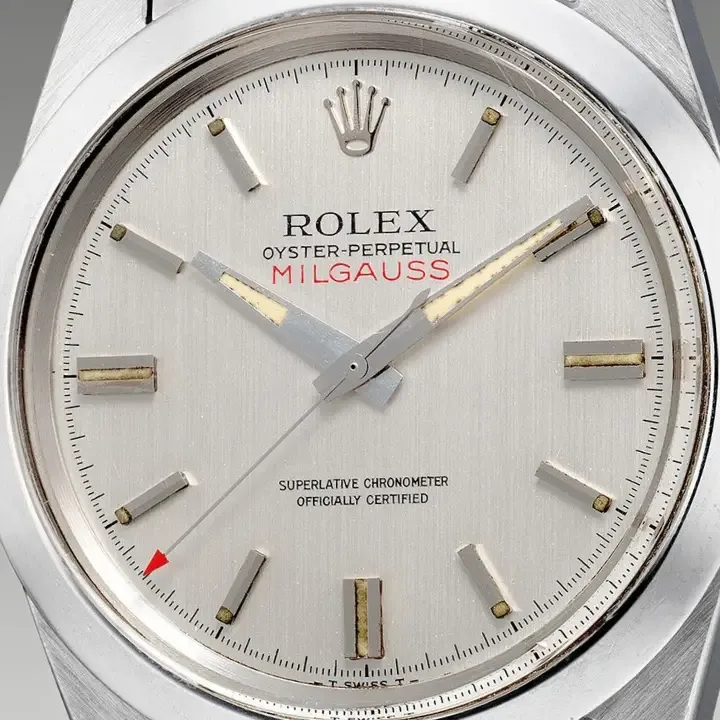
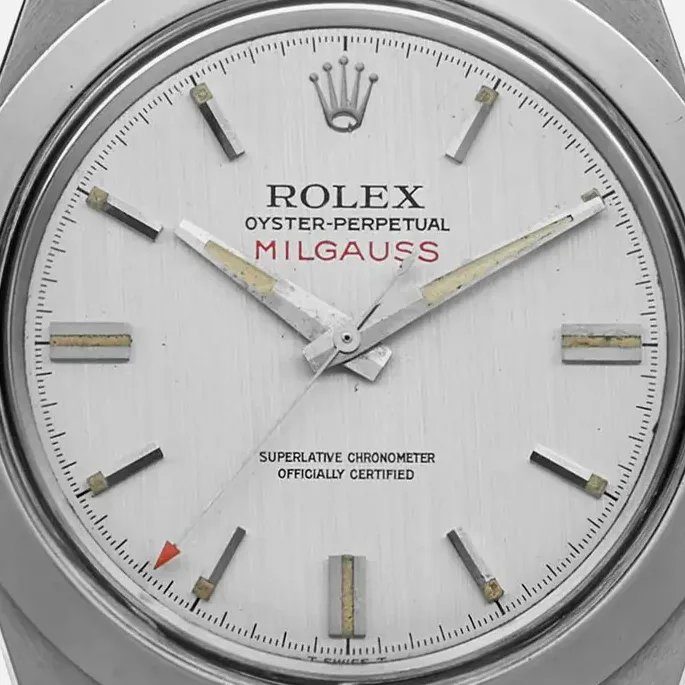
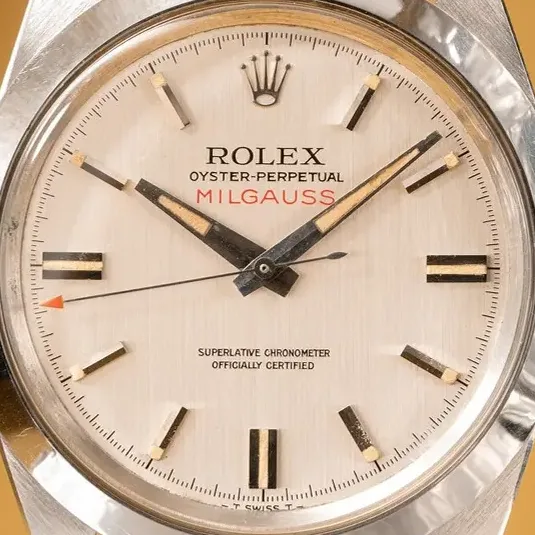
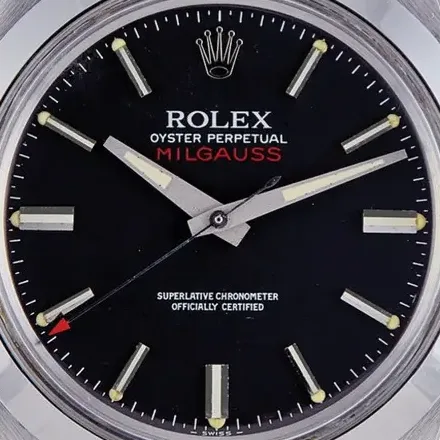
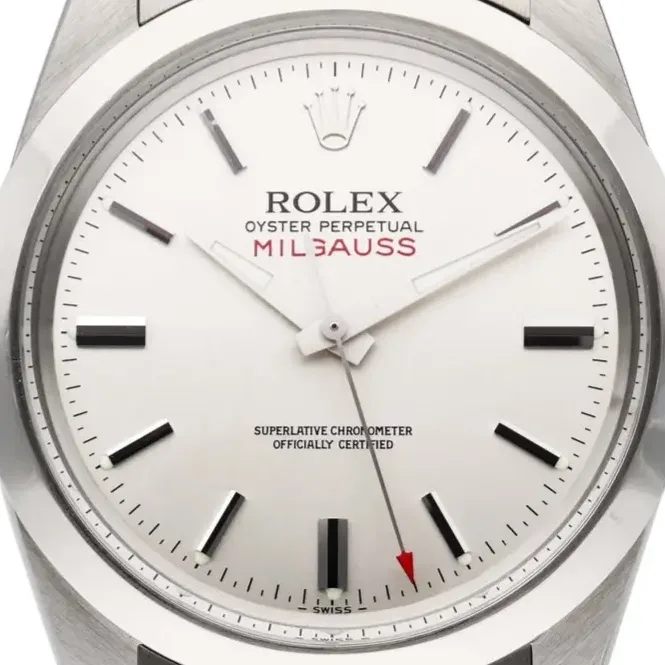
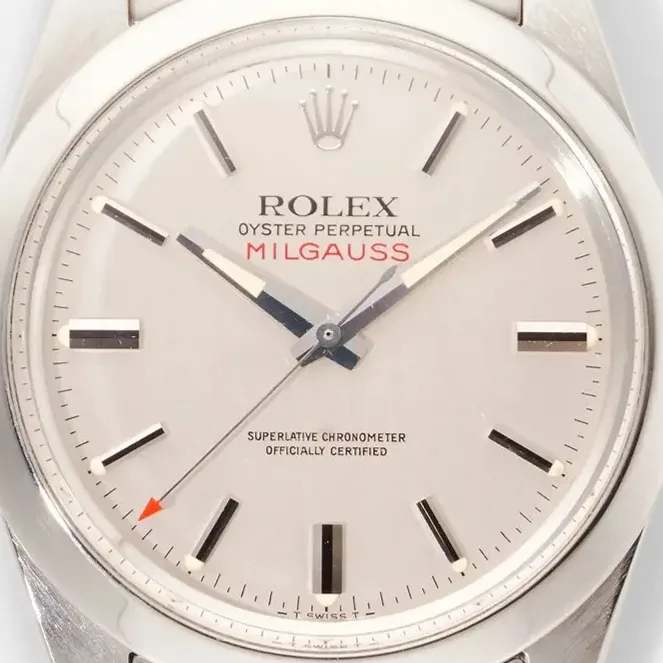
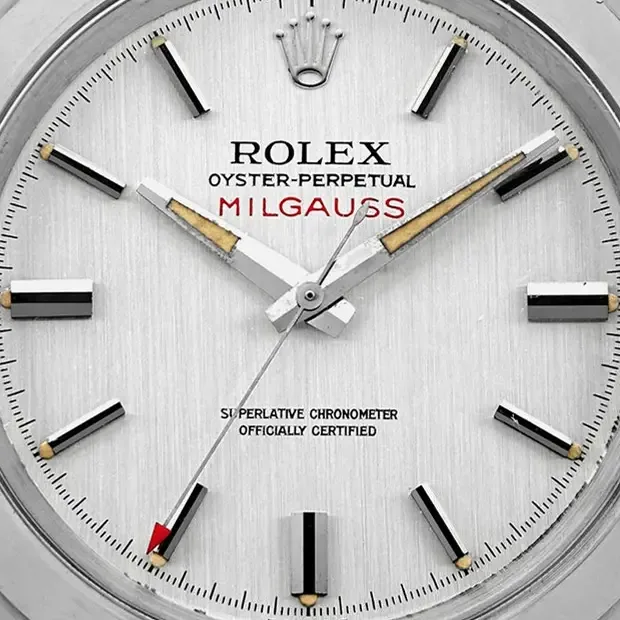
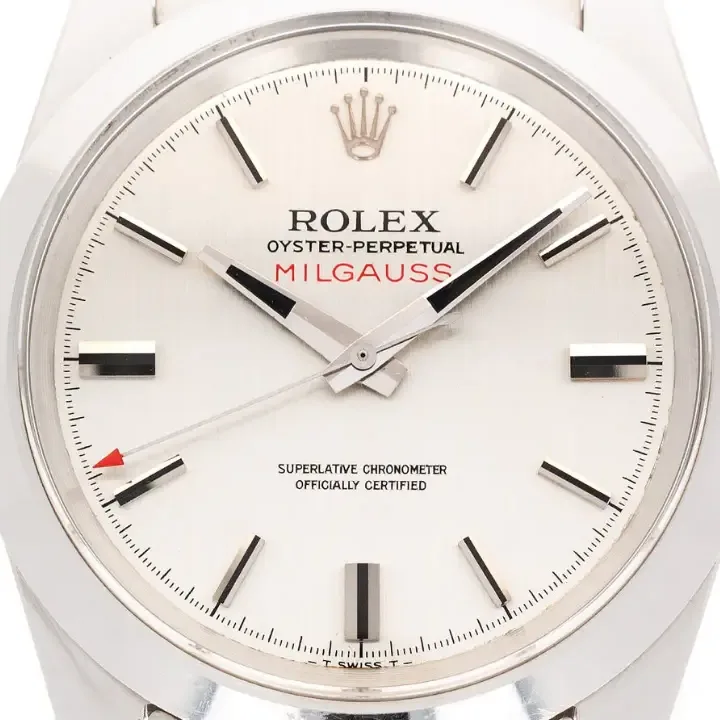
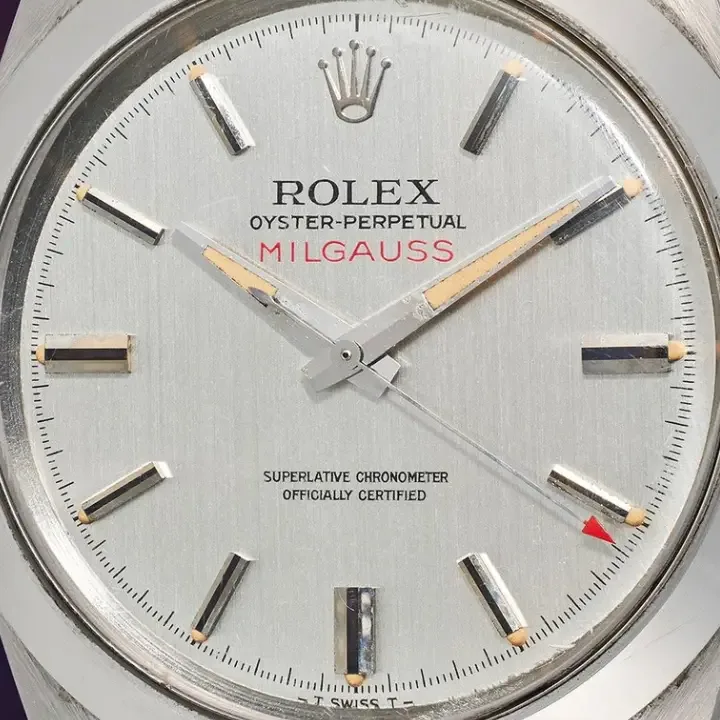
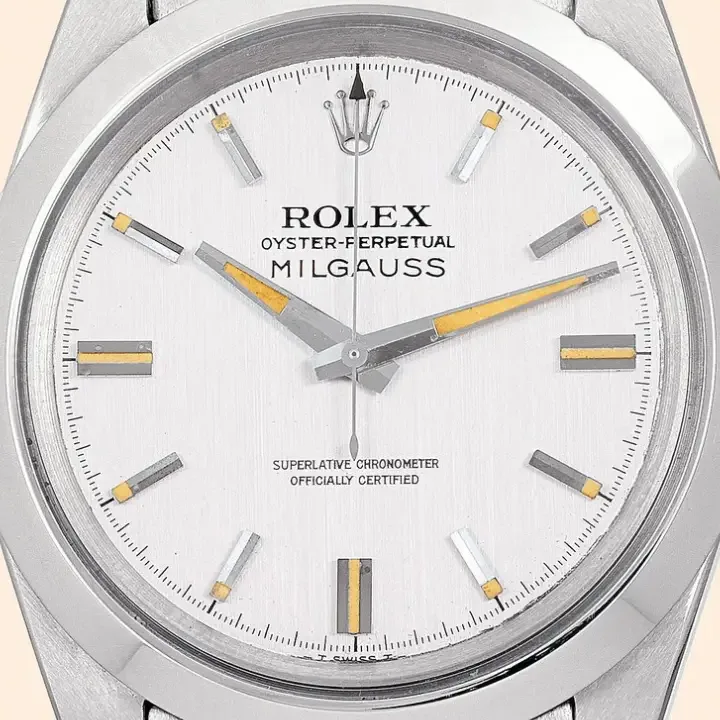
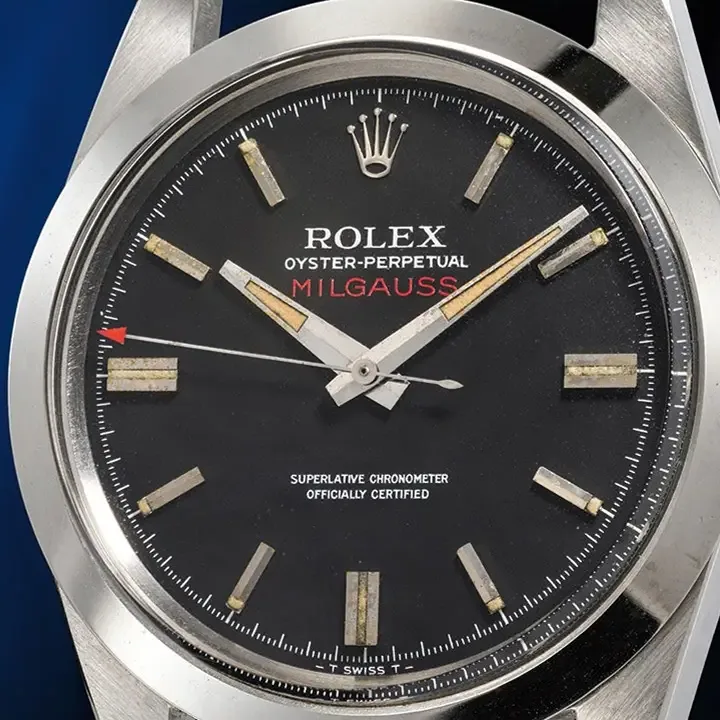
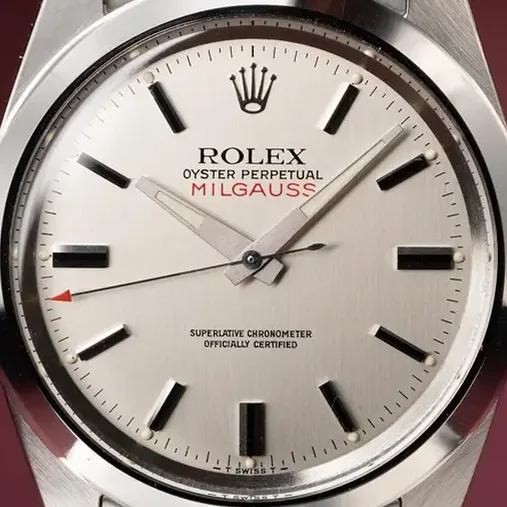
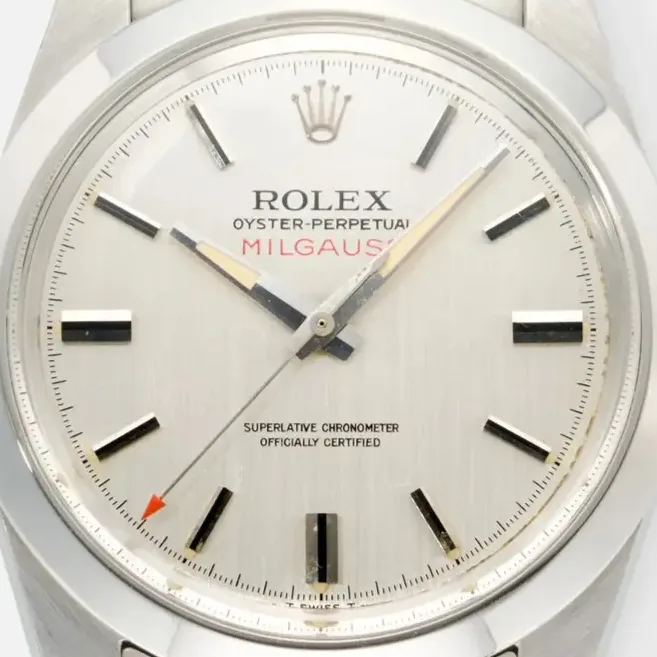
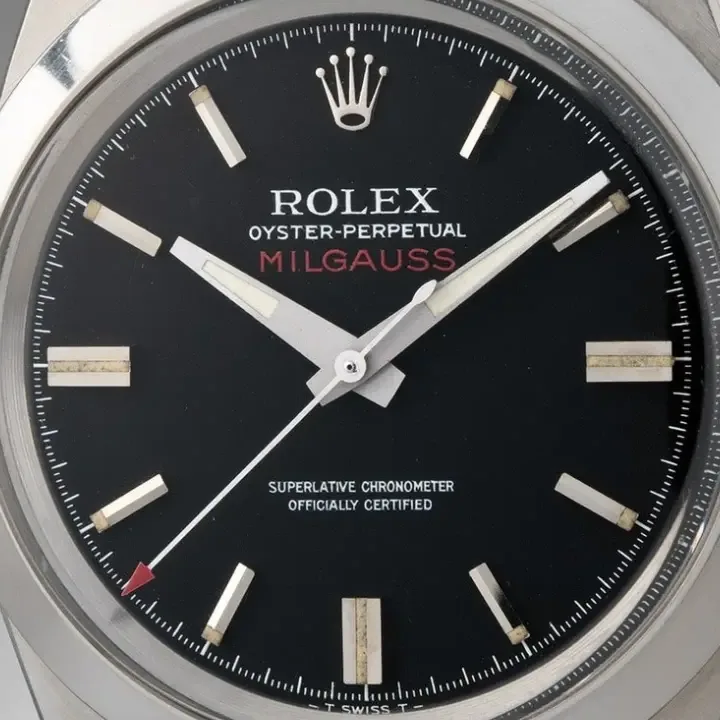
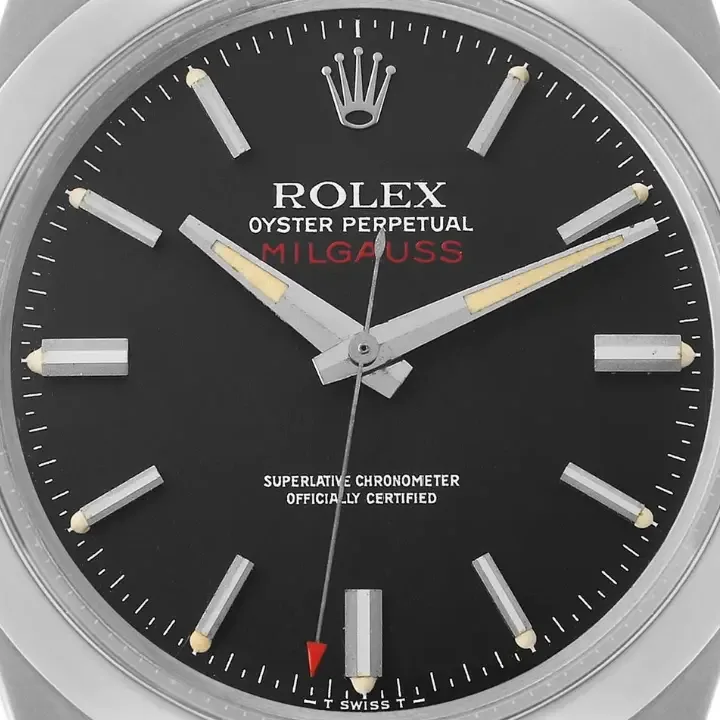
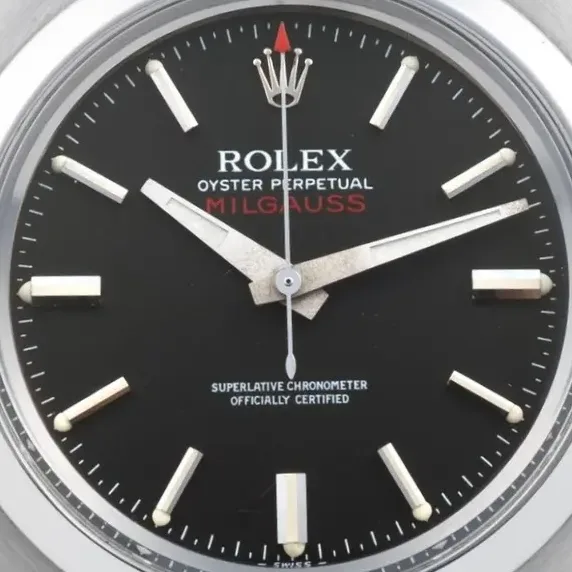
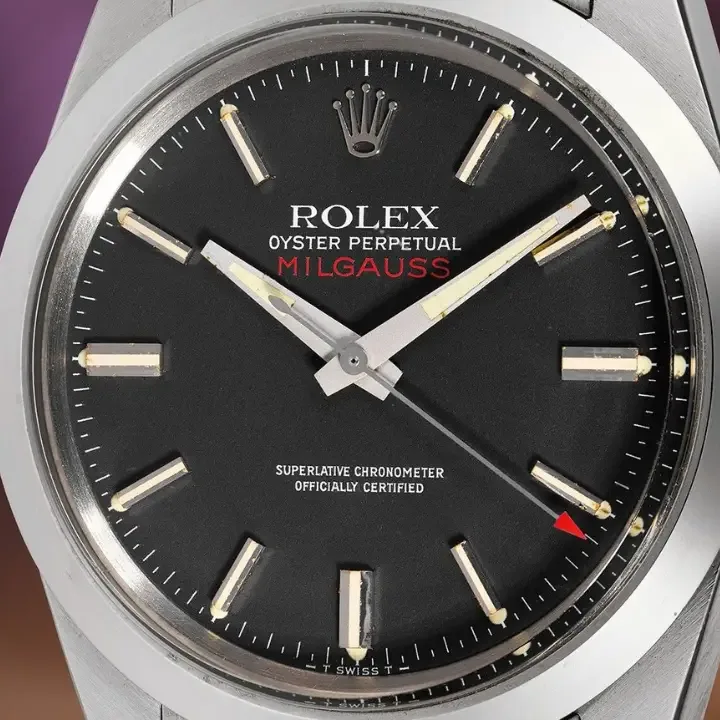
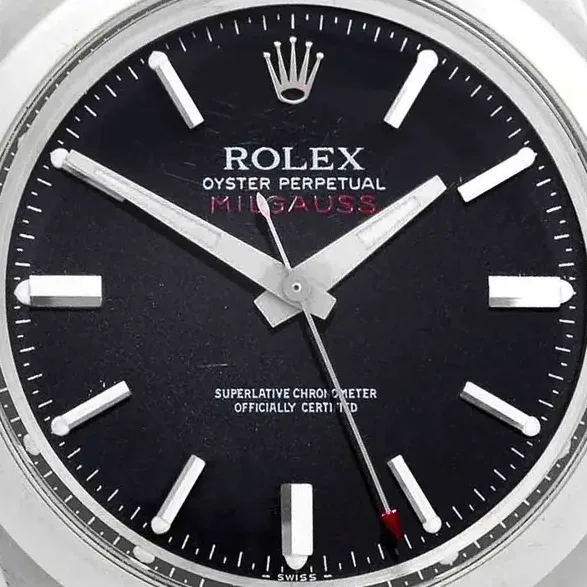
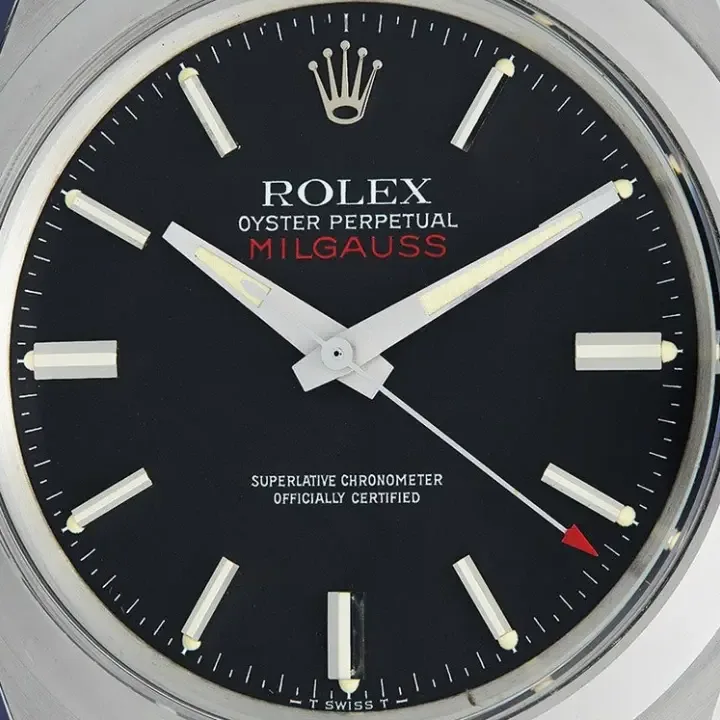
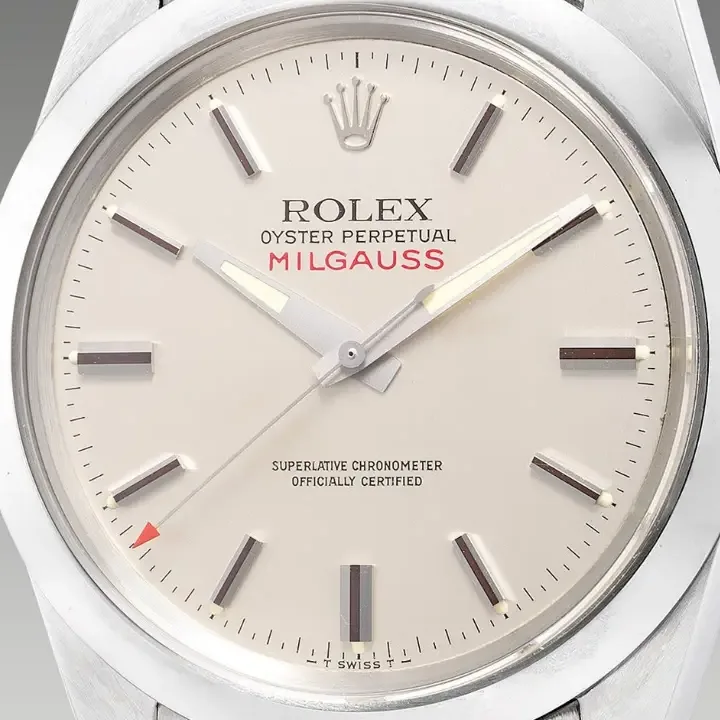
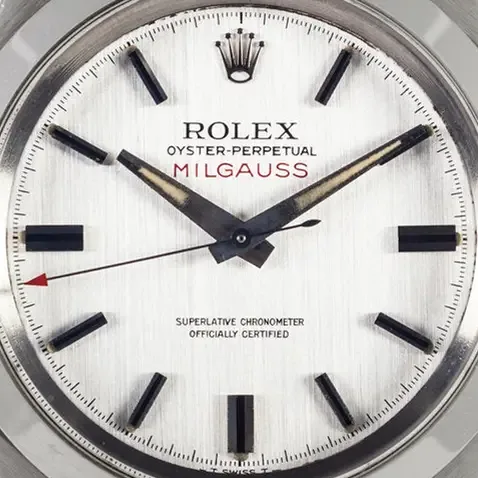
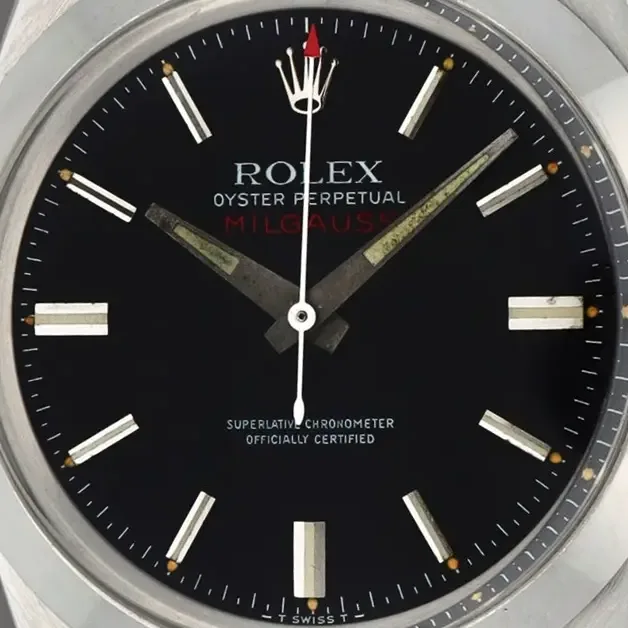
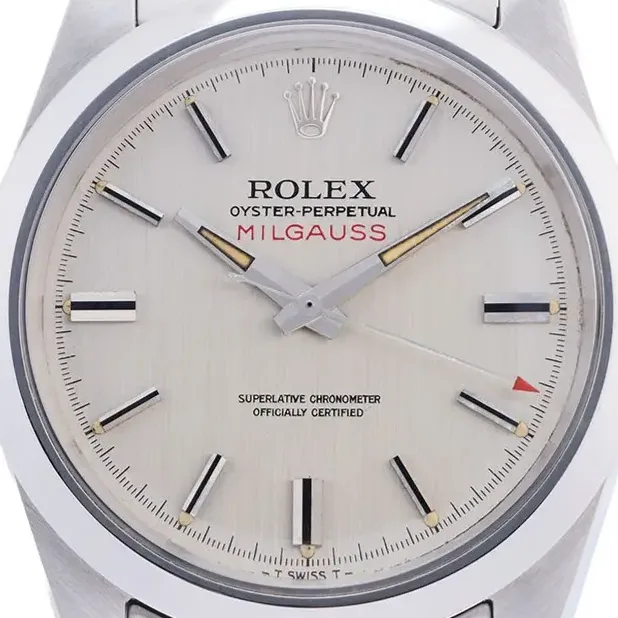
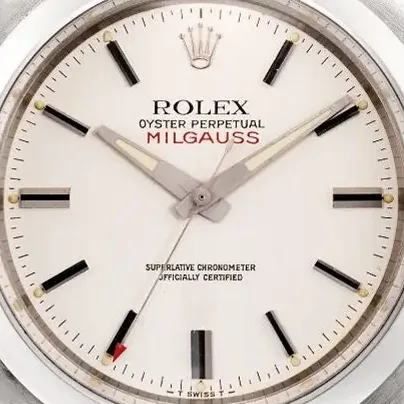
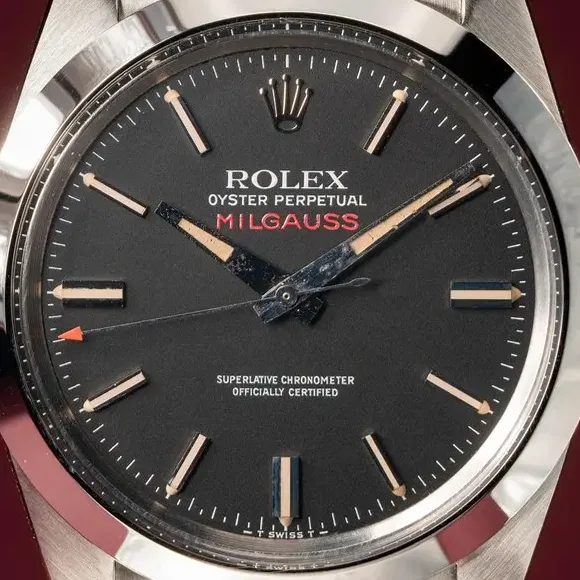
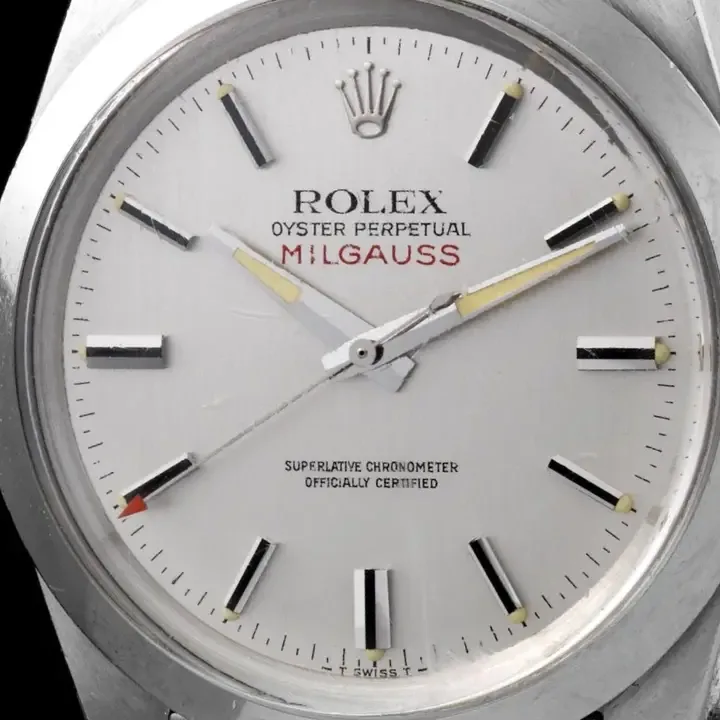
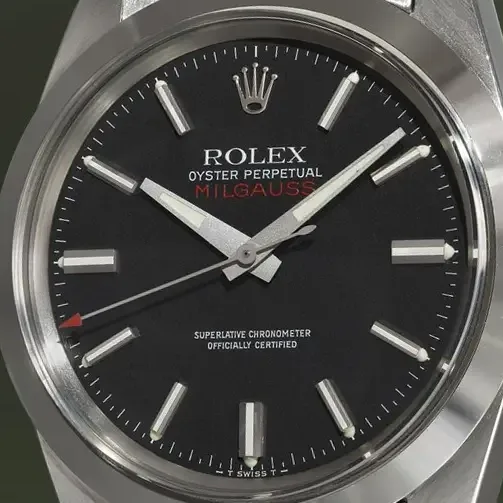
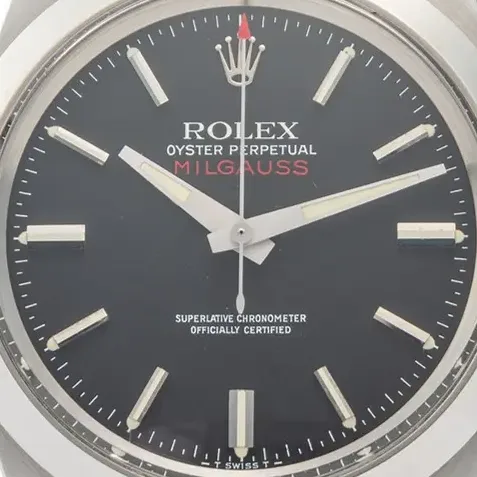
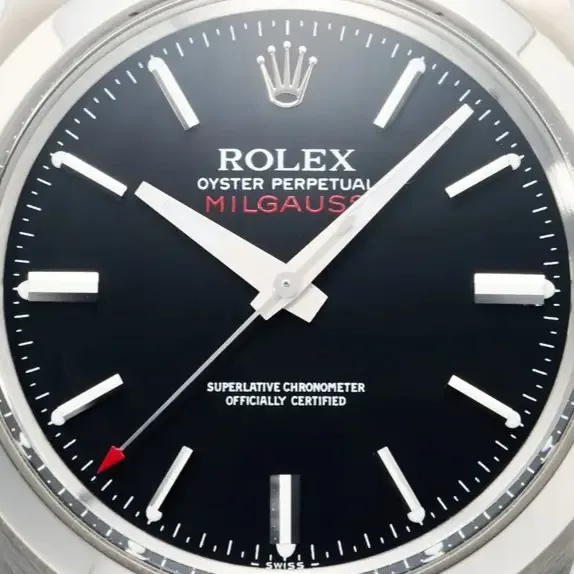
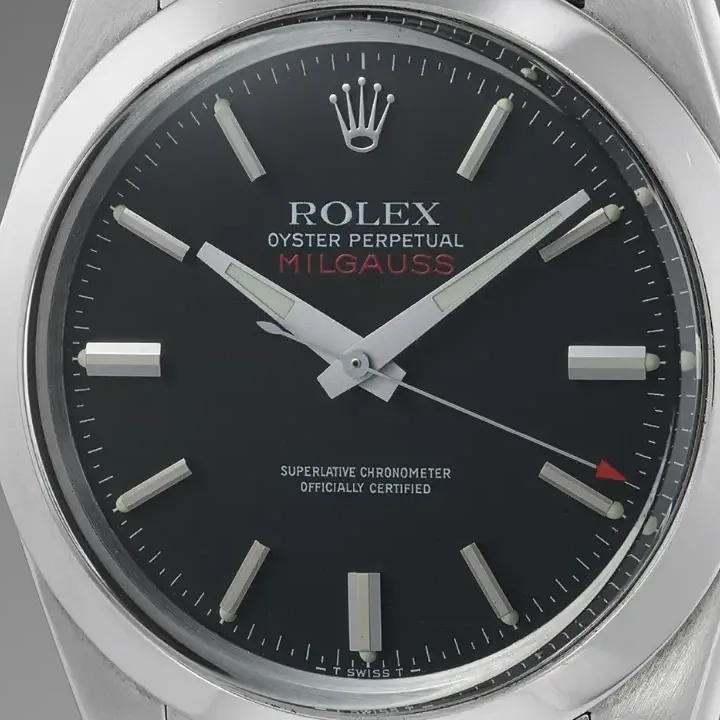
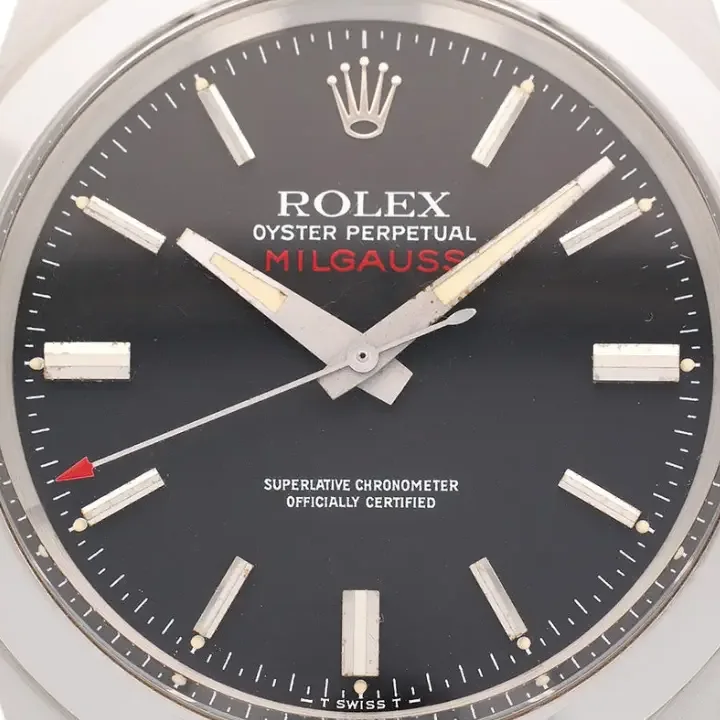
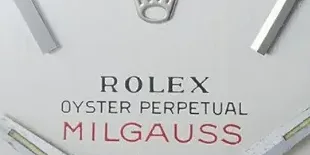
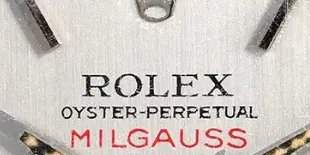

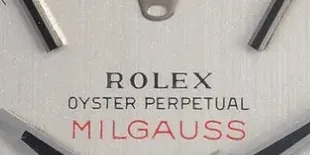




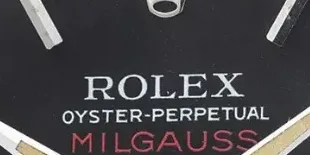

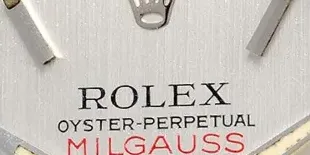









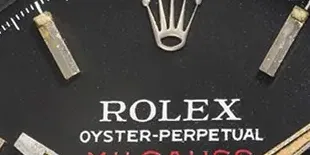





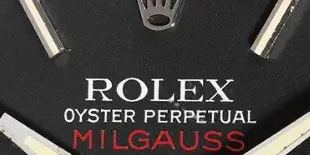







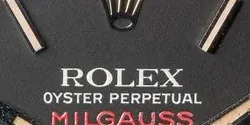

































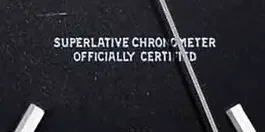













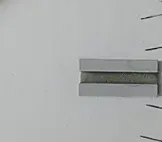
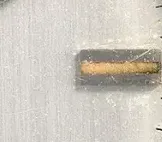
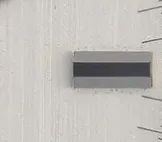
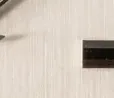

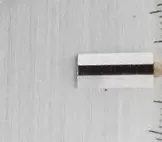
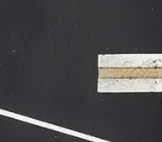
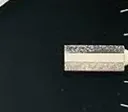
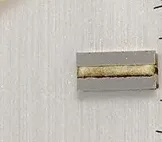

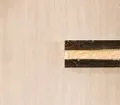

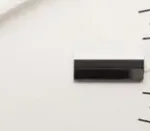
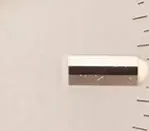

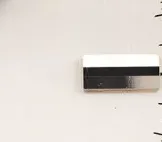
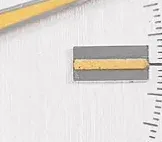
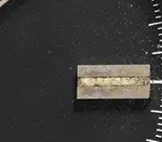
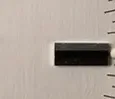
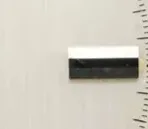
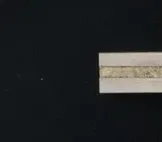
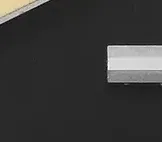
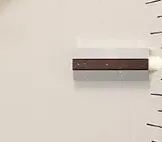


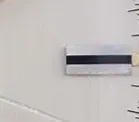

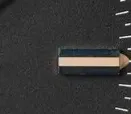
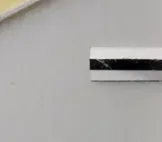
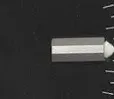


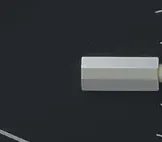
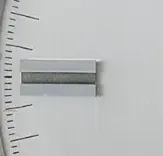
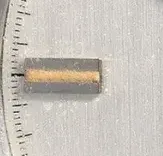
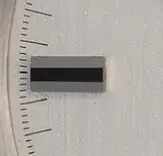

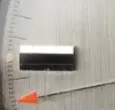
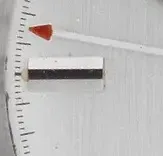
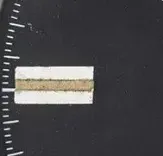
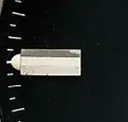
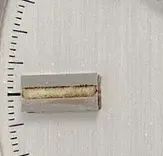
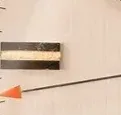

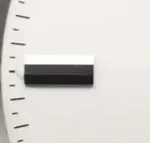
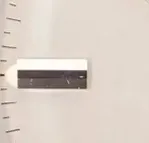
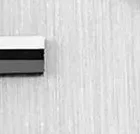
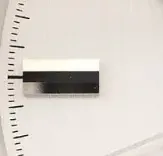
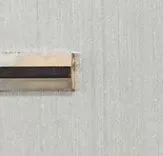
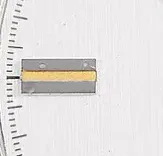
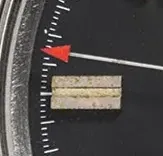
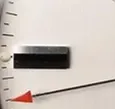
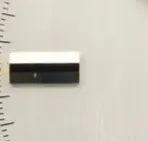
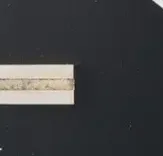
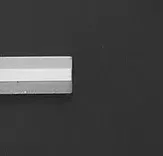
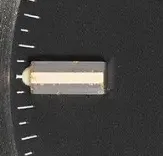
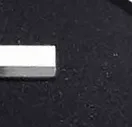
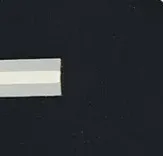
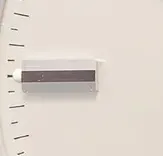
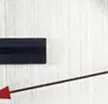

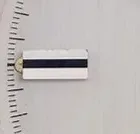

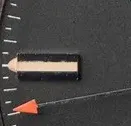
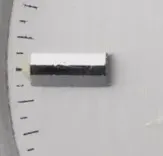
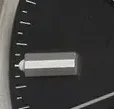


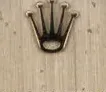
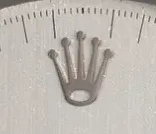

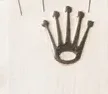
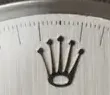
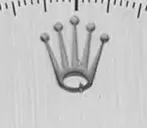
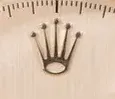

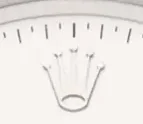
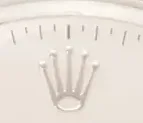
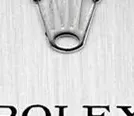
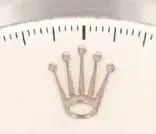
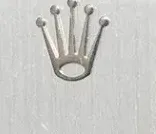
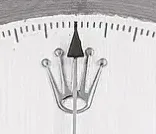
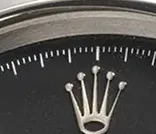
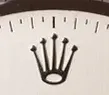
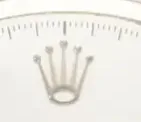
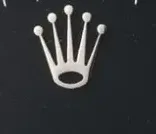

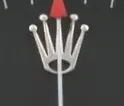
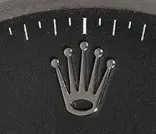


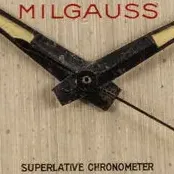
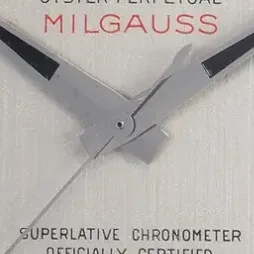

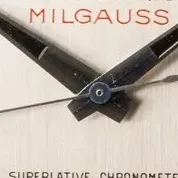




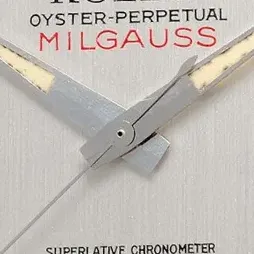

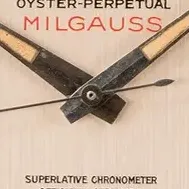


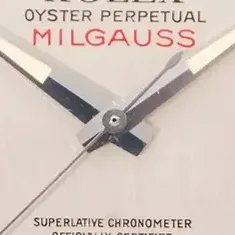
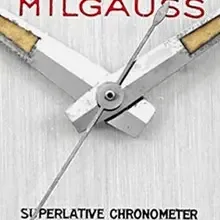
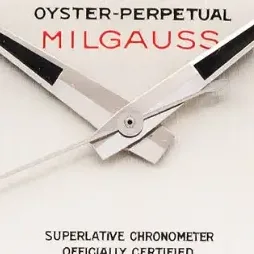
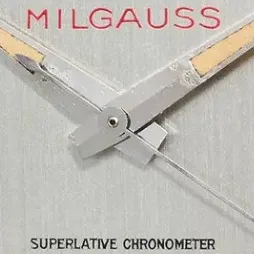

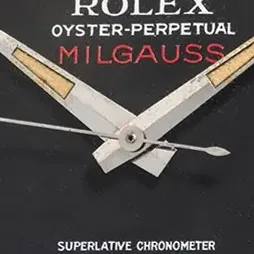
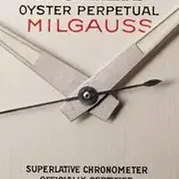


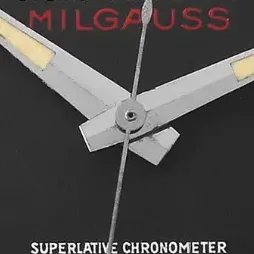

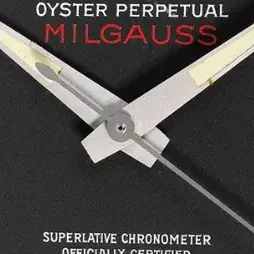
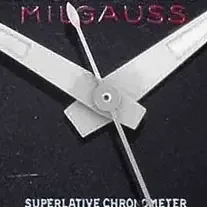
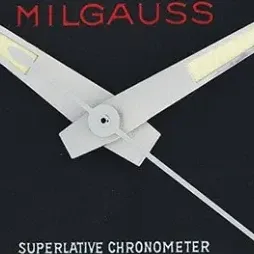


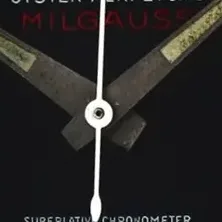




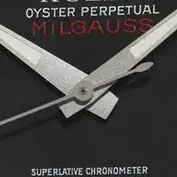





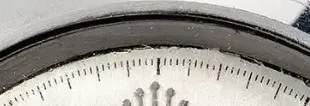
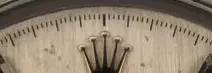
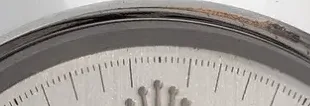
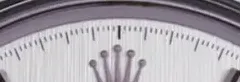
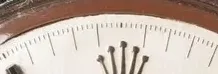
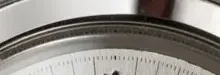
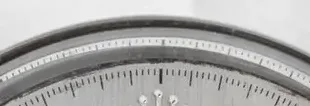
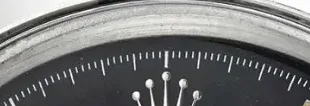
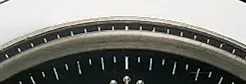
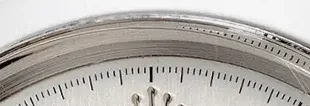
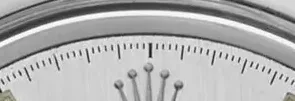
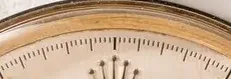
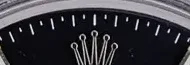
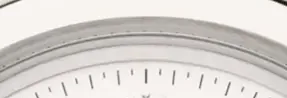
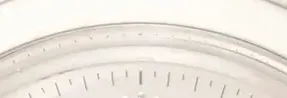
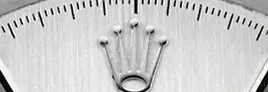
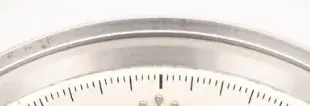
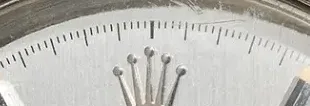
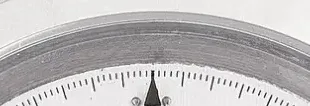


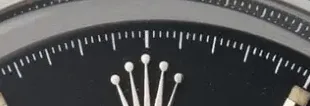
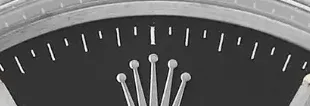
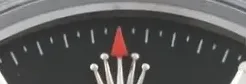
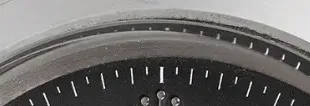
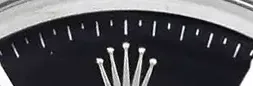
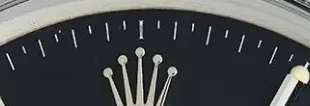
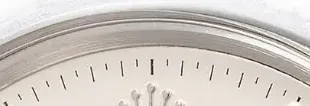
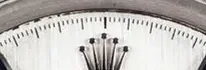


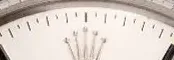
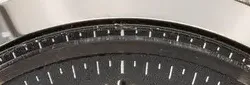

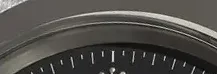
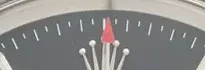
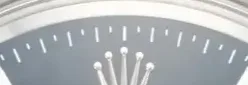
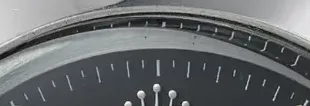

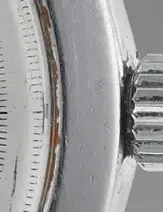



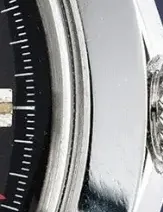
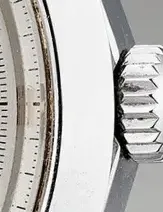
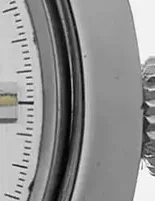
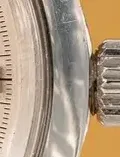
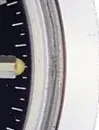
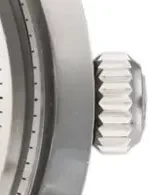

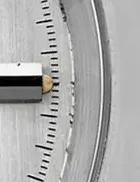
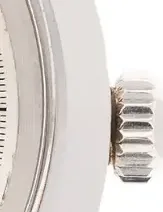
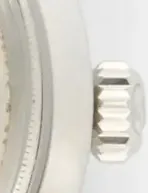
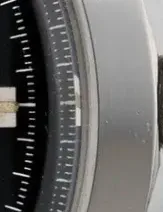
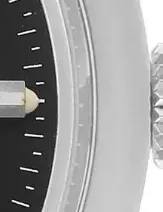
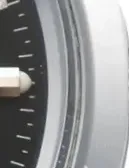
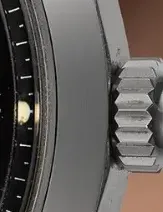
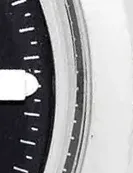
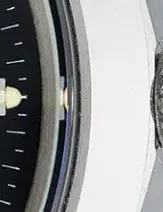
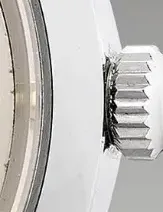
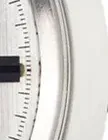


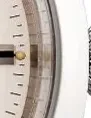
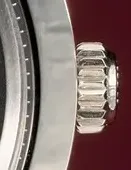
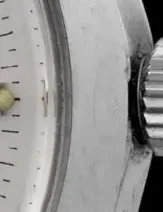
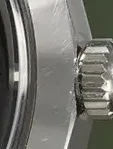


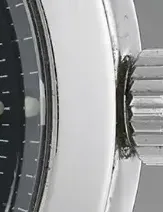
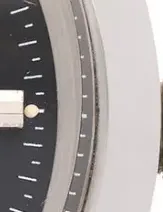





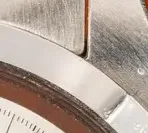


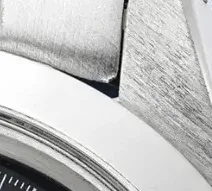
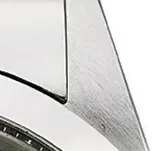
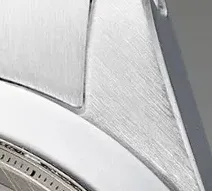
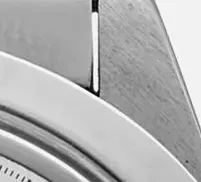
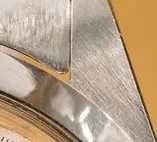
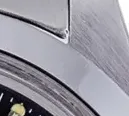


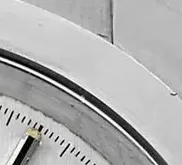

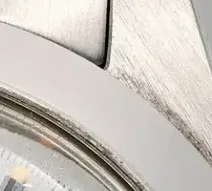
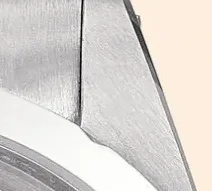
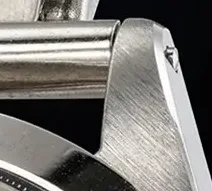


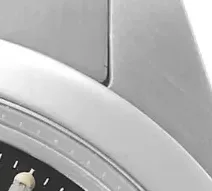

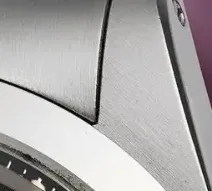
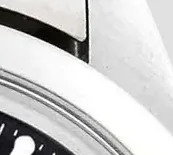






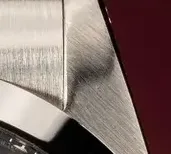

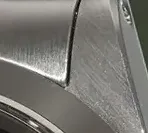




Illustrated history of the 1019: every change set out with close-up photographs of dated watches.
Chronology
Most accounts give 1960 to 1988; one gives 1989 for the end, and another places the 1019's arrival in the mid-1960s.
Every dated variant: what is written, and what the records show
For the reference the marks are every dated watch; for a variant, the watches a seller names as that variant, so a variant sellers do not name has none.
The reference's own marks are dated by case number. A variant's marks use the year each seller states, so a variant can show watches in a year where the row for the reference shows fewer, or none.
Specification
| Case | 38 mm steel Oyster case, said to be the largest of the vintage three-hand Rolex cases, made large to take the Faraday cage; fixed polished bezel; extra soft-iron inner shield rather than a thick one-piece caseback |
| Crystal | Acrylic |
| Bezel | Fixed, smooth, steel |
| Movement | Calibre 1580, automatic, 19,800 bph, 48-hour reserve, made only for the Milgauss; replaced the 1080 of the 6541; cased in a Faraday cage |
| Dial | Black or silver, no honeycomb pattern, plain baton markers with tritium tips, red MILGAUSS; T SWISS T at six |
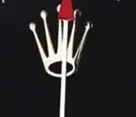
| Hands | Baton hour and minute hands; straight seconds hand with a red arrowhead tip |
| Bracelet | Oyster, folded links with polished edges on the example shown |
| Water resistance | 50 metres |
Dial 8 described
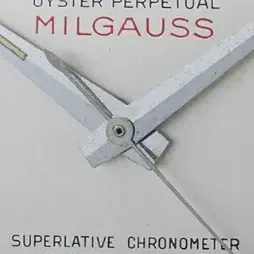
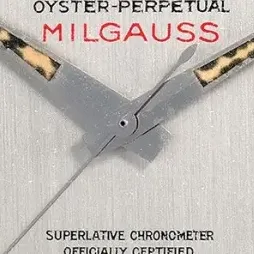
The dial is black or silver, without the honeycomb pattern of the 6541, with plain baton markers and red MILGAUSS to match the red seconds tip. Text reads an applied coronet, ROLEX, OYSTER PERPETUAL, MILGAUSS in red and a two-line SUPERLATIVE CHRONOMETER OFFICIALLY CERTIFIED above six. At least six dial versions exist, differing in font, finish, markers and the outer seconds track. The dial is thicker than usual, with a more muted look than before.
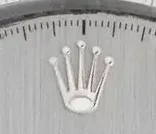
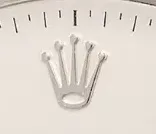
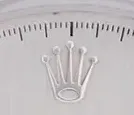
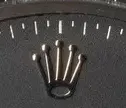
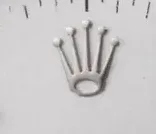
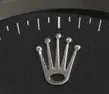
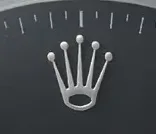
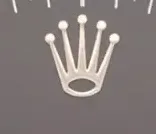
Early dial, small logo
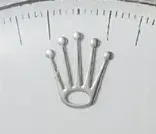
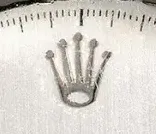
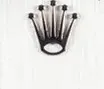
Early dials have a small Rolex logo, small ROLEX text through the late 1960s and a seconds track split into fractional marks. Later dials have a larger logo and an ordinary track, and the chronometer line shrinks as ROLEX grows.
- small Rolex logo
- fractional seconds track
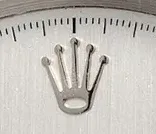
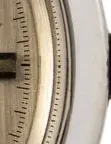
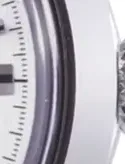
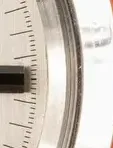
1/5-second tick marks
The earliest dials have fine marks that divide each second into five; later dials have half-hash markers dividing it in two. The track began as railroad track with five marks between indices, then half-hash with ten. The earliest are the more collectible.
- railroad track with five marks
- fine 1/5 second ticks
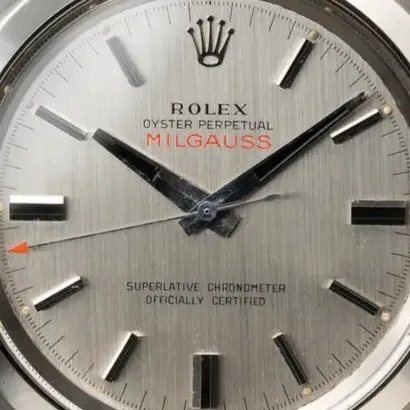
Vertical brushed silver
The silver dials are brushed in vertical lines, a finish that also turns up on a few rare Datejusts and other Oyster models.
- vertical brushing


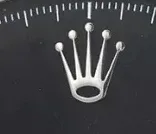
Matte black
The black dial, matte, often with warm patina on large blocky tritium indices.
- matte black finish
Glossy black
A very rare glossy black dial.
- glossy black
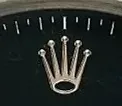
Black dial, silver print
A small batch of black dials carries silver text and a silver minute track, where most black dials have white print. With square lume it is one of the rarest combinations.
- silver print on black
- silver outer track
CERN dial
A silver dial made for the physicists at CERN, with no lume on dial or hands and black enamel in the hands. It is reported to have been made at CERN's request to avoid radioactive material, though some accounts call this rumour. It may be stamped O T SWISS T O or SWISS at six, and carries black vitreous enamel in place of lume.
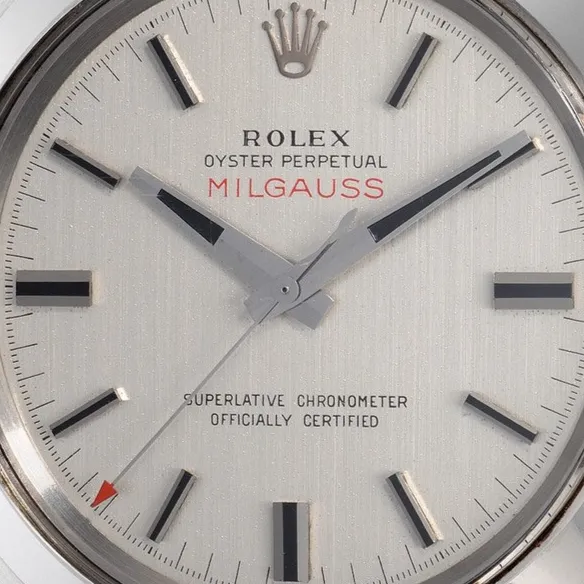

- black enamel in hands
- SWISS or O T SWISS T O at six

T SWISS T
The dial carries T SWISS T at six, marking tritium; markers are standard applied indices with tritium tips, in place of the round and triangular markers of the 6541.
- T SWISS T
Luminous material 3 described
Tritium is used throughout, applied as large blocky plots, except on the CERN dial, which has none. Accounts differ on square plots at the ends of the indices: some put them on early dials, others on rare black dials and silver dials of about 1970. Round lume became standard.
Square lume
Square rather than domed round plots. Some accounts place them on early dials; others on rare black dials and silver dials of about 1970.
- square plots
Round lume
The later standard.
- domed round plots
No lume (CERN)
Dial and hands carry no luminous material.
- no plots
Hands 3 described
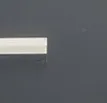
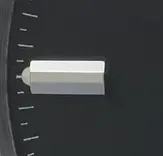
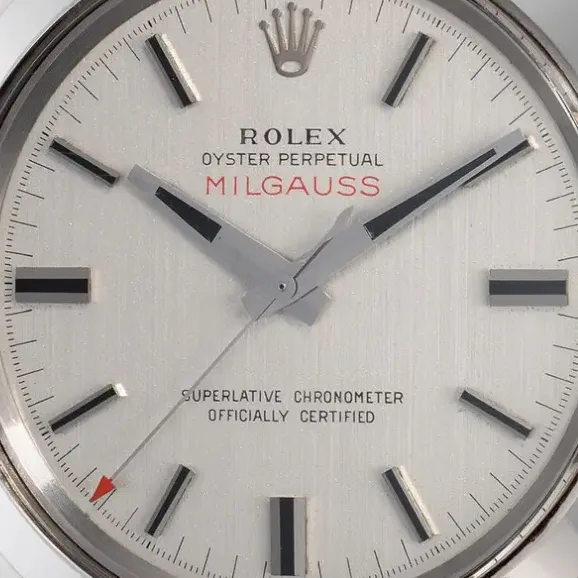
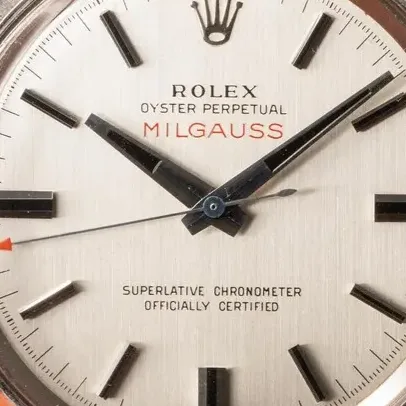
The baton hour and minute hands are an unusual shape, like the Tudor Homeplate, with a straight, pencil-like seconds hand and a small red arrowhead used on no other Rolex.
Polished ridged hands
Polished with a central ridge for about the first ten years.
- central ridge
Flat brushed hands
Flat, matte brushed steel from about 1970, with a period of mixed styles; all carried tritium inserts.
- flat matte hands
Black enamel hands
Hands on the CERN watch carry black enamel inserts in place of lume.
- black inserts
Bezel
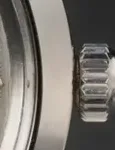
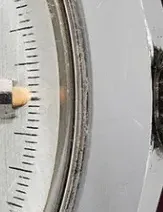
The bezel is fixed, smooth and steel; the graduated rotating bezel of the 6541 is gone.
Case 1 described
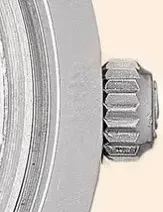
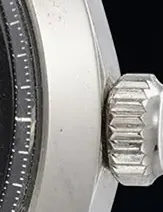
The 38 mm steel case, made large to house the Faraday cage. Unlike the 6543 it has no thick one-piece caseback; an inner shield completes the cage.
Inner shield
An extra amagnetic inner shield completes the cage around the movement.
Crystal
The crystal is acrylic.
Movement 1 described
Calibre 1580 was exclusive to the 1019 and ran to the end of production. It is in effect a Faraday-cage version of the 1530.
Calibre 1580
Automatic, 19,800 bph, 48-hour reserve, in a soft-iron inner shell. Hacking is dated to 1972 by one account and to introduction by another.
- 1580 on movement
Bracelet 3 described
Oyster bracelets. Sellers record riveted bracelets on watches of the late 1960s, folded ones around 1970 and the solid-link 78360 on later watches; the literature shows a folded bracelet on one example.
Riveted Oyster
Sellers record riveted Oyster bracelets, named 7206 with 58 end links, mostly on watches dated 1967 to 1969. Those are the years of the watches so described, which is not a stated span of production.
- rivets
Folded Oyster
Folded links with polished edges, as on the example shown. Sellers name the folded bracelet 7836 on some watches of the late 1960s and about 1970. The literature gives no years for this bracelet on the reference.
- folded links
Solid-link Oyster 78360
Sellers most often name the bracelet 78360, usually with 580 end links, and mostly on the later watches. Published accounts of the bracelets of sister sports models describe the 78360 with 580 end links as a solid-link Oyster that arrived in the middle of the 1970s, so on a watch of the 1960s it is likely to be a later fitting. The literature on the 1019 itself does not mention it.
- 78360 in the clasp
- 580 end links
Originality
- Dials are sometimes replaced at service; black dials of the late 1970s and 1980s are found in cases of about 1969, and it is unclear whether they are original.
- Hands may be service replacements, as some sellers state.
Names
- CERN dial. Silver dial with no lume, made for physicists at CERN.
- Square lume. Dials with square rather than round lume plots.
Where accounts differ
Points on which the published literature and the library's own records do not agree, or on which the literature contradicts itself.
- Start of production. Most accounts give 1960; one places the replacement of the 6541 by the 1019 in the mid-1960s. Dated case numbers in the library's records are scarce before 1967, so watches of the first years may be rare rather than absent.
- Hacking seconds. One account dates hacking on the 1019 to 1972; another says calibre 1580 added it on introduction.
- Case size. Published accounts give 38 mm throughout. Most sellers state 38 mm and a minority 37 or 40 mm, which is probably loose measurement.
- End of production. Most accounts give 1988 for the end of the 1019; one gives 1989.
- Square lume. One account puts square lume plots on the early dials, with round plots standard later; another places them on rare black dials and on silver dials of about 1970.
Back and movement
From listings of this reference, each confirmed by eye to show what it is filed under. A picture on which a person's name or a personal engraving can be read is not shown. From most holders a detail from the middle of the photograph is shown; the mark in its corner gives its holder and a link to the listing.
Caseback
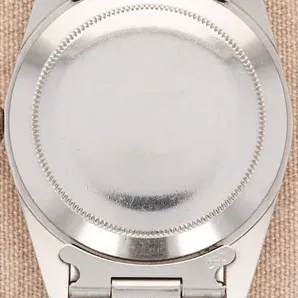

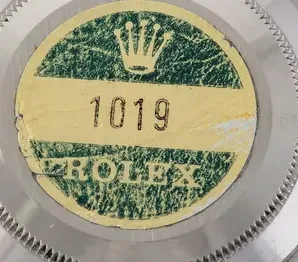

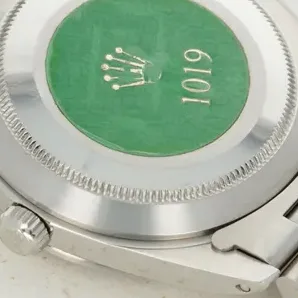

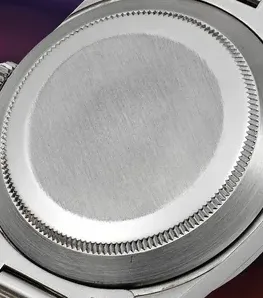

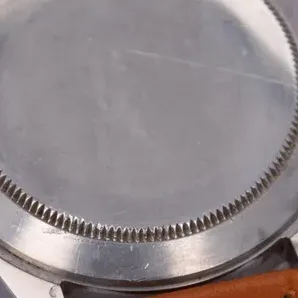

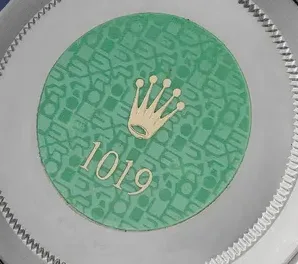

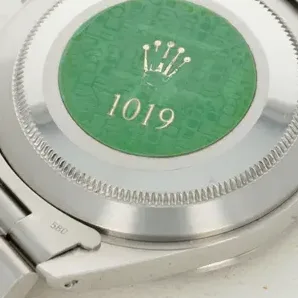

Inside the caseback
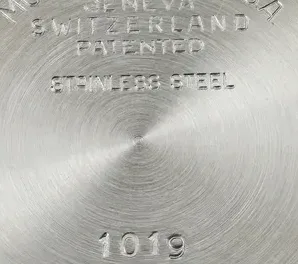

Movement
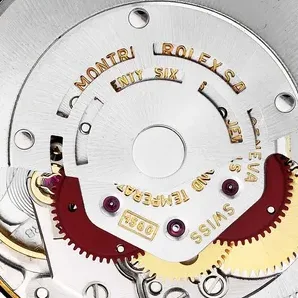

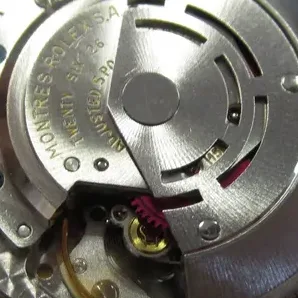

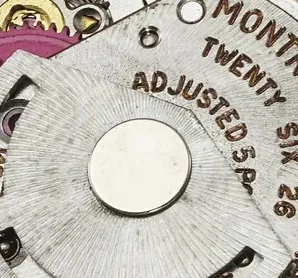

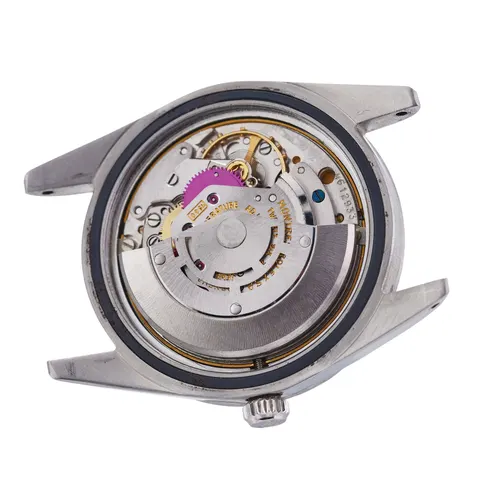

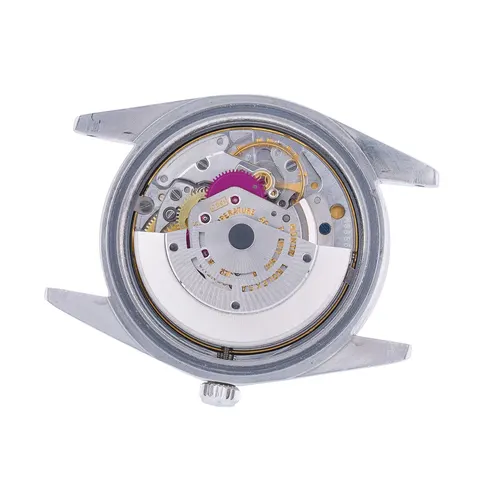

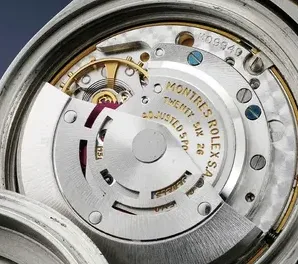

In the records
Counted from 193 listings at 33 holders between 16 October 2005 and 14 November 2026. These are what sellers and auction houses state, not measurements.
Fainter bars are the 3 outside the main run of 1967–1979 (the middle nine-tenths): the earliest is 1964 and the latest 1987. They are early and late examples, and now and then a number misread. The head of the page gives 1967–1979: the years that listings from two holders bear out.
At the holders that record papers on every watch, 30% of their 10 listings of this reference come with papers; at those that record the box on every watch, 44% of 16 come with a box. "Papers" is whatever the holder counts as papers, and can include service papers.
Case metal
| Steel | 135 | |
| Silver | 5 |
Dial colour
| Silver | 46 | |
| Black | 31 | |
| White | 1 |
Case size
| 38 mm | 60 | |
| 37 mm | 25 | |
| 40 mm | 9 |
Calibre named
| 1580 | 84 | |
| 1560 | 9 | |
| 1570 | 5 |
Bracelet or strap
| Oyster bracelet | 81 | |
| Metal bracelet, kind not stated | 24 | |
| Jubilee bracelet | 2 | |
| Leather strap | 2 |
Each table counts the listings that state the thing, in the seller's own terms. A size, metal, colour or calibre that cannot belong to this reference is a seller's slip or a listing filed under the wrong number.