Nautilus (mid-size)
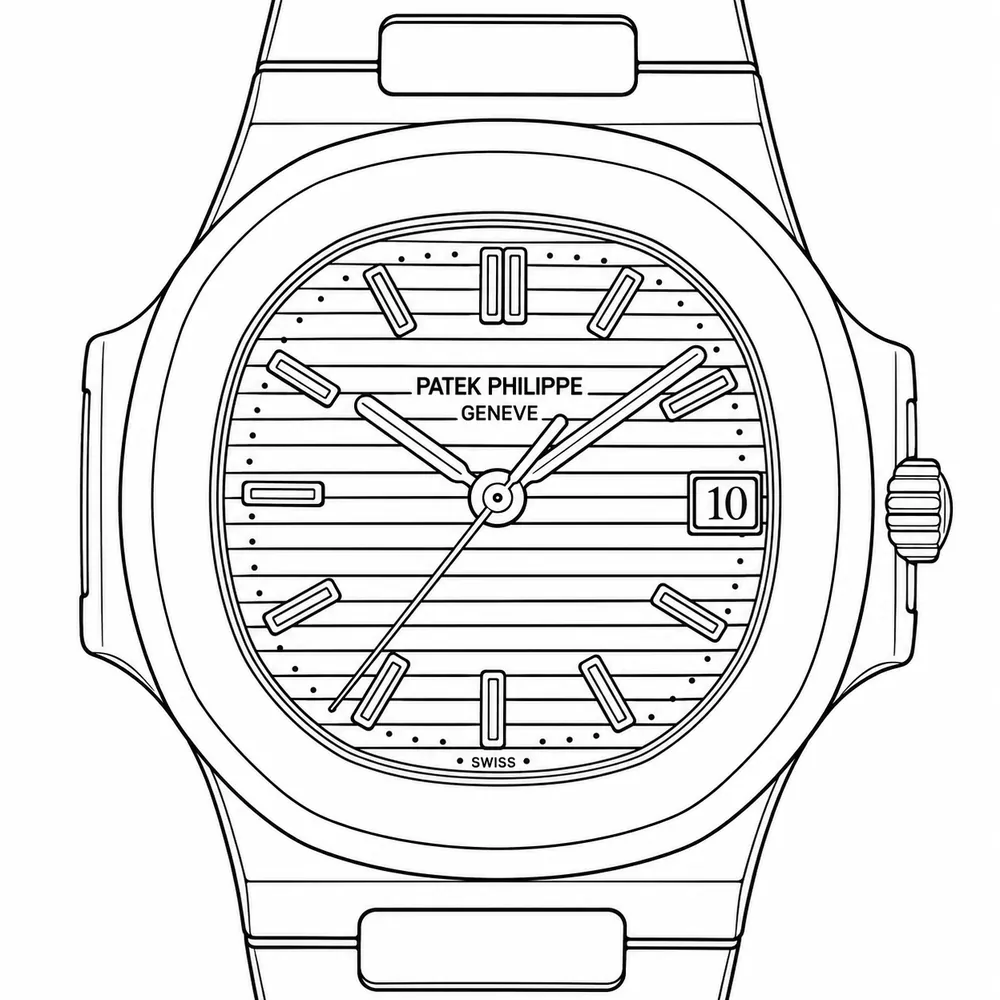
The mid-size Nautilus, a 37.5 mm version of the steel porthole sports watch first made as the 42 mm 3700. It was launched in 1981, reached clients from 1982, and stayed in the range until 2006, when the 5800 took its place. Unlike the 3700 it has a centre seconds hand, from Patek's own calibre 335 SC and later the 330. It was made in steel, steel and yellow gold, yellow gold, white gold and platinum, with a wide spread of dials: blue ribbed, white, gold, grey, ceramic, diamond-set and, from 1996, black with Roman numerals.
- Made
- 1981–2006dates approximate
- Seen in the library
- 1980–2007nine in ten in 1983–2003 · by years sellers state
- Case
- 38 mm · steel (42%), gold (41%)as sellers state
- Movement
- Calibre 335, 335SCautomatic
- On record
- 653 listings1,732 photographs · 53 holders
Components
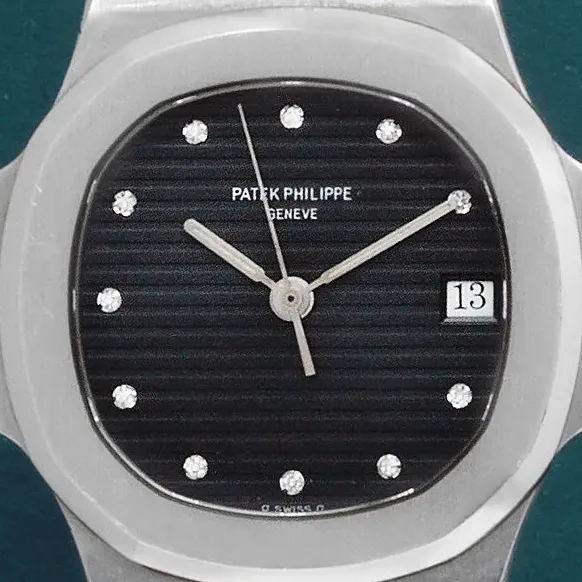
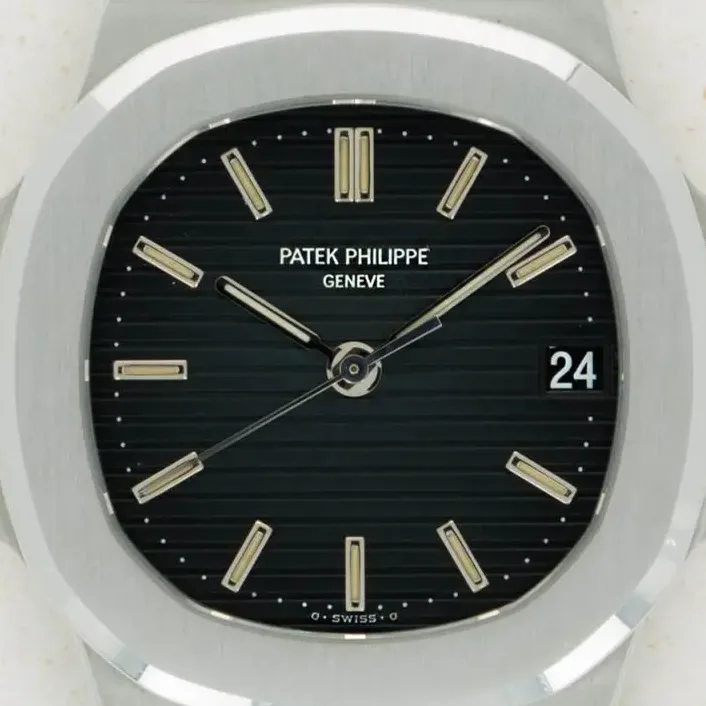
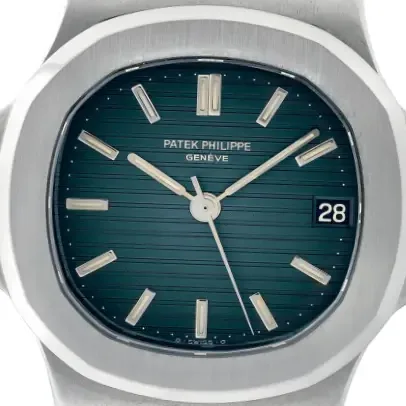
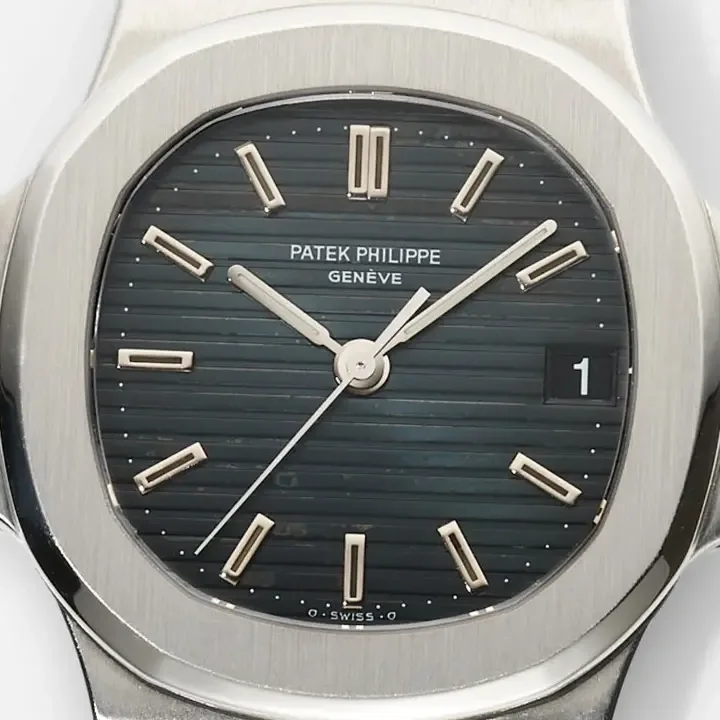
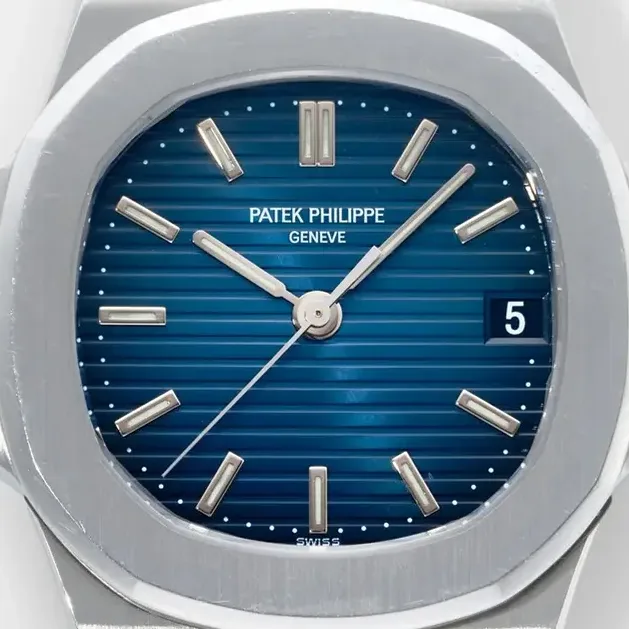
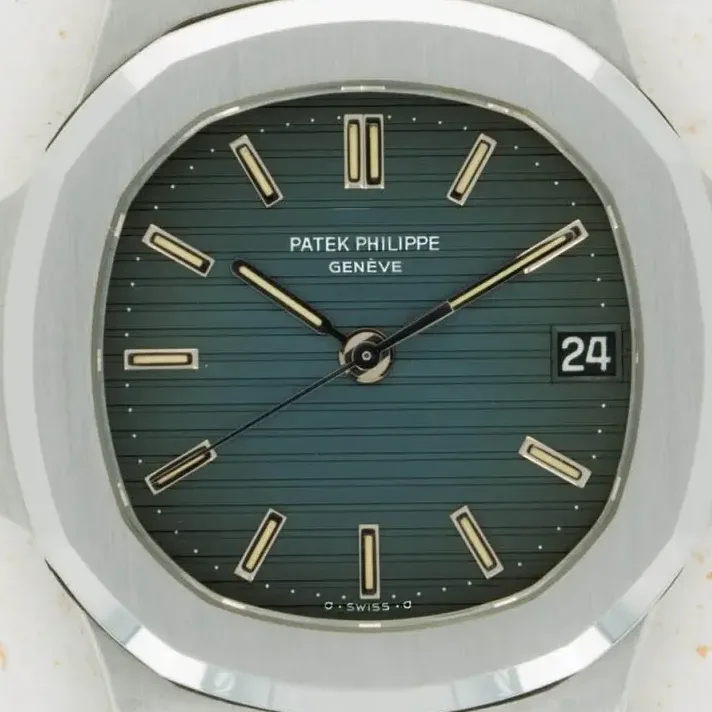
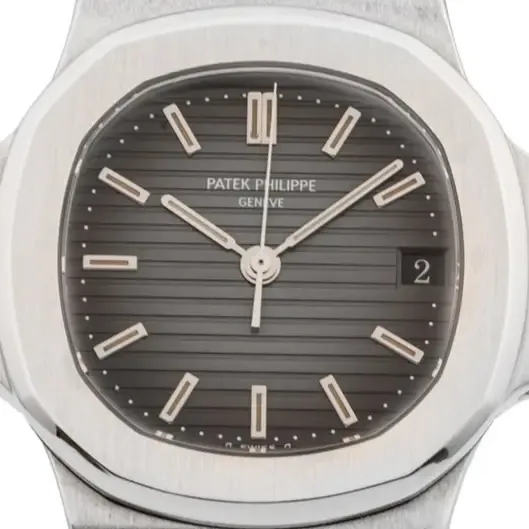
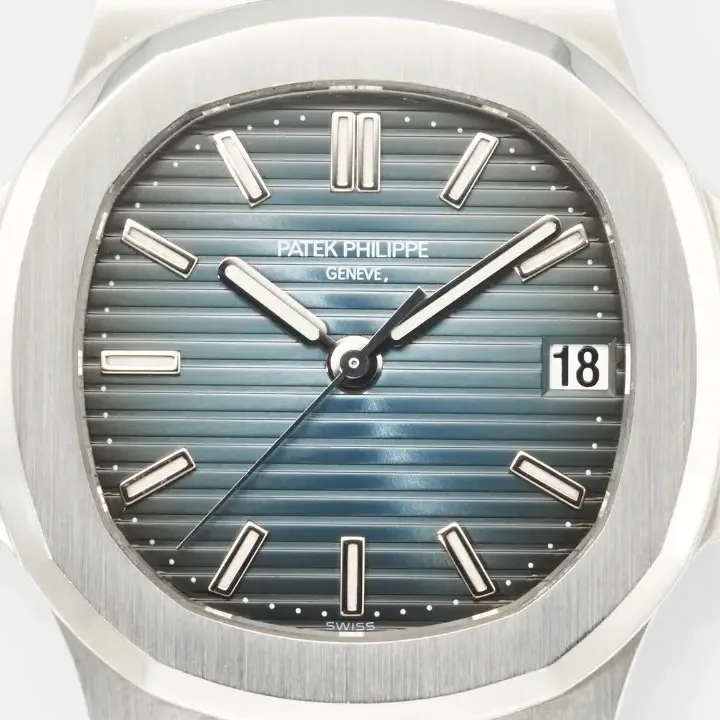
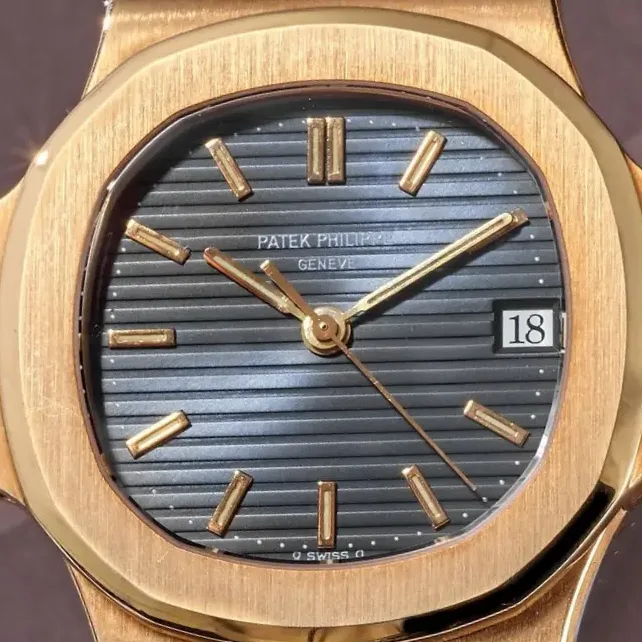
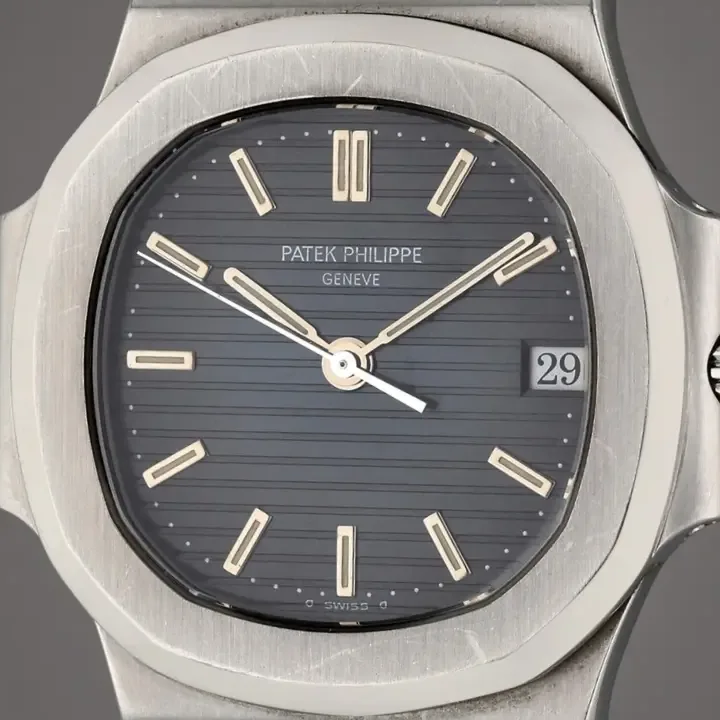
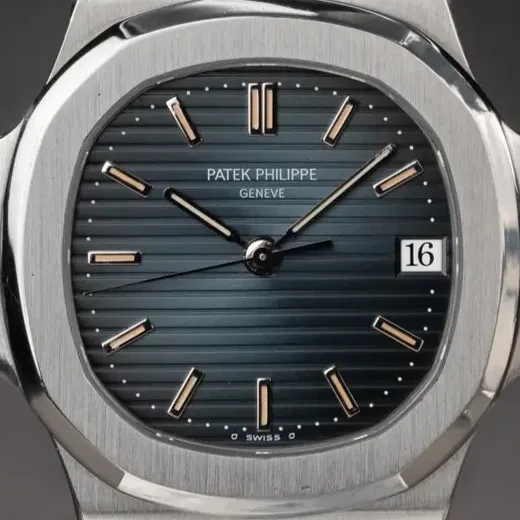
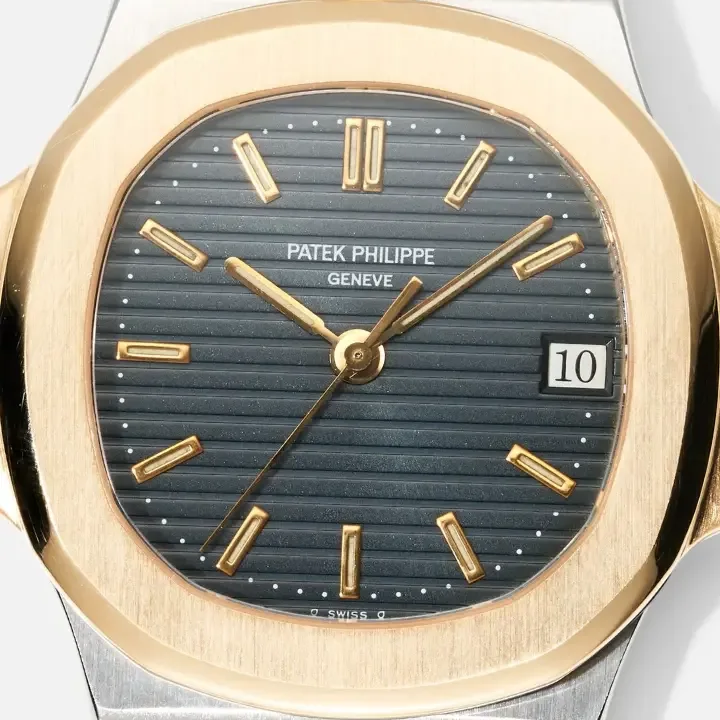
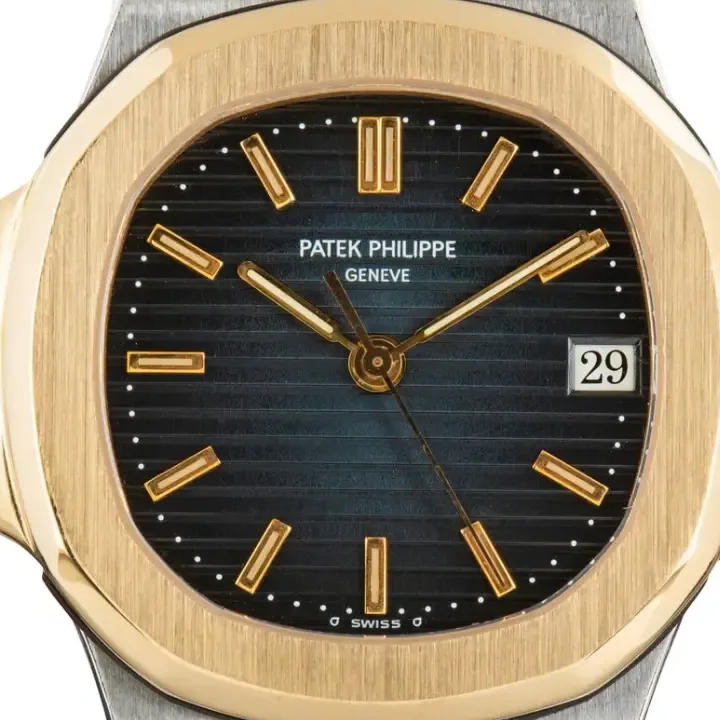
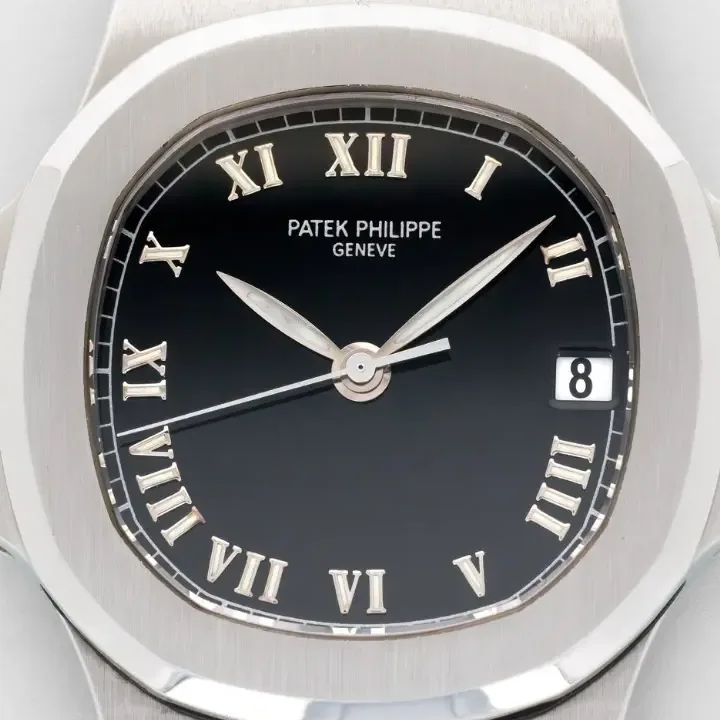
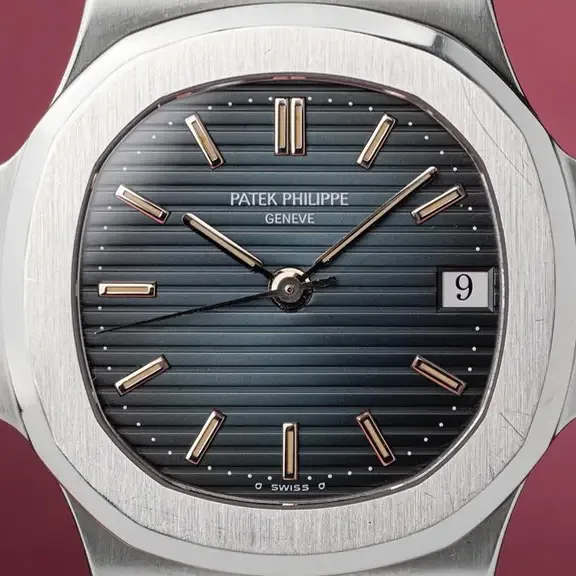
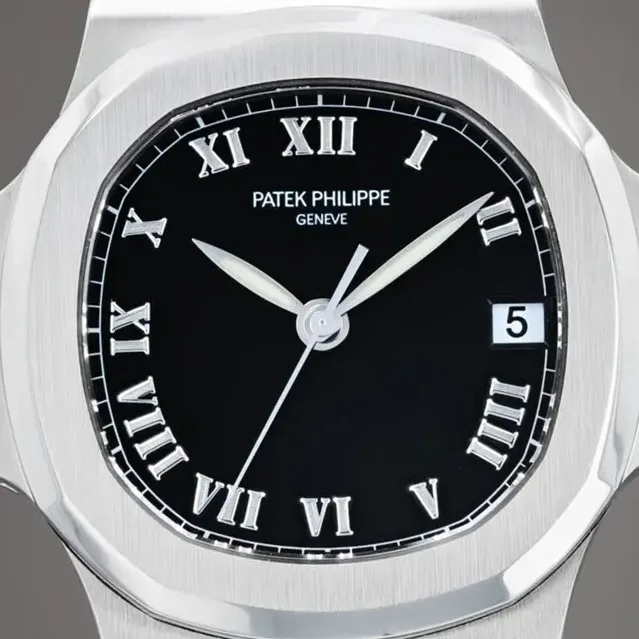
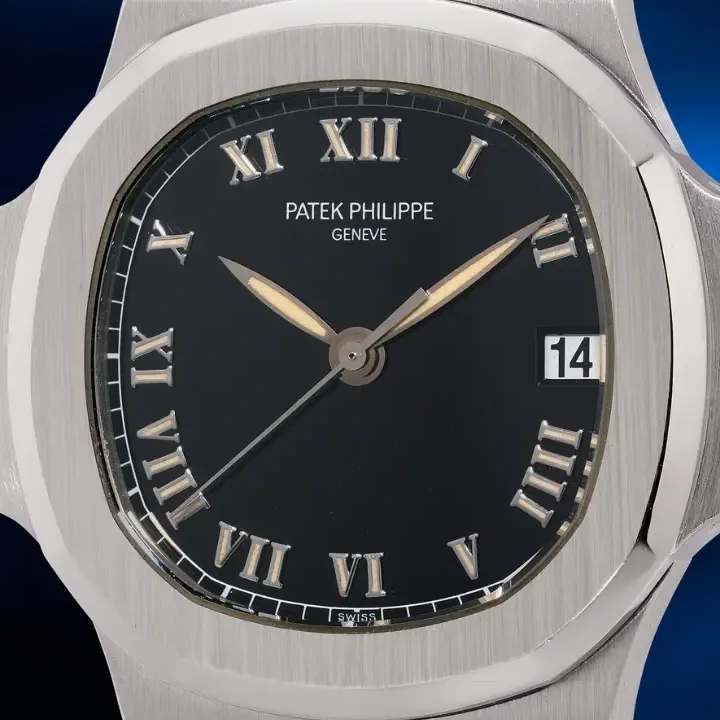
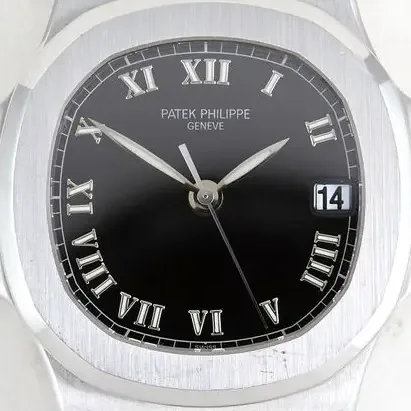
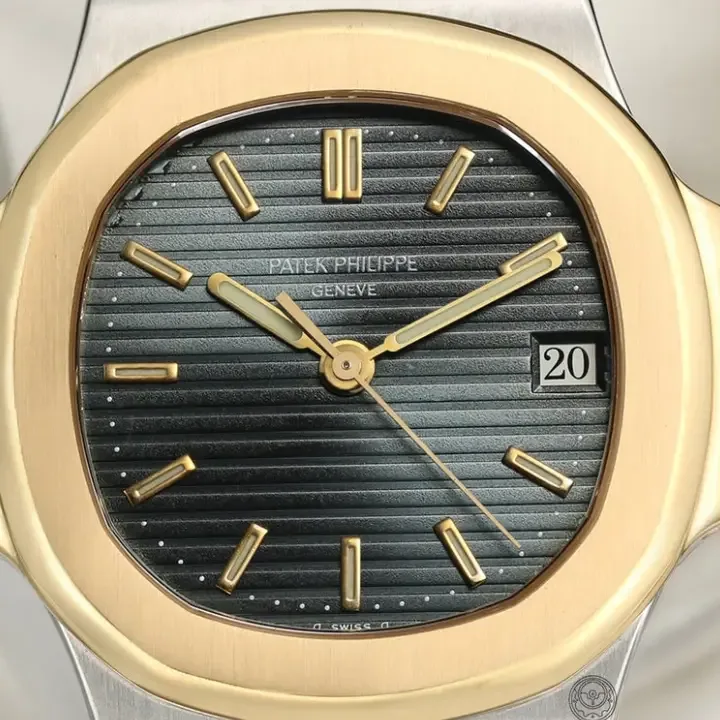
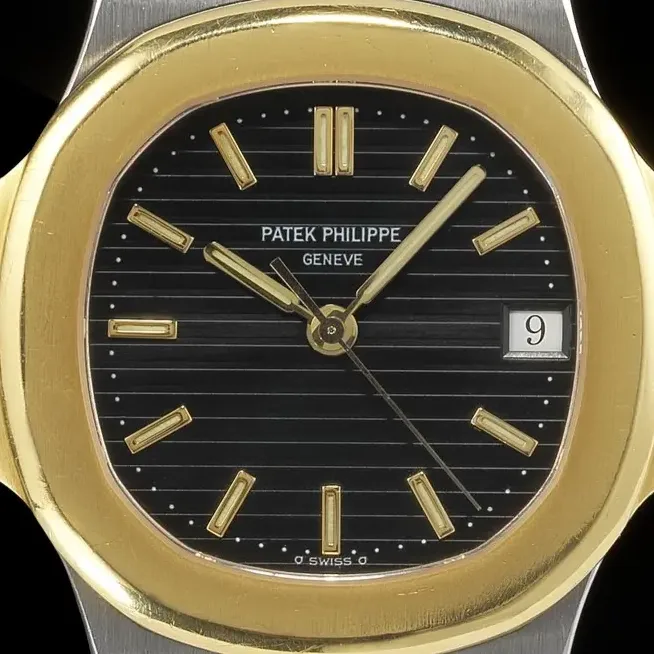
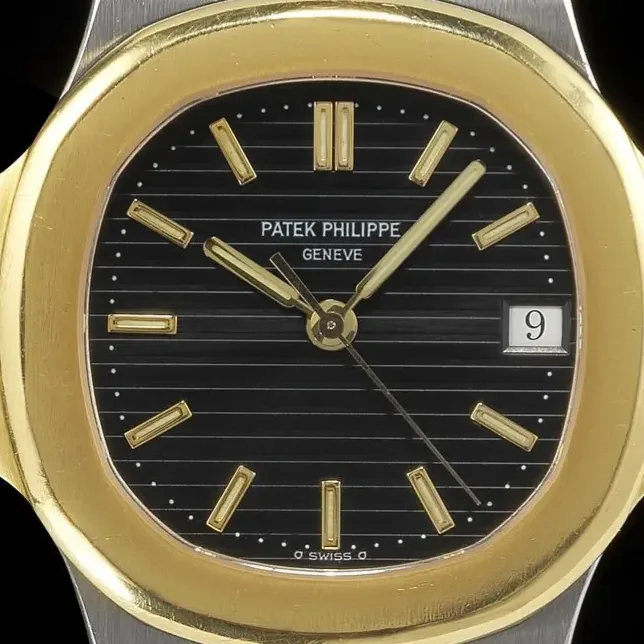
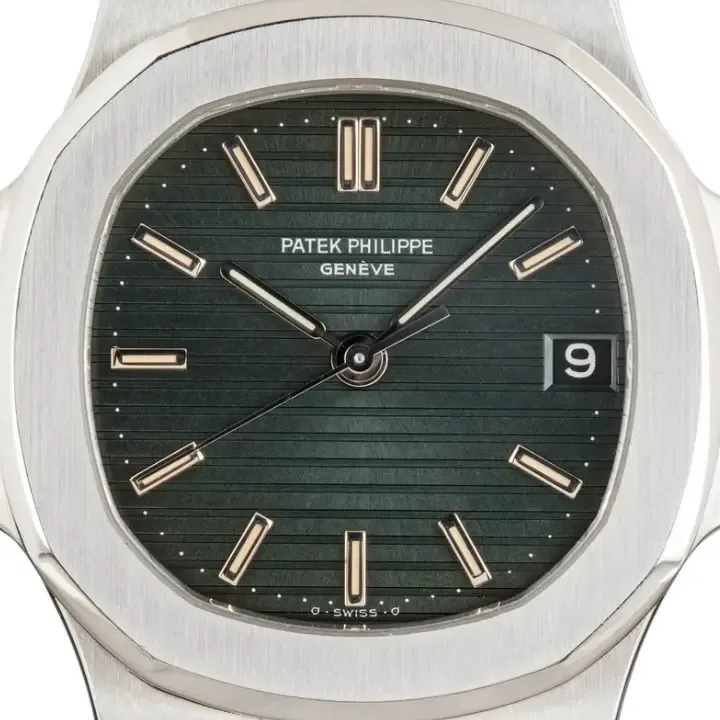
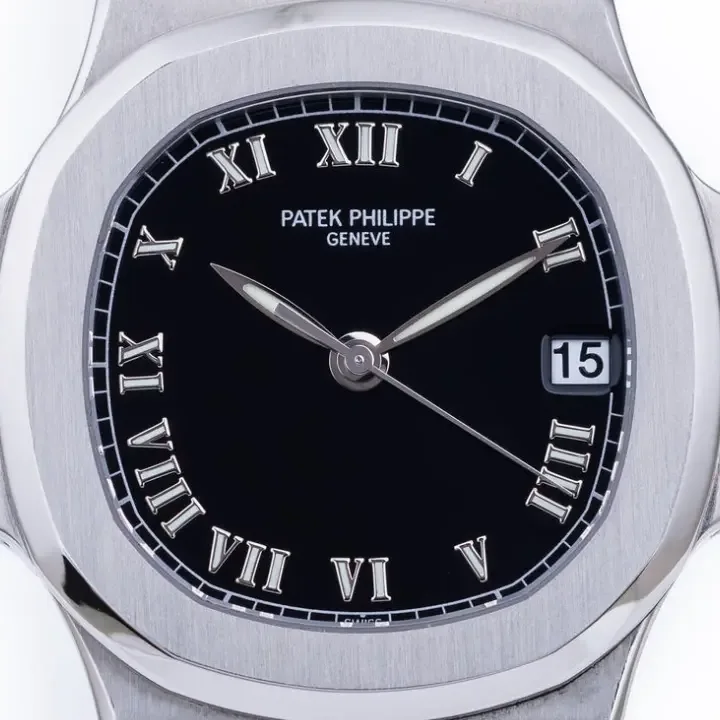
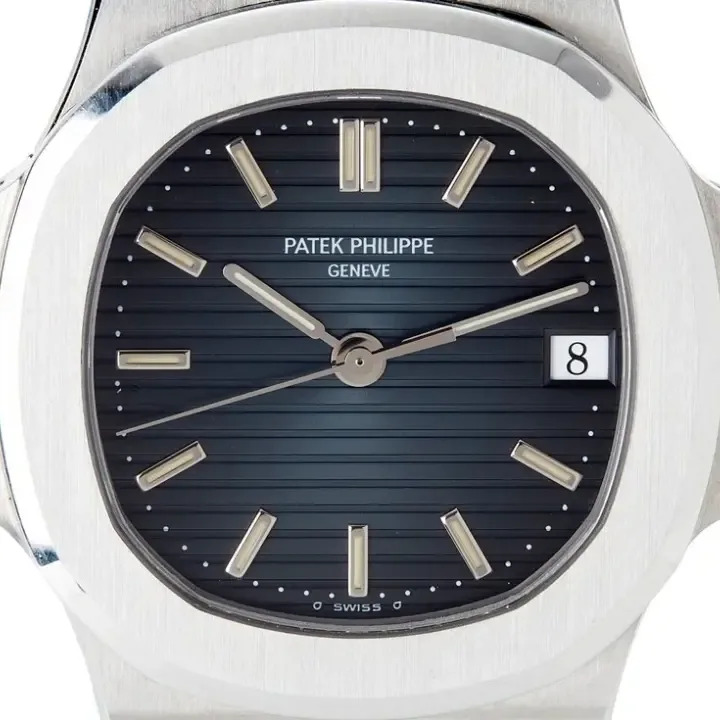
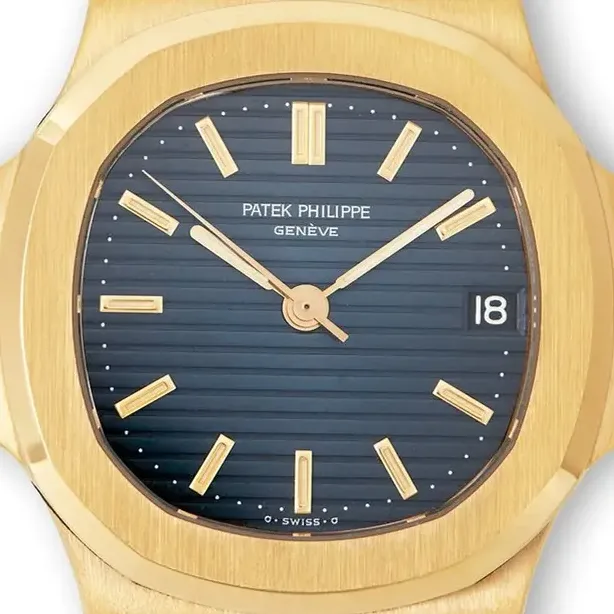
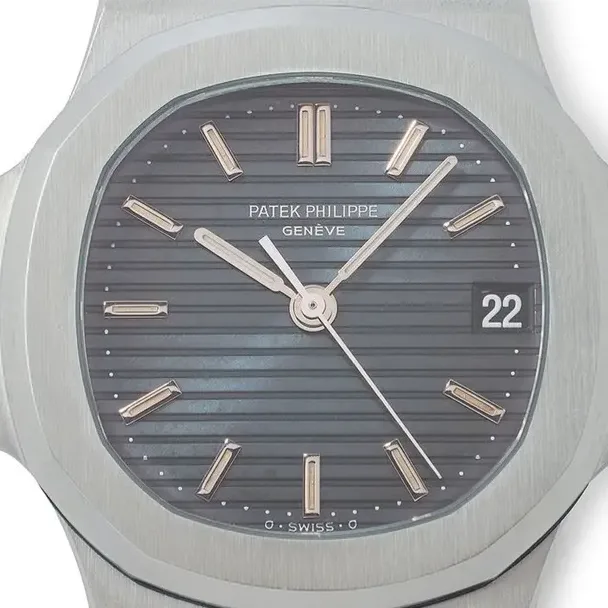
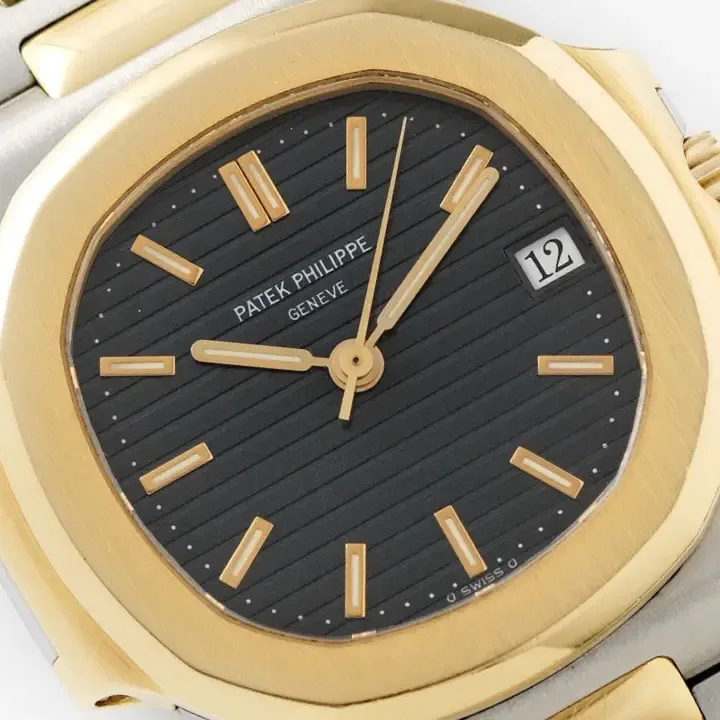
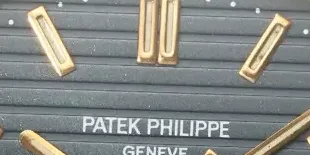
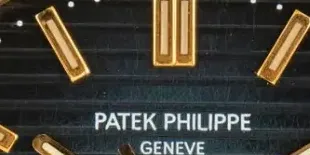
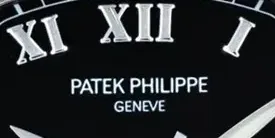
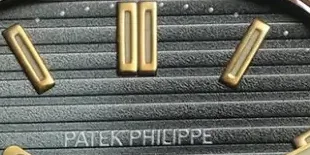
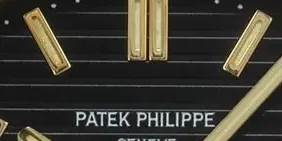
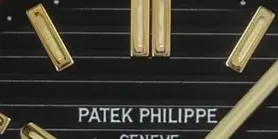
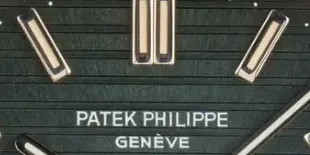
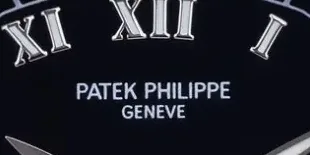
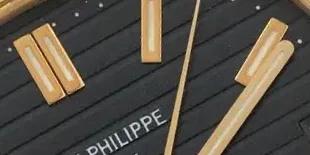
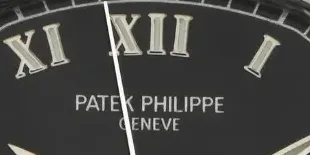
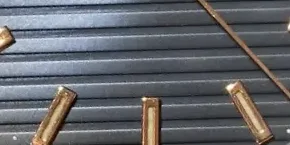
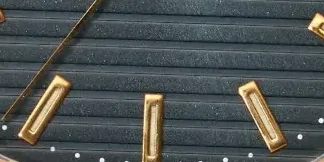
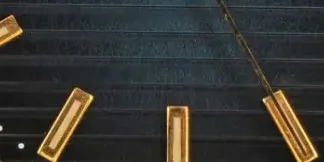
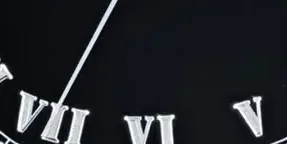
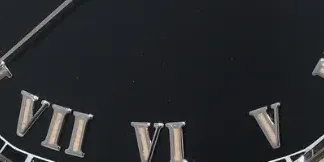
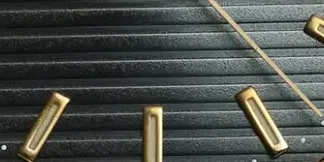
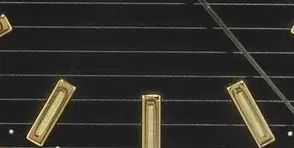
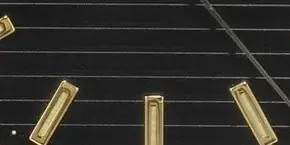
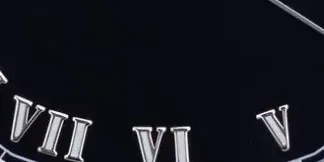
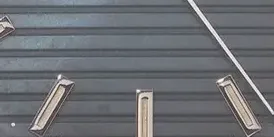
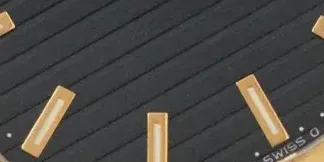
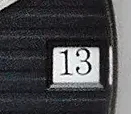
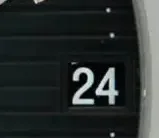
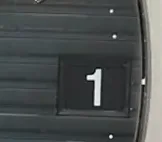
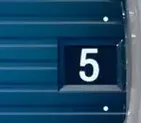
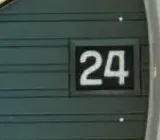
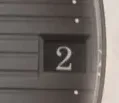
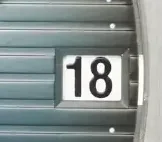
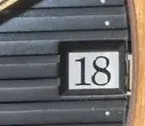
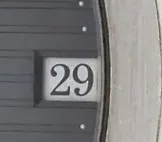
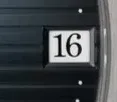
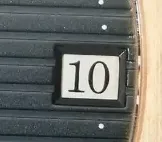
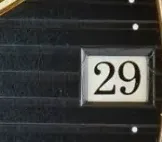
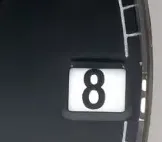
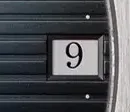
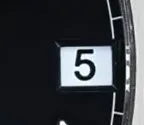
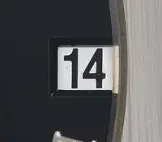
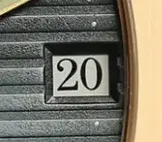
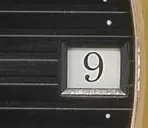
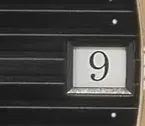
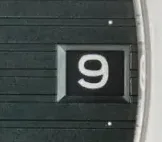
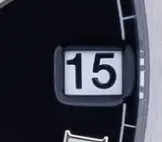
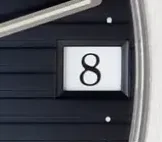
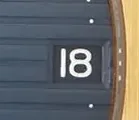
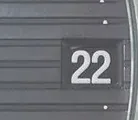
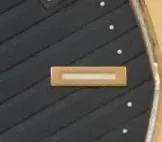
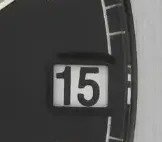
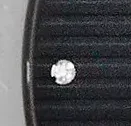
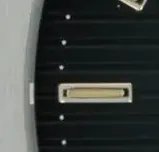
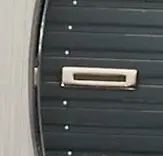
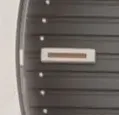
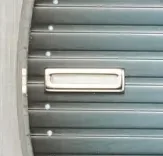
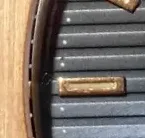
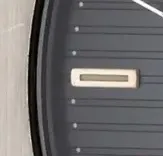
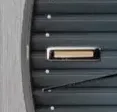
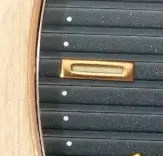
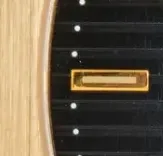
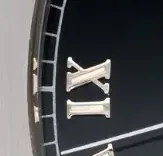
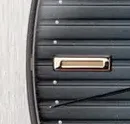
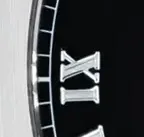
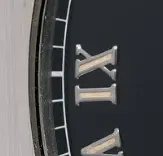
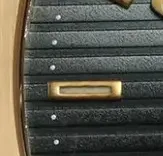
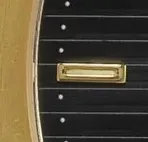
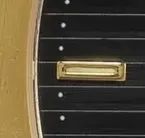
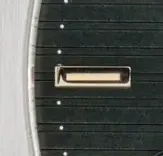
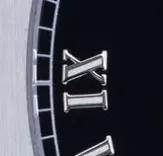
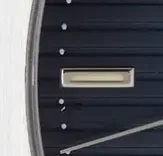
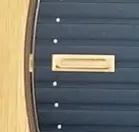
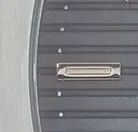
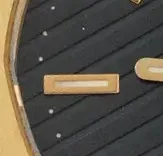
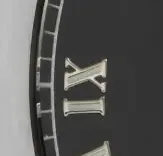
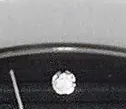
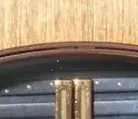
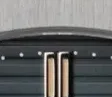
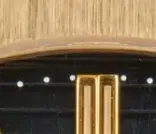
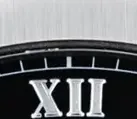
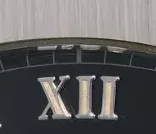
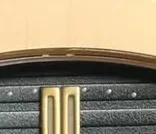
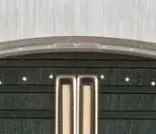
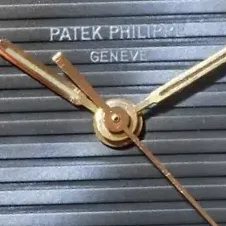
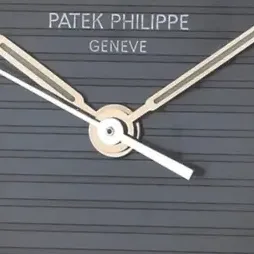
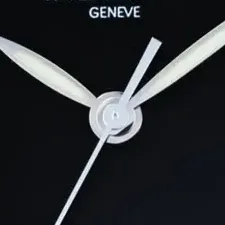
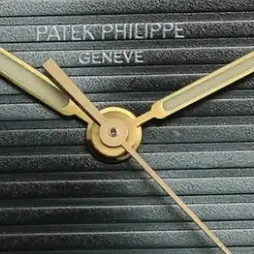
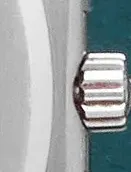
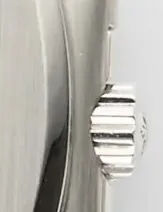
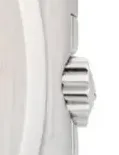
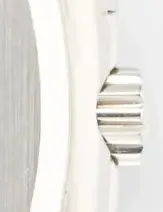
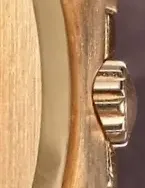
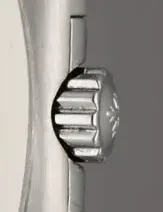
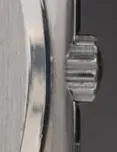
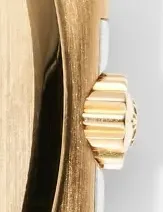
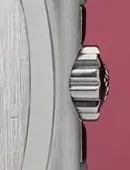
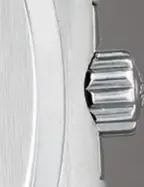
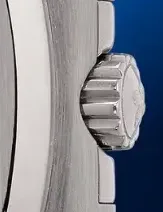
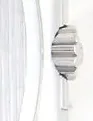
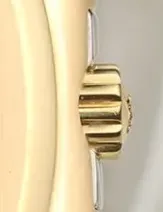
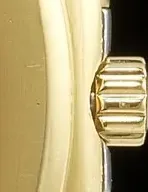
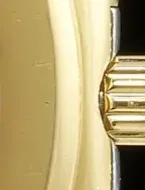
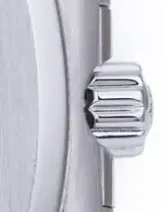
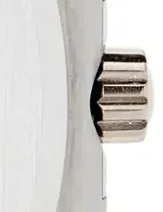
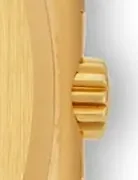
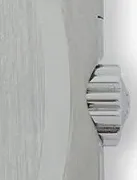
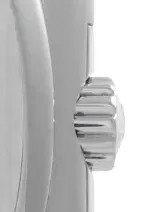
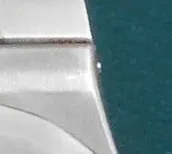
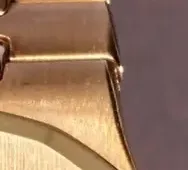
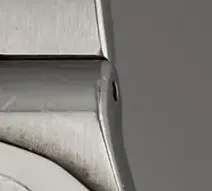
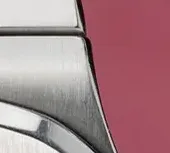
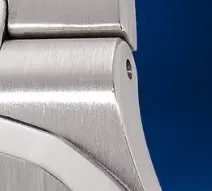
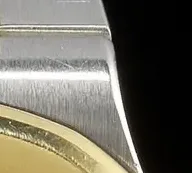
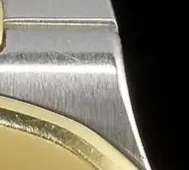
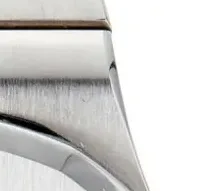
28 watches, oldest first, each straightened and cut the same way so that one row shows one component across them all. Chosen from 1,732 photographs on file for sharpness and for a face typical of the reference. A year marked c. is one its holder gives only roughly. Each picture is a detail cut from a listing photograph. Select the small mark in its corner for its year, its holder, a link to the listing it came from, and a way to report it.



























































































































Chronology
Published accounts give 1980 or 1981 for the launch and 2005 or 2006 for the end; price lists show it on sale to clients from 1982.
Every dated variant: what is written, and what the records show
For the reference the marks are every dated watch; for a variant, the watches a seller names as that variant, so a variant sellers do not name has none.
Specification
| Case | 37.5 mm monobloc case with two side ears, eight-sided bezel, screw-down crown, solid caseback; about 8 mm thick |
| Metals | Steel (3800/1A), steel and yellow gold (3800/1AJ), yellow gold (3800/1J), white gold (3800/1G), platinum (3800/1P); rose gold also named |
| Crystal | Sapphire |
| Dial | Ribbed blue as standard, with white, gold, champagne, grey, ceramic, diamond-set and Roman-numeral versions |
| Functions | Hours, minutes, centre seconds, date at 3 o'clock |
| Movement | Self-winding calibre 335 SC (to 1992), 330/134 SC (1992 to 1997), 330/194 SC (1997 to 2006); 29 jewels |
| Water resistance | Given as 120 m in most descriptions; one retailer listing says 50 m in its text and 30 m in its specifications |
| Bracelet | Integrated bracelet tapering to the clasp, polished centre links, folding clasp, in the case metal |
Dial 12 described
The 3800 was offered with more than twenty dial options in all case metals, made by an outside dial maker. Steel watches were catalogued with four main dials: dark blue ribbed with batons, white ribbed with batons, charcoal grey with Arabic numerals, and black with Roman numerals. The dials are variations rather than successive generations, because parts were made in batches and mixed in assembly. Most 3800 dials keep the horizontal ribbing of the 3700 until the smooth Roman-numeral dial of 1996.
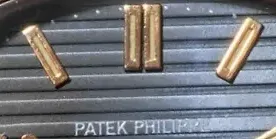
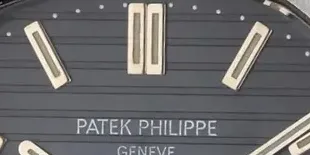
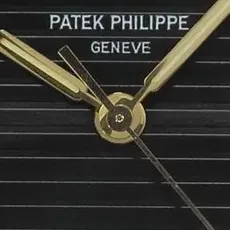
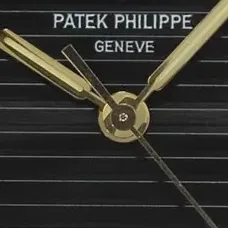
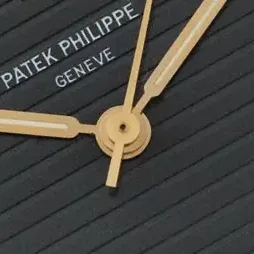
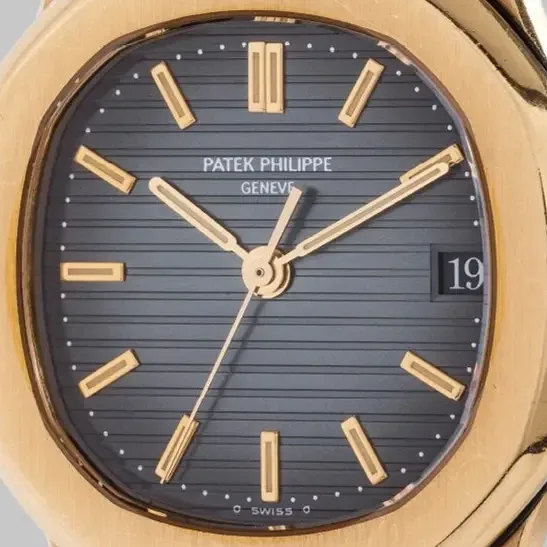
Blue ribbed dial
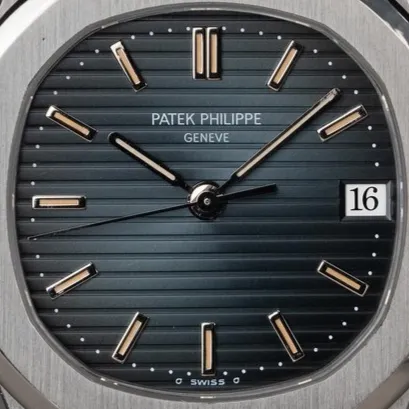
The standard dial, dark blue with horizontal grooves, baton markers with a double baton at 12, and the date at 3. The blue runs from deep navy through lighter blue to shades with a hint of green, from production changes, ageing, or both; no shade has been tied to a period. Certificates of origin, printed in French, usually call it black (noir), and archive extracts say black ribbed or occasionally anthracite ribbed; a diamond-index version is described as bleu nuit.
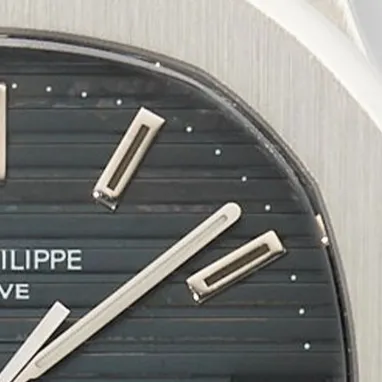
- shade from navy to green-blue
White ribbed dial
A white ribbed dial with baton markers. The 3700 had only one prototype with a white dial, but the 3800 carries white in standard production from about 1990 onwards, in steel and gold cases.
- white ribbed face
- baton markers
Gold dial
A gold-coloured ribbed dial, seldom seen on the 3700 but found on the 3800 in full yellow gold and two-tone watches from 1983, with the last dated examples around 1998. In yellow gold watches it is scarcer than the blue.
- gold ribbed face
- all-yellow look
Champagne dial with black date window
A champagne dial in a two-tone case, with the date disc black.
- champagne ribbed face
- black date disc
Radial dial
A smooth grey sunburst dial, anthracite in the archive wording, with painted white minute markers. Catalogued in 1986 in a two-tone case; archive extracts show it from new only in two-tone and platinum, and only a handful are known. The platinum example, thought to be unique, is a late watch of 1999 with calibre 330/194 SC; one account describes its dial as having no indexes at all. Steel and other examples carry it as a later dial change ordered from the maker.
- grey sunburst
- white painted markers
- SWISS without sigma
Telephone dial
The same grey sunburst finish with painted Arabic numerals, named for its resemblance to a rotary telephone dial. It appears in period catalogues in steel and is thought to have sold poorly; known examples are in steel, apart from one platinum watch that left the factory with a blue ribbed dial and was later given a telephone dial and matching hands.
- grey sunburst
- painted Arabic numerals
Ceramic dial
A smooth white or off-white ceramic dial, briefly used in the Nautilus line, usually in yellow gold or two-tone cases with gold baton markers. The batons are not filled with lume but carry small lume plots at their ends. Ceramic dials also occur in steel, platinum and white gold, normally with diamond markers.
- white or cream smooth surface
- gold batons with lume dots at the tips
Diamond-set dials
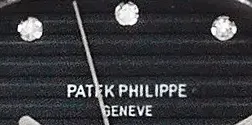
Two main types: a slate gilt centre ringed by three rows of brilliant-cut diamonds out to the edge, often with two coloured stones such as rubies or emeralds as markers; and a dial wholly covered in diamonds. Markers are baguette stones, either three only (12, 6, 9) or one at every hour except the date at 3. The signature at 12 may sit on a plaque among the stones, be printed on the crystal, or be omitted. Use grows through the 1990s.
- diamond field
- baguette markers
- signature on plaque or crystal
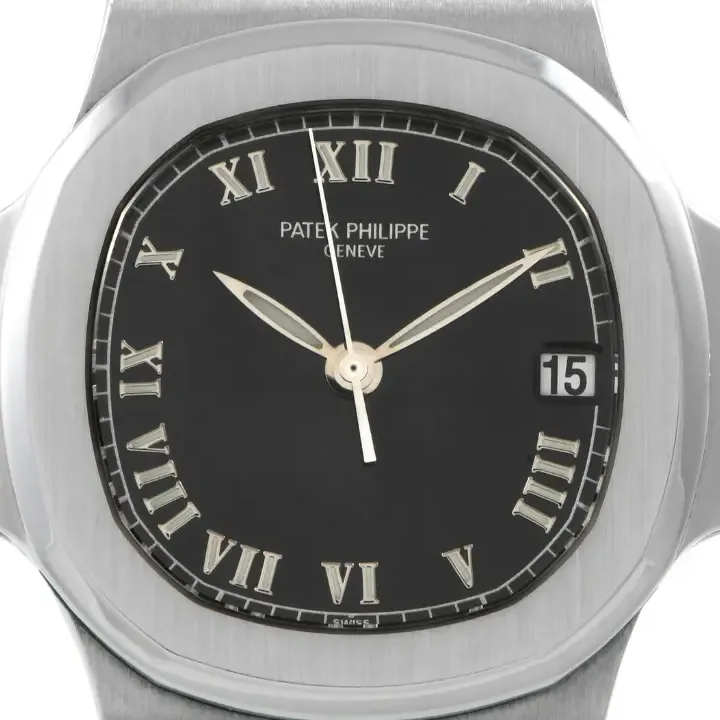
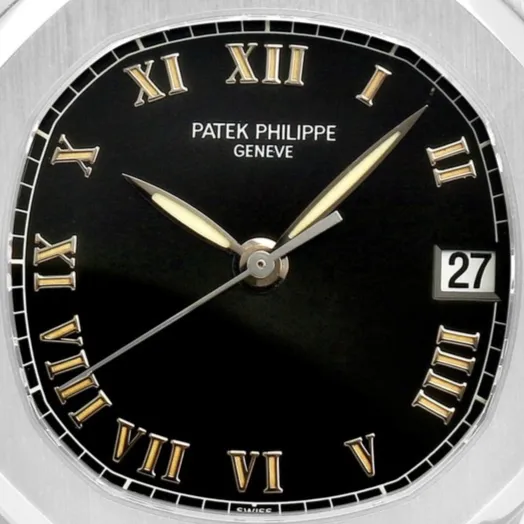
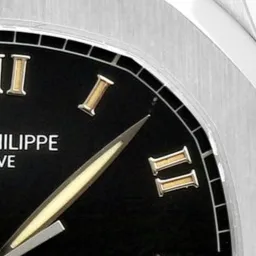
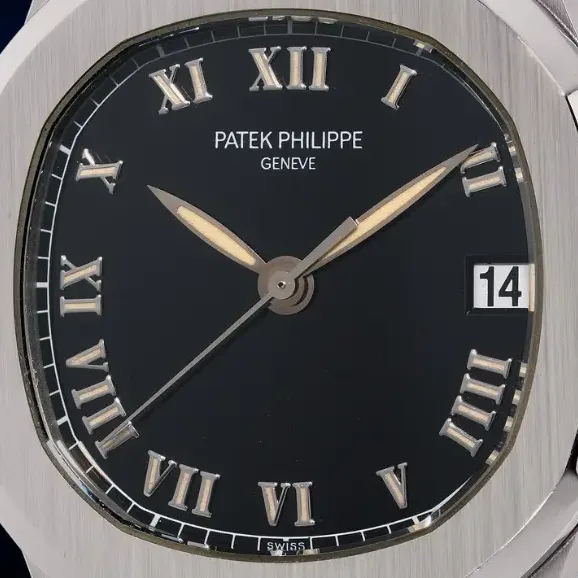
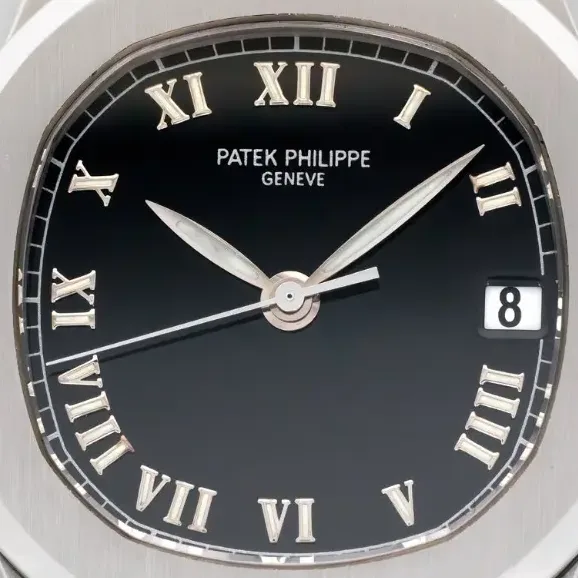
Roman numeral dial
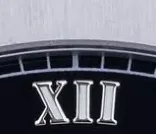
A flat, slightly shiny or matte black dial with applied Roman numerals filled with lume and a railway minute track, with leaf hands, marking a break from the ribbed dials. It was introduced in 1996, in steel and in the two-tone 3800/1JA, and the earliest example found dates from that year; most are cased in steel, with some in yellow gold. A white version has Roman numerals at 12, 6 and 9 and thin batons elsewhere, in two-tone and yellow gold.

Retailer-signed dials
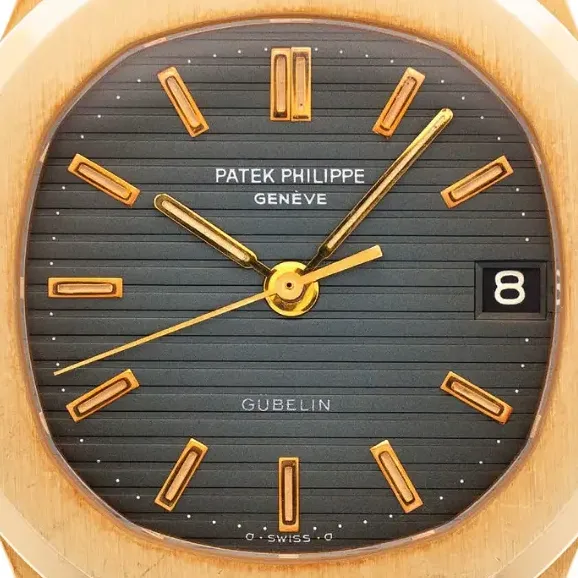
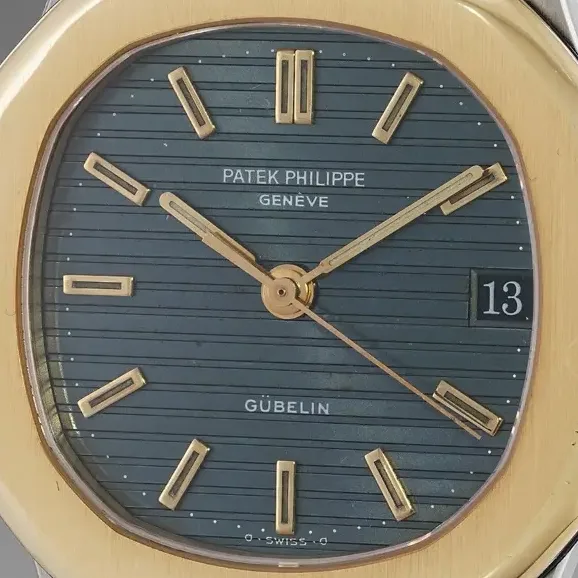
Dials signed for retailers, such as Beyer, Gubelin and Tiffany, as well as for Asprey (only two publicly known) and for the Sultan of Oman with the Omani emblem, were made in small numbers.
- second retailer name on the dial


GENEVE signature with accent
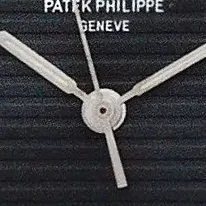
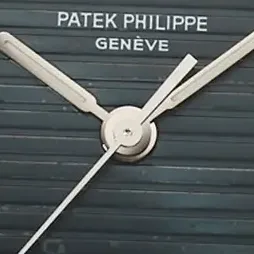
The 12 o'clock signature reads PATEK PHILIPPE GENEVE, and an accent over the second E marks the minority of early dials; most of the 1980s production has none. From about 1990 the accent is absent except on diamond-set dials. The thickness of the lettering also varies slightly but has not been sorted into types.
- accent over the second E of GENEVE
Sigma SWISS signatures at 6
Three forms: sigma, dot, SWISS, dot, sigma; sigma SWISS sigma; and SWISS alone. The sigma marks gold applied markers and is absent on radial, telephone and ceramic dials. Makers generally followed the practice from 1971 to 1995, yet some 3800 dials made after 1995 carry it, up to about 2003.
- sigma on either side of SWISS
Hands 2 described
Hands follow the dial: baton hands with the ribbed dials and leaf hands with the Roman-numeral dial.
Baton hands
Hour and minute hands in baton form, matching baton markers, on the ribbed dials; the centre seconds hand is a 3800 addition over the 3700.
- baton hands
- central seconds
Leaf hands
Leaf-shaped hands accompany the 1996 Roman-numeral dial. Gold hands go with gold markers.


Case 1 described
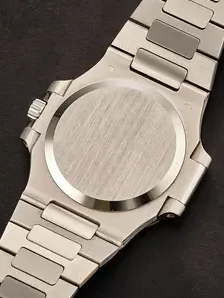
The case keeps the Nautilus form on a smaller scale: monobloc, a top module secured by two ears, a smoothed octagonal bezel and a solid caseback.
37.5 mm monobloc case
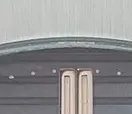
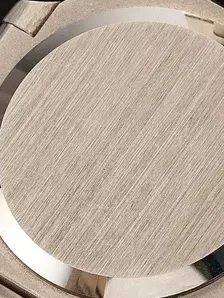
A reduced version of the 3700 case, 37.5 mm across and about 8 mm thick, with a fixed, polished octagonal bezel, screw-in crown and monobloc back, described as water resistant to 120 m. The metal letters in the reference give the case: A steel, AJ two-tone, J yellow gold, G white gold, P platinum, and /1 a metal bracelet.
- 37.5 mm
- two side ears
- octagonal bezel
- solid back
Date 3 described
The date window sits at 3 o'clock. Two date discs were used, with two numeral typefaces.
Black date disc
White numerals on a black disc, used chiefly in the early years and possibly Patek's first black date disc, since the 3700 only had white. It fades out of use from about 1990.
- black disc, white numbers
White date disc
Black numerals on a white disc. Present from the start, as a white disc is shown in the October 1982 catalogue, and the only type seen from about 1990. White discs on early watches are therefore not always replacements.
- white disc, black numbers
Serif and bold date typefaces
The numerals appear in a thinner serif face with small terminal strokes, or in a bolder face, on discs of either colour, with no pattern in their use.
- thin numerals with decorative ends vs bold numerals
Movement 3 described
The 3800 was Patek's first Nautilus with its own movement, a self-winding calibre with centre seconds, replacing the 28-255 C of the 3700. Published accounts disagree on the frequency of the first movement but agree on the order of the calibres.
Calibre 335 SC
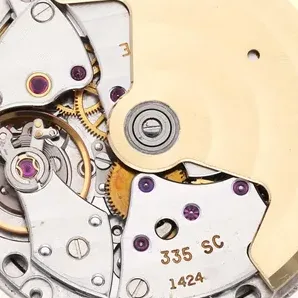
The first movement, 29 jewels, with a gold rotor and centre seconds. Most accounts say it had neither the Geneva Seal nor a Gyromax balance, and it was criticised for those omissions and for a short power reserve; one account does list a Gyromax balance for it. Early watches lack quick-set date; it was added in 1987. Slightly thicker than the 28-255 C and about 1 mm smaller in diameter.
- calibre 335 SC
- no Geneva Seal
Calibre 330/134 SC
Replaced the 335 SC in 1992, with a two-spoke, eight-weight Gyromax balance and the Geneva Seal.
- Geneva Seal on the movement
Calibre 330/194 SC
Introduced in 1997, running at 3 Hz to raise the power reserve to about 48 hours, with other specifications unchanged. It stayed to the end of production.
- lower beat, 48 hour reserve
Bracelet 1 described
An integrated bracelet in the case metal, built with polished centre links.
Tapered integrated bracelet
Tapers markedly towards the clasp to suit the smaller case, with polished centre links the length of the band and a folding clasp.
- strong taper
- polished centre links
- folding clasp
Originality
- White date discs on early watches may be original, as one was in the 1982 catalogue; black discs on late watches are unexpected.
- The radial and telephone dials were often fitted as later changes ordered from the maker, so a watch with one may have had a different dial when new; archive extracts name the first dial.
- Because parts were batched, an unusual mixture of dial, date disc and signature is not itself a sign of replacement.
- An accent on GENEVE or a sigma at 6 should agree broadly with the date of the watch, but exceptions exist.
Names
- Mid-size. The 37.5 mm size between the 42 mm 3700 and the smaller quartz Nautilus.
- Telephone dial. The grey sunburst dial with painted Arabic numerals recalls a rotary telephone dial.
- Radial dial. Grey sunburst dial with painted white minute markers; also called exotic.
Where accounts differ
Points on which the published literature and the library's own records do not agree, or on which the literature contradicts itself.
- Frequency of the first movement. One account gives calibre 335 SC as 28,800 beats an hour and blames that rate for a short power reserve, while another gives it a 3 Hz rate (21,600 beats an hour). Most accounts put the 335 SC and 330/134 SC at 4 Hz and the 330/194 SC at 3 Hz.
- Water resistance. A retailer listing for a two-tone 3800/001 gives 50 m in its text and 30 m in its specification table; other accounts give 120 m for the Nautilus line and the 3800.
- Production span. Published accounts give 1980 or 1981 for the launch and 2005 or 2006 for the end. One account treats 1981 as the launch, noting that a September 1981 price list lacks the 3800 and that it appears in price lists from 1982.
- Gyromax balance in calibre 335 SC. Most accounts say the 335 SC had no Gyromax balance and no Geneva Seal, the Gyromax arriving with the 330/134 SC in 1992. One account lists a Gyromax balance wheel among the features of the 335. The body follows the majority.
Back and movement
From listings of this reference, each confirmed by eye to show what it is filed under. A picture on which a person's name or a personal engraving can be read is not shown. From most holders a detail from the middle of the photograph is shown; the mark in its corner gives its holder and a link to the listing.
Caseback


Movement

Catalogue versions 17 listed
The full numbers under which holders list this reference, with what their listings say of each. Each has a page of its own.
| Version | Metal | Dial | Years seen | Records |
|---|---|---|---|---|
| 3800/1JA | Steel and gold | Blue or champagne | 1984–2000 | 22 |
| 3800/5 | Yellow gold | Black or champagne | 1984–1993 | 15 |
| 3800/1P | Platinum | Blue or silver | 1985–2001 | 8 |
| 3800/2 | Gold or steel | 1987–1993 | 6 | |
| 3800/001A | Steel | Blue | 1985–1996 | 3 |
| 3800/003 | Platinum or yellow gold | White | 1989–1995 | 3 |
| 3800/103 | Yellow gold | 1990 | 3 | |
| 3800/108 | White gold | 1987–1996 | 3 | |
| 3800/1G thin | White gold | Black | 1988–2000 | 2 |
| 3800/3J thin | Gold or yellow gold | Red | 1998 | 2 |
| 3800/3P thin | Platinum | Black or cream | 1998 | 2 |
| 3800/4G thin | White gold | Cream or white | 1986–2003 | 2 |
| 3800/002JA thin | 1983 | 1 | ||
| 3800/004 thin | Gold | Gold | 1988 | 1 |
| 3800/123 thin | Yellow gold | 2007 | 1 | |
| 3800/2J thin | 1 | |||
| 3800/5J thin | Yellow gold | 1984 | 1 |
In the records
Counted from 653 listings at 53 holders between 24 April 2008 and 14 November 2026. These are what sellers and auction houses state, not measurements.
Fainter bars are the 30 outside the main run of 1983–2003 (the middle nine-tenths): the earliest is 1979 and the latest 2007. They are early and late examples, and now and then a seller's slip. The head of the page gives 1980–2007: the years that listings from two holders bear out. Not on the scale: 2025 (1). A year more than ten from all the rest is usually a model name or a founding date, not the year of the watch.
At the holders that record papers on every watch, 54% of their 46 listings of this reference come with papers; at those that record the box on every watch, 58% of 45 come with a box. "Papers" is whatever the holder counts as papers, and can include service papers.
Case metal
| Steel | 211 | |
| Gold, any colour | 202 | |
| Yellow | 121 | |
| White | 27 | |
| Pink | 2 | |
| Colour not stated | 52 | |
| Steel and gold | 57 | |
| Platinum | 27 |
A listing that says "gold" or "18K gold" names no colour: it is counted under "colour not stated", not as yellow gold.
Dial colour
| Blue | 105 | |
| Black | 53 | |
| White | 46 | |
| Champagne | 29 | |
| Gold | 25 | |
| Cream | 13 | |
| Grey | 6 | |
| Silver | 4 |
Case size
| 38 mm | 249 | |
| 37 mm | 91 | |
| 36 mm | 17 |
Calibre named
| 335 | 127 | |
| 330 | 75 | |
| 335SC | 21 | |
| 330SC | 19 |
Bracelet or strap
| Metal bracelet, kind not stated | 397 |
Each table counts the listings that state the thing, in the seller's own terms. A size, metal, colour or calibre that cannot belong to this reference is a seller's slip or a listing filed under the wrong number.