Nautilus (the original 'Jumbo')
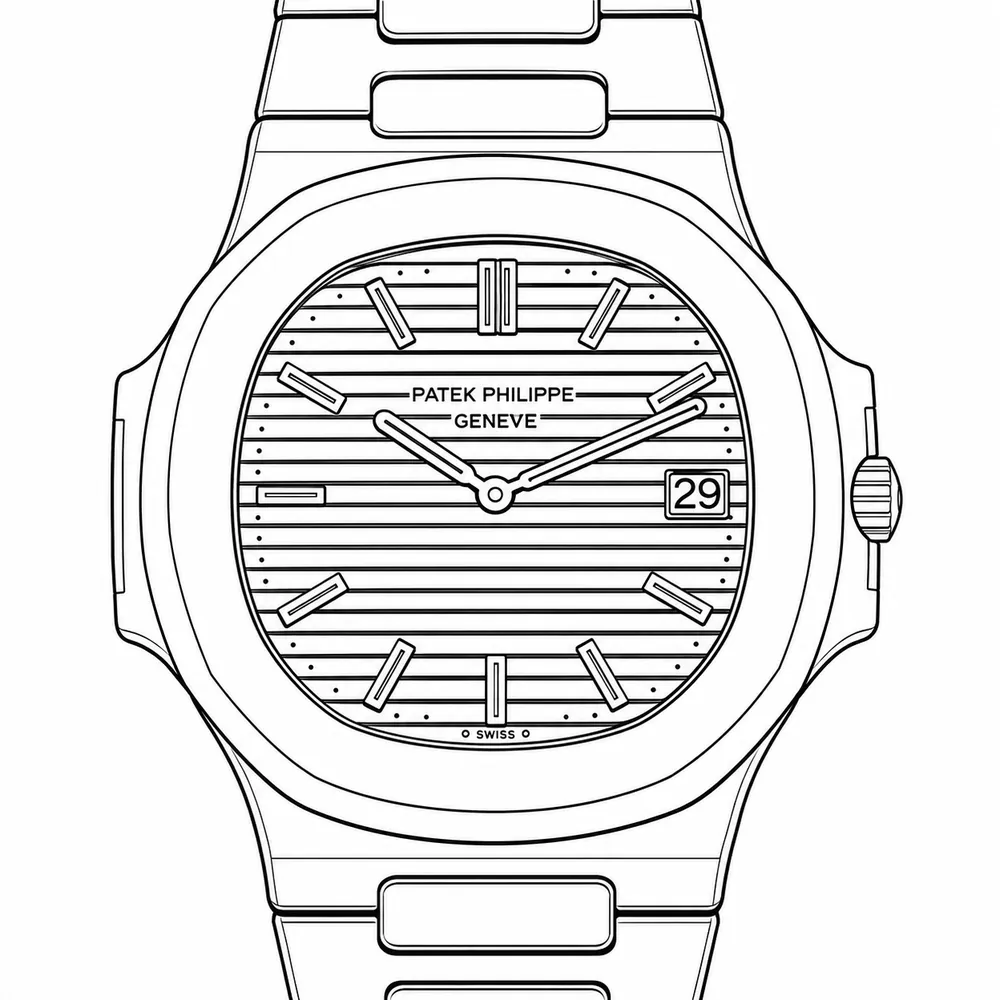
The 3700 is the first Nautilus, a 42 mm time-and-date watch in a rounded octagonal case with an integrated bracelet and a horizontally grooved dial. It was shown in 1976, delivered from 1977 and made until about 1990, in steel, yellow gold, steel and gold, and in a handful of white gold and platinum pieces. It has two main versions, 3700/1 and the later 3700/11 with a slimmer bracelet and in-house case. The 5711 later took over its role. Collectors look first at the dial signature and condition, the bracelet type, and the original cork box and archive extract.
- Made
- 1976–1990dates approximate
- Seen in the library
- 1976–1989nine in ten in 1976–1984 · by years sellers state
- Case
- 42 mm · steel (57%), gold (32%)as sellers state
- Movement
- Calibre 28-255, 28-255Cautomatic
- On record
- 396 listings947 photographs · 35 holders
Components
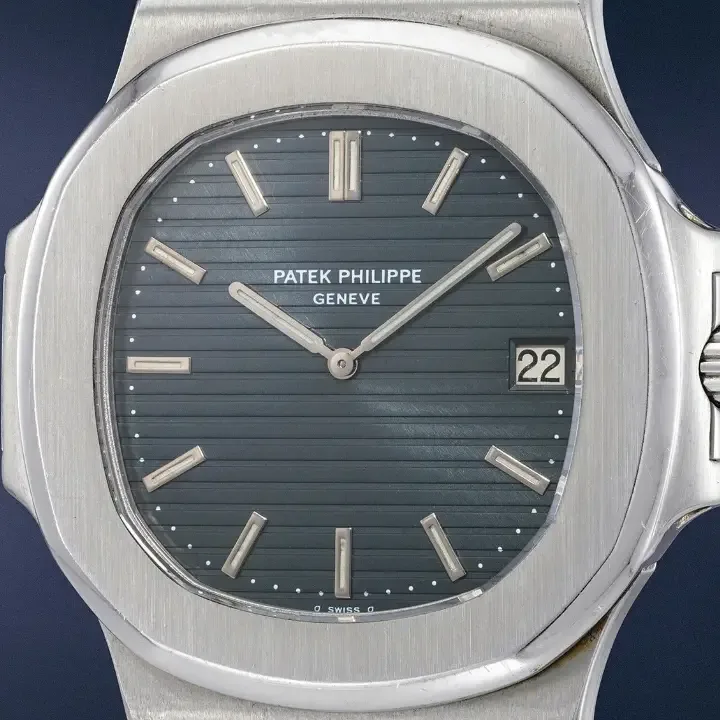
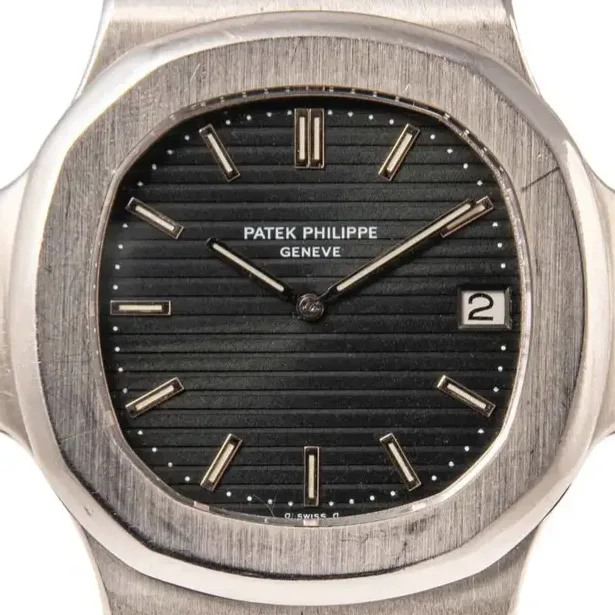
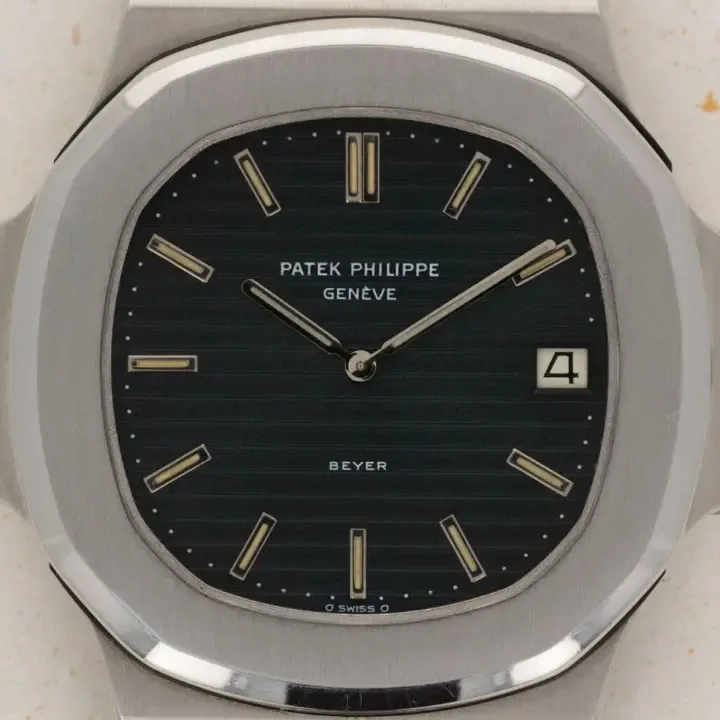
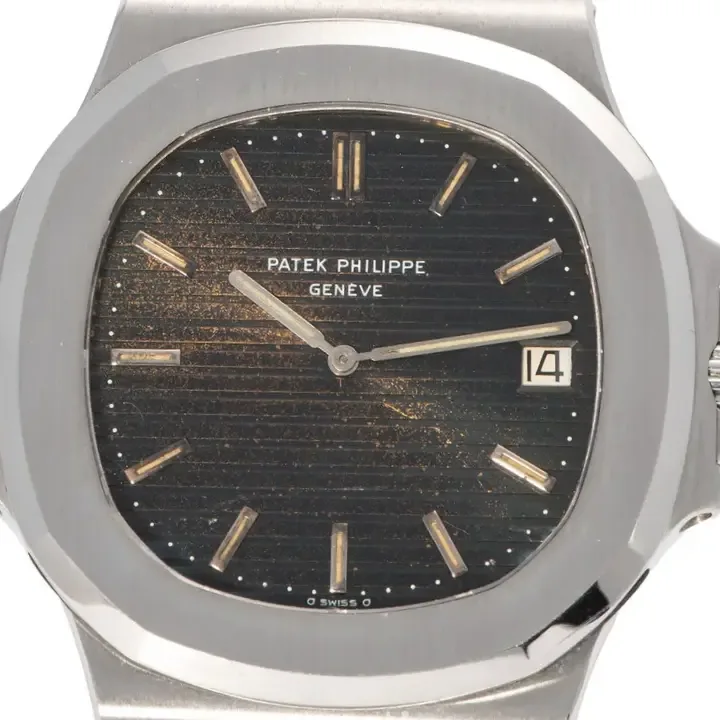
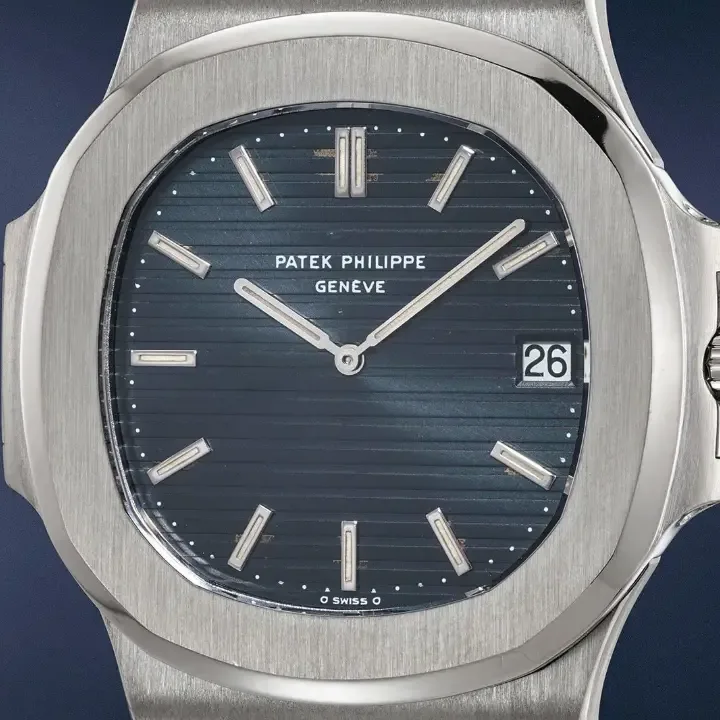
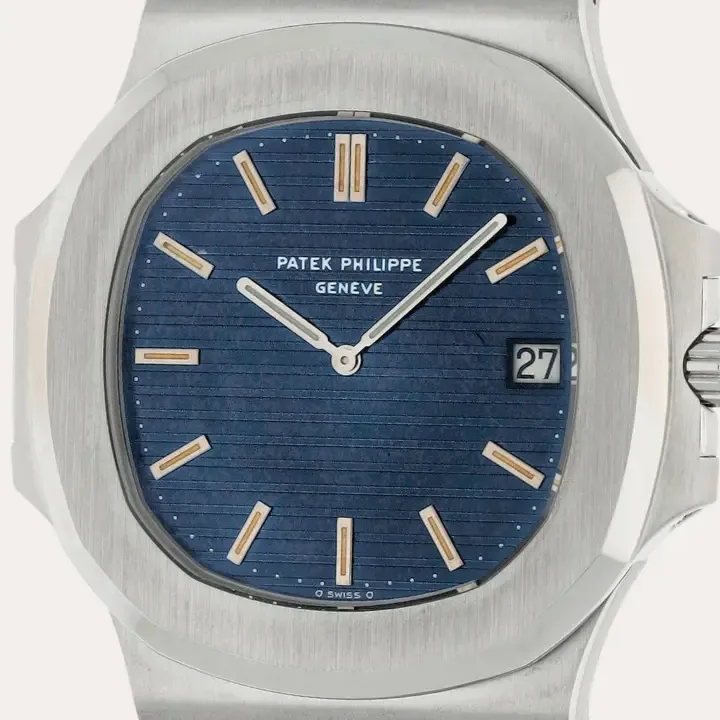
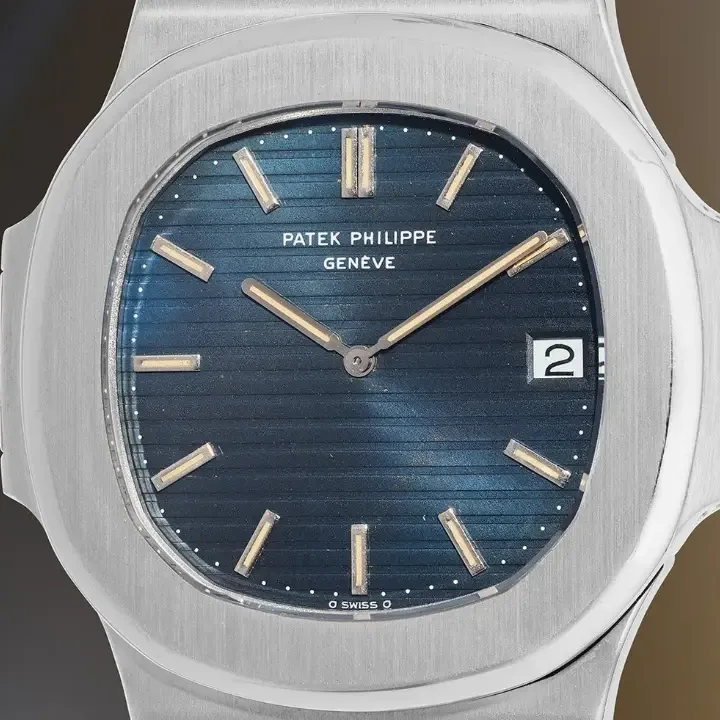
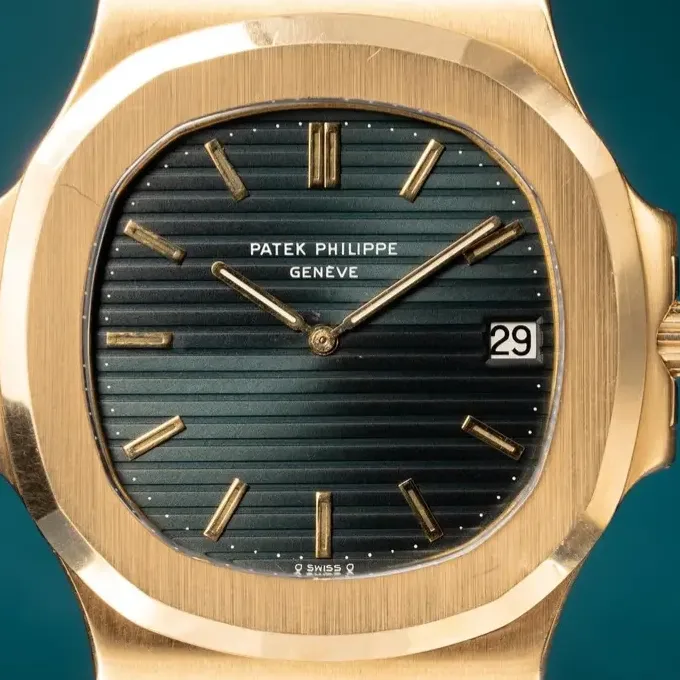
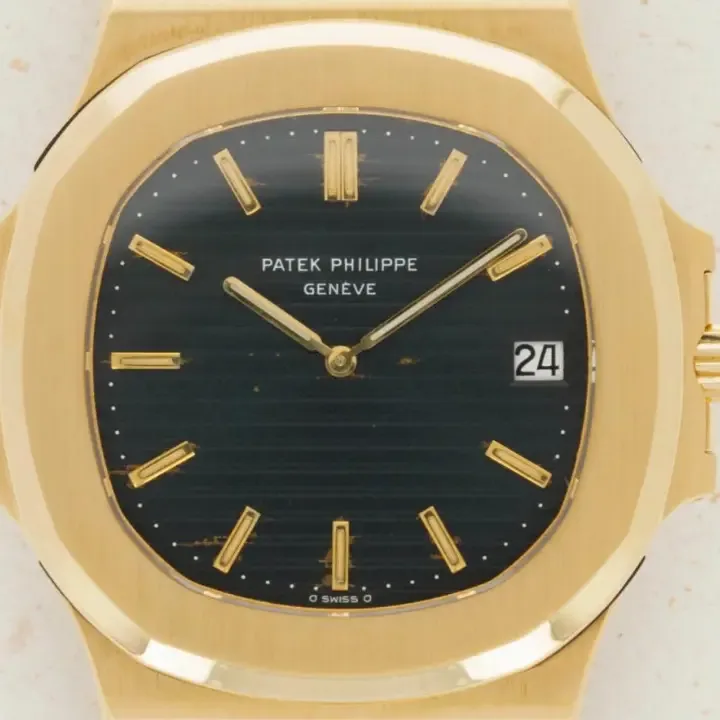
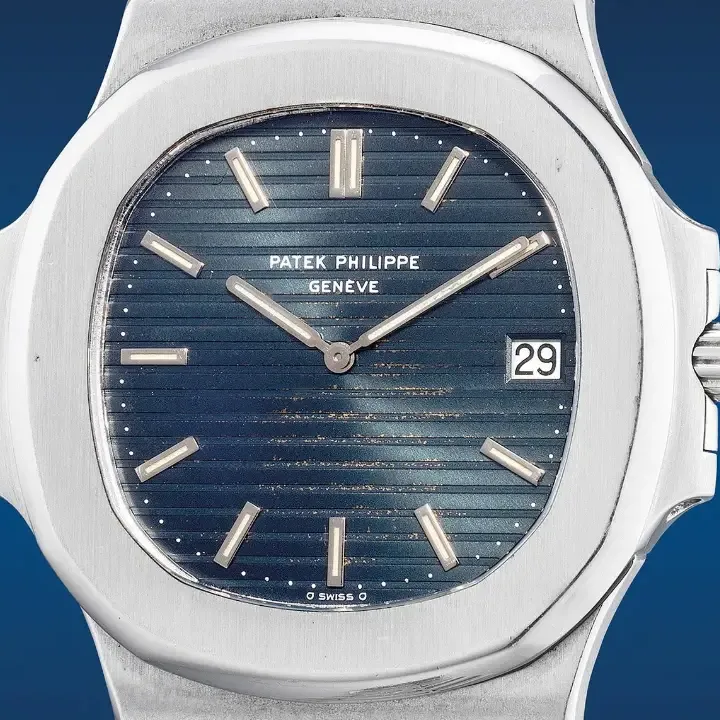
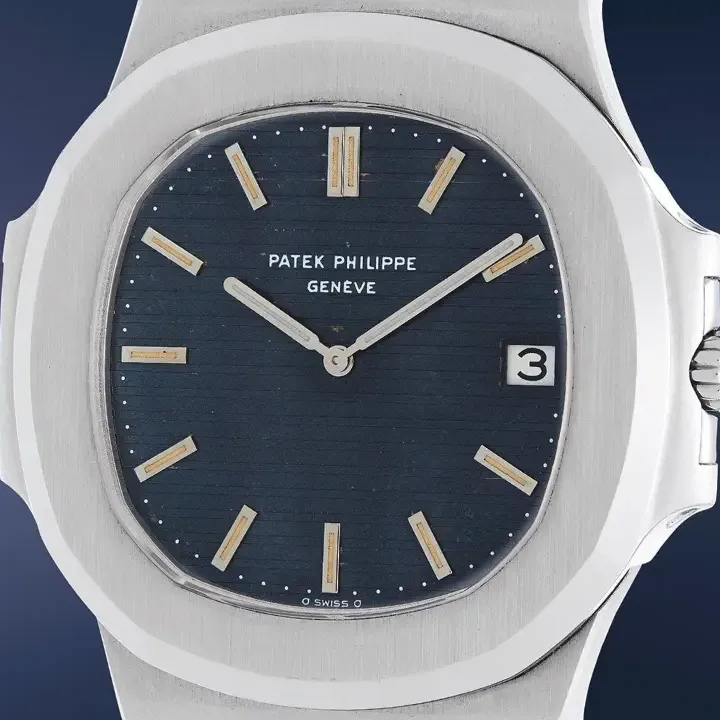
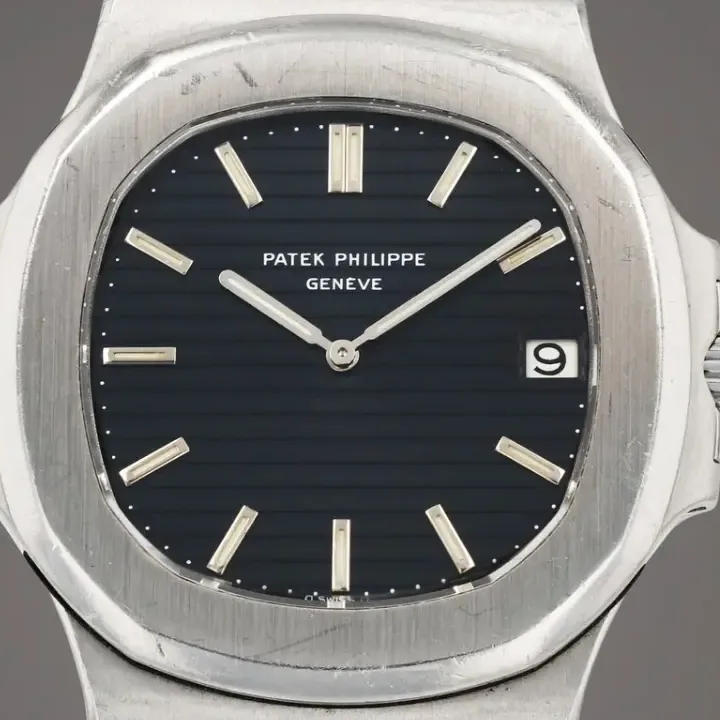
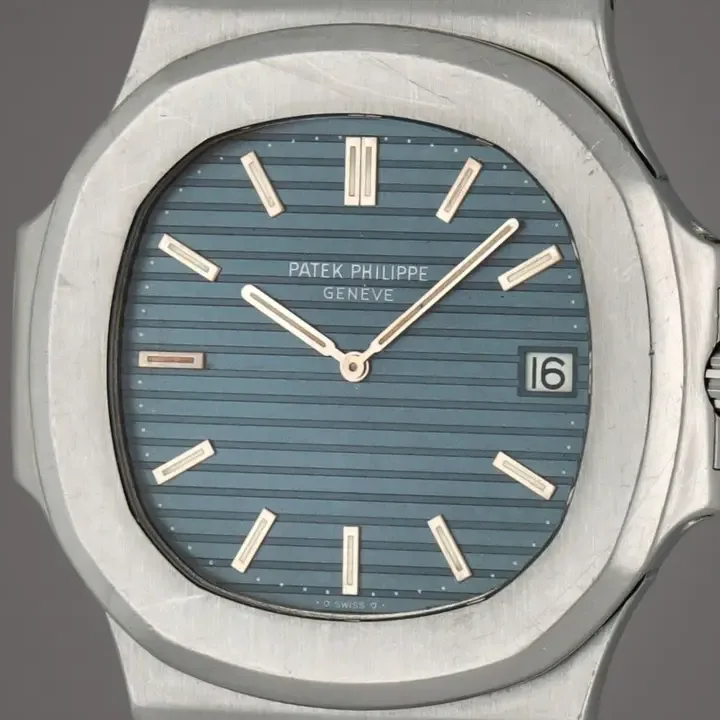
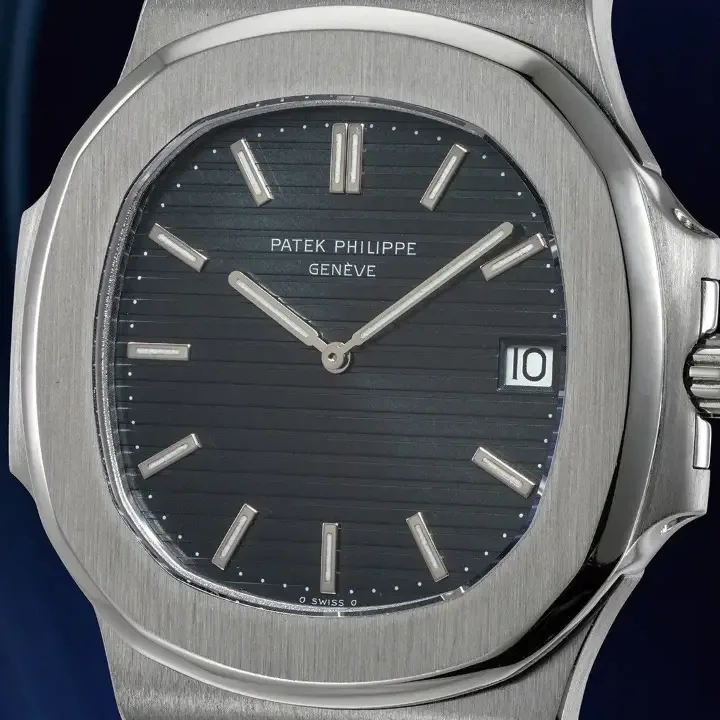
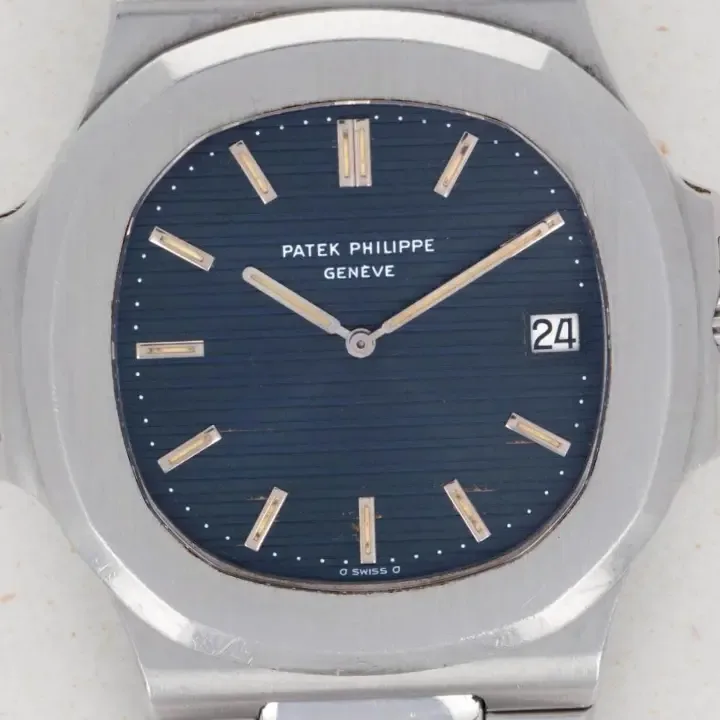
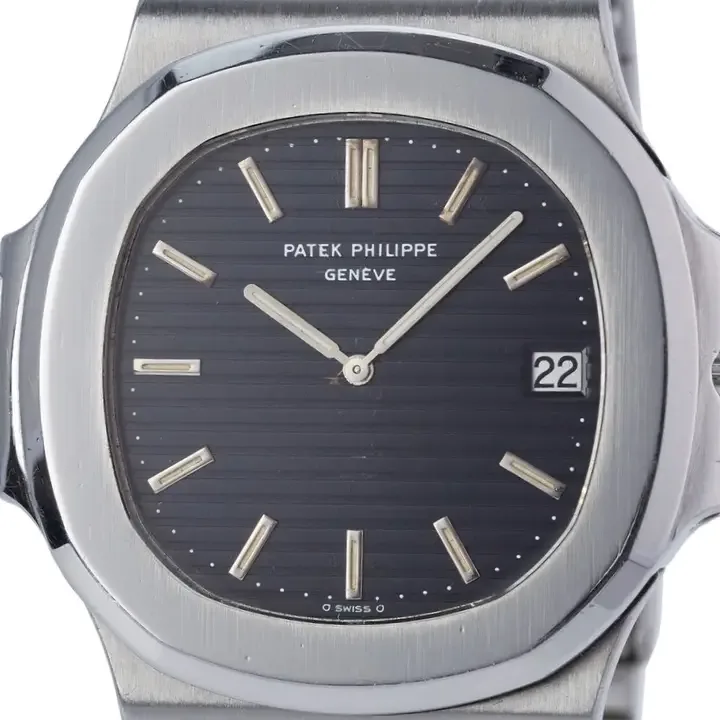
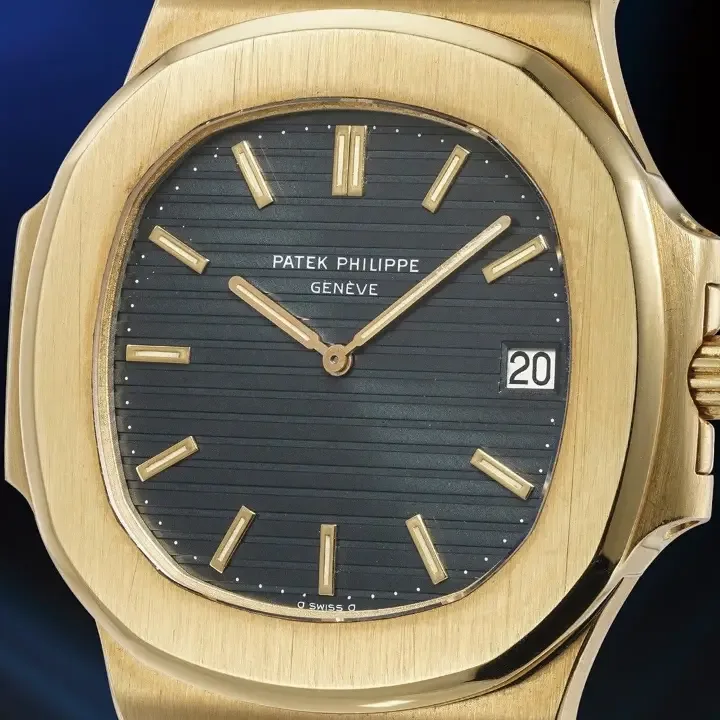
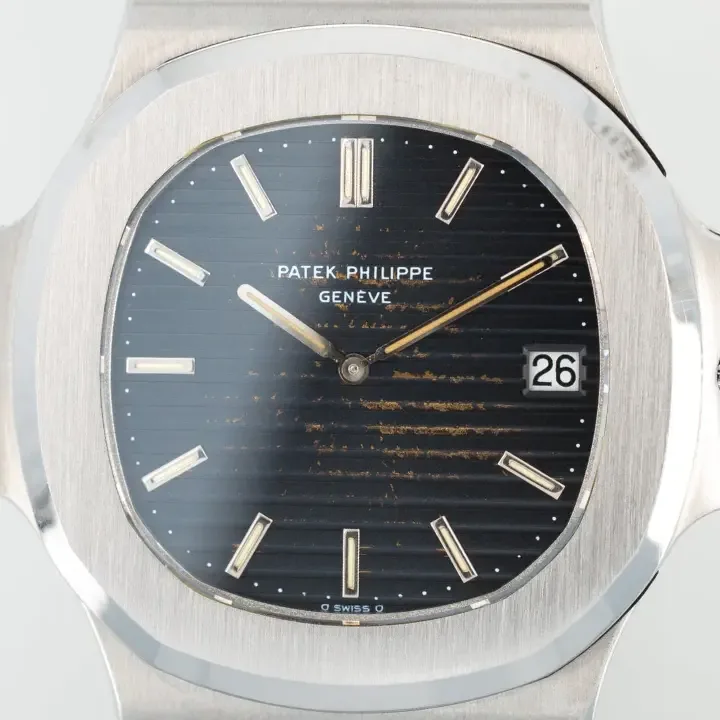
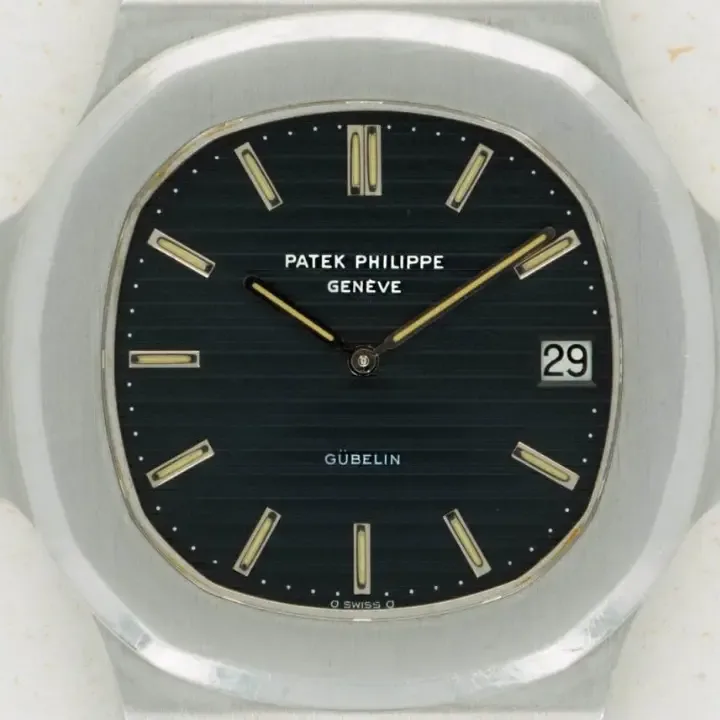
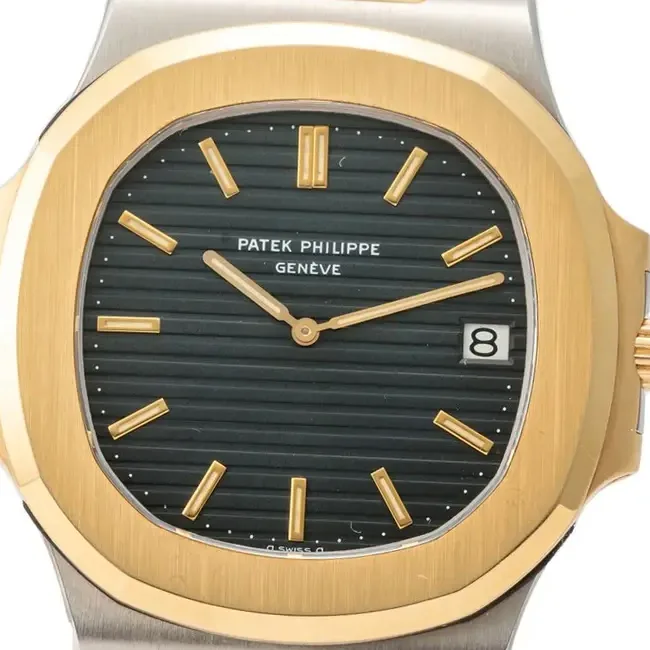
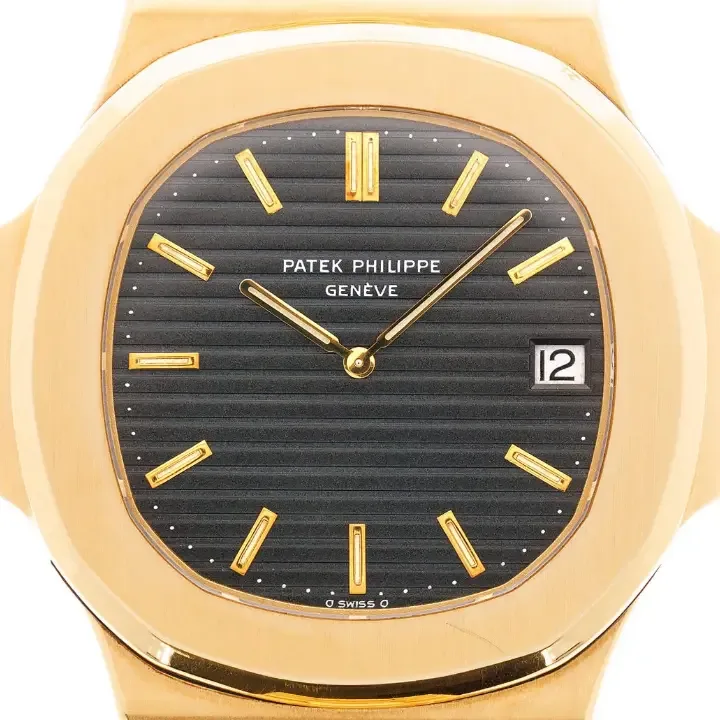
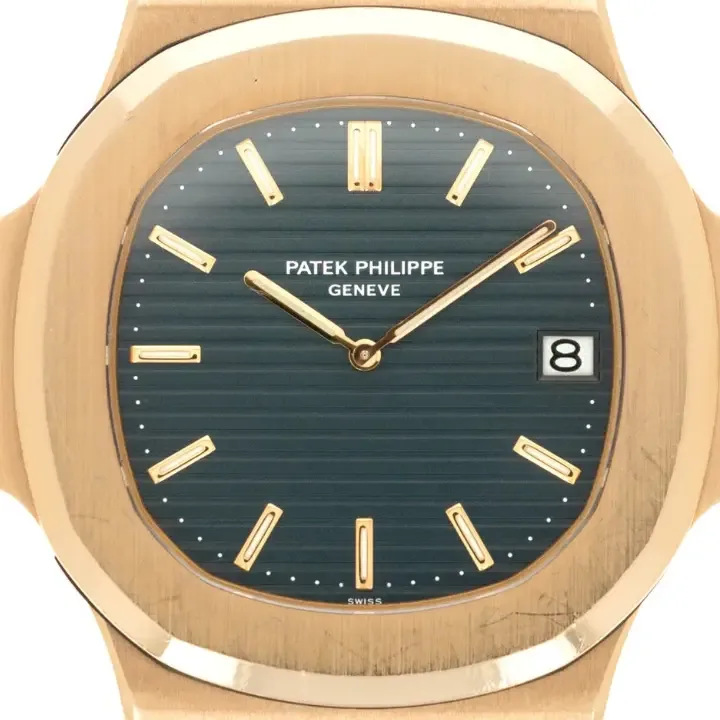
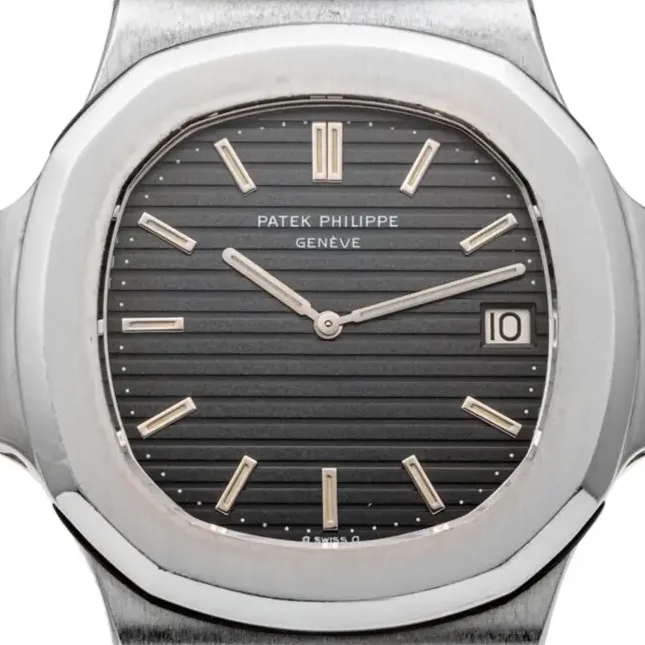
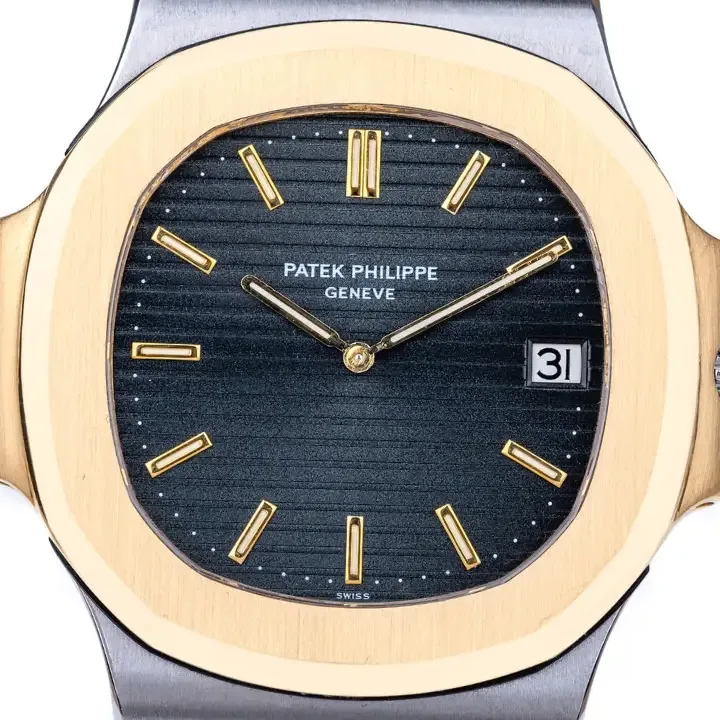
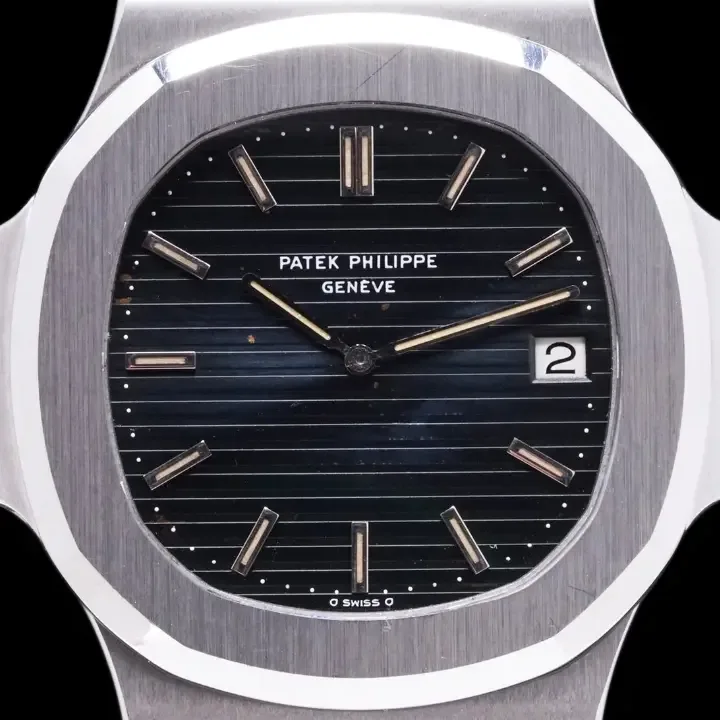
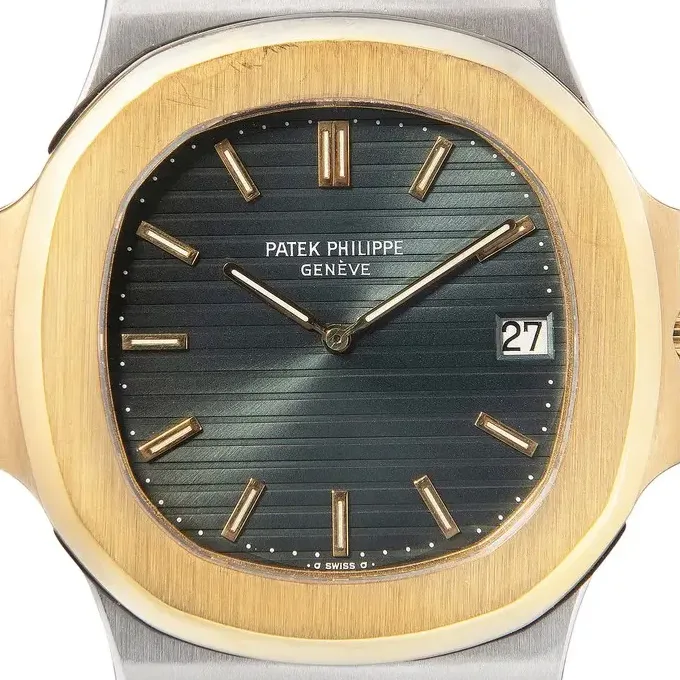
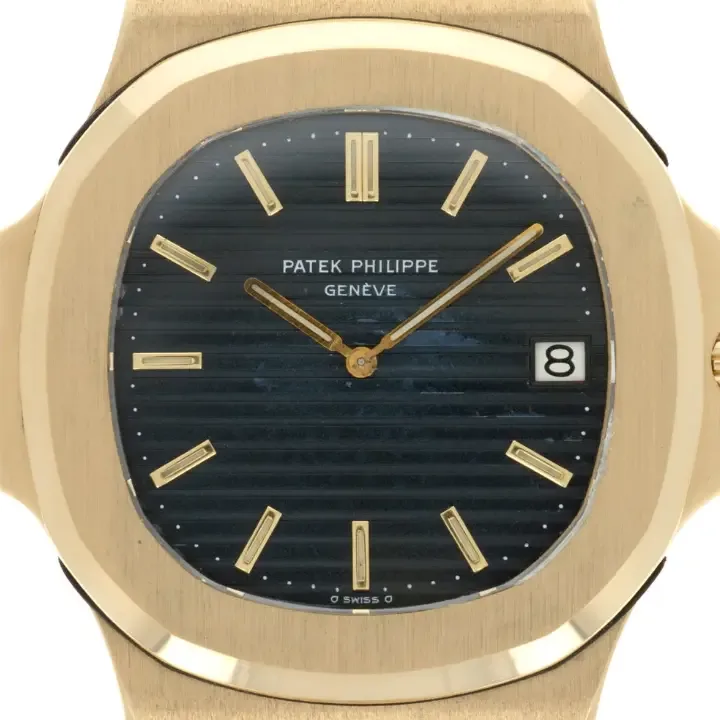
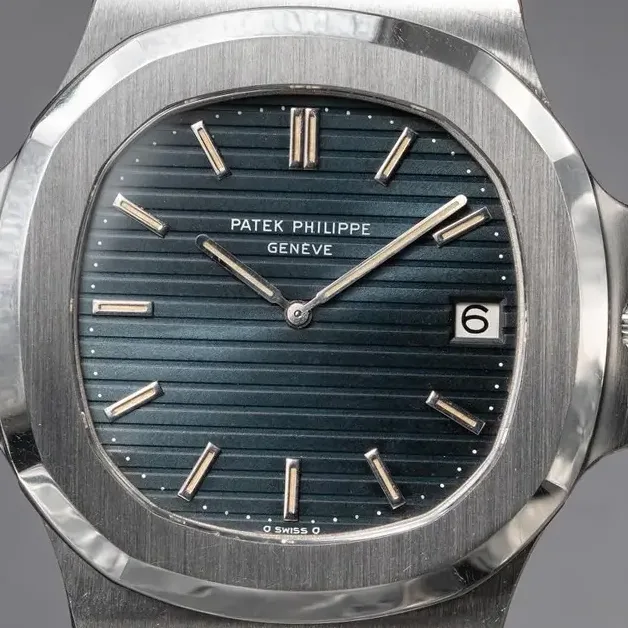
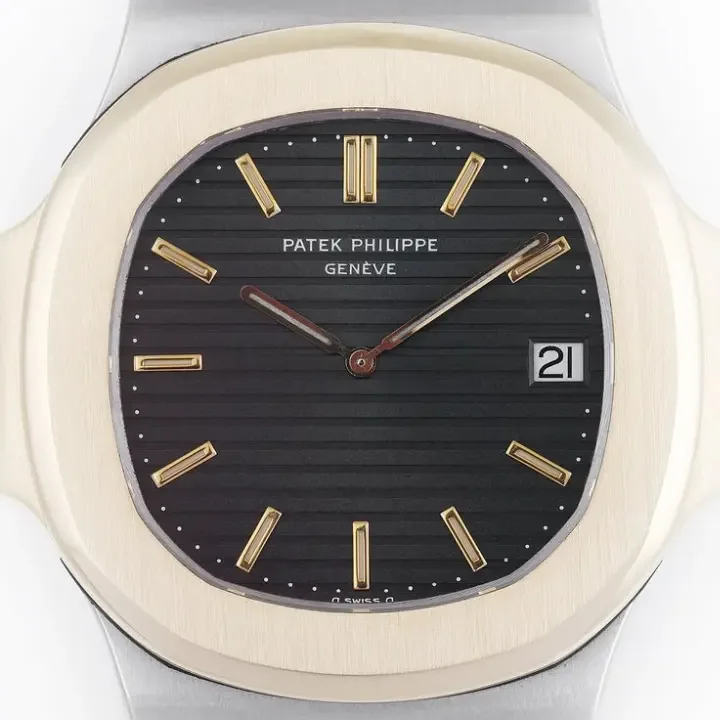
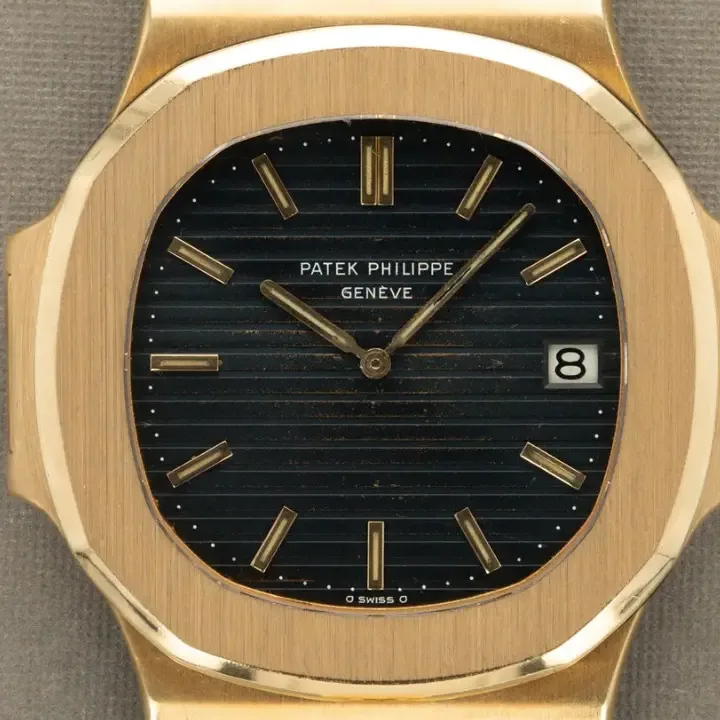
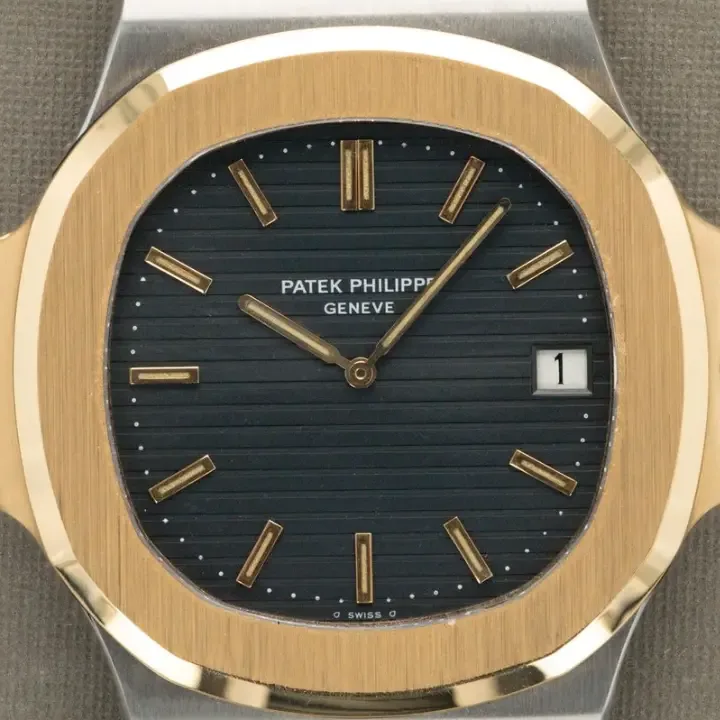
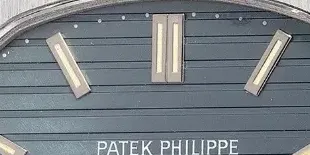
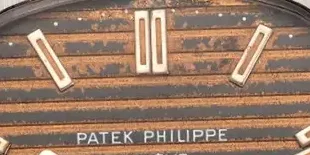
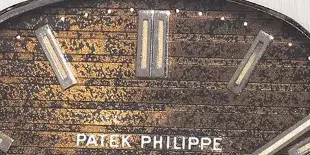
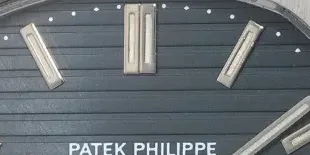
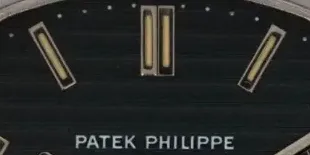
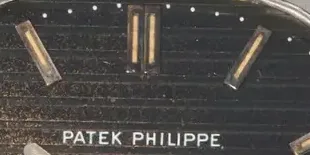
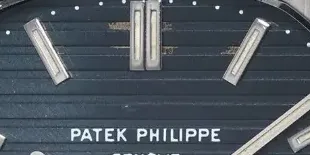
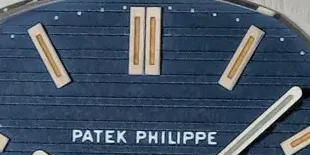
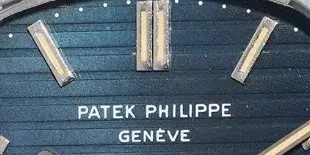
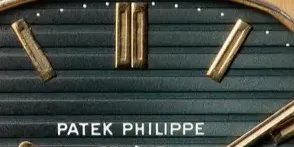
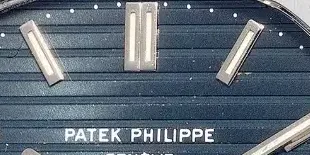
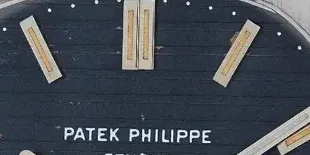
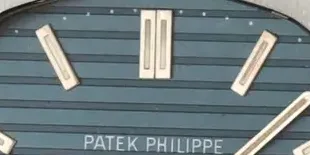
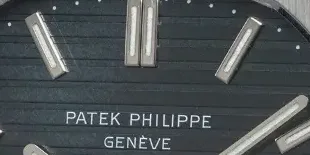
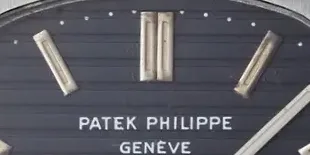
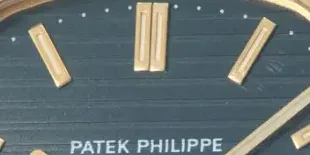
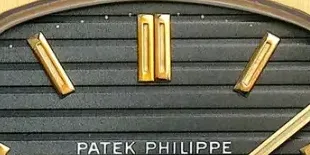
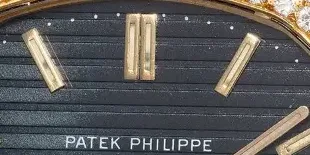
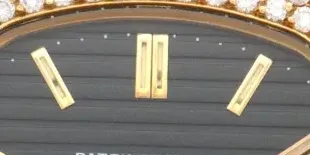
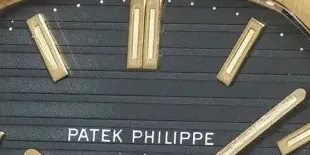
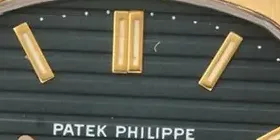
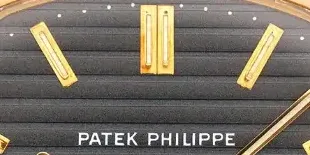
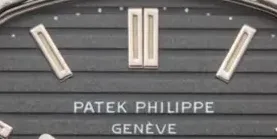
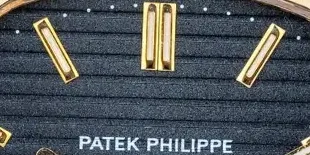
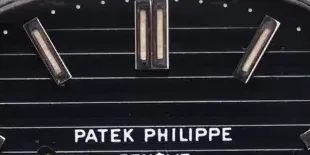
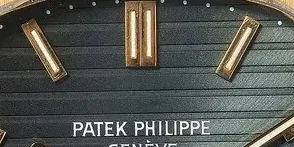
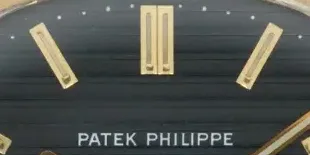
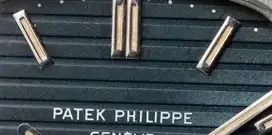
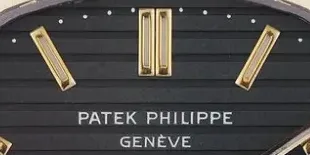
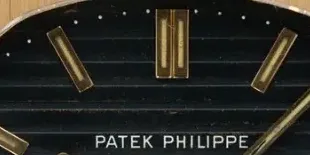
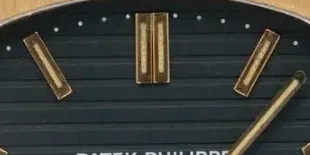
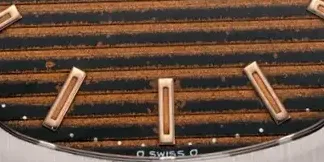
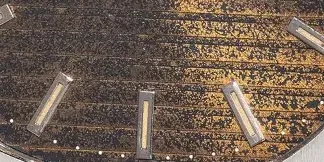
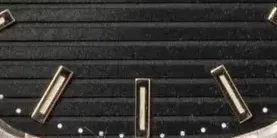
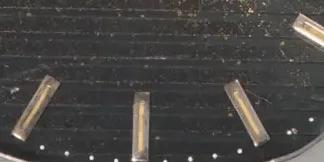
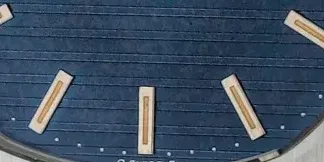
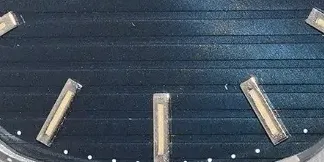
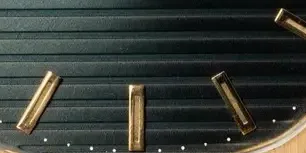
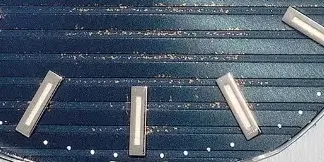
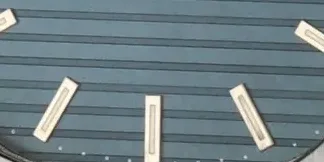
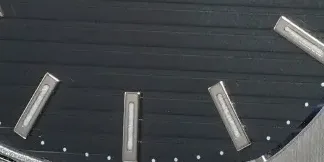
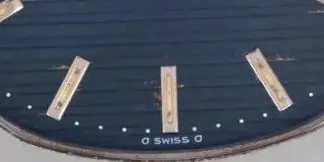
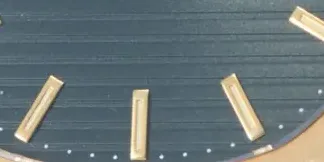
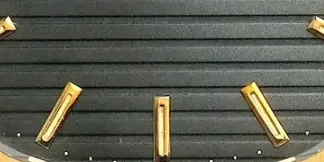
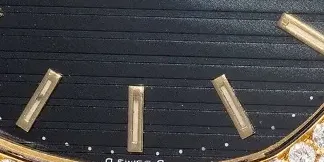
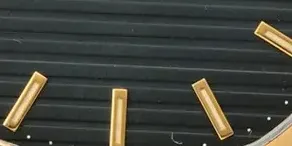
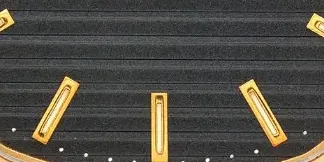
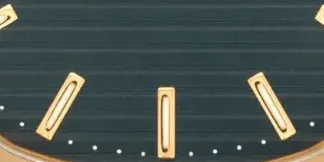
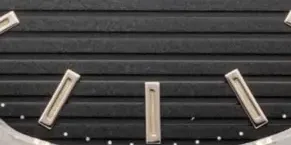
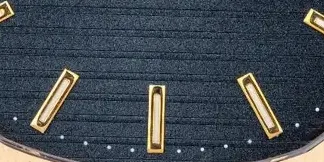
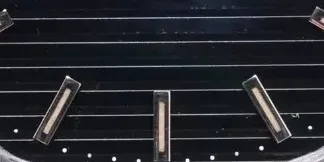
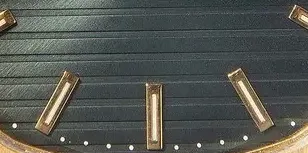
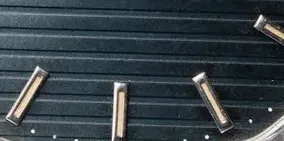
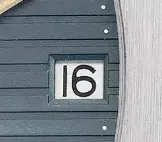
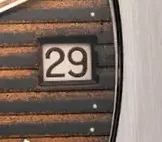
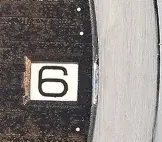
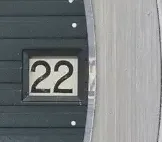
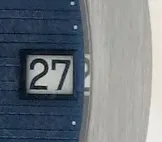
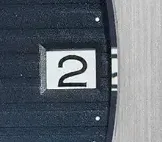
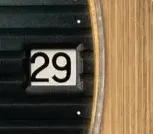
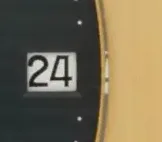
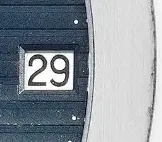
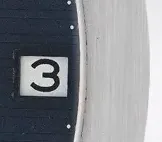
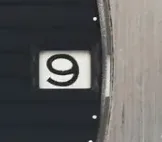
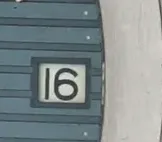
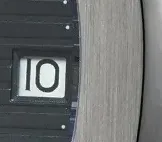
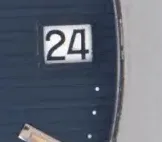
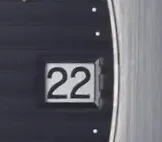
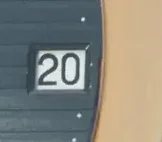
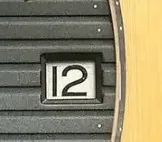
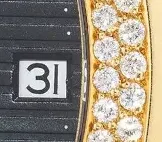
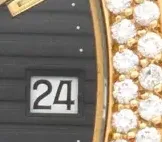
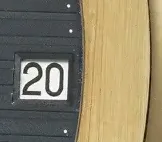
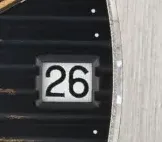
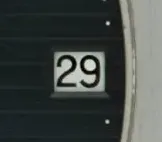
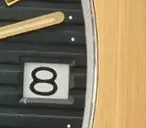
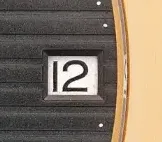
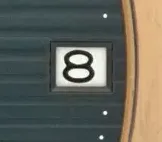
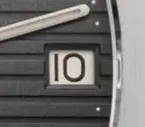
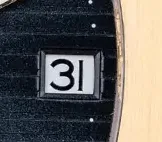
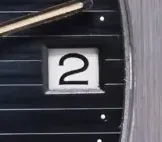
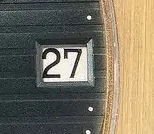
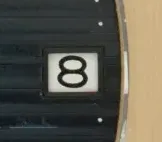
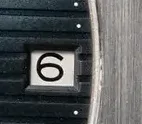
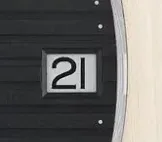
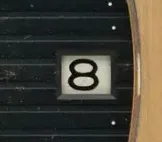
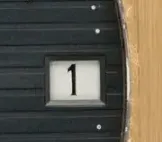
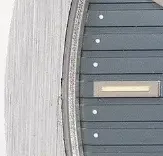
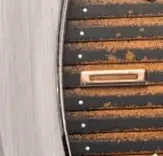
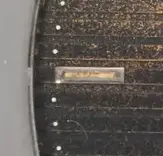
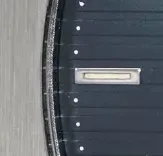
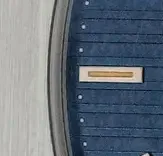
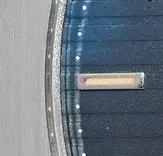
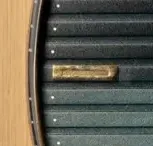
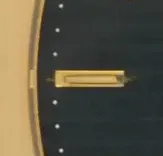
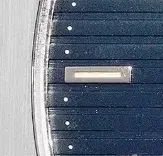
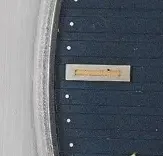
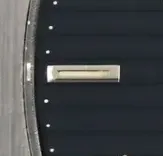
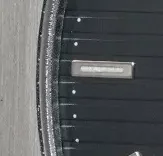
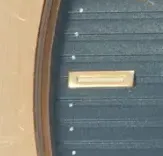
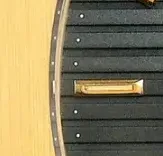
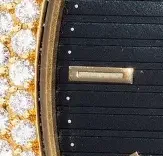
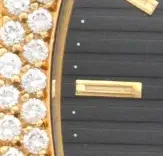
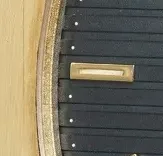
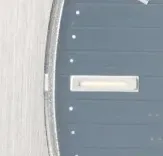
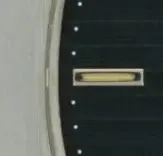
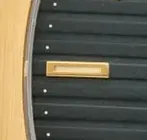
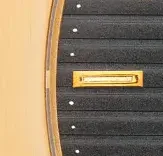
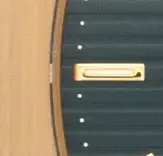
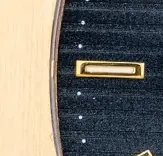
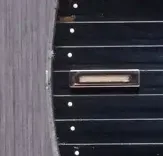
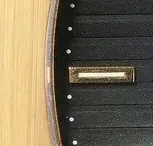
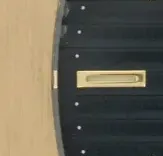
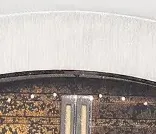
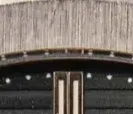
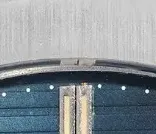
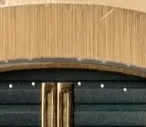
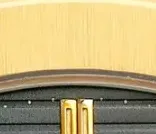
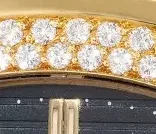
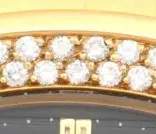
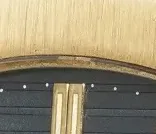
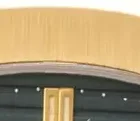
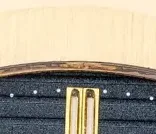
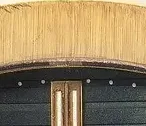
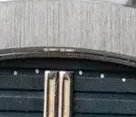
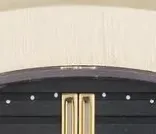
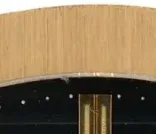
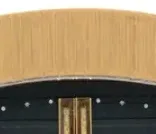
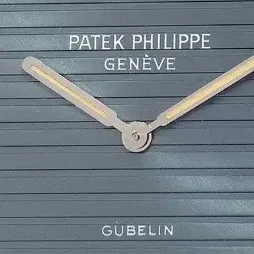
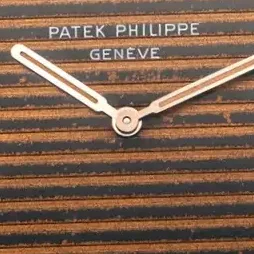
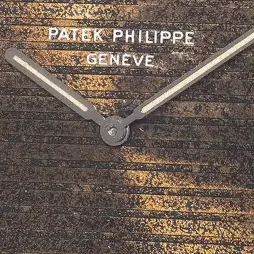
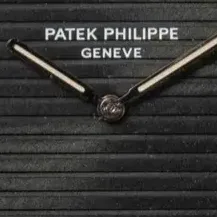
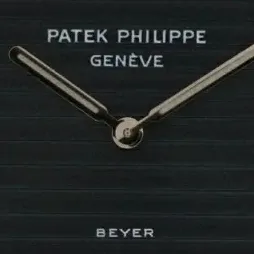
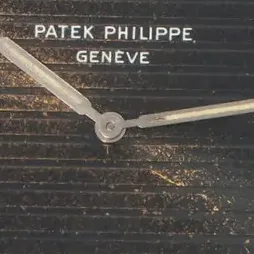
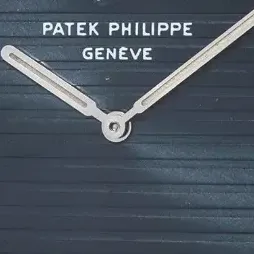
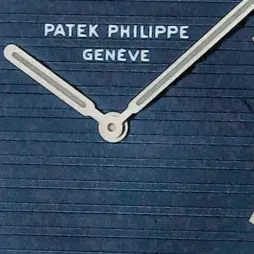
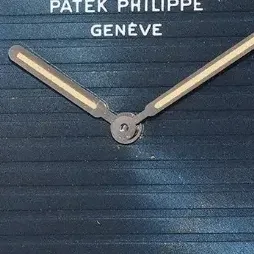
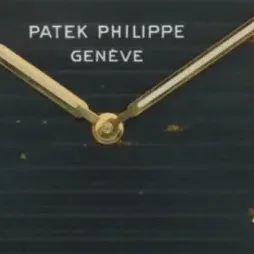
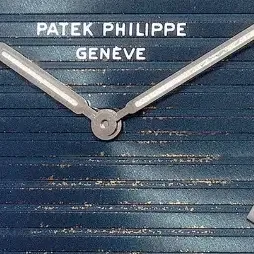
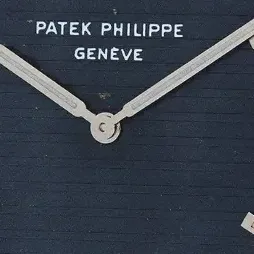
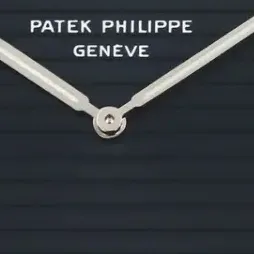
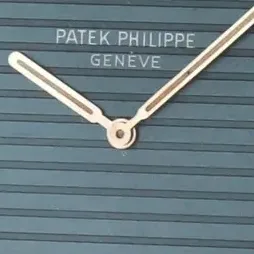
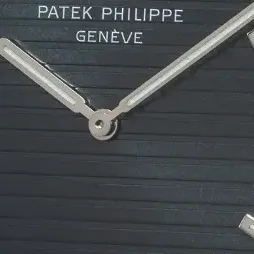
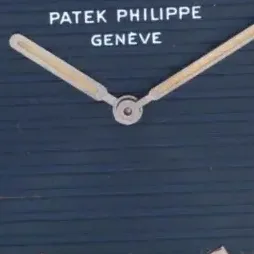
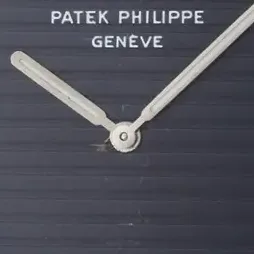
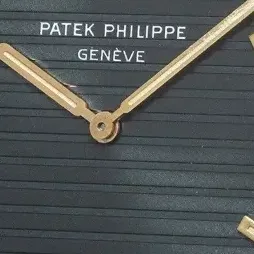
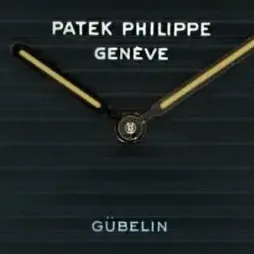
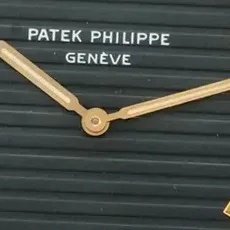
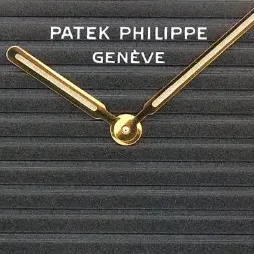
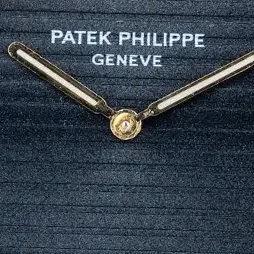
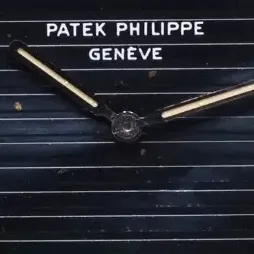
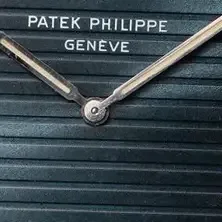
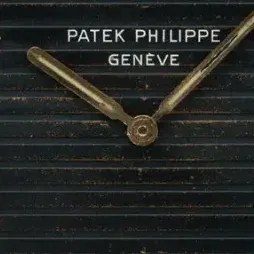
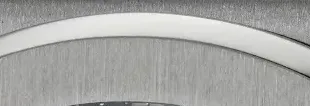
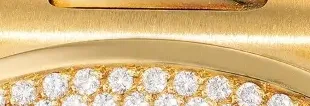
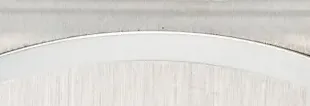
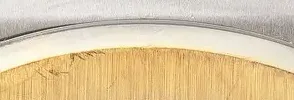
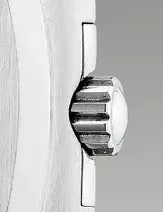
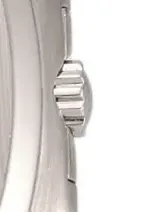
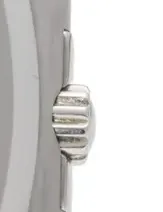
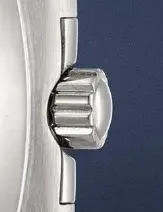
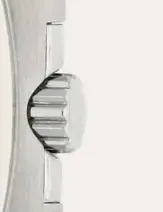
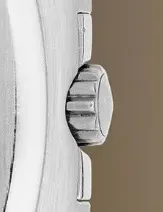
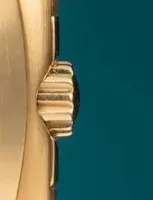
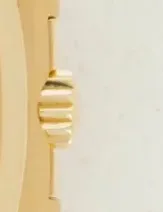
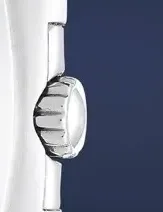
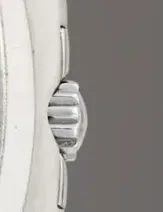
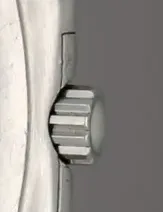
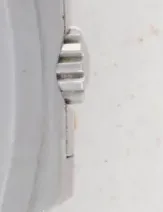
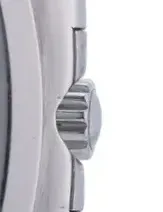
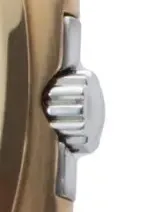
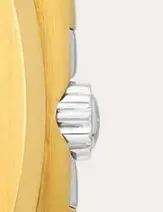
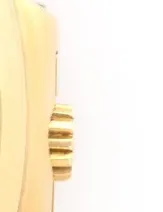
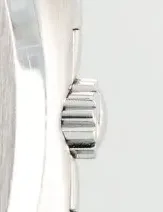
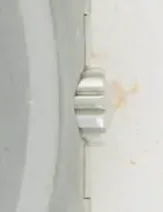
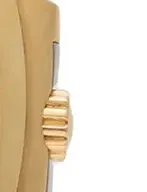
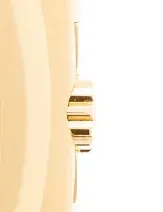
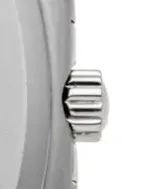
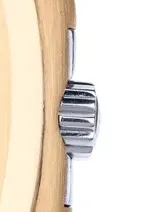
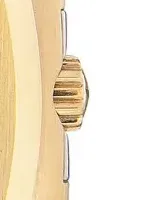
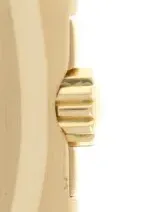
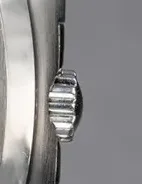
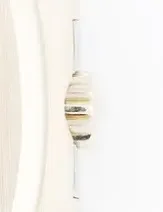
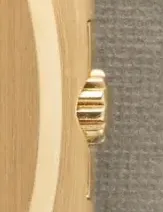
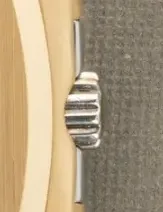
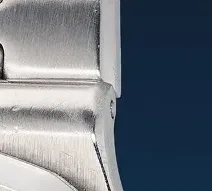
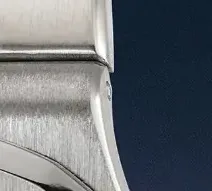
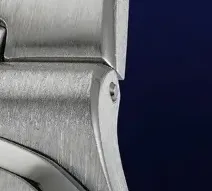
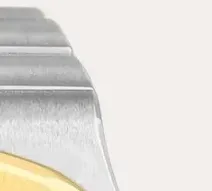
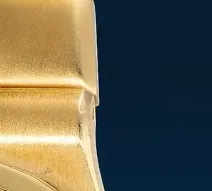
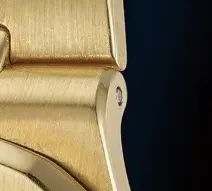
38 watches, oldest first, each straightened and cut the same way so that one row shows one component across them all. Chosen from 947 photographs on file for sharpness and for a face typical of the reference. A year marked c. is one its holder gives only roughly. Each picture is a detail cut from a listing photograph. Select the small mark in its corner for its year, its holder, a link to the listing it came from, and a way to report it.
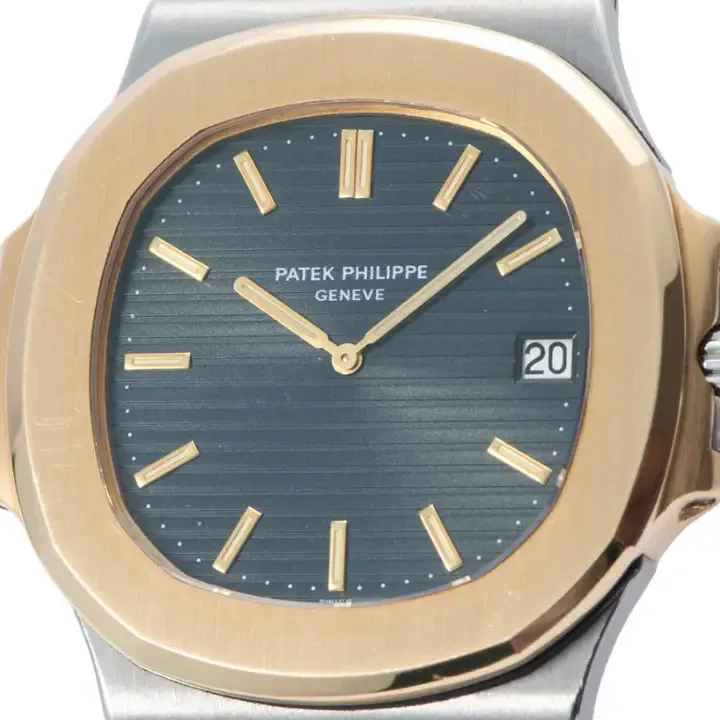
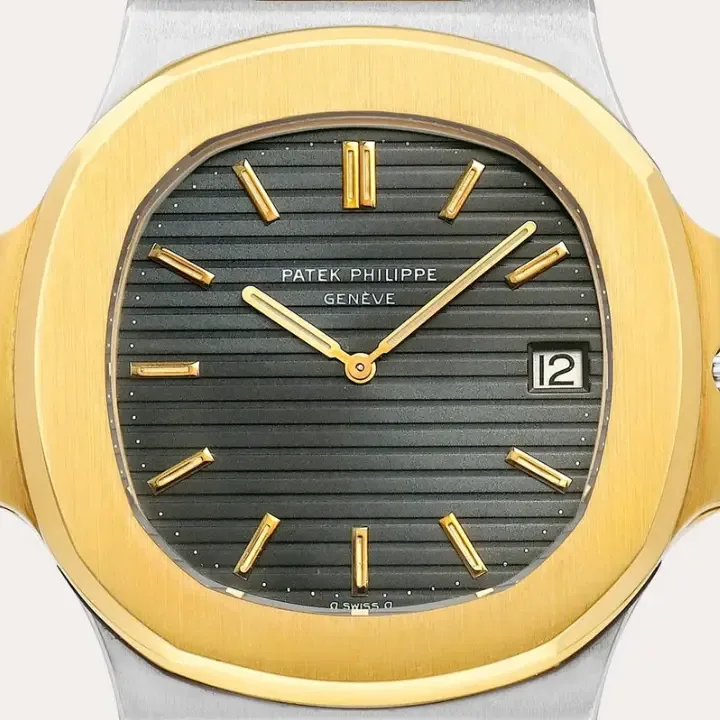
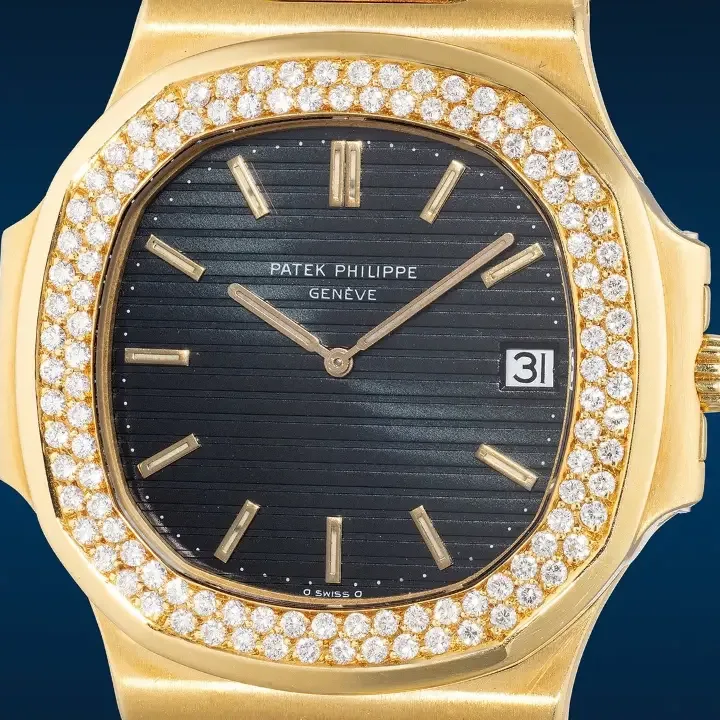
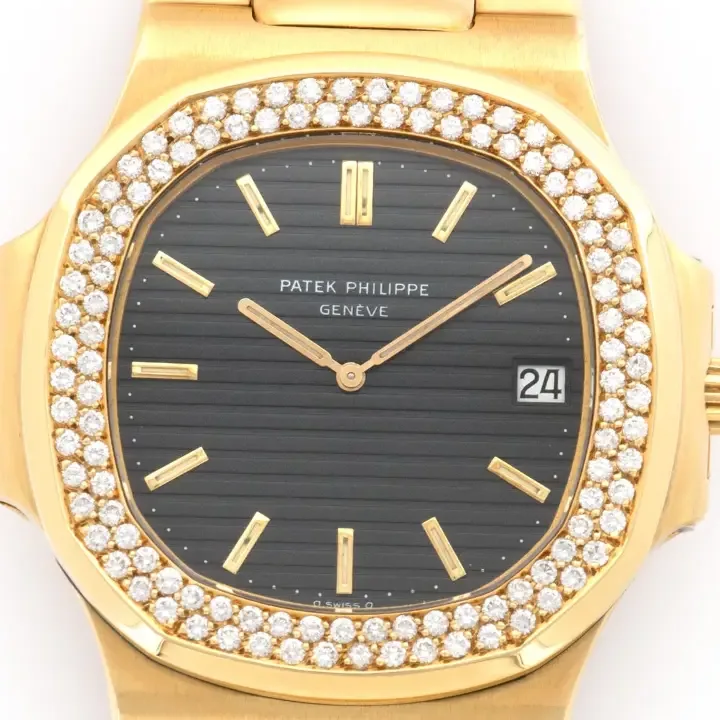























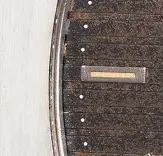
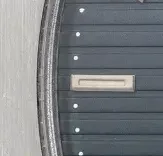




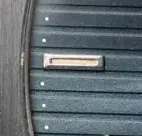
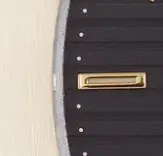
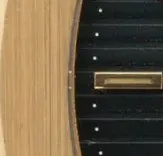
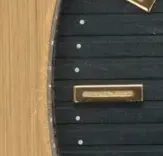

























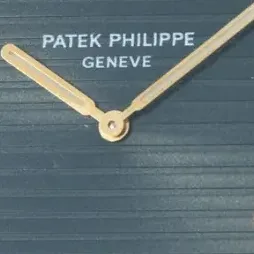
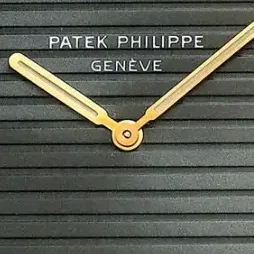
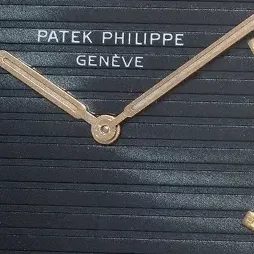
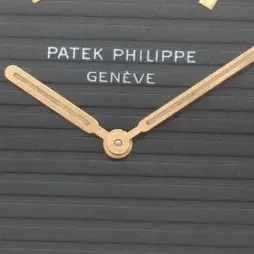




























































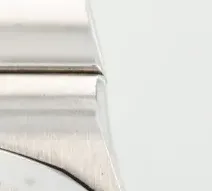





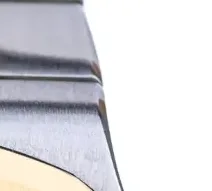
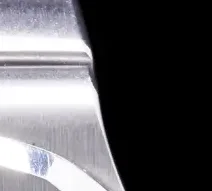




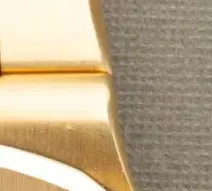



Chronology
The 1976 showing and the 1990 end are widely stated, but the first deliveries are put in 1977.
Every dated variant: what is written, and what the records show
For the reference the marks are every dated watch; for a variant, the watches a seller names as that variant, so a variant sellers do not name has none.
Specification
| Case | 42 mm across the ears (about 40 mm without them), 7.5 to 7.7 mm thick; two-part case with a one-piece container and a bezel module, screw-down crown |
| Water resistance | 120 m |
| Bezel | Fixed, rounded octagon in brushed finish, held by four screws in the two ears |
| Dial | Horizontally grooved, charcoal with a blue tint when new, applied white gold markers |
| Hands | White gold batons for hours and minutes, no seconds hand; luminous |
| Date | Aperture at 3 o'clock, white disc with black numerals |
| Movement | Calibre 28-255 C, self-winding, 19,800 vph, 36 jewels, 28 mm; based on the Jaeger-LeCoultre 920 |
| Bracelet | Integrated H-link bracelet with folding clasp; wide on the 3700/1, tapered and thinner on the 3700/11 |
| Materials | Steel, yellow gold, steel and yellow gold; very few white gold and platinum |
| Box | Cork and steel presentation box |
Reference 3 described
There are two main versions, split by case maker and bracelet, with the suffix giving metal. Estimates of the numbers made differ widely.
3700/1
The first version, with cases from Favre-Perret, and the wide straight bracelet with fewer links. Steel is 3700/1A, yellow gold 3700/1J, steel and gold 3700/1AJ.
- wide bracelet tapering to about 16 mm
- fewer links
3700/11
The second version, with in-house cases and a bracelet that is thinner and more tapered, ending in a narrower clasp. The change is dated 1980, 1981 or 1982 in different accounts. Produced in smaller numbers than the first.
- narrower bracelet
- more links
White gold and platinum
Extremely few were made. White gold watches are put at about sixty-five by one estimate and under ten by another, and a single platinum watch with diamond indexes, made in 1981, is recorded. No year is given for the white gold watches as a group.
- white gold or platinum case
Dial 6 described
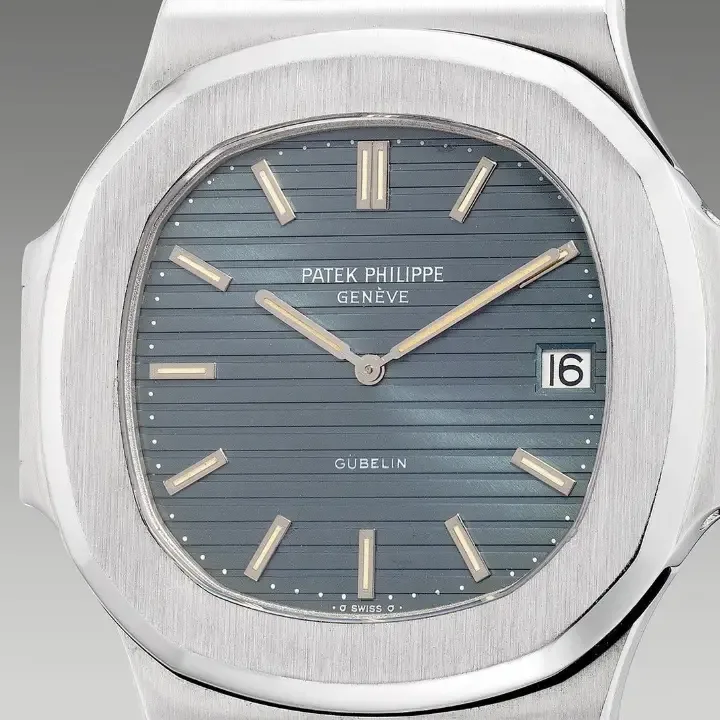
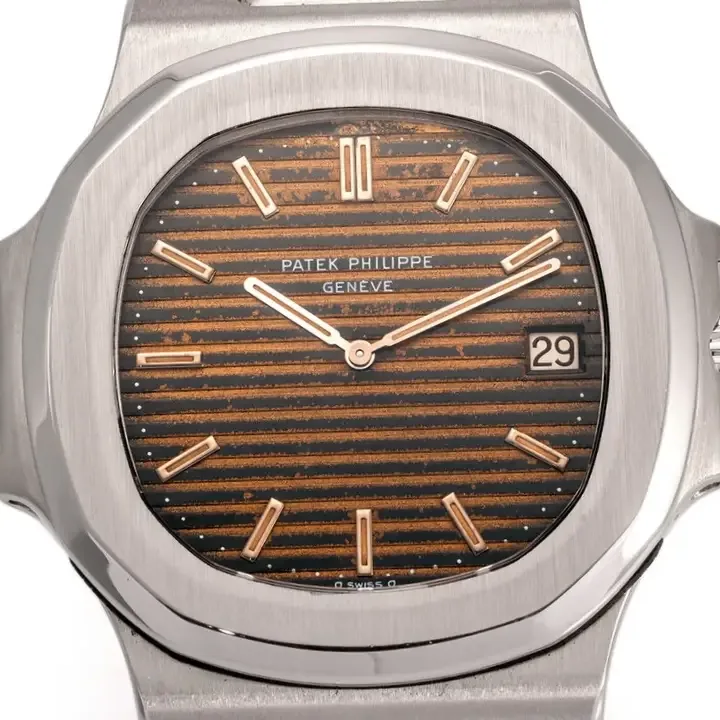
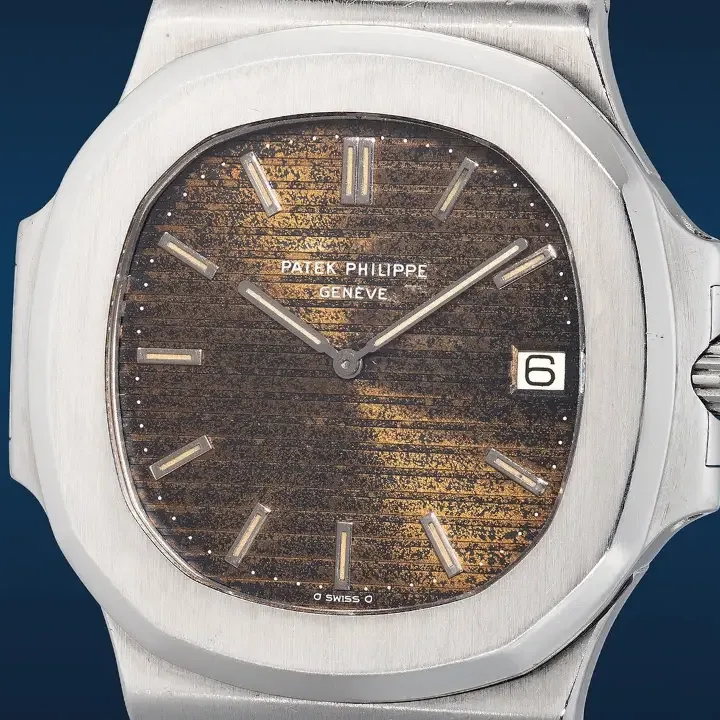
The dial plate is solid gold, grooved by hand in horizontal lines and lacquered, made by Stern Frères. The first colour is described as charcoal with a hint of blue, or as black; blue and white were added later. Retailer signatures and the Omani Khanjar emblem are the main recognisable variants.
Standard grooved dial
A deep blue-black or charcoal grooved dial that shows a faint blue in daylight and ages to a warm dark grey. On early watches the words Patek Philippe and Genève sit neatly inside the grooves.
- horizontal grooves
- on early watches, maker's name set within the grooves
- applied white gold markers
Dark blue dial on two-tone and yellow gold
Steel-and-gold watches carry a dark blue dial; the classic yellow gold watch has a dark blue or charcoal one.
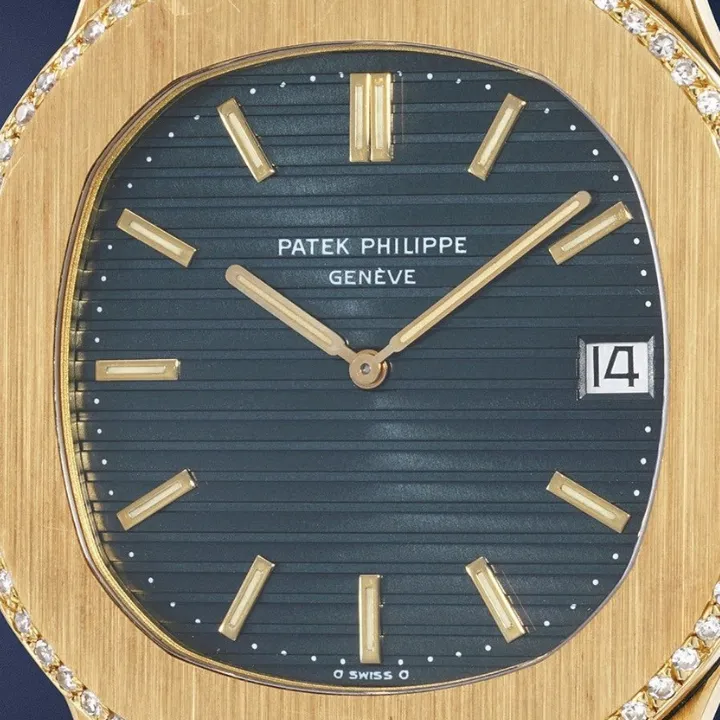

- gold case
60 listings on record under the name.
White prototype ('albino')
A single steel watch with a white dial made by the dial maker on request; the rest of the watch is standard.
- white grooved dial
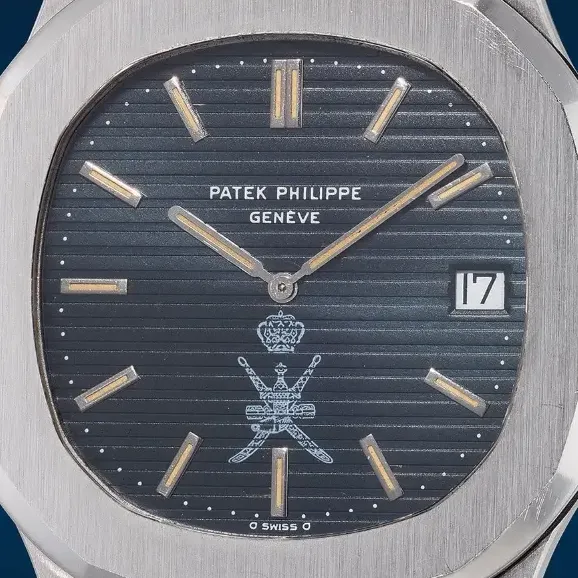
Omani Khanjar
A dial bearing the Omani Khanjar dagger emblem at six o'clock, made for the Sultanate of Oman. The literature records it in steel, white gold and platinum; auction descriptions in the library's records also include 18k gold watches.
- Khanjar dagger emblem at 6 o'clock

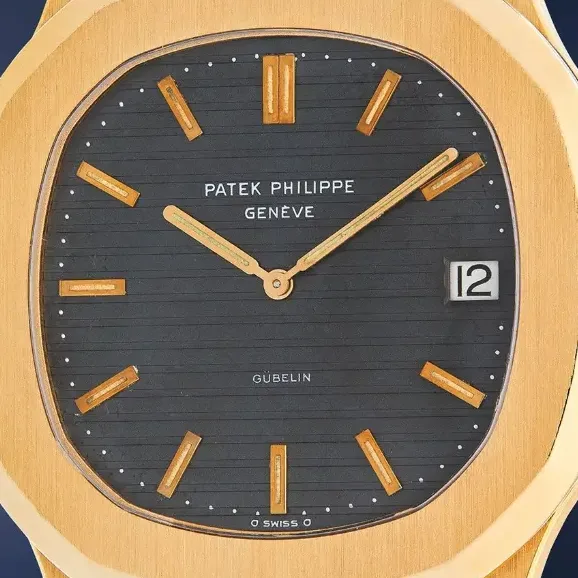
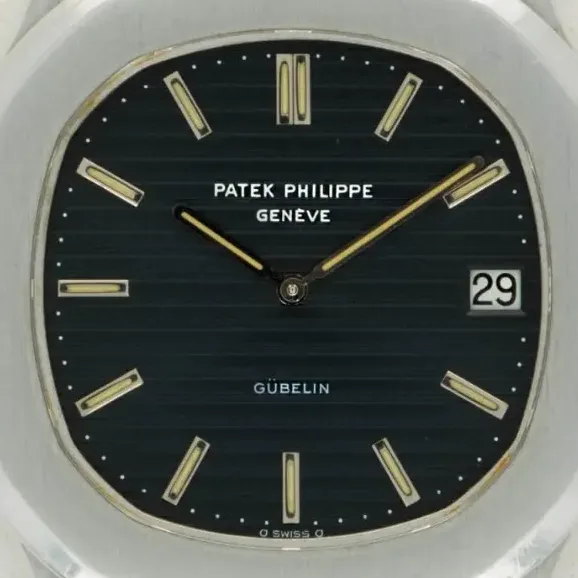
Retailer double-signed
A retailer's name is printed beneath the maker's, at six o'clock. Names recorded: Tiffany & Co., Beyer, Gübelin, Howes, and, in listings, Asprey. A yellow gold 3700/1J of 1980 with a Gübelin signature is described by its seller as one of five known. Watches sold through the Argentine retailer Ricciardi are identified by sellers not from the dial but from the retailer's own number engraved beneath the lugs.
- retailer's name at 6 o'clock


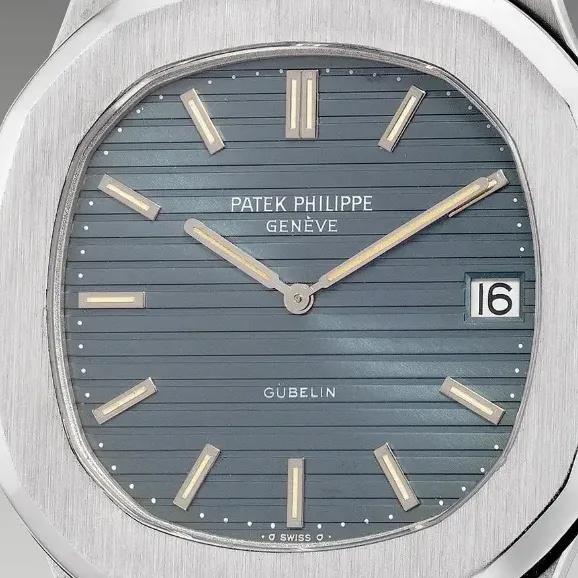

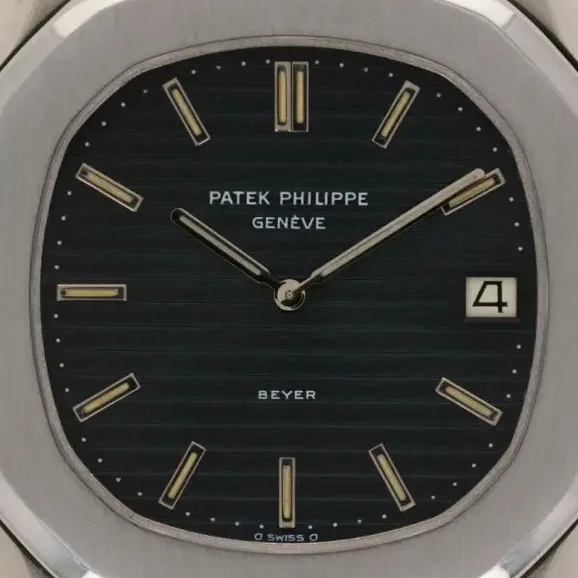

Sigma and 'Tropical Mk I' dials (listing terms)
Sellers and auction houses describe some watches as having a sigma dial or a Mk I tropical dial. The literature does not say what the terms mean, so treat them as unverified labels.
Luminous material 1 described
Hands and markers carry luminous fill.
Tritium fill
Both the applied markers and hands are filled with tritium.
- aged luminous fill
Hands 1 described
Just hours and minutes, no seconds hand.
White gold baton hands
Rounded baton hands, contrasting with the rectangular applied markers. There is no centre seconds hand on any 3700.
- rounded batons over rectangular markers
Bezel 2 described
A rounded octagon in brushed finish.
Brushed octagon bezel
The bezel forms a circle at its centre with the four quarters cut flat. It is held to the case by four screws in the two ears, and a gasket seals it to the container.
- four side screws in the ears
- brushed surface
Diamond bezel
Offered on yellow gold versions, the 3700/1J and 3700/11J being made with or without diamonds on the bezel.
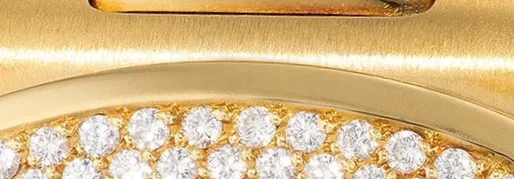

26 listings on record under the name.
Case 2 described
The 3700 was patented as two modules: a solid container that takes the movement from the dial side, and a bezel module with the crystal and the ears. The first years needed repeated work to reach 120 m.
Favre-Perret case
Cases from an outside maker, to a design first worked on by another maker. The movement is inserted from the front, using a split crown stem.
Ateliers Réunis case
Case production moved in-house, with a new steel alloy, at the change to the 3700/11.
- in-house case
Crown 1 described
A screw-down crown, with the stem split so the movement can be fitted from the front.
Screw-down crown
Required for the 120 m rating.
Crystal 1 described
Sapphire crystal sits close to the dial.
Sapphire, close to the dial
The flat crystal sits just above the dial, which makes the watch look thin.
Date 1 described
A date aperture at three o'clock.
White date disc
A white disc with black numerals; one commentator found it very bright against the dial.
- bright white date disc
Movement 1 described
One calibre throughout.
Calibre 28-255 C
Patek's finishing of the ultra-thin Jaeger-LeCoultre 920: 19,800 vph, 36 jewels, 28 mm, 2.45 mm without date and about 3.05 mm with it, roughly 38 to 40 hours' reserve, Gyromax balance, a gold-ringed rotor and switching rocker for winding both ways. The same base was used by two other makers. Finishing is polished bevels and circular stripes. The movement carries no Geneva Seal on one account and was reworked to Seal standard on another.
- thin automatic
- gold-ringed rotor
Bracelet 2 described
The integrated bracelet is of H-link construction assembled with screws, with alternating brushed, satin and polished surfaces.
Wide bracelet
The earlier bracelet is wider and straighter, with fewer links. Most accounts have it tapering to about 16 mm at the clasp; one gives 18 mm, reduced to 16 mm at the case change.
- wide straight links
- 16 mm clasp
Thin tapered bracelet
The later bracelet is thinner with slimmer links and more taper, ending at about 14 mm. Auction titles refer to it as a thin bracelet.
- narrow clasp
- slimmer links
Box and papers 1 described
The watch came in an unusual box.
Cork and steel box
A cork box with steel, unlike the maker's usual boxes. An Extract from the Archives gives the original dial and delivery details.
- cork presentation box
- archive extract
Originality
- The dial is the part to check first: an Extract from the Archives confirms which dial the watch left with.
- The case and bracelet are difficult to polish well, so a watch with crisp bevels and original finish is uncommon.
- Double-signed and Khanjar dials command premiums, so for these an archive extract confirming the original dial matters most.
Names
- Jumbo. At 42 mm it was much larger than the maker's other watches of the time.
- Albino. The one steel watch made with a white prototype dial.
- Cork box. Name for the original presentation box.
Where accounts differ
Points on which the published literature and the library's own records do not agree, or on which the literature contradicts itself.
- Date of the 3700/1 to 3700/11 change. One account puts the in-house case and the new reference at 1980, another about 1981, another 1982 (with the 3700/1 made to 1982, the 3700/11 from 1982 to 1990).
- Numbers made. One page, using an outside estimate, gives about 3,500 large-bracelet steel, 1,300 narrow-bracelet steel, about 1,500 yellow gold and about 65 white gold watches. Another estimates only 2,000 to 2,500 in total from auction appearances, with white gold and platinum under ten each.
- Geneva Seal on the movement. One account says the 28-255 C was reworked to meet the Seal's standard; another says it was decorated with no Seal.
- Bracelet width. One account gives a clasp that went from 18 mm to 16 mm at the case change; two others give 16 mm on the first bracelet and 14 mm on the second.
- Case diameter. Most accounts say 42 mm; two give 40 mm across the case and 42 mm including the ears. Listings are split between the two figures.
Movement
From listings of this reference, each confirmed by eye to show what it is filed under. A picture on which a person's name or a personal engraving can be read is not shown. From most holders a detail from the middle of the photograph is shown; the mark in its corner gives its holder and a link to the listing.
Movement
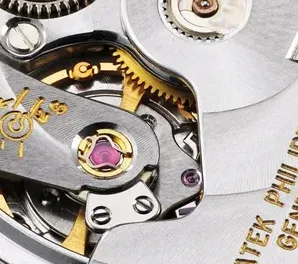

Catalogue versions 11 listed
The full numbers under which holders list this reference, with what their listings say of each. Each has a page of its own.
| Version | Metal | Dial | Years seen | Records |
|---|---|---|---|---|
| 3700/1A | Steel | Blue | 1976–1981 | 29 |
| 3700/001 | Steel | Black or blue | 1976–1983 | 16 |
| 3700/11AJ | Steel and gold | Blue | 1982–1986 | 7 |
| 3700/3 | Yellow gold | Black or blue | 1980–1982 | 7 |
| 3700/13 | Yellow gold | Black or blue | 1979–1984 | 5 |
| 3700/1JA thin | Steel and gold | Black | 1981 | 4 |
| 3700/4 thin | Yellow gold | Black | 1980 | 3 |
| 3700/011A thin | Steel | 1980–1982 | 2 | |
| 3700/031 thin | Platinum | Black | 1982 | 2 |
| 3700/16 thin | Yellow gold | 1979 | 1 | |
| 3700/1G thin | White gold | Black | 1978 | 1 |
In the records
Counted from 396 listings at 35 holders between 12 April 2006 and 14 November 2026. These are what sellers and auction houses state, not measurements.
Fainter bars are the 17 outside the main run of 1976–1984 (the middle nine-tenths): the earliest is 1970 and the latest 1989. They are early and late examples, and now and then a seller's slip. The head of the page gives 1976–1989: the years that listings from two holders bear out.
1 listing dated long after the reference ended is set aside and not counted here: a year that late belongs to a later watch sold under the old number, or to a listing filed under the wrong one.
Case metal
| Steel | 176 | |
| Gold, any colour | 98 | |
| Yellow | 53 | |
| White | 7 | |
| Colour not stated | 38 | |
| Steel and gold | 33 | |
| Platinum | 3 |
A listing that says "gold" or "18K gold" names no colour: it is counted under "colour not stated", not as yellow gold.
Dial colour
| Black | 64 | |
| Blue | 53 | |
| Brown | 16 | |
| Grey | 4 | |
| Champagne | 3 | |
| Cream | 2 | |
| Gold | 1 | |
| Green | 1 |
Case size
| 42 mm | 152 | |
| 40 mm | 44 | |
| 30 mm | 3 |
Calibre named
| 28-255 | 88 | |
| 28-255C | 84 | |
| 920 | 3 |
Bracelet or strap
| Metal bracelet, kind not stated | 253 |
Each table counts the listings that state the thing, in the seller's own terms. A size, metal, colour or calibre that cannot belong to this reference is a seller's slip or a listing filed under the wrong number.