Radiomir / Luminor Marina Militare (6152 and 6152/1)
The 6152 family is the Rolex-made steel diver's watch that followed the wire-lug 3646: a cushion case with solid lugs cut from one block, first made in 1953 as the 6152, then the thinner 6154 and, in 1955, about 500 plainer 6152/1 watches for the Italian Navy. They have a Panerai sandwich dial reading Radiomir and a hand-wound Rolex 618. Panerai later fitted many 6152/1 with its half-moon crown guard, and converted others, starting with a batch of thirty, to tritium Luminor dials and the 8-day Angelus movement. Collectors look at the case number, the dial type and its lume, the crown and guard, the caseback and the movement.
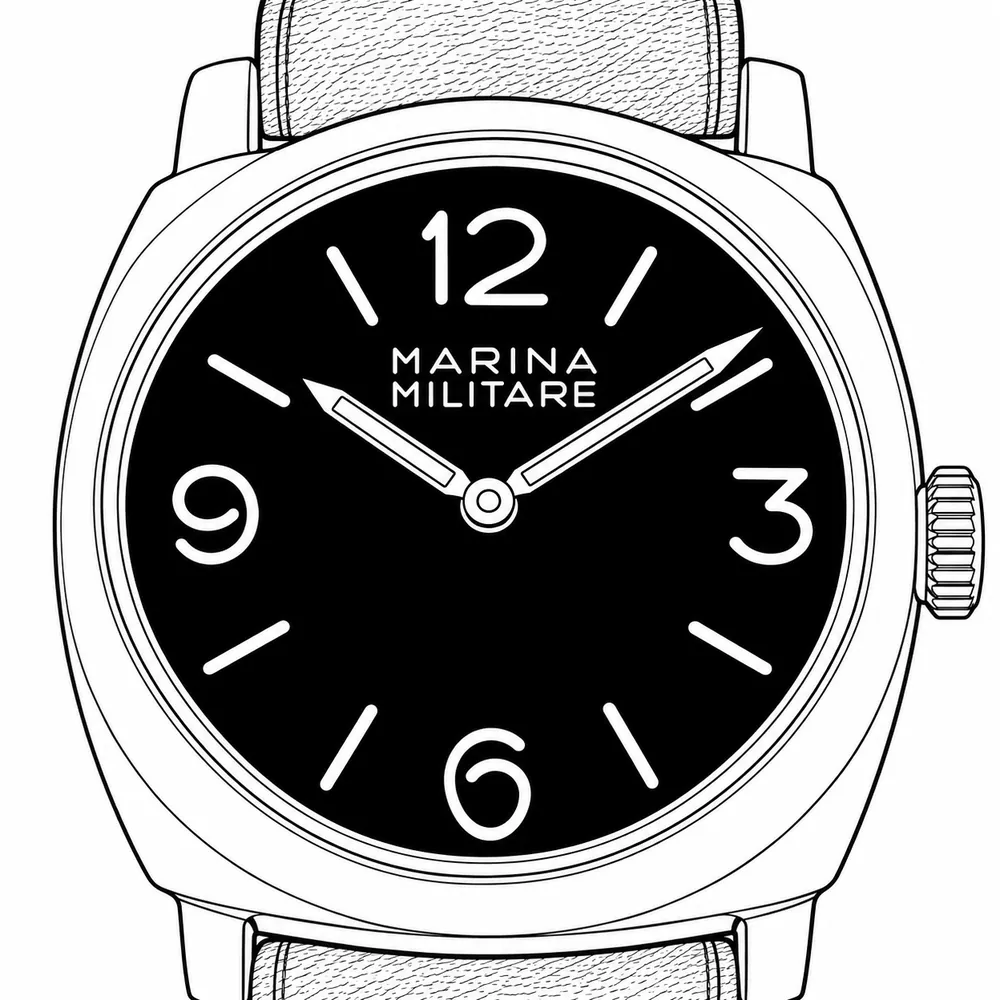
- Made
- 1953–1968dates approximate
- Seen in the library
- 1955–1960by years sellers state
- Case
- 47 mm · steelas sellers state
- Movement
- Calibre 618hand-wound
- On record
- 16 listings66 photographs · 6 holders
Components
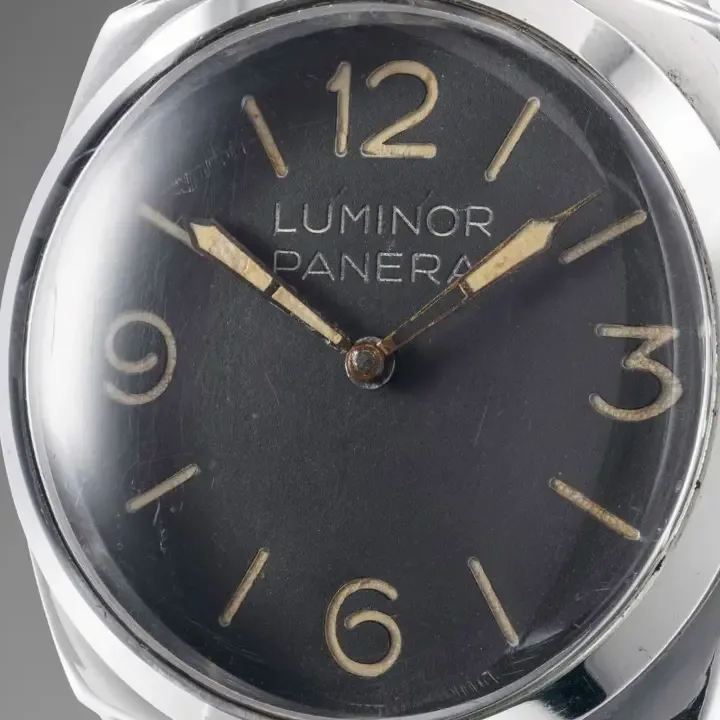
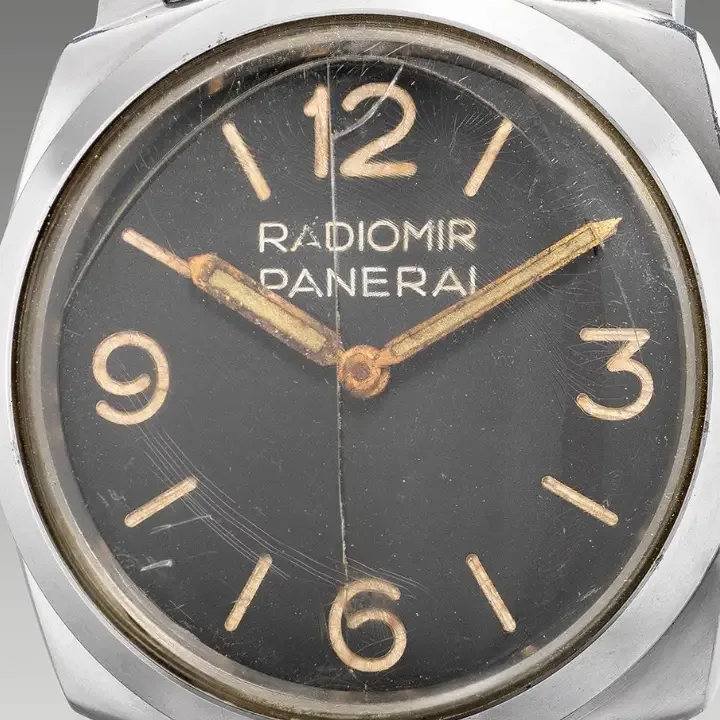
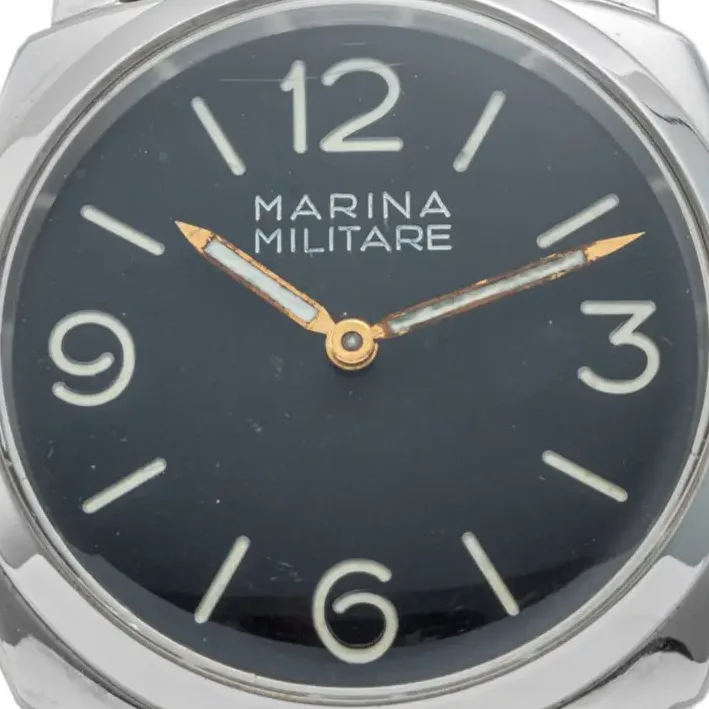
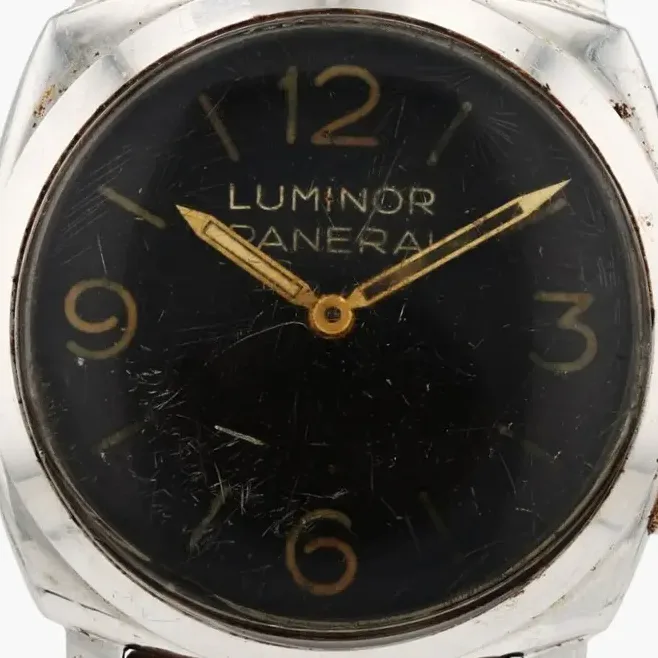
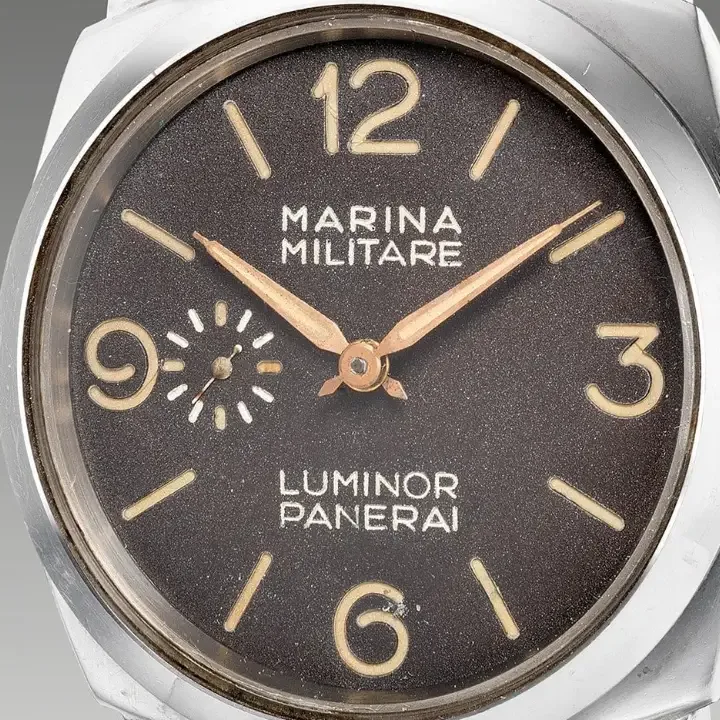
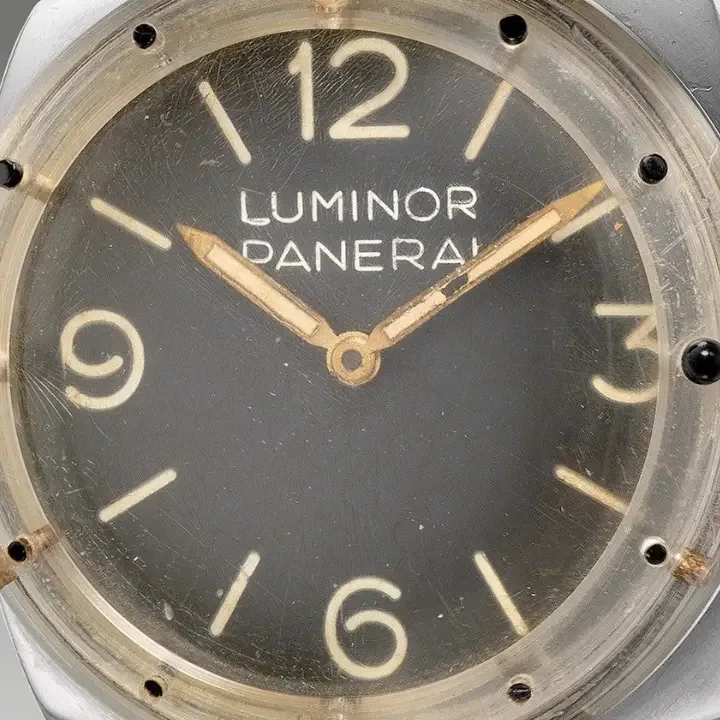
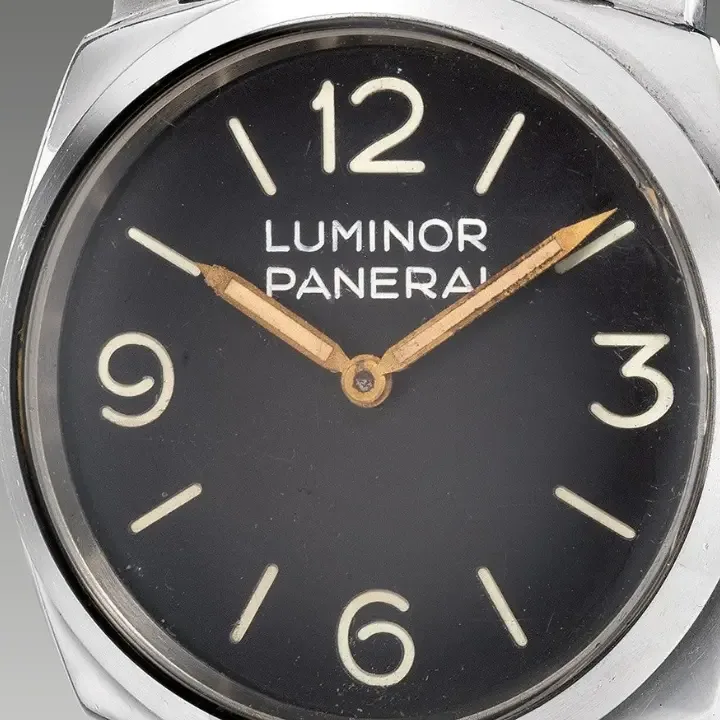
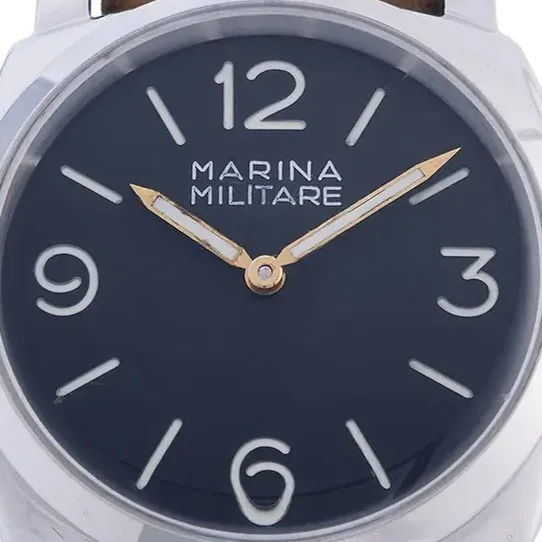
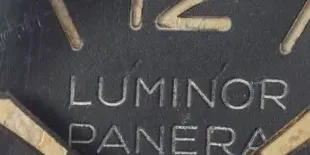
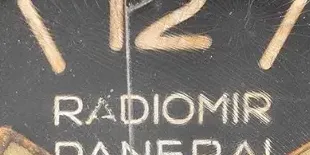
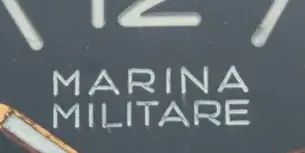
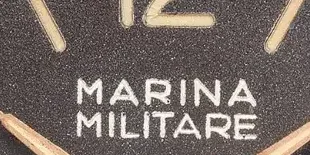
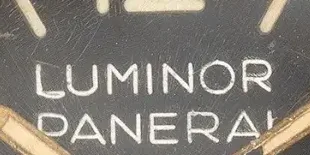
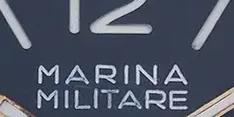
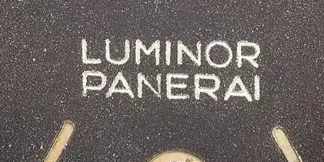
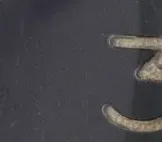
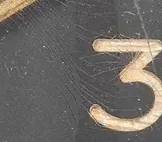
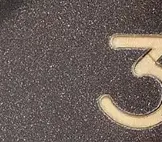
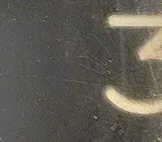
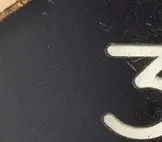
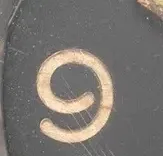
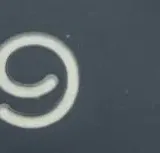
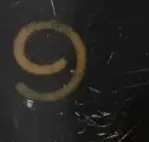
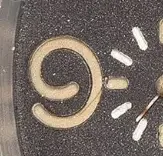
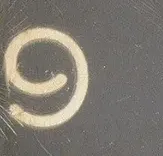
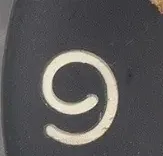
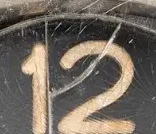
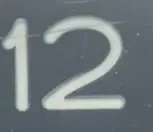
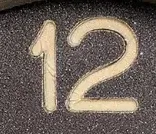
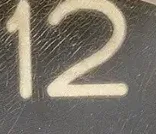
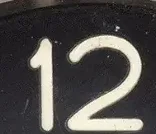
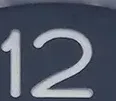
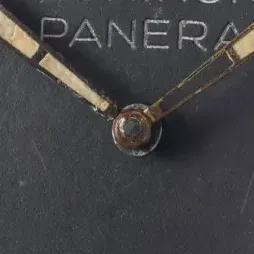
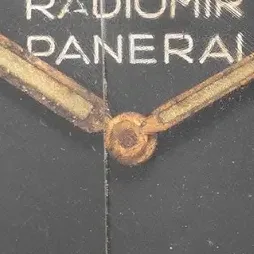
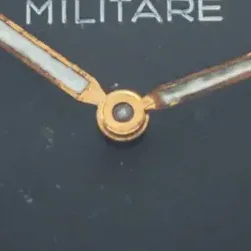
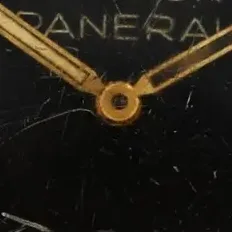
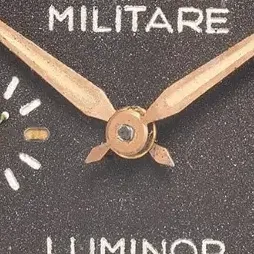
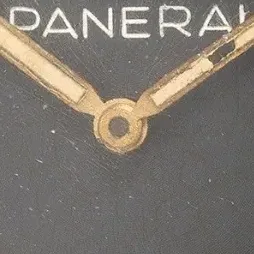
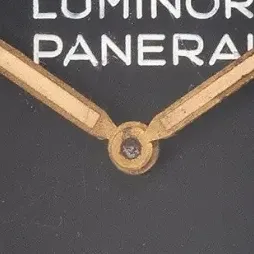
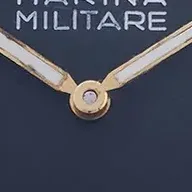
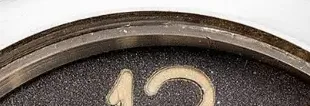
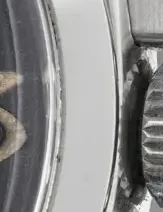
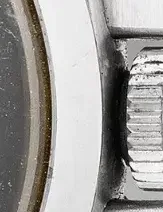
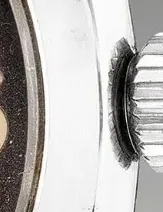
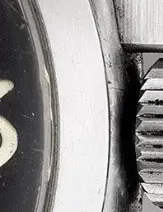
8 watches, oldest first, each straightened and cut the same way so that one row shows one component across them all. Chosen from 66 photographs on file for sharpness and for a face typical of the reference. A year marked c. is one its holder gives only roughly. Each picture is a detail cut from a listing photograph. Select the small mark in its corner for its year, its holder, a link to the listing it came from, and a way to report it.





































Chronology
The Rolex cases date from 1953 to 1955; the Panerai alterations run from the late 1950s to a last batch delivered in 1968.
Every dated variant: what is written, and what the records show
For the reference the marks are every dated watch; for a variant, the watches a seller names as that variant, so a variant sellers do not name has none.
Specification
| Case | Rolex Oyster cushion case, steel, about 47 mm, solid lugs cut from the case block; 6152 overall height about 17 mm |
| Dial | Aluminium sandwich dial, Radiomir lume (radium); later Luminor tritium on altered watches |
| Hands | Finely finished Art Deco style hands; long Angelus pattern on altered watches |
| Crown | Rolex 8 mm screw-down Big Crown; or Panerai half-moon guard with spring-loaded crown |
| Caseback | Rolex screw-in back; display caseback with plexiglas window on altered watches |
| Movement | Rolex 618 by Cortebert, hand-wound, 15 or 17 jewels, 18,000 vibrations per hour, about 36 to 38 hours; or Angelus 240 8-day movement on altered watches |
| Strap | Leather |
Reference 8 described
The 6152 family is the first Panerai line cased by Rolex with lugs cut from the same block of steel as the case, replacing the soldered wire lugs of the 3646. Three Rolex references belong to it: the 6152 of 1953, the thinner 6154 of 1954 and the plainer 6152/1 of 1955, which is by far the largest group. Panerai later altered many 6152/1 cases, which creates most of the variants collectors meet. The modern Panerai names for these shapes are described at the end.
6152
numbers e.g. 956638
The first reference of the post-war line, made by Rolex in 1953 and marked 'Registered Design - Modele Depose' on the outside of the caseback. The cushion shape follows the 3646 but with solid lugs, a crease round the case and a recess for the crown. It uses a 15-jewel Rolex 618 movement and an overall height of about 17 mm. Very few were made; one published figure is 24, only seven have surfaced and five orphaned casebacks have been found on 6152/1 watches. All known dials read Radiomir.
- 'Registered Design' stamps on the caseback
- crease around the case
- recess for the crown
- Radiomir dial
6154
numbers e.g. 9975XX
A sibling of the 6152 made in 1954, a 'reduced to the max' version over 2 mm thinner. Its dial is about 1 mm thick and protrudes slightly above the bezel; most dials have a strong tropical patina and only one is known to have stayed black. About 36 were made on one published figure and about twenty are known, with many different movements, several of them replacements.
- slim case
- dial above the bezel
- tropical dial
6152/1
numbers 124495 to 124999
Delivered by Rolex in 1955, about 500 pieces with case numbers from about 124495 to 124999, all in one lot to Panerai. It simplifies the 6152 by dropping the crease and the crown recess, and it has an 8 mm screw-down 'Big Crown'. Reference 6152/1 is engraved between the lugs at 12 and the case number between the lugs at 6, with the word 'Brevet'. Panerai fitted its own dial and supplied the watches to the Italian Navy in small batches. Sellers' titles write the reference as 6152-1 or 6152/1.
- 8 mm Rolex Big Crown
- '6152/1' between the lugs at 12
- case number between the lugs at 6
6152/1 with Panerai crown guard
Many 6152/1 cases were machined to take Panerai's half-moon crown-protecting device, with flat seats cut on the round case and a spring-loaded crown replacing the screw-down one. The patent application was filed on 30 November 1955. The guard began to be added in the late 1950s. The same reference thus exists with and without the guard. The first such watches kept Radiomir dials, and a version with the guard on the left, called 'destro', is recorded.
- half-moon crown guard
- machined seats on the case
- spring-loaded crown
6152/1 modified: Luminor dial and Angelus 240
matriculation 31 to 60
A group of 30 6152/1 cases, numbered 31 to 60, were altered in the mid-1960s to show Panerai's tritium lume and the 8-day Angelus 240 movement. The Rolex casebacks were opened out into display backs with a plexiglas window carrying the number. One account puts the alteration earlier, at about 1962 or 1963, reasoning from the 1961 date stamps on the movements; only eight of the thirty have surfaced.
- display caseback with plexiglas window
- matriculation number on the window
- four-line 'Marina Militare - Luminor Panerai' dial
- small seconds at 9
Luminor (pre-Vendome, 5218-201/A)
A modern watch, not a variant of the original: the first 'Luminor' sold to the public, designed in Switzerland in 1993 from a modified 6152/1 sent for the purpose. It is 44 mm, against 47 mm for the original, and its case is more bulky and less streamlined because a Rolex-marked case was not copied directly.
- 44 mm case
- bulkier, less streamlined case than the 6152/1
PAM 127 'Luminor 1950'
A modern 47 mm special edition of 2002, an almost exact copy of the modified 6152/1 kept in Panerai's collection, with '1950' printed on the dial, a domed sapphire crystal and an ETA-based movement with bridges shaped like the Rolex 618. It was made in 1950 pieces. Its crown guard is turned the opposite way to the original, so that it opens upward.
- '1950' on the dial
- domed sapphire crystal
- 47 mm
'Radiomir 1940' (modern name)
The current maker's label for 6152-type cases with solid lugs and a screw-down crown. It dates from 2012. The name is misleading: the earliest solid-lug Rolex case for Panerai is the 6152 of 1953, not a 1940s design.
Dial 5 described
Dials are Panerai-made aluminium sandwich dials in their third generation, thinner and simpler than the wartime ones. Radiomir dials were made until about 1960; the tritium Luminor dial follows in the 1960s. Many watches have had a dial replaced because radium lume lost its glow within three to five years, and a number of dials have been altered or faked.
Third-generation sandwich dial, Radiomir
The lume sits directly under the perforated aluminium disc rather than deep in cells, so the dial is much thinner than the 1940s dials, with a silver-coloured plated backplate instead of bare brass and bolder numerals and markers. The numerals and markers grew thinner over the production span. Cut-outs were filled with a transparent substance that turns brittle with age, so that a dial can look repainted when it is not.
- thin dial
- silver backplate
- brittle transparent filling in the numerals
Tropical dial
A black anodised dial that has aged to brown with cream-coloured lume. Most 6154 dials have done so and it is also seen on 6152/1 and other Panerai references.
- brown dial
- cream lume
'Baton' dimmed prototype dial
Several prototype dials were made with less lume because divers had to cover the glow. They have thin batons at the four cardinal points and small dots for the other hours. The type exists with Radiomir lume and later with Luminor.
- batons at 12, 3, 6 and 9
- dots for the other hours
Luminor four-line dial
A dial with thin engraved text reading 'Marina Militare - Luminor Panerai' in four lines, with small seconds at 9, on the modified 6152/1 watches; the earlier batch of modified 3646 watches began with 'Officine Panerai' or 'Marina Militare Officine Panerai' text. The lume on the first of the 6152/1 batch has aged to a café-latte colour. A Luminor dial in a 6152/1 that keeps its Rolex crown and is not one of the modified Angelus watches is usually a replacement fitted after 1965.
- four lines of text
- small seconds at 9
- café-au-lait lume
Dials altered with Marina Militare engraving
Some wartime anonymous dials were altered with fake Marina Militare engraving and ended up in 6152/1 cases. The text is not original; genuine Marina Militare dials were made with tritium Luminor lume.
- fake engraving on an open-six-and-nine dial
Luminous material 2 described
Two lume types belong to the family, and they separate the early from the later watches.
Radiomir (radium)
Radium-226 mixed with zinc sulfide, sealed behind a transparent layer. It was never patented as a substance. It lost its glow after three to five years, so dials were replaced and the dials found in older watches are often not original.
- Radiomir text on the dial
Luminor (tritium)
Panerai's own tritium-based lume, used from the 1960s. The name 'Luminor' was only registered as a trade mark in January 1949 for luminous products in general and was not used until around the mid-1960s. A -I- marking on a display back refers to Luminor, standing either for 'innocuo' (harmless) or for the early Tipo I lume.
- 'Luminor' on the dial
- -I- on the caseback window
Hands 2 described
The hands are finely finished in a style that looks flat from a distance but is not.
Original 6152 hands
Intricate hands with an Art Deco shape, finished with more detail than they appear to have at first glance, with oxidised surfaces on unrestored watches.
- Art Deco hand shape
Long Angelus-pattern hands
Long hour and minute hands used only with the Angelus 240 movement, and similar to those on Angelus clocks but longer; the small seconds hand has a lanceolate leaf shape on the related GPF 2/56, and a distinct pattern on some modified watches.
- long hour and minute hands
Subregisters 1 described
The 6152 and 6152/1 have no small seconds as built. It arrives with the Angelus conversion.
Small seconds at 9
Introduced by Panerai with the Angelus 240 and used on modified 6152/1 watches. It is there mainly to show that the movement is running.
- small seconds at 9
Case 4 described
The cases are Rolex Oyster cases with solid lugs. They were modified by Panerai in several ways, and the modification is part of how a watch is identified.
6152 case with crease and crown recess
The first solid-lug case, with an elegant crease running round it and a recess for the crown, bearing the Rolex 'Registered Design' stamps on the back.
- crease round the case
- recess for the crown
Simplified 6152/1 case
numbers 124495 to 124999
The plainer case of 1955, without the crease or crown recess, which reduced production cost for the final order of 500. One example has a low crystal, apparently to keep the watch thin. Sellers give about 47 mm for the diameter.
- plain case
- 47 mm
Machined case for crown guard
The cases were machined with two flat seats to take the guard.
- flat seats on the case flanks
Display caseback
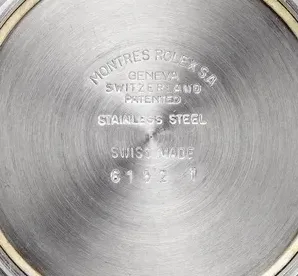
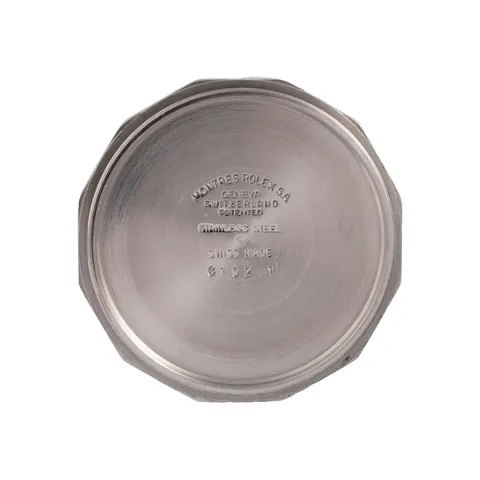
Panerai opened out some Rolex casebacks into display backs with a plexiglas window to show the Angelus movement. The window carries the matriculation number and the steel ring is engraved 'Officine Panerai - Brevettato'. Rolex engravings on the original caseback were removed on some watches.
- plexiglas window in the caseback
- 'Officine Panerai - Brevettato'
Crown 2 described
The crown is either the Rolex screw-down type or Panerai's patented crown guard.
Rolex 8 mm screw-down 'Big Crown'
The same large crown as on the Rolex 6200, 6538 and 5510, fitted as delivered on the 6152/1.
- large screw-down crown
Panerai crown-protecting device
A half-moon lever that presses the crown linearly onto its gasket, so avoiding the torsion of a screw-down crown. The patent was filed on 30 November 1955. On vintage 6152/1 watches the lever opens downward so as not to be in the way when winding. The lever is engraved 'BREV. ITAL.' (Italian patent). The device was added to existing Rolex cases and is not part of the original watch.
- half-moon crown guard opening downward
- 'BREV. ITAL.' on the lever
Movement 3 described
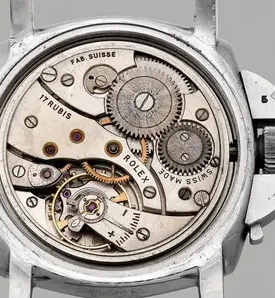
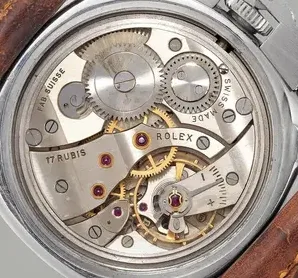
The Cortebert-made Rolex 618 is the original movement. Several sub-types are distinguished by jewel count and bridge details, and many watches were converted to the 8-day Angelus 240.
Rolex 618 Type 2a (6152)
Fifteen jewels, a Breguet overcoil hairspring, +/- on the balance cock instead of the older AR/FS markings, with or without a 'Cort' stamp under the balance, 18,000 vibrations per hour.
- 15 jewels
Rolex 618 Type 3 and Type 4 (6152/1)
Type 3 has fifteen jewels with Incabloc; the typical 6152/1 movement is Type 4, with seventeen jewels again, a Glucydur balance, Incabloc shock protection and a cap stone on one side of the escape wheel. The earlier types may have been simpler test versions. Power reserve is only about 36 to 38 hours.
- 17 jewels
- Incabloc
- Glucydur balance
Angelus 240 (MAI.61 and JUIN.61)
An 8-day hand-wound movement made by the Angelus maker for Panerai, with 17 jewels, a Glucydur balance, Incabloc and Côtes de Geneve; the main plates are date-stamped May or June 1961, a stamp that dates the plate rather than necessarily the finished movement. A new movement ring was needed. The number of 6152/1 watches converted is put at about 80 to 100. One 6152/1 has a movement dated 12.55 with a brushed finish, of the series made for the GPF 2/56.
- Geneva stripes on the bridges
- date stamp on the main plate
Bracelet 1 described
Listings are almost all on leather.
Leather strap with inventory number 74
Straps are leather. A strap marked '74', the Navy's inventory number on one watch in Panerai's collection, has been copied by strap makers; most Navy watches were shared and not assigned to one diver.
Originality
- Radium lume faded within years, so a 6152 or 6152/1 dial may be a replacement; compare dial construction and lume depth with a 1950s sandwich dial.
- A Luminor or Marina Militare dial in a 6152/1 that keeps its Rolex screw-down crown is generally a replacement fitted after 1965, unless the watch is one of the modified Angelus watches, which had such dials with the Rolex crown.
- Crown guards were added to existing cases and may be a later addition.
- Marina Militare engraving on an anonymous open-six-and-nine dial is not original.
- Rolex case numbers on altered watches are in no order, because Panerai took watches from the lot as orders came; a number outside about 124495 to 124999 is a reason to query a 6152/1.
- Hands are among the first parts restored, so uniformly oxidised hands are a good sign on an unrestored watch.
Names
- Fiddy. The nickname of the modern PAM 127, from the '1950' printed on the dial.
Where accounts differ
Points on which the published literature and the library's own records do not agree, or on which the literature contradicts itself.
- Luminor in 1949. Panerai's own published history said its tritium Luminor lume replaced Radiomir in 1949 under a patent; the site reports that Panerai has since quietly dropped the claim. The site states that the 1949 document is a trade mark for luminous products in general, that the 6152, 6154 and 6152/1 all have Radiomir dials and 1950s case numbers, and that Luminor lume dates from the mid-1960s.
- Years sellers state. The site dates the Rolex cases to 1953 to 1955. Some years sellers state in the library's records fall before 1953, which cannot be right for these cases, and those after 1955 fit the later Panerai alterations rather than the cases.
Back and movement
From listings of this reference, each confirmed by eye to show what it is filed under. A picture on which a person's name or a personal engraving can be read is not shown. From most holders a detail from the middle of the photograph is shown; the mark in its corner gives its holder and a link to the listing.
Inside the caseback




Movement


Catalogue versions 1 listed
The full numbers under which holders list this reference, with what their listings say of each. Each has a page of its own.
| Version | Metal | Dial | Years seen | Records |
|---|---|---|---|---|
| 6152-1 | Steel | Black | 1955–1960 | 15 |
In the records
Counted from 16 listings at 6 holders between 9 November 2015 and 13 November 2026. These are what sellers and auction houses state, not measurements.
The head of the page gives 1955–1960: the years that listings from two holders bear out.
Case metal
| Steel | 14 |
Dial colour
| Black | 6 |
Case size
| 47 mm | 6 | |
| 50 mm | 3 | |
| 48 mm | 1 |
Calibre named
| 618 | 5 |
Bracelet or strap
| Leather strap | 12 | |
| Metal bracelet, kind not stated | 1 |
Each table counts the listings that state the thing, in the seller's own terms. A size, metal, colour or calibre that cannot belong to this reference is a seller's slip or a listing filed under the wrong number.