Radiomir (Rolex-made)
The 3646 is the Rolex-made cushion-case steel diver's watch supplied to G. Panerai e Figlio for the Italian Navy from April 1940 to 1944. It followed the 2533 and used Cortebert's calibre 618 in place of the finer 663. An estimated 1,345 were made in batches that collectors letter Type A to G, which differ by case-number range, caseback stamps, case height, dial and movement engraving; the Rolex-stamped Type F has since been shown to rest on fake stamps. Early dials are riveted plastic or sandwich dials reading 'Radiomir Panerai'; the last ones are anonymous or carry a Rolex 'California' dial. Collectors look first at the stamps inside the caseback, case height, dial type, movement engraving and crown. Many examples have altered or replaced dials and stamps.
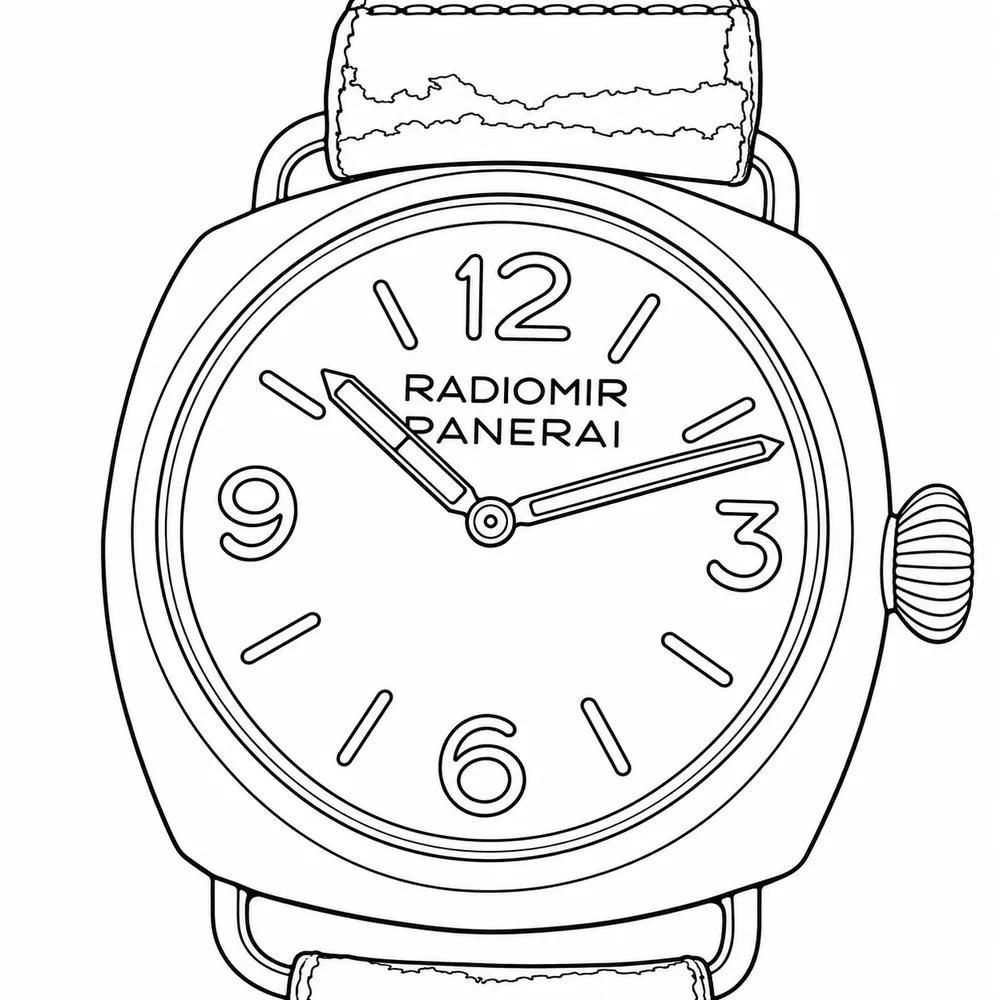
- Made
- 1940–1944
- Seen in the library
- 1940–1946by years sellers state
- Case
- 47 mm · steelas sellers state
- Movement
- Calibre 618hand-wound
- On record
- 29 listings55 photographs · 9 holders
Components
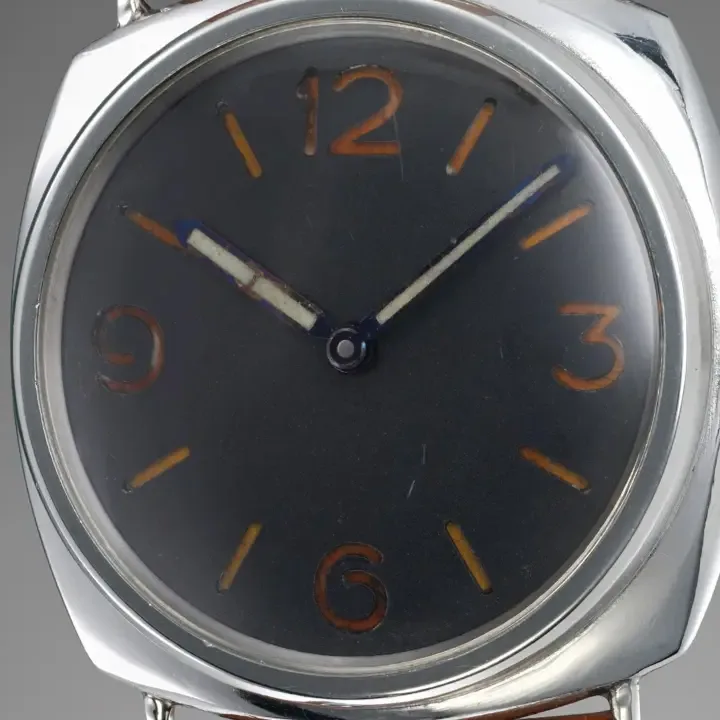
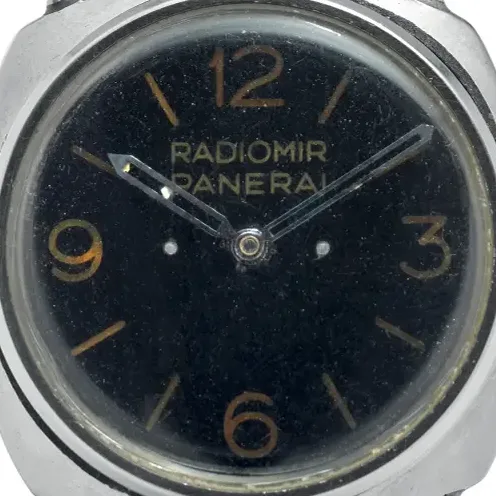
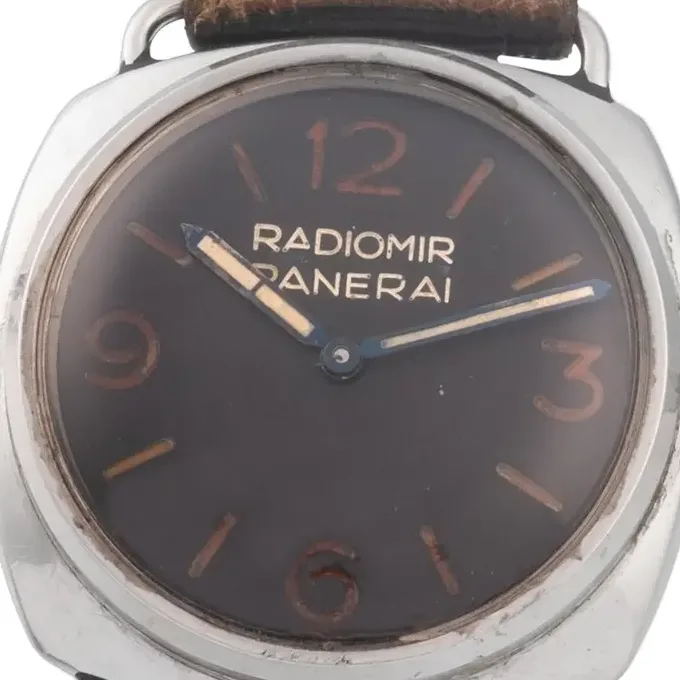
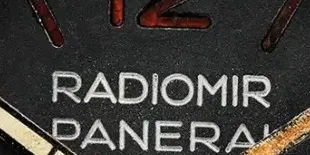
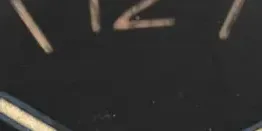
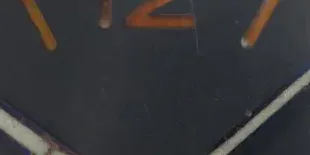
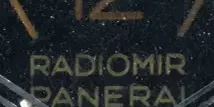
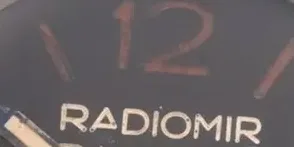
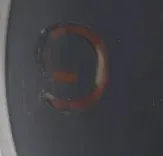
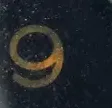
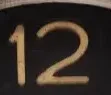
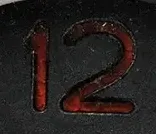
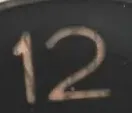
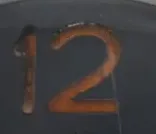
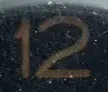
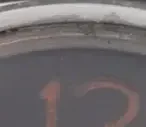
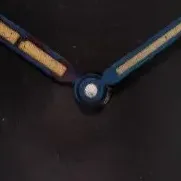
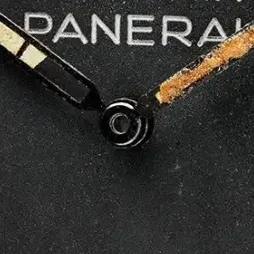
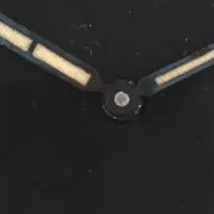
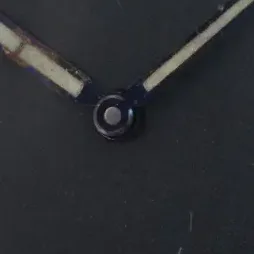
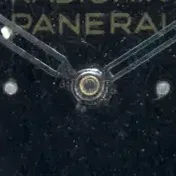
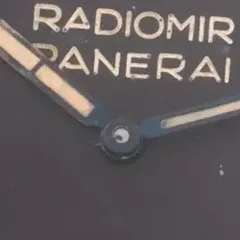
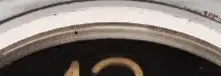
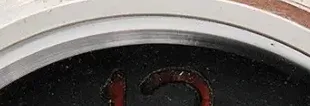
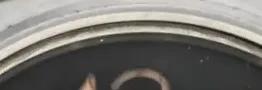
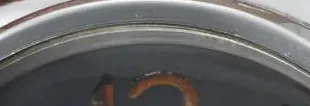
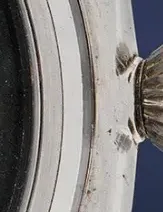
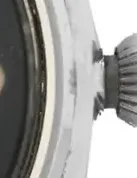
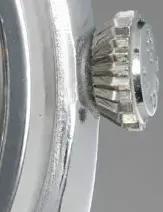
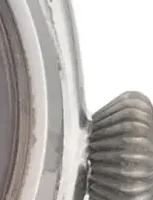
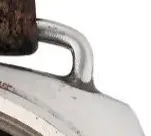
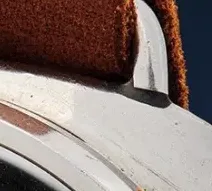
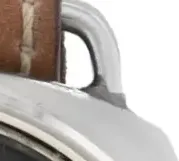
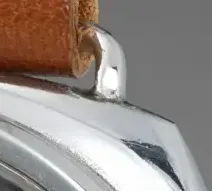
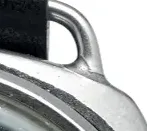
6 watches, oldest first, each straightened and cut the same way so that one row shows one component across them all. Chosen from 55 photographs on file for sharpness and for a face typical of the reference. A year marked c. is one its holder gives only roughly. Each picture is a detail cut from a listing photograph. Select the small mark in its corner for its year, its holder, a link to the listing it came from, and a way to report it.
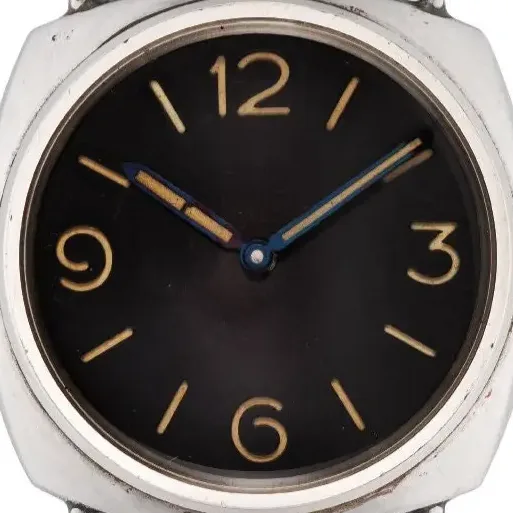
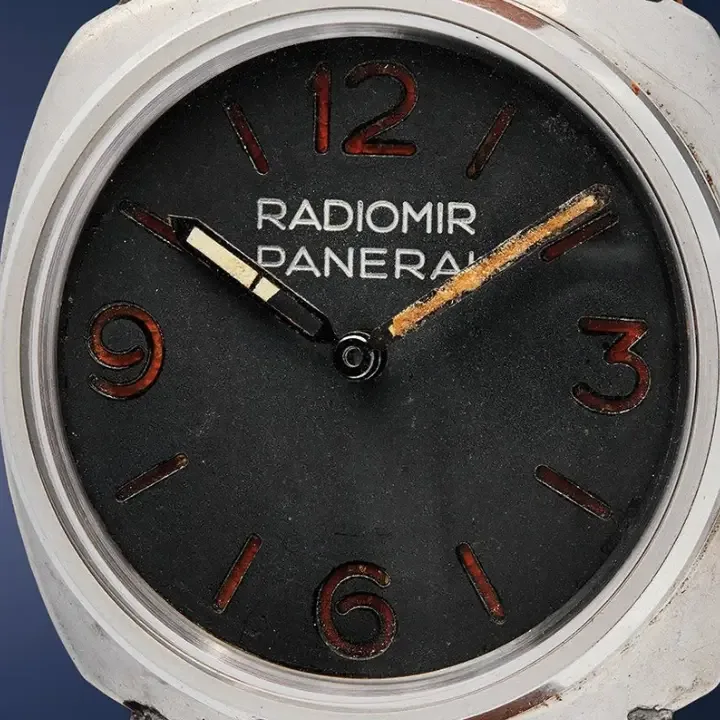
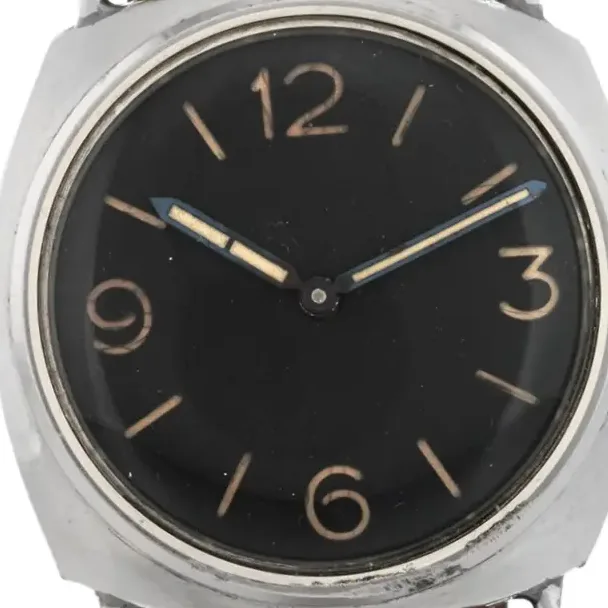








Chronology
Delivery began in April 1940 and the last case numbers are of 1944; listings that state 1936 or 1946 sit outside that span.
Every dated variant: what is written, and what the records show
For the reference the marks are every dated watch; for a variant, the watches a seller names as that variant, so a variant sellers do not name has none.
Specification
| Case | Steel Rolex Oyster cushion case with soldered wire lugs; about 47 mm wide; middle case 6.3 mm high on the Type D batch of 1943 and 5.4 mm on the last batches |
| Crystal | Domed plexiglas |
| Dial | Riveted plastic, aluminium sandwich 'Radiomir Panerai', anonymous or 'California' |
| Hands | Heat-blued steel |
| Crown | Rolex onion crown, Oyster no. 11 |
| Caseback | Screw-in, with Oyster Watch Co or Rolex S.A. stamps inside in Types A to D; stamps removed in the last anonymous batches (Types E and G) |
| Movement | Cortebert-made Rolex calibre 618, 17 jewels, hand-wound, overcoiled Breguet hairspring |
| Strap | Leather |
Reference 7 described
The 3646 is a Rolex-made Oyster cushion case with a Cortebert movement, supplied to Panerai in batches that collectors label Type A, B, C, D, E, F and G. The batches differ by case-number range, caseback stamps, case height and movement markings. The labels are a collectors' scheme, not Rolex's, and part of it has been revised: Type F is not a true batch (see Where accounts differ).
Type A
The first batch, sent to Florence in April 1940. Case numbers are in the seven-digit pocket-watch series and the inside caseback carries the Oyster Watch Co stamp. The early watches were probably delivered with riveted plastic dials; 'California' dials found in Type A cases are later replacements.
- seven-digit case number
- 'Oyster Watch Co' stamp inside the caseback
Type B
numbers 1009911 to 1010050
About 150 watches of 1941 to 1942, with the Oyster Watch Co stamp in reduced form inside the caseback and a seven-digit case number. The case is known for losing its wire lugs. Dials in this batch are early riveted plastic or first-generation aluminium sandwich dials. Some carry an 'Xa. FLOTMAS No.' matriculation engraved on the outer caseback.
- reduced 'Oyster Watch Co' stamp
- early sandwich dial with dark red lume
- wire lugs lost or reinforced
Type C
numbers 1010091 to 1010374
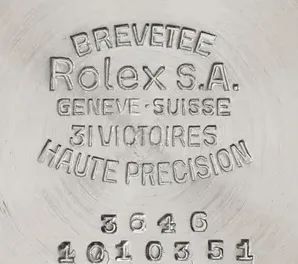
A batch of 1942, the first with 'Rolex S.A.' on the inside caseback while still on seven-digit case numbers. The usual dial is the 'Radiomir Panerai' sandwich dial. A few have the 'Xa. FLOTMAS No.' matriculation; five such Type C watches are documented.
- 'Rolex S.A.' stamp
- seven-digit case number
- 'Xa. FLOTMAS No.' on outer caseback (a few)
Type D
numbers 260400 to 260695
A batch of about 300 watches of 1943, the first to carry Oyster-style case numbers. The case has a tall bezel and a middle case 6.3 mm high, 'Rolex S.A.' stamps, and a Rolex 618 Type 1b movement. The dial is the anonymous 'Kampfschwimmer' dial with wide-open 6 and 9. The case profile is symmetrical from this batch on.
- tall bezel
- anonymous dial with open 6 and 9
- symmetric case profile
Late Type D (low bezel)
numbers 260696 to 260849
A later batch of 1944 that keeps the Type D caseback stamps, 'Rolex S.A.' with reference and case number, and so is usually counted as Type D. It differs from the first Type D watches in its low bezel and thinner 5.4 mm middle case, which leave room only for a thin dial, usually the Rolex 'California' dial; painted brass dials are also recorded in this range. Its movements are still signed Rolex but come from a later serial range, the 618 Type 1c. Published accounts treat it as a batch of its own, and a rearranged lettering of the late batches has been proposed.
- 'Rolex S.A.' caseback stamp on a case number from 260696 to 260849
- low bezel
- Rolex-signed movement with a later serial
Type E
numbers 260850 to about 261120
The anonymous batch of 1944, with a low bezel and a 5.4 mm middle case. The Rolex stamps and reference number were removed from the caseback and the case number restamped near the rim, and the movements carry no Rolex engraving, only the jewel count and 'Fab. Suisse'. Dials are 'California' (Rolex Error-Proof) or painted. The range was once said to end at 261099, with a Rolex-stamped Type F after it; with those stamps shown to be fake, the anonymous watches run on to about 261120. Rolex stamps found on watches in this range are later additions. A watch numbered 260873 has Type D stamps and a branded movement and is regarded as one that was missed when the stamps were removed.
- low bezel
- 5.4 mm middle case
- case number stamped near the rim with no Rolex stamp
- movement without Rolex engraving
Type G
numbers 317488 to 317530
A last batch, again anonymous, with a low bezel and a 5.4 mm middle case. Movement serial numbers are close to those in Type E, which suggests they were assembled at the same time.
- anonymous caseback and movement
- low bezel
Dial 6 described
Dials run from a failed riveted plastic construction, through the aluminium sandwich dial, to anonymous and 'California' dials in the last batches. The sandwich dial's wide-open 6 and 9 are a structural feature of its construction as well as a style. Many dials on 3646 watches in the market are later replacements or alterations, so dial and case need to be checked together.
Riveted plastic dial
The first dial construction was a layered plastic dial with closed 6 and 9 and riveted layers. It warped, in some cases so far that the hands stopped turning, and was replaced by the sandwich dial. A Type B watch with this dial and its aged plexiglas crystal is recorded.
- plastic layers
- closed 6 and 9
- warping
Aluminium sandwich dial, 'Radiomir Panerai'
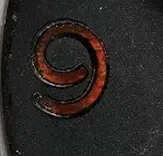
The first sandwich dial has a black anodised aluminium disc with cut-outs, over a layer holding the radium lume behind a transparent layer. The cut-out fillings age to a dark red. The dial reads 'Radiomir Panerai', with Arabic numerals and open 6 and 9. It is the usual dial on Type B and C watches. Panerai later made thinner 1950s dials with the lume directly under the perforated disc, so a 1940s dial with the lume deep behind a plastic layer can be told from one made later.
- dark red filling in numerals and markers
- 'Radiomir Panerai' text
- open 6 and 9
- lume set deep behind a plastic layer
Anonymous 'Kampfschwimmer' dial
numbers 260400 to 260695
An unsigned sandwich dial with open 6 and 9 and no 'Radiomir Panerai' text, used on the Type D batch. Dials of this kind carry no maker's name. A painted brass anonymous dial on one Type D/E watch is thought to have been made in Venice for higher luminosity.
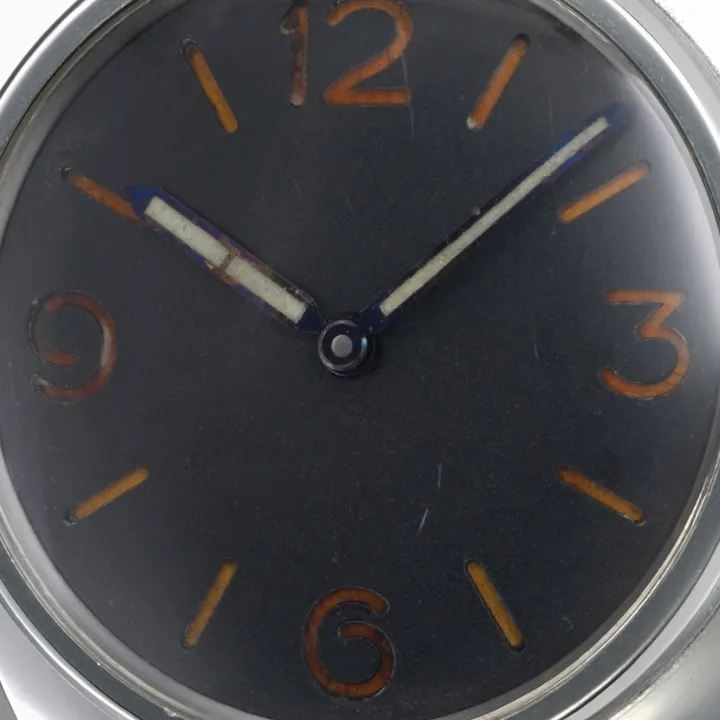

- open 6 and 9
8 listings on record under the name.
'California' dial (Rolex Error-Proof)
numbers 260696 to 261120
A Rolex-made luminous dial used in the last batches. It was patented by Rolex under CH221643. It is unsigned. It does not belong to the earliest 3646 watches: where one appears in an early case it is a replacement. About thirty unused watches with these dials were reportedly found in Venice in the 1990s.
- 'California' numerals
- unsigned dial
Screw-fixed brass dial
Some anonymous brass dials, linked to the Junghans factory in Venice, have no dial feet and are held by two small screws at 6 and 12 driven into the movement retaining ring. They are recorded on late low-bezel watches and are later fittings, not as the watches were delivered; the reason for them has been explained in more than one way. A Junghans dial with numerals at 3, 6, 9 and 12 is also recorded on one late anonymous watch.
- two screws at 6 and 12
Marina Militare dial (not original)
Dials marked Marina Militare were not made until the mid-1960s, so one found on a 3646 is a later alteration; one such watch has an anonymous Kampfschwimmer dial, its wide-open 6 and 9 still in place, with fake Marina Militare engravings added. A Marina Militare mark painted by hand rather than engraved appears on one modified watch.
- Marina Militare text on a 3646 dial
Hands 2 described
The original hands are blued steel; later hands on modified watches are of other types.
Heat-blued 'double pencil' hands
The original blued steel hands show a colour gradient from dark blue to a slight purple depending on how they were heated. They are prone to rust and are often replaced.
- blue-purple gradient
- two lume strips
Angelus-style single pencil hands
Hands that came in with the Angelus 240: on the GPF 2/56 in the late 1950s, and in the early 1960s on modified 3646 watches and on the 6152/1. They are not original to a 3646.
- single pencil hands
- relumed surface
Case 6 described
The case is a Rolex Oyster pocket-watch style cushion case with soldered wire lugs. The early case profile is asymmetric; from 1943 it is symmetrical and simplified, and from 1944 it is lower. The wire lugs are the weak point.
Asymmetric early case, seven-digit numbers
numbers 1009421 to 1010374
The case of Types A to C has an asymmetric profile and a seven-digit pocket-watch case number. The wire lugs are soldered on and are often missing, repaired or reinforced.
- asymmetric profile
- soldered wire lugs
Symmetric case with tall bezel
numbers 260400 to 260695
From Type D the case profile is symmetric, with a 6.3 mm middle case and a tall bezel, and Oyster case numbers start.
- symmetric profile
- tall bezel
Low case with 5.4 mm middle case
numbers 260696 to 261120 and 317488 to 317530
The last batches have a middle case only 5.4 mm high and a low bezel, with a flat collar soldered around the crown tube. A very thin caseback centre (about 0.75 mm) and a case number near the edge show a removed stamp.
- flat collar at crown tube
- low bezel
- edge-stamped case number
Modified case with welded solid lugs
A group of Type F or G cases was later altered by Panerai: the wire lugs were removed, solid lugs welded on, the middle case sandblasted and a high bezel and a conical display caseback fitted for the thicker Angelus 240 movement. They were built in the early 1960s to present the new Luminor dials and the 8-day movement, and are show pieces, not diving watches. Watches kept in Panerai's own collection are among them. Known examples have dials engraved 'Officine Panerai', one with a painted Marina Militare inscription.
- welded solid lugs
- sandblasted middle case
- conical display caseback
- knurled washer ring between bezel and dial
Dodecagonal bezel 'Officine Panerai Brevettato'
A twelve-sided bezel engraved 'OFFICINE PANERAI - BREVETTATO' appears on a few watches. It is a display caseback fitted as a bezel and is not a late 1930s feature: the wording was used only from the mid-1950s and display backs from the late 1950s or early 1960s.
- twelve-sided bezel with engraving
Matriculation 'Xa. FLOTMAS No.'
A serial of the Decima Flottiglia MAS engraved on the outer caseback of a few Type B and C watches. Only a handful of 3646 watches are known with it, and one example has been scratched at. An engraved caseback with an owner's names also exists on a Type C watch.
- 'Xa. FLOTMAS No.' on the outside of the caseback
Crown 2 described
Original crowns are Rolex 'onion' crowns; replacements are common.
Oyster 'onion' crown no. 11
An onion-shaped Oyster crown marked with the number 11. A version without the Swiss cross is a 1960s service replacement.
- onion crown
Cylindrical crown no. 13 (replacement)
A cylindrical crown was a service replacement for onion crowns when Rolex stopped making them after the war. It is not original.
- cylindrical crown
Crystal 1 described
The literature describes one crystal type.
Domed plexiglas
The original crystal is domed plexiglas, which with age develops fine cracks round the edge.
- crazed edge on a plexi crystal
Movement 5 described
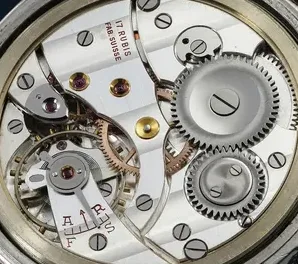
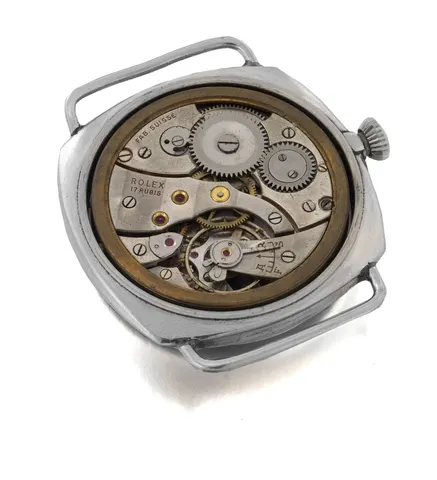
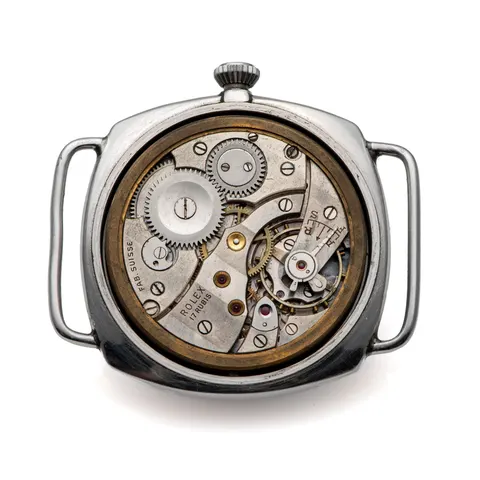
The 3646 uses the 17-jewel Cortebert-made calibre 618, with an overcoiled Breguet hairspring, replacing the finer calibre 663 of the earlier 2533. Rolex engravings and bridge finish change over the batches and help date a watch.
Rolex 618 Type 1a
serial about 7512000 on a Type B
The Rolex engravings follow the upper curve of the train-wheel bridge and the 'A' in 'FAB. SUISSE' has a pointed apex. The movement retaining ring is brass-coloured. Fitted in Types A to C.
- curved Rolex engraving
- brass retaining ring
Rolex 618 Type 1b
numbers 7519xxx
The engravings are straight and the 'A' has a horizontal bar, with larger lettering. The movement retaining ring is silver-coloured. Serials start 7519xxx in Type D.
- straight Rolex engraving
- bar on the 'A'
Rolex 618 Type 1c
numbers 7527xxx to 7528xxx
The third batch of calibre 618 made by Cortebert for the 3646, in 1944, fitted to the late Type D watches 260696 to 260849. It still carries Rolex engravings, but its serials are later than those of Type 1b, put in the 7,527,000s in one account and the 7,528,000s in another, and the bridges have a different plating.
- Rolex-signed 618 with a serial above 7,527,000
- Rolex engraving on a low-bezel case
Anonymous 618
Movements of the last batches have no Rolex engraving and show only the jewel count and 'Fab. Suisse'. Type G movements are numbered close to those of the earlier anonymous batch. Rolex engravings on such a movement are later additions.
- no Rolex on the bridges
Angelus 240 (modified watches)
An 8-day hand-wound movement fitted by Panerai to some altered 3646 cases, 17 jewels with a Glucidur balance, marked 12.55 on the series made for the GPF 2/56.
- brushed bridges seen through display back
Bracelet 1 described
Watches were fitted to leather straps.
Leather strap
Sellers who name a strap give leather. Original straps are rare and replacements and aftermarket buckles are usual.
Originality
- The wire lugs are often missing, replaced or heavily re-soldered, and a bare case with no lug stubs is common.
- Rolex stamps inside the caseback of a watch between 260850 and 261120 are later additions; look for a different typeface, wider spacing and a differently shaped 'e'.
- Rolex engravings on an anonymous movement bridge, and 'Radiomir Panerai' or Marina Militare text on an open-six-and-nine dial, can be later work.
- A 'California' dial in a Type A to C case is a replacement.
- Crowns, hands and straps are usually replaced; a cylindrical crown is not original.
- A dial turned in the case to make its text level leaves crooked numerals and markers.
Names
- Kampfschwimmer. The anonymous Type D dial is named for German combat swimmers whose units were given these watches.
- California. The Rolex-made unsigned dial used in the last batches.
- Military Rolex. The name the watches carried before their link to Panerai was known.
Where accounts differ
Points on which the published literature and the library's own records do not agree, or on which the literature contradicts itself.
- Type F. The book taxonomy puts the Rolex-stamped caseback watches 261100 to 261352 in a separate Type F, calls Type E (260850 to 261099) anonymous, and counts the low-bezel, Rolex-stamped watches from 260696 to 260849 as Type D because their stamps match. One account holds that the Type F stamps are fake, that the watches in that range are anonymous, that the low-bezel watches are a later batch than the first Type D, and that the later types need rearranging.
- Date of the dodecagonal-bezel 'prototype'. Panerai describes its dodecagonal-bezel 3646 as a late-1930s presentation prototype. The site finds the case and movement are of 1943 to 1944, the dial of the 1950s and the bezel of the 1960s, and that the first 3646 was delivered in April 1940. The library's records include listings dated 1936 and 1946, outside the 1940 to 1944 case-number span.
Back and movement
From listings of this reference, each confirmed by eye to show what it is filed under. A picture on which a person's name or a personal engraving can be read is not shown. From most holders a detail from the middle of the photograph is shown; the mark in its corner gives its holder and a link to the listing.
Caseback
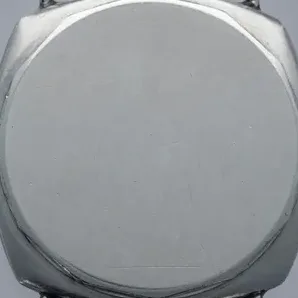

Inside the caseback

Movement



In the records
Counted from 29 listings at 9 holders between 17 December 2013 and 14 November 2026. These are what sellers and auction houses state, not measurements.
The fainter bar is the one listing outside the main run of 1940–1946 (the middle nine-tenths): the earliest is 1936. It is an early or late example, or a seller's slip. The head of the page gives 1940–1946: the years that listings from two holders bear out.
Case metal
| Steel | 17 |
Case size
| 47 mm | 11 | |
| 46 mm | 2 |
Calibre named
| 618 | 10 |
Bracelet or strap
| Leather strap | 11 |
Each table counts the listings that state the thing, in the seller's own terms. A size, metal, colour or calibre that cannot belong to this reference is a seller's slip or a listing filed under the wrong number.