Constellation 'Pie-Pan' (date, dog-leg)
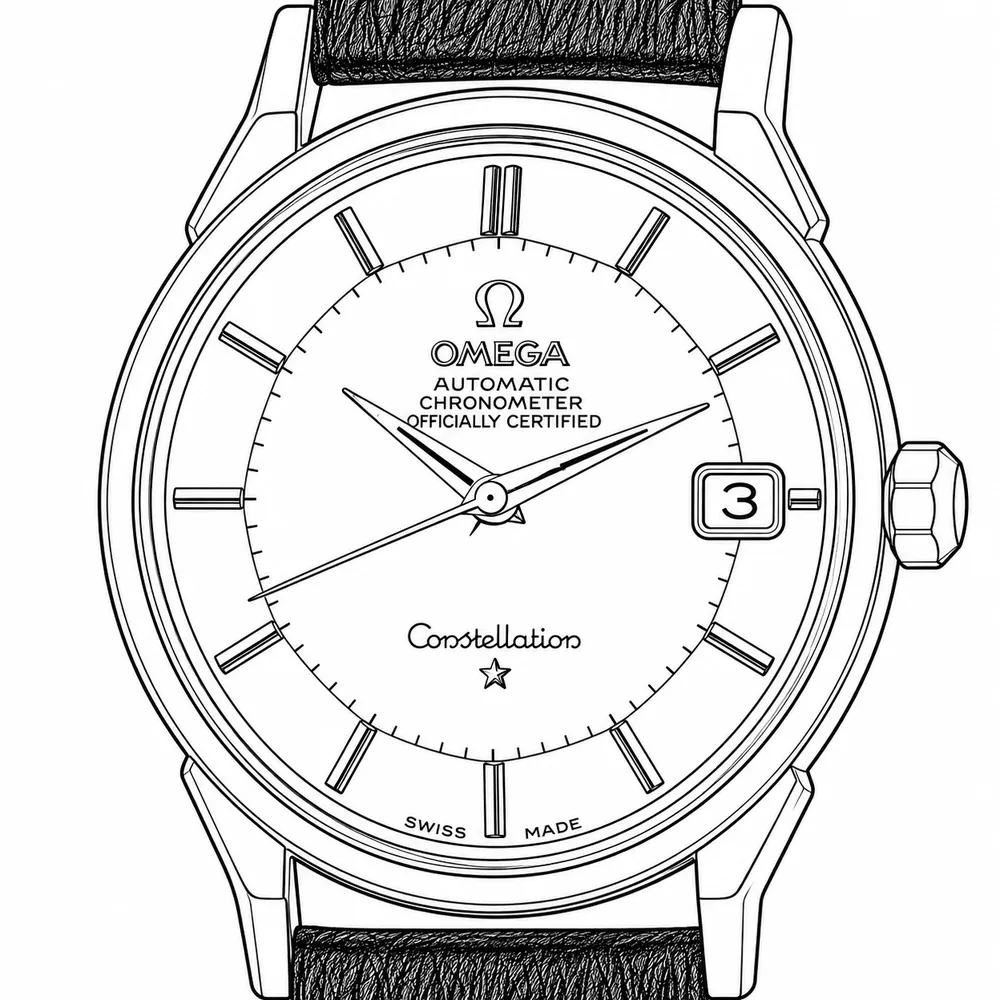
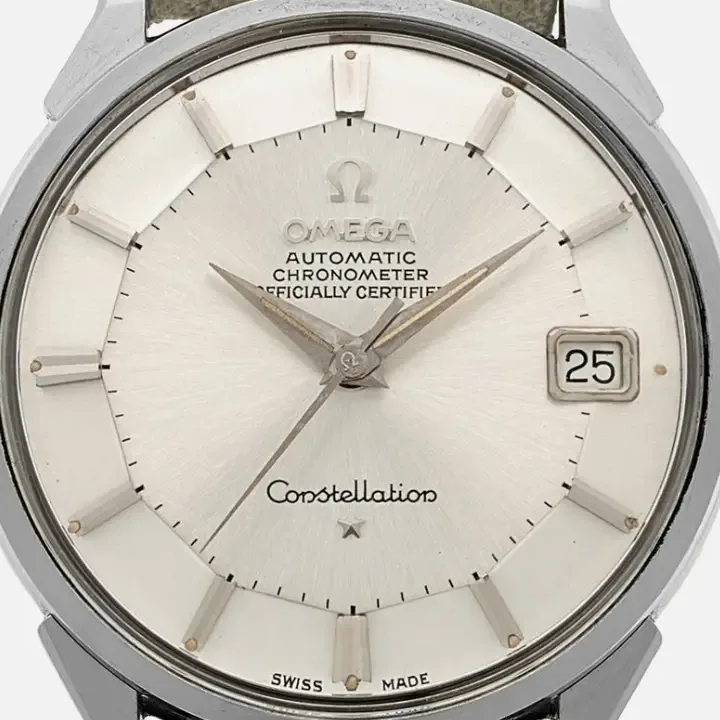
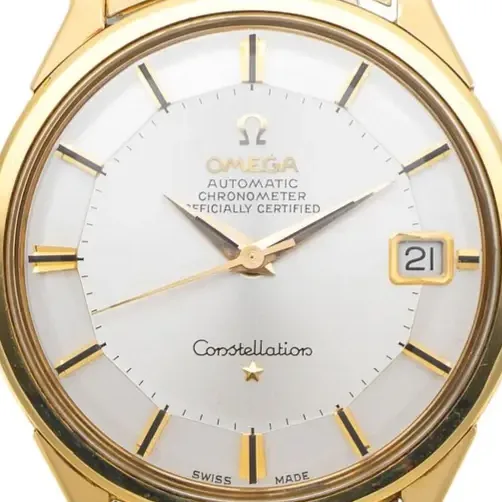
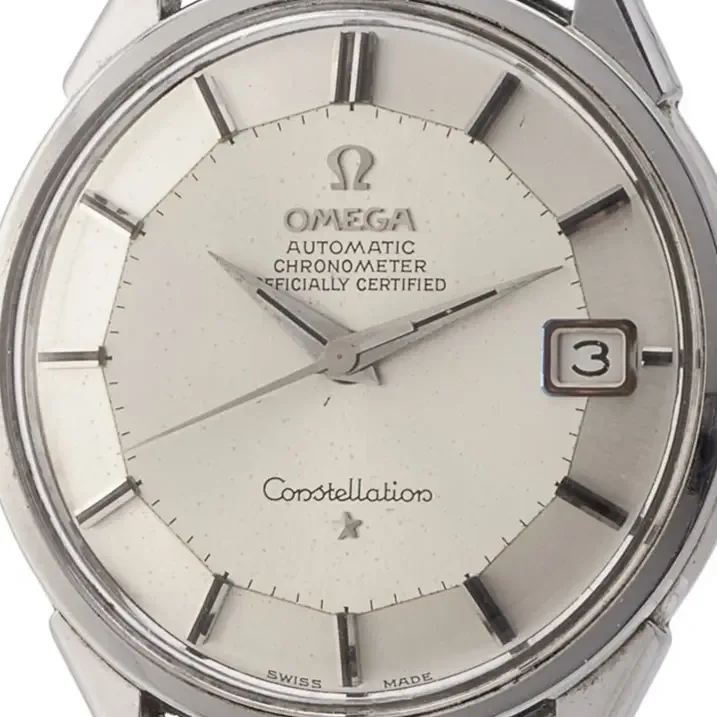
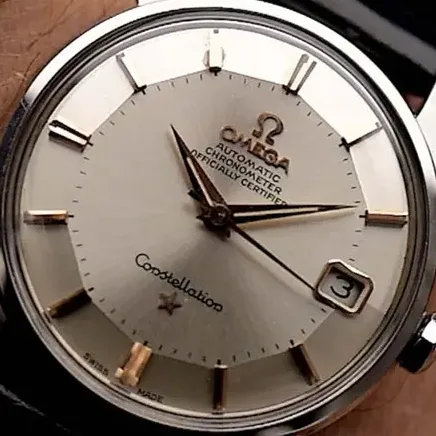
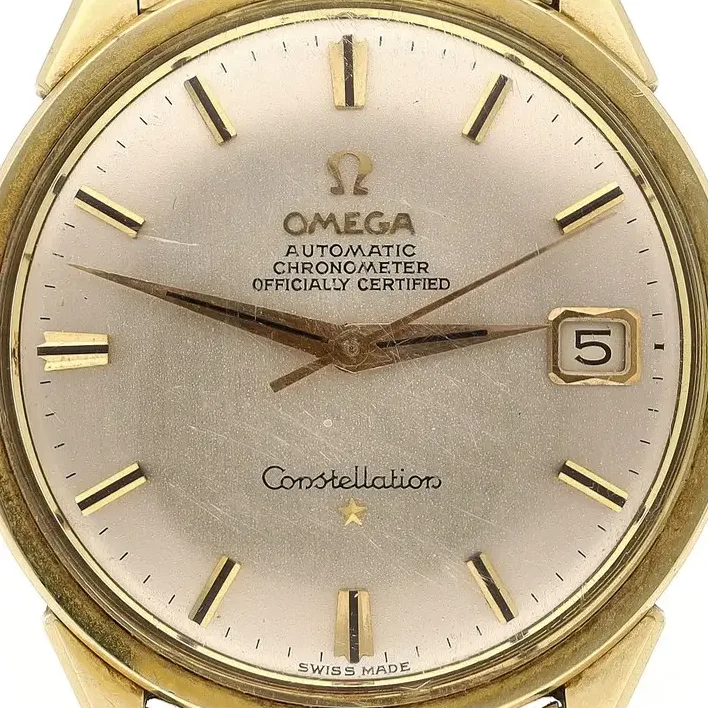
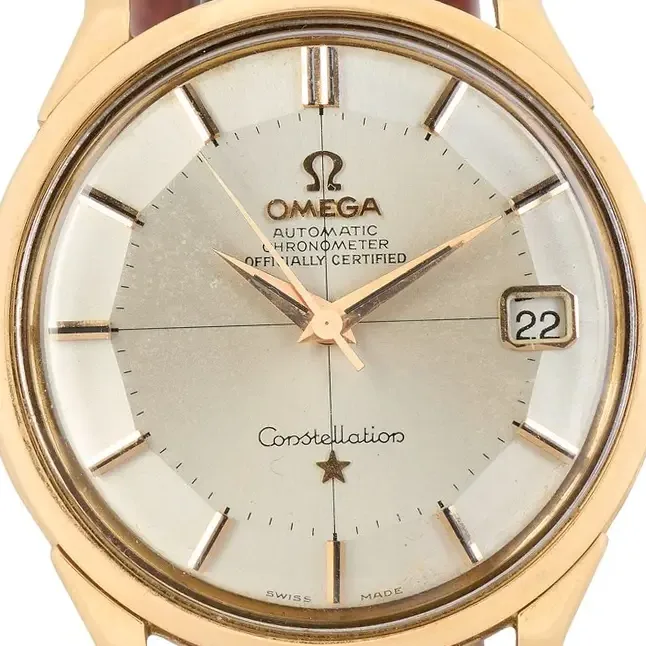
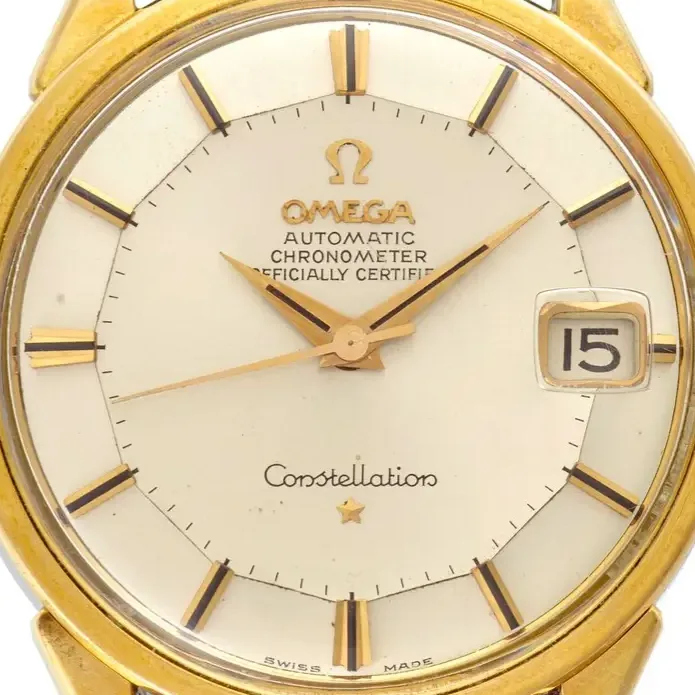
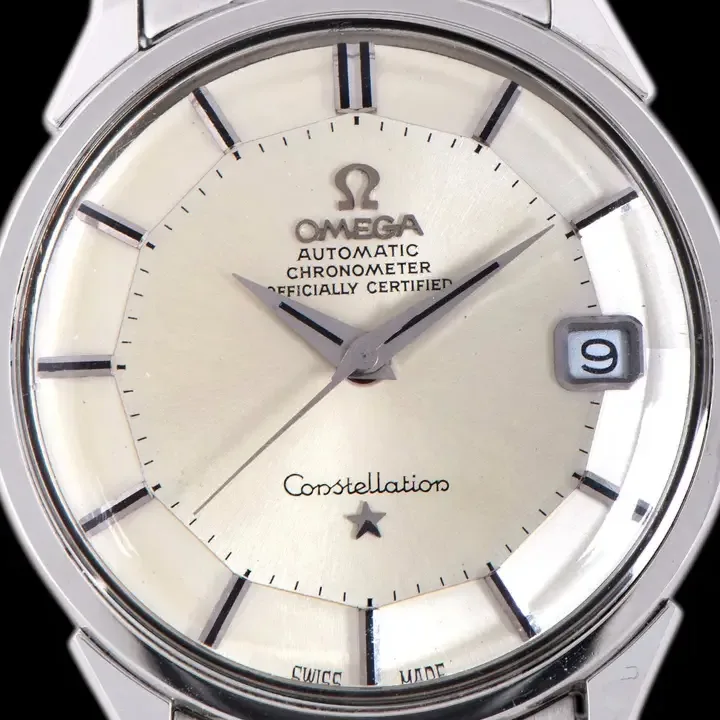
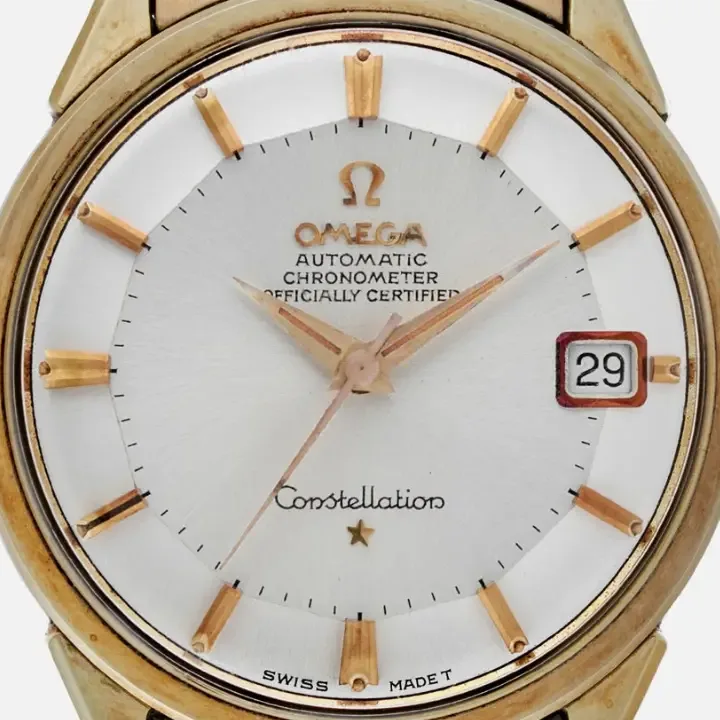
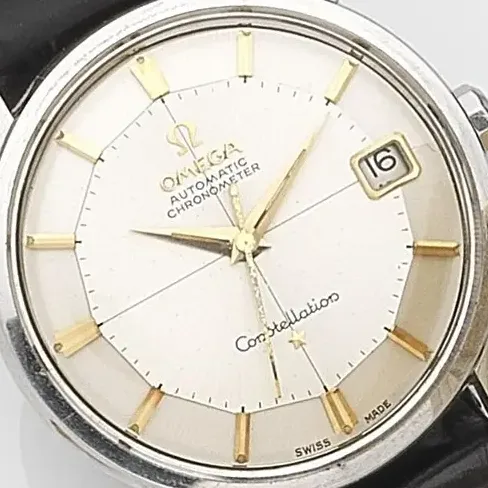
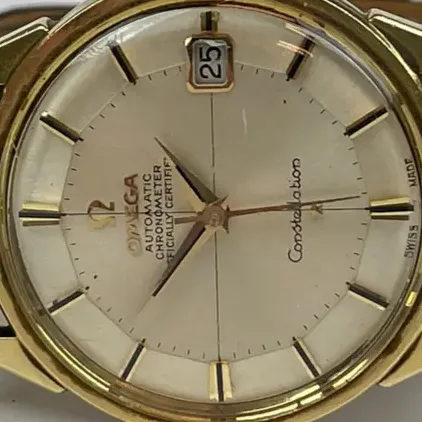
The 168.005 is the date version of the 1960s round Constellation with dog-leg lugs, normally called the Pie-Pan from its dial: a slightly domed centre ringed by twelve sloping facets, with applied hour markers, an applied star at six and the name in cursive. It carries the automatic chronometer calibre 561, later 564, in a case of about 34 mm that was made in steel, gold-capped steel, and 14 or 18 carat gold. The number replaced the five-digit 14902 around 1962 to 1963, and the family is usually put at about 1962 to 1970, giving way to the C-shape Constellation. Collectors look first at the dial's lettering and applied parts, the crown, and an unpolished case.
- Made
- 1962–1970dates approximate
- Seen in the library
- 1961–1972nine in ten in 1962–1969 · by years sellers state
- Case
- 34 mm · gold (55%), steel (38%)as sellers state
- Movement
- Calibre 561, 564automatic
- On record
- 288 listings285 photographs · 27 holders
Components
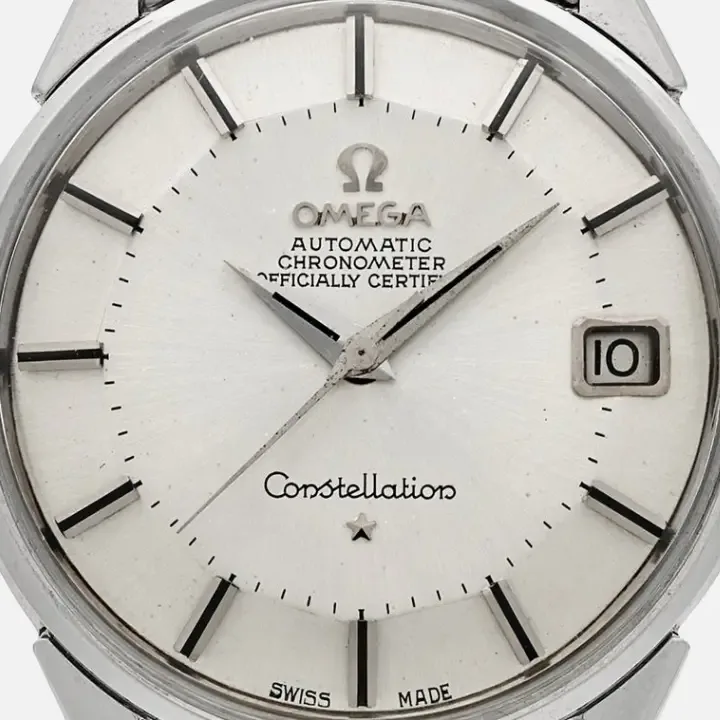
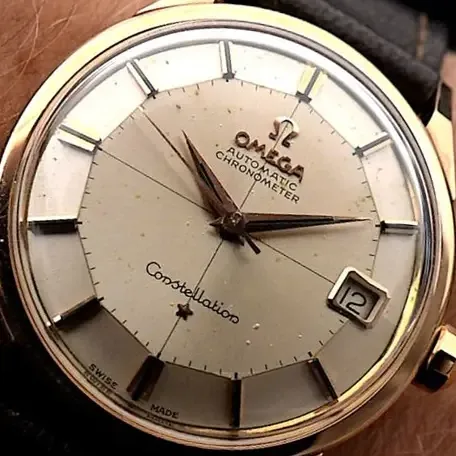
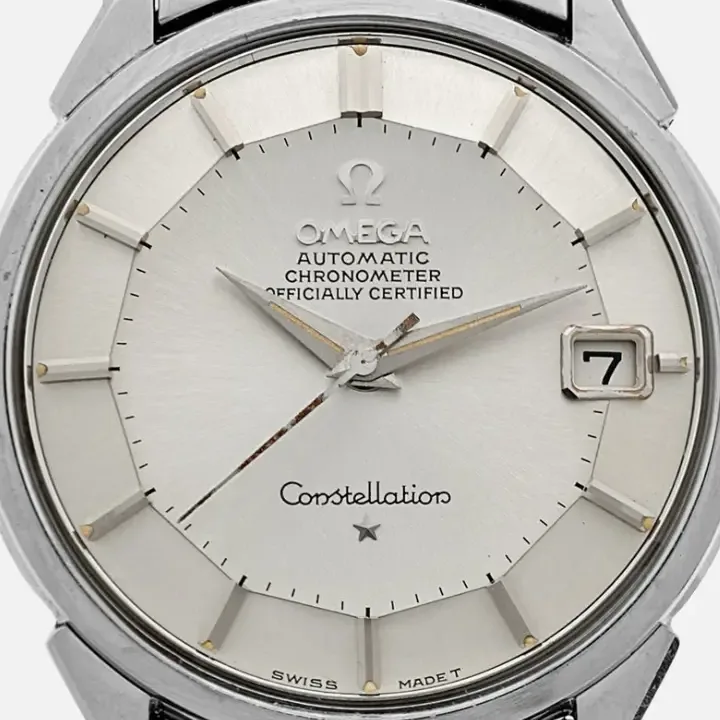
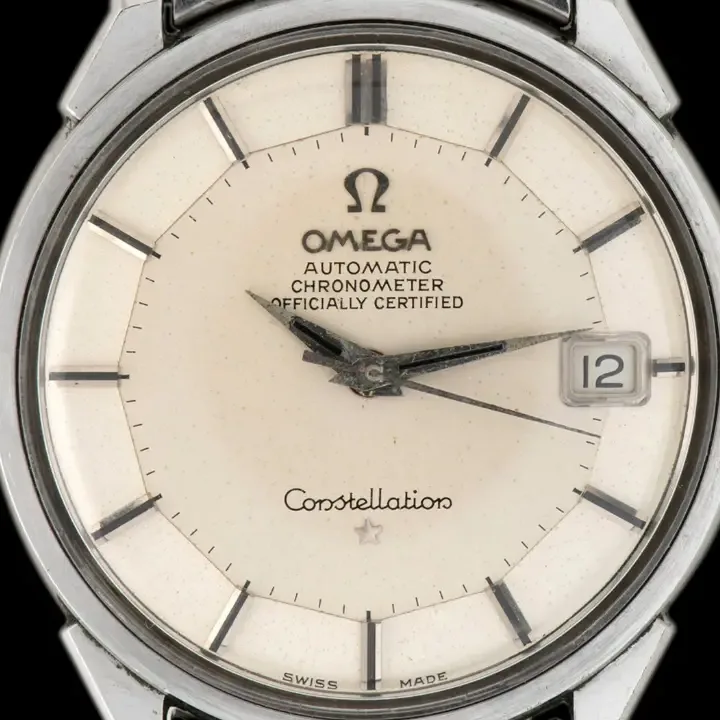
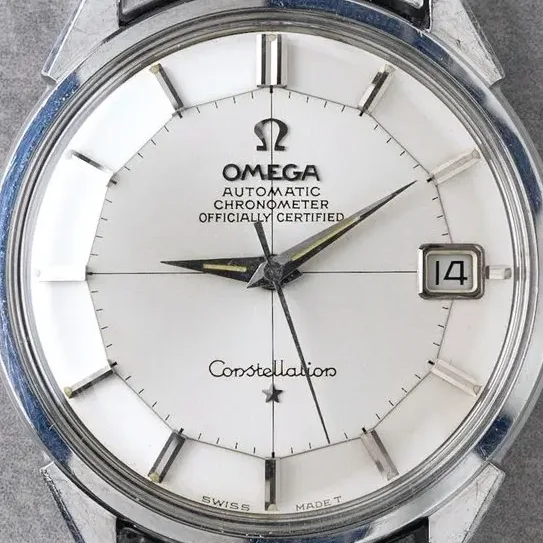
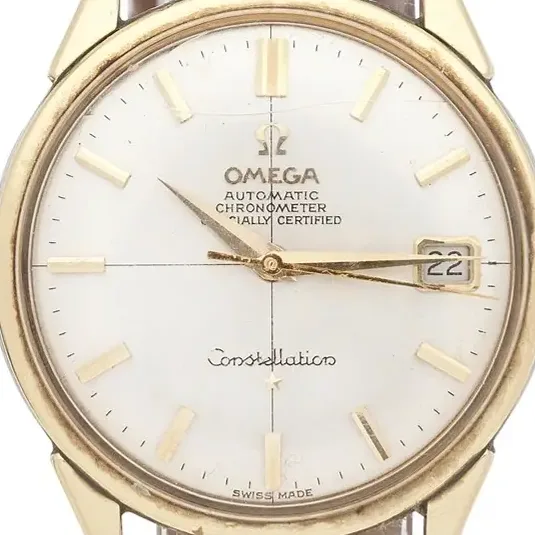
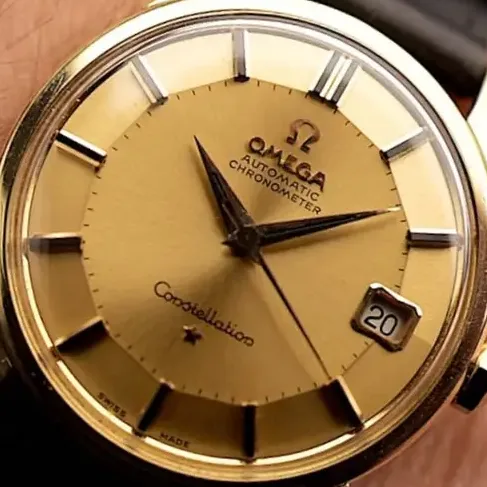
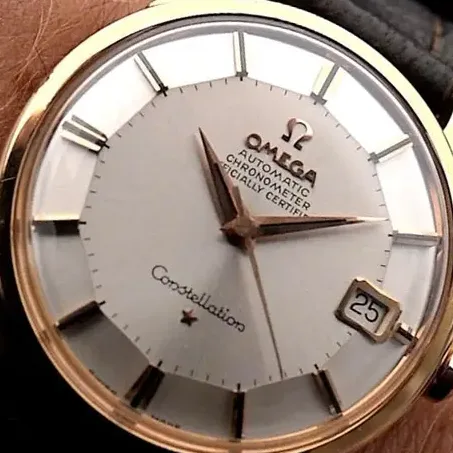
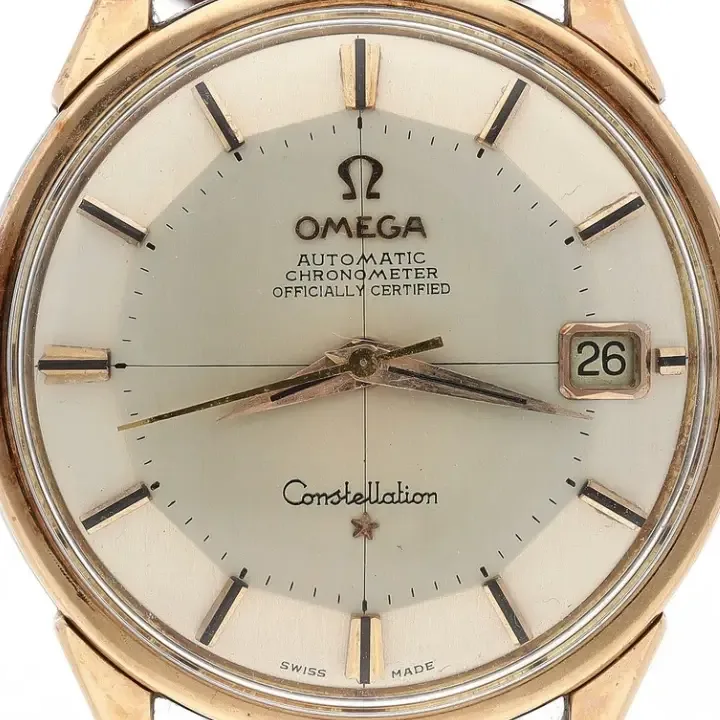
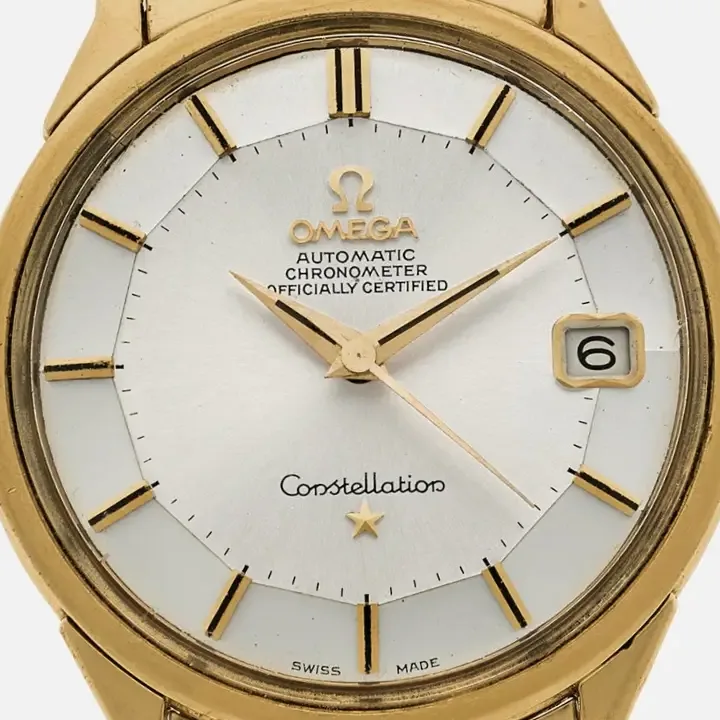
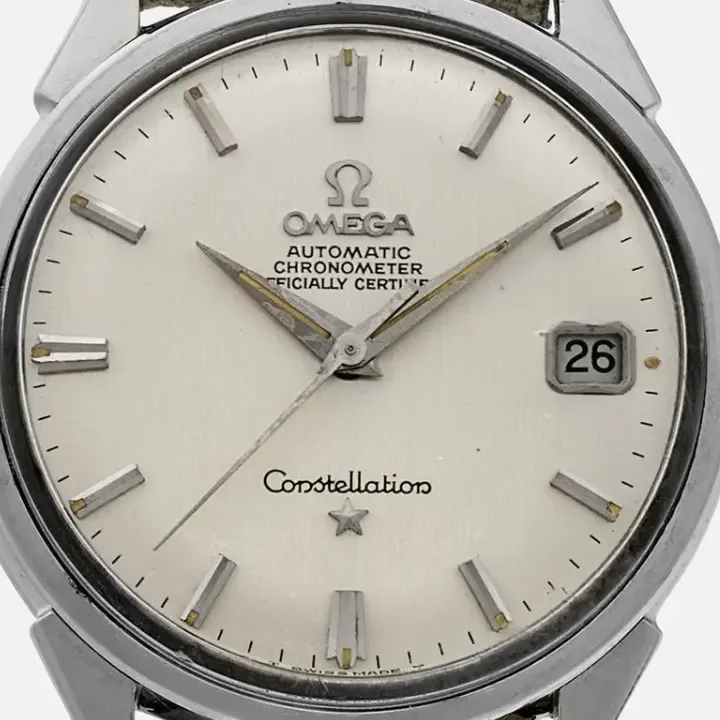
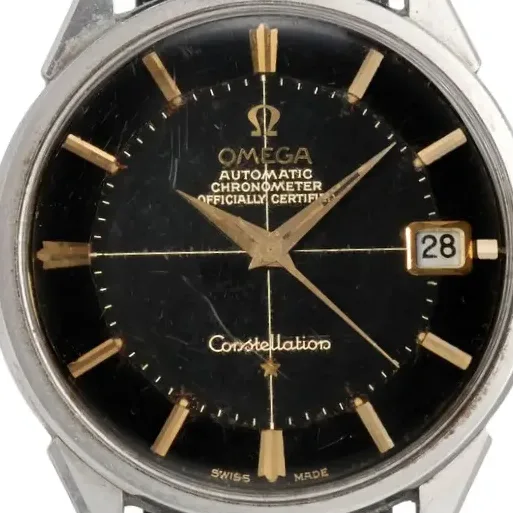
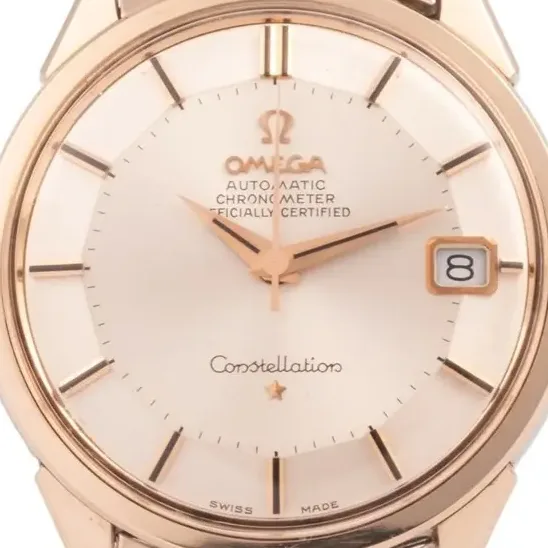
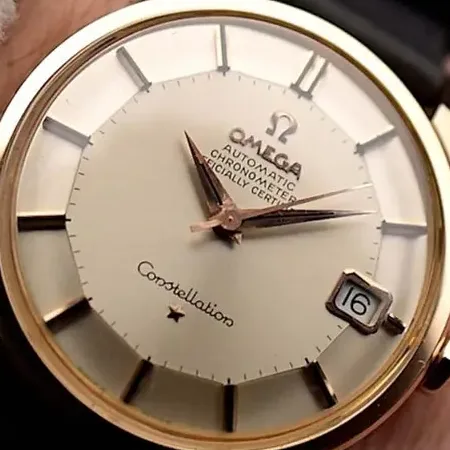
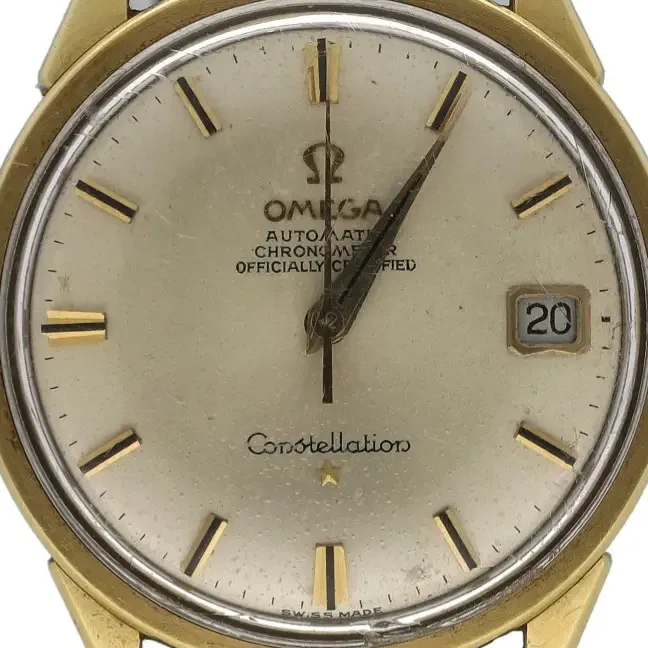
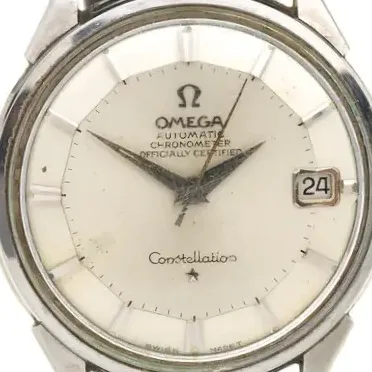
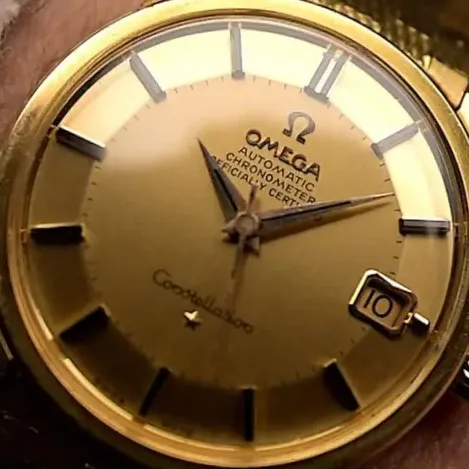
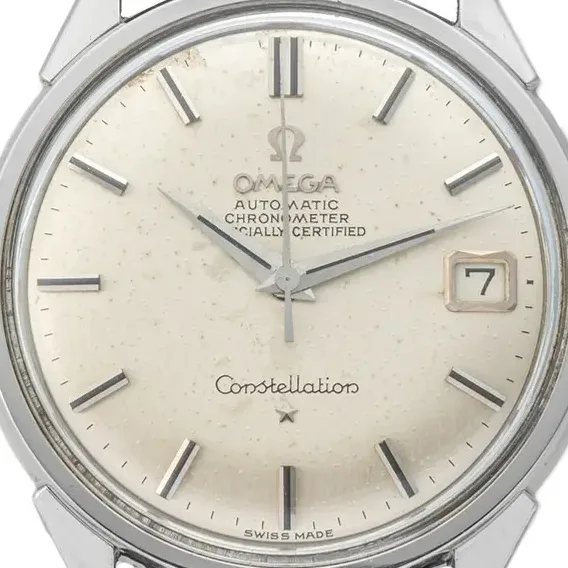
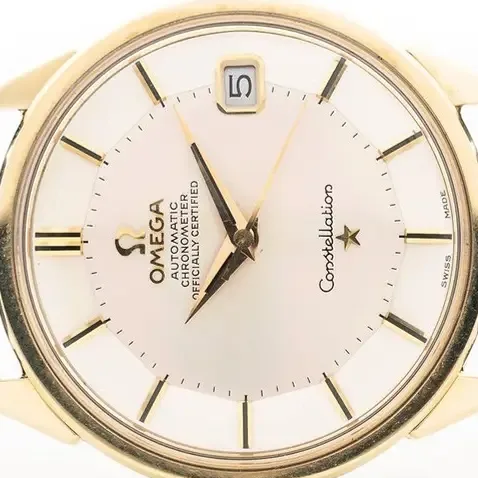
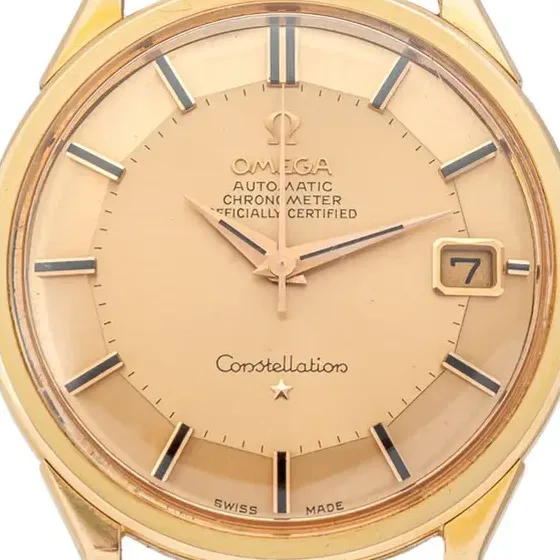
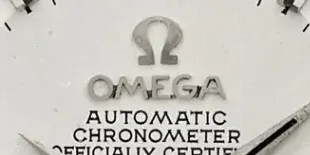
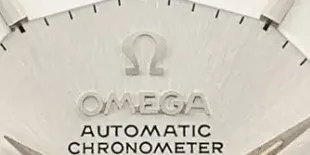
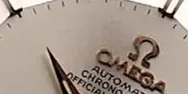
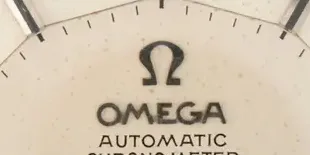
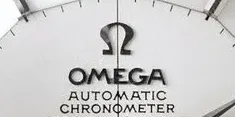
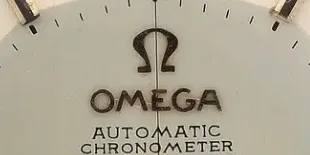
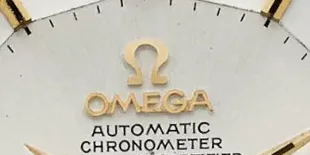
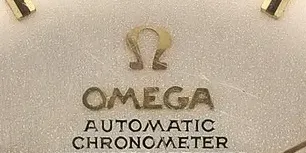
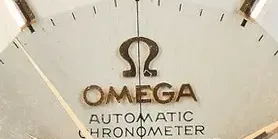
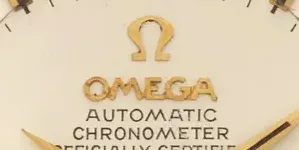
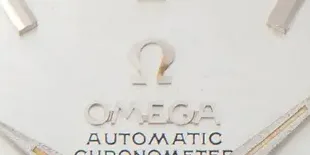
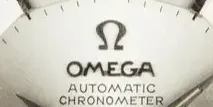
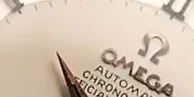
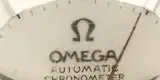
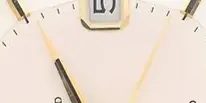
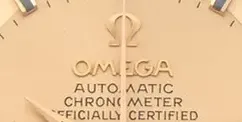
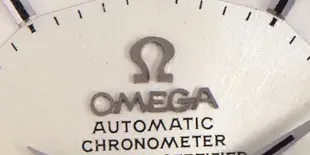
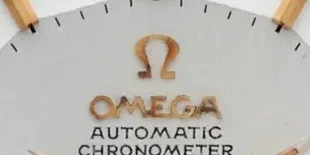
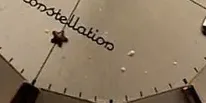
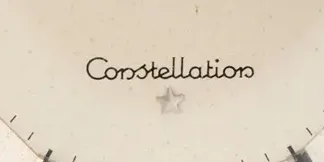
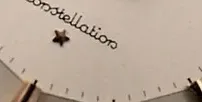
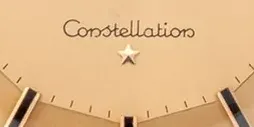
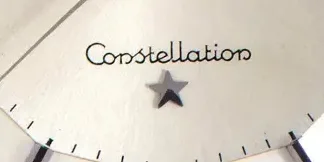
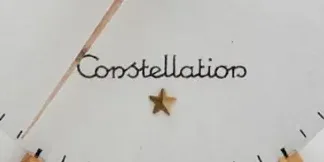
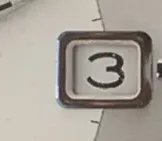
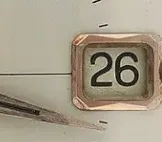
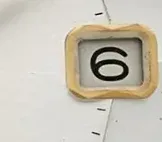
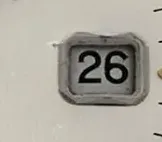
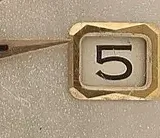
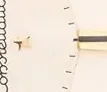
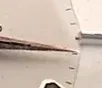
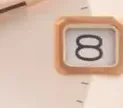
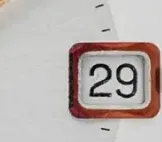
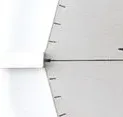
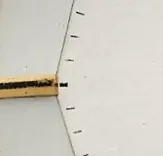
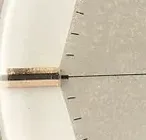
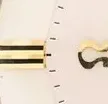
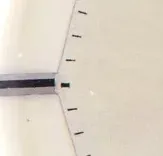
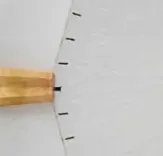
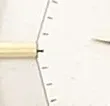
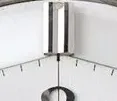
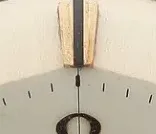
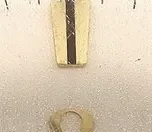
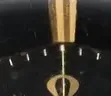
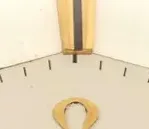
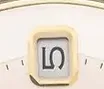
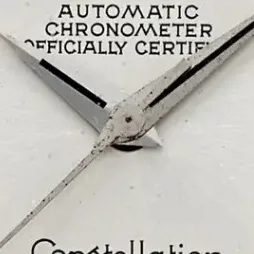
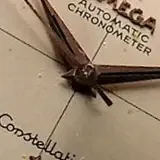
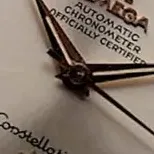
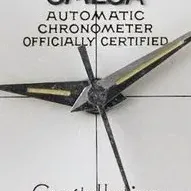
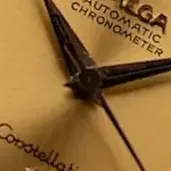
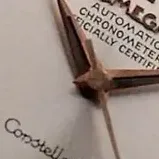
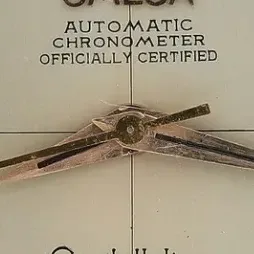
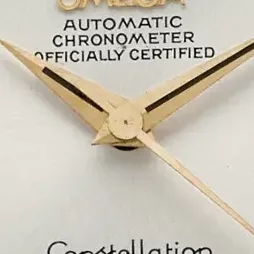
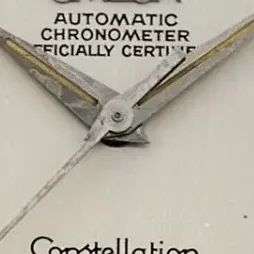
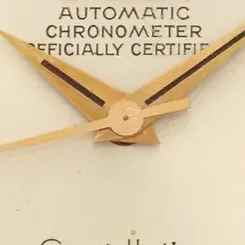
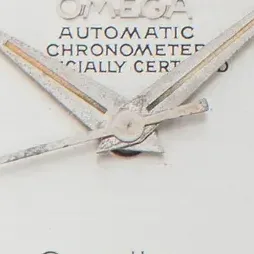
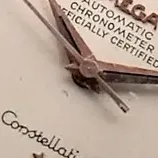
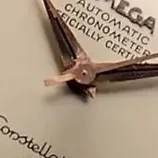
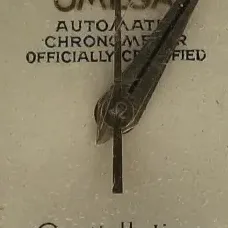
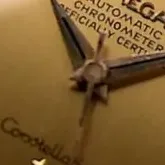
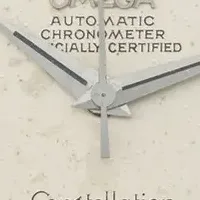
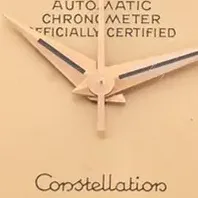
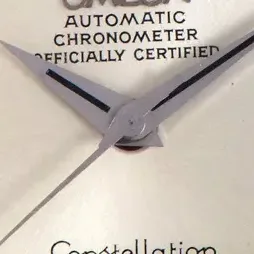
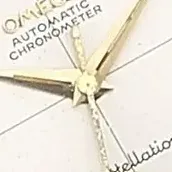
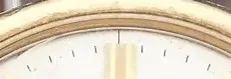
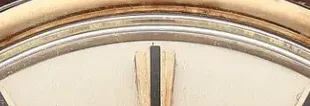
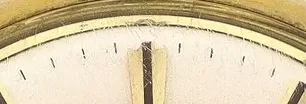
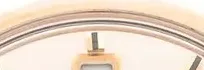
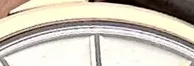
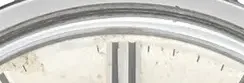
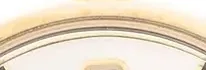
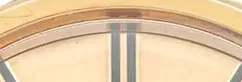
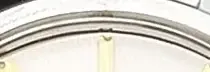
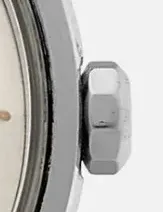
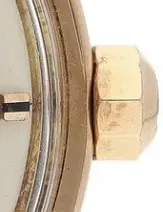
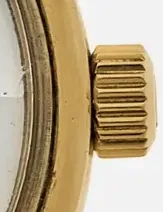
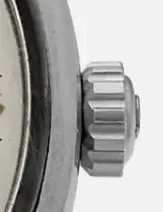
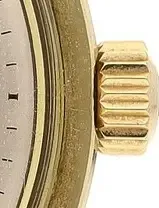
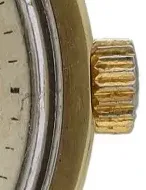
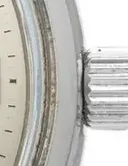
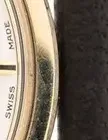
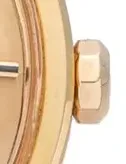
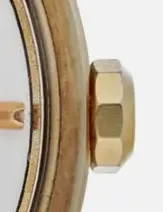
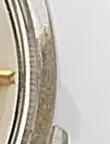
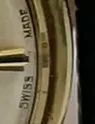
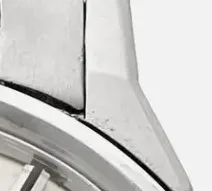
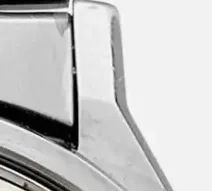
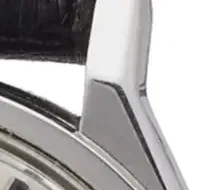
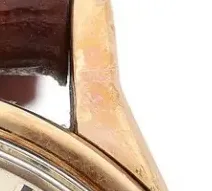
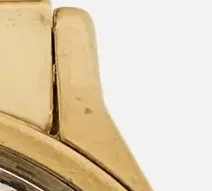
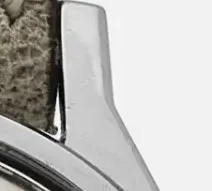
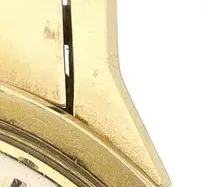
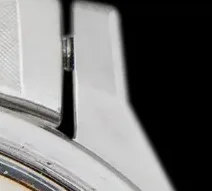
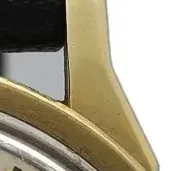
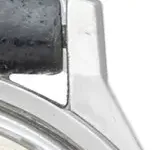
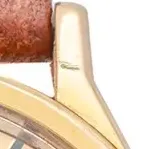
35 watches, oldest first, each straightened and cut the same way so that one row shows one component across them all. Chosen from 285 photographs on file for sharpness and for a face typical of the reference. A year marked c. is one its holder gives only roughly. Each picture is a detail cut from a listing photograph. Select the small mark in its corner for its year, its holder, a link to the listing it came from, and a way to report it.
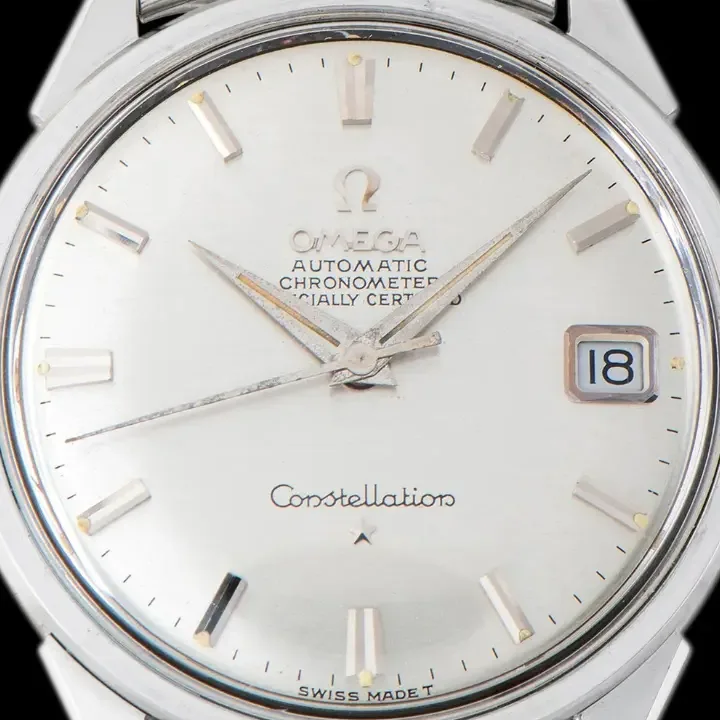
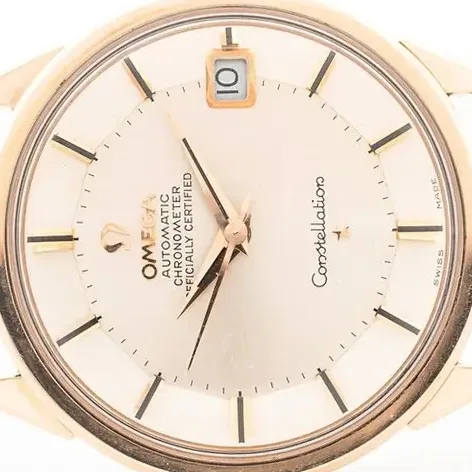
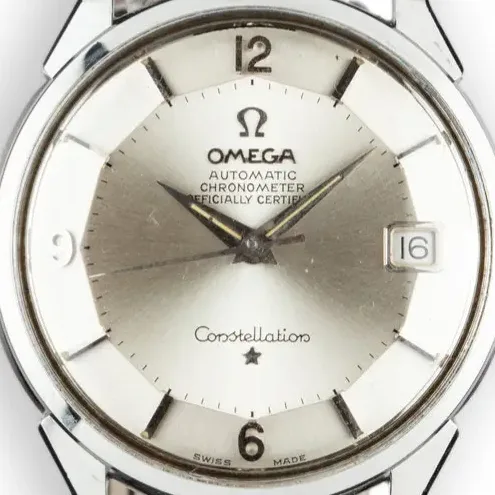
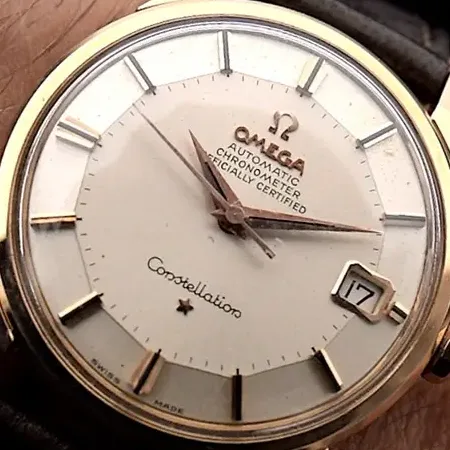



















































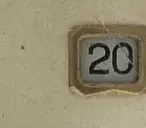


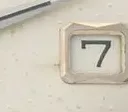

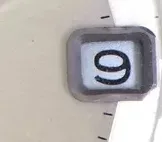












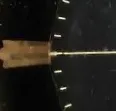


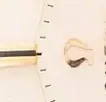
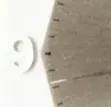



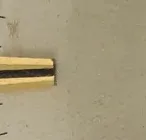








































































































Chronology
About 1962 to 1970 is the span usually given for the 167.005 and 168.005 family; the years sellers state fall mostly between 1962 and 1969, with a few earlier and a few in 1971 and 1972, and the records contain no case numbers.
Every dated variant: what is written, and what the records show
For the reference the marks are every dated watch; for a variant, the watches a seller names as that variant, so a variant sellers do not name has none.
Specification
| Case | About 34 mm round case with dog-leg lugs; sellers also state 33 and 35 mm; steel, gold-capped steel, or 14 or 18 carat yellow, rose or sometimes white gold |
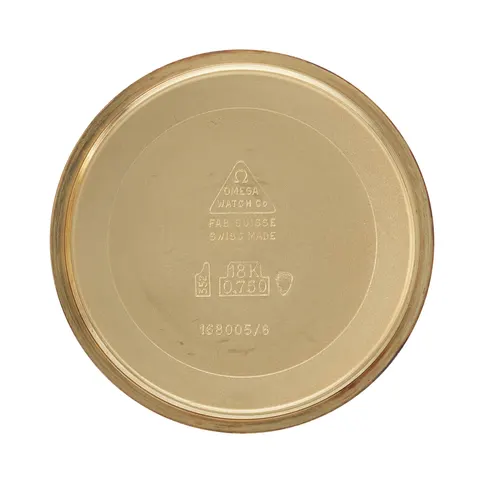
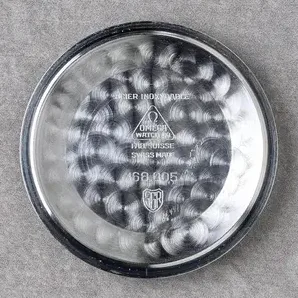
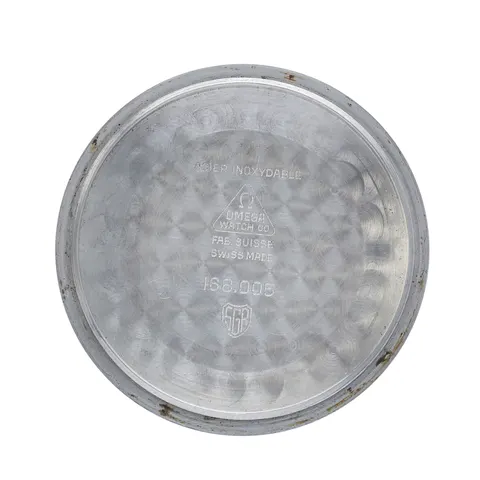
| Caseback | Screw-down, with the observatory medallion under eight stars; solid gold medallion on gold cases, gold-plated brass on steel and plated ones; the reference is engraved inside |
| Dial | Slightly domed centre with twelve facets around the edge; applied Omega logo and applied star at six; 'Constellation' in cursive; 'Swiss Made' under the six marker |
| Hands | Polished dauphine hands, long enough to brush the markers |
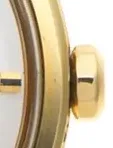
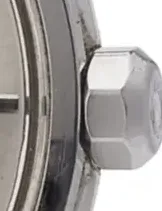
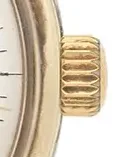
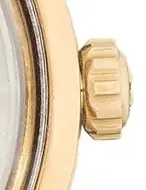
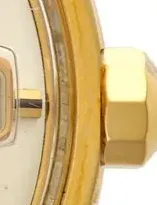
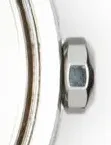
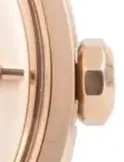
| Crown | Ten-sided crown with the Omega mark, of the thinner, lower kind that came with the 551 and 561 calibres; a thin round knurled crown on some late 1960s watches |
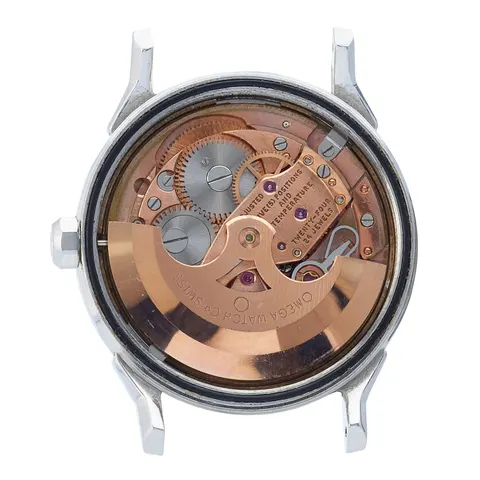
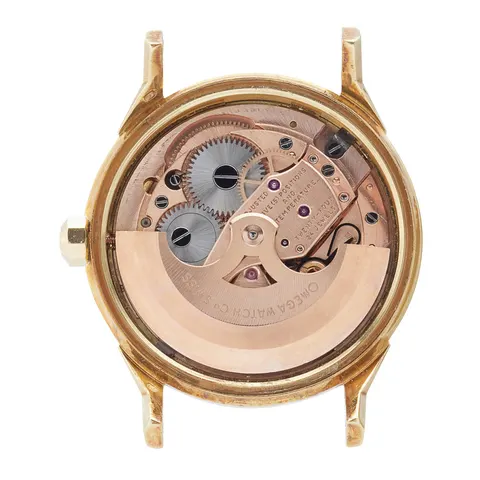
| Movement | Automatic chronometer calibre 561 with date at three; calibre 564 with quick date setting by the crown from 1966 |
| Date | Window at 3 o'clock |
| Water resistance | Not given in the literature |
Reference 2 described
The reference came out of the older five-figure numbering. The numbers are stamped inside the caseback, which is where to read them.
14902 (earlier number)
The date version of 1962 before the new numbering, with calibre 561. It is described as essentially the same model as the 168.005. The no-date equivalent is 14900, later 167.005.
- 14902 on the caseback instead of 168.005
168.005
The six-figure number given to the date model from about 1962 to 1963, found inside the caseback with the Omega logo and, on gold backs, the metal hallmark. Dated watches so described fall mostly between 1963 and 1966. The no-date sister is 167.005. A seller's 168.005 stamp is not proof of originality, since steel cases stamped with these numbers and with thick bezels and poor lugs are known.
- 168.005 engraved inside the back
- hallmark on gold backs
Dial 13 described
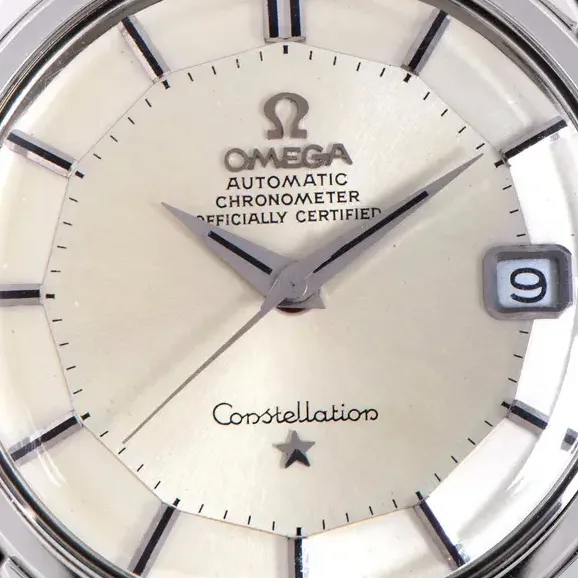
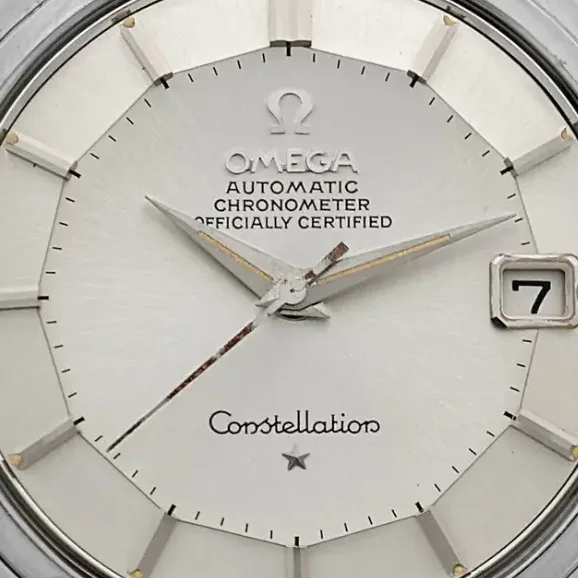
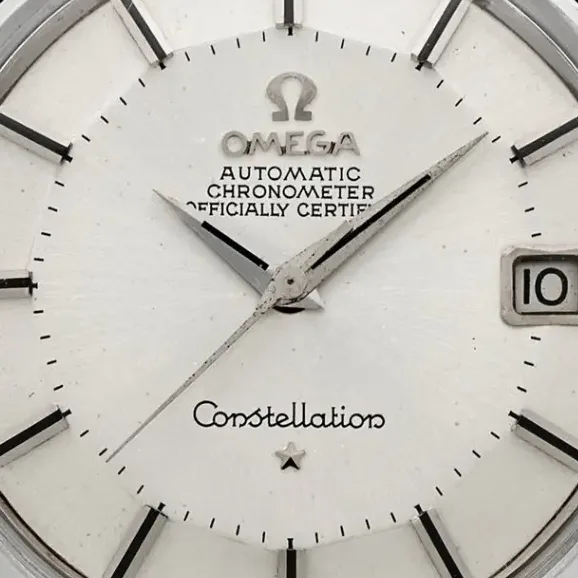
The Pie-Pan dial is a slightly domed centre with a border of twelve sloping facets, one per hour. Examples differ in how pronounced the facets are, in surface texture, marker style, colour and text layout, and some date watches have an almost flat dial. The dial is the part most often repainted, so its text and applied parts are the main checks.
Pie-Pan dial
A domed centre bordered by twelve sloping facets that run between the hour markers, said to resemble an inverted pie tin. The term describes the dial, not a generation, and it is the usual form of the 168.005. Some collectors' accounts name a designer, but this is disputed.
- twelve facets around the rim
- slightly domed centre
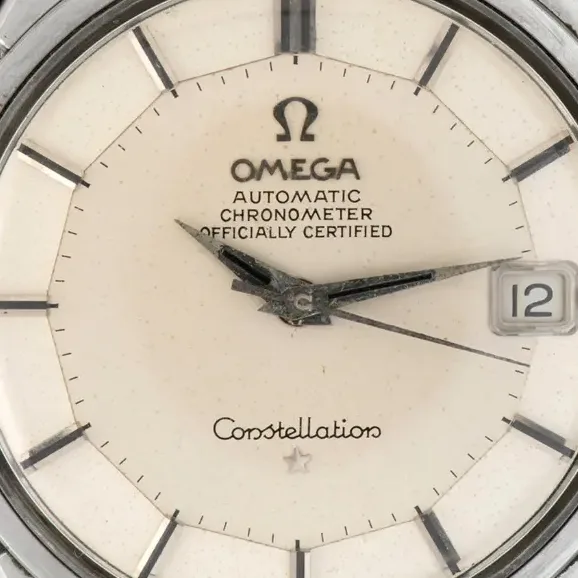


Flatter 'domed' dial
Some Pie-Pan era watches show almost no facet texture, and not every watch in the family has a pronounced pan shape. It is listed as a variant of the same family of references.
- almost flat dial without facet texture
Silver dial
The commonest dial colour on this reference among sellers' labels.
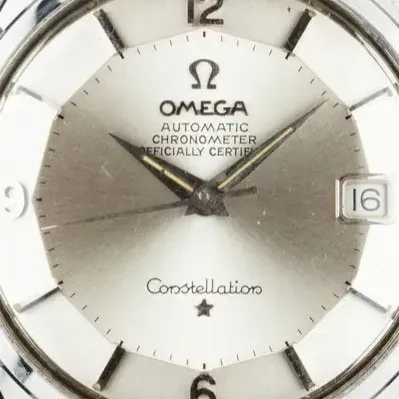

Black dial
Less common than silver, and the literature warns of redialled examples.
- check lettering for redial signs
Gold dial
Seen on 18 carat gold watches, where the dial itself is gold. One account suggests a gold dial carries an 'OM' mark near 'Swiss' on 18 carat watches; this rests on a single description.
- OM near Swiss on gold dials (single account)
Onyx markers
From the 1960s the markers may be baton shape with a black onyx inlay or black paint. A seller's term for dials with these markers is 'onyx'. One owner reports that his onyx example dates from the second half of the 1960s.
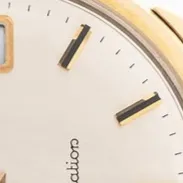

8 listings on record under the name.
Stick and baton markers
Faceted applied stick markers are the commonest form on Pie-Pan Constellations; the polished facets separate them from coarse imitations. Arrow and diamond markers belong to the earlier references, such as the 2943.
- polished facets on the markers
Two-line text
Before about 1963 dials often read only 'Omega Automatic Chronometer', without 'Officially Certified'. They are rarer and are sought.
- two lines of text under the logo
'Officially Certified' text
The usual form on 168.005 dials, with the Omega logo and 'Omega Automatic Chronometer Officially Certified' beneath 12 and the name 'Constellation' in cursive above the star.
- three lines under 12
Crosshair
A thin horizontal and vertical line crossing the dial centre, seen on many 1950s examples and not on all 1960s ones. On an original, the vertical line crosses the M of 'Automatic', the O of 'Chronometer' and passes just right of the Y of 'Officially'; if it does not, the dial is suspect.
- fine cross lines through the dial centre
Applied star and logo
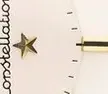
A five-pointed gold star is applied at six o'clock and the Omega logo is also applied. A printed or flat star or logo points to a redial.
- raised star at 6
- raised logo
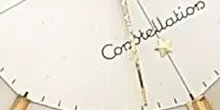
Cursive 'Constellation'
The name is in fine cursive with regular thickness; a missing dot on the 'i', uneven letters or odd spacing indicate a redone dial.
- dot on the i of Constellation
'Swiss Made' with 'T' marks
'Swiss Made' sits centred below the six marker. 'T Swiss T' on either side shows tritium lume. A dial with the T marks but no lume, or lume but no T marks, is inconsistent.
- T Swiss T under the 6
Luminous material 1 described
Radium or tritium lume dots sit on some markers; the dial print records which.
Tritium lume
Tritium was used on markers and hands, announced by the T marks printed beside 'Swiss Made'. Some markers are topped with a dot of lume paint.
- T Swiss T
- lume dots on markers
Hands 2 described
Hands are polished dauphine shape in the 1950s and early 1960s. Later watches may have plainer baton hands.
Dauphine hands
Long polished dauphine hands that brush the edge of the markers. Hands should suit the watch's years: short baton hands on a watch that should have dauphines make it suspect.
- long polished dauphine hands
Baton hands
The late 1960s and 1970s versions of the Constellation are said to have plainer baton hands; the literature does not tie this to the 168.005 specifically.
Case 4 described
The case is round and about 34 mm with angular dog-leg lugs. It exists in steel, gold-capped steel, and solid gold. Sharp edges and fine chamfers where the lugs meet the side of the case are the points to look at.
Steel
The common form. Steel cases stamped with these numbers have been faked, with a bezel too thick and the dog-leg lugs less pronounced than the original; inspect the shape.
- pronounced dog-leg lugs
- sharp chamfers at the lug joins
Gold on steel (gold cap)
A steel case with a thick layer of gold, normally 14 carat, laminated on; on the older gold-on-steel watches the steel shows from the side and only the lugs are gold. The bezel is described as solid gold. Missing gold on the lugs is hard to repair.
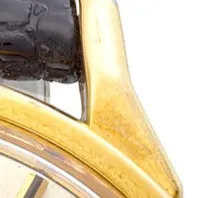
- steel visible at the case side
14 listings on record under the name.
Solid gold
Yellow, rose or sometimes white 18 carat, and 14 carat examples are listed; the backs carry a hallmark.
- gold hallmark inside the back
Caseback medallion
A bas-relief observatory with eight stars. It is solid gold on gold watches and gold-plated brass on steel or plated ones. Indistinct stars suggest a redone case.
- clear eight stars
- observatory dome
Crown 3 described
The crown is a common point of replacement. The original type depends on the movement generation.
Ten-sided crown
A decagonal crown bearing the Omega mark. Omega made two Constellation crowns of this shape: a thick, tall one for the early calibres and a thinner, lower one that came in with the 551 and 561, which is the one for this reference. The 167.005 and 168.005 are given as the last Constellations with a decagonal crown.
- ten facets
- omega mark
Thin round crown
A thin round knurled crown seen on some models towards the end of the 1960s.
- thin knurled round crown
Crown and tube by movement generation
The earlier, taller decagonal crown sits on a 2.5 mm tube and goes with the early calibres (351 to 354, 501 to 505); the later, lower one sits on a 2.0 mm tube and goes with the later calibres, including 561. Both take a 0.9 mm thread.
- crown height and tube size
Movement 3 described
The date model uses the automatic chronometer calibres of the 55x family. The calibre must match the period of the watch.
Calibre 561
Automatic with date at three, introduced in 1959, centre-second, and engraved 'Chronometer' with 'Adjusted to five positions and temperature'. Dated watches so described fall mostly between 1962 and 1966. Of the seller listings that state it, the 561 is the more common.
- Chronometer and five positions and temperature on the plate
Calibre 564
Replaced the 561 in 1966 and has quick date correction by pulling the crown. It is found in 168.005 made after 1966. A 564 in a watch dated before it appeared would be anachronistic.
- quick-set date by the crown
Serial numbers
As a check, movement numbers around 17 million belong to about 1959 to 1960, 20 million to about 1963 and 24 million to 1966 to 1968. A gap of five years or more from the known period of the model calls for caution.
Bracelet 1 described
The literature says little about bracelets. Sellers more often show leather straps than metal bracelets.
Brick bracelet
The solid gold Grand Luxe versions have an integrated gold bracelet called a brick bracelet. This is described for the family, not the 168.005 specifically.
Originality
- Dials are the part most often redone: check the lettering weight, the dot on the 'i', the crosshair alignment and whether the T marks match the lume.
- Crowns are often replaced at service with simpler generic ones; the original ten-sided or thin round crown is part of the check. Omega's current service crown for the reference is round with notches, so a round crown may be a service part.
- Cases are often repolished, which softens the chamfers and the lugs, and fake steel cases stamped 168.005 are known.
- Gold on steel watches may have lost gold from the lugs, which is hard to put right.
- Crystals are often replaced at service, and a new crystal can be taller than the original flat one.
- A calibre that is non-chronometer (550 or 552) or too late for the dated watch shows a replaced movement.
Names
- Pie-Pan. The twelve-faceted dial resembles an inverted pie tin.
- Dog-leg. The angular shape of the lugs.
- Onyx. The black onyx inlay in the hour markers.
Where accounts differ
Points on which the published literature and the library's own records do not agree, or on which the literature contradicts itself.
- Date of the C-shape case. One version of a guide dates the first C-shape Constellation to 1964; another version of the same guide says Omega documents it in 1966. This matters for dating the end of the dog-leg case.
- Origin of the Pie-Pan dial and its designer. One version of the guide says the faceted dial appeared in 1952 on the first gold models, and credits it to a designer 'according to legend'. The French version says the geometry appears soon after 1952 and warns against attributing it to a designer without Omega documentation. A third guide credits a named designer with the 168.005 and 168.009.
- Crown type. One guide describes the original decagonal crown of the Pie-Pan Constellations as fairly thick. A crown guide says the thick decagonal crown belongs to the calibre 354 models and that a thinner one came with calibres 551 and 561, the 167.005 and 168.005 being the last with a decagonal crown; a collector on a forum likewise gives a lower crown on a smaller tube for the 561.
- Date or no date. The reference table of one guide gives the dog-leg Pie-Pan as 167.005 without a date and 167.008 with one, and has no line for 168.005, though the same guide captions its photographs of date watches as 168.005. The other guides and the sellers treat 168.005 as the date model, with calibres 561 and 564.
Back and movement
From listings of this reference, each confirmed by eye to show what it is filed under. A picture on which a person's name or a personal engraving can be read is not shown. From most holders a detail from the middle of the photograph is shown; the mark in its corner gives its holder and a link to the listing.
Caseback
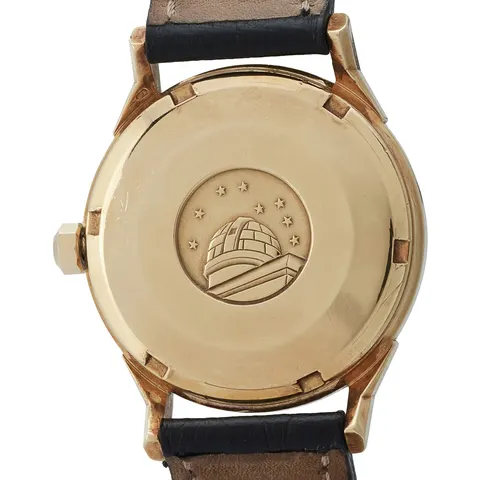

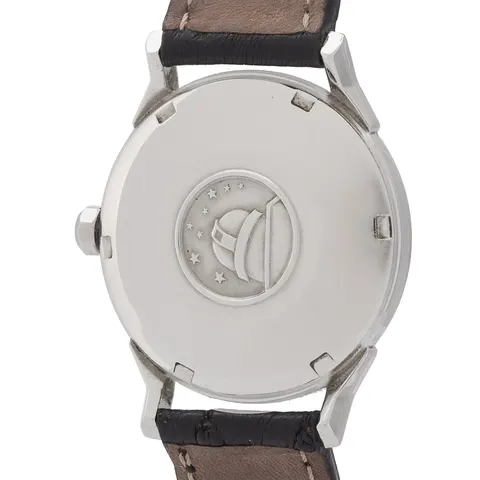

Inside the caseback



Movement


Catalogue versions 1 listed
The full numbers under which holders list this reference, with what their listings say of each. Each has a page of its own.
| Version | Metal | Dial | Years seen | Records |
|---|---|---|---|---|
| 168005/6 | Pink gold or yellow gold | Silver or champagne | 1962–1966 | 13 |
In the records
Counted from 288 listings at 27 holders between 16 September 2014 and 14 November 2026. These are what sellers and auction houses state, not measurements.
Fainter bars are the 8 outside the main run of 1962–1969 (the middle nine-tenths): the earliest is 1959 and the latest 1972. They are early and late examples, and now and then a seller's slip. The head of the page gives 1961–1972: the years that listings from two holders bear out.
2 listings dated long after the reference ended are set aside and not counted here: a year that late belongs to a later watch sold under the old number, or to a listing filed under the wrong one.
Case metal
| Gold, any colour | 16 | |
| Yellow | 7 | |
| Pink | 2 | |
| White | 1 | |
| Colour not stated | 6 | |
| Steel | 11 | |
| Gold plated, filled or capped | 1 | |
| Silver | 1 |
A listing that says "gold" or "18K gold" names no colour: it is counted under "colour not stated", not as yellow gold.
Dial colour
| Silver | 12 | |
| Black | 5 | |
| Champagne | 3 | |
| Cream | 2 | |
| Red | 1 | |
| Yellow | 1 | |
| Gold | 1 |
Case size
| 34 mm | 56 | |
| 35 mm | 8 | |
| 33 mm | 6 |
Calibre named
| 561 | 134 | |
| 564 | 57 |
Bracelet or strap
| Leather strap | 19 | |
| Metal bracelet, kind not stated | 8 | |
| Mesh bracelet | 1 |
Each table counts the listings that state the thing, in the seller's own terms. A size, metal, colour or calibre that cannot belong to this reference is a seller's slip or a listing filed under the wrong number.