Seamaster 300
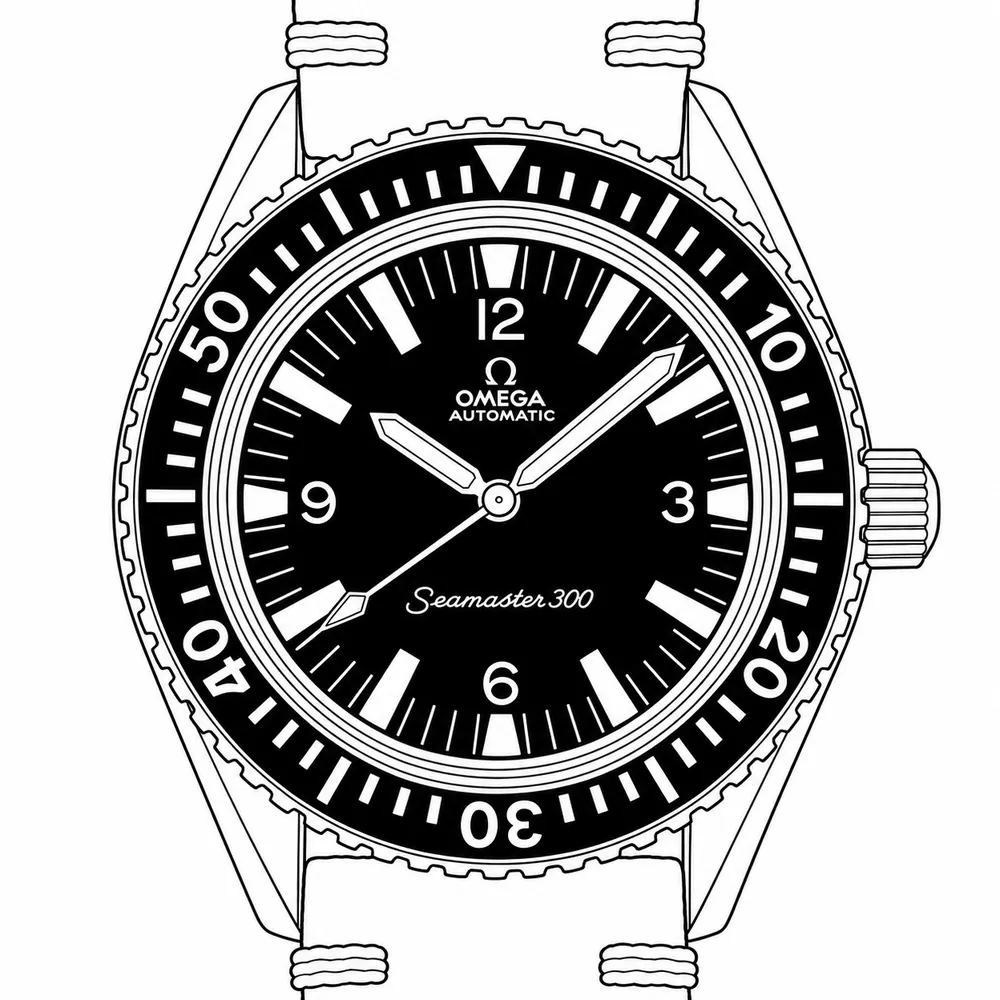
The 165.024 is the no-date Seamaster 300 of the 1960s, the second main generation of the diver after the CK2913 of 1957. It has a 41 or 42 mm steel case with lyre lugs, an acrylic crystal, a bakelite bezel insert, a matte black tritium dial and the automatic calibre 552. It was made from 1963 until about 1969, or 1971 by one count, and the date version is the 166.024. Collectors look first at the dial (the Big Triangle against the small triangle), the handset, the bezel insert, the crown type and whether the parts belong together, since many do not. Watches were also issued to the British Royal Navy.
- Made
- 1963–1969dates approximate
- Seen in the library
- 1962–1970by years sellers state
- Case
- 42 mm · steelas sellers state
- Movement
- Calibre 552automatic
- On record
- 178 listings376 photographs · 37 holders
Components
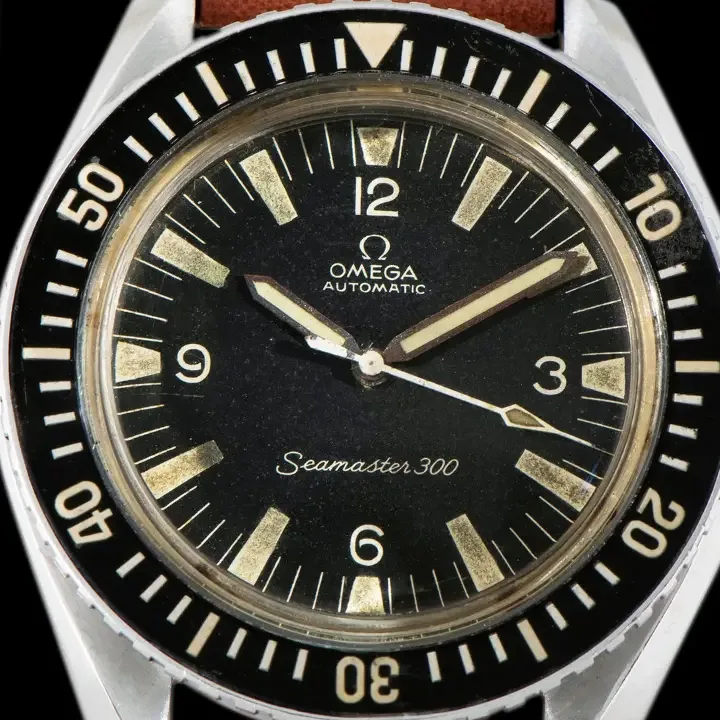
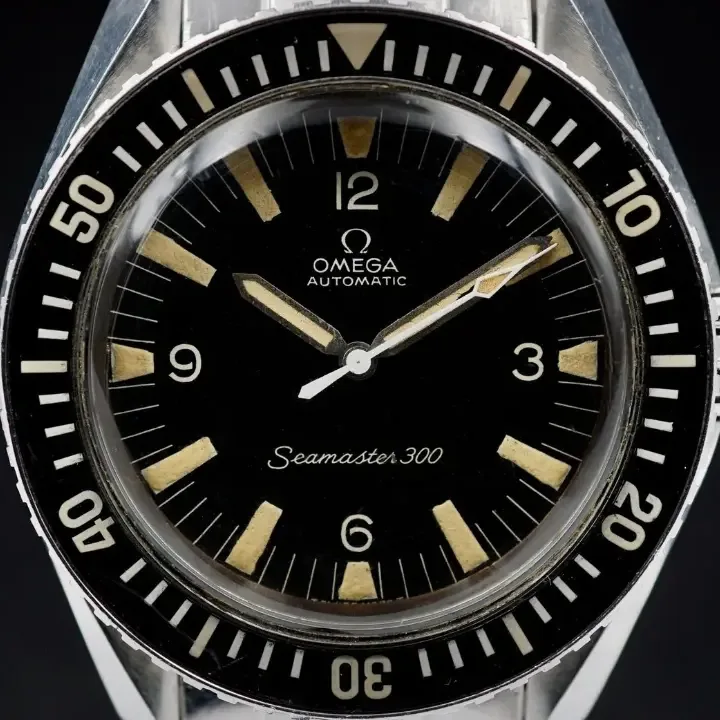
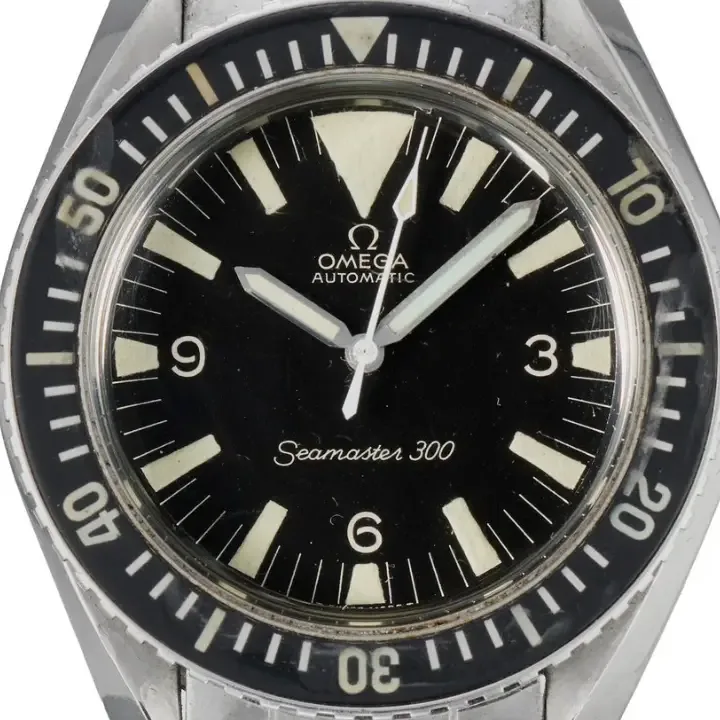
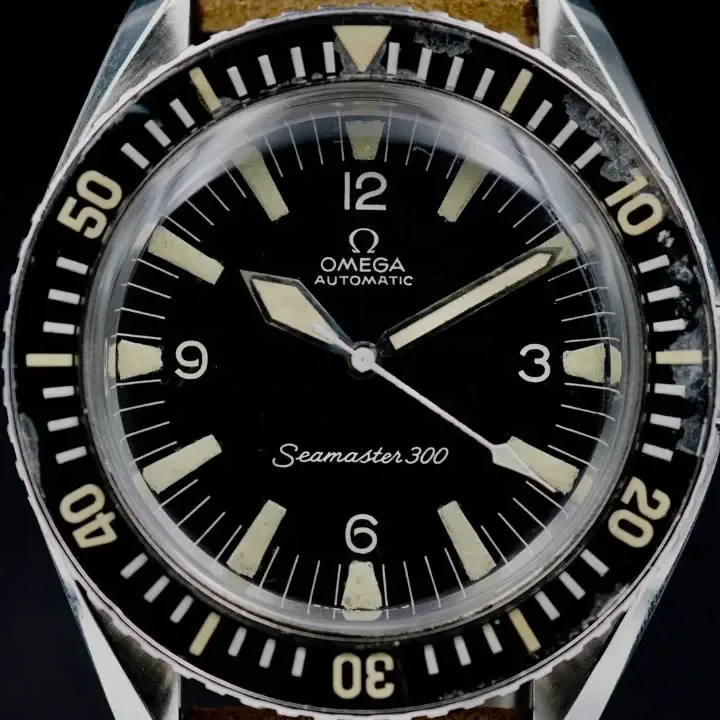
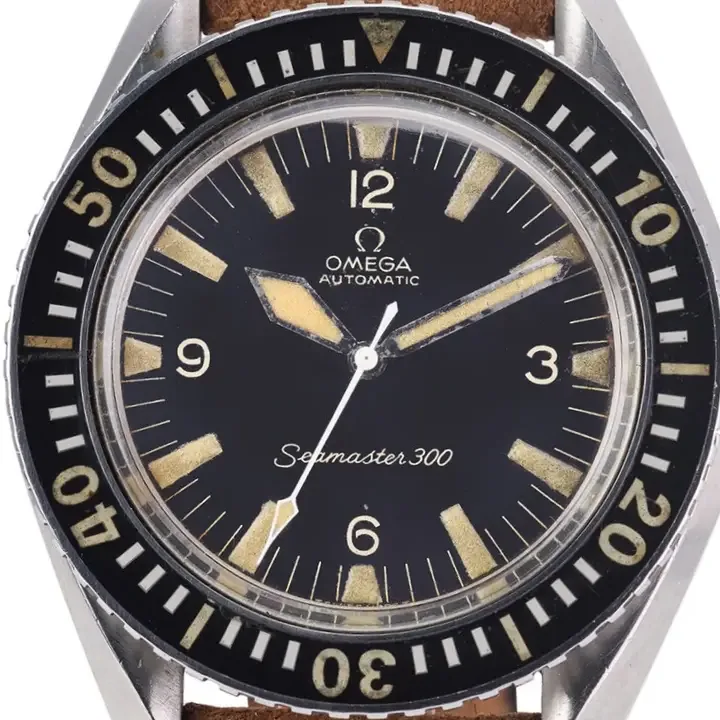
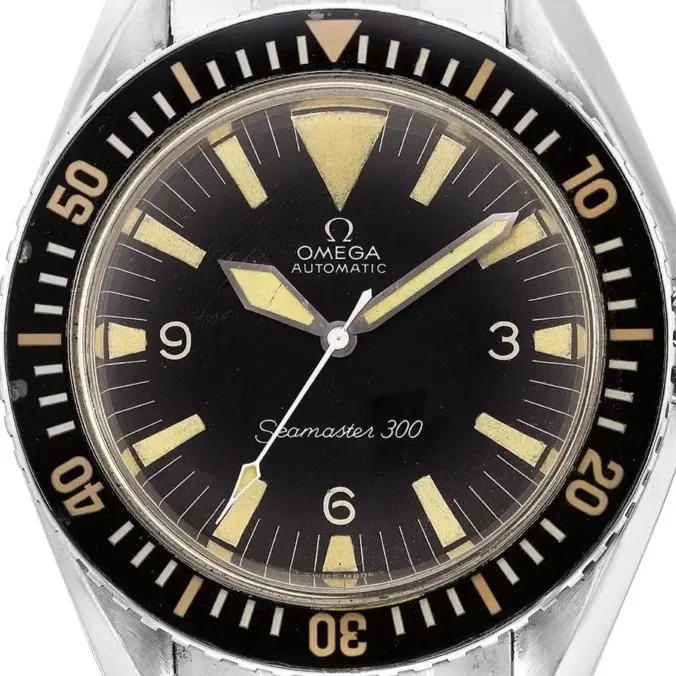
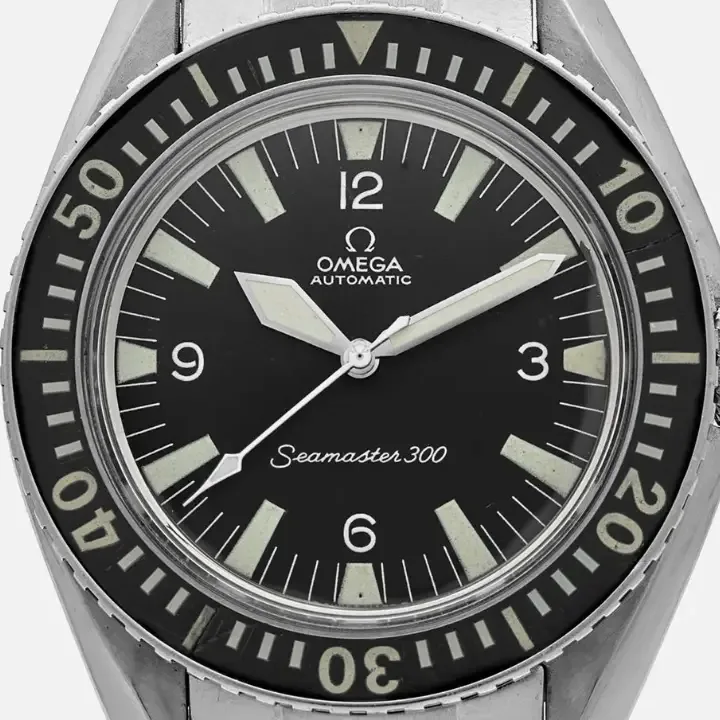
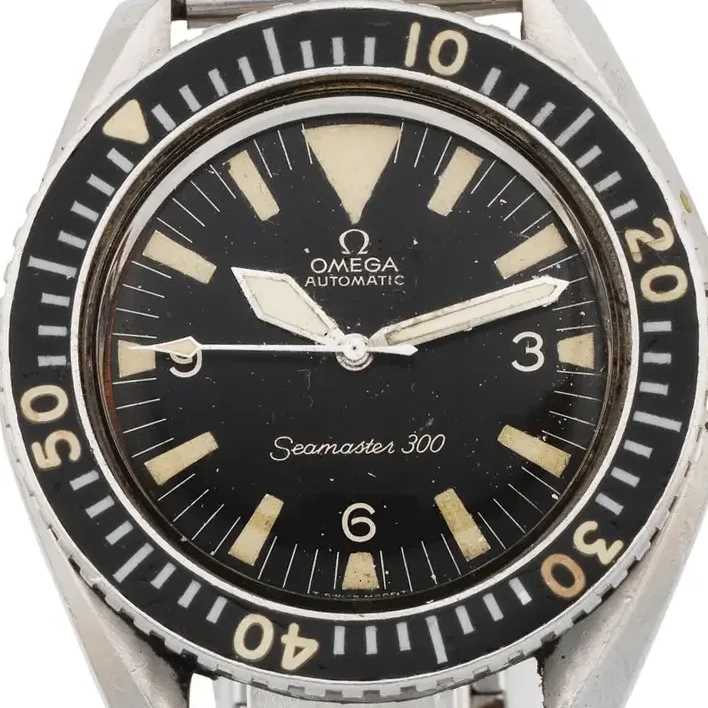
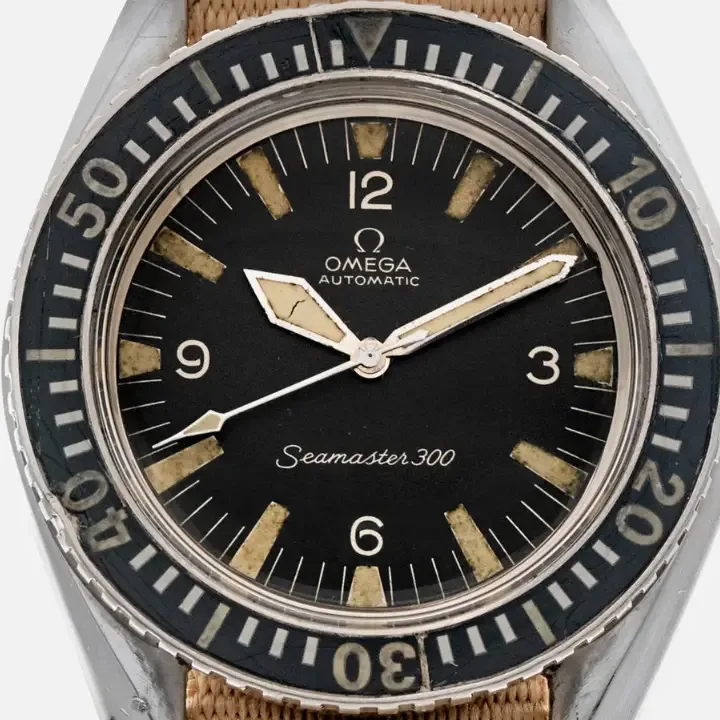
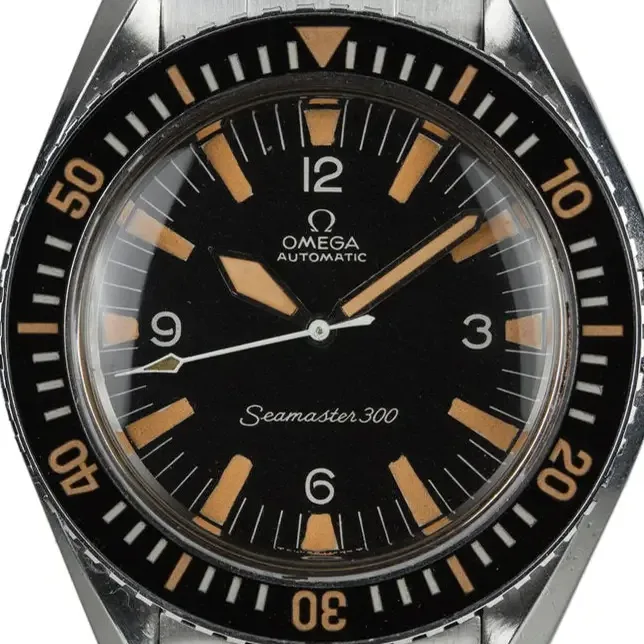
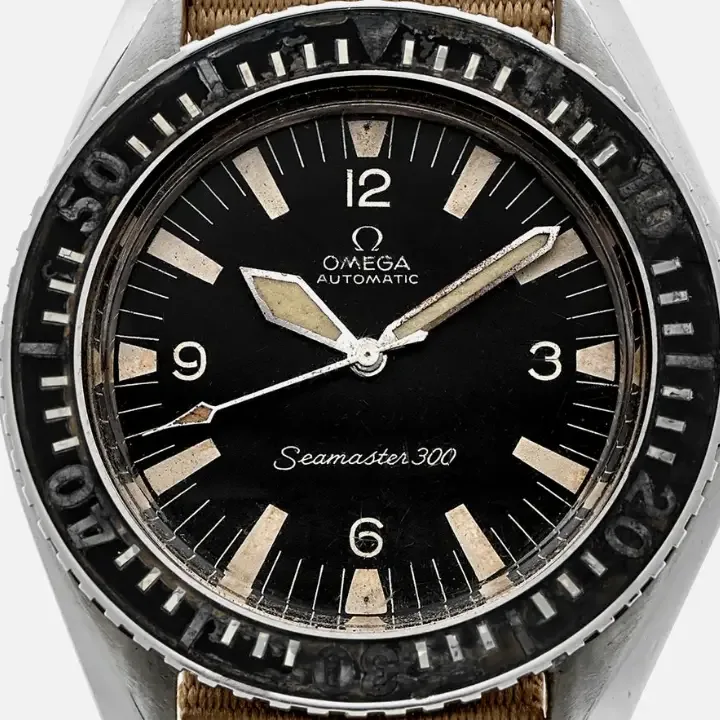
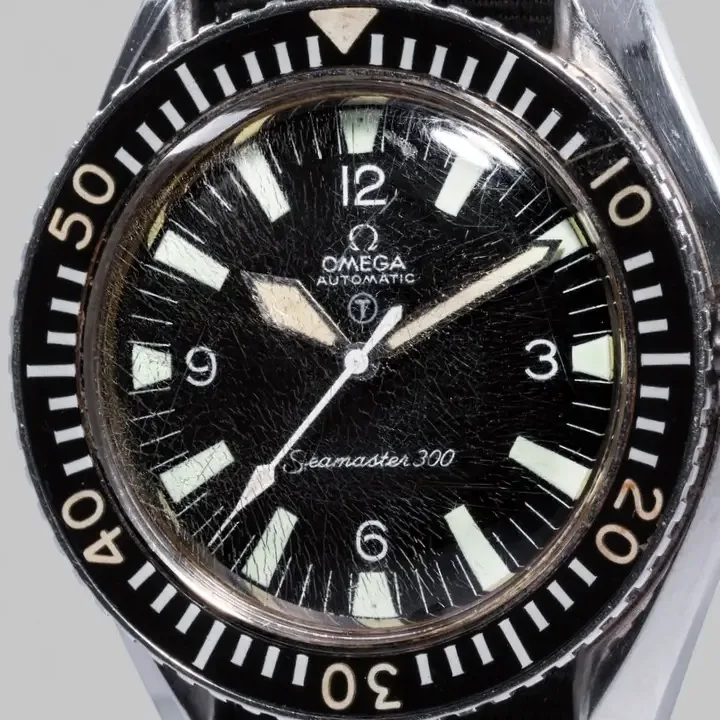
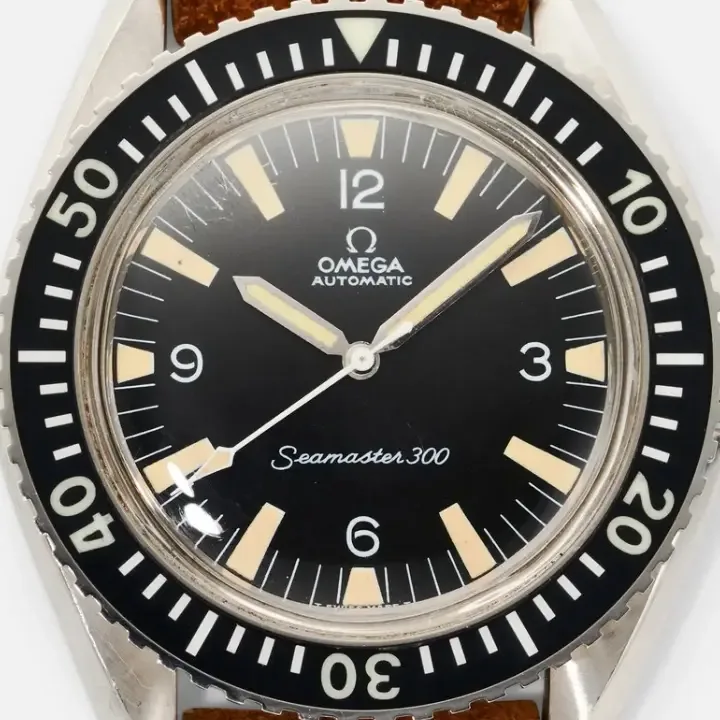
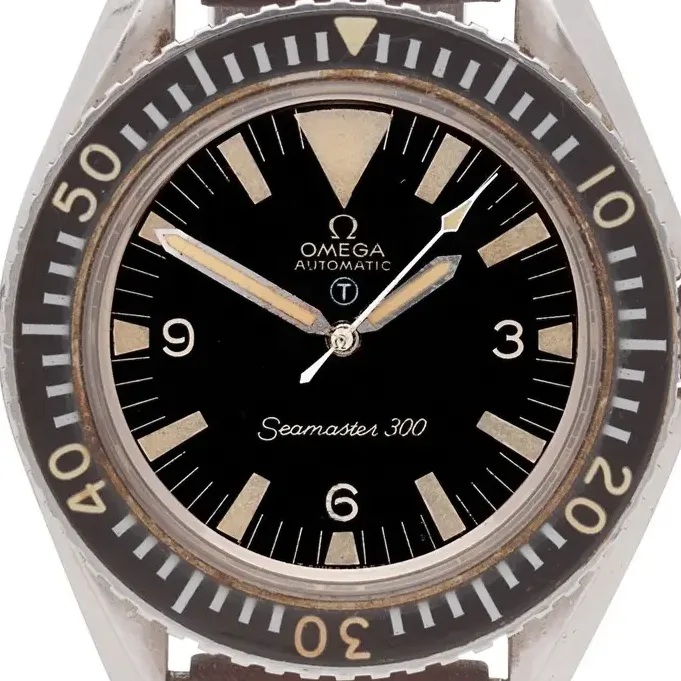
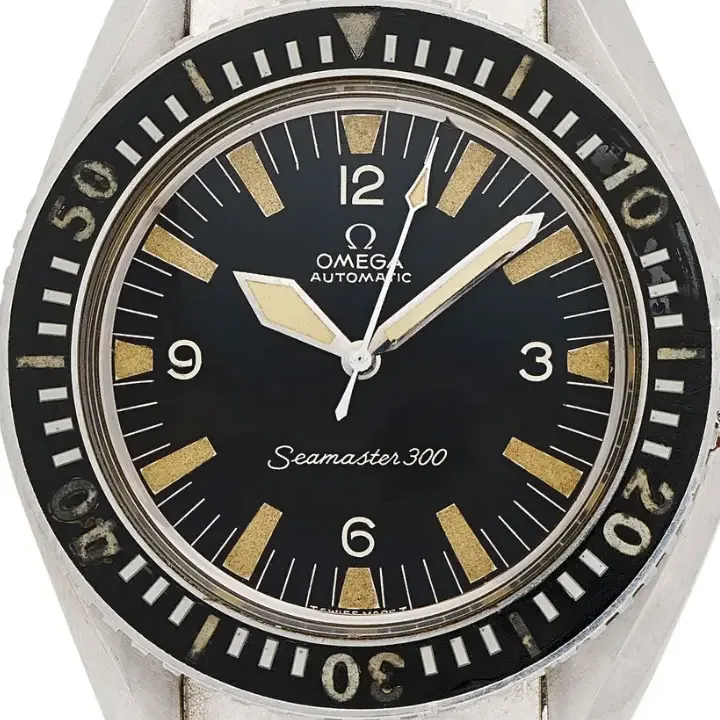
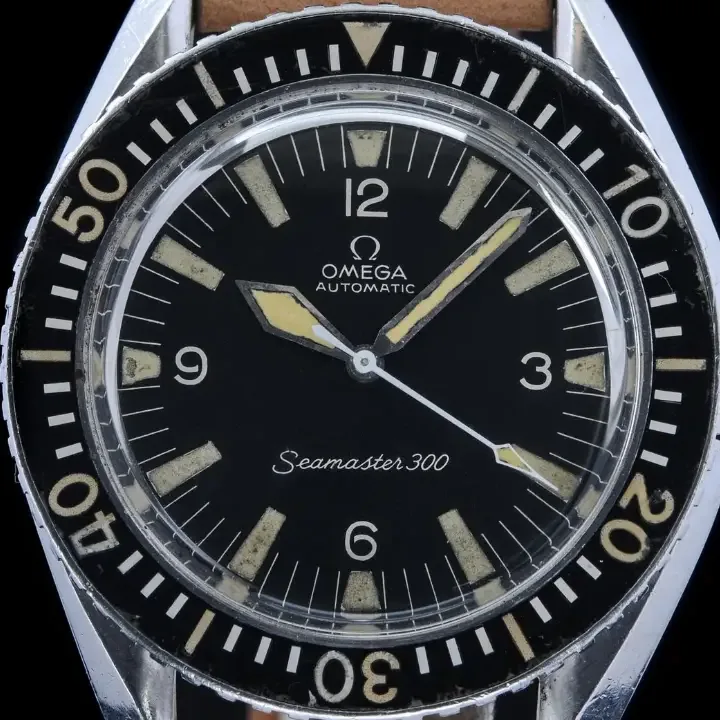
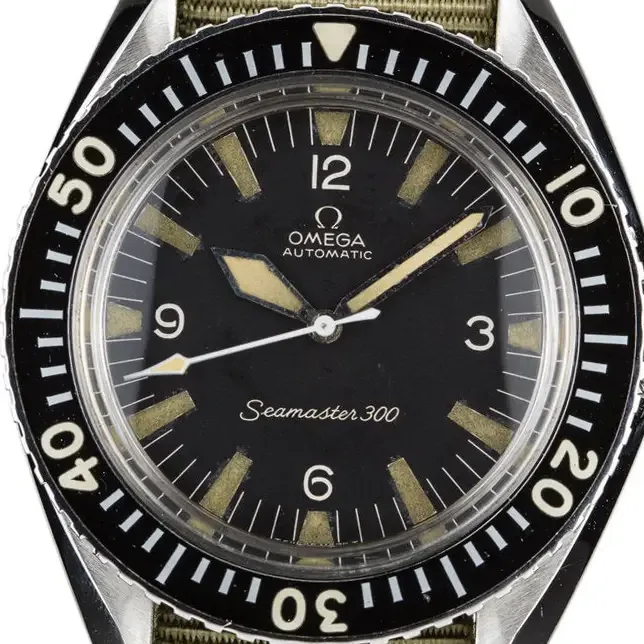
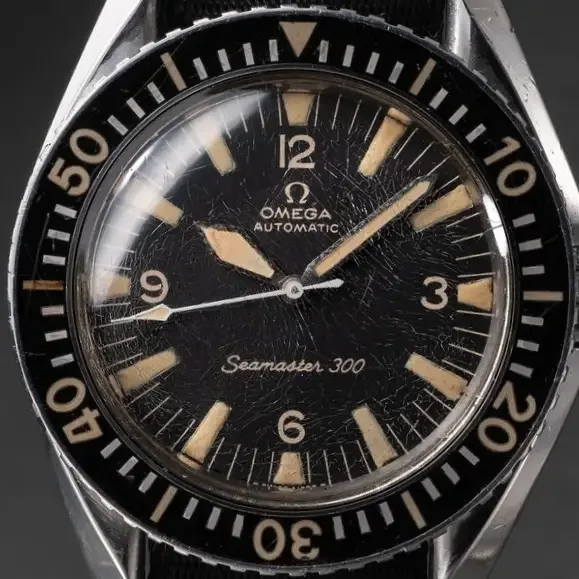
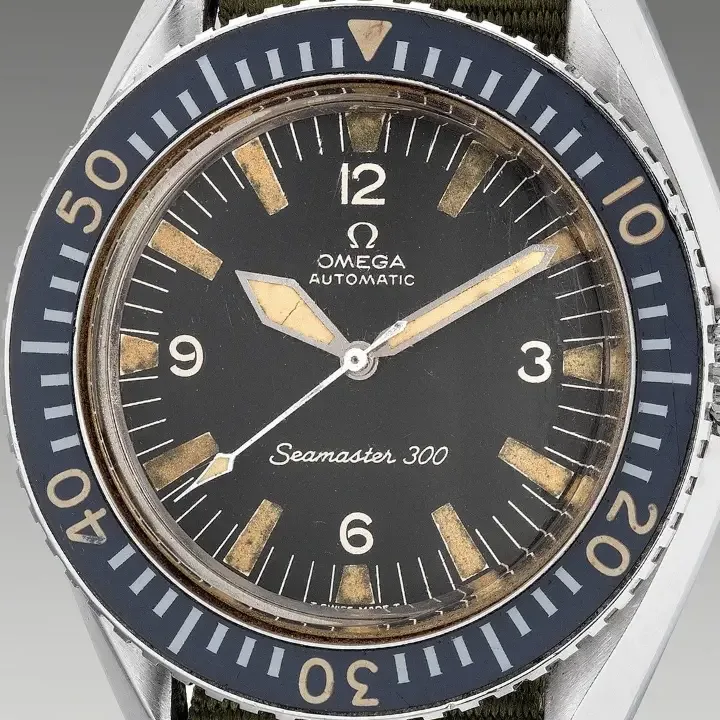
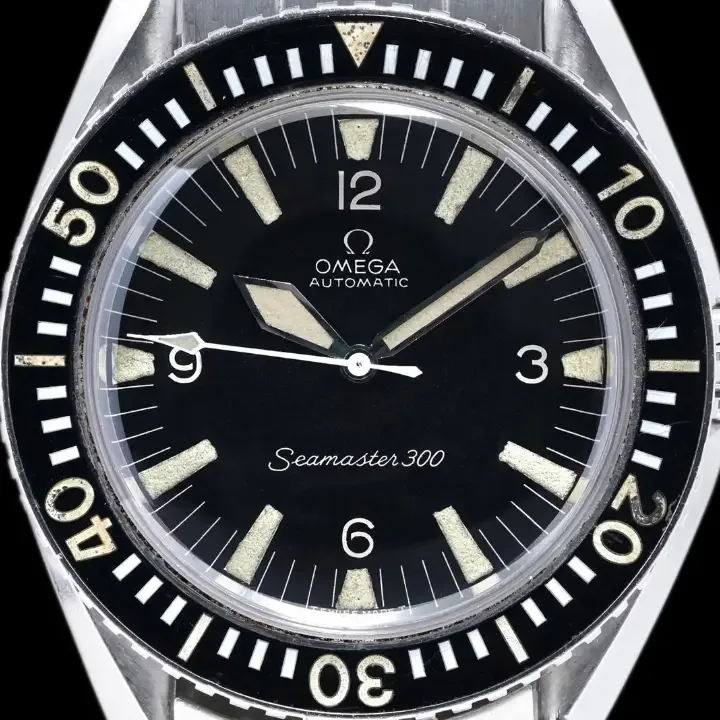
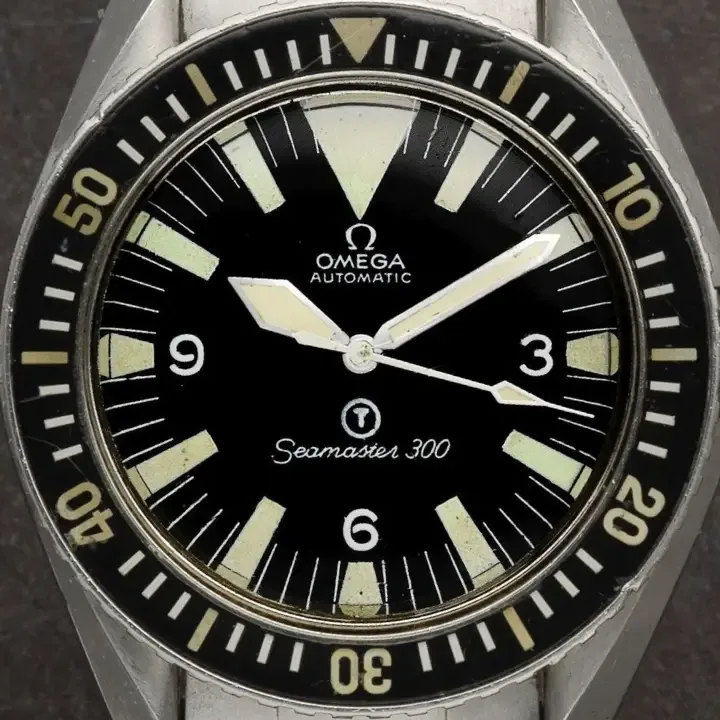
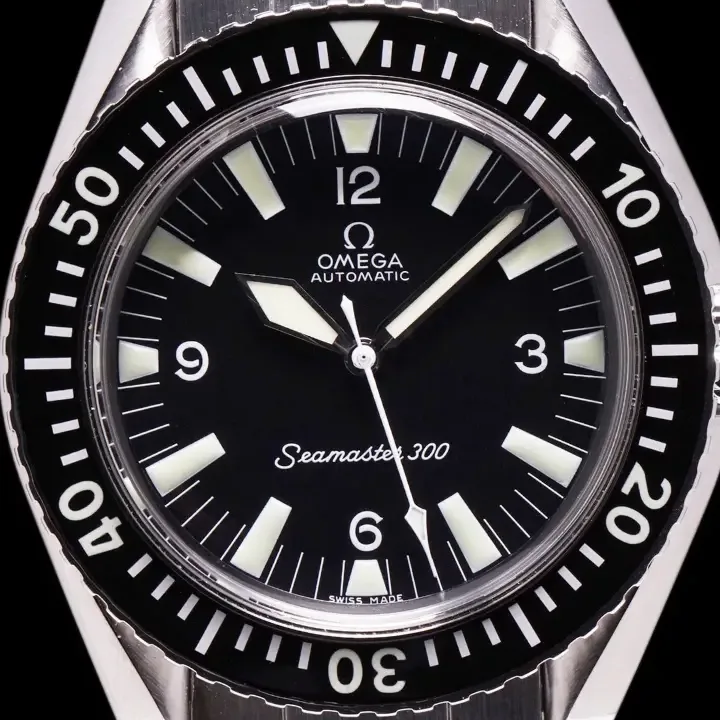
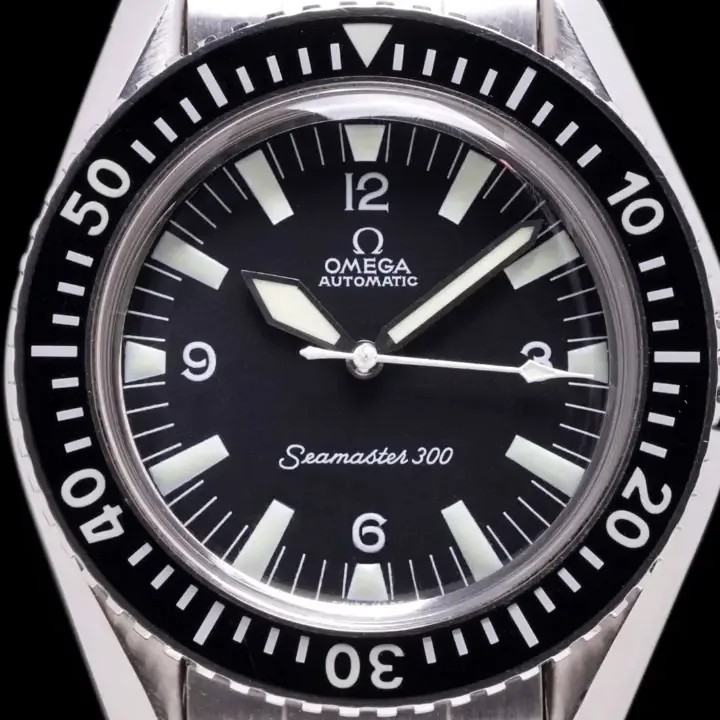
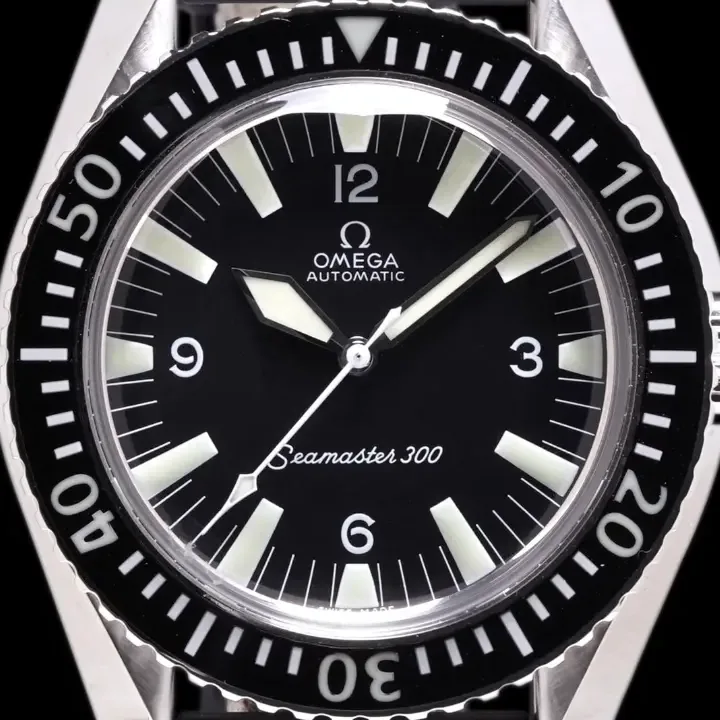
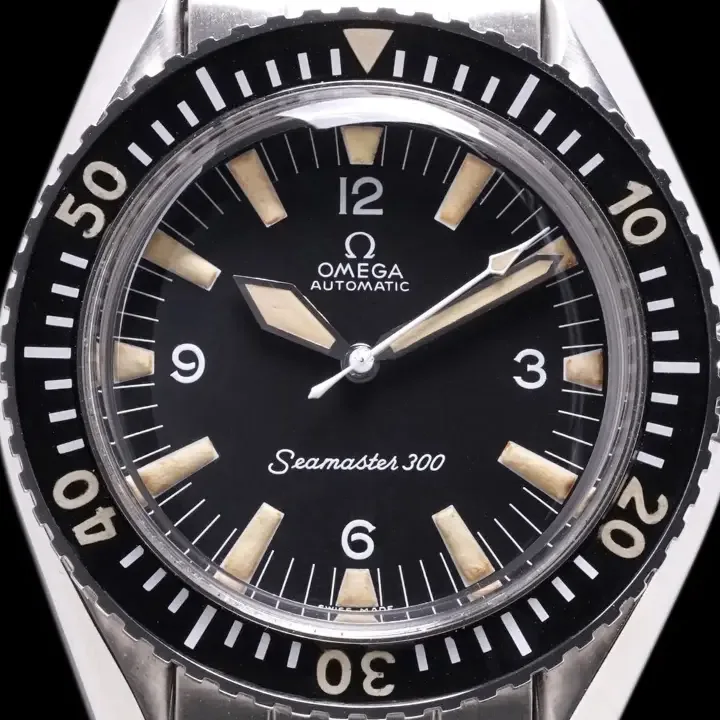
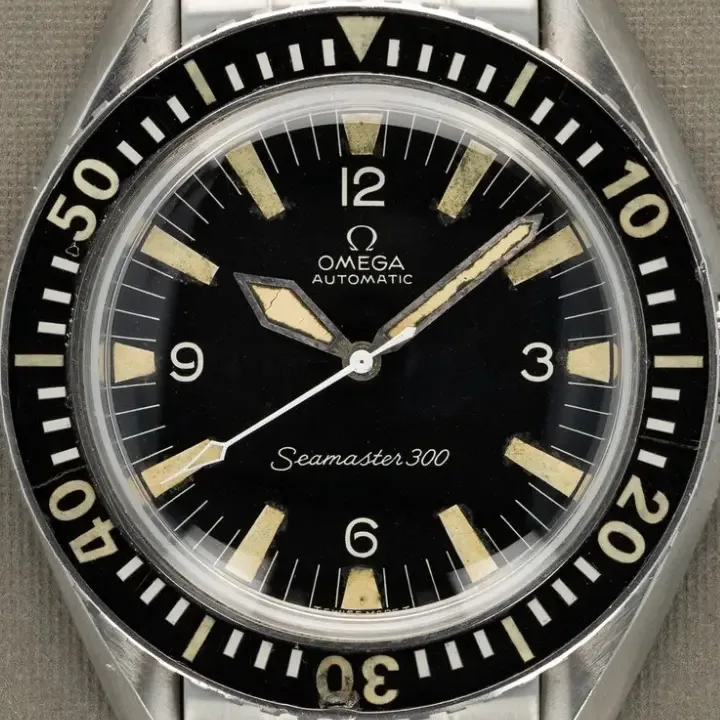
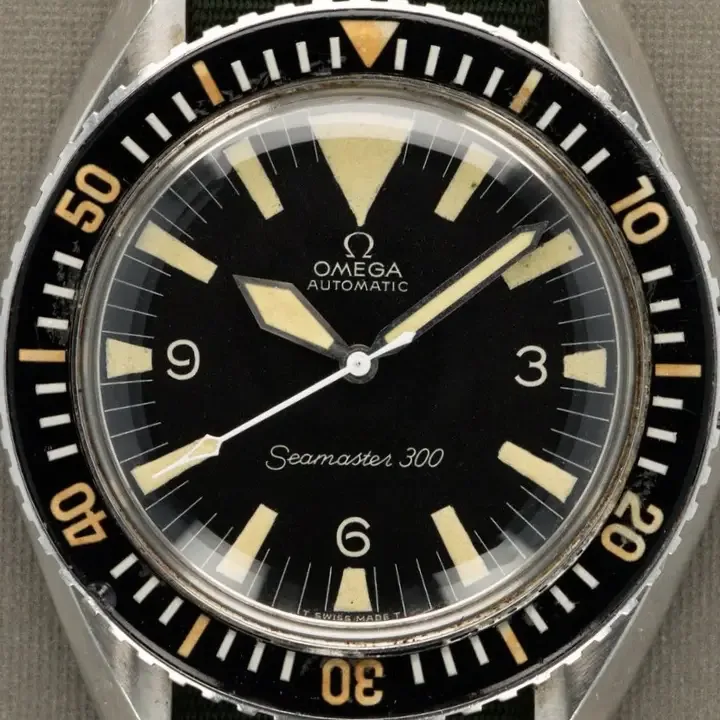
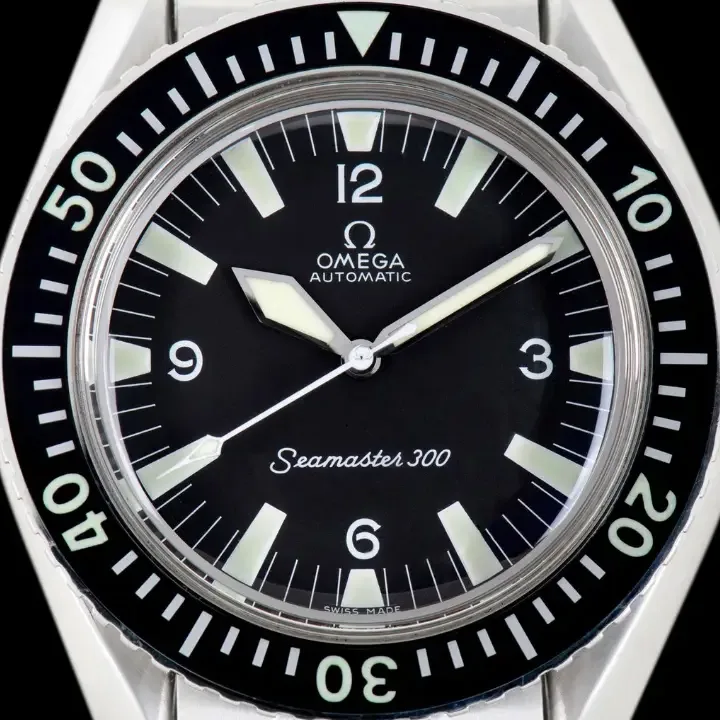
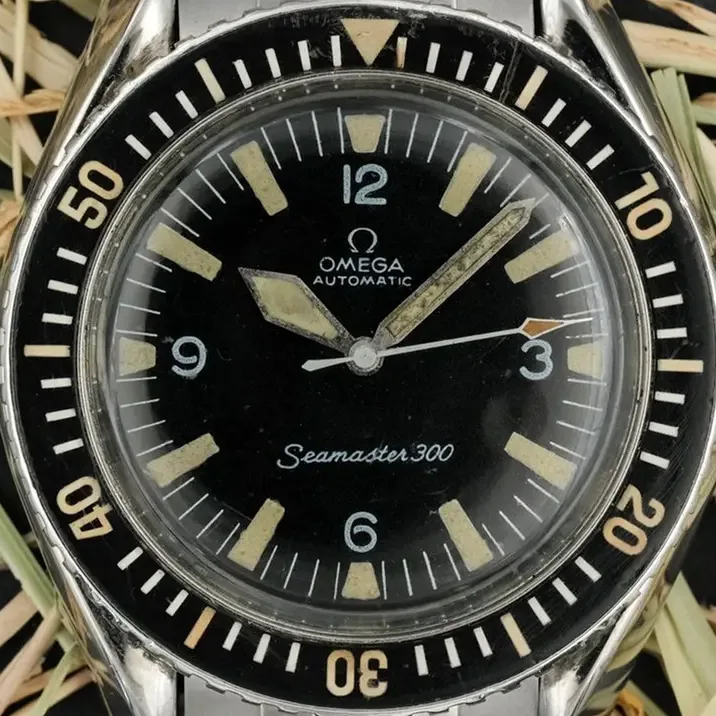
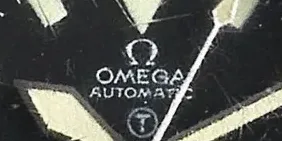
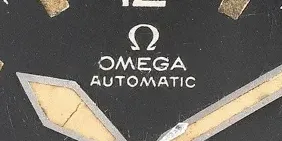
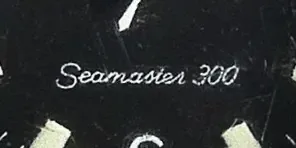
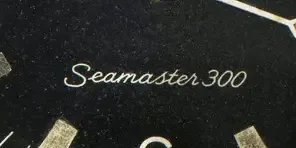
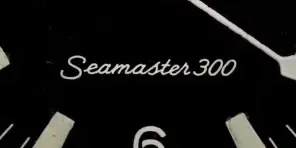
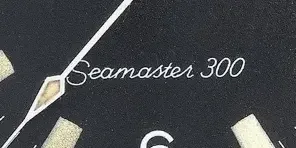
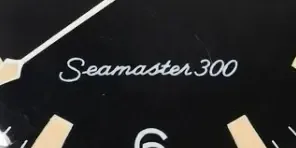
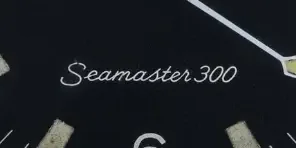
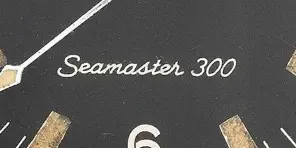
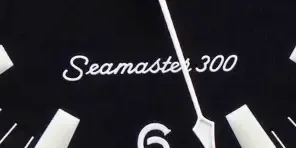
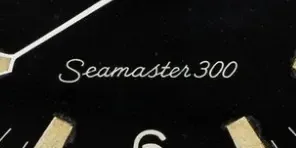
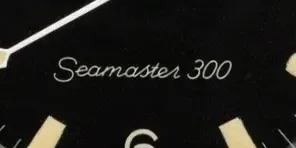
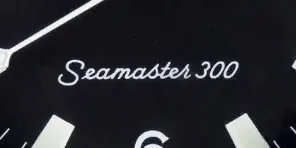
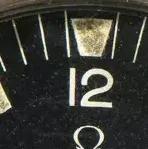
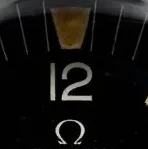
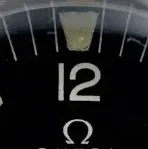
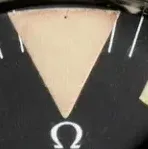
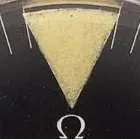
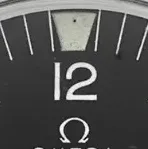
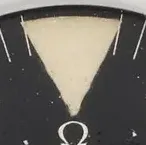
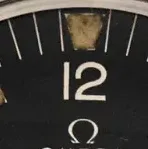
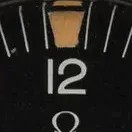
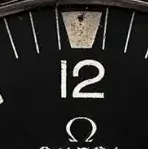
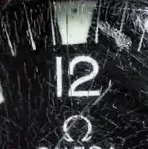
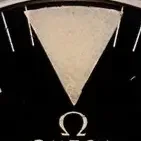
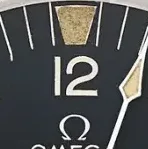
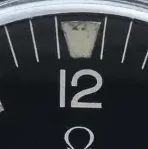
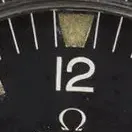
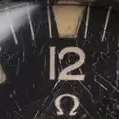
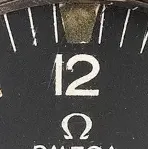
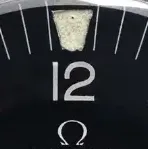
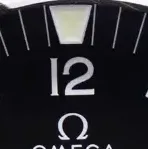
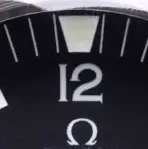
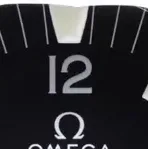
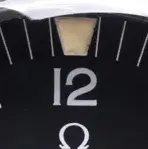
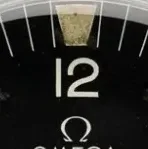
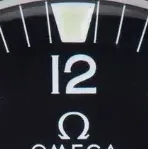
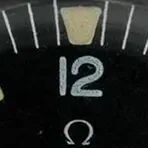
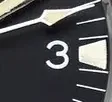
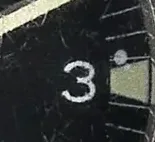
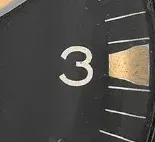
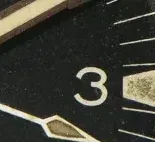
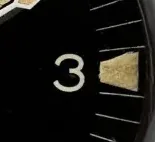
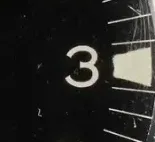
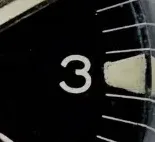
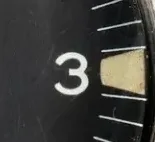
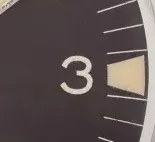
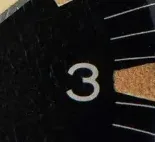
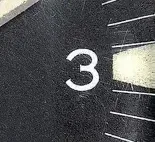
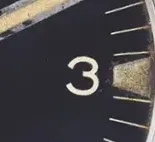
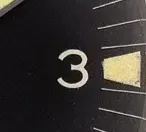
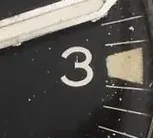
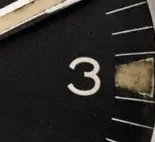
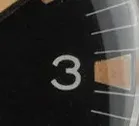
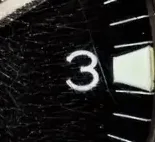
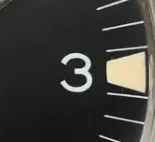
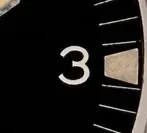
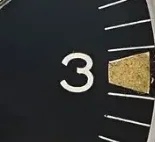
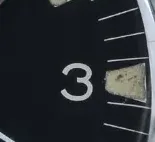
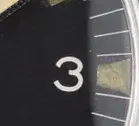
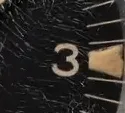
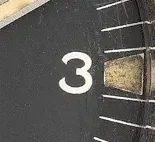
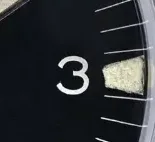
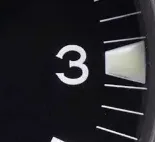
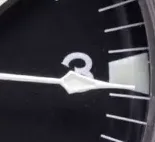
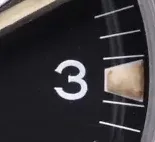
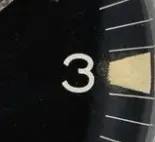
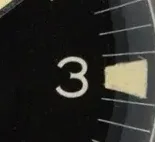
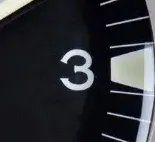
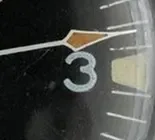
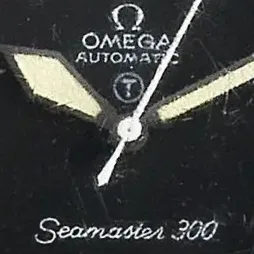
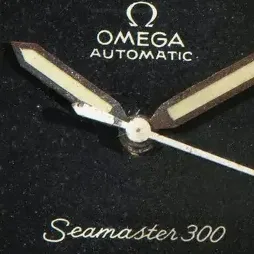
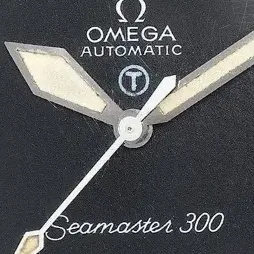
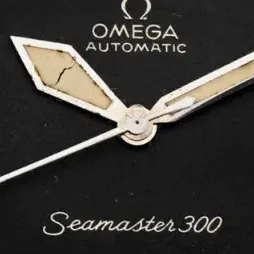
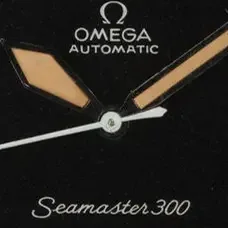
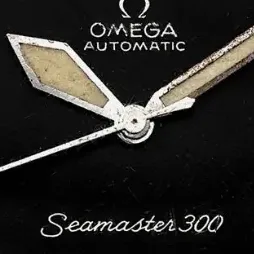
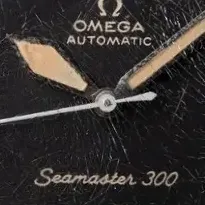
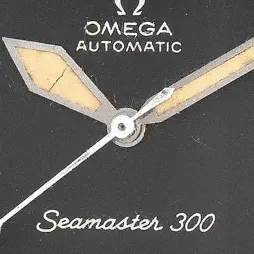
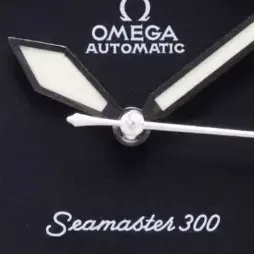
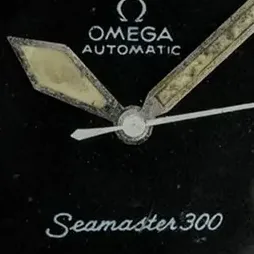
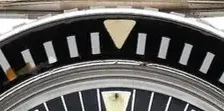
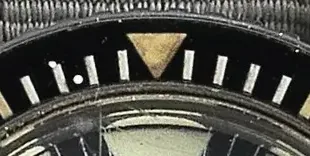
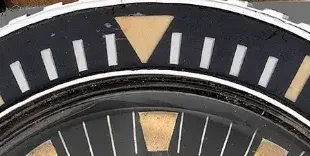
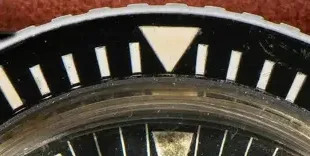
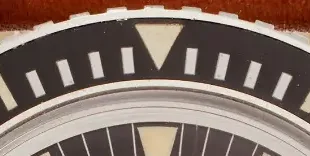
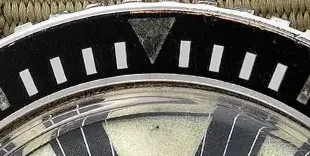
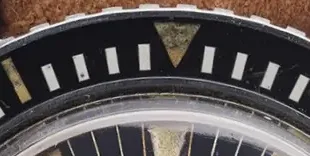
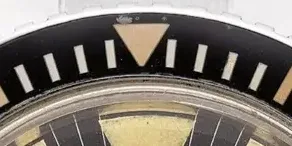
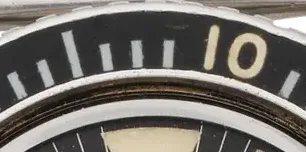
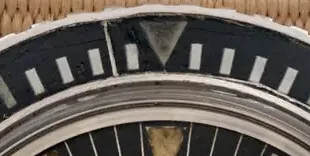
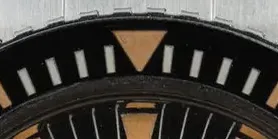
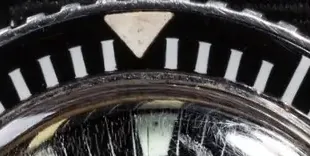
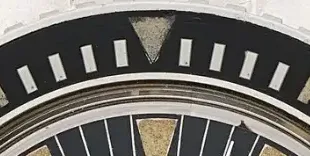
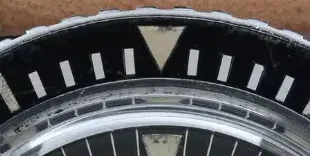
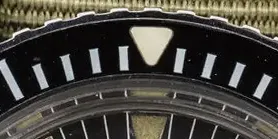
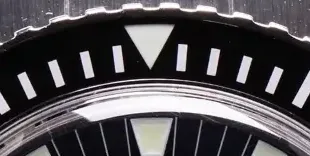
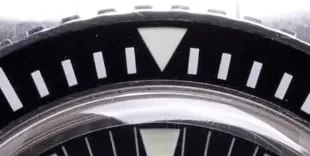
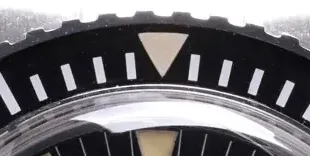
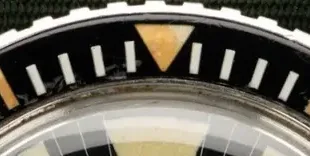
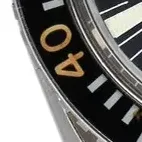
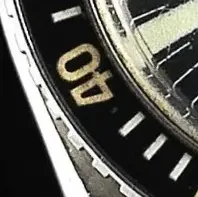
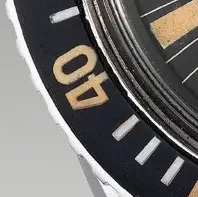
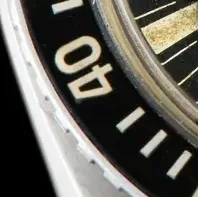
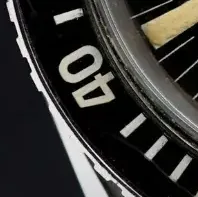
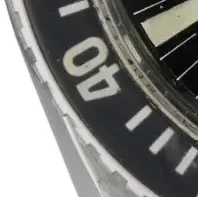
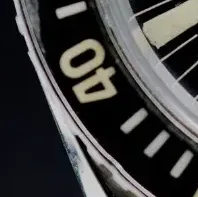
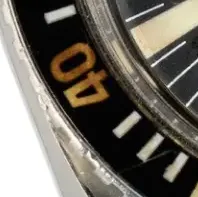
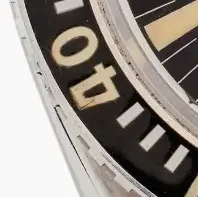
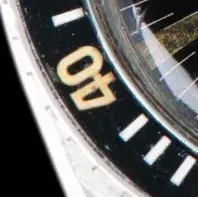
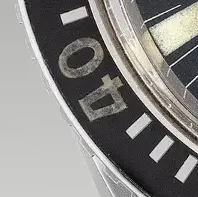
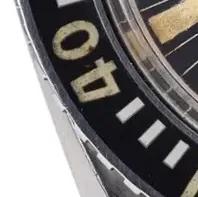
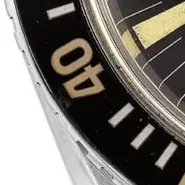
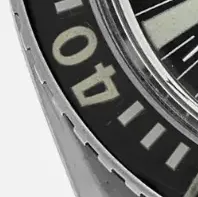
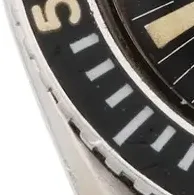
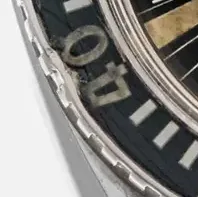
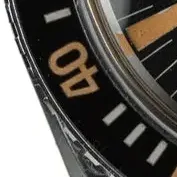
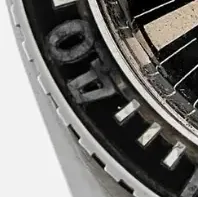
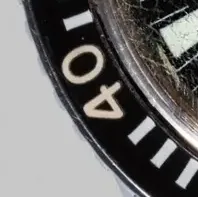
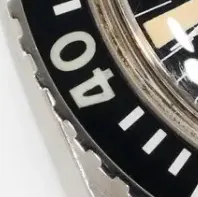
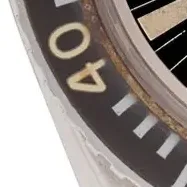
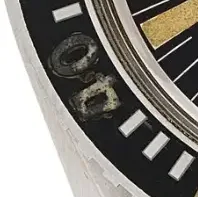
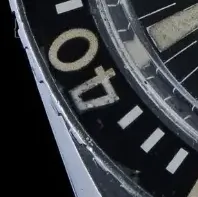
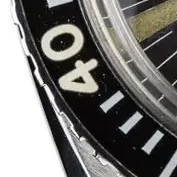
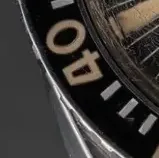
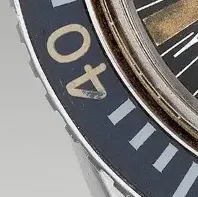
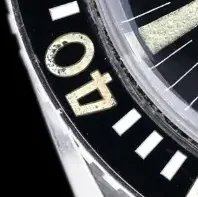
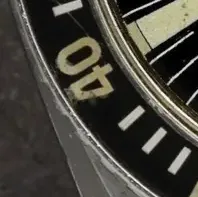
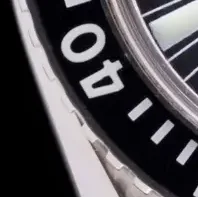
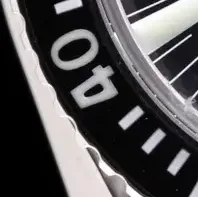
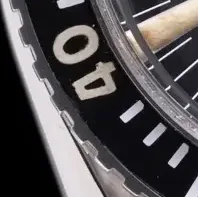
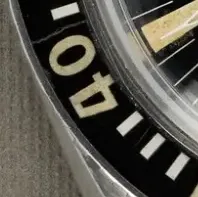
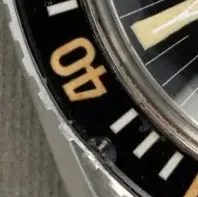
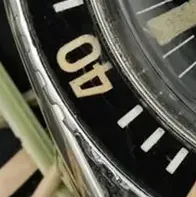
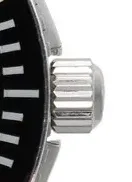
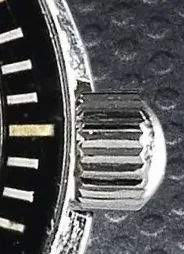
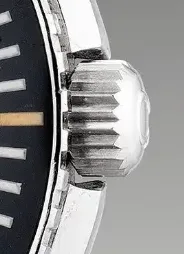
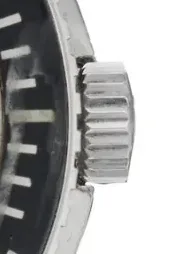
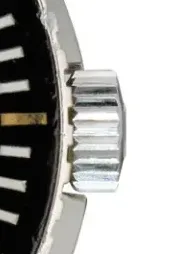
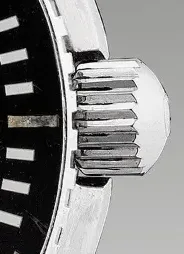
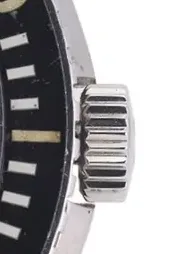
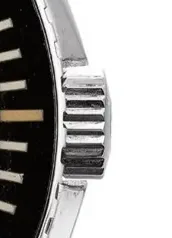
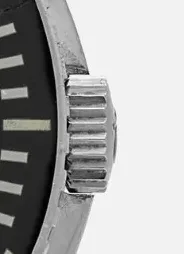
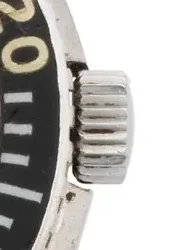
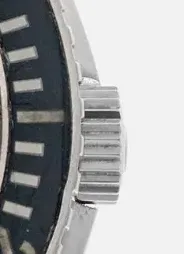
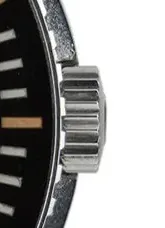
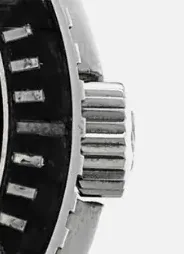
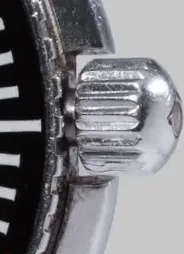
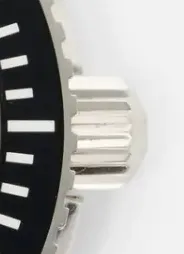
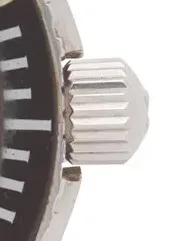
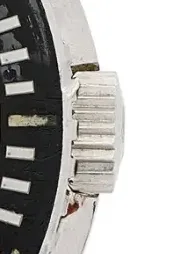
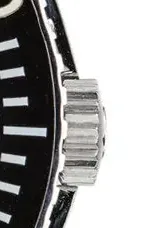
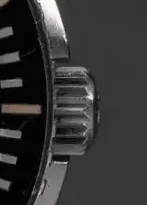
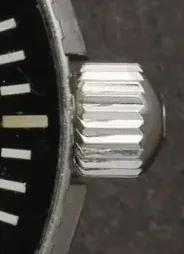
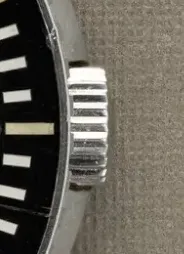
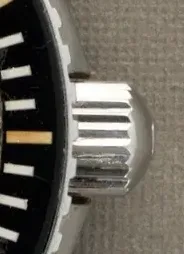
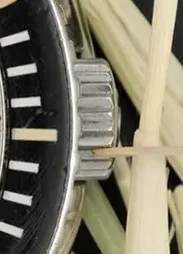
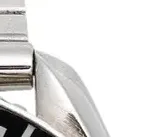
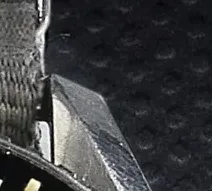
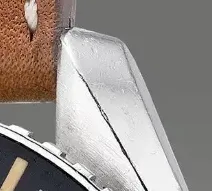
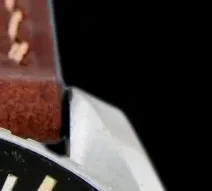
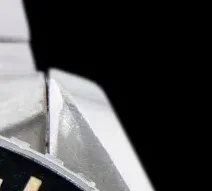
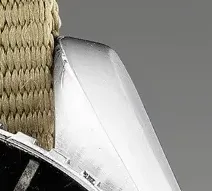
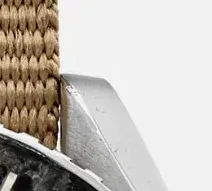
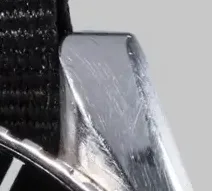
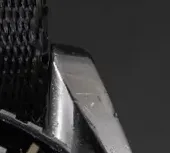
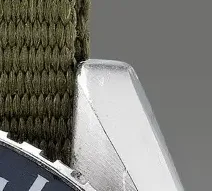
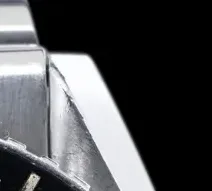
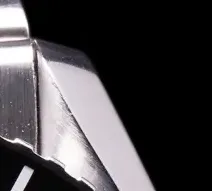
36 watches, oldest first, each straightened and cut the same way so that one row shows one component across them all. Chosen from 376 photographs on file for sharpness and for a face typical of the reference. A year marked c. is one its holder gives only roughly. Each picture is a detail cut from a listing photograph. Select the small mark in its corner for its year, its holder, a link to the listing it came from, and a way to report it.

































































































































Chronology
Production is dated 1963 to 1969 by one account and 1963 to 1971 by another; the library has no case numbers for it, and the years sellers state fall mostly between 1962 and 1970.
Every dated variant: what is written, and what the records show
For the reference the marks are every dated watch; for a variant, the watches a seller names as that variant, so a variant sellers do not name has none.
Specification
| Case | Steel, 41 to 42 mm wide (accounts differ), 47.5 mm lug to lug, about 14.5 mm thick, with twisted lyre lugs and a thin mid-case under a tall bezel; seahorse on the caseback; case codes HF and CB |
| Water resistance | 300 metres by one account; originally 200 metres by another |
| Crystal | Acrylic, signed with a small Omega on some watches |
| Bezel | Bakelite insert with raised, luminous-filled markings, rotating, in many printed variants (eleven are counted) |
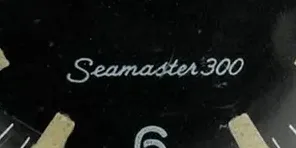
| Dial | Matte black, 3-6-9 layout with large markers, tritium lume, 'Seamaster 300' script at 6 o'clock; four dial types are counted |
| Hands | Roman sword hands, introduced around 1965 or 1966; earlier watches differ; four handsets are counted |
| Crown | Omega's Naiad crown on early watches, then a screw-down crown by 1968 |
| Movement | Automatic calibre 552: 24 jewels, 19,800 vibrations an hour, 50-hour reserve; no date. A 17-jewel calibre 560 was made for the American market |
| Bracelet | Stainless steel bracelet, such as the 1506; few survive |
Reference 4 described
The 165.024 followed the CK2913 and its immediate successors and shared its run with the date version. Dates differ between accounts.
CK2913
The first Seamaster 300, a 39 mm watch with calibre 501 made in eight versions.
- 39 mm case
- split-level bezel
CK14.755 and 165.014
Two rare steps between the CK2913 and the 165.024. The CK14.755 brought an updated movement; the 165.014 kept its case and movement but had a new dial with different hour markers and a new handset.
165.024
The no-date Seamaster 300 with the larger case, lyre lugs, bakelite bezel and calibre 552. It was the first generation to use Omega's lyre lugs, Roman sword hands and a classically styled bezel insert. Its run is given as 1963 to 1969 or to 1971.
- lyre lugs
- bakelite bezel
159 listings on record under the name.
166.024
The date version, with a date window at 3 o'clock, sharing the same case and run.
- date window at 3
Dial 3 described
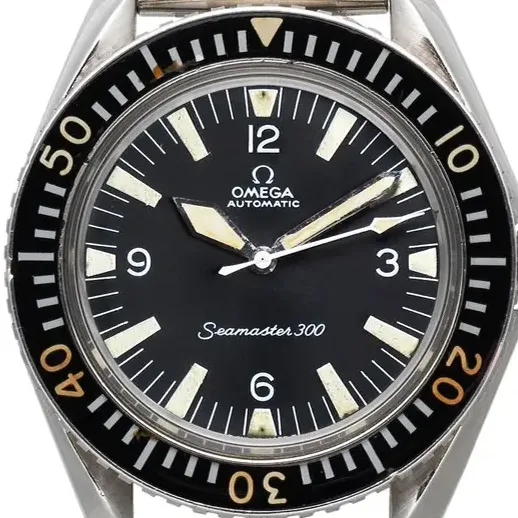
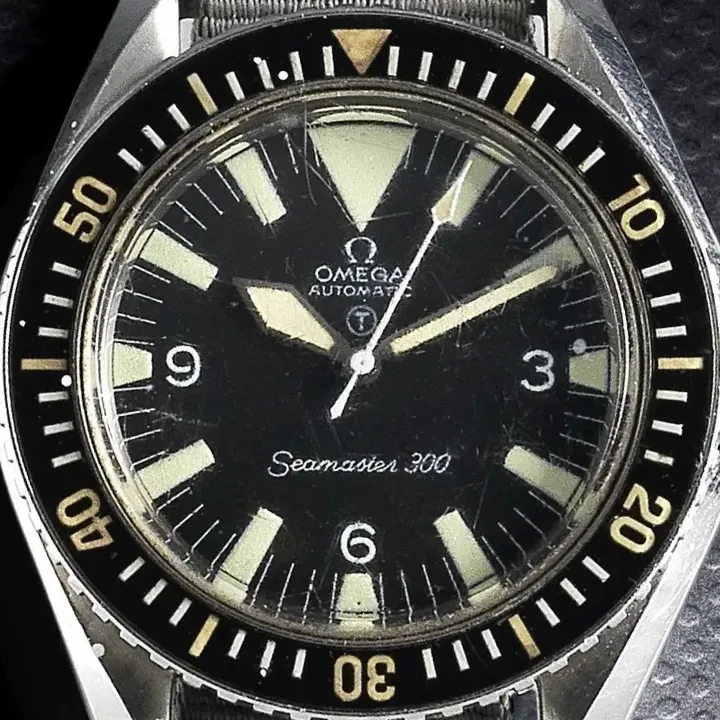
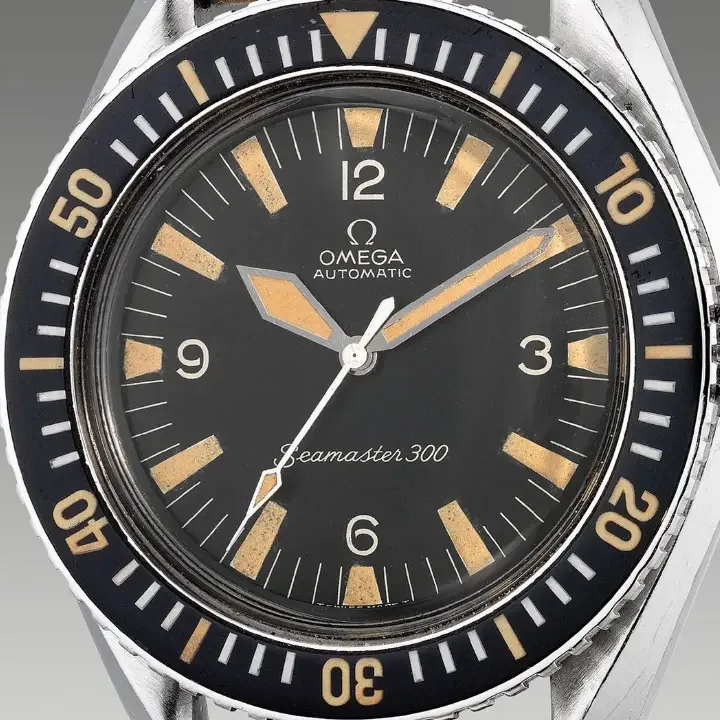
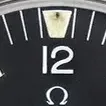
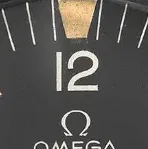
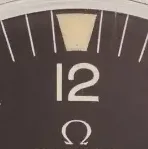
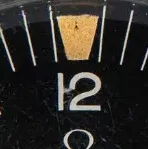
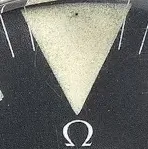
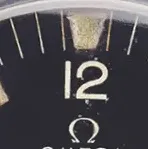
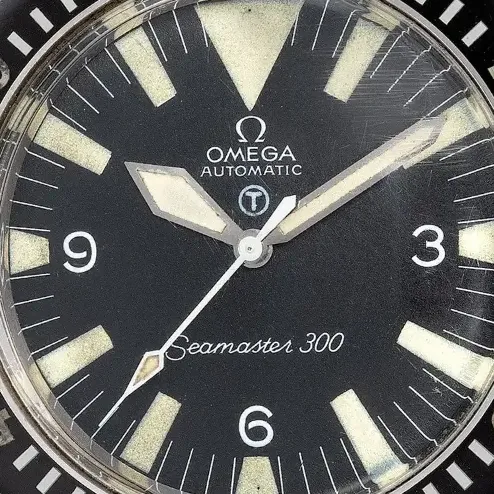
The dial is matte black with the 3-6-9 layout of large markers and tritium lume. Four dial types are counted for the run; the best known is the Big Triangle, with a large triangle at 12, and the small-triangle dial is found on early watches. Dials develop a warm tan patina with age.
Small-triangle dial
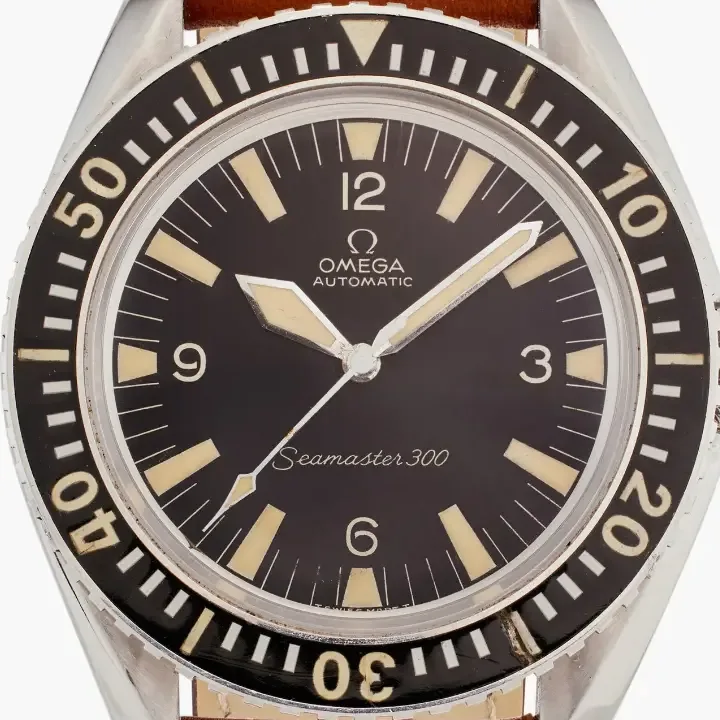
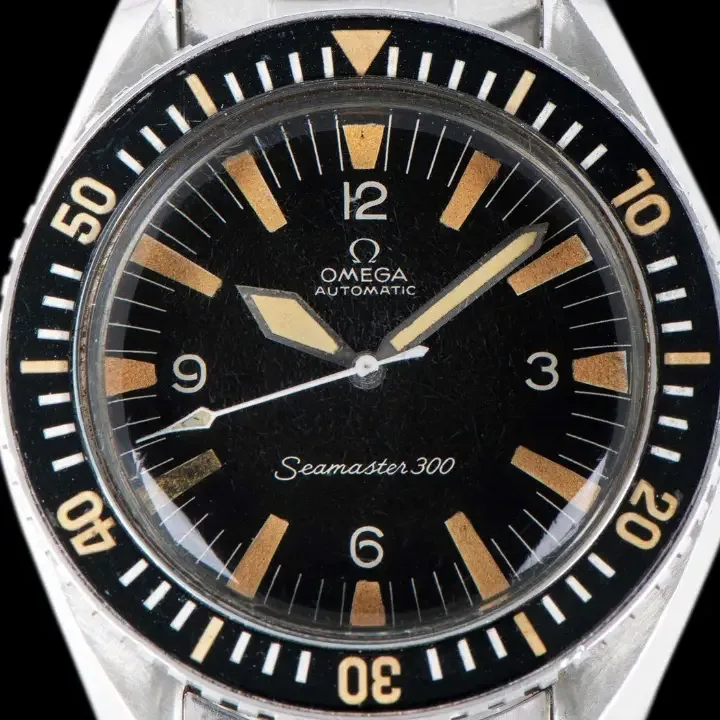
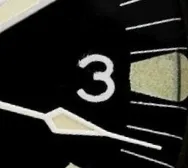
An early dial with a small triangle at 12 o'clock with an Arabic 12, open numerals at 6 and 9 and the 'Seamaster 300' script at 6 o'clock. Collectors often look for the Big Triangle instead, but the small-triangle dial is held to be as good.
- small triangle at 12
- open 6 and 9
Big Triangle dial
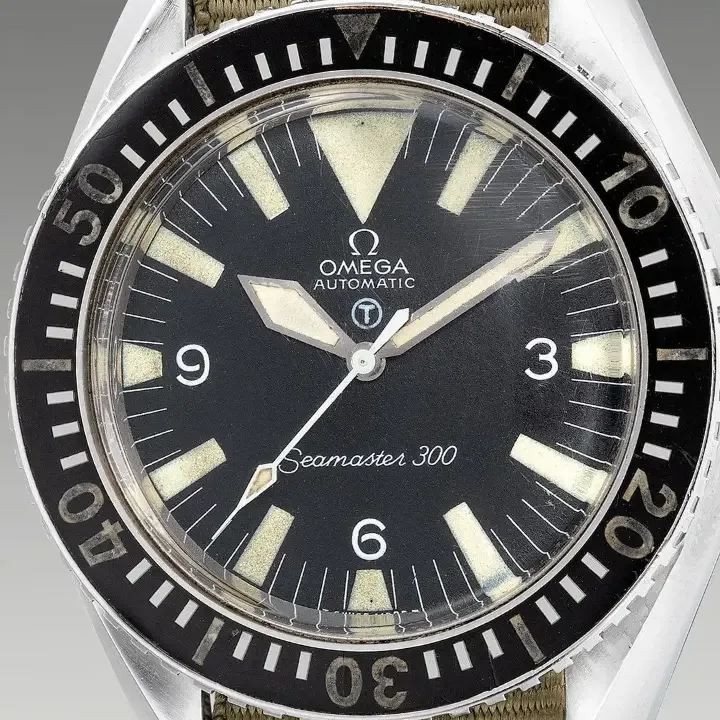
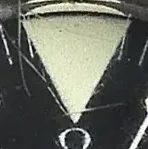
A dial with a large triangle at 12 o'clock and bolder hour markers. A watch of 1966 carries it, so it was in use by then, but no start is given. It brought noticeable stylistic changes.
- large triangle at 12
- bold hour markers
Military dial
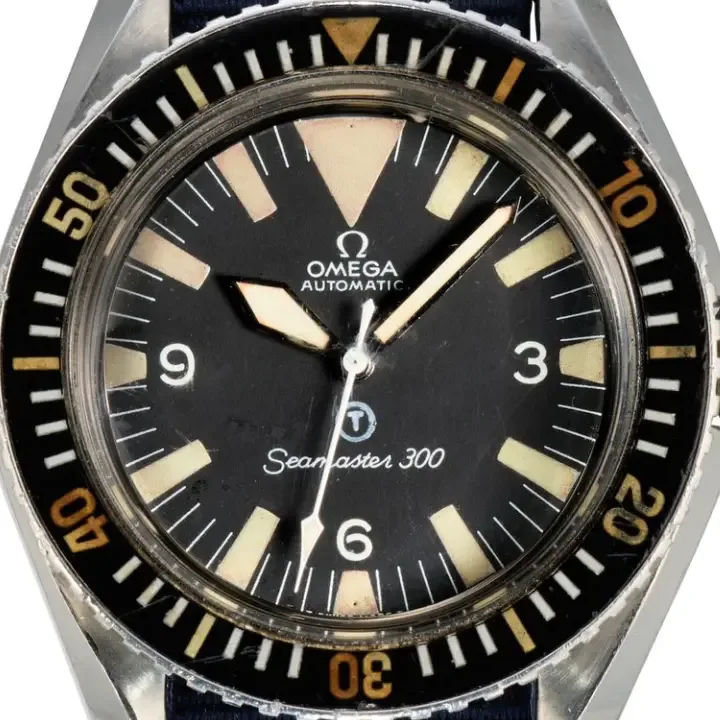
Watches issued to the British forces have a dial with the tritium T printed inside a circle, which sellers call a circle-T dial. Sellers also describe these watches with fixed bars and a caseback engraved with the broad arrow and issue numbers.
- circled T on the dial
- broad arrow on the caseback
Luminous material 1 described
The lume is tritium throughout, and how it has aged is a main test of originality.
Tritium
Tritium indices and hands that age to tan, custard or gold. Even ageing across dial, hands and bezel suggests the parts belong together. Hands are sometimes lume-stabilised.
- even tan lume
- matching bezel lume
Hands 2 described
Four handsets are counted. Roman sword hands, which collectors expect, came in around 1965 or 1966; some earlier watches do not have them.
Pre-sword handset
Early watches, such as a 1963 example, lack sword hands.
Roman sword hands
Broad sword-shaped hour and minute hands with tritium. The spear-tipped seconds hand should be painted white and carry a counterweight; a bare-metal seconds hand without one is incorrect.
- sword hands
- white seconds hand with counterweight
Bezel 3 described
The bakelite bezel insert carries each numeral as a raised element; eleven variations are counted for the run, and the insert is a main point of dating.
Flat-top ten bezel
A bezel in which the numeral at 10 minutes has a flat top; together with other details it has been used to date a watch to 1966.
- flat-topped 10
Fat font bezel
A variant with heavier numerals found on some watches.
- heavy numerals
Bakelite insert, general
A bakelite insert with raised, luminous-filled numerals and markings. It cracks easily, commonly through the 30, and original inserts are valued.
- crack through the 30
- raised numerals
Case 2 described
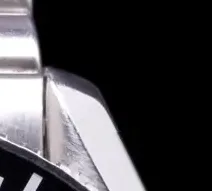
The case is a 41 to 42 mm steel lyre-lug case with a thin mid-case and a tall bezel; accounts give the diameter as 41 mm and as 42 mm. Case codes HF and CB are recorded.
HF and CB case codes
Two case codes for the 42 mm lyre-lug case. Edges and lugs should be sharp; polishing thins them.
- HF or CB case code
Seahorse caseback
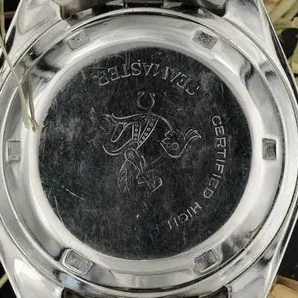
The caseback carries Omega's seahorse emblem on the Seamaster line.
- seahorse
Crown 2 described
The crown changed from a gasket type to a screw-down type during the run.
Naiad crown
Omega's own crown with thick gaskets and no screw-down tube. It is less effective than a screw-down crown, especially when the gaskets age, and the whole line changed over by 1968.
- no screw-down tube
Screw-down crown
A screw-down crown, in place on every watch by 1968.
- screw-down crown
Crystal 1 described
The crystal is acrylic.
Acrylic crystal
An acrylic crystal, sometimes signed with a very small Omega. An original crystal is a point in a watch's favour.
- small Omega signature
Movement 2 described
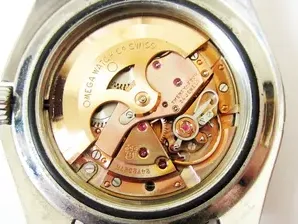
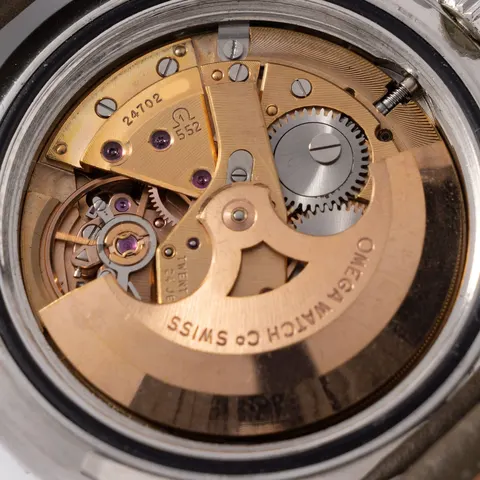
The movement is the calibre 552 with a 560 for the American market.
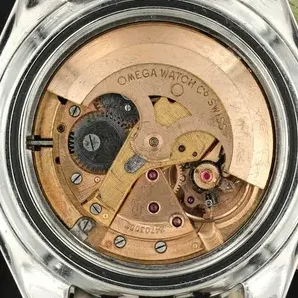
Calibre 552
Automatic, 24 jewels, 19,800 vibrations an hour and a 50-hour reserve, shared with the two earlier references. It is described as reliable and gentle on wear.
- 24 jewels
Calibre 560
A version of the 552 with 17 jewels, made for the American market.
- 17 jewels
Bracelet 1 described
Original bracelets are rare on this reference.
1506 bracelet
A period steel bracelet; one example is signed for the third quarter of 1967, though no start for the type is given. Watches on their original steel bracelet are particularly scarce, and a Milanese mesh bracelet is not original.
- period-signed bracelet
Originality
- Many 165.024s have replaced parts, and original unrestored examples are less common than their numbers suggest.
- In the early 2000s an Australian service centre assembled complete watches from surplus original parts and sold them as new old stock; such component watches should be described as they are, and sellers' listings sometimes name the centre.
- Hands, dial and bezel should have aged to the same tone; unmatched lume points to replacement.
- The seconds hand should be white with a counterweight.
- Bezel inserts crack and are replaced; check for the correct print variant for the year.
- The Naiad crown belongs to the earlier watches; the whole line had changed to screw-down crowns by 1968, so check the crown against the watch's year.
Names
- Big Triangle. The dial has a large triangle marker at 12 o'clock.
- Military. Watches issued to the British forces, with a circle-T dial and fixed bars.
Where accounts differ
Points on which the published literature and the library's own records do not agree, or on which the literature contradicts itself.
- Years of production. One guide dates the reference 1963 to 1969 and another says it stayed in production to 1971. Some sellers state years before 1963.
- Case diameter. Some guides give the case as 41 mm and others as 42 mm. Sellers' stated sizes divide mainly between 42 mm and 41 mm, with some at 40 mm.
- Water resistance. One guide gives 300 metres for the reference; another says it was originally rated to 200 metres and that the early Naiad crown was less effective than a screw-down one.
- Origin of the Seamaster 300. One account says the Seamaster 300 was introduced at the end of the Second World War to British naval divers. Other guides date the first Seamaster 300 to 1957.
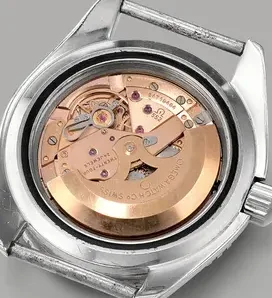
Back and movement
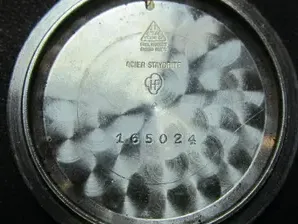
From listings of this reference, each confirmed by eye to show what it is filed under. A picture on which a person's name or a personal engraving can be read is not shown. From most holders a detail from the middle of the photograph is shown; the mark in its corner gives its holder and a link to the listing.
Caseback
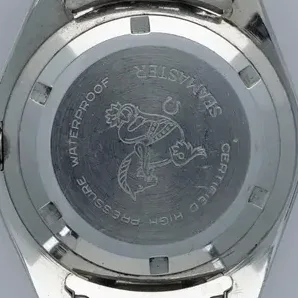
Inside the caseback

Movement
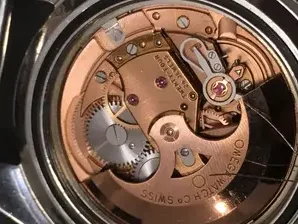


Catalogue versions 1 listed
The full numbers under which holders list this reference, with what their listings say of each. Each has a page of its own.
| Version | Metal | Dial | Years seen | Records |
|---|---|---|---|---|
| 165024-64 | Steel | Black | 1964–1967 | 4 |
In the records
Counted from 178 listings at 37 holders between 8 June 2011 and 14 November 2026. These are what sellers and auction houses state, not measurements.
Fainter bars are the 6 outside the main run of 1962–1970 (the middle nine-tenths): the earliest is 1960 and the latest 1976. They are early and late examples, and now and then a seller's slip. The head of the page gives 1962–1970: the years that listings from two holders bear out.
At the holders that record papers on every watch, 0% of their 10 listings of this reference come with papers; at those that record the box on every watch, 9% of 11 come with a box. "Papers" is whatever the holder counts as papers, and can include service papers.
Case metal
| Steel | 76 |
Dial colour
| Black | 54 |
Case size
| 42 mm | 39 | |
| 41 mm | 27 | |
| 40 mm | 11 |
Calibre named
| 552 | 66 | |
| 550 | 5 | |
| 551 | 2 |
Bracelet or strap
| Fabric strap | 26 | |
| Metal bracelet, kind not stated | 16 | |
| Leather strap | 15 | |
| Rubber strap | 1 |
Each table counts the listings that state the thing, in the seller's own terms. A size, metal, colour or calibre that cannot belong to this reference is a seller's slip or a listing filed under the wrong number.