Seamaster Professional 300M (automatic)
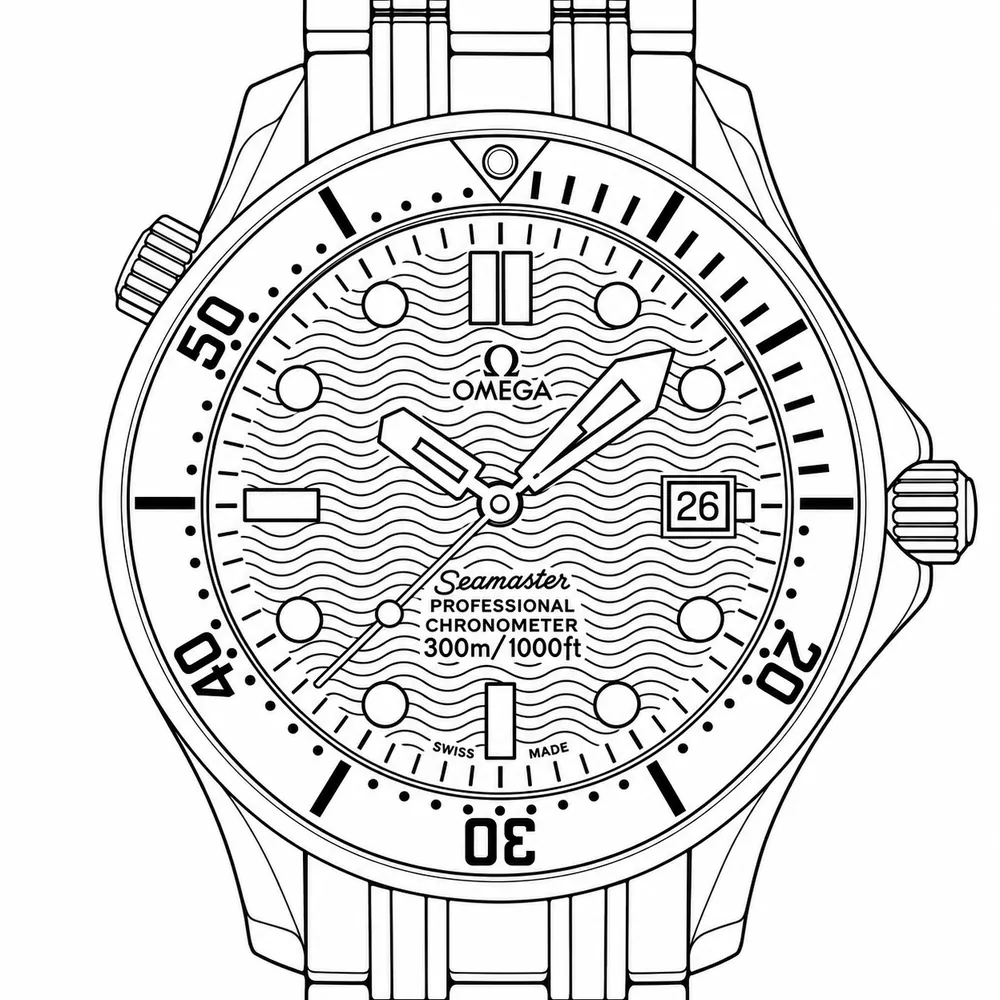
The three-hand automatic Seamaster Professional 300M in a 41 mm steel case with a blue wave dial and blue aluminium bezel insert. The line began in 1993 as a quartz watch (2541.80); the automatic 2531.80 followed soon after and stayed in production until about 2006, when the Co-Axial 2220.80 took its place. It is the watch Pierce Brosnan wore in the Bond films after GoldenEye. Collectors look first at the wave dial, the lume type (tritium before 1997, Super-LumiNova after), the condition of the bracelet and clasp, and whether the box, cards and booklets are all present.
- Made
- 1993–2006dates approximate
- Seen in the library
- 1993–2007nine in ten in 1995–2007 · by years sellers state
- Case
- 41 mm · steelas sellers state
- Movement
- Calibre 1120automatic
- On record
- 465 listings854 photographs · 25 holders
Components
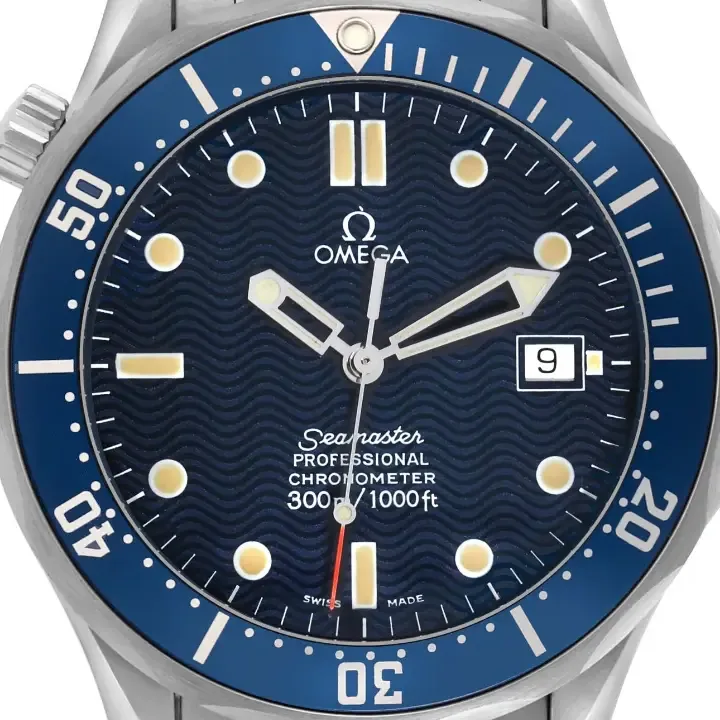
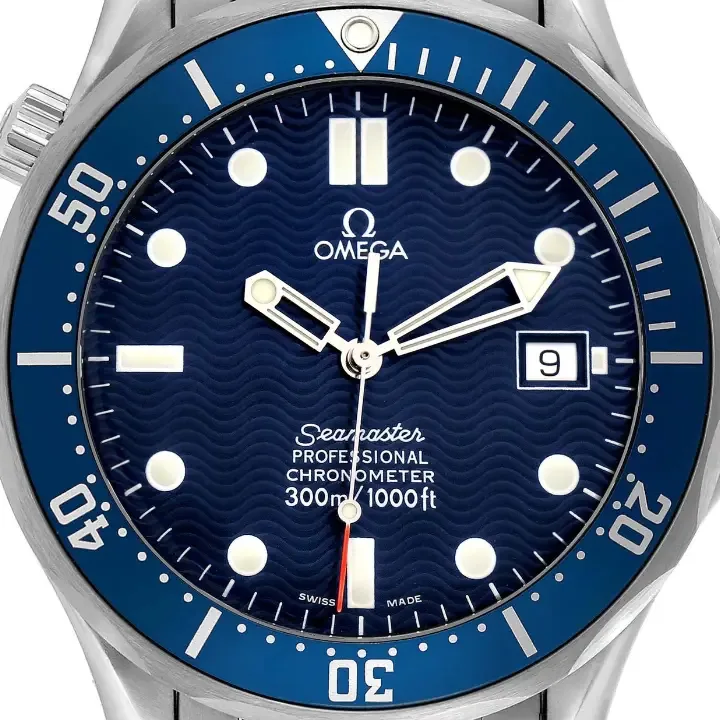
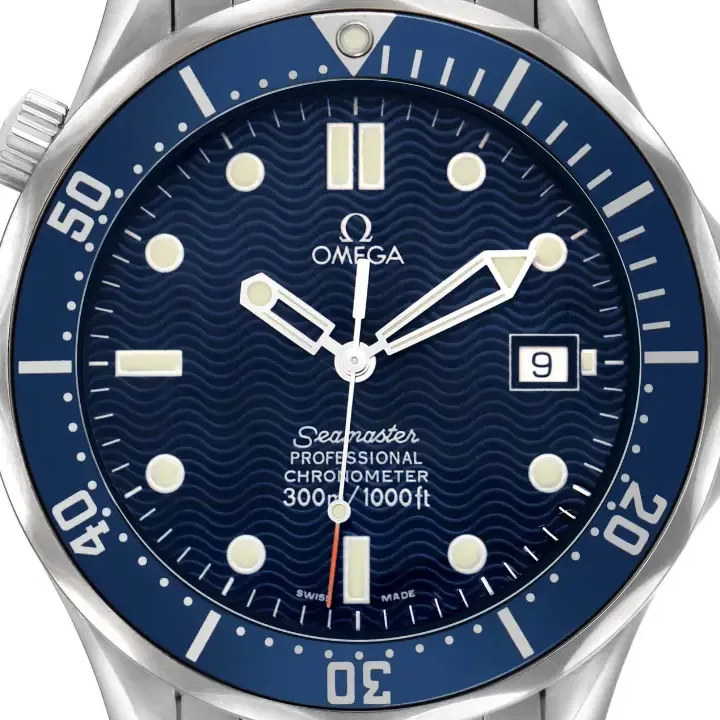
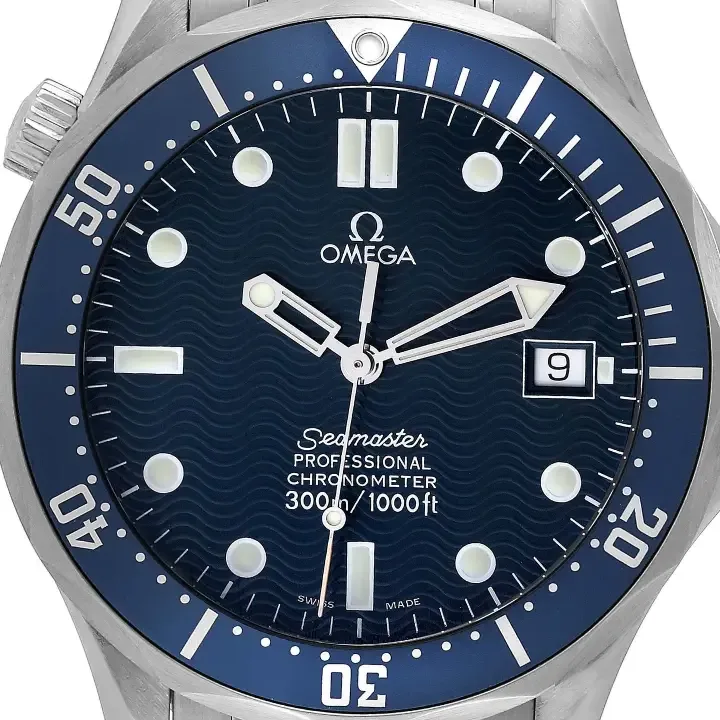
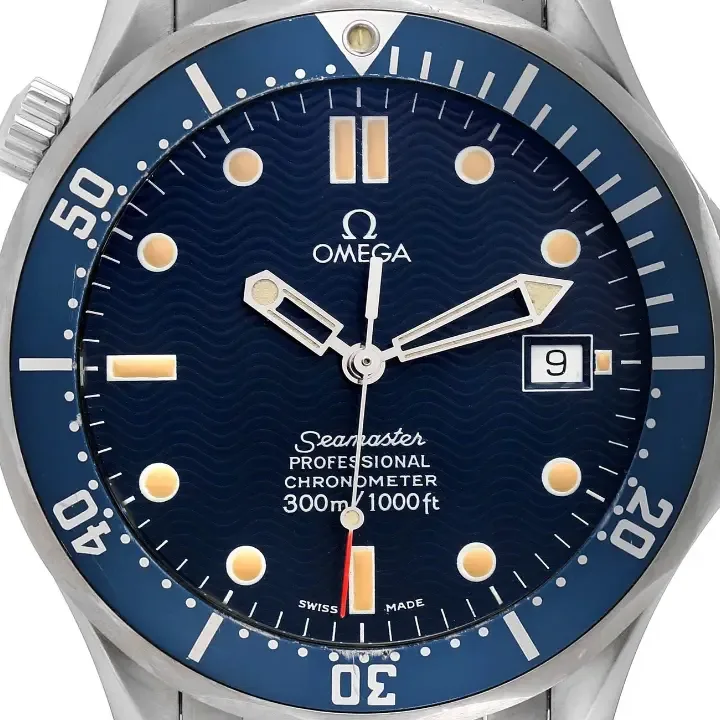
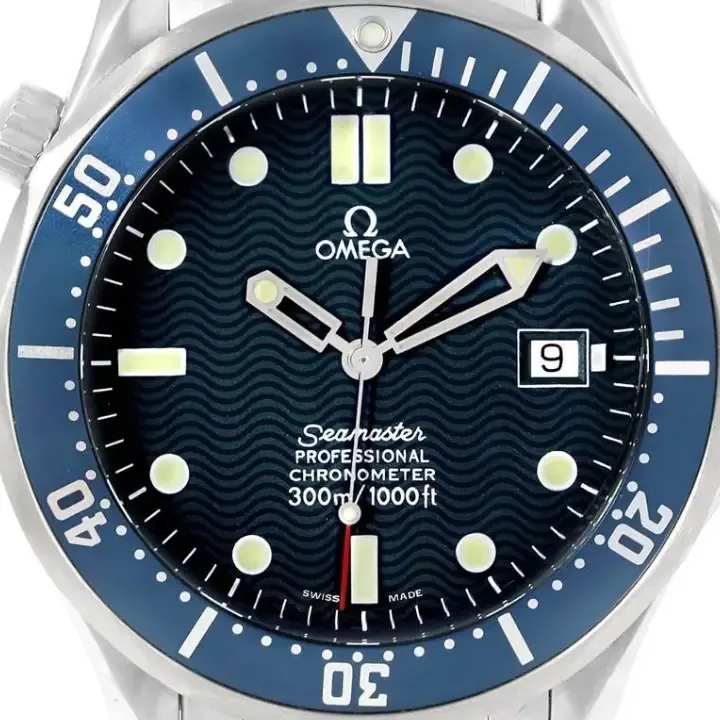
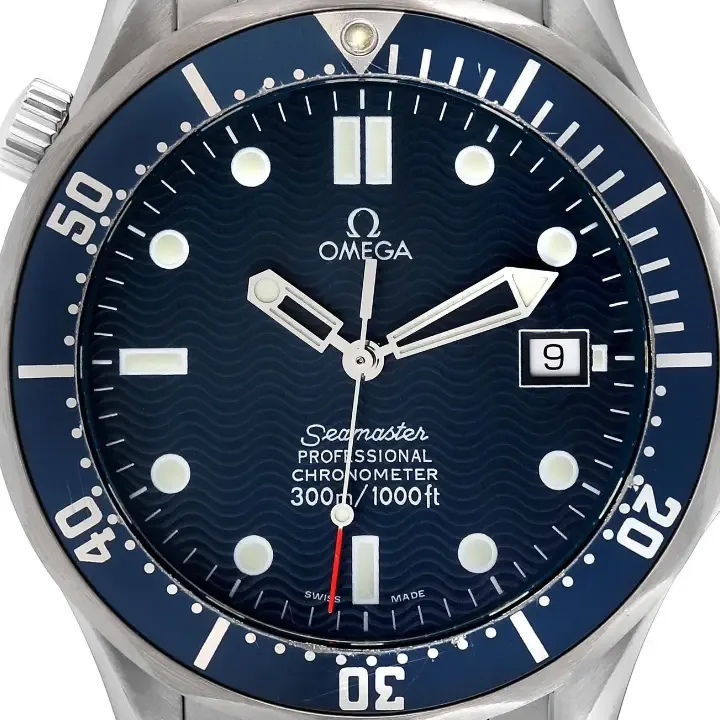
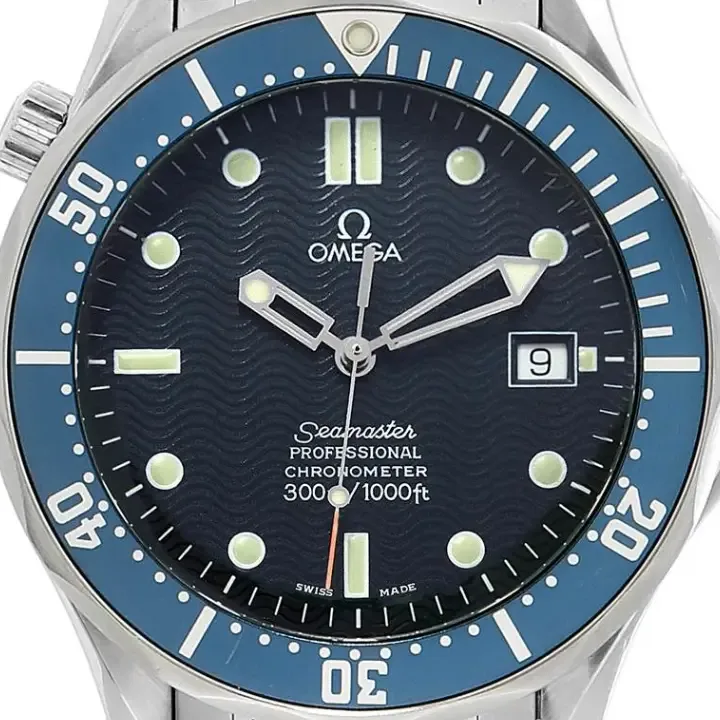
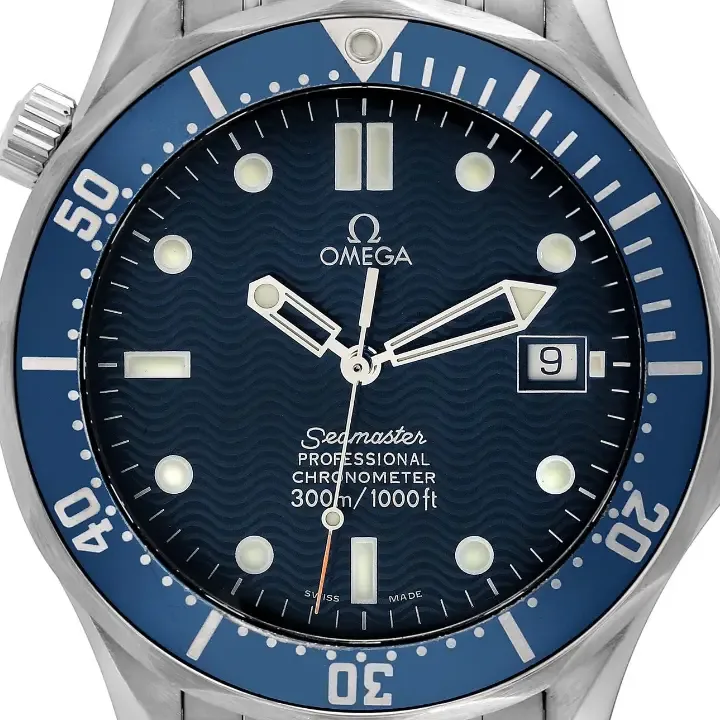
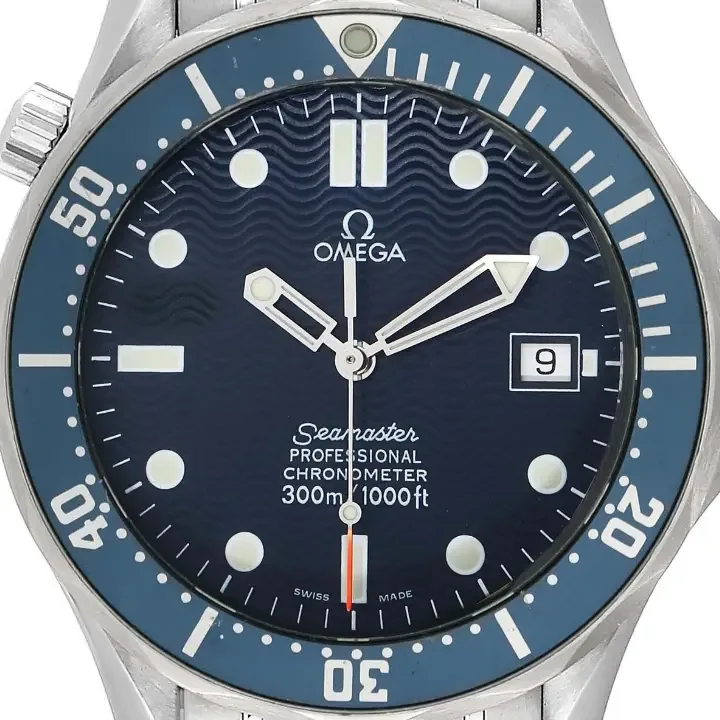
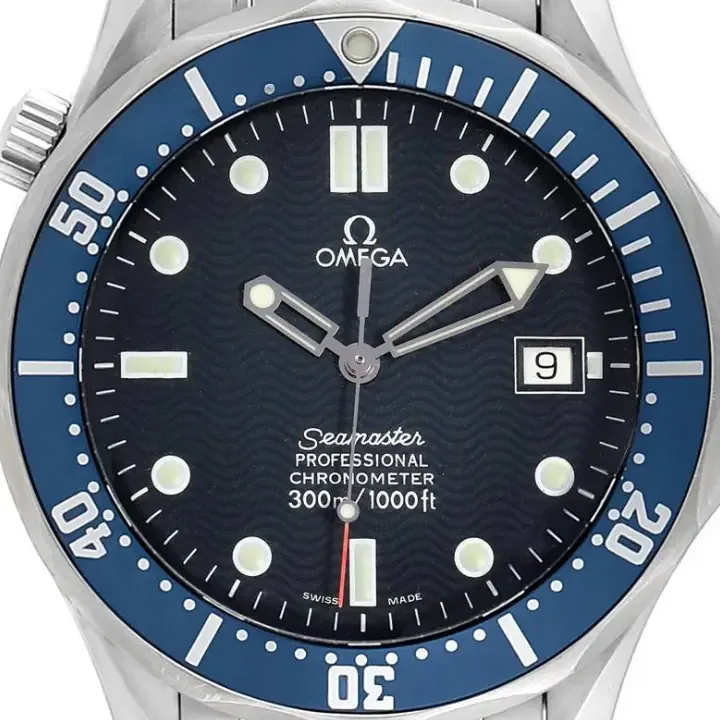
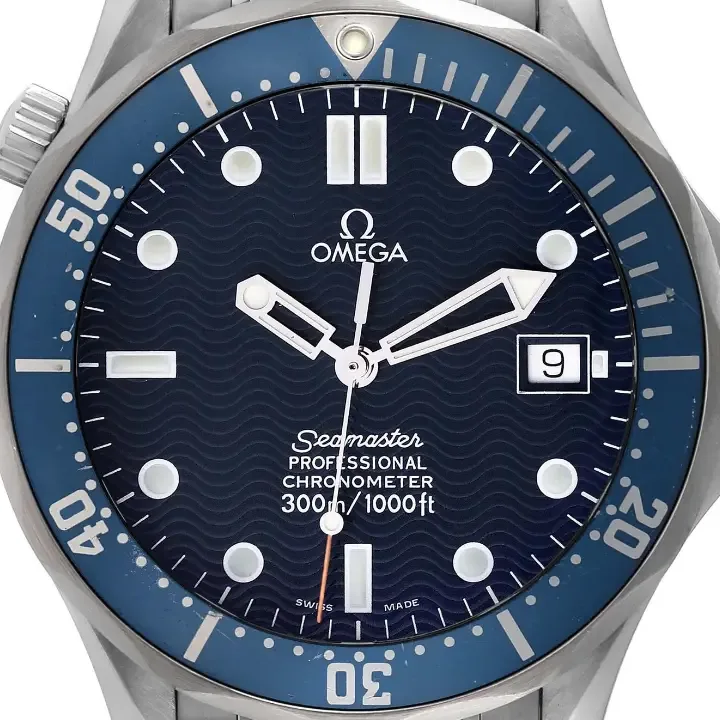
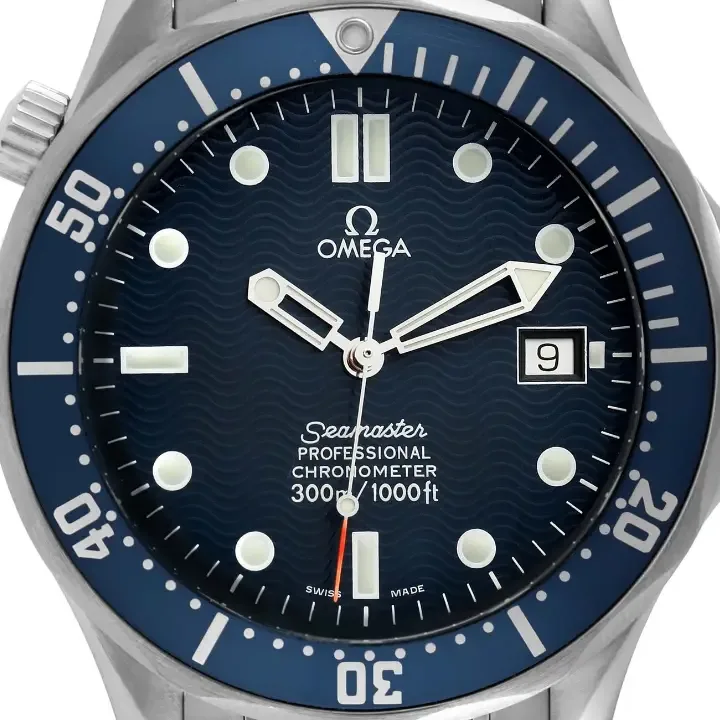
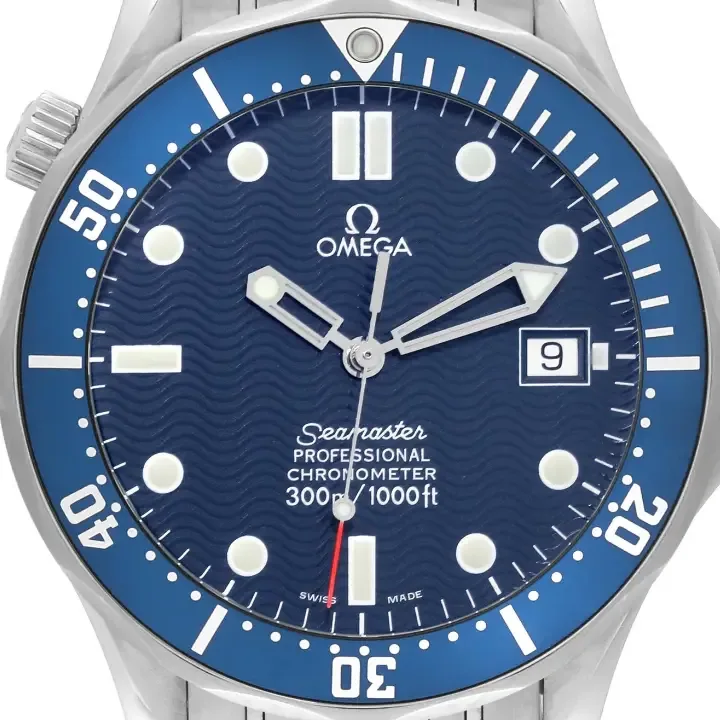
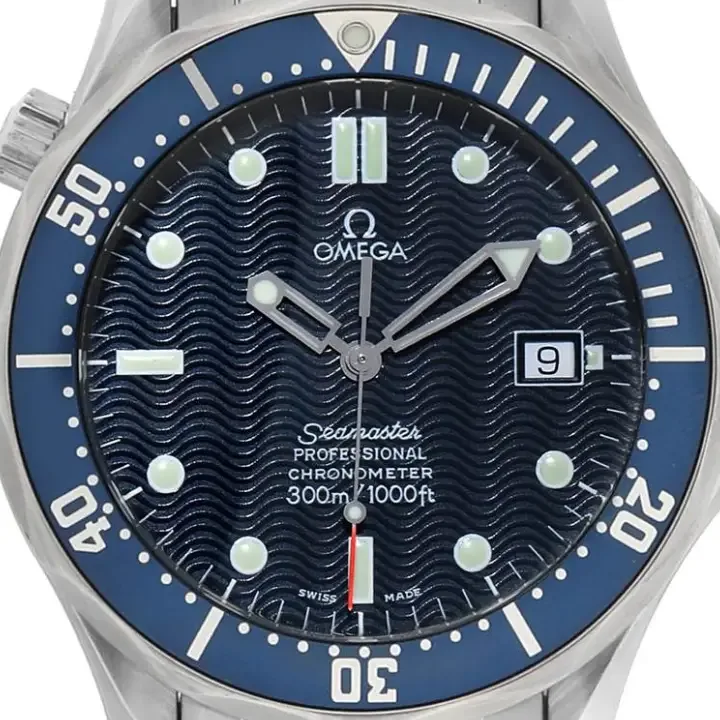
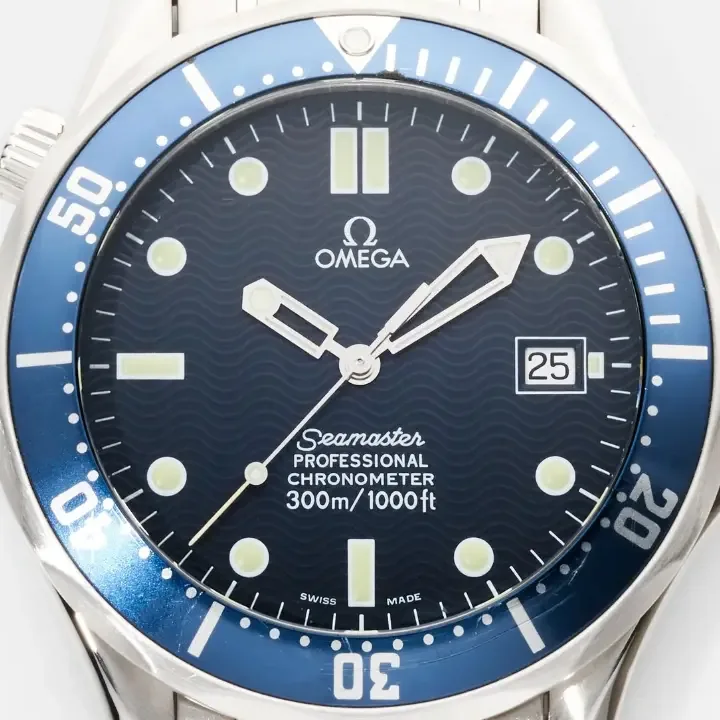
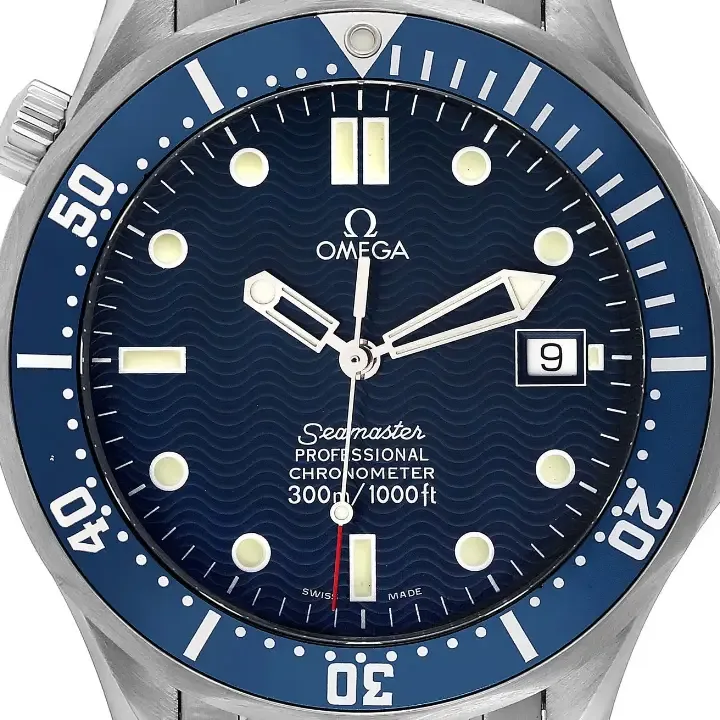
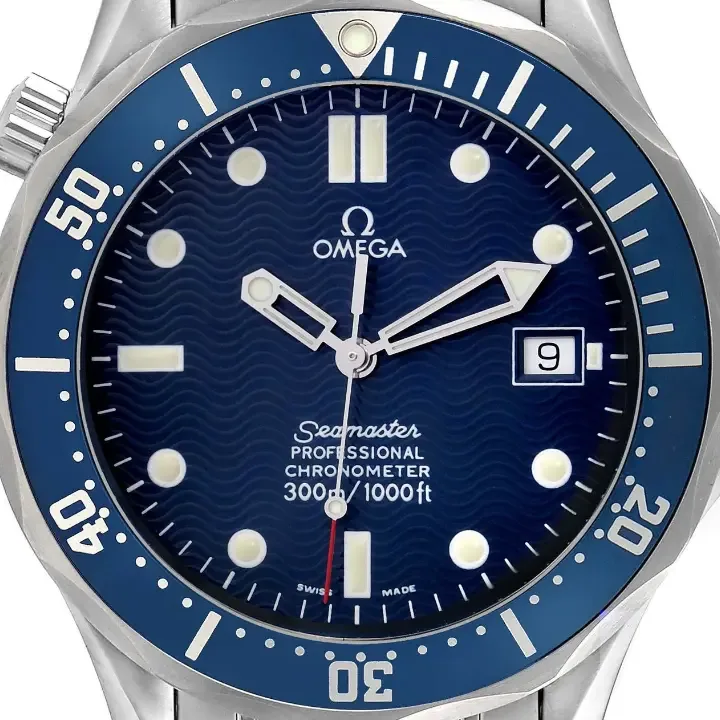
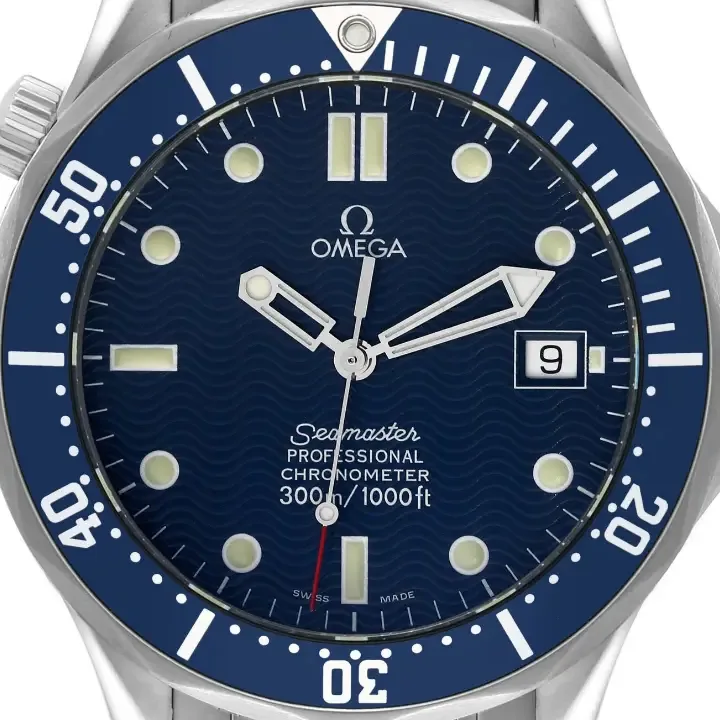
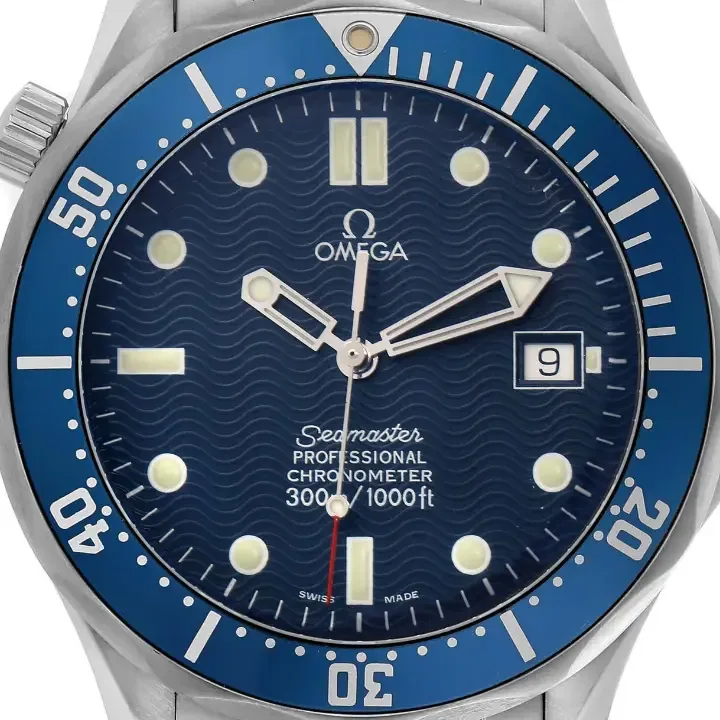
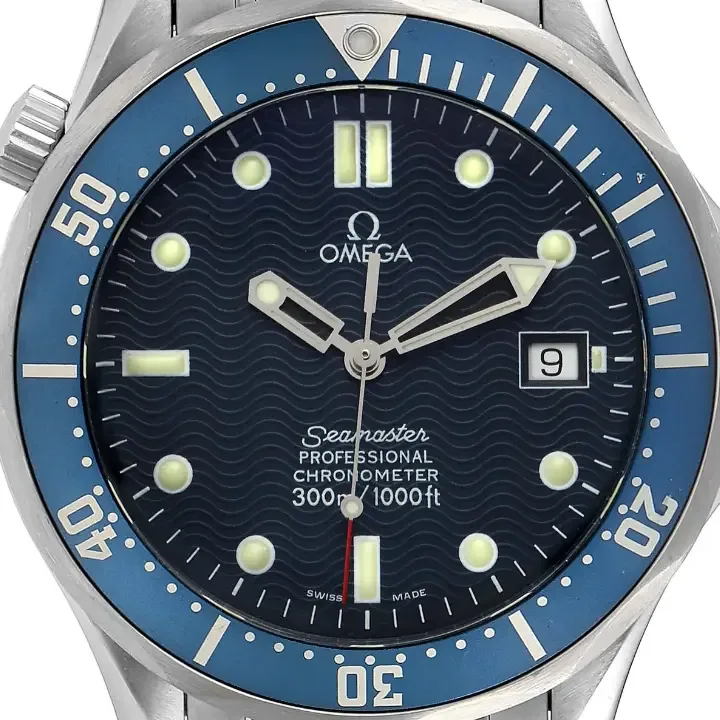
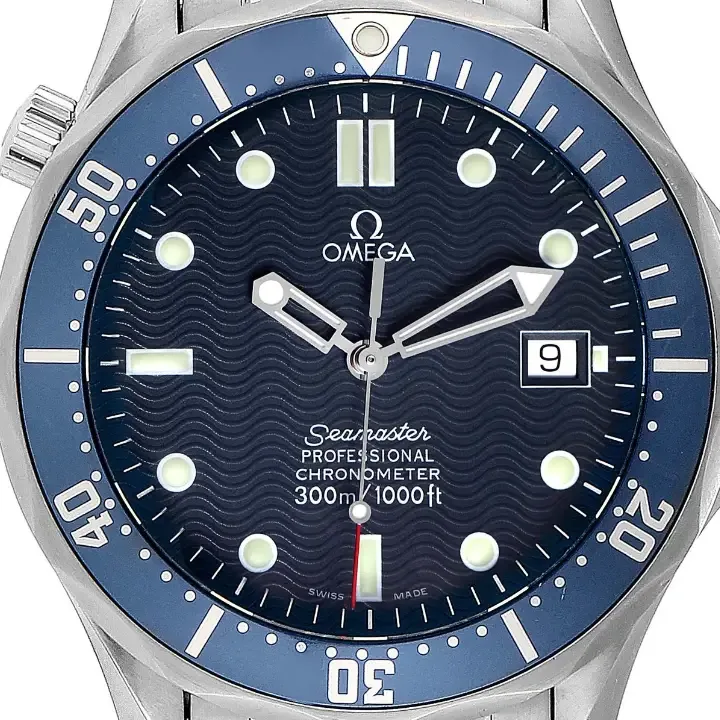
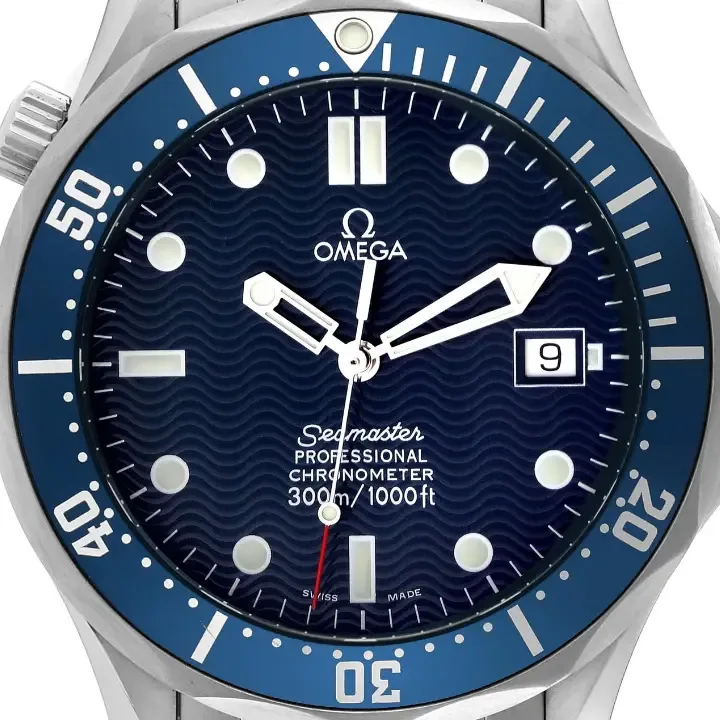
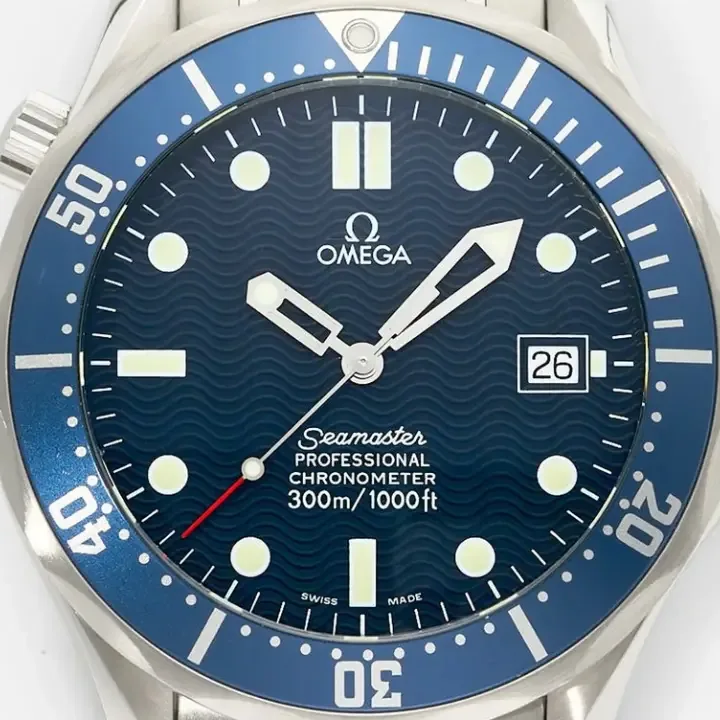
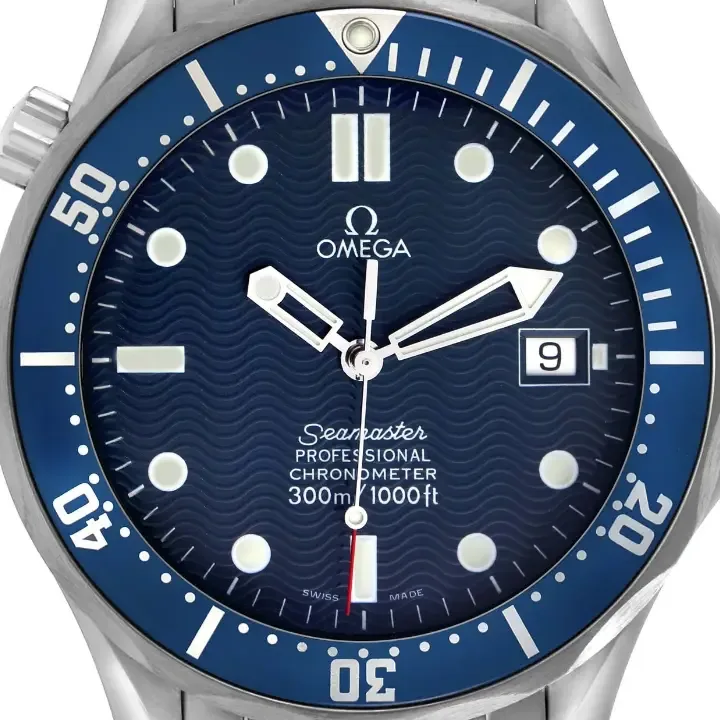
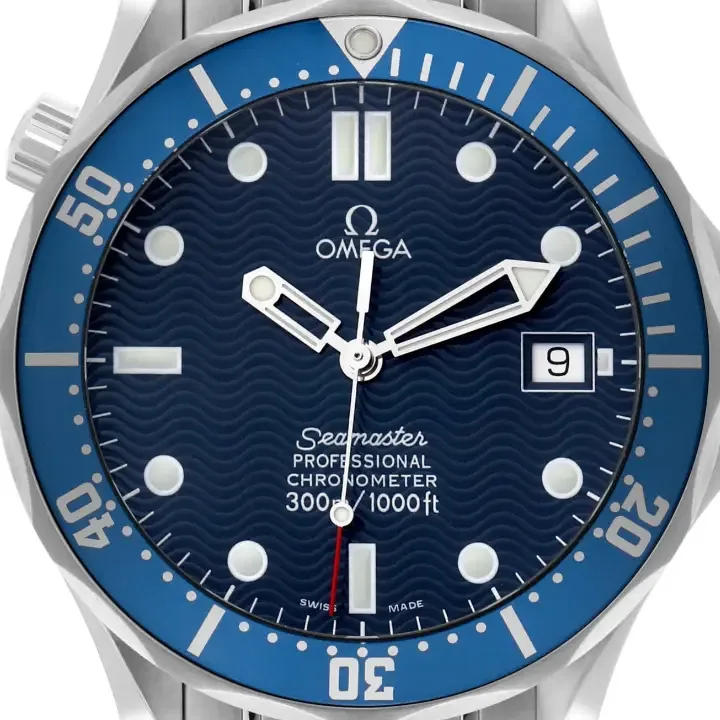
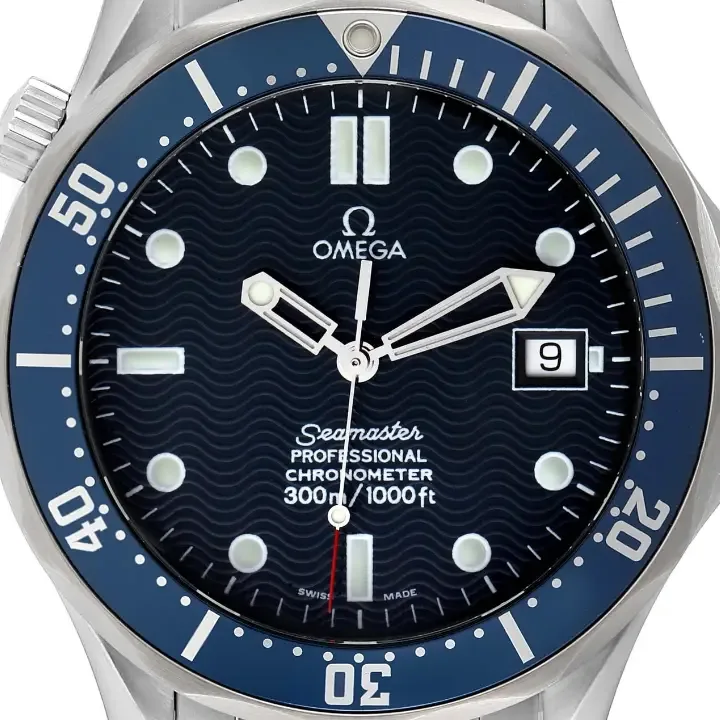
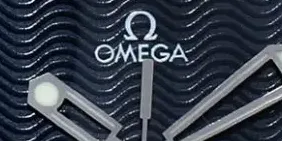
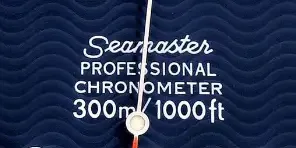
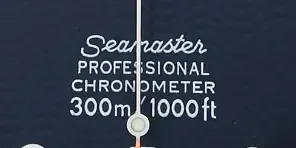
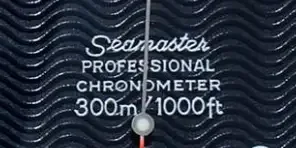
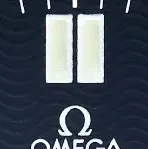
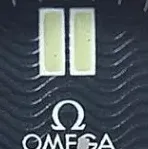
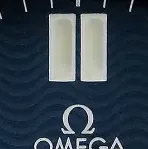
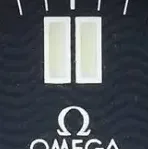
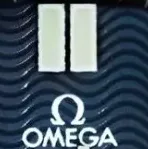
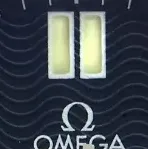
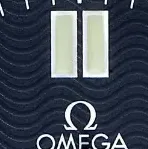
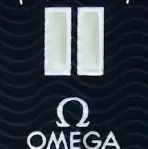
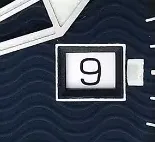
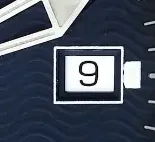
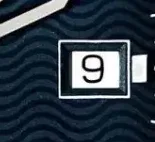
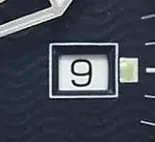
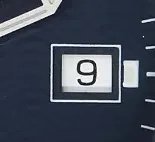
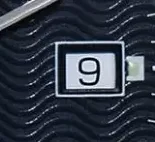
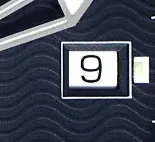
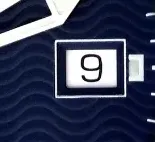
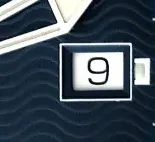
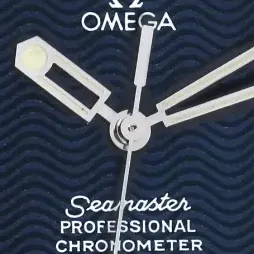
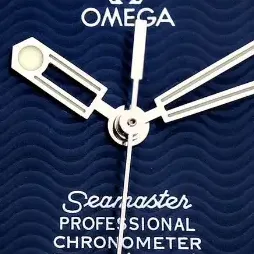
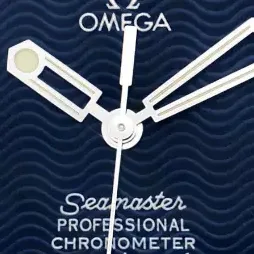
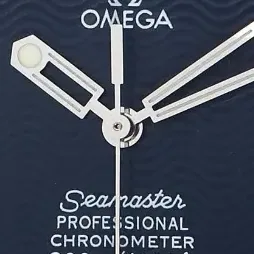
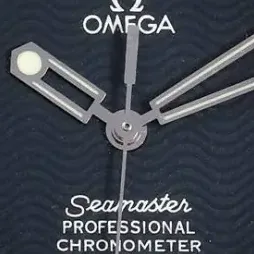
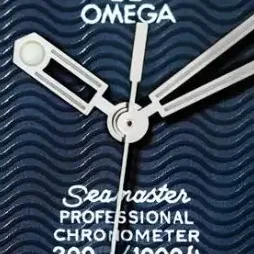
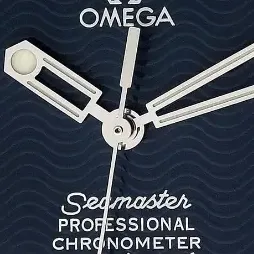
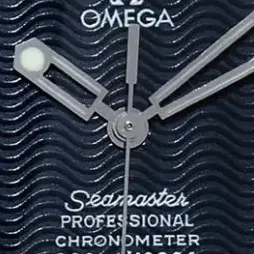
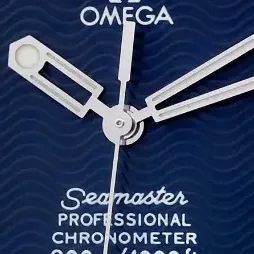
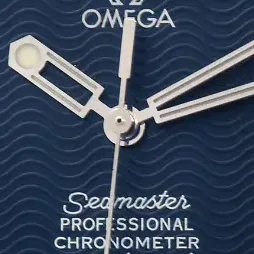
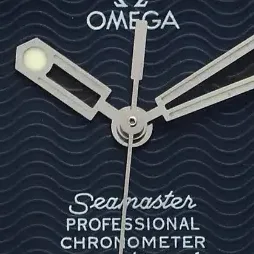
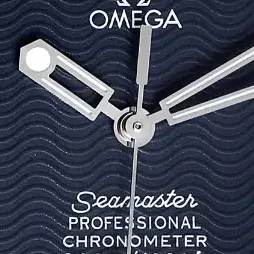
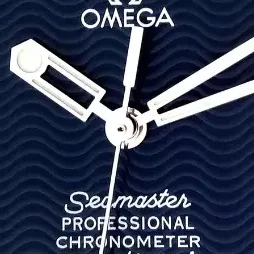
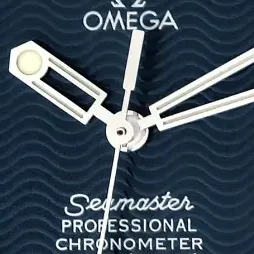
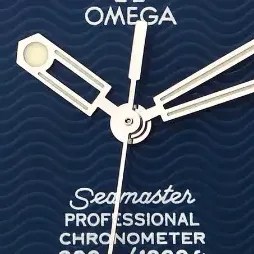
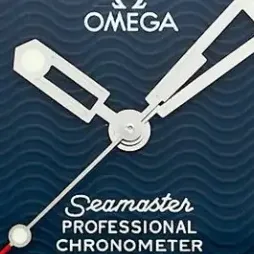
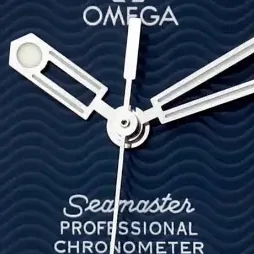
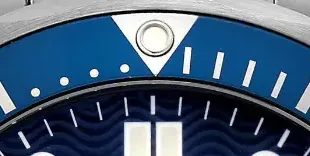
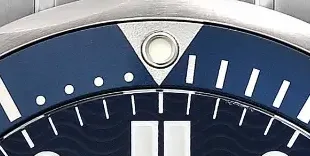
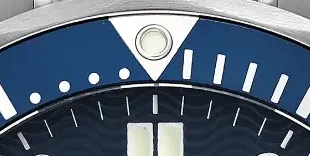
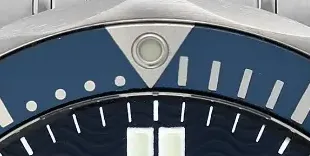
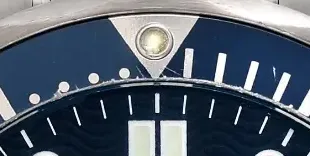
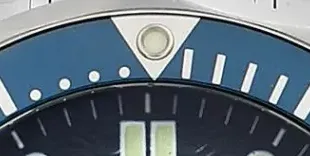
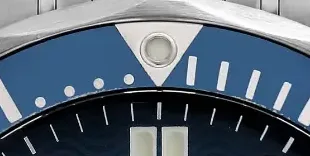
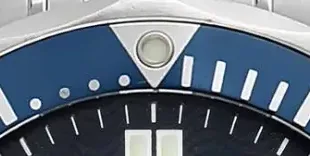
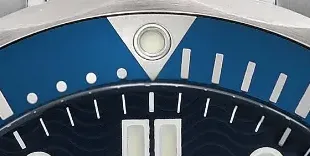
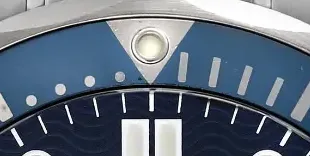
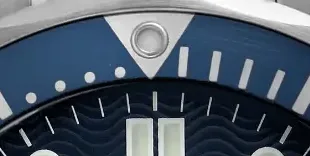
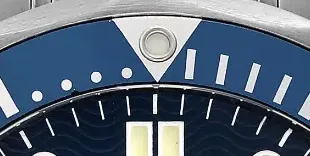
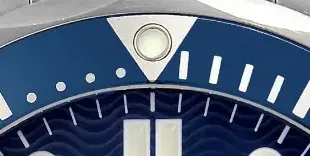
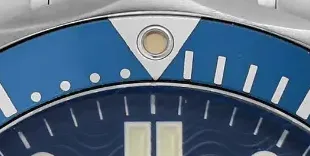
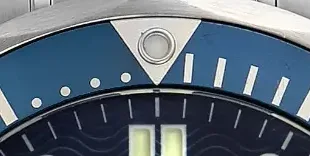
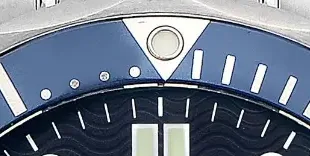
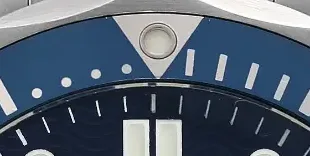
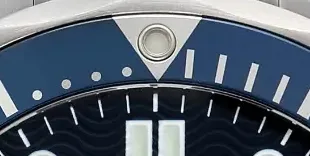
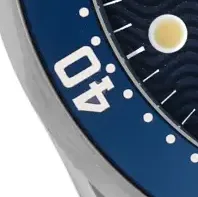
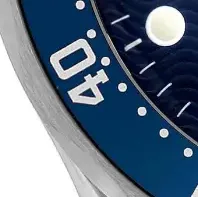
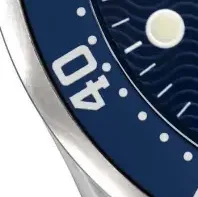
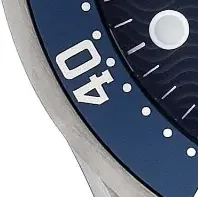
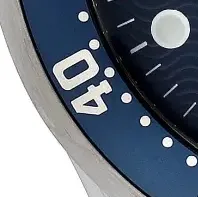
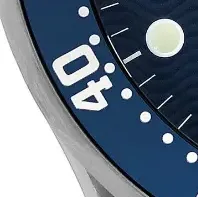
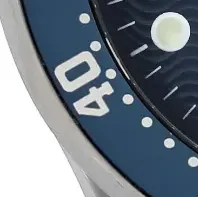
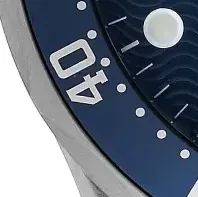
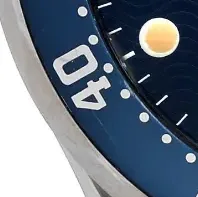
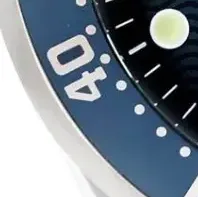
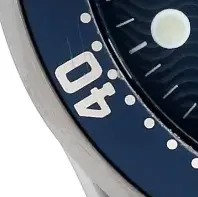
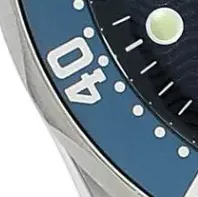
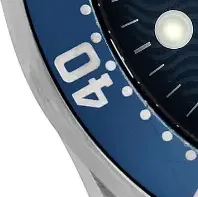
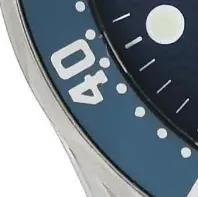
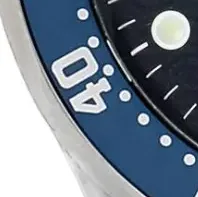
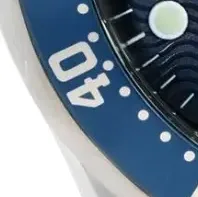
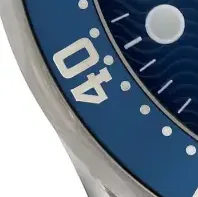
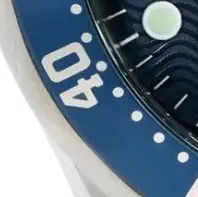
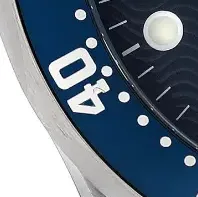
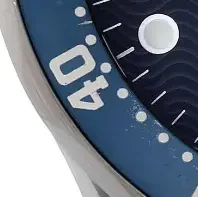
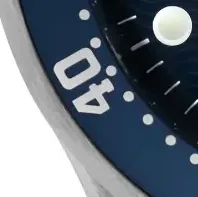
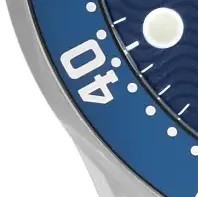
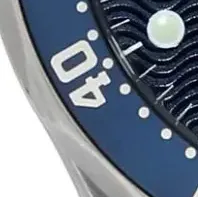
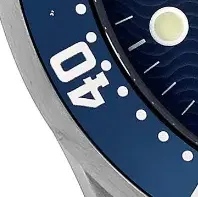
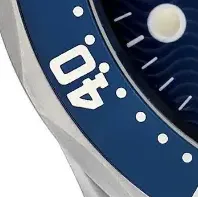
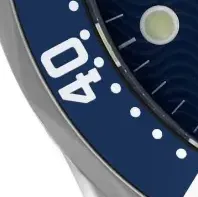
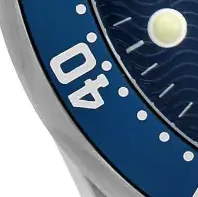
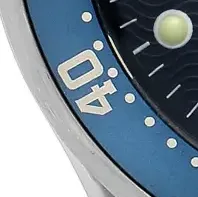
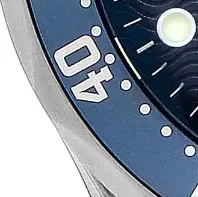
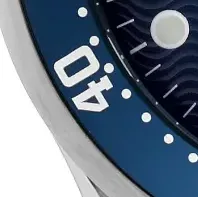
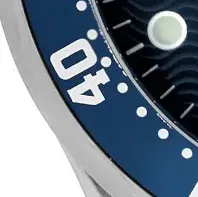
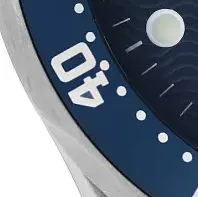
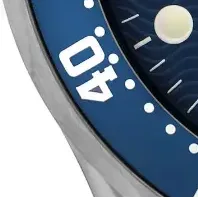
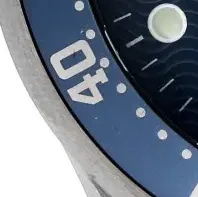
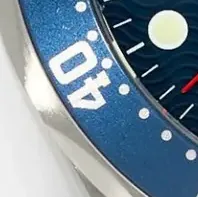
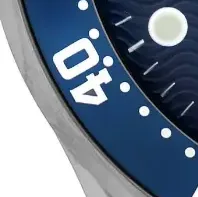
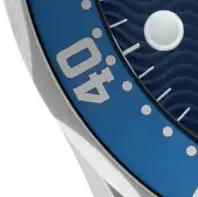
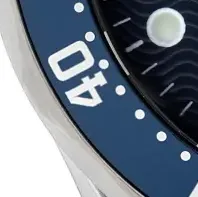
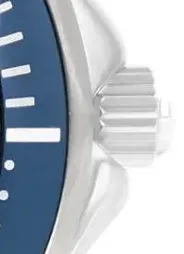
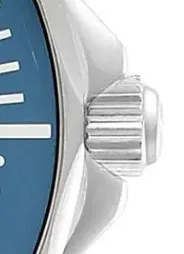
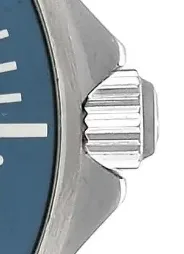
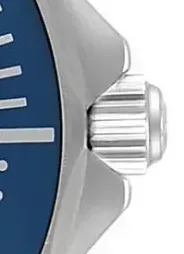
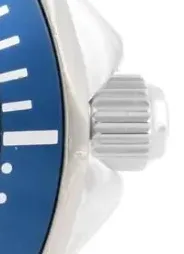
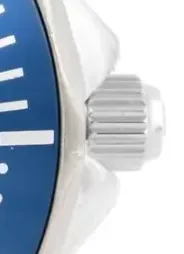
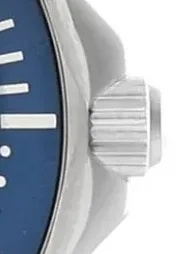
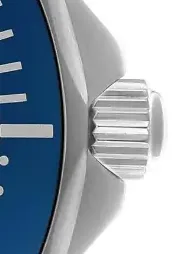
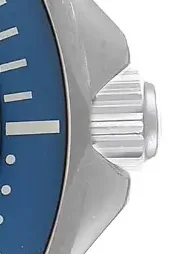
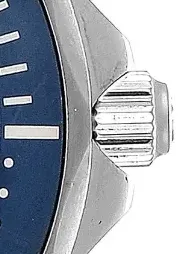
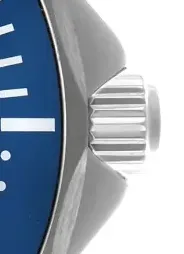
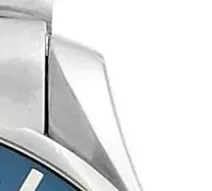
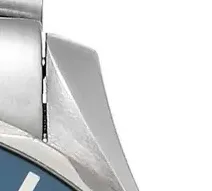
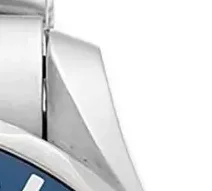
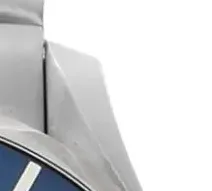
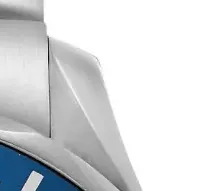
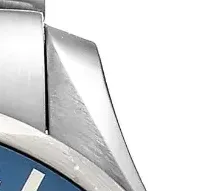
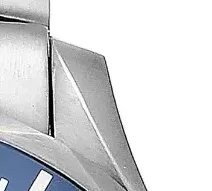
39 watches, oldest first, each straightened and cut the same way so that one row shows one component across them all. Chosen from 854 photographs on file for sharpness and for a face typical of the reference. A year marked c. is one its holder gives only roughly. Each picture is a detail cut from a listing photograph. Select the small mark in its corner for its year, its holder, a link to the listing it came from, and a way to report it.
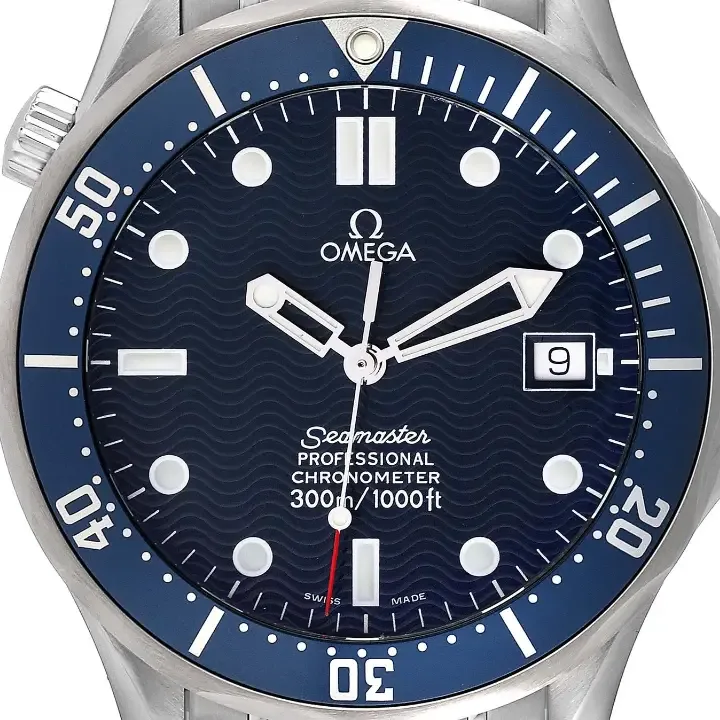
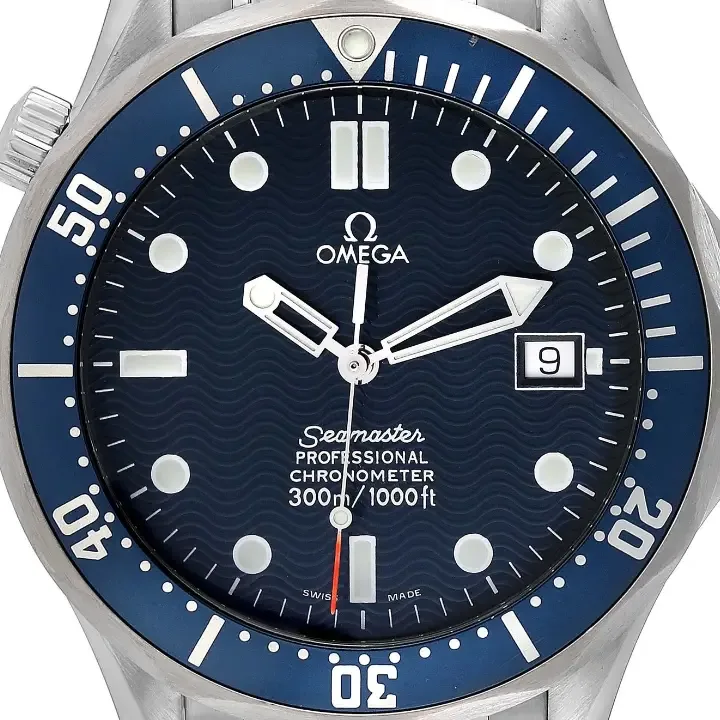
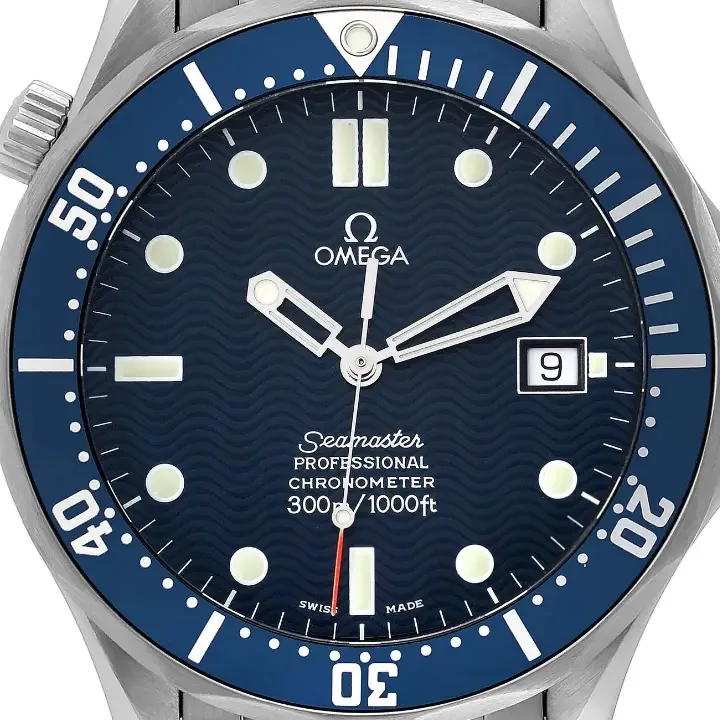
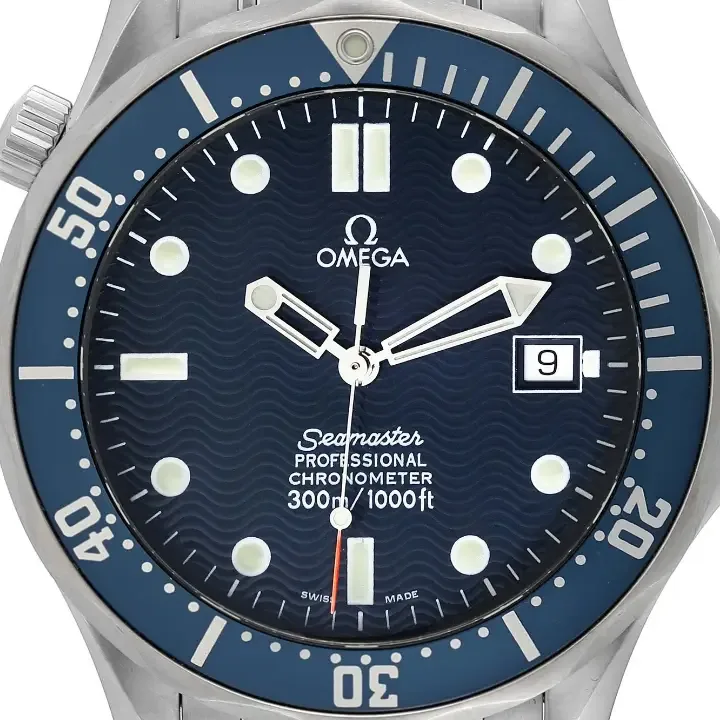
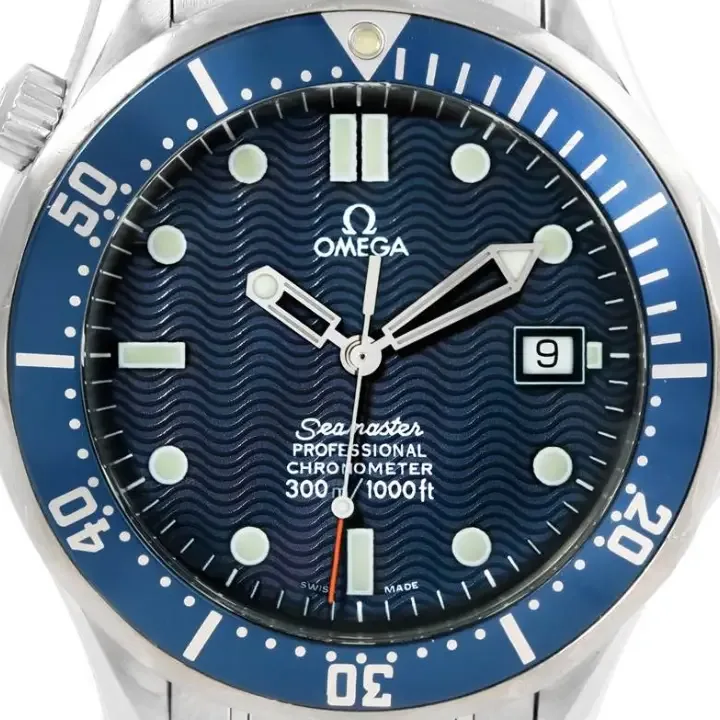
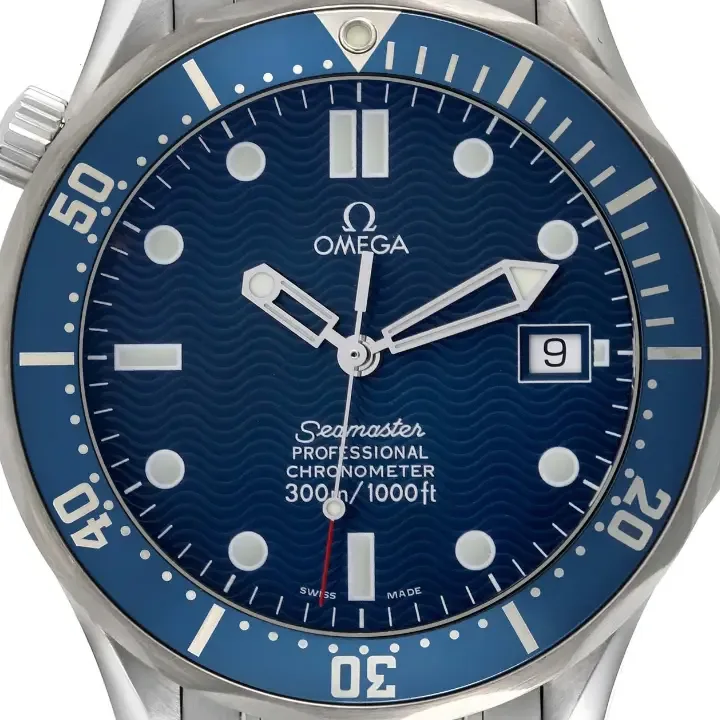
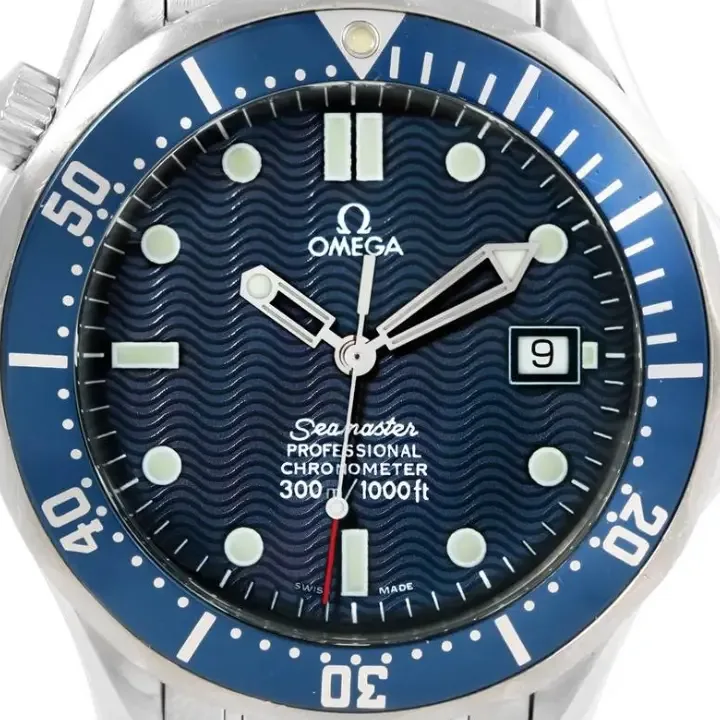
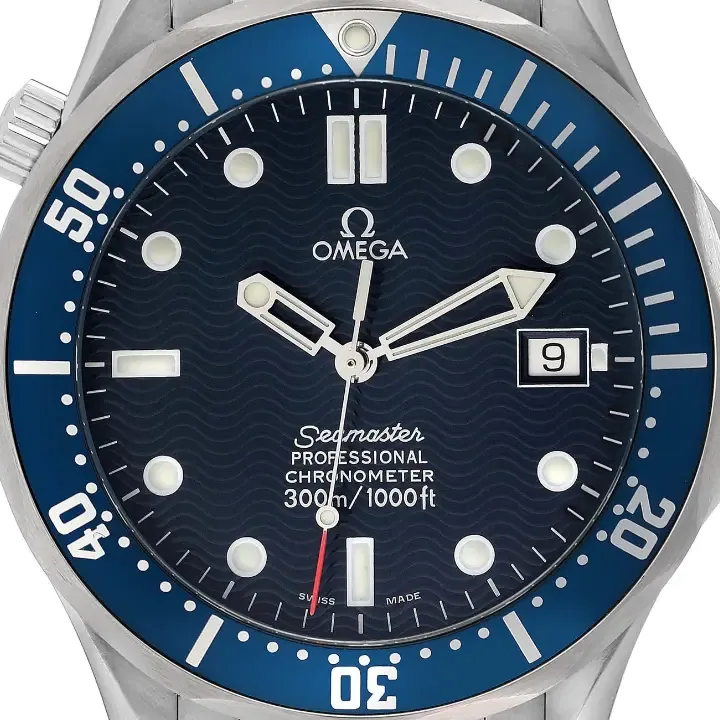
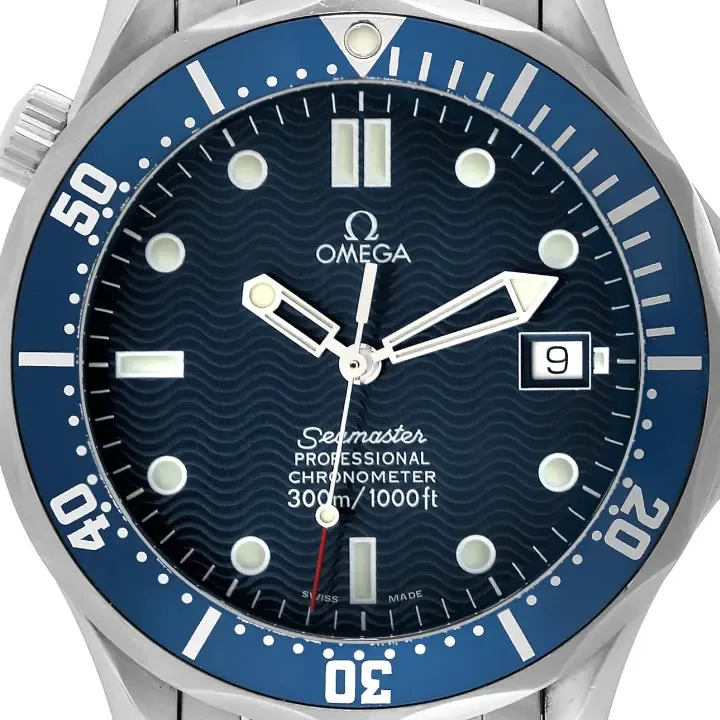
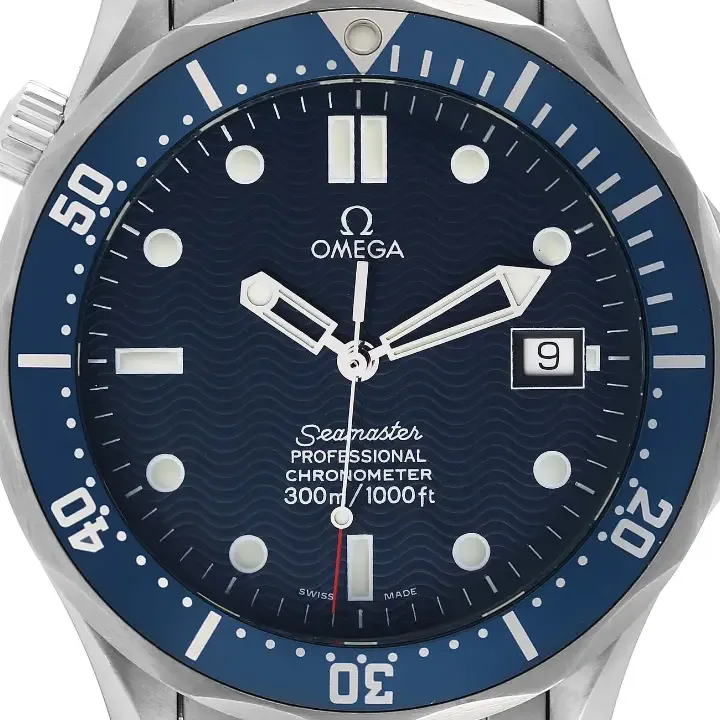
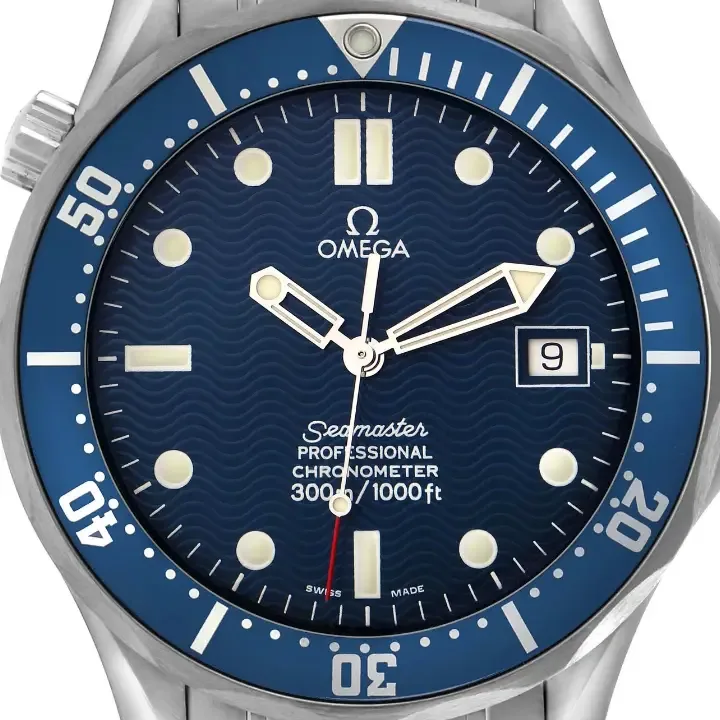
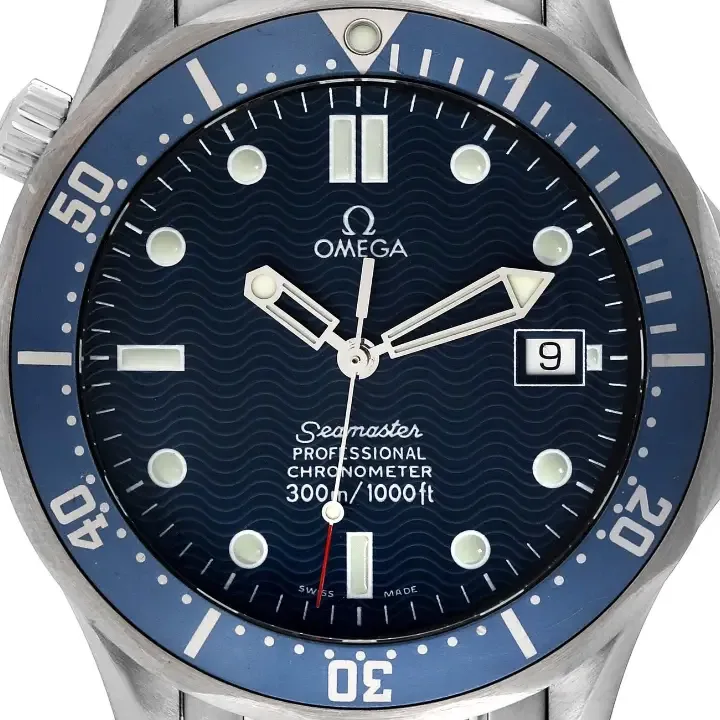



































































































































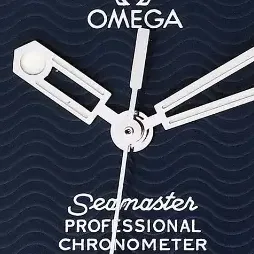


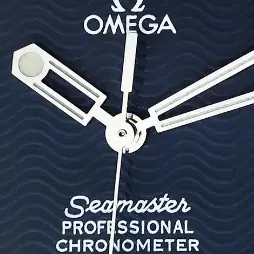
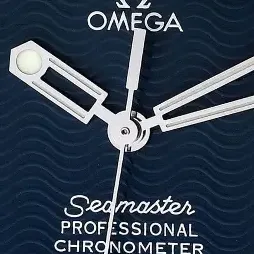
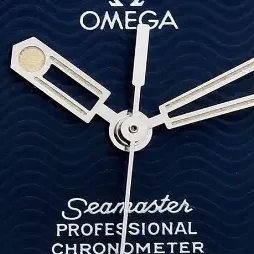
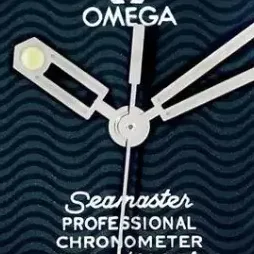
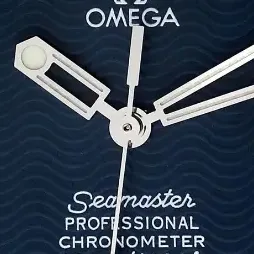
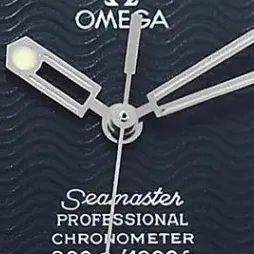
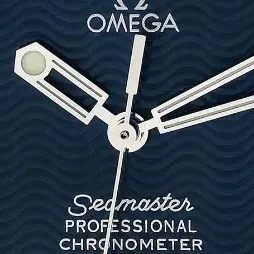













































Chronology
The range is the stated line introduction in 1993 (quartz first, automatic soon after) to a withdrawal put at about 2006; the exact start of the automatic is not given.
Specification
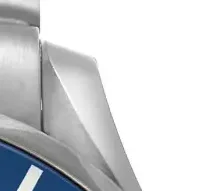
| Case | 41 mm steel case (41.5 mm in one measurement), about 11.4 to 11.7 mm thick, lyre lugs, asymmetric shape with crown guards, longitudinally brushed case band with polished bevels on the lugs |
| Crystal | Not described in the literature |
| Bezel | Scalloped bezel with brushed recesses; unidirectional insert in blue anodised aluminium with silver graduations and a lume pearl at twelve |
| Dial | Blue, wave pattern over the whole surface including the outer minute track; white date disc at three |
| Crown and valve | Screw-down crown; cylindrical helium escape valve at about ten o'clock |
| Movement | Automatic Omega calibre 1120, a reworked ETA 2892-A2 with 23 jewels and 44 hours of reserve; calibre 1109 is also named for the earlier automatics |
| Bracelet | Steel bracelet with polished and satin links, twin-trigger machined clasp with fold-out diver extension; blue rubber strap with folding buckle was an option |
| Water resistance | 300 metres |
Dial 1 described
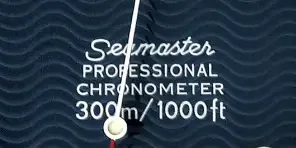
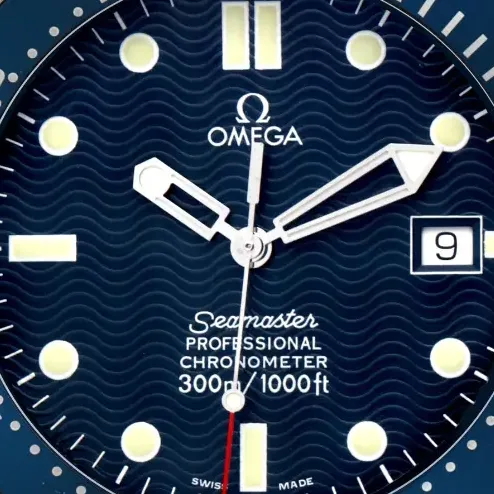
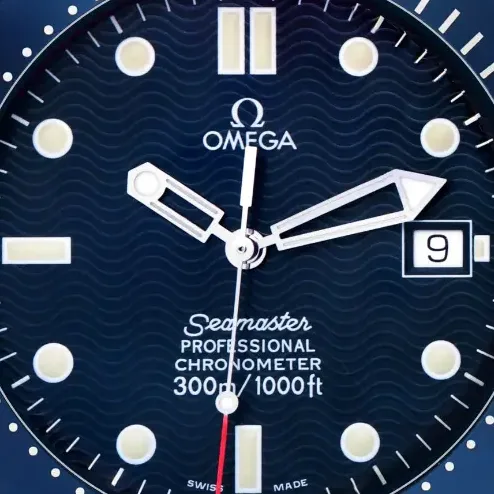
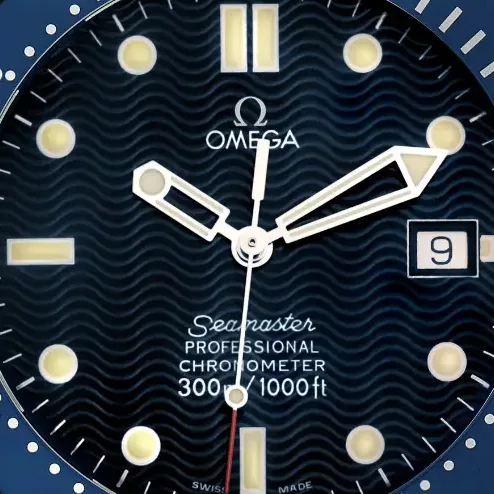
The dial is blue with a stamped wave pattern across its whole area, outer minute track included, and is matte with nothing applied. The brand and logo sit at twelve, the remaining text sits below the hands at six, and the date is at three. Over the production run the layout is described as one design; the only dated change given is in the lume.
Blue wave dial
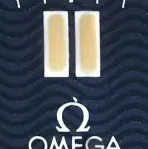
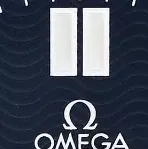
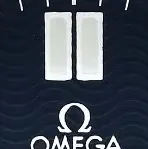
The standard dial of the reference: navy blue, with the wave texture shifting between dark blue and near white as it catches the light. The white printing and lume plots stand crisply against the texture. Lume plots are rectangular for the quarters and round for the other hours, large and edged in white, with a full marker at six flanked by 'Swiss Made'. The date disc is white.
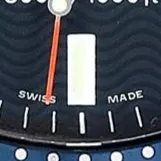
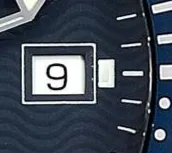
- wave pattern across whole dial including minute track
- logo at twelve, other text below the hands at six
- no applied elements
Luminous material 2 described
Lume was tritium early in the run and Super-LumiNova from 1997.
Tritium lume
Watches made before 1997 carry tritium on the dial and hands. Some buyers prefer its aged look; the later type works better in use.
- aged tritium on dial plots and hands
Super-LumiNova lume
From 1997 the dial markers and hands use Super-LumiNova. Watches of this period are the majority of those on the market.
Hands 1 described
The hands are skeletonised with thin strips of lume along their borders running to the tips, and they catch the light with a distinctive gleam.
Skeleton hour and minute hands
Skeletonised hands with lume strips on the edges. The hour hand is short in relation to the minute hand and the dial, a point critics often raise; the hand is also contrasted with the sword hands of the black-dial 2254.50, which shares the case.
- skeleton hands with lume strips on the borders
- short hour hand
Bezel 1 described
A scalloped bezel with brushed recesses frames the dial, a departure from the knurled edge usual on dive watches.
Blue aluminium insert
The insert is anodised aluminium in blue with silver graduations and a luminous pearl at twelve. The diving numerals are plain and small. The aluminium insert is one of the features lost in the later ceramic watches.
- all-blue insert with silver graduations
- lume pearl at twelve
- plain diving numerals
Case 1 described
The case is thin-flanked and slim for its depth rating, with the shape that carried through the later Seamasters.
Lyre-lug case with helium escape valve
Steel, 41 mm, with lyre lugs, an asymmetric profile to take the crown guards, a brushed case band flowing into polished-bevelled lugs, and a cylindrical helium escape valve at about ten o'clock. Thickness is given as 11.4 mm in one measurement and 11.7 mm in another. The later 2220.80 is thicker at 12.7 mm.
- lyre lugs
- helium escape valve
- brushed case band
Movement 2 described
The automatic is the Omega calibre 1120, with an earlier 1109 mentioned for the first automatics.
Calibre 1109
Named as the first automatic movement of the reference, later followed by the 1120. The literature says nothing more about it.
Calibre 1120
A reworked chronometer-grade ETA 2892-A2: jewel count raised from 21 to 23 and power reserve from 42 to 44 hours. It is regarded as reliable. The quartz 2541.80 is the same watch with a quartz movement.
Bracelet 2 described
The bracelet has many links and has been both disliked and praised; it is comfortable and solidly made.
Steel bracelet with diver extension
Five-piece links, some polished and some satin. The four thin links in each row are polished and the rest matte. It ends in a large twin-trigger machined clasp that conceals a fold-out diver extension; the brushed clasp scratches easily. A half-link should be included. It does not taper.
- thin links polished, rest matte
- twin-trigger clasp
- half-link present
Blue rubber strap
A blue double-ridged rubber strap with a folding buckle was an available option at the time.
- double ridges
- folding buckle
Box and papers 1 described
A complete set is a large part of what a buyer looks for.
Full set
Booklets, a warranty card, a pictogram card, a red leather box (older ones can be in poor condition) and a white cardboard outer box. Warranty cards and booklets differ slightly by year of production.
- red leather box
- white outer box
- pictogram card
Originality
- The bracelet stretches and loses its finish with wear, so check that all links including the half-link are there and that the polished and matte links still contrast.
- The brushed clasp scratches easily; shallow marks can be refinished.
- Watches made before 1997 should have tritium on the dial and hands and later ones Super-LumiNova, so lume of the other type for the watch's year deserves a question.
Names
- Bond Seamaster. Worn by Pierce Brosnan in the Bond films from Tomorrow Never Dies to Die Another Day.
- SMP. Short for Seamaster Professional.
Where accounts differ
Points on which the published literature and the library's own records do not agree, or on which the literature contradicts itself.
- Introduction and film credit. The retailer guide places the 2531.80 in the late 1990s and says it was worn in 'No Time to Die' in 1997; the other guides date the line from 1993 and put the watch in Tomorrow Never Dies (1997), with No Time to Die being a 2021 film using a different watch.
Back and movement
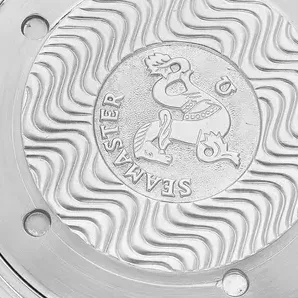
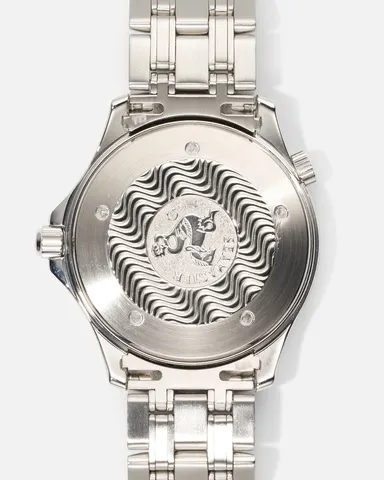
From listings of this reference, each confirmed by eye to show what it is filed under. A picture on which a person's name or a personal engraving can be read is not shown. From most holders a detail from the middle of the photograph is shown; the mark in its corner gives its holder and a link to the listing.
Caseback
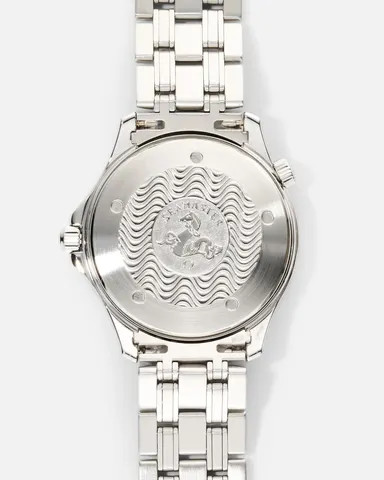


In the records
Counted from 465 listings at 25 holders between 17 October 2017 and 14 November 2026. These are what sellers and auction houses state, not measurements.
Fainter bars are the 6 outside the main run of 1995–2007 (the middle nine-tenths): the earliest is 1990 and the latest 2011. They are early and late examples, and now and then a seller's slip. The head of the page gives 1993–2007: the years that listings from two holders bear out.
At the holders that record papers on every watch, 42% of their 274 listings of this reference come with papers; at those that record the box on every watch, 31% of 274 come with a box. "Papers" is whatever the holder counts as papers, and can include service papers.
Case metal
| Steel | 318 |
Dial colour
| Blue | 285 |
Case size
| 41 mm | 374 | |
| 44 mm | 1 |
Calibre named
| 1120 | 58 |
Bracelet or strap
| Metal bracelet, kind not stated | 282 | |
| Rubber strap | 1 |
Each table counts the listings that state the thing, in the seller's own terms. A size, metal, colour or calibre that cannot belong to this reference is a seller's slip or a listing filed under the wrong number.