Monaco
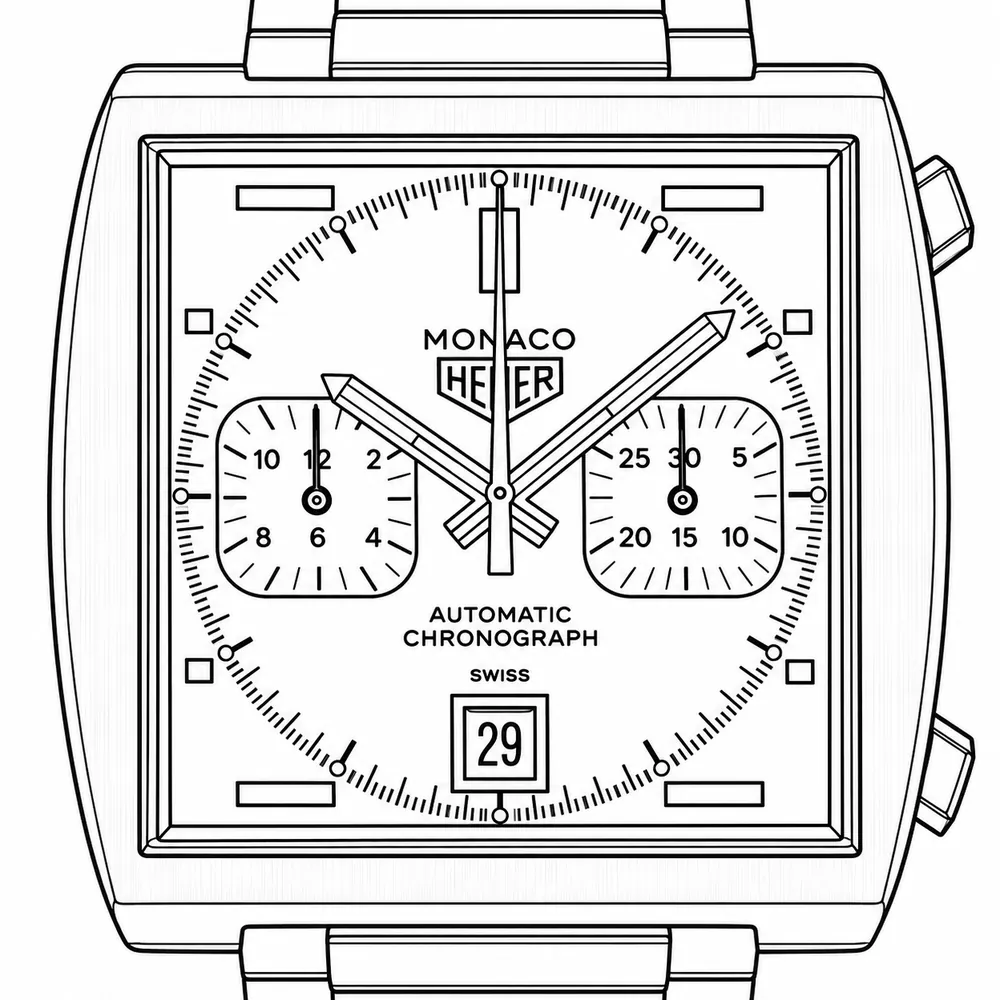
Reference 1133B is the blue-dial Heuer Monaco, introduced on 3 March 1969 with the Cal. 11, one of the first automatic chronographs. Its square case, the first waterproof one of its kind, has the crown on the left and pushers on the right. Three dial states are recognised: the earliest with the word Chronomatic and blue lume, a transitional state, and the standard matt blue dial. The grey 1133G ran alongside it. Production ended around 1974 to 1975, and the Monaco was replaced in the catalogue by the Silverstone.
- Made
- 1969–1975dates approximate
- Seen in the library
- 1969–1973by years sellers state
- Case
- 40 mm · steelas sellers state
- Movement
- Automatic
- On record
- 32 listings69 photographs · 13 holders
Components
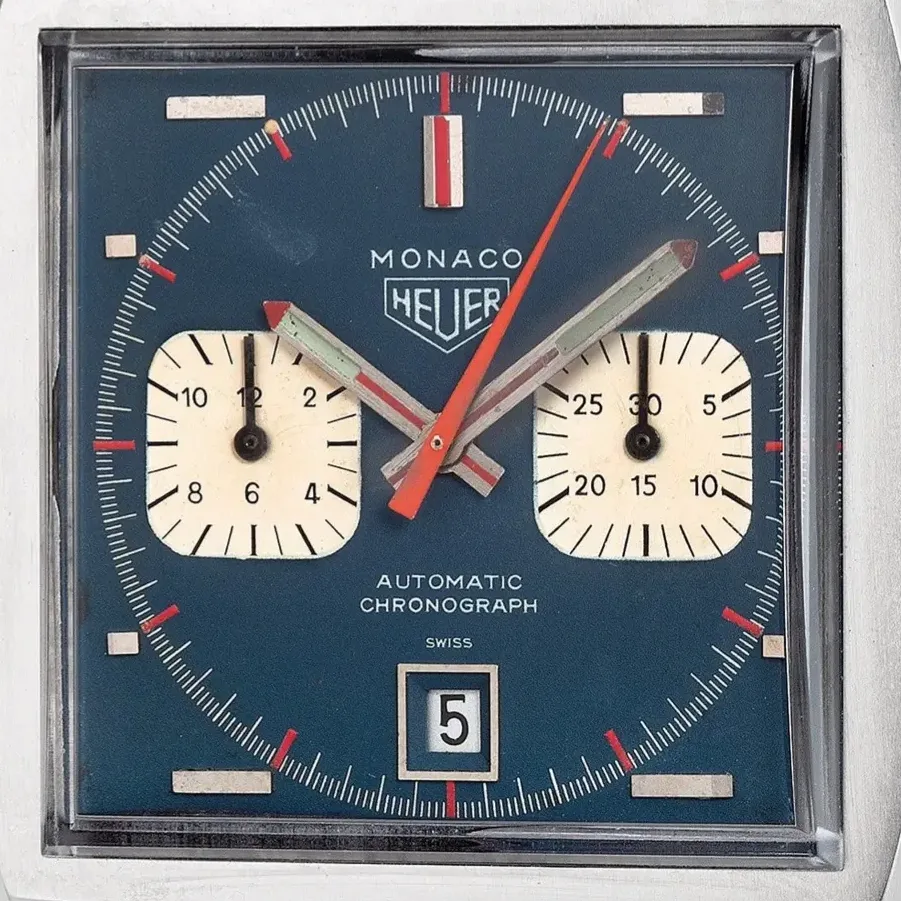
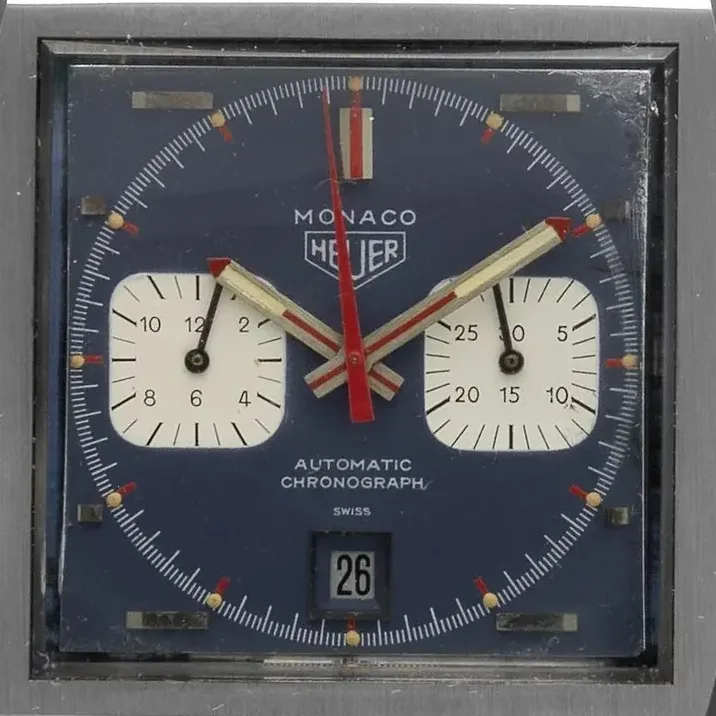
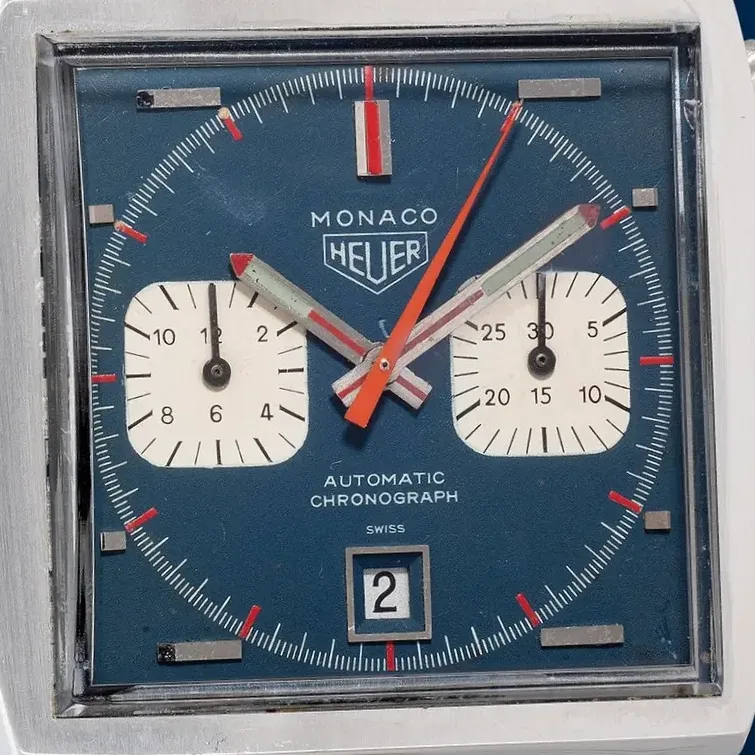
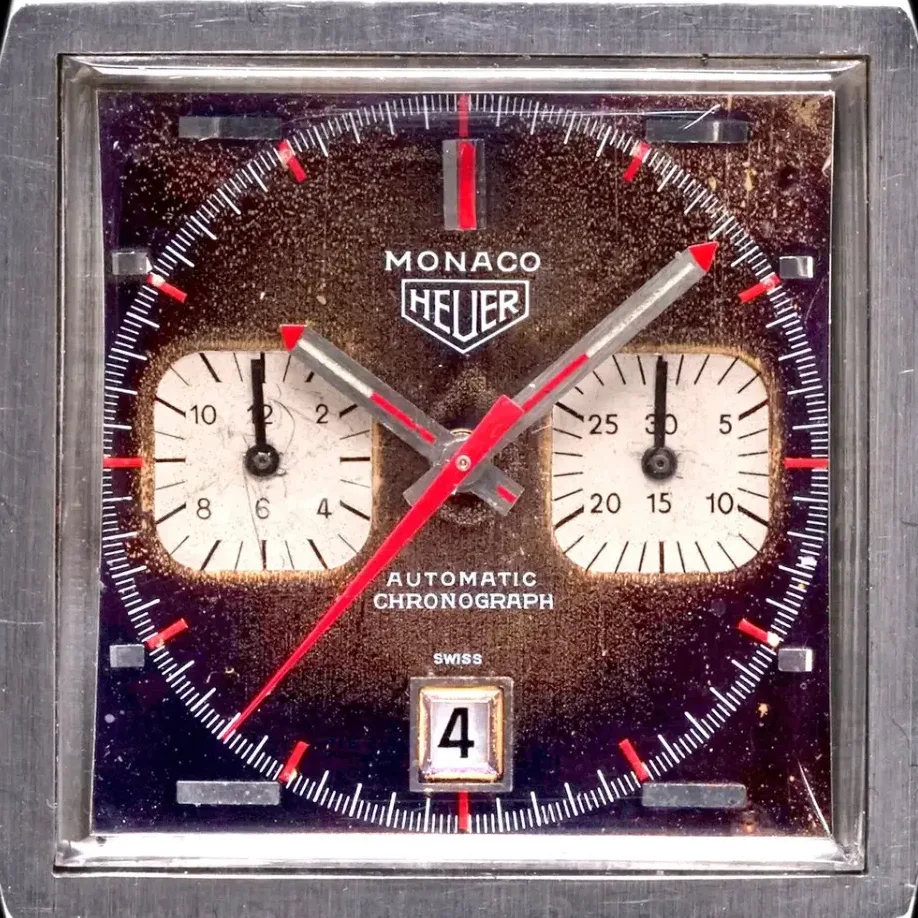
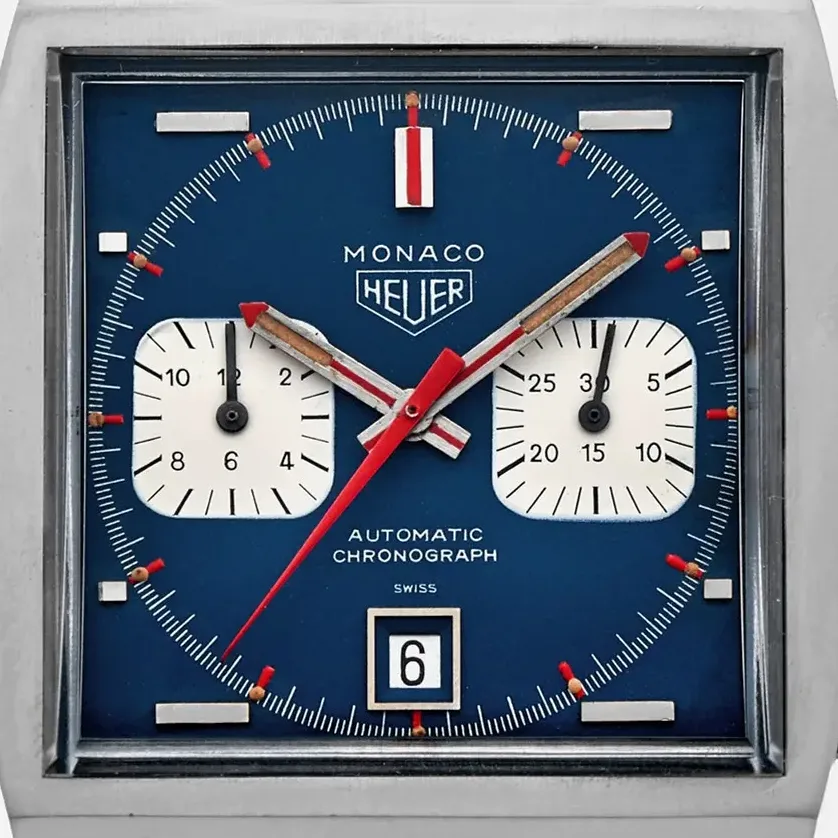
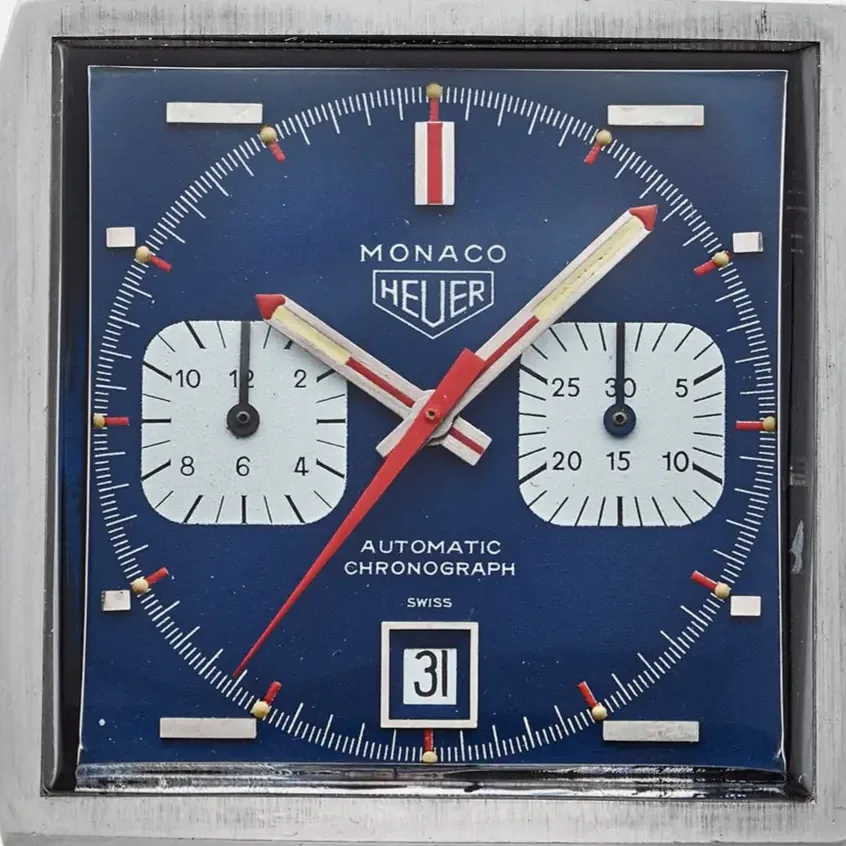
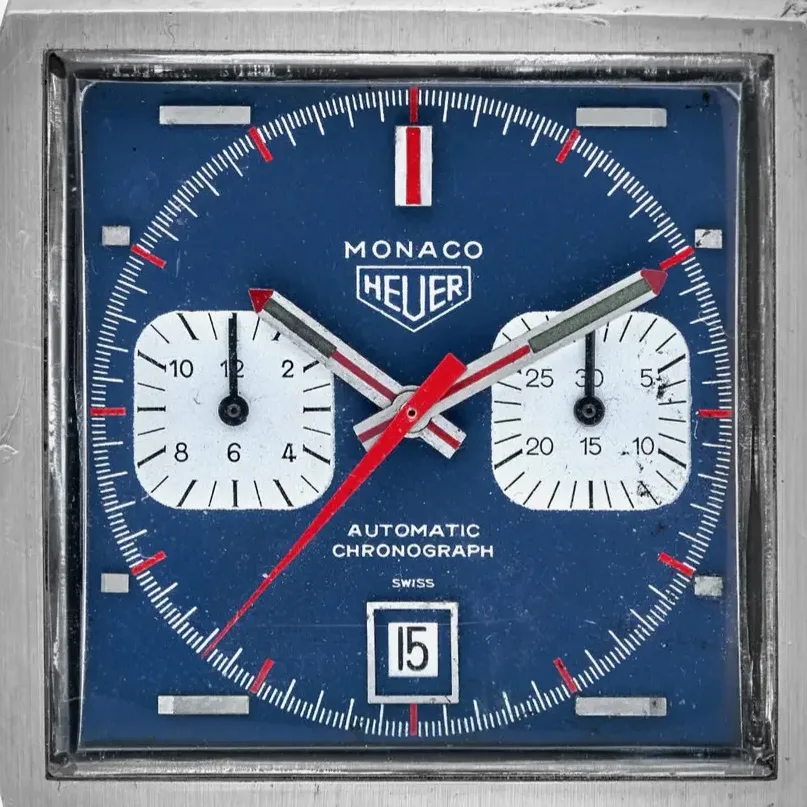
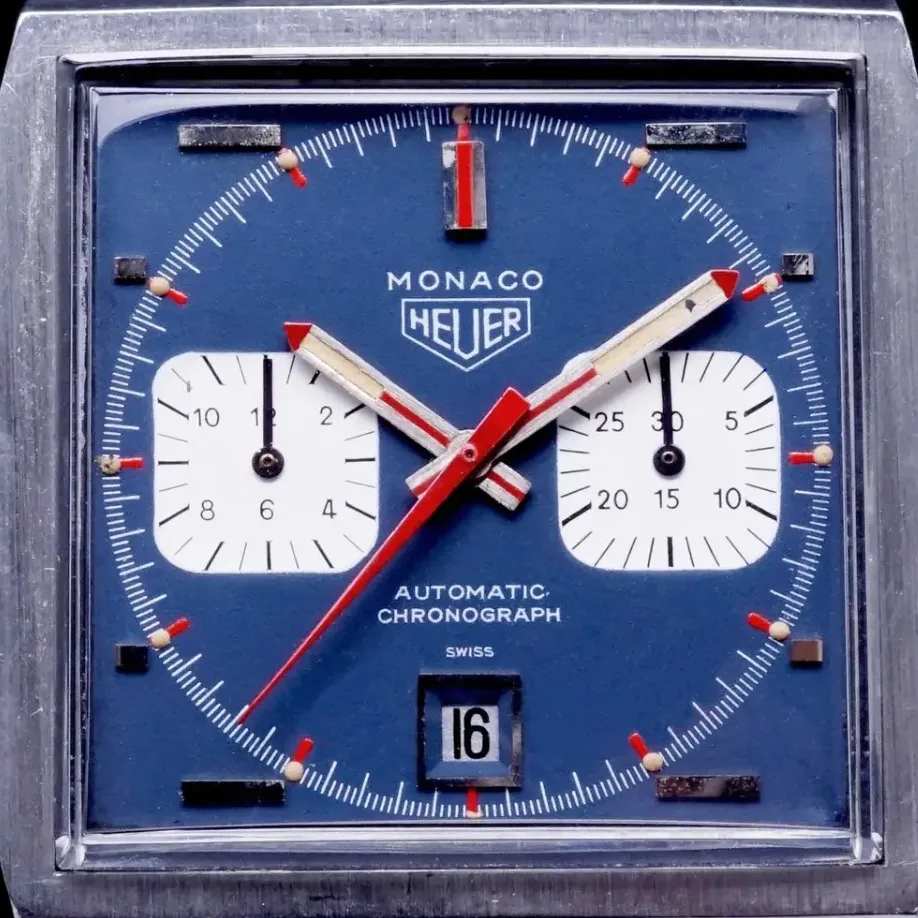
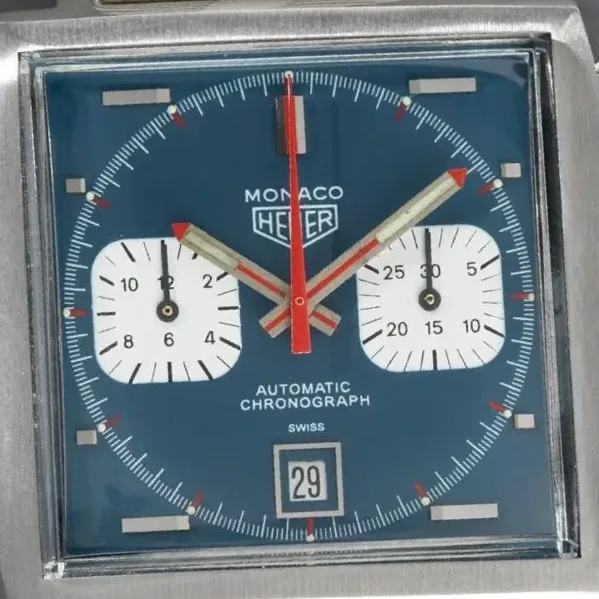
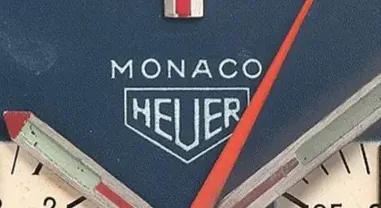
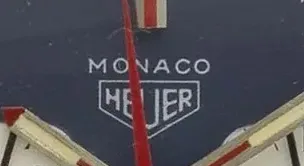
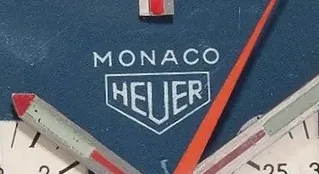
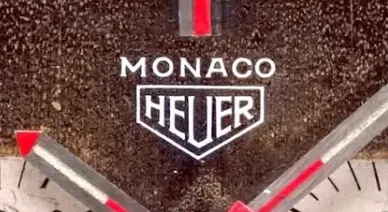
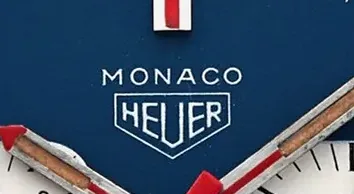
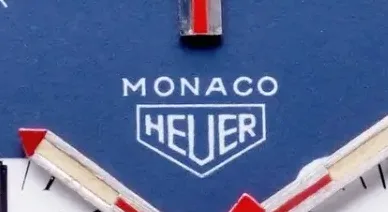
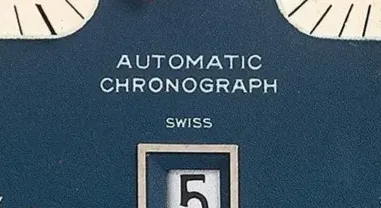
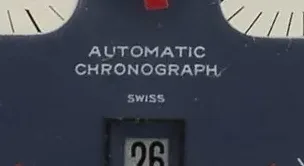
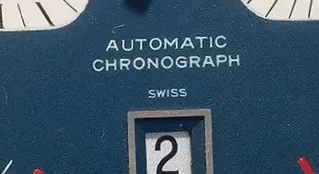
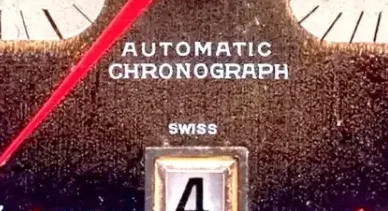
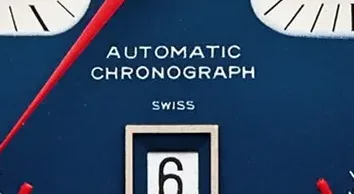
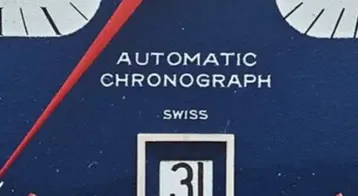
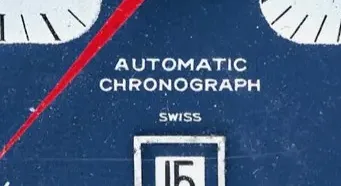
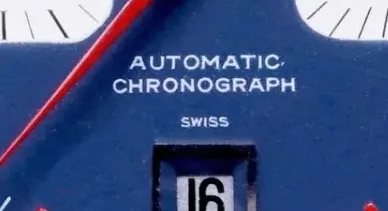
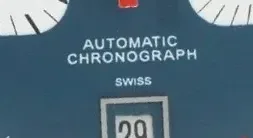
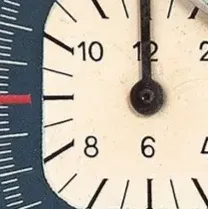
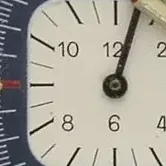
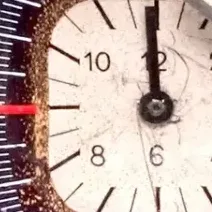
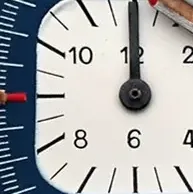
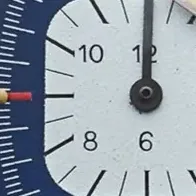
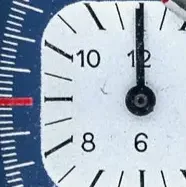
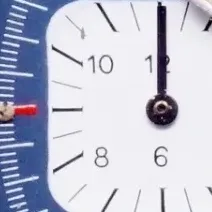
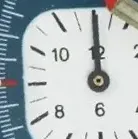
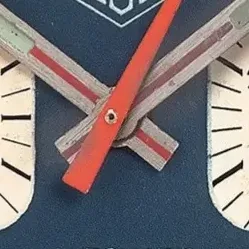
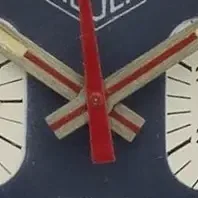
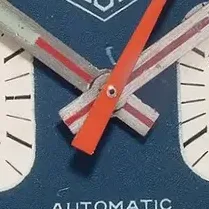
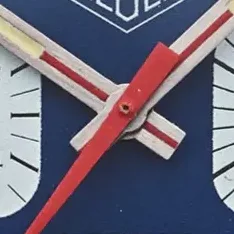
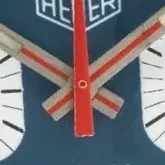
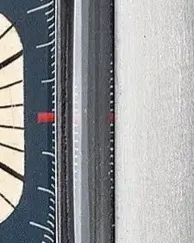
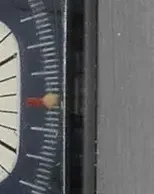
9 watches, oldest first, each straightened and cut the same way so that one row shows one component across them all. Chosen from 69 photographs on file for sharpness and for a face typical of the reference. A year marked c. is one its holder gives only roughly. Each picture is a detail cut from a listing photograph. Select the small mark in its corner for its year, its holder, a link to the listing it came from, and a way to report it.








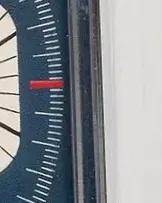
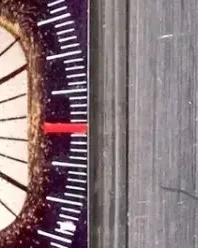
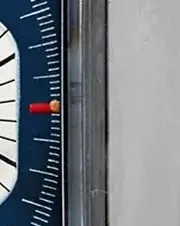
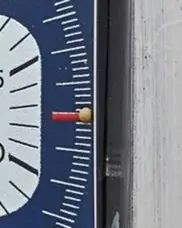
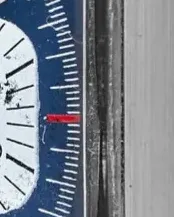
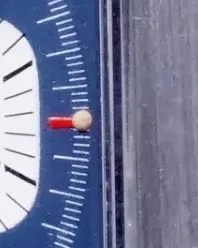


Chronology
The launch date of 3 March 1969 is firm; the end is put at 1974 or 1975, and the records' dated watches stop at 1973.
Every dated variant: what is written, and what the records show
For the reference the marks are every dated watch; for a variant, the watches a seller names as that variant, so a variant sellers do not name has none.
Specification
| Case | Square steel case made by Piquerez, brushed and polished, about 39 mm (40 by 38.5 mm by another measure, and roughly a millimetre under 39 by a third); crown on the left, pushers on the right |
| Crystal | Plexiglas (acrylic); the old glass is also called mineral glass |
| Dial | Metallic or matt blue, with white registers; red accents on the chronograph hand and hands |
| Movement | Cal. 11: Büren 1280 micro-rotor base with a Dubois-Dépraz 8510 chronograph module, 19,800 vph, 42-hour reserve; later Calibre 12 |
| Registers | 30-minute recorder at 3 and 12-hour recorder at 9; no running seconds; date at 6 |
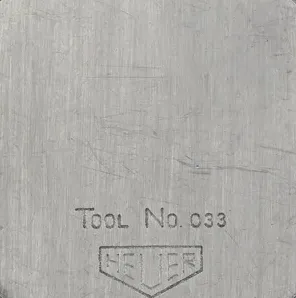
| Caseback | Compression-fit back, not screwed, engraved Heuer Tool No 33 (also written 033) on all but the very earliest watches |
| Bracelet | Steel bracelet or leather strap |
Reference 4 described
The 1133B went through three recognisable stages in about six years: the Chronomatic, a transitional state, and the standard production watch. Heuer found the model hard to sell. The grey 1133G was sold alongside it.
Chronomatic
numbers 157189 to about 157589
The earliest 1133B, with Chronomatic printed above the Heuer shield. Recorded serials run from 157189, the lowest recorded for any Monaco, to about 157589, mixed with Transitional watches and mostly below 157400. Estimates put production at fewer than 250 and more likely 150 to 200; fewer than 20 are known.
- Chronomatic above the shield
- blue lume on dial and hands
- unsigned caseback on the first four serials seen
Transitional
numbers some recorded between 157189 and 157589, mixed with Chronomatics
A state between the Chronomatic and the standard watch, found mixed with Chronomatics among the recorded serials and with the same metallic blue paint. One transitional example has blue lume, but cream lume is the norm from here on. Fewer than 700 are estimated.
- metallic blue paint
- cream lume usual
Standard production 1133B
The production watch, with a matt blue dial, white registers, Automatic Chronograph at six o'clock and arrow-tipped hands with red accents. The matt dial was already the one on the watches chosen for the Le Mans film in 1970, though the production stage is also dated from 1972 and called the third generation. Fewer than 2500 are estimated.
- matt blue dial
- cream lume
- Automatic Chronograph at 6
Le Mans film watches
An invoice reported in the press shows six 1133B watches bought from Heuer for the film, listed among further Heuer watches whose fate is not known. Four were on leather straps and two on steel bracelets. The one later given to the film's chief mechanic is engraved on the back with his name, Le Mans and 1970.
Dial 2 described
The dial text and finish are what separate the three stages. The metallic blue paint of the first watches reacted badly to humidity and temperature change, which is thought to be why a matt finish replaced it. Where the paint has gone the white printing remains on the bare dial, which is wear and not a version.
Metallic sunburst blue, Chronomatic text
A metallic sunburst blue dial with the word Chronomatic over the Heuer shield, and the name Monaco lowered to sit over the date window. The lume on the dial is blue and the printing white. The paint is prone to degrading.
- metallic sunburst blue
- Chronomatic at 12
- Monaco above the date window
Matt blue, Automatic Chronograph at six
The matt blue standard dial, with white registers, red chronograph hand, horizontal indices and the words Automatic Chronograph at six o'clock in place of Chronomatic at twelve. Cream lume replaced the blue used on the first watches. Collectors of the reference call it the standard McQueen dial.
- Automatic Chronograph at 6
- white registers
- horizontal indices
Luminous material 2 described
The lume colour is a mark of the earliest watches.
Blue lume
Blue lume on the dial and on the hands marks the Chronomatic. One transitional watch with blue lume has been seen.
- blue lume dial and hands
Cream lume
Cream lume is usual from the transitional watches onwards, assumed to have been chosen for legibility.
- cream-coloured lume
Hands 2 described
Hand shapes change with the dial.
Square-ended steel hands
The Chronomatic has squared-off plain steel hands, with blue lume, and a red chronograph hand.
- square-ended steel hands
- blue lume
Arrow-tipped hands
The standard watch has arrow-tipped hands with red accents and a red chronograph hand.
- arrow-tipped hands
- red accents
Subregisters 1 described
The registers follow the Cal. 11 module.
Two square white registers
A 30-minute recorder at 3 o'clock and a 12-hour recorder at 9 o'clock, with no running seconds; the date is at 6. The Calibre 15 watch (1533B) has a different layout.
- square white registers at 3 and 9
- no small seconds
Case 3 described
The square case was developed by Piquerez and Heuer secured exclusive rights for chronograph use. It is the first water-resistant square chronograph case.
Square case, crown left
A case about 39 mm across (given as 40 by 38.5 mm elsewhere), with sharp angles and a mix of brushed and polished surfaces. The crown sits on the left because the module construction made winding secondary; pushers are on the right. One account gives it a rating of 100 m; how water resistant it really was has been doubted. The grey 1133G uses the same case.
- crown at 9
- pushers on the right
- brushed and polished surfaces
Unsigned caseback
numbers the first four recorded, all below 157220
The very earliest cases have an unsigned back without the Tool No 33 engraving. The first four serials recorded in one collector's database, all below 157220, are of this kind.
- blank caseback
Signed caseback
The usual back carries the engraving Heuer Tool No 33, also written 033.
- Heuer Tool No 33 engraved
Crystal 1 described
The literature gives little on the crystal.
Plexiglas crystal
The original watch has an acrylic crystal; later re-editions are fitted with sapphire. The old glass is also described as mineral glass.
- acrylic crystal
Movement 2 described
The movement is the modular Cal. 11 and then the Calibre 12. Both are described as a Büren base with a Dubois-Dépraz module.
Cal. 11
A micro-rotor automatic, Büren 1280 base, 3.2 mm thick, with a Dubois-Dépraz 8510 module. It runs at 19,800 vph with a 42-hour reserve. It came from a four-company venture (Heuer, Breitling, Büren, also given as Hamilton-Büren, and Dubois-Dépraz) and was unveiled in March 1969.
- Cal. 11 on the movement
Calibre 12
The Calibre 12 follows in 1971 with a stronger mainspring and a beat of 21,600 vph. Watches of the production stage may hold either Cal. 11 or 12.
- Calibre 12 on the movement
Bracelet 1 described
Both a steel bracelet and a leather strap were supplied; four of the six film watches were on leather.
Steel bracelet or leather strap
Watches turn up with a steel bracelet or a leather strap, and some come with a further bracelet in the box. Of the six watches bought for the film, four were on leather and two on steel.
- steel bracelet
- leather strap
Originality
- The metallic blue of early dials degrades with damp and heat, so a clean metallic dial on a Chronomatic is unusual.
- Unsigned backs belong only to the very earliest cases (the first four serials recorded, all below 157220); most Chronomatic and Transitional watches have the signed back. Their recorded serials run from 157189 to about 157589.
Names
- Steve McQueen. The reference worn by the actor in the film Le Mans.
- Chronomatic. The earliest dial, with that word above the Heuer shield.
- Transitional. The state between the Chronomatic and the standard production dial.
- Paintless Wonder. The name given to one Chronomatic that had lost all of its metallic blue paint, leaving only the white print.
Where accounts differ
Points on which the published literature and the library's own records do not agree, or on which the literature contradicts itself.
- End of production. One history says the Monaco left the catalogue in 1974, replaced by the Silverstone; another says it was discontinued by 1975, with 4,000 to 4,500 made. The library's records hold no seller-stated year after 1973, which does not settle the end.
- Case size. Two guides give 39 mm; another gives 40 by 38.5 mm. Sellers who state a size mostly give 40 mm; some give 46 mm, probably a lug-to-lug figure.
- Dial generation numbering. One shop page calls the standard production watch of 1972 the third generation of the 1133B; a picture caption elsewhere calls the Automatic Chronograph dial the second generation.
- Start of standard production. One shop page puts the production watch with the matt dial from 1972, as the third generation. Another account has the matt blue dial on the watch chosen for the 1970 film. The entry takes the matt dial as in use by 1970.
Back and movement
From listings of this reference, each confirmed by eye to show what it is filed under. A picture on which a person's name or a personal engraving can be read is not shown. From most holders a detail from the middle of the photograph is shown; the mark in its corner gives its holder and a link to the listing.
Caseback
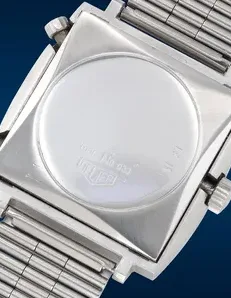

Inside the caseback

In the records
Counted from 32 listings at 13 holders between 11 June 2013 and 14 November 2026. These are what sellers and auction houses state, not measurements.
Case metal
| Steel | 16 |
Dial colour
| Blue | 4 |
Case size
| 40 mm | 6 | |
| 46 mm | 3 | |
| 39 mm | 1 |
Bracelet or strap
| Metal bracelet, kind not stated | 9 | |
| Leather strap | 3 | |
| Strap, kind not stated | 1 |
Each table counts the listings that state the thing, in the seller's own terms. A size, metal, colour or calibre that cannot belong to this reference is a seller's slip or a listing filed under the wrong number.