Monaco
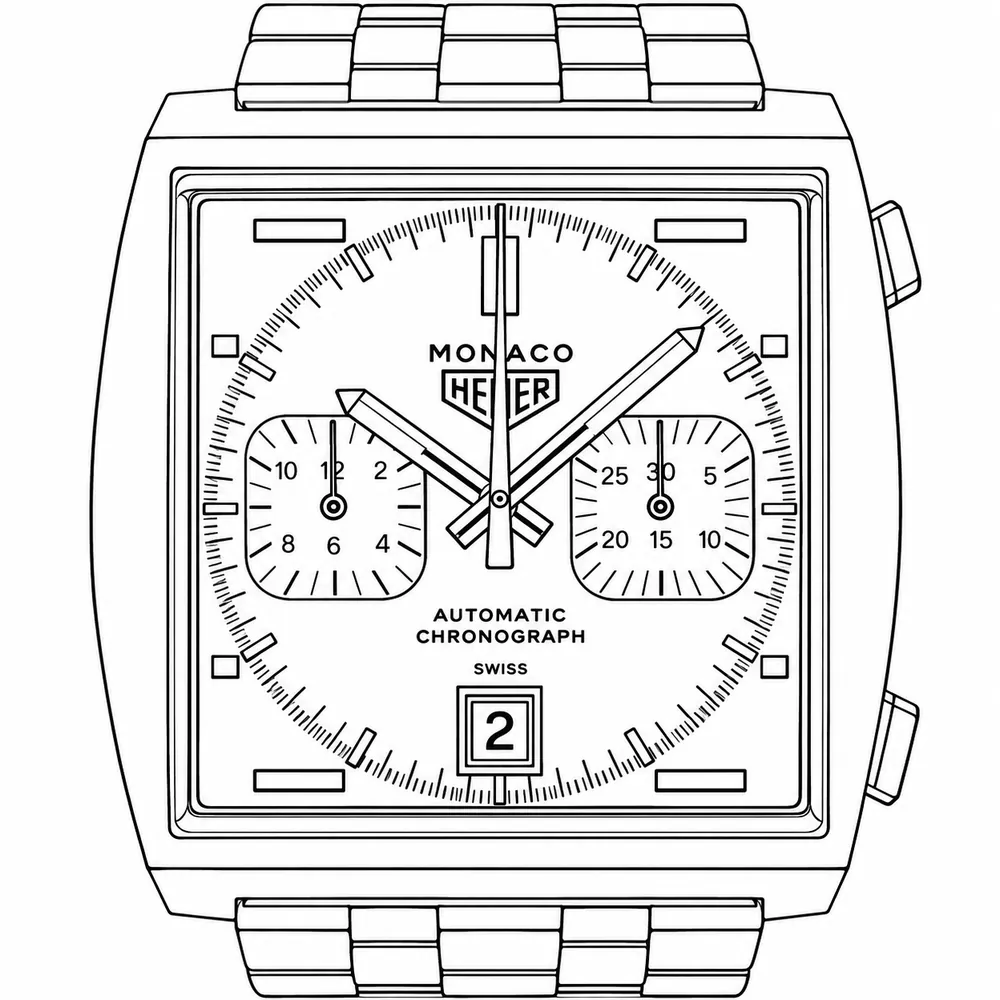
The 1133 is the first Heuer Monaco, a square steel automatic chronograph with the crown on the left and a date window at six o'clock. It was released in 1969 around the Cal. 11 automatic chronograph movement, and was made until 1974 or about 1975. It came in suffix versions, the blue-dialled 1133B and the grey-dialled 1133G among them. Collectors look first at the dial colour and suffix, the crown side, the printing and the bracelet. The 1133B is the version associated with Steve McQueen in the film Le Mans.
- Made
- 1969–1975dates approximate
- Seen in the library
- 1969–1973by years sellers state
- Case
- 40 mm · steelas sellers state
- Movement
- Automatic
- On record
- 33 listings61 photographs · 11 holders
Components
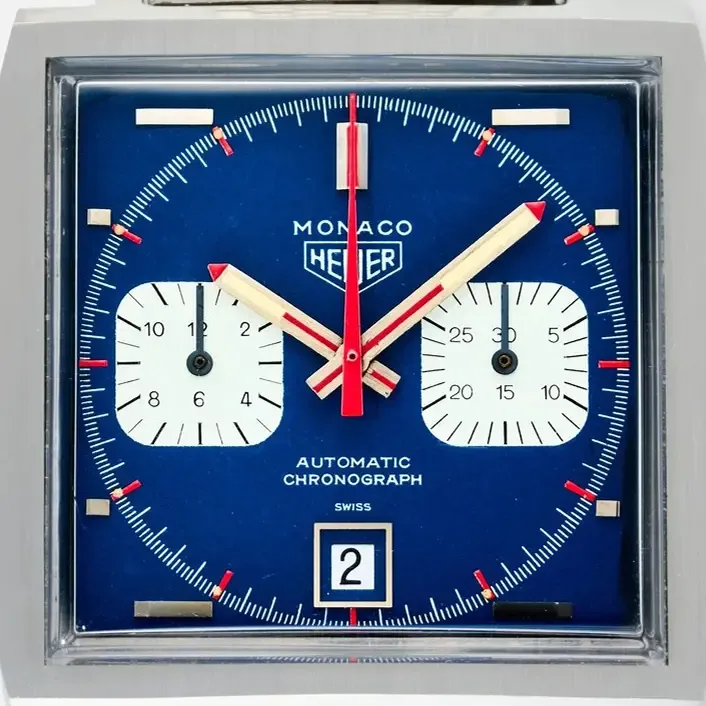
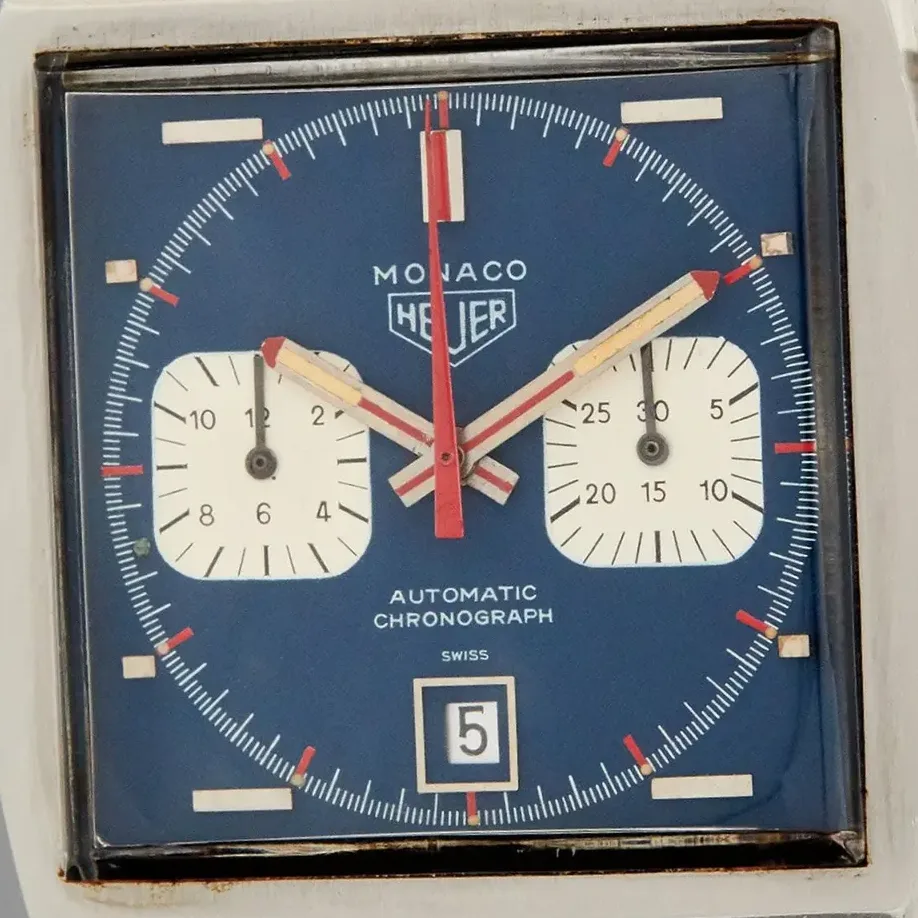
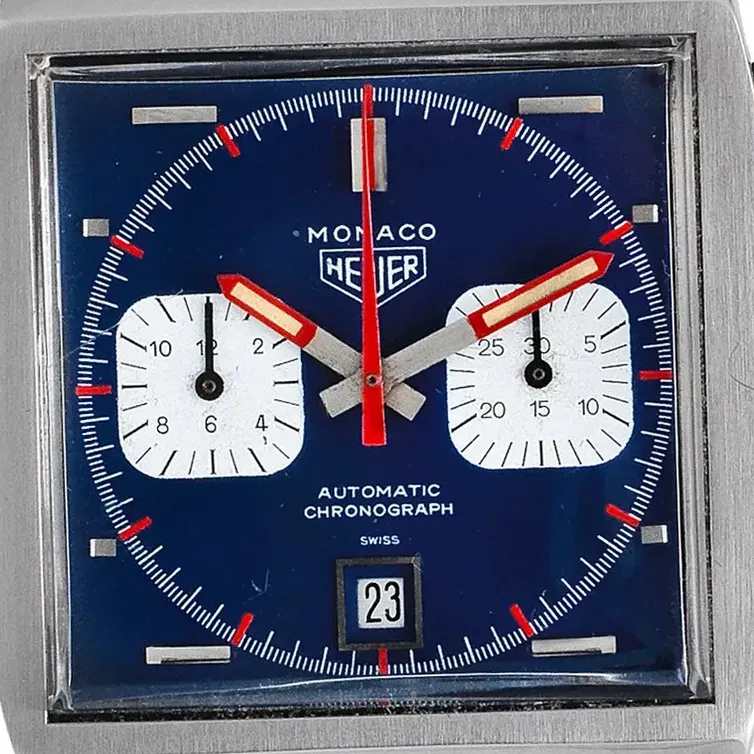
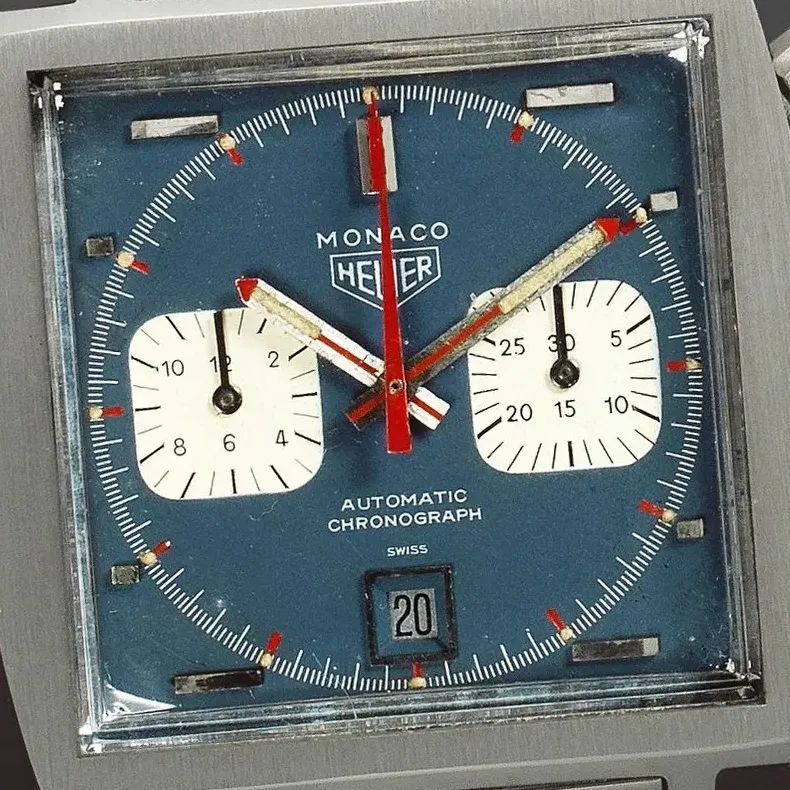
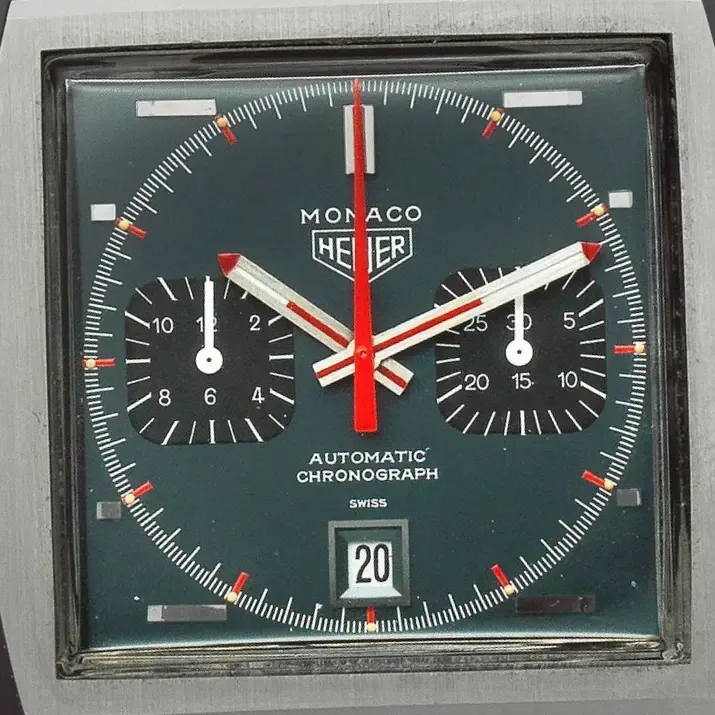
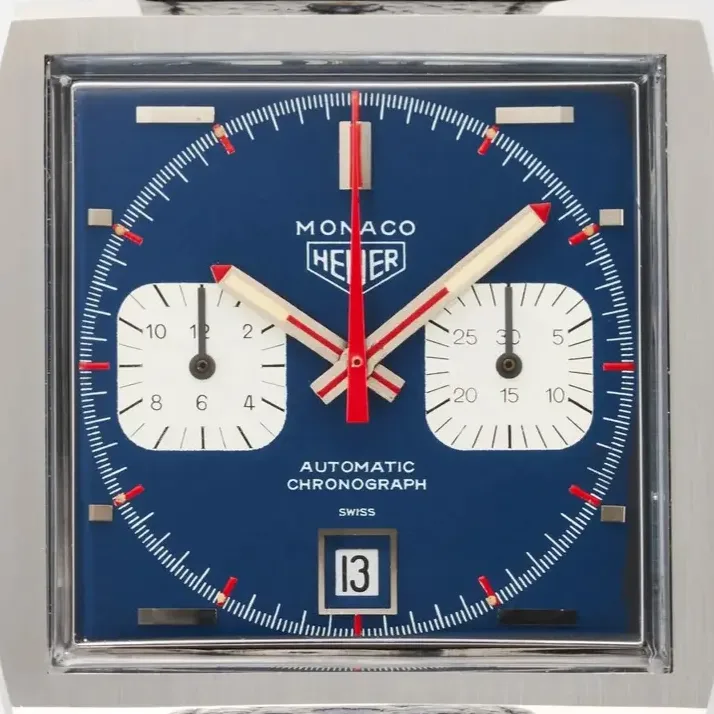
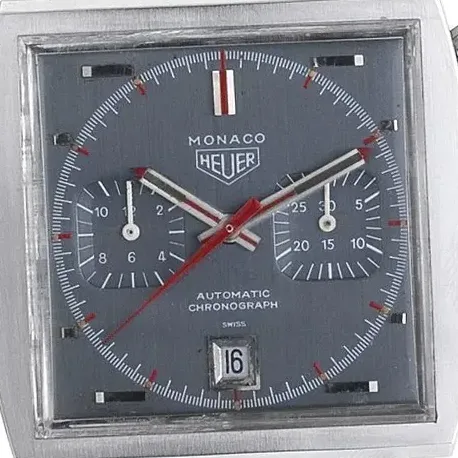
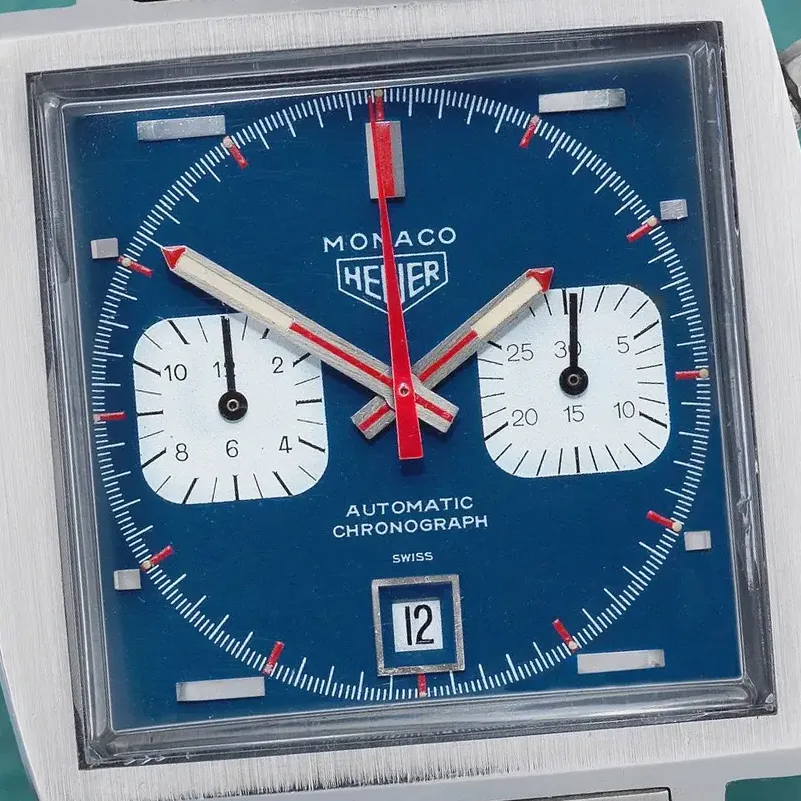
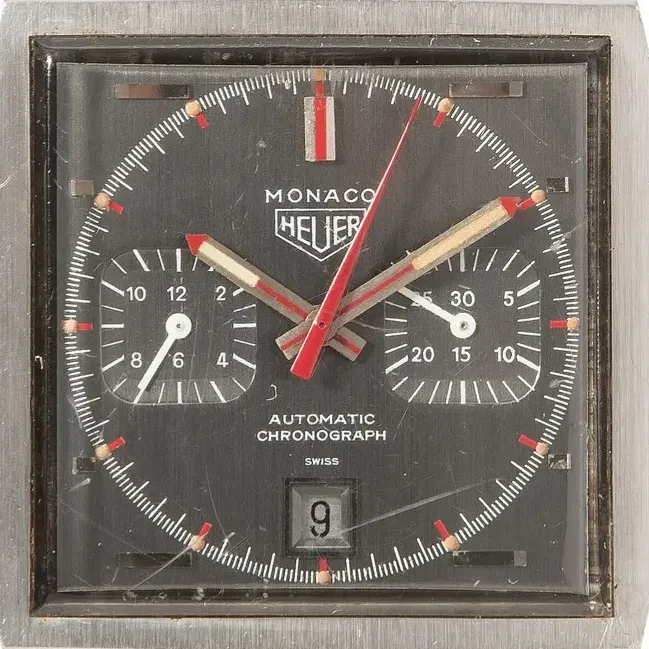
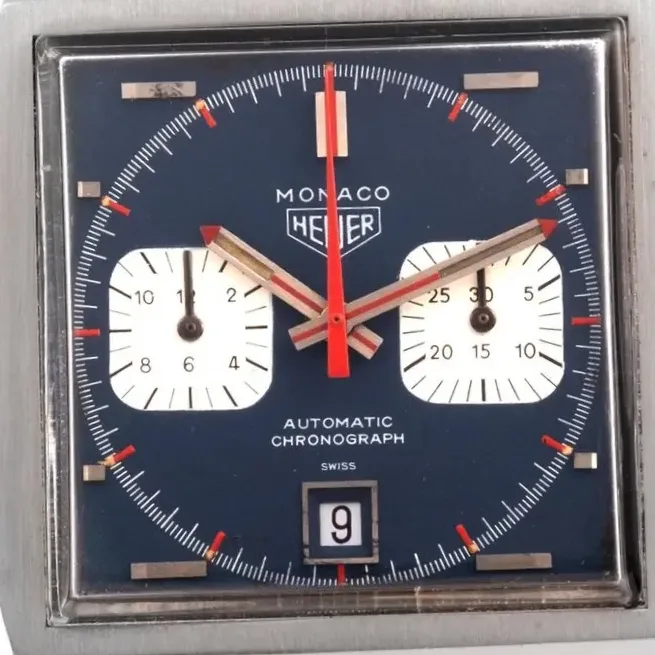
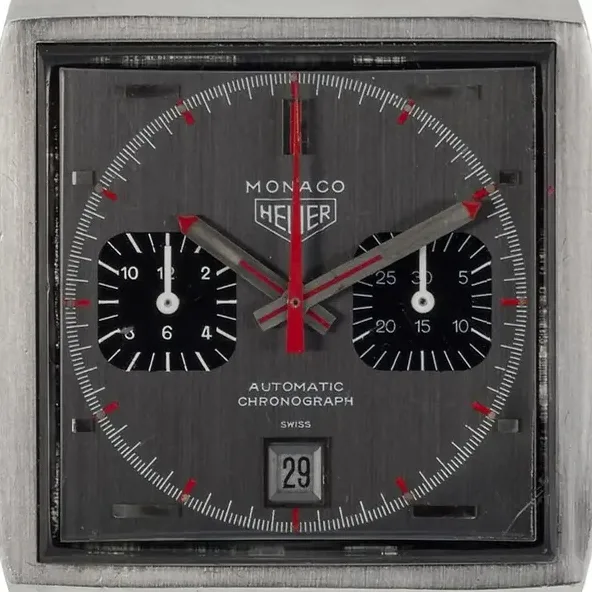
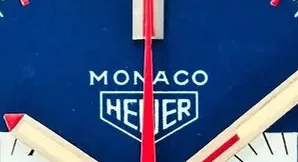
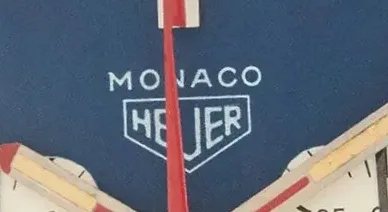
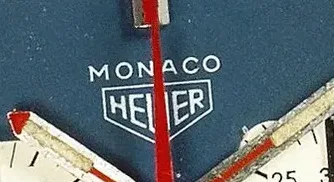
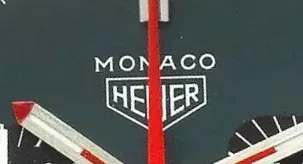
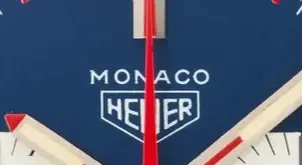
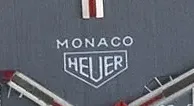
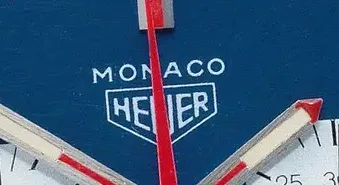
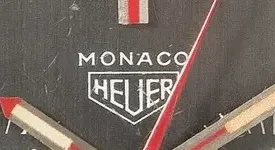
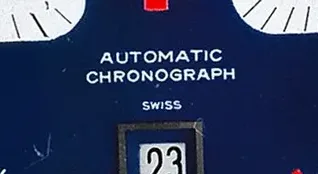
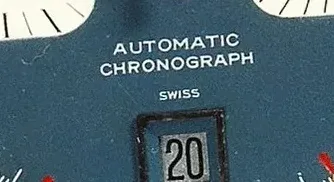
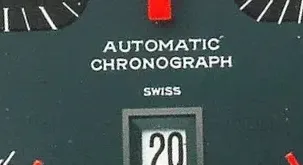
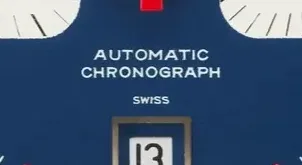
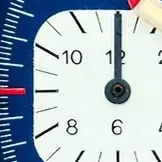
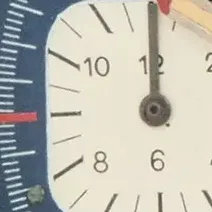
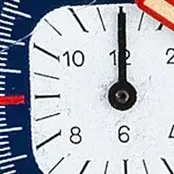
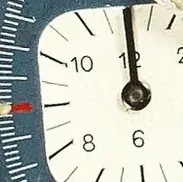
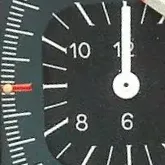
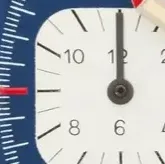
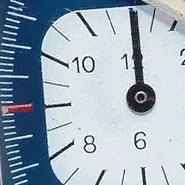
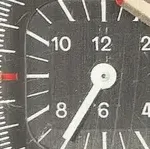
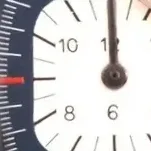
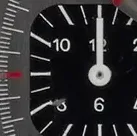
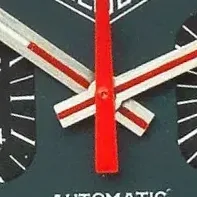
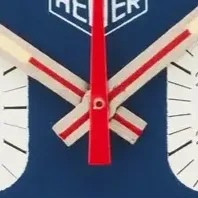
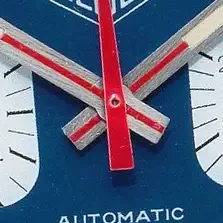
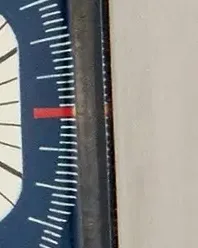
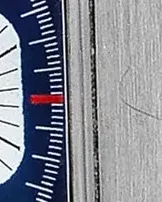
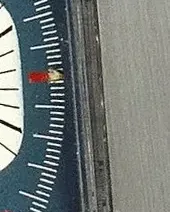
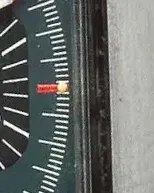
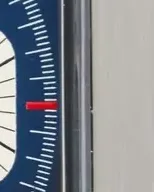
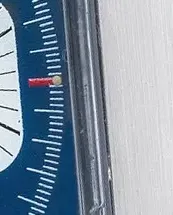
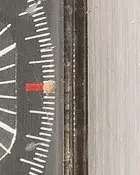
11 watches, oldest first, each straightened and cut the same way so that one row shows one component across them all. Chosen from 61 photographs on file for sharpness and for a face typical of the reference. A year marked c. is one its holder gives only roughly. Each picture is a detail cut from a listing photograph. Select the small mark in its corner for its year, its holder, a link to the listing it came from, and a way to report it.


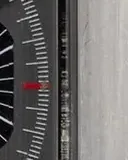


Chronology
The release is put in 1969 and the end of production at 1974 or about 1975; the records show listings dated 1969 to 1973 only.
Specification
| Case | Square stainless steel case made by Piquerez, vertical grain on the steel, crown on the left, two chronograph pushers on the right; about 39 mm wide (one account makes the original roughly a millimetre narrower, and another measures it at 40 by 38.5 mm) |
| Water resistance | 100 m as rated; how watertight the case really was has been doubted |
| Dial | Circular minute track, a pair of rounded-square registers, date window at 6 o'clock, red accents |
| Movement | Heuer Cal. 11 automatic chronograph, 19,800 vibrations per hour, micro-rotor; improved versions Cal. 11-I and Cal. 12 followed |
| Bracelet | Steel link bracelet, or leather strap |
Dial 3 described
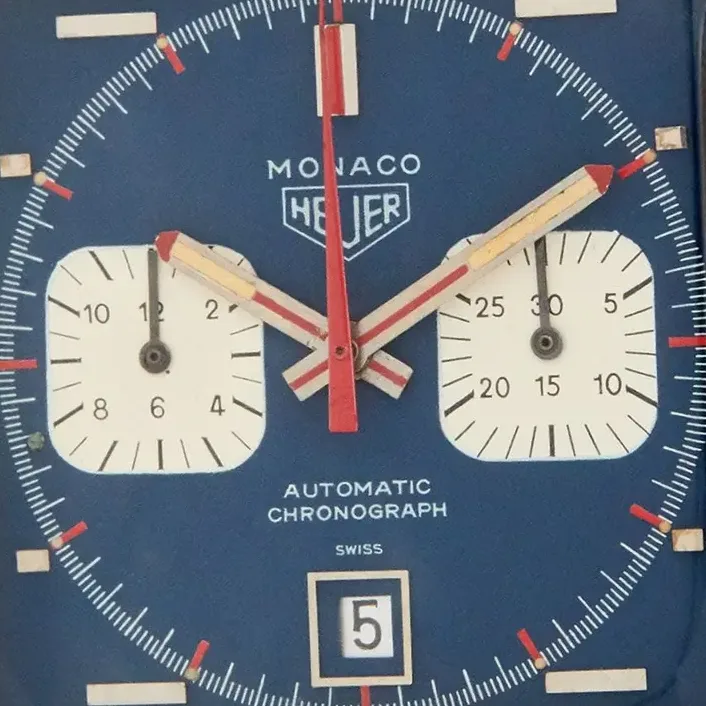
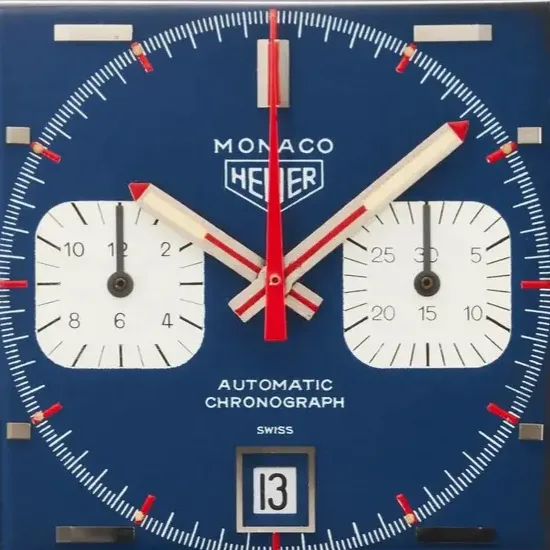
The Monaco dial has a circular minute track set against the square case and a pair of rounded-square registers that echo the case shape. The date is at 6 o'clock and the dial carries red details. Dial colour goes with the suffix letter: blue for the 1133B, grey for the 1133G.
1133B blue dial
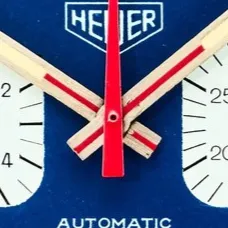
The blue-dialled version, the one associated with Steve McQueen. It has red on the hour and minute hands and the chronograph seconds hand, horizontal applied hour markers, red markers at each five minutes and a red-filled applied marker at 12. The date window has a metal frame matching the applied markers.
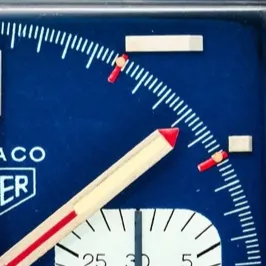


- metal frame around the date window


1133G grey dial
The grey-dialled version, with the same layout as the blue one and a subtle vertical grain on the dial. An example in the literature has the original Mark 1 bracelet.
- grey dial with fine vertical graining
- red details on the dial
Dial printing
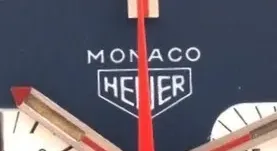
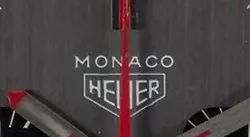
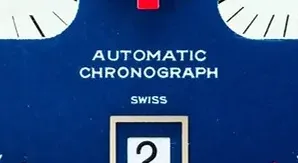
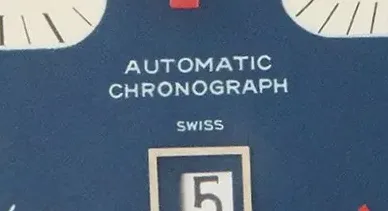
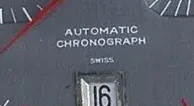
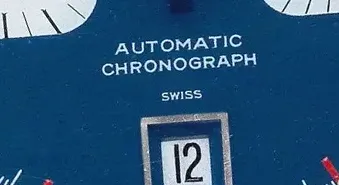
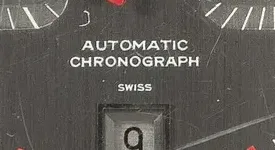
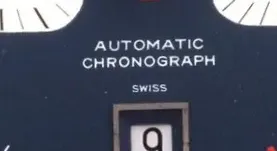
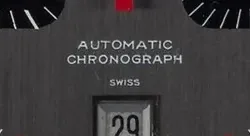
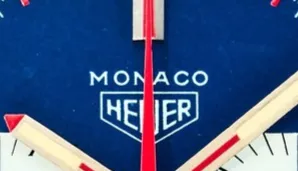
On the standard dial MONACO and the Heuer emblem are printed at 12, and AUTOMATIC and CHRONOGRAPH at 6; the first 1133B dials of 1969 instead carry Chronomatic above the emblem, with MONACO lowered to sit over the date window. The original prints are somewhat smaller than on the later reissue. Above the date window the original carries SWISS without the word MADE.
- Heuer emblem and MONACO at 12
- AUTOMATIC and CHRONOGRAPH at 6
- SWISS without MADE above the date
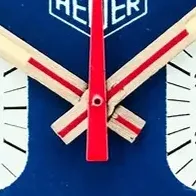
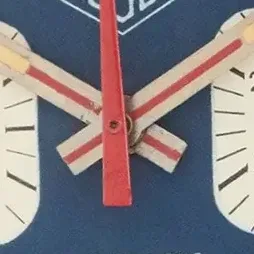
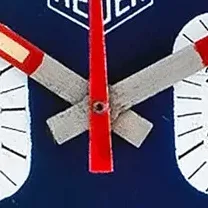
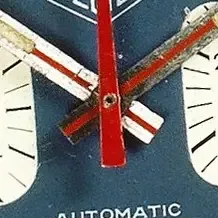
Hands 1 described
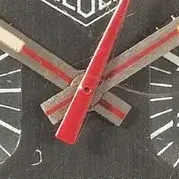
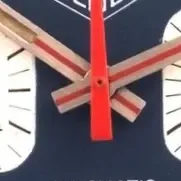
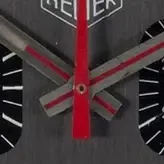
The hands carry red accents.
Red-accented hands
On the 1133B the hour and minute hands have red at the centre and tips, and the chronograph seconds hand is red.
- red centre and tips on hour and minute hands
- red chronograph seconds hand
Subregisters 1 described
The original has two rounded-square registers, with no permanent seconds register.
12-hour and 30-minute registers
The 12-hour totaliser sits at 9 o'clock and the 30-minute totaliser at 3 o'clock. There is no running seconds subdial, which the later reissue adds at 3.
- 12-hour counter at 9
- 30-minute counter at 3
- no running seconds
Case 1 described
The case is square, steel, and made by Piquerez.
Piquerez square case
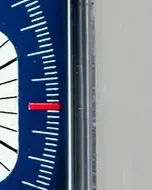
A bold square case released in 1969, with vertical grain on the steel. The two pushers are on the right and the crown is on the left. It is rated water resistant to 100 m, though how watertight it really was has been doubted, and it sits high on the wrist because of the movement inside. It is given as about 39 mm wide.
- vertical grain on the steel
- crown on the left
- two pushers on the right
Crown 1 described
The crown is unusually on the left.
Crown at 9 o'clock
The winding crown is on the left side of the case, with the pushers opposite it on the right. It is one of the features that tie later re-editions to the original 1133B.
- crown on left
Movement 2 described
The movement is the Cal. 11 automatic chronograph, announced in 1969, with improved versions soon after.
Cal. 11
An automatic chronograph movement with a micro-rotor, running at 19,800 vibrations per hour. It was announced on 3 March 1969 by Heuer with Breitling, Hamilton-Buren and Dubois-Depraz. Heuer's claim to be first is disputed, since Zenith's El Primero appeared in January of that year and Seiko had its 6139 in Japan. The early movement had technical problems.
- Cal. 11 marking
Cal. 11-I and Cal. 12
Improved variants released quickly to cure the early movement's problems. The Cal. 12 is dated to 1971, with a stronger mainspring and a beat of 21,600 vibrations per hour. Sellers in the records state both Cal. 11 and Cal. 12 for these watches.
Bracelet 1 described
Watches came on a steel bracelet or a leather strap.
Mark 1 bracelet
A steel link bracelet made by Novavit S.A. The clasp is signed with the Heuer logo on its outer face, and the NSA hallmark is struck on the inner face. It is described as rare.
- Heuer logo on the outside of the clasp
- NSA hallmark inside the clasp
Names
- Steve McQueen. The blue-dialled 1133B is associated with the actor, who wore a Monaco in the 1971 film Le Mans.
Where accounts differ
Points on which the published literature and the library's own records do not agree, or on which the literature contradicts itself.
- Case width. One account gives the 1133 case as 39 mm; another describes the later reissue's 39 mm as about a millimetre more than the original. The records give sizes mostly of 40 mm, with some at 39.
- End of production. One account says the original Monaco stopped being made in about 1975, and another that it was discontinued by 1975. A third has it leave the catalogue in 1974, replaced by the Silverstone.
Back and movement
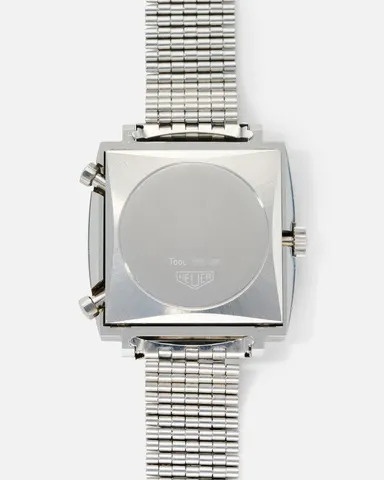
From listings of this reference, each confirmed by eye to show what it is filed under. A picture on which a person's name or a personal engraving can be read is not shown. From most holders a detail from the middle of the photograph is shown; the mark in its corner gives its holder and a link to the listing.
Caseback

Catalogue versions 1 listed
The full numbers under which holders list this reference, with what their listings say of each. Each has a page of its own.
| Version | Metal | Dial | Years seen | Records |
|---|---|---|---|---|
| 1133/163361 thin | 1970 | 2 |
In the records
Counted from 33 listings at 11 holders between 8 June 2011 and 14 November 2026. These are what sellers and auction houses state, not measurements.
Case metal
| Steel | 28 |
Dial colour
| Blue | 7 | |
| Grey | 3 |
Case size
| 40 mm | 13 | |
| 39 mm | 2 | |
| 46 mm | 1 |
Bracelet or strap
| Metal bracelet, kind not stated | 8 | |
| Leather strap | 8 |
Each table counts the listings that state the thing, in the seller's own terms. A size, metal, colour or calibre that cannot belong to this reference is a seller's slip or a listing filed under the wrong number.