222 'Jumbo'
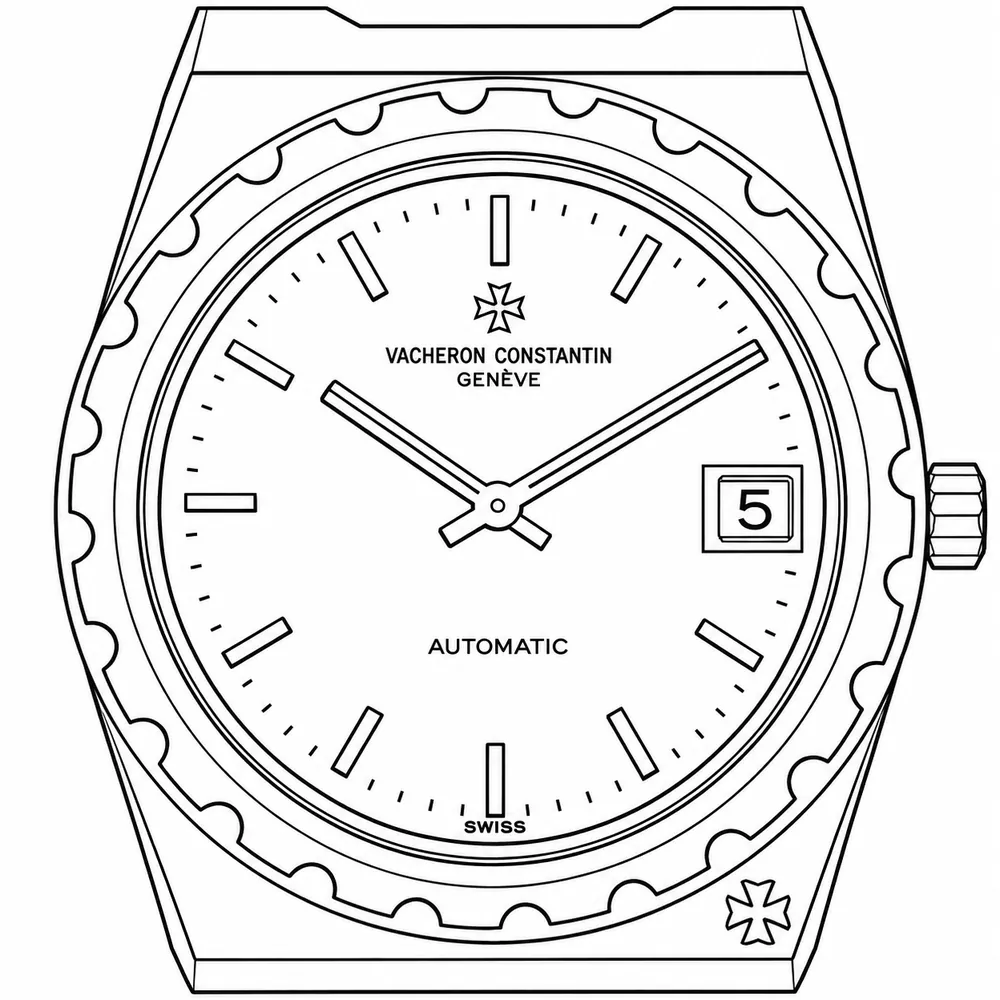
The 222 ref. 44018 is the large size of the first integrated-bracelet sports watch from Vacheron Constantin, launched in 1977 for the house's 222nd anniversary and drawn by Jorg Hysek. It has a 37 mm tonneau monobloc case with a screw-down scalloped bezel, a Maltese cross stamped at the lower right of the case top, a hexagonal-link bracelet and the ultra-thin automatic Calibre 1121 without seconds hand. It was made in steel, yellow gold and steel with yellow gold, with a very few diamond-set examples, and about 700 in all. A mid-size ref. 46003 ran beside it, and the 333 replaced the range in 1984. Collectors look at dial type, the 'Swiss' only signature, case and bezel condition and the bracelet.
- Made
- 1977–1984dates approximate
- Seen in the library
- 1976–1986nine in ten in 1977–1986 · by years sellers state
- Case
- 37 mm · steel (66%), gold (23%)as sellers state
- Movement
- Calibre 1121, 920automatic
- On record
- 62 listings165 photographs · 15 holders
Components
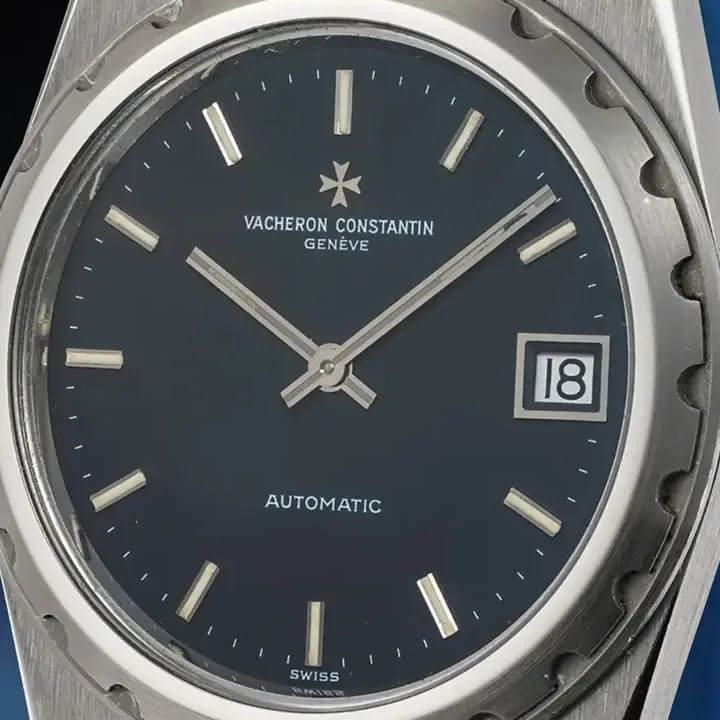
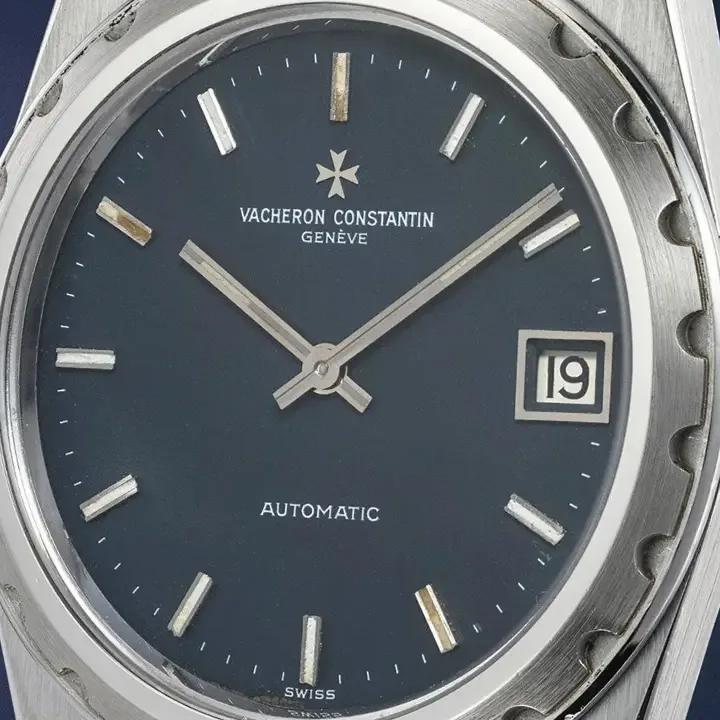
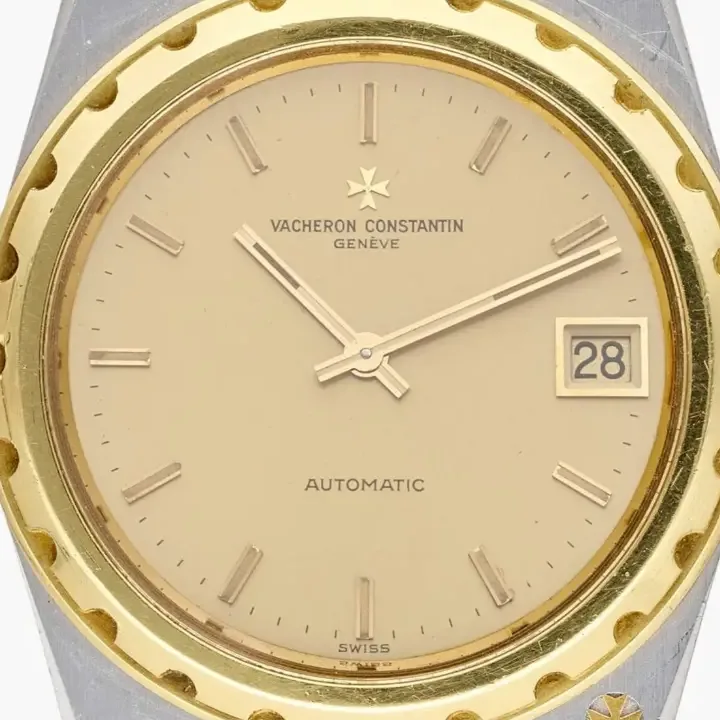
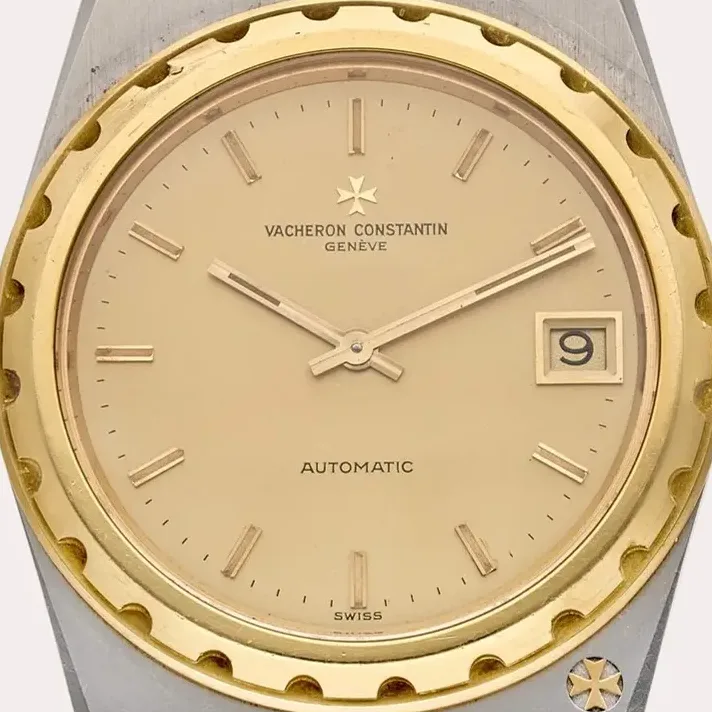
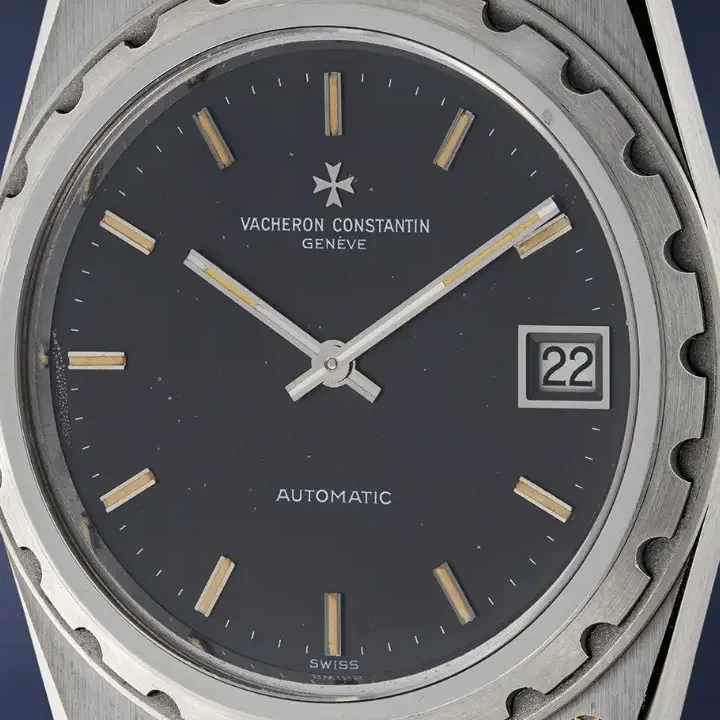
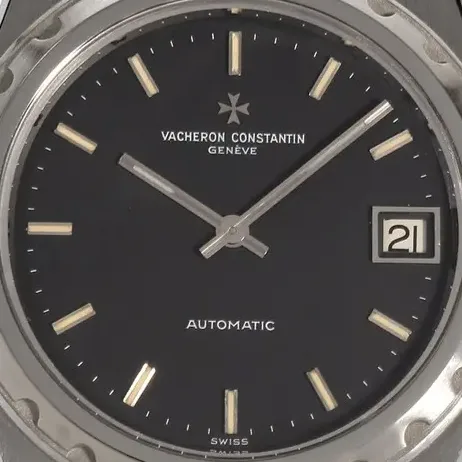
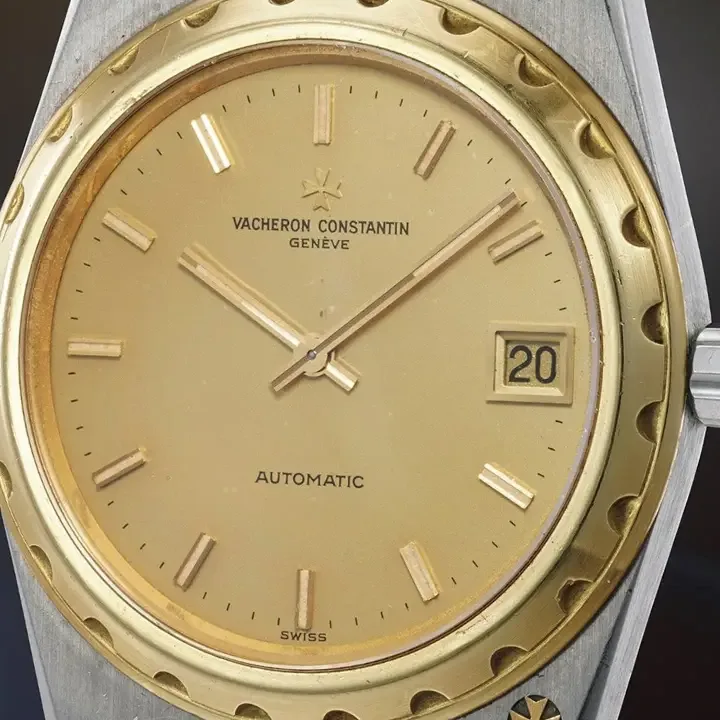
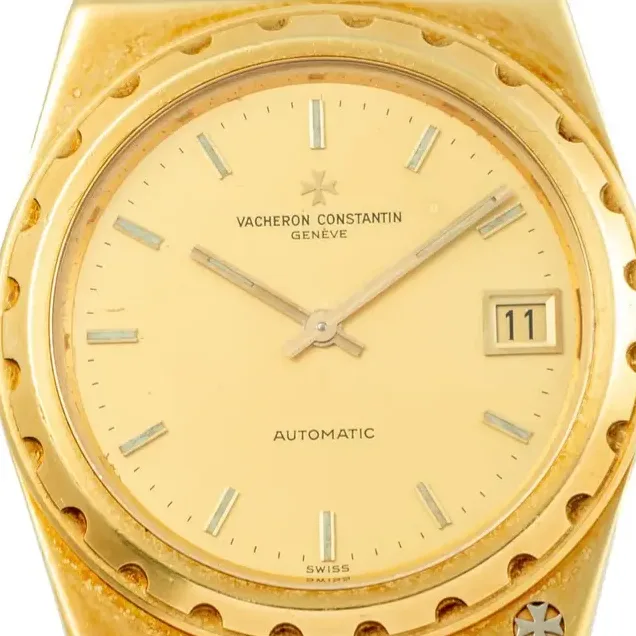
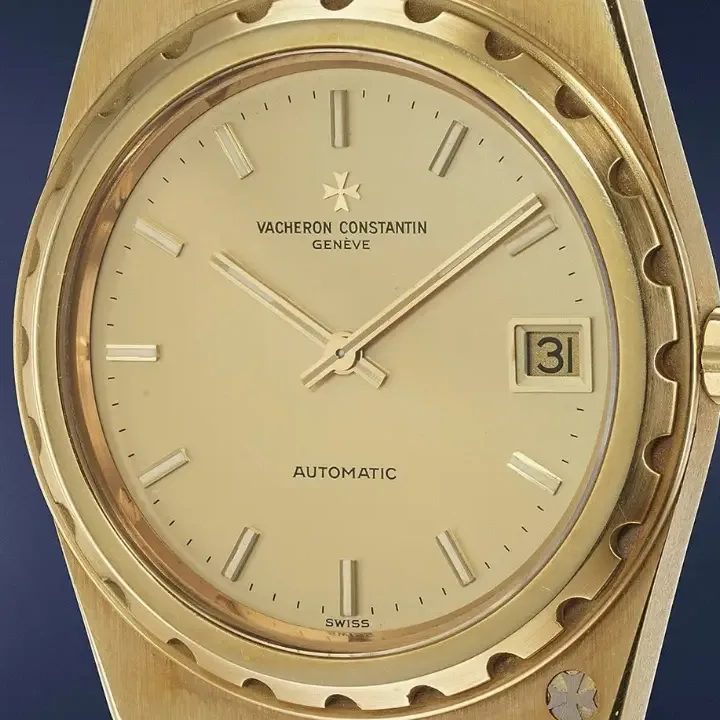
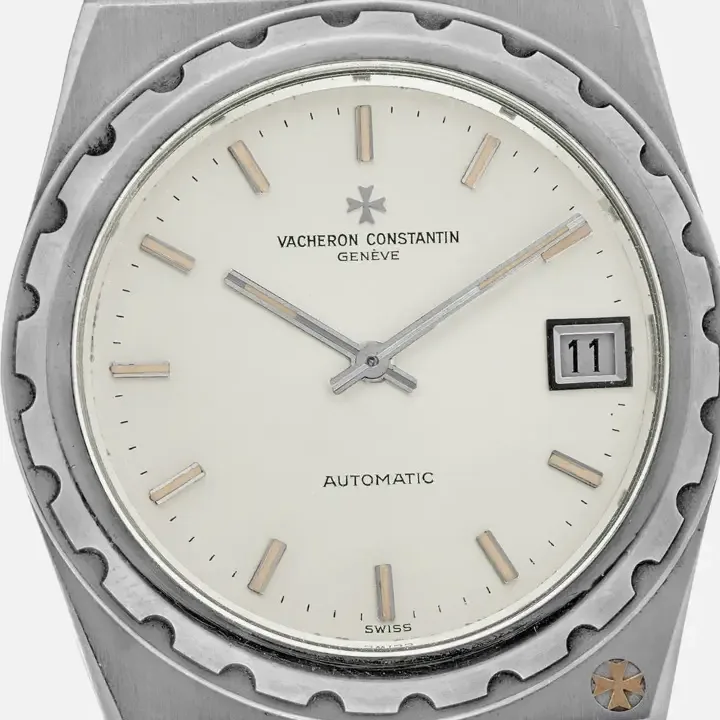
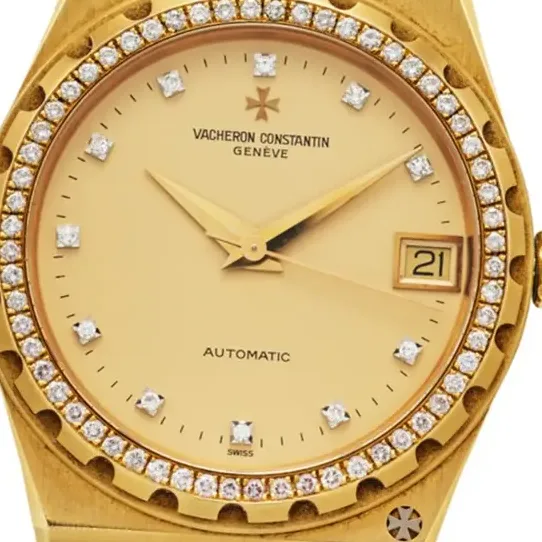
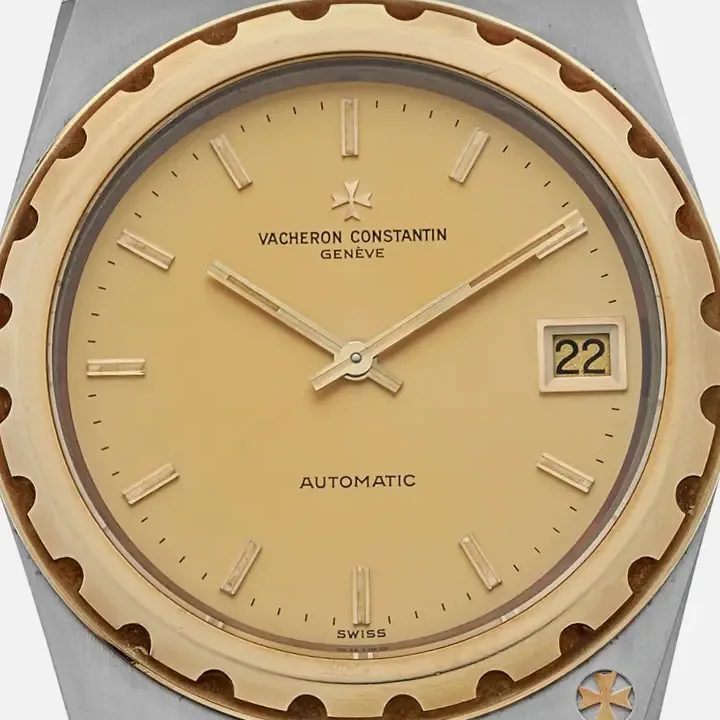
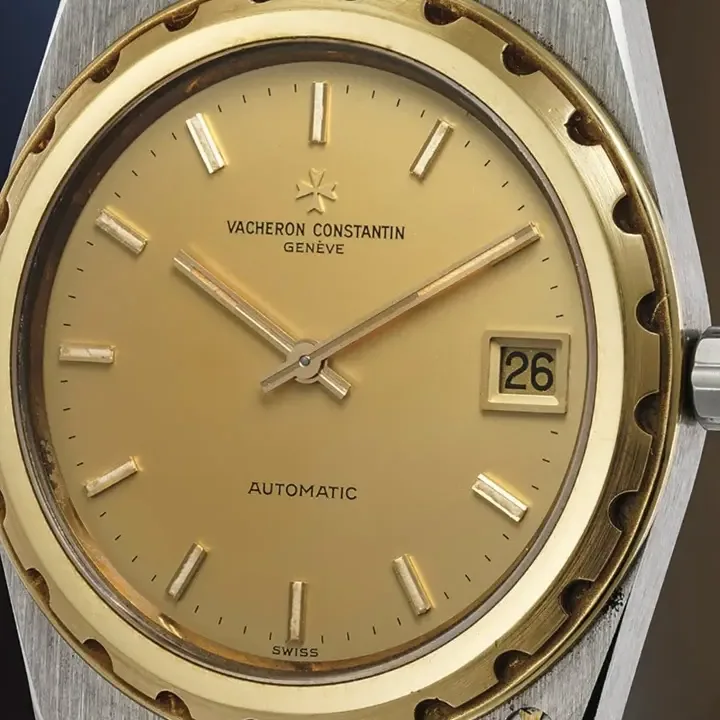
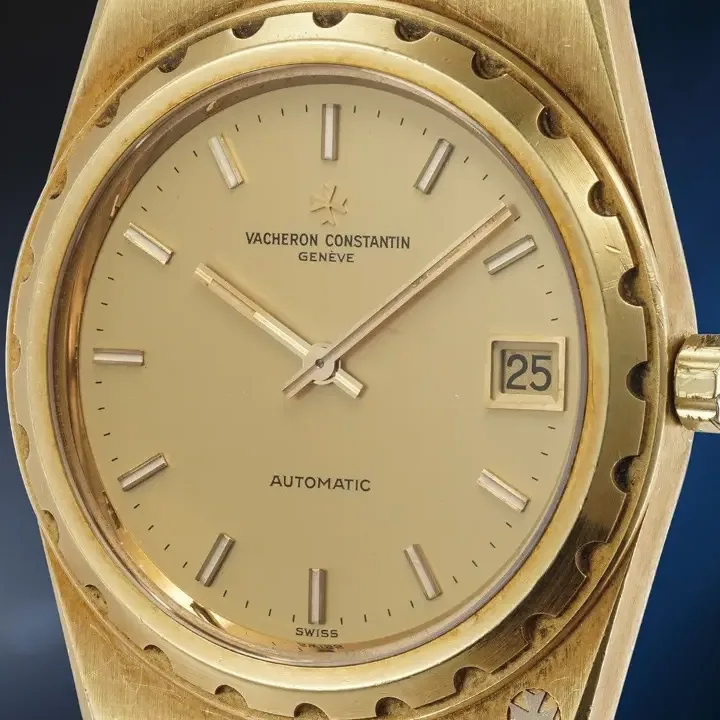
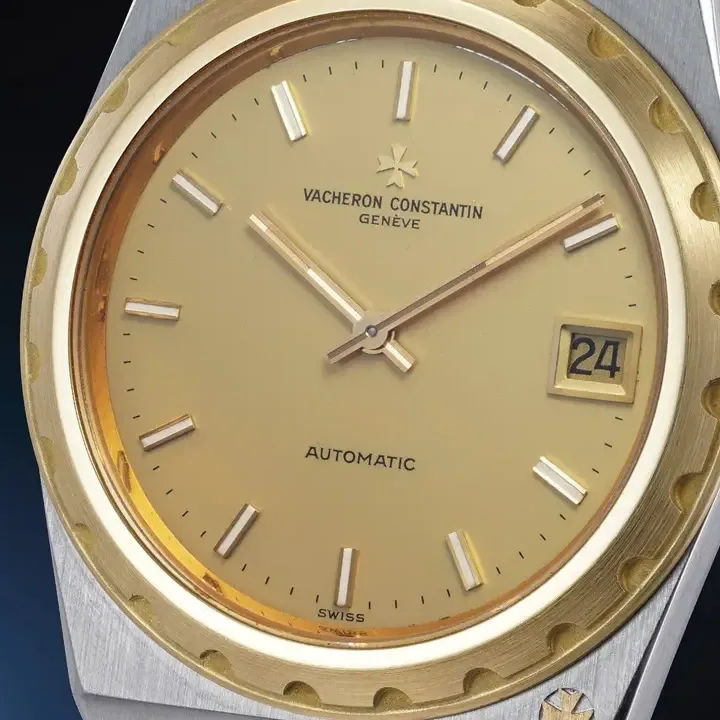
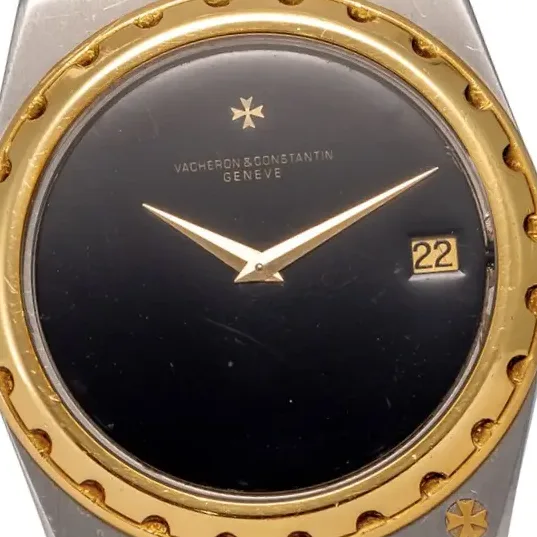
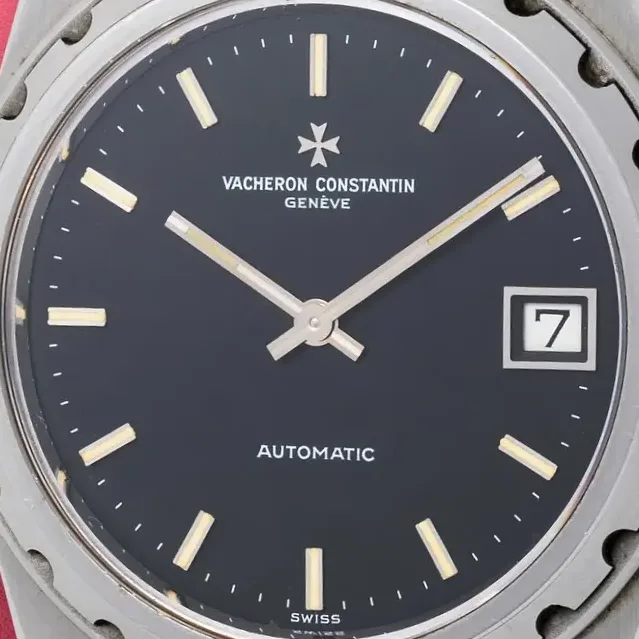
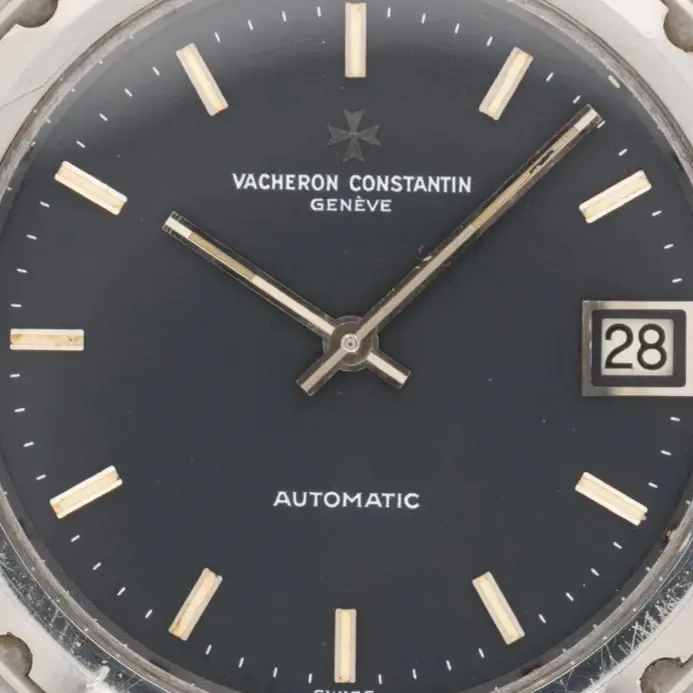
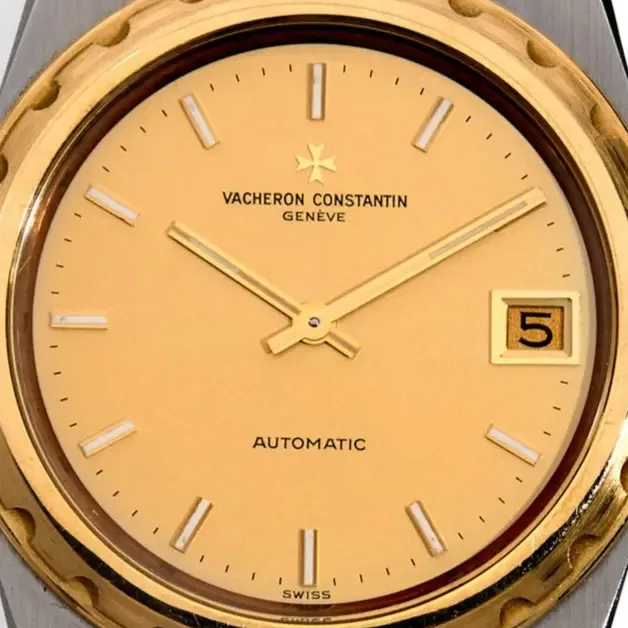
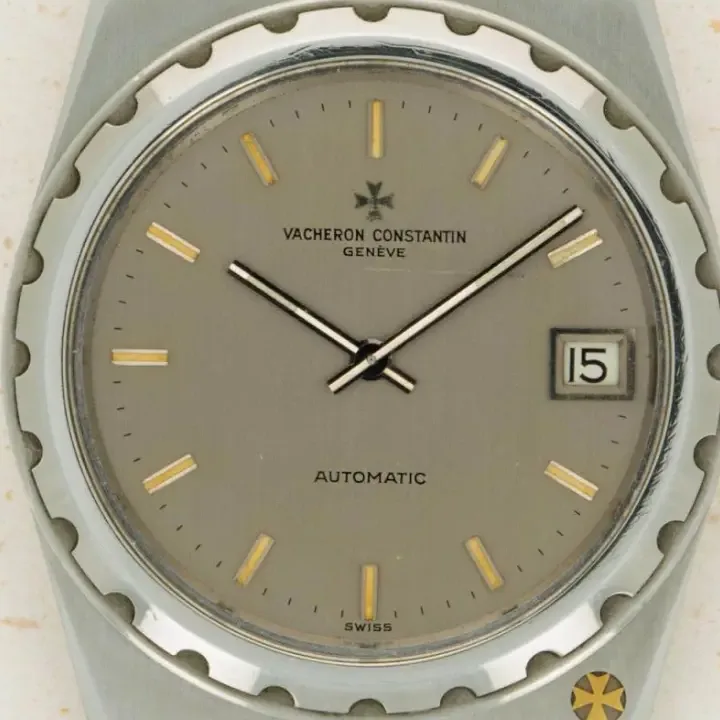
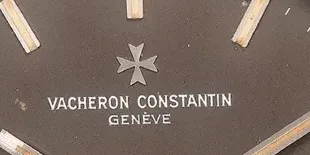
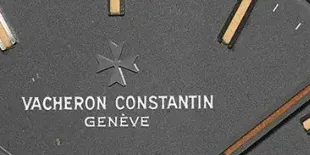
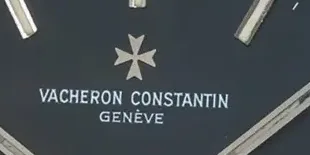
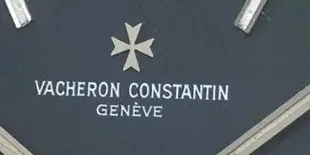
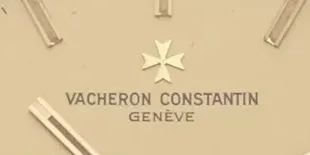
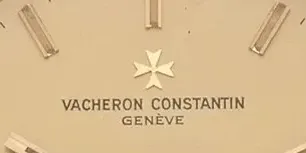
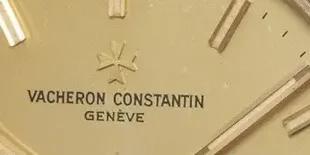
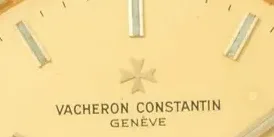
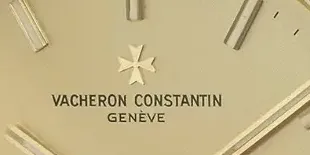
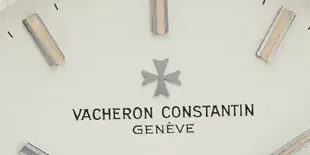
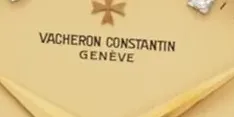
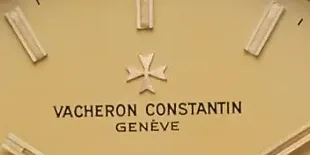
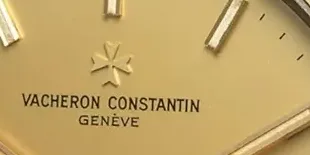
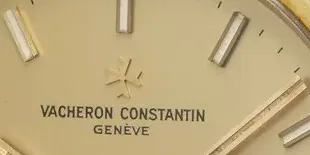
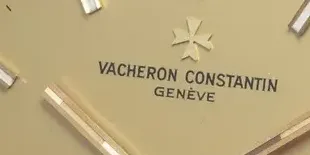
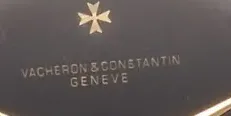
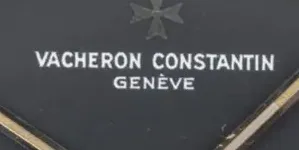
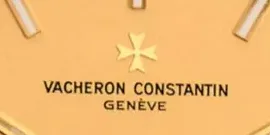
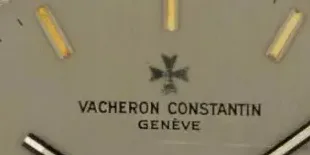
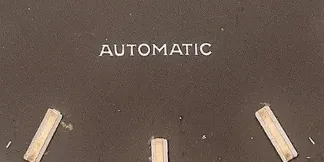
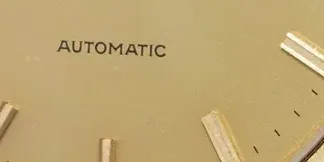
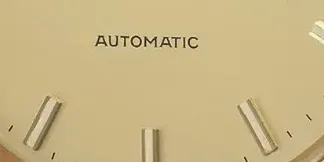
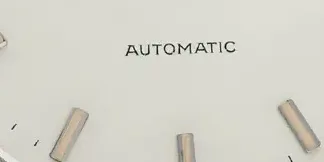
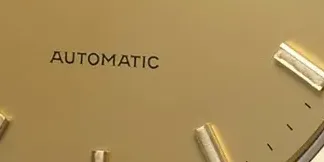
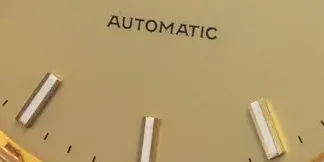
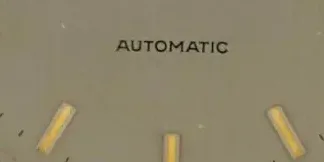
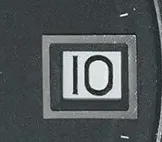
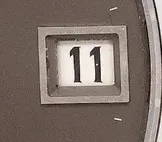
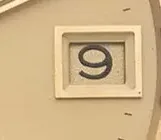
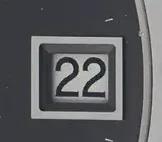
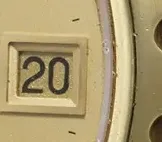
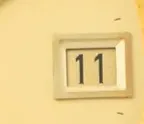
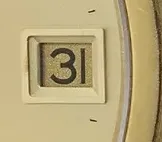
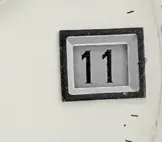
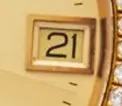
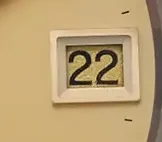
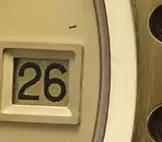
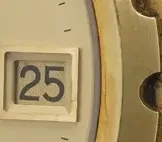
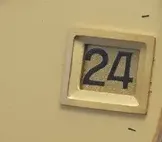
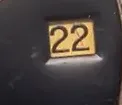
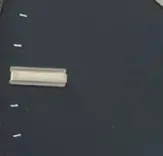
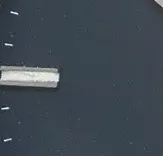
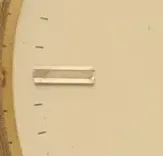
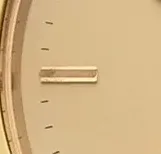
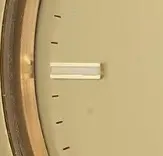
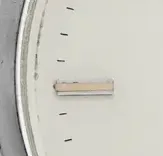
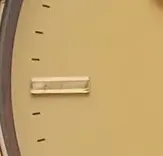
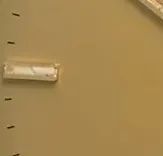
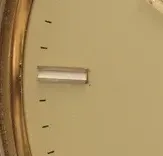
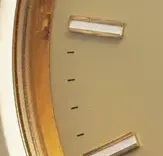
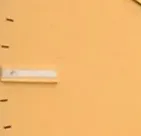
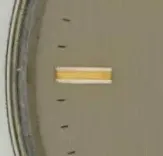
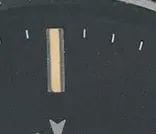
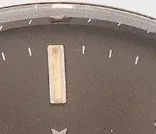
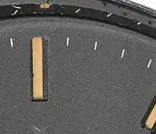
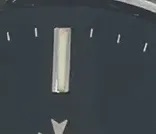
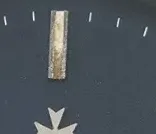
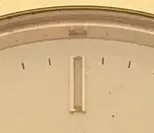
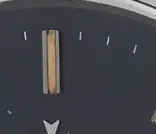
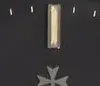
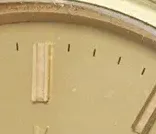
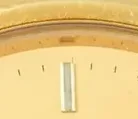
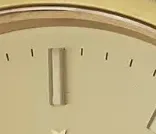
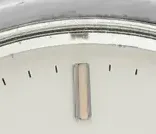
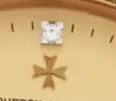
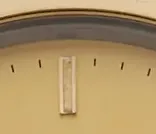
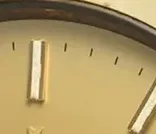
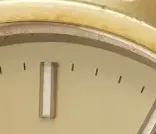
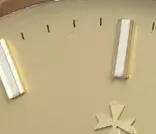
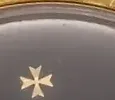
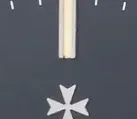
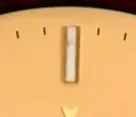
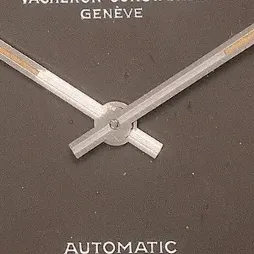
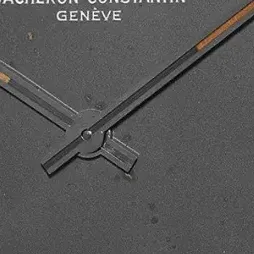
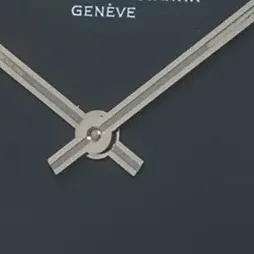
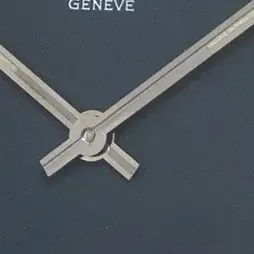
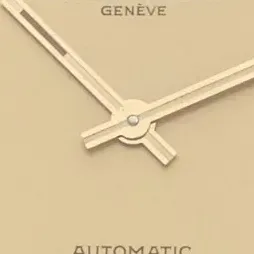
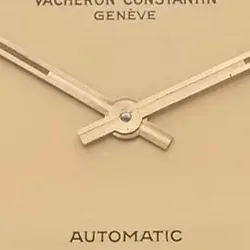
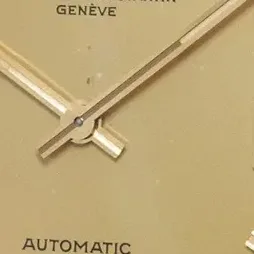
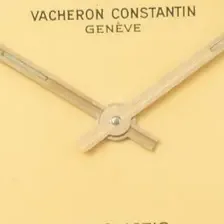
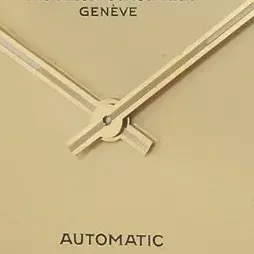
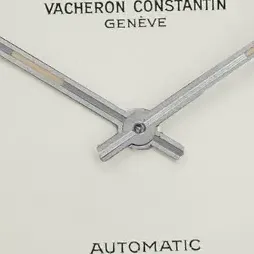
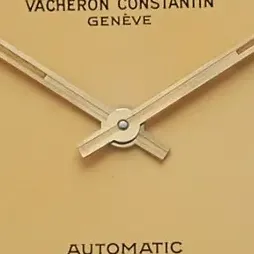
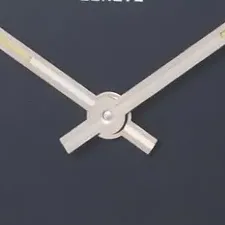
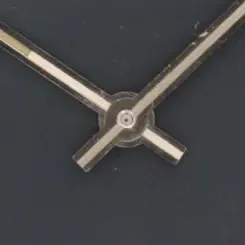
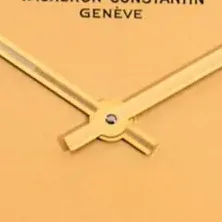
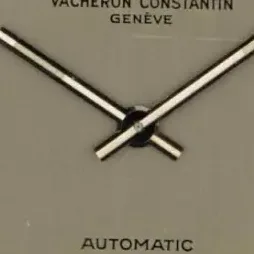
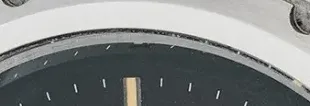
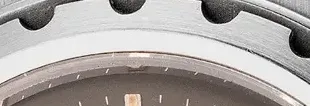
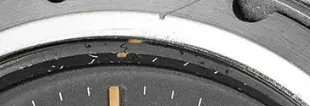
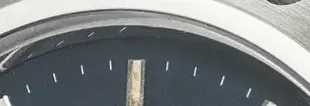
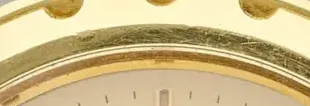
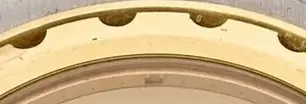
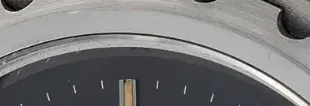
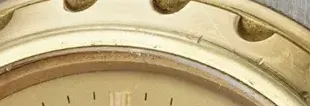
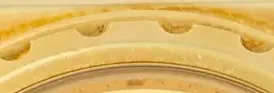
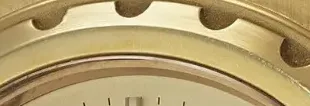
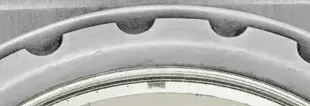
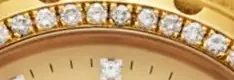
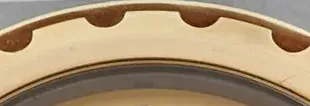
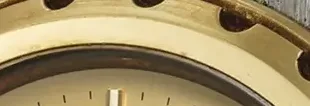
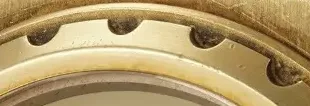
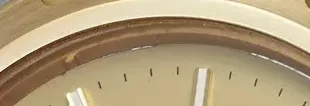
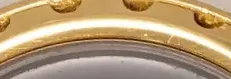
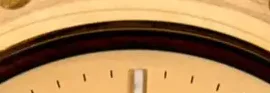
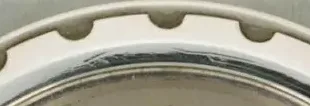
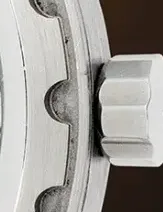
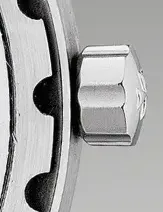
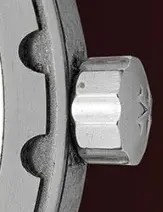
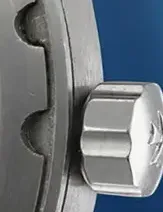
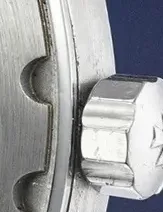
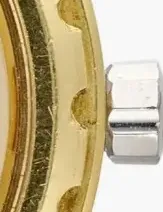
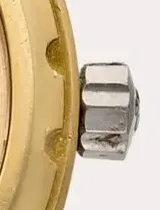
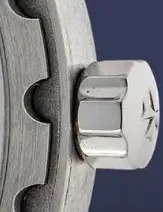
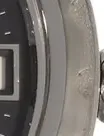
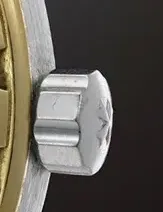
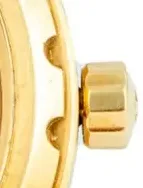
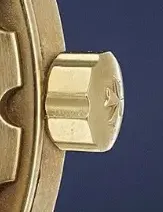
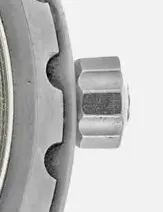
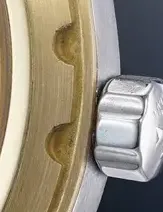
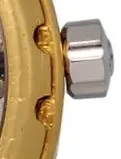
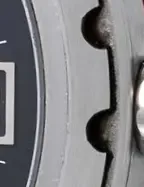
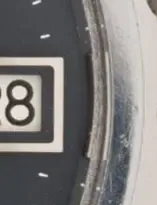
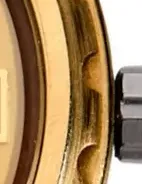
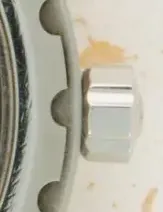
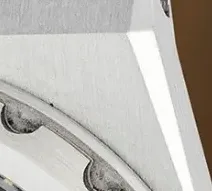
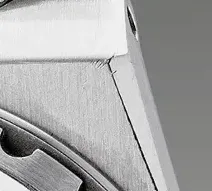
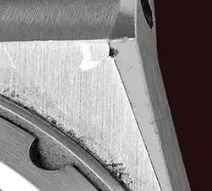
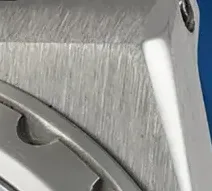
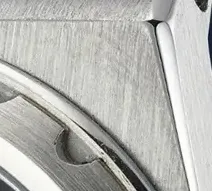
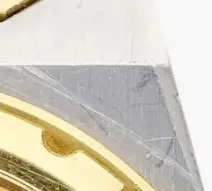
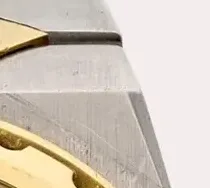
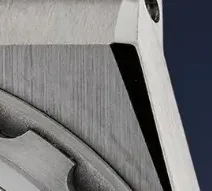
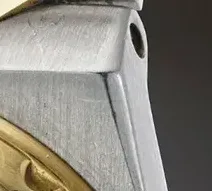
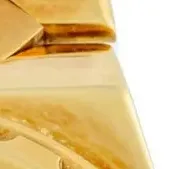
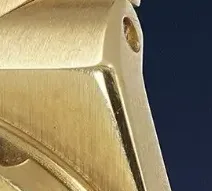
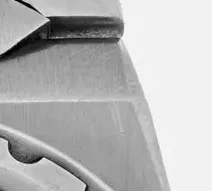
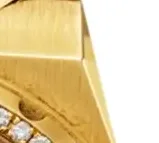
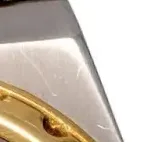
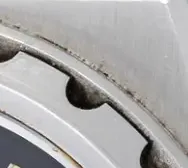
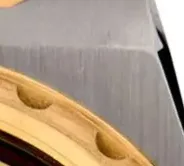
23 watches, oldest first, each straightened and cut the same way so that one row shows one component across them all. Chosen from 165 photographs on file for sharpness and for a face typical of the reference. A year marked c. is one its holder gives only roughly. Each picture is a detail cut from a listing photograph. Select the small mark in its corner for its year, its holder, a link to the listing it came from, and a way to report it.




















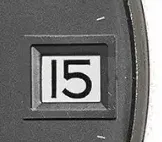
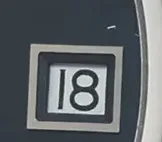
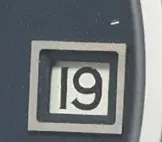
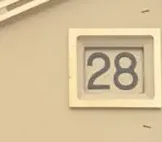
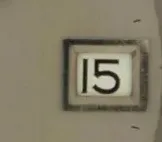
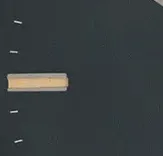
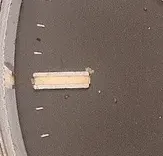
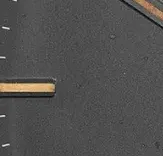
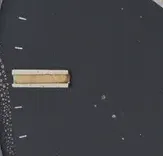
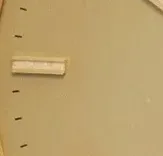
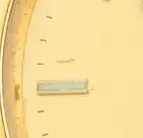






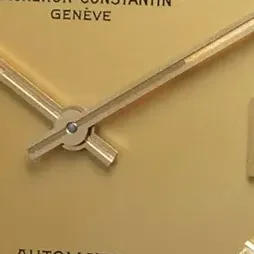
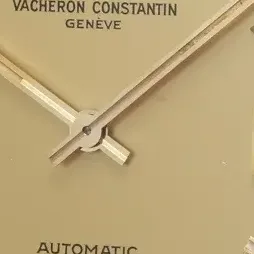
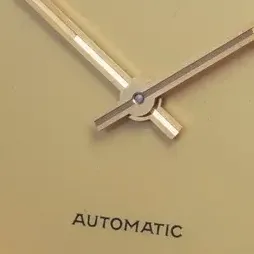
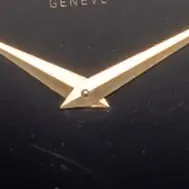




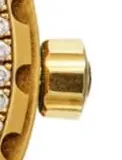
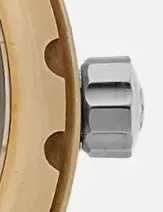
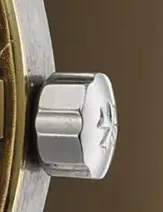
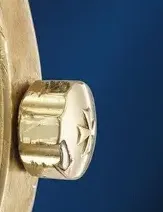
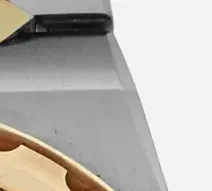
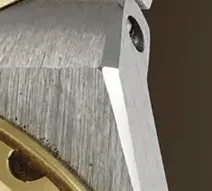
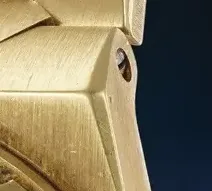
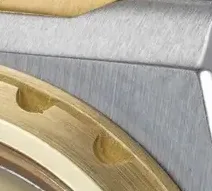




Chronology
The 222 range is placed in 1977 to 1984, and almost all years sellers state for the 44018 run from 1977 to 1986, so the late edge is soft.
Every dated variant: what is written, and what the records show
For the reference the marks are every dated watch; for a variant, the watches a seller names as that variant, so a variant sellers do not name has none.
Specification
| Case | 37 mm tonneau monobloc, a little over 7 mm thick (7.2 mm given), steel, 18 ct yellow gold, or steel and yellow gold; a single white gold example is recorded; anti-magnetic shield inside |
| Bezel | Screw-down scalloped bezel; also seen diamond-set; removed with a special tool to reach the movement |
| Dial | Signed VACHERON CONSTANTIN at 12 and AUTOMATIC above 6, 'Swiss' only at 6, framed date at 3, tritium-filled channel hour markers; lightly grained on most steel watches, smooth champagne on gold |
| Movement | Calibre 1121, ultra-thin automatic with date, based on the Jaeger-LeCoultre 920; 21 ct gold rotor; no seconds hand |
| Bracelet | Integrated bracelet with hexagonal centre links, screwed to the case; Gay Freres double-blade folding clasp with safety catch |
| Water resistance | Up to 120 metres with the screw-down bezel |
Dial 8 described
The standard dials carry VACHERON CONSTANTIN at 12 and AUTOMATIC above 6, with a framed date window at 3 and channel hour markers filled with tritium. The 44018 is told from the mid-size 46003 by the 'Swiss' alone at 6 o'clock, where the 46003 has 'Swiss' followed by a sigma; diamond-set and numeral dials are the exception, signed 'Swiss' alone on both references. Dial colours run from black and silver to champagne, and patina has moved many of them.
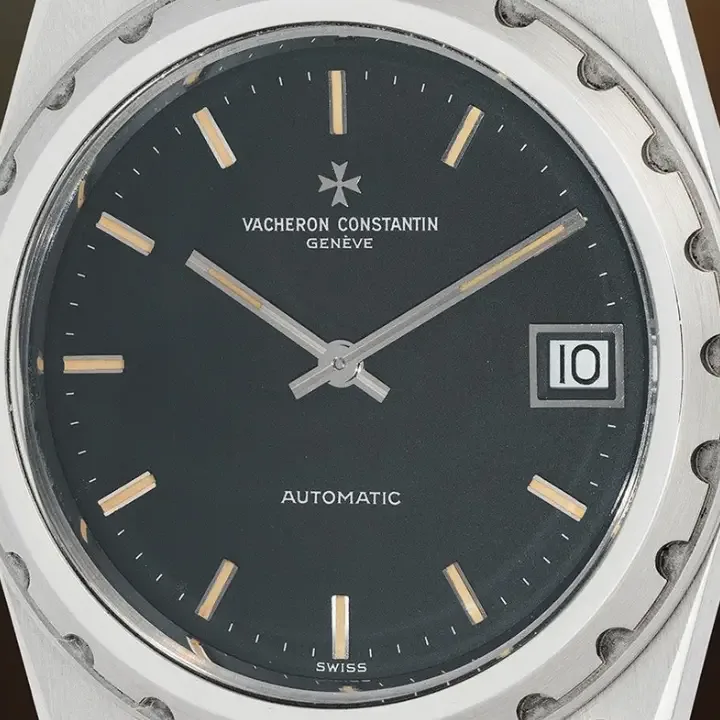
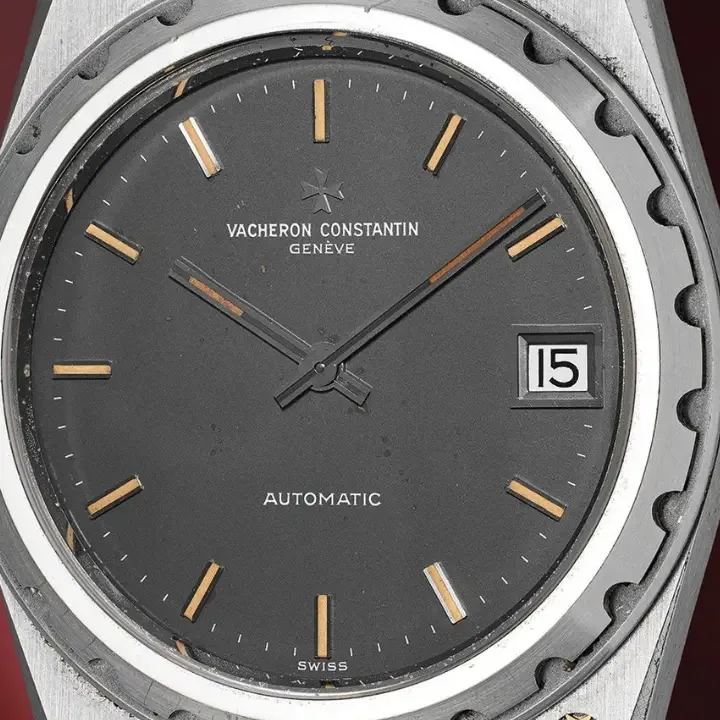
Steel, grey-blue ('black')
The original steel colours are black and silver. The black dial, smooth or lightly grained, reads as dark grey, blue or black depending on the light and is sometimes mistaken for navy. Most steel Jumbos have a cold grey-blue dial, from mid-grey to dark blue, signed 'Swiss' only.
- lightly grained surface
- 'Swiss' only at 6
- tritium channel markers
Steel, silver
The second original steel colour. In some lighting it looks almost white and under a loupe it shows a close grain.
- silvered texture
- almost white in some light
Yellow gold, champagne
Yellow gold models replace the silver dial with a smooth champagne one. A small batch of gold ref. 46003 carries a numeral dial.
- smooth champagne finish
Steel and yellow gold, champagne or silver
Two-tone watches take the champagne dial of the gold models or the silver dial of the steel models; no other options were found.
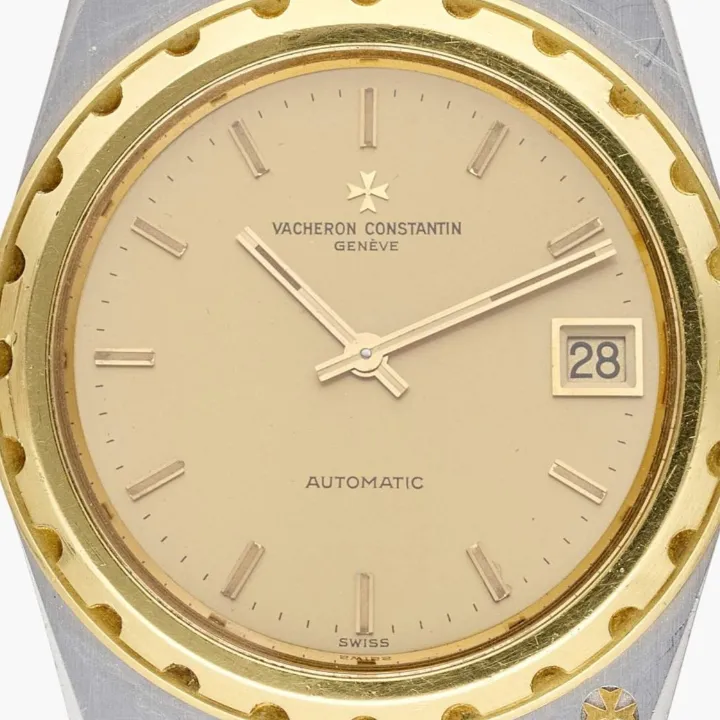
3 listings on record under the name.
Diamond dial
Extremely rare dials with 11 brilliant-cut diamonds at the hour markers. They have been found only on watches that also have diamonds on the bezel or bracelet, and are signed 'Swiss' only on both references.
- eleven diamonds at the hours
Roman numeral dial
A rare dial with Roman numerals, signed 'Swiss' only. Leaf hands have been seen with a numeral dial on the mid-size 46003.
- Roman numerals
Cream dial
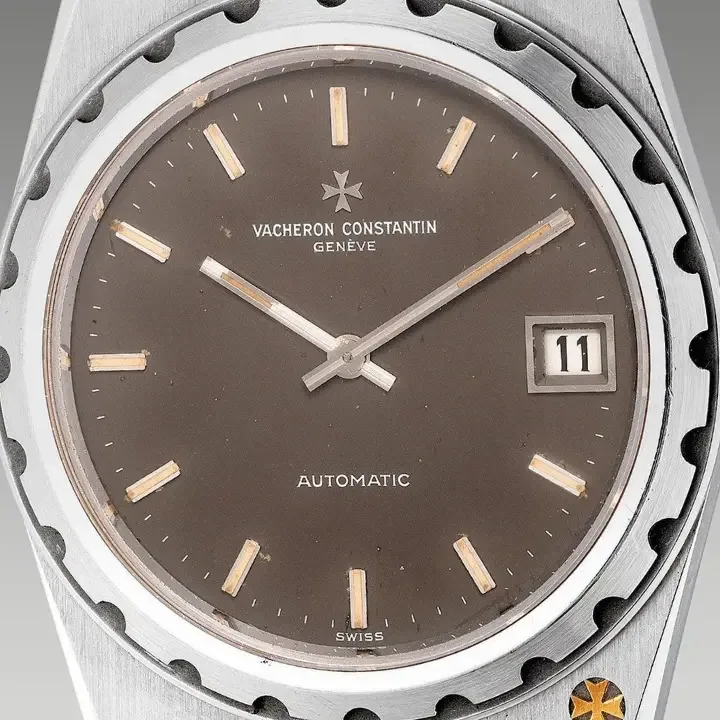
White or cream dials are the same colour in different states of patina. Other patina gives deep blue and light brown tones.
- cream tritium ageing
- patinated blue or brown tones
Blank dial, no indices
A bimetal watch with a black dial having no indices at all and non-luminous gold dauphine hands, signed 'Swiss' alone. The maker's heritage director confirmed in a letter that this is how the watch was made.
- no markers
- gold dauphine hands
Luminous material 1 described
The hour markers are channel-shaped and filled with tritium, which has usually aged cream.
Tritium channel markers
Tritium fills the channel hour markers, and the baton hands are also luminous. On a watch of this value it is worth checking in person whether the dial and lume are original.
- cream-aged tritium
Hands 3 described
The standard hand set is batons filled with lume. The 44018 has no seconds hand, which is an easy way to tell it from the 46003.
Lume baton hands
Present on all standard configurations of the Jumbo and mid-size. No seconds hand on the Jumbo.
- thin baton with lume
- two hands only
Dauphine hands
Seen on some diamond dials and on the blank dial, where they are solid gold and not luminous.
- dauphine shape
Leaf hands
Found with the numeral dial, in the photographs of a 46003.
- leaf-shaped hands
Bezel 2 described
The bezel is a scalloped, screw-down design and is the only way into the watch, since the back cannot be removed.
Scalloped screw-down bezel
A cog-like scalloped bezel, screwed down, thought to take something from the 1951 ref. 4709. A special tool is needed to take it off to reach dial and movement, which makes independent servicing hard.
- scalloped edge
- sharp facets
Diamond-set bezel
A very limited number have a bezel set with diamonds.
- diamonds in the bezel
Case 6 described
A tonneau monobloc with sharp facets and angles, an anti-magnetic shield inside, and a Maltese cross at the lower right of the case top.
Tonneau monobloc case
37 mm across excluding the crown (37.5 mm given elsewhere) and slightly over 7 mm thick. Records list sizes of 37 mm and 38 mm. Hallmarks sit on the back and lug area, and the case number is engraved on the back and inside, with the model reference.
- Maltese cross below the 5
- case number on back and inside
- bracelet screws at the case sides
Steel
Fewer than 500 made. The earliest known steel examples date from the first production year, 1977.
18 ct yellow gold
Roughly 150 made.
Steel and yellow gold
Fewer than 100 made.
White gold
White gold is named among the Jumbo's metals in the literature, but the only white gold 44018 in the library's records was offered at auction as a previously unknown piece, described from the maker's archive extract as unique. It was first meant to be gem-set, so 44518 is stamped inside the back.
Back engraved '222'
The back carries the retro '222' branding with case numbers engraved beneath. It looks like a separate part but cannot be removed.
- retro 222 lettering
Crown 1 described
Crown with Maltese cross
The crown carries the Maltese cross.
- cross on the crown
Movement 1 described
The Jumbo uses the ultra-thin automatic Calibre 1121 with date; the mid-size 46003 uses calibre 1124 with centre seconds.
Calibre 1121
The house's version of the Jaeger-LeCoultre 920 used also by Patek Philippe and Audemars Piguet. One of the thinnest full-rotor architectures, with a 21 ct gold rotor, ceramic ball bearings and Gyromax balance, in a case about 7.2 mm thick. Records show the calibre as 1121, 920 or K1121.
- no seconds hand
- gold rotor
Bracelet 2 described
The integrated bracelet has hexagonal centre links and is screwed to the case from the sides. Bracelet and clasp were made by Gay Freres.
Hexagonal-link bracelet
The same design on both sizes, fixed with screws from the case side. Diamond-set versions exist with removable set centre links.
- hexagonal centre links
- screws at the case side
Gay Freres double-blade folding clasp
Double-blade folding clasp with safety catch carrying the Maltese cross, more pronounced on the Jumbo though polishing blurs it. On yellow gold watches the clasp is white gold with hallmarks.
- Maltese cross on the catch
- hallmarks on gold clasps
Box and papers 1 described
No published account settles what the original set held; the following comes from period advertising and sets seen on the market.
Original set
The set shows a money clip that fits the box, an inner box opening to a compartment for service and warranty booklets, and the bezel tool and swing tag. Guarantee booklets are seen both rectangular and square; the Maltese cross on the square one aligns with the cutout in the box. This rests on advertising and on surviving sets, and is not confirmed.
- money clip
- bezel tool
- guarantee booklet
Originality
- The screw-down bezel is the only way to the movement and needs a special tool, so independent servicing is difficult.
- Cases have often been restored; polishing can distort the Maltese cross on the clasp catch.
- Dials and tritium are worth checking in person; the cream colour is ageing, not a different dial.
- Bracelets slacken with wear.
Names
- Jumbo. The large 37 mm size, against the 34 mm mid-size.
- 222. The model name, from the 222nd anniversary of the house.
Where accounts differ
Points on which the published literature and the library's own records do not agree, or on which the literature contradicts itself.
- Years of manufacture. The literature puts the 222 in production from 1977 to 1984, and describes the run as seven years in one place and eight in another. A yellow gold 44018 is dated 1985 at auction, and most years sellers state run from 1977 to 1986, with a few outliers before and after; none are stated for 1983 or 1984.
- White gold. The literature lists white gold among the Jumbo's metals. An auction description in the library's records calls the one white gold 44018 it offered a unique, previously unknown watch, as the maker's archive extract confirms, with 44518 stamped inside the back.
Back and movement
From listings of this reference, each confirmed by eye to show what it is filed under. A picture on which a person's name or a personal engraving can be read is not shown. From most holders a detail from the middle of the photograph is shown; the mark in its corner gives its holder and a link to the listing.
Caseback
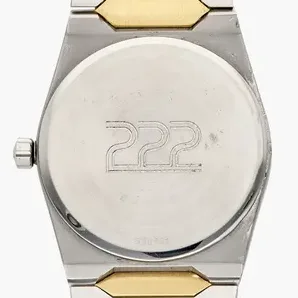

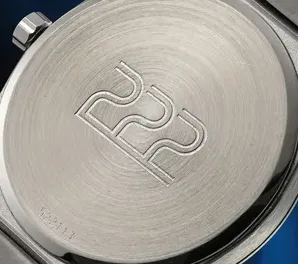

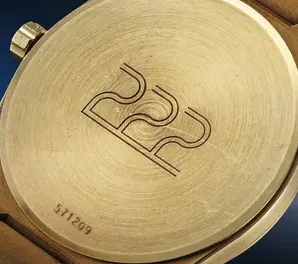

Catalogue versions 2 listed
The full numbers under which holders list this reference, with what their listings say of each. Each has a page of its own.
| Version | Metal | Dial | Years seen | Records |
|---|---|---|---|---|
| 44018/411A thin | Steel | Grey | 1978 | 2 |
| 44018/411-222 thin | Steel | 1977 | 1 |
In the records
Counted from 62 listings at 15 holders between 15 May 2016 and 14 November 2026. These are what sellers and auction houses state, not measurements.
Fainter bars are the 3 outside the main run of 1977–1986 (the middle nine-tenths): the earliest is 1975 and the latest 1994. They are early and late examples, and now and then a seller's slip. The head of the page gives 1976–1986: the years that listings from two holders bear out.
Case metal
| Steel | 37 | |
| Gold, any colour | 13 | |
| Yellow | 8 | |
| White | 1 | |
| Colour not stated | 4 | |
| Steel and gold | 6 |
A listing that says "gold" or "18K gold" names no colour: it is counted under "colour not stated", not as yellow gold.
Dial colour
| Grey | 7 | |
| Champagne | 6 | |
| Black | 2 | |
| Silver | 2 | |
| White | 1 |
Case size
| 37 mm | 28 | |
| 38 mm | 19 |
Calibre named
| 1121 | 28 | |
| 920 | 4 | |
| K1121 | 3 |
Bracelet or strap
| Metal bracelet, kind not stated | 52 |
Each table counts the listings that state the thing, in the seller's own terms. A size, metal, colour or calibre that cannot belong to this reference is a seller's slip or a listing filed under the wrong number.