Monaco Calibre 11 ("Steve McQueen")
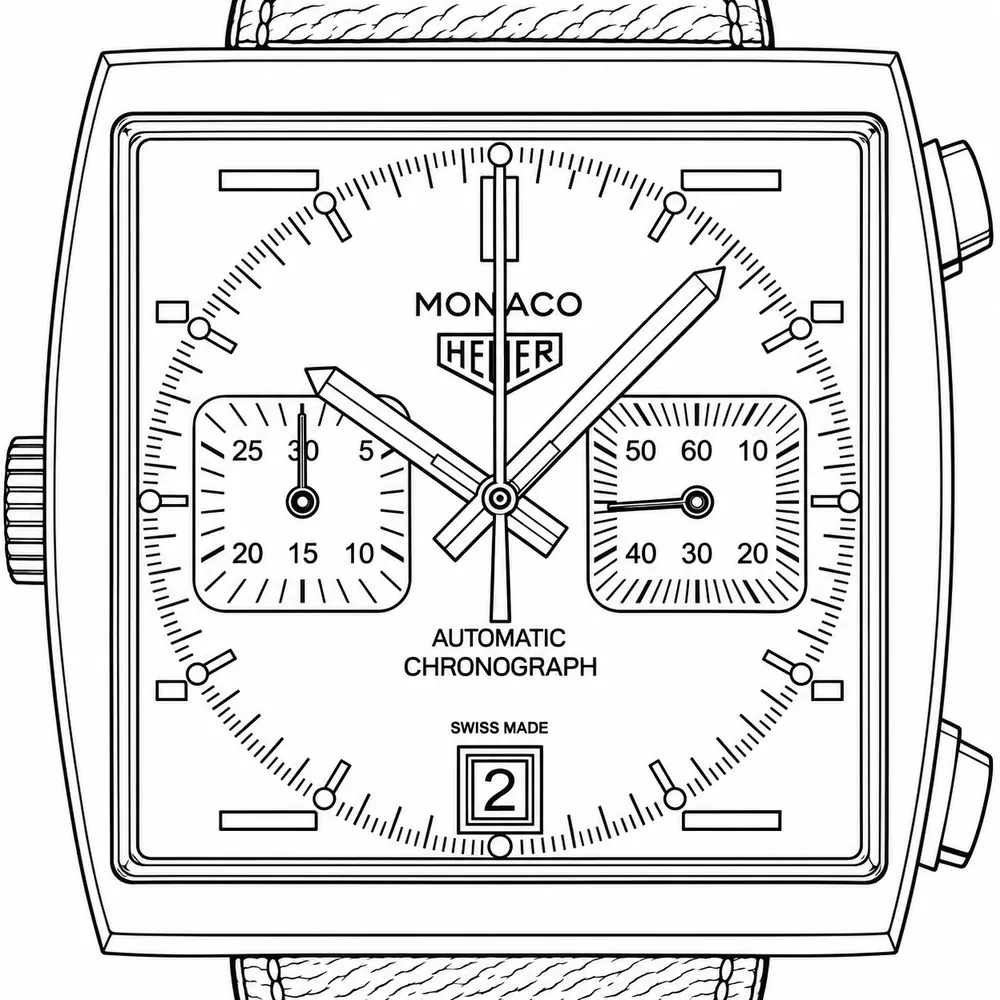
The CAW211P is the blue-dialled 39 mm steel Monaco shown at Baselworld in 2015 as a close re-edition of the 1969 Heuer Monaco ref. 1133B. It keeps the left-hand crown, matte blue dial, white square registers, horizontal applied indices and the old Heuer shield, and it was a regular catalogue watch, not a limited edition. It followed the 1,000-piece CAW211A of 2009, with a Sellita-based movement and a sapphire display back in place of an ETA base and an engraved back. The Monaco CAW2111 with the crown on the right was sold alongside it. Collectors look first at the dial print and the strap and clasp, and the full reference ends .FC6356.
- Made
- from 2015dates approximate
- Seen in the library
- 2015–2024nine in ten in 2016–2024 · by years sellers state
- Case
- 39 mm · steelas sellers state
- Movement
- Automatic
- On record
- 56 listings76 photographs · 13 holders
Components
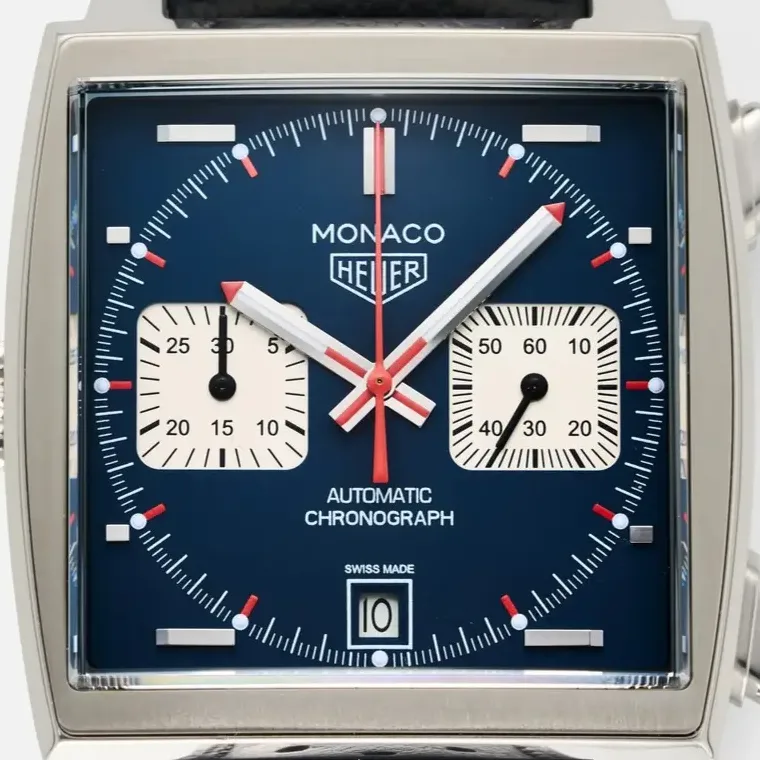
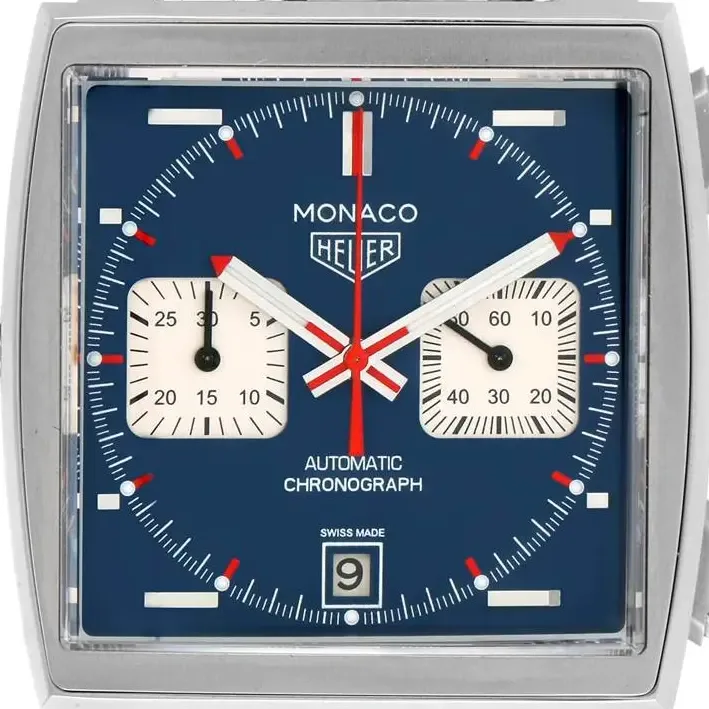
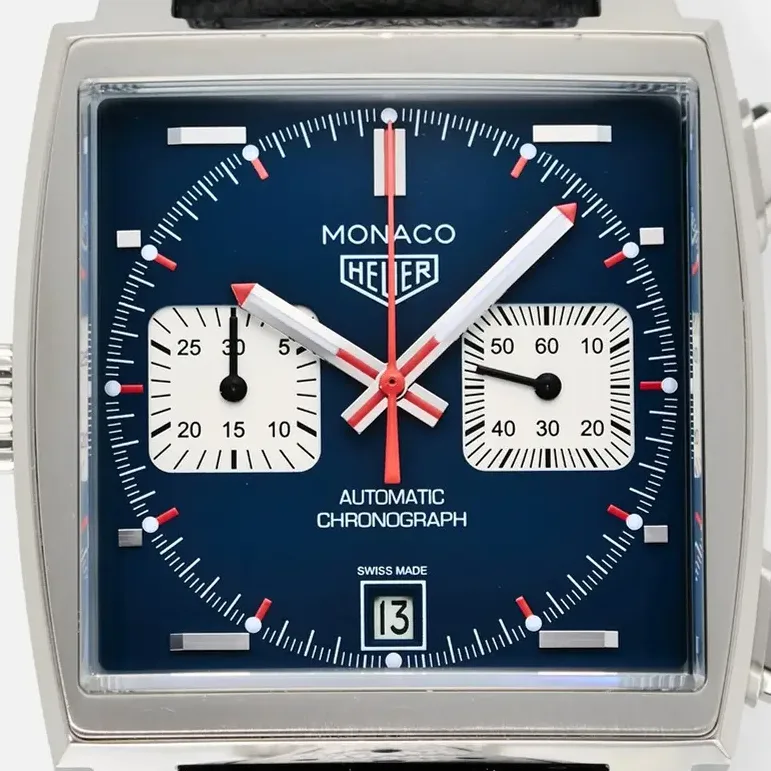
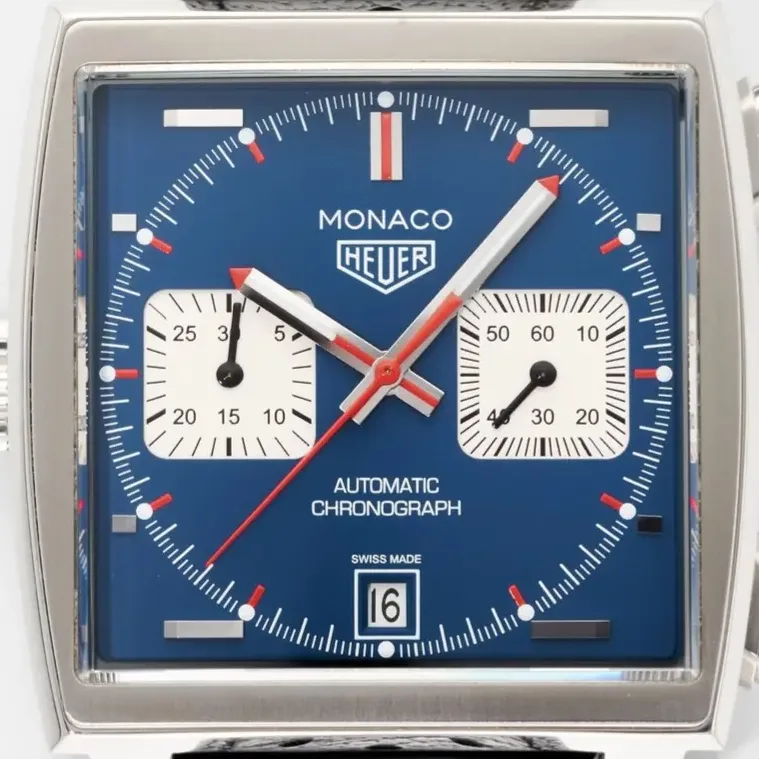
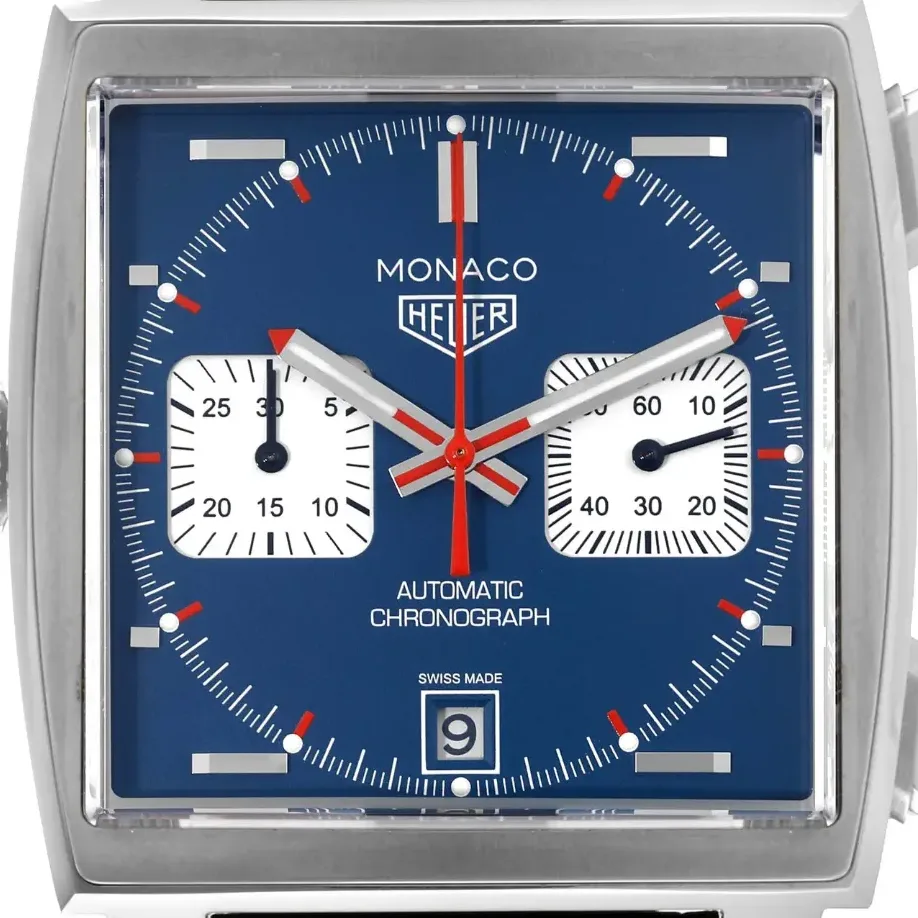
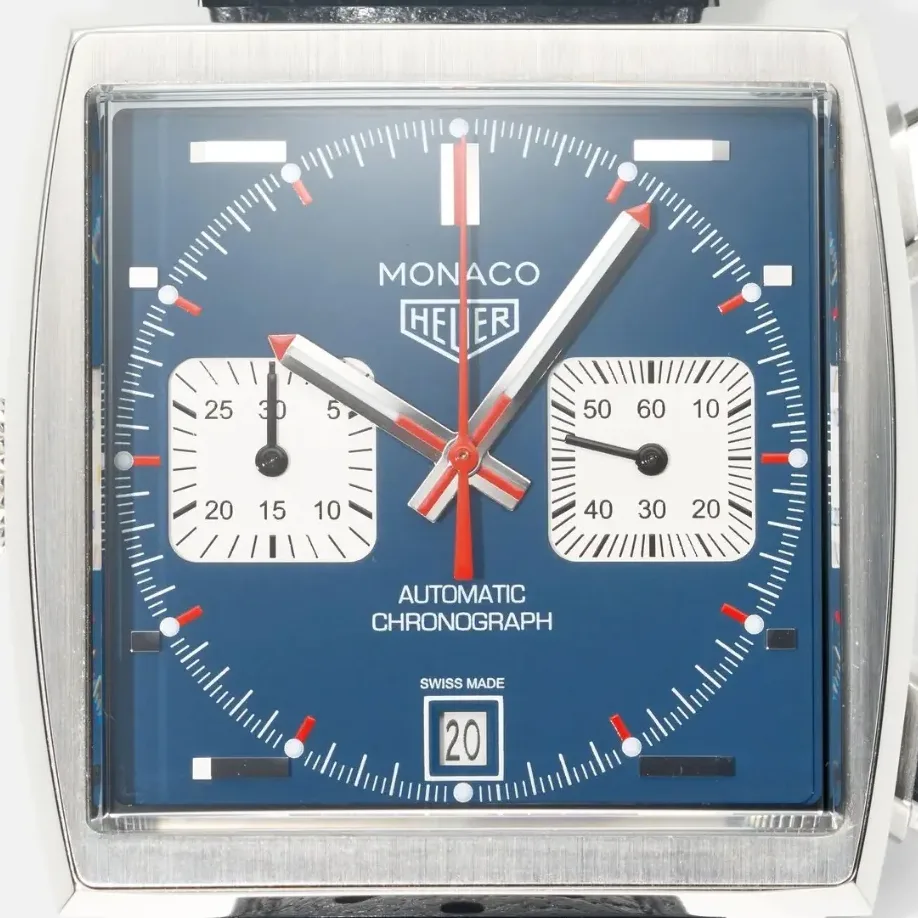
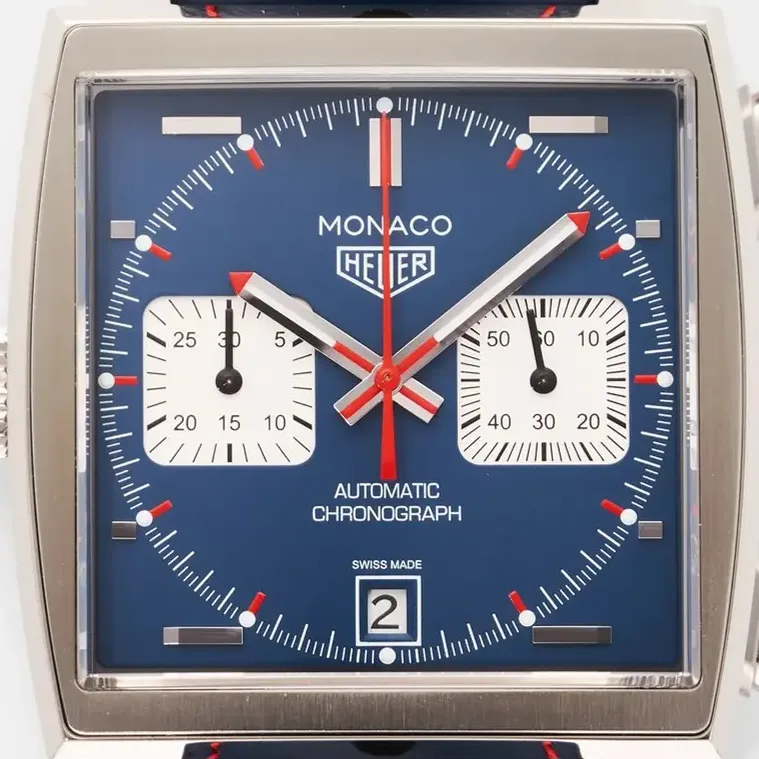
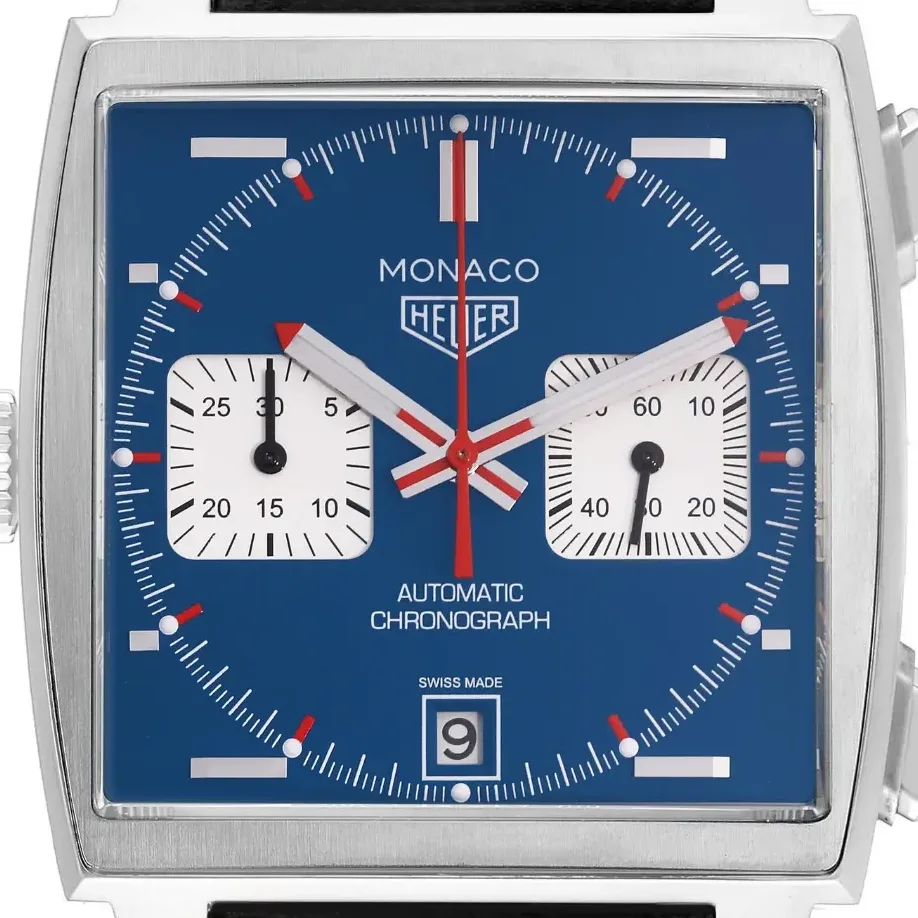
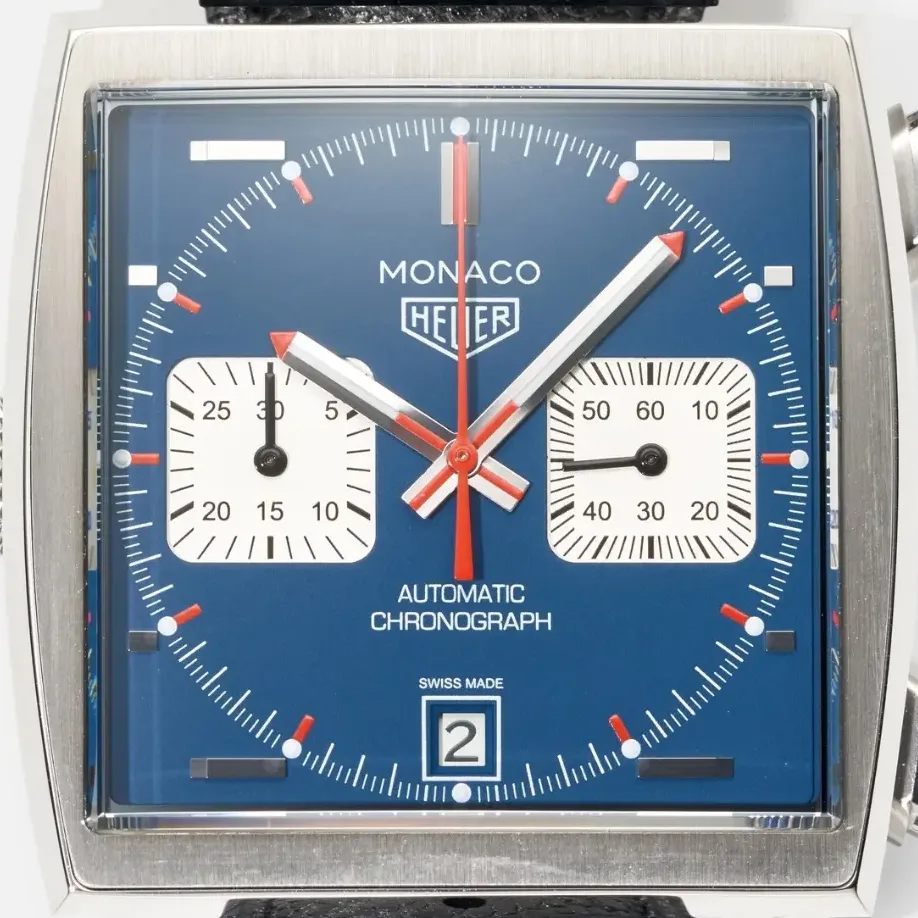
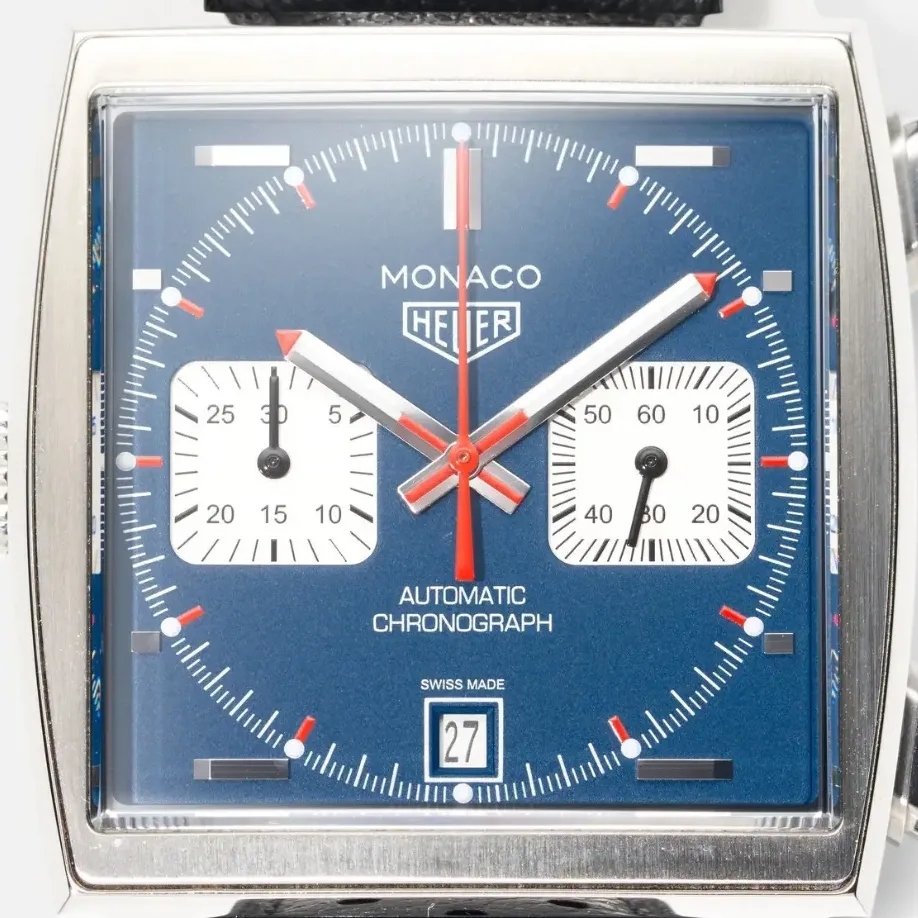
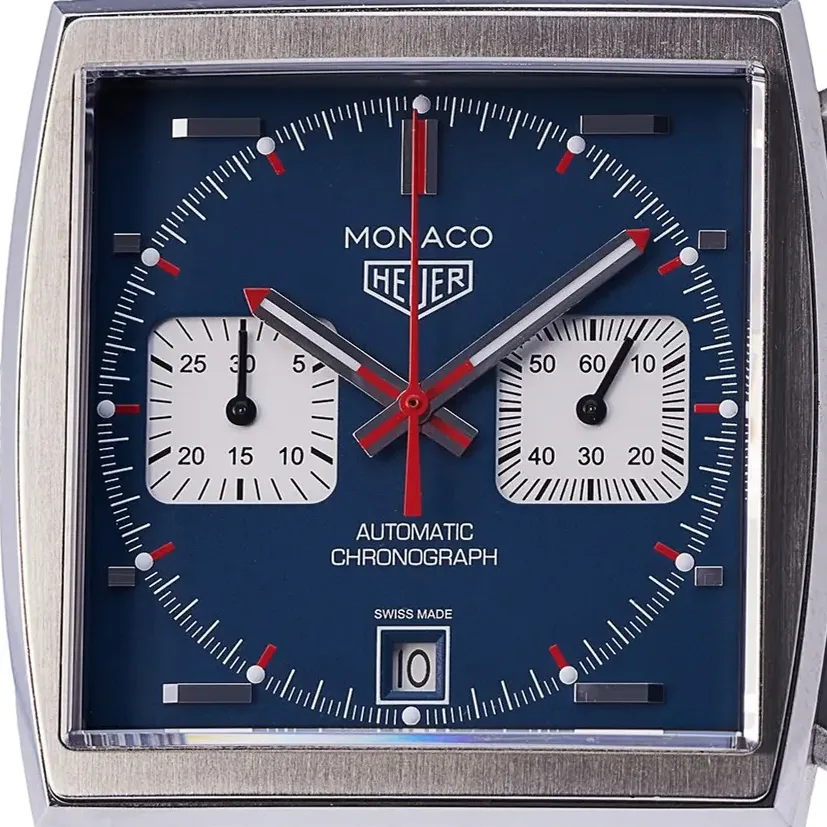
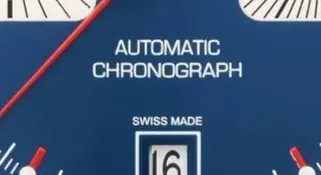
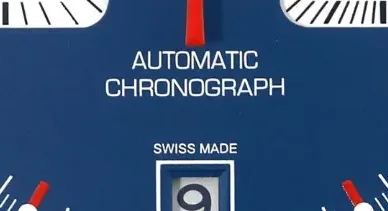
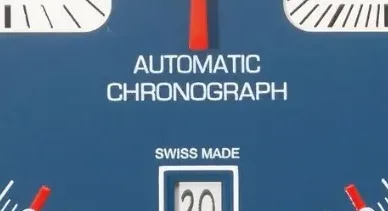
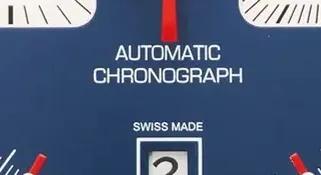
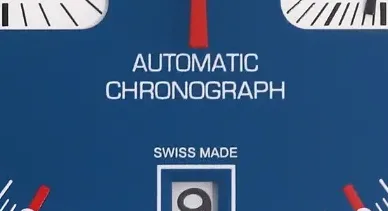
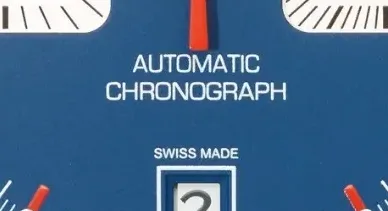
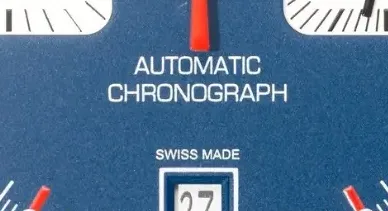
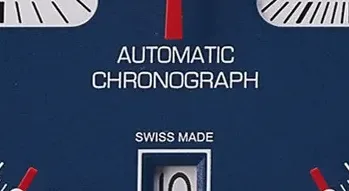
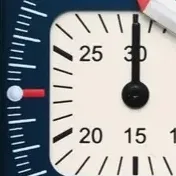
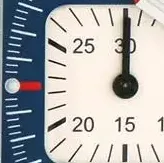
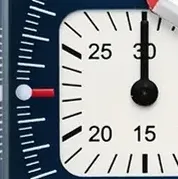
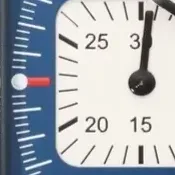
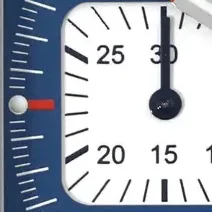
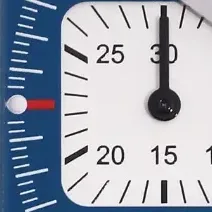
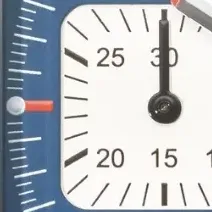
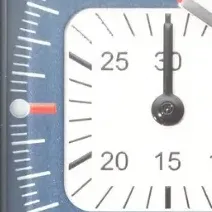
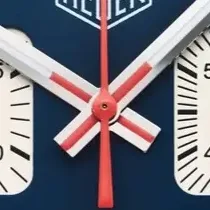
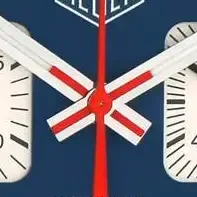
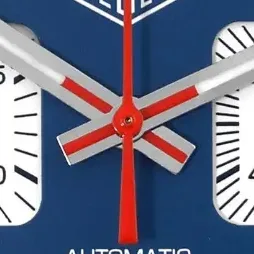
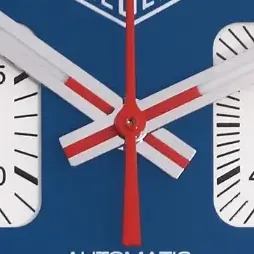
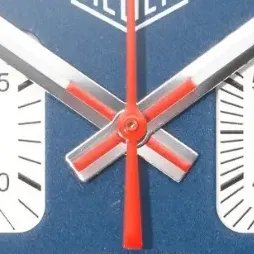
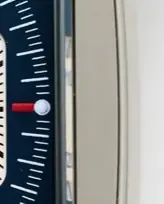
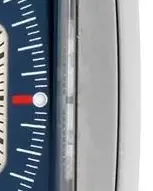
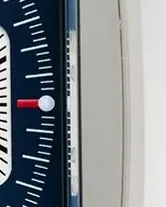
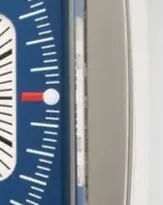
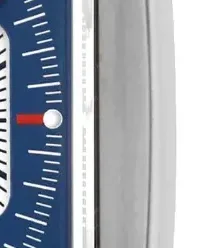
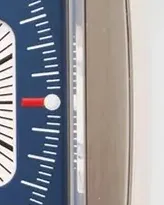
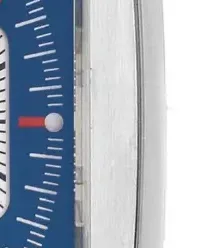
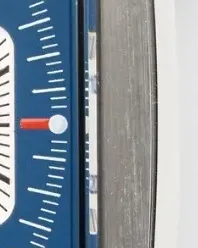
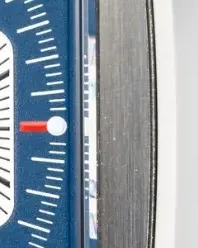
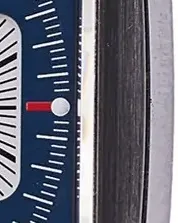
11 watches, oldest first, each straightened and cut the same way so that one row shows one component across them all. Chosen from 76 photographs on file for sharpness and for a face typical of the reference. A year marked c. is one its holder gives only roughly. Each picture is a detail cut from a listing photograph. Select the small mark in its corner for its year, its holder, a link to the listing it came from, and a way to report it.
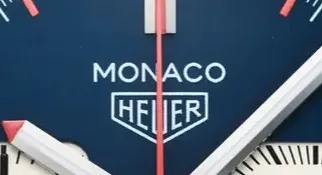
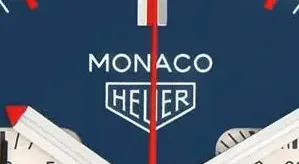
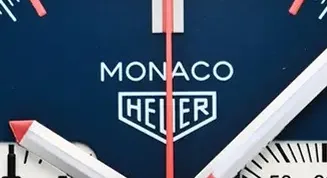
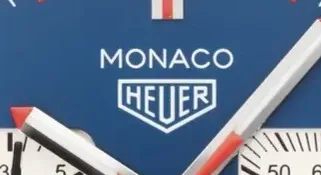
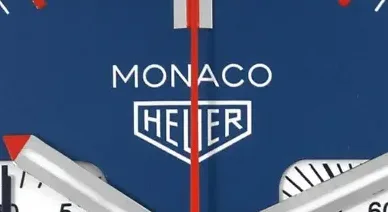

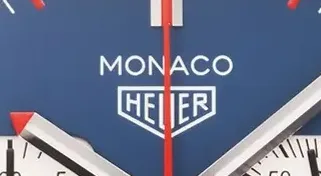
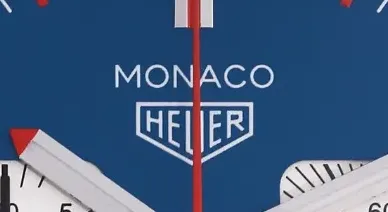

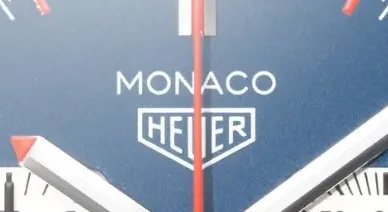












Chronology
The literature dates the launch to Baselworld 2015 and gives no end; it continues to the 2019 anniversary range without saying that the watch stopped.
Specification
| Case | 39 mm by 39 mm cushion-shaped steel case, about 14.5 mm thick, about 47 mm lug to lug with 22 mm between the lugs; brushed flanks, polished facets on the bezel and the tops of the lugs; bezel, mid-case and caseback construction |
| Crystal | High box-shaped sapphire with bevelled edges; sapphire display caseback |
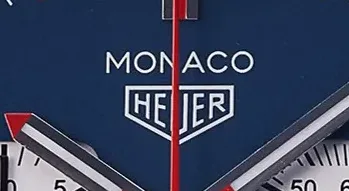
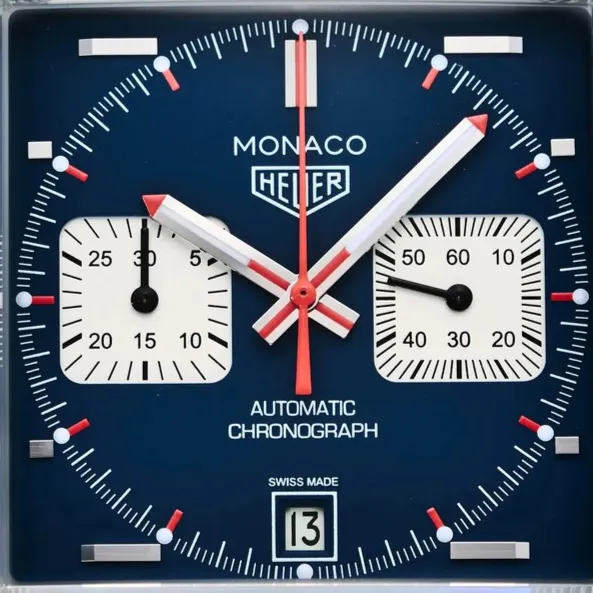
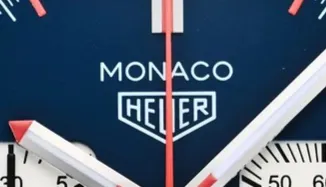
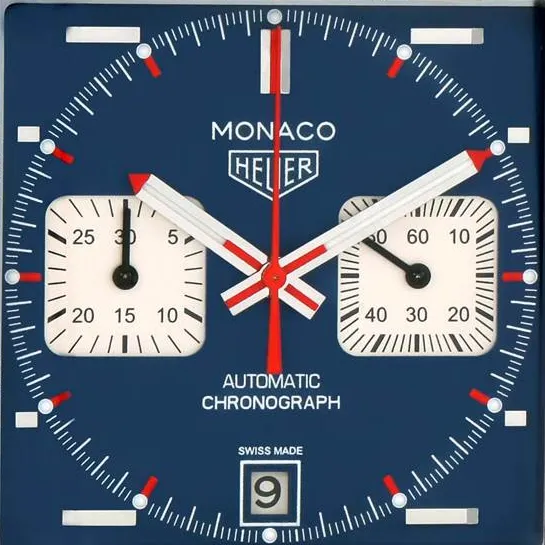
| Dial | Matte, grained blue; horizontally set applied faceted indices; white square registers with rounded corners, small seconds at 3 and 30-minute counter at 9; date window at 6 with white surround; Heuer shield and MONACO at 12 |
| Hands | Polished with a red band and white luminous insert; slim red chronograph hand; black hands on the registers |
| Crown and pushers | Crown on the left at 9, grooved and signed HEUER; two rectangular chronograph pushers on the right |
| Movement | Automatic Calibre 11: a Sellita base (reported as the SW300-1) with a Dubois-Depraz chronograph module; 28,800 vibrations an hour; 59 jewels; 40-hour reserve; hours, minutes, small seconds, 30-minute counter and date |
| Strap | Black perforated calf leather racing-style strap with folding clasp signed with the old Heuer logo; brown versions also exist |
| Water resistance | 100 m |
Reference 1 described
The reference is a single blue model. The full reference given by sellers and the maker's own material ends .FC6356, the strap code for the standard black perforated strap. A listing that gives .FC6183 uses a code the library's records otherwise show on the CAW2111 and CW2113.
CAW211P.FC6356
The standard blue Monaco on the black perforated leather strap. It is a regular production watch: the P in the reference does not mark a limited edition, though the letter was read as meaning production. It was sold with the blue-dialled Calibre 12 CAW2111 beside it, while the black-dialled CAW2110 was to be dropped.


- crown on the left
47 listings on record under the name.
Dial 5 described
The dial is a copy of the 1133B dial, with differences in size of print and date finish, and with registers that differ in function. A matte blue dial reads navy in poor light and pale blue in the sun.
Matte grained blue
The blue is matte, not sunburst, and slightly deeper and less saturated than the 2009 anniversary dial in some comparisons, though forum posters put the difference down to photography. It is darker and more matte than the sunray blue of the CW2113 and CAW2111. In weak light it goes navy and in bright light, a petrol or powder blue.

- flat matte blue
16 listings on record under the name.
Horizontal faceted indices
Eight polished faceted indices are set horizontally, as on the original, in place of the radial indices of the CAW2111. The 12 o'clock marker is filled with red, and red markers stand every five minutes on the track.
- horizontal indices
- red 12 o'clock fill
- red five-minute markers
White square registers
Two white registers with rounded corners are slightly sunken: a small seconds at 3 and a 30-minute counter at 9. The original had a 12-hour counter at 9 and the 30-minute counter at 3, with no running seconds. The register hands are black.
- sunken white squares
- small seconds at 3
- counter at 9
Painted date surround at 6
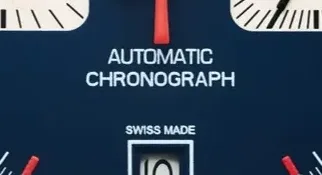
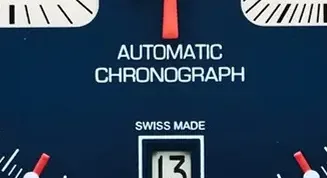
The date window at 6 has a painted white surround, where the 2009 anniversary watch and the original have a metal frame. The dial prints are somewhat larger than on the original, and SWISS MADE is printed over the window, touching it, with the word MADE not found on the 1969 dial.
- white painted ring round the date
- SWISS MADE above the date
Old Heuer shield, without TAG
MONACO and the Heuer shield sit at 12 and the dial carries no TAG; AUTOMATIC and CHRONOGRAPH are printed at 6. This is the original Heuer signature in place of the TAG Heuer logo of the CAW2111.
- Heuer shield only
- no TAG on the dial
Luminous material 1 described
Luminous dots and hand inserts
The luminous material is in the hour and minute hand inserts and in the markers at the end of the indices, with dots that are larger than on the 2009 watch. The lume is not strong.
- large luminous dots
- white insert in the hands
Hands 1 described
Polished hands with red band
The hour and minute hands are polished metal with a red band and a white luminous insert, different in shape from those of the 2009 watch. The red chronograph hand is slim; the original had a thicker triangular wedge, which one reviewer would have liked kept. Posters noted that the red portion of the hands was shorter than on the 2009 watch in photographs from Baselworld, which may be a pre-production difference.
- red band on the hour and minute hands
- slim red chronograph hand
Case 2 described
The case follows the Piquerez shape of the original in the new construction: a bezel, a mid-case and a caseback, not the original sealed case that opened only from the front.
39 mm cushion case
The case is 39 mm square, a millimetre wider than the original and the 2009 watch, with the pushers' round shape of the original replaced by rectangular ones. The sides are slightly curved and vertical, and the flanks are slimmer than on the original. The lugs are short and flat, so the caseback rests on the wrist and the watch wears large at about 14.5 mm thick. The finish combines fine brushing on the flanks and polished facets round the crystal and across the tops of the lugs.
- short flat lugs
- polished facet round the crystal
- brushed flanks
Sapphire display caseback
A sapphire window in a square back shows the movement. This replaces the engraved commemorative back of the 2009 watch and the original's lack of a back. It is not a limited edition.
- square display back
Crown 1 described
Left-hand crown and radial pushers
The crown is at 9 o'clock, grooved and signed HEUER, as on the original, and is not screw-down. The two pushers are polished and extend radially on the right; they follow the 2009 and Calibre 12 watches, not the round pump pushers of the 1969 watch.
- crown on the left
- HEUER on the crown
- two rectangular pushers
Crystal 1 described
Tall box sapphire
The sapphire sits high and is bevelled at the edge, so it adds depth to the dial and the light bends at its edges.
- tall crystal with bevelled edge
Movement 1 described
The movement is called Calibre 11 for the first chronograph movement of 1969, but it is a modern modular movement; one reviewer says plainly that it is not the original calibre. The 1969 Calibre 11, born of a joint project of Heuer, Breitling, Buren and Dubois-Depraz, had a Buren base and a micro-rotor; it is not found in this watch.
Calibre 11 (Sellita base)
A Sellita automatic base with a Dubois-Depraz chronograph module on top, at 28,800 vibrations an hour, with 59 jewels and 40 hours of reserve. It has no micro-rotor and runs the seconds continuously at 3, which the 1969 movement did not. The 2009 CAW211A used an ETA base under the same module. Some published accounts give an ETA base for this watch; the more detailed ones give the Sellita.
- display back showing a modular chronograph
Bracelet 1 described
Perforated racing strap with signed folding clasp
The strap is black, perforated calf leather in the style of the racing straps of the 1970s, fitted with a polished folding clasp engraved with the old Heuer logo that opens with side buttons. The quick-release pins that let the 2009 watch's strap be detached were dropped. Owners differ on the clasp: one finds it allows no fine adjustment, another a precise fit.
- perforations in the strap
- Heuer logo on the clasp
Box and papers 1 described
Blue box
A blue leather-covered box is reported, in place of the wooden box of the 2009 watch, with TAG Heuer wording inside. The watch has no limited-edition number.
- blue box
Originality
- The watch was delivered on a black perforated calf strap with a folding clasp signed with the old Heuer logo; the maker also offers a brown version of the strap, and owners fit straps from other Monaco editions.
- The dial should show the Heuer shield without TAG, the white painted date surround and SWISS MADE above the window.
Names
- Steve McQueen. It copies the blue Monaco worn by Steve McQueen in the 1971 film Le Mans.
- SMM. An owners' shorthand for the Steve McQueen Monaco with the crown on the left.
Where accounts differ
Points on which the published literature and the library's own records do not agree, or on which the literature contradicts itself.
- Base of the movement. One buying guide gives the movement of this watch and its siblings as having an ETA base; other accounts give a Sellita base for this reference, with the ETA base used for the 2009 CAW211A. Sellers' listings in the library's records say only Calibre 11.
- Clasp adjustment. An owner's account says the folding clasp does not really allow fine adjustment of the length; a review of the production watch says it allows a perfect fit.
- Size of the original and of the CAW211A. Most accounts make this watch a millimetre wider than the 1969 original and the 2009 CAW211A, giving the CAW211A 38 mm; a 2025 history gives 39 mm for both the original and the CAW211A.
In the records
Counted from 56 listings at 13 holders between 31 August 2018 and 14 November 2026. These are what sellers and auction houses state, not measurements.
Fainter bars are the 2 outside the main run of 2016–2024 (the middle nine-tenths): the earliest is 2015 and the latest 2026. They are early and late examples, and now and then a seller's slip. The head of the page gives 2015–2024: the years that listings from two holders bear out. Not on the scale: 2000 (2). A year more than ten from all the rest is usually a model name or a founding date, not the year of the watch.
At the holders that record papers on every watch, 92% of their 25 listings of this reference come with papers; at those that record the box on every watch, 100% of 25 come with a box. "Papers" is whatever the holder counts as papers, and can include service papers.
Case metal
| Steel | 27 |
Dial colour
| Blue | 18 |
Case size
| 39 mm | 29 |
Bracelet or strap
| Leather strap | 18 | |
| Metal bracelet, kind not stated | 1 |
Each table counts the listings that state the thing, in the seller's own terms. A size, metal, colour or calibre that cannot belong to this reference is a seller's slip or a listing filed under the wrong number.