Calatrava (self-winding)
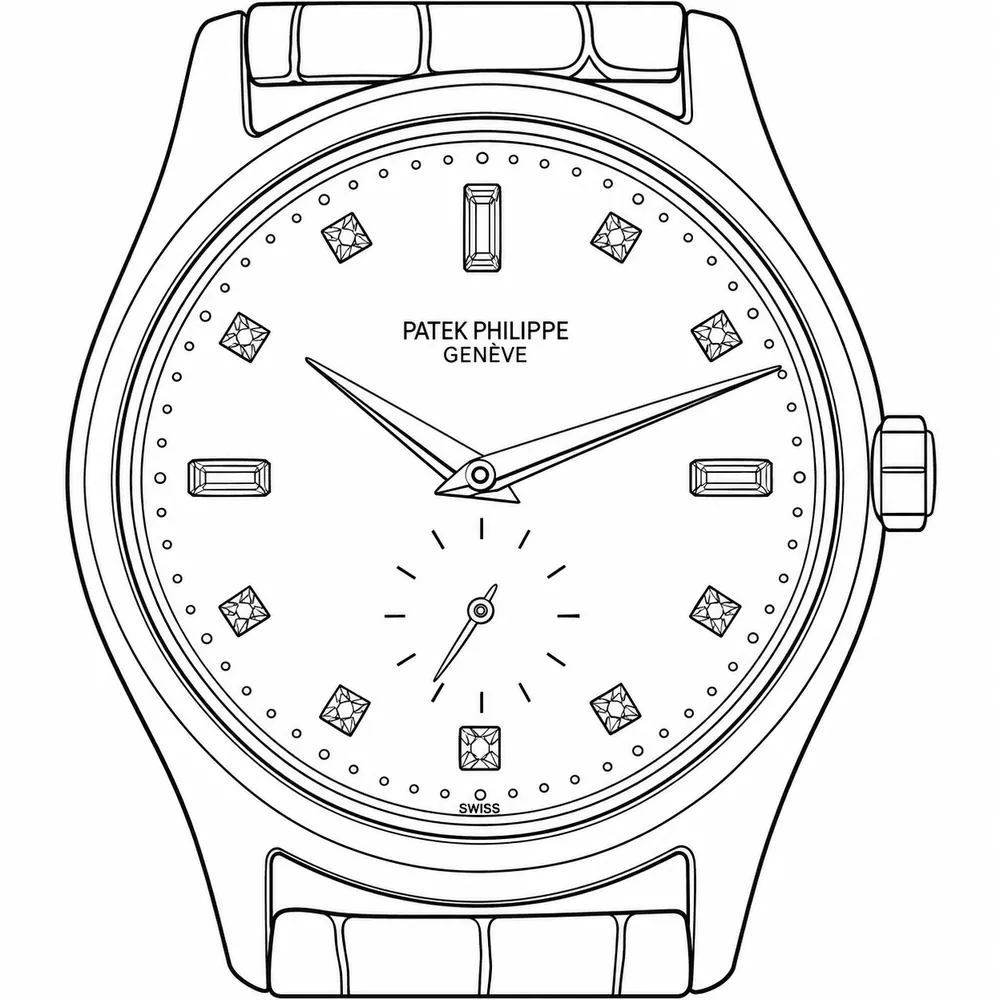
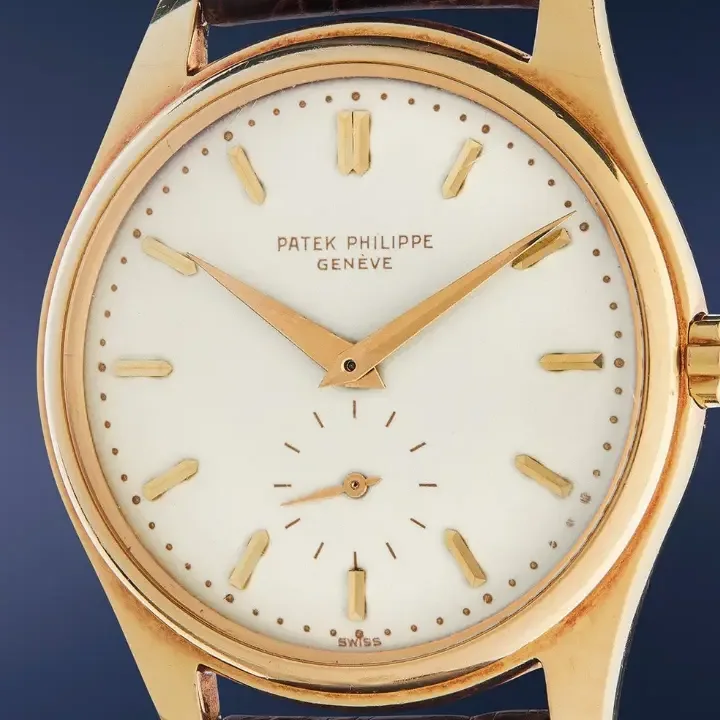
The 2526 is a round Calatrava introduced in 1953 as Patek Philippe's first self-winding wristwatch, powered by calibre 12-600 AT with a full gold rotor and the Gyromax balance. It is known for its enamel dial on a silver base, applied faceted markers, dauphine hands, small seconds at six, a screw-down back and a crown cut with two mirrored Ps. It was made in yellow gold chiefly, with pink gold, white gold and platinum in smaller numbers, until about 1960; the total is usually put at fewer than 600, though some catalogues give far more. The thinner 2552 followed in 1955. Collectors look first at the dial: first-series dials with pinned markers, colour, any retailer name, and above all cracks and replacements.
- Made
- 1953–1960
- Seen in the library
- 1952–1960nine in ten in 1953–1958 · by years sellers state
- Case
- 36 mm · gold (96%)as sellers state
- Movement
- Calibre 12-600, 12-600ATautomatic
- On record
- 191 listings434 photographs · 18 holders
Components
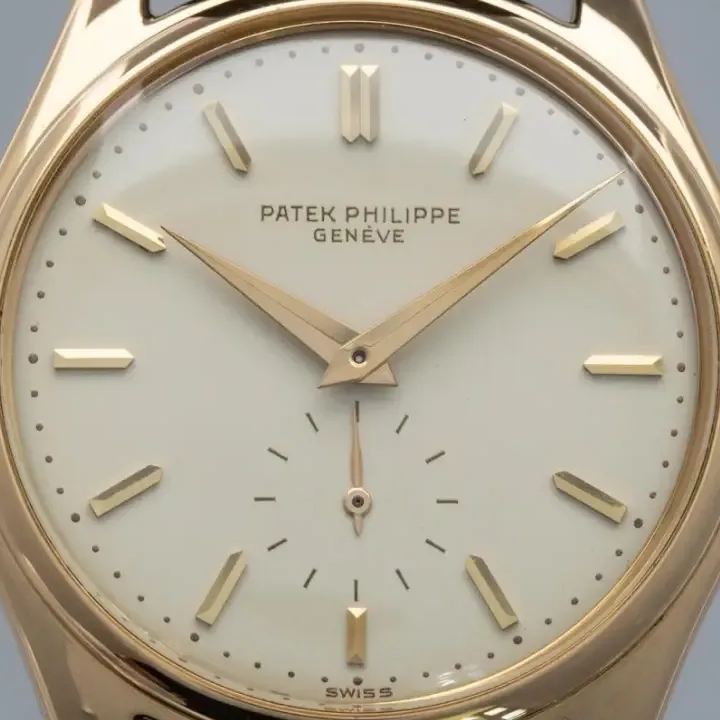
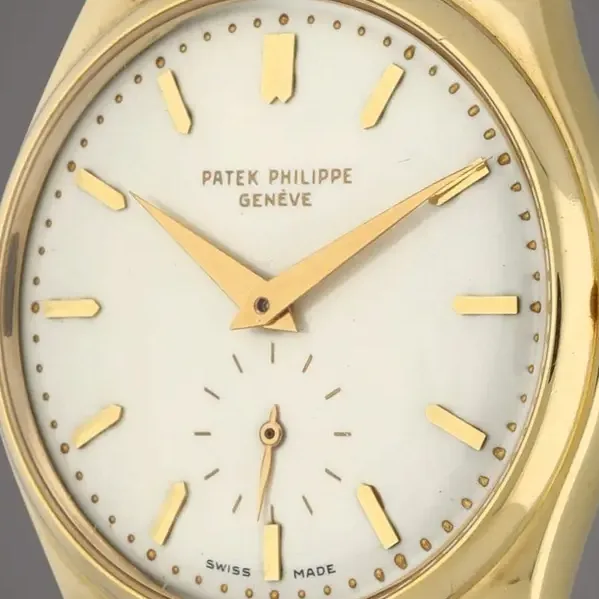
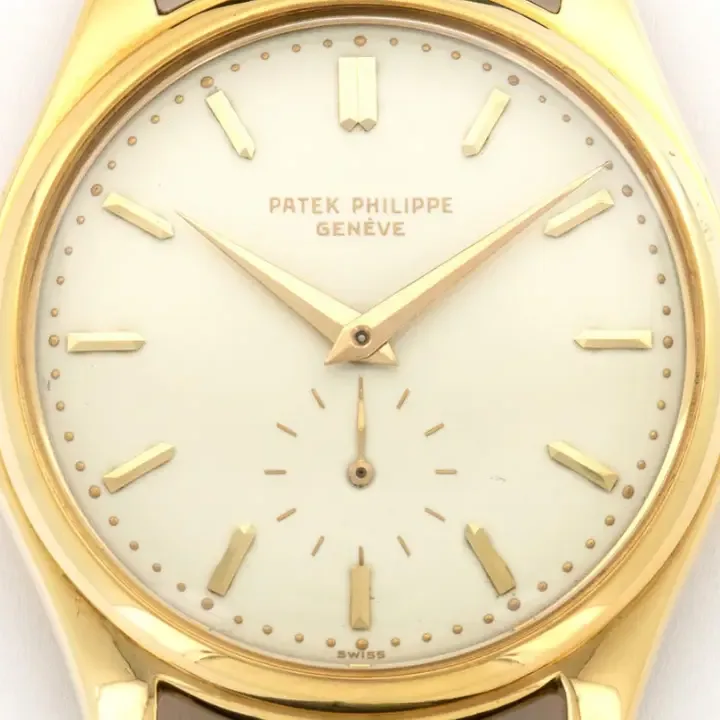
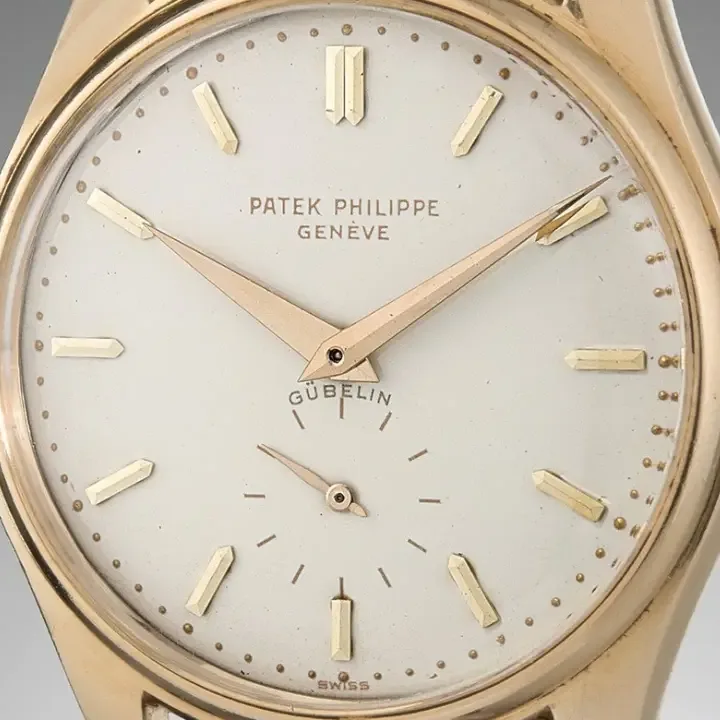
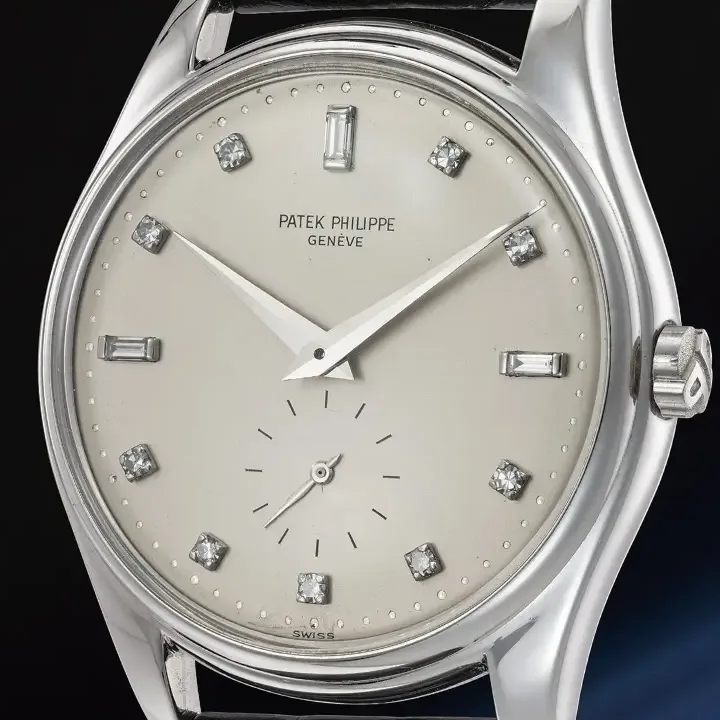
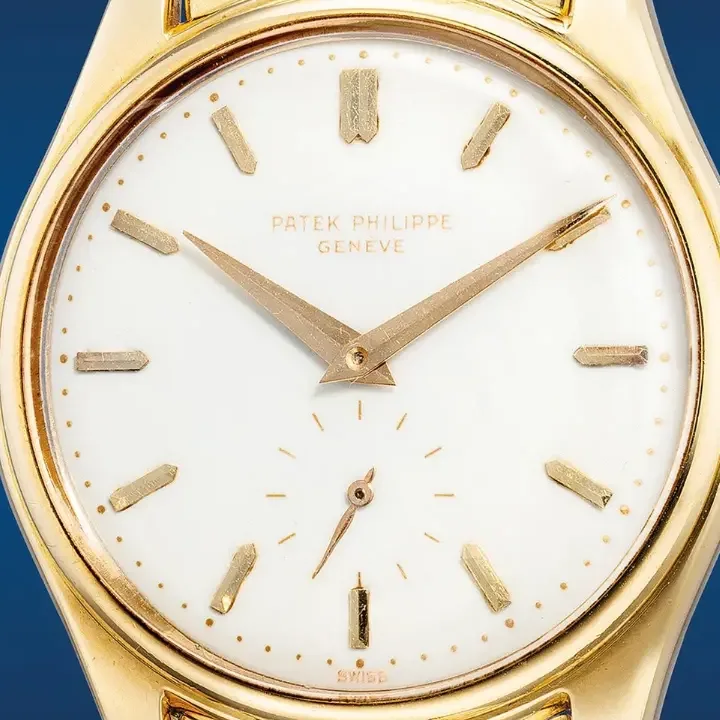
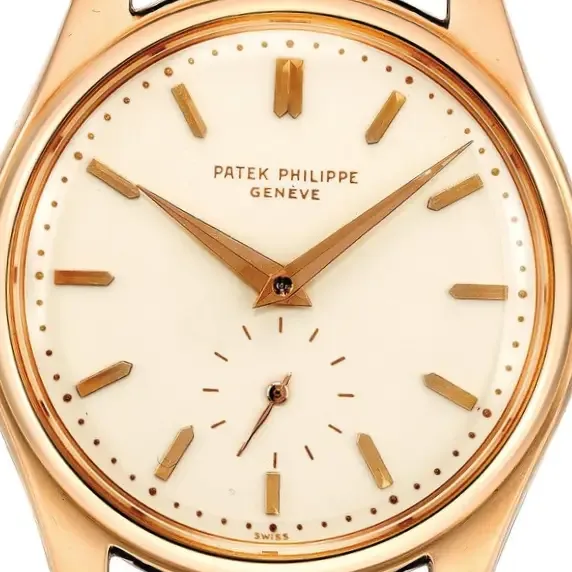
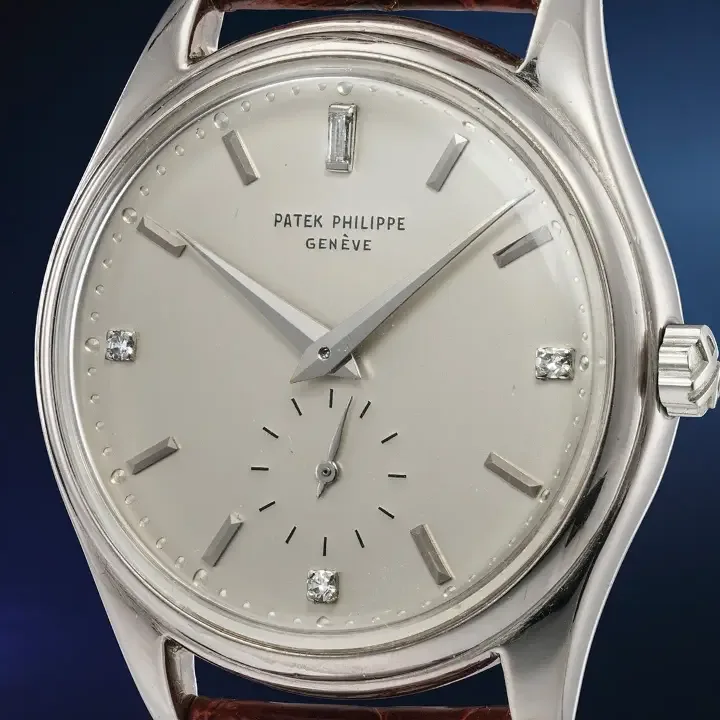
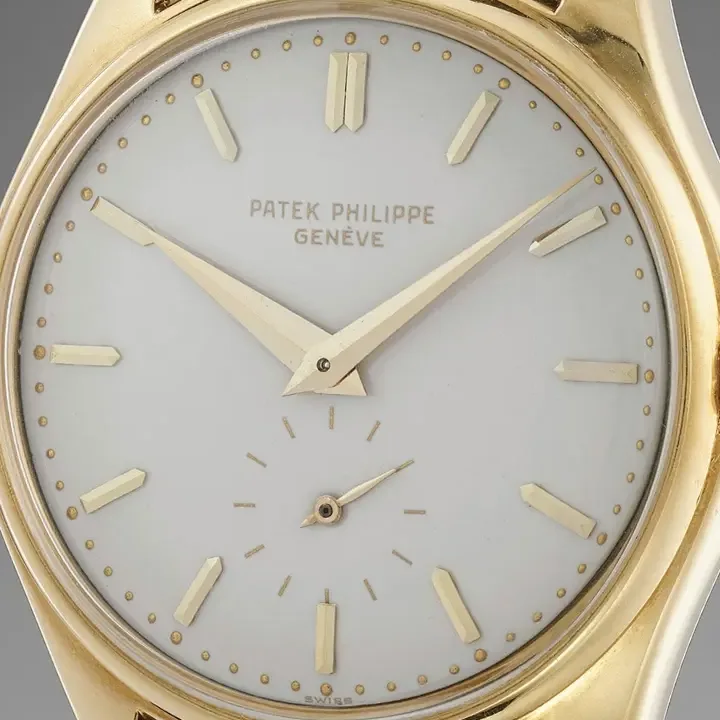
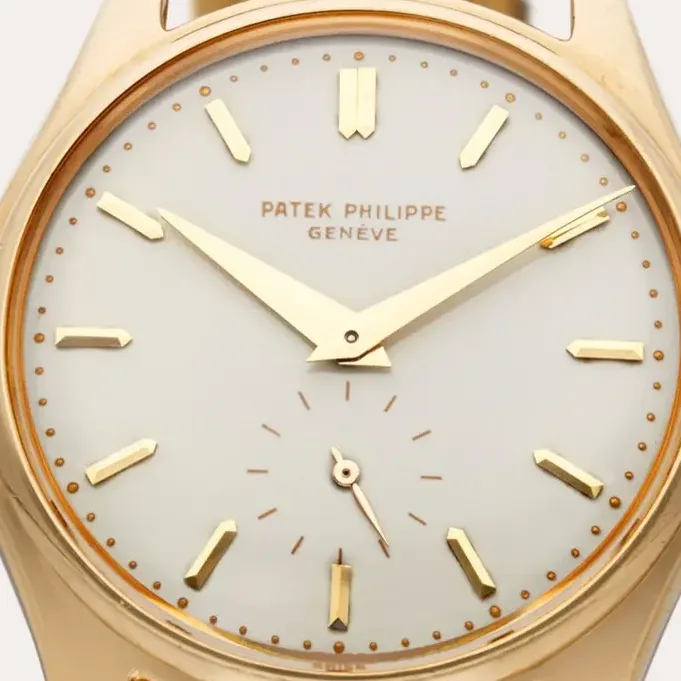
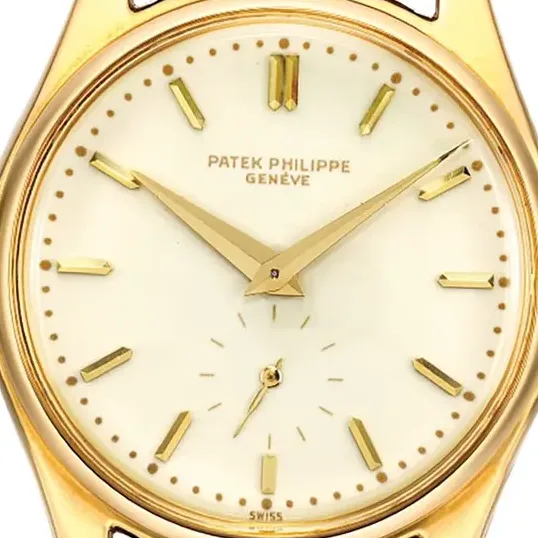
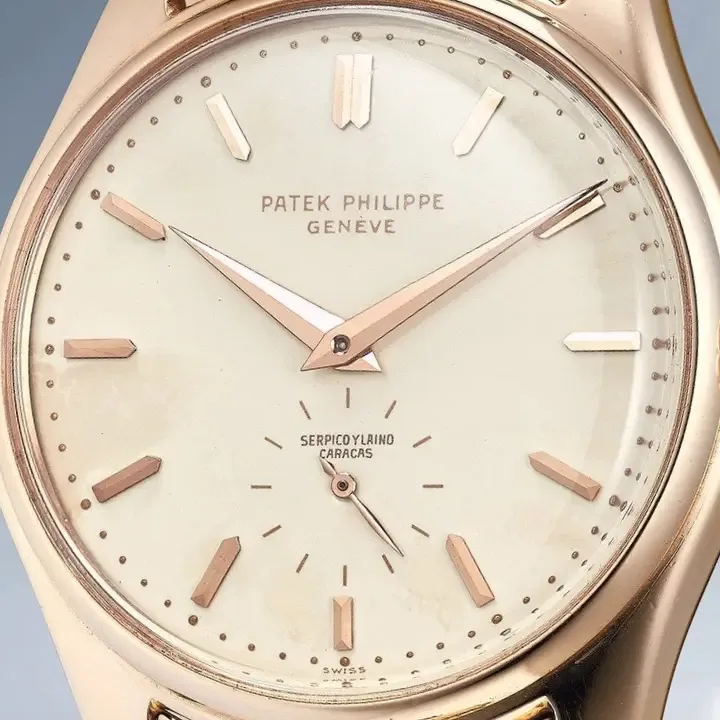
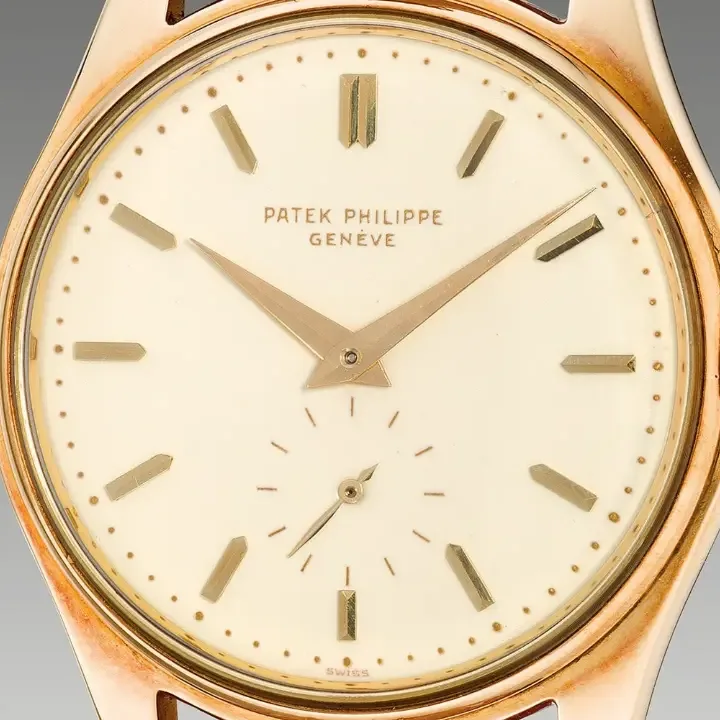
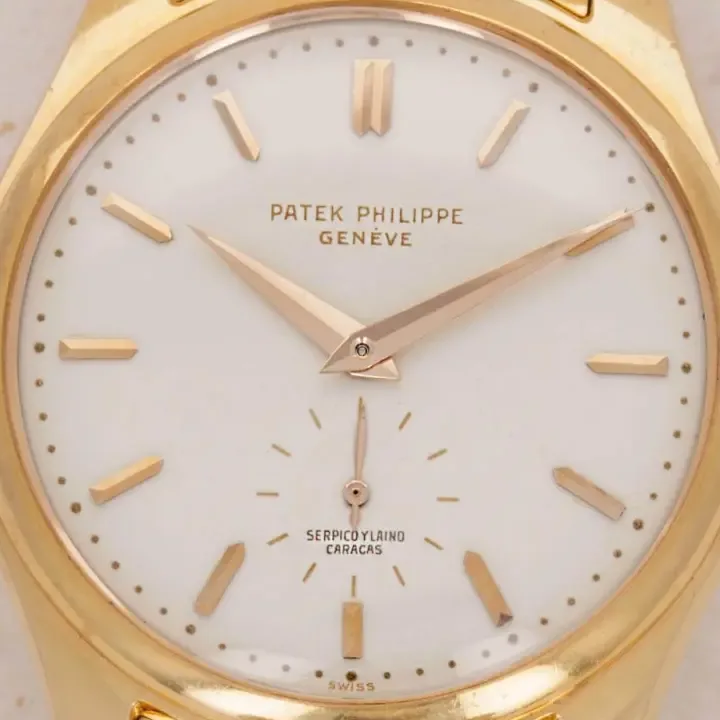
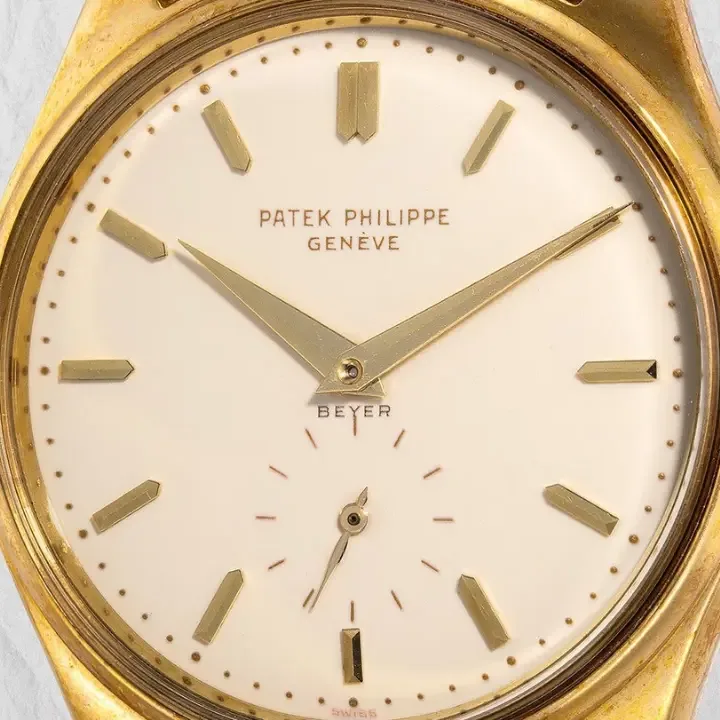
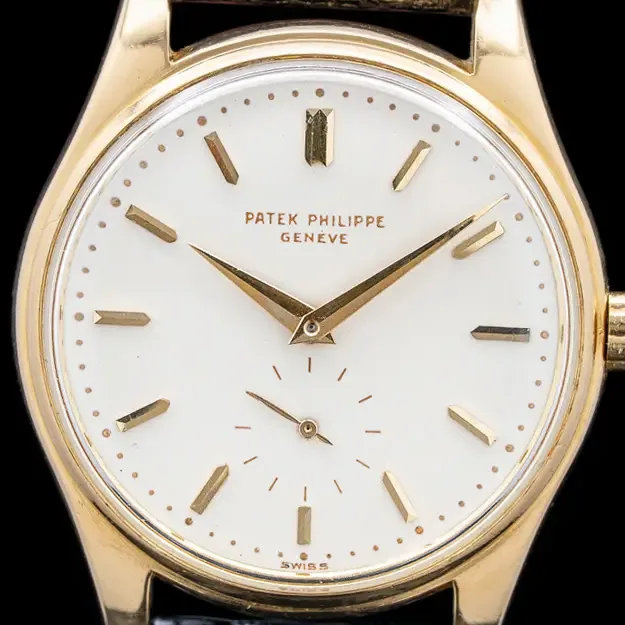
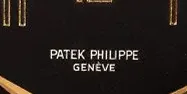
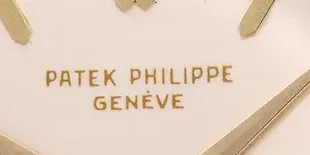
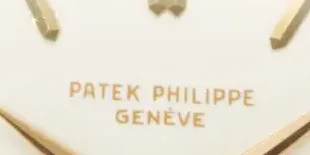
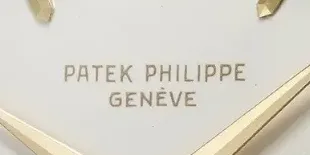
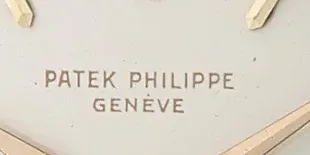
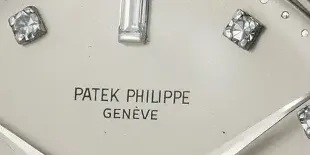
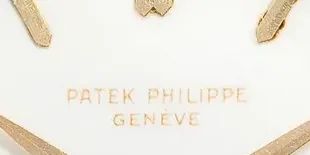
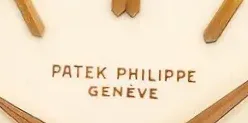
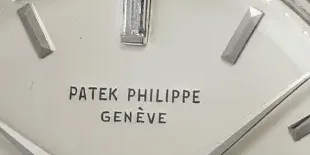
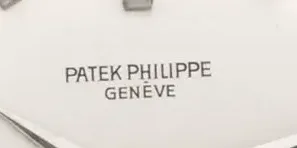
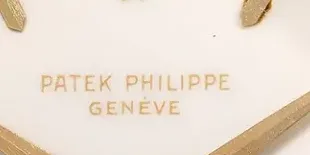
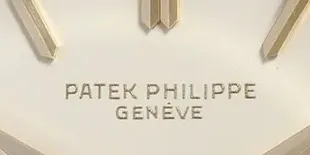
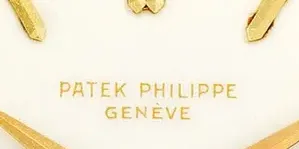
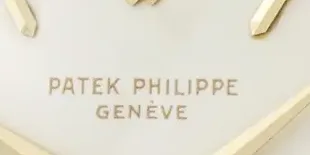
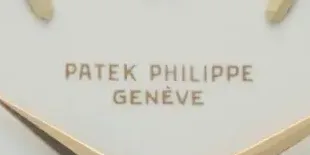
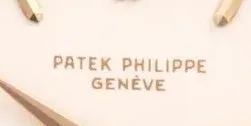
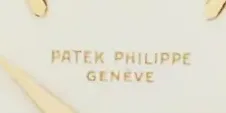
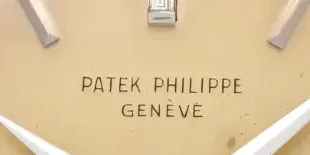
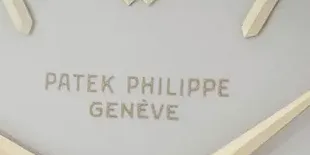
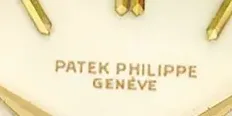
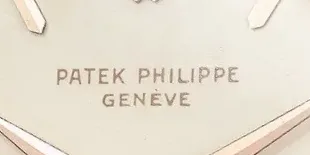
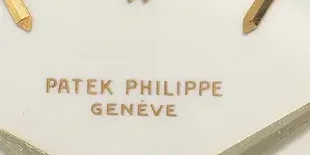
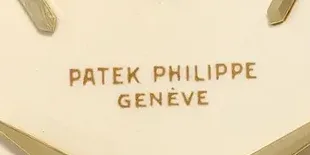
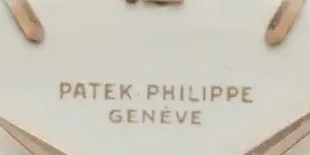
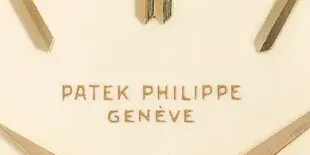
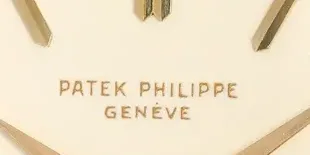
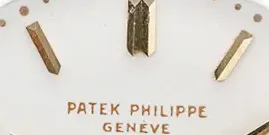
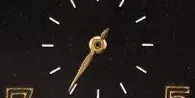
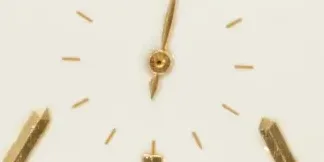
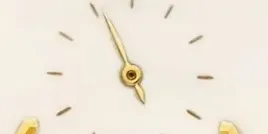
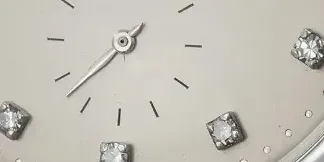
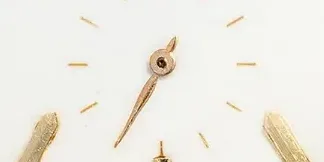
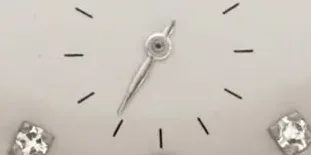
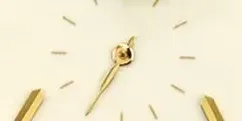
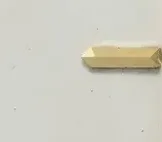
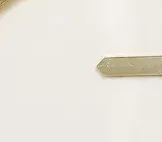
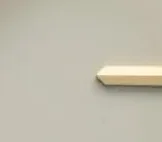
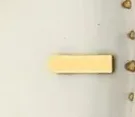
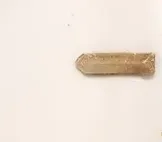
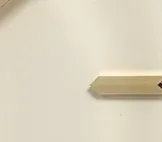
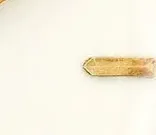
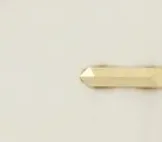
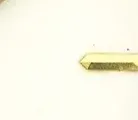
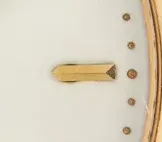
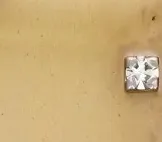
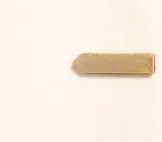
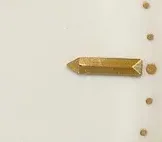
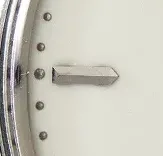
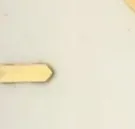
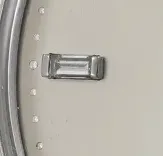
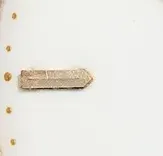
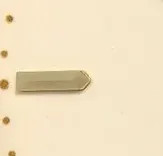
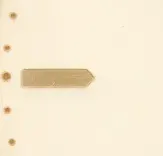
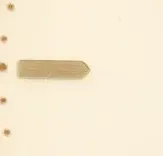
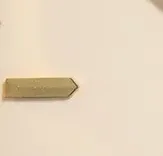
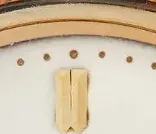
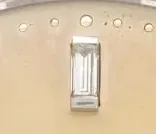
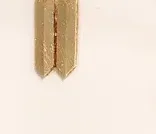
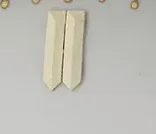
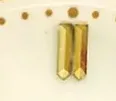
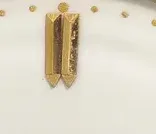
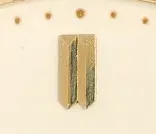
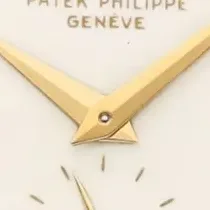
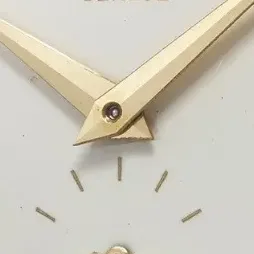
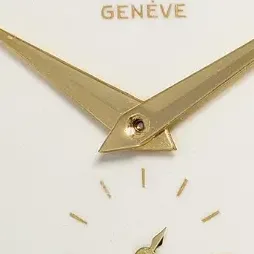
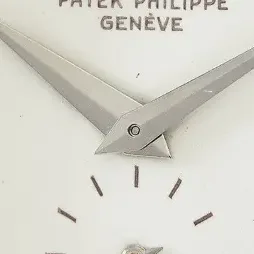
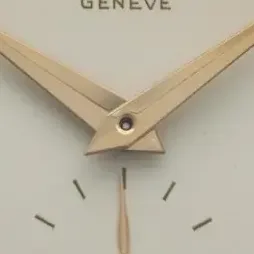
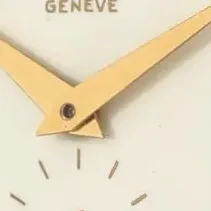
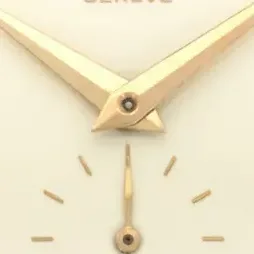
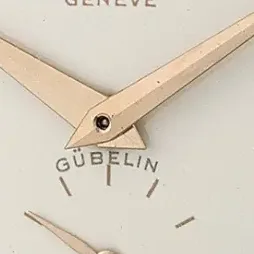
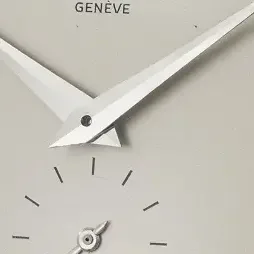
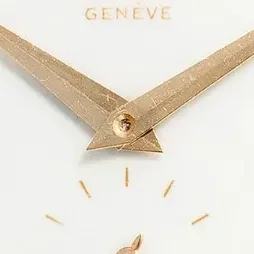
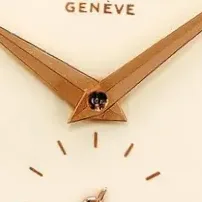
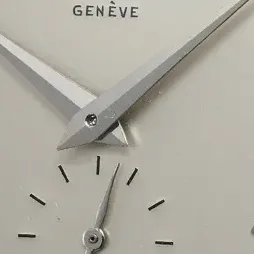
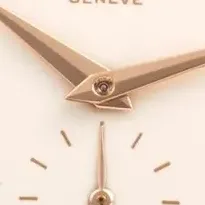
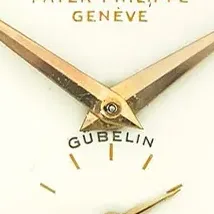
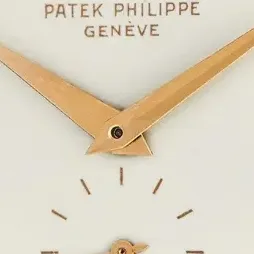
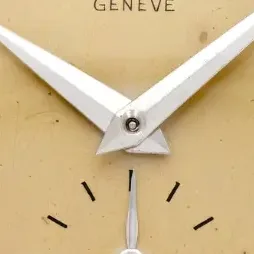
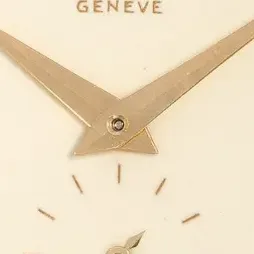
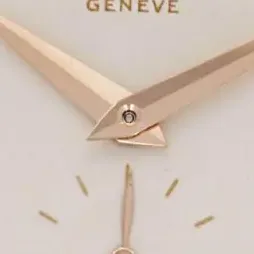
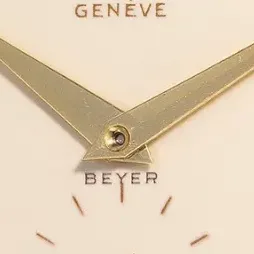
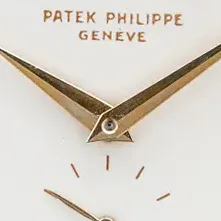
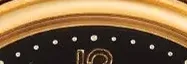
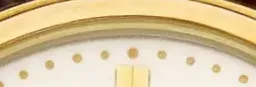
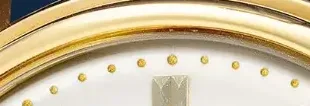
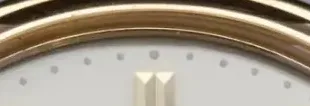
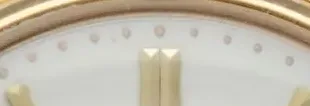
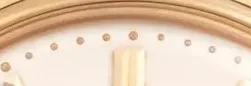
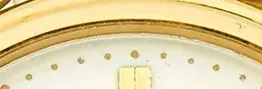
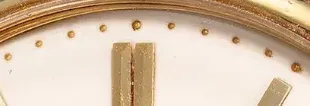
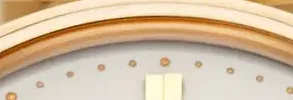
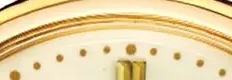
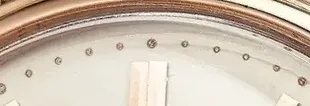
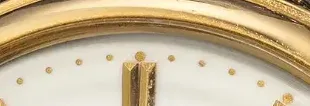
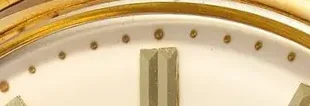
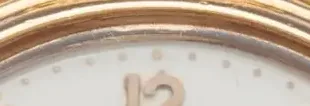
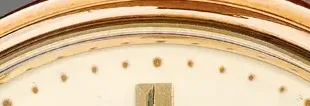
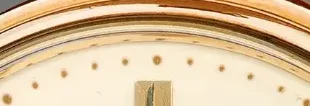
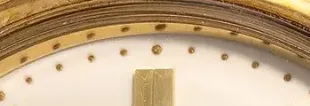
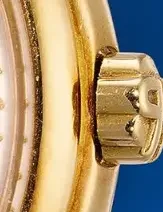
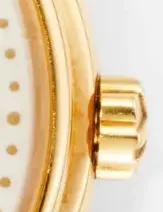
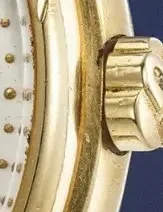
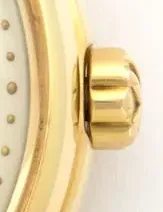
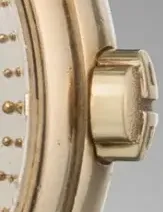
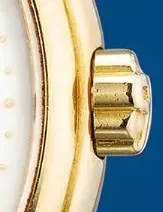
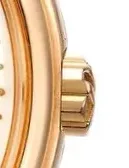
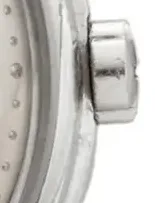
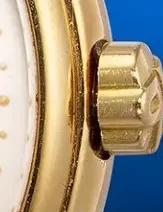
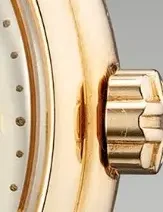
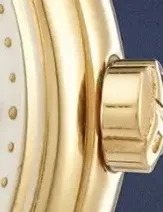
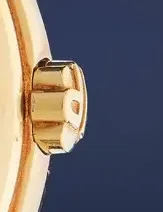
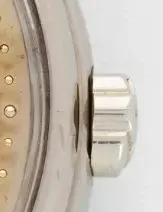
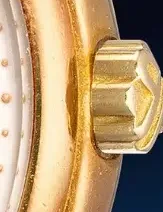
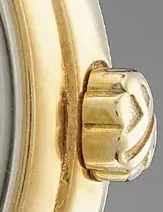
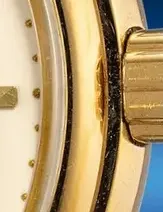
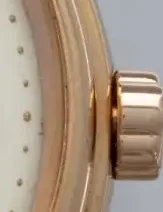
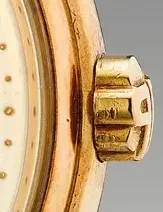
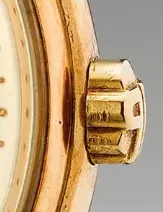
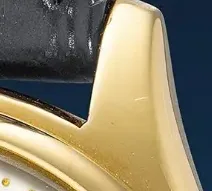
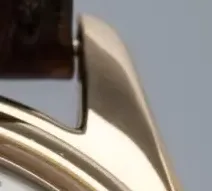
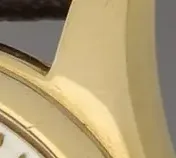
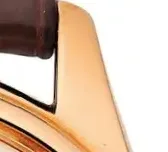
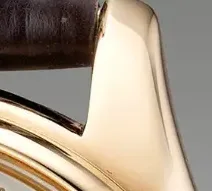
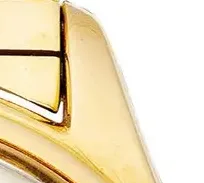
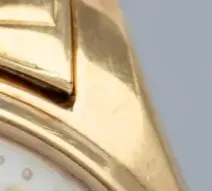
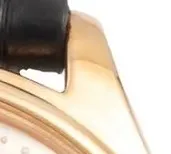
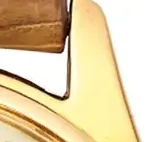
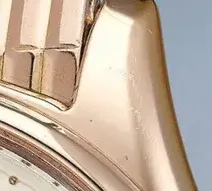
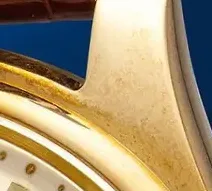
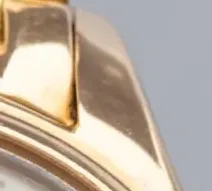
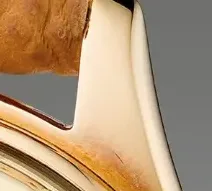
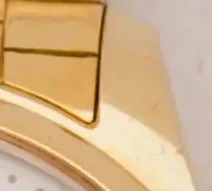
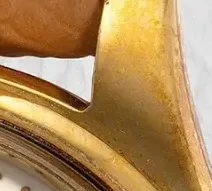
39 watches, oldest first, each straightened and cut the same way so that one row shows one component across them all. Chosen from 434 photographs on file for sharpness and for a face typical of the reference. A year marked c. is one its holder gives only roughly. Each picture is a detail cut from a listing photograph. Select the small mark in its corner for its year, its holder, a link to the listing it came from, and a way to report it.
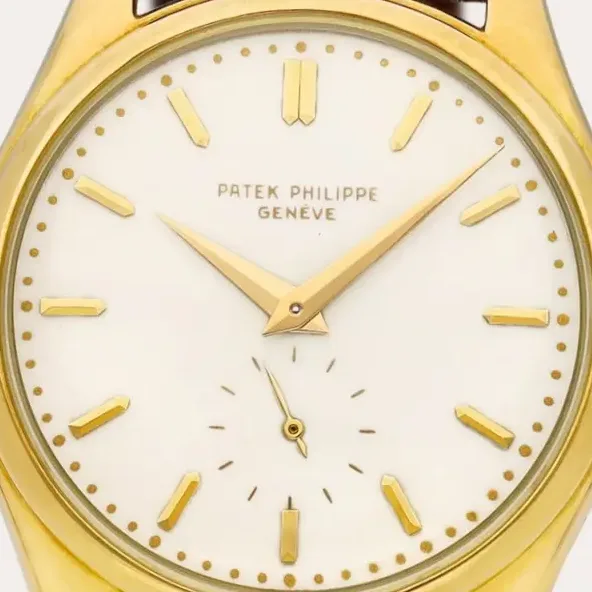
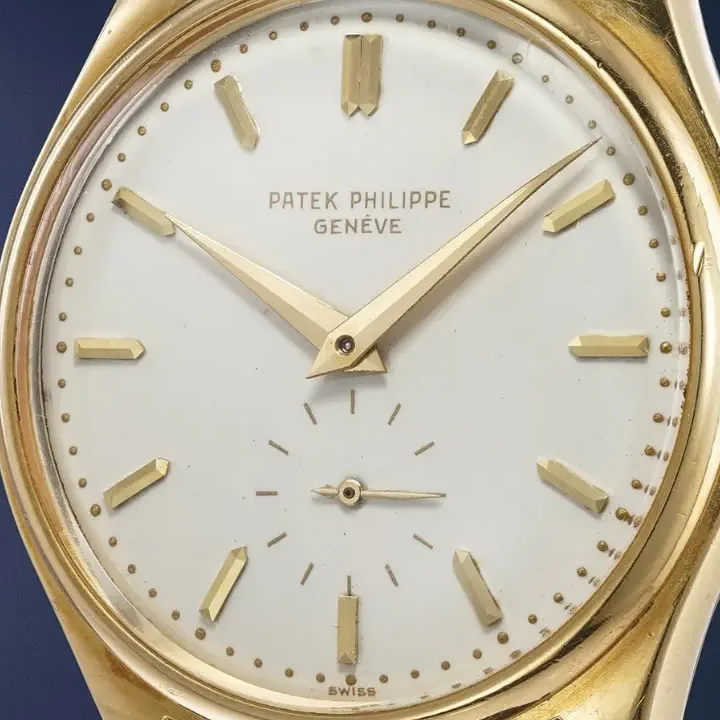
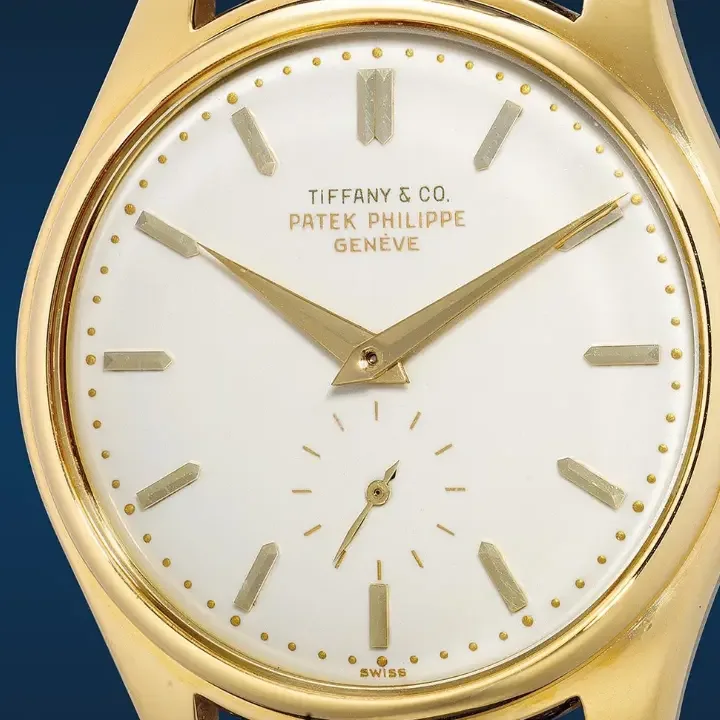
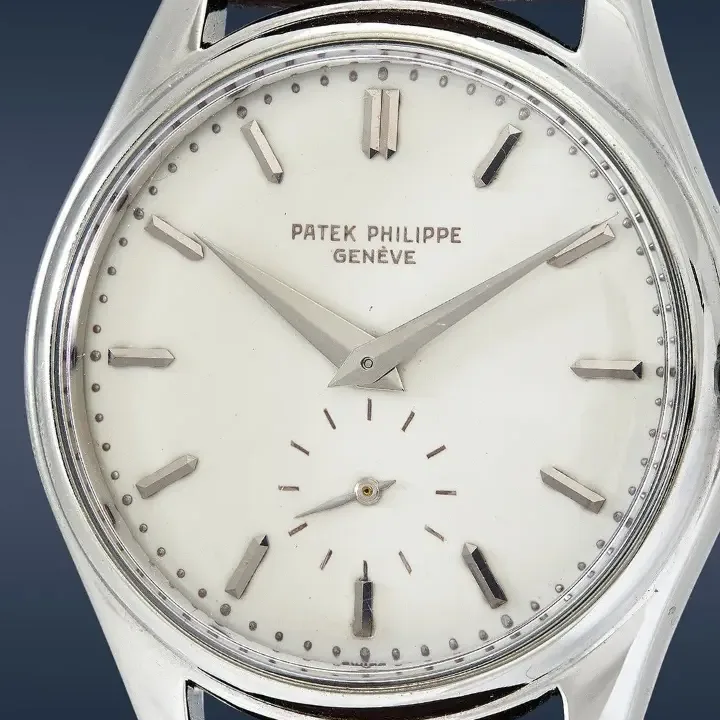
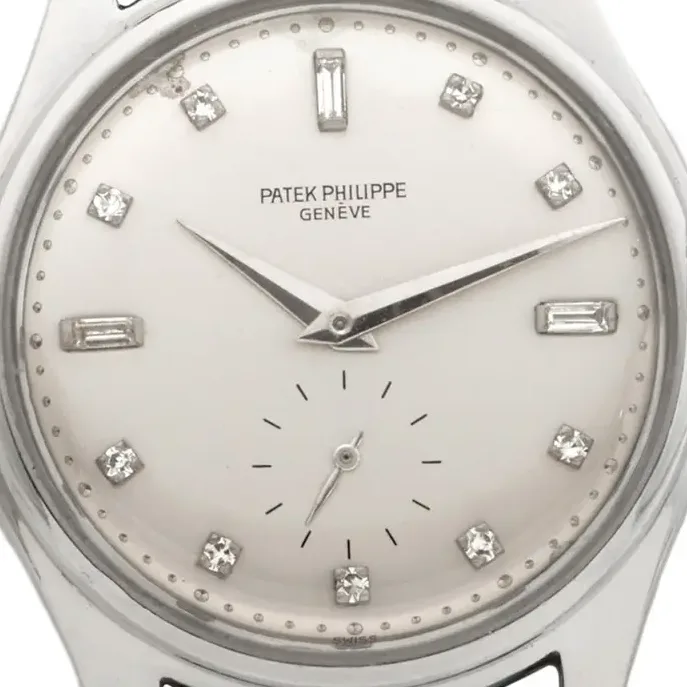
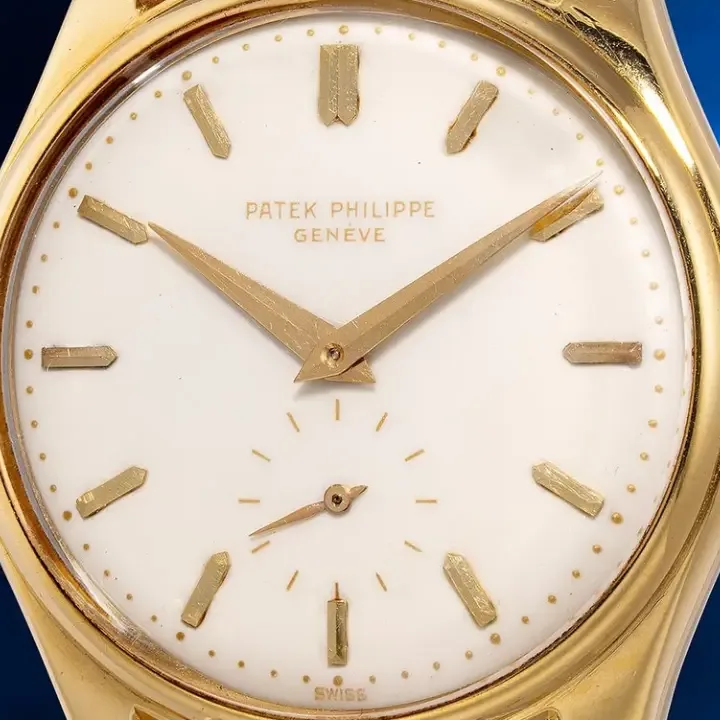
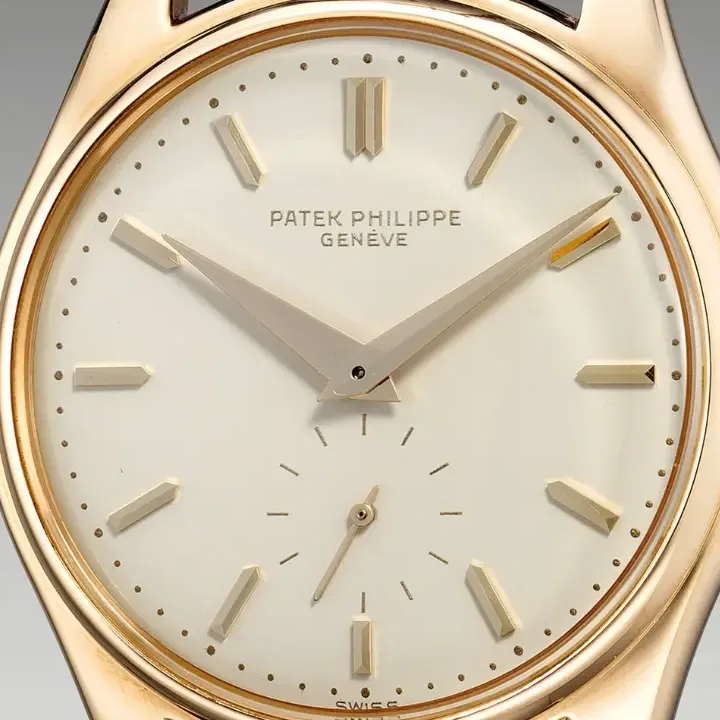
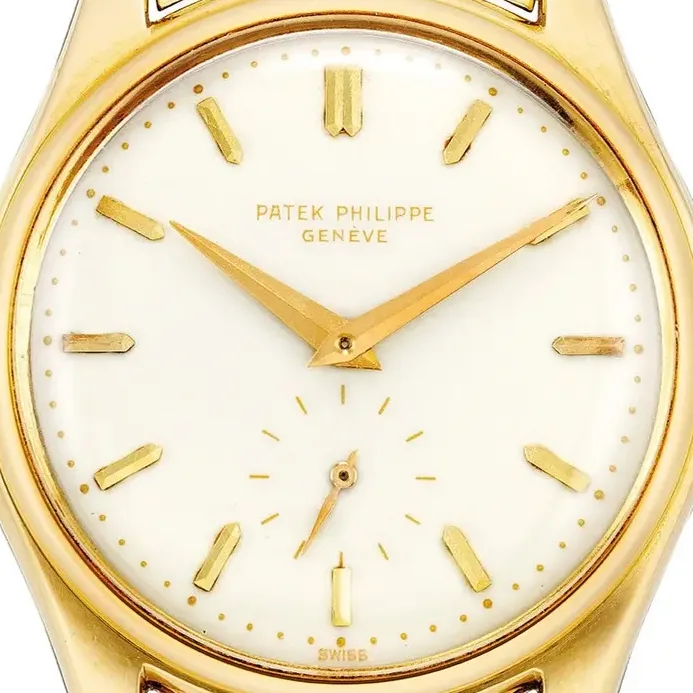
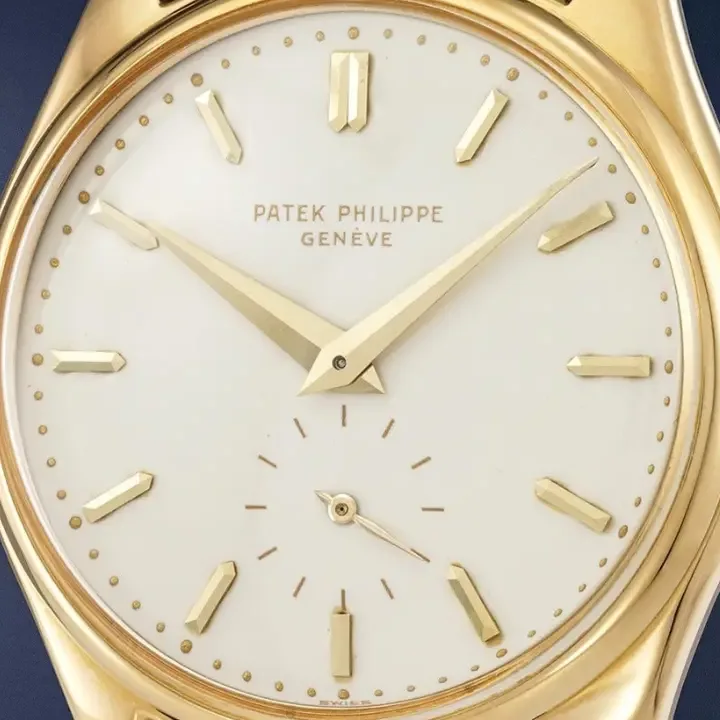
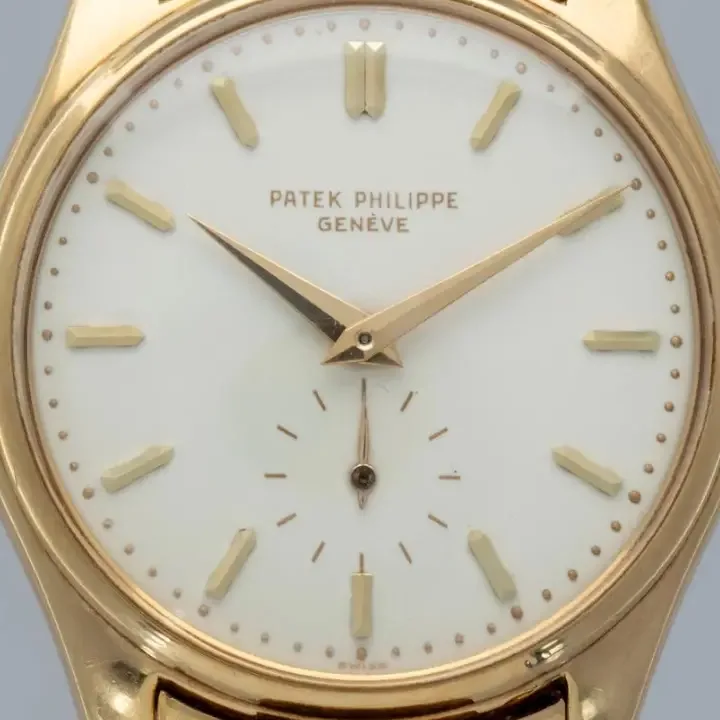
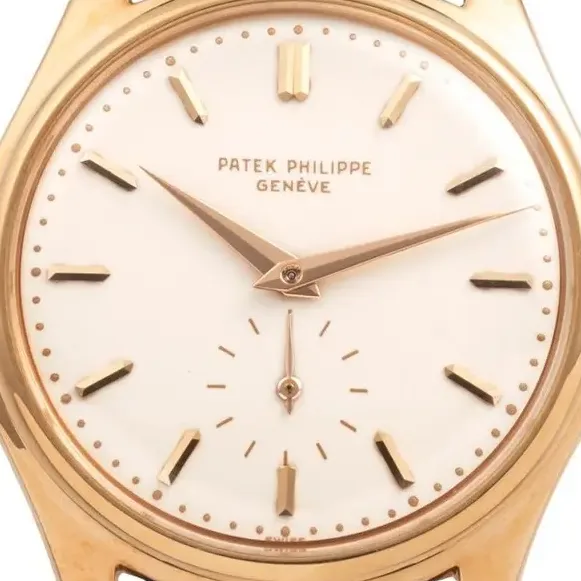
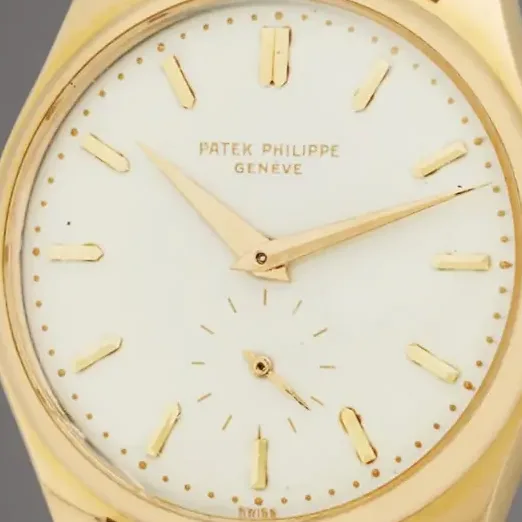
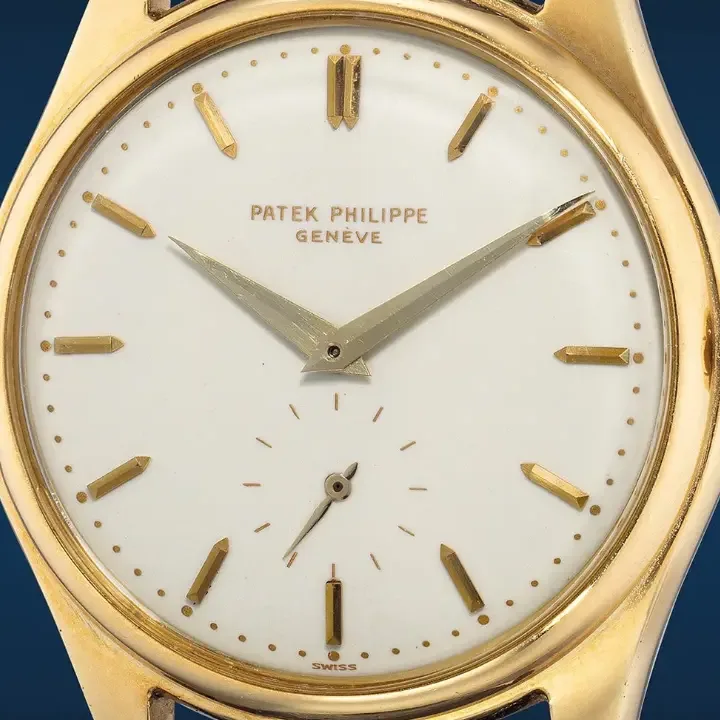
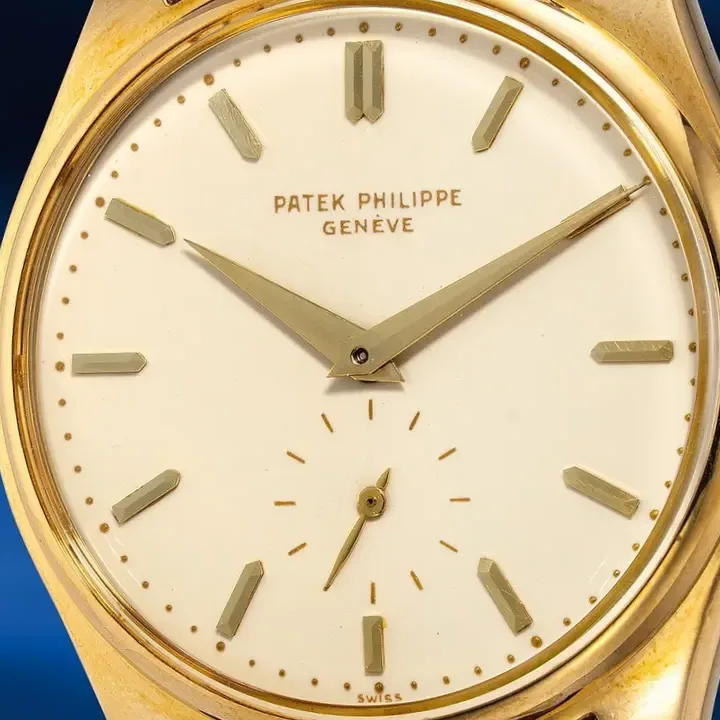
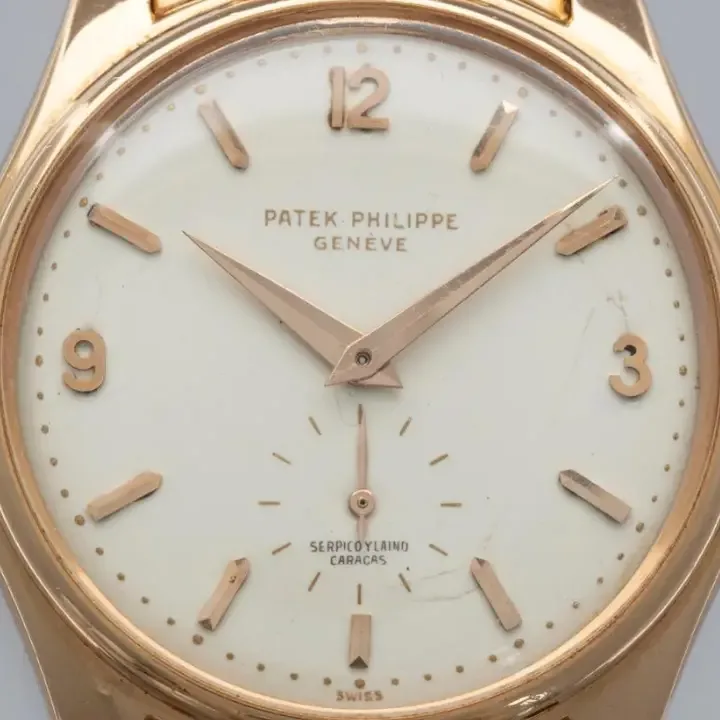
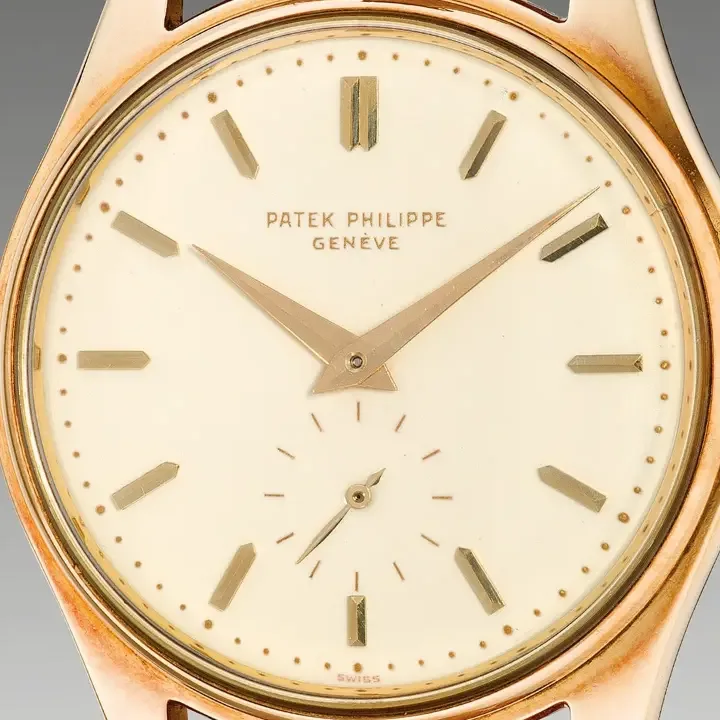

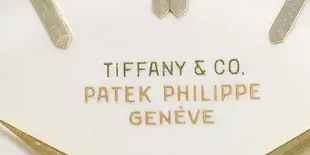
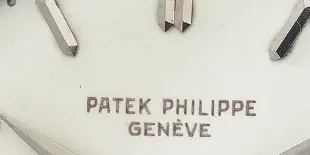
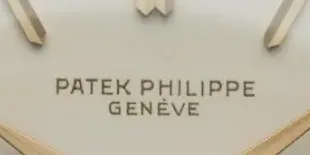
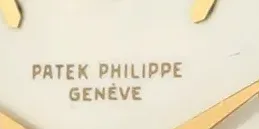

































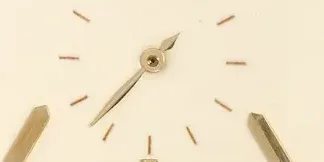






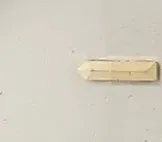

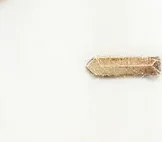
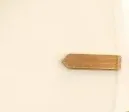
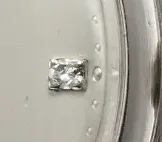







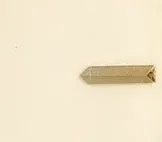
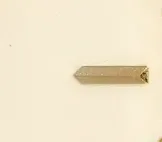
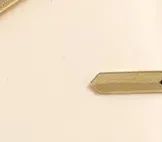
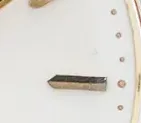



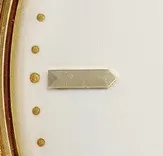




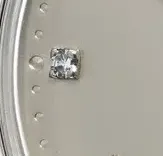
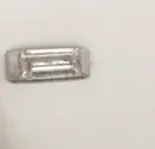
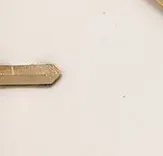
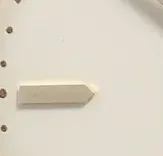
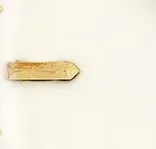



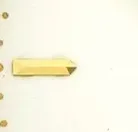
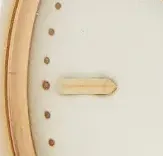
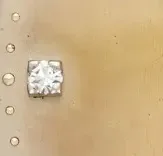
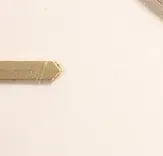


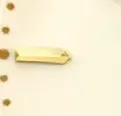

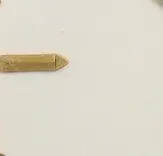


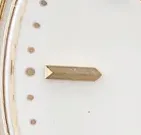

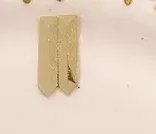
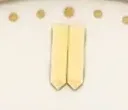

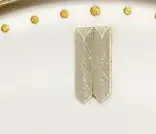
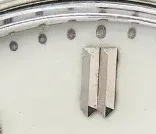
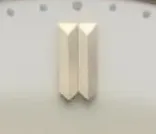


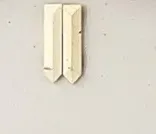
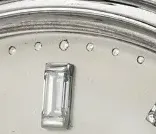
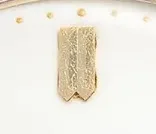
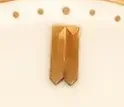

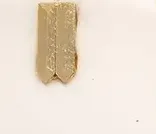
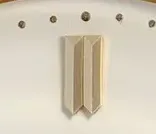
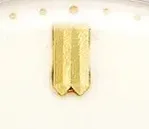
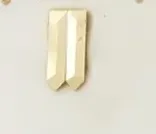
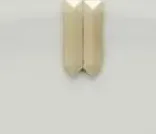
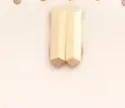
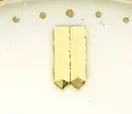



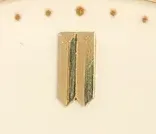

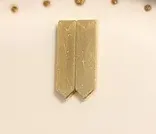


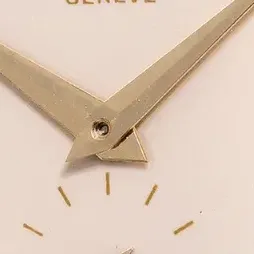
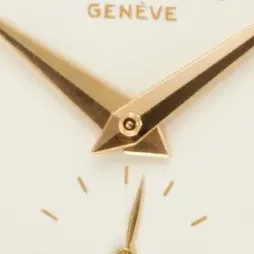

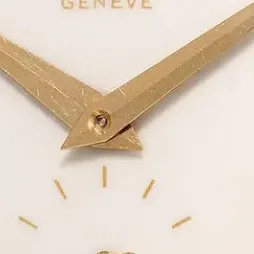
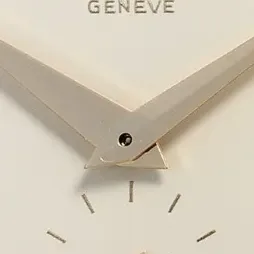
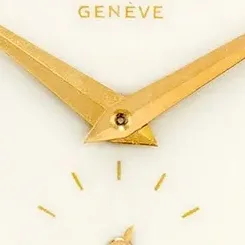
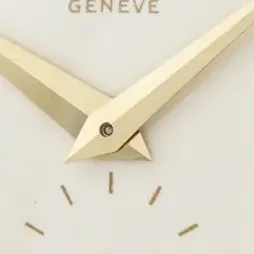



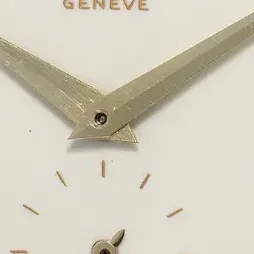
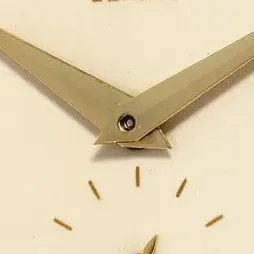
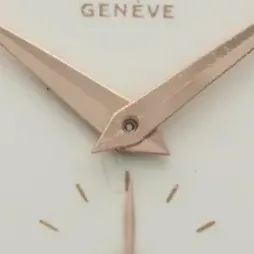
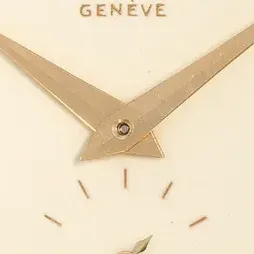




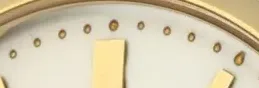
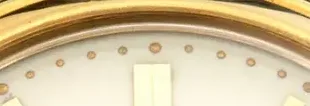


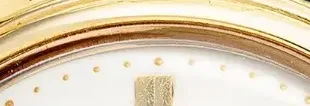
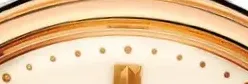


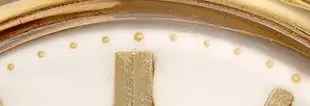
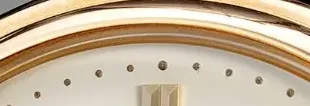
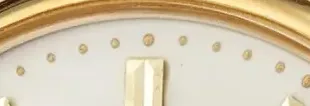







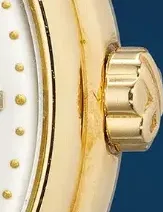
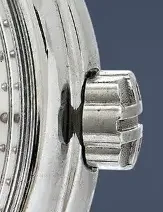
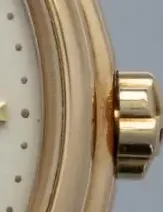
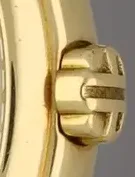
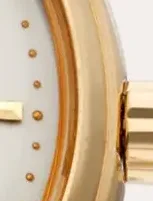
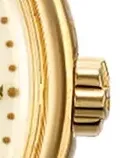
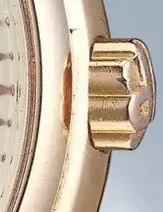
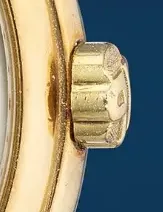
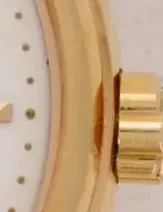
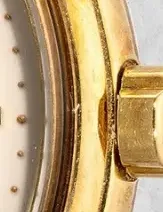
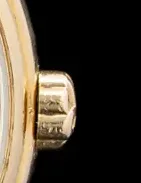














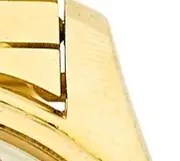


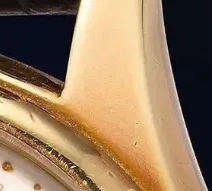
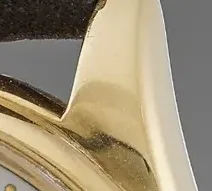
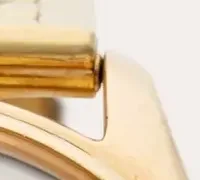





Chronology
The reference was unveiled in 1953 and made until 1960; one account ends it in 1959, and one catalogued watch is described as made in 1952.
Every dated variant: what is written, and what the records show
For the reference the marks are every dated watch; for a variant, the watches a seller names as that variant, so a variant sellers do not name has none.
Specification
| Case | 35 to 36 mm round case, screw-down ten-sided case back (the back design is borrowed from the 1935 reference 438), water resistant; yellow, pink or white gold, or platinum; stepped or convex bezel with rounded edges, longish lugs |
| Dial | Double-baked enamel on a sterling silver disc, applied faceted 18 ct markers (pinned into the enamel on first-series dials, glued on later ones), small seconds at 6 o'clock |
| Hands | Gold dauphine hands |
| Movement | Automatic calibre 12''' 600 AT (12-600 AT), 30 jewels, Gyromax balance, bi-directional 18 ct gold rotor with engine-turned decoration, about 40 hours of power reserve; rated by the maker to within one second a day; stamped with the Geneva Seal. The last watches, of about 1960, have calibre 27-460 |
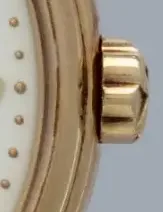
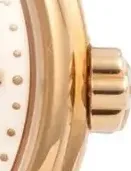
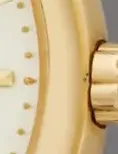
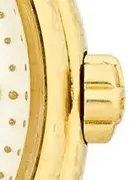
| Crown | 18 ct crown with two opposing, mirrored Ps cut in relief |
| Bracelet | Sold on a strap or on one of the bracelets listed in period literature (see bracelet types below) |
| Water resistance | Screw-down back; the maker called the watch a Self-winding Watch |
Dial 14 described
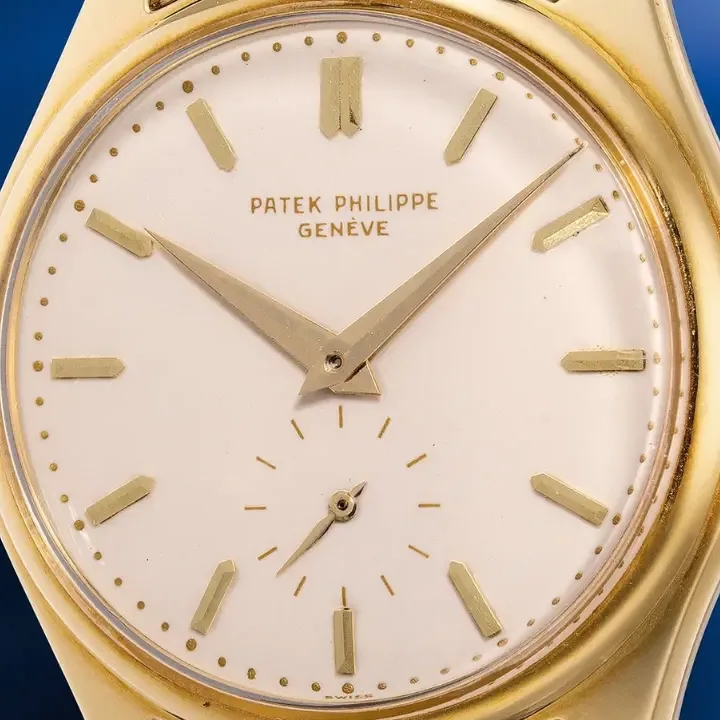
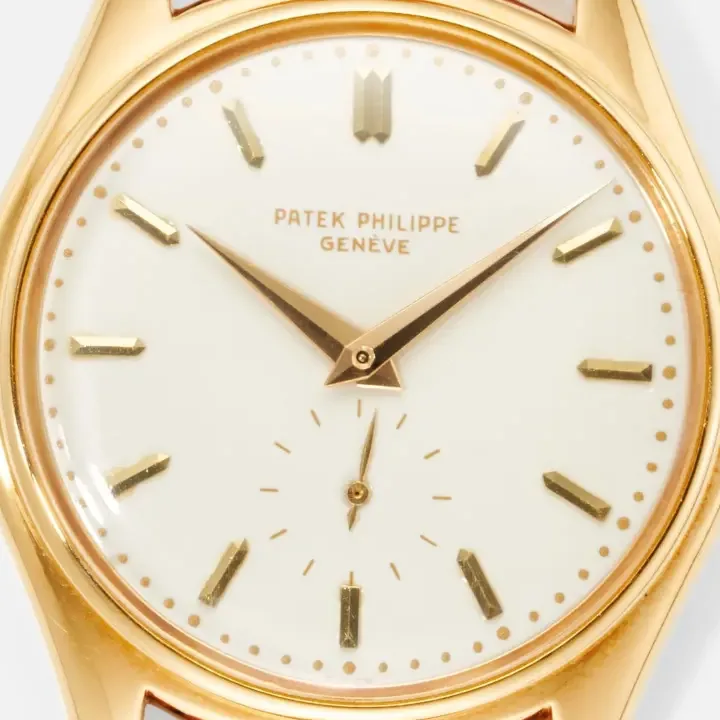
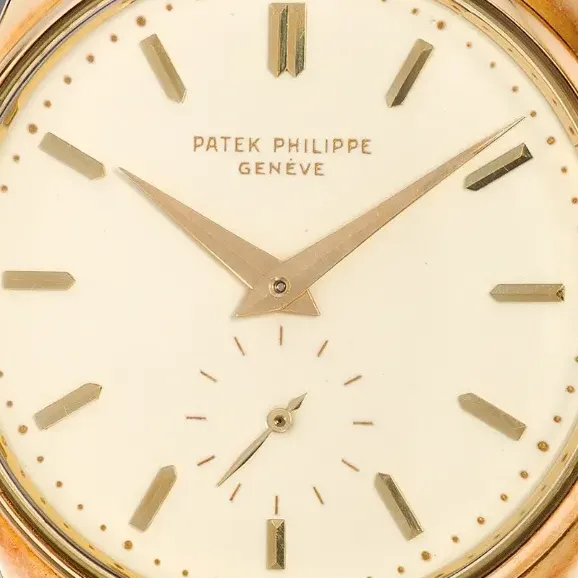
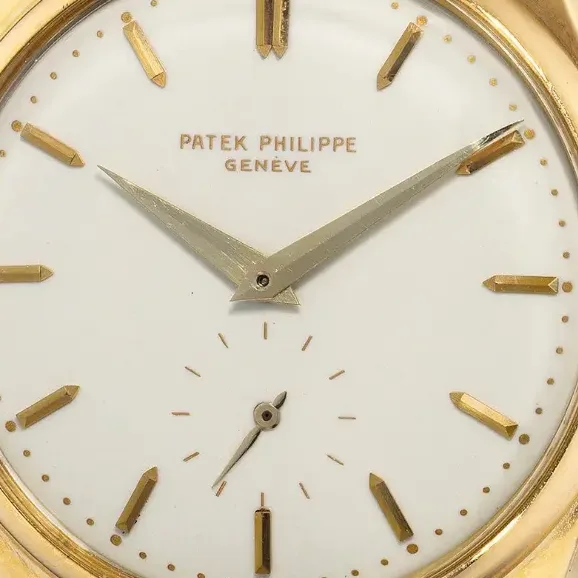
The enamel dial is the defining feature and the main risk. It was baked twice on a silver disc and has a creamy tone different from modern enamel. First-series dials have pinned markers; later dials have glued markers. Retailer signatures, metals and dial colours vary widely.
First series, pinned markers
The applied markers are set into the enamel with pins, so small dimples show in the enamel below the top and bottom of each marker, and the dial shows small holes at the back where the markers are fixed. Seen at an angle, the markers sit in flared dimple points. The method proved awkward and was dropped for most of production, so all later dials have markers glued to a smooth enamel surface, probably to avoid piercing the enamel.
- dimples in the enamel around the markers
- flared points beside the marker pins
Cream or white enamel
The usual dial: a creamy, porcelain-like enamel, darker, richer in texture and creamier than modern replacements, which are whiter and more even. Original white enamel is said to have aged to a cream; a very bright white is a reason to ask questions about cleaning or replacement. White-gold watches mostly have silvered dials; an enamel dial in white gold is an exception.
- deep cream colour
- porcelain lustre
Black enamel
Rare. Fewer than twenty black-dialled examples are said to have appeared at international auction, and only a few have archive extracts confirming a black dial as made. The surface of the 1950s double-fired black enamel is a little rougher than modern multi-fired enamel.
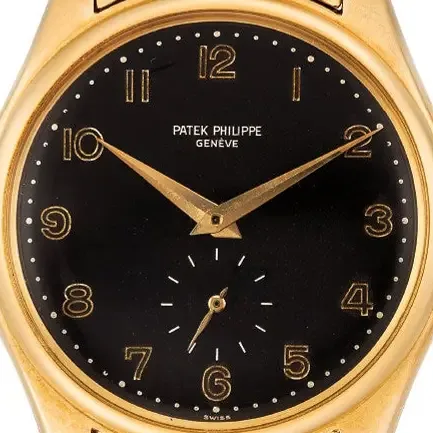
- glossy black enamel with gold printing
- gold dauphine hands and markers
Luminous dials and hands
Some watches have luminous hands and markers, among them a black-dialled watch for a Caracas retailer in 1954; cream and ivory enamel dials with luminous indexes and hands are also recorded.
- luminous markers and hands
Breguet numeral enamel dial
Breguet numerals stand in place of the usual baton markers. They were harder to make, as the holes for the numerals vary by type and the base must be drilled before enamelling and the gold numerals fitted afterwards. One example has an extract giving manufacture in 1956 and sale in 1958. Rarely seen.
- Breguet numerals
Pink engine-turned metal dial
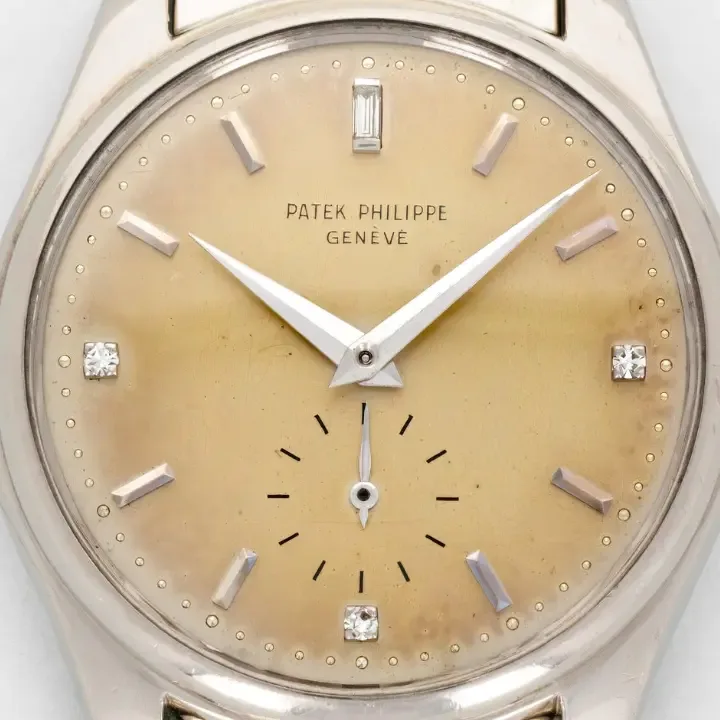
A few pink gold watches have a metal rather than an enamel dial, including a pink dial with engine turning and one described as unusual with a metal dial. Diamond-set versions also have a standard metal dial.
- pink or engine-turned metal dial
Arabic numeral dials
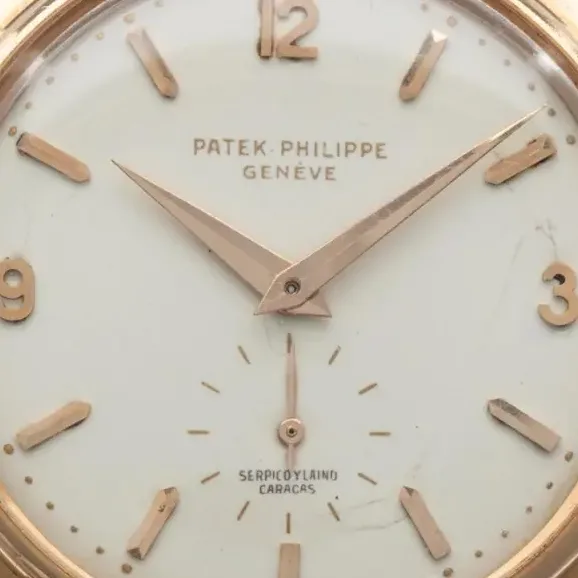
A few dials replace some or all of the baton markers with Arabic numerals. A pink gold watch of 1954 has a cream enamel dial with batons and Arabic 3, 9 and 12, and a yellow gold watch of 1953 has gilt Arabic numerals on a black lacquered dial, confirmed on its archive extract. Sellers also describe a pink gold watch retailed in Caracas with Arabic numerals at 12, 3 and 9.
- arabic numerals in place of some or all batons
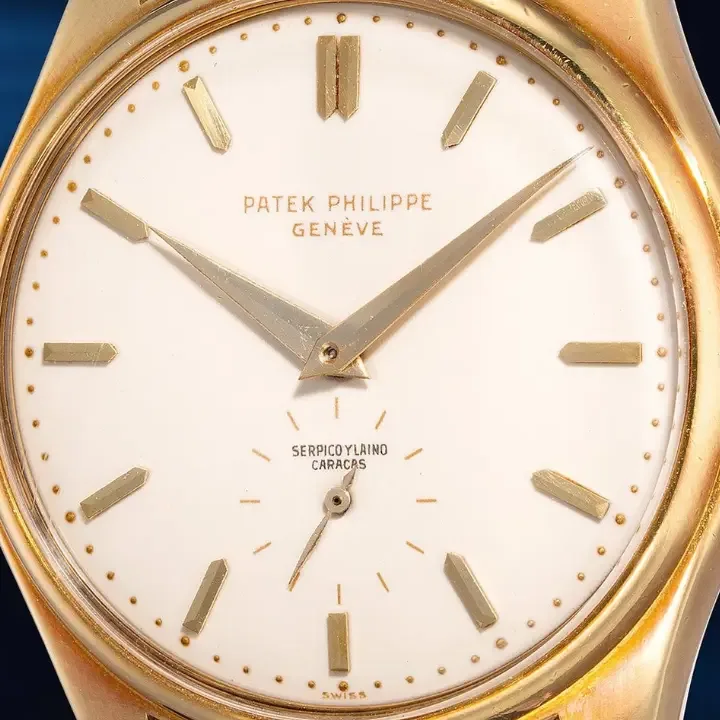
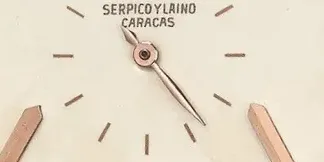
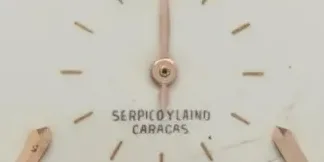
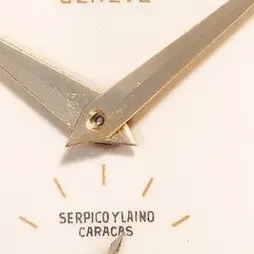
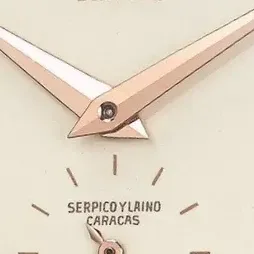
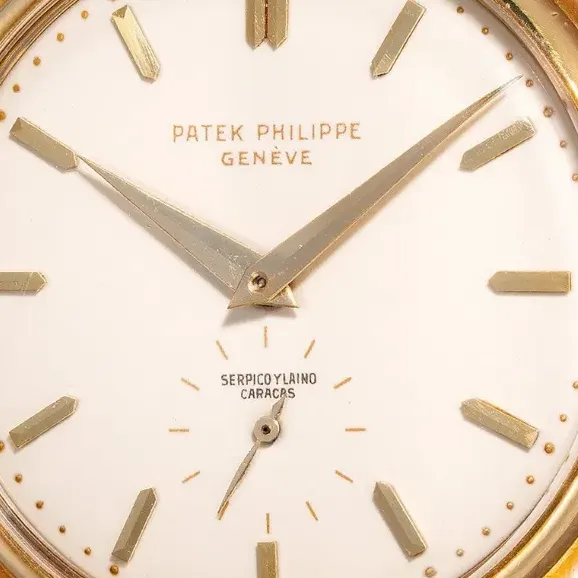
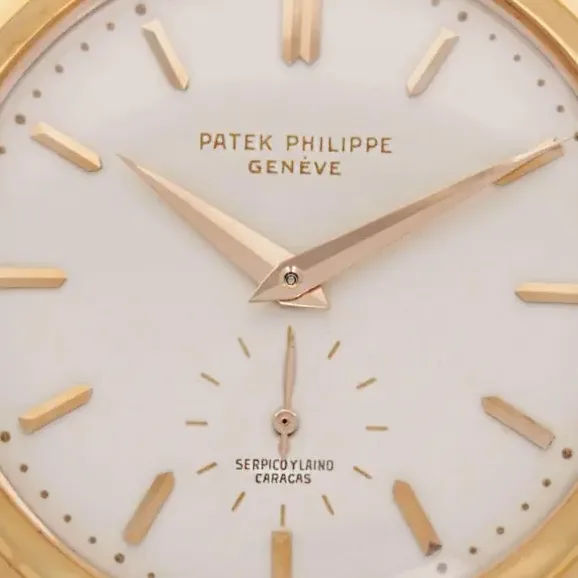
Serpico y Laino Caracas signature
A Caracas retailer signed the dial inside the small-seconds counter, in gold print laid over the enamel; the case back has an S&L and 18K stamp. An unsigned example survives with the retailer's name only on the case back. Original gold print is aged and sits on the surface.
- name in the seconds counter
- S&L stamp on the case back



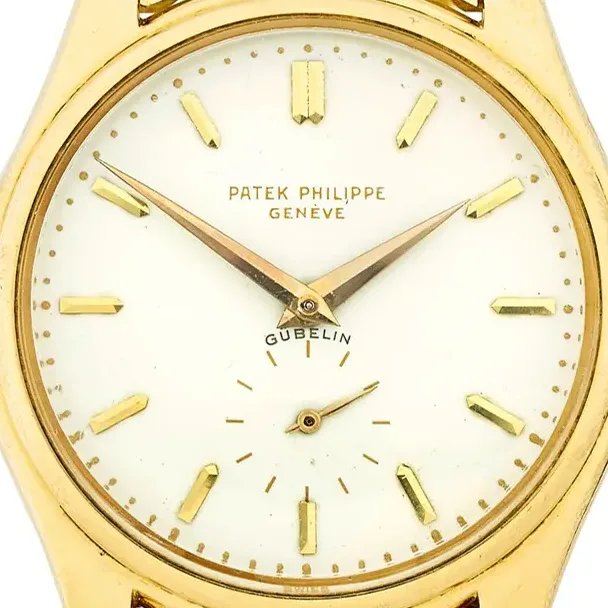
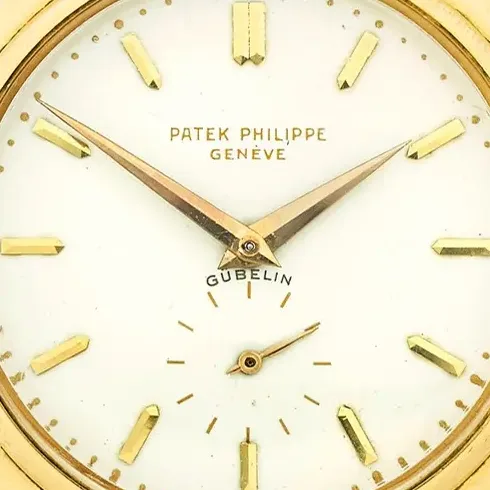
Gübelin signature
Dials signed Gübelin, a Lucerne retailer, appear on yellow gold watches. The library's records hold examples dated from 1954 to 1960.
- Gübelin name on dial

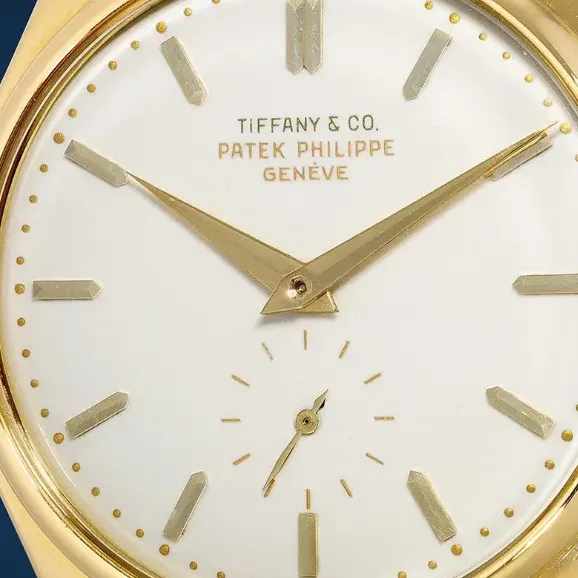
Tiffany & Co. 'Golden Rule' dial
Dials made for Tiffany & Co. watches commissioned by Lyndon B. Johnson, then a US senator and later president, and called the Golden Rule dial; some were given as gifts, one of them to a senator. They carry the retailer's signature and some are on Tiffany bracelets. A Tiffany inventory number is engraved under a lug on one. Watches with this dial are dated from 1952 to about 1956 in the sales recorded; those are the years of the watches so described, not a span of production.
- Tiffany signature
- inventory number engraved under a lug
Gobbi Milano signature
A black enamel dial signed Patek Philippe and Gobbi Milano between the centre and the seconds counter, sold in Milan in June 1955. Only two black-dialled watches signed by this retailer are known; one has an extract certifying the black dial as original.
- gold retailer name between centre and seconds counter
Other retailers
Dials or bracelets also name Hausmann & Co. The watches so described are dated 1954 and 1956; those are the years of the watches, not a span of production.
'Double Swiss' dial
Sellers call some first-series enamel dials, black and yellow gold ones among them, 'double Swiss'. The literature does not explain the term.
Replacement enamel dials
Modern replacement dials, made at the request of owners, exist in white and cream (not black), and some are supplied with the retailer's name. The originals are on a silver base and the replacements usually on copper, they are less creamy, and the Patek Philippe Genève lettering is a little thinner and more elongated on the original. The back of an original disc has a serial number stamped on it. A first-series dial is easy to tell by its dimples, but a genuine second-series dial is harder to tell from a modern one.
- silver disc with a serial number stamped at the back
- fine, elongated lettering
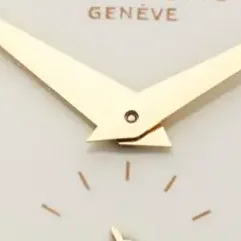
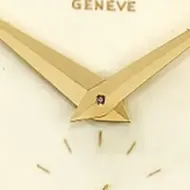
Hands 1 described
Dauphine hands in gold throughout.
Gold dauphine hands
Crisp gold dauphine hands on the enamel dials.
- gold dauphine hands
Subregisters 1 described
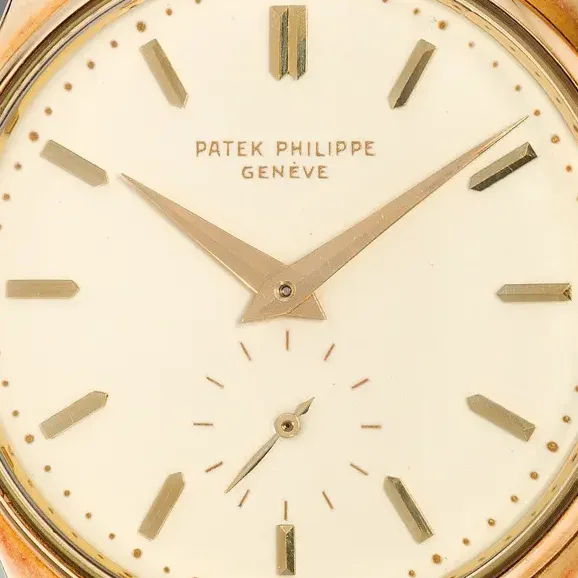
A single small-seconds counter at six.
Small seconds at 6
Minimal seconds markings with a ringed minute track; in cleaned dials, ovals can replace the circles and the signature loses its edges.
- seconds counter at 6




Bezel 1 described
A slim bezel on a simple round case.
Stepped or convex bezel
Described as stepped in one account and as convex with rounded edges in another; slim, giving the watch a larger look on the wrist than its size suggests.
Case 3 described
A simple round case with long lugs and a ten-sided screw-down back. The literature gives 35 mm in some places and 36 in others.
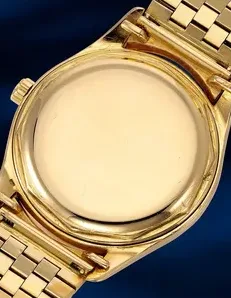
Ten-sided screw-down case back
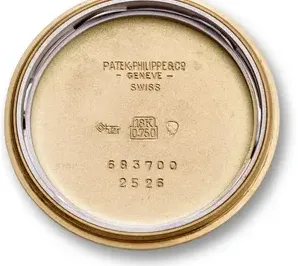
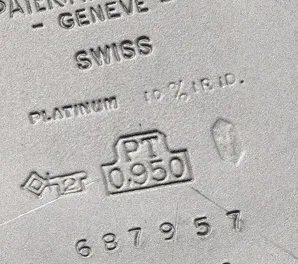
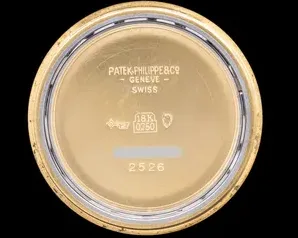
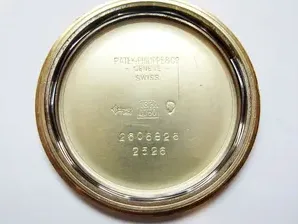
The polygonal back screws down for water resistance. Movement numbers of the 12-600 AT watches run from 760,000 to about 767,000; the last watches, of about 1960, have 27-460 movements with seven-digit numbers from 1,100,000. Case numbers begin in the 674,000s, and later watches have seven-digit case numbers from 2,600,000.
- ten-sided back
- hallmarks on back and lugs
Metals
Mostly yellow gold; also pink gold, and white gold and platinum in small numbers, with at least one platinum and diamond-set watch. Pink gold is rarer than yellow; white gold and platinum are the most sought. A few diamond-set versions are recorded.
- 18k or 750 stamps
Service marks
Some watches carry a service-centre sticker on the case back, or a replacement service crown.
Crown 1 described
The crown is the reference's most distinctive small detail.
Opposing P crown
An 18 ct crown with two Ps cut in relief, mirrored. It was first used on this reference, and by the early 1960s it was out of production in favour of the Calatrava cross. A story that it stylises the infinity sign for a watch that never needs hand winding is thought logical but unproven; another view that it marks a waterproof case is dismissed because the same crown appears on snap-back automatics such as the 2584 and 3448. The matching mark is on the outer clasp of the Type A to K bracelets.
- mirrored PP in relief
Movement 2 described
Calibre 12-600 AT is Patek Philippe's first automatic movement, brought out soon after the Rolex patent on the full-rotor mechanism lapsed.
Calibre 12''' 600 AT
A 12-ligne, 30-jewel movement with a large bi-directional 18 ct gold rotor whose guilloche decoration is probably the first decorated rotor ever made, and the Gyromax balance. Brochures promised a variation of no more than one second a day, and the movement carries the Geneva Seal. The rotor is signed Patek Philippe Genève with the brand initials and the gold mark.
- guilloche rotor
- Geneva Seal stamp
Calibre 27-460 (last series)
numbers from 1,100,000
The last 2526s, of about 1960, have the second-generation automatic calibre 27-460, with a flat screw-down back and a slightly different signature on the enamel dial. Apart from the reference number they are the same as the 3428 that followed.
- calibre 27-460
- seven-digit movement number from 1,100,000
Bracelet 6 described
Period literature names lettered bracelet types, with the mirrored P on the outer clasp, made by Gay Frères and Ponti Gennari for Patek Philippe. A bracelet noted on the archive extract, or a watch sold without a strap, is a useful clue to originality.
Type C, Gay Frères herringbone
Herringbone design, stamped Patek Philippe.
- herringbone links
Type D, Gay Frères brick style
Brick-style links in two forms, one with alternating parquet-style inner links and one with all polished links; stamped Gay Frères and Patek Philippe.
- brick links
Type F, pink gold bracelet
A pink gold bracelet by Gay Frères, recorded on pink gold watches of 1957 and 1958.
Type G, Ponti Gennari lobster
A 'lobster' bracelet made by Ponti Gennari, stamped Patek Philippe.
- lobster-style links
Tiffany C+B bracelet
A Tiffany-retailed watch is recorded on a bracelet signed C+B.
Scallop and heavy gold bracelets
A scallop-pattern bracelet and a heavy pink gold bracelet are recorded on 1959 and 1956 watches.
Box and papers 1 described
Archive extracts are often mentioned.
Extract and papers
An Extract from the Archives gives date of manufacture and sale, the dial as made and sometimes the bracelet; the extract may say the watch was sold without a strap.
- extract from the archives
Originality
- Enamel dials crack and the cracks cannot be repaired; the likeliest cause is removal and refitting at service rather than wear, so the dial's condition and whether it is original must be checked.
- Replacement dials in white and cream exist; compare colour, lettering and the back of the disc.
- Cleaning with friction lightens the signature, thins its edges and turns the minute-track circles into ovals.
- Service crowns replace the original mirrored-P crown on some watches.
- A bracelet that is stamped with the correct period maker and the right clasp marks matters, and the extract may say which was sold.
- Case hallmarks soften with polishing.
Names
- Golden Rule. The name given to the Tiffany & Co. dial commissioned by Lyndon B. Johnson in the 1950s, when he was a US senator.
- Double Swiss. A seller's term for some first-series dials; the literature does not say what it refers to.
Where accounts differ
Points on which the published literature and the library's own records do not agree, or on which the literature contradicts itself.
- Case size. Auction houses and several writers give the diameter as 35 mm; other writers give 36 mm and one 35.5 mm. The library's listings give 36 mm for most of those stating a size and 35 mm for about a quarter.
- First automatic Patek. The 2526 is named Patek Philippe's first automatic wristwatch, though one guide says the 2552 may hold that title.
- Dial fire count. The original enamel is said to have been fired twice, but one guide says no one knows what the double firing involved and estimates the thickness at 0.65 mm; another says it was fired only twice at the dial maker.
- Earliest watch. Published accounts give 1953 for the unveiling of the 2526. A Christie's catalogue describes a Tiffany-retailed Golden Rule watch, movement 760,012, as manufactured in 1952.
- Number made. Most published accounts put the total at fewer than 600, or between 500 and 600. Some auction catalogue texts in the library's records give about 2,500, with about 2,350 in yellow gold; others give about 580, of which 480 yellow gold, 50 pink, 30 white and 20 platinum.
Back and movement
From listings of this reference, each confirmed by eye to show what it is filed under. A picture on which a person's name or a personal engraving can be read is not shown. From most holders a detail from the middle of the photograph is shown; the mark in its corner gives its holder and a link to the listing.
Caseback

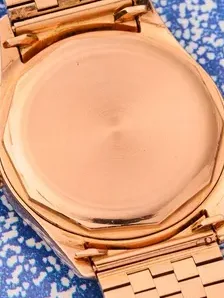

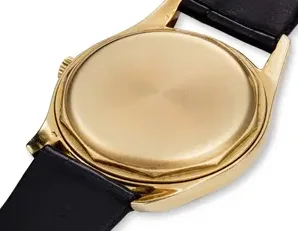

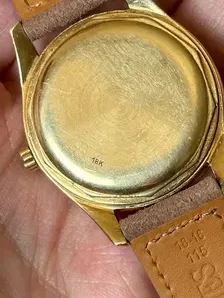

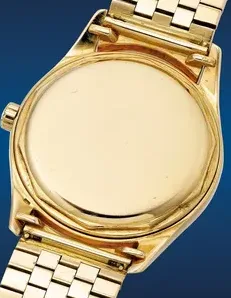

Inside the caseback




Movement
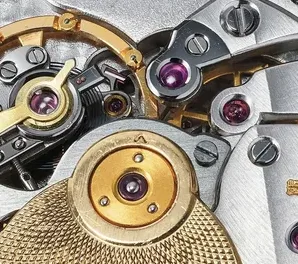

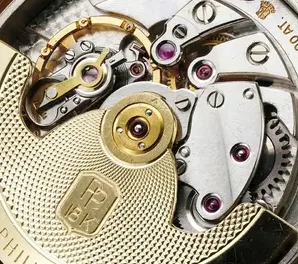

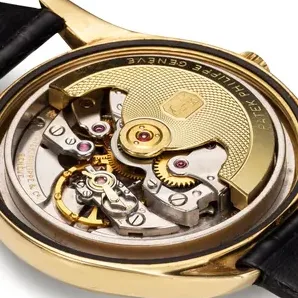

Catalogue versions 2 listed
The full numbers under which holders list this reference, with what their listings say of each. Each has a page of its own.
| Version | Metal | Dial | Years seen | Records |
|---|---|---|---|---|
| 2526J | Yellow gold | Cream or white | 1953–1956 | 6 |
| 2526R thin | Pink gold | White | 1958 | 1 |
In the records
Counted from 191 listings at 18 holders between 12 October 2006 and 14 November 2026. These are what sellers and auction houses state, not measurements.
Fainter bars are the 10 outside the main run of 1953–1958 (the middle nine-tenths): the earliest is 1950 and the latest 1960. They are early and late examples, and now and then a seller's slip. The head of the page gives 1952–1960: the years that listings from two holders bear out.
Case metal
| Gold, any colour | 171 | |
| Yellow | 63 | |
| Pink | 37 | |
| White | 9 | |
| Colour not stated | 62 | |
| Platinum | 7 | |
| Steel | 1 |
A listing that says "gold" or "18K gold" names no colour: it is counted under "colour not stated", not as yellow gold.
Dial colour
| Cream | 13 | |
| White | 12 | |
| Black | 6 | |
| Silver | 5 | |
| Gold | 5 | |
| Pink | 2 |
Case size
| 36 mm | 79 | |
| 35 mm | 30 | |
| 30 mm | 2 |
Calibre named
| 12-600 | 94 | |
| 12-600AT | 20 | |
| 27-460 | 3 |
Bracelet or strap
| Metal bracelet, kind not stated | 48 | |
| Leather strap | 44 | |
| Strap, kind not stated | 2 | |
| Fabric strap | 1 |
Each table counts the listings that state the thing, in the seller's own terms. A size, metal, colour or calibre that cannot belong to this reference is a seller's slip or a listing filed under the wrong number.