Chronomat
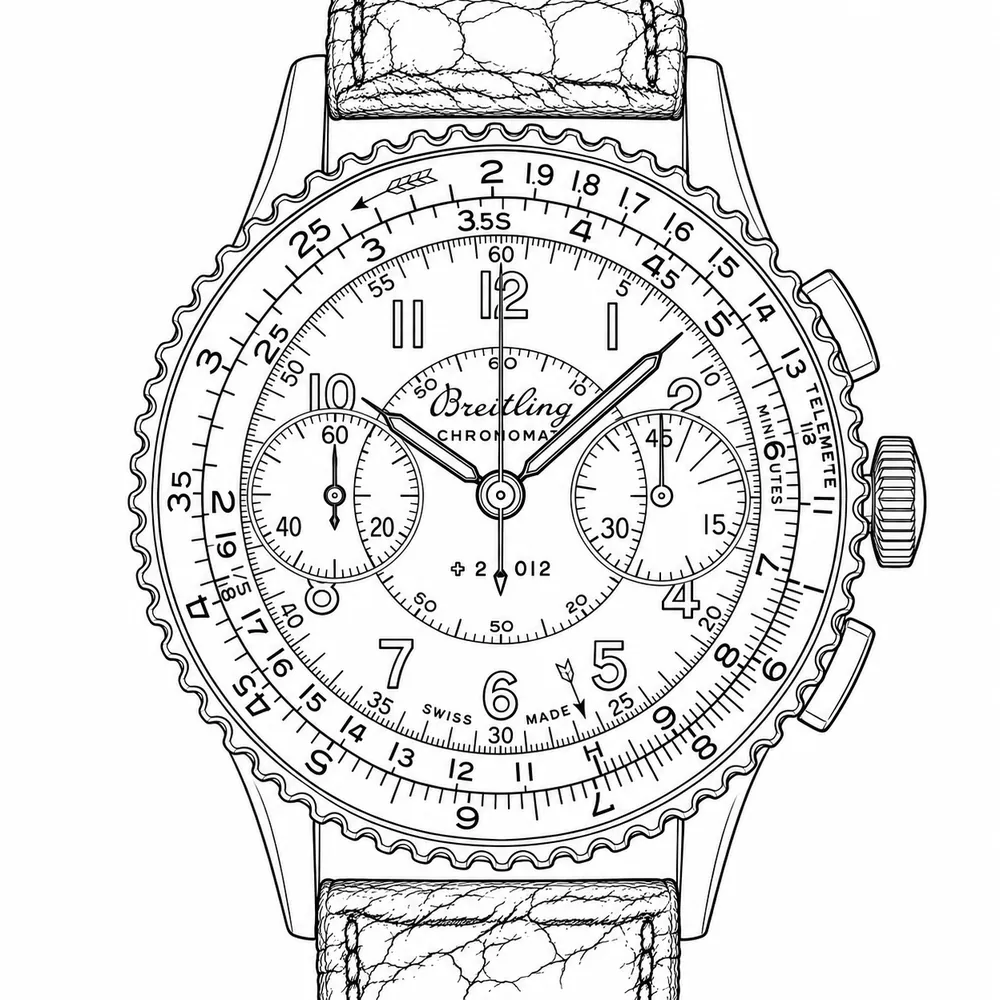
The 769 is an early Chronomat, a two-register hand-wound chronograph with a rotating slide rule, from the 1940s. The Chronomat name was formed from chronograph for mathematicians and the model dates from 1941 or 1942. The 769 has a 36 mm case with sharp lugs and rectangular pushers and a Venus 175 movement; the example described in the literature has syringe hands. The patent is printed on the dial, and the name is set tightly under the Breitling logo, which separates it from the later 808. Little else is dated in the literature.
- Made
- from 1942dates approximate
- Seen in the library
- 1943–1960by years sellers state
- Case
- 36 mm · steel (48%), gold (43%)as sellers state
- Movement
- Calibre 175hand-wound
- On record
- 44 listings85 photographs · 17 holders
Components
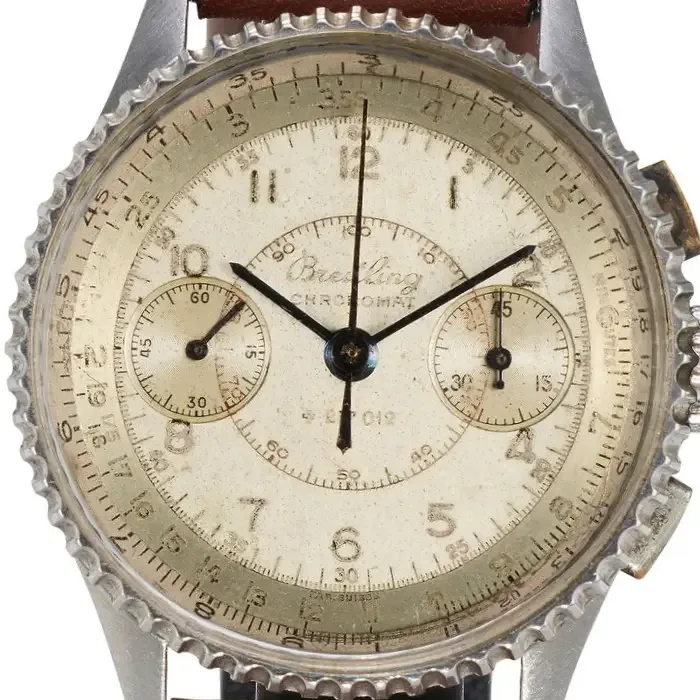
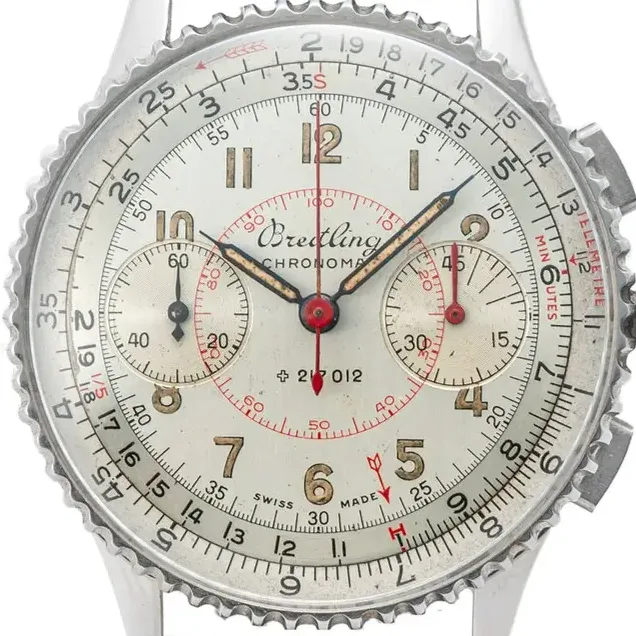
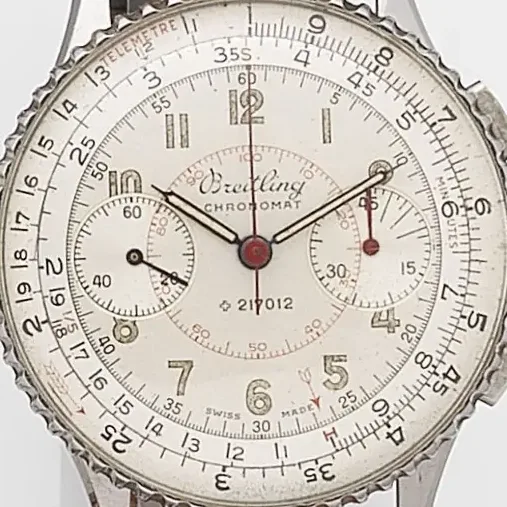
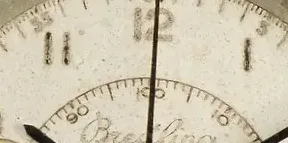
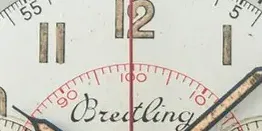
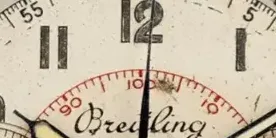
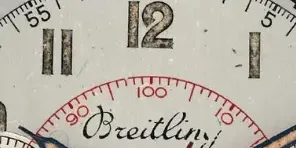
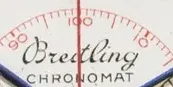
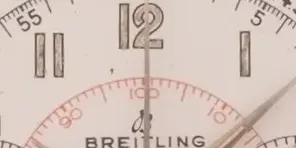
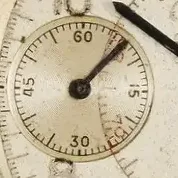
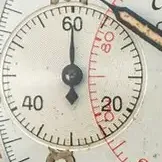
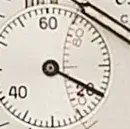
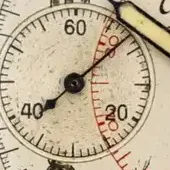
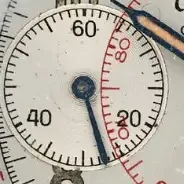
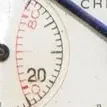
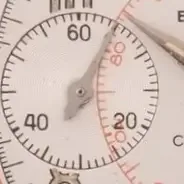
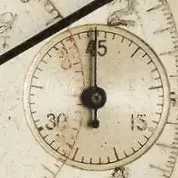
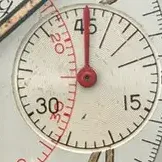
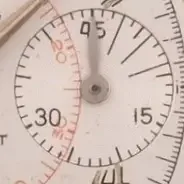
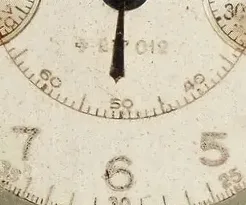
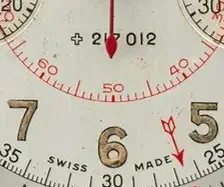
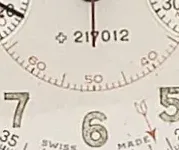
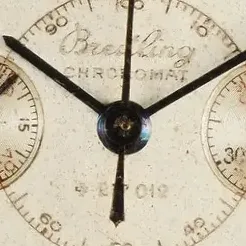
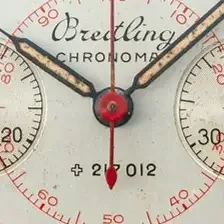
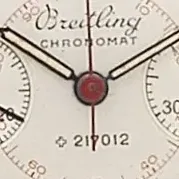
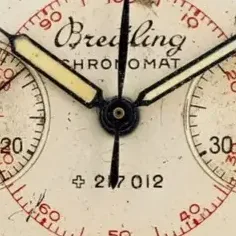
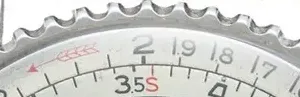
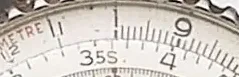
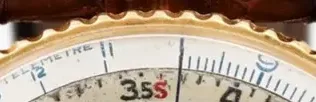
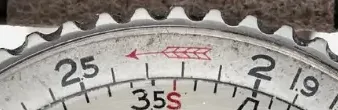
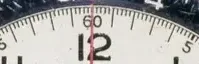
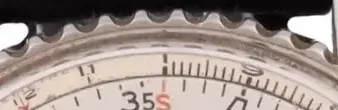
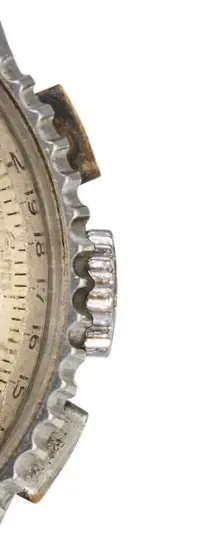
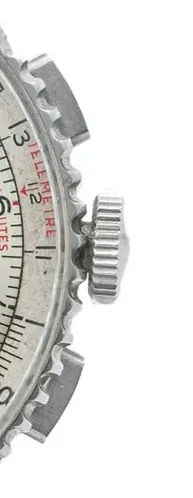
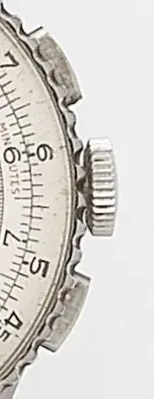
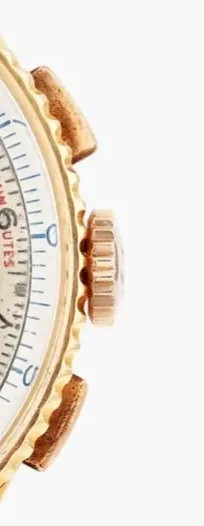
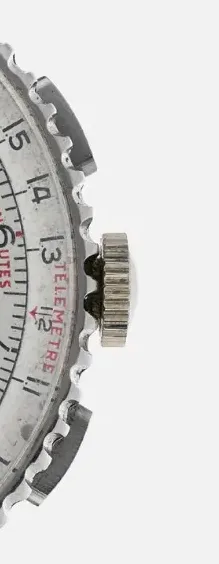
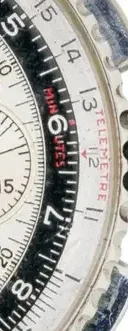
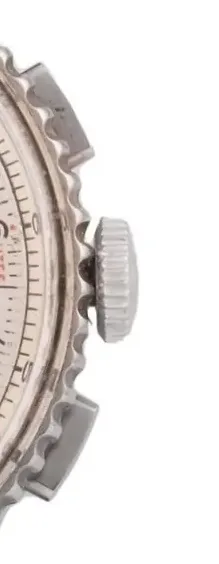
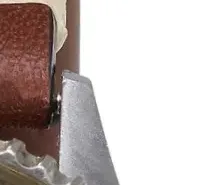
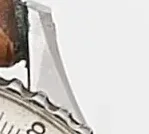
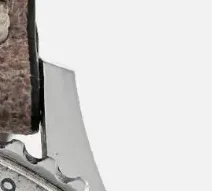
7 watches, oldest first, each straightened and cut the same way so that one row shows one component across them all. Chosen from 85 photographs on file for sharpness and for a face typical of the reference. A year marked c. is one its holder gives only roughly. Each picture is a detail cut from a listing photograph. Select the small mark in its corner for its year, its holder, a link to the listing it came from, and a way to report it.
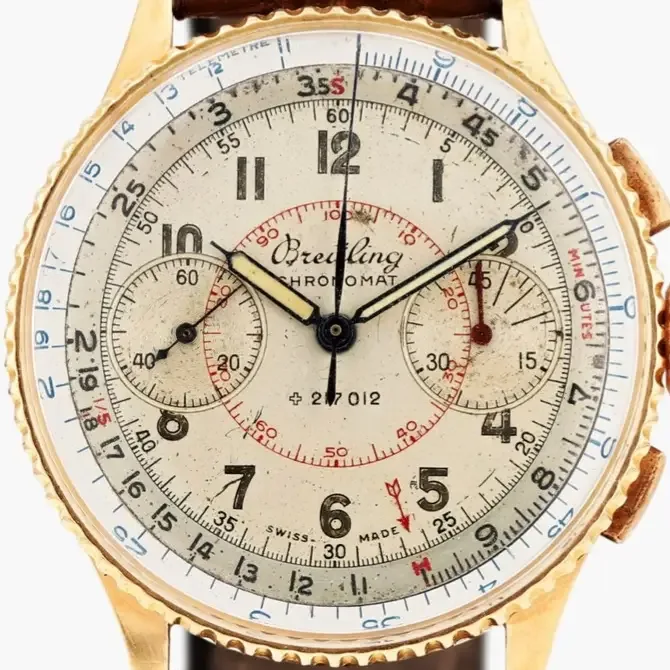
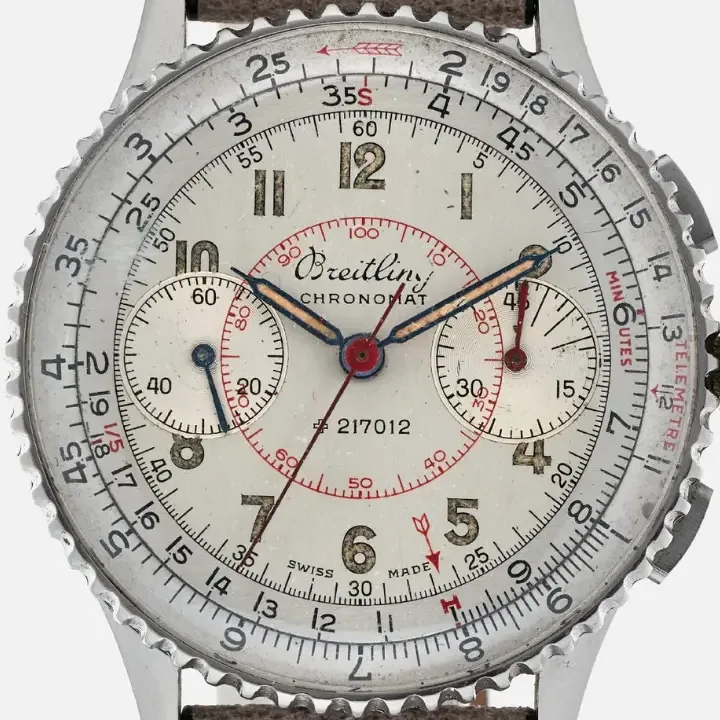
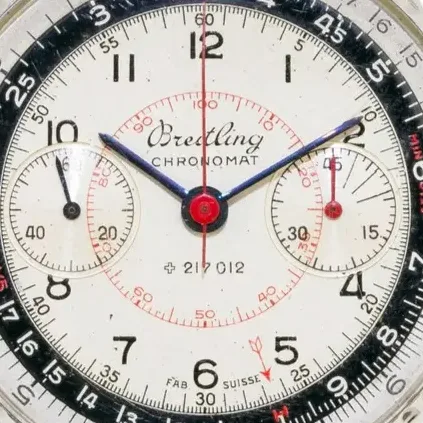
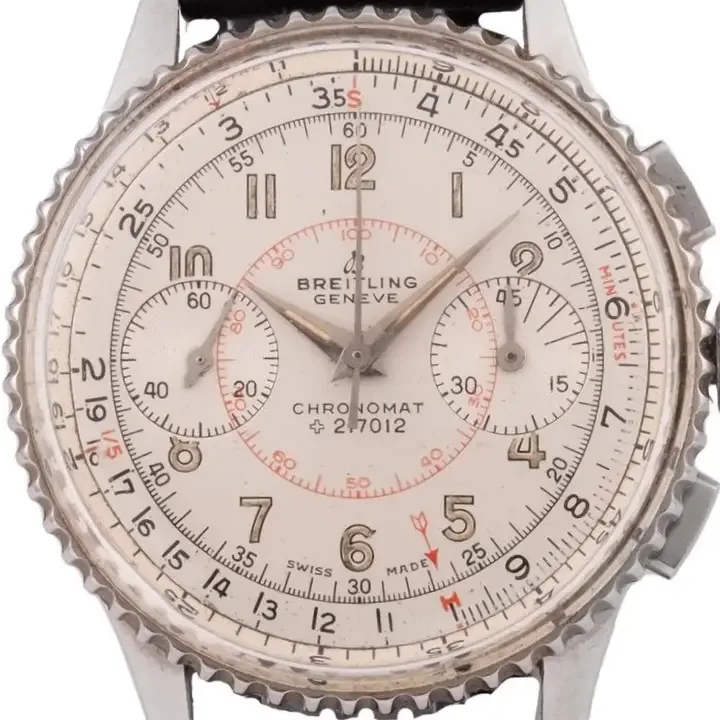
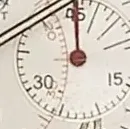
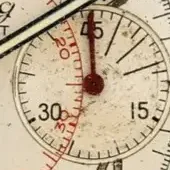
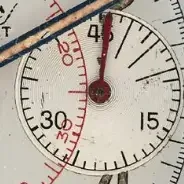
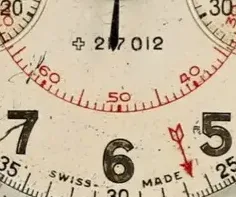
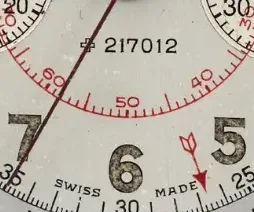
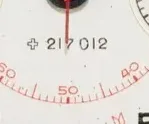
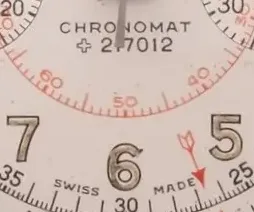




Chronology
The literature puts the birth of the Chronomat at 1941 or 1942, and the Venus 175 that powers the 769 dates from 1942; one 769 is dated 1946. No end of production is given.
Specification
| Case | 36 mm, sharp lugs, rectangular pushers; steel, gold-laminated or gold |
| Dial | Rotating slide rule with four scales and tracks; patent printed on the dial; syringe hands on the example described in the literature, and sellers also describe baton and lance hands |
| Movement | Venus 175, hand-wound, 14 ligne, column wheel, two-register |
| Strap | Leather |
Dial 2 described
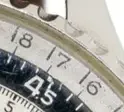
The dial is clean and uncrowded for the number of scales it carries. Patent and name positions distinguish it from the 808.
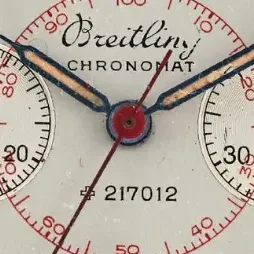
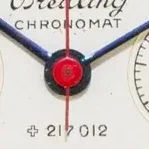
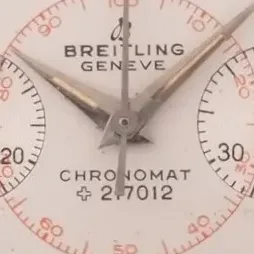
Patent on dial, Chronomat under logo
The patent cross and number are printed on the dial, and the Chronomat name sits tightly under the Breitling logo. The later 808 moved the patent number to the case back and the name above 6 o'clock. Four scales and tracks are combined on the dial.
- patent cross printed on dial
- Chronomat close under the logo
Two-tone and gilt dials
Sellers describe two-tone dials, and a gloss black non-luminous gilt dial, with silver, black and champagne among the colours stated. These are loose labels and carry no dates.
- two-tone dial
- non-luminous gilt dial
Hands 1 described
The example described has syringe hands, whose lume should be untouched; sellers also describe pointed baton and lance hands.
Syringe hands
Syringe hands with original lume mark a watch of the period. A clean dial with them is hard to find.
- syringe hands with original lume
Bezel 1 described
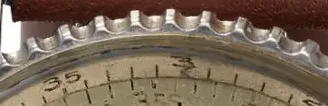
A rotating slide rule bezel.
Rotating slide rule
The slide rule turns easily and may feel loose; it is not a locking diver's bezel and is read by hand. It carries the 1940 patented logarithmic design.
- loose-turning slide rule
Case 1 described
A 36 mm case that looks bigger than it is.
36 mm case
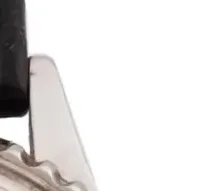
The 36 mm case has sharp lugs and rectangular pushers. If unpolished the edges remain sharp. Sellers describe steel, gold-laminated and gold cases, in pink and yellow gold.
- sharp lugs
- rectangular pushers
Crown and pushers 1 described
The crown may be unsigned.
Unsigned crown
An unsigned crown can be original, as on the example described in the literature, so it does not call for replacement. Sellers also describe crowns signed with the Breitling logo.
- crown without Breitling logo
Movement 1 described
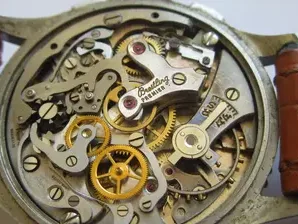
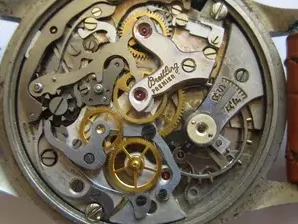
The Venus 175, a hand-wound two-register column wheel chronograph. A few listings name the calibre as 150, a smaller Venus calibre; the literature gives the 175.
Venus 175
A 14 ligne column wheel chronograph introduced in 1942, with the Venus five-pointed star mark. It is regarded as a high-grade movement, a little less smooth than some, and is the most common of the Venus column wheel calibres.
- Venus star on the movement
Box and papers 1 described
Some watches are offered with a Breitling box and the instruction booklet that explains the slide rule.
Original box and manual
Sellers describe some watches with a Breitling box, and some with the original instruction booklet, which shows how to multiply, divide and make other calculations on the slide rule.
- original box and instruction manual
Originality
- Hands with original lume and a clean dial are increasingly hard to find.
- An unsigned crown can be original.
Back and movement
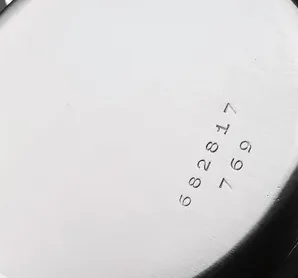
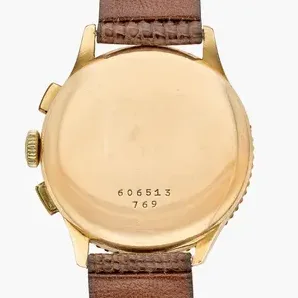
From listings of this reference, each confirmed by eye to show what it is filed under. A picture on which a person's name or a personal engraving can be read is not shown. From most holders a detail from the middle of the photograph is shown; the mark in its corner gives its holder and a link to the listing.
Caseback


Movement


In the records
Counted from 44 listings at 17 holders between 12 April 2006 and 14 November 2026. These are what sellers and auction houses state, not measurements.
The head of the page gives 1943–1960: the years that listings from two holders bear out. Not on the scale: 1992 (1). A year more than ten from all the rest is usually a model name or a founding date, not the year of the watch.
Case metal
| Steel | 11 | |
| Gold, any colour | 10 | |
| Pink | 5 | |
| Colour not stated | 5 | |
| Gold plated, filled or capped | 1 | |
| Silver | 1 |
A listing that says "gold" or "18K gold" names no colour: it is counted under "colour not stated", not as yellow gold.
Dial colour
| Silver | 7 | |
| Champagne | 2 | |
| Black | 1 | |
| Gold | 1 |
Case size
| 36 mm | 21 | |
| 35 mm | 8 | |
| 37 mm | 2 |
Calibre named
| 150 | 3 | |
| 175 | 2 |
Bracelet or strap
| Leather strap | 10 | |
| Metal bracelet, kind not stated | 1 |
Each table counts the listings that state the thing, in the seller's own terms. A size, metal, colour or calibre that cannot belong to this reference is a seller's slip or a listing filed under the wrong number.